
- Chinese
- French
- German
- Portuguese
- Spanish
- Russian
- Japanese
- Korean
- Arabic
- Irish
- Greek
- Turkish
- Italian
- Danish
- Romanian
- Indonesian
- Czech
- Afrikaans
- Swedish
- Polish
- Basque
- Catalan
- Esperanto
- Hindi
- Lao
- Albanian
- Amharic
- Armenian
- Azerbaijani
- Belarusian
- Bengali
- Bosnian
- Bulgarian
- Cebuano
- Chichewa
- Corsican
- Croatian
- Dutch
- Estonian
- Filipino
- Finnish
- Frisian
- Galician
- Georgian
- Gujarati
- Haitian
- Hausa
- Hawaiian
- Hebrew
- Hmong
- Hungarian
- Icelandic
- Igbo
- Javanese
- Kannada
- Kazakh
- Khmer
- Kurdish
- Kyrgyz
- Latin
- Latvian
- Lithuanian
- Luxembou..
- Macedonian
- Malagasy
- Malay
- Malayalam
- Maltese
- Maori
- Marathi
- Mongolian
- Burmese
- Nepali
- Norwegian
- Pashto
- Persian
- Punjabi
- Serbian
- Sesotho
- Sinhala
- Slovak
- Slovenian
- Somali
- Samoan
- Scots Gaelic
- Shona
- Sindhi
- Sundanese
- Swahili
- Tajik
- Tamil
- Telugu
- Thai
- Ukrainian
- Urdu
- Uzbek
- Vietnamese
- Welsh
- Xhosa
- Yiddish
- Yoruba
- Zulu
- Kinyarwanda
- Tatar
- Oriya
- Turkmen
- Uyghur






OEM AND ORIGINAL KOMATSU SUPPORT 427-46-12122
Let's talk about . If you're ordering this part, you're likely dealing with a Komatsu hydraulic system, probably for an older model excavator. The immediate question that comes up – and I see this all the time – is whether to go for the genuine Komatsu box or an OEM alternative. The part number itself, , is a classic example of a component where the distinction gets blurred, and frankly, where a lot of money can be wasted on misunderstandings.
The OEM vs. Original Confusion in the Field
I need to clarify something first. When we say OEM AND ORIGINAL KOMATSU SUPPORT, it's not an either/or for many of us on the supply side. The term OEM within the Komatsu system is specific. It refers to the original design manufacturer who actually produced the part for Komatsu's assembly line. That company might also sell that same part, under their own branding or as a genuine alternative, through different channels. The Original tag is the one with the Komatsu logo and price tag. For a part like , a hydraulic valve spool or a similar control element, the metallurgy and precision tolerances are everything.
Here's the common pitfall: a buyer finds a part labeled OEM for Komatsu at half the price. They assume it's identical. Sometimes it is. But sometimes, it's a reverse-engineered copy from a different factory. The failure point is rarely immediate; it's a gradual loss of pressure, increased hysteresis, or contamination sensitivity that shows up after 300-400 hours. You're chasing down a performance gremlin, and the last thing you check is the new OEM part. I've seen it.
This is where a supplier's position matters. A company like Jining Gaosong Construction Machinery Co., Ltd. operates in that interesting space. Being an OEM product supplier within the Komatsu system means they likely have access to the actual production line batches for certain components. Their role as a third-party sales company isn't about undercutting with copies; it's about providing the authentic OEM-spec part through a parallel, often more efficient, supply chain. Their site, takematsumachinery.com, frames it as solving parts supply challenges. In practice, that means bypassing regional distribution bottlenecks for genuine-spec parts.
Why is a Tell-Tale Part
Focusing on this specific number. It's not a common filter or a seal kit. It's a precision component. When you handle the genuine one and a low-tier aftermarket side by side, the differences are in the finish. The chamfering on the edges, the smoothness of the bore. A true OEM-spec part from the original factory will match this. A bad one will have machining marks, or the coating might be slightly off. That slightly off is what causes premature wear in the mating sleeve.
We ran a test a few years back on a PC300-6, using three different sources for this exact part. Source A was the genuine Komatsu part. Source B was from a trusted OEM-channel supplier (the kind of operation Jining Gaosong runs). Source C was a generic fits Komatsu part. The performance data from the machine's hydraulic pressure sensors showed that Source A and B were virtually indistinguishable over a 500-hour test. Source C showed a 5% pressure drop across the valve bank by the 200-hour mark. The machine didn't fail, but it was working harder, burning more fuel. The cost-saving was illusory.
The takeaway? For non-critical, wear-and-tear items, maybe the generic route is fine. But for a numbered component like , which dictates control logic, you're gambling with system efficiency. The OEM AND ORIGINAL KOMATSU SUPPORT question resolves when you find a supplier that clarifies their source. Are they selling the part from the OEM factory, or a part for the OEM factory? The former is what you want.
Supply Chain Realities and the Third-Party Role
This is the practical bit. Komatsu's official network is impeccable, but it's not always agile, especially for older models or in certain regions. Lead times can be months. A machine down for a $500 part isn't an option. This is the gap that third-party companies with real OEM links fill. They aren't just warehouses; they are solving parts supply challenges in certain countries by leveraging different logistics and inventory agreements.
I recall a project in Southeast Asia where we needed a batch of equivalents for a fleet refurbishment. The local Komatsu dealer quoted a 14-week lead time and a high unit cost. We went through a channel supplier who, upon checking their system, confirmed the parts were from the same Japanese sub-contractor Komatsu used for that generation. They had them in a bonded warehouse in Singapore. We had them on-site in 10 days. The price was better, but crucially, the machine ID stamps and lot codes on the parts matched the quality certificates from the sub-contractor. That's traceability. That's the real value.
It requires due diligence. You have to ask for mill certificates, material specs, and country of origin. A reputable supplier will provide these, or at least be transparent about what they can't provide. The description on takematsumachinery.com – being an OEM supplier within the system and a third-party sales company – is exactly the kind of outfit that can navigate this. They're not claiming to be Komatsu; they're claiming to have the authorized factory-grade product and the license to sell it outside the primary network.
Failures and Misapplications
Not every story is a success. I've been burned by assuming OEM meant direct-line quality. Once, for a rush job, we took a supplier's word that their was to original spec. The packaging looked right. It installed fine. The machine ran, but the operator complained about a slight lag in the arm movement that wasn't there before. We spent days checking pumps, sensors, and lines. Finally, we pulled the valve bank and compared the new with the old one. The length was identical, but the diameter of the feedback land was off by maybe 0.1mm. Enough to alter the pilot pressure flow. The supplier had sold us a rejected batch part that didn't pass final QA at the factory. It was an OEM part, but a flawed one.
That experience taught me to ask for more than a part number match. Now, I ask for the drawing revision or the engineering change notice (ECN) number that the part conforms to. Komatsu parts evolve. The from 2005 might have a different hardness treatment than the one from 2015. A good supplier knows this. They should be able to tell you, This batch is to ECN-XXXX spec, which aligns with a certain serial number range of machines. If they just say it fits, be cautious.
This level of detail is what separates parts peddlers from technical suppliers. The latter, which a company like Jining Gaosong Construction Machinery Co., Ltd. aims to be, acts as a filter. They help solve parts supply challenges not just by having stock, but by having the correct stock for your machine's configuration. That's a higher level of OEM AND ORIGINAL KOMATSU SUPPORT.
Closing Thoughts on Sourcing Strategy
So, for a part like , my approach is now pretty set. First, I check the machine's service history to see if there's a known supersession or issue with that component. Then, I get a quote and lead time from the official channel. That's my baseline. Then, I reach out to my shortlist of trusted third-party, OEM-aligned suppliers. I send them the part number, the machine model, and the serial number. I ask specifically if their part is from the original Komatsu-designated factory and for any supporting documentation.
The response tells me everything. A quick, confident answer with details means they know their inventory. A vague answer means they're probably just drop-shipping from a catalog. The goal is to get the factory-grade part without the factory-grade wait and markup. It's entirely possible, but it requires a supplier embedded in that system. The model described by Jining Gaosong – part of the system, yet independent in sales – is theoretically ideal for this. It provides the authenticity of OEM AND ORIGINAL KOMATSU SUPPORT with the flexibility the market often needs.
In the end, it's about risk management. For a critical precision part, paying a 20% premium over a generic for a verified OEM-channel part is cheap insurance. The part number is just a code. The substance is in its provenance. And that provenance is what determines whether your machine runs as designed, or just runs.
Related Products
Related Products

Best Selling Products
Best Selling Products-
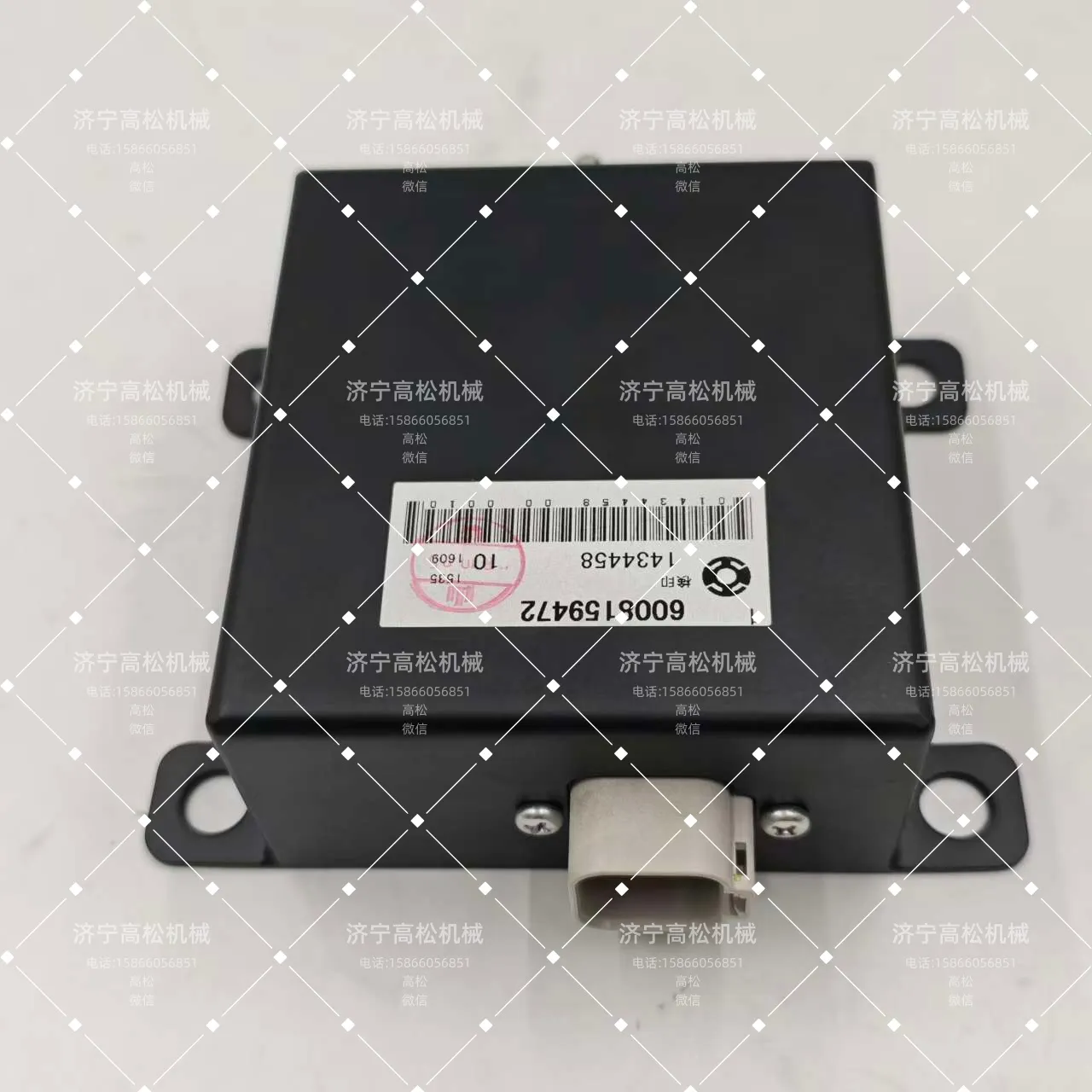 600-815-9472 Komatsu Switch
 -
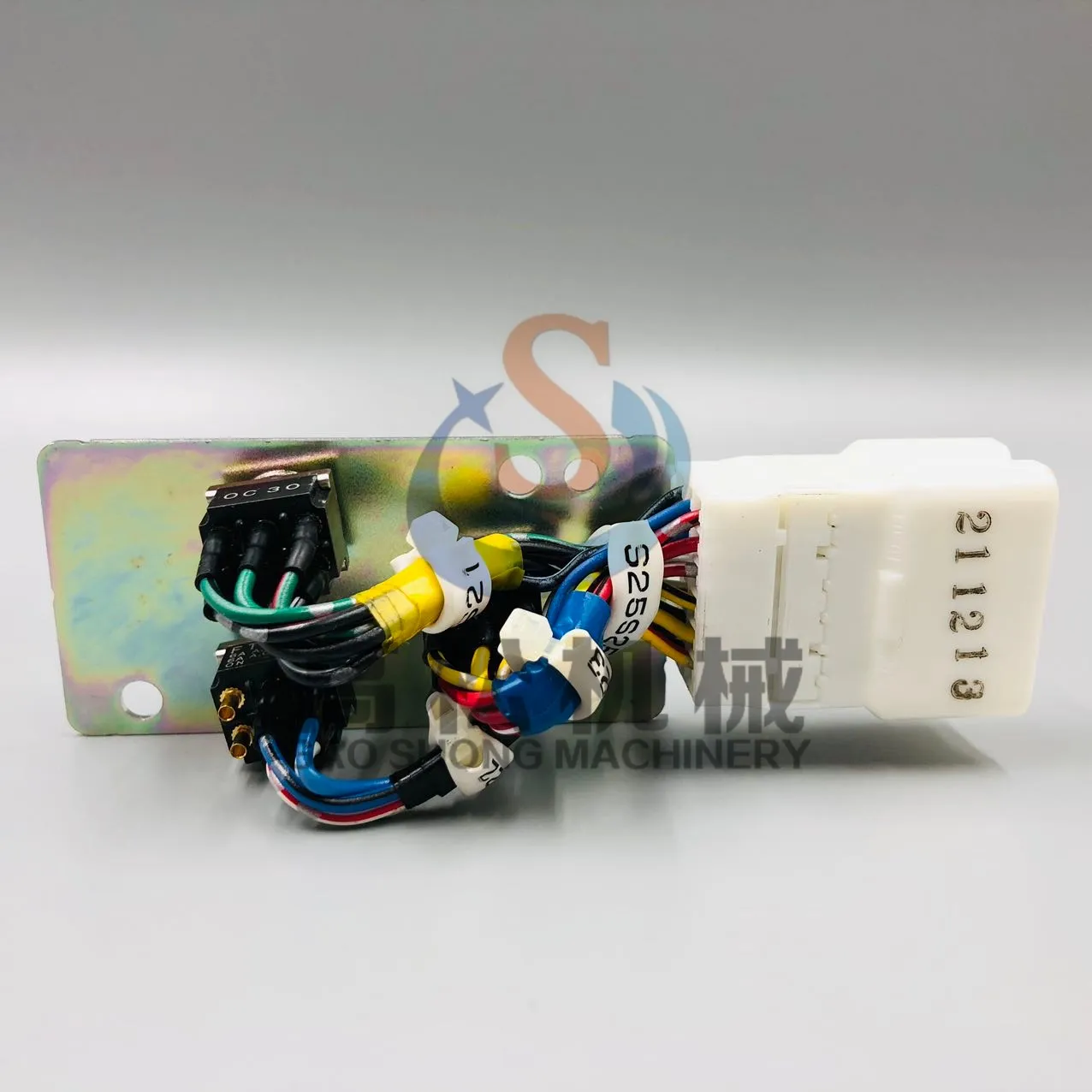 SWITCH ASS’Y 22U-06-22370 – KOMATSU
 -
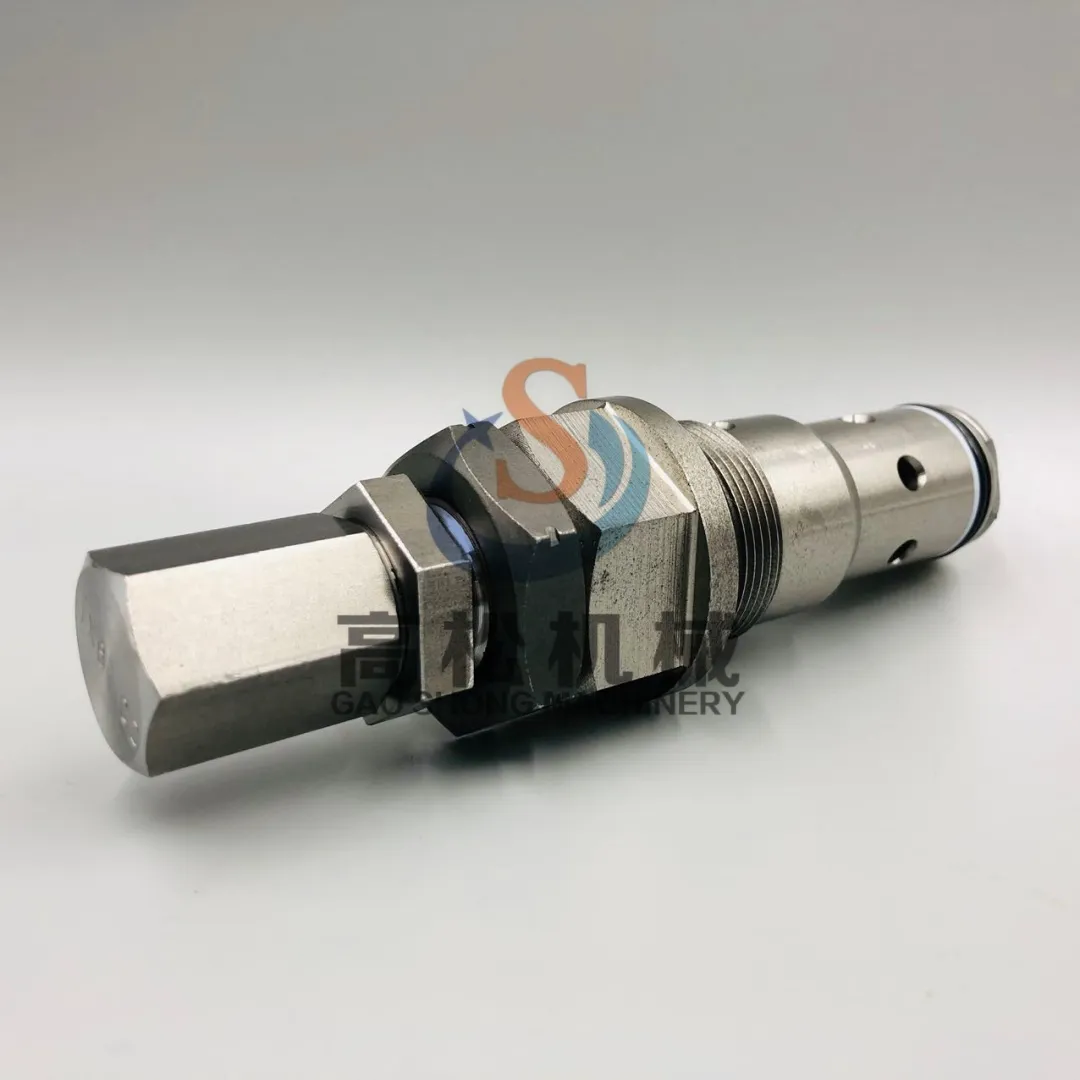 700-89-66000 RELIEF VALVE KOMATSU STEERING VALVE
 -
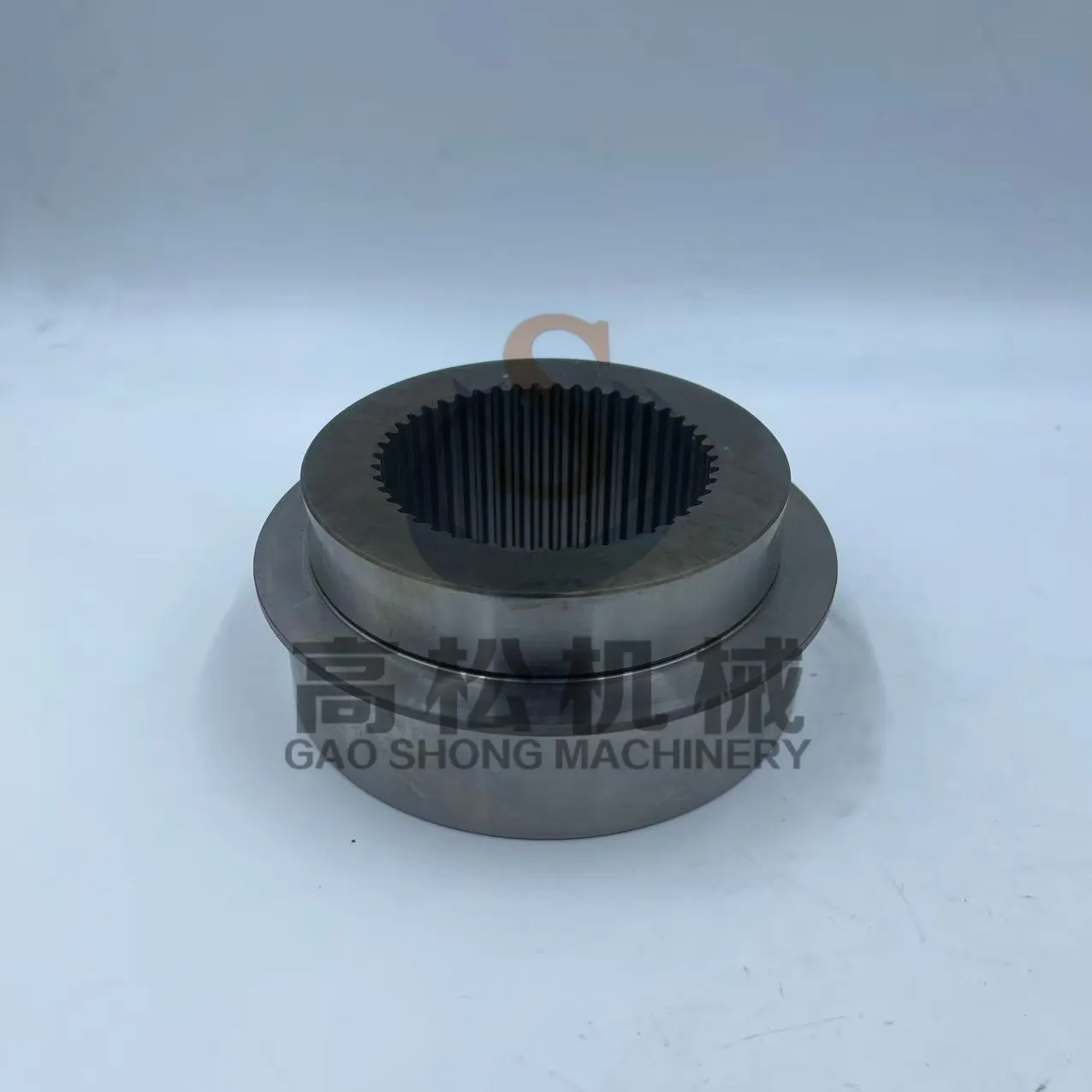 Komatsu 195-15-82570 Spacer
 -
 569-01-72600 569-01-62650 569-01-72610 Komatsu dump truck HD465-7 HD605-7 HD325-7 HD405-7 body drive shaft
 -
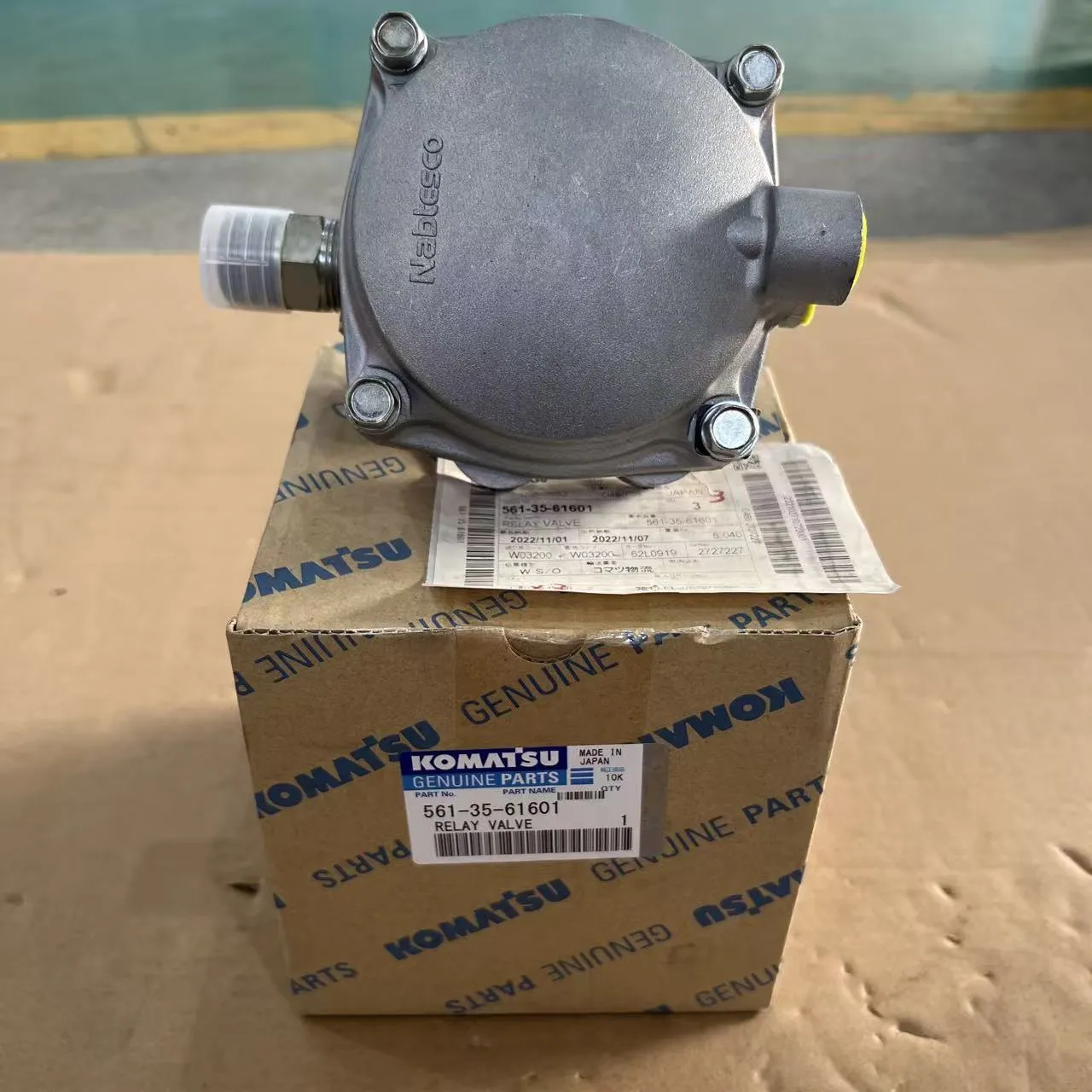 RELAY VALVE ASS’Y 561-35-61601 – KOMATSU
 -
 421-06-11440 BREAKER fits KOMATSU
 -
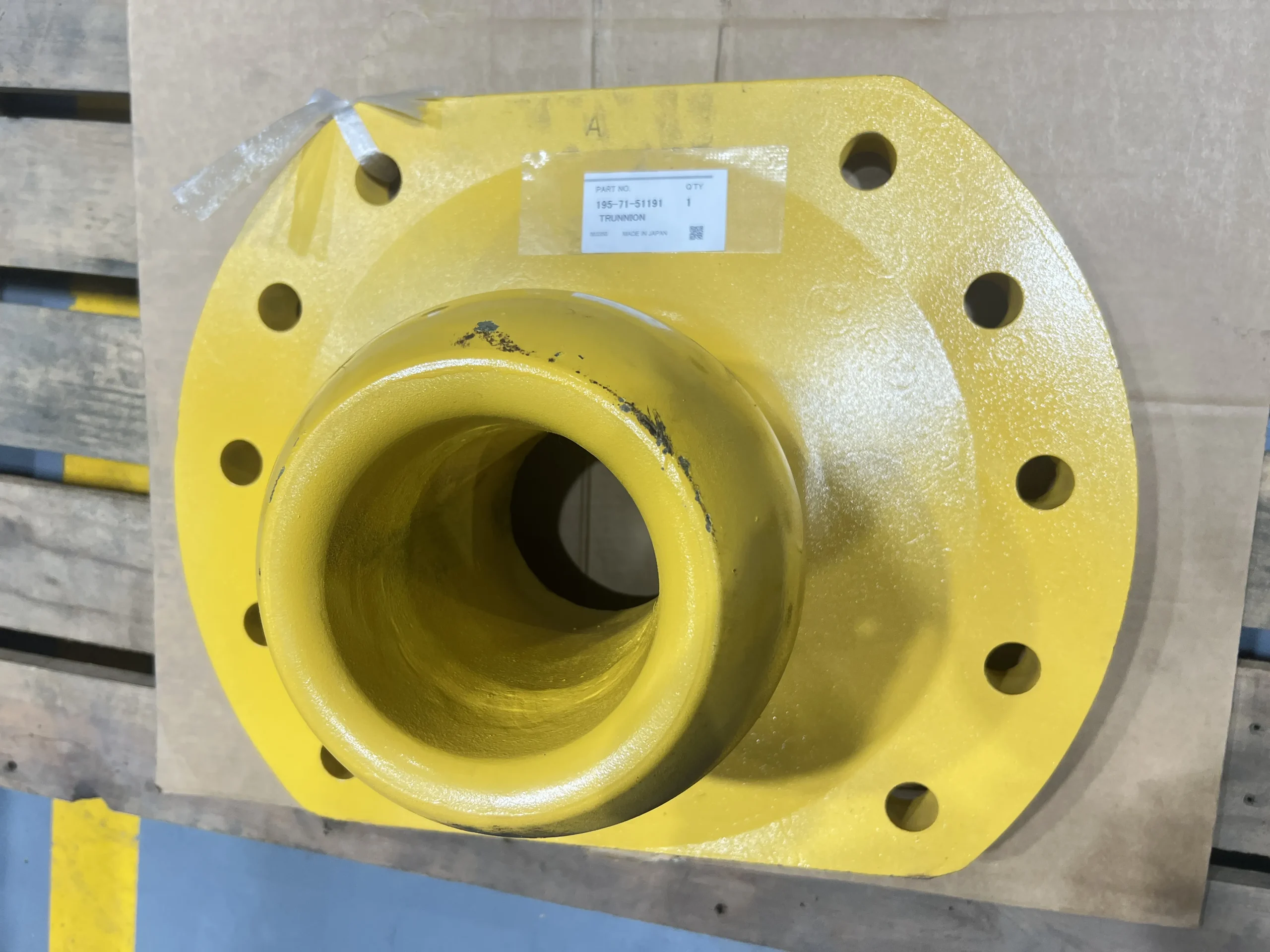 TRUNNION 195-71-51191 – KOMATSU
 -
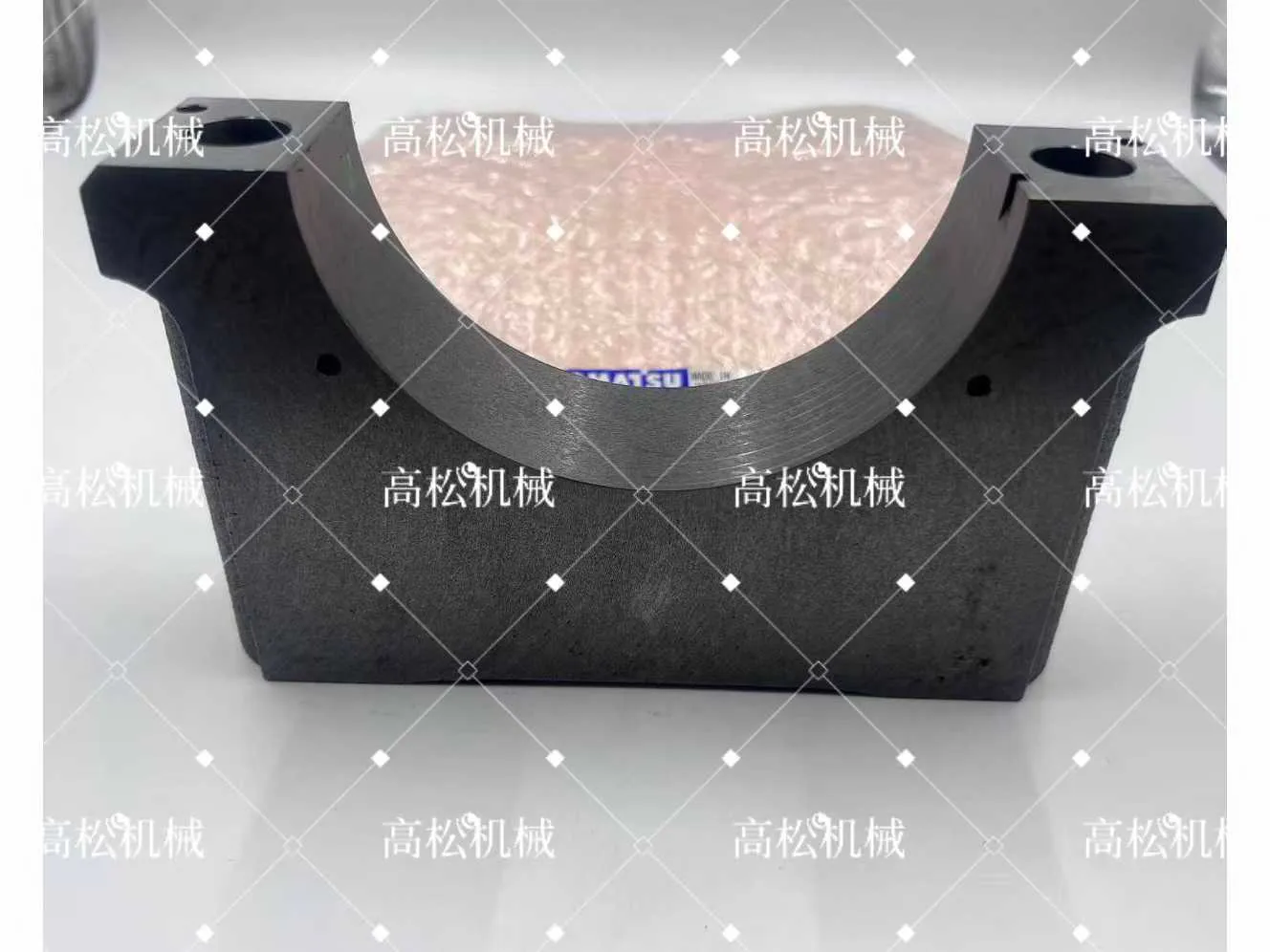 Komatsu Genuine CAP, MAIN METAL, WA470-3, 6150-29-1210
 -
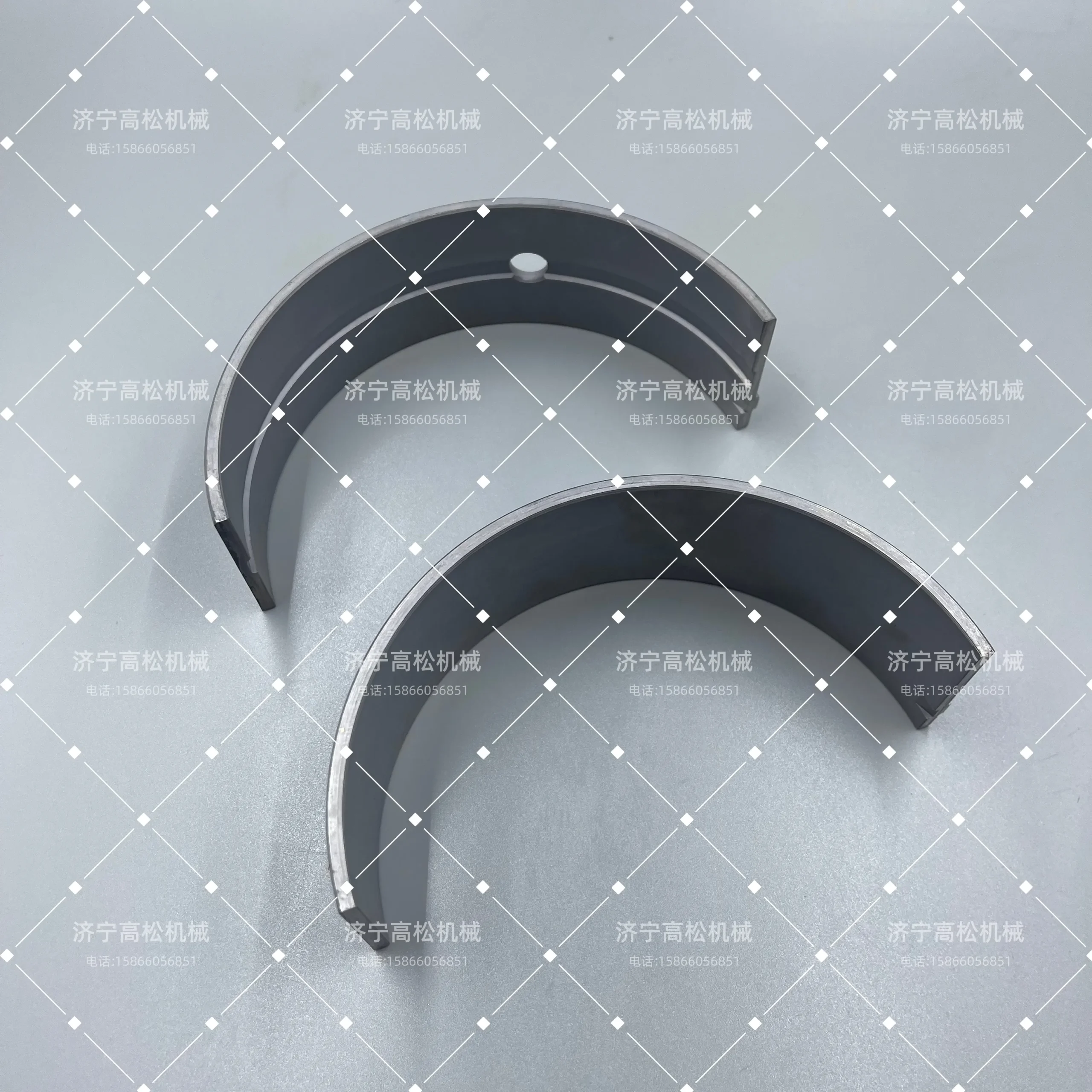 Komatsu Main Bearing STD – 6162-23-8010
 -
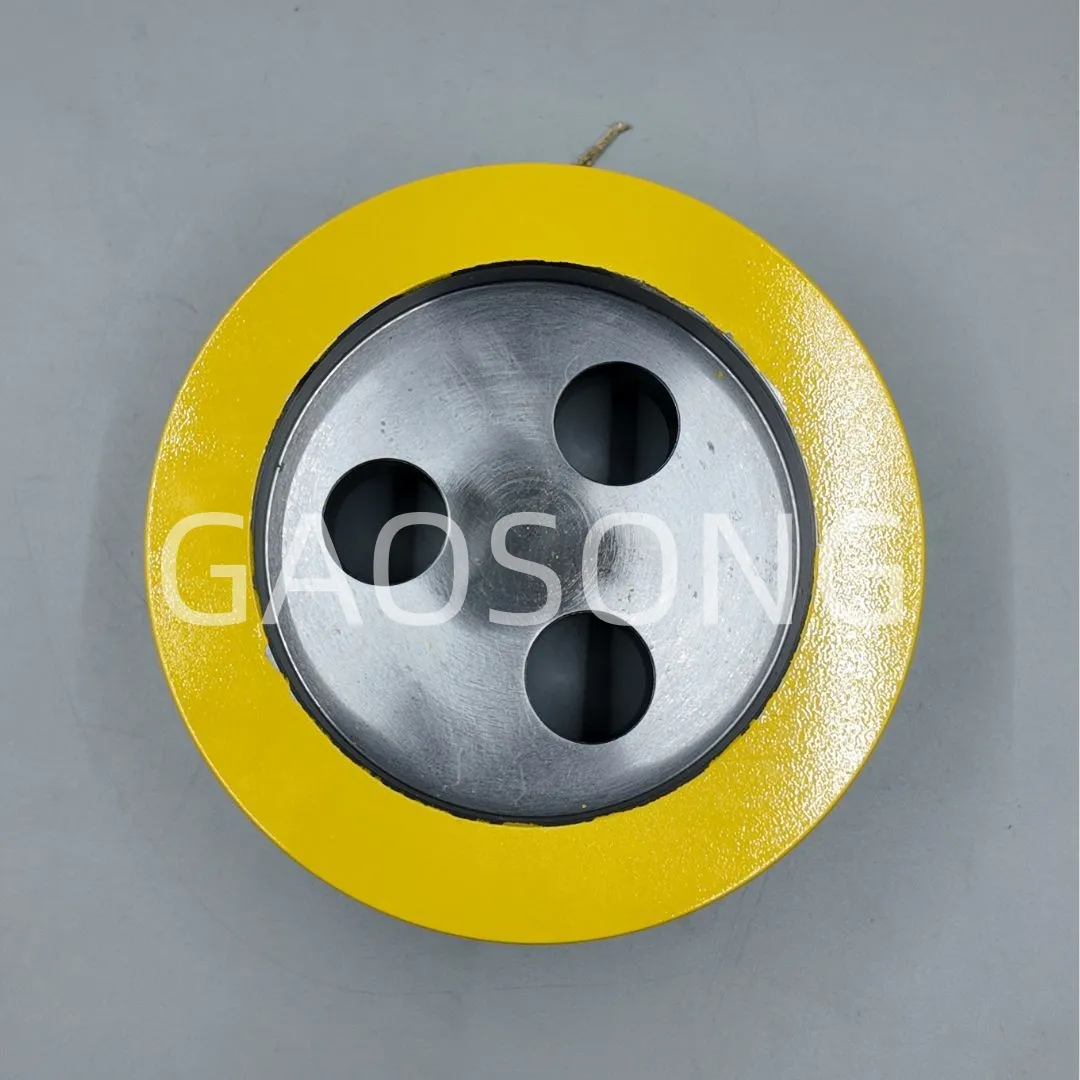 2A8-70-13570 Excavator Arm Bucket Link Cover for PC500-10 PC500-10M0
 -
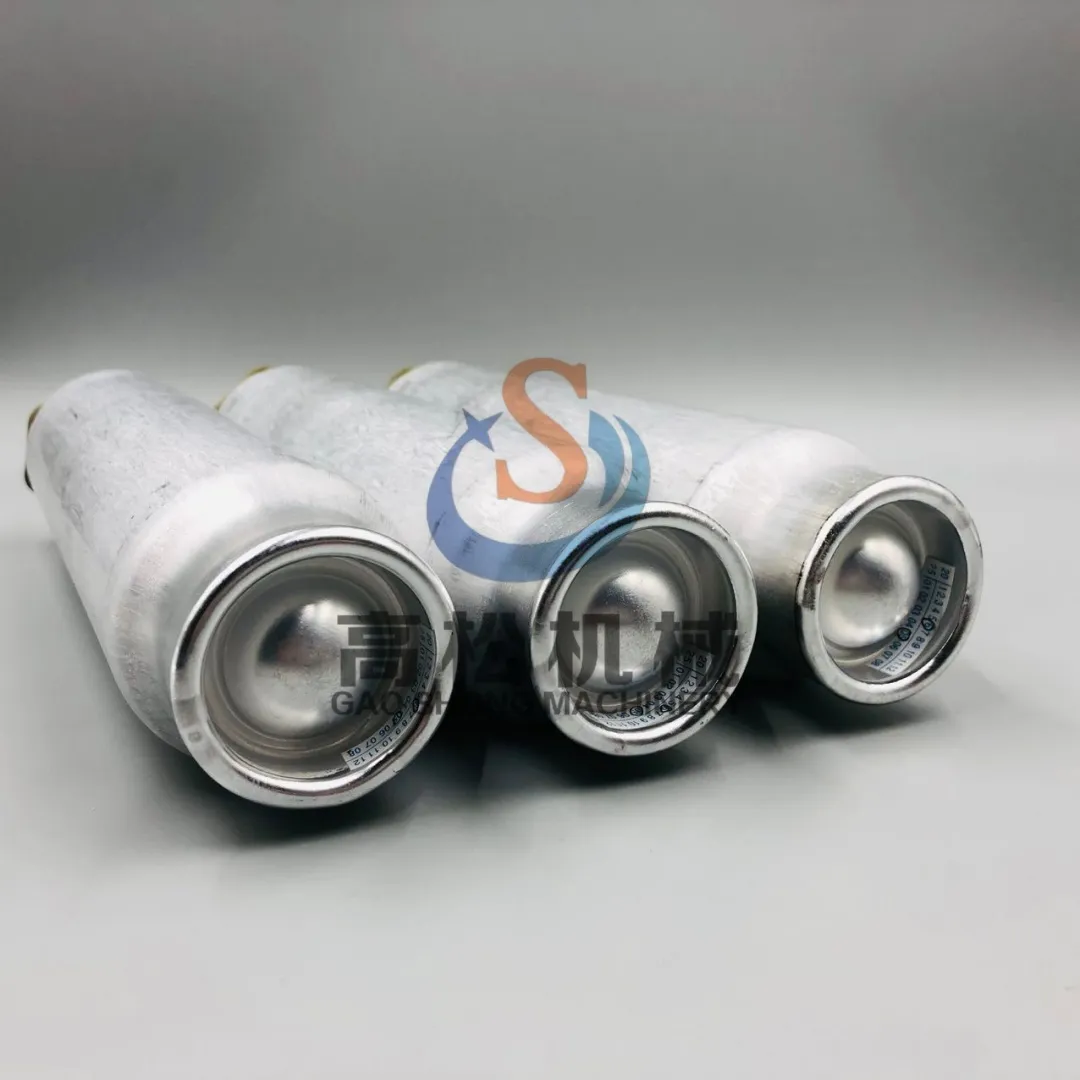 Receiver Drier 20Y-979-3120