
- Chinese
- French
- German
- Portuguese
- Spanish
- Russian
- Japanese
- Korean
- Arabic
- Irish
- Greek
- Turkish
- Italian
- Danish
- Romanian
- Indonesian
- Czech
- Afrikaans
- Swedish
- Polish
- Basque
- Catalan
- Esperanto
- Hindi
- Lao
- Albanian
- Amharic
- Armenian
- Azerbaijani
- Belarusian
- Bengali
- Bosnian
- Bulgarian
- Cebuano
- Chichewa
- Corsican
- Croatian
- Dutch
- Estonian
- Filipino
- Finnish
- Frisian
- Galician
- Georgian
- Gujarati
- Haitian
- Hausa
- Hawaiian
- Hebrew
- Hmong
- Hungarian
- Icelandic
- Igbo
- Javanese
- Kannada
- Kazakh
- Khmer
- Kurdish
- Kyrgyz
- Latin
- Latvian
- Lithuanian
- Luxembou..
- Macedonian
- Malagasy
- Malay
- Malayalam
- Maltese
- Maori
- Marathi
- Mongolian
- Burmese
- Nepali
- Norwegian
- Pashto
- Persian
- Punjabi
- Serbian
- Sesotho
- Sinhala
- Slovak
- Slovenian
- Somali
- Samoan
- Scots Gaelic
- Shona
- Sindhi
- Sundanese
- Swahili
- Tajik
- Tamil
- Telugu
- Thai
- Ukrainian
- Urdu
- Uzbek
- Vietnamese
- Welsh
- Xhosa
- Yiddish
- Yoruba
- Zulu
- Kinyarwanda
- Tatar
- Oriya
- Turkmen
- Uyghur






OEM AND ORIGINAL KOMATSU SUPPORT 426-46-12173
When you see a part number like come across your desk, especially tied to Komatsu, the immediate instinct is to check the OEM catalog. But here’s the rub – in the real world of equipment maintenance and supply chain snarls, the line between ‘OEM’ and ‘original’ isn’t as clear-cut as the marketing brochures suggest. I’ve seen too many guys get hung up on the label, waiting months for a ‘genuine’ box while the machine gathers dust, when a properly sourced OEM-supported part would have done the job. The keyword here is ‘support’ – it’s not just about the physical item, but the entire ecosystem of availability, documentation, and traceability that comes with it. That’s where the real battle is fought.
The Misconception of Original in a Global Supply Chain
Let’s be blunt. The term ‘original’ for Komatsu parts often conjures an image of a part shipped directly from Komatsu’s own warehouse. In an ideal world, that’s true. But the global machinery market, particularly in regions with complex import regulations or limited official distributor networks, operates differently. A part can be ‘original’ in specification and material, manufactured under Komatsu’s engineering approval (true OEM), yet not flow through Komatsu’s primary sales channels. This isn’t a shadow market; it’s a structured alternative supply chain. The core value isn’t diminished if the provenance is verified. For a component like the , which could be a seal kit or a hydraulic component, the metallurgy and tolerances are what matter, not necessarily the route it took to get to your workshop.
I recall a project in Southeast Asia where the official lead time for a genuine pump component was 14 weeks. The machine was critical for a port operation. We had to dig deeper. Through contacts, we identified an OEM supplier within the Komatsu system that produced the identical part. The paperwork, including material certificates and heat treatment logs, matched Komatsu’s spec. We took the gamble, installed it, and it’s been running for over 8,000 hours without a hiccup. That experience reshaped my definition of ‘original support’—it’s about technical fidelity, not just logistics.
The challenge is verification. Anyone can slap a Komatsu-style label on a box. The professional’s job is to ask for the evidence: the OEM agreement documentation, the batch testing reports. A legitimate supplier won’t hesitate to provide this. If they balk, walk away. This is where a company’s stated role becomes crucial. For instance, a supplier like Jining Gaosong Construction Machinery Co., Ltd. explicitly states its position as an OEM product supplier within the Komatsu system and a third-party sales company. That transparency is a starting point for due diligence, not an end point. You still need to verify their claims for the specific part number in question.
The Practical Hunt for : A Case Walkthrough
So, let’s talk about the actual hunt for . It’s not a commonly discussed number like a final drive seal, which means your usual local suppliers might draw a blank. The first step is always cross-referencing: which assemblies does this belong to? Is it exclusive to a certain D375 or PC800 series? This initial legwork prevents you from ordering a part that fits physically but is calibrated for a different pressure regime. I’ve seen that mistake—a valve spool that looked right but caused erratic cylinder movement because it was for a different control variant. The part number is a key, but you need the right lock.
In one scenario, we needed this part for a mid-life overhaul of a Dash-6 dozer. The official channel quoted a price and time that blew the maintenance budget. We turned to alternative suppliers who claimed OEM lineage. The process wasn’t fast. It involved sending their technical team our machine’s serial number and the specific breakdown of the component we were replacing. Their engineers came back with questions about the wear patterns on the old part, which was actually a good sign—it showed engagement. They confirmed their OEM version of was applicable. The shipment, sourced from their operations which support parts supply challenges in certain countries, arrived in three weeks.
The installation was the real test. Did it fit without modification? Were the torque specs identical? Yes, and yes. The performance data post-installation aligned with expectations. This is the ‘support’ in OEM AND ORIGINAL KOMATSU SUPPORT. It’s the pre-sale technical consultation and the post-sale performance validation. It’s not just dropping a box on your doorstep. A resource like takematsumachinery.com becomes relevant here not as a generic storefront, but as a potential node in this technical support network, provided they can demonstrate that deep product knowledge.
When Original Doesn't Mean Optimal: The Failure Analysis
Blind faith in any label is dangerous. I have to mention a counter-example, a failure that taught a hard lesson. It was for a different part, a bearing housing, but the principle is the same. We sourced a component marketed as ‘OEM-equivalent’ from a new vendor at a great price. It failed catastrophically within 200 hours. The post-mortem revealed a subtle difference in the casting alloy that wasn’t on the spec sheet. It was a forgery, not an authorized OEM production. The cost of the secondary damage far outweighed the initial ‘savings’. This is the risk.
This experience forced a stricter protocol. Now, for any critical part like what likely is, we demand a sample or the first unit for inspection and measurement before committing to a bulk order. We check with our own gauges. We might even send a sample to a lab for material analysis if the volume justifies it. An authentic OEM supplier, one truly embedded in the system like the mentioned Jining Gaosong, should understand this need for verification. Their business model is built on solving supply challenges, not creating reliability nightmares.
The lesson is that ‘original’ must be tied to a verifiable technical pedigree. A company’s description of being an ‘OEM product supplier within the Komatsu system’ needs to be backed by tangible references. Can they provide engineering change notices (ECNs) related to the part? Can they trace the part batch back to a known production line? If they can, they’re providing real original Komatsu support. If they can only provide a PDF of a generic catalog, the risk escalates.
Building a Reliable Sourcing Strategy Beyond the Catalog
So how do you build a resilient parts pipeline? It starts with diversifying your information sources. The Komatsu parts catalog is your bible, but your supplier list shouldn’t be a single page. You need qualified alternates. This involves building relationships with companies that have a proven track record in your region or with your machine models. Their value is in their niche expertise. A third-party sales company that focuses on solving parts supply challenges in certain countries, for example, will have navigated customs, local compliance, and logistics pain points you might not even be aware of.
For a part number like , I’d first hit my primary official contact. Then, I’d simultaneously reach out to two or three of these specialized OEM-support suppliers. I’d present them with the same technical query: machine model, serial number, failure mode. Their responses are telling. The speed, depth, and technical accuracy of their reply separate the partners from the peddlers. One might come back immediately with a cross-section diagram asking if version ‘A’ or ‘B’ is needed. Another might just email a price. You know which one to take seriously.
This strategy turns the abstract concept of OEM AND ORIGINAL KOMATSU SUPPORT into a actionable process. It’s not about finding the cheapest option. It’s about finding the most reliable, technically sound option within the required timeframe. Sometimes, that is the official part. Often, especially under time pressure or in constrained markets, it’s the vetted OEM-alternative from a supplier who has made it their business to bridge that gap. The goal is machine uptime, supported by parts you can trust.
The Verdict: What Support Really Means for the Field Tech
At the end of the day, for the mechanic holding the wrench, ‘support’ means confidence. Confidence that the part in the box is the right one, that it will work, and that if there’s a remote chance it doesn’t, someone knowledgeable has your back. The part number is just a code. The value is in the ecosystem that delivers a correct, reliable solution for that code.
This ecosystem increasingly includes specialized entities that operate with Komatsu’s tacit or explicit OEM approval but outside its direct sales funnel. Their role isn’t to undermine the brand but to extend its support reach. Evaluating them requires a technical, not just commercial, lens. Can they talk about the hardness rating of the sleeve? The polymer composition of the seal? If they can, you’re likely dealing with real support.
So, the next time you’re searching for a part, look beyond the label ‘original’. Dig into the supplier’s actual capability and history. Ask for the evidence of OEM status. Check their focus—are they just selling, or are they solving supply challenges? That’s how you find true support. It turns a frantic parts search into a managed procurement process, and that’s what keeps machines, and projects, moving forward.
Related Products
Related Products

Best Selling Products
Best Selling Products-
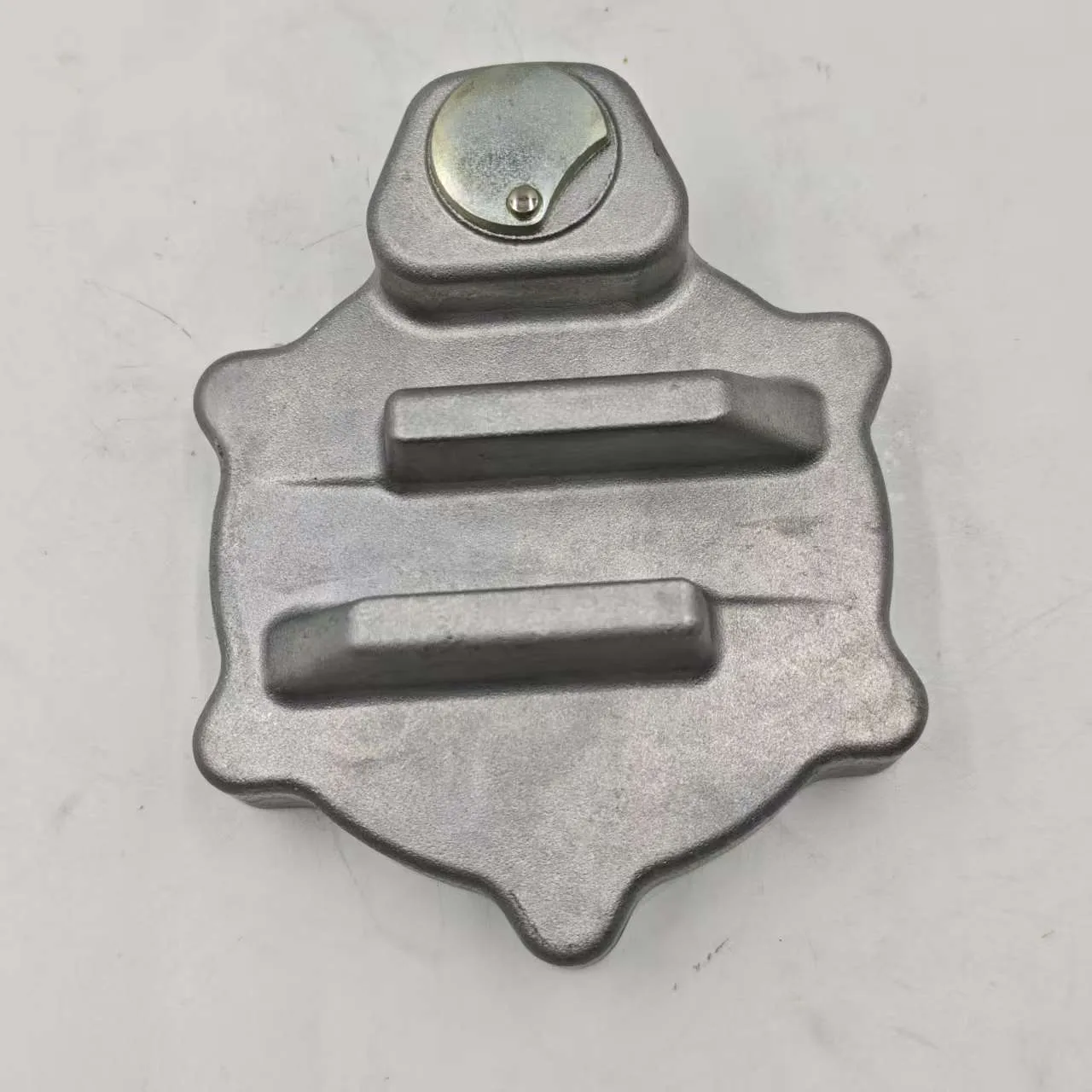 07053-10000 Cap-Radiator Fits KOMATSUU Models
 -
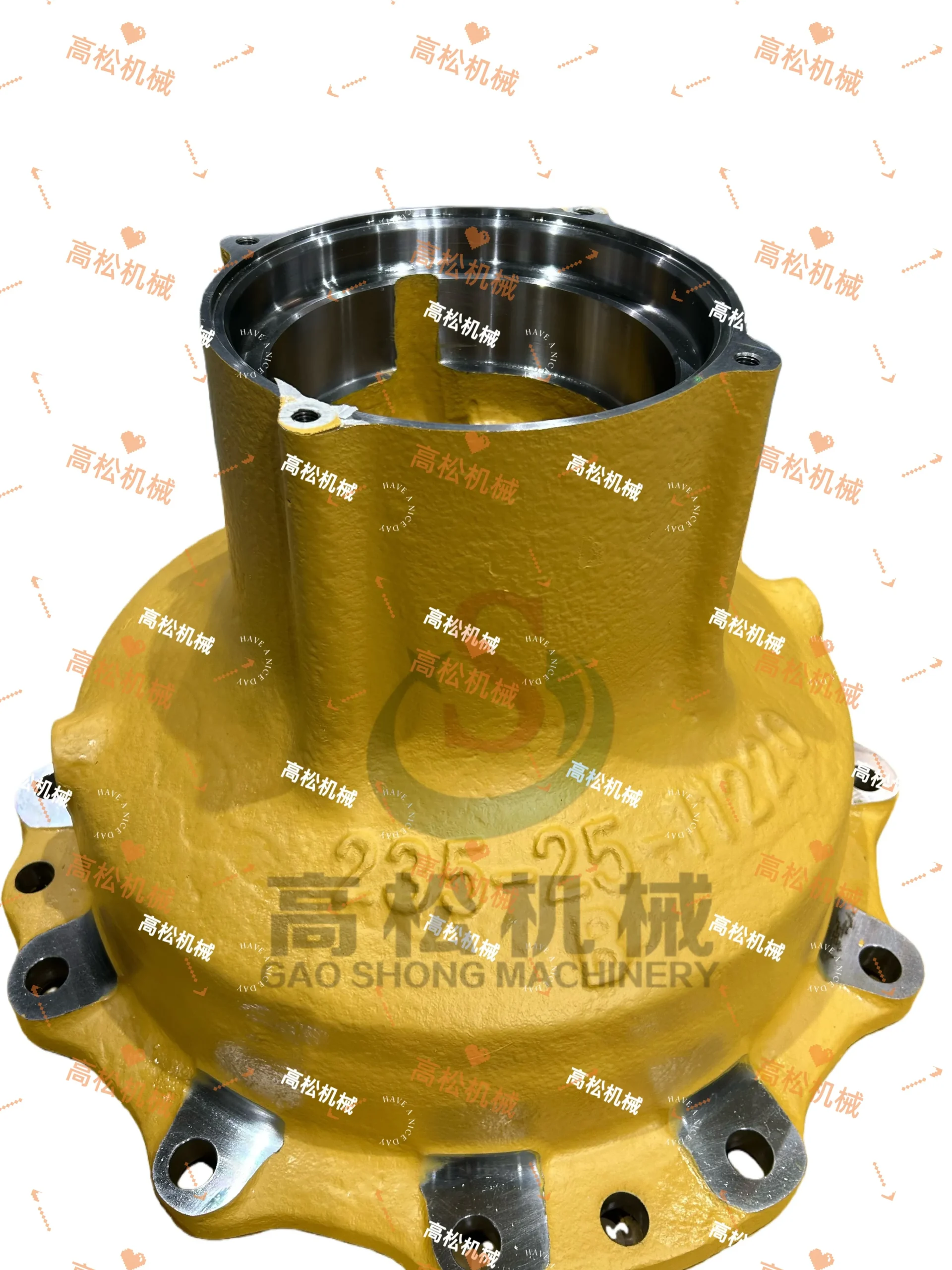 komatsu-part-235-25-11220 CAGE GD805A-1 GD825A-2 GD825A-2E0 TANDEM DRIVE GEAR AND CHAIN TANDEM DRIVE GEAR
 -
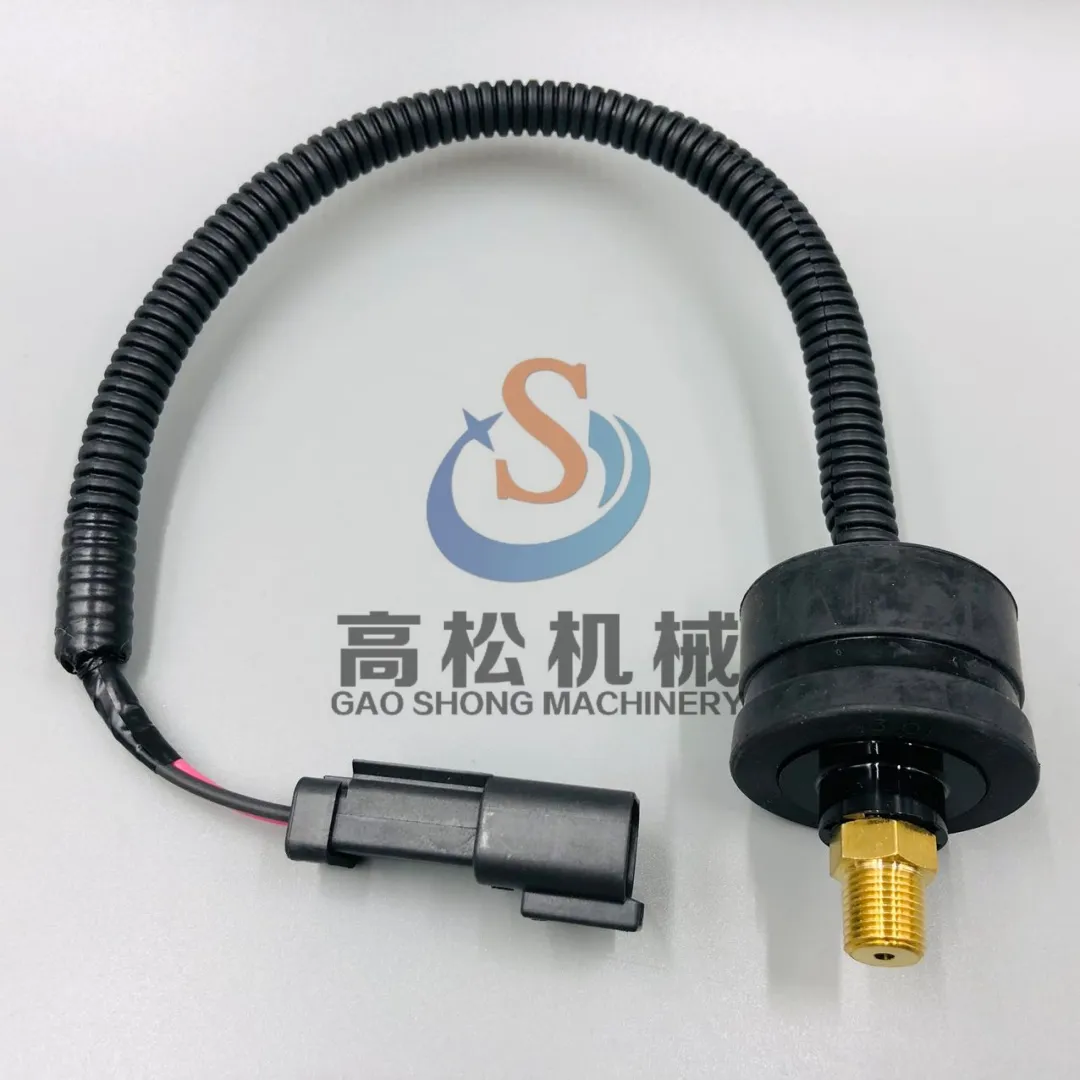 For Komatsu PC200 210 PC300 PC130-8 PC-8 air filter Pressure sensor 7861-93-1430
 -
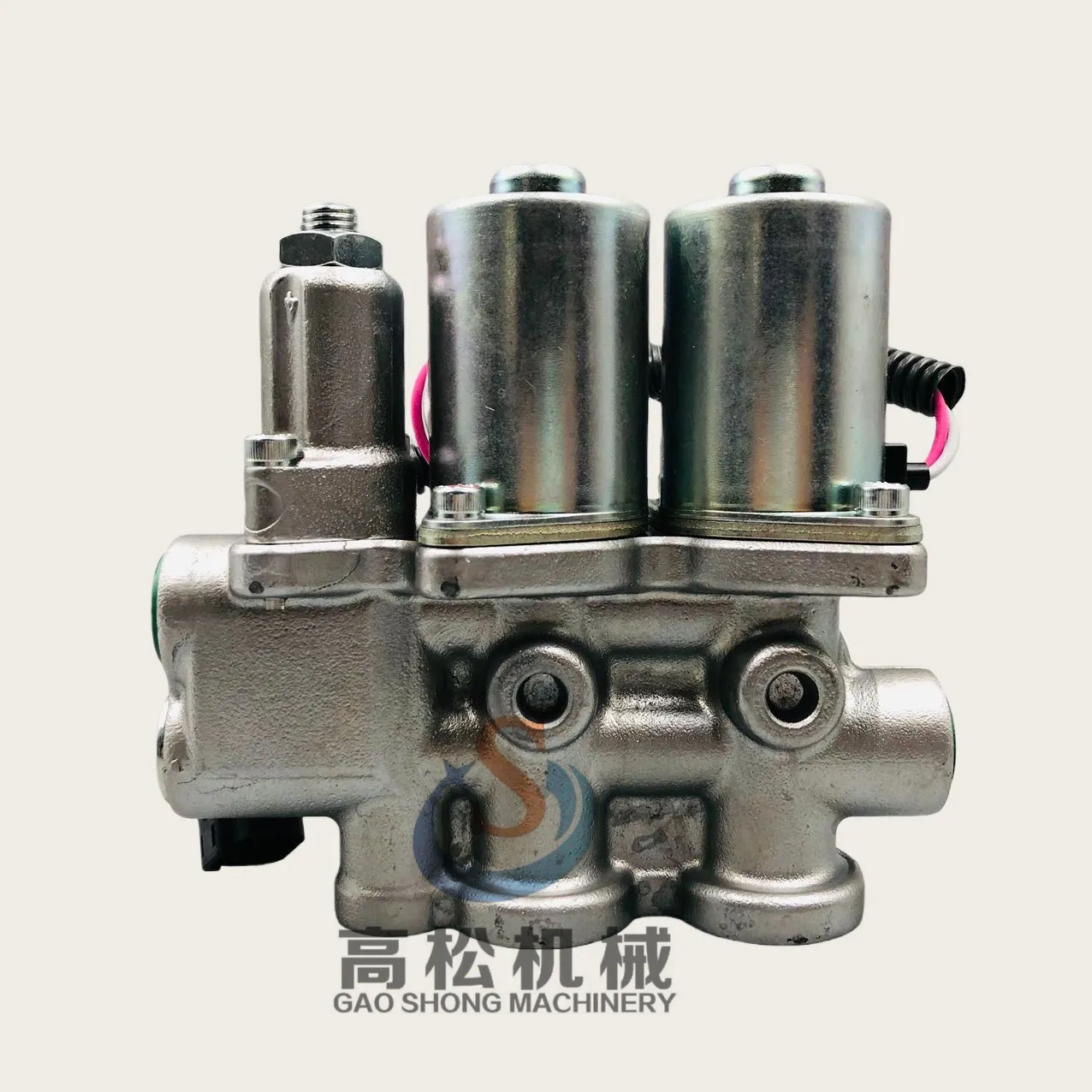 Solenoid Valve Assy 22F-60-31600
 -
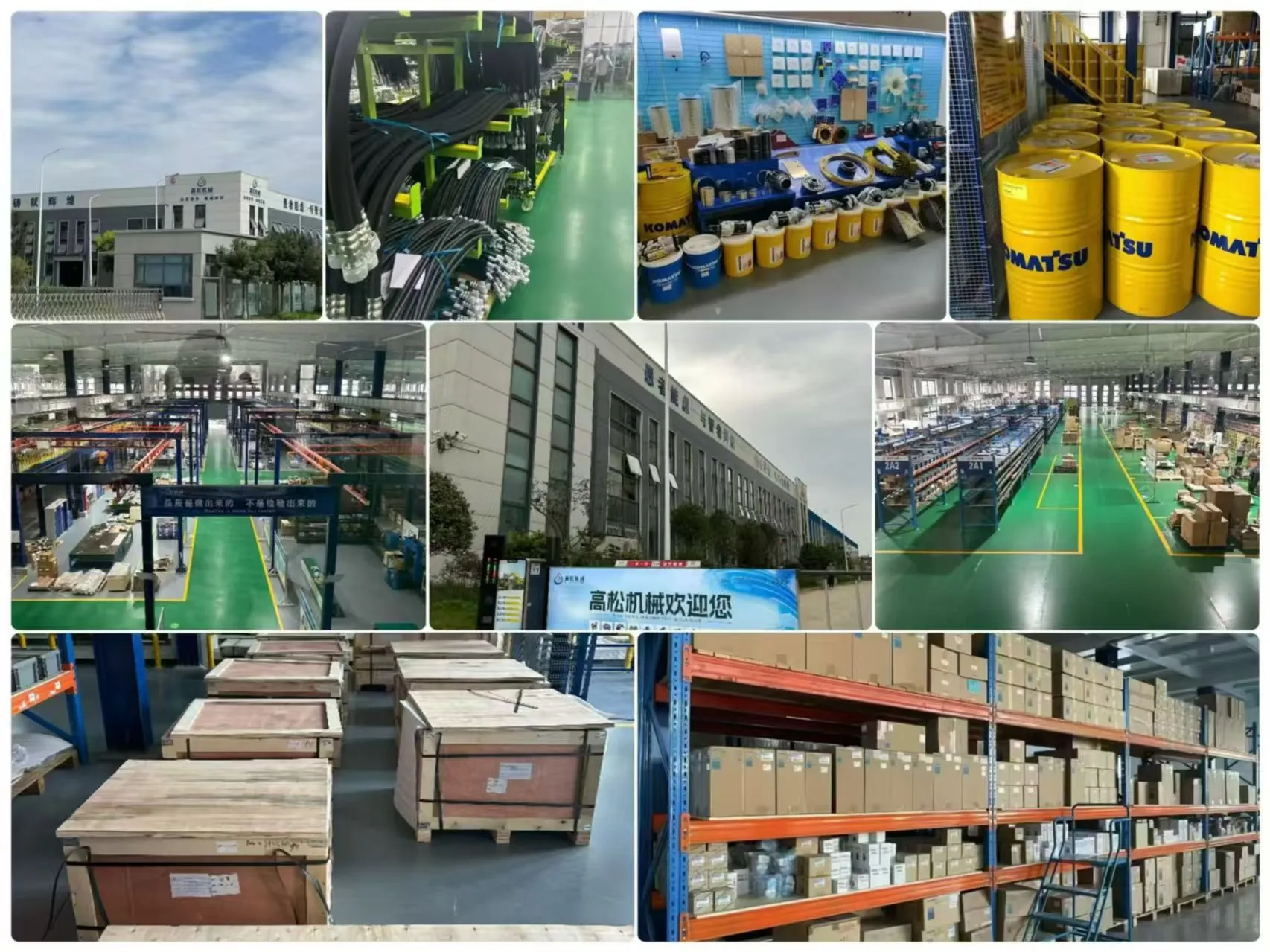 6240-61-2120 Cover for Engine SAA6D170E-3F-8 Parts – Komatsu
 -
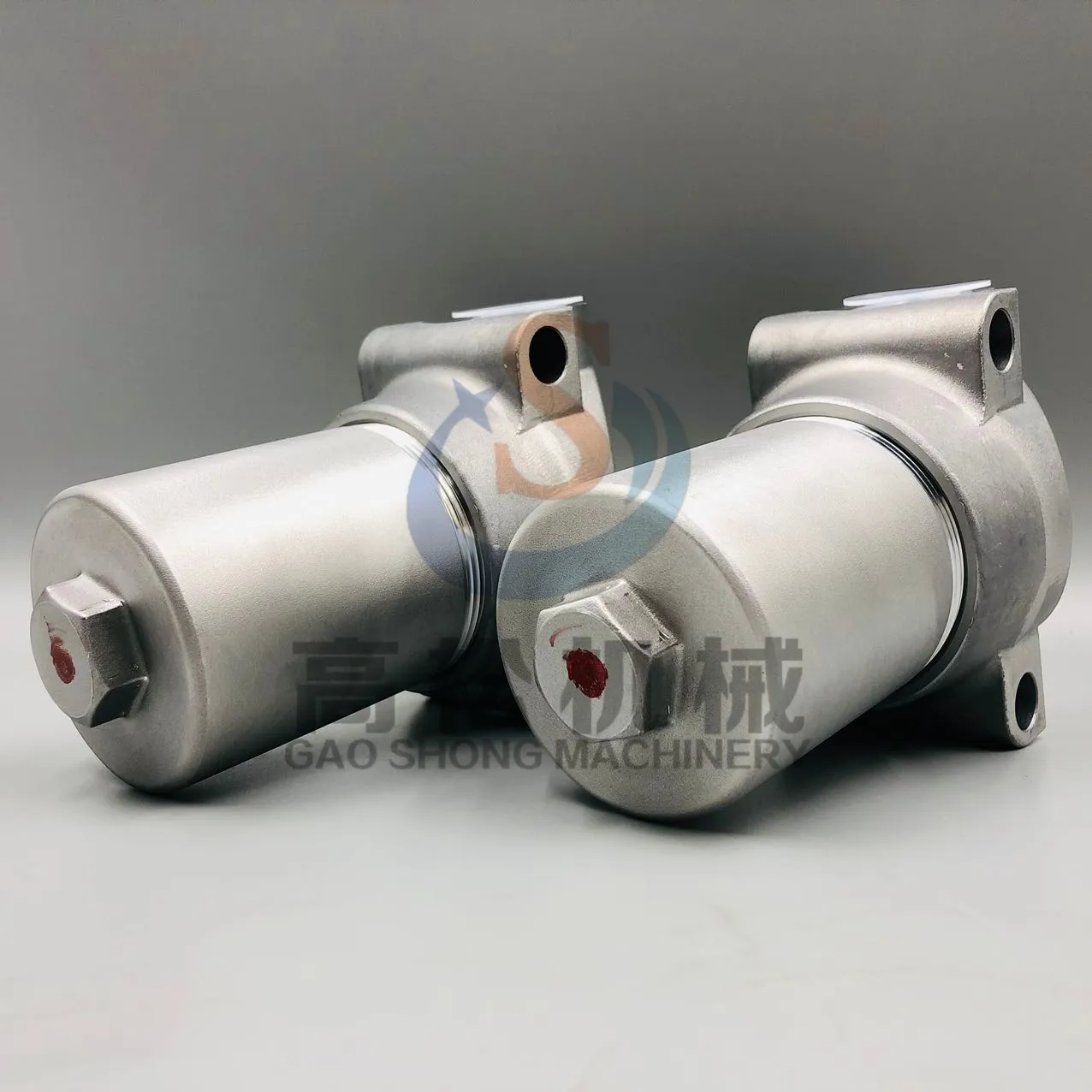 20Y-62-51681 Komatsu Filter Assembly
 -
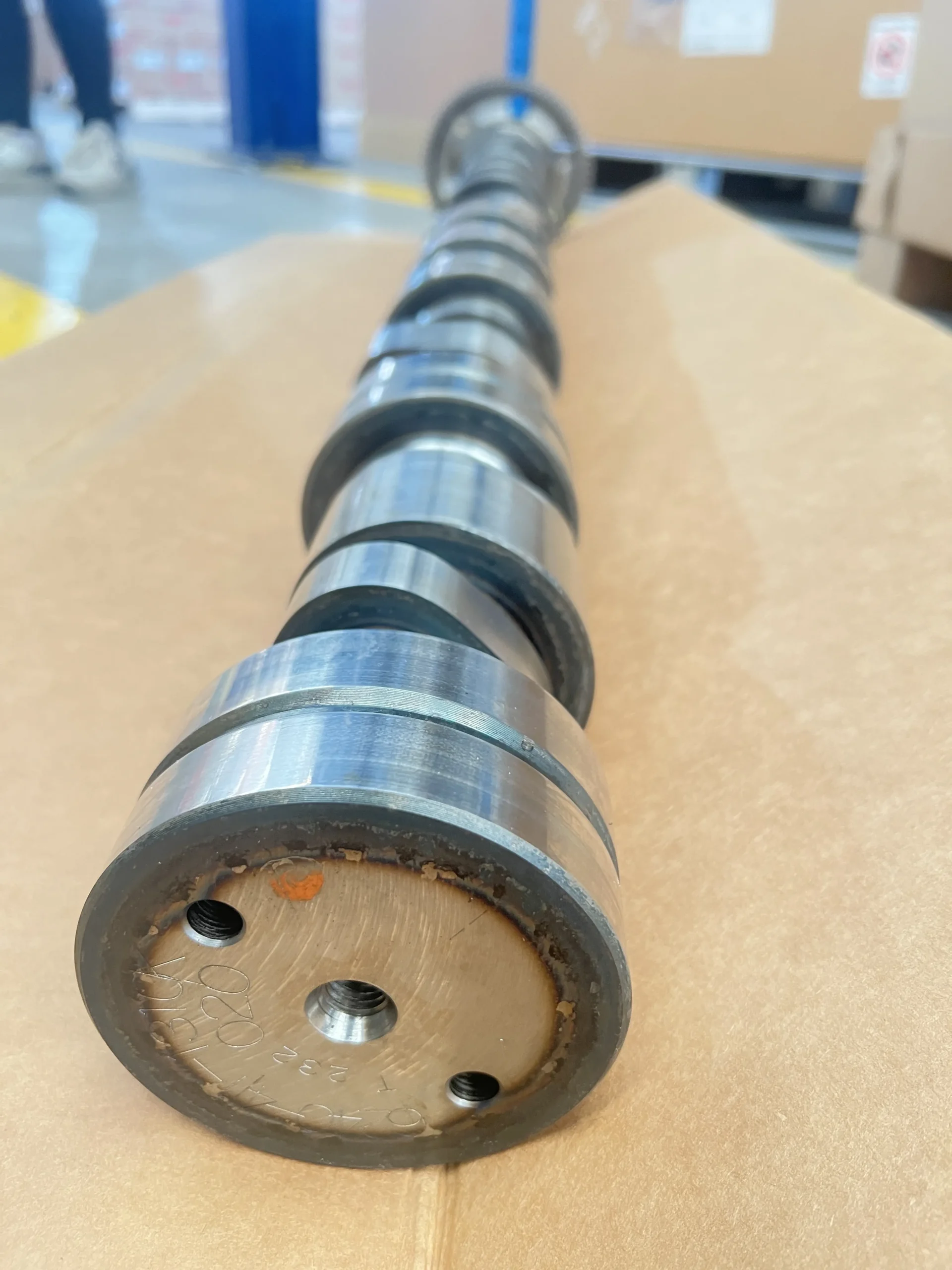 SAA6D170E-3F-8 Camshaft Assembly 6240-41-1300
 -
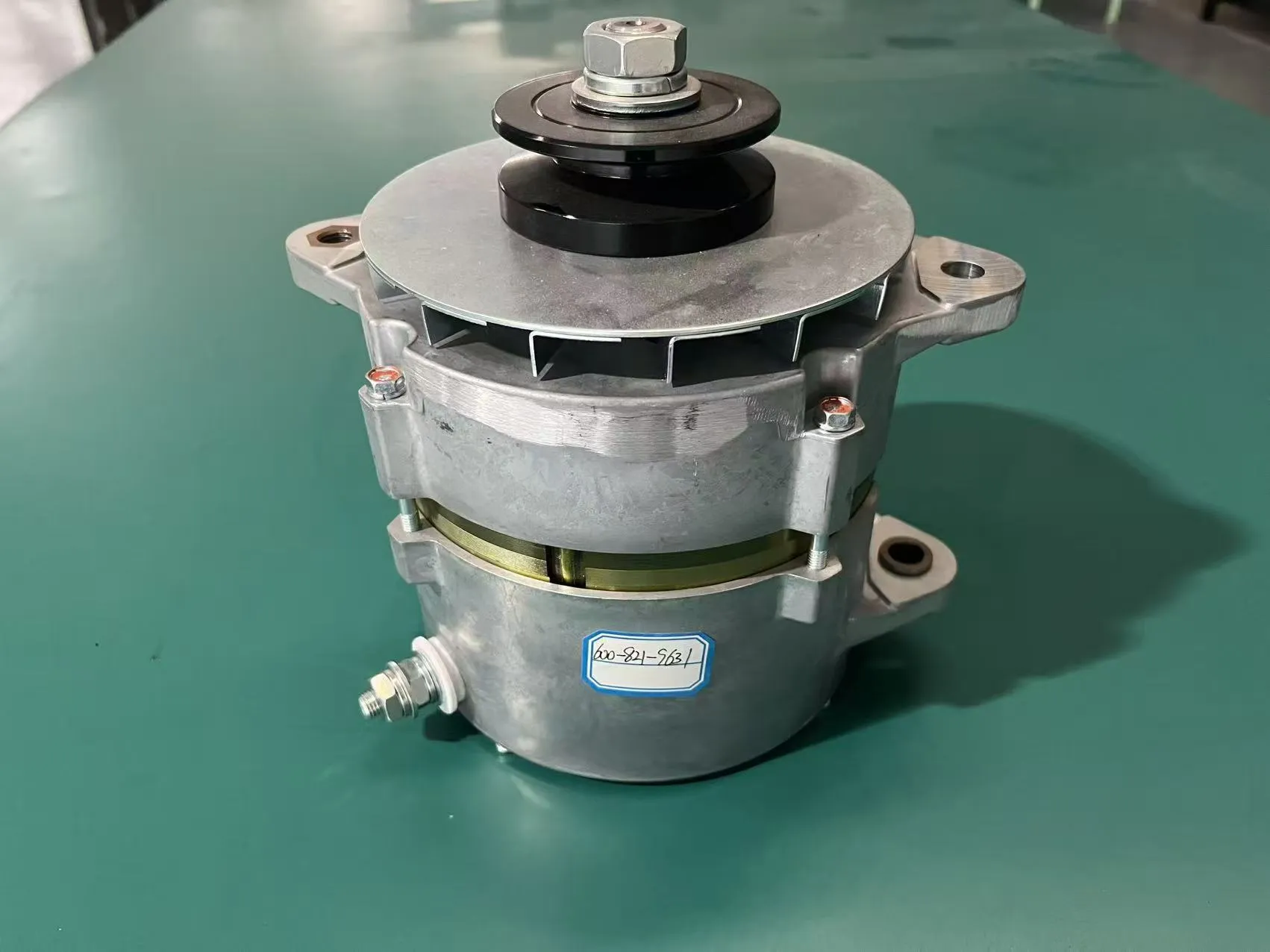 600-821-9631 Komatsu SA12V140 ALTERNATOR
 -
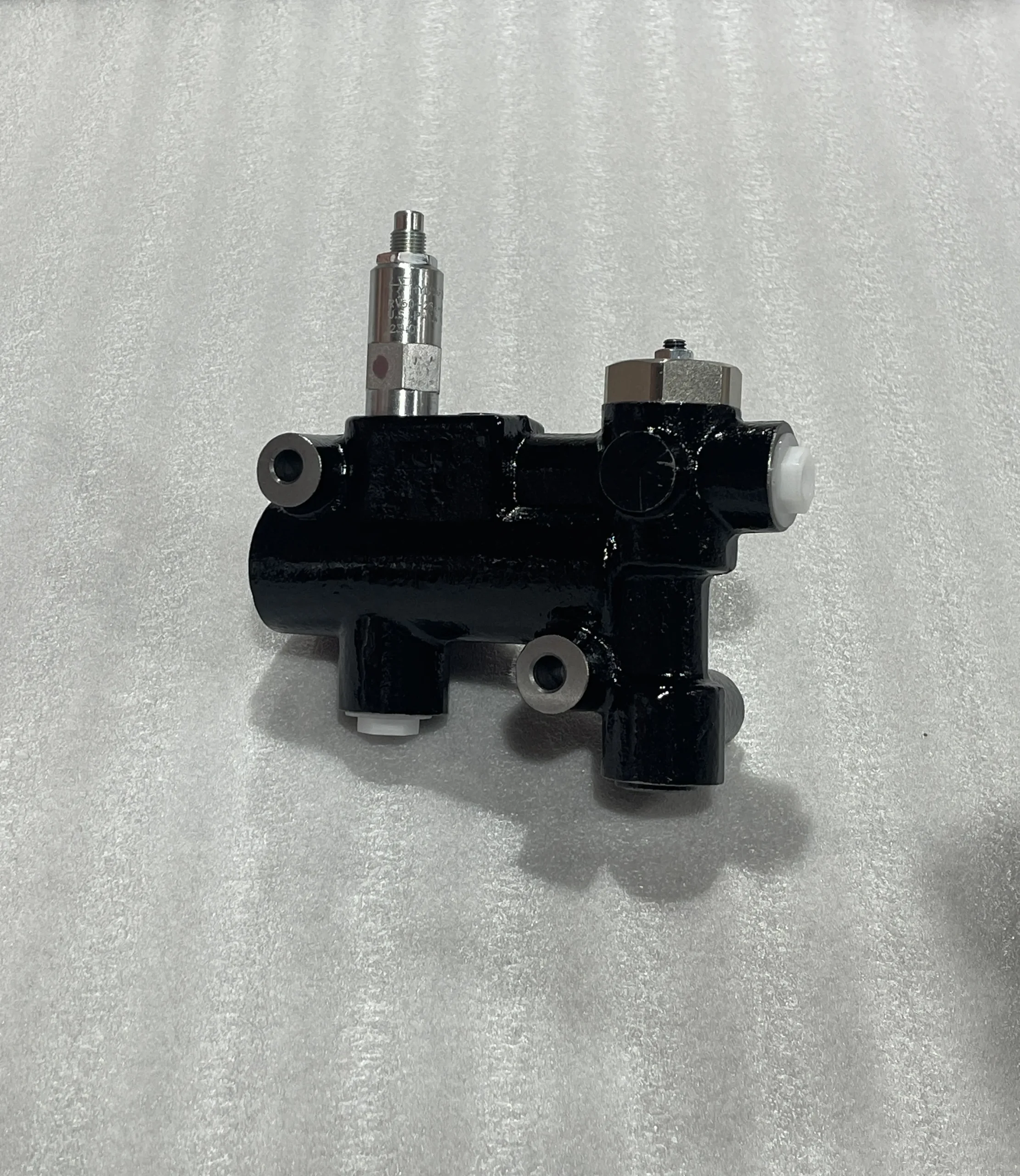 accumulator inflation valve
 -
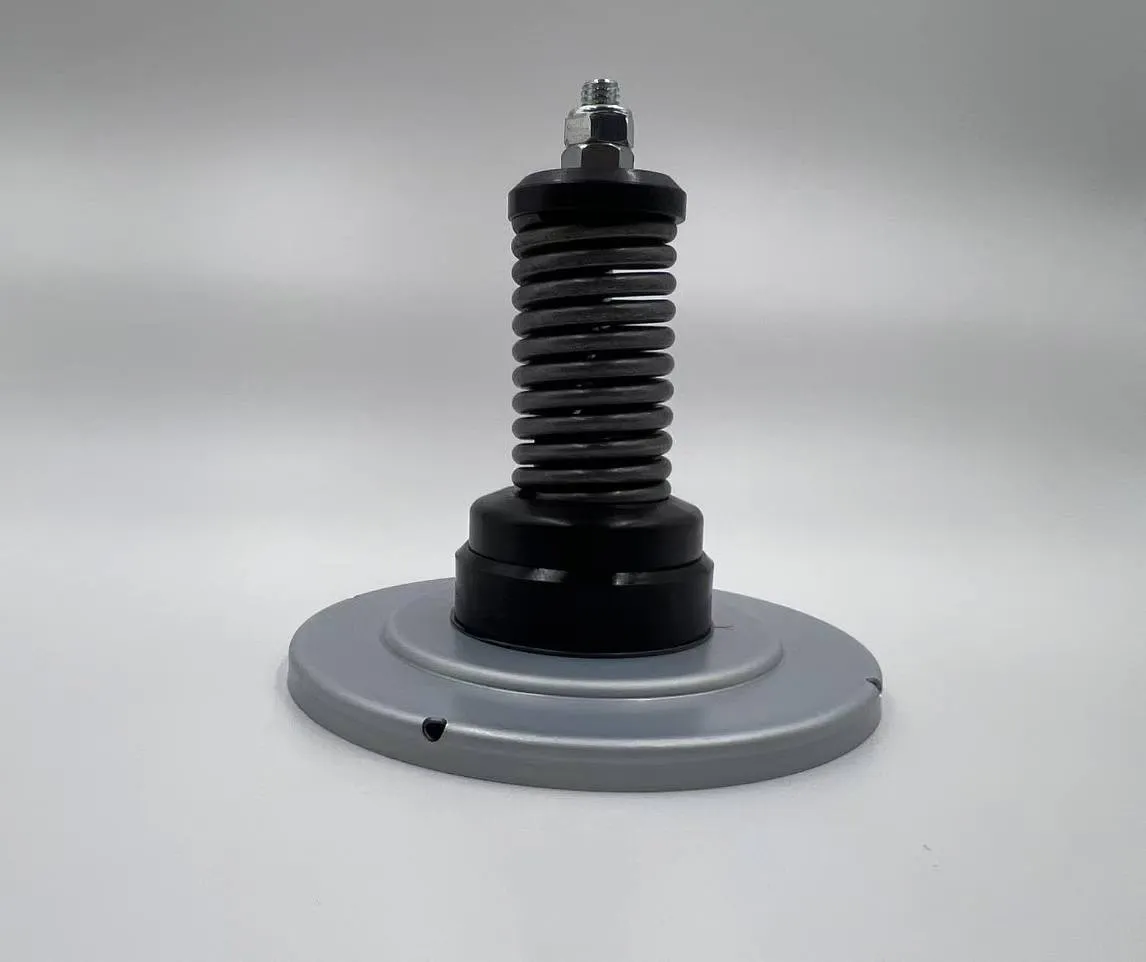 Valve Assembly 20Y-60-31450 – KOMATSU
 -
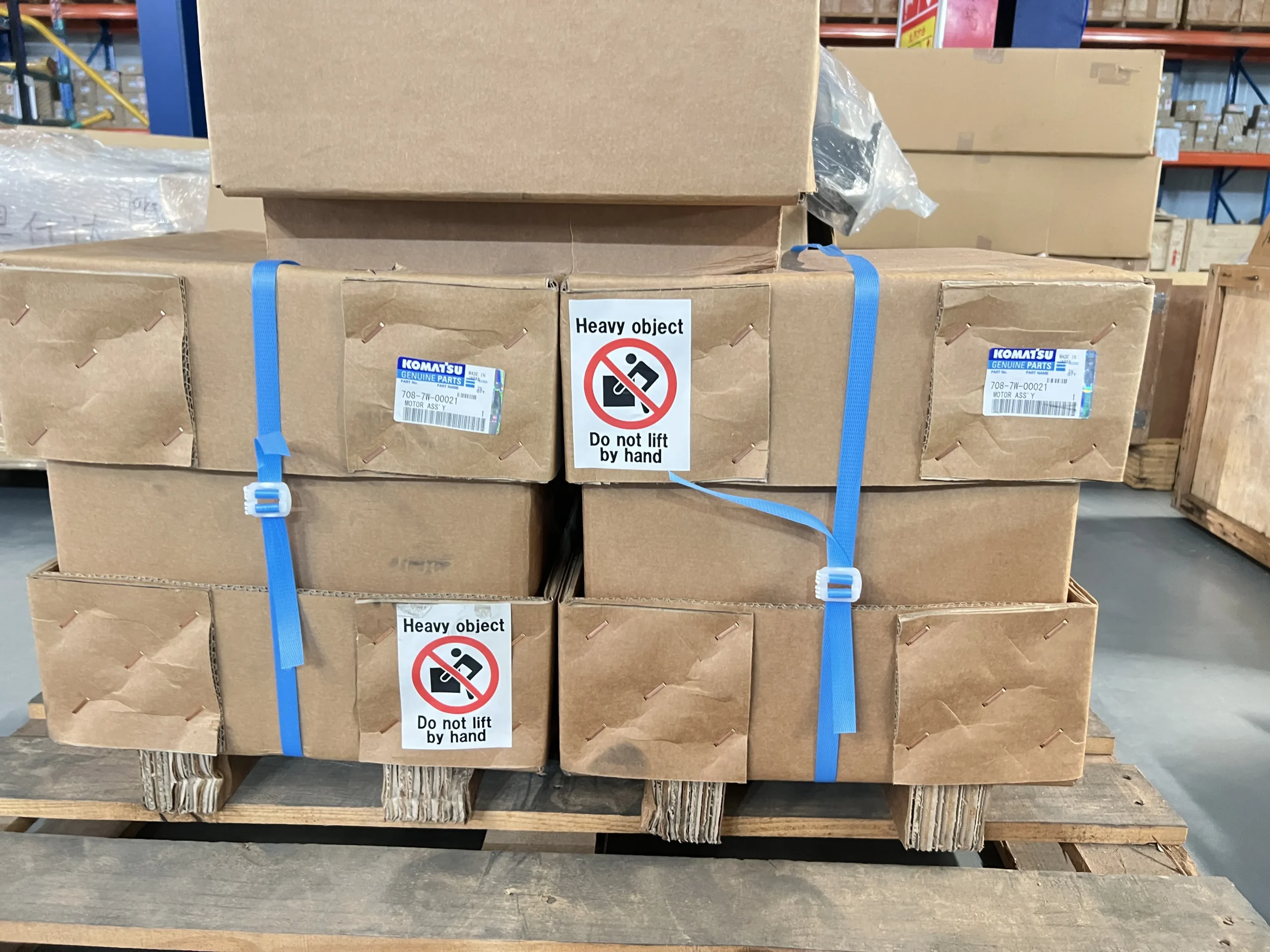 New Hydraulic Fan Motor 708-7W-00021
 -
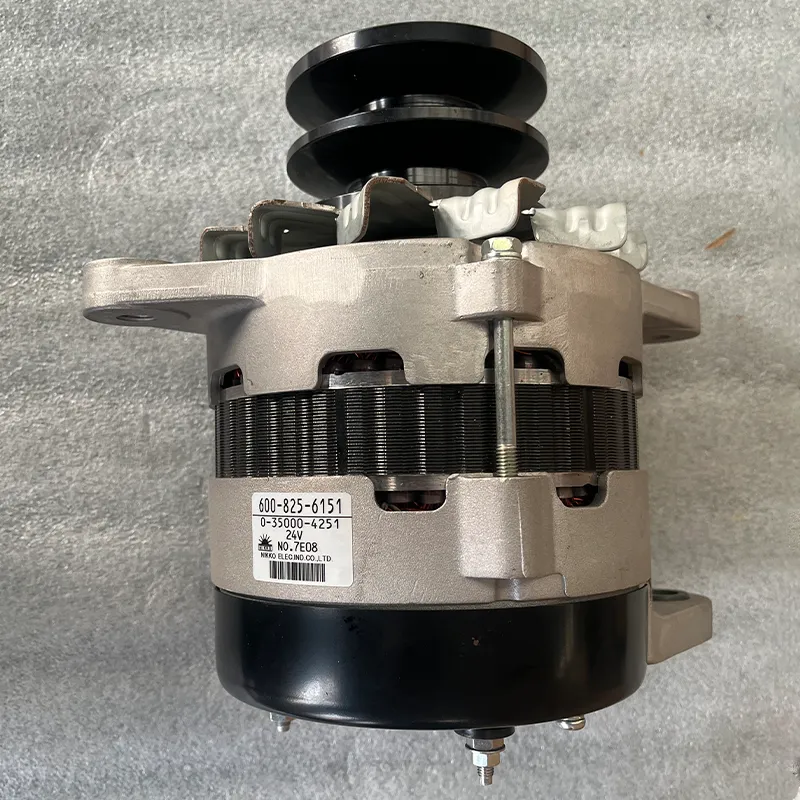 600-825-6151 Original komatsu alternator for PC300-7 PC360-7 PC400-78 PC450-8