
- Chinese
- French
- German
- Portuguese
- Spanish
- Russian
- Japanese
- Korean
- Arabic
- Irish
- Greek
- Turkish
- Italian
- Danish
- Romanian
- Indonesian
- Czech
- Afrikaans
- Swedish
- Polish
- Basque
- Catalan
- Esperanto
- Hindi
- Lao
- Albanian
- Amharic
- Armenian
- Azerbaijani
- Belarusian
- Bengali
- Bosnian
- Bulgarian
- Cebuano
- Chichewa
- Corsican
- Croatian
- Dutch
- Estonian
- Filipino
- Finnish
- Frisian
- Galician
- Georgian
- Gujarati
- Haitian
- Hausa
- Hawaiian
- Hebrew
- Hmong
- Hungarian
- Icelandic
- Igbo
- Javanese
- Kannada
- Kazakh
- Khmer
- Kurdish
- Kyrgyz
- Latin
- Latvian
- Lithuanian
- Luxembou..
- Macedonian
- Malagasy
- Malay
- Malayalam
- Maltese
- Maori
- Marathi
- Mongolian
- Burmese
- Nepali
- Norwegian
- Pashto
- Persian
- Punjabi
- Serbian
- Sesotho
- Sinhala
- Slovak
- Slovenian
- Somali
- Samoan
- Scots Gaelic
- Shona
- Sindhi
- Sundanese
- Swahili
- Tajik
- Tamil
- Telugu
- Thai
- Ukrainian
- Urdu
- Uzbek
- Vietnamese
- Welsh
- Xhosa
- Yiddish
- Yoruba
- Zulu
- Kinyarwanda
- Tatar
- Oriya
- Turkmen
- Uyghur






OEM AND ORIGINAL KOMATSU STEERING VALVE 235-40-14101
When you see that part number pop up in a search or a quote, , it's almost a reflex to think Komatsu genuine and that's it. But in the real world of keeping machines like the PC300, PC360, or even older models like the HD785-5 running, that's where the nuance starts. The term 'OEM' gets thrown around so loosely it's lost meaning. Some suppliers use it to mean 'compatible with,' others mean 'made in the same factory.' For this specific steering control valve, the distinction isn't just about price; it's about the internal spool tolerances, the quality of the casting, and how it interfaces with the pilot system. I've seen valves that looked identical on the outside cause a slow, annoying drift on a machine because the land widths in the valve body were off by a few microns. That's the hidden cost of the wrong 'OEM' part.
The Factory Floor Reality of OEM
Here's the practical breakdown. A true OEM Komatsu steering valve for means it was produced in a facility that is part of Komatsu's certified supply chain. It might not have the Komatsu logo laser-etched on it, but it came off the same line, using the same drawings, same material specs, and same quality gates. I've been through factories, like those supplying Jining Gaosong Construction Machinery Co., Ltd., where you see the batches. One batch gets the Komatsu stamp and goes into their official packaging. The next batch, functionally identical, gets a different stamp or no stamp at all and goes to their authorized distribution partners. That's the legitimate channel. The website https://www.takematsumachinery.com frames it correctly: they are an OEM product supplier within the Komatsu system. That phrasing is key—'within the system.' It implies access to that certified production, not just reverse-engineered copies.
The problem is the gray market. You'll find valves stamped with that part number from unknown foundries. They copy the exterior dimensions perfectly. But the heat treatment on the springs? The hardness of the sleeve? Different. They might work initially, but under constant high-pressure cycling, they fatigue faster. I remember a case in a mining operation in Indonesia. They installed a non-certified 'OEM' valve on a PC300-6. It worked for about 800 hours before the machine developed a hard shift in one direction. The culprit was a worn compensator spool that had started to gall. The metal analysis later showed inferior alloy composition. The downtime cost eclipsed the savings on the part ten times over.
So, how do you verify? It's not easy. You rely on provenance. A supplier like the one mentioned, which also acts as a third-party sales channel for Komatsu, has a paper trail back to the factory. They can often provide material certificates or lot numbers. If a supplier is vague about the origin, just says it fits, that's a red flag. For a critical hydraulic control component like this, the factory audit matters. Does the supplier have a direct relationship with the manufacturing plant, or are they three brokers down the line?
Original vs. Original-Spec: The Performance Gap
Let's talk about 'Original.' This is the blue-box, Komatsu-branded part. It's the benchmark. With the , the original valve has a specific flow characteristic that matches the machine's pump output and the steering cylinder's volume. It's tuned. Now, a true OEM part, as defined above, should match this exactly. The issue arises with 'original-spec' parts. This is marketing language. It means the designer aimed for the original specs, but manufacturing variances can creep in.
The real test is in the machine's feel. An excavator's steering should be smooth and proportional. With a perfect valve, the response is linear. I've operated machines where a non-original valve was installed, and there was a slight dead zone in the steering lever's initial movement, then a jump. It's fatiguing for the operator over a 12-hour shift. Tracing it back, the valve's neutral position wasn't as precisely ground, allowing a tiny overlap. That's not something you see on a spec sheet; you feel it in the seat.
Another detail is the port threads and seal grooves. Genuine and proper OEM parts use exact thread forms (often metric fine) and O-ring grooves cut to precise depths. I've had to chase threads on a valve body from a questionable source because the port threads were rough, risking contamination from metal shavings. The seal kit from Komatsu didn't fit quite right because the groove was a half-millimeter too shallow. These are the hours of frustration that don't show up in the initial purchase order.
Supply Chain Puzzles and Practical Solutions
This is where companies like Jining Gaosong come into the picture. Their stated role—helping to solve parts supply challenges in certain countries—is real. In places like Africa or parts of South America, getting a blue-box Komatsu valve in under 12 weeks can be impossible. Production lines stop. The legitimate alternative is sourcing the true OEM part from within the system, which can cut lead time to 3-4 weeks. They're not magicians; they're using the existing supply chain but without the brand-label bottleneck.
I worked on a project in Zambia where a fleet of HD785 trucks was down because of steering valve issues. The local Komatsu dealer's timeline was 14 weeks. We went through a third-party supplier with OEM credentials. They sourced the valves from a Korean factory that produces for Komatsu. The parts arrived in 20 days. We installed them, matched them with the proper Komatsu seal kits, and had the trucks running. Two years later, they're still operational. That's the value proposition: same part, different route to market.
The failure mode here is impatience. The temptation is to grab the cheapest, fastest option from a non-vetted online seller. We tried that once on a smaller wheel loader. The valve arrived with no documentation, painted a weird shade of gray. It failed a pressure hold test on the bench before we even installed it. We lost a week. Now, the protocol is to demand factory information. If a supplier can't or won't provide it, we walk away, no matter the pressure from the project manager.
Bench Testing and Field Validation
Never install a critical valve like the straight out of the box. Even with a trusted source, bench test it. We have a simple test rig: a power pack, pressure gauges, and flow meters. We check for internal leakage at neutral, shift pressure, and full flow. We're looking for any stiction in the spool movement. A genuine or certified OEM valve will be buttery smooth. A copy will often have a slight gritty feel when you manually actuate the spool with a pin—a sign of poorer surface finish or contamination from assembly.
In the field, the validation is in the system pressure and temperature. After installation, we monitor the hydraulic oil temperature during extended operation. An inefficient valve, due to internal leakage or poor flow paths, will generate extra heat. We saw a 7-degree Celsius difference in steering circuit oil temp between a verified OEM valve and a 'compatible' one on the same model excavator. That extra heat breaks down oil and stresses seals.
The final sign-off is the operator. We always ask. It's a simple question: Does it feel like it did before it broke, or different? They know. Their feedback is the ultimate functional test. If they say it's a bit tighter to the left, that sends us back to the drawings and pressure checks. More often than not, with a proper OEM and original Komatsu steering valve, the answer is, It's fine, like normal. That's the goal—unremarkable, reliable operation. That's what you're paying for when you navigate the OEM vs. original maze for part .
Related Products
Related Products

Best Selling Products
Best Selling Products-
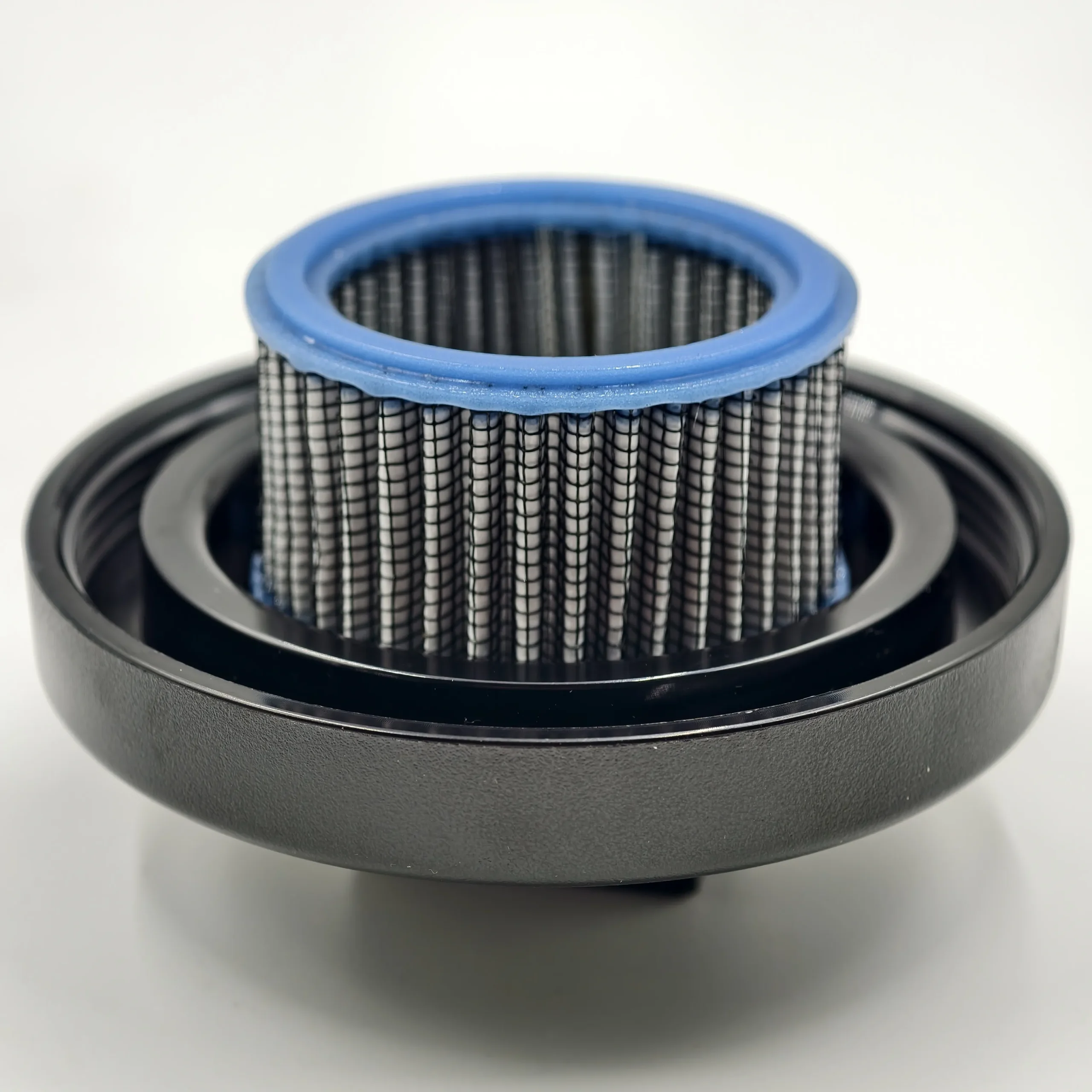 21T-04-31170 Komatsu Cap Assembly
 -
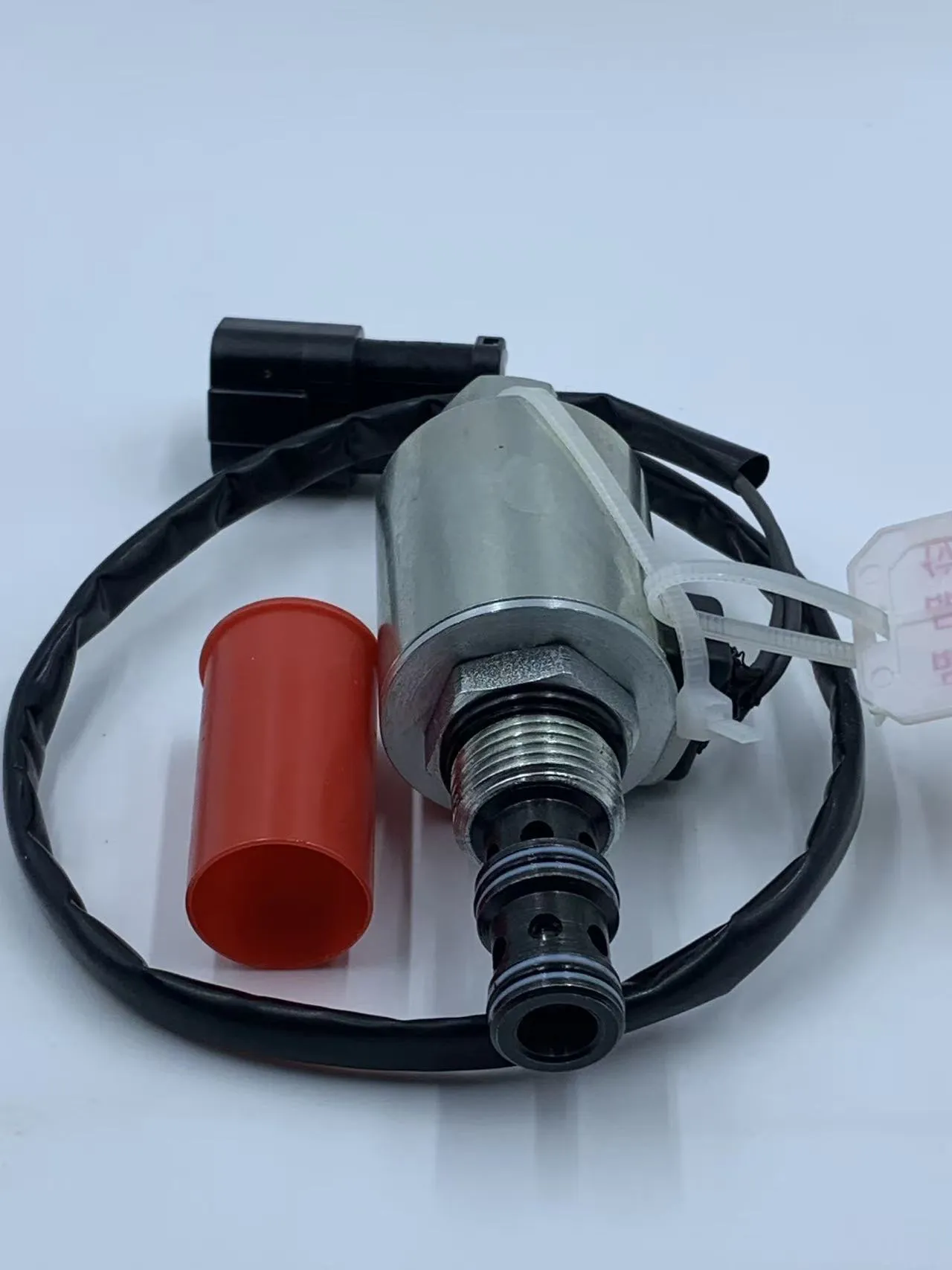 New Rotary Pump Solenoid Coil 20Y-60-11713 for Komatsu… | eBay
 -
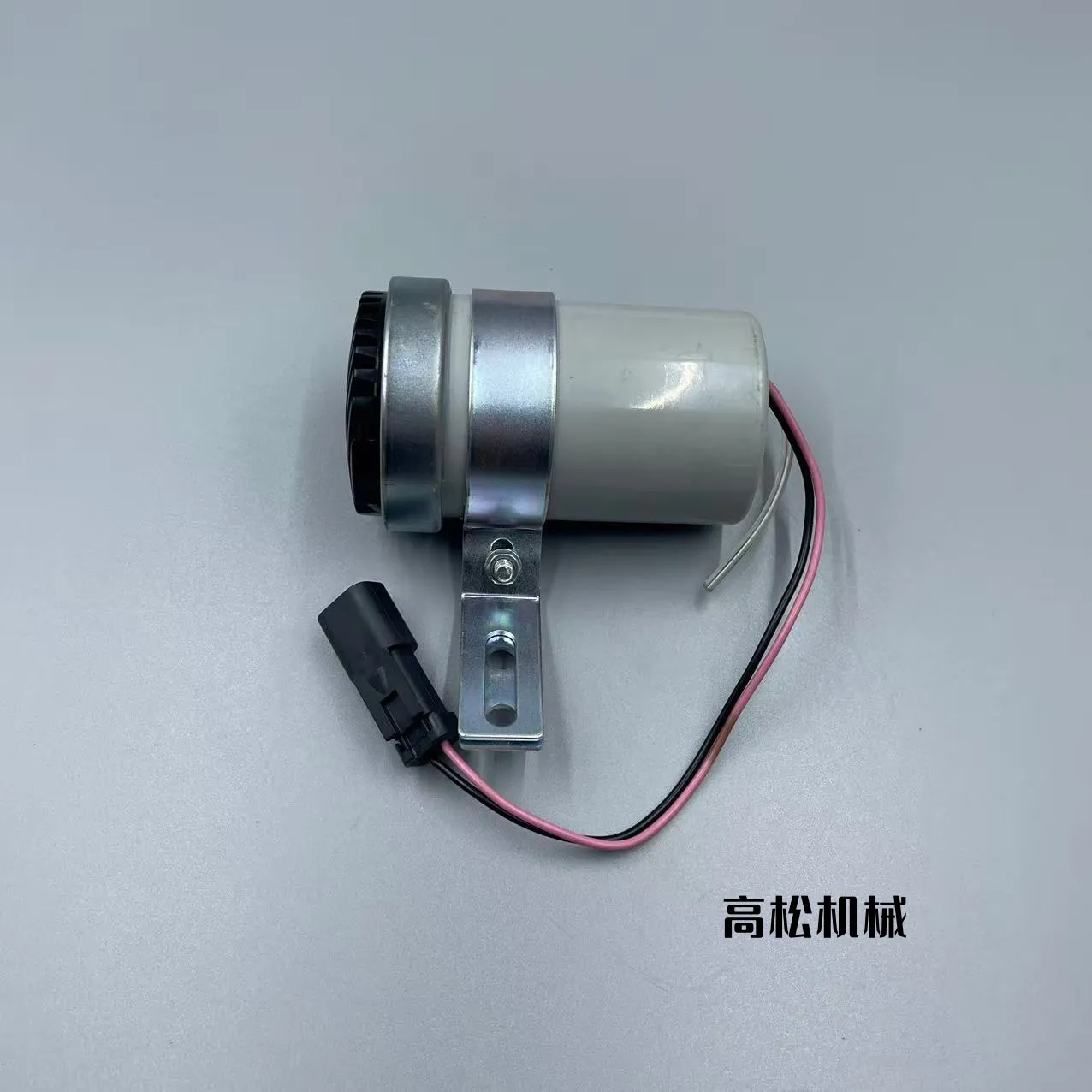 198-06-56570-BUZZER-Komatsu Original Factory
 -
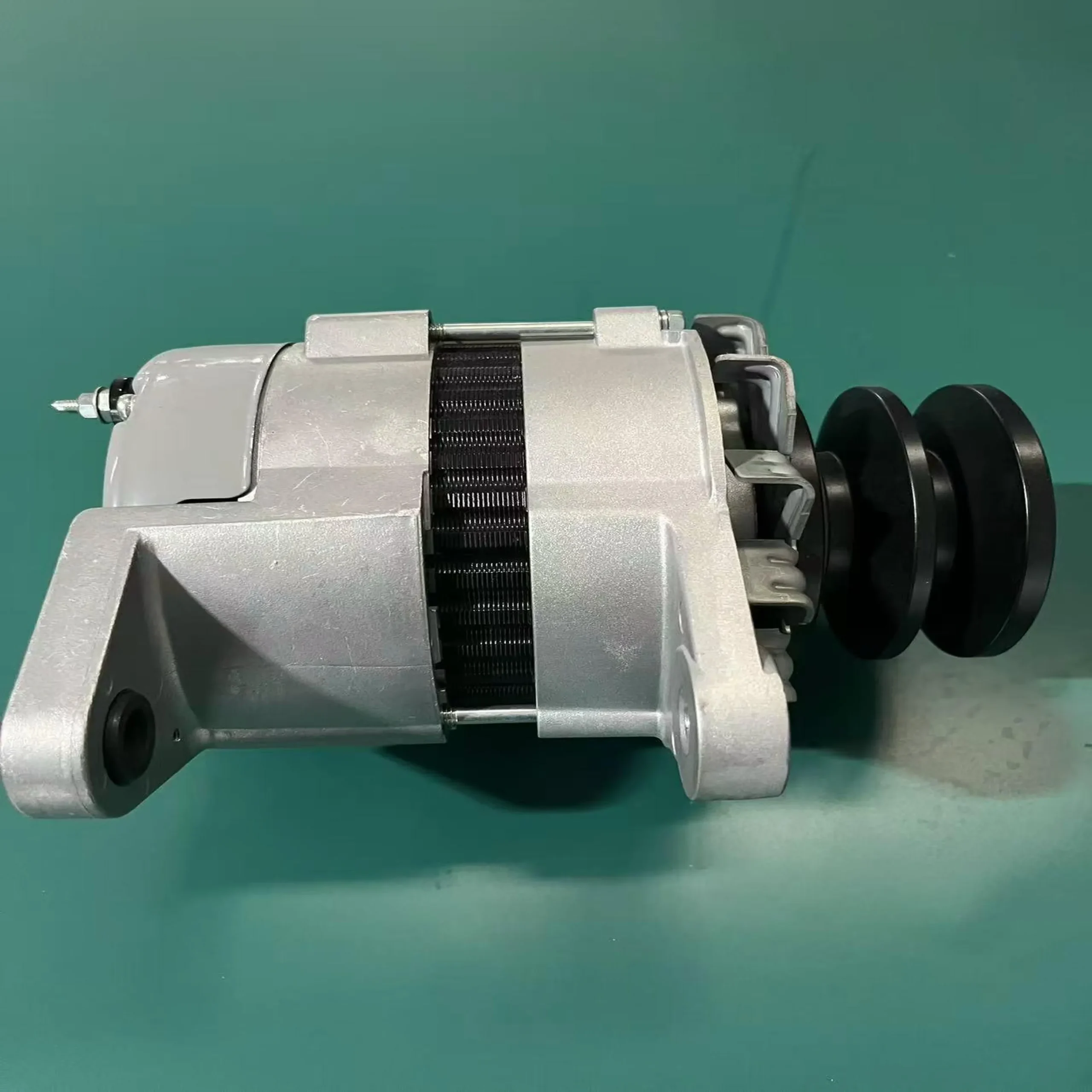 600-825-3151OEG Parts New Alternator Compatible With KOMATSU D65E Crawler & PC130 PC400 EXCAVATOR WA320 LOADER 6008253120, 6008253150, 6008253151, 6008253160, 6008253161, ANK0005, 40050015
 -
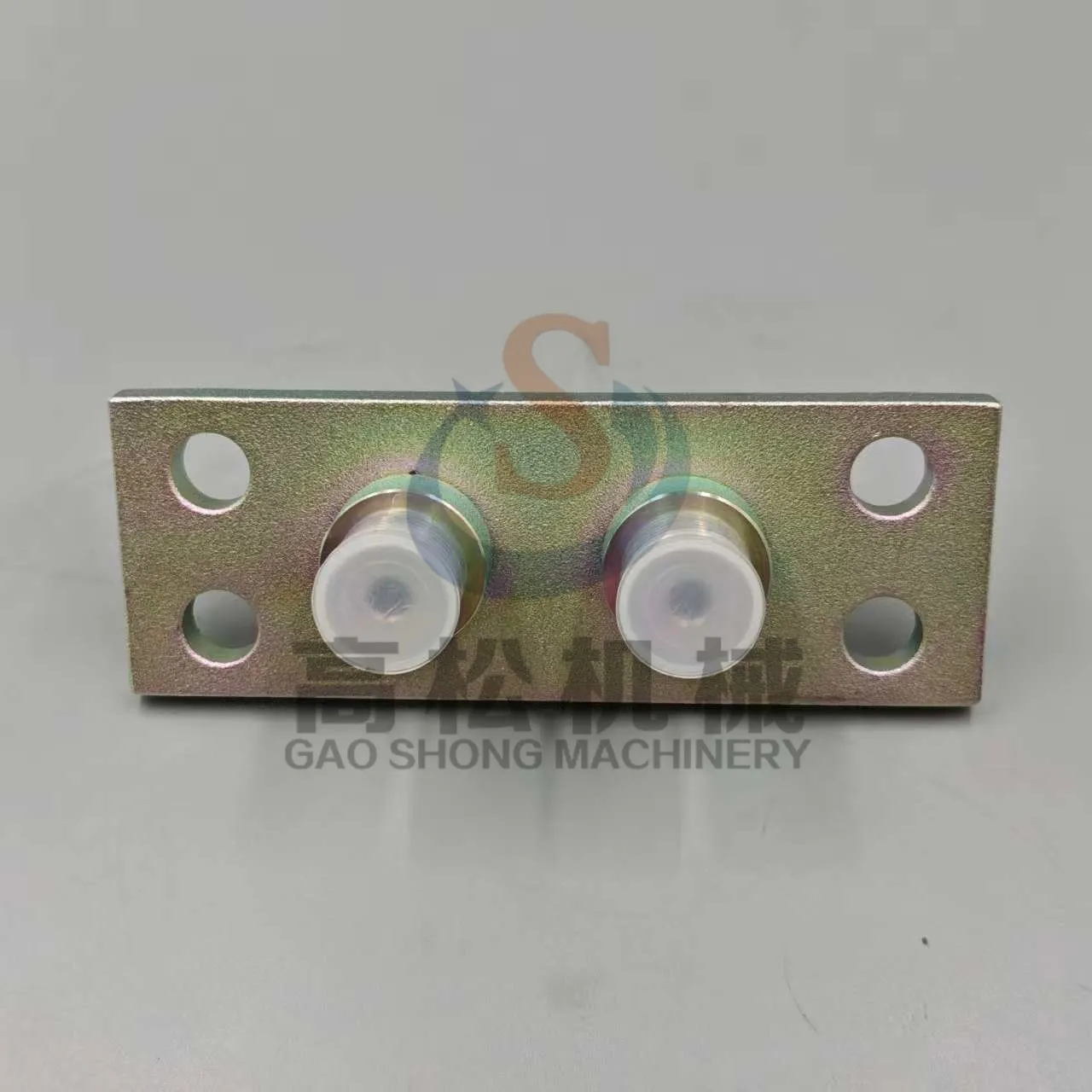 BRACKET 14Y-62-31411 – KOMATSU
 -
Komatsu Excavator PC1250 Flange 21N-62-11361
-
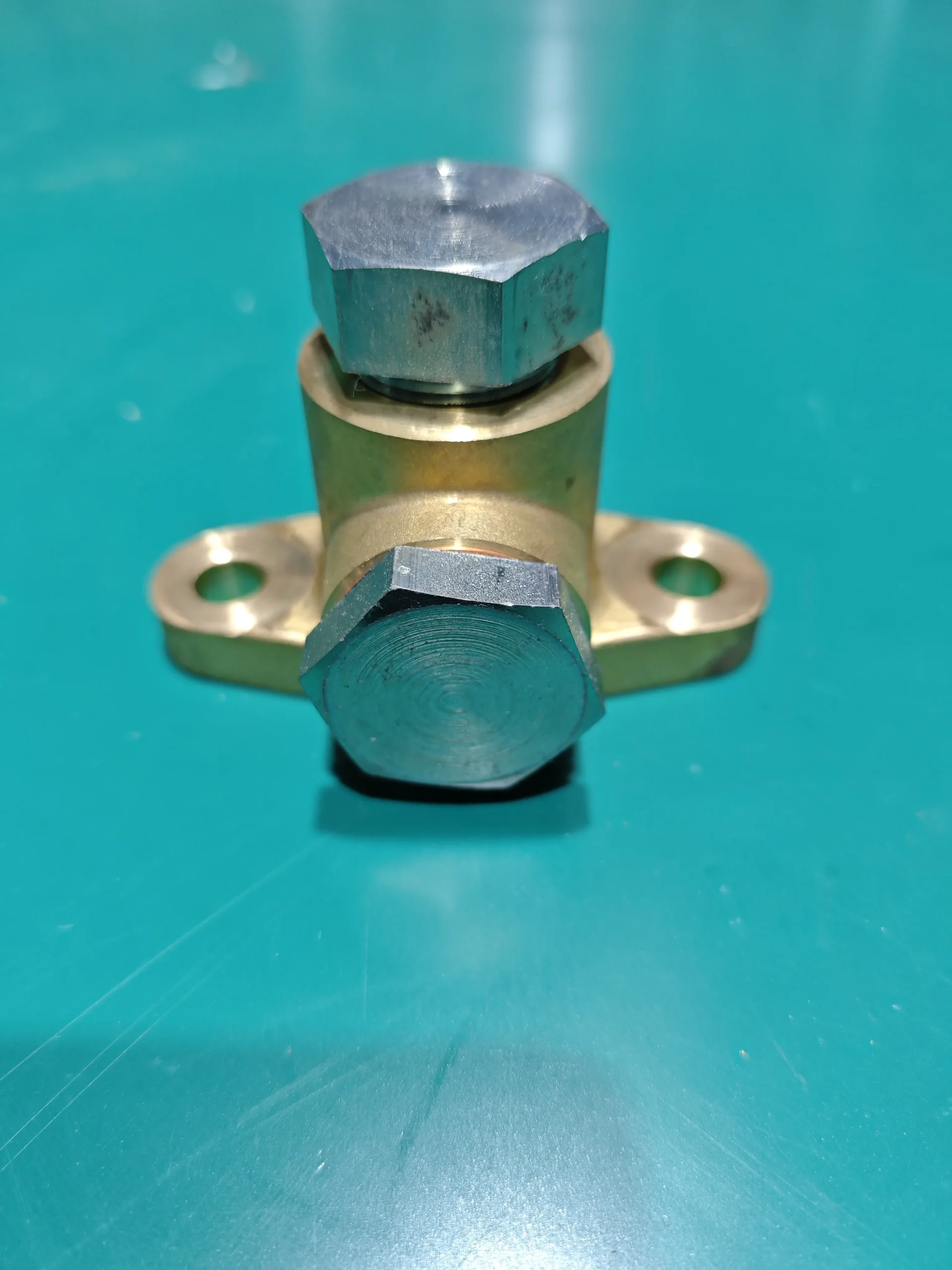 6693-22-5600 VALVE ASS’Y,OIL PAN DRAIN (Komatsu)
 -
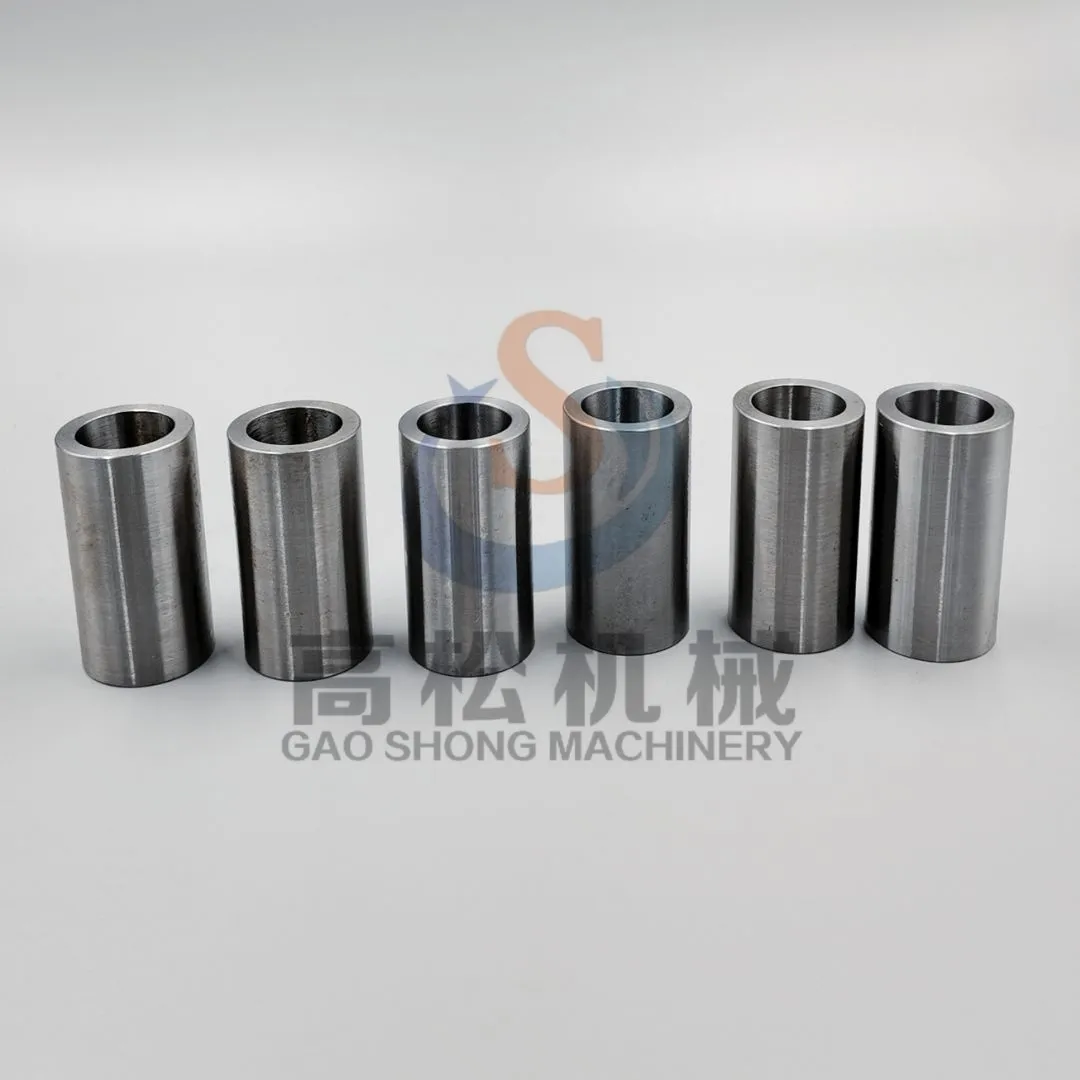 566-54-21910 Komatsu Bushing
 -
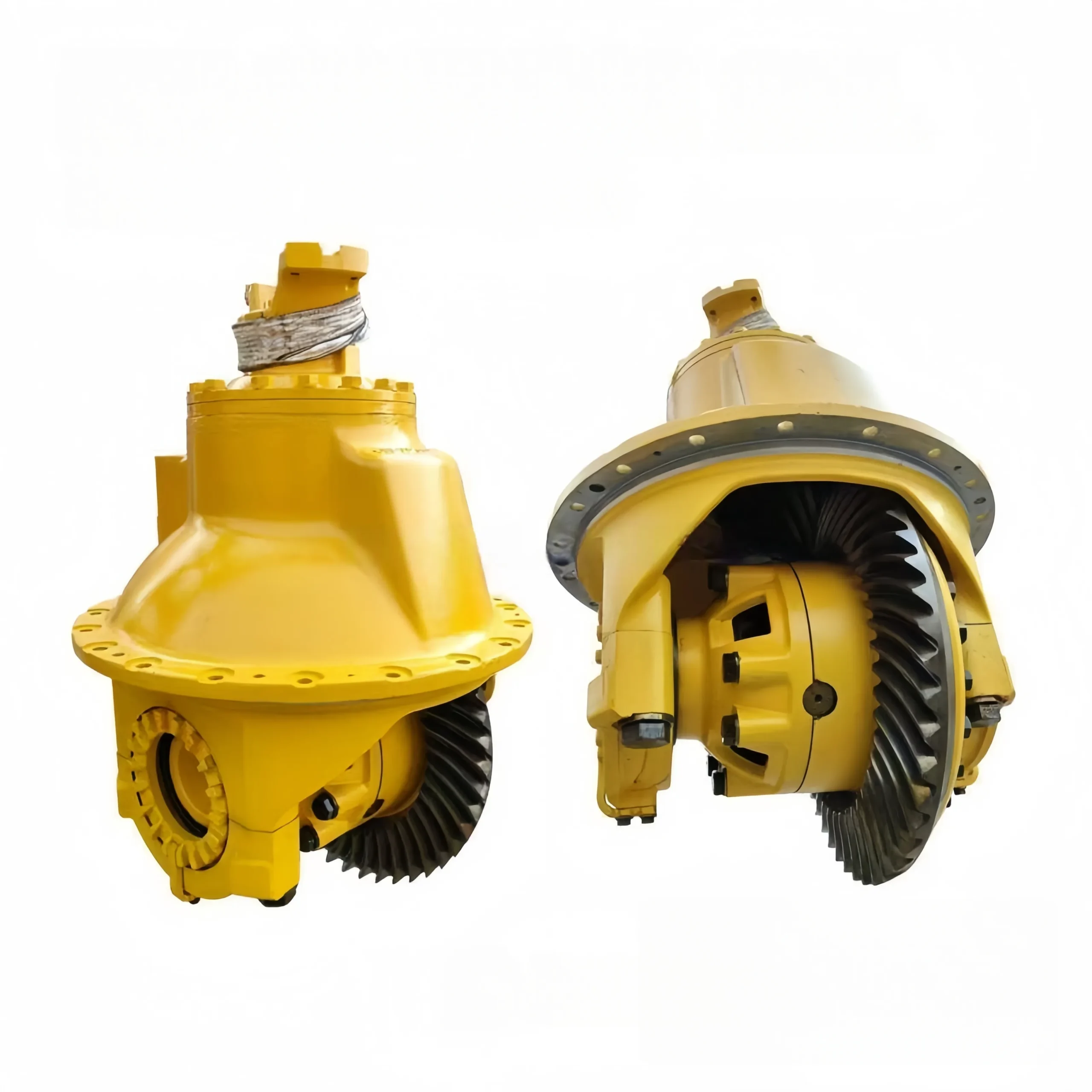 komatsu-part-569-22-71002 RM569-22-71002 569-22-71001 DIFFERENTIAL ASS’Y HD465-7 HD605-7 REAR AXLE (REAR DIFFERENTIAL)
 -
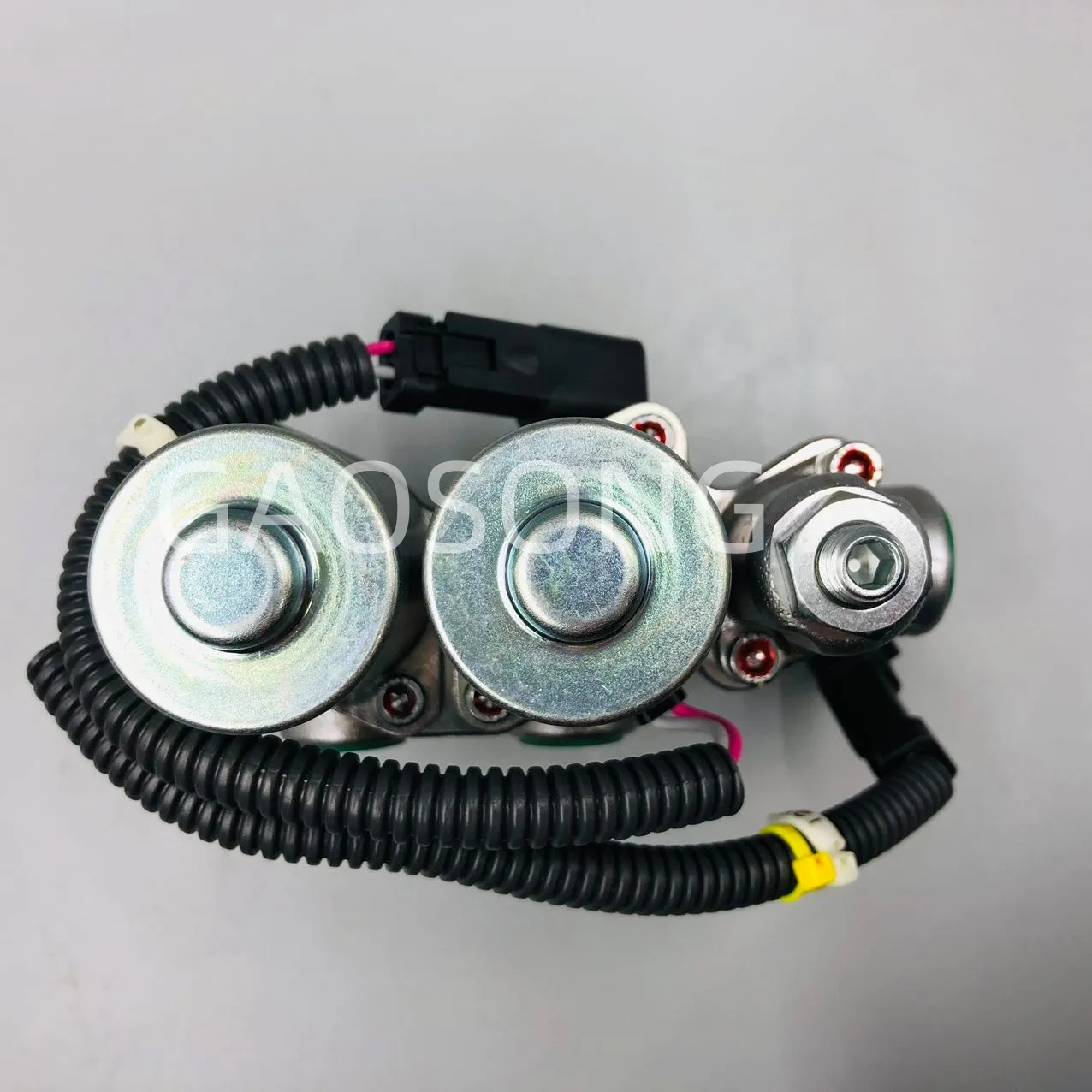 Pc45mr Pc50mr Solenoid Valve 22f-60-31600 Genuine Parts, High…
 -
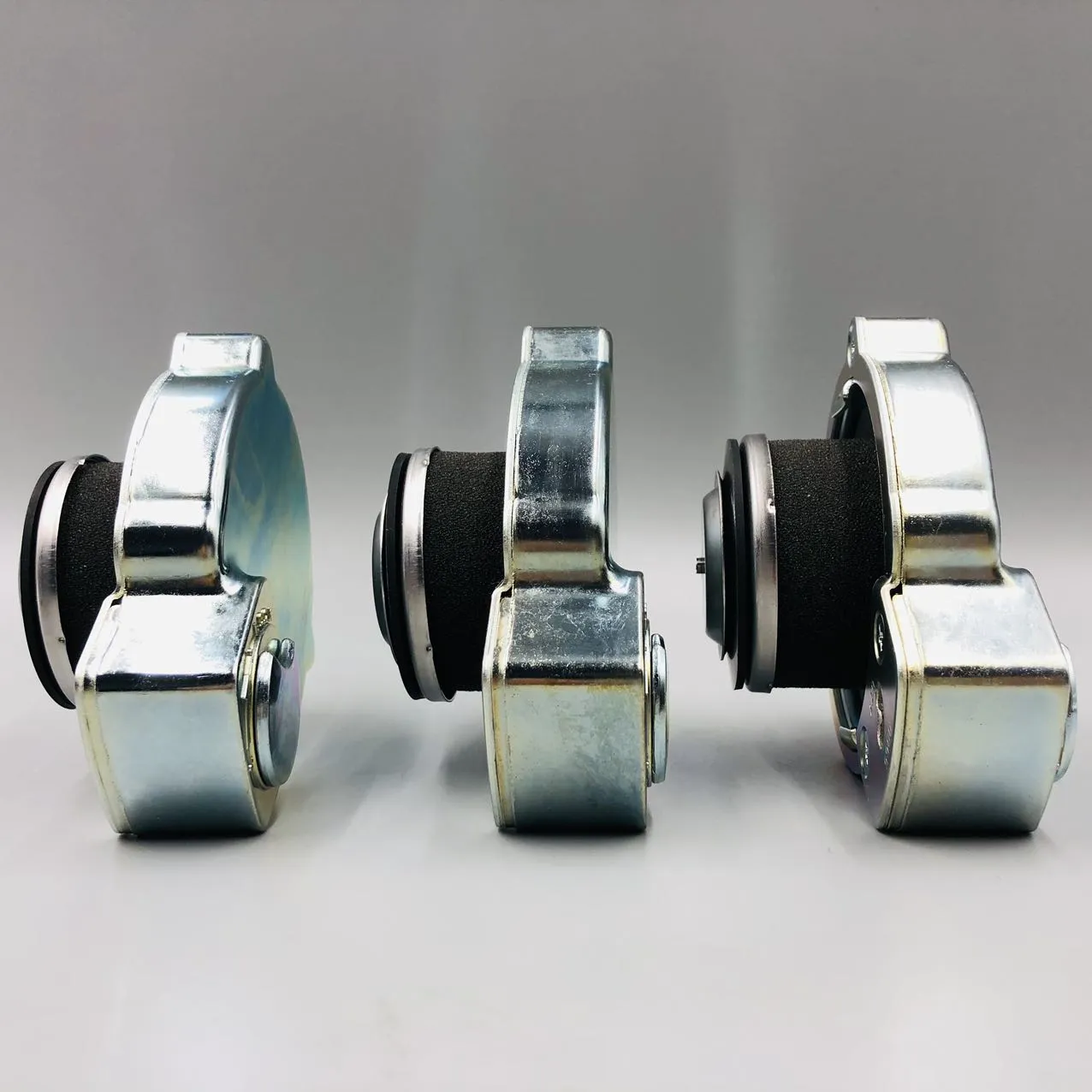 17A-60-11310Hydraulic oil cap assembly
 -
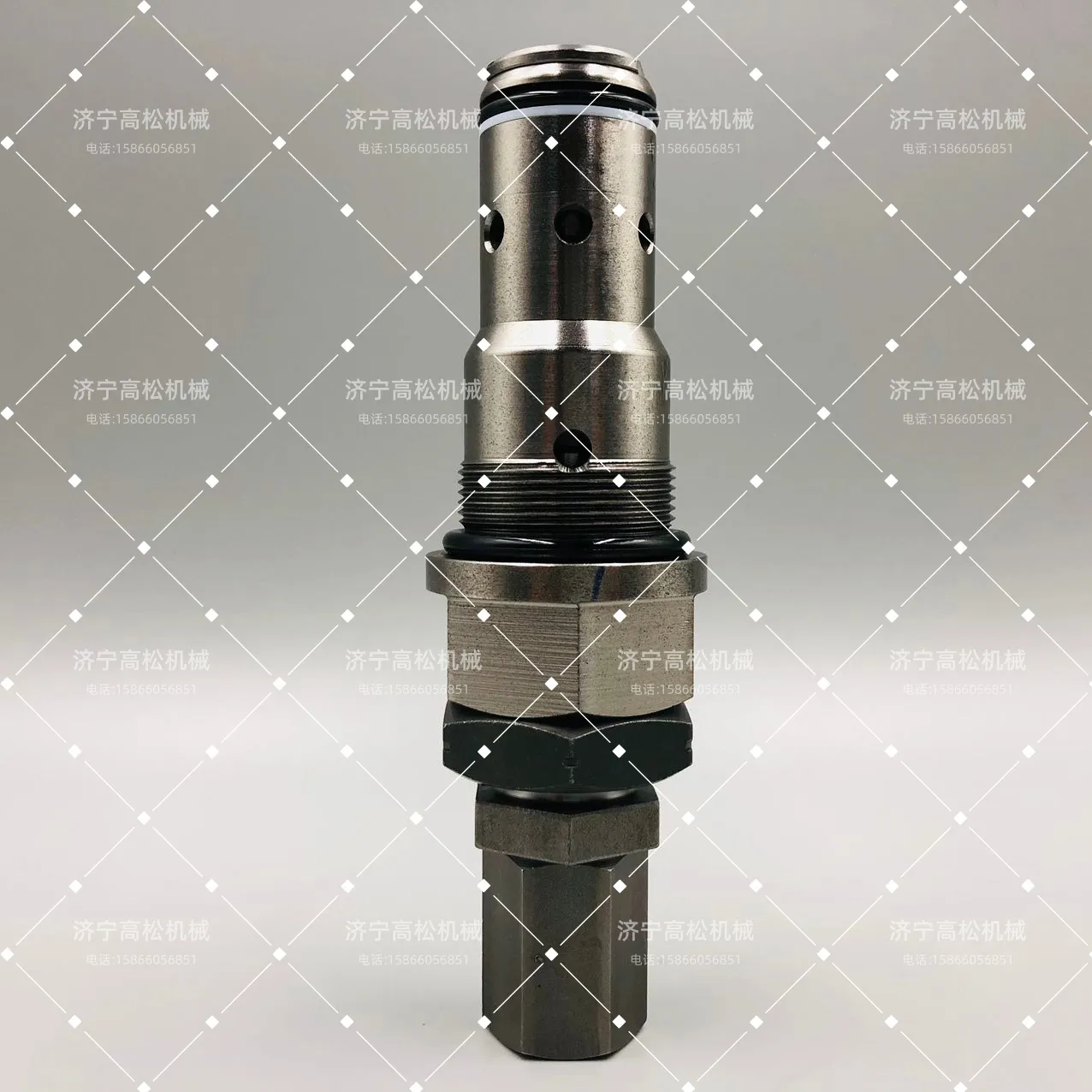 RELIEF VALVE 700-89-66000 – KOMATSU Part catalog