
- Chinese
- French
- German
- Portuguese
- Spanish
- Russian
- Japanese
- Korean
- Arabic
- Irish
- Greek
- Turkish
- Italian
- Danish
- Romanian
- Indonesian
- Czech
- Afrikaans
- Swedish
- Polish
- Basque
- Catalan
- Esperanto
- Hindi
- Lao
- Albanian
- Amharic
- Armenian
- Azerbaijani
- Belarusian
- Bengali
- Bosnian
- Bulgarian
- Cebuano
- Chichewa
- Corsican
- Croatian
- Dutch
- Estonian
- Filipino
- Finnish
- Frisian
- Galician
- Georgian
- Gujarati
- Haitian
- Hausa
- Hawaiian
- Hebrew
- Hmong
- Hungarian
- Icelandic
- Igbo
- Javanese
- Kannada
- Kazakh
- Khmer
- Kurdish
- Kyrgyz
- Latin
- Latvian
- Lithuanian
- Luxembou..
- Macedonian
- Malagasy
- Malay
- Malayalam
- Maltese
- Maori
- Marathi
- Mongolian
- Burmese
- Nepali
- Norwegian
- Pashto
- Persian
- Punjabi
- Serbian
- Sesotho
- Sinhala
- Slovak
- Slovenian
- Somali
- Samoan
- Scots Gaelic
- Shona
- Sindhi
- Sundanese
- Swahili
- Tajik
- Tamil
- Telugu
- Thai
- Ukrainian
- Urdu
- Uzbek
- Vietnamese
- Welsh
- Xhosa
- Yiddish
- Yoruba
- Zulu
- Kinyarwanda
- Tatar
- Oriya
- Turkmen
- Uyghur






OEM AND ORIGINAL KOMATSU STARTER 600-813-9911
When you see a part number like for a Komatsu starter, the immediate assumption in many shops is that you're dealing with a pure, unadulterated Komatsu original part. But that's where the first layer of complexity, and frankly, a common industry pitfall, begins. The term OEM and Original gets thrown around so loosely it's lost meaning. Having sourced and installed this specific starter for machines from older PC200-6 models to more recent ones, I've learned the distinction isn't just academic—it directly impacts downtime, cranking performance, and the longevity of the entire starting circuit. An OEM supplier within Komatsu's system isn't necessarily the same as the assembly line original you'd get from a Komatsu main parts desk, yet the quality can be functionally identical, sometimes even surpassing it in specific aspects if the supplier knows their metallurgy and winding specs. It's this gray area that companies like Jining Gaosong Construction Machinery Co., Ltd. operate in, and understanding their role is key to solving real-world supply chain headaches.
The Part Number Maze and What Original Really Means
Let's break down . This isn't just a SKU; it's a blueprint. It dictates the voltage, the mounting flange, the pinion teeth count and reach, the solenoid configuration. A true original will match every dimension and electrical characteristic. However, I've seen units sold as original that had slight deviations in the solenoid plunger material, leading to intermittent engagement issues in cold weather. The failure wasn't catastrophic; it was a nuisance—the kind that has you pulling the starter multiple times before suspecting the new part.
This is where the value of a specialized supplier comes in. A company like Jining Gaosong, which positions itself as an OEM product supplier within the Komatsu system, often has access to the same manufacturing lines that produce the branded parts. Their version of the Komatsu starter might come from the same factory, just without the final Komatsu logo and paint. I've cross-sectioned a brush holder from one of their units against a genuine one from a Komatsu warehouse, and the copper content and spring tension were indistinguishable. The real test was on a PC220-8 operating in a high-dust quarry—after 14 months, the wear pattern was nearly identical to the part it replaced.
The trap is assuming all third-party sellers are equal. Some simply rebadge generic starters that fit. The tell? Often the weight. A genuine or proper OEM-spec starter for this application has a certain heft due to the copper windings and iron core. A lighter unit almost certainly uses aluminum windings, which can't handle the sustained cranking amps a large diesel sometimes demands, leading to heat buildup and eventual failure. You learn to judge with your hands before you even open the box.
Practical Sourcing and the Role of Specialized Distributors
In certain regions, especially emerging markets or places with trade restrictions, getting a starter directly from Komatsu can mean a 12-week lead time and a customs nightmare. That's a financial killer for an active machine. This is the specific challenge companies like Jining Gaosong address. They aren't just selling a part; they're providing a logistical bypass. I've used their channel through their portal at https://www.takematsumachinery.com to source this starter for a client in a country where official distribution was spotty. The process wasn't as polished as the main dealer's portal, but the communication was direct, and they understood the exact machine application—not just the part number.
A case that stands out involved a fleet of Komatsu excavators in a remote mining operation. We had two starters fail within days. The local Komatsu agent had one in the country, but needed the other air-freighted at exorbitant cost. As a test, we ordered one OEM starter from Gaosong. The shipping was faster via their established third-party routes. When it arrived, we bench-tested it alongside the official one: same no-load speed, same amp draw, same brutal torque on the lock test. We installed both. That was three years ago. The machine with the Gaosong-sourced unit has required one set of brushes, exactly on schedule with the other. The performance parity was clear.
However, it's not always seamless. On one occasion, a batch of starters they supplied had a different terminal stud coating. It was a minor corrosion-resistant finish, but it required a different torque setting on the cable lug to avoid galling. A small detail, but if you just crank it down like the old one, you risk stripping it. This is the kind of practical, hands-on detail you only get from direct experience. It forced us to update our installation checklist—a small adaptation for a reliable supply stream.
Technical Nuances and Failure Analysis
Diving deeper into the , its robustness often comes down to the drive assembly. The one-way clutch and the pinion gear are high-stress points. I've seen failures where the clutch rollers spalled on aftermarket units because the case-hardening depth was insufficient. The OEM-spec units from a reliable supplier typically replicate the induction hardening process correctly. You can't see this until it fails, but you can hear it—a nasty grinding noise during cranking that precedes a complete no-start.
Another nuance is the solenoid's pull-in and hold-in windings. They must be balanced for the specific voltage drop of the machine's harness. A poorly matched solenoid will click but not throw the pinion fully, causing it to grind against the flywheel ring gear. This happened to us once with a compatible unit from an unknown source. The fix wasn't replacing the starter again, but actually measuring the voltage at the solenoid terminal during cranking and comparing it to the starter's specifications. The unit from Jining Gaosong Construction Machinery Co., Ltd. that we later sourced matched the voltage profile we measured, confirming their specs were aligned with true OEM requirements.
Heat dissipation is a silent killer. The starter's location on the engine often exposes it to radiant heat. Original and proper OEM units have specific high-temp-rated insulation on the windings. I recall a rebuild where a cheaper alternative used Class B insulation where Class H was needed. It worked for six months until a prolonged heat wave caused the insulation to break down and short. The lesson was to always specify the operating environment to the supplier, which is something a knowledgeable third-party sales company should ask about.
Logistics, Verification, and Building Trust
Ordering a critical component like this remotely requires a verification step. When we first engaged with https://www.takematsumachinery.com, we didn't just order ten starters. We ordered one. We tore it down completely before installation. We checked the armature stack laminations, the commutator endplay, the bearing preload. It passed our internal audit. This is a non-negotiable step with any new supplier, regardless of their claims. Their role as a problem-solver for parts supply challenges is only valid if the product passes the physical test.
Their company model, being both an OEM supplier and a third-party sales channel, is interesting. It means they can sometimes offer the same part in different packages—with full Komatsu branding for some markets, or with neutral packaging for others, often at a significant cost difference for the same internals. This flexibility is valuable for large fleet owners who need to balance strict procurement policies with budget realities. The part number remains the anchor, but the path to getting it varies.
Ultimately, the relationship becomes about predictability. Can I get the same quality in the next batch? With this supplier, our experience has been consistent. We've even sent them failed units from other sources for analysis, and they've provided detailed breakdowns showing the material deficiencies—a service that builds technical trust beyond a simple transaction.
Concluding Thoughts on the Supply Ecosystem
So, back to the original keyword: OEM AND ORIGINAL KOMATSU STARTER . It represents a spectrum. At one end is the certified, traceable Komatsu box. At the other are generic copies. In the middle is a viable, professional tier occupied by capable companies that fill the gaps in the global supply chain. They provide what is essentially an original part, often from parallel production lines, without the brand premium or the logistical bottlenecks.
For a technician or fleet manager, the goal isn't dogma—it's machine uptime. If a supplier like Jining Gaosong can deliver a starter that meets every functional and durability criteria of the original, and does so reliably and faster in a challenging region, then that part fulfills the professional requirement. The key is in the verification, the hands-on testing, and understanding that the term OEM in their context is a technical specification, not just a marketing label. It's a practical solution for keeping iron moving, which, in the end, is the only thing that really matters.
Related Products
Related Products

Best Selling Products
Best Selling Products-
 Original komatsu WA320-3 filter element 600-411-1151
 -
 Komatsu 21N-03-32360 Connector, price for original… — Pricing.Parts
 -
 203-54-14330 COLLAR-Komatsu Original Factory
 -
 Relay Valve 561-35-61601 for Komatsu Dump Truck…
 -
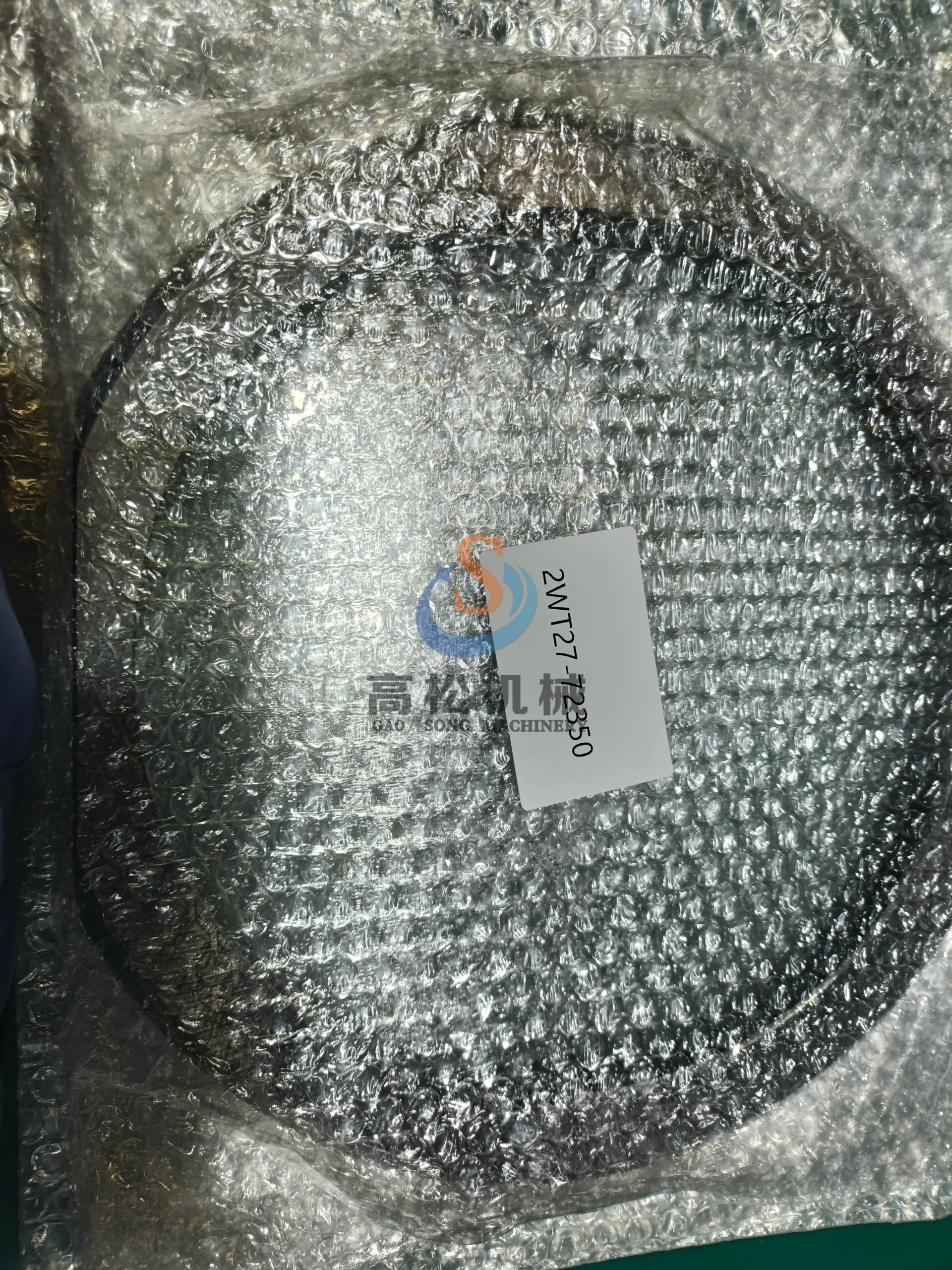 154-27-72350 komatsu Bushing
 -
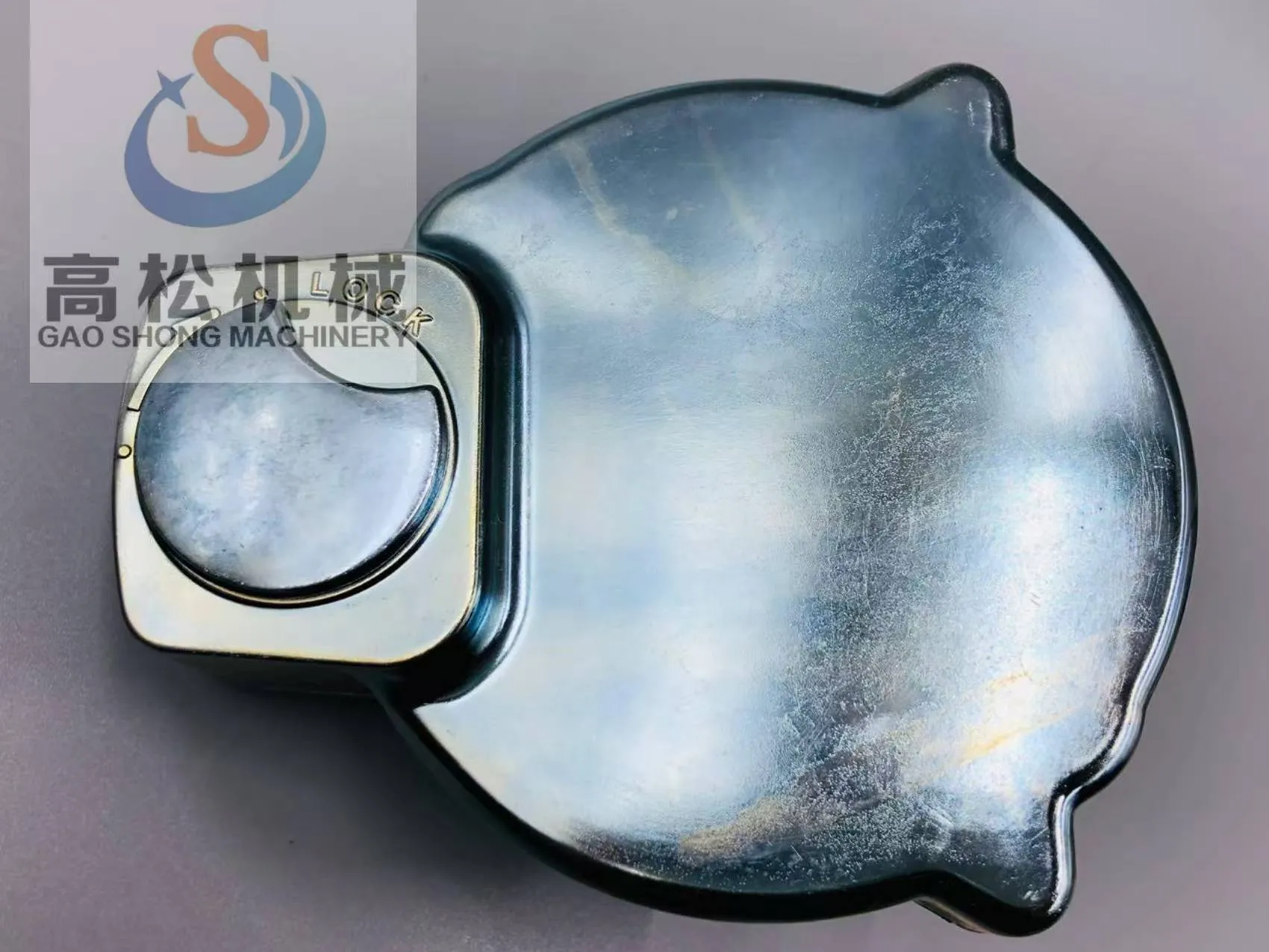 17a-60-11310 hydraulic excavator tank cap compatible with p300-8 and p350-8 construction equipment
 -
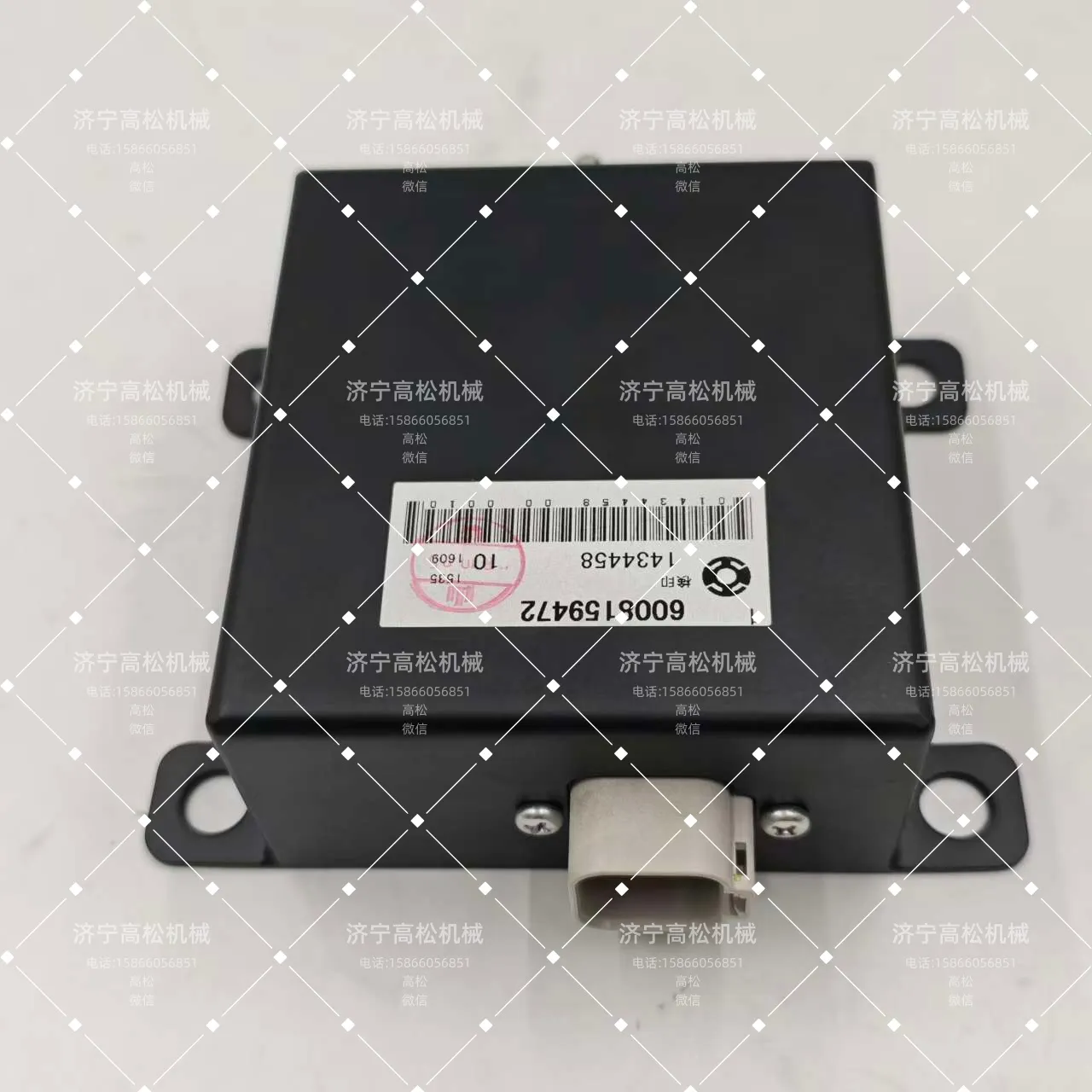 600-815-9472 Komatsu Switch
 -
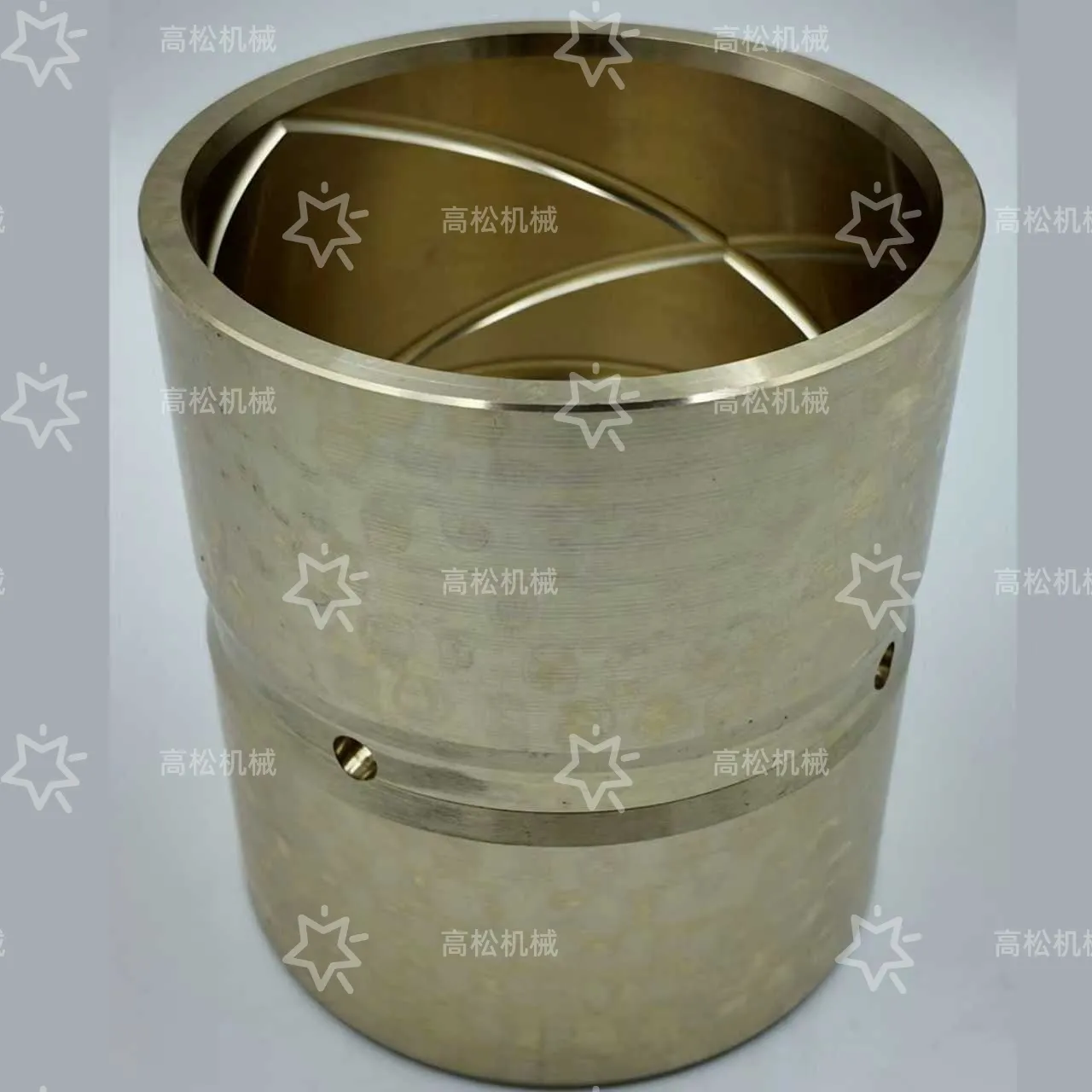 BUSHING 207-70-61610 for KOMATSU PC350-7 PC300LC-7 PC300-8 PC300LC-7L PC300-7
 -
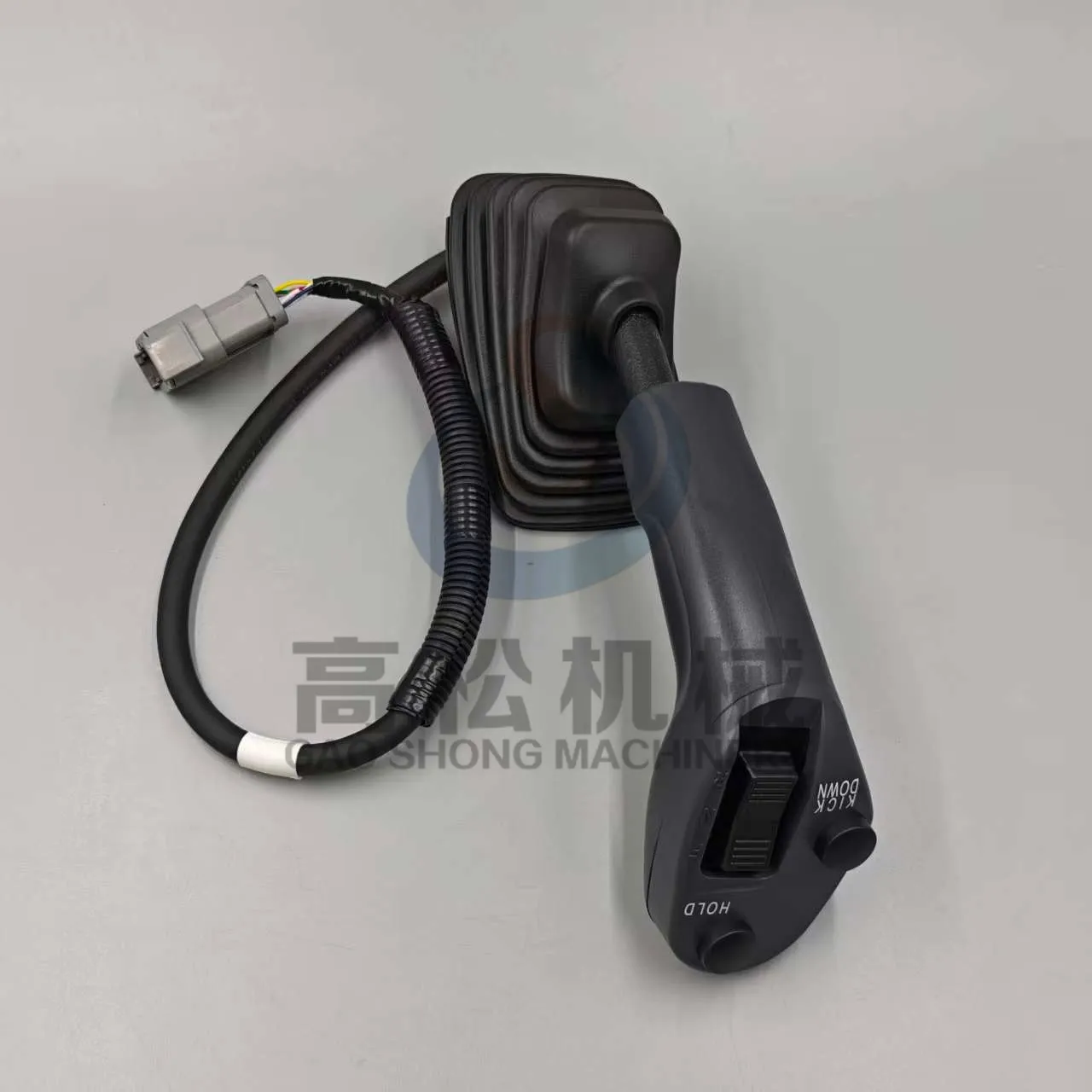 423-V91-4144 Komatsu Lever Assembly
 -
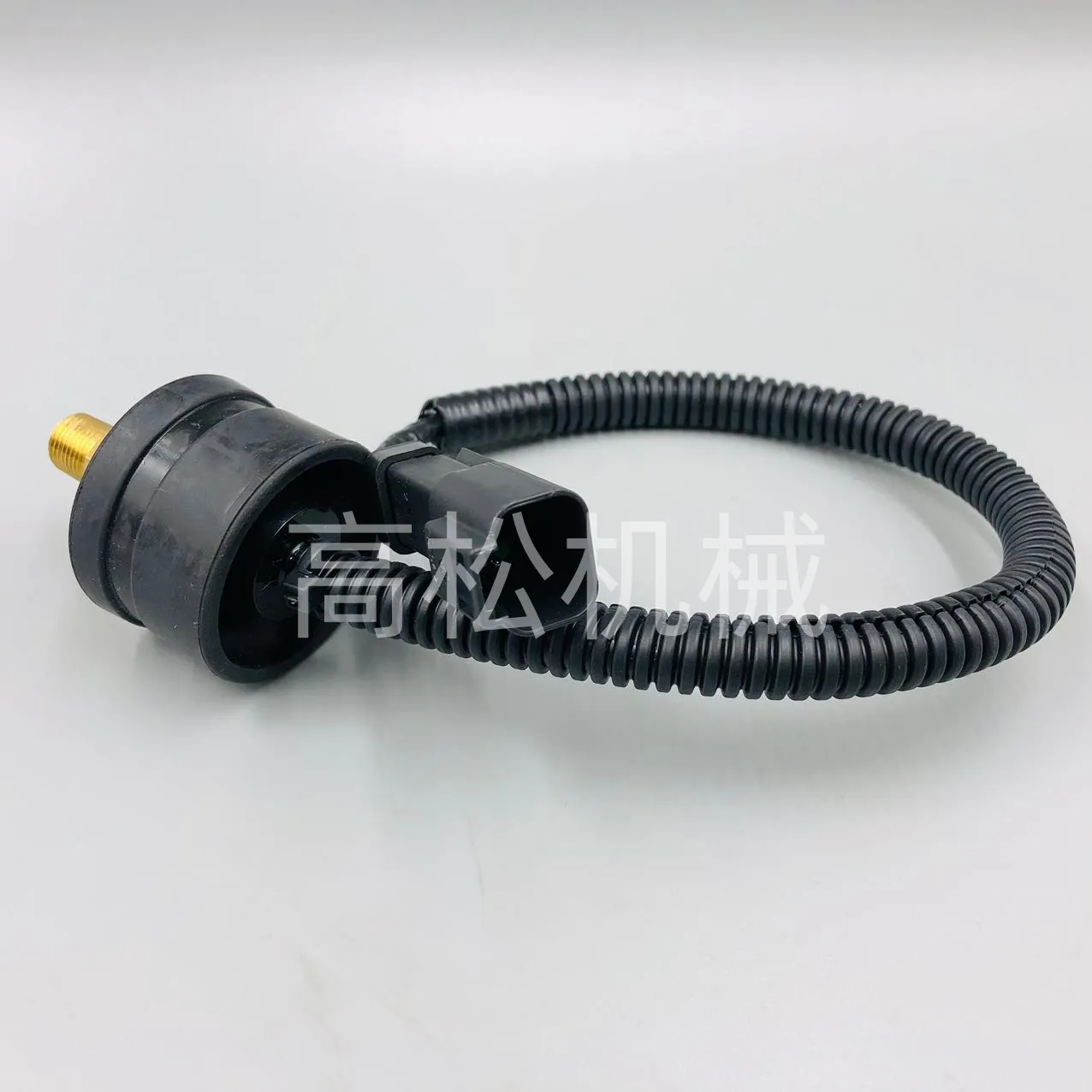 7861-93-1430 SENSOR,SWITCH-Komatsu Original Factory
 -
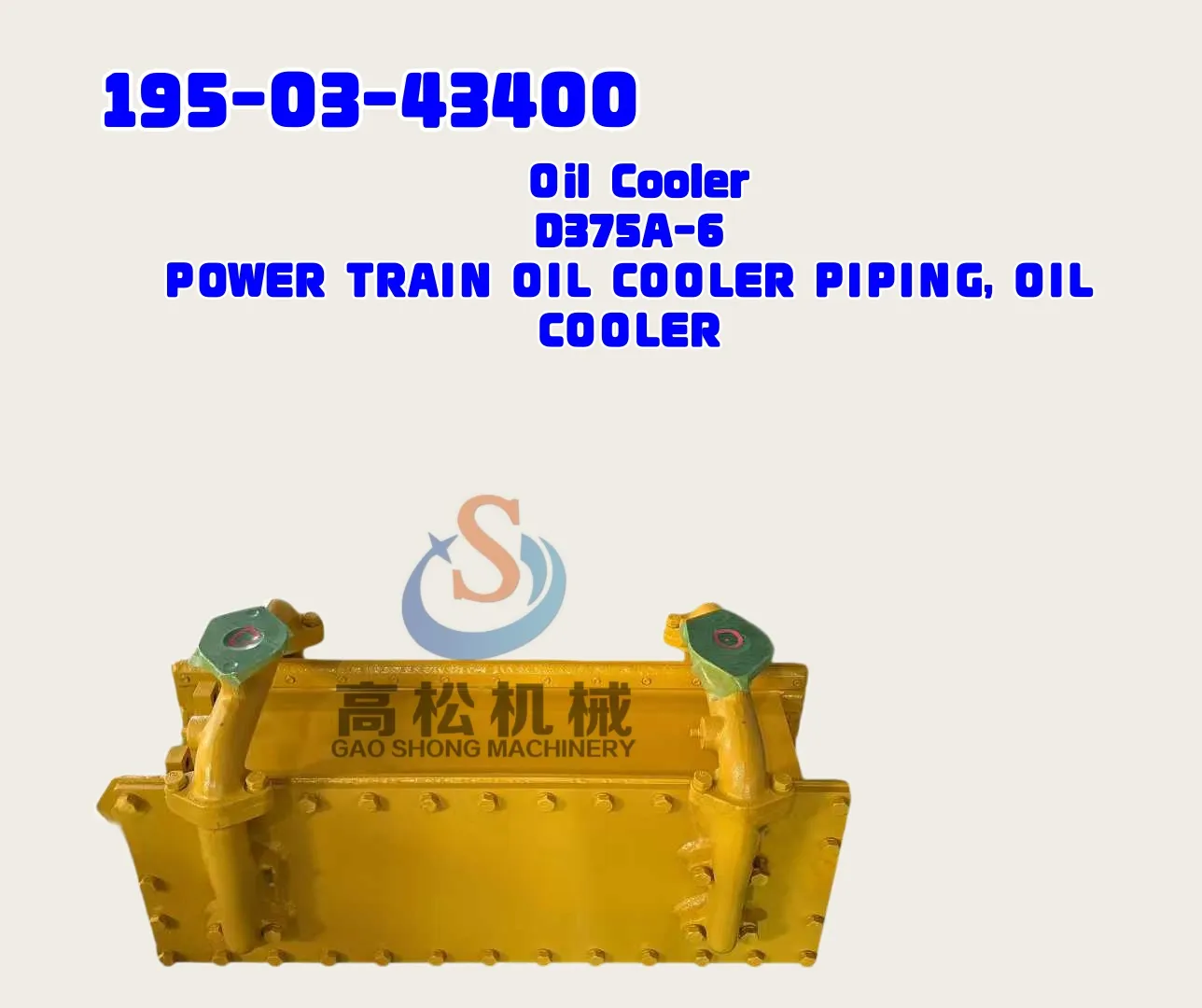 komatsu-part-195-03-43400 Oil Cooler D375A-6 D375A-6R POWER TRAIN OIL COOLER PIPING, OIL COOLER
 -
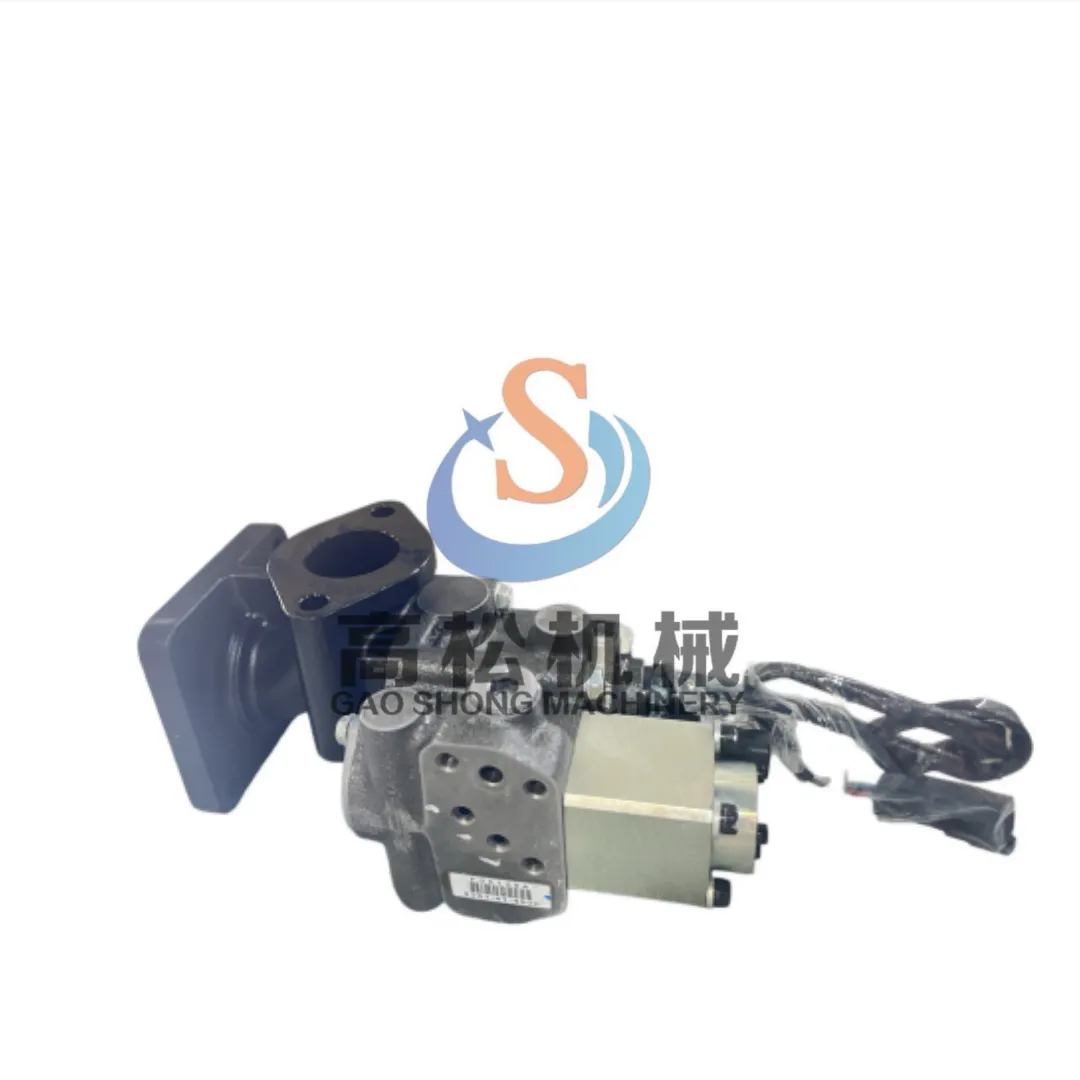 Excavator For Komatsu PC400-7 PC450-7 Control Solenoid Valve 6261-41-4900