
- Chinese
- French
- German
- Portuguese
- Spanish
- Russian
- Japanese
- Korean
- Arabic
- Irish
- Greek
- Turkish
- Italian
- Danish
- Romanian
- Indonesian
- Czech
- Afrikaans
- Swedish
- Polish
- Basque
- Catalan
- Esperanto
- Hindi
- Lao
- Albanian
- Amharic
- Armenian
- Azerbaijani
- Belarusian
- Bengali
- Bosnian
- Bulgarian
- Cebuano
- Chichewa
- Corsican
- Croatian
- Dutch
- Estonian
- Filipino
- Finnish
- Frisian
- Galician
- Georgian
- Gujarati
- Haitian
- Hausa
- Hawaiian
- Hebrew
- Hmong
- Hungarian
- Icelandic
- Igbo
- Javanese
- Kannada
- Kazakh
- Khmer
- Kurdish
- Kyrgyz
- Latin
- Latvian
- Lithuanian
- Luxembou..
- Macedonian
- Malagasy
- Malay
- Malayalam
- Maltese
- Maori
- Marathi
- Mongolian
- Burmese
- Nepali
- Norwegian
- Pashto
- Persian
- Punjabi
- Serbian
- Sesotho
- Sinhala
- Slovak
- Slovenian
- Somali
- Samoan
- Scots Gaelic
- Shona
- Sindhi
- Sundanese
- Swahili
- Tajik
- Tamil
- Telugu
- Thai
- Ukrainian
- Urdu
- Uzbek
- Vietnamese
- Welsh
- Xhosa
- Yiddish
- Yoruba
- Zulu
- Kinyarwanda
- Tatar
- Oriya
- Turkmen
- Uyghur





OEM AND ORIGINAL KOMATSU STARTER 600-813-9512
When you see a listing for an 'OEM AND ORIGINAL KOMATSU STARTER ', the immediate assumption is often that it's a straightforward, genuine part straight from Komatsu. But in the trenches, that phrase carries a lot more nuance—and potential confusion. I've seen too many guys order what they think is a pure OEM starter, only to get a part that's maybe OEM-spec but from a different factory, or worse, a cleverly repackaged aftermarket unit. The key here is understanding what 'OEM within the system' truly means versus a pure, channel-controlled original part. It's a distinction that costs time and money if you get it wrong.
The in the Wild: More Than Just a Number
That part number, , is specific to certain Komatsu excavators and dozers. It's not a generic starter. In my experience, when this unit fails, the machine is down hard. The immediate pressure is to find a replacement, fast. The official dealer network is the first port of call, but in many regions—especially where Jining Gaosong Construction Machinery Co., Ltd. operates—that supply chain can be bottlenecked or prohibitively expensive. That's where the landscape gets interesting. You start looking at alternatives, and you're bombarded with claims of 'OEM quality' and 'original'.
Here's the practical truth I've learned: A true 'original' part for this starter is one that comes in Komatsu-branded packaging, sourced through their official distribution. An 'OEM' part, however, can mean it was manufactured in the same factory that originally supplied Komatsu, perhaps even on the same line, but sold through a different channel without the Komatsu logo. This is the space where companies like Gaosong operate. They aren't just resellers; they function as a critical link, providing what's essentially the OEM product but outside the strict official pipeline. Checking their site, takematsumachinery.com, you see their stated role: an OEM product supplier within Komatsu's system and a third-party sales company. That wording is precise. It means they have access to the manufacturing source.
The physical differences can be minimal to none. I've held a starter from an official dealer and one sourced from a supplier like this side-by-side. Same casting marks, same solenoid, same copper windings. The only visible difference was the absence of the Komatsu stamp on the housing and the packaging. The performance? Identical. The cost and lead time? Significantly different. This is the unspoken reality of keeping older or widely distributed machines running in markets with parts challenges.
Where the Theory Meets the Grease: Installation and Pitfalls
Okay, so you decide to go with a sourced OEM starter. The isn't a simple bolt-on on every model. On a PC300-6 or -7, access is tight. You learn tricks—like removing the hydraulic oil filter first for just an extra inch of wrench swing. This is where a non-original part that deviates even slightly in dimensions can be a nightmare. A genuine OEM-spec part will have the exact mounting flange thickness and solenoid orientation. I've had a unit from a questionable supplier where the mounting holes were off by maybe 1mm. It seemed negligible on the bench, but under the machine, with everything in tension, it caused a cross-thread. Cost me half a day.
Electrical compatibility is another silent killer. The original starter has a very specific amp draw and engagement torque. A sub-par rebuild or a clone might physically fit but draw more current. This stresses the wiring harness and the relays downstream. I remember a case where a machine kept blowing the starter relay. Everyone blamed the electrical system. After days of diagnostics, we swapped in a properly sourced OEM-spec starter from a known supplier, and the problem vanished. The faulty 'new' starter was the culprit all along. It looked right but wasn't built right.
This is why the provenance matters. When a company explicitly states they are an OEM product supplier within the Komatsu system, it implies a level of specification adherence that a generic aftermarket rebuilder might not have. They're not just buying from a random factory; they're likely tied to the original component manufacturer (OCM). For a critical rotating component like a starter, that's the difference between a 6-month fix and a 5-year solution.
The Third-Party Role: Solving the Actual Problem
The website intro for Jining Gaosong hits on the core issue: helping to solve parts supply challenges in certain countries. This isn't marketing fluff. I've been in situations in Southeast Asia and Africa where the official lead time for a was 12 weeks. The machine is a revenue-generating asset; it can't sit for three months. A reliable third-party supplier with direct factory links can often get an identical part to the port in 2-3 weeks.
Their role is multifaceted. They aren't just a warehouse. They understand the cross-references, the machine applications, and the common failure modes associated with this starter. A good technical contact at such a company can tell you that the on a D65EX-12 might exhibit different wear patterns than on a PC200-8 due to different engine vibration characteristics. That's practical, field-based knowledge you don't get from a pure e-commerce site.
However, the relationship requires due diligence. Third-party sales company for Komatsu needs clarification. It doesn't mean Komatsu endorses them. It means they sell genuine-spec parts for Komatsu equipment. The trust is built on consistency. Do they provide traceability? Can they give you the manufacturer's batch code? For a part this critical, I always ask. The reputable ones, and I'd place a company with Gaosong's stated focus in this category, can and will provide that detail. The fly-by-night operators will give you vague promises.
Cost vs. Value: The Real Calculation for the
Let's talk money. The pure original starter from Komatsu has a premium price, which covers warranty, logistics, and brand. The OEM-spec part from a supplier like Takematsu Machinery comes in at a lower cost. The temptation is to go even cheaper with a rebuilt or non-OEM aftermarket. For a starter, this is almost always a false economy.
The failure of a starter isn't just the part cost. It's the downtime cost. It's the service truck roll-out, the mechanic's time, and the potential for collateral damage if a faulty starter solenoid fails to disengage and gets chewed up by the flywheel ring gear. Now you're replacing two major components. The value of a correct OEM and original Komatsu starter —whether in branded packaging or not—is in its predictable reliability and fit.
My rule has become this: For fast-moving consumables, maybe explore options. For core, rotating electrical or hydraulic components, stick to OEM-spec at a minimum. The savings from a cheaper part evaporate with the first extra service call. The supplier's value is in delivering that OEM-spec part reliably and with technical backing, not in being the absolute cheapest. Their website's emphasis on solving supply challenges suggests they understand this value proposition is about more than just price.
Final Thoughts: Cutting Through the Noise
So, when you're searching for that starter, the term OEM AND ORIGINAL KOMATSU STARTER is a signal. It's a signal the seller understands the keywords the market uses. The real work is in vetting what's behind those words. Does 'OEM' mean equivalent quality, or just 'we copied the dimensions'? Does 'original' mean Komatsu-branded, or just 'not used'?
Companies that are embedded in the system, as Jining Gaosong describes itself, offer a pragmatic path. They fill the gap between the rigid official channel and the chaotic aftermarket. For a working mechanic or fleet manager, that's often the sweet spot. You get the part that works, without the brand tax, but with a lineage back to the original build specs.
The proof is always in the installation and the hours of trouble-free operation afterwards. The last I sourced from a supplier with a similar model to Gaosong's is still turning over a D85 every morning, two years on. No fuss, no extra draw, just a solid crank. That's the end goal, regardless of the path you take to get there. The terminology is just the map; the part's performance is the territory.
Related Products
Related Products
Best Selling Products
Best Selling Products-
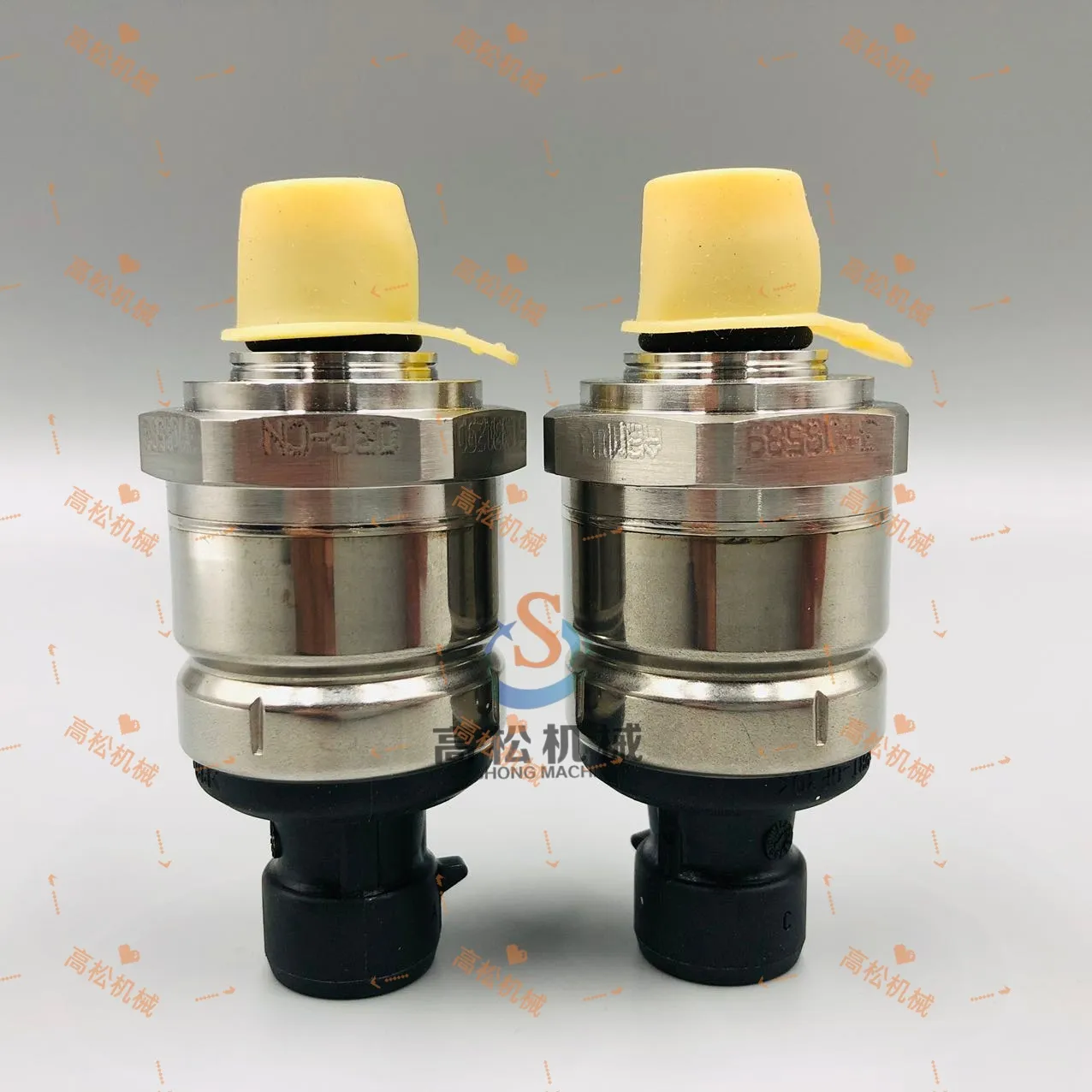 Pressure Sensor for Komatsu HM400 SAA6D140E WA500 6560-61-7201 6560617201
 -
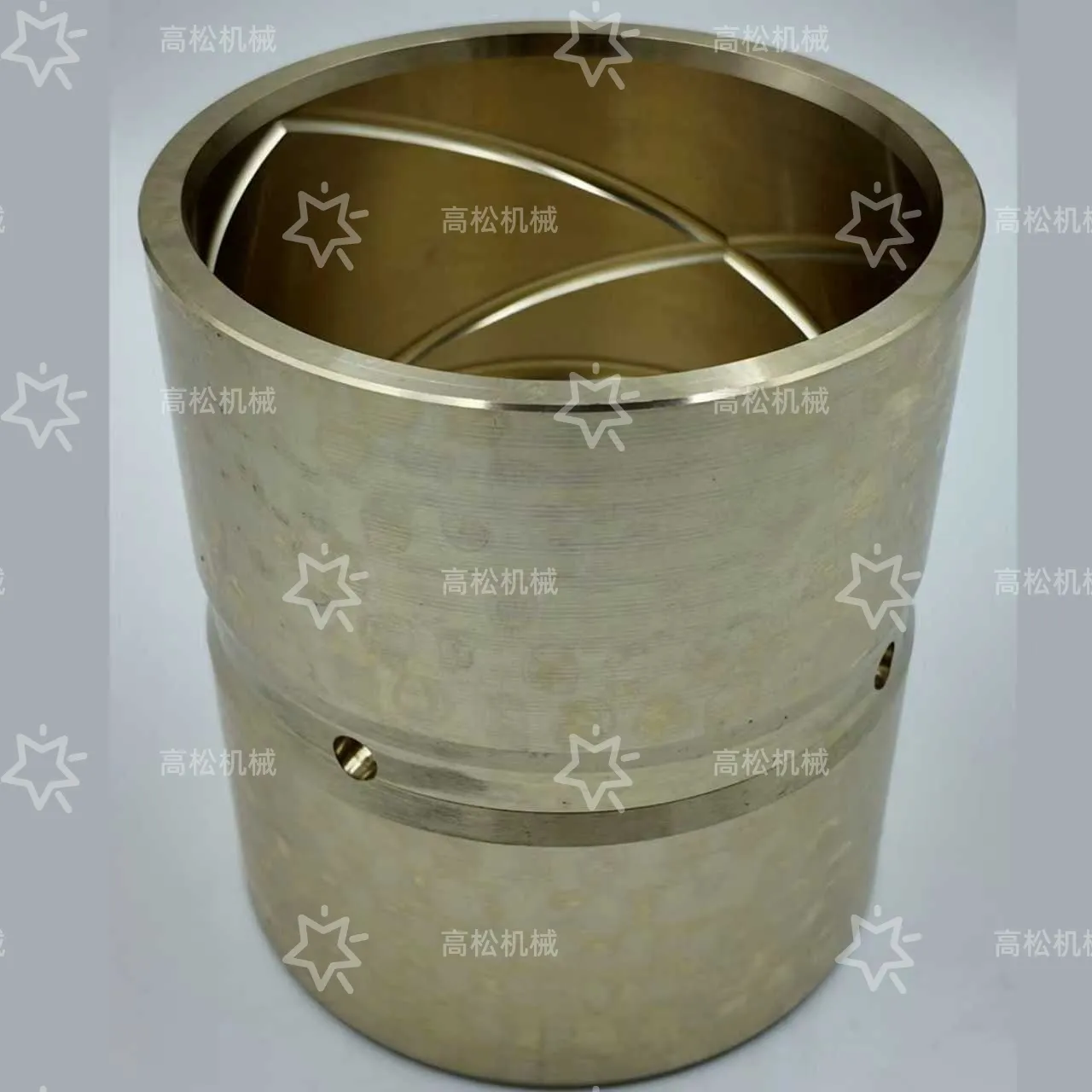 BUSHING 207-70-61610 for KOMATSU PC350-7 PC300LC-7 PC300-8 PC300LC-7L PC300-7
 -
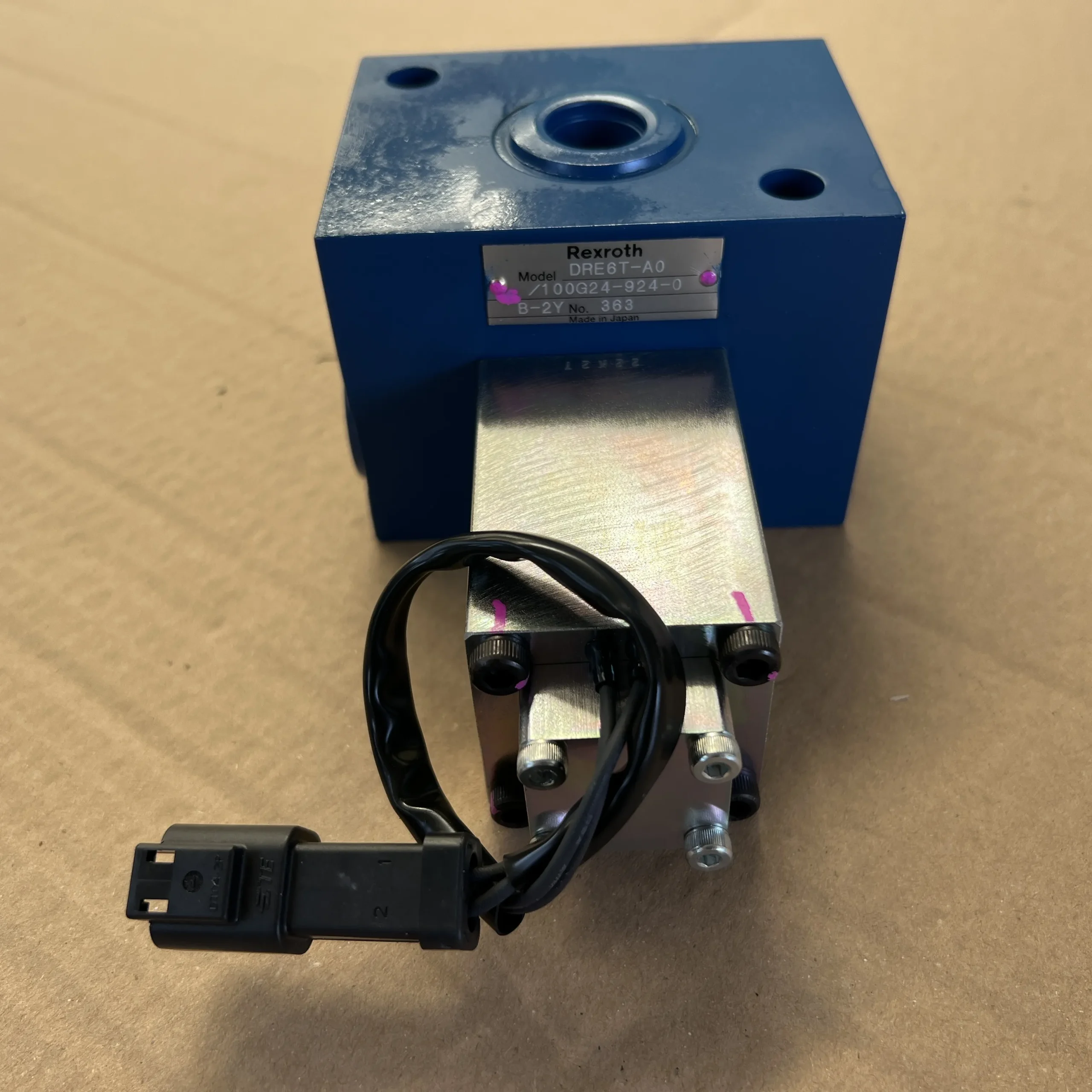 HD465-7 Proportional Solenoid Valve 569-43-83171
 -
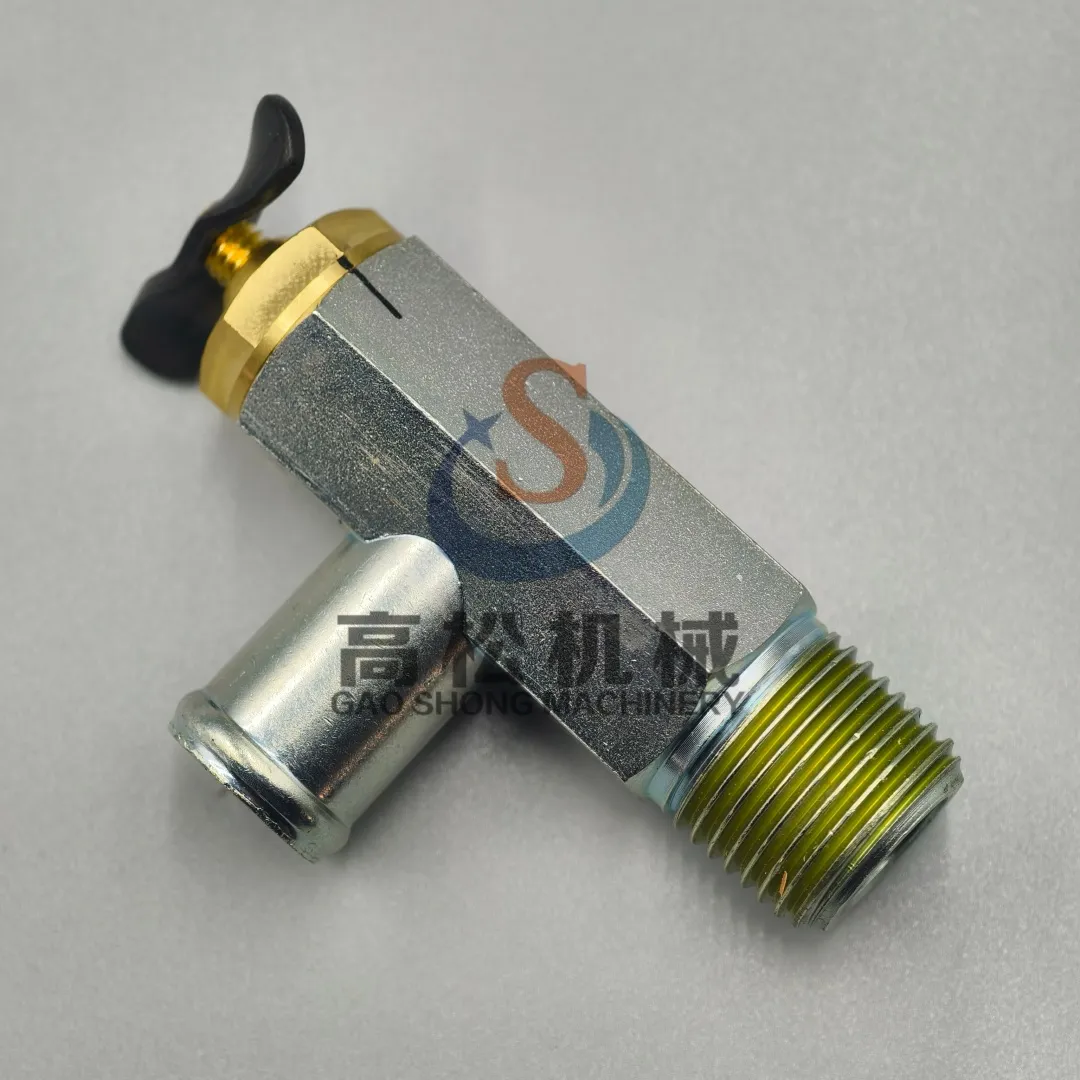 Spare part 09482-10000 VALVE,HOSE (Komatsu)
 -
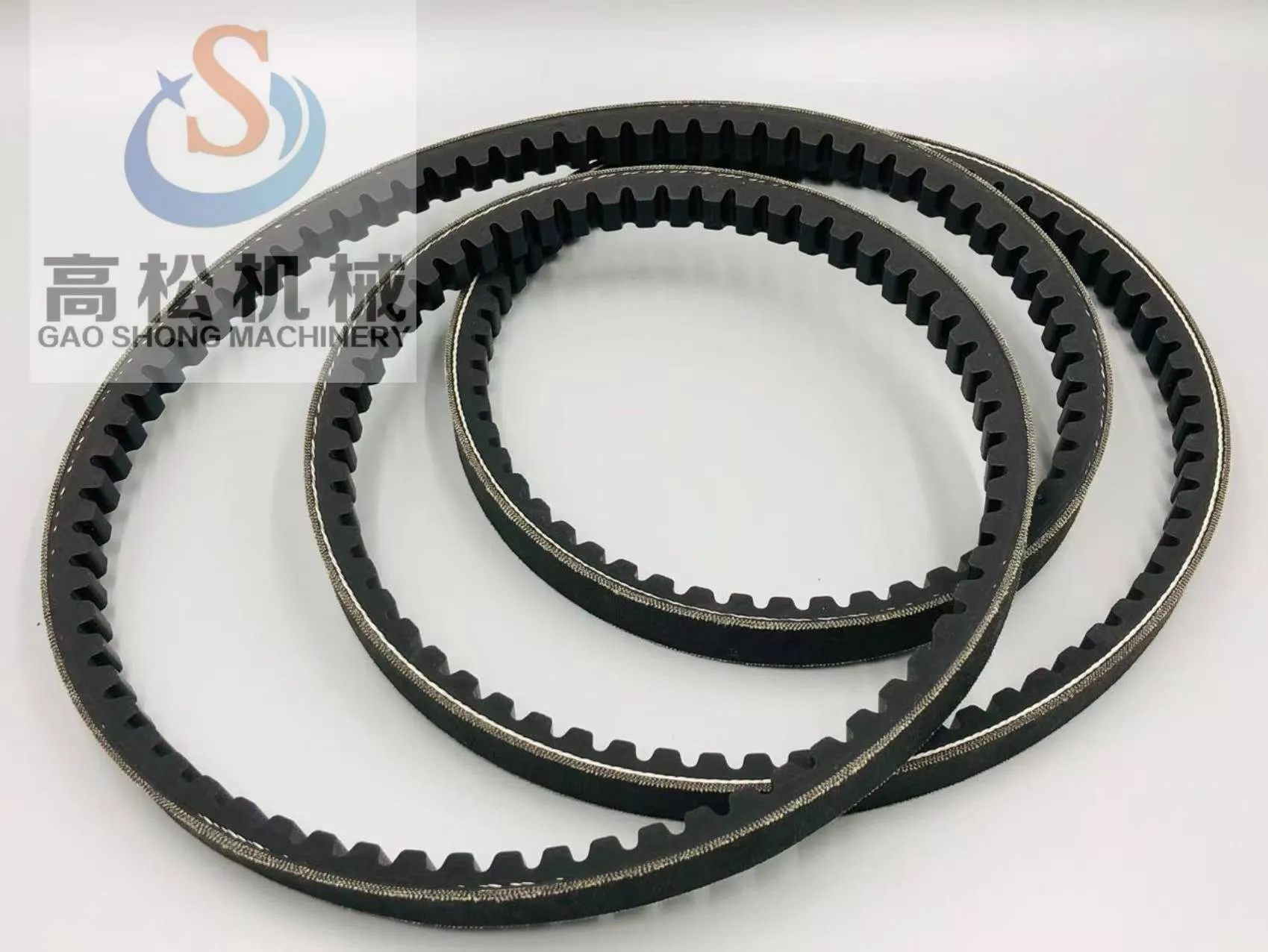 Genuine KOMATSU V-Belt for KOMATSU/SA12V140E-3/D375A-5/HD785-7 | P/N 6219-61-3420
 -
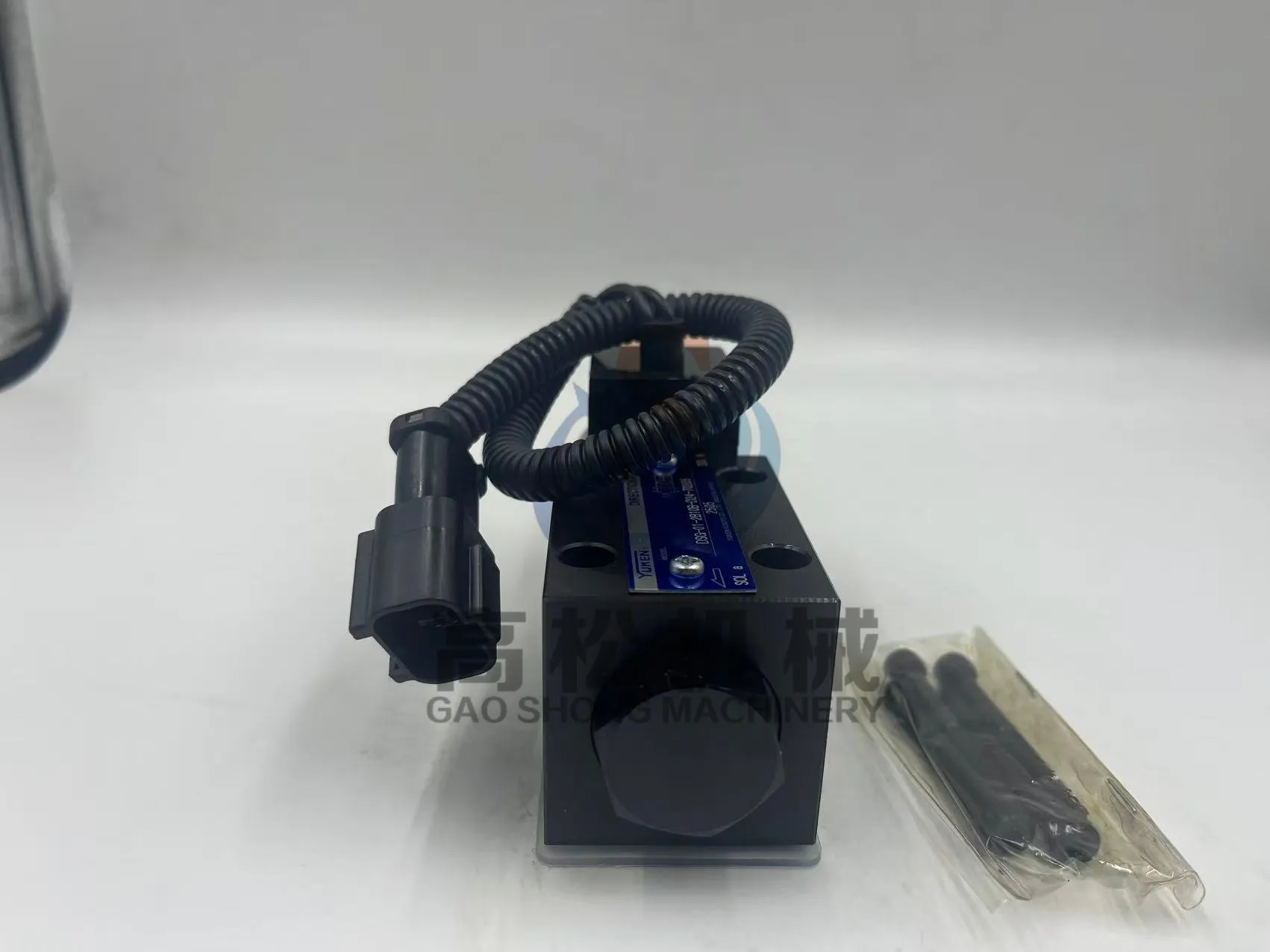 VALVE ASS’Y 23W-60-28230 – KOMATSU
 -
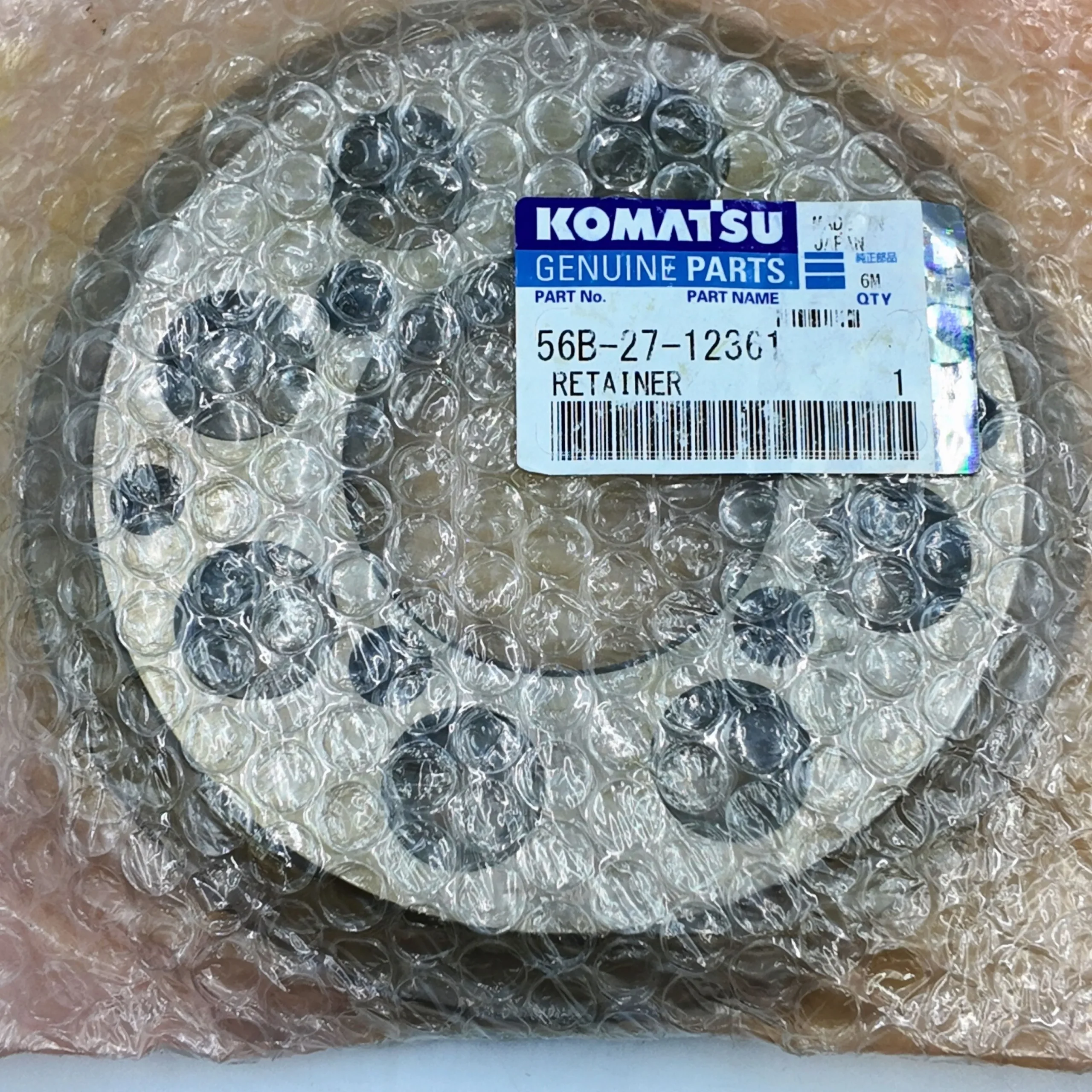 56B-27-12361•• RETAINER-Komatsu Original Factory
 -
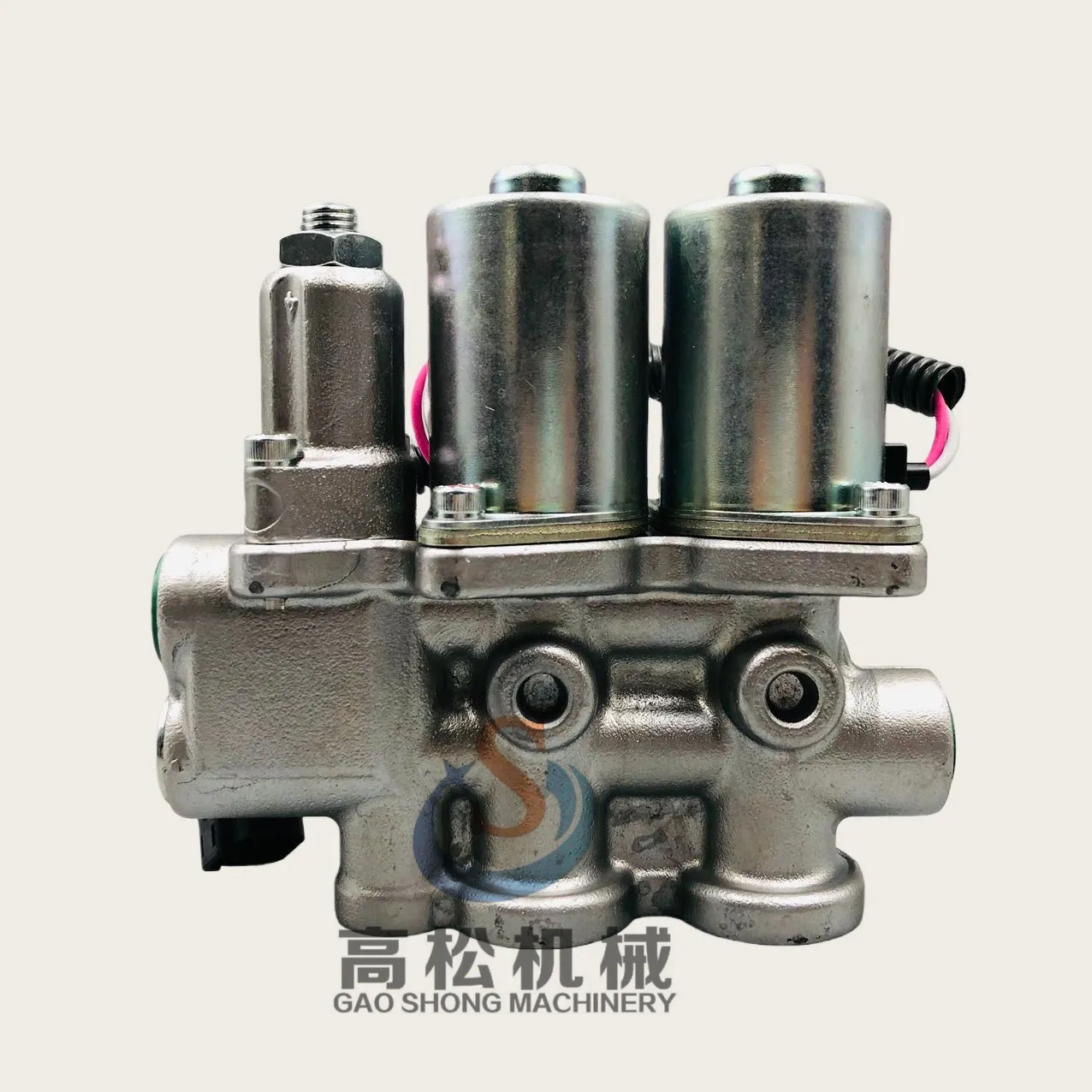 Solenoid Valve Assy 22F-60-31600
 -
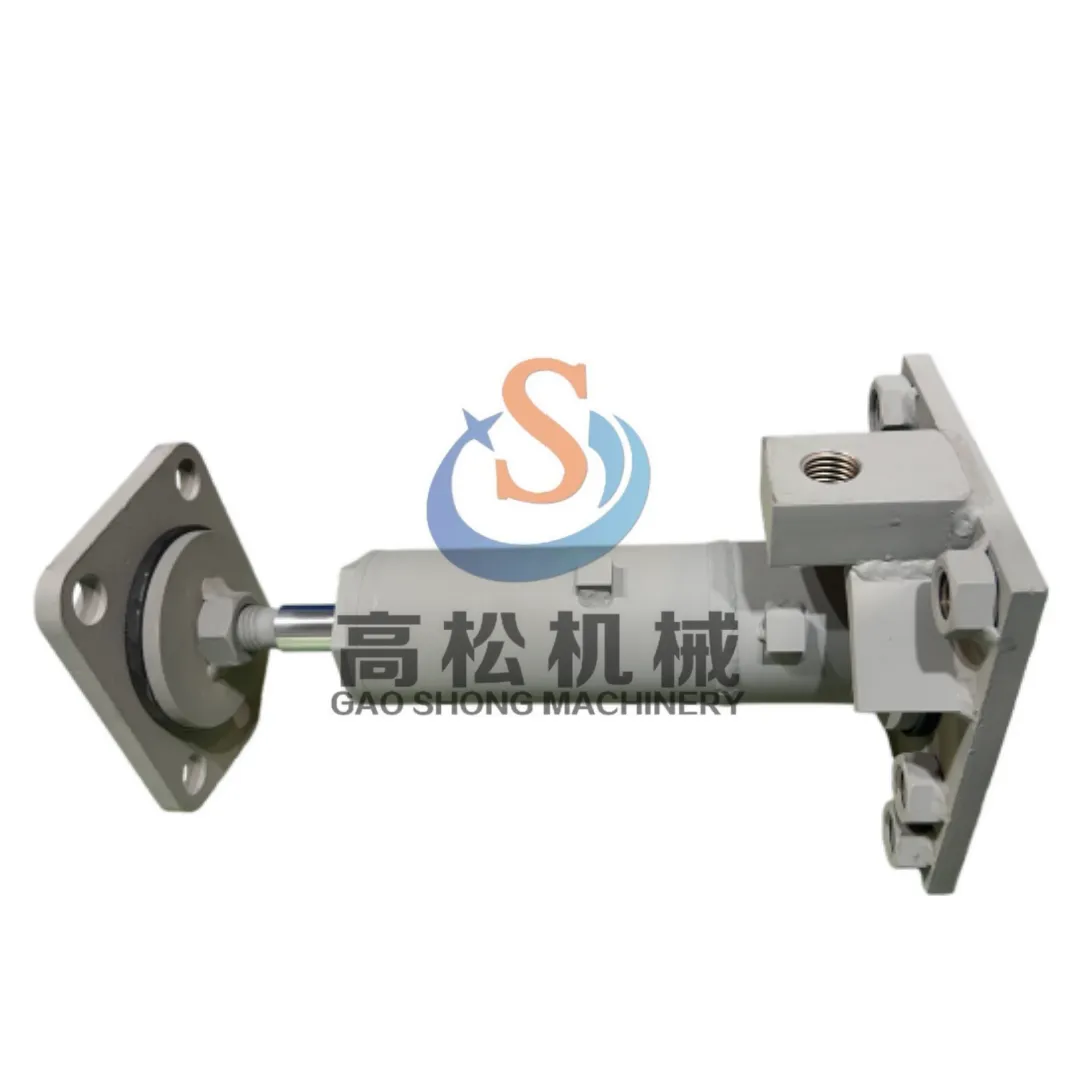 suspension ass’y 17a-54-16201 – komatsu
 -
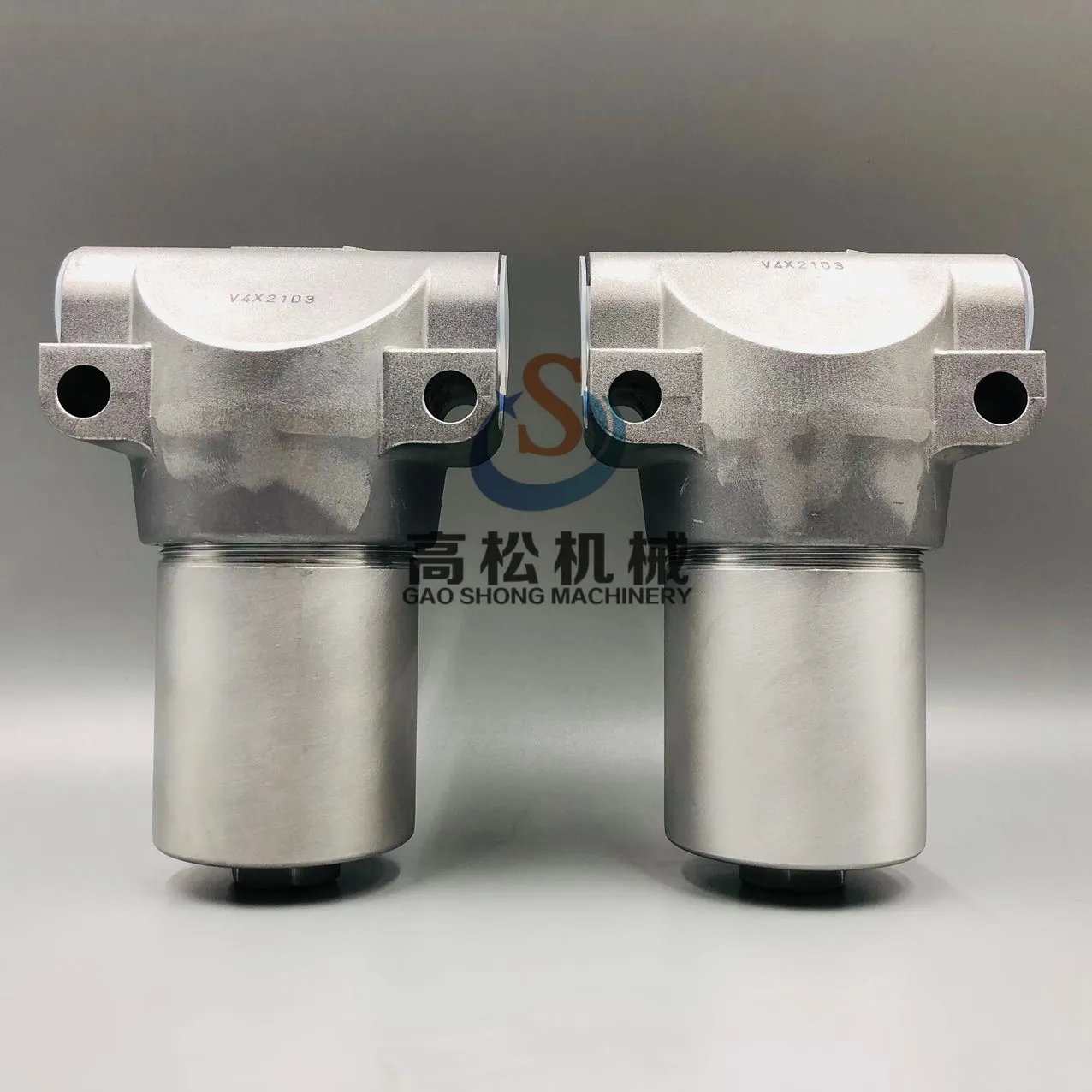 PC200/PC300 original accessories 20Y-62-51681 filter element assembly
 -
 RETARDER VALVE ASS’Y HD785-5 RETARDER VALVE ASS’Y HD985-5 RETARDER VALVE ASS’Y HD255-5
 -
 Ring seal gd825a grader 235-22-11550
Related Search
Related Search- OEM AND ORIGINAL KOMATSU COVER 14X-12-11210
- Komatsu mirror
- komatsu dozer parts for sale
- komatsu forklift engine
- komatsu 4d95l engine for sale
- komatsu wa250 parts
- 6743-11-4931 HOSE-Komatsu Original Factory
- k parts komatsu
- OEM AND ORIGINAL KOMATSU RELIEF VALVE 709-90-72700
- OEM AND ORIGINAL KOMATSU GEAR 426-22-32531