
- Chinese
- French
- German
- Portuguese
- Spanish
- Russian
- Japanese
- Korean
- Arabic
- Irish
- Greek
- Turkish
- Italian
- Danish
- Romanian
- Indonesian
- Czech
- Afrikaans
- Swedish
- Polish
- Basque
- Catalan
- Esperanto
- Hindi
- Lao
- Albanian
- Amharic
- Armenian
- Azerbaijani
- Belarusian
- Bengali
- Bosnian
- Bulgarian
- Cebuano
- Chichewa
- Corsican
- Croatian
- Dutch
- Estonian
- Filipino
- Finnish
- Frisian
- Galician
- Georgian
- Gujarati
- Haitian
- Hausa
- Hawaiian
- Hebrew
- Hmong
- Hungarian
- Icelandic
- Igbo
- Javanese
- Kannada
- Kazakh
- Khmer
- Kurdish
- Kyrgyz
- Latin
- Latvian
- Lithuanian
- Luxembou..
- Macedonian
- Malagasy
- Malay
- Malayalam
- Maltese
- Maori
- Marathi
- Mongolian
- Burmese
- Nepali
- Norwegian
- Pashto
- Persian
- Punjabi
- Serbian
- Sesotho
- Sinhala
- Slovak
- Slovenian
- Somali
- Samoan
- Scots Gaelic
- Shona
- Sindhi
- Sundanese
- Swahili
- Tajik
- Tamil
- Telugu
- Thai
- Ukrainian
- Urdu
- Uzbek
- Vietnamese
- Welsh
- Xhosa
- Yiddish
- Yoruba
- Zulu
- Kinyarwanda
- Tatar
- Oriya
- Turkmen
- Uyghur





OEM AND ORIGINAL KOMATSU STARTER 600-813-9342
When you see that part number, , for a Komatsu starter, the immediate assumption is that you're dealing with a straightforward, genuine Komatsu part. That's where the first pitfall lies. In the field, especially in markets with fragmented supply chains, the terms 'OEM' and 'Original' get thrown around with a looseness that can cost you downtime and money. I've seen too many service managers order what they think is an original starter, only to receive a part that, while it might bolt on, lacks the specific winding specifications or the solenoid durability for high-cycle applications. The distinction isn't just academic; it's operational.
The OEM Reality Within the Komatsu Ecosystem
True OEM supply means the part is produced for Komatsu, to their exact design and quality protocols, often by a dedicated manufacturer like Denso or Mitsubishi Electric in this case. It's not just a compatible part; it's the part. Companies that are embedded within the Komatsu system, like Jining Gaosong Construction Machinery Co., Ltd., operate in this space. Their role, as I understand from dealing with similar channels, is to provide these authentic OEM components, particularly into regions where the official distribution network might be thin or facing logistical hurdles.
This is crucial for a component like the starter . It's not a generic 24-volt beast. Its performance is matched to the cranking demands of specific Komatsu engines, considering in-rush current, thermal capacity, and engagement cycle life. Using a non-conforming unit can lead to premature failure, but more subtly, it can cause voltage drop issues that confuse the machine's ECM, leading to phantom error codes. I've traced more than one electrical gremlin back to a 'compatible' starter that didn't match the OEM spec for internal resistance.
The website https://www.takematsumachinery.com positions them as an OEM product supplier within Komatsu's system and a third-party sales company. In practice, this often translates to access to authentic production runs or overstock that can be channeled to meet urgent needs. It fills a gap. For a maintenance planner, knowing you have a pipeline to a source like this for a critical part number is a strategic advantage. It's about reducing risk, not just finding the lowest price.
Decoding Original vs. Aftermarket Rebuilds
Here's where experience in the yard pays off. An 'original' Komatsu starter can mean two things: a brand-new unit from the OEM production line, or a remanufactured unit done to original specifications, sometimes even by Komatsu's own reman program. The latter is often a cost-effective and reliable choice. However, the market is flooded with third-party rebuilds that use inferior brushes, bearings, and solenoids. They carry the same part number, look the same from the outside, but their life expectancy is a fraction.
I recall a case on a Komatsu PC360 where we installed a rebuilt from a local shop. It worked for about 300 hours. The failure wasn't catastrophic; it just began drawing excessive amperage, straining the alternator and batteries. Post-mortem showed the armature had been poorly balanced and the new brush material was too abrasive, wearing the commutator unevenly. The cost saved on the part was spent twice over on diagnostics and secondary electrical component replacement.
This is why provenance matters. A supplier's claim of being an OEM supplier adds a layer of accountability. They are staking their relationship with the manufacturer on the quality of the part. For a third-party sales company operating in this niche, their reputation hinges on not moving sub-par rebuilds as original. You learn to ask for documentation, batch codes, and sometimes even the origin of the core if it's a reman. It's not distrust, it's due diligence.
Practical Sourcing and Fitment Nuances
Even with a genuine OEM or original starter in hand, the job isn't done. The might supersede an older number, or there might be a sub-variant for machines with different optional equipment. I've had a 'correct' starter arrive where the pinion tooth count was right, but the nose cone had a slight casting difference that interfered with a hydraulic line bracket on a specific machine serial number range. It's these minute details that separate a parts catalog jockey from someone who's wrestled with them in a muddy service bay.
Sourcing from a specialized channel like the one mentioned earlier can sometimes help with these nuances. They often have more direct technical feedback from the field and can flag these fitment issues before the part ships. It's a value-add that goes beyond the transaction. They might say, For that serial number range, check the clearance on the rear mounting ear, we've seen a few that need a washer shim. That's gold.
The other practical aspect is the complete kit. A true OEM-supplied starter often comes with the correct bolts, shims, and sometimes even a new gasket or seal for the mounting flange. Aftermarket kits frequently omit these, assuming you'll reuse the old ones. On a high-vibration component, reusing stretched bolts is a gamble. It's a small detail, but it speaks to the thoroughness of the supply chain.
The Economic and Operational Calculus
Let's talk cost, because that's always the pressure point. The upfront price difference between a guaranteed OEM/OEM-supplied and a market rebuild can be significant, sometimes 60% or more. The calculus isn't a simple spreadsheet exercise. You have to factor in the machine's utilization rate, the cost of downtime per hour, the labor cost to replace it twice, and the potential knock-on damage to other systems.
For a high-availability machine in a mining operation, the math almost always favors the certified original part. The risk is too high. For a secondary or backup machine in a lower-intensity application, a high-quality, documented rebuild from a trusted source might be a viable economic decision. The key is making that choice consciously, with data, not just defaulting to the cheapest line item on a purchase order.
This is where the role of a third-party sales company that also supplies OEM products becomes interesting. They can often offer both tiers—the certified original and a vetted, high-spec rebuild—providing a transparent choice. Their value is in honesty about what you're getting. Their business model, as Jining Gaosong Construction Machinery notes, is about solving parts supply challenges. Sometimes the solution is the pristine OEM box; sometimes it's a reliable alternative with full disclosure.
Beyond the Part Number: A Systems View
Finally, a starter doesn't fail in isolation. When you're diagnosing a suspected starter issue on a Komatsu machine, the part number is just the entry point. Is it truly the starter, or is it a voltage drop across corroded battery cables? A failing master switch? A signal issue from the controller? I've seen brand-new OEM starters installed to solve a no-crank condition, only to have the problem persist because the real issue was a chafed wire in the harness.
Procuring the right part, like an authentic OEM and original Komatsu starter , is half the battle. The other half is the diagnostic rigor that justifies its installation. A reliable supplier understands this context. They aren't just pushing parts; they are part of the support ecosystem. They might field a call where you describe the symptoms and they ask, Have you checked the voltage at the solenoid terminal during the crank attempt? That systems-level understanding is what builds long-term trust.
In the end, the part number is a code. Decoding it correctly—understanding its provenance, its exact specifications, and its place in the larger machine system—is the real work. It's the difference between a quick fix and a lasting repair. And in our world, lasting repairs are the only kind that count.
Related Products
Related Products
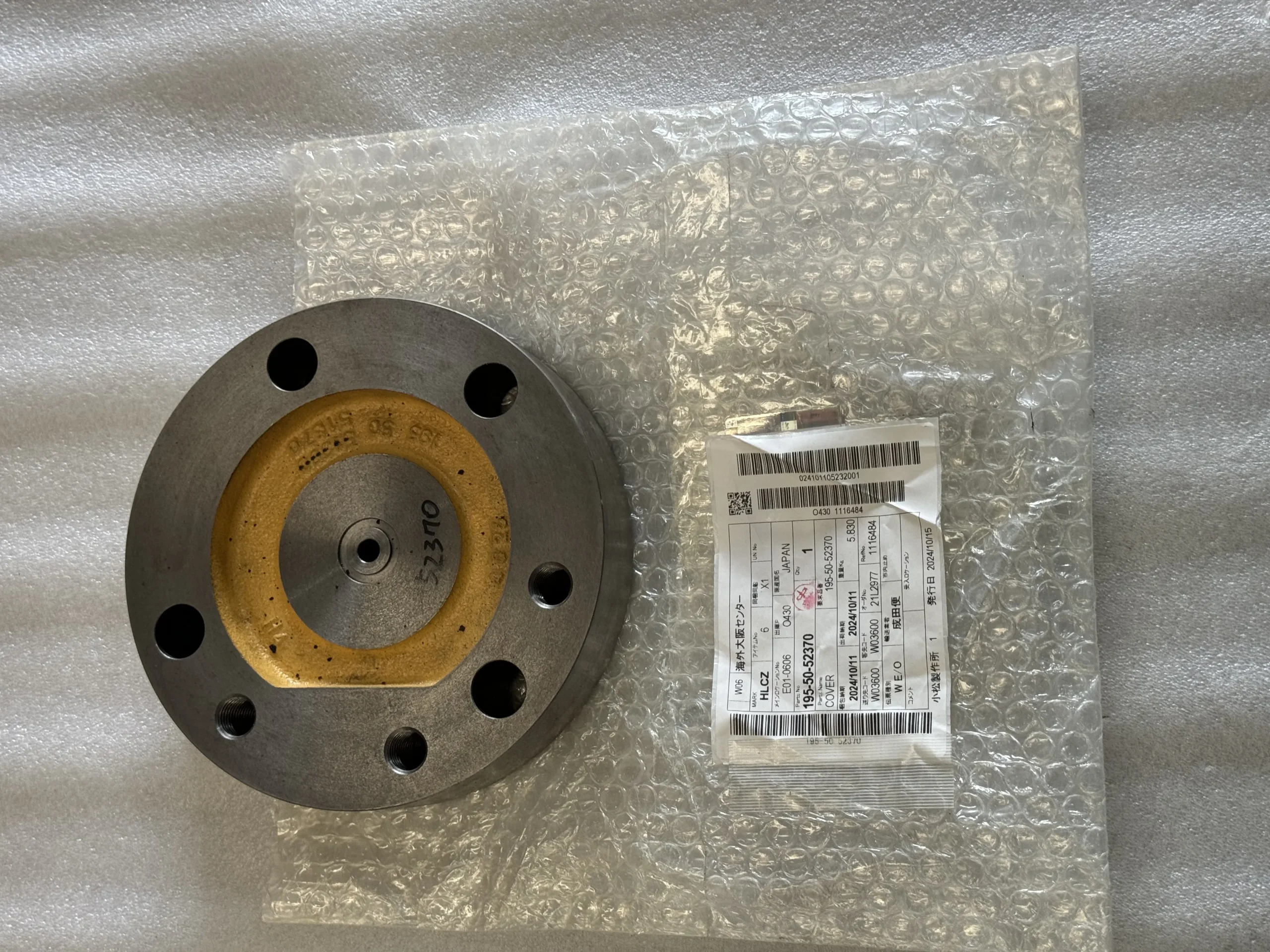
Best Selling Products
Best Selling Products-
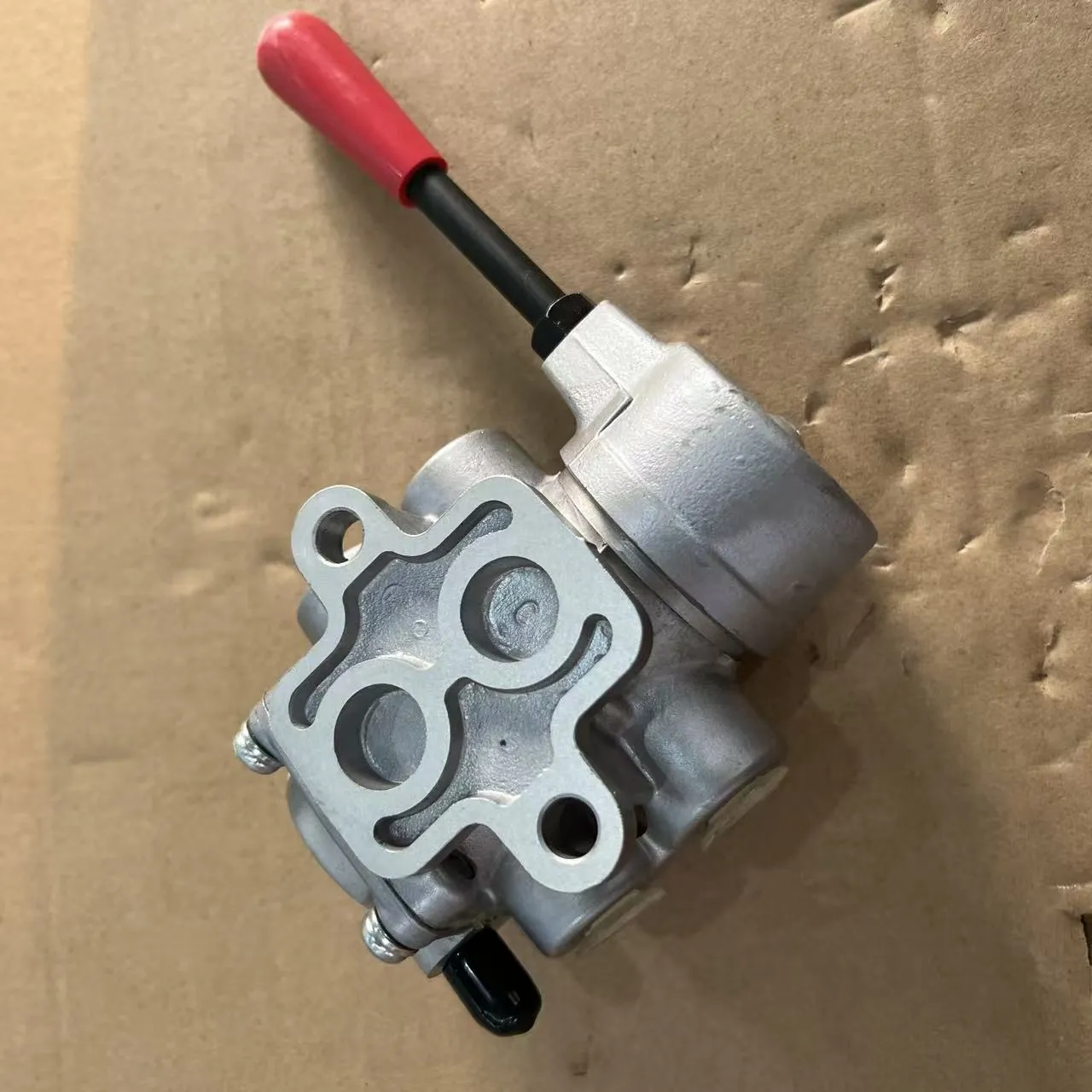 Komatsu 561-87-66102 EMERGENCY BRAKE… — Pricing.Parts
 -
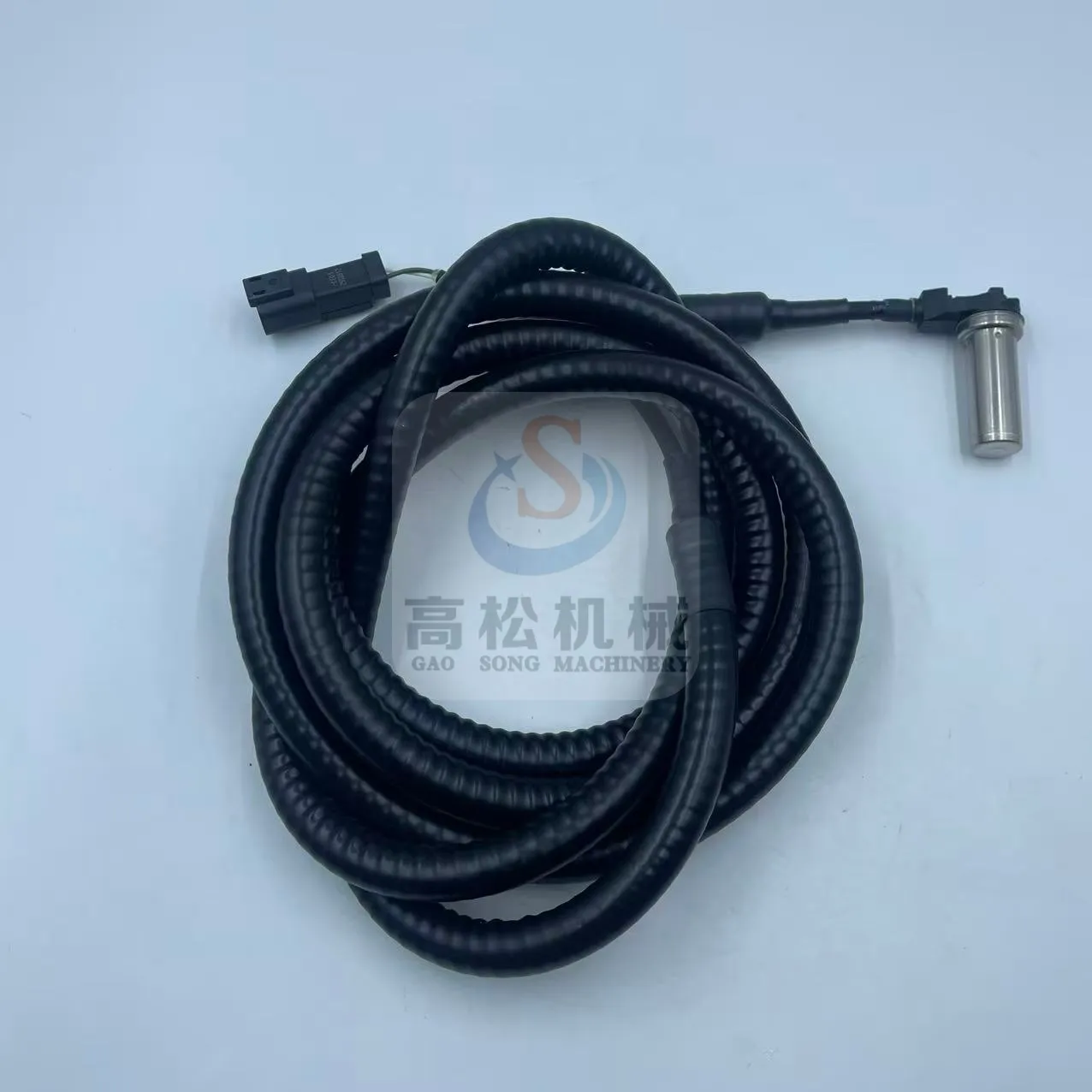 566-88-66143 sensor for Komatsu HD465-7
 -
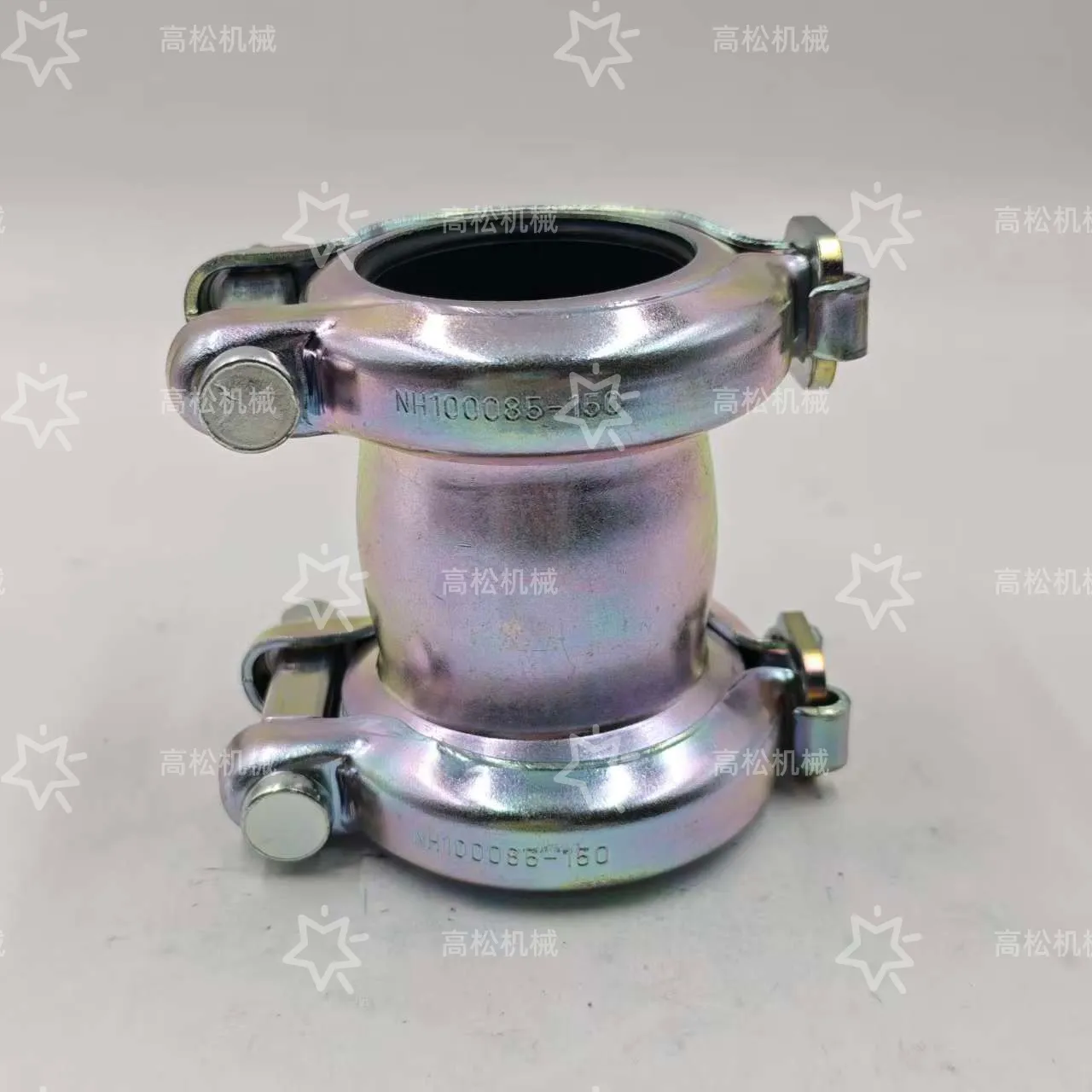 07332-01400 COUPLING for HD465 HD605 HD785 Bulldozer
 -
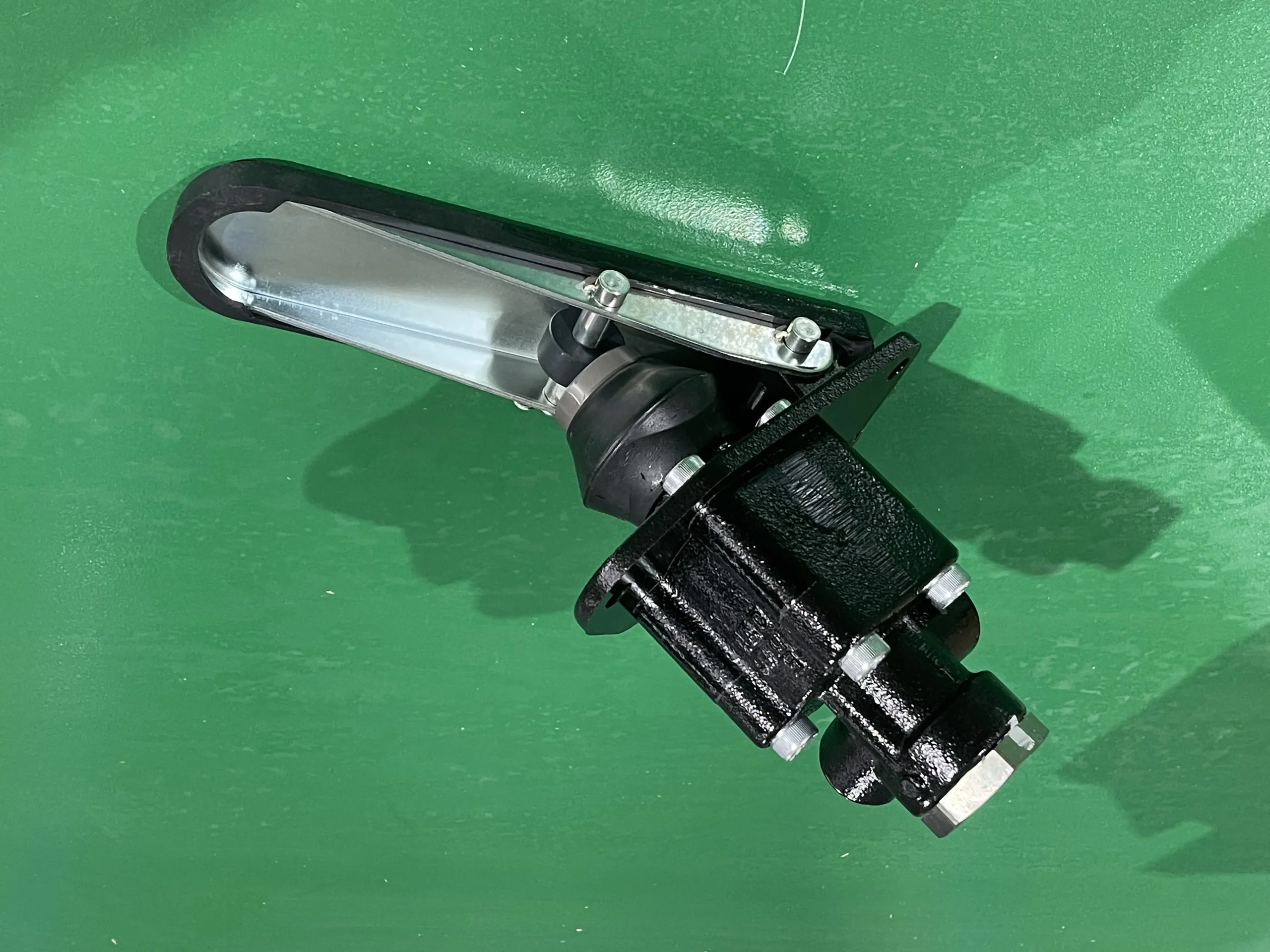 425-43-37200 Komatsu VALVE ASS’Y
 -
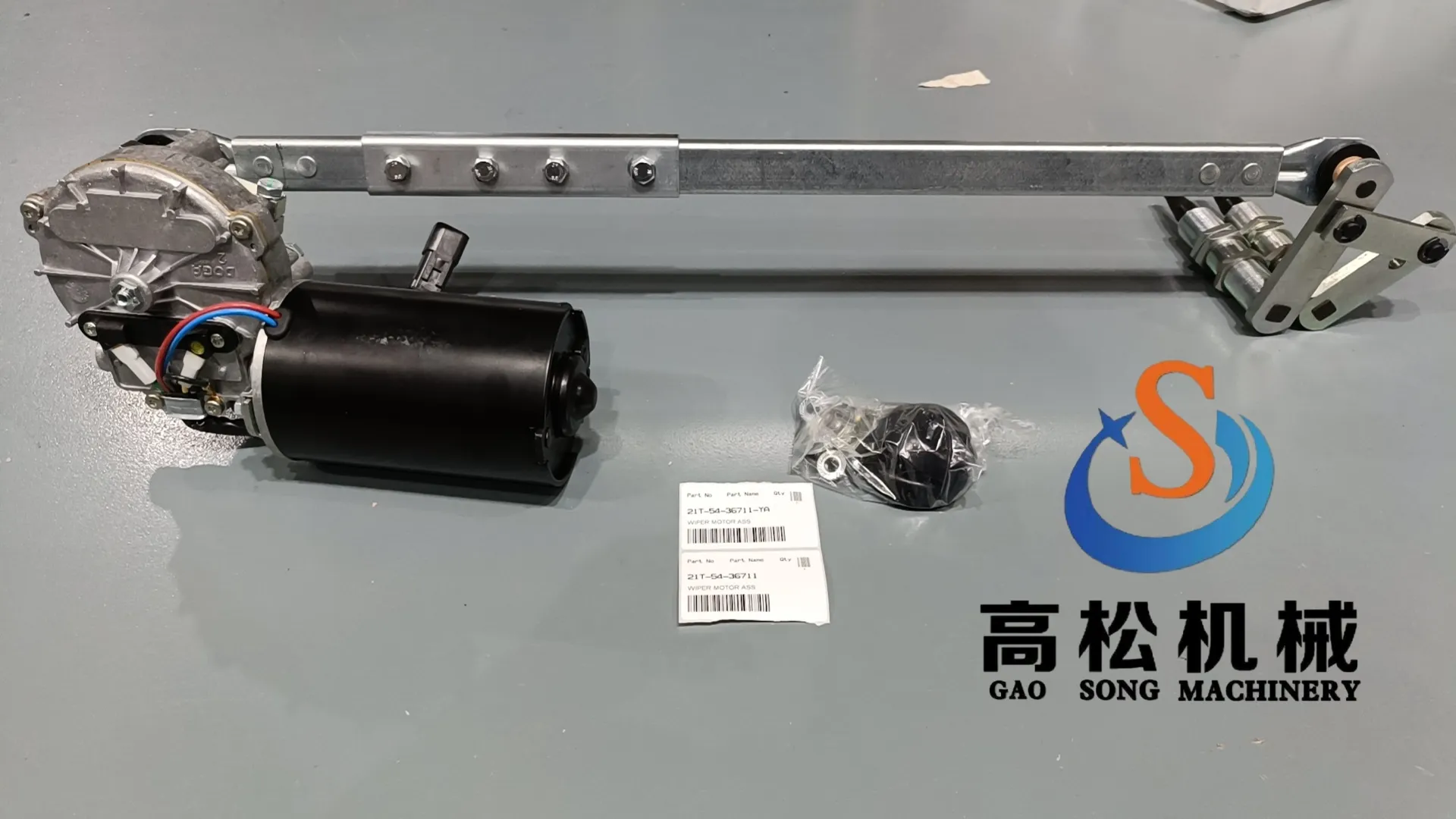 21T-54-36711 komatsu WIPER MOTOR ASS’Y
 -
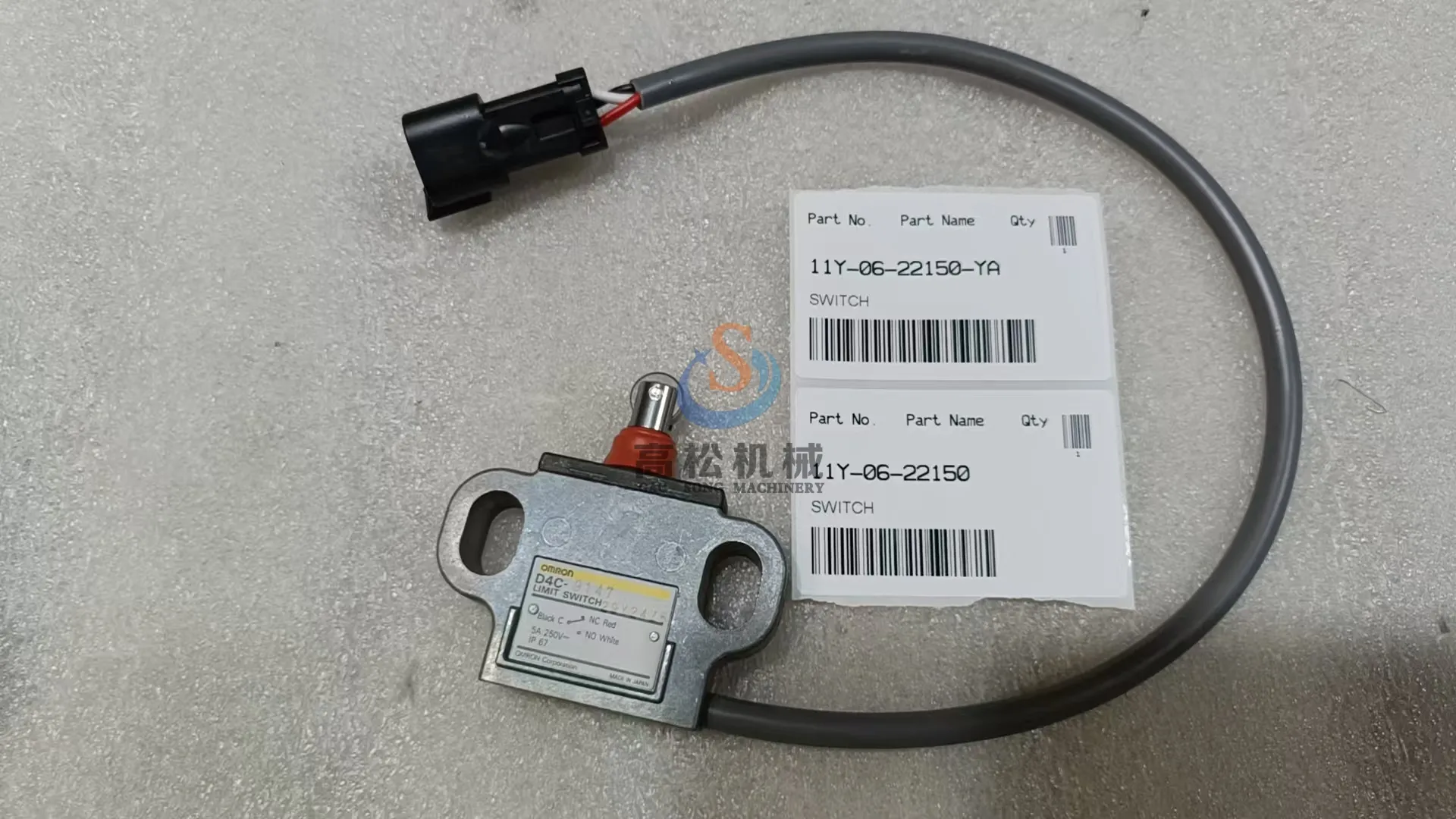 11Y-06-22150 komatsu SWITCH-D155/D275A
 -
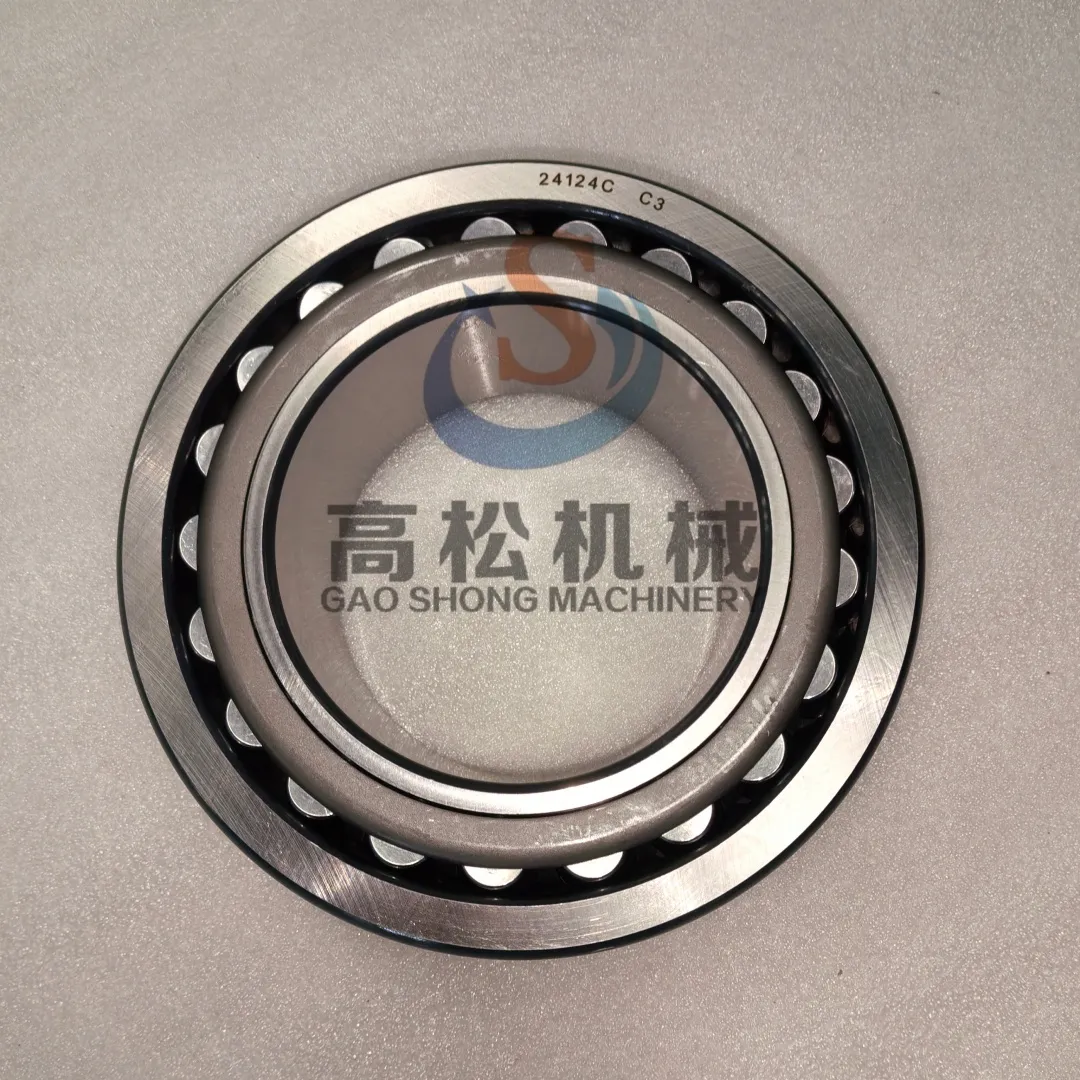 170-09-13250 Bearing for komatsu Dozer D85P-21 D85P-18 D85E-21 D85A-21
 -
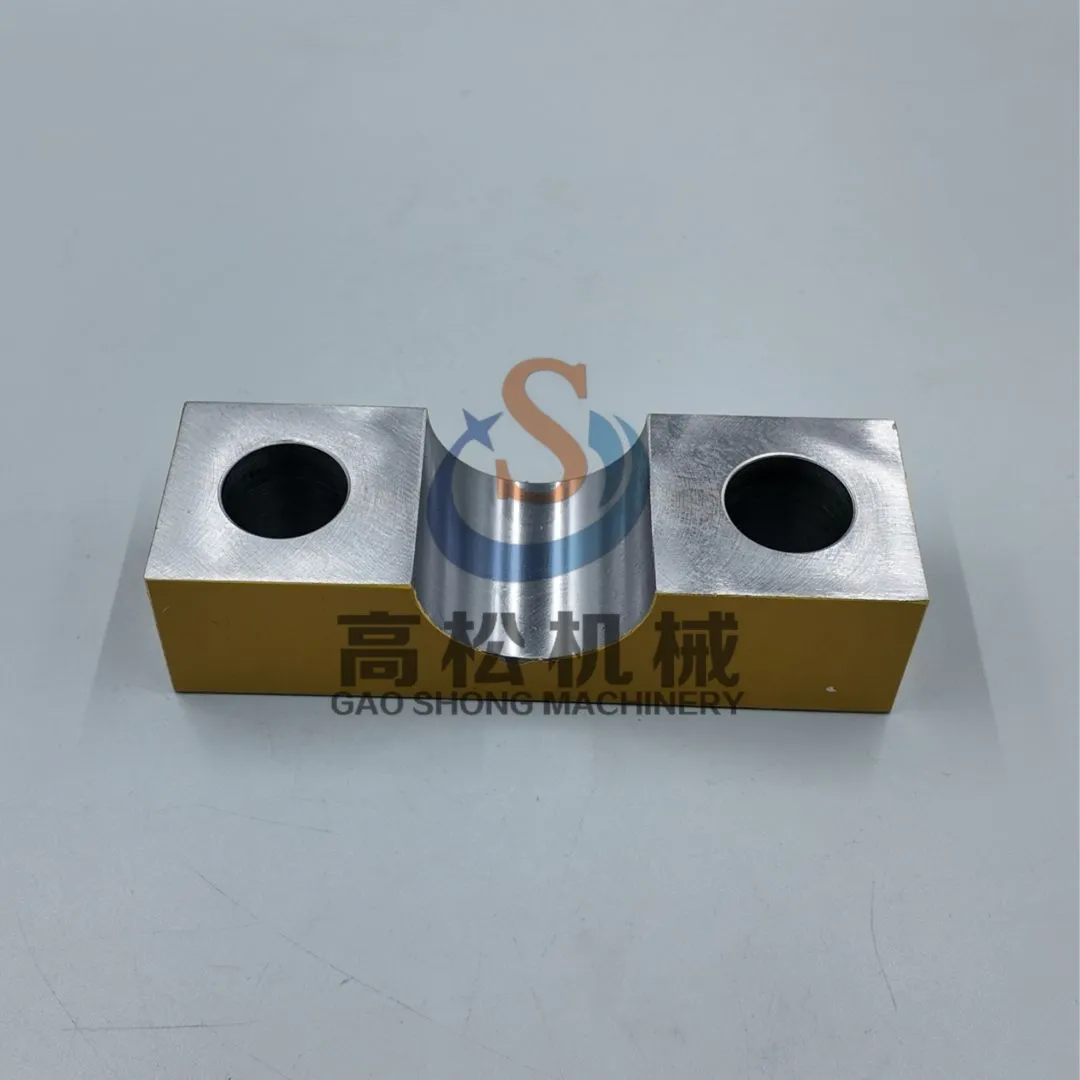 56B-50-12150 Komatsu Plate komatsu original
 -
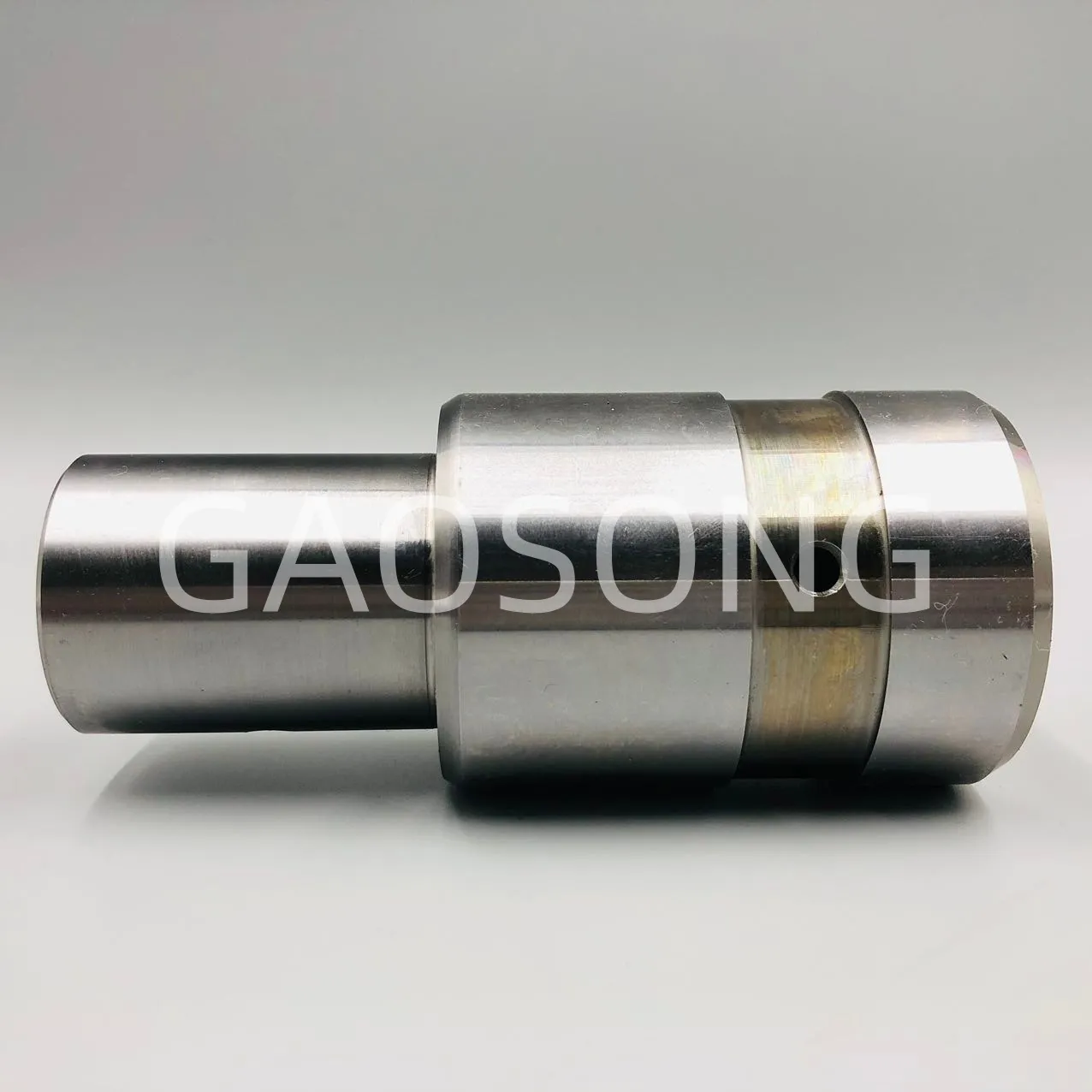 SHAFT 6240-61-4630 – KOMATSU
 -
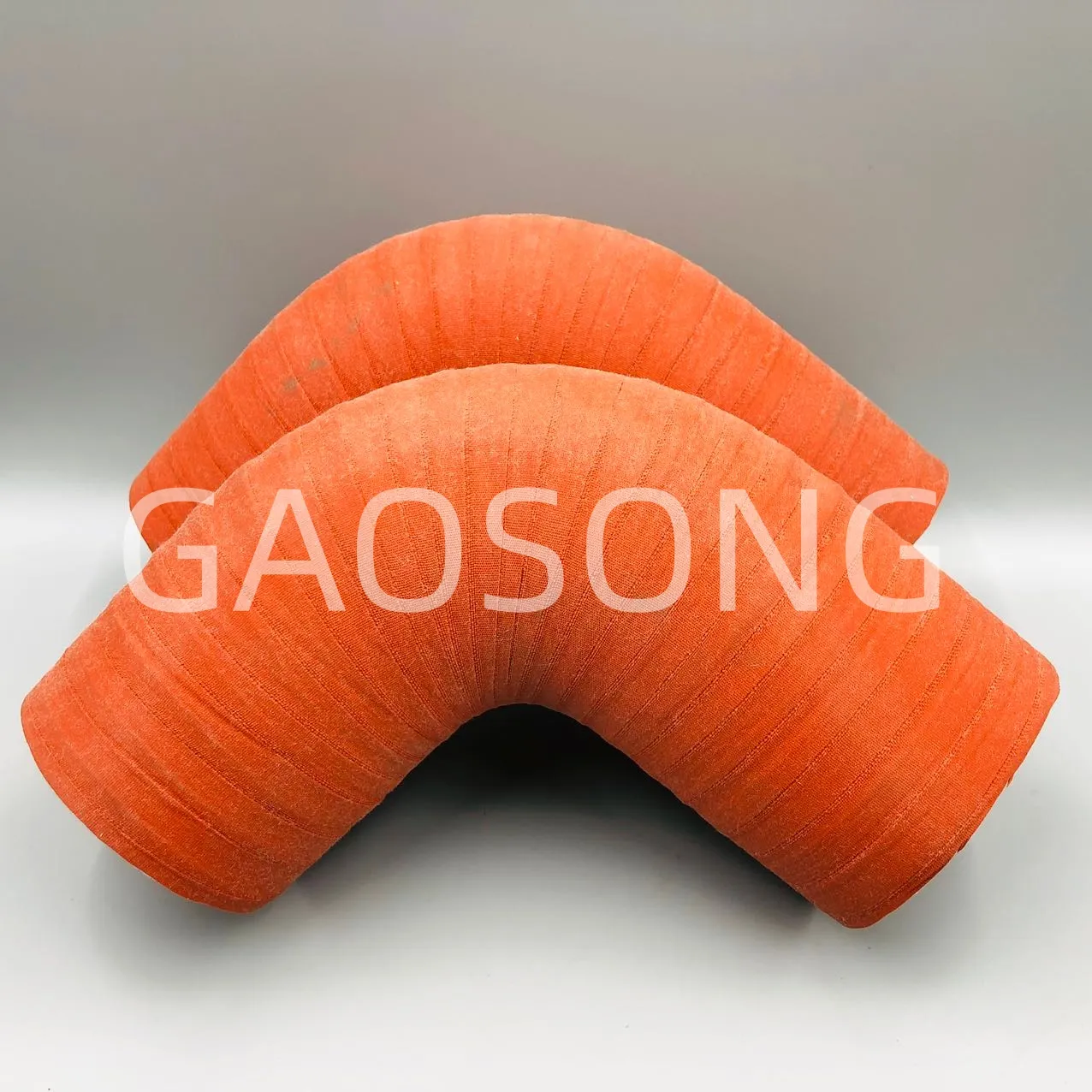 6743-11-4931 HOSE-Komatsu Original Factory
 -
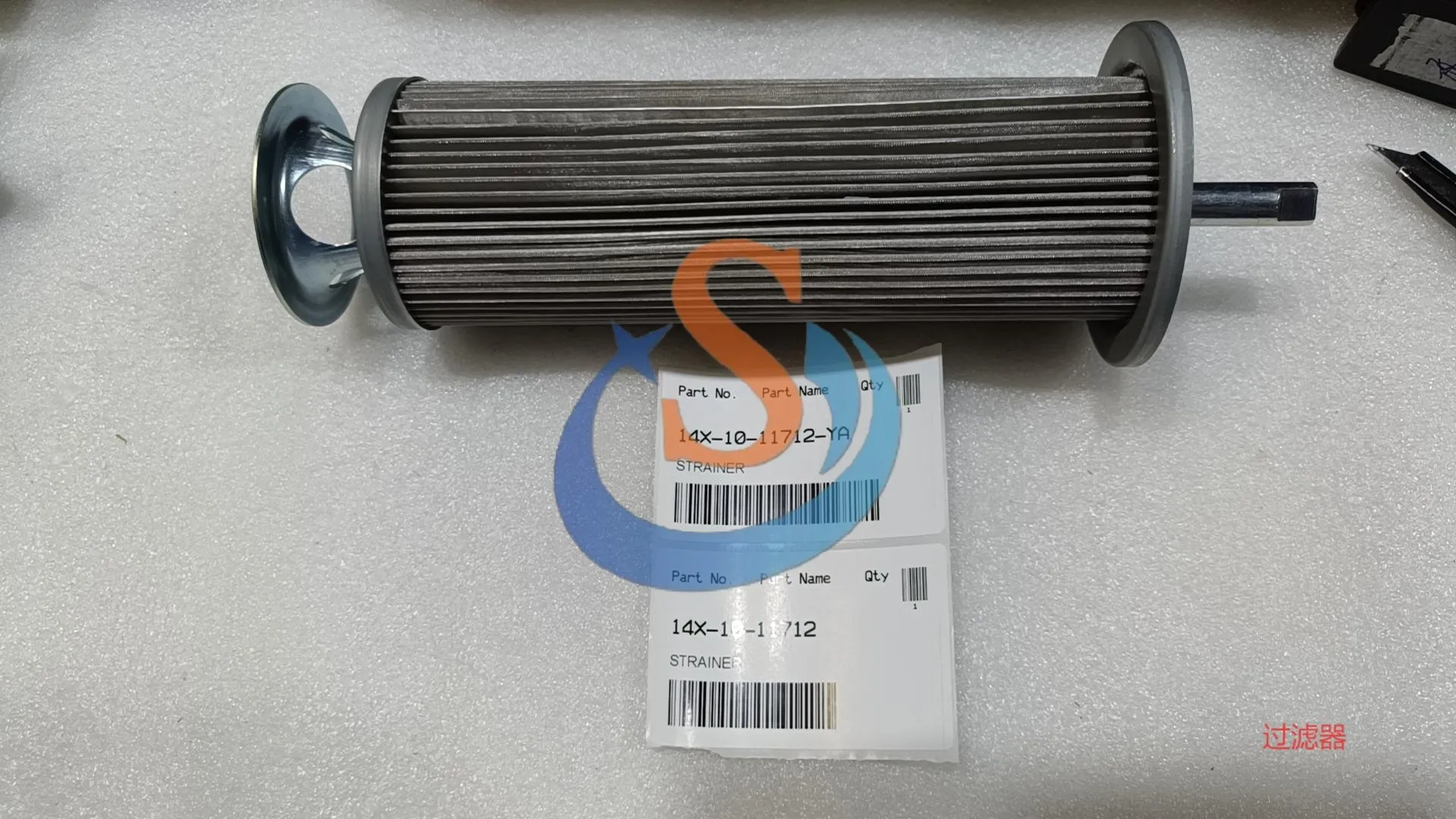 14X-10-11712 STRAINER D65EX/D85EX
 -
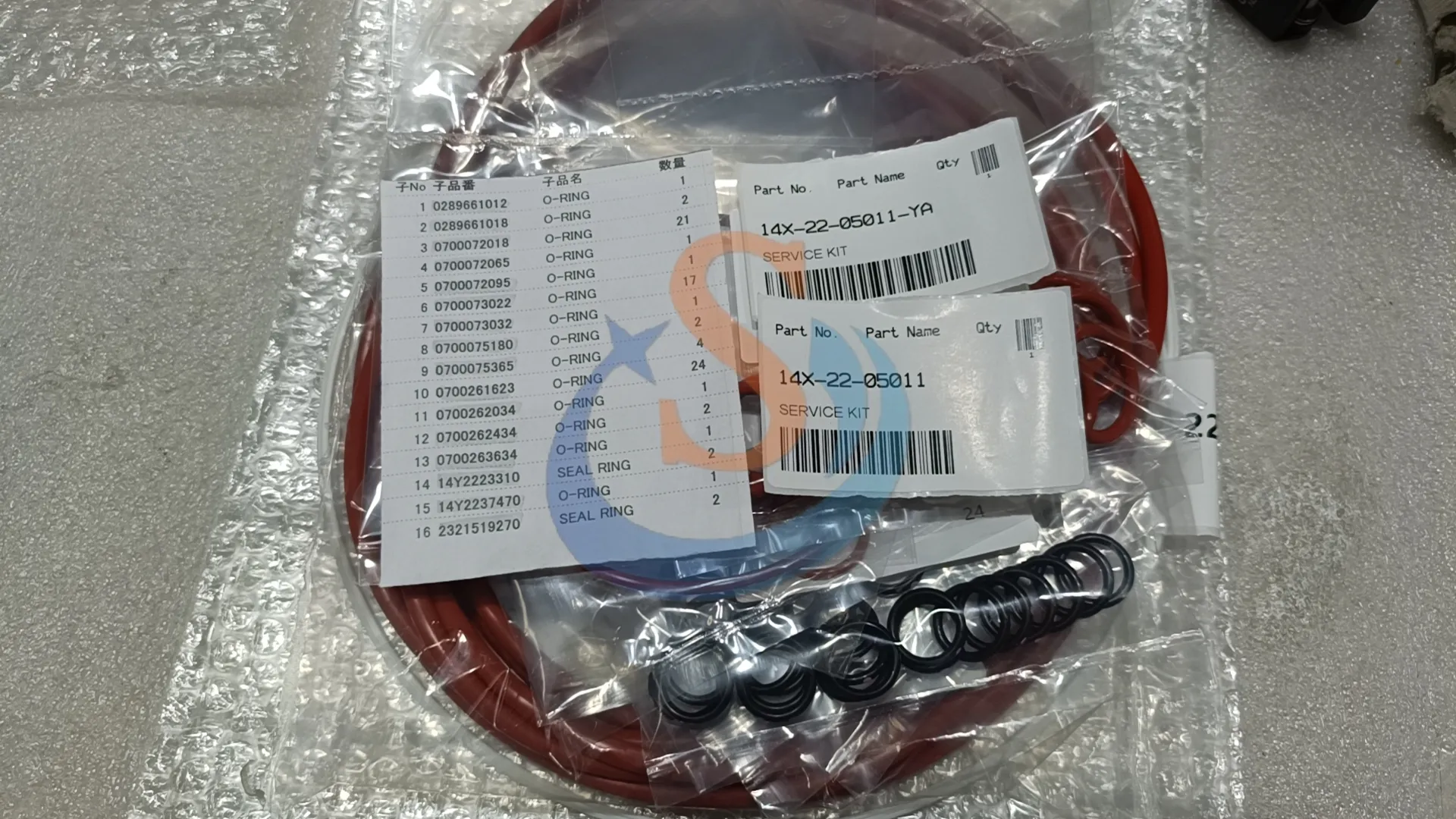 14X-22-05011,SERVICE KIT,D65PX,D65EX,D65WX