
- Chinese
- French
- German
- Portuguese
- Spanish
- Russian
- Japanese
- Korean
- Arabic
- Irish
- Greek
- Turkish
- Italian
- Danish
- Romanian
- Indonesian
- Czech
- Afrikaans
- Swedish
- Polish
- Basque
- Catalan
- Esperanto
- Hindi
- Lao
- Albanian
- Amharic
- Armenian
- Azerbaijani
- Belarusian
- Bengali
- Bosnian
- Bulgarian
- Cebuano
- Chichewa
- Corsican
- Croatian
- Dutch
- Estonian
- Filipino
- Finnish
- Frisian
- Galician
- Georgian
- Gujarati
- Haitian
- Hausa
- Hawaiian
- Hebrew
- Hmong
- Hungarian
- Icelandic
- Igbo
- Javanese
- Kannada
- Kazakh
- Khmer
- Kurdish
- Kyrgyz
- Latin
- Latvian
- Lithuanian
- Luxembou..
- Macedonian
- Malagasy
- Malay
- Malayalam
- Maltese
- Maori
- Marathi
- Mongolian
- Burmese
- Nepali
- Norwegian
- Pashto
- Persian
- Punjabi
- Serbian
- Sesotho
- Sinhala
- Slovak
- Slovenian
- Somali
- Samoan
- Scots Gaelic
- Shona
- Sindhi
- Sundanese
- Swahili
- Tajik
- Tamil
- Telugu
- Thai
- Ukrainian
- Urdu
- Uzbek
- Vietnamese
- Welsh
- Xhosa
- Yiddish
- Yoruba
- Zulu
- Kinyarwanda
- Tatar
- Oriya
- Turkmen
- Uyghur






OEM AND ORIGINAL KOMATSU SHAFT ASSY 235-99-11200
When you see that part number, , pop up on a screen or a quote, the immediate reaction in the field is usually a mix of relief and deep suspicion. Relief because, hey, you found it. Suspicion because the terms OEM AND ORIGINAL KOMATSU get thrown around with a looseness that would make a lawyer blush. Is it a genuine part from Komatsu's own production line, or is it an OEM-spec part made by a contracted factory? The difference isn't just semantic; it's about metallurgy, heat treatment tolerances, and whether this shaft will last 10,000 hours or call it quits at 6,000, taking your pump assembly with it. I've seen both outcomes.
The OEM Reality vs. The Original Myth
Let's cut through it. Komatsu doesn't forge every single shaft in-house. They have a network of authorized OEM manufacturers who produce to exact, proprietary specifications. These components are then sold through Komatsu's official channels as genuine parts. That's the true OEM AND ORIGINAL KOMATSU chain. The confusion—and the market mess—starts when these OEM factories, or ones with very similar tooling, also sell their output outside the official network. It might look identical, even come in a similar box. But the certificate of conformity? The batch traceability? The specific grade of alloy? Often, that's where the paths diverge.
I remember a rebuild project for a PC800-6 where we used a shaft assy from a supplier claiming full OEM pedigree. It fit perfectly, no issues at installation. But around the 4,500-hour mark, we started getting abnormal vibration signatures. Post-failure teardown showed a fatigue crack initiating from a subsurface inclusion in the shaft's journal area—a material flaw that a proper Komatsu-specified forging process should have eliminated. That's the hidden cost. The part wasn't fake, but it lacked the rigorous control of the ORIGINAL KOMATSU supply chain.
This is precisely the gap companies like Jining Gaosong Construction Machinery Co., Ltd. aim to navigate. Operating as an OEM product supplier within the Komatsu system, their role is to provide a legitimate bridge. You can check their approach at their portal, https://www.takematsumachinery.com. Their model isn't about undercutting the official network but about solving supply dead-ends, especially in regions where official distribution is thin or backlogged. They help mitigate the challenge they describe: parts supply challenges in certain countries. For a part like the , which might be on a 12-week backorder from standard channels, such a source isn't just convenient; it's what keeps a machine from being a very expensive lawn ornament.
Dissecting the : More Than Just a Shaft
This isn't a simple pin. The shaft assembly is typically a central rotating element, often found in final drives or swing transmissions of larger excavators. Its job is brutal: transmitting immense torque while handling radial and axial loads from gears and bearings. The devil is in details a parts diagram won't show you. The surface finish on the bearing journals, for instance. Too rough, and you accelerate bearing wear. Too hard (from an incorrect induction hardening process), and it becomes brittle. The original spec balances this perfectly.
Another point everyone misses until it's too late: the keyway. The machining of the keyway's edges and its radius is critical for stress distribution. I've measured aftermarket shafts where the keyway was cut with a slightly different tool, leaving a sharper corner. That's a prime stress riser, a guaranteed point for a crack to start under cyclic loading. When you handle a genuine unit and a look-alike side by side, run your finger along that keyway. The genuine one feels almost polished; the other often has a detectable edge. That's the difference between a drawing and a finished, engineered component.
When sourcing, I now always ask for the material certification. If a supplier, even a reputable third-party one like Gaosong, can provide a mill certificate that traces back to a known, quality steel producer and matches the chemical composition (not just hardness), my confidence level jumps. It shows they are engaged in the material flow, not just moving boxes. Their position as a third-party sales company for Komatsu suggests they have the access to understand these specs, which separates them from pure aftermarket traders.
Installation Pitfalls and Field Observations
Assuming you've sourced a good shaft, you can still botch it in the field. The biggest mistake is ignoring the installation environment. This shaft must be pressed in with precise alignment. Using a sledgehammer or an off-angle press is a surefire way to create a micro-deformation you won't see but will hear later as a persistent whine. The bearing seats must be impeccably clean. A single grain of sand pressed into the surface acts like a cutting tool.
We learned this the hard way on a mine site. New shaft, proper press tools, but we did the assembly in a less-than-ideal dusty area. We thought we were careful. 800 hours later, premature spalling on the inner bearing race. Post-mortem showed embedded abrasive particles in the shaft's surface. Now, we treat shaft installation with surgical cleanliness. It sounds obvious, but under time pressure, these protocols get rushed. The part's quality is only half the equation; the quality of the installation is the other half.
Thermal fitting is another area. Some manuals call for heating the housing, not the shaft. Applying heat directly to the can ruin its heat treatment if not controlled precisely. I stick to induction heaters with temperature probes, never an open flame. It's a slower process, but it preserves the integrity of the component you just paid a premium for.
The Economics of Genuine in a Mixed Market
Let's talk money. A genuine Komatsu-packaged carries a price that makes project managers wince. The OEM-spec equivalent from a certified supplier might come in at 20-30% less. The pure aftermarket copy might be 50% less. The calculus isn't straightforward. For a machine heading into a major, long-term contract, the genuine part is insurance. For a secondary machine or one with limited remaining life, the OEM-spec part from a trusted intermediary becomes the rational choice.
This is where the value proposition of a supplier operating within the Komatsu ecosystem becomes clear. They aren't selling mystery metal. They are offering a vetted alternative that understands the original engineering intent. Their business, as Jining Gaosong Construction Machinery outlines, is built on being an OEM product supplier within the Komatsu system. This implies a formal relationship and accountability that a random parts website doesn't have. You're not just buying a part; you're buying their access and their reputation within that system.
The failure mode of the cheap option is rarely instantaneous. It's a gradual decay—increased oil contamination from accelerated wear, slight losses in efficiency, higher running temperatures. These are soft costs that add up but are hard to attribute directly to the part. The upfront savings get erased by increased downtime and ancillary damage over the next two years. My rule now: if the machine is critical to your revenue, never compromise on the core drivetrain components. The shaft assembly is the heart of that system.
Verification and Building a Reliable Supply Chain
So how do you verify what you're getting? First, packaging can be a clue, but it's easily faked. Look deeper. The part number should be laser-etched or dot-peened, not just painted on. The machining marks should be consistent and fine. Ask for documentation—not just a generic compliance certificate, but one that references Komatsu's engineering drawing number. A legitimate supplier in the Komatsu orbit should be able to provide traceability.
Developing a relationship with a supplier like the one mentioned is key. It turns transactions into a dialogue. You can say, I need the , but for a machine working in high-sulfur conditions. Is the surface treatment on your unit the same as the original's anti-corrosion spec? Their answer—or their willingness to find out—tells you everything. A good supplier becomes a technical partner. Their website, takematsumachinery.com, is a starting point, but the real test is the conversation that follows.
Ultimately, the keyword OEM AND ORIGINAL KOMATSU SHAFT ASSY represents a spectrum. At one end is the factory-sealed, fully warranted part. At the other is a functional replica. In the middle is a crucial space occupied by professional suppliers who provide OEM-grade components with validated provenance. For those of us fixing machines, that middle ground is often the most practical reality. It demands more homework—checking certs, inspecting finishes, knowing your supplier's pedigree—but it delivers reliability without the full premium. The goal isn't to always buy the most expensive option, but to always know exactly what you're buying. With critical components, ambiguity is the real enemy.
Related Products
Related Products

Best Selling Products
Best Selling Products-
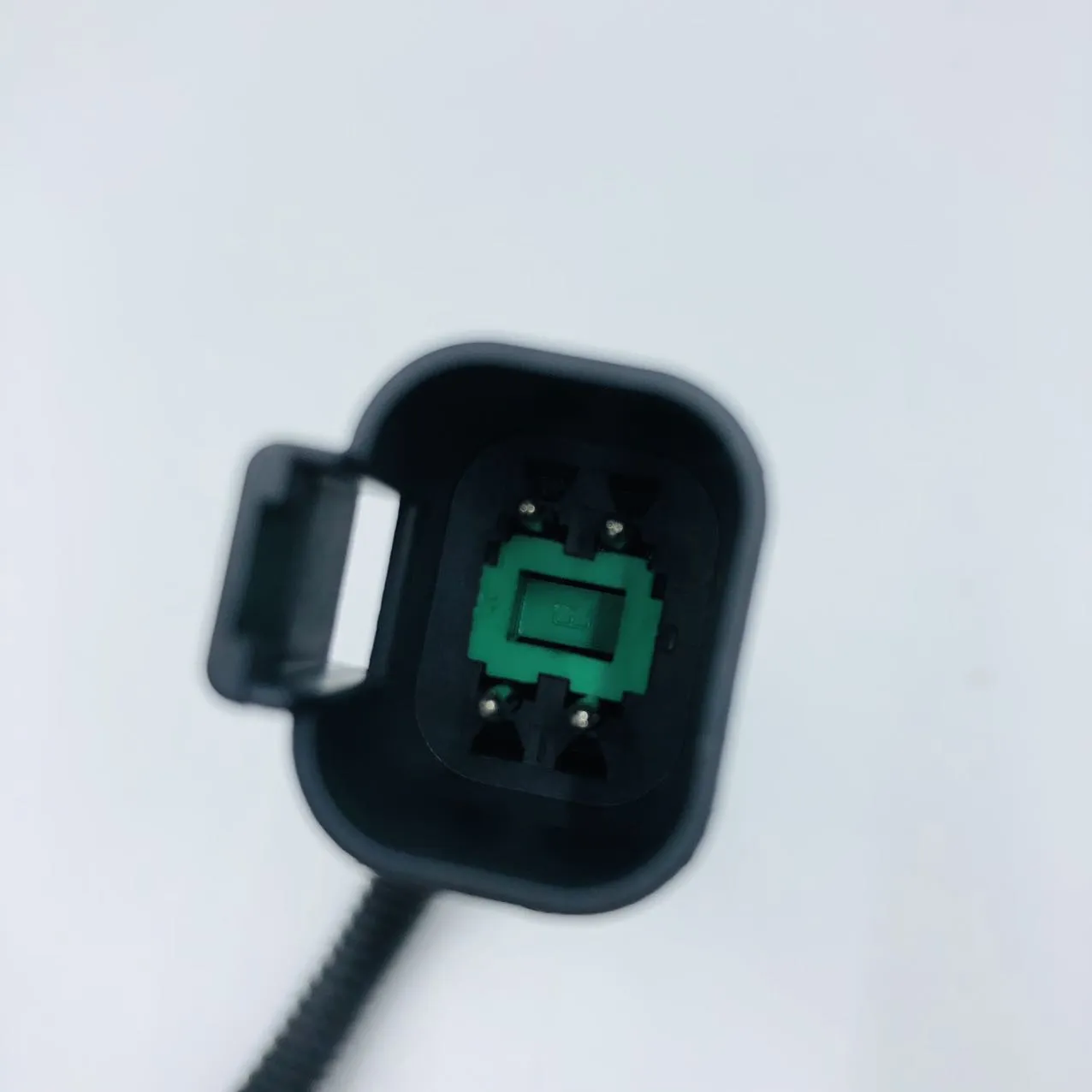 7861-93-5410Komatsu Acceleration Sensor, 7861-93-5410
 -
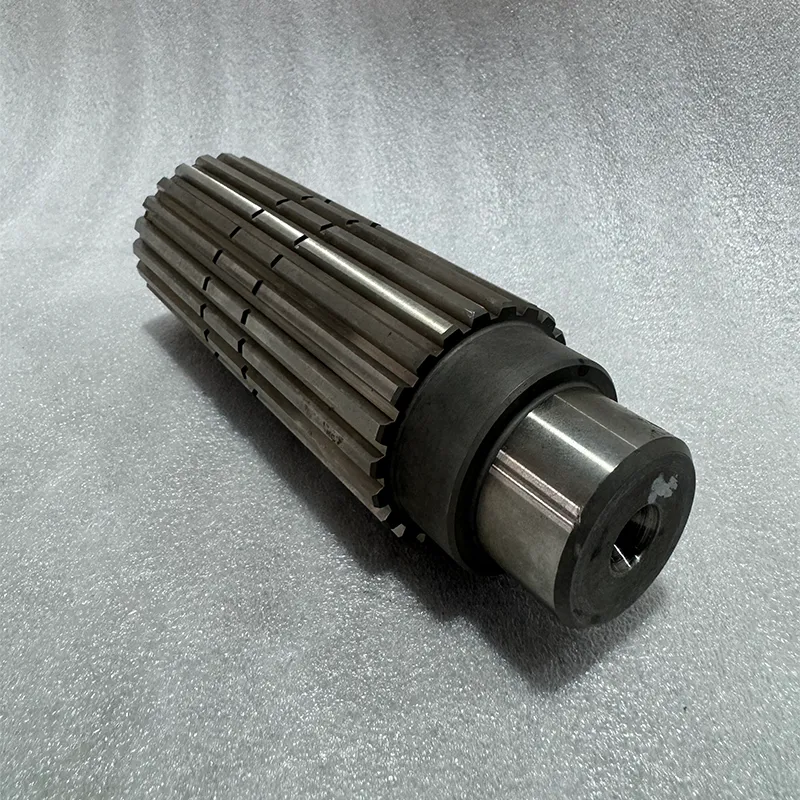 Komatsu original D65PX-15 Gear Shaft 14X-12-11411
 -
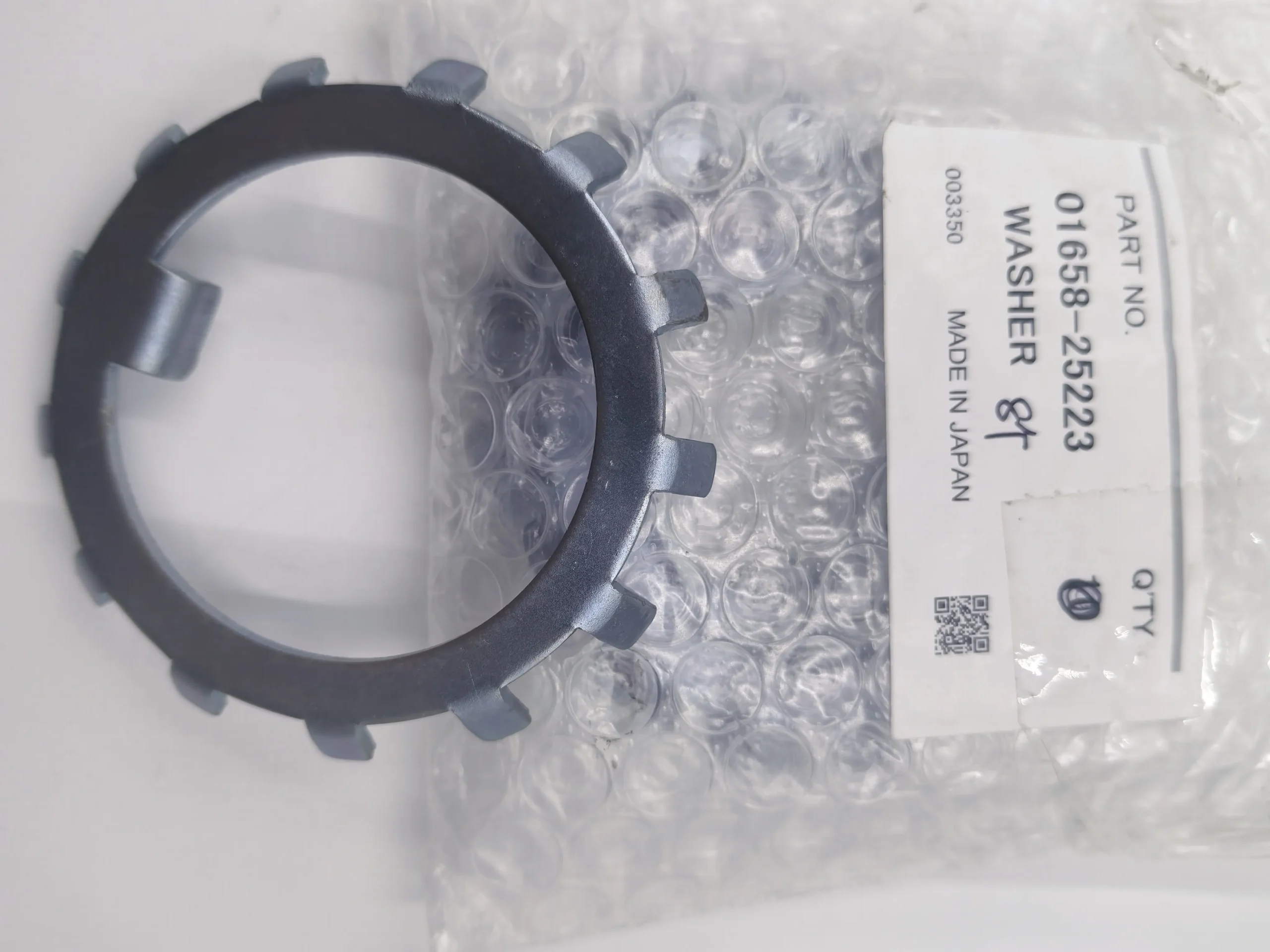 01658-25223、01658-05223•• WASHER Komatsu Original Factory
 -
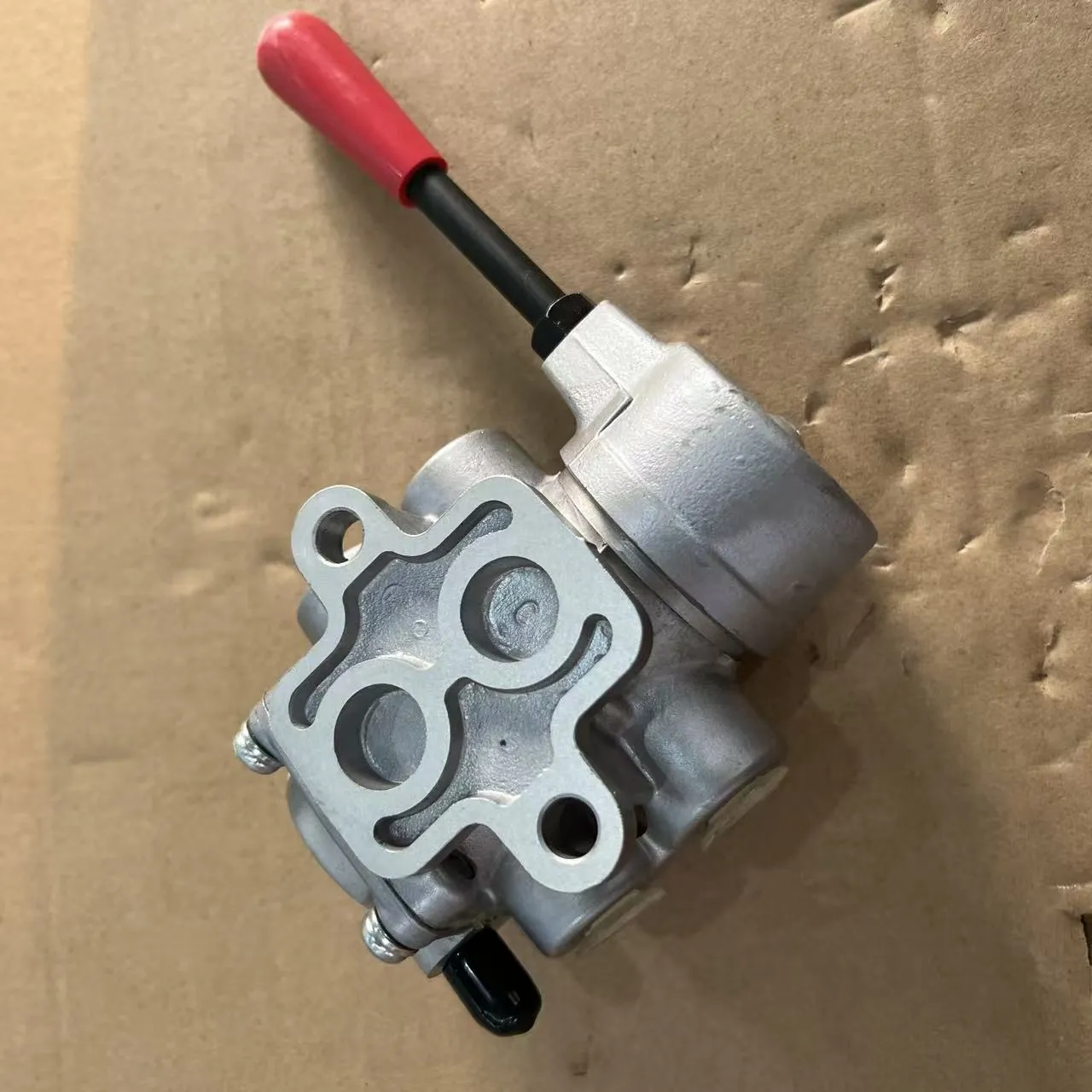 Komatsu 561-87-66102 EMERGENCY BRAKE… — Pricing.Parts
 -
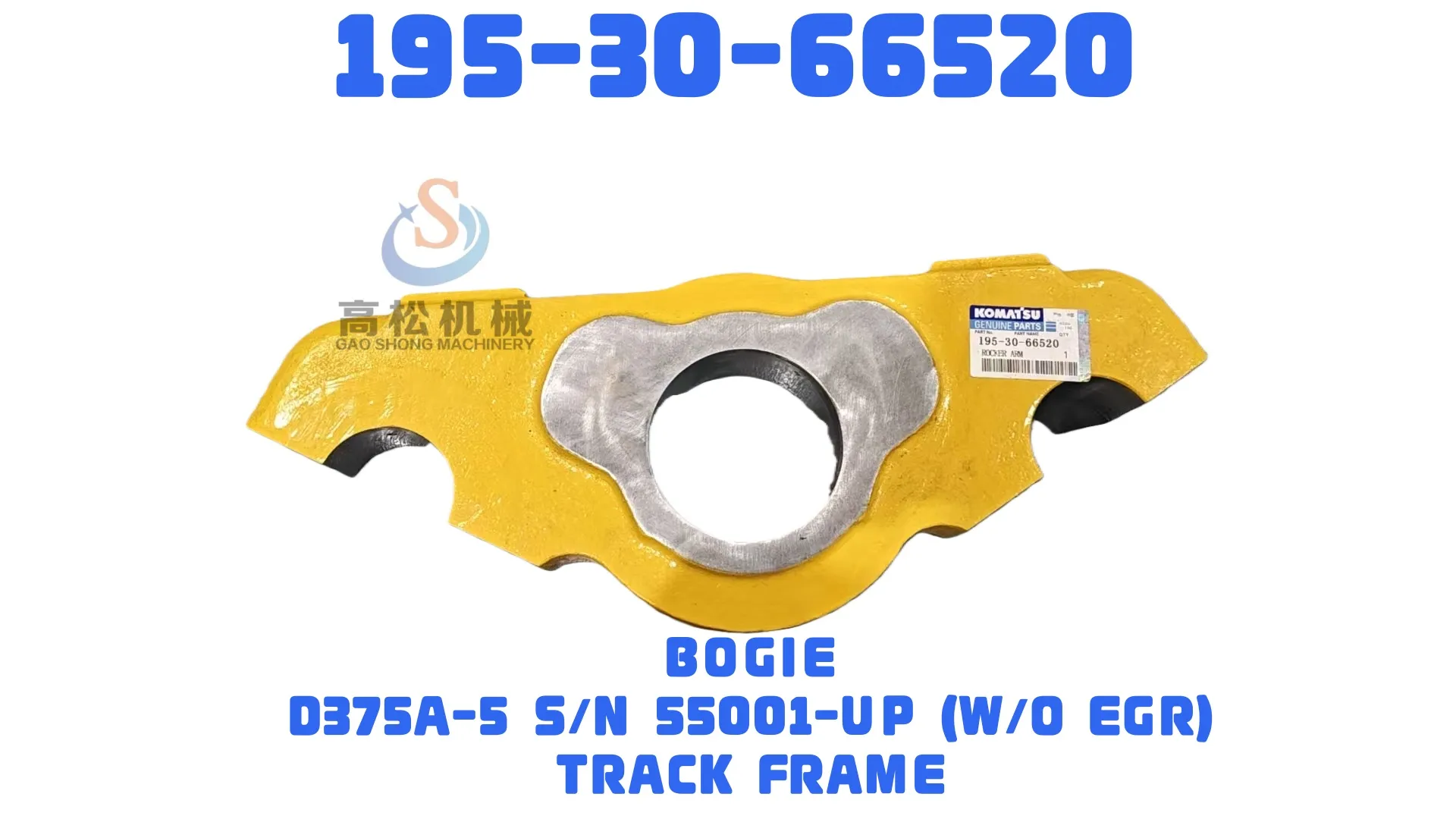 195-30-66520 – Bogie
 -
 144-15-22881 Komatsu Seal Ring
 -
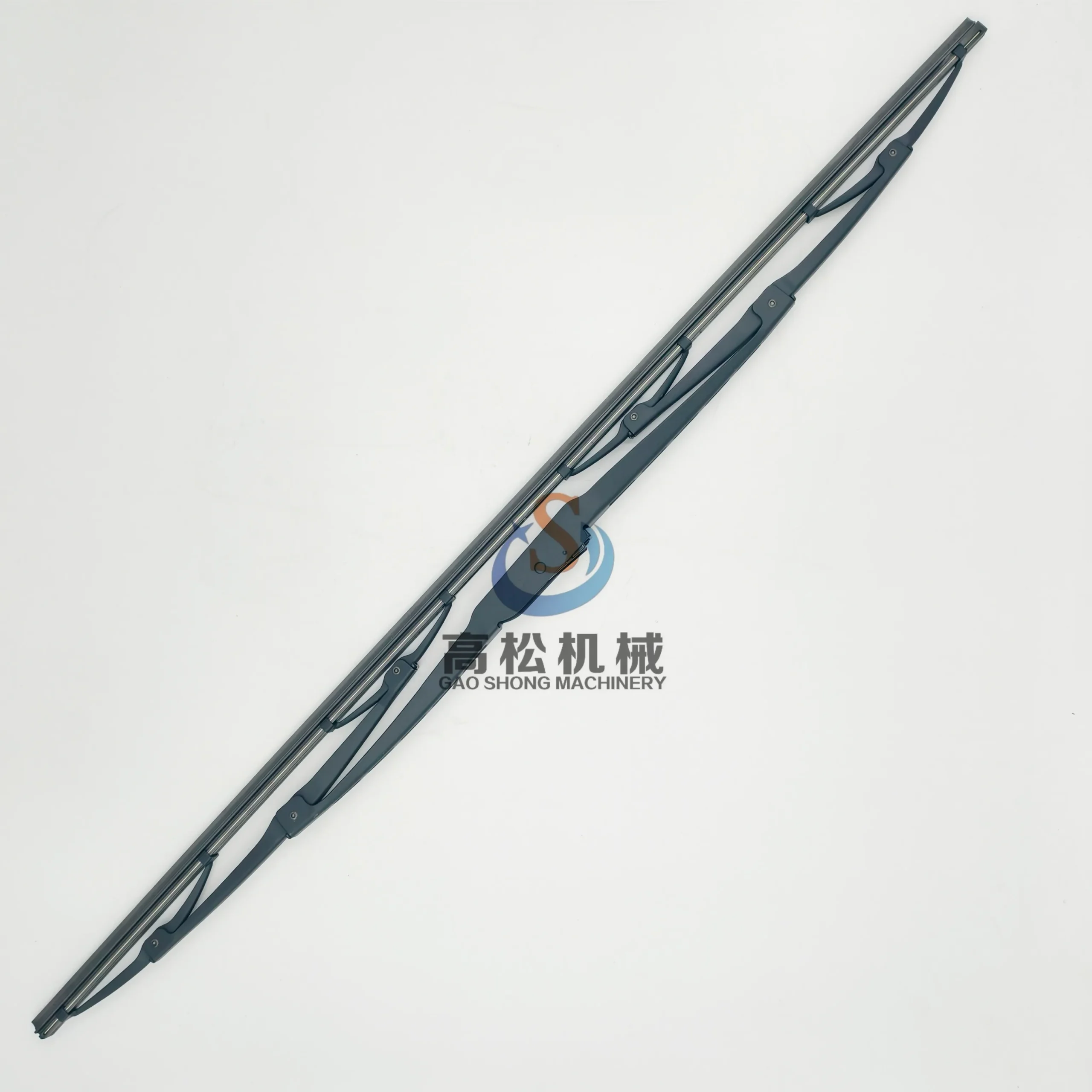 BLADE,FRONT 56B-54-13240 HM250-2 HM300-2 HM350-2 HM400-2 (ecot3) OPERATOR’S CAB (WIPER)
 -
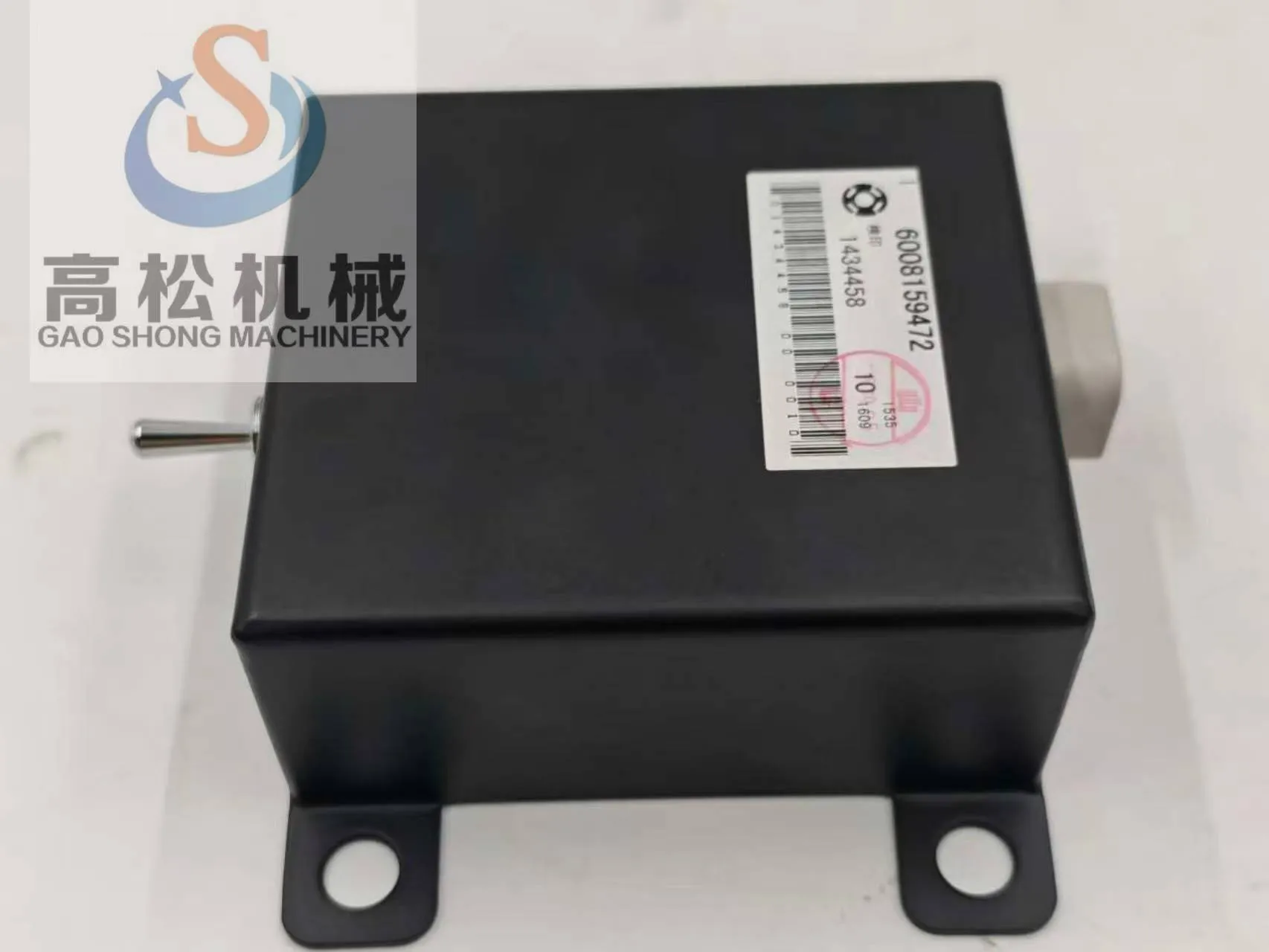 Original new switch 600-815-9472 for d375a-6 bulldozer komatsu pc1250sp-8r hd785-7 dump truck
 -
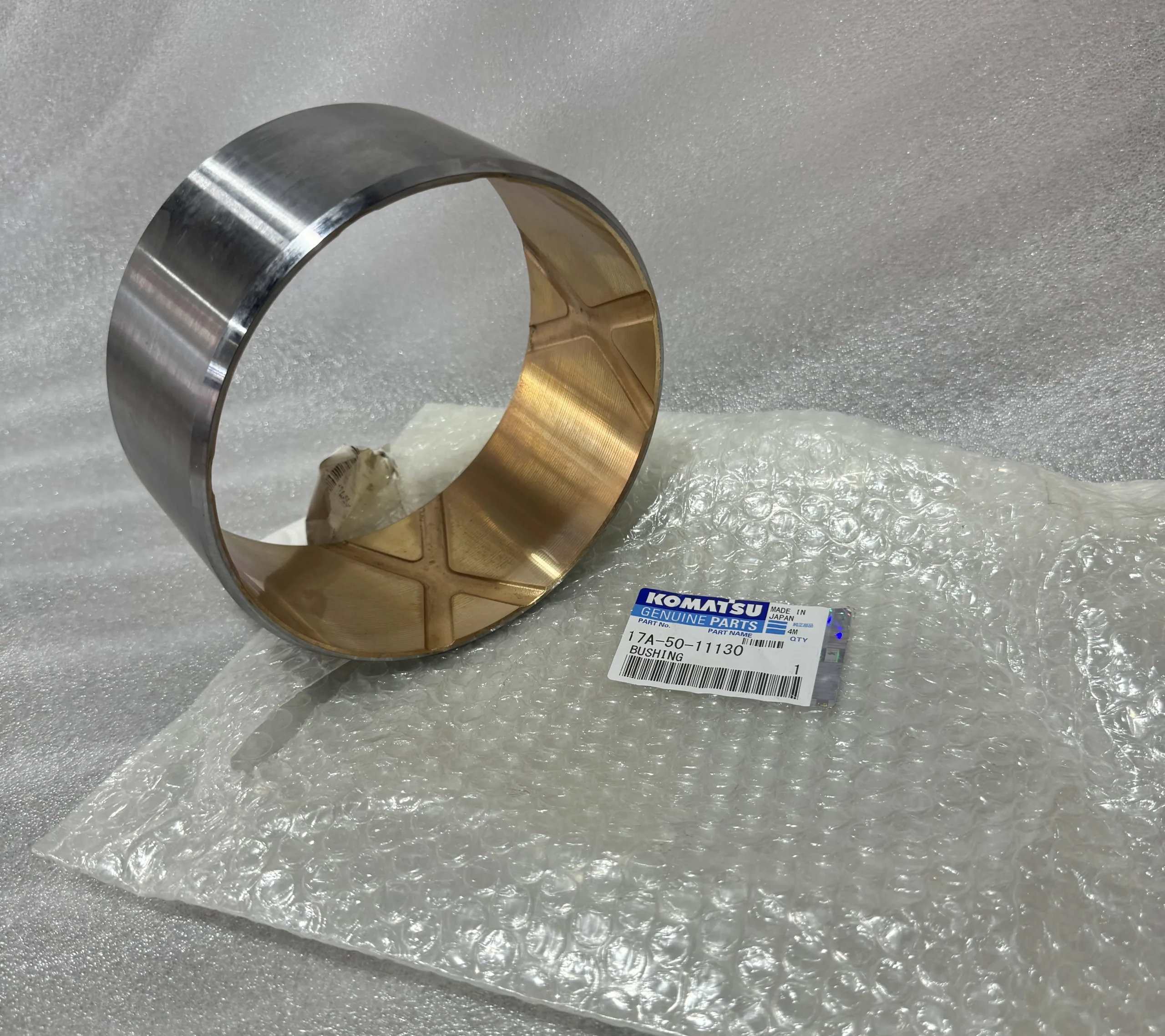 D155AX-3 Bushing 17A-50-11130
 -
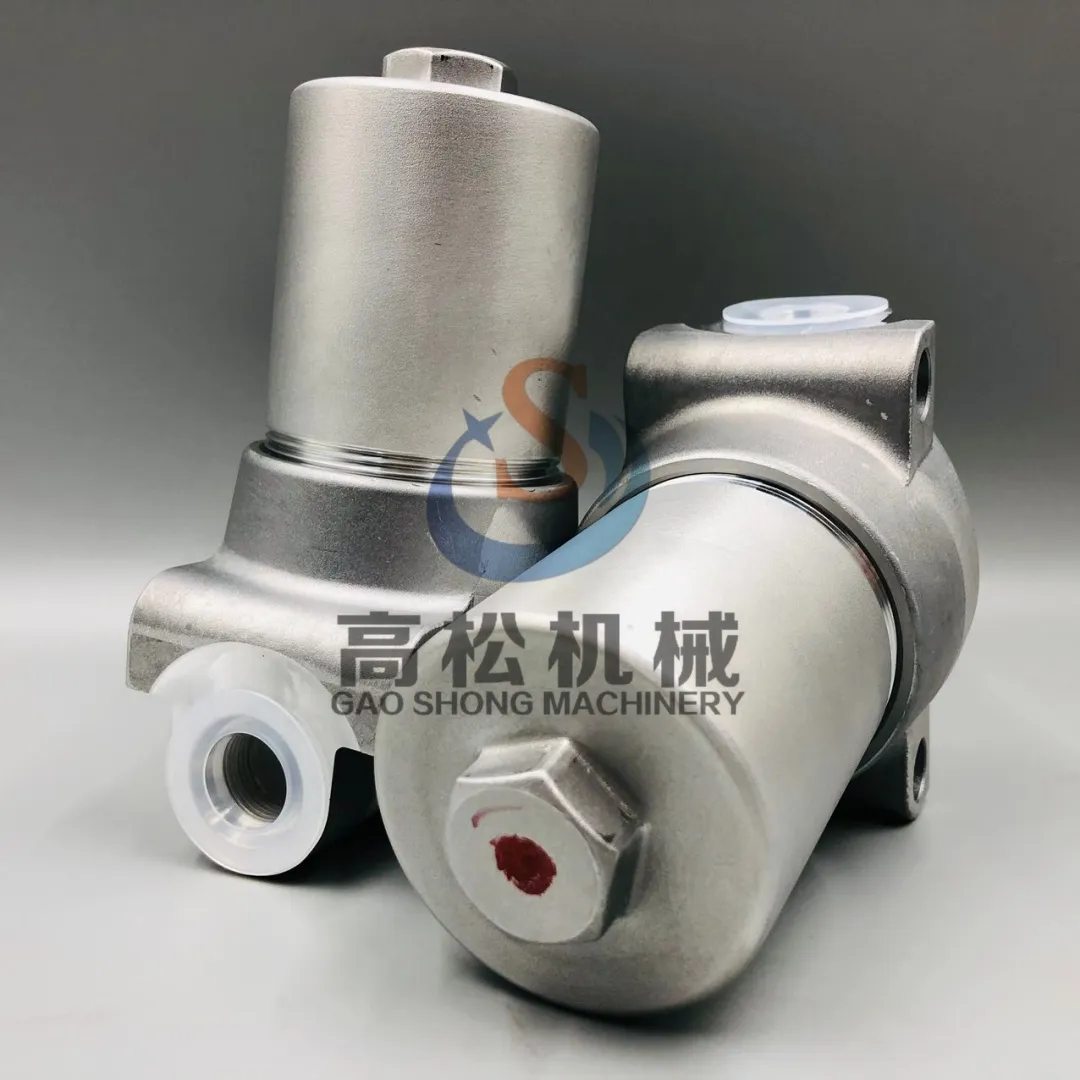 20Y-62-51681Filter Assembly 20Y-62-51681 – KOMATSU
 -
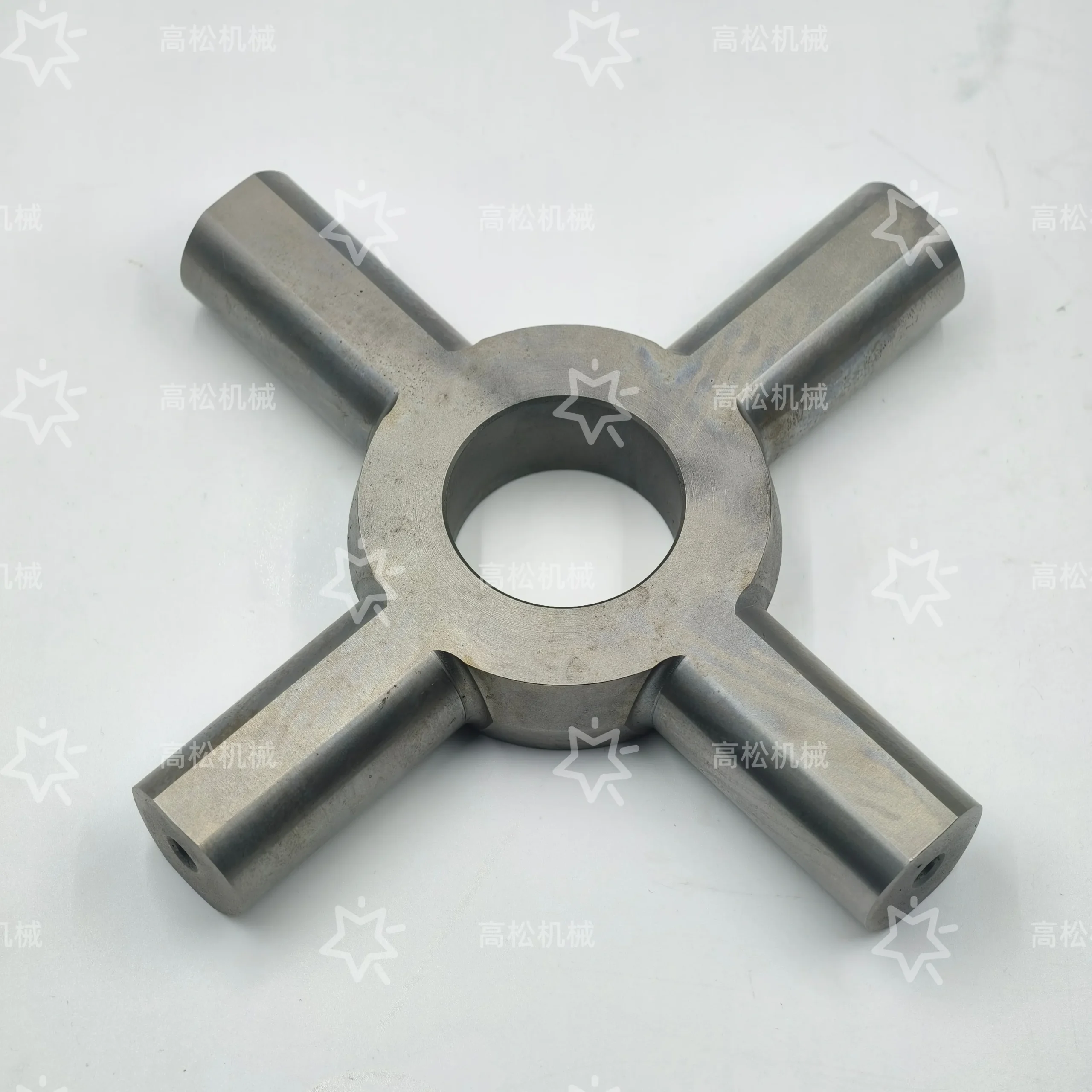 SHAFT 421-22-11440 for Komatsu WA300-3 WA320-3 WA380-3 WA430-3 WA470-3 WA450-3
 -
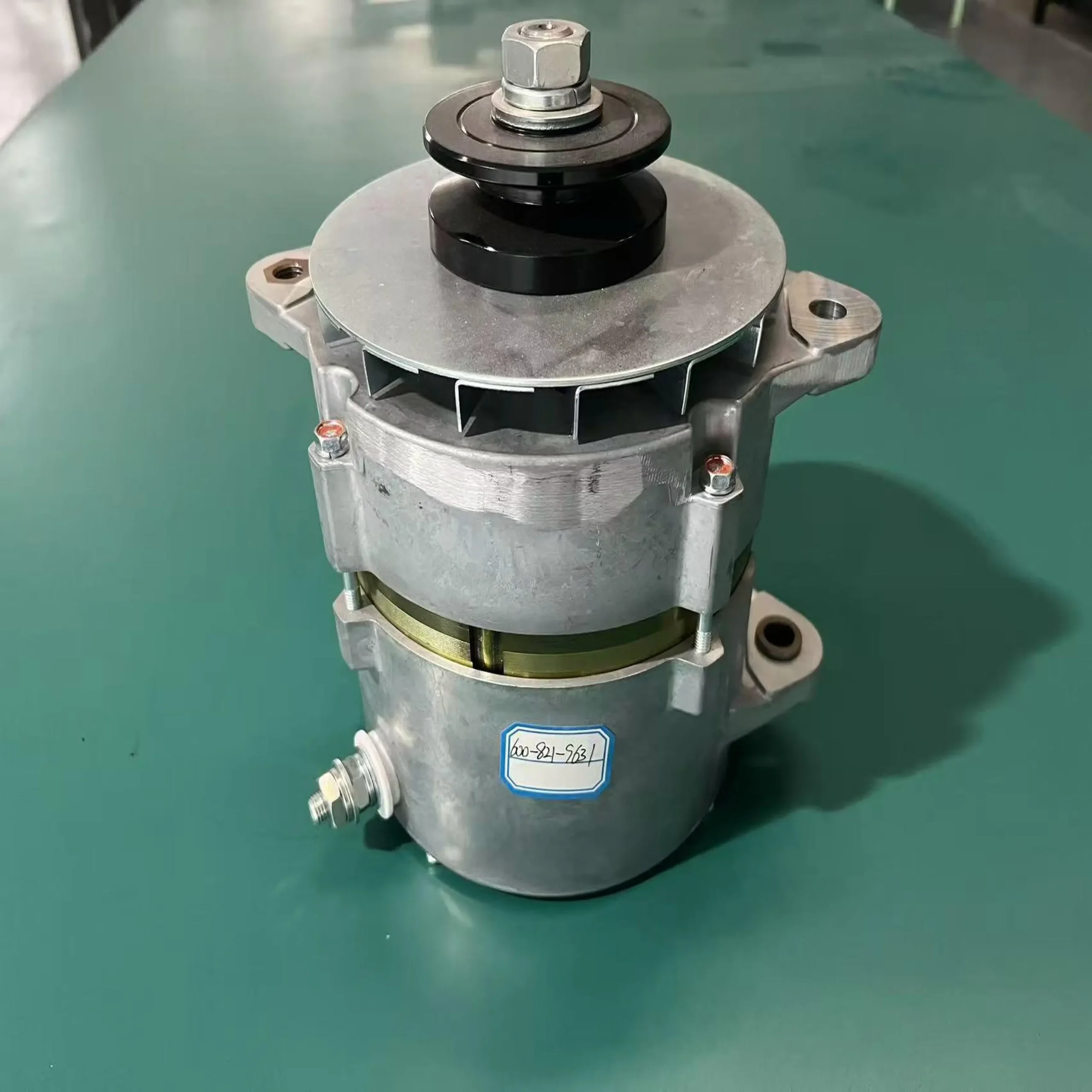 ATG20053 Alternator Compatible With Komatsu Cummins QSK23 600-821-9631 600-821-8260 600-821-9360 600-821-9550 600-821-9311 600-821-9511