
- Chinese
- French
- German
- Portuguese
- Spanish
- Russian
- Japanese
- Korean
- Arabic
- Irish
- Greek
- Turkish
- Italian
- Danish
- Romanian
- Indonesian
- Czech
- Afrikaans
- Swedish
- Polish
- Basque
- Catalan
- Esperanto
- Hindi
- Lao
- Albanian
- Amharic
- Armenian
- Azerbaijani
- Belarusian
- Bengali
- Bosnian
- Bulgarian
- Cebuano
- Chichewa
- Corsican
- Croatian
- Dutch
- Estonian
- Filipino
- Finnish
- Frisian
- Galician
- Georgian
- Gujarati
- Haitian
- Hausa
- Hawaiian
- Hebrew
- Hmong
- Hungarian
- Icelandic
- Igbo
- Javanese
- Kannada
- Kazakh
- Khmer
- Kurdish
- Kyrgyz
- Latin
- Latvian
- Lithuanian
- Luxembou..
- Macedonian
- Malagasy
- Malay
- Malayalam
- Maltese
- Maori
- Marathi
- Mongolian
- Burmese
- Nepali
- Norwegian
- Pashto
- Persian
- Punjabi
- Serbian
- Sesotho
- Sinhala
- Slovak
- Slovenian
- Somali
- Samoan
- Scots Gaelic
- Shona
- Sindhi
- Sundanese
- Swahili
- Tajik
- Tamil
- Telugu
- Thai
- Ukrainian
- Urdu
- Uzbek
- Vietnamese
- Welsh
- Xhosa
- Yiddish
- Yoruba
- Zulu
- Kinyarwanda
- Tatar
- Oriya
- Turkmen
- Uyghur






OEM AND ORIGINAL KOMATSU SHAFT ASSY 235-20-11100
You see that part number pop up in a search or on a PO, and immediately, there's a split. Some think 'OEM' and 'Original' are just marketing fluff for the same Komatsu factory box. Others swear there's a canyon between them, especially with a critical rotating assembly like the shaft. Having sourced these for everything from PC200-8s to older Dash-6 models in tight markets, I can tell you the truth is messier. It's not just about the stamp on the part; it's about the path it took to get to your yard and what that means for your machine's guts.
The OEM Label: More Than Just a Badge
When we say OEM within the Komatsu system, it's specific. It means the part is produced by a factory authorized and monitored by Komatsu to build to their prints, using their specified materials and processes. For a shaft assy, that's everything: the forging grade, the heat treatment curve, the precision grinding tolerances for the bearing journals, the spline profile. The OEM product supplier isn't some random workshop; they're part of the ecosystem. A company like Jining Gaosong Construction Machinery Co., Ltd. operates in this space. They're not Komatsu, but they function with that sanctioned OEM capacity, which is crucial for supply chains in regions where the official channels are clogged or non-existent.
The catch? Not all OEM claims hold water. I've seen shafts where the material certs were fuzzy, or the hardening was a shade off, leading to premature wear at the spline or a fatigue crack starting at a radius that wasn't machined to spec. The part looks identical until it's under torque. That's where the relationship with the supplier matters. You need someone who understands the engineering, not just the inventory number.
This is where the practical role of a third-party sales company that's also an OEM supplier becomes clear. Their value isn't just in having the box. It's in knowing that for the , the version for the later serial range has a slightly modified oil passage compared to the early one, and shipping the wrong one will cause a lubrication starvation issue. That's the knowledge you're buying.
Original vs. The Aftermarket Illusion
Now, Original. This should mean it came off Komatsu's own parts distribution line, in Komatsu packaging, with all the traceability. But in many markets, that's a fantasy for a common but critical part like this shaft. The lead time is 12 weeks, the cost is astronomical. So, the market creates tiers. You have the true original, the OEM-spec parts from authorized suppliers (which can be functionally identical), and then the sea of aftermarket copies.
The aftermarket copies are where most get burned. They might get the dimensions 99% right, but they'll cheap out on the alloy or skip a shot-peening process. I had a client insist on the cheapest option for a fleet of PC220s. The shafts sheared at the spline within 400 hours. The downtime and repair cost wiped out the savings ten times over. The failure analysis pointed to inferior grain structure in the steel. It looked right, but it wasn't.
This is the supply challenge companies like the one behind https://www.takematsumachinery.com aim to solve. They bridge the gap. They can provide the OEM-spec part—the one built to the genuine standard—without the logistical nightmare of the original channel, effectively solving parts supply challenges in certain countries. It's about offering a technically correct alternative that keeps machines running.
Field Observations and The Fitment Test
Let's get practical. How do you judge a ? First, forget the paint. Look at the machining. The finish on the bearing surfaces should be like glass, with no tooling marks. The transition radii should be smooth, not sharp. The splines should have a slight chamfer at the edges. I remember unpacking a unit from a new supplier once, and the splines were razor-sharp. That's a stress concentrator waiting to crack. We sent it back.
Weight is another quick check. Grab a known-good OEM shaft and the new one. A significant weight difference usually means a different material density or missing material. It's a red flag. Then there's fit. A true OEM-spec shaft should slide into the gear cluster with firm hand pressure. If you need a hammer or a press to start it, the spline hobbling is off. If it's sloppy, it'll wallow out and fail. It should be a snug, precise interference fit.
The Balancing Act and Long-Term Performance
Something that's often overlooked is balance. This isn't a crankshaft, but it's still a rotating component. A poorly balanced shaft assembly will transmit vibration, accelerating wear in the supporting bearings and gears. The OEM process includes a balancing step. Many copies do not. You won't know until you've run it for 100 hours and start getting unexplained bearing failures downstream.
Long-term, the proof is in the oil analysis and teardowns. We started specifying OEM-spec shafts from a reliable pipeline for our rebuilds and tracked the wear metals. Iron and chromium counts stayed remarkably low well past the expected service interval. That's the silent benefit. It's not about the part failing catastrophically; it's about it wearing in a controlled, predictable way that doesn't poison the rest of the powertrain.
Sourcing Strategy: A Real-World Approach
So, what's the play? For a critical component like this shaft assy, I don't gamble. My go-to strategy is to establish a relationship with a supplier that has transparent OEM credentials and acts as a technical partner, not just a vendor. You need a company that can explain why the part is made a certain way. When I look at a supplier profile like Jining Gaosong's, which states they are an OEM product supplier within the Komatsu system and a third-party sales company, I see a potential solution for non-standard supply scenarios. Their stated goal of solving parts supply challenges aligns with the daily reality of keeping older or geographically isolated machines operational.
I always order one first. I do a physical inspection, a fit check on a dummy assembly, and if it passes, install it on a machine with a known history. Then I monitor. It's a test batch of one. No bulk orders until the first one proves itself. This has saved us from several bad batches over the years.
Ultimately, for the KOMATSU SHAFT ASSY , the debate between OEM and Original is academic if you can't get the part. The real distinction is between a part built to the authentic engineering specification and one that's merely copied. Your job is to find a source that delivers the former, with the traceability and technical backing to prove it. The rest is just noise and risk.
Related Products
Related Products

Best Selling Products
Best Selling Products-
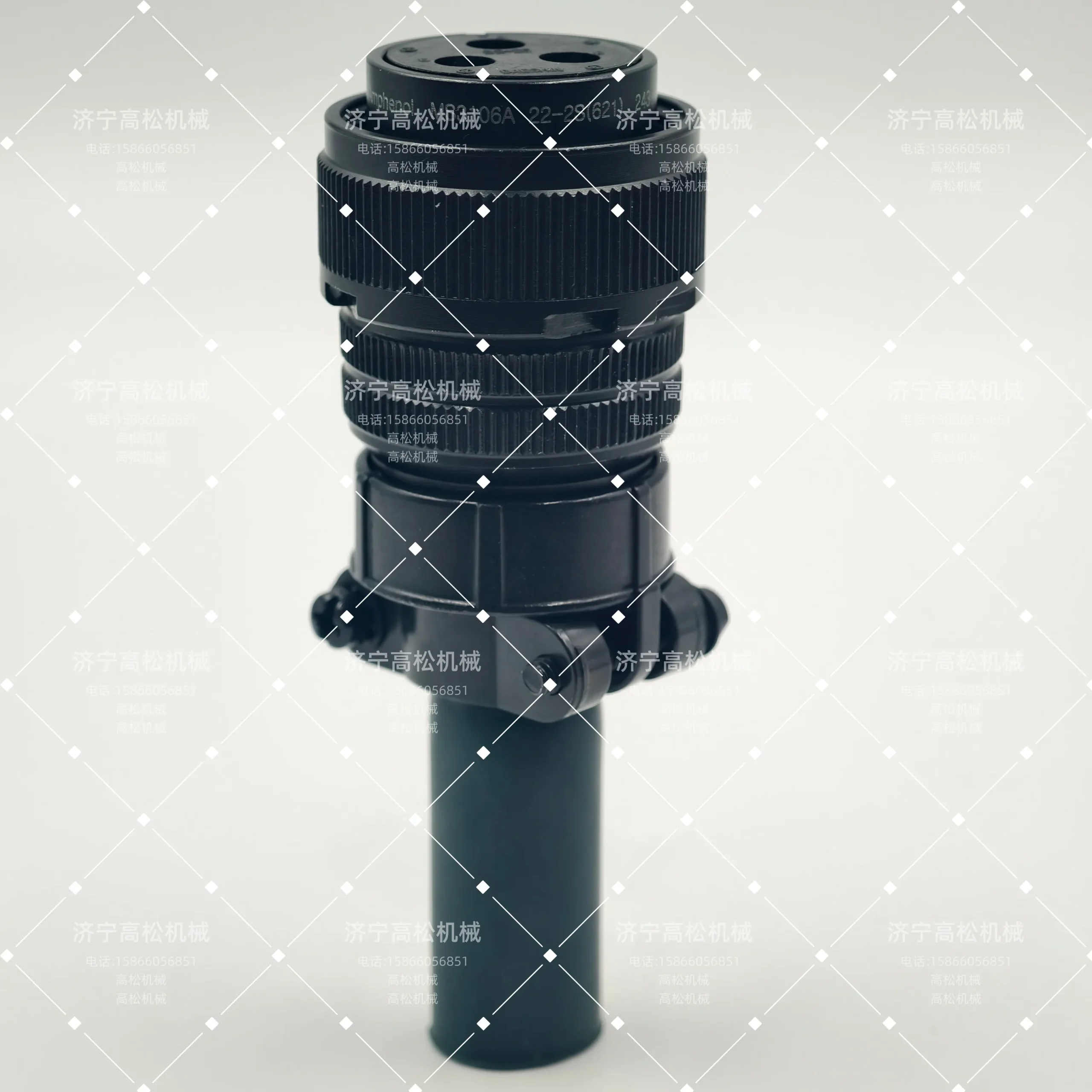 Top Quality 175-06-37871 Plug for Komatsu Mining Excavator Heavy…
 -
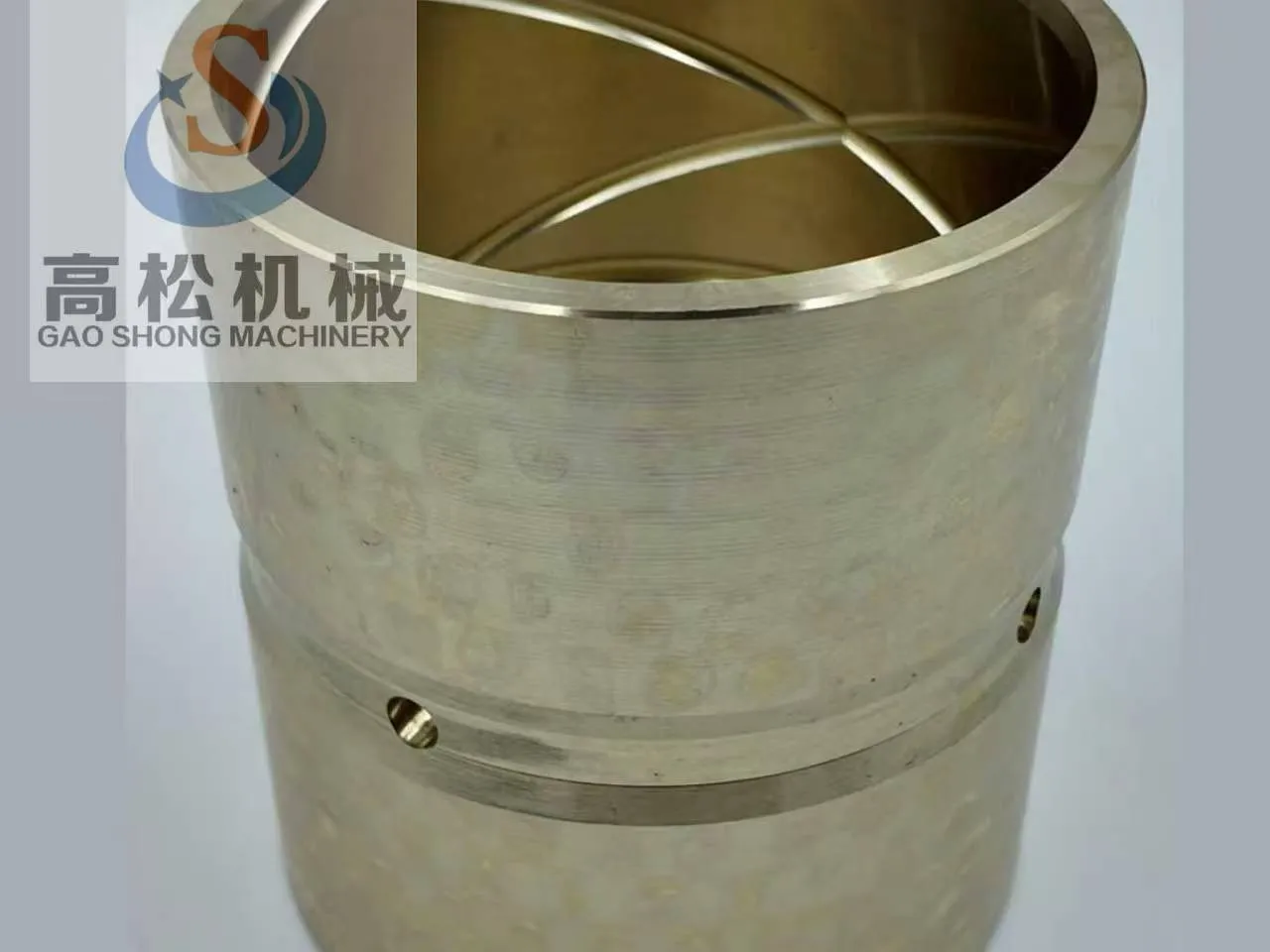 207-70-61610 Bushing For Excavator Komatsu PC300LC-7 PC300-8 PC300LC-7L PC300-7 PC350-7
 -
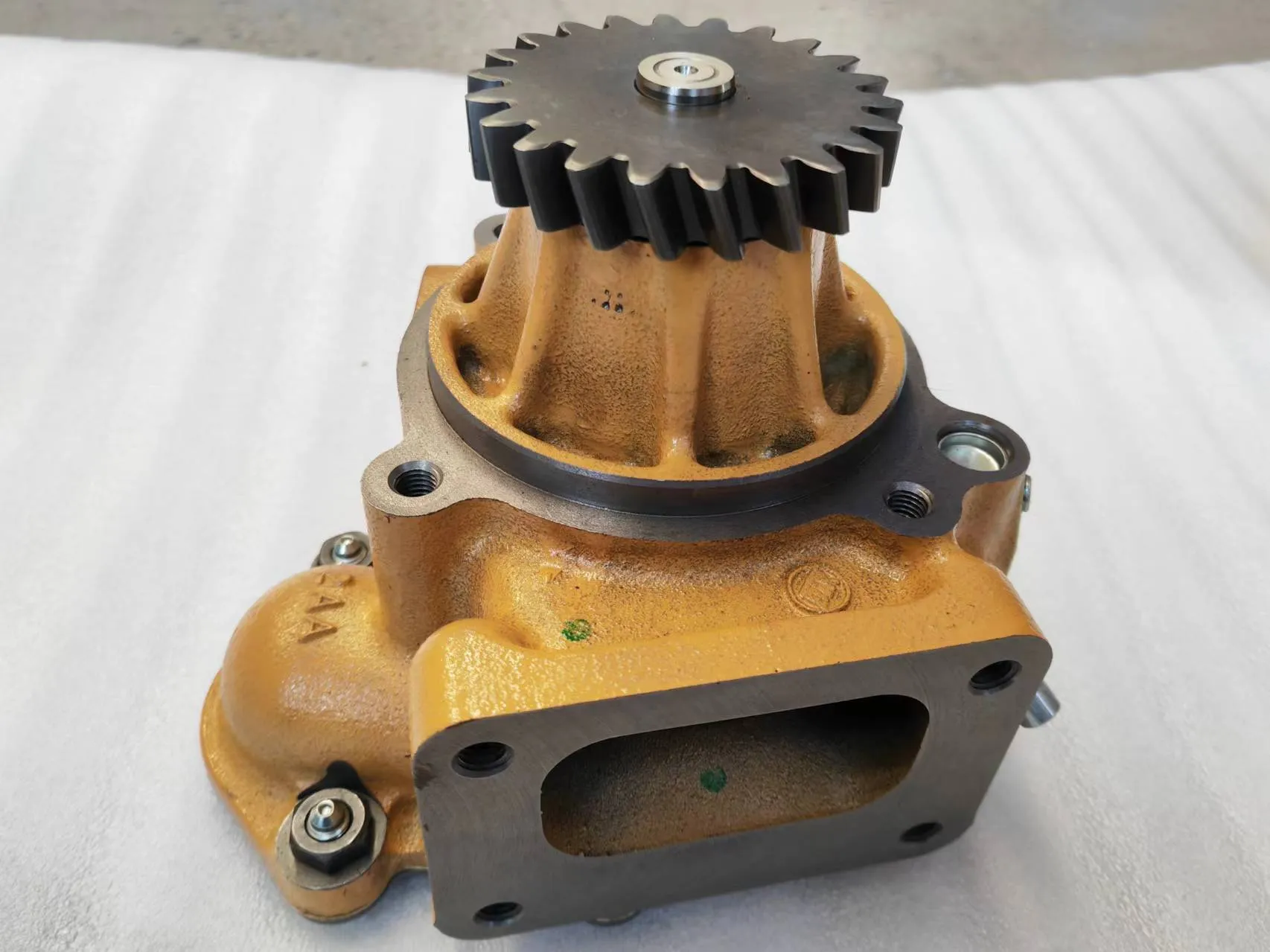 WA480-6 engine water pump 6251-61-1101
 -
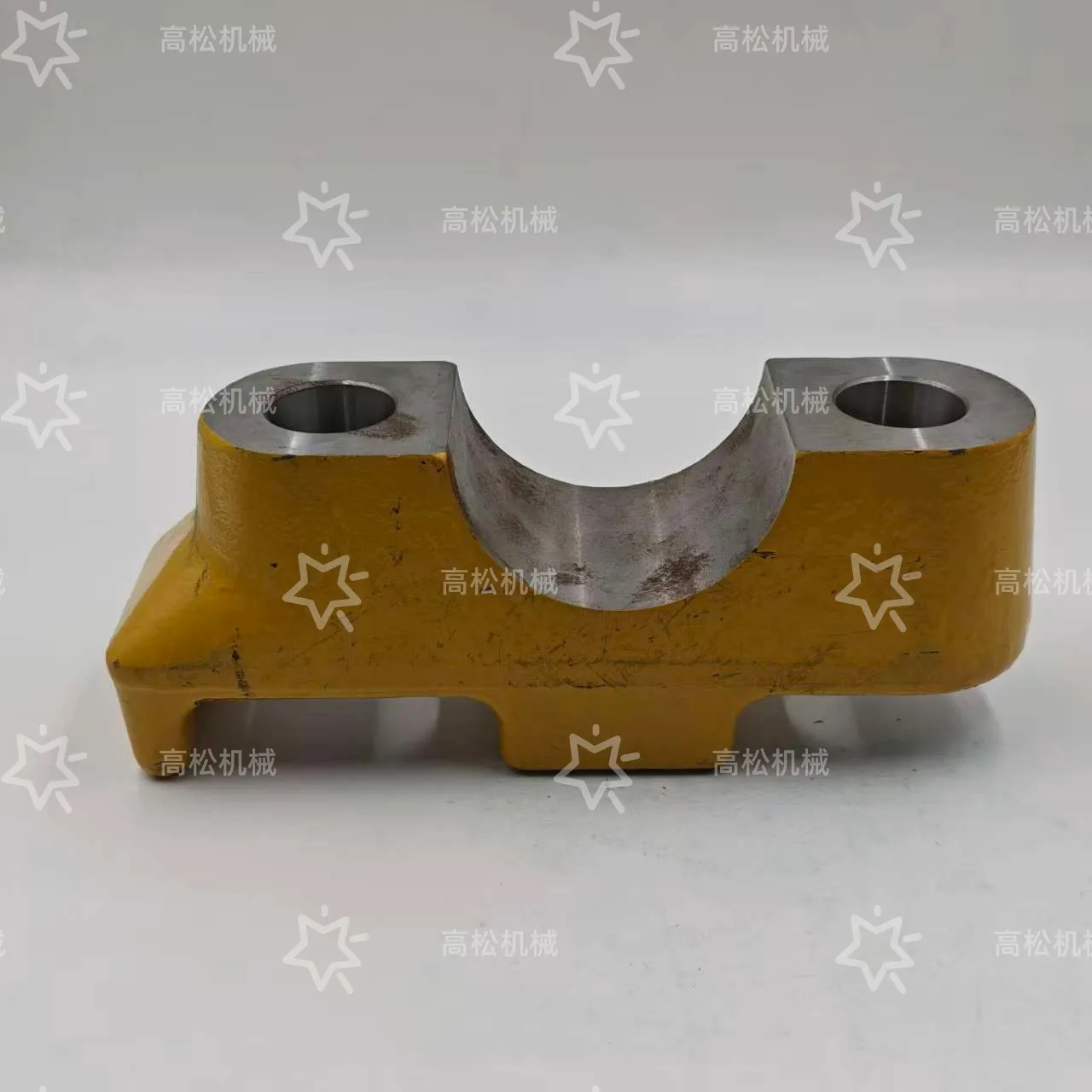 195-30-62141Komatsu Cap 195-30-62141
 -
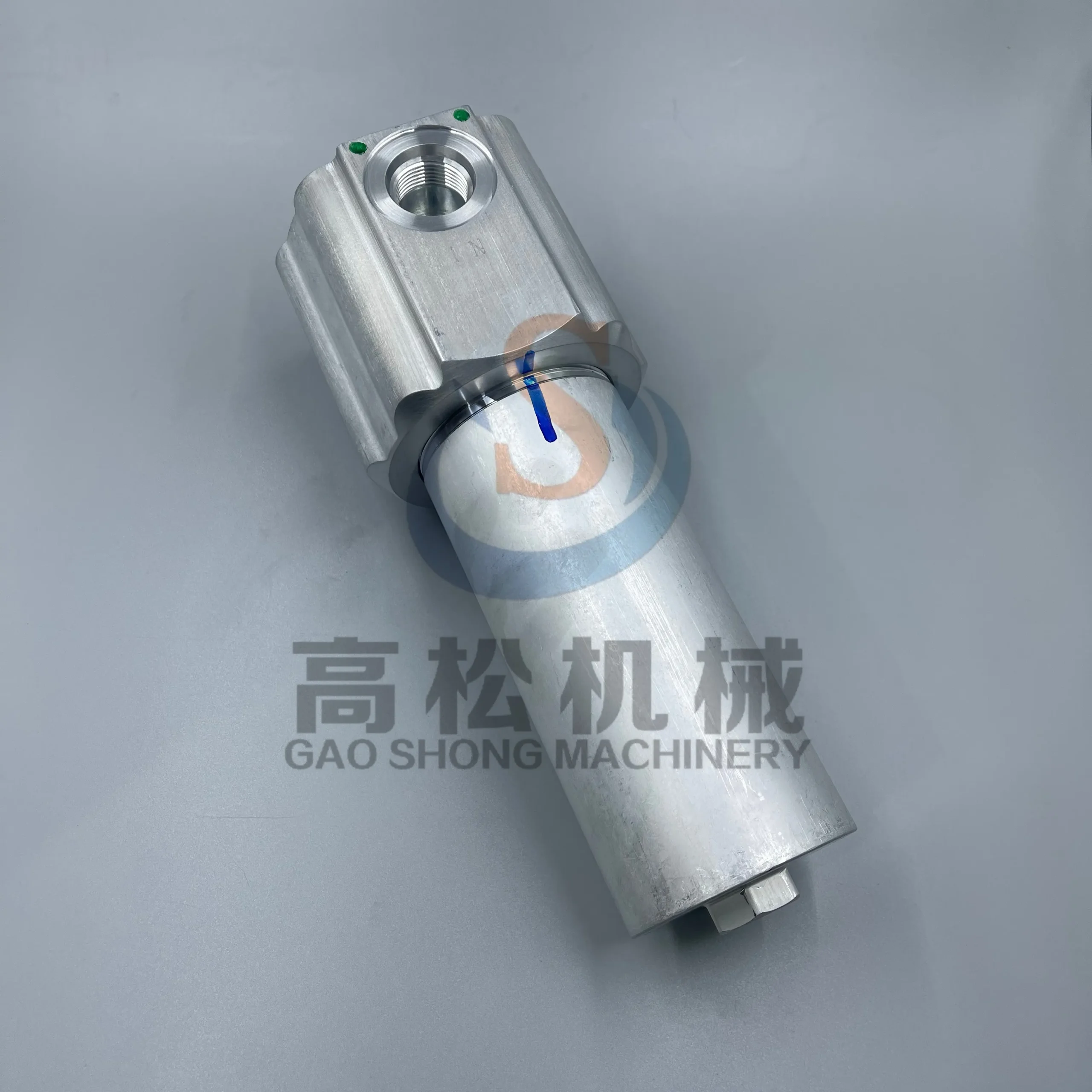 569-43-83911 Komatsu Filter Assembly
 -
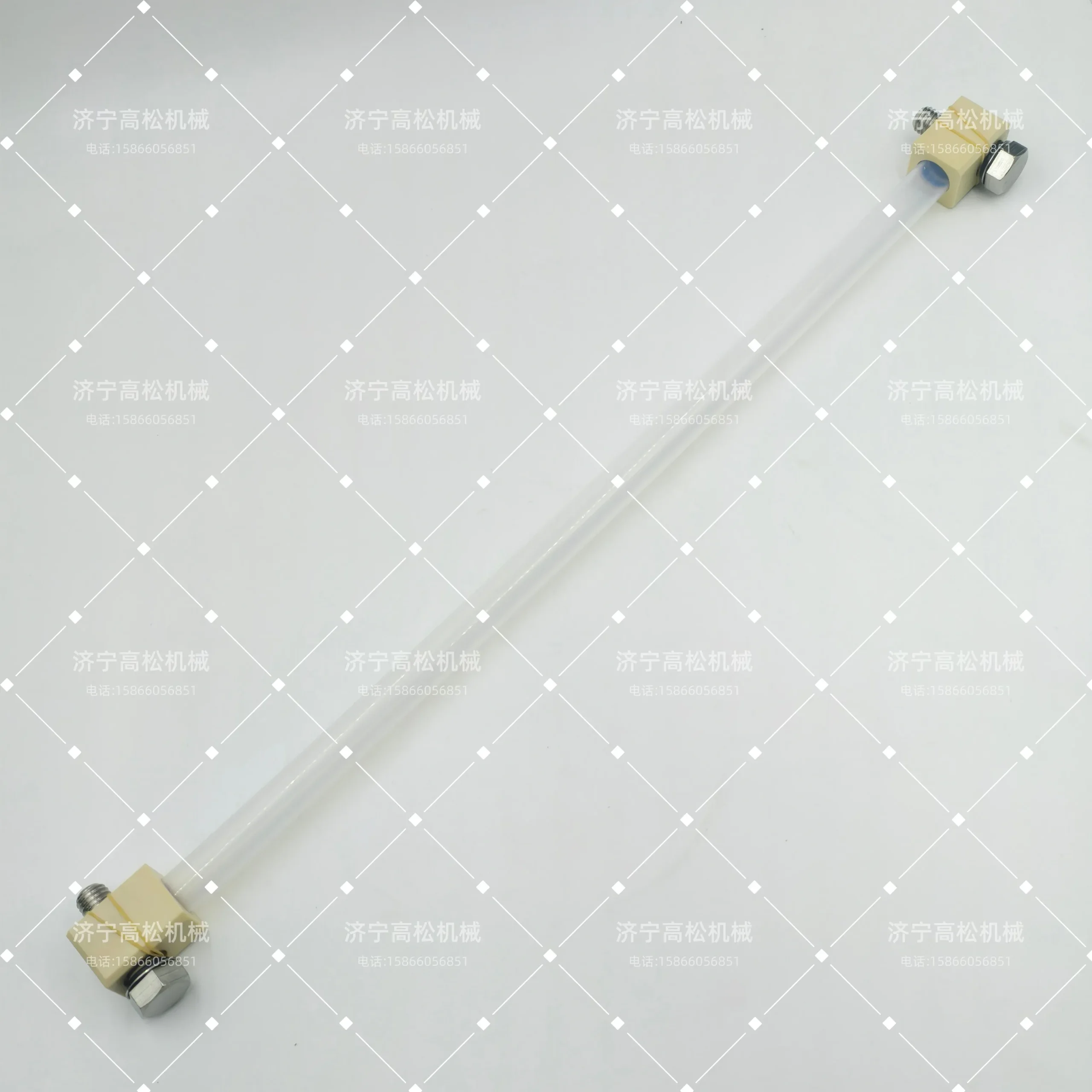 427-16-21120 Komatsu Head Cover Assembly
 -
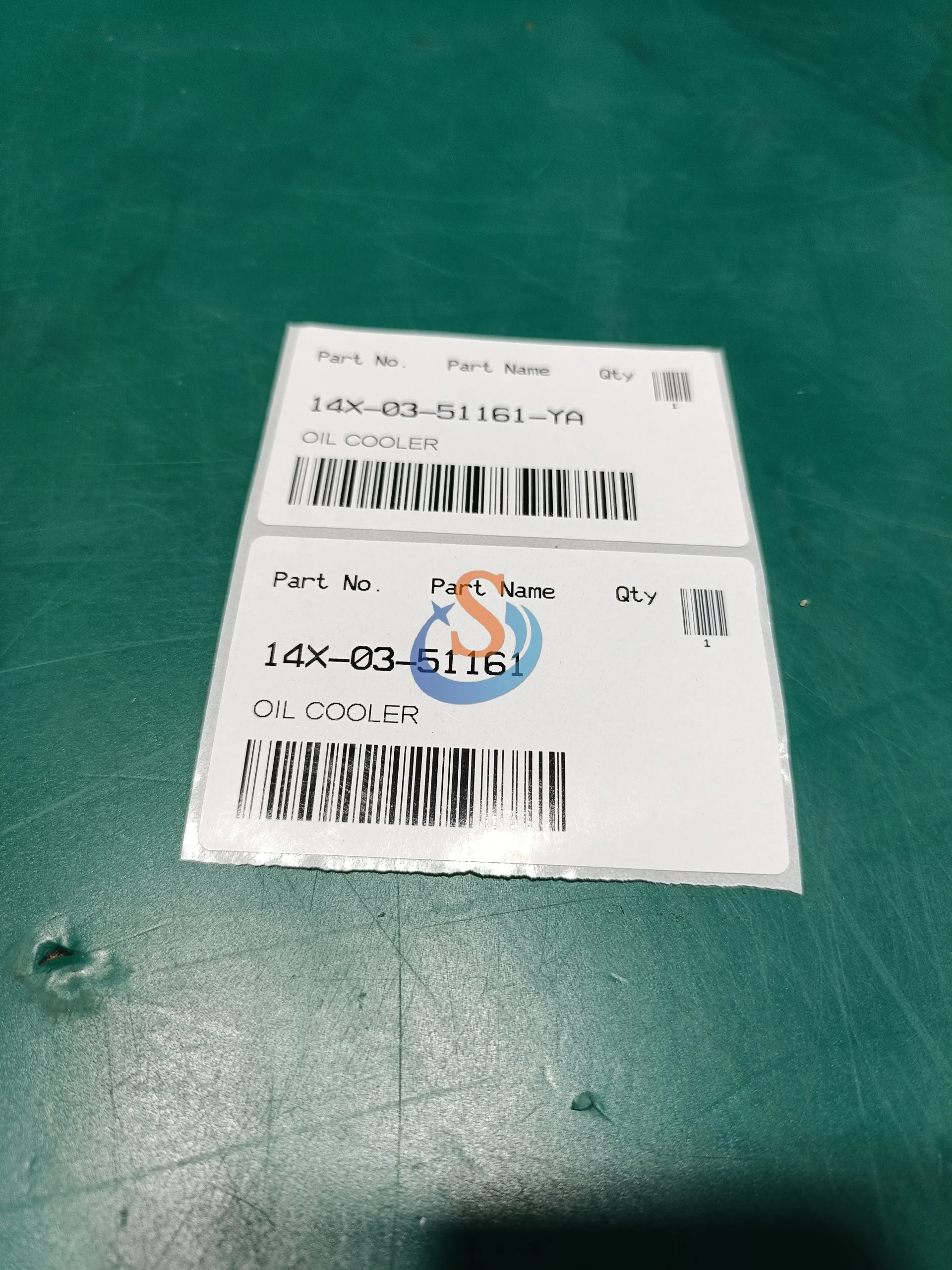 14X-03-51161 Oil Cooler-D65PX/D85ESS
 -
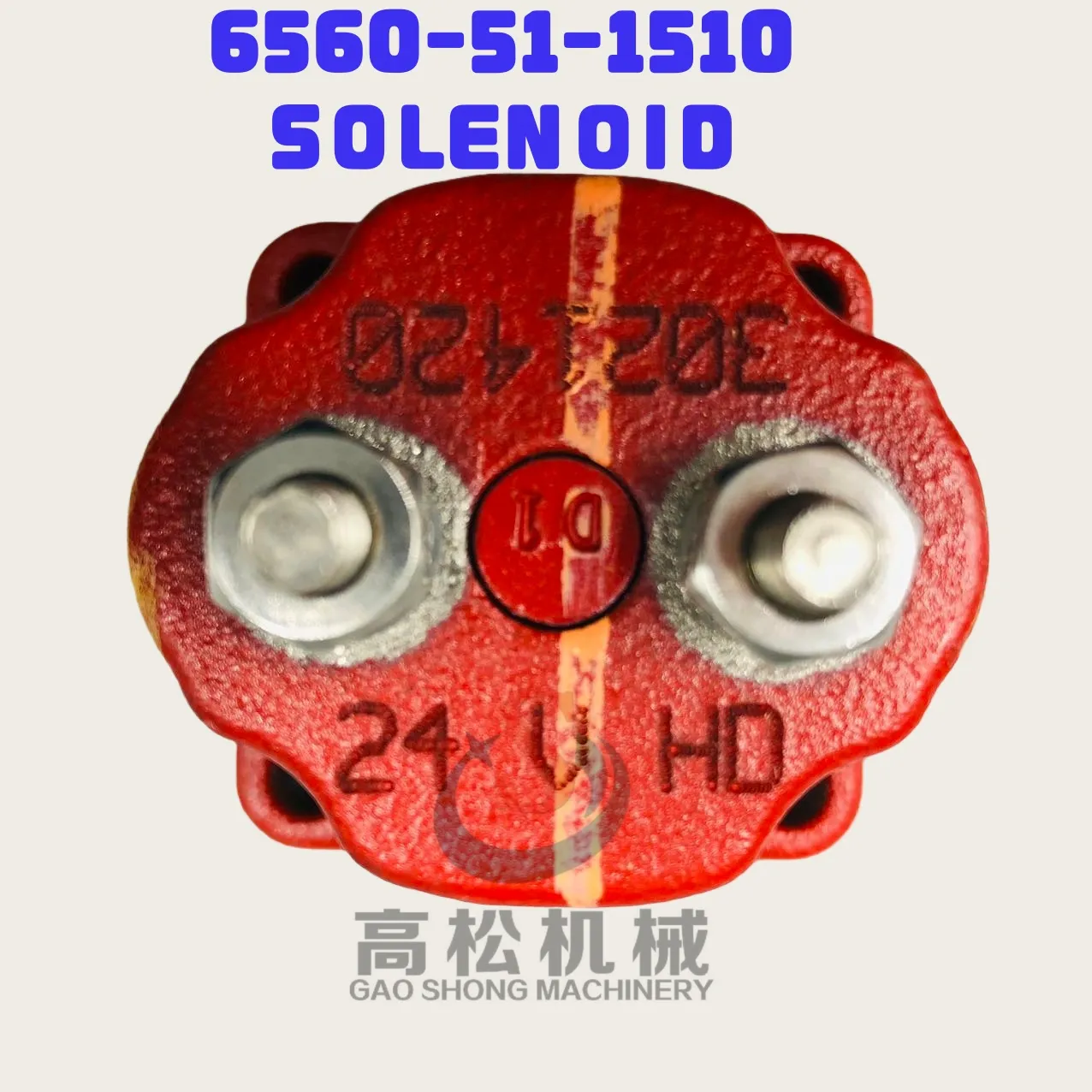 SOLENOID WA600-3LK. CONTROL VALVE AND MOUNTING 6560-51-1510 SOLENOID Suitable For Komatsu 6560511510 SAA6D170E-3C-8
 -
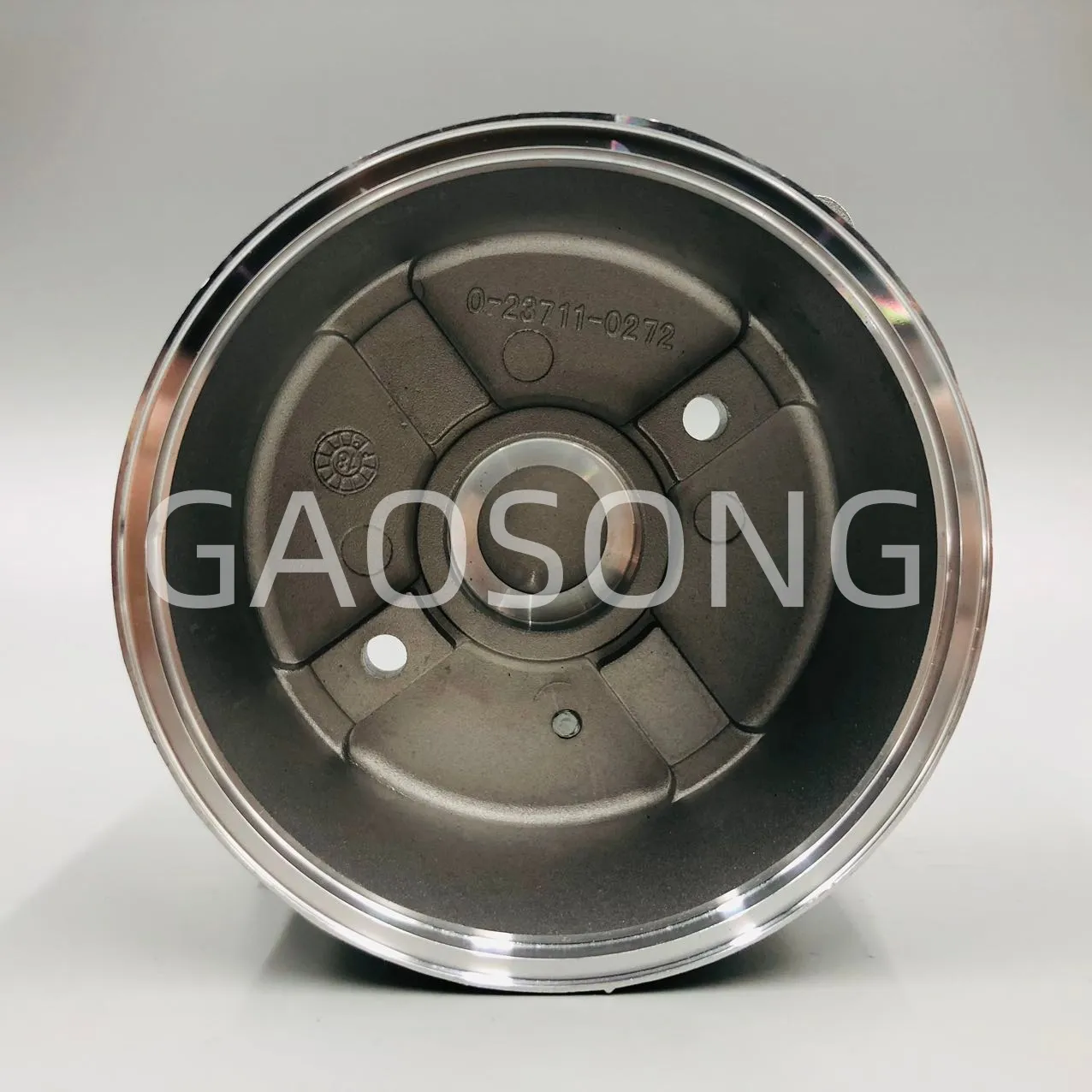 KD0-23700-0130 •• REAR BRACKET A-Komatsu Original Factory
 -
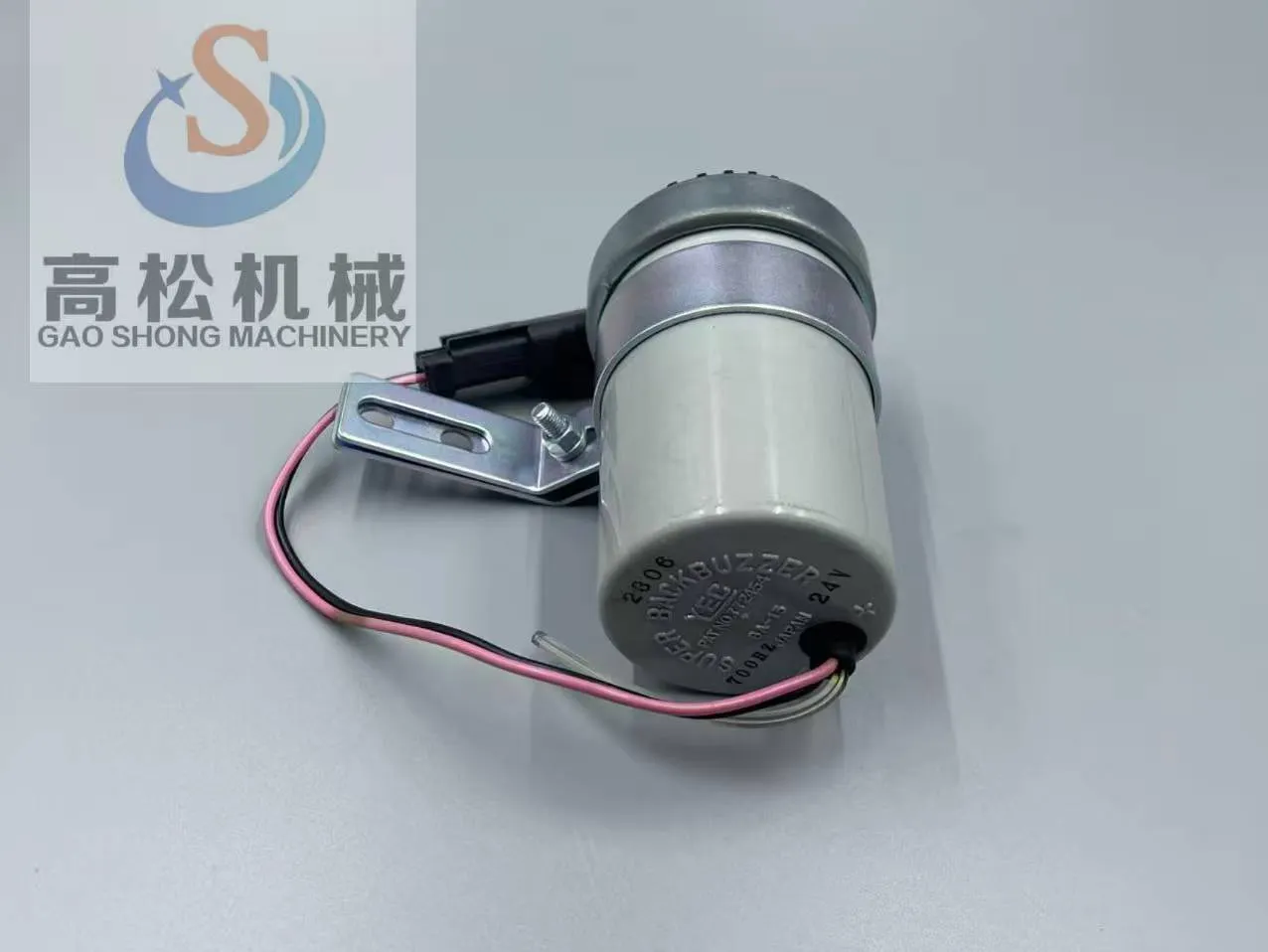 198-06-56570 1980656570 summer for bulldozer D85 D375 D275 D65
 -
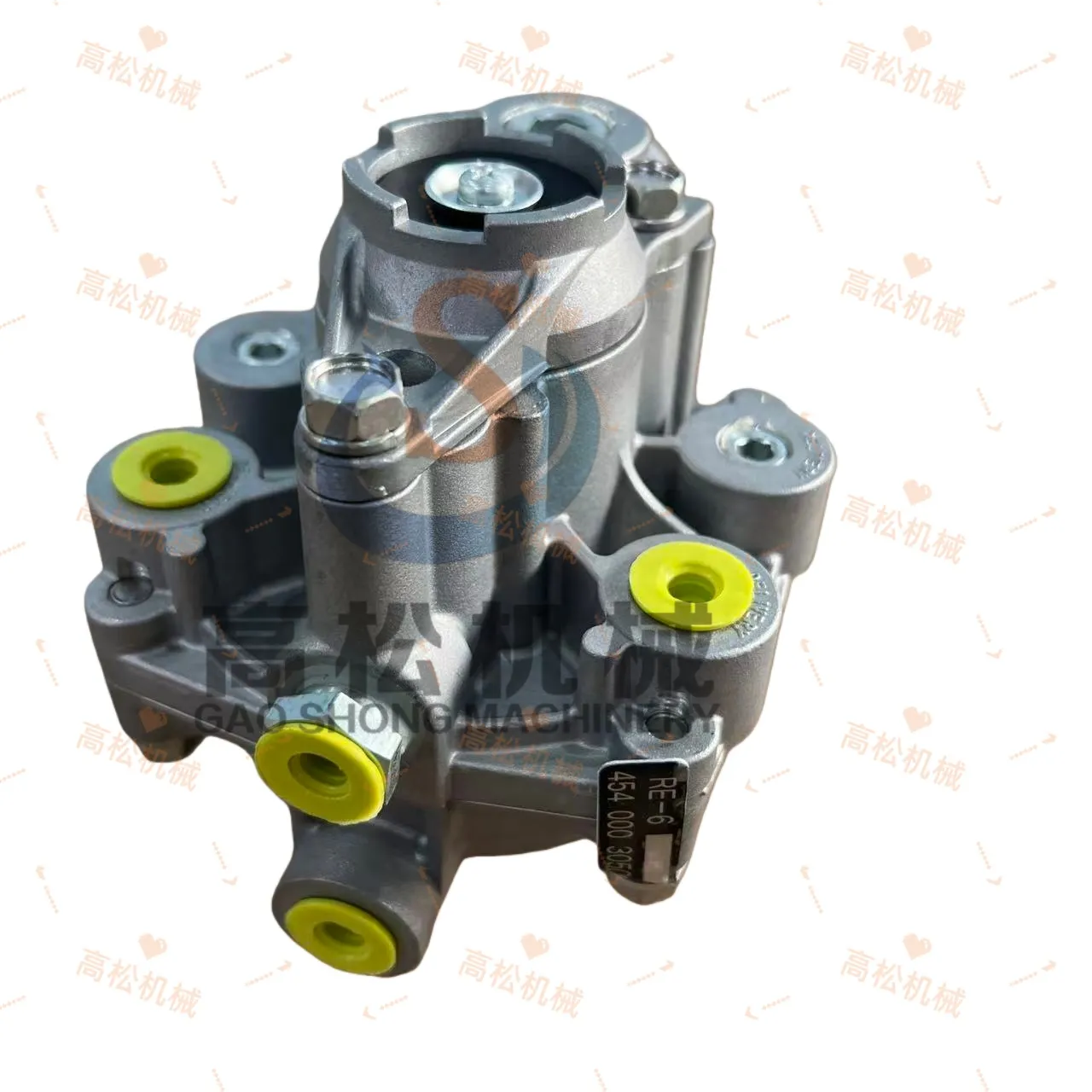 HD785 HD985HD465 HD605-5 HD255-5 561-35-61601RELAY VALVE ASS’Y
 -
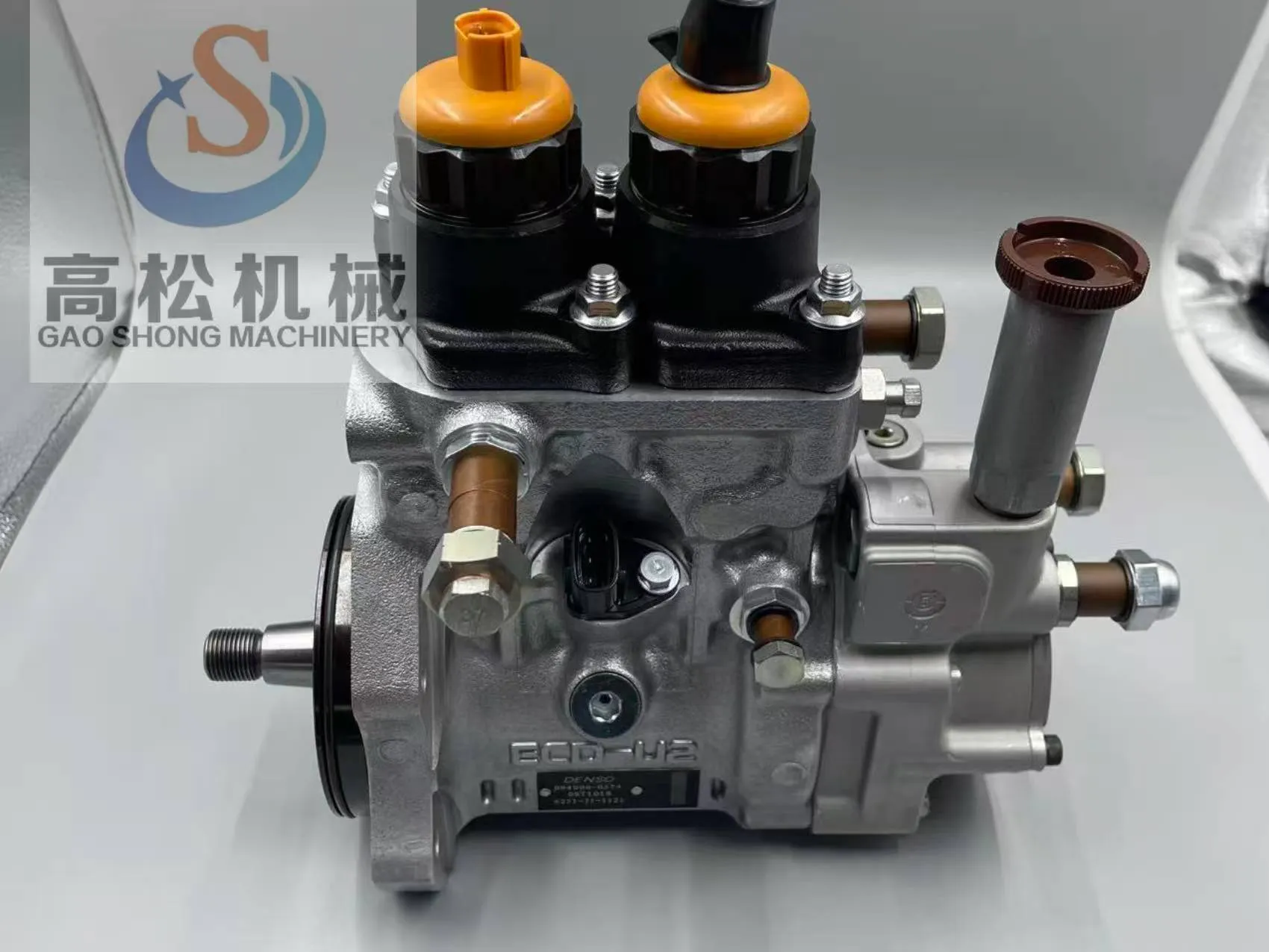 Pc450-8 pc400-8 high pressure fuel pump 6251-71-1121 spare parts for excavators