
- Chinese
- French
- German
- Portuguese
- Spanish
- Russian
- Japanese
- Korean
- Arabic
- Irish
- Greek
- Turkish
- Italian
- Danish
- Romanian
- Indonesian
- Czech
- Afrikaans
- Swedish
- Polish
- Basque
- Catalan
- Esperanto
- Hindi
- Lao
- Albanian
- Amharic
- Armenian
- Azerbaijani
- Belarusian
- Bengali
- Bosnian
- Bulgarian
- Cebuano
- Chichewa
- Corsican
- Croatian
- Dutch
- Estonian
- Filipino
- Finnish
- Frisian
- Galician
- Georgian
- Gujarati
- Haitian
- Hausa
- Hawaiian
- Hebrew
- Hmong
- Hungarian
- Icelandic
- Igbo
- Javanese
- Kannada
- Kazakh
- Khmer
- Kurdish
- Kyrgyz
- Latin
- Latvian
- Lithuanian
- Luxembou..
- Macedonian
- Malagasy
- Malay
- Malayalam
- Maltese
- Maori
- Marathi
- Mongolian
- Burmese
- Nepali
- Norwegian
- Pashto
- Persian
- Punjabi
- Serbian
- Sesotho
- Sinhala
- Slovak
- Slovenian
- Somali
- Samoan
- Scots Gaelic
- Shona
- Sindhi
- Sundanese
- Swahili
- Tajik
- Tamil
- Telugu
- Thai
- Ukrainian
- Urdu
- Uzbek
- Vietnamese
- Welsh
- Xhosa
- Yiddish
- Yoruba
- Zulu
- Kinyarwanda
- Tatar
- Oriya
- Turkmen
- Uyghur






OEM AND ORIGINAL KOMATSU SHAFT 427-46-11312
You see that part number, , come across the desk or in a search, and the immediate instinct is to box it: either it's a genuine Komatsu part or it's not. That's where the first mistake happens. The term 'OEM' gets thrown around so loosely it's lost its edge. For a shaft like this, used in a range of Komatsu excavator swing drives, the distinction between 'OEM' and 'original' isn't just semantic—it's about the supply chain you're tapping into and the engineering pedigree behind the metal. An 'original' part ships from Komatsu's official channels, with all the traceability and cost that implies. 'OEM' within the Komatsu system, however, points to authorized manufacturers who produce to the exact same drawings, material specs, and heat-treatment processes. I've seen outfits claim OEM status just because they can machine something that looks right. The real test is the paperwork and the performance under load, not the listing title.
The Spec-For-Spec Reality of OEM Production
Working with a legitimate OEM supplier in the Komatsu network, like Jining Gaosong Construction Machinery Co., Ltd., changes the conversation. They aren't just a reseller; they're part of the production apparatus. For a critical rotating component like the shaft, the material grade is non-negotiable. It's not just hardened steel. It's a specific alloy, often with a chrome-molybdenum base, processed to achieve a precise core hardness and surface hardness profile to handle torsional stress and wear from gear contact. A true OEM-produced shaft will have the same metallurgical certs as the one in a Komatsu box. I recall a batch a few years back where a supplier swapped to a slightly different grade to save cost. The shafts passed a basic dimensional check but started showing micro-fractures at the spline root after about 800 hours. The failure was subtle, costly, and entirely preventable.
The machining tolerances are another dead giveaway. The splines, bearing journals, and seal surfaces on the have tolerances measured in microns. A shop with standard CNC can get close, but backlash or improper fit will kill the swing drive bearing or gear prematurely. The legitimate OEM process uses Komatsu-specified gauges and protocols. I've had to explain this to clients who balk at a price difference: you're not paying for the steel alone, you're paying for the guarantee that every critical diameter and surface finish is within the original design envelope. It's insurance.
This is where a company's role clarifies. A entity like Jining Gaosong Construction Machinery Co., Ltd. operates on that OEM production tier but also functions as a third-party sales channel. Their site, https://www.takematsumachinery.com, frames it well: they help solve parts supply challenges. This is crucial in markets where official distribution is thin or backlogged. They can provide the OEM-spec shaft without the logistical bottleneck, but the part's genesis is the same. It's a hybrid model that addresses a real-world pain point.
Field Failures and the Diagnostic Rabbit Hole
Nothing tests a part's mettle like a field failure. I remember a case where a machine was down with a suspected failed swing motor. The mechanics replaced the motor, but the irregular, grinding noise persisted. After digging deeper, they pulled the shaft. Visually, it looked fine—no obvious scoring or broken teeth. But upon precise measurement, one of the bearing journals was out-of-round by just a few hundredths of a millimeter. It was enough to cause a harmonic vibration that wore into the bearing and created the noise. The replacement shaft was a non-OEM equivalent. The lesson? A shaft failure isn't always catastrophic. It can be a whisper that leads to a shout elsewhere in the assembly.
This is why the provenance matters. When you source a component like this, you need a chain of accountability. If a shaft from a certified OEM supplier fails prematurely, there's a technical channel to investigate: batch heat-treatment logs, material analysis, etc. With a generic aftermarket part, you hit a dead end. The supplier will often just replace the part, but you've lost the machine hours and the labor cost for a second repair. The total cost of ownership flips.
Another practical headache is the will-fit scenario. Some suppliers list a shaft as compatible with multiple machine models. While often true, subtle differences in length, spline count, or a shoulder diameter can exist between model years. The might be listed for a PC200-8, but is it for all serial number ranges? A proper supplier's system should catch this. I've seen mechanics force-fit a slightly wrong shaft, only to have the seal not seat properly, leading to a grease leak that contaminated the brake pack. A week later, you're fixing a much bigger problem.
The Gray Market and Verification Steps
Let's talk about the gray market. Parts with Komatsu logos in plain packaging, sold at a tempting discount. For a shaft, this is high-risk. It could be a rejected part from the OEM line, an overrun sold outside contract, or a outright counterfeit. The packaging and even the part marking can be expertly copied. The verification is in the details: the stamping depth and font on the part itself, the quality of the surface finish in non-critical areas (often rougher on fakes), and the presence of proper, non-smudged material identification tags. A reliable partner, which positions itself as an OEM product supplier within the Komatsu system, bypasses this uncertainty. Their business relies on being a verifiable link in the chain.
When evaluating a source, I don't just ask for a price. I ask for the material certification, the standard they manufacture to (like Komatsu's own internal specs), and if they can provide a cross-section or hardness report. A credible supplier, such as the one mentioned, will have this data available or can procure it. If they hesitate, that's your red flag. For a component carrying the load and rotation of an excavator's upper structure, good enough isn't a standard.
It also comes down to packaging and preservation. An original or true OEM shaft arrives coated in a high-quality anti-corrosive grease or VCI paper, not dripping in cheap, sticky oil that attracts grit. The boxing is robust to prevent shipping damage. A bent shaft, even slightly, is scrap. This attention to logistical detail often separates the dedicated industrial supplier from the general parts trader.
Cost vs. Value in the Total Repair Context
The upfront price difference between an OEM-spec shaft and a generic can be 40% or more. It's easy to see the savings. But you have to factor in the entire repair context. Replacing this shaft isn't a 30-minute job. It requires splitting the swing drive, pressing bearings, and meticulous cleaning. The labor cost is significant. If you use a subpar shaft and it fails, you pay that labor cost twice, plus the cost of any collateral damage (bearings, seals, gears). Suddenly, the savings evaporate and become a net loss, not counting machine downtime.
My rule has become: for fast-wearing items like seals or filters, a quality aftermarket option can work. For core, load-bearing, machined components like the shaft, you stick with the OEM or a verified, documentable OEM-channel supplier. The risk profile is just too high. The value is in the certainty of fit, function, and longevity.
This is the niche that a company focused on solving parts supply challenges in certain countries fills. They aren't selling mystery metal. They are providing a legitimate, traceable alternative to the official channel when that channel is slow, expensive, or simply absent. Their value proposition is reliability of specification, not just availability.
Concluding Thoughts on Sustainable Supply
So, circling back to the keyword: OEM AND ORIGINAL KOMATSU SHAFT . It represents two paths to the same technical outcome. Original is the gold standard, the benchmark. OEM, when valid, is the parallel path that meets that benchmark. The goal is to get the machine back to its designed performance and life expectancy. In an ideal world, you'd always use original parts. The world isn't ideal. Geopolitics, logistics, and cost pressures intervene.
That's why understanding the landscape—the difference between a true Komatsu-system OEM and a generic manufacturer—is a core skill for anyone managing a fleet. It's not about brand loyalty alone; it's about technical due diligence. You learn to ask the right questions, demand the right proofs, and build relationships with suppliers who understand the engineering, not just the commerce.
In the end, the shaft is just a piece of metal until it's spinning inside a multi-ton machine. Then, its pedigree is everything. Sourcing it from a known entity within the ecosystem, one that acknowledges its dual role as both OEM producer and third-party solver, like Gaosong's stated mission, is often the most pragmatic way to balance cost, speed, and unwavering quality. You get the spec, without the wait.
Related Products
Related Products

Best Selling Products
Best Selling Products-
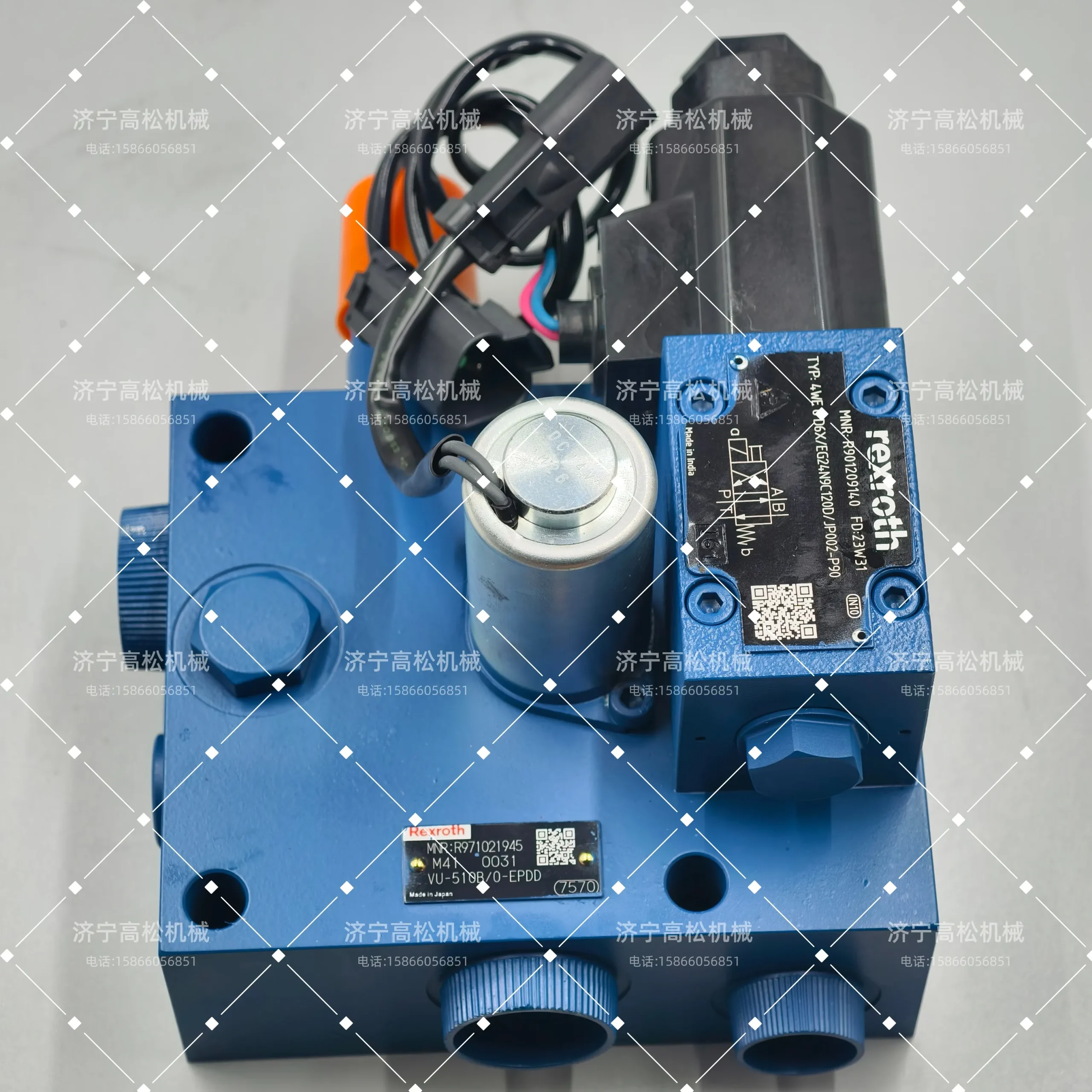 Dump Truck HD465-7EPC Valve Ass’y 56b-43-12402 56b4312402…
 -
Komatsu PC220-8, PC350-8, PC450-8 excavator filter assemblies 20Y-62-51681 (20Y62-51681, 20Y-625168) (pilot filters
-
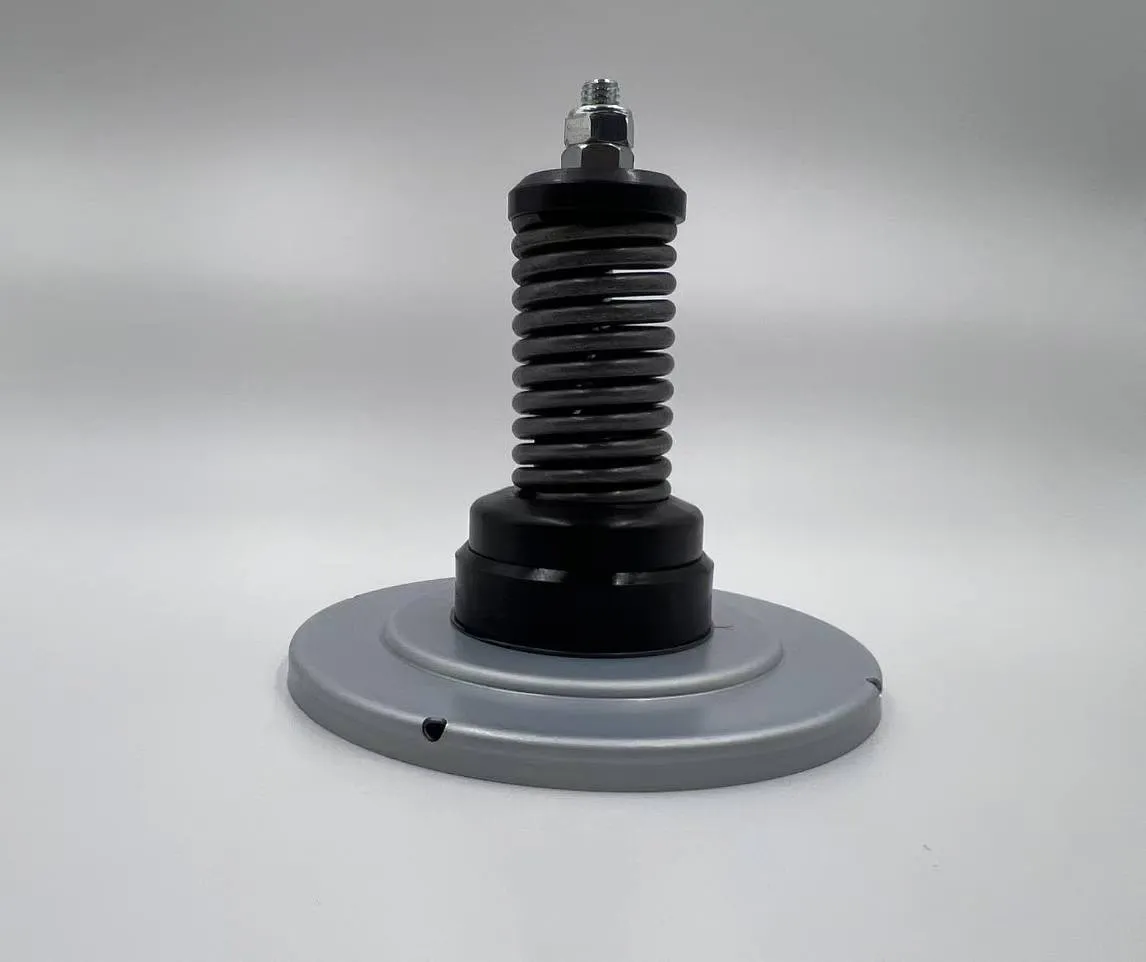 20Y-60-31450 Komatsu Valve Assembly
 -
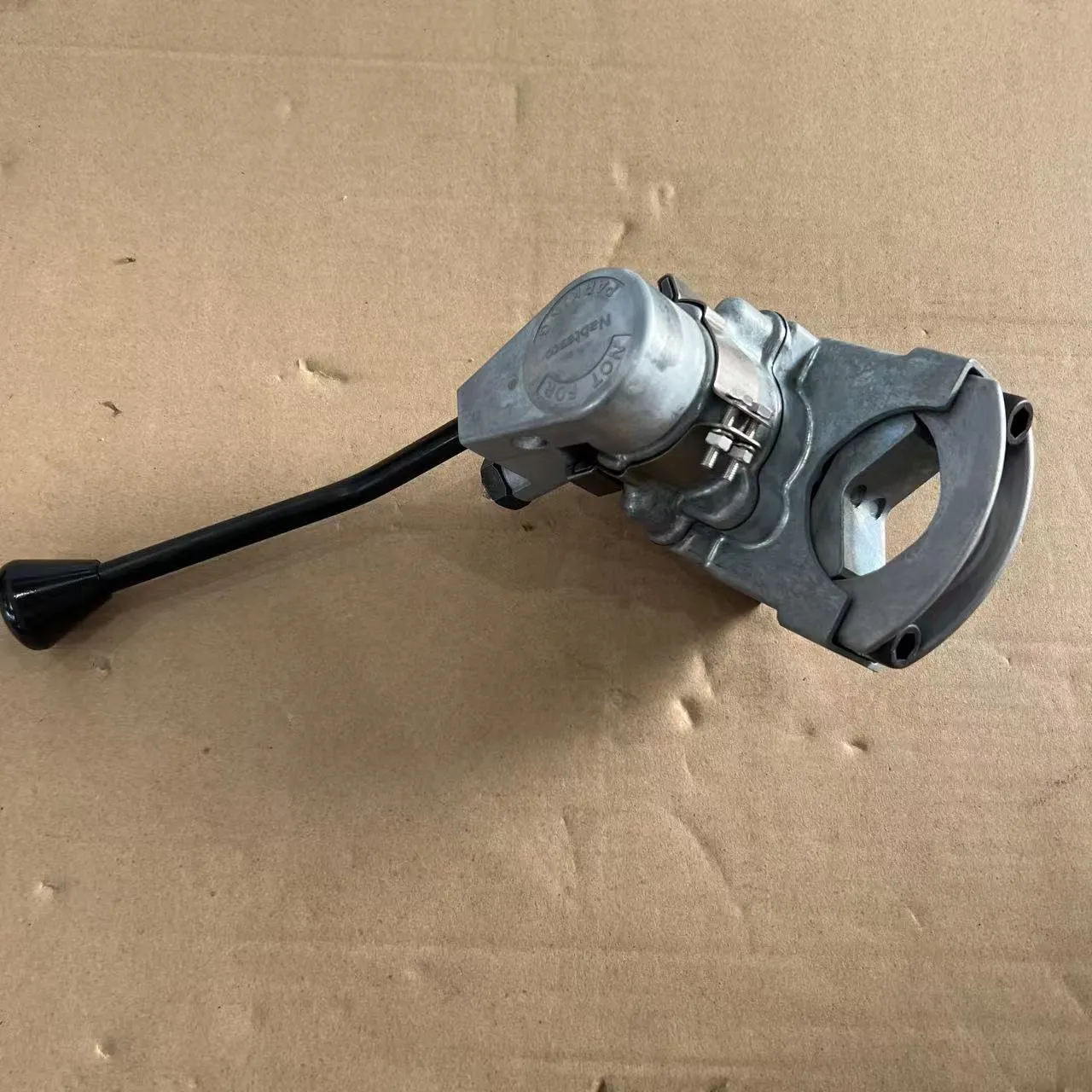 Hd785-5 Retarder 561-35-62203 For Dump Truck Original Parts, High…
 -
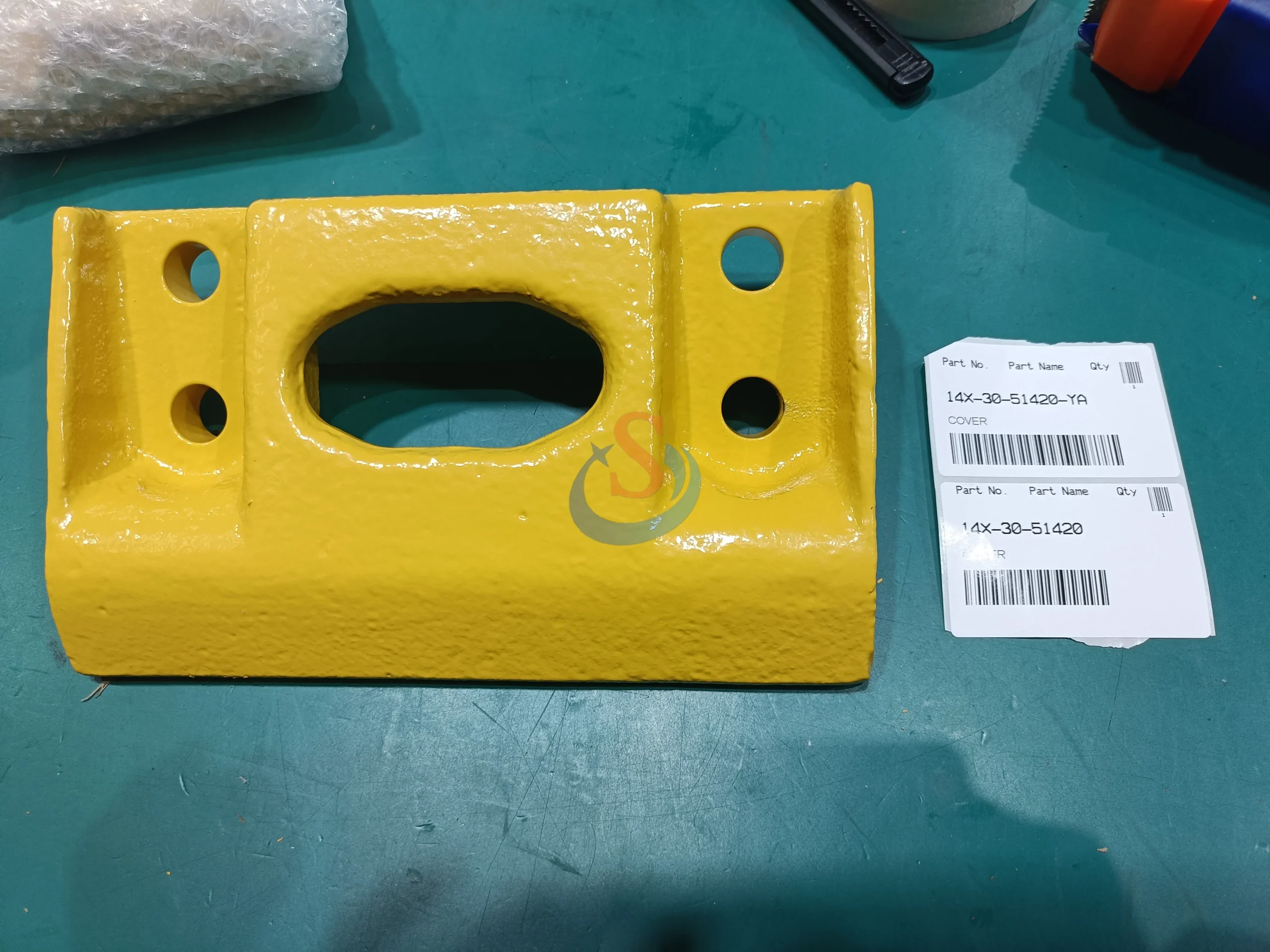 14X-30-51420,Cover,D65PX,D65WX,D65EX
 -
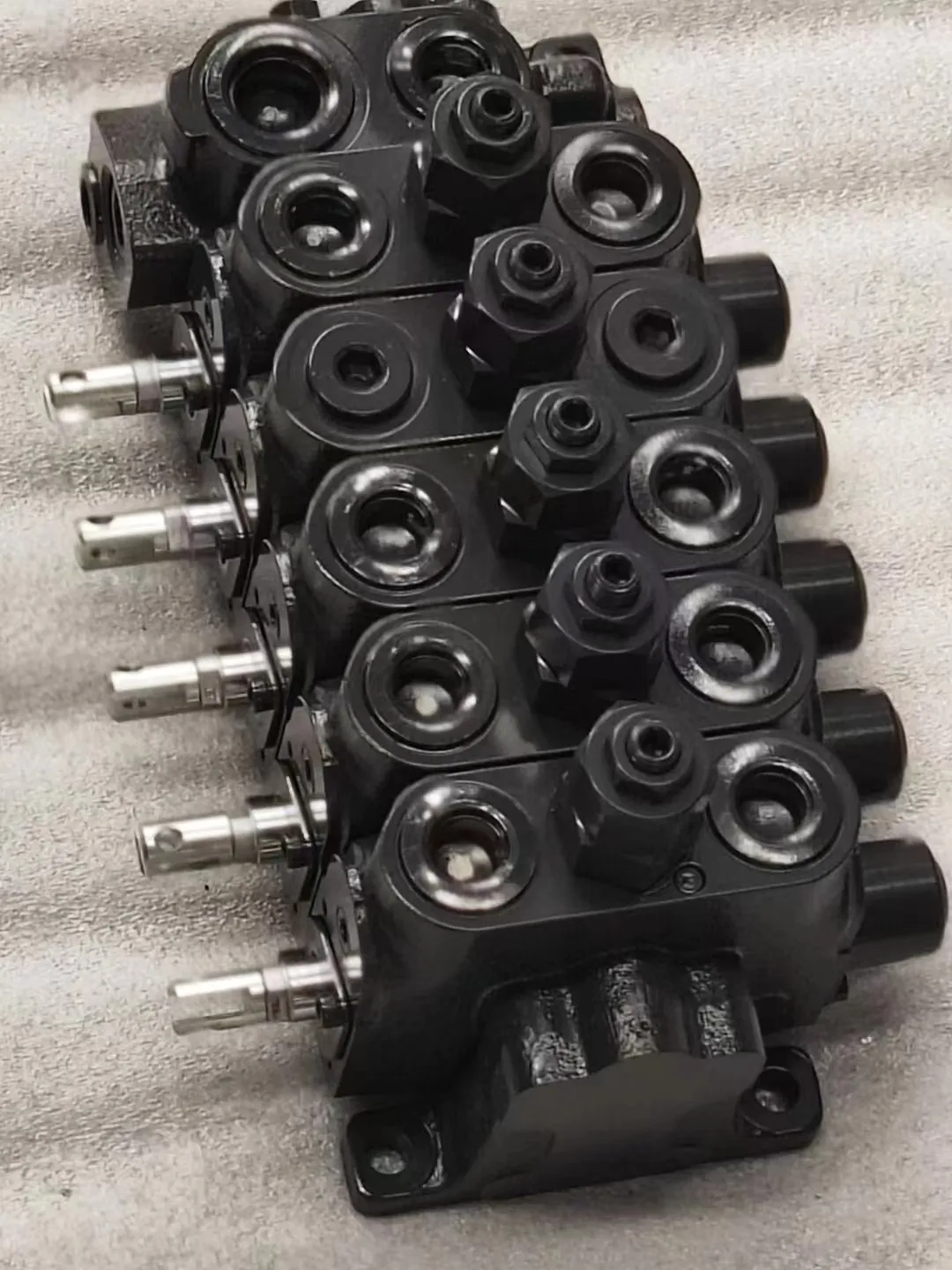 GD825A-2 Control Valve 235-60-35401
 -
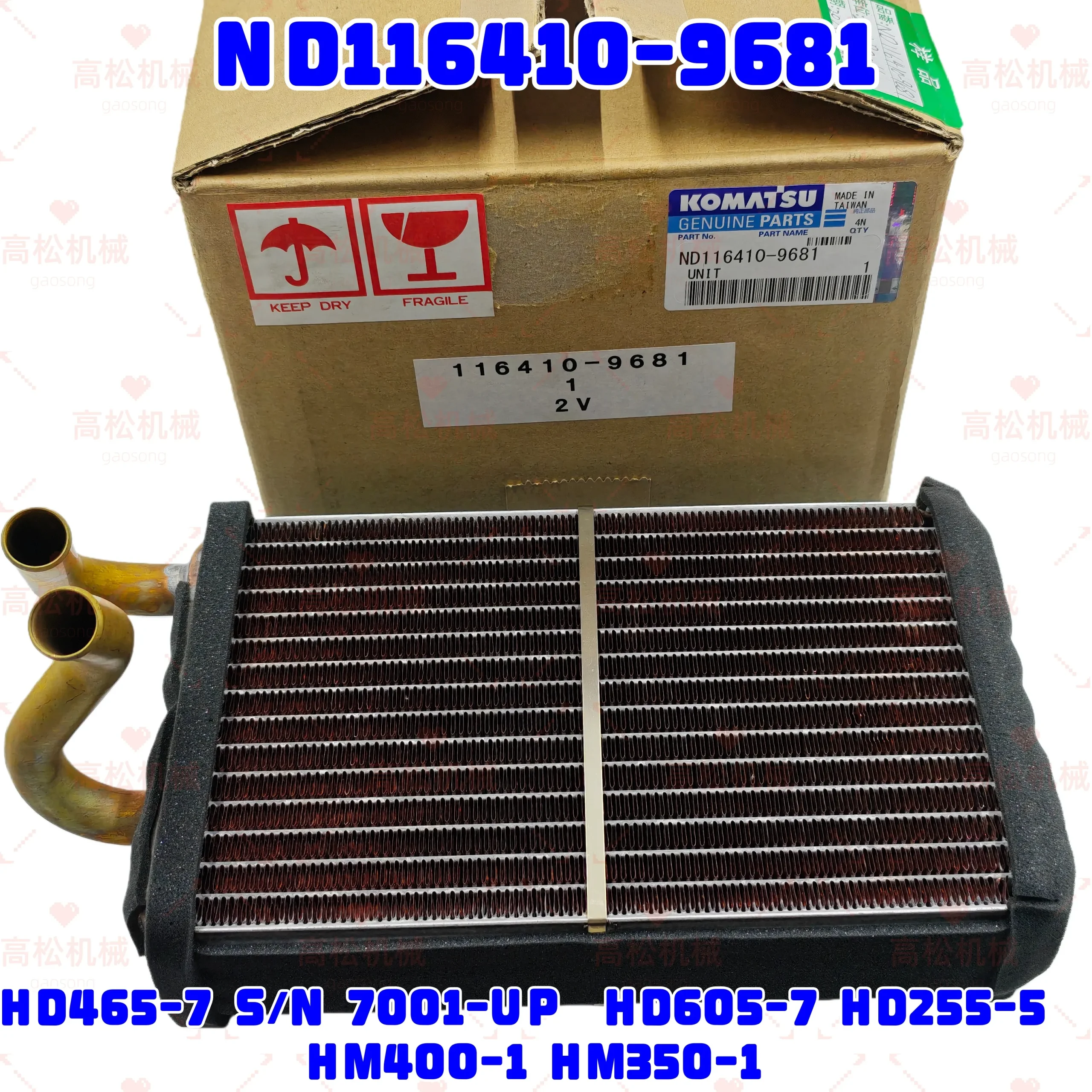 IMIFAFTAbT 702-16-02290 702-16-02210 Lever Assembly Fits for Komatsu D65EX-16 D65PX-16 D65WX-16 D275A-5R D155AX-6 Bulldozer
 -
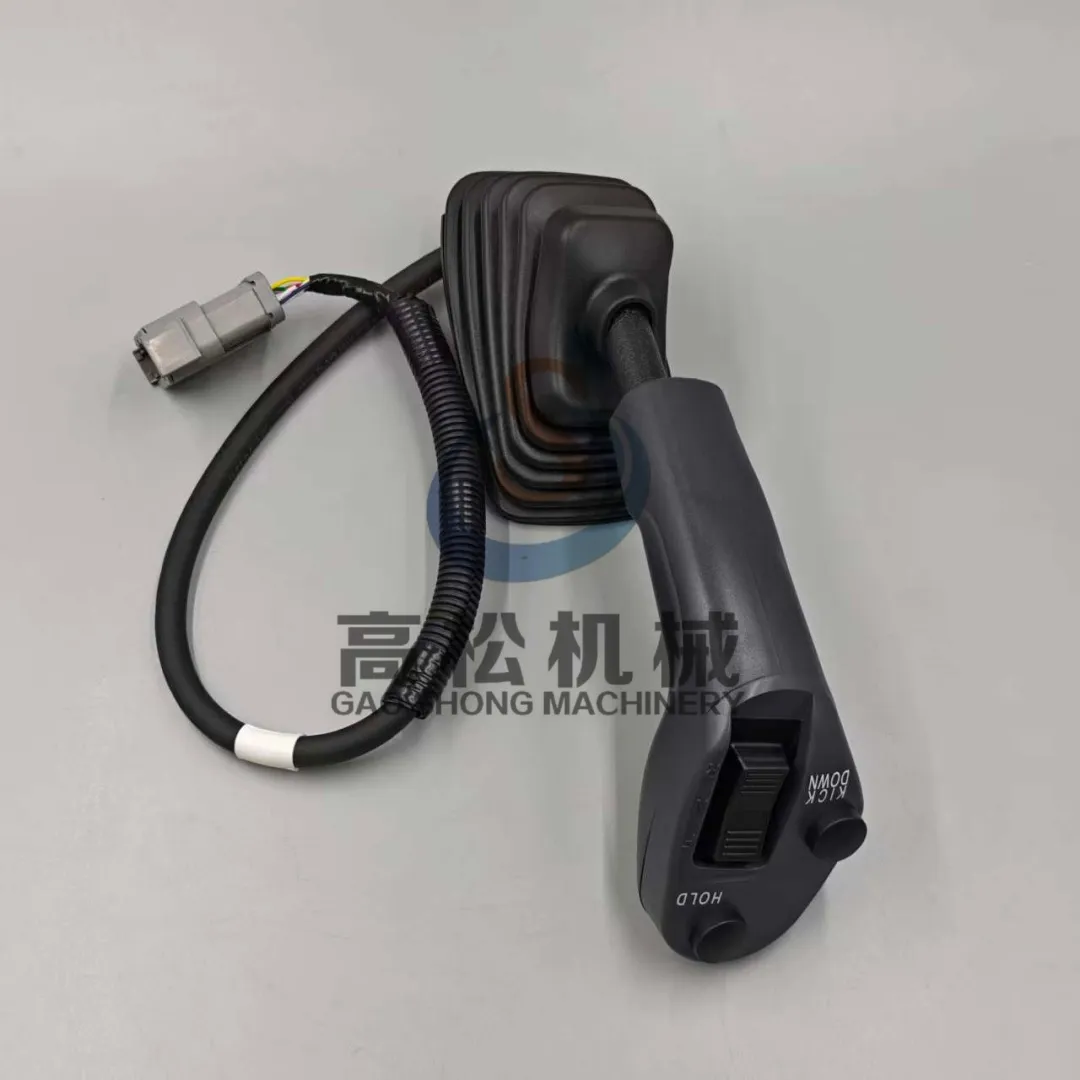 Original New Lever Assembly 423-V91-4144 Handle
 -
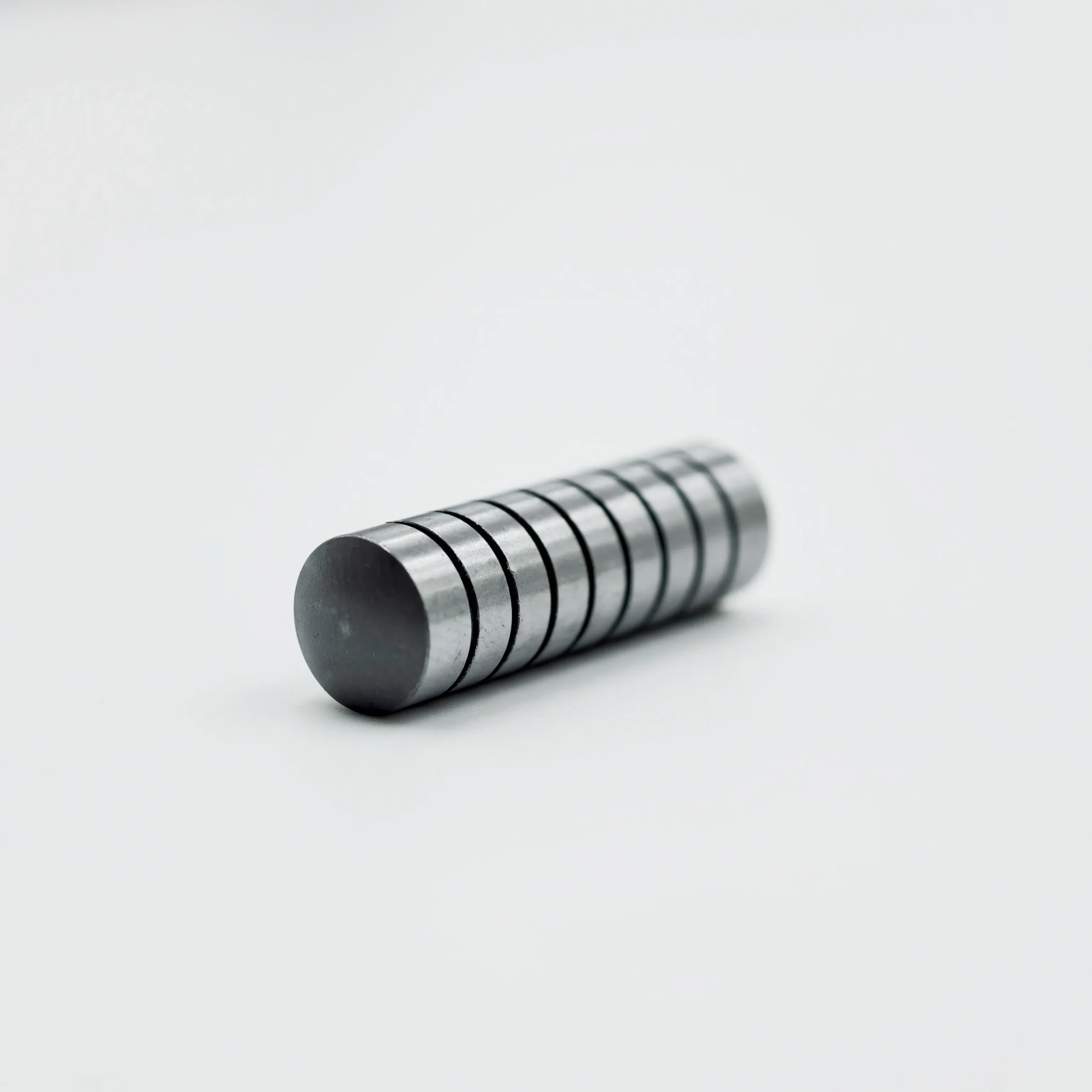 (KOMATSU)19M-40-11160 PISTON
 -
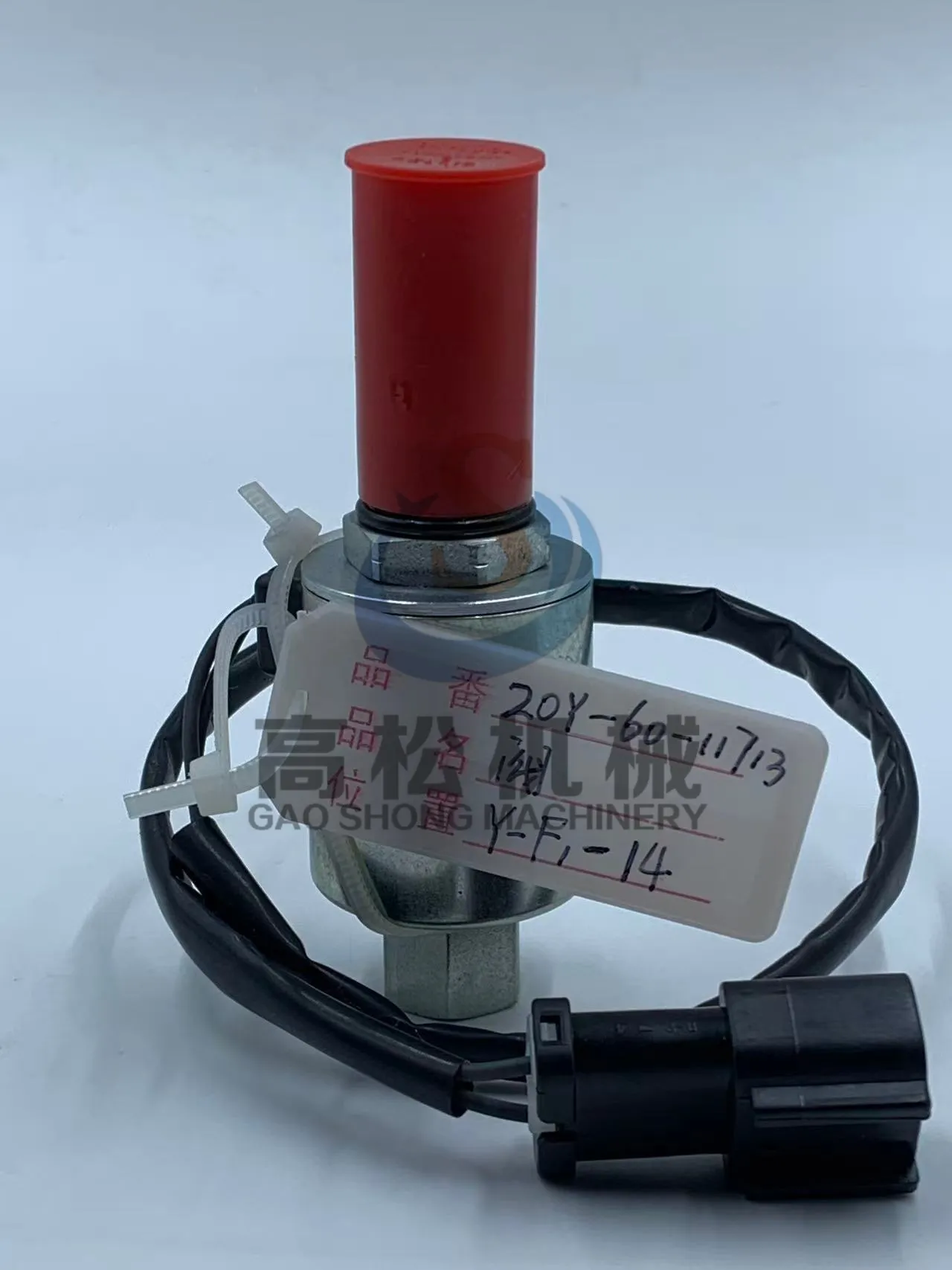 Swing Motor Solenoid Valve 20Y-60-11713
 -
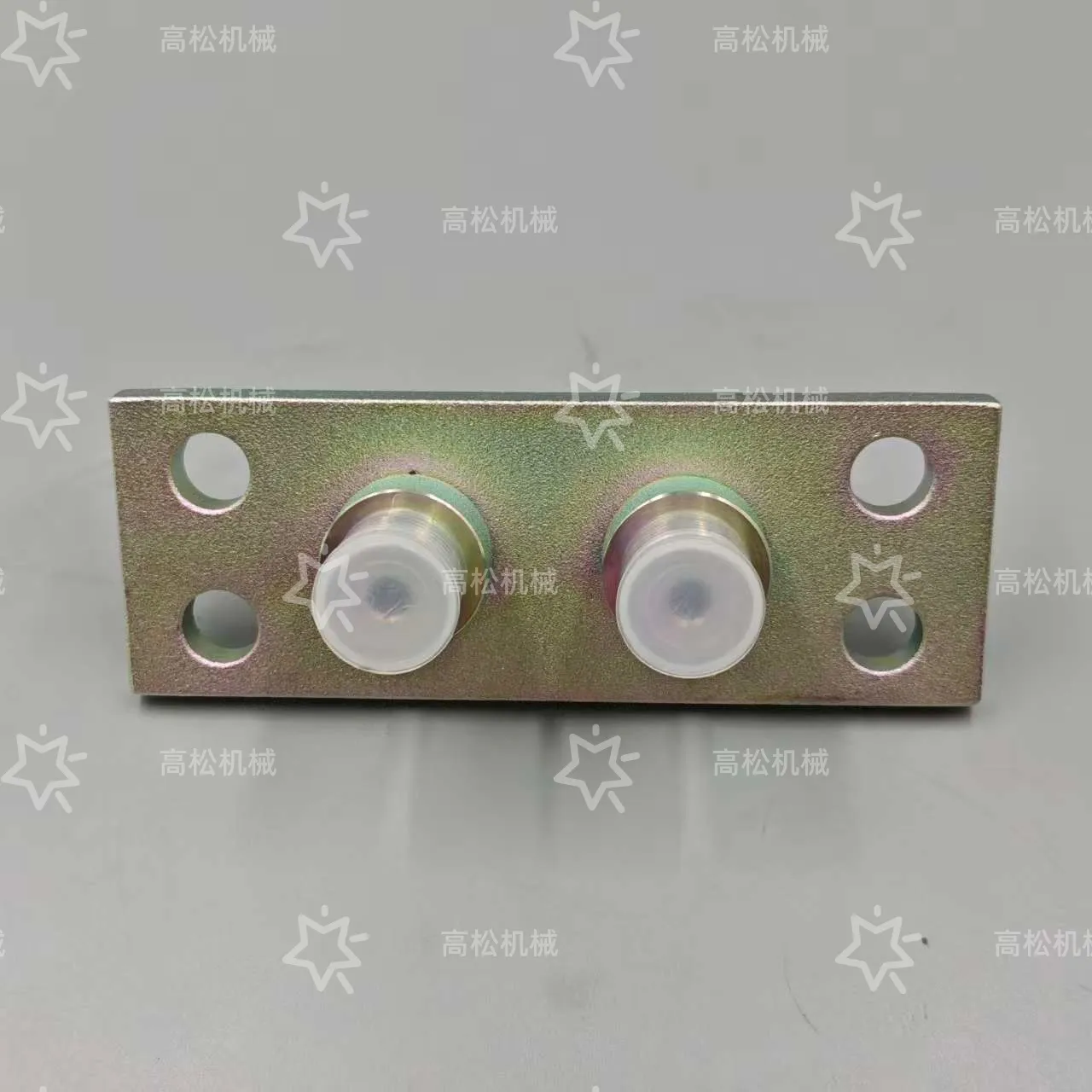 14Y-62-31411 BRACKET made to fit KOMATSU
 -
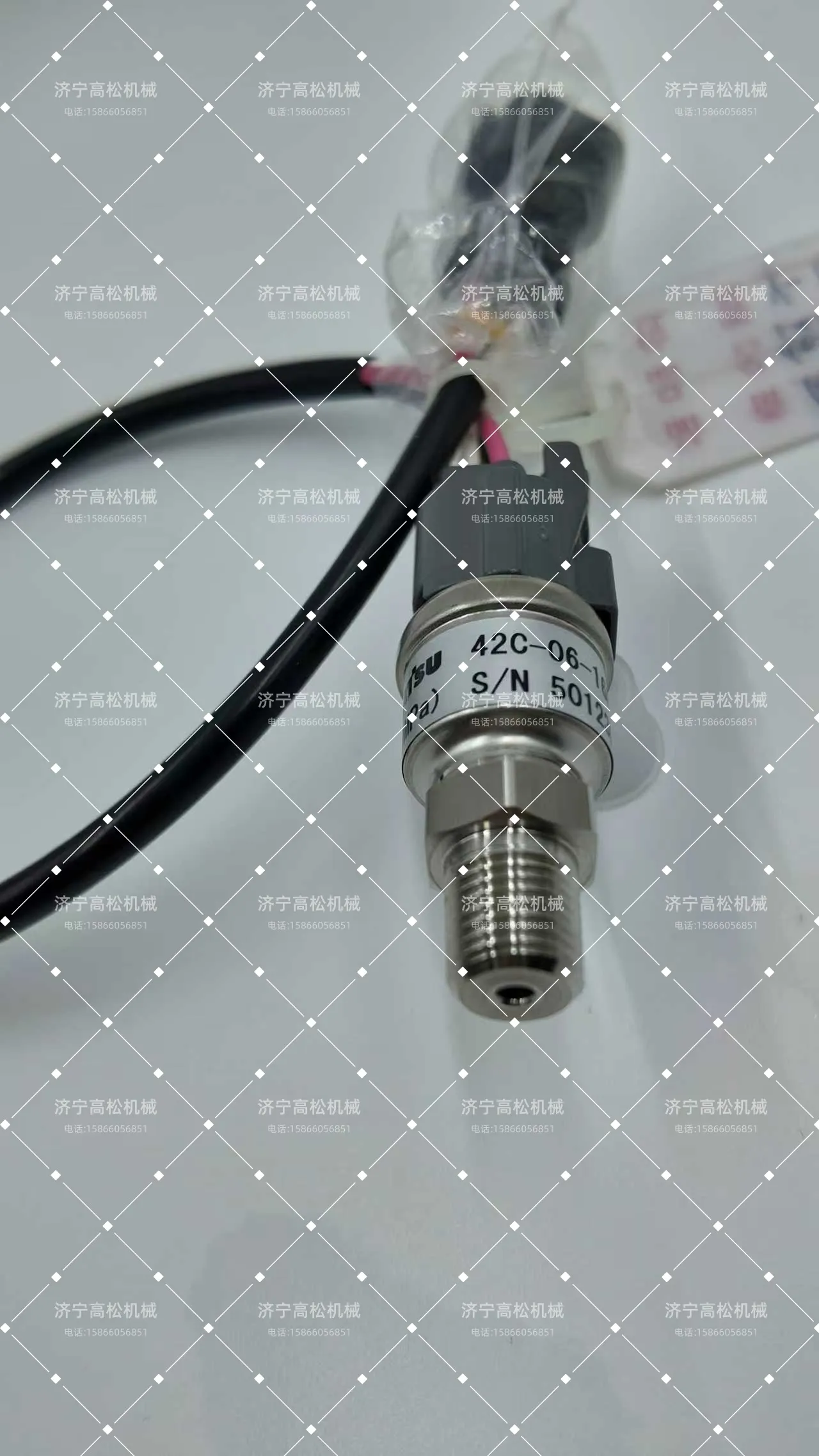 7861-93-1680 Pressure Sensor For Komatsu WA1200 SDA12V140E