
- Chinese
- French
- German
- Portuguese
- Spanish
- Russian
- Japanese
- Korean
- Arabic
- Irish
- Greek
- Turkish
- Italian
- Danish
- Romanian
- Indonesian
- Czech
- Afrikaans
- Swedish
- Polish
- Basque
- Catalan
- Esperanto
- Hindi
- Lao
- Albanian
- Amharic
- Armenian
- Azerbaijani
- Belarusian
- Bengali
- Bosnian
- Bulgarian
- Cebuano
- Chichewa
- Corsican
- Croatian
- Dutch
- Estonian
- Filipino
- Finnish
- Frisian
- Galician
- Georgian
- Gujarati
- Haitian
- Hausa
- Hawaiian
- Hebrew
- Hmong
- Hungarian
- Icelandic
- Igbo
- Javanese
- Kannada
- Kazakh
- Khmer
- Kurdish
- Kyrgyz
- Latin
- Latvian
- Lithuanian
- Luxembou..
- Macedonian
- Malagasy
- Malay
- Malayalam
- Maltese
- Maori
- Marathi
- Mongolian
- Burmese
- Nepali
- Norwegian
- Pashto
- Persian
- Punjabi
- Serbian
- Sesotho
- Sinhala
- Slovak
- Slovenian
- Somali
- Samoan
- Scots Gaelic
- Shona
- Sindhi
- Sundanese
- Swahili
- Tajik
- Tamil
- Telugu
- Thai
- Ukrainian
- Urdu
- Uzbek
- Vietnamese
- Welsh
- Xhosa
- Yiddish
- Yoruba
- Zulu
- Kinyarwanda
- Tatar
- Oriya
- Turkmen
- Uyghur





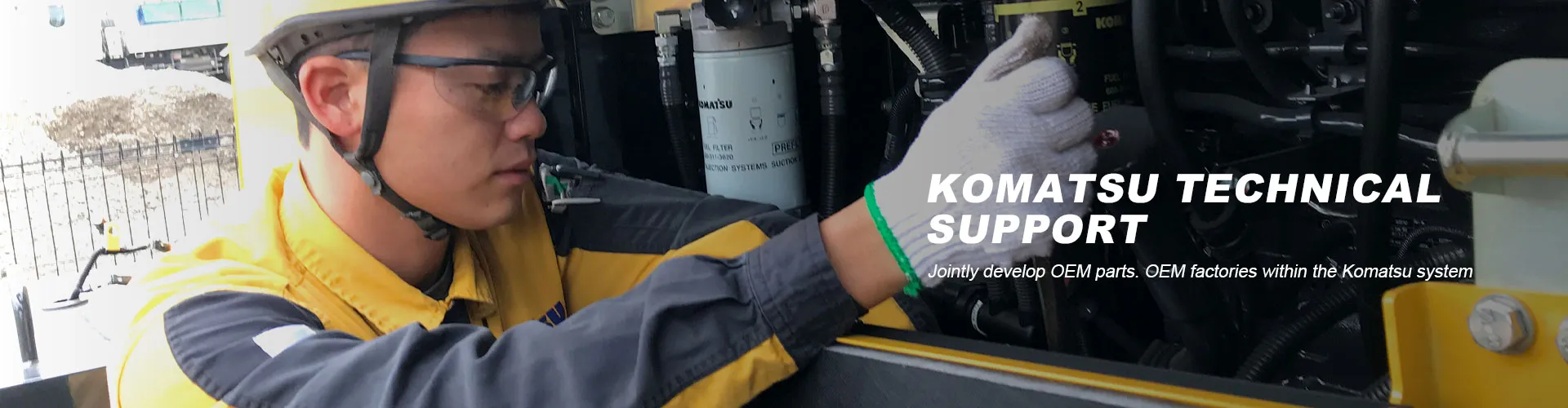
OEM AND ORIGINAL KOMATSU SHAFT 235-70-45170
When you see a part number like , especially with the terms OEM and Original Komatsu slapped on it, your first thought might be that it's straightforward. It's not. In our line of work, that combination is almost a red flag, or at least a yellow one, prompting a series of internal questions. Is it a genuine Komatsu part from the factory line? Is it an OEM part made by the same supplier but without the Komatsu logo? Or is it something else entirely, riding on the ambiguity of these terms? The shaft for Komatsu excavators is a perfect case study in this confusion. I've seen too many orders where the buyer was convinced they were getting a factory-original part, only to receive a component that, while functionally similar, lacked the specific metallurgical certifications or the precise machining tolerances that the machine's hydraulic system actually demands for long-term reliability. The gap between OEM quality and Original Komatsu is where most operational headaches are born.
The Part Number Tells a Story
Let's break down . The 235 series typically relates to a specific family of Komatsu excavators, think the PC200-8 or PC220-8 models. The 70 often indicates a sub-assembly or a critical wear component within the swing or travel machinery. This shaft isn't just a piece of bar stock; it's integral to the power transmission, dealing with significant torsional stress. I remember a client in Indonesia who kept experiencing premature failure on a similar shaft. They were buying OEM parts from a local supplier. Upon inspection, the failure point was consistent—fatigue cracks originating from a slightly radiused fillet that wasn't to the original drawing spec. The OEM supplier had taken a shortcut, deeming it close enough. The machine downtime cost far exceeded the price difference between that part and a verified original.
This is where a company's positioning matters. I've worked with Jining Gaosong Construction Machinery Co., Ltd. before, the one operating through https://www.takematsumachinery.com. Their stated role is interesting: an OEM product supplier within the Komatsu system and a third-party sales company. This dual identity is key. It means they potentially have access to the actual production lines that feed Komatsu's assembly plants (the true OEM channel), and they also operate in the aftermarket to address supply gaps. For a part like the , they could theoretically supply the identical component that goes to Komatsu, just before it gets the Komatsu paint and packaging. That's the holy grail for cost-conscious but reliability-focused fleets.
But here's the rub: OEM product supplier within the Komatsu system doesn't automatically mean every part they sell for that number is from that line. They might also source from other qualified foundries and machinists. The professional judgment comes in asking the right questions: Can you provide the material certificate for this batch? Is the heat treatment process SCM435, and can you trace it? The website https://www.takematsumachinery.com frames their work as helping to solve parts supply challenges in certain countries. This is a very real pain point. In some regions, getting a genuine, boxed Komatsu part can take months. A reliable intermediary that can deliver the functionally original spec part in weeks is a lifeline, even if it doesn't come in the official box.
On the Ground Verification
You learn to verify with more than just eyes. A true original Komatsu shaft will have specific, often subtle, markings—laser-etched part numbers, color-coded dots for quality control stages, and a finish that's consistent across all surfaces. The OEM version, from the legitimate factory, might have these too, or it might have a different branding or just a batch code. The third-party compatible part often has a rougher finish, especially in non-critical areas, and the machining marks might be different. I had a batch once where the splines on the OEM shaft were just a fraction shallower. It installed, it even worked for a few hundred hours, but the engagement wasn't full, leading to accelerated wear and a catastrophic failure that took out the mating gear. That was a costly lesson in micrometer-level scrutiny.
We performed a side-by-side test last year, sourcing a from three channels: a Komatsu dealer, from Gaosong's Takematsu channel, and a well-known aftermarket brand. The Komatsu and the Gaosong part were visually and dimensionally identical in all critical areas—material spectroscopy matched, core hardness was within 2 HRC points, and the magnetic particle inspection showed no subsurface flaws. The aftermarket part was off on weight (lighter, suggesting different material density or internal voids) and had a slightly different surface hardness profile. In the field, the first two lasted the expected service interval under severe digging conditions. The third showed signs of spalling at around 70% of that interval.
This isn't to say all aftermarket is bad. But for a core, stressed component like a main shaft, the tolerance for error is virtually zero. The failure mode is rarely graceful; it's usually a sudden, expensive stop. Therefore, the value of a supplier like the one mentioned isn't just in having the part, but in having the technical backbone to confirm its provenance. When they say they are within the Komatsu system, the expectation is that they can, when asked, provide some traceability back to that system, not just a verbal assurance.
The Economics of Original
Price is the elephant in the room. A genuine Komatsu-packaged carries a premium that covers the warranty, the global logistics network, and the brand. The OEM-equivalent, if it's truly from the source, might be 20-30% less. The compatible part can be 50-60% less. The math is tempting. But the real calculation is Total Cost of Ownership (TCO). For a stationary plant where downtime can be scheduled, a compatible part with a known, shorter service life might be a viable economic choice. For a machine on a critical path project, like a dam construction or a mining front, the risk calculus shifts entirely. The extra cost for the verified part is insurance.
Jining Gaosong Construction Machinery Co., Ltd. sits in a pragmatic space here. By being a third-party sales company for Komatsu, they can sometimes offer the genuine article through alternative logistics, potentially at a better price than the local dealer in a remote location. And by being an OEM supplier, they can offer the unbranded equivalent. Their challenge, and what builds or destroys their reputation, is transparency. They need to be clear about which bucket a specific shaft falls into when a customer inquires. Blurring those lines might make a single sale, but it loses the trust of professional fleet managers.
I've seen their model work well in places like parts of Africa and Southeast Asia, where the official distribution is thin. A site manager can contact them, explain the machine model and the part number, and have a candid discussion: Do you have the factory-original spec from the OEM line available now, or is it the third-party certified alternative? The ability to have that choice, based on honest information, is what solves the supply challenges they mention. It turns a desperate search into a managed procurement decision.
Failures and Learning Curves
Not every story has a clean ending. Early in my dealings with various suppliers, I assumed OEM was a guaranteed standard. We ordered a batch of pins and bushings, and a shaft—not the , but a similar critical component—from a company claiming similar OEM credentials. The paperwork looked good. The parts arrived, looked fine. Installation was smooth. Failure occurred within two weeks. The post-mortem revealed a sub-standard alloy that had been certified by a non-accredited lab. The supplier vanished. It was a hard lesson in verifying the verifier.
This experience made me much more meticulous. Now, with a critical shaft, I'd ask a supplier like Takematsu Machinery for more than a generic compliance certificate. I'd ask for the test report for the specific batch, maybe even a sample for our own lab to check before shipping the full order. A confident supplier with real ties to the Komatsu system should be able to accommodate that, or at least provide compelling evidence. If they balk, that's your answer. The goal is to move the relationship from a transactional parts lookup to a technical partnership. For a fleet running dozens of Komatsu machines, having a reliable alternate source for a OEM AND ORIGINAL KOMATSU SHAFT is a strategic asset.
So, circling back to the keyword that started this: OEM AND ORIGINAL KOMATSU SHAFT . It represents a spectrum, not a single point. Your job as a buyer or mechanic is to pinpoint where on that spectrum your potential supplier is sourcing from. Companies like Jining Gaosong exist to widen the options between the expensive, slow genuine channel and the risky, cheap aftermarket. Their value is directly proportional to their honesty and their technical capability to deliver what they promise. The part number is just the beginning of the conversation. The rest is about digging into the details, asking the uncomfortable questions, and remembering that the true cost of a shaft is measured in hours of machine uptime, not just the invoice amount.
Related Products
Related Products
Best Selling Products
Best Selling Products-
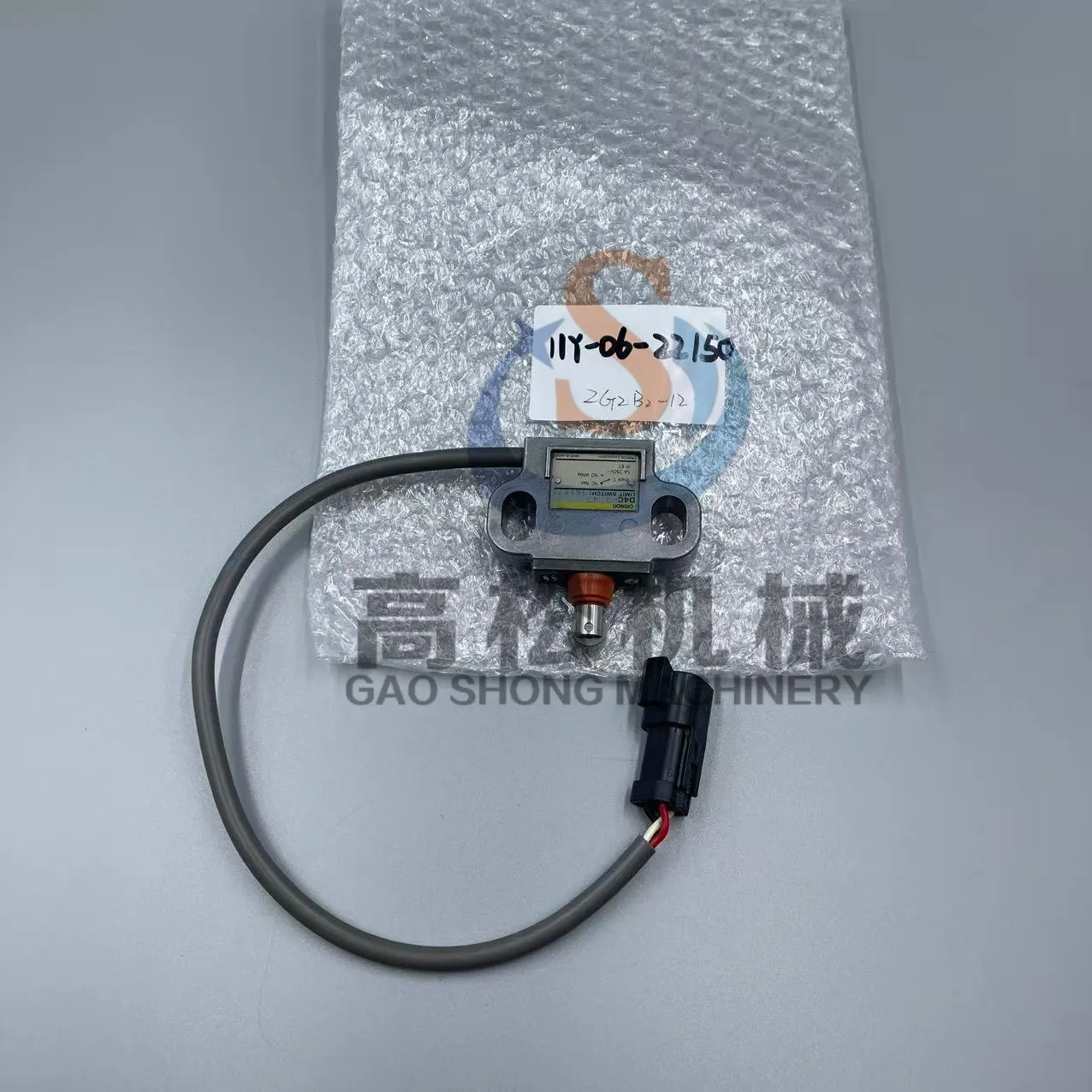 SWITCH 11Y-06-22150 – KOMATSU
 -
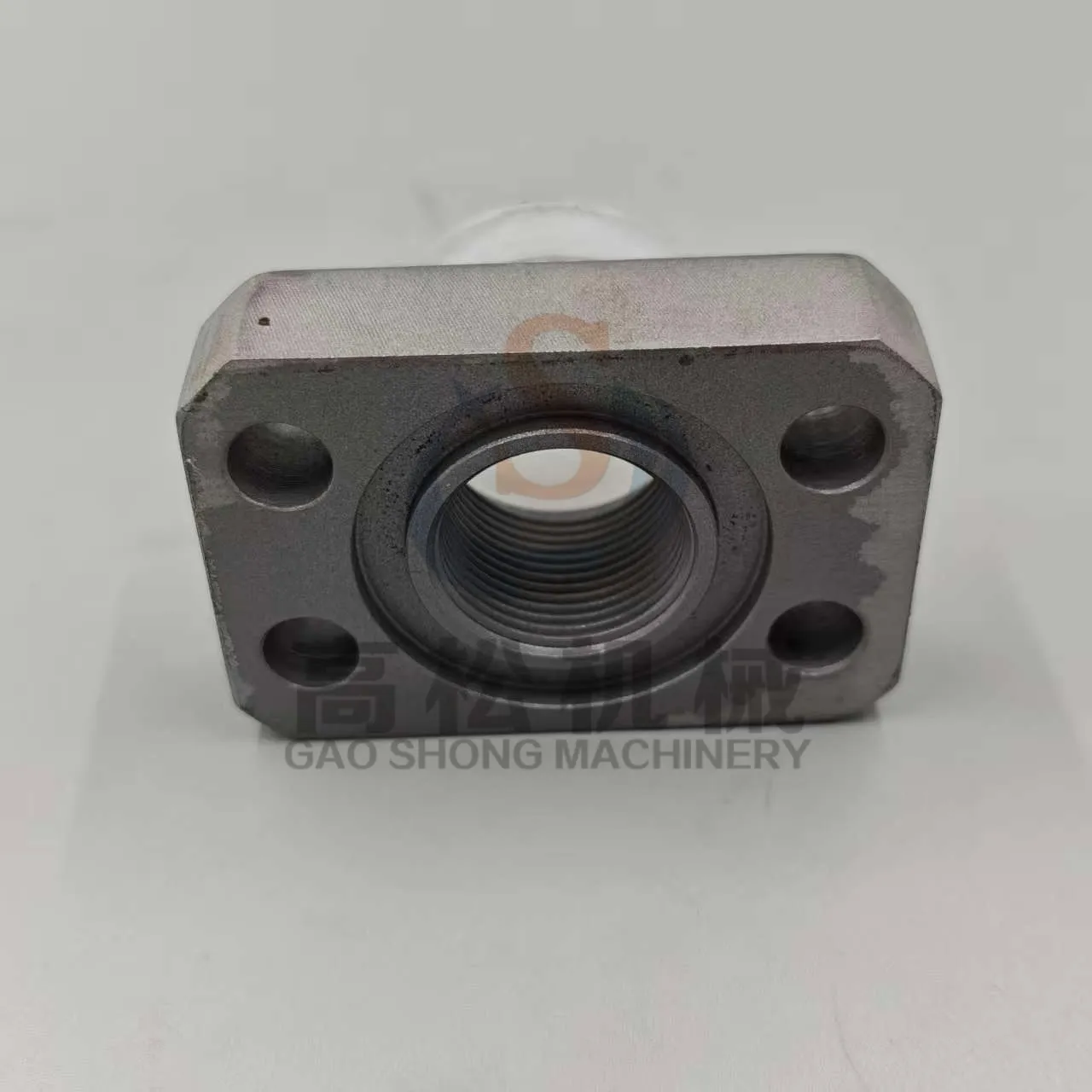 565-43-13210 Komatsu Flange
 -
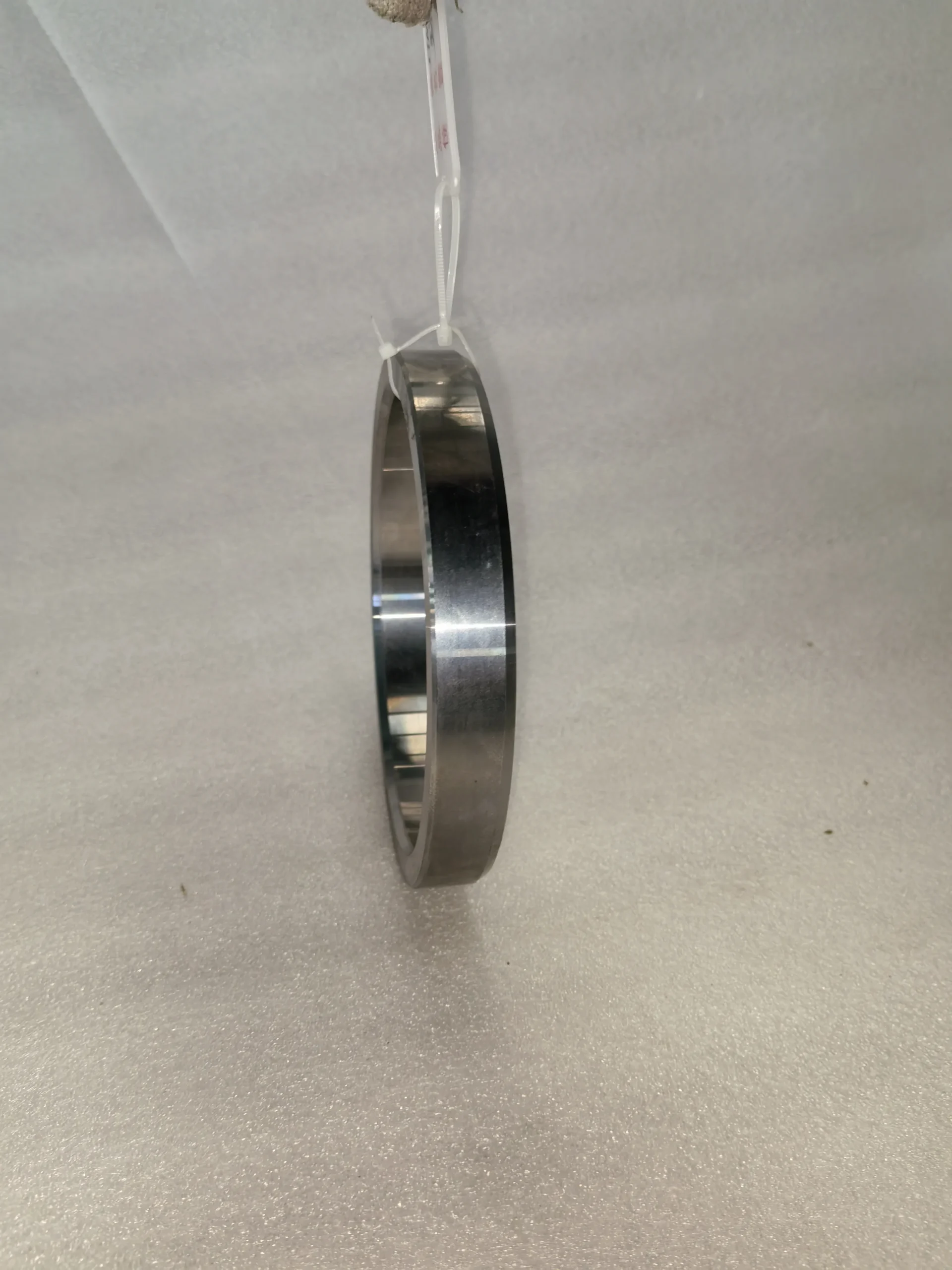 17m5041170-RING-Komatsu Original Factory
 -
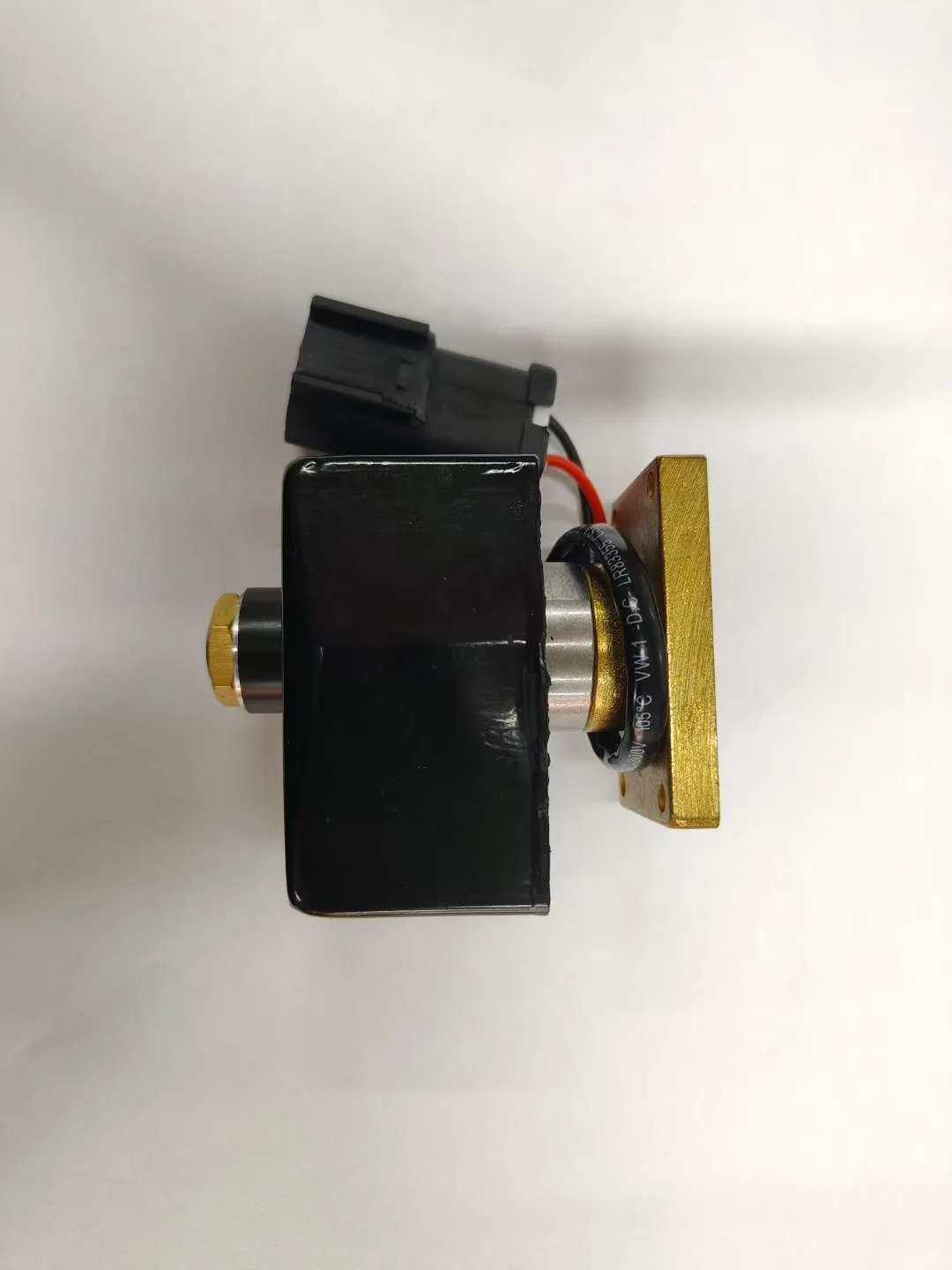 WA470-3 solenoid valve assembly 714-07-16730
 -
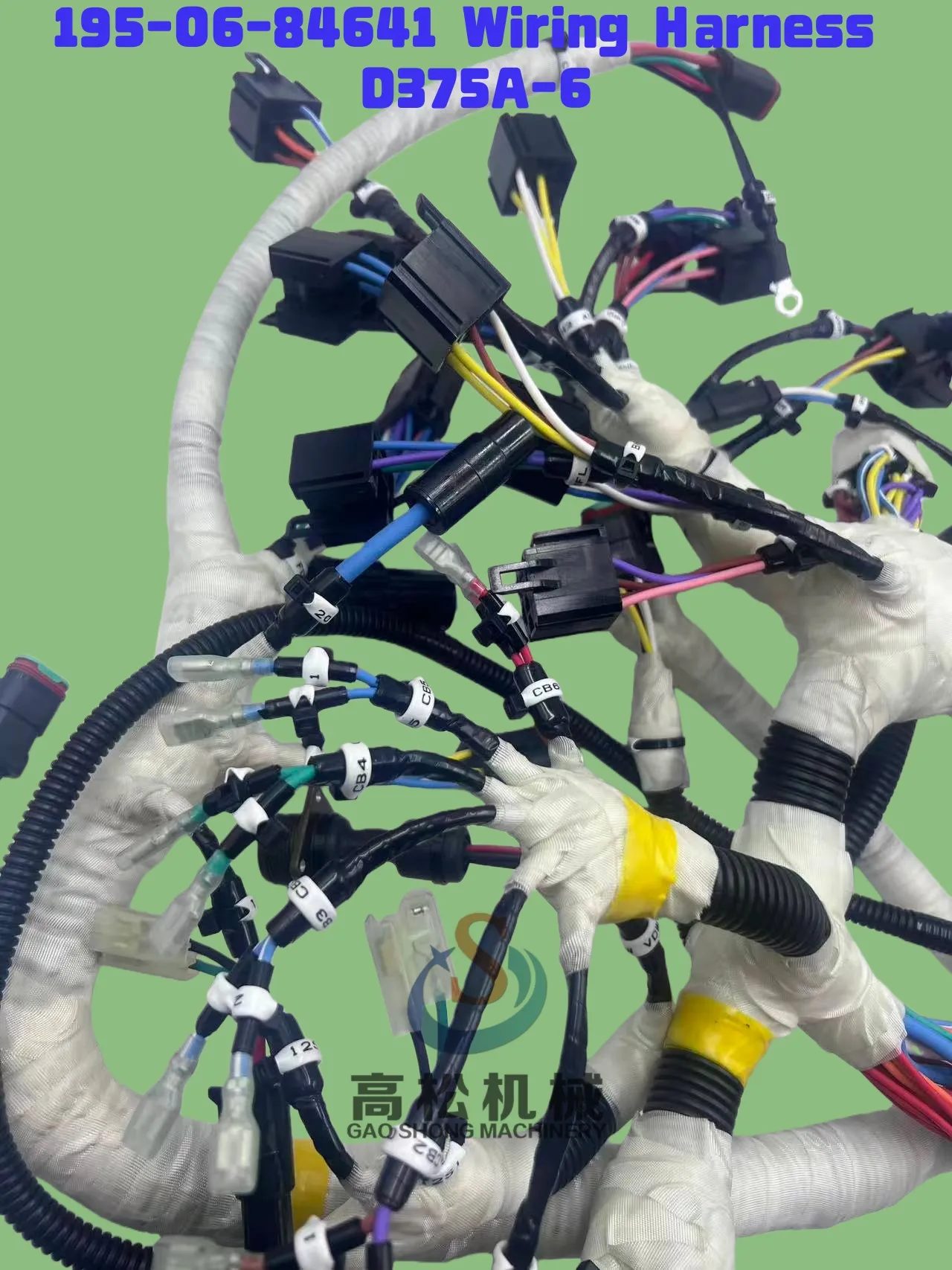 D375A-6Wiring harness 195-06-84641
 -
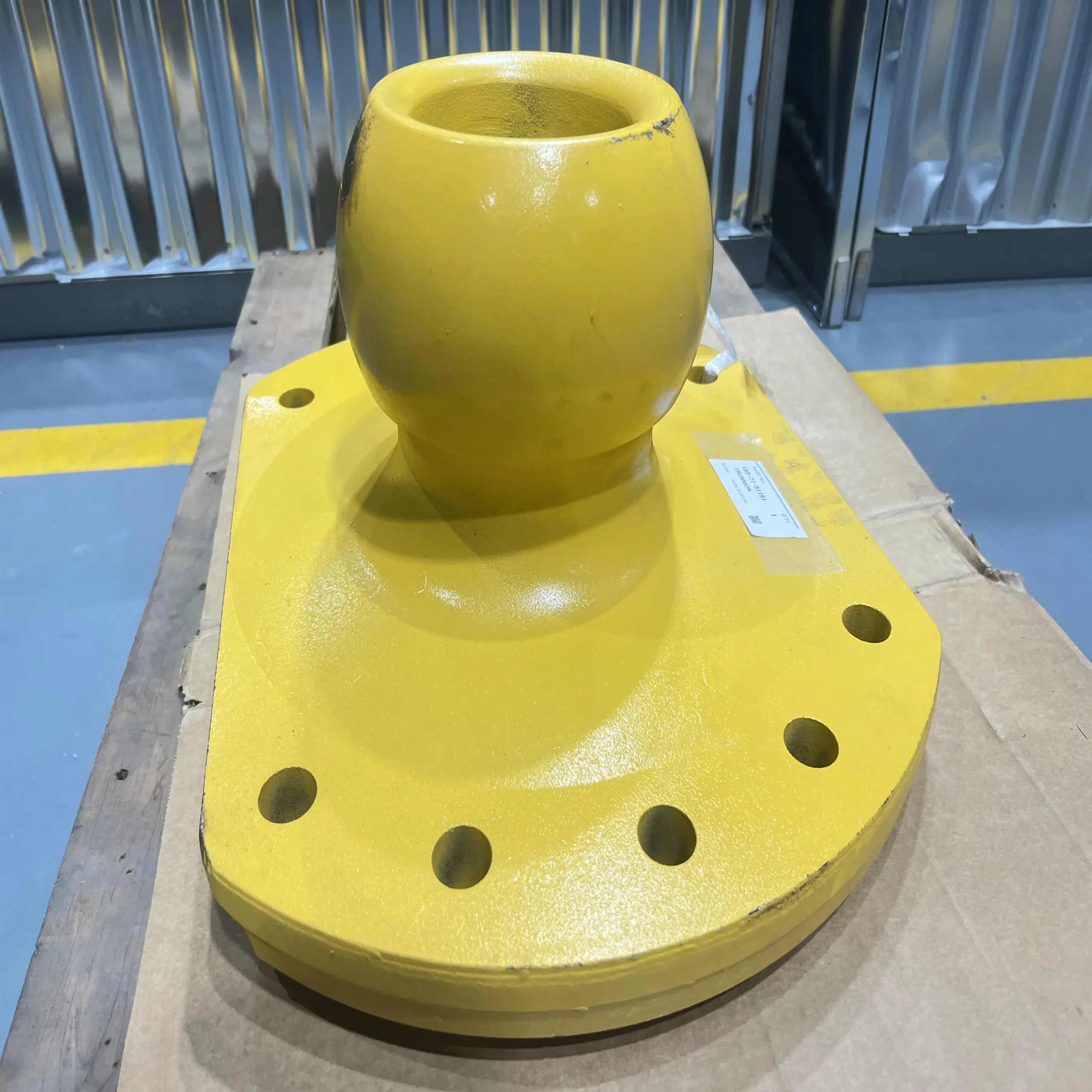 Suitable for Komatsu D375 pin/195-30-62100/195-71-51191/195-71-00342
 -
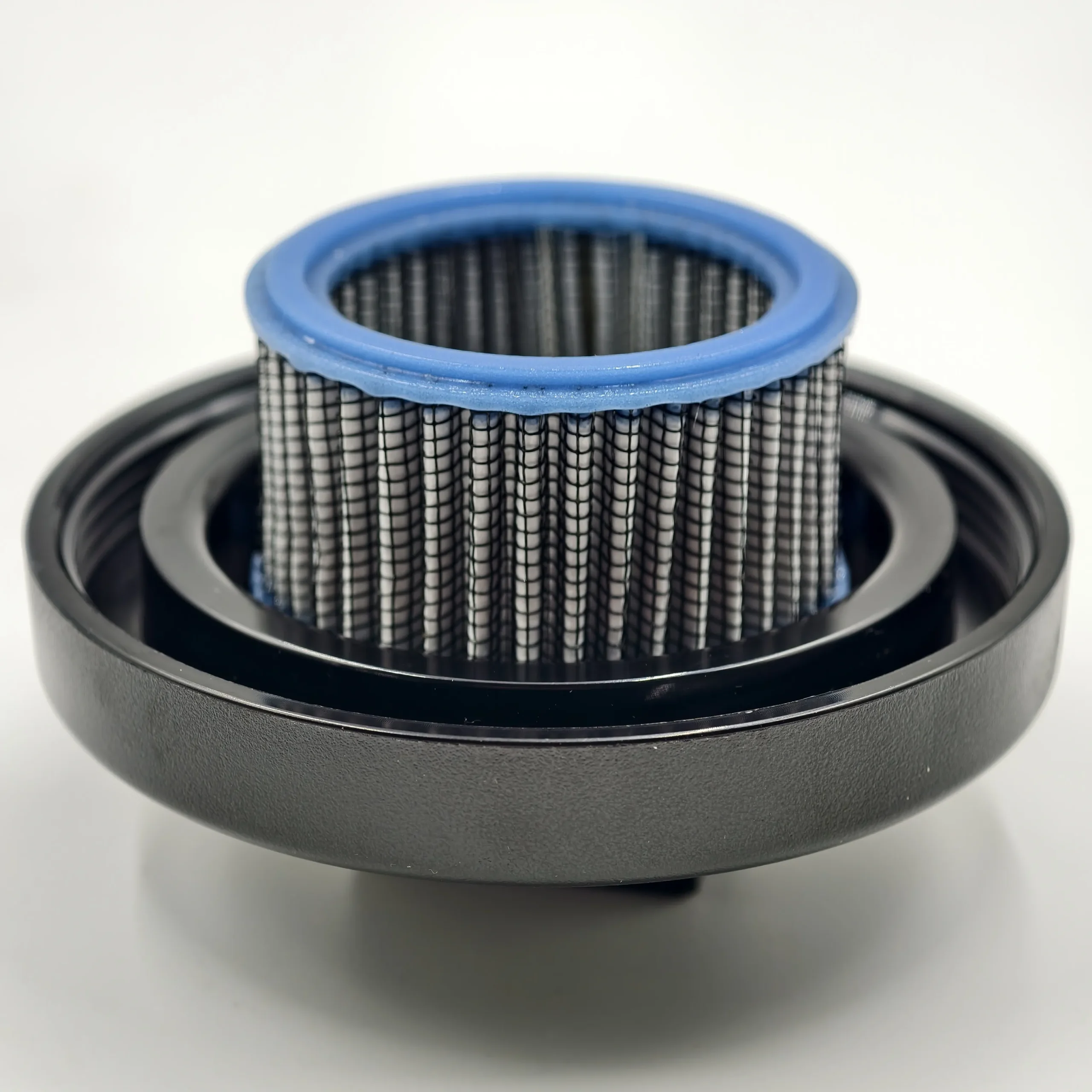 21T-04-31170 Komatsu Cap Assembly
 -
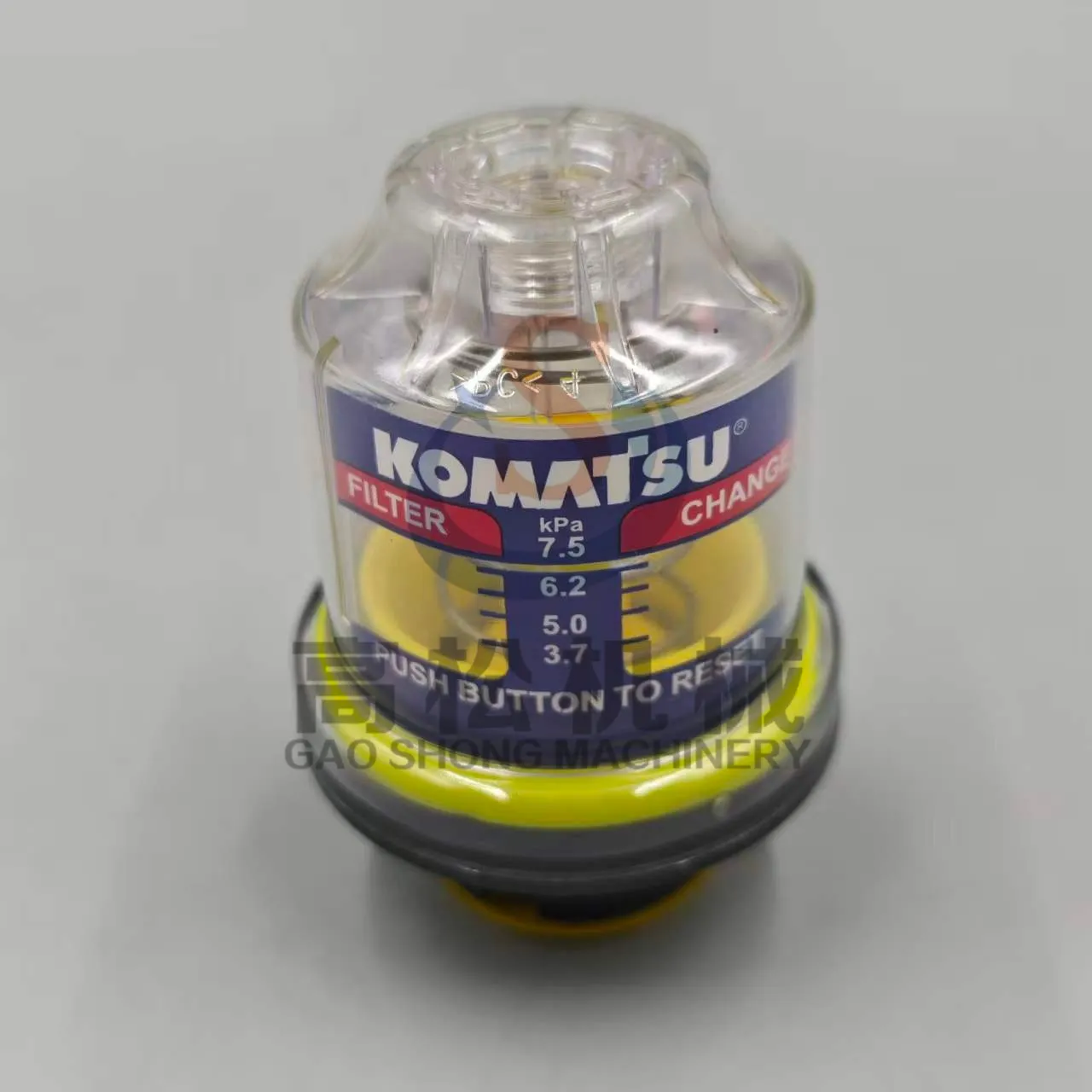 08672-01000 Indicator
 -
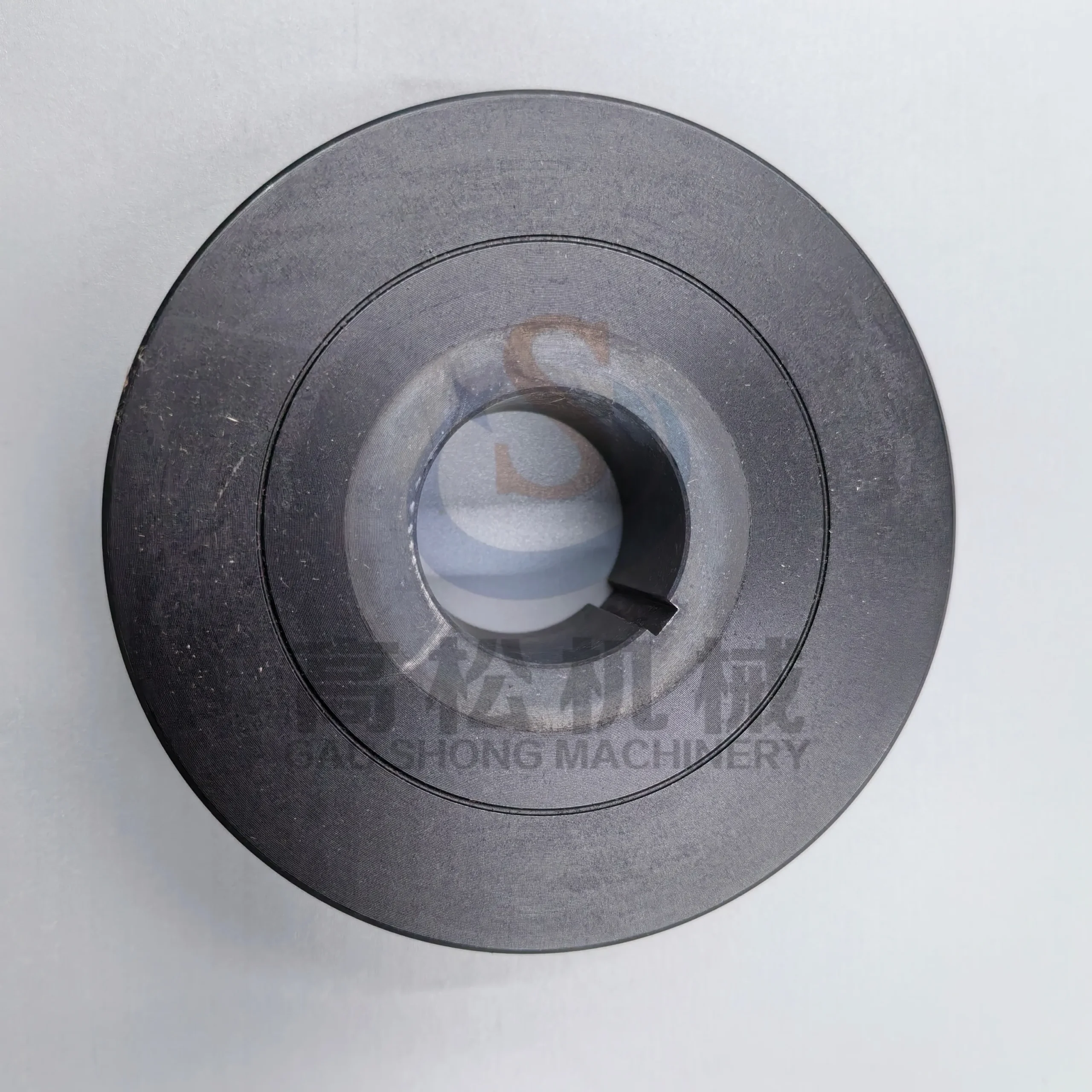 PULLEY – KD0-35411-0854
 -
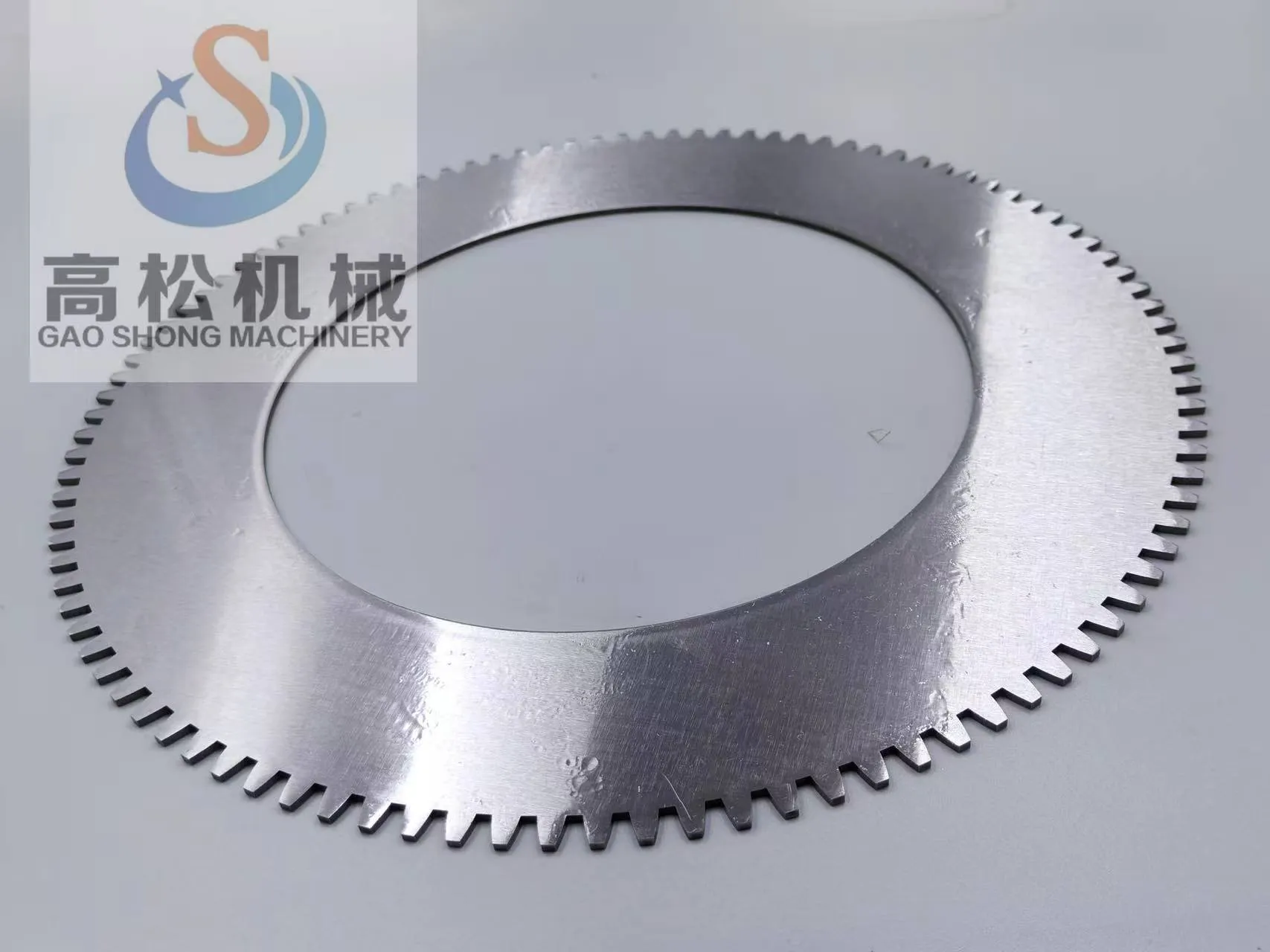 Ring seal gd825a grader 235-22-11550
 -
 21N-01-11150 WASHER-Komatsu Original Factory
 -
 Valve Assembly 20Y-60-31450 – KOMATSU