
- Chinese
- French
- German
- Portuguese
- Spanish
- Russian
- Japanese
- Korean
- Arabic
- Irish
- Greek
- Turkish
- Italian
- Danish
- Romanian
- Indonesian
- Czech
- Afrikaans
- Swedish
- Polish
- Basque
- Catalan
- Esperanto
- Hindi
- Lao
- Albanian
- Amharic
- Armenian
- Azerbaijani
- Belarusian
- Bengali
- Bosnian
- Bulgarian
- Cebuano
- Chichewa
- Corsican
- Croatian
- Dutch
- Estonian
- Filipino
- Finnish
- Frisian
- Galician
- Georgian
- Gujarati
- Haitian
- Hausa
- Hawaiian
- Hebrew
- Hmong
- Hungarian
- Icelandic
- Igbo
- Javanese
- Kannada
- Kazakh
- Khmer
- Kurdish
- Kyrgyz
- Latin
- Latvian
- Lithuanian
- Luxembou..
- Macedonian
- Malagasy
- Malay
- Malayalam
- Maltese
- Maori
- Marathi
- Mongolian
- Burmese
- Nepali
- Norwegian
- Pashto
- Persian
- Punjabi
- Serbian
- Sesotho
- Sinhala
- Slovak
- Slovenian
- Somali
- Samoan
- Scots Gaelic
- Shona
- Sindhi
- Sundanese
- Swahili
- Tajik
- Tamil
- Telugu
- Thai
- Ukrainian
- Urdu
- Uzbek
- Vietnamese
- Welsh
- Xhosa
- Yiddish
- Yoruba
- Zulu
- Kinyarwanda
- Tatar
- Oriya
- Turkmen
- Uyghur






OEM AND ORIGINAL KOMATSU SHAFT 235-27-31120
When you see that part number – – pop up on a screen, especially paired with terms like 'OEM' and 'Original', it sets off a specific expectation. In the Komatsu world, that number is supposed to mean one thing: the genuine article, the shaft that came off the same line as the one in your machine. But here's the rub: the label 'OEM' has gotten fuzzy. Some suppliers use it to mean 'manufactured to original specs', which isn't the same as Komatsu-genuine. I've seen too many orders where the buyer thought they were getting a direct replacement from the OEM system, only to receive a high-quality copy. That distinction, between a true OEM Komatsu part and an OEM-specification part, is where a lot of the confusion and, frankly, costly downtime starts.
The Nuance of OEM in the Komatsu Ecosystem
Let's break this down. True OEM for Komatsu means the component is produced by Komatsu or a contracted factory fully integrated into their production and quality assurance system. The part number isn't just a SKU; it's a blueprint tied to specific metallurgy, heat treatment processes, and tolerance checks. When a company like Jining Gaosong Construction Machinery Co., Ltd. states they are an OEM product supplier within the Komatsu system, it implies a formal relationship. They aren't just reverse-engineering; they are likely part of the authorized supply chain for certain components or regions. This is critical for parts like a shaft, which is a wear item but also a critical power transmission component. A failure here isn't an inconvenience; it's a breakdown.
Now, the other side of their business – being a third-party sales company for Komatsu. This is where they help solve supply gaps. You might be in a country where the official distributor has a 12-week lead time for that original Komatsu shaft. A company operating in this space can leverage alternative logistics or inventory to get you a genuine part faster. But you have to know who you're dealing with. Their website, https://www.takematsumachinery.com, needs to be your first checkpoint. Are they transparent about their sourcing? Can they trace the part?
I recall a situation in a mining operation in Southeast Asia. They needed the for a PC700 excavator's swing mechanism. The local dealer was back-ordered. They sourced a part advertised as OEM Quality from a different vendor. It fit, it worked... for about 200 hours. Then, micro-fractures led to a catastrophic failure. The post-mortem showed inferior alloy composition. The cost of the part was dwarfed by the downtime and secondary damage. That's the risk when the provenance isn't crystal clear.
Dissecting the Shaft: More Than Just a Metal Rod
Focusing on this specific shaft, , it's not a generic piece. It's designed for a specific load profile, shock absorption, and rotational stress. An original part has gone through fatigue testing that replicates thousands of hours of real operation. When we evaluate an aftermarket or OEM-spec part, we're looking for signs that this testing was mirrored. Does the surface finish have the same machined texture? Are the splines cut with the same precision, or is there a slight burr? The hardness rating is paramount – too soft and it wears quickly, too hard and it becomes brittle.
I've had batches where the dimensions were perfect on a CMM (Coordinate Measuring Machine), but the case hardening depth was off by a few tenths of a millimeter. That's not something you see on a spec sheet; you find out 6 months into operation. A reliable supplier within the Komatsu system should have access to – and adhere to – these subsurface specifications. It's these unadvertised details that separate a part that simply fits from a part that lasts.
Another practical point: packaging and documentation. A genuine Komatsu part arrives with specific packaging, often with Komatsu logos and the part number laser-etched or stamped on the component itself. The paperwork includes traceability codes. When you're unpacking a shipment, this is your first visual and tactile QA check. If it's shipped in a plain box with a photocopied spec sheet, your skepticism should immediately ramp up, regardless of what the procurement paperwork says.
The Real-World Supply Challenge and How Companies Fit In
This is where the model of a company like Jining Gaosong becomes relevant. The statement about solving parts supply challenges in certain countries rings true. In some markets, geopolitical factors, customs delays, or simply low inventory can create massive bottlenecks. An authorized third-party sales company can hold strategic stock of high-failure-rate items like the shaft. They act as a pressure relief valve for the official distribution network.
But the trust factor is everything. Are they just brokers, or do they have technical competency? I value suppliers who ask questions: What's the serial number of your machine? What were the failure symptoms? This shows they understand that even within a part number, there can be engineering revisions. A good supplier will catch that and ensure you get the correct revision level, not just the base number.
I've also seen the opposite, the bad actor scenario. A supplier might offer a genuine Komatsu shaft at a too-good-to-be-true price. It arrives, looks perfect, but is, in fact, a used part that's been cleaned and re-packaged. Or worse, it's a counterfeit with forged markings. The only way to guard against this is a long-term relationship and a willingness by the supplier to provide full documentation and accept returns if the part fails prematurely. Their reputation is their inventory.
Failure Analysis and the Cost of Almost Right
Let's talk about what happens when a non-conforming shaft fails. It's rarely a clean break. It usually starts with abnormal vibration, increased noise in the gearbox, or uneven wear on mating components like bearings and gears. By the time the shaft itself shears, it's often taken other expensive parts with it. The forensic analysis then becomes a blame game between the equipment owner, the maintenance team, and the parts supplier.
Having been on the maintenance side, I now insist on keeping a sample of the failed part and the new part side-by-side, even from trusted sources. We once found that a supposedly OEM shaft had a slightly different radius at a shoulder, creating a stress riser. It was a manufacturing shortcut, not a design flaw. Presenting that evidence to the supplier is what separates professional partnerships from transactional ones. A supplier confident in their supply chain, like one embedded in the Komatsu system, will want to see that evidence and take it upstream to their source.
This loop – failure, analysis, feedback – is how the industry improves. When a company is both an OEM supplier and a third-party seller, they are in a unique position to relay field data back to the manufacturing process. This, theoretically, should lead to better parts for everyone. But it requires them to be more than just a warehouse; they need technical staff who understand the mechanics, not just the logistics.
Concluding Thoughts: Verification Over Assumption
So, when you're sourcing an OEM and Original Komatsu Shaft , the part number is just the starting point. The terms OEM and Original need interrogation. Is the supplier part of the formal system, or are they interpreting the term loosely? A company's stated role, like Jining Gaosong's dual identity, gives you a framework for questions, not answers.
My rule has become: trust but verify. Verify through documentation, through initial inspection, and through the supplier's willingness to engage on technical details. Ask for material certifications. Ask about the country of origin for the specific batch. A genuine supplier won't balk at these questions.
Ultimately, the goal is uptime. The right part, the true original Komatsu shaft, achieves that. It's a balance of speed, cost, and certainty. In many challenging markets, the traditional pipeline is too slow, making reliable third-party sources within the OEM ecosystem not just an alternative, but a necessity. But the necessity must be met with due diligence on every single order, every single time. The machine's heartbeat depends on it.
Related Products
Related Products

Best Selling Products
Best Selling Products-
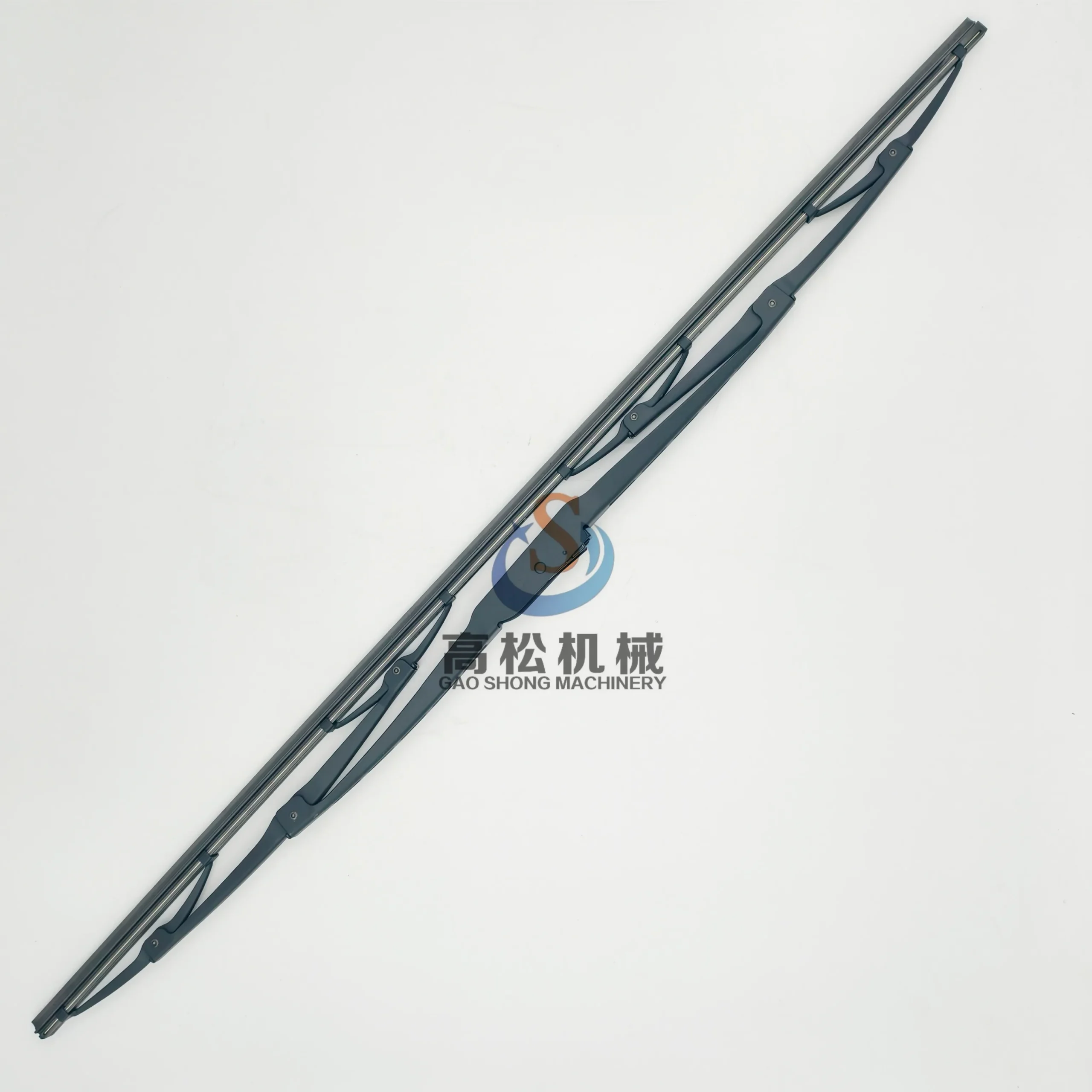 BLADE,FRONT 56B-54-13240 HM250-2 HM300-2 HM350-2 HM400-2 (ecot3) OPERATOR’S CAB (WIPER)
 -
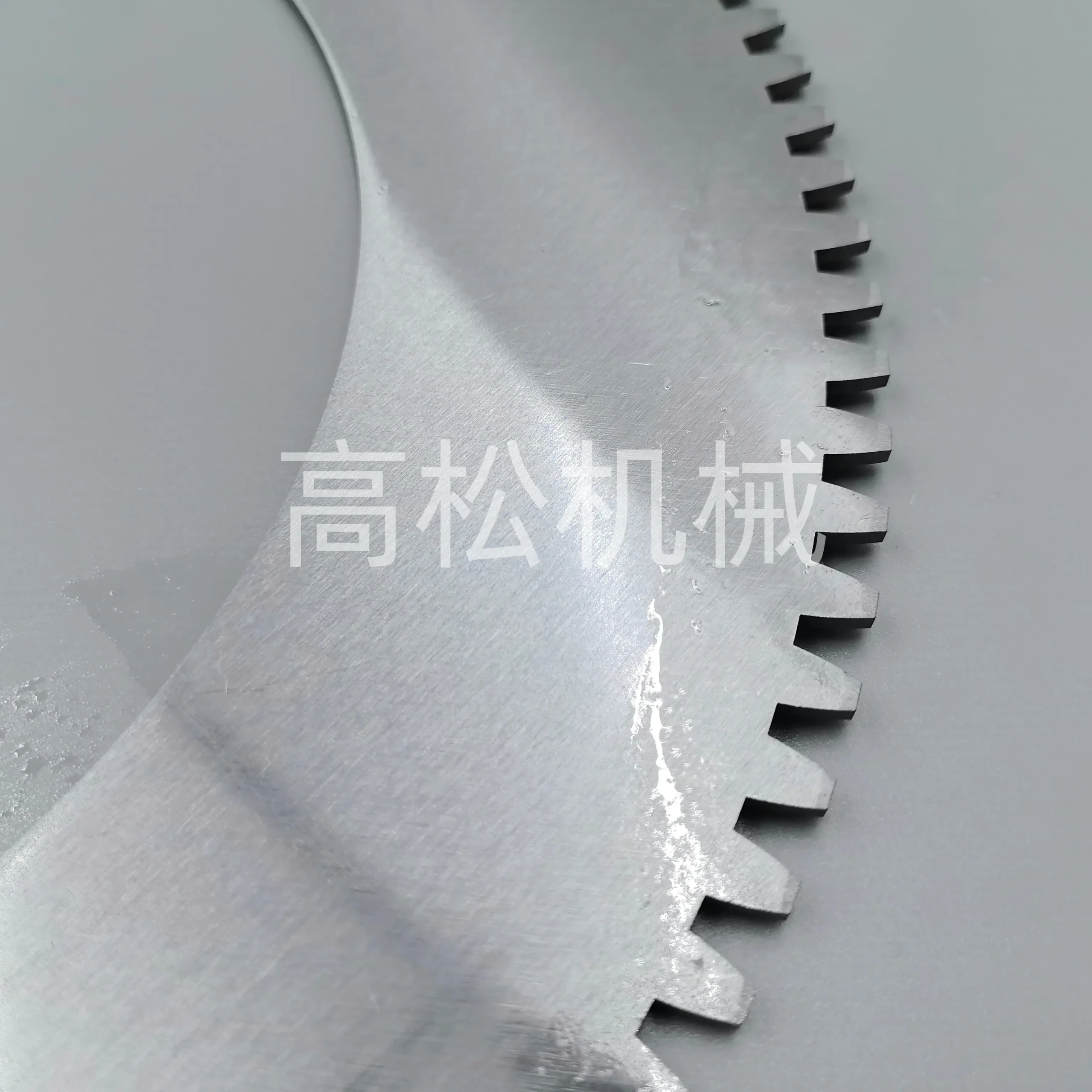 235-22-11550 •• PLATE-Komatsu Original Factory
 -
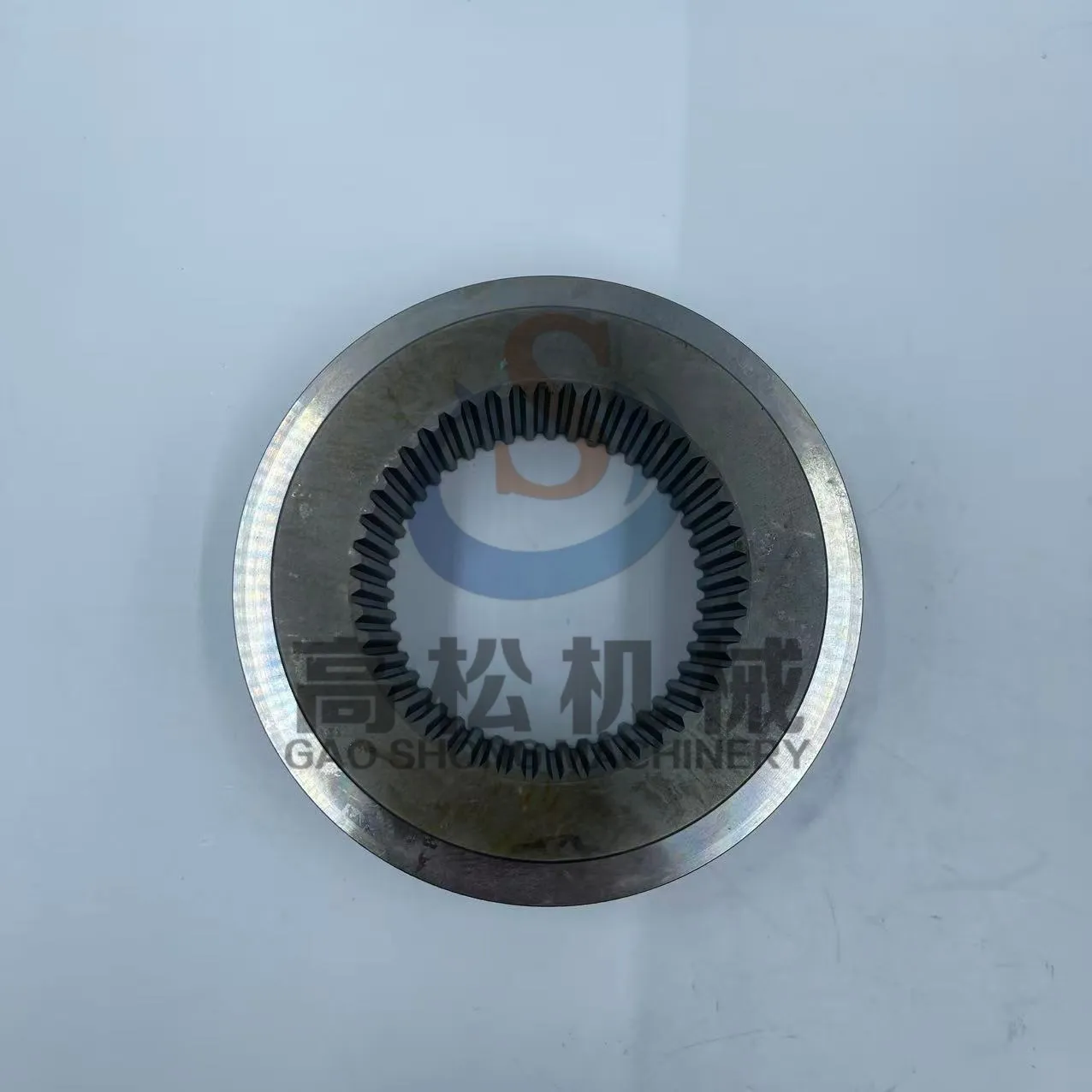 Provide Komatsu original bearing 170-09-13250
 -
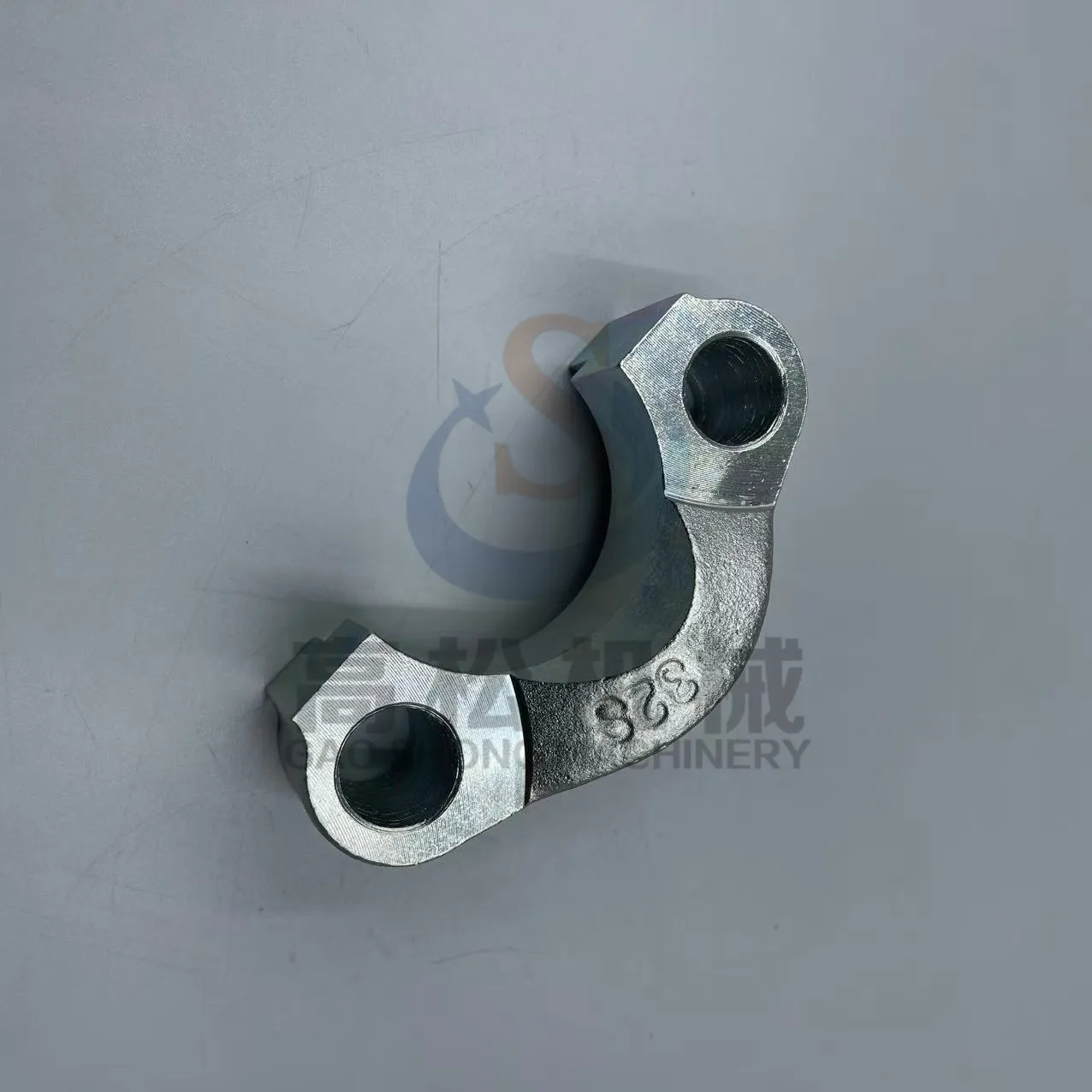 FLANGE 07371-52080 – KOMATSU
 -
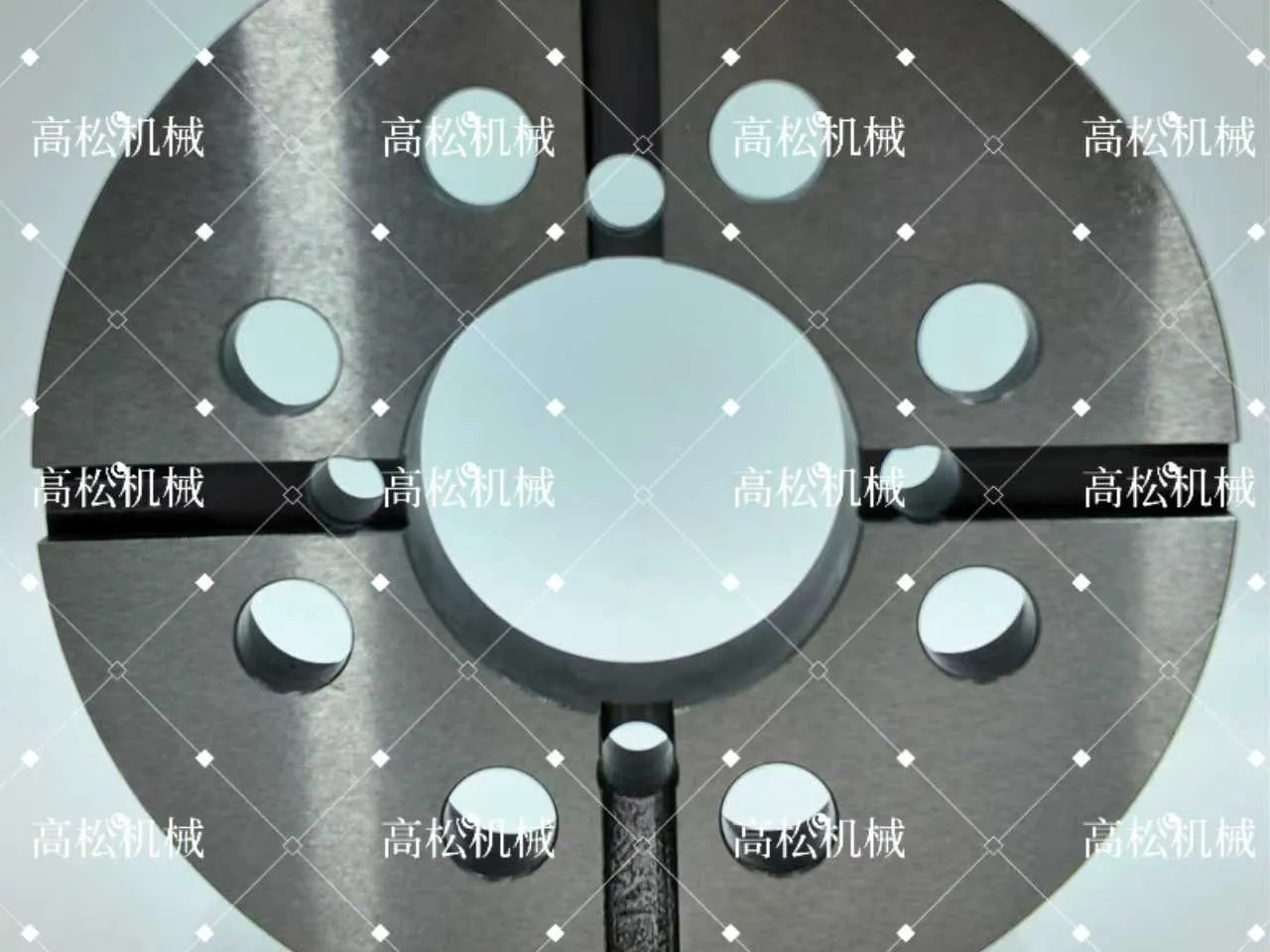 56B-27-12361 Fixed ring Komatsu parts HM350, HM400
 -
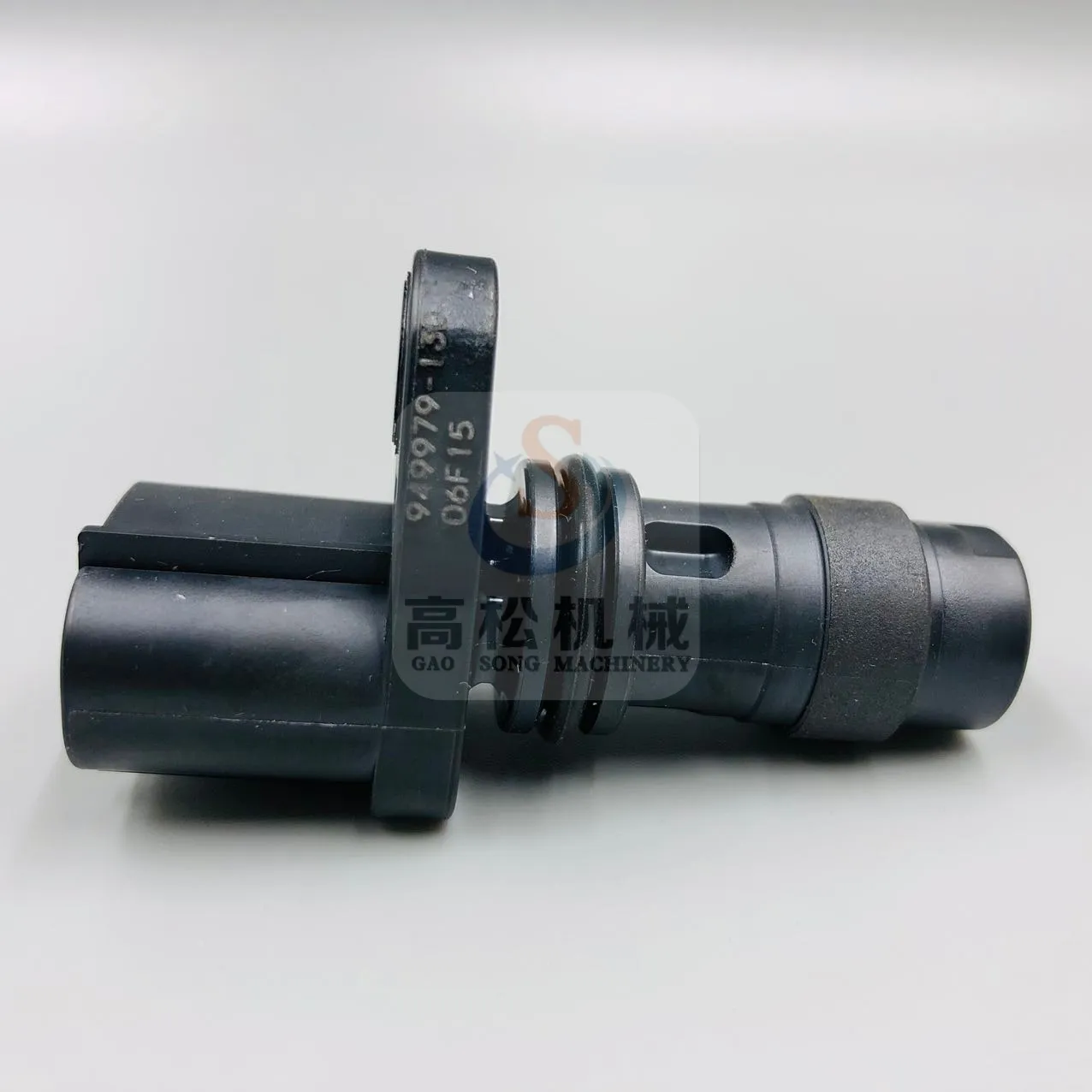 ND949979-1300 fuel pump sensor for Komatsu PC2000-8
 -
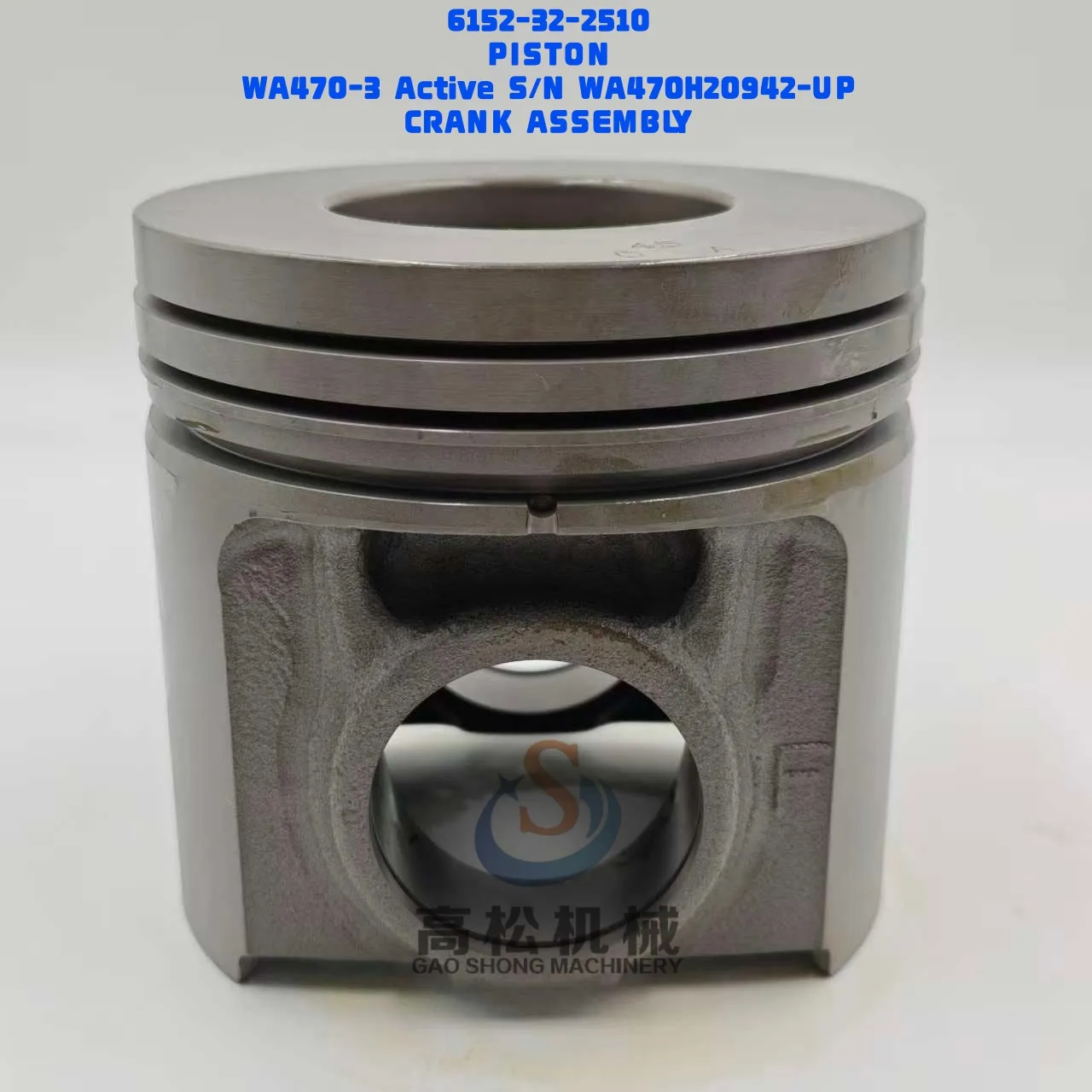 6152-32-2510 PISTON KOMATSU parts D87E, D87P, DCA, EGS360,380, PC400, PW400MH, S6D125E, SA6D125E, SAA6D125E, WA450, WA470, WA480
 -
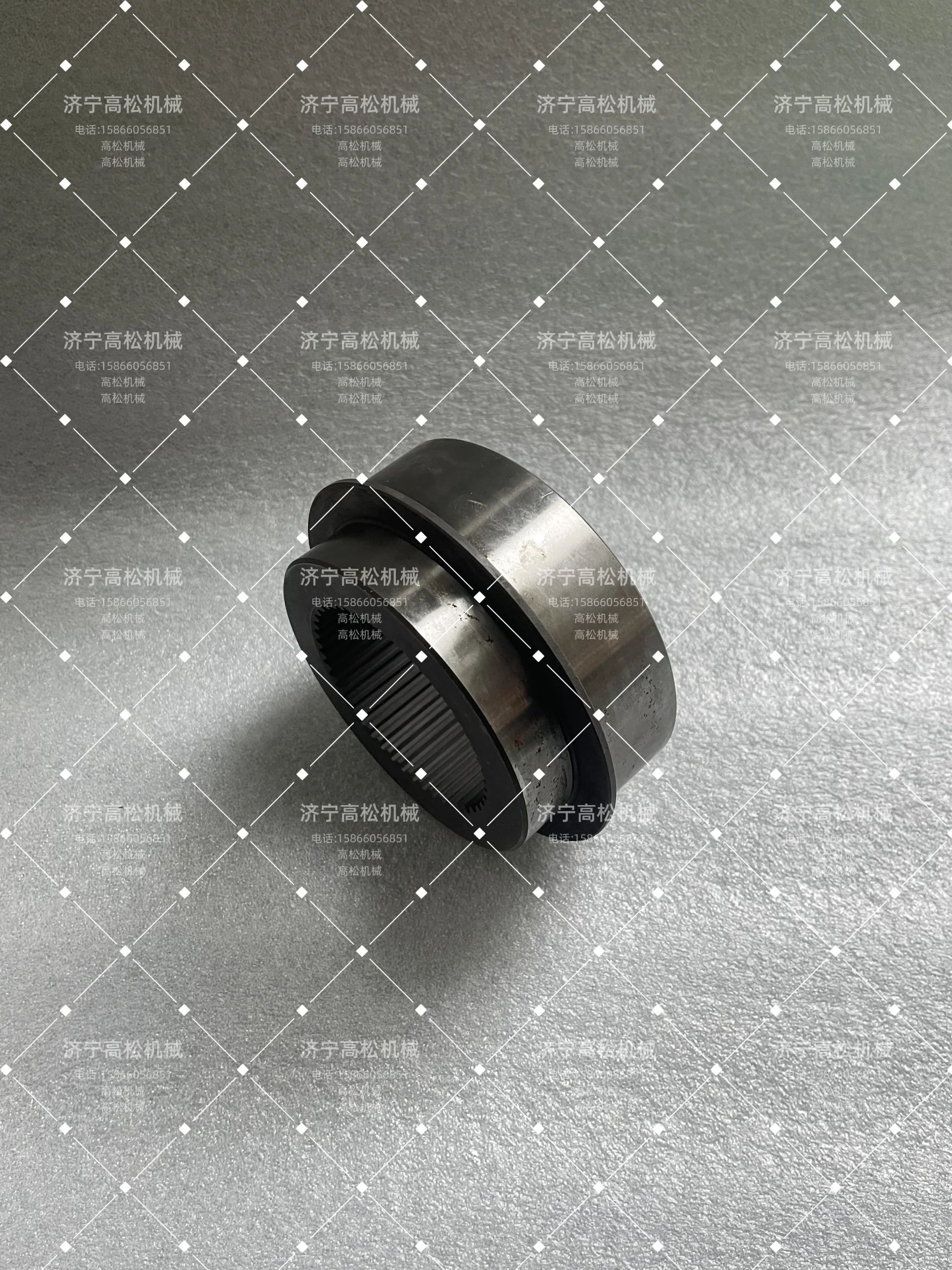 195-15-82570 Komatsu Spacer
 -
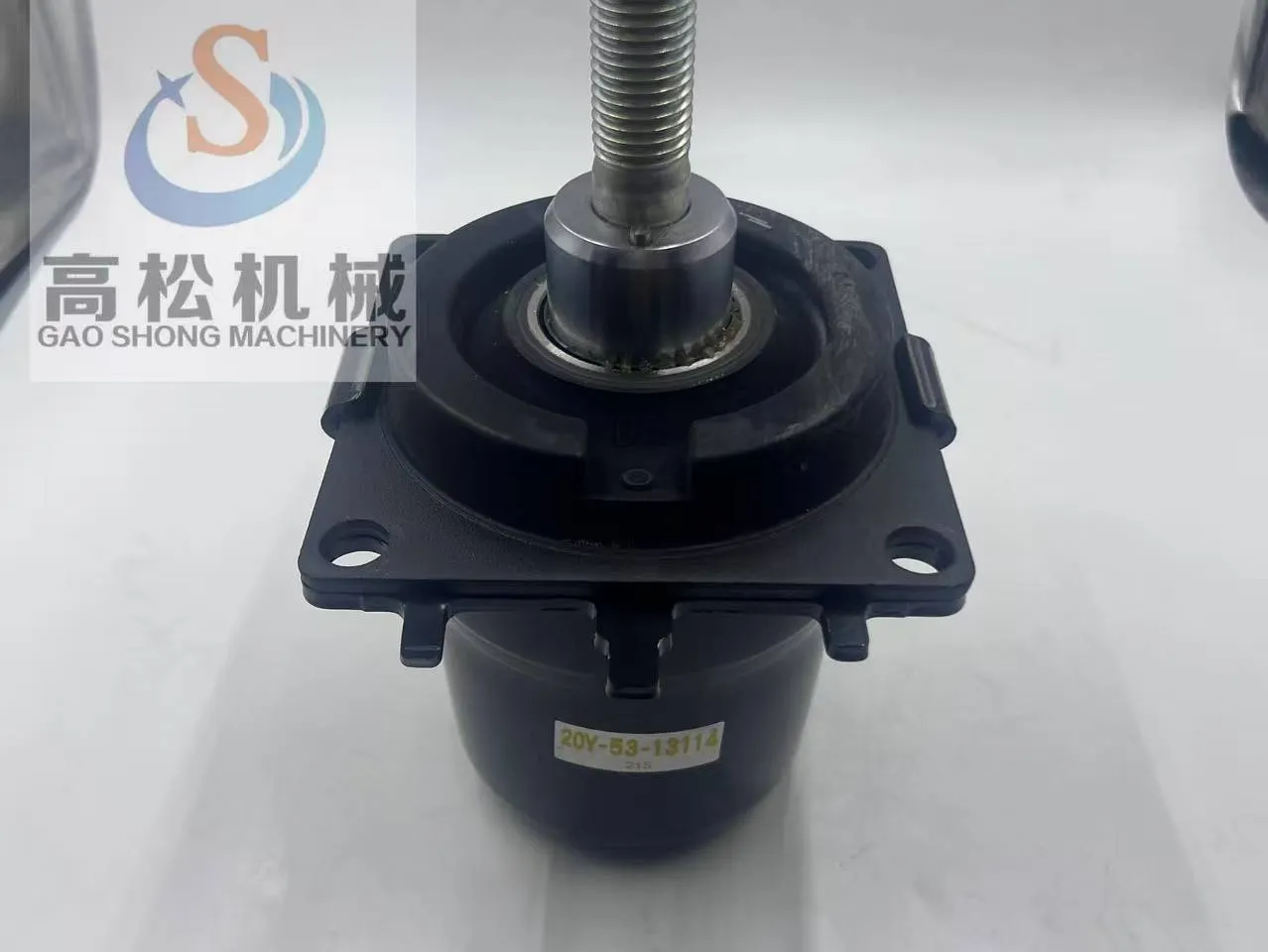 20Y-53-13114 Compatible with PC200-8, Komatsu original buffer.
 -
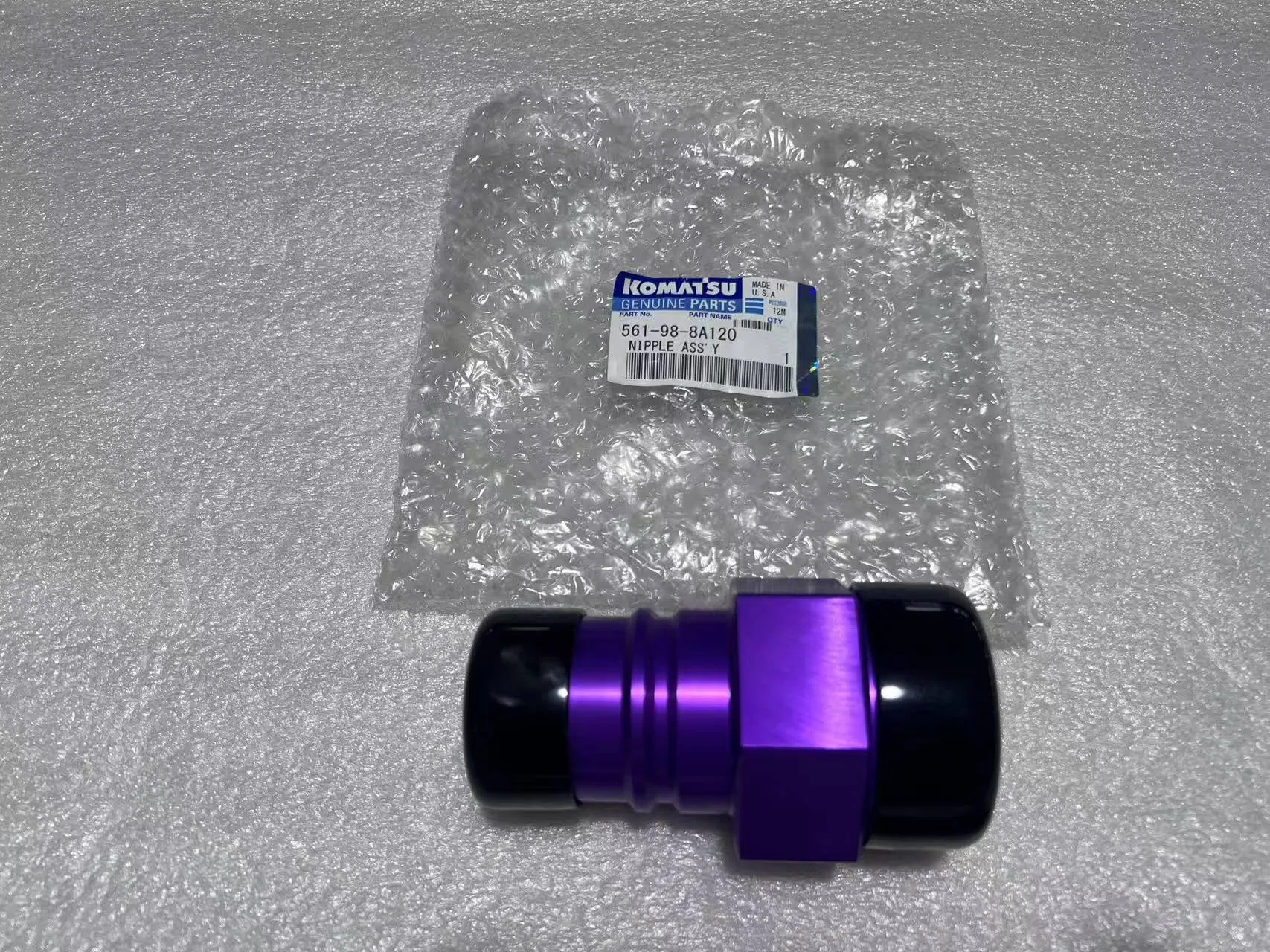 561-98-8A120 Komatsu Nipple Assembly
 -
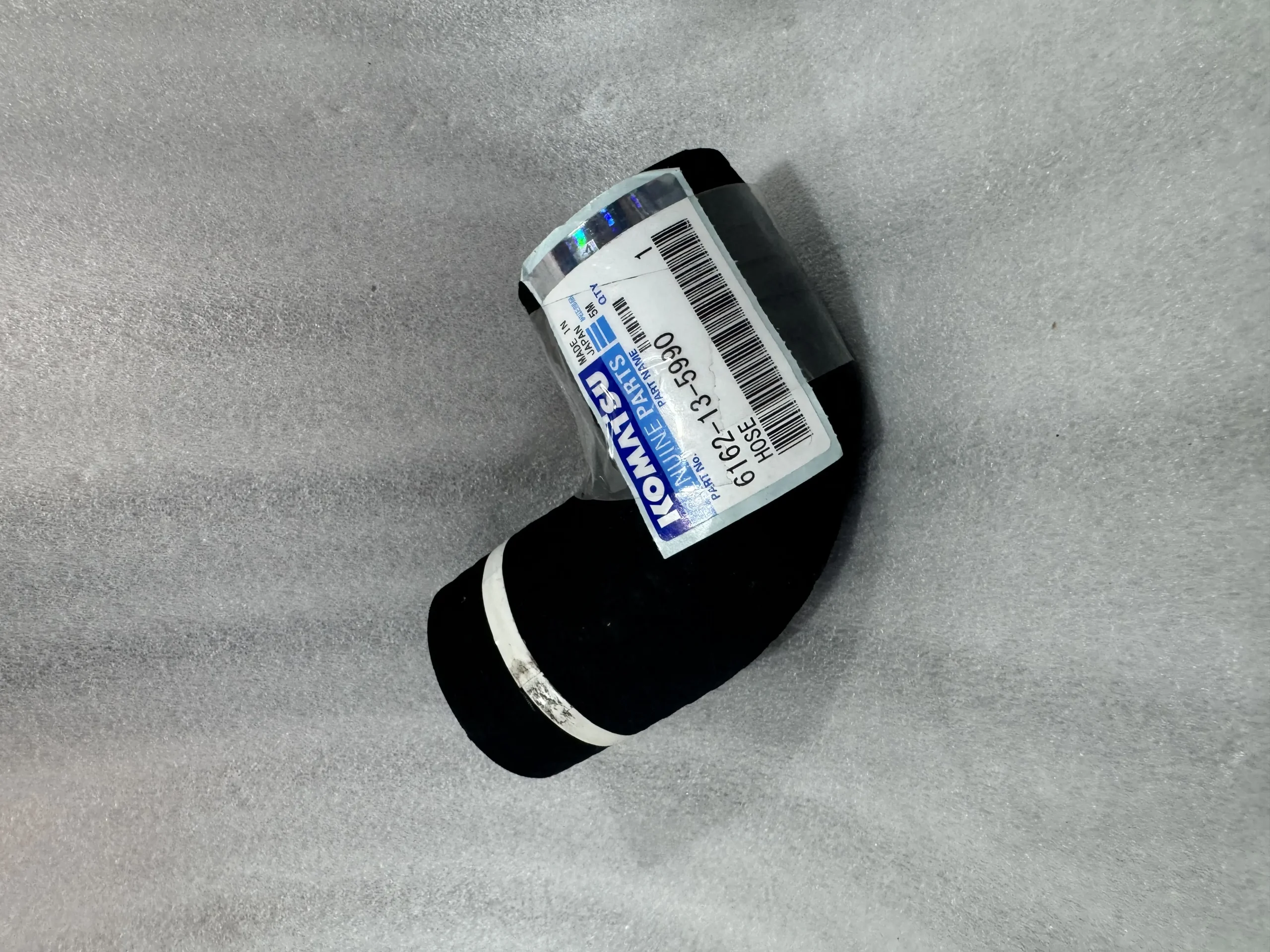 6D170-2 Hose 6162-13-5990
 -
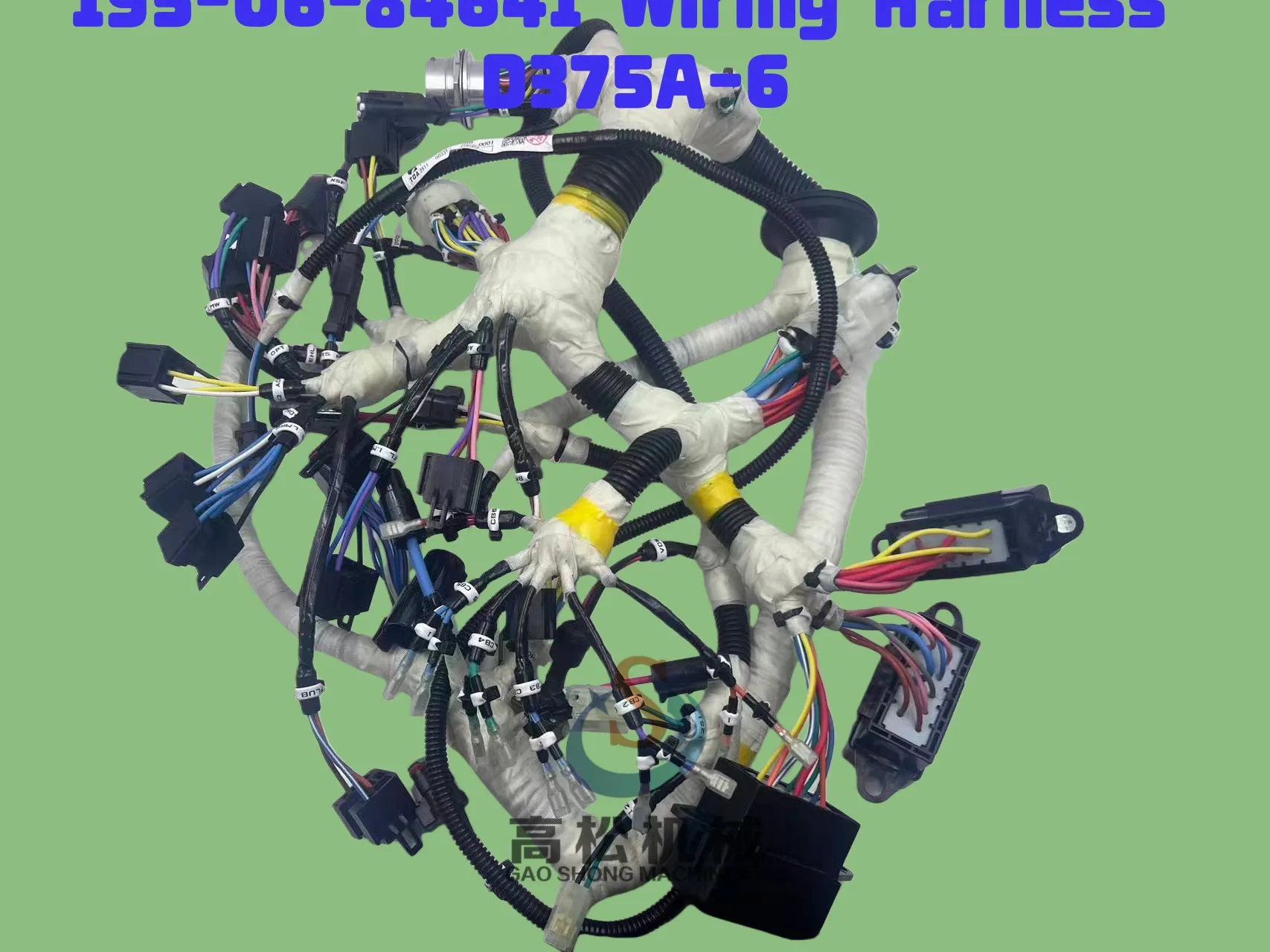 Wiring Harness 195-06-84641 D375A-6 S/N 60001-UP (Extreme Cold Area Arrangement (-40 deg C)) FLOOR FRAME, FUSE BOX AND RELAY