
- Chinese
- French
- German
- Portuguese
- Spanish
- Russian
- Japanese
- Korean
- Arabic
- Irish
- Greek
- Turkish
- Italian
- Danish
- Romanian
- Indonesian
- Czech
- Afrikaans
- Swedish
- Polish
- Basque
- Catalan
- Esperanto
- Hindi
- Lao
- Albanian
- Amharic
- Armenian
- Azerbaijani
- Belarusian
- Bengali
- Bosnian
- Bulgarian
- Cebuano
- Chichewa
- Corsican
- Croatian
- Dutch
- Estonian
- Filipino
- Finnish
- Frisian
- Galician
- Georgian
- Gujarati
- Haitian
- Hausa
- Hawaiian
- Hebrew
- Hmong
- Hungarian
- Icelandic
- Igbo
- Javanese
- Kannada
- Kazakh
- Khmer
- Kurdish
- Kyrgyz
- Latin
- Latvian
- Lithuanian
- Luxembou..
- Macedonian
- Malagasy
- Malay
- Malayalam
- Maltese
- Maori
- Marathi
- Mongolian
- Burmese
- Nepali
- Norwegian
- Pashto
- Persian
- Punjabi
- Serbian
- Sesotho
- Sinhala
- Slovak
- Slovenian
- Somali
- Samoan
- Scots Gaelic
- Shona
- Sindhi
- Sundanese
- Swahili
- Tajik
- Tamil
- Telugu
- Thai
- Ukrainian
- Urdu
- Uzbek
- Vietnamese
- Welsh
- Xhosa
- Yiddish
- Yoruba
- Zulu
- Kinyarwanda
- Tatar
- Oriya
- Turkmen
- Uyghur






OEM AND ORIGINAL KOMATSU SHAFT 21N-27-31340
When you see a part number like 21N-27-31340, especially with the terms 'OEM' and 'Original' slapped in front of it, your first instinct might be relief. Finally, the right shaft for your Komatsu excavator's swing mechanism. But that's where the real conversation starts. In my years dealing with Komatsu undercarriage and drivetrain components, I've learned that this label is often the beginning of a puzzle, not the solution. The market is flooded with claims, and the distinction between a genuine Komatsu part, an OEM-spec part from a system supplier, and a pure copy is where projects get delayed and costs spiral.
The 21N-27-31340: More Than Just a Number
Let's get specific. The 21N-27-31340 shaft isn't some generic pin; it's a critical load-bearing component, often found in the swing transmission of older but still very operational Komatsu models like the PC300. Its failure isn't a gradual thing—it's catastrophic. I've seen machines just stop turning, dead in their tracks, because this shaft sheared. The metallurgy, the heat treatment, the precise machining of the splines: that's what you're paying for. An 'original' from Komatsu comes with a pedigree, but also a price and, increasingly, a long lead time.
This is where the OEM concept within the Komatsu ecosystem gets practical. A company like Jining Gaosong Construction Machinery Co., Ltd. operates in this space. They're not just a reseller; their stated role as an OEM product supplier within the Komatsu system suggests they have the blueprints and the material specs. When they offer an OEM AND ORIGINAL KOMATSU SHAFT 21N-27-31340, they're implying it's built to the same standard as the part that would come out of Komatsu's own factory, possibly even on the same production line. That's a different proposition from a compatible part.
The catch, always, is verification. I recall a job in Indonesia where we sourced a 31340 shaft from a supplier with similar claims. The dimensions were perfect, but the Rockwell hardness was off by a few points. It lasted eight months under heavy cycling before showing stress fractures. That's the hidden cost. The part from Takematsu Machinery, which is Gaosong's portal, would be one I'd scrutinize differently. Their parallel role as a third-party sales company for Komatsu is interesting—it means they can sometimes bridge the gap when the official channel is blocked, which happens more than you'd think in certain regions.
Why the Original Claim is a Minefield
Original has become the most abused term in parts catalogs. For a mechanic or a fleet manager, original means it comes in a Komatsu box with a Komatsu parts number stamped on it, sourced through a Komatsu dealer network. Full stop. Anything else is, by definition, not original. However, the industry has co-opted the word to mean identical to original specification, which creates a massive gray area. A shaft can be OEM AND ORIGINAL KOMATSU SHAFT 21N-27-31340 in spirit but not in provenance.
I've had suppliers show me mill certificates and spectrography reports for their original shafts. Sometimes they're impeccable. Other times, the certificate is generic for alloy steel and tells you nothing about the fatigue resistance needed for a constantly torsional load. A true OEM-system supplier should be able to provide traceability back to the steel batch and the heat treatment cycle. That's the level of detail that separates a part that fits from a part that lasts.
This is the specific challenge companies like Gaosong aim to solve. Their website intro hits the nail on the head: helping to solve parts supply challenges in certain countries. In places where official distribution is thin or embargoed, you don't have the luxury of waiting 12 weeks for a genuine part. You need a technically valid alternative now. Their dual identity is key: they can potentially offer the OEM-spec part faster, or facilitate the sale of the genuine article through their third-party channel. It's about having options.
The Practical Inspection: What We Actually Do
So the part arrives, maybe from a source like Takematsu Machinery. It's not in a Komatsu box. What's next? We don't just bolt it on. First, it's a visual and tactile check. The machined finish on the splines should be smooth, without any tooling chatter marks. The edges of the oil grooves should be clean, not sharp or burred. Then, we move to measurement. Every critical diameter and length gets checked with micrometers and calipers. But the most telling test is often a simple comparison.
We keep a worn-but-intact genuine 21N-27-31340 as a master. We'll place the new shaft's splined end against the old one. Any deviation in the tooth profile, even a few microns, will show as a wobble or misalignment. This is a dead giveaway of inferior tooling. I've rejected parts that passed dimensional checks but failed this simple visual alignment test. The load distribution would have been terrible.
Weight is another crude but effective indicator. A significantly lighter shaft likely has inferior material density or different alloying. The genuine part has a specific heft to it. If the supplier's part is within 1-2% of that weight, it's a good first sign. This isn't laboratory-grade analysis, but in a field workshop, these are the pragmatic checks that prevent immediate failure.
Cost vs. Uptime: The Real Calculation
Nobody debates that a genuine Komatsu shaft is the gold standard. The debate is about cost and machine availability. A genuine 21N-27-31340 might cost $2,500 with a 90-day lead time. An OEM-spec version from a certified system supplier might be $1,700 and available in 10 days. The math isn't just about the $800 savings; it's about the revenue generated by having the machine running 80 days earlier.
This is the value proposition. For a critical component in a non-critical application (say, a backup machine), the OEM-spec part from a reputable source is a no-brainer. For a machine running 24/7 on a remote mining site, the risk calculus changes. You might pay the premium and wait for the genuine part for peace of mind. But what if you can't wait? This is the niche where a supplier operating as both an OEM producer and a third-party facilitator proves its worth. They might be able to source the genuine part faster through their network, or provide convincing evidence their OEM version is a valid stop-gap.
I learned this lesson on a port project in West Africa. We used a well-reviewed aftermarket shaft for a PC400. It failed in 4 months. The downtime, the cost of a second repair, and the project penalties dwarfed the initial savings. After that, for core drivetrain components, we either go genuine or we go with a system OEM supplier with full documentation. No more guesses.
Final Thoughts: Navigating the Supply Chain
The keyword string OEM AND ORIGINAL KOMATSU SHAFT 21N-27-31340 is a search for certainty in an uncertain market. It reflects a buyer who knows what they need but is navigating the murky waters of global parts supply. The truth is, there are very few absolutes.
A company's stated capabilities, like those of Jining Gaosong, are a starting point for a conversation, not an automatic guarantee. The onus is on the buyer to ask the right questions: Can you provide material certifications? What is your traceability process? Are you actually producing this, or are you a broker? The answers, and the willingness to provide them, are more telling than any marketing claim.
In the end, it comes down to relationships and verified performance. You find a source—be it an official dealer, a system OEM like Gaosong, or a specialized third-party vendor—that consistently delivers parts that work. You test them, you track their lifespan, and you build a history. The part number 21N-27-31340 is just a code. The reliability of the component it represents is built on a chain of decisions, inspections, and, ultimately, trust forged through repeated, failure-free operation.
Related Products
Related Products

Best Selling Products
Best Selling Products-
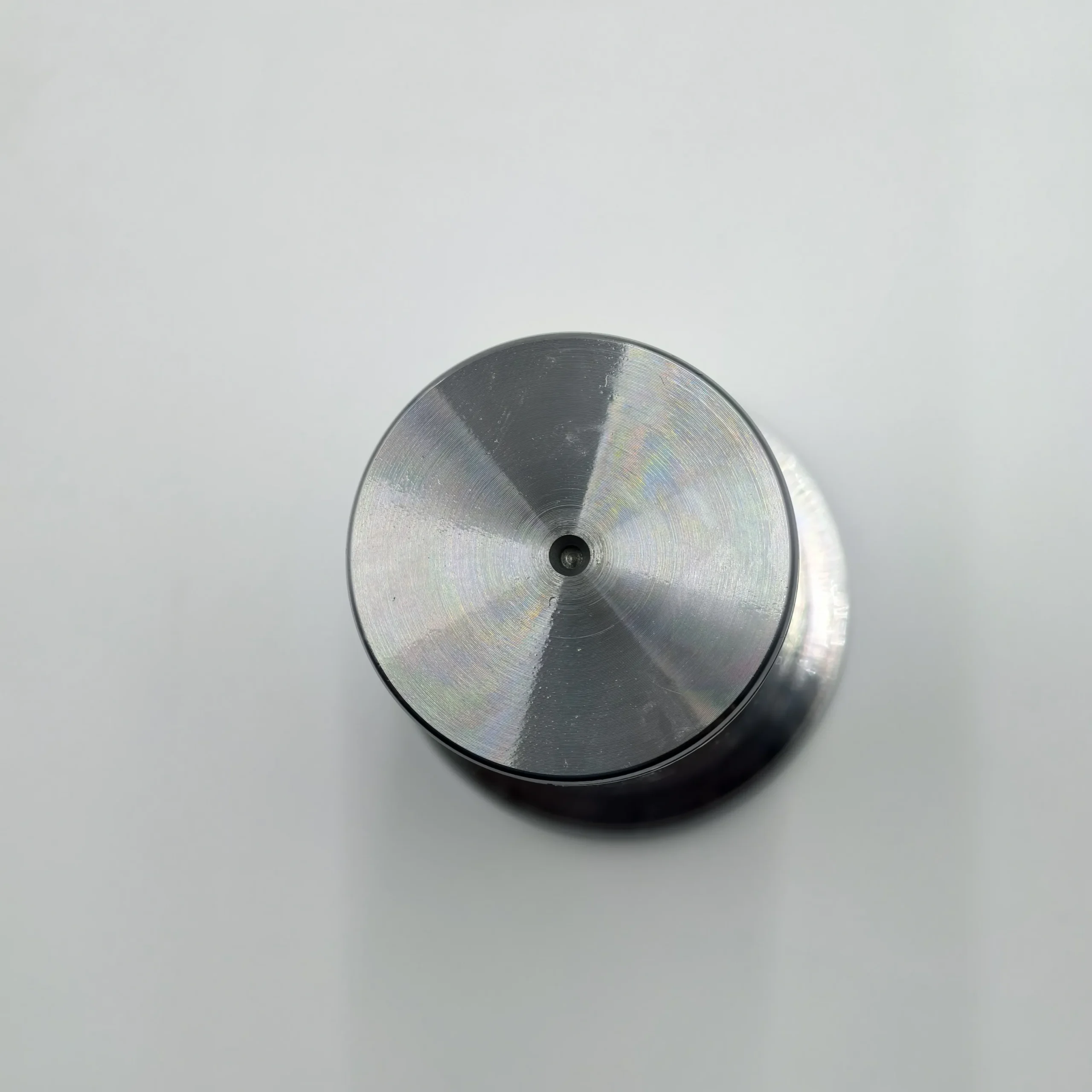 PIN – 21N-26-33240
 -
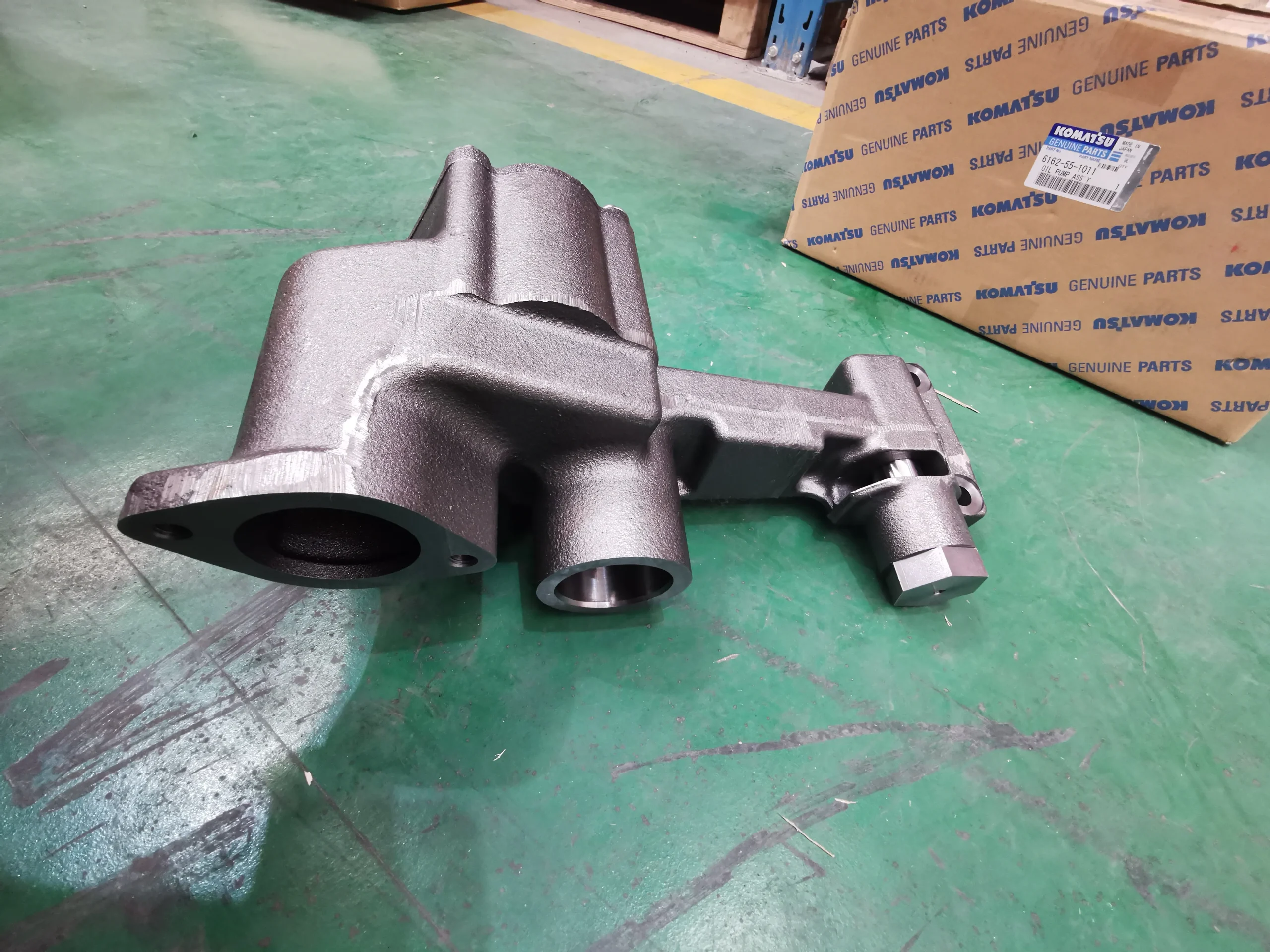 Supply Komatsu S6D170E-2A Oil Pump 6162-55-1011
 -
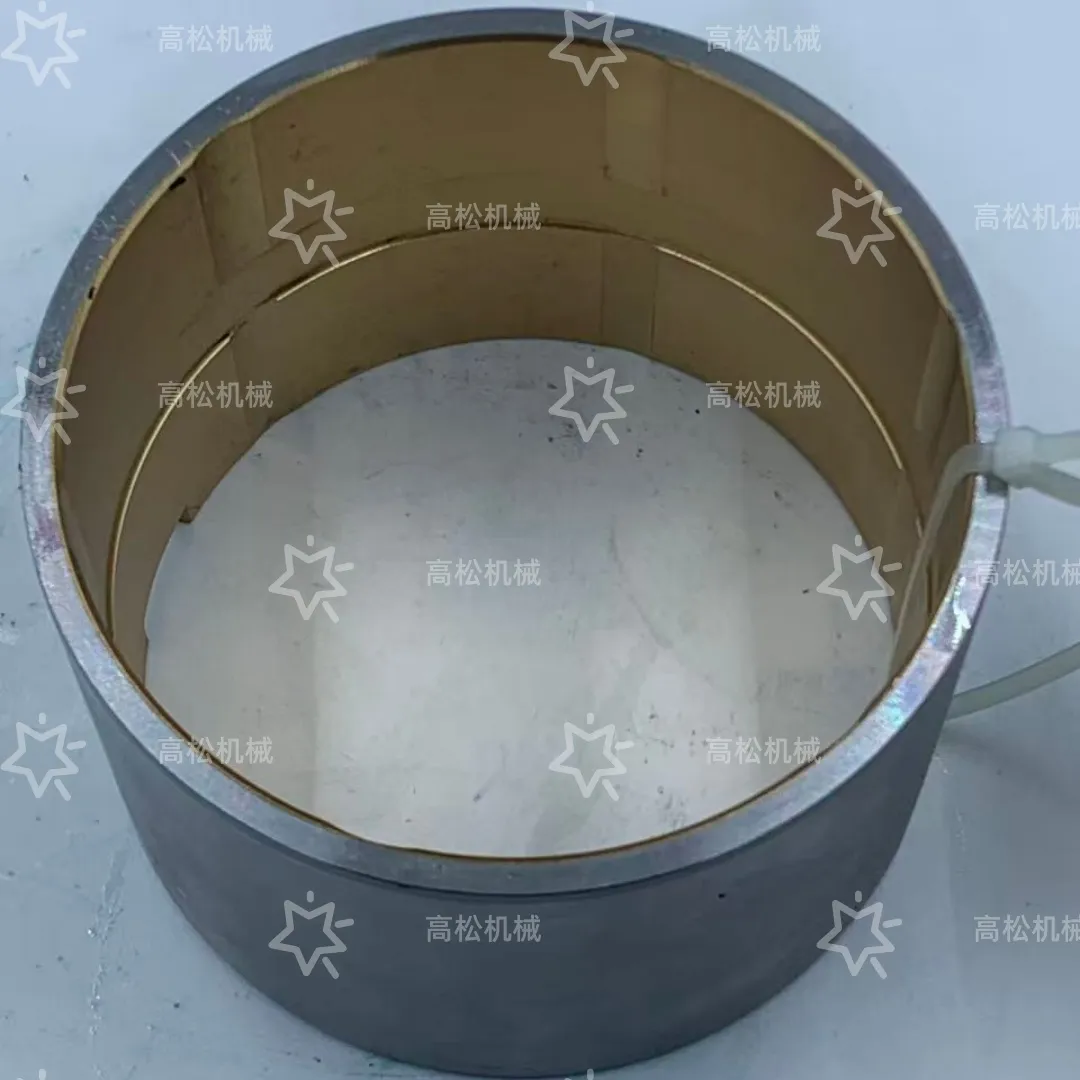 Bulldozer D375A-1 Bushing 195-61-41160 1956141160
 -
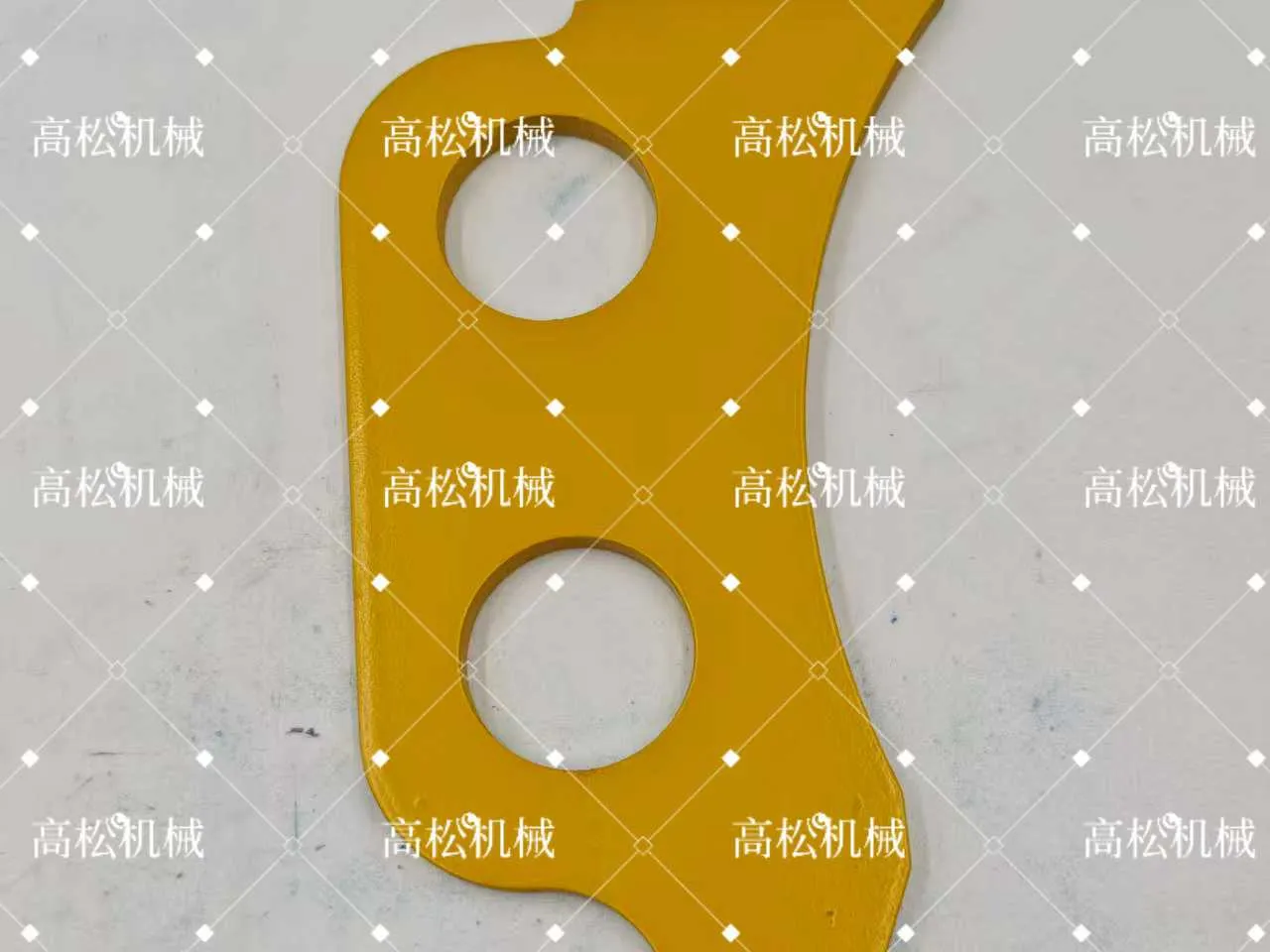 Komatsu Part No. 195-71-74260, Applicable Model: D375A-5, Genuine Komatsu Part
 -
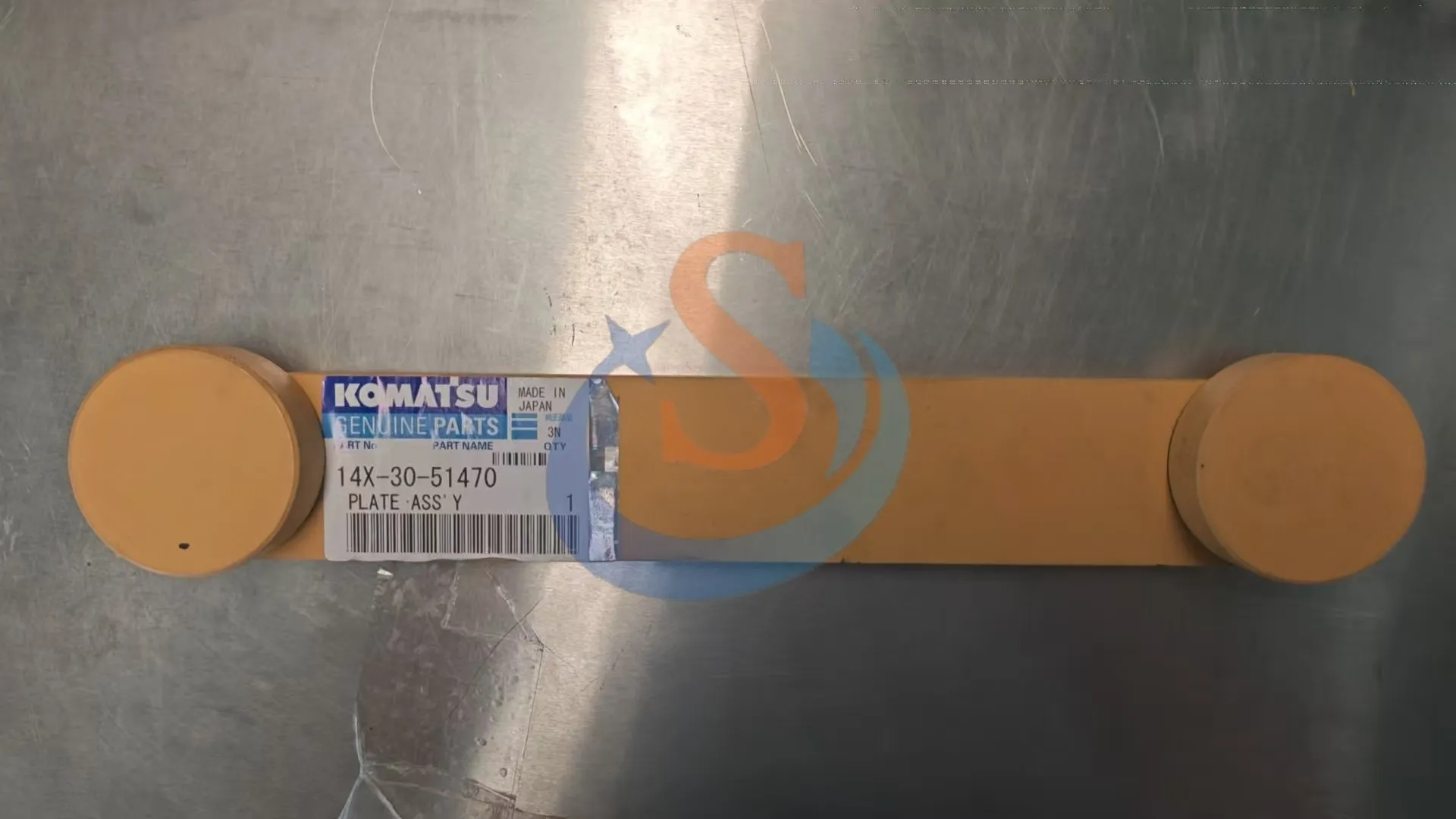 14X-30-51470,PLATE ASS’Y,D65EX,D65PX,D65WX
 -
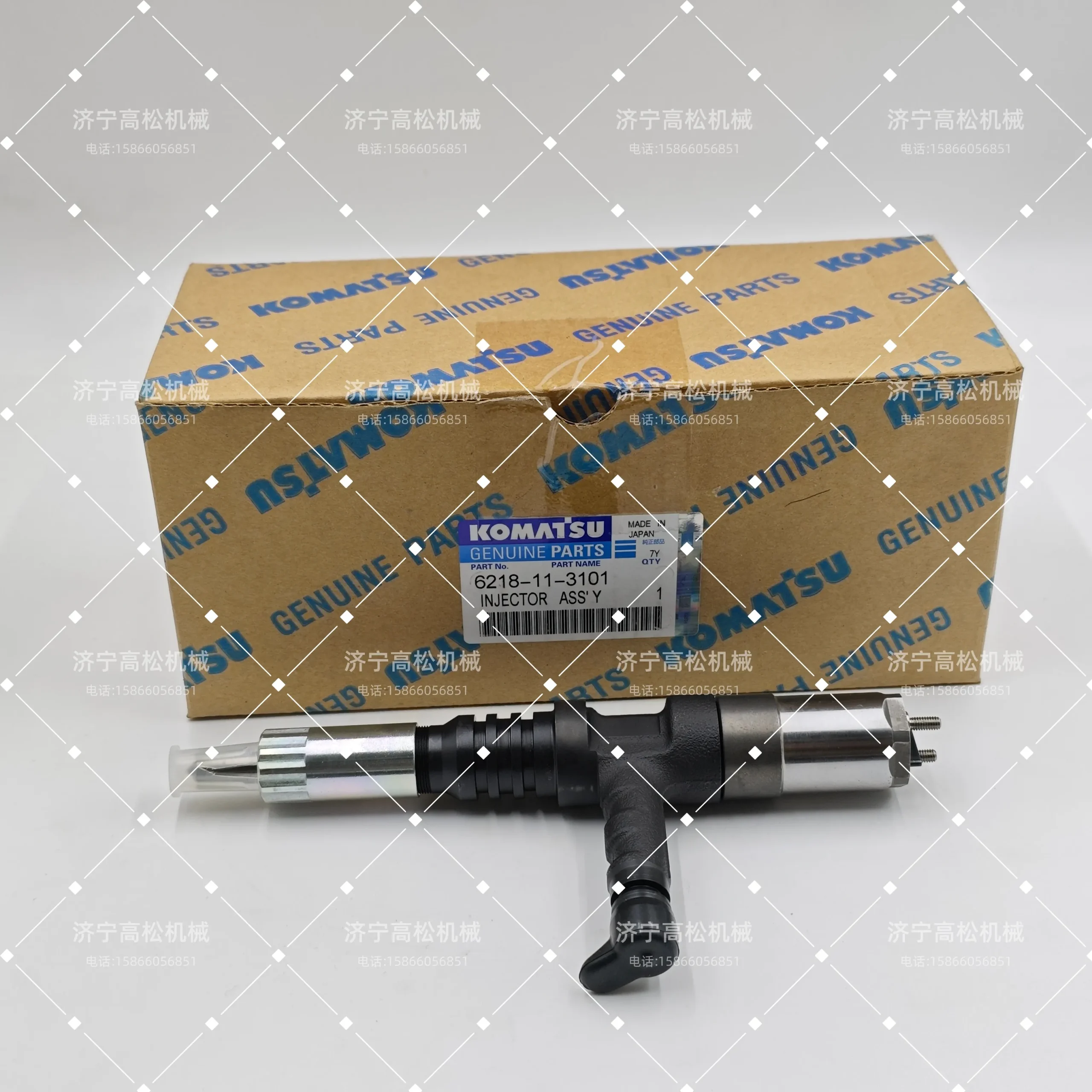 6218-11-3101 Injector Assembly
 -
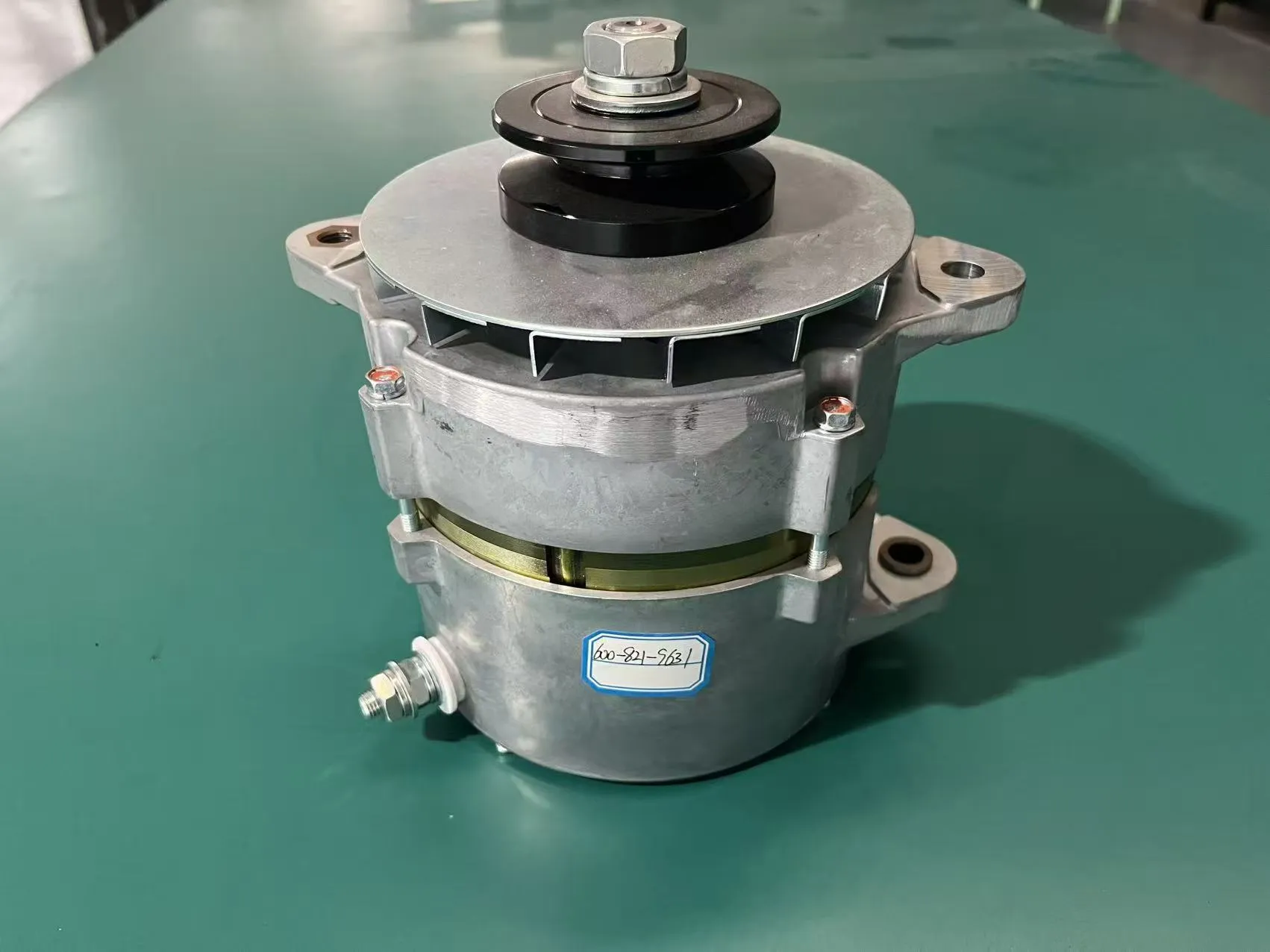 600-821-9631 Komatsu SA12V140 ALTERNATOR
 -
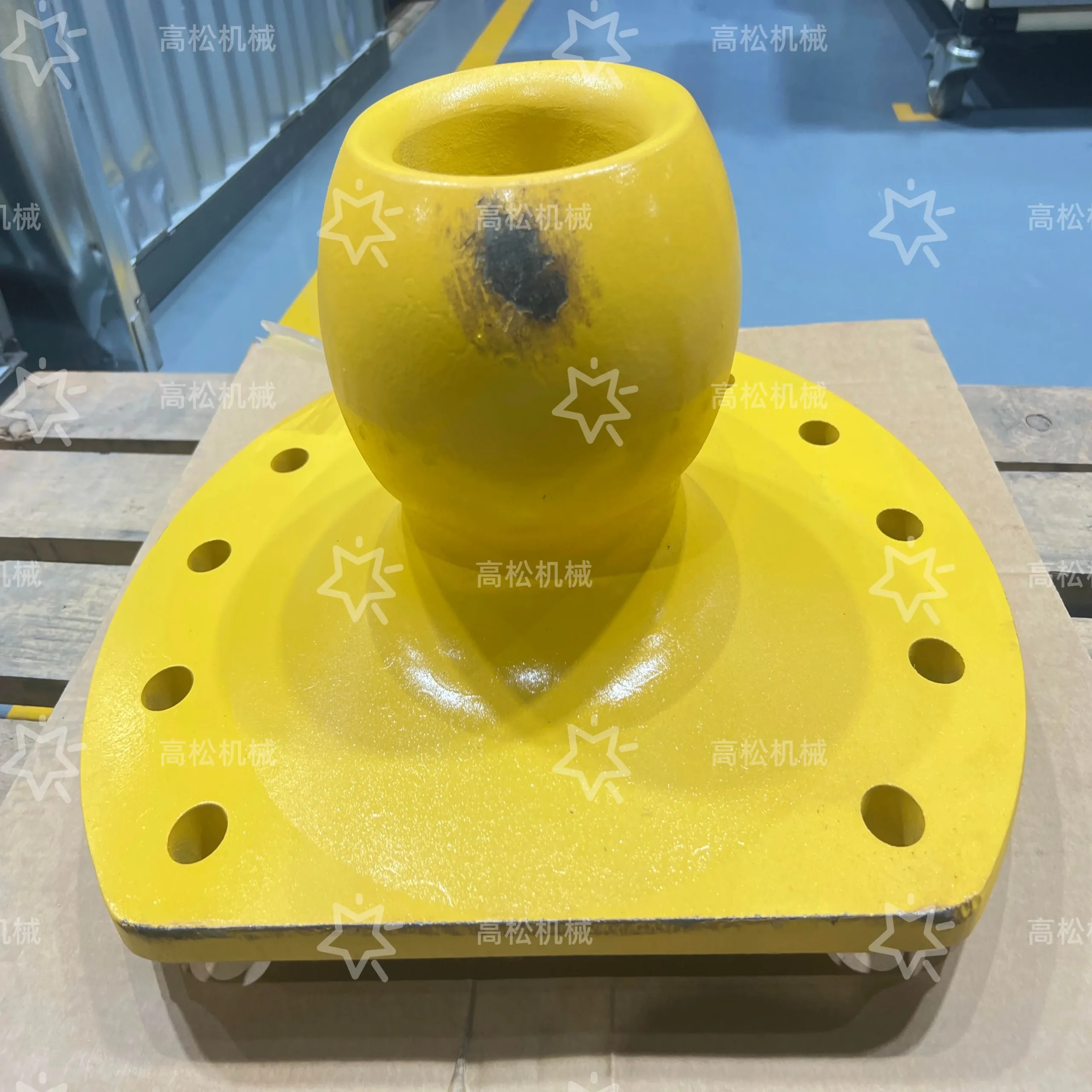 195-71-51191Trunnion 195-71-51191 for Bulldozer D375A-1/3/5/6
 -
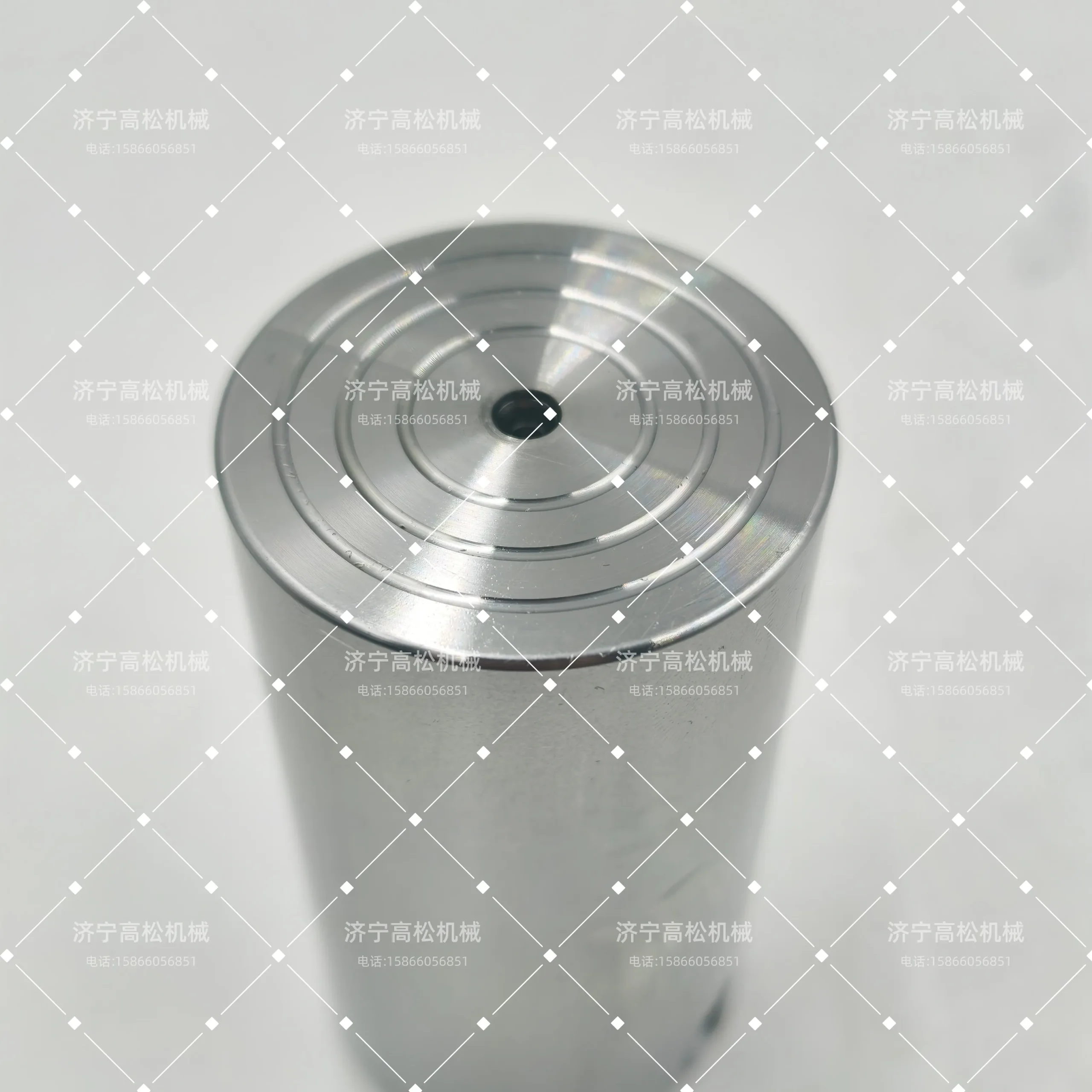 Komatsu 20Y-27-31160 Pin, price for original and… — Pricing.Parts
 -
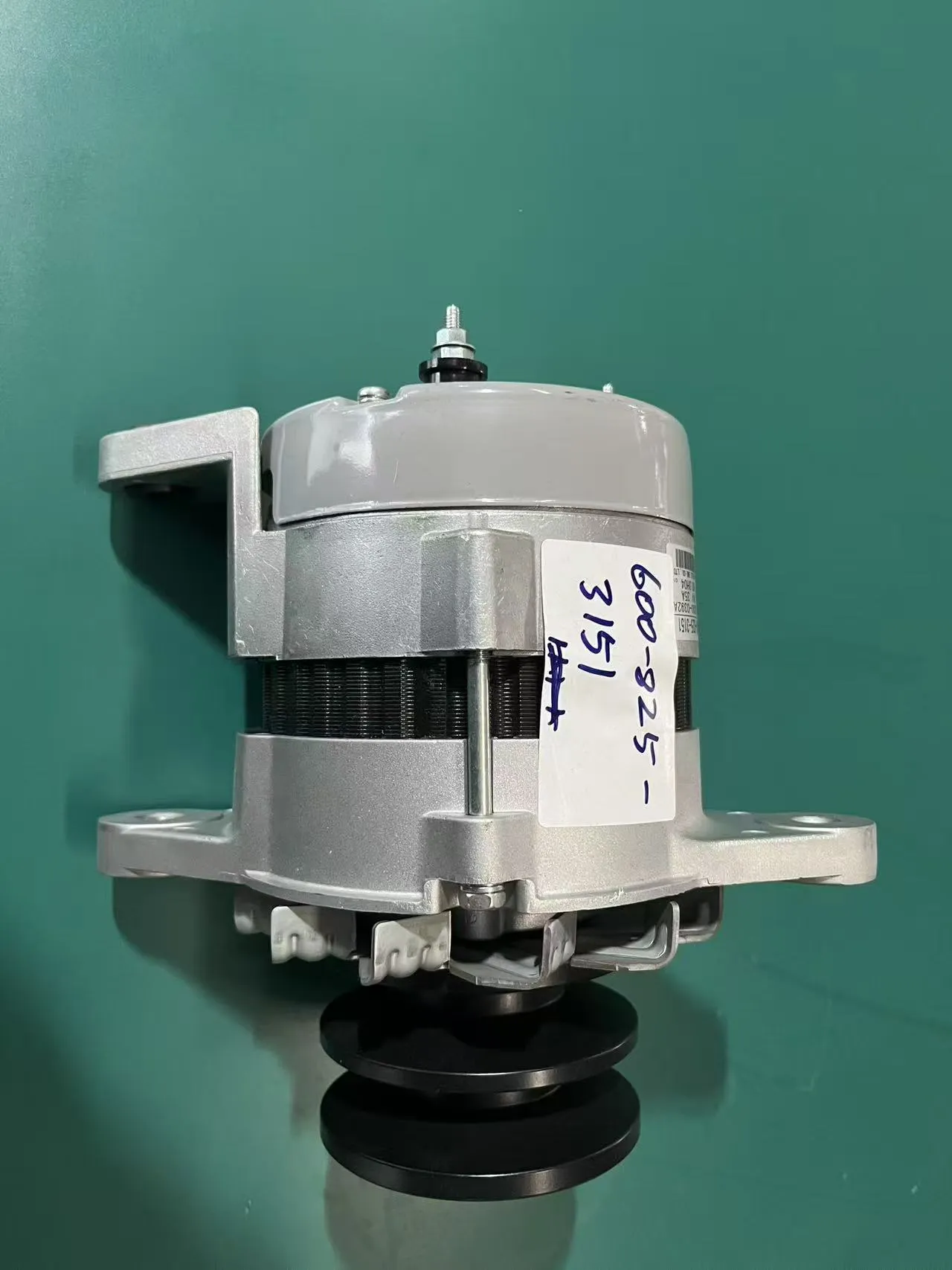 600-825-3151 komatsu:alternator
 -
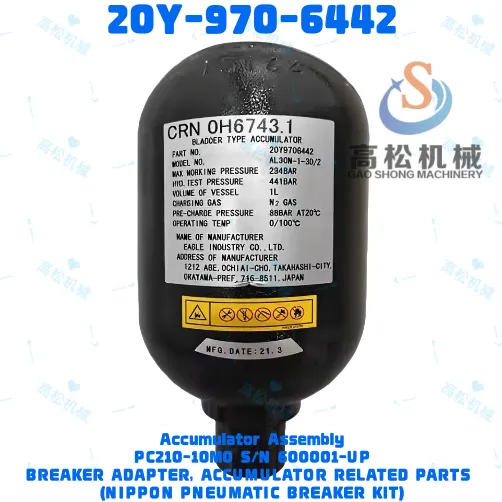 20Y-970-6442 Accumulator Assembly PC210-10M0 BREAKER ADAPTER, ACCUMULATOR RELATED PARTS (NIPPON PNEUMATIC BREAKER KIT) PC500LC-10M0 PC500LC-10R
 -
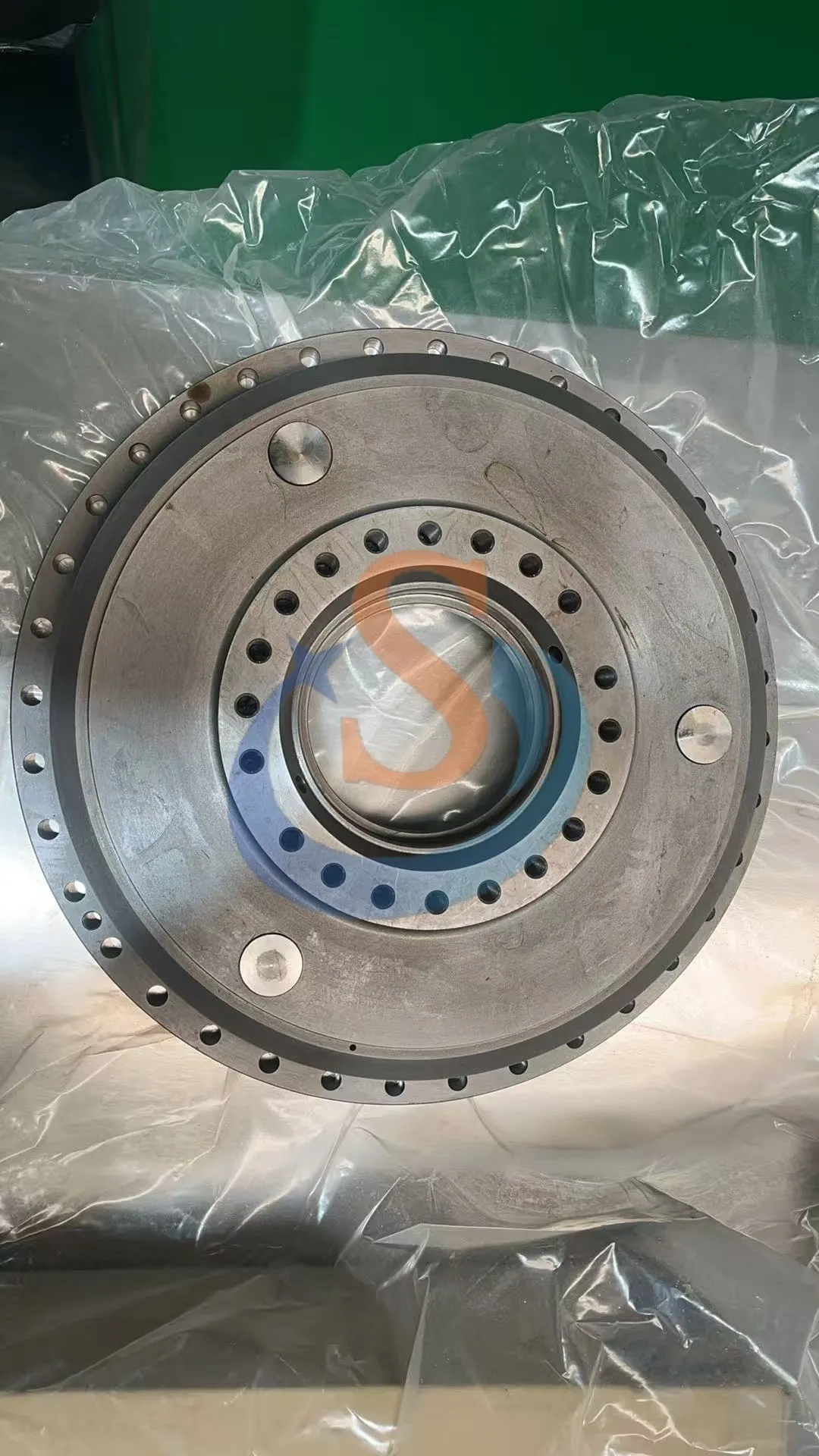 14X-13-57111 komatsu Housing D65