
- Chinese
- French
- German
- Portuguese
- Spanish
- Russian
- Japanese
- Korean
- Arabic
- Irish
- Greek
- Turkish
- Italian
- Danish
- Romanian
- Indonesian
- Czech
- Afrikaans
- Swedish
- Polish
- Basque
- Catalan
- Esperanto
- Hindi
- Lao
- Albanian
- Amharic
- Armenian
- Azerbaijani
- Belarusian
- Bengali
- Bosnian
- Bulgarian
- Cebuano
- Chichewa
- Corsican
- Croatian
- Dutch
- Estonian
- Filipino
- Finnish
- Frisian
- Galician
- Georgian
- Gujarati
- Haitian
- Hausa
- Hawaiian
- Hebrew
- Hmong
- Hungarian
- Icelandic
- Igbo
- Javanese
- Kannada
- Kazakh
- Khmer
- Kurdish
- Kyrgyz
- Latin
- Latvian
- Lithuanian
- Luxembou..
- Macedonian
- Malagasy
- Malay
- Malayalam
- Maltese
- Maori
- Marathi
- Mongolian
- Burmese
- Nepali
- Norwegian
- Pashto
- Persian
- Punjabi
- Serbian
- Sesotho
- Sinhala
- Slovak
- Slovenian
- Somali
- Samoan
- Scots Gaelic
- Shona
- Sindhi
- Sundanese
- Swahili
- Tajik
- Tamil
- Telugu
- Thai
- Ukrainian
- Urdu
- Uzbek
- Vietnamese
- Welsh
- Xhosa
- Yiddish
- Yoruba
- Zulu
- Kinyarwanda
- Tatar
- Oriya
- Turkmen
- Uyghur





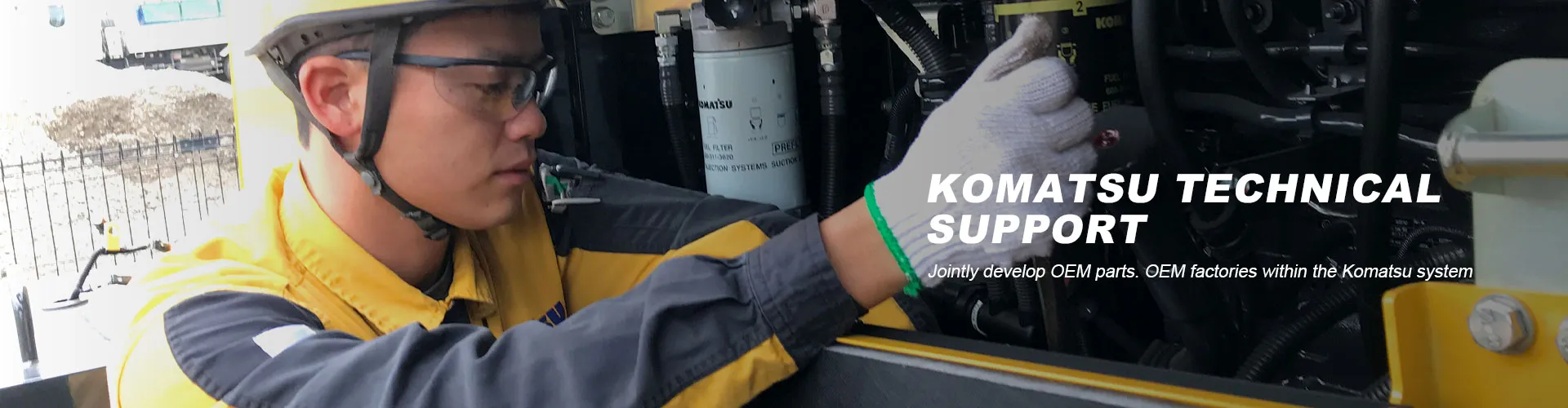
OEM AND ORIGINAL KOMATSU SHAFT 195-12-42121
When you see a listing for 'OEM AND ORIGINAL KOMATSU SHAFT ', the immediate assumption is often binary: it's either a genuine Komatsu part from the factory line, or it's a counterfeit. The reality in the trenches is far messier. That AND in the keyword is where the entire drama of the aftermarket parts business unfolds. I've seen too many procurement guys get tripped up by this, thinking they've secured a pure OEM shaft, only to find subtle machining differences or material certificates that don't trace back cleanly. The part number itself is specific—it's for a mid-size excavator pump drive assembly, I believe—but the provenance behind it is rarely straightforward.
The OEM Reality vs. The Original Claim
Here's the core of it: true OEM for Komatsu means it came off a Komatsu-controlled production line, with their QA stamp and packing. The OEM AND ORIGINAL KOMATSU SHAFT scenario often points to a different model. A supplier like Jining Gaosong Construction Machinery Co., Ltd. operates within this space. They are, as their site states, an OEM product supplier within the Komatsu system. This doesn't mean they assemble final excavators, but they might be contracted to manufacture specific components, like this shaft, to Komatsu's prints and material specs. So, the part is OEM in the sense it's made for Komatsu's system, and original in design, but it may not have been shipped to a Komatsu assembly plant. It might be surplus, overrun, or produced under a parallel supply agreement.
The practical test? It's rarely about the shaft snapping. It's about fit and long-term wear. I recall a batch where the spline count on the OEM AND ORIGINAL KOMATSU SHAFT was perfect, but the heat treatment profile was off by a notch. The shafts didn't fail catastrophically; instead, they caused premature wear on the mating gear, a failure that took months to manifest and was hell to diagnose. The supplier was reputable, not some back-alley shop, which highlights the complexity. The certificates said compliant, but compliant isn't always identical.
This is where a company's role as a third-party sales company for Komatsu, as mentioned on https://www.takematsumachinery.com, becomes critical. They aren't just moving boxes. They are often solving a logistics and authentication puzzle. In certain markets, getting a genuine, factory-direct part can take months. A supplier with legitimate OEM ties can provide a functionally identical part that keeps equipment running, with a clear lineage. The key is transparency. The gray area isn't inherently bad; it's just risky if you don't know how to navigate it.
Field Failures and the Details That Matter
Let's talk about a specific headache. The shaft often interfaces with a seal on one end and a bearing press fit on the other. We had a case where aftermarket original shafts had a surface finish on the journal that was a couple of Ra microns rougher than the Komatsu-packaged part. It looked identical to the naked eye. It installed fine. But it ate through radial lip seals in half the expected service life. The downtime for seal changes cost more than the premium for the verified part ever would have.
This is the kind of detail you only learn from tearing down failed units and comparing, side-by-side, under a microscope. It's not in the spec sheets. The material might be 42CrMo4, but was the forging process the same? Was the final grinding done with the same coolant and wheel speed? These are the ghosts in the machine that separate a part that simply fits from a part that lasts. When Jining Gaosong says they help solve parts supply challenges, I read that as them understanding these nuances and likely vetting their supply chain to control these variables, which is more valuable than just a lower price.
Another point of divergence is packaging and documentation. A true factory part comes with a specific parts manual supplement, often with torque and installation notes. The OEM-original hybrid might come in a plain box with just the part number. That missing piece of paper is a red flag for the install crew. It signals that the part is divorced from Komatsu's official technical communication stream, which adds risk. The installer's experience becomes the primary manual.
The Supplier's Role: More Than a Storefront
Evaluating a supplier isn't just about price and availability. It's about their willingness to engage on these technical specifics. Can they provide the material certs from their mill? Can they explain their production process? If they balk, walk away. A legitimate player in this OEM-original space, like the one referenced, should be able to articulate their position clearly. Their website intro is a statement of this dual identity: part of the system, yet operating independently to fill gaps.
I've found the best suppliers in this niche are those who have engineers on staff who can talk shop. You can call and ask about the hardness profile along the shaft's length or the specifics of the induction hardening process for the splines. If you get a salesperson who only talks about stock and delivery, the risk is higher. The relationship shifts from transactional to consultative. They become a partner in reliability, not just a vendor.
This model is crucial for certain countries with supply challenges. Often, the official distribution channel is thin or non-existent. Local dealers might stock only the top 100 moving parts. A specialized shaft like the OEM AND ORIGINAL KOMATSU SHAFT isn't a fast mover. A third-party sales company with OEM links becomes the de facto pipeline, ensuring machine uptime. Their value is in their specialized inventory and technical legitimacy, not just in having the part.
Cost-Benefit and the Temptation of Good Enough
The financial pressure to go with a cheaper, original part is immense. Management sees a line item: Shaft - $1,200 vs. $3,500. The difference seems like pure savings. The maintenance team sees a risk. The calculation isn't about the part cost; it's about the total cost of ownership. A $2,300 savings evaporates with one extra day of excavator downtime or one unscheduled teardown.
We ran an informal trial on a fleet of six machines. Three got the premium, traceable OEM shafts. Three got well-regarded OEM-original shafts from a supplier with credentials similar to what Jining Gaosong describes. The performance was identical... for about 4,000 hours. After that, the wear patterns began to diverge. The OEM-original shafts showed more fretting at the bearing seats. It wasn't a failure, but it was a divergence. It told us that for a machine with a planned 10,000-hour life, the premium part might yield lower rebuild costs at major intervals.
This isn't to say the OEM-original path is wrong. It's about alignment with operational goals. If the machine is on a short-term project or is due for a major overhaul soon anyway, the cost-saving option is rational. The sin is in not knowing which category you're in and buying blind. The keyword OEM AND ORIGINAL should trigger a set of questions, not a assumption of equivalence.
Closing the Loop: Verification and Trust
So, what's the move when you need a ? First, check the official channel. If it's a 12-week lead time and your machine is down, you're forced into the alternative market. Then, due diligence shifts to the supplier. Their OEM product supplier claim needs verification. Can they provide evidence of a past or present manufacturing agreement? Do they understand the failure modes of this specific component?
The final test is often a small-sample trial. Buy one. Install it with meticulous documentation. Monitor temperatures, vibration, and wear debris in the oil more closely than usual. Tear it down at the first scheduled service for inspection. This hands-on verification builds your own internal database of what good enough means for your operation.
In the end, the market for parts like the OEM AND ORIGINAL KOMATSU SHAFT exists because it serves a real need. It's not a black market; it's a gray, pragmatic one. Success depends on treating the purchase as a technical decision, not just a financial one. It's about finding suppliers who live in that gray area with expertise and transparency, helping you manage risk rather than just selling you a piece of metal. The goal is machine uptime, and sometimes, the path to that goal runs through these complex, but necessary, supply channels.
Related Products
Related Products
Best Selling Products
Best Selling Products-
707-56-14740 Komatsu D155-3/-5
-
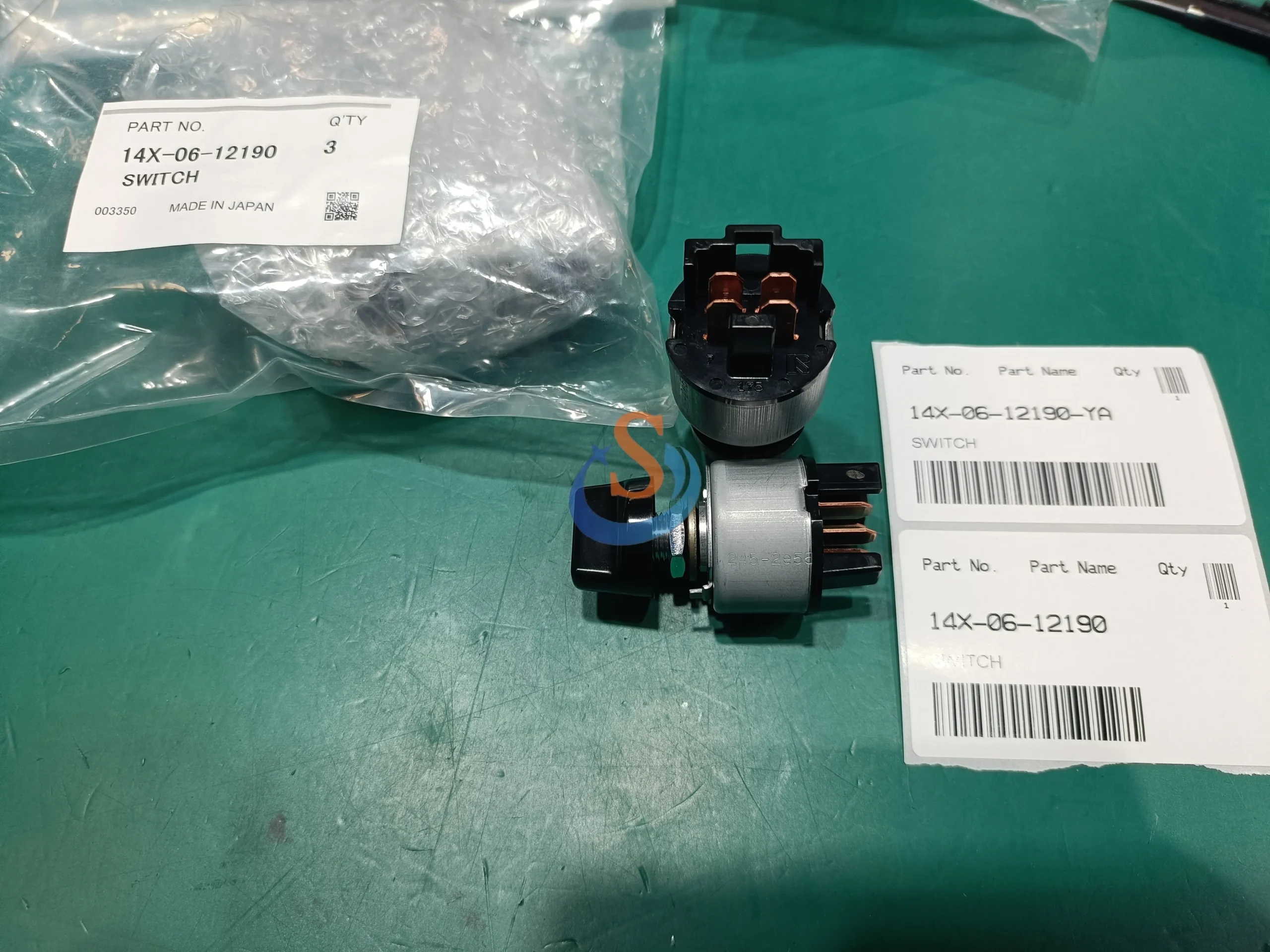 14X-06-12190 SWITCH D375A/D475A
 -
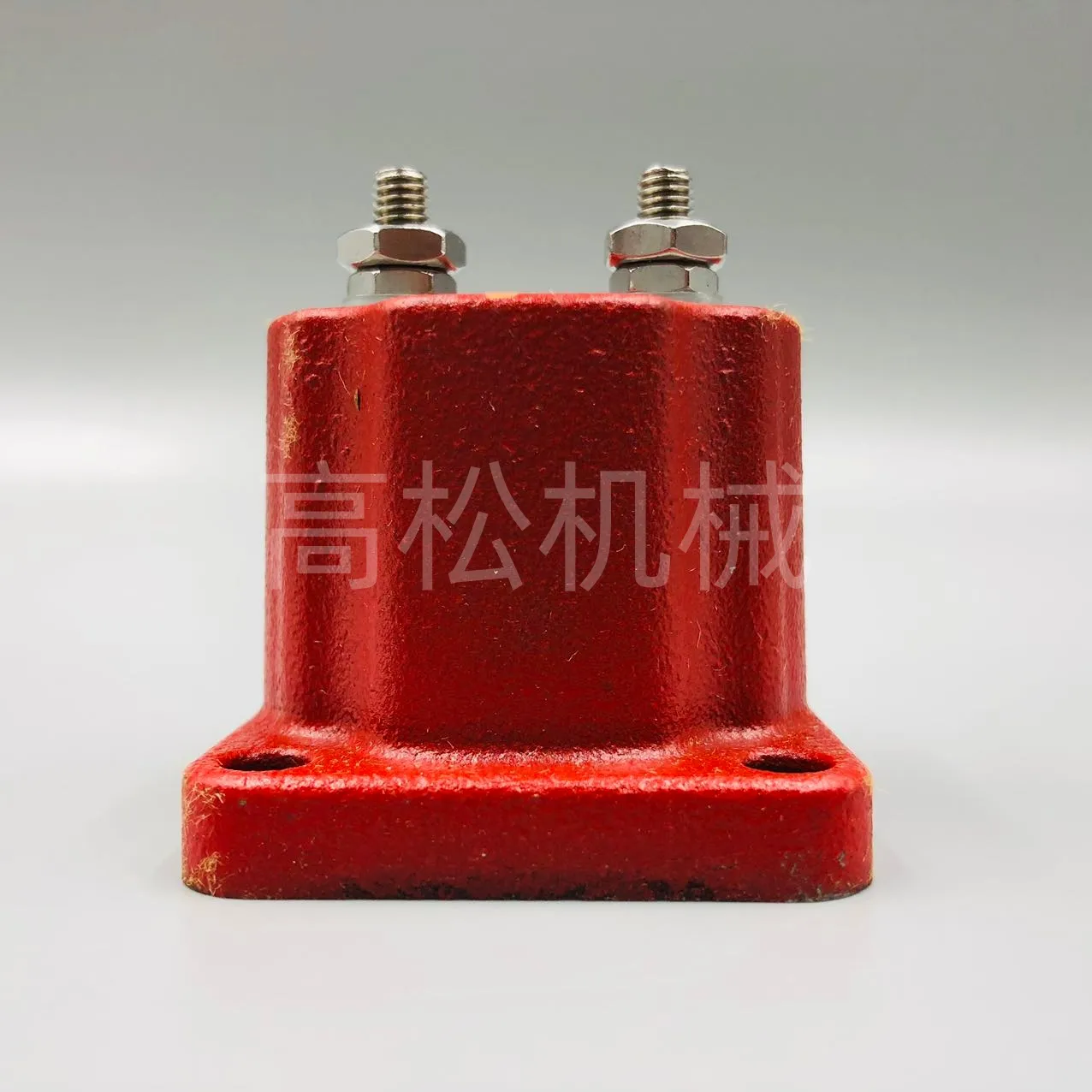 6560-51-1510 • SOLENOID-Komatsu Original Factory
 -
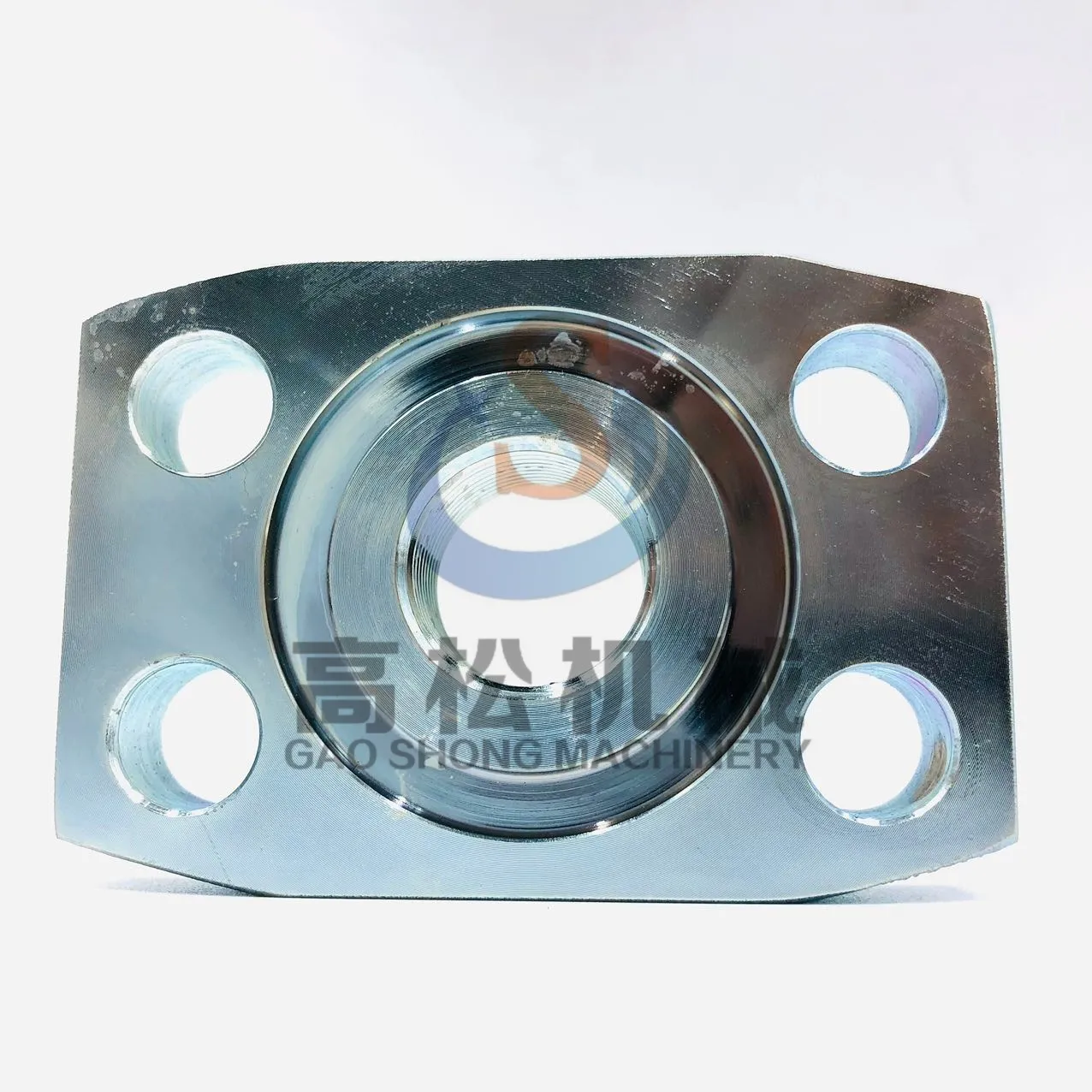 Spare part 21N-38-12310 Flange (Komatsu)
 -
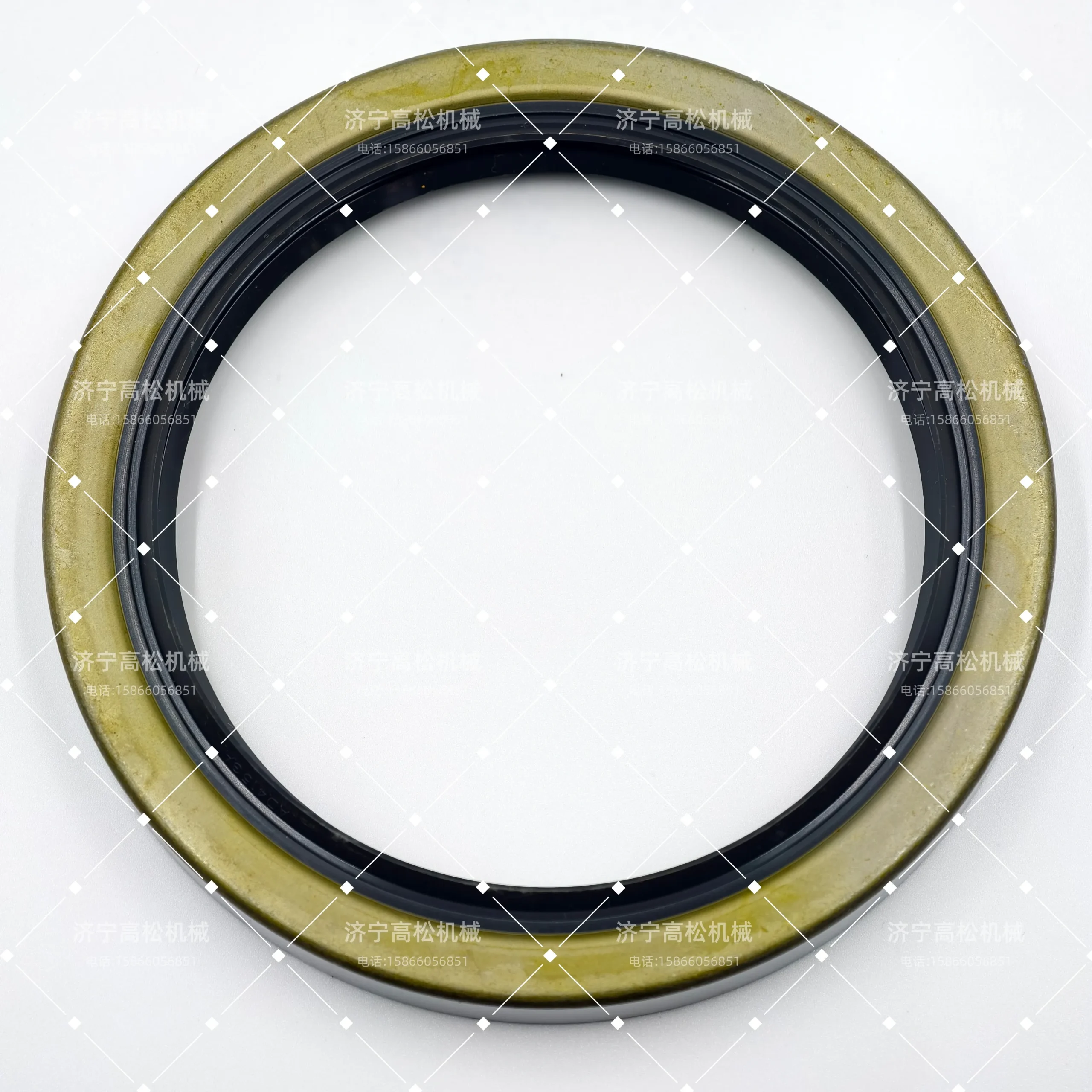 WA500-3 Oil Seal 425-20-15740 China Manufacturers Suppliers…
 -
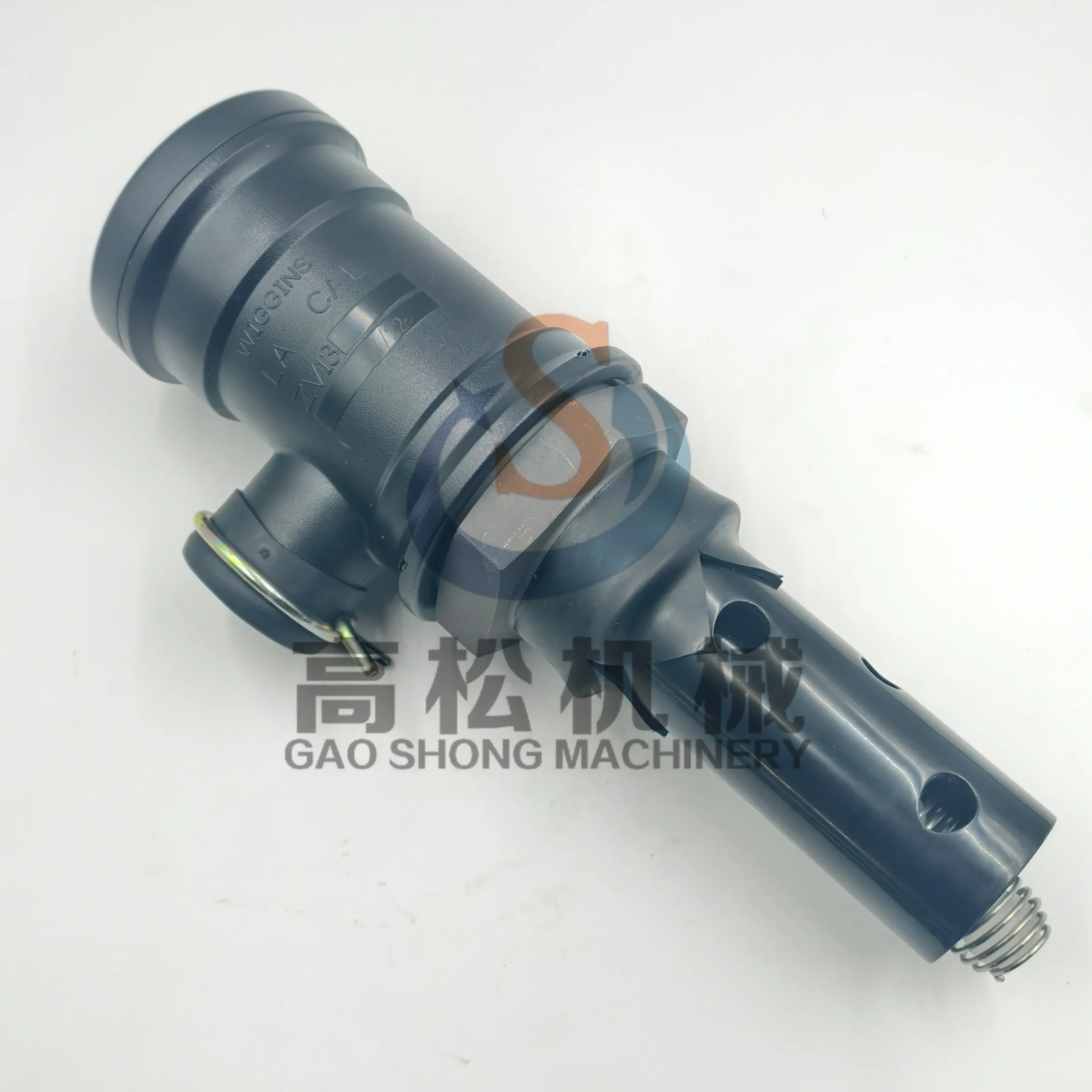 21T-04-31130 VENT ASS’Y (Komatsu)
 -
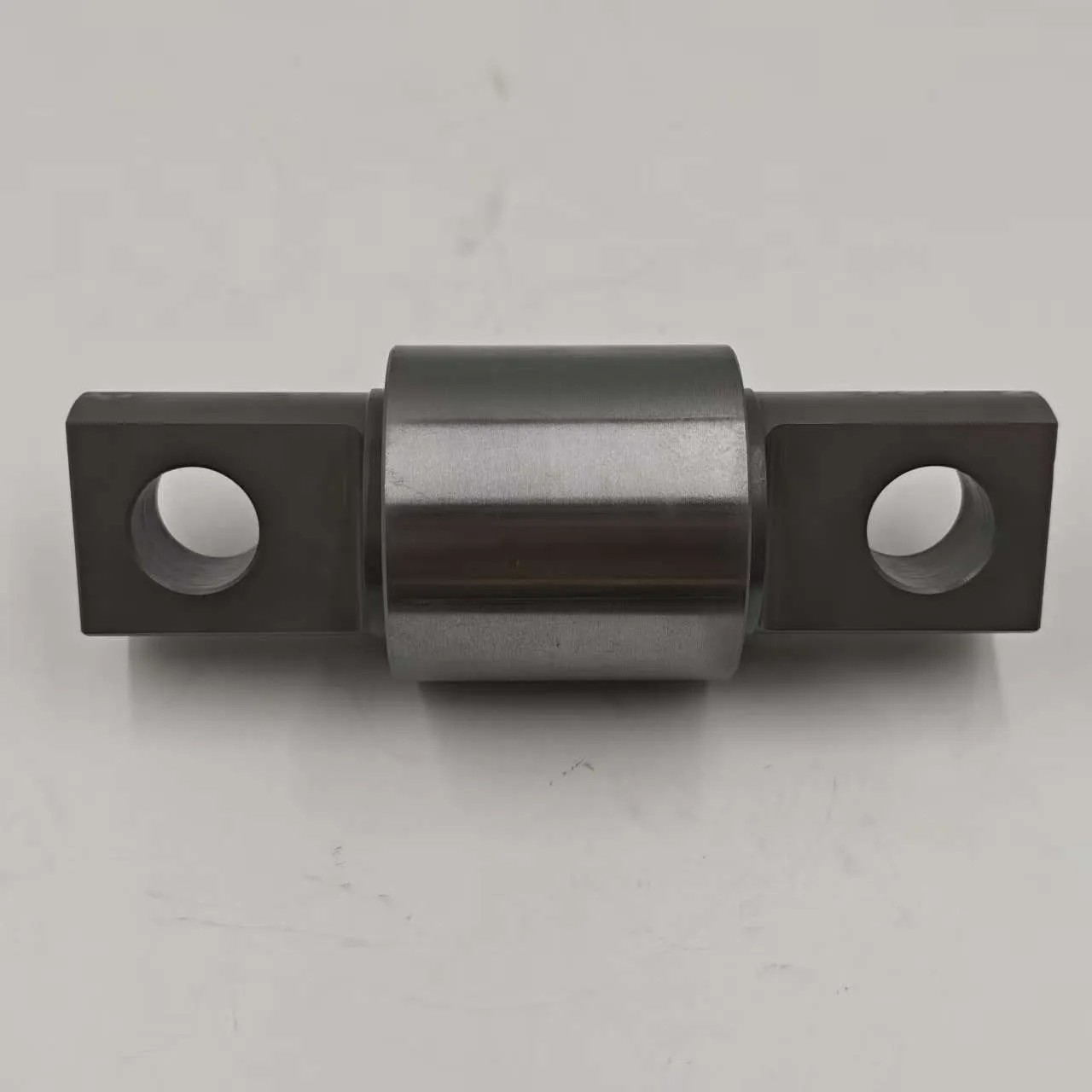 CUSHION 56B-16-11211 ORIGINAL (56B1611211) – Neopart…
 -
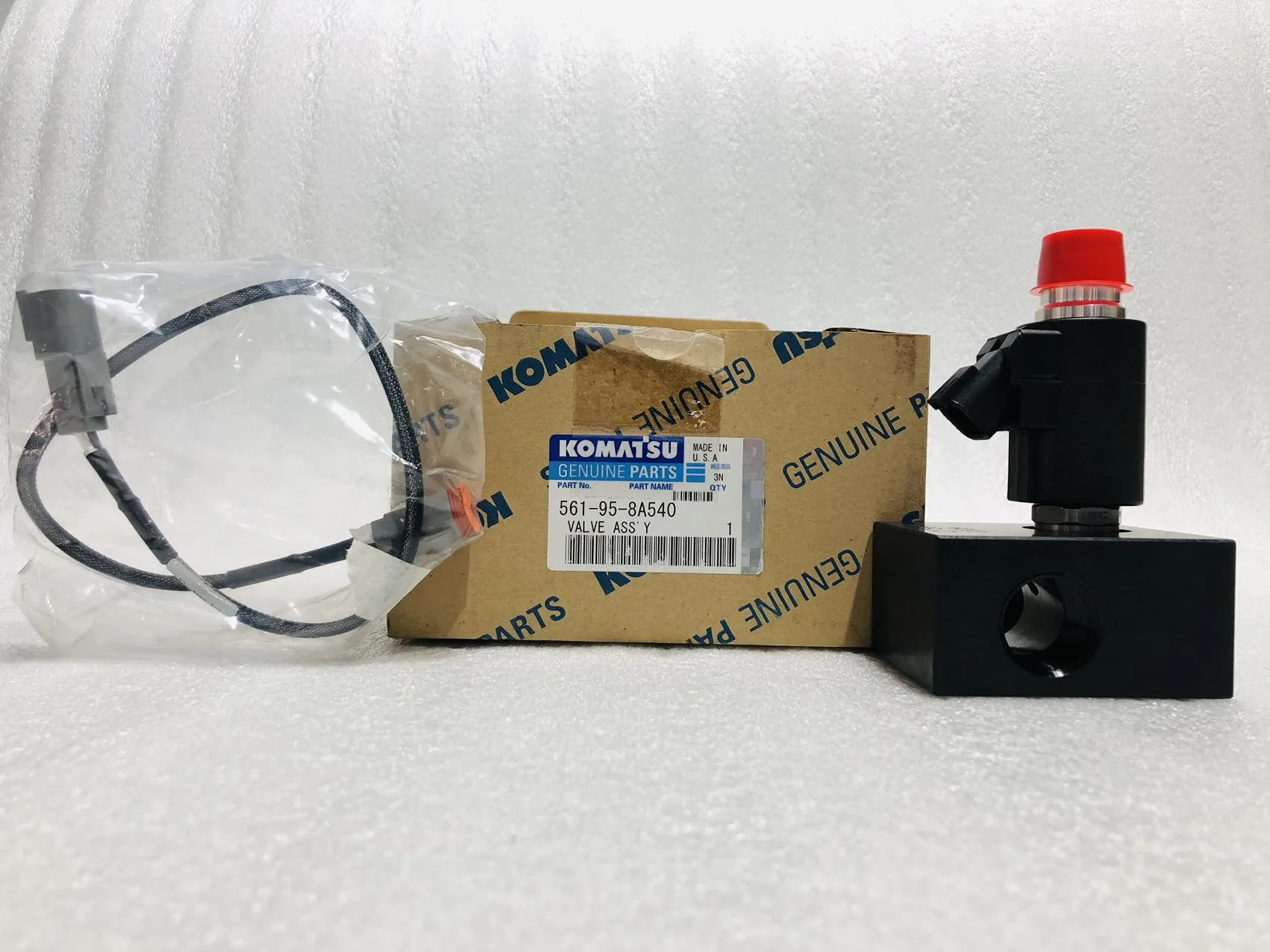 Komatsu 561-95-8A540 VALVE ASS’Y
 -
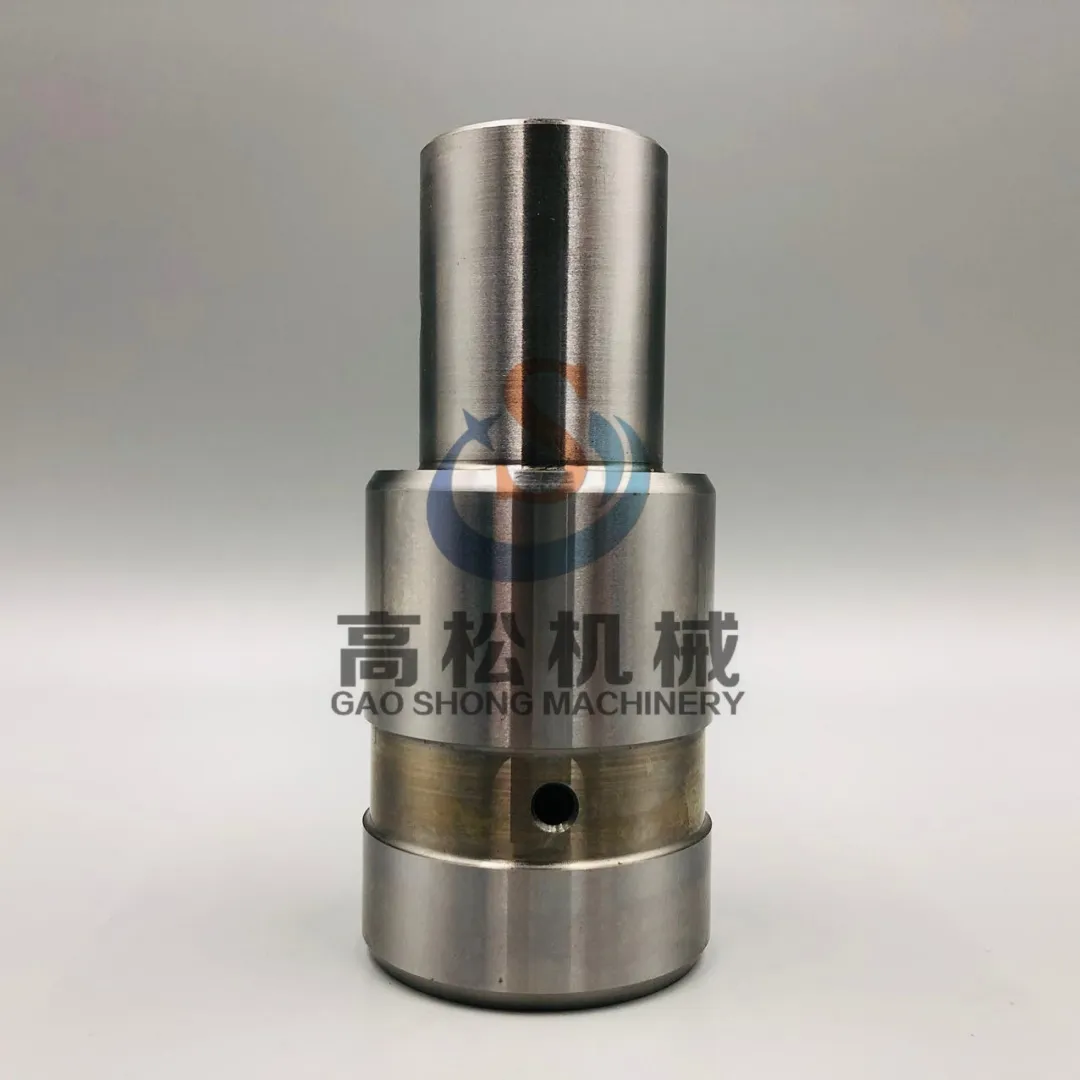 komatsu 6240-61-4630 shaft komatsu original
 -
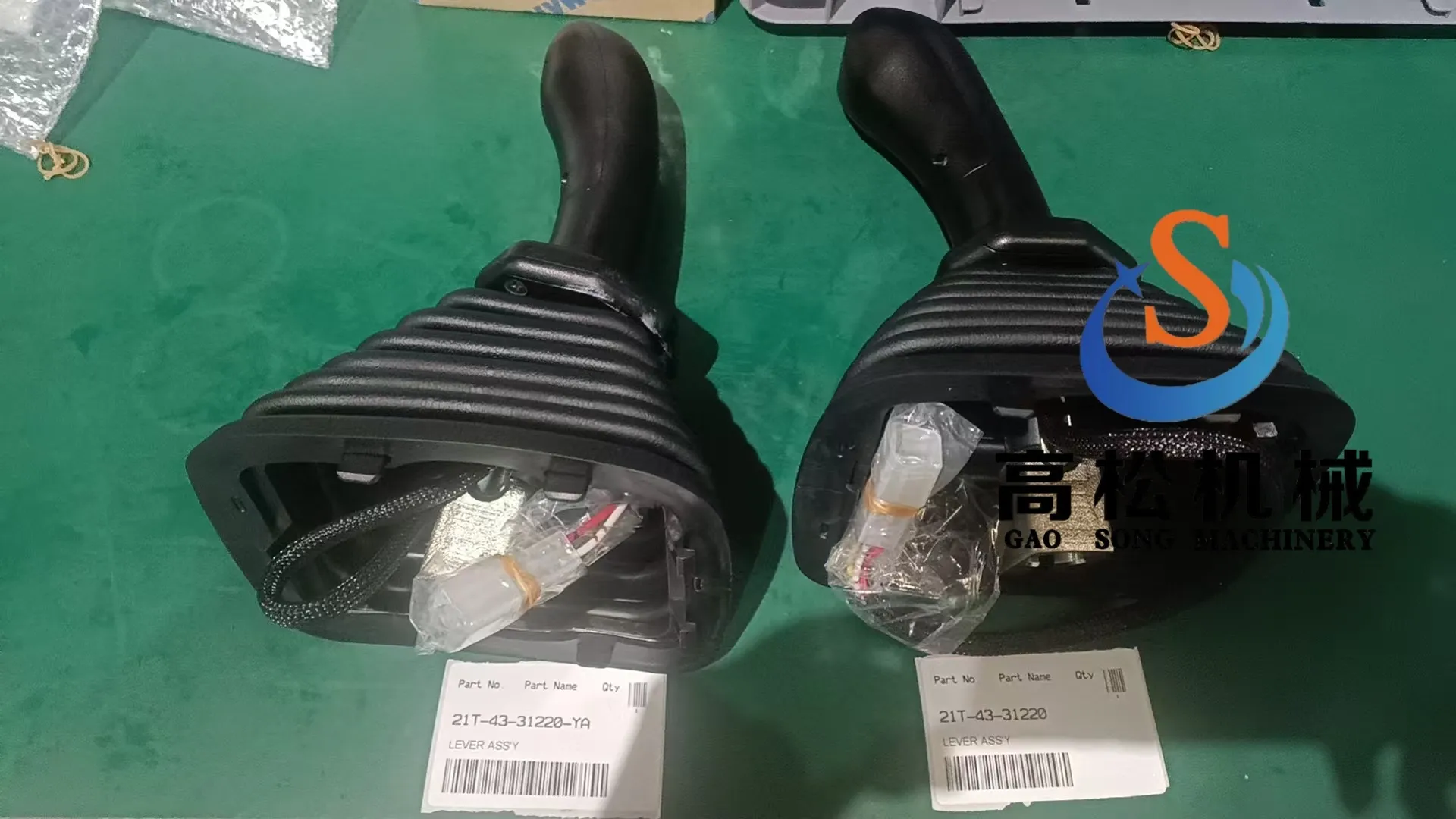 21T-43-31220 komatsu LEVER ASS’Y-PC2000-8
 -
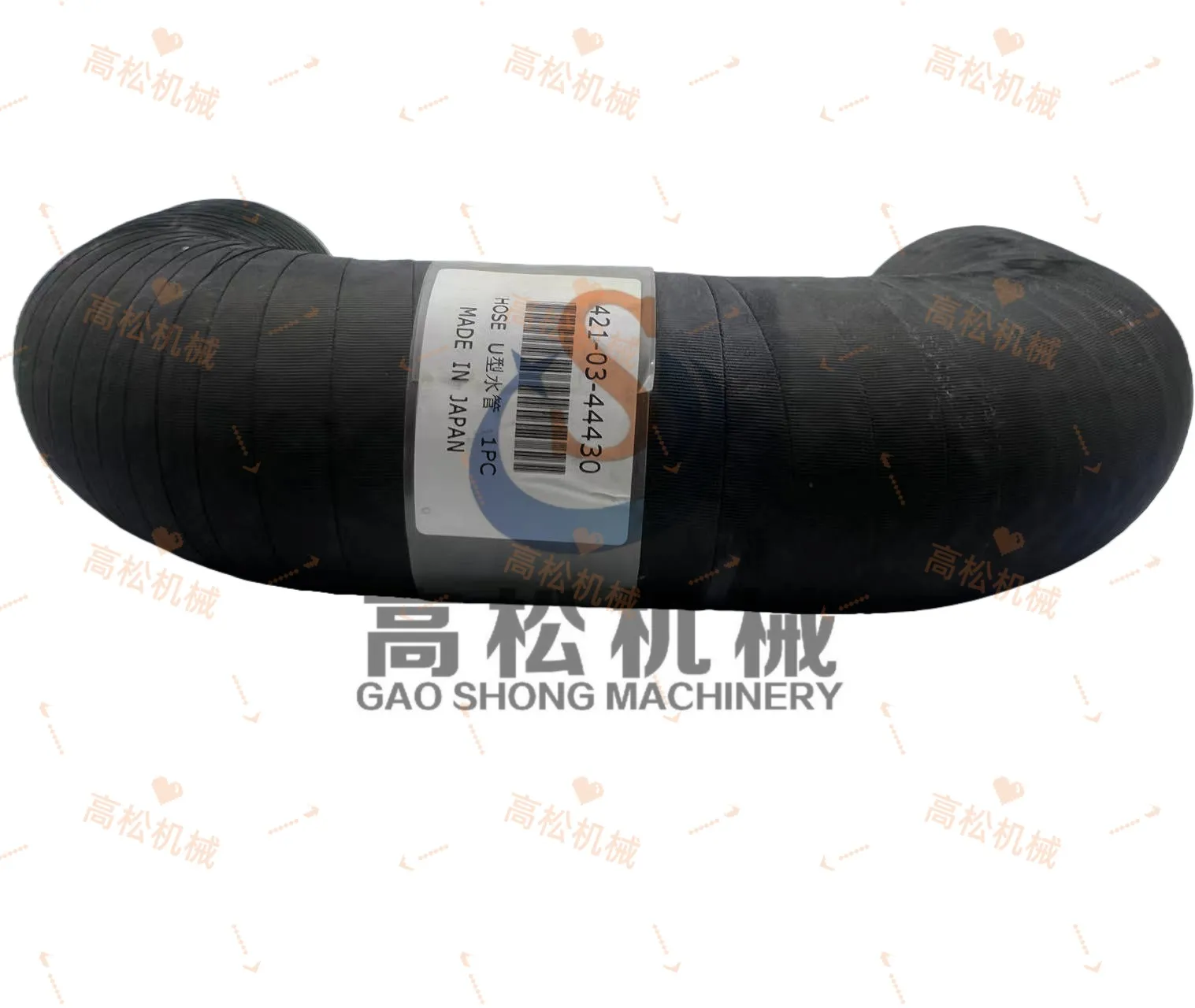 421-03-44430 HOSE WA480-6 S/N H60051 – H60462 RADIATOR Construction Machines Excavator Hose 421-03-44430 For WA380 WA450 WA470 WA480 Radiator
 -
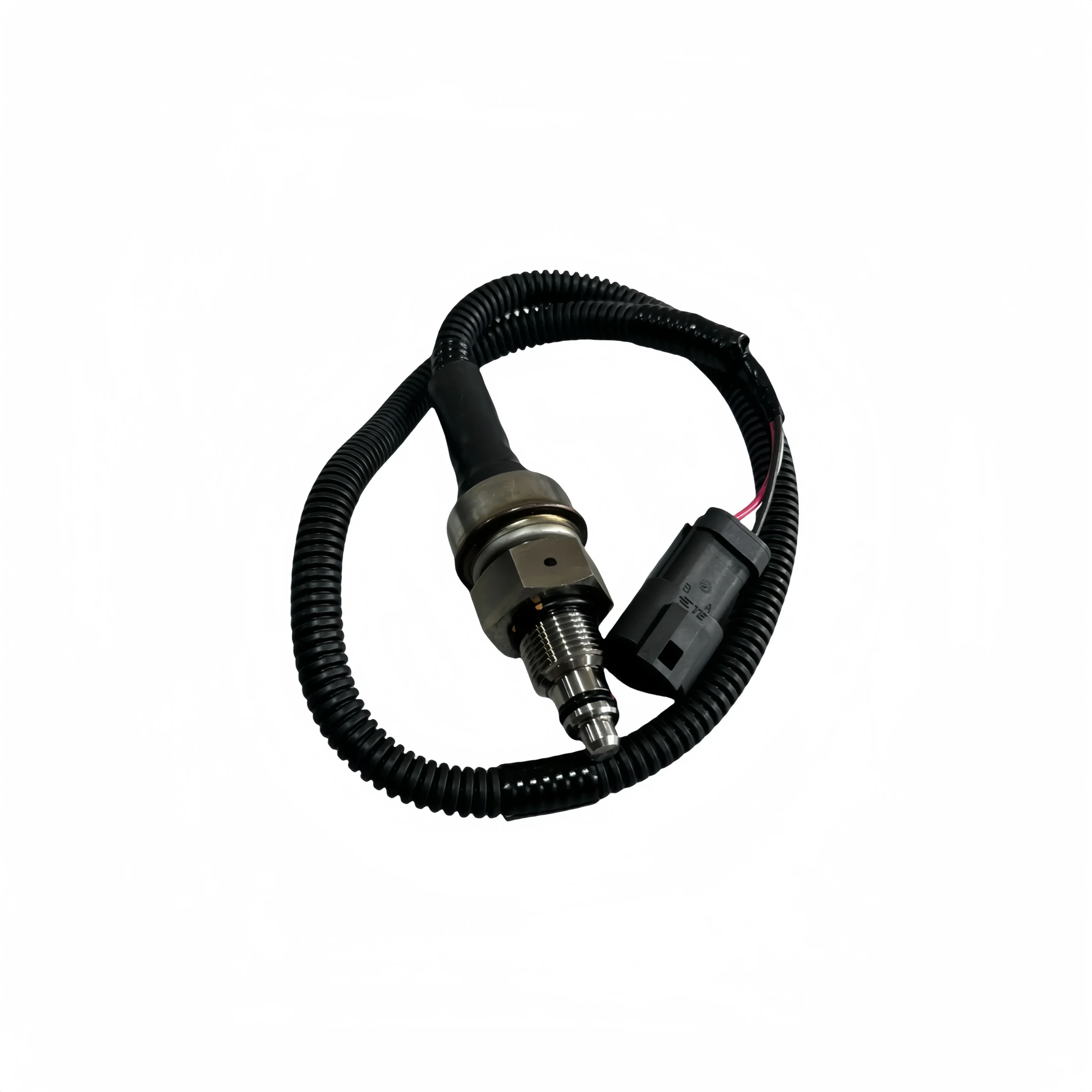 7861-93-1620 Suspension Pressure Sensor for Komatsu HD465-7
Related Search
Related Search- OEM AND ORIGINAL KOMATSU METAL ASSY 6162-23-8000
- komatsu hydraulic parts
- OEM AND ORIGINAL KOMATSU BRACKET 17M-71-41951
- komatsu pc138 parts
- OEM AND ORIGINAL KOMATSU VALVE ASSY 709-61-11701
- komatsu sk815 parts
- komatsu pc40 engine
- komatsu 930e cummins engine
- Komatsu fuel injection pump
- OEM AND ORIGINAL KOMATSU GEAR 198-27-45411