
- Chinese
- French
- German
- Portuguese
- Spanish
- Russian
- Japanese
- Korean
- Arabic
- Irish
- Greek
- Turkish
- Italian
- Danish
- Romanian
- Indonesian
- Czech
- Afrikaans
- Swedish
- Polish
- Basque
- Catalan
- Esperanto
- Hindi
- Lao
- Albanian
- Amharic
- Armenian
- Azerbaijani
- Belarusian
- Bengali
- Bosnian
- Bulgarian
- Cebuano
- Chichewa
- Corsican
- Croatian
- Dutch
- Estonian
- Filipino
- Finnish
- Frisian
- Galician
- Georgian
- Gujarati
- Haitian
- Hausa
- Hawaiian
- Hebrew
- Hmong
- Hungarian
- Icelandic
- Igbo
- Javanese
- Kannada
- Kazakh
- Khmer
- Kurdish
- Kyrgyz
- Latin
- Latvian
- Lithuanian
- Luxembou..
- Macedonian
- Malagasy
- Malay
- Malayalam
- Maltese
- Maori
- Marathi
- Mongolian
- Burmese
- Nepali
- Norwegian
- Pashto
- Persian
- Punjabi
- Serbian
- Sesotho
- Sinhala
- Slovak
- Slovenian
- Somali
- Samoan
- Scots Gaelic
- Shona
- Sindhi
- Sundanese
- Swahili
- Tajik
- Tamil
- Telugu
- Thai
- Ukrainian
- Urdu
- Uzbek
- Vietnamese
- Welsh
- Xhosa
- Yiddish
- Yoruba
- Zulu
- Kinyarwanda
- Tatar
- Oriya
- Turkmen
- Uyghur






OEM AND ORIGINAL KOMATSU SHAFT 195-12-31240
When you see that part number, , for a Komatsu shaft, the immediate assumption is you're buying a genuine, factory-made component. That's where the confusion starts. In our line of work, the terms OEM AND ORIGINAL KOMATSU SHAFT get thrown around so loosely they've almost lost meaning. I've seen suppliers slap OEM on a part that's merely a dimensional copy, with metallurgy that wouldn't last a season in a hard-rock mine. The real conversation isn't about the label; it's about the supply chain behind it and whether the part in the crate will perform like the one it's replacing.
The OEM Reality vs. The Original Myth
Here's the practical breakdown. True OEM product supplier status within the Komatsu system is a specific, contractual relationship. It means a facility is producing components to Komatsu's exact engineering drawings, material specs, and quality protocols, often for assembly into new machines or the official aftermarket network. The shaft from such a source is, for all functional purposes, original. It left the same production line. This is distinct from a replacement or compatible part, even if it looks identical.
I recall a situation in Indonesia where a contractor was burning through final drive shafts on a PC700. They were buying original parts from a local vendor at a good price. Upon inspection, the failure point was always the spline wear. The material was off—probably a cheaper grade of alloy steel with improper heat treatment. It was a copy, not an original. The cost of downtime from those failures dwarfed the part price difference.
This is precisely the gap that companies like Jining Gaosong Construction Machinery Co., Ltd. operate in. They articulate their role clearly: an OEM product supplier within the Komatsu system and a third-party sales company. That dual role is key. It means they have access to the genuine OEM production channel, but they also function outside the official regional distribution constraints to solve parts supply challenges in certain countries. They're not just another parts reseller; they're a conduit for the real manufacturing output.
Decoding the Supply Chain Access
Why does this access matter? Because the official Komatsu parts network is highly structured by territory. If you're in a country where the official distributor is out of stock, has long lead times, or simply doesn't prioritize aftermarket support for older models, you're stuck. Your machine is down. A third-party sales company with true OEM links can navigate this. They can source the OEM AND ORIGINAL KOMATSU SHAFT from the production source and route it to you, bypassing the local bottleneck.
It's not magic, and it's not always fast. There are logistics, export documentation, and customs to clear. But you get the authentic component. We used a similar channel for a fleet of older Dash-3 excavators in West Africa. The local dealer had discontinued support. Sourcing through a partner with direct factory ties was the only way to get reliable undercarriage components, including specific pins and shafts, that matched the original quality.
The risk, of course, is verifying the claim. Anyone can set up a website and say they're an OEM supplier. The proof is in the documentation—traceable batch numbers, material certificates, and sometimes even the packaging. A genuine will have specific markings that a copycat operation often overlooks or gets wrong.
On-the-Ground Verification and Pitfalls
You develop a feel for it. The first thing I do when a part like this arrives is check the weight. A forged and properly machined shaft has a heft to it. A cast imitation often feels slightly off. Then, look at the machining finish. Genuine Komatsu parts have a consistent, clean finish on non-wearing surfaces. Rough tooling marks or inconsistent radii are red flags.
I learned this the hard way early on. We ordered a OEM pump shaft for a Komatsu dozer. It looked perfect visually. Installed it, and within 50 hours, we had a catastrophic failure due to a subsurface flaw. The fracture surface showed porosity. The supplier vanished. After that, we started demanding test certificates for critical rotating parts. A company like the one mentioned, Takematsu Machinery, should be able to provide or at least reference the quality documentation from the source factory. If they balk, walk away.
Their stated mission of solving supply challenges implies they deal with these verification issues daily. Their credibility hinges on providing not just a part, but the provenance that comes with it.
The Specifics of Shaft
Let's talk about this specific part. It's not a generic bolt. It's a precision shaft, likely for a transmission or rotary assembly in a mid-to-large size Komatsu machine. The tolerances on the bearing journals and splines are tight. An out-of-spec diameter by a few microns can lead to improper bearing fit, overheating, and premature failure. The heat treatment profile is critical for torsional strength and wear resistance.
An authentic OEM product supplier manufactures this part using the same forging dies, machining CNC programs, and hardening processes as the main assembly line. The steel billet comes from an approved mill. A copycat might start with a near-net-shape forging that's close, but their machining might use reverse-engineered dimensions, and their heat treat oven might not have the precise temperature control. The result is a part that fits, but doesn't last.
When you're dealing with a critical component like this, the total cost of ownership calculation must include machine availability. Paying a 30% premium for a verifiably original shaft from a channel like Gaosong's is almost always cheaper than two failed installations of cheaper copies and the associated downtime.
Navigating the Purchase Decision
So, how do you proceed? If you need a , your first call is still the official dealer. Check price and availability. If it's a dead end, then you look at the specialized third-party OEM suppliers. Your questions should be direct: Can you provide the material certificate for this shaft? What is the factory origin? Is this from the active Komatsu OEM production?
A reliable company will have answers. They might say it's from a specific forging partner in Japan or Korea. They should explain their role—they're not the brand, but they are a sanctioned part of the ecosystem. The website takematsumachinery.com positions them exactly there: within the system, but flexible enough to serve markets the primary network can't easily reach.
In the end, the keyword cluster OEM AND ORIGINAL KOMATSU SHAFT is a test. It separates those who trade in look-alikes from those who understand and facilitate the complex flow of genuine industrial parts. The part number is just a code. The value is in the integrity of the supply chain that delivers it to your workshop floor. That's what keeps machines running, and that's the only thing that matters on a Monday morning when you have a line of equipment to send out.
Related Products
Related Products

Best Selling Products
Best Selling Products-
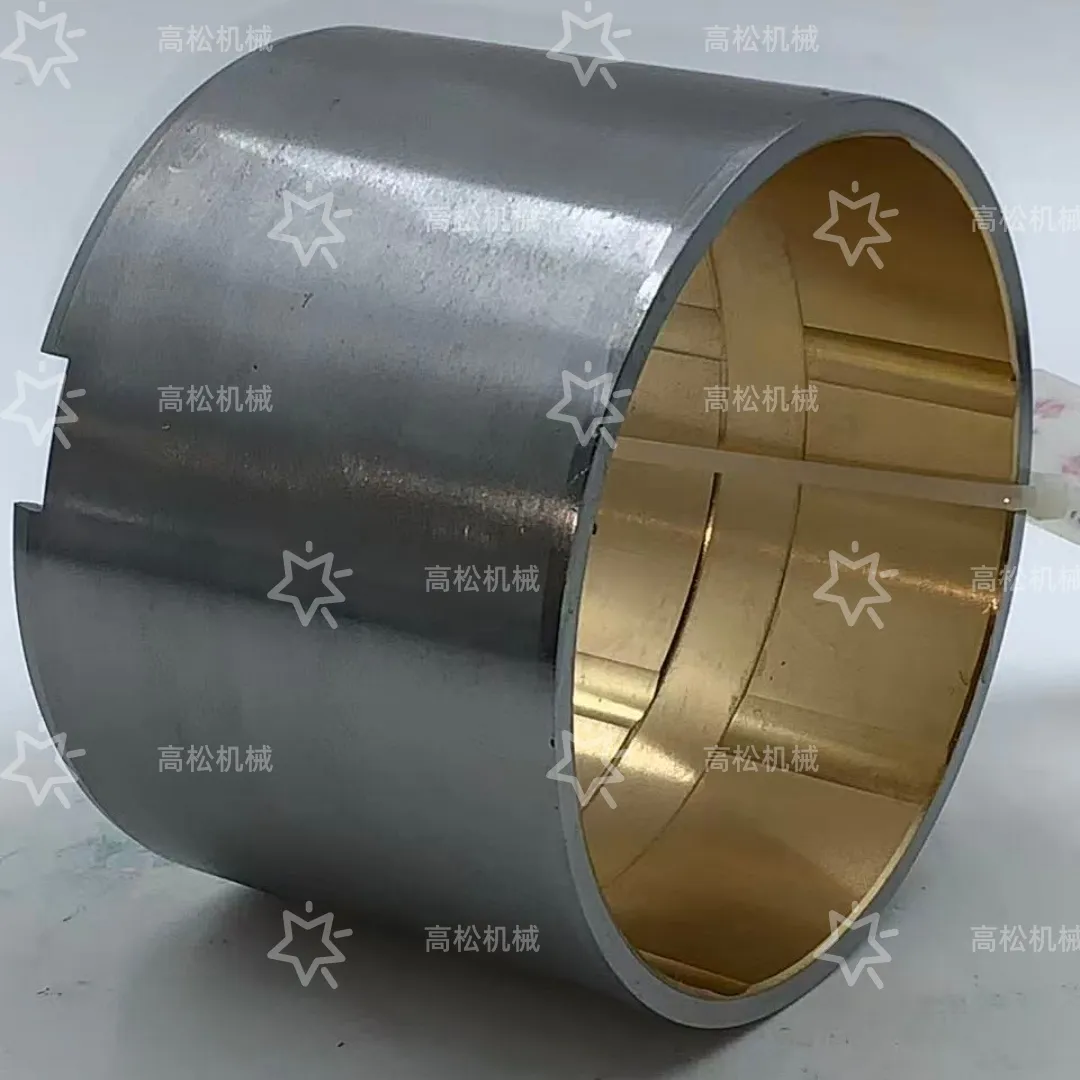 BUSHING 195-61-41160, myKomatsu – Buy Komatsu Parts
 -
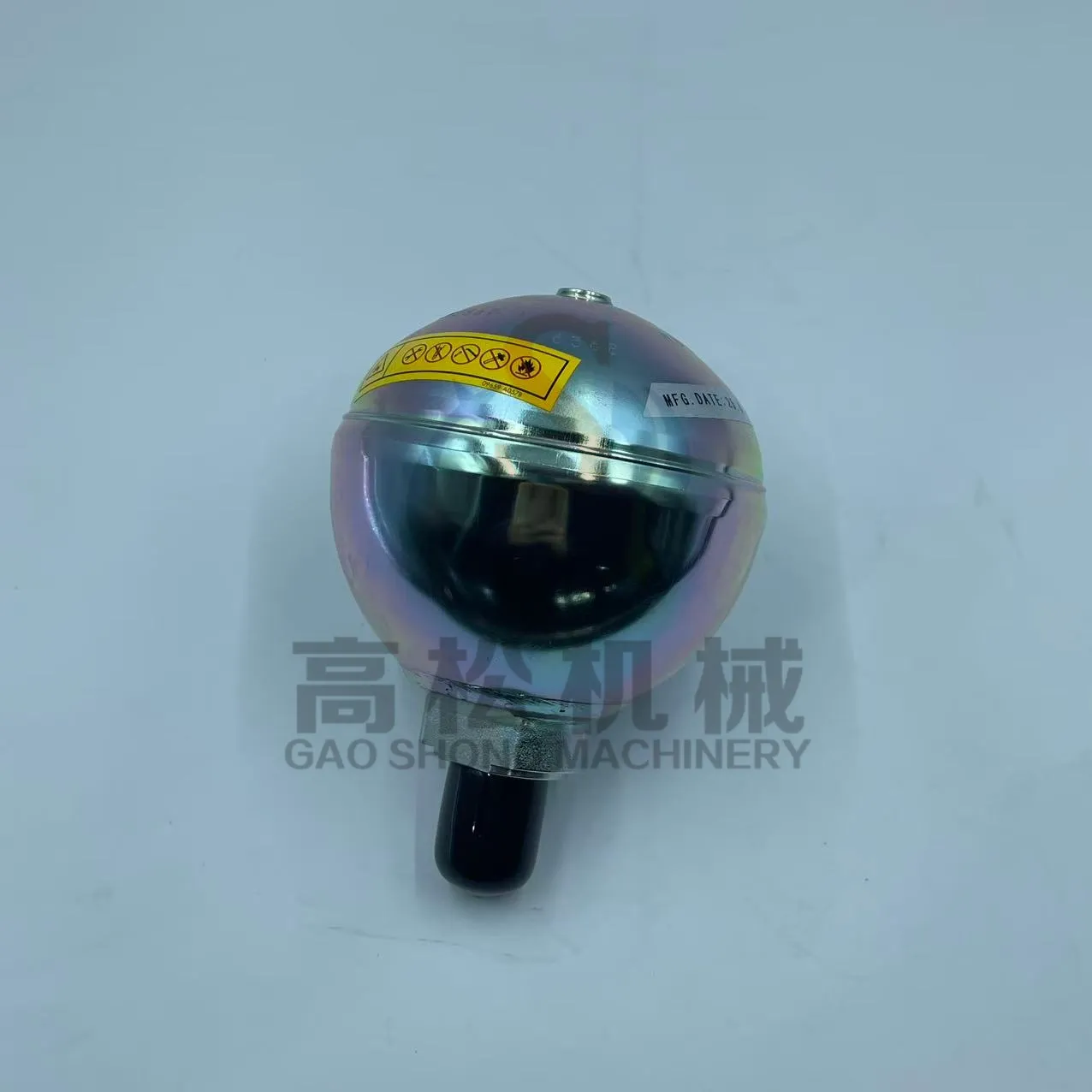 22u-60-21331 Accumulator
 -
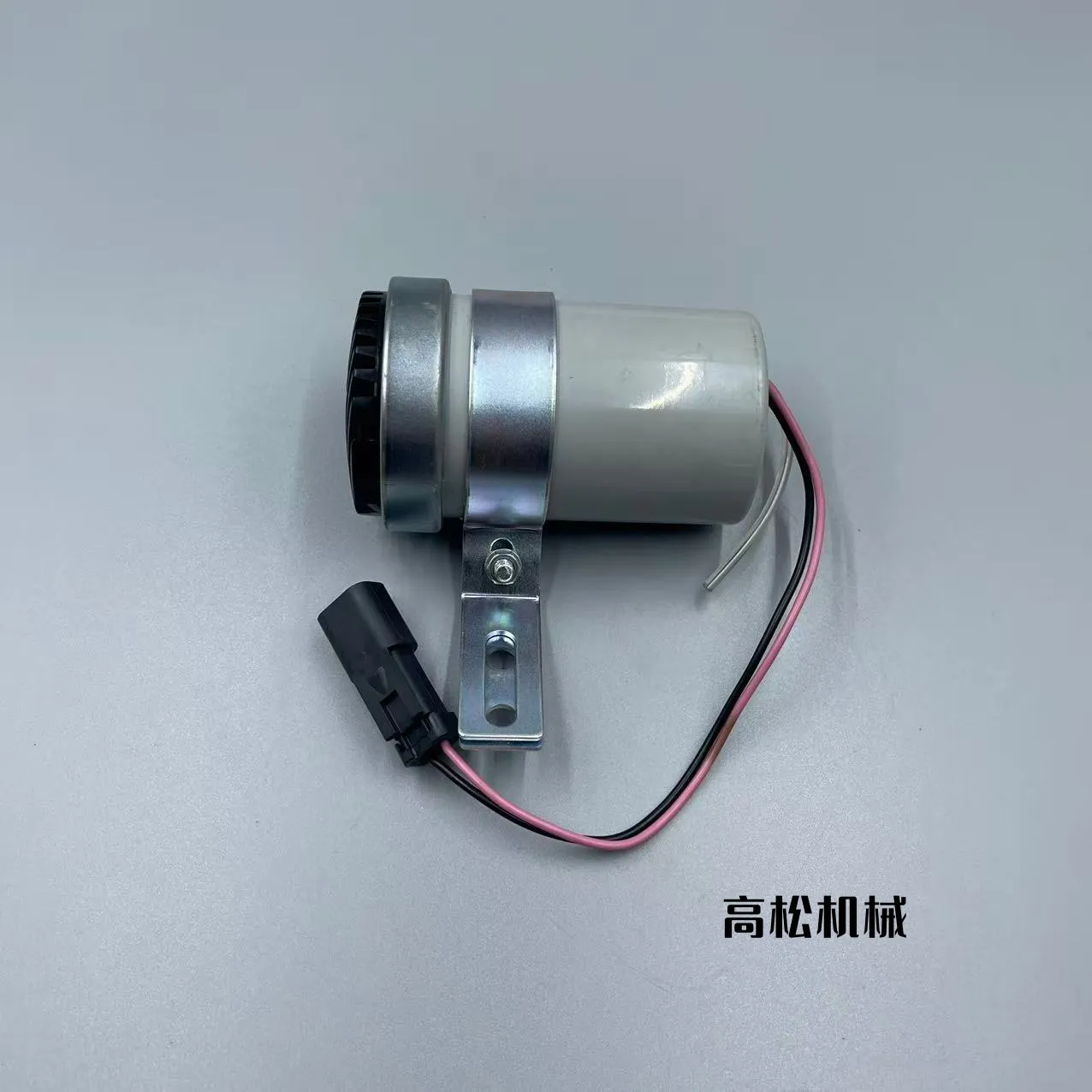 198-06-56570 BUZZER-Komatsu Original Factory
 -
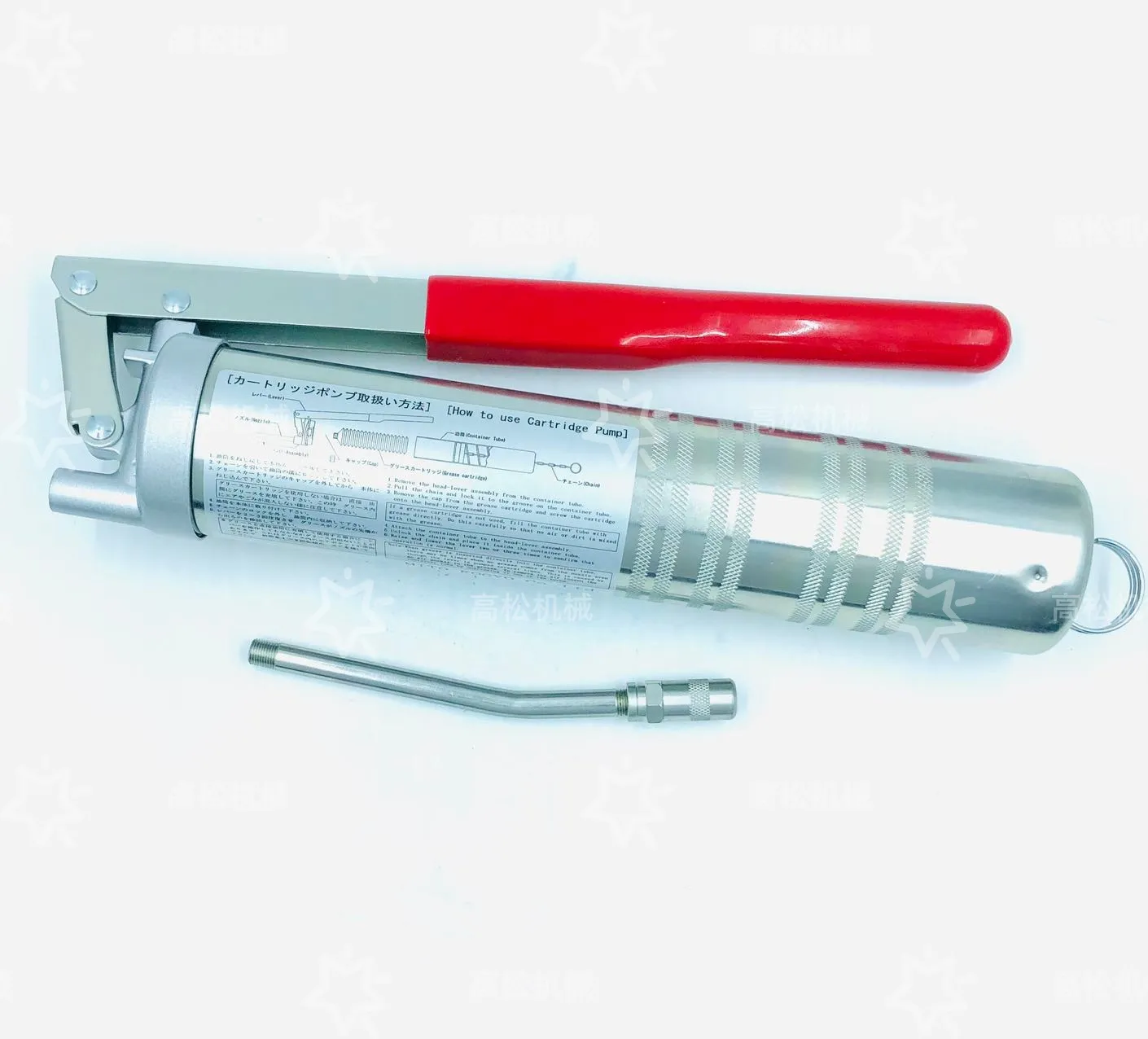 HM400 GREASE PUMP 07952-70014 07952-70004 For Komatsu Original
 -
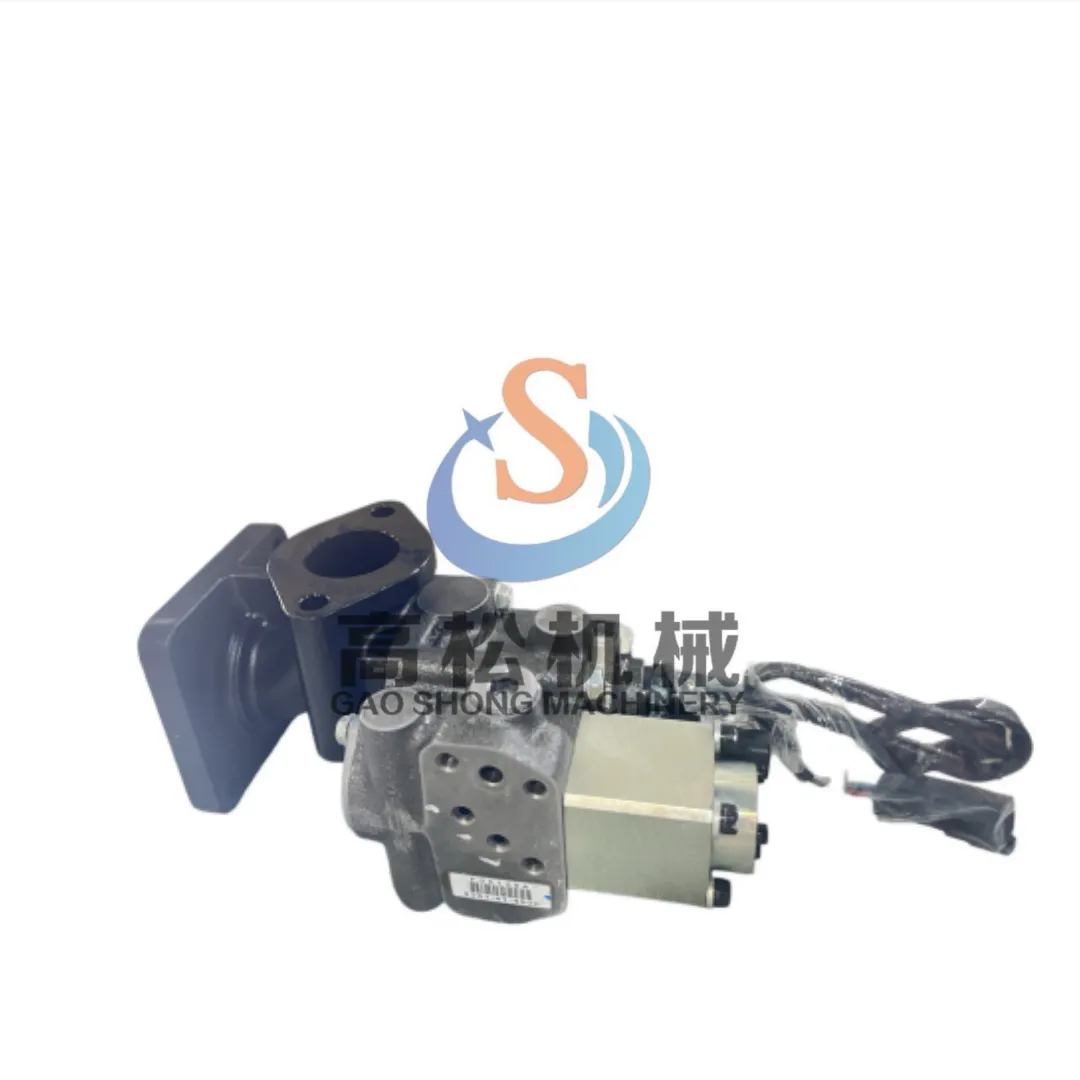 Excavator For Komatsu PC400-7 PC450-7 Control Solenoid Valve 6261-41-4900
 -
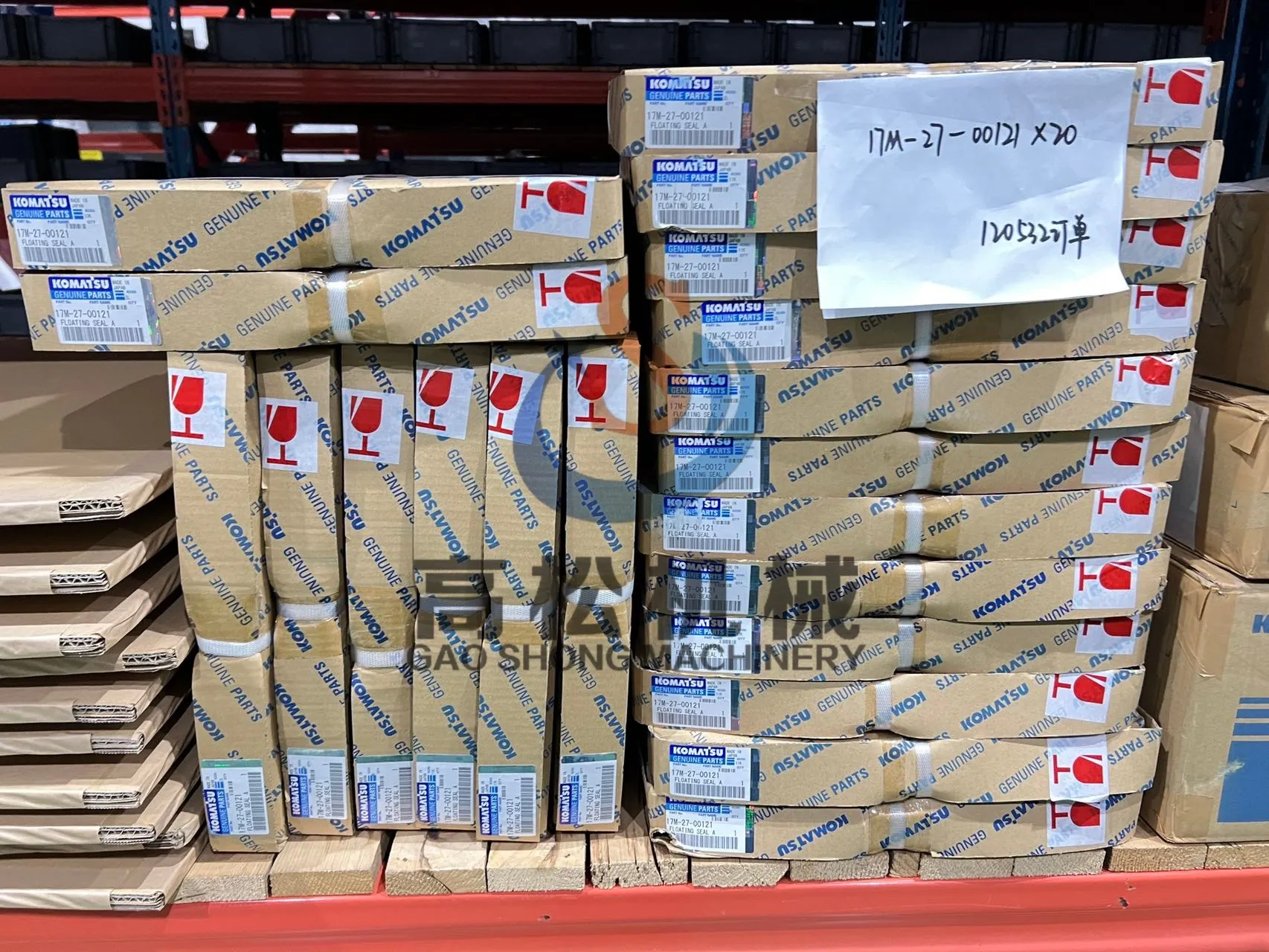 17M-27-00121 FLOATING SEAL ASSY
 -
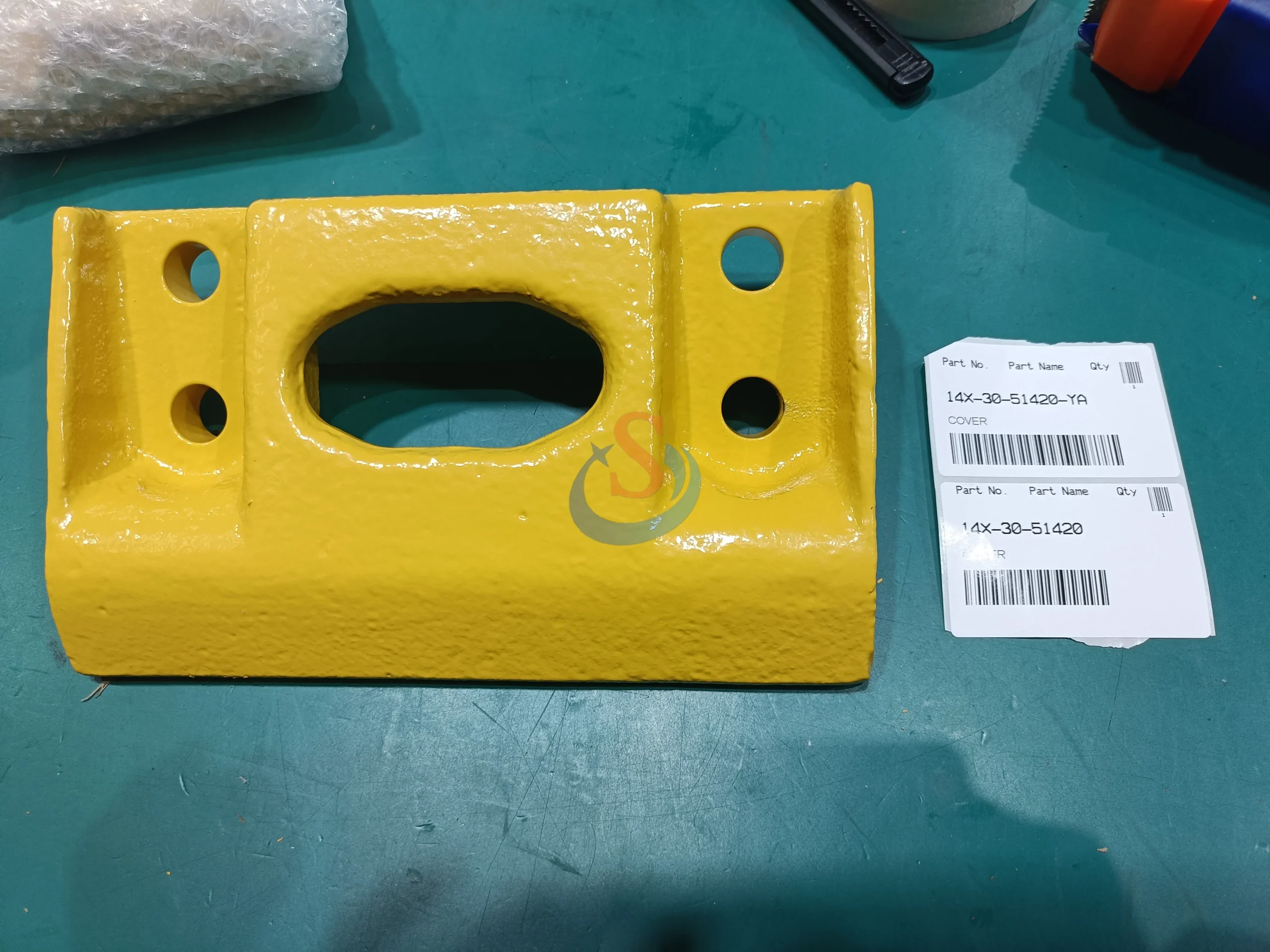 14X-30-51420,Cover,D65PX,D65WX,D65EX
 -
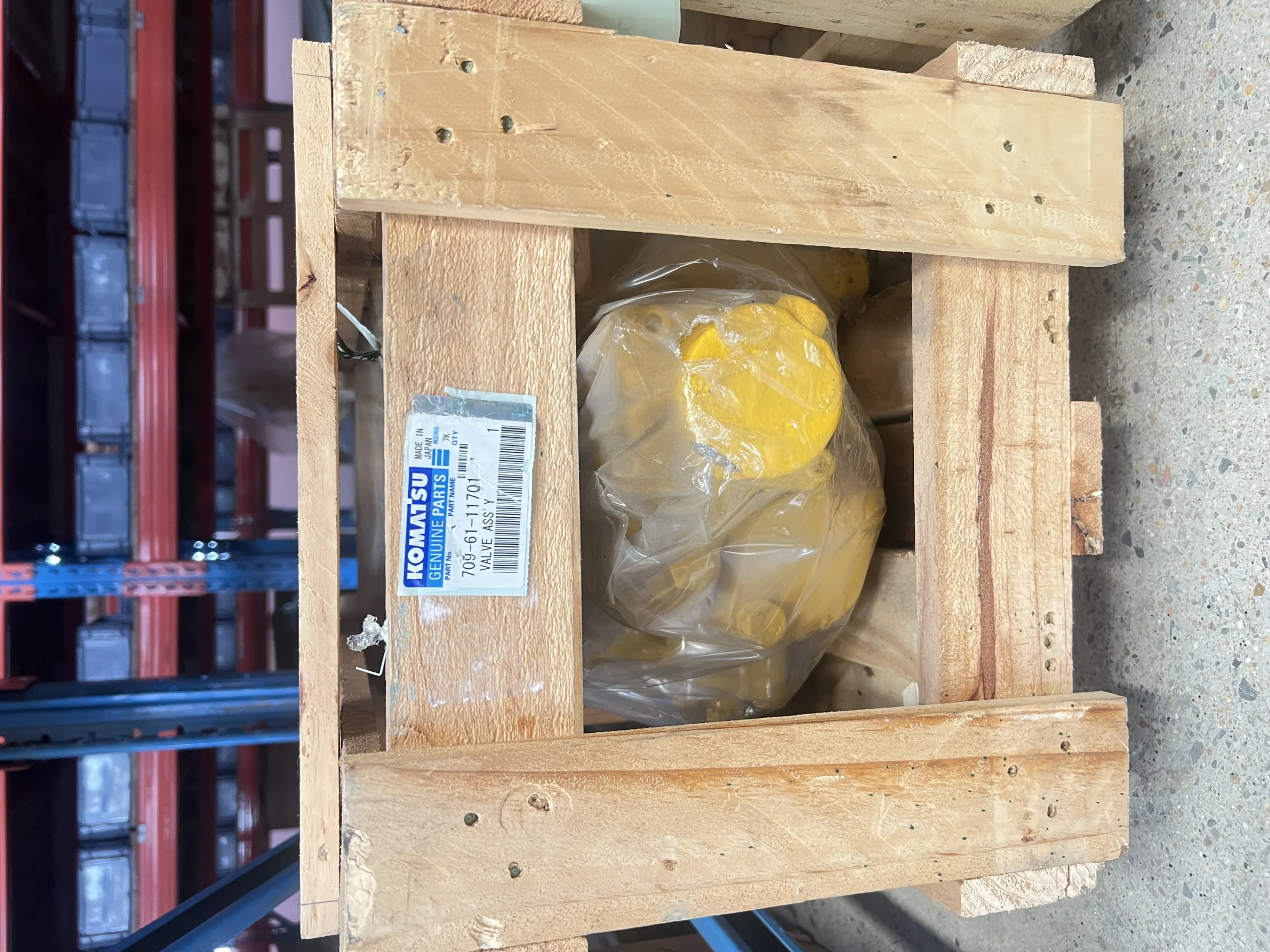 D375A-3D Valve Assembly 709-61-11701
 -
 144-15-22881 Komatsu Seal Ring
 -
 Komatsu 6151-61-3201 CASE ASS’Y, FAN DRIVE… — Pricing.Parts
 -
 Komatsu56D-15-19810 Seal, Dust
 -
 195-21-32821 COUPLING,(HEAVY DUTY) (Komatsu)