
- Chinese
- French
- German
- Portuguese
- Spanish
- Russian
- Japanese
- Korean
- Arabic
- Irish
- Greek
- Turkish
- Italian
- Danish
- Romanian
- Indonesian
- Czech
- Afrikaans
- Swedish
- Polish
- Basque
- Catalan
- Esperanto
- Hindi
- Lao
- Albanian
- Amharic
- Armenian
- Azerbaijani
- Belarusian
- Bengali
- Bosnian
- Bulgarian
- Cebuano
- Chichewa
- Corsican
- Croatian
- Dutch
- Estonian
- Filipino
- Finnish
- Frisian
- Galician
- Georgian
- Gujarati
- Haitian
- Hausa
- Hawaiian
- Hebrew
- Hmong
- Hungarian
- Icelandic
- Igbo
- Javanese
- Kannada
- Kazakh
- Khmer
- Kurdish
- Kyrgyz
- Latin
- Latvian
- Lithuanian
- Luxembou..
- Macedonian
- Malagasy
- Malay
- Malayalam
- Maltese
- Maori
- Marathi
- Mongolian
- Burmese
- Nepali
- Norwegian
- Pashto
- Persian
- Punjabi
- Serbian
- Sesotho
- Sinhala
- Slovak
- Slovenian
- Somali
- Samoan
- Scots Gaelic
- Shona
- Sindhi
- Sundanese
- Swahili
- Tajik
- Tamil
- Telugu
- Thai
- Ukrainian
- Urdu
- Uzbek
- Vietnamese
- Welsh
- Xhosa
- Yiddish
- Yoruba
- Zulu
- Kinyarwanda
- Tatar
- Oriya
- Turkmen
- Uyghur






OEM AND ORIGINAL KOMATSU SENSOR 7861-93-5410
When you see that part number, , pop up on a screen or a requisition form, the immediate reaction isn't just about finding a sensor—it's about navigating a minefield of definitions. The term 'OEM AND ORIGINAL KOMATSU SENSOR' itself is where a lot of the confusion starts. In the field, 'OEM' gets thrown around to mean anything from genuine Komatsu-made parts to licensed contract manufacturing. But for this specific sensor, used across a range of mid-size excavators like the PC200-8, the distinction isn't academic; it's about machine uptime. I've seen too many guys think they're getting the real deal because a box says 'OEM,' only to find the connector seal is a different durometer of rubber, leading to moisture ingress and a fault code in three months. The 'ORIGINAL' tag is what you're really after—the part that came off the same line as the one installed in Nagoya. But here's the rub: getting that genuine 5410 sensor in certain markets, especially where official distribution is thin, can be a months-long ordeal. That's where the practical reality, and companies that operate within it, come into play.
The Anatomy of a Genuine 5410
Let's get into the weeds on this specific sensor. The is typically a pressure sensor, often for the hydraulic system. The '93' in the middle is a key Komatsu family code. What makes the original stand out isn't something you'd notice in a catalog photo. It's the laser-etched part number on the housing, not a sticker. It's the specific shade of Komatsu blue-grey on the connector body. More importantly, it's the voltage output curve under load. We bench-tested a supposed 'OEM-equivalent' once that matched the static specs but under a rapid pressure spike, its signal dampened slightly. Not enough to trigger a major alarm immediately, but enough to make the control computer slightly less responsive, which over time affects cycle time and fuel efficiency. You don't see that in a spec sheet.
I remember a job in Indonesia where we had a PC220-8 with intermittent hydraulic shudder. We'd replaced pumps, valves, you name it. Finally, after weeks, we swapped the 5410 sensor with a known genuine one from a donor machine—problem vanished. The faulty one was a 'high-quality' aftermarket part. Its failure mode wasn't catastrophic; it was degenerative, the kind that drives maintenance crews crazy. That experience cemented for me that with critical sensors, 'close enough' isn't in the vocabulary.
This is why sourcing becomes the critical skill. You can't just order from anyone. You need a supplier that understands the granularity of these specs and has the pipeline to the authentic source. It's less about a website and more about the logistics chain behind it. A company like Jining Gaosong Construction Machinery Co., Ltd. positions itself in that space. They articulate their role clearly: an OEM product supplier within the Komatsu system and a third-party sales channel. In practice, that means they aren't just a generic parts shop; they're plugged into the official ecosystem, which is crucial for accessing true original parts, but they also operate with the flexibility to move inventory to where the official channels might be constrained. Their site, https://www.takematsumachinery.com, frames it as helping to solve parts supply challenges in certain countries, which is the exact, unglamorous pain point fleet managers face daily.
The Gray Market and the OEM-Compatible Trap
Now, the alternative is the vast gray market. Here, 'OEM AND ORIGINAL KOMATSU SENSOR' is often a marketing phrase, not a technical guarantee. You'll find parts with identical casting marks, even with what looks like a Komatsu logo. But the packaging is off—the foam insert is a different density, the plastic bag isn't anti-static. These are the tells. I've purchased these, sometimes out of sheer necessity when a machine is down and the customer is screaming. Maybe 60% of the time they work fine for a year or two. But the 40% failure rate carries a huge hidden cost: diagnostic labor, secondary machine damage, and reputational loss.
The trap is the 'compatible' label. A true OEM supplier within the system, like the one mentioned, wouldn't sell a 'compatible' . They would sell either the genuine original or, perhaps, a certified remanufactured unit that uses the original housing and core with new internals. The distinction is everything. The compatible part might have a different internal sensing element from a different manufacturer altogether, calibrated to approximate the output.
I learned this the hard way on a fleet contract. To save cost, we approved a batch of 'OEM-compatible' sensors from a new vendor. The initial price was 40% lower. Within eight months, we had a 30% failure rate. The cost of the service calls, downtime, and eventual replacement with genuine parts wiped out any savings ten times over. The post-mortem showed the compatible sensors used a cheaper potting compound that cracked under the specific vibration frequency of the excavator's main hydraulic bank. A failure mode we'd never seen with the originals.
Sourcing Strategy: Beyond the Part Number
So how do you actually get the right part? First, you verify the source's provenance. Are you an authorized Komatsu distributor for this region? If not, the next question is, What is your direct relationship with Komatsu or its first-tier contract manufacturers? A company stating it's an OEM product supplier within the Komatsu system is making a specific claim. It implies a contractual or authorized relationship, not just a sourcing agreement with a warehouse in another country. This is key for traceability.
Second, you ask for documentation before purchase. Not just a PDF datasheet (those are copied endlessly), but a photo of the actual part in stock, showing the laser etching. Ask for the packing slip or batch code from the original Komatsu carton. A legitimate supplier will provide this, or at least a coherent explanation of how they can guarantee origin. The website https://www.takematsumachinery.com is a starting point, but the real test is the conversation that follows. Do they know which machine serial number ranges a specific batch of 5410 sensors is compatible with? Do they warn you about a minor mid-life product change in the connector clip?
Finally, you test upon receipt. The first thing we do is a simple bench test with a multimeter and a pressure source, comparing the output to a known-good unit or the service manual specs. It's not full certification, but it catches the most egregious fakes. Then, you look for the physical details: the crispness of the molding, the quality of the O-ring, the stamping on the metal housing.
The Role of Specialized Third-Party Suppliers
This brings us to the value of the specialized third-party sales company. The official Komatsu network is impeccable, but it's not omnipresent. In some regions, import duties, licensing issues, or simply logistics can delay a critical part like the for weeks. A company that operates as a third-party sales company for Komatsu fills that gap. They aren't replacing the official network; they're supplementing it in complex markets.
Their inventory strategy is different. They might stock a higher volume of high-failure-rate items like this sensor, anticipating the demand. They've built logistics to get around local bottlenecks. Their entire business model, as Jining Gaosong Construction Machinery Co., Ltd. notes, is predicated on helping to solve parts supply challenges in certain countries. For a site manager in a remote mining operation, that's not a marketing line; it's the difference between meeting quota or not.
The trust factor is built transaction by transaction. You order one sensor. You validate it. It performs. You order ten. Over time, this becomes a more reliable pipeline than hoping the official channel can expedite an air freight shipment at a catastrophic cost. The supplier's expertise is in navigating the border between the official system and the on-the-ground reality.
Conclusion: It's About Due Diligence, Not Just a Purchase
Wrapping this up, the keyword 'OEM AND ORIGINAL KOMATSU SENSOR ' isn't a search term; it's a checklist. 'OEM' questions the manufacturing pedigree. 'ORIGINAL' demands proof of lineage from Komatsu's supply chain. The part number is the unique identifier you must protect against substitution.
The industry is moving towards more transparency, but the onus is still on the buyer. You have to do the diligence: interrogate your supplier's claims, inspect the goods, and track performance. Suppliers that are upfront about their position in the ecosystem—neither pretending to be the primary distributor nor hiding behind the ambiguity of 'compatible'—are the ones that become long-term partners. It's a pragmatic relationship. You're not just buying a component; you're buying the supplier's access, their quality control, and their understanding of the very real consequences of a part failure. In the end, that's what keeps machines, and projects, moving.
Related Products
Related Products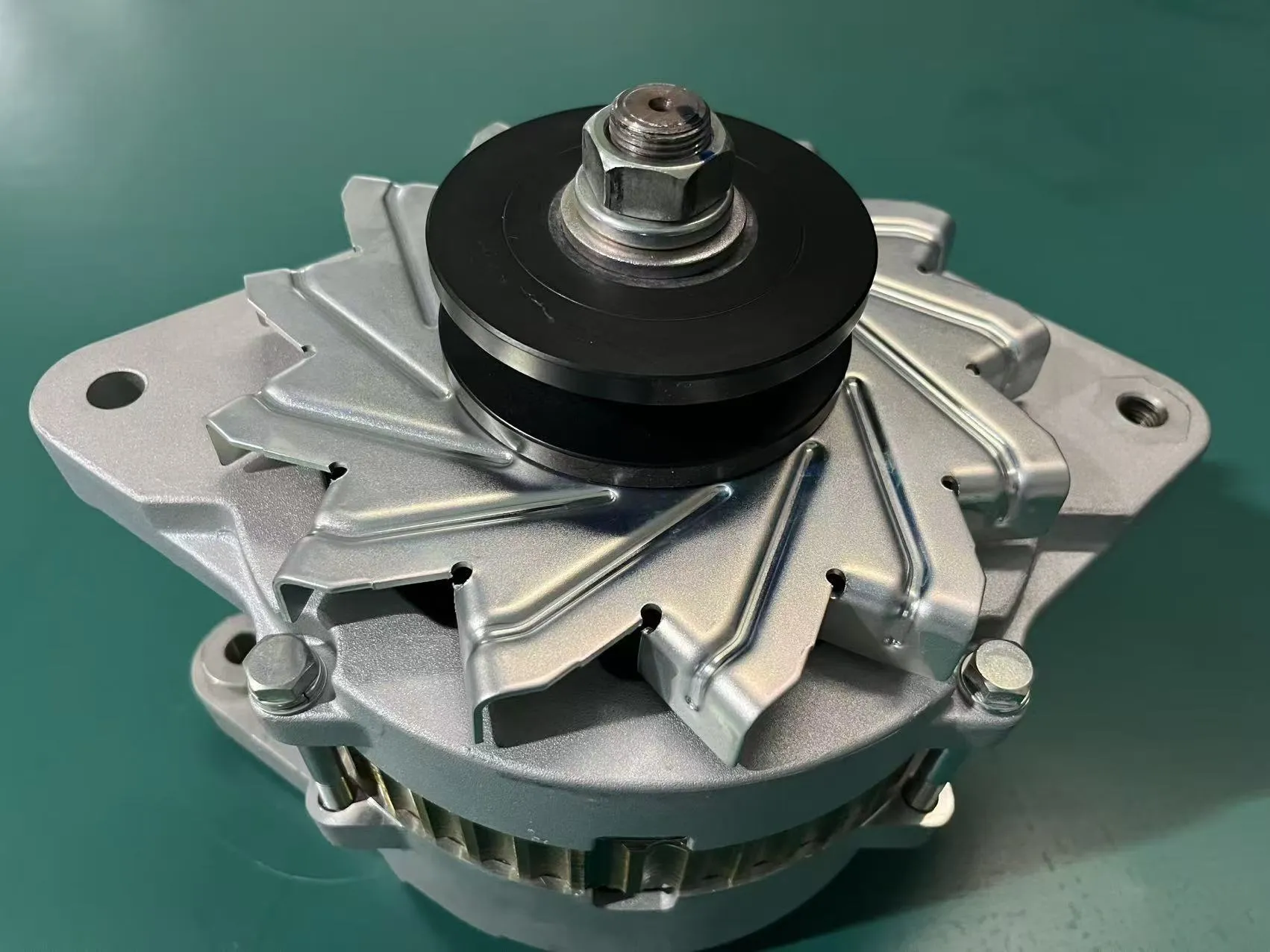
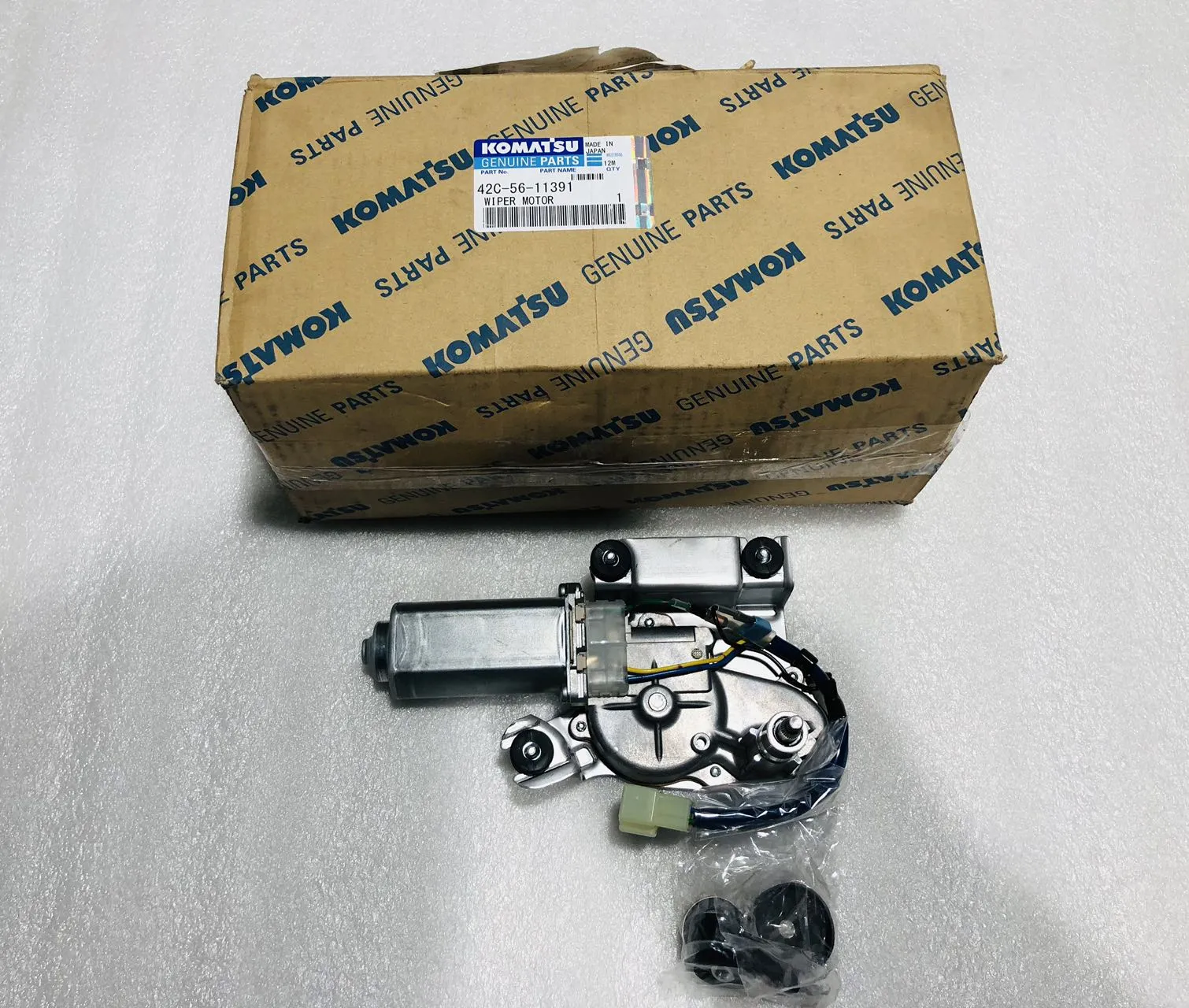
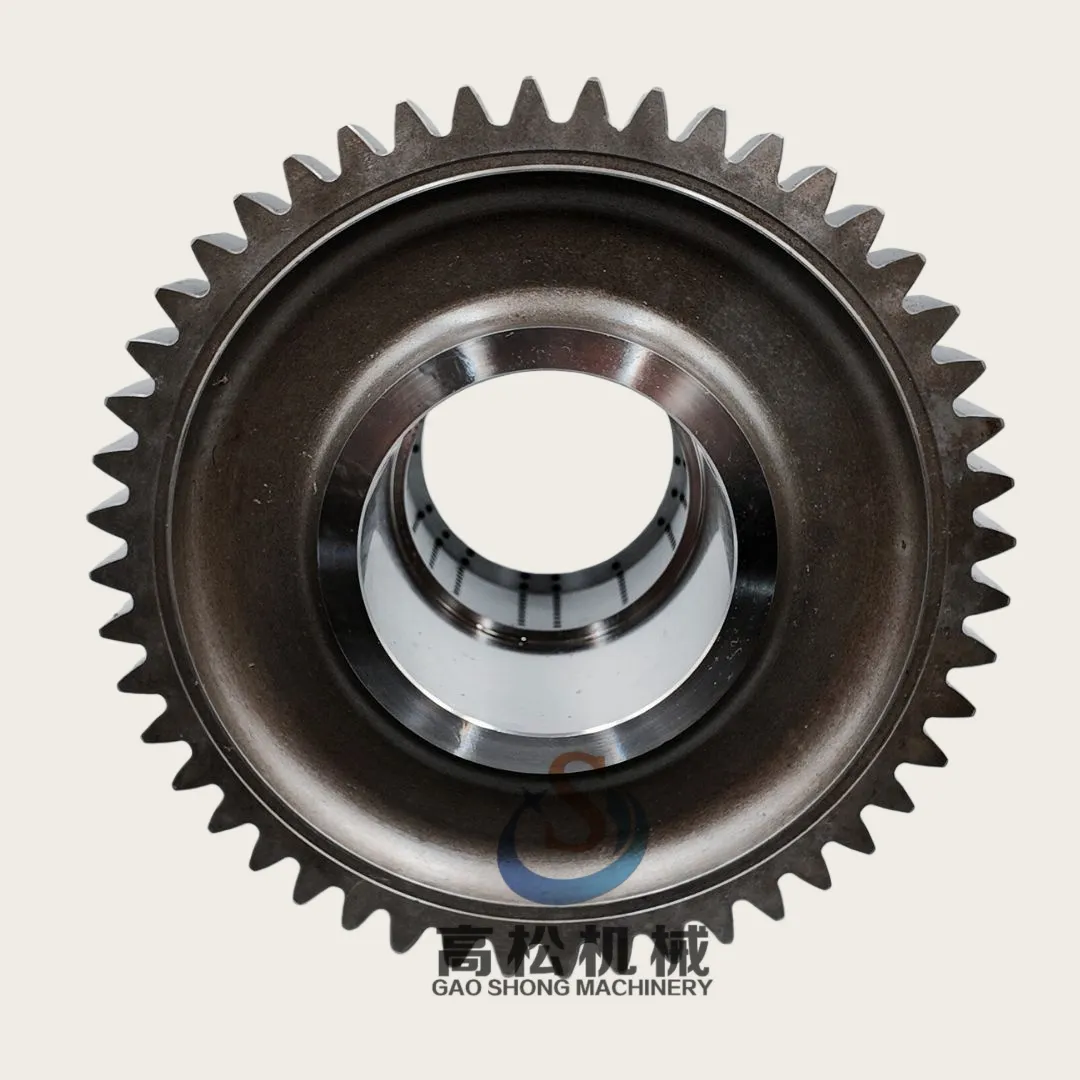
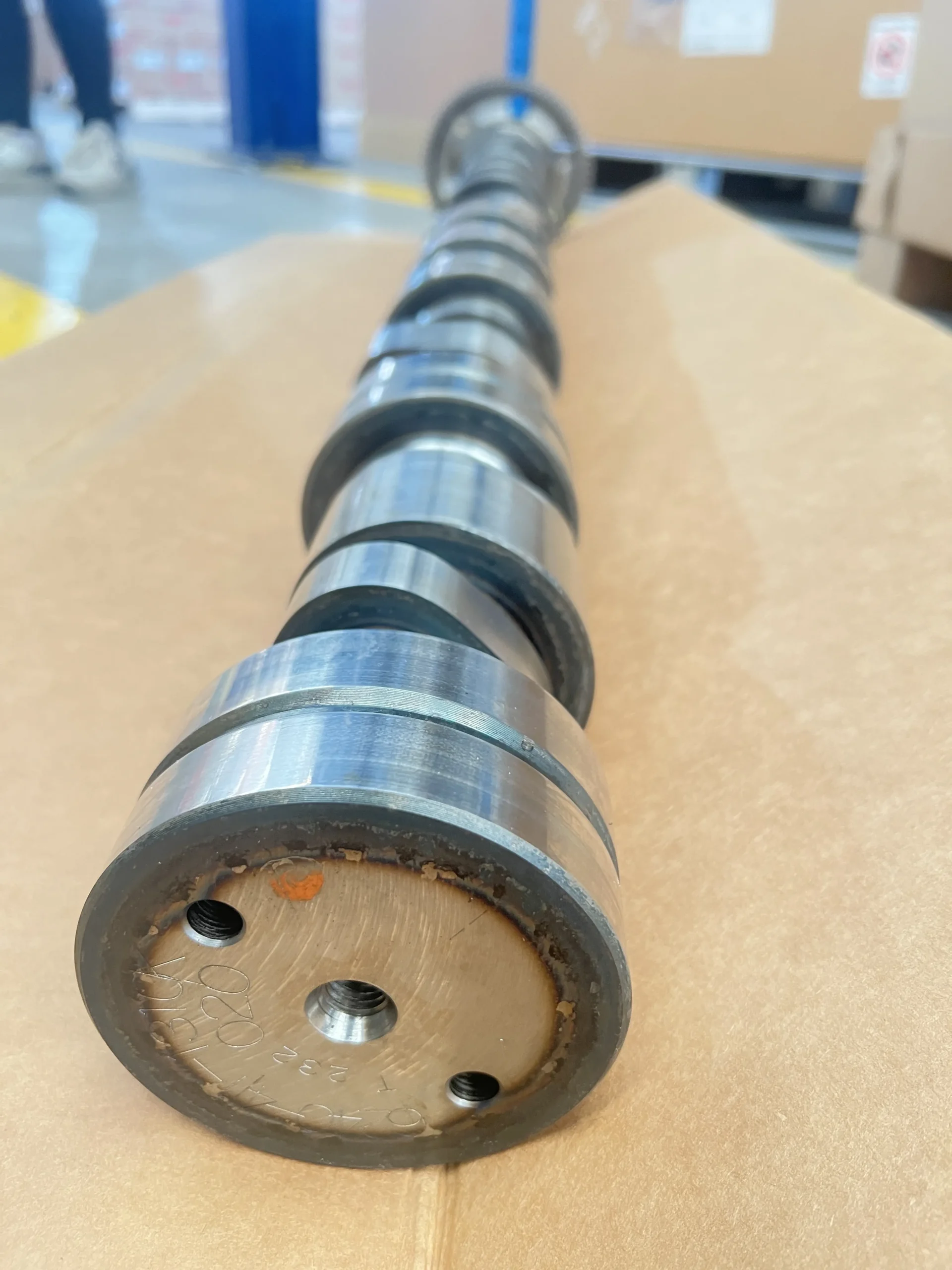

Best Selling Products
Best Selling Products-
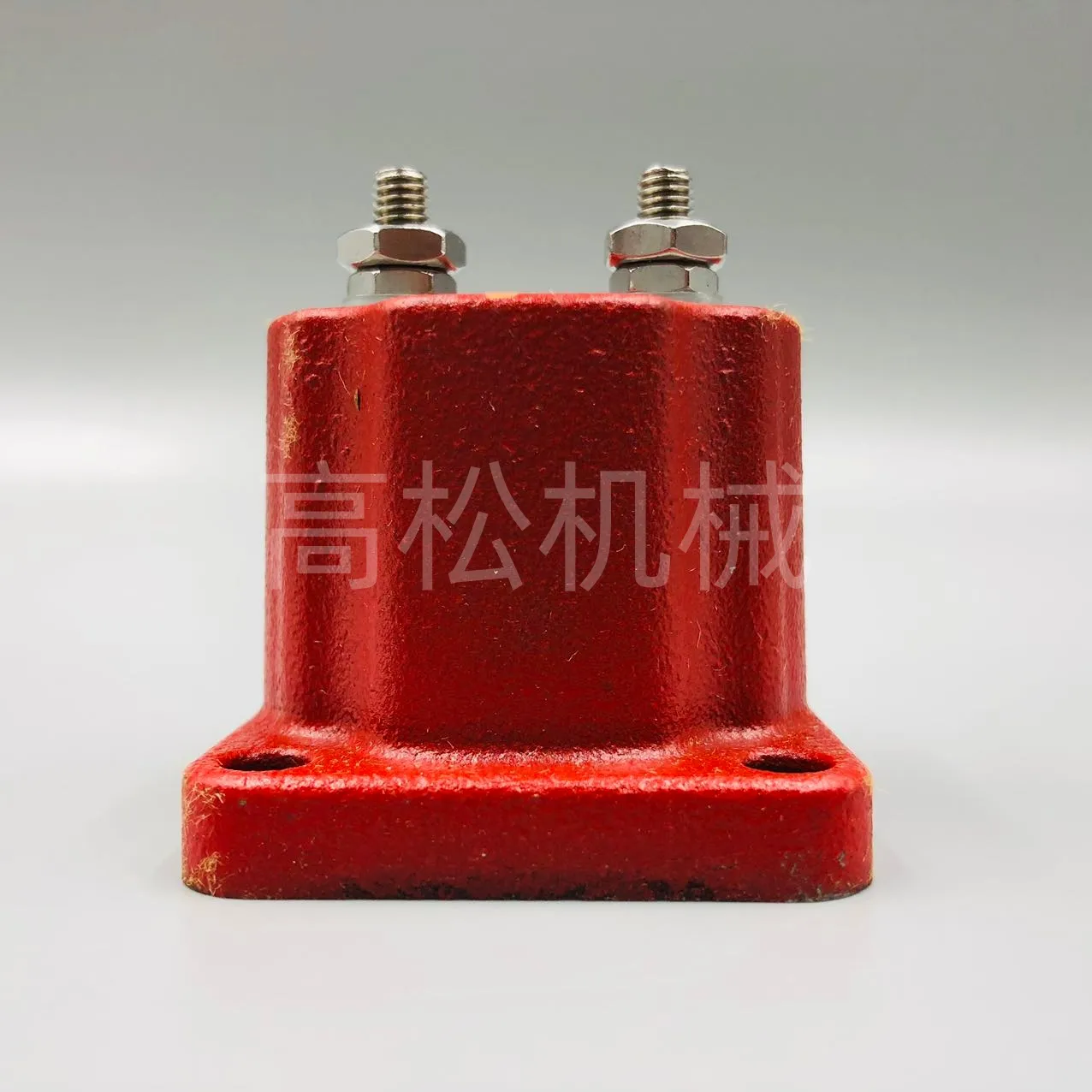 6560-51-1510 • SOLENOID-Komatsu Original Factory
 -
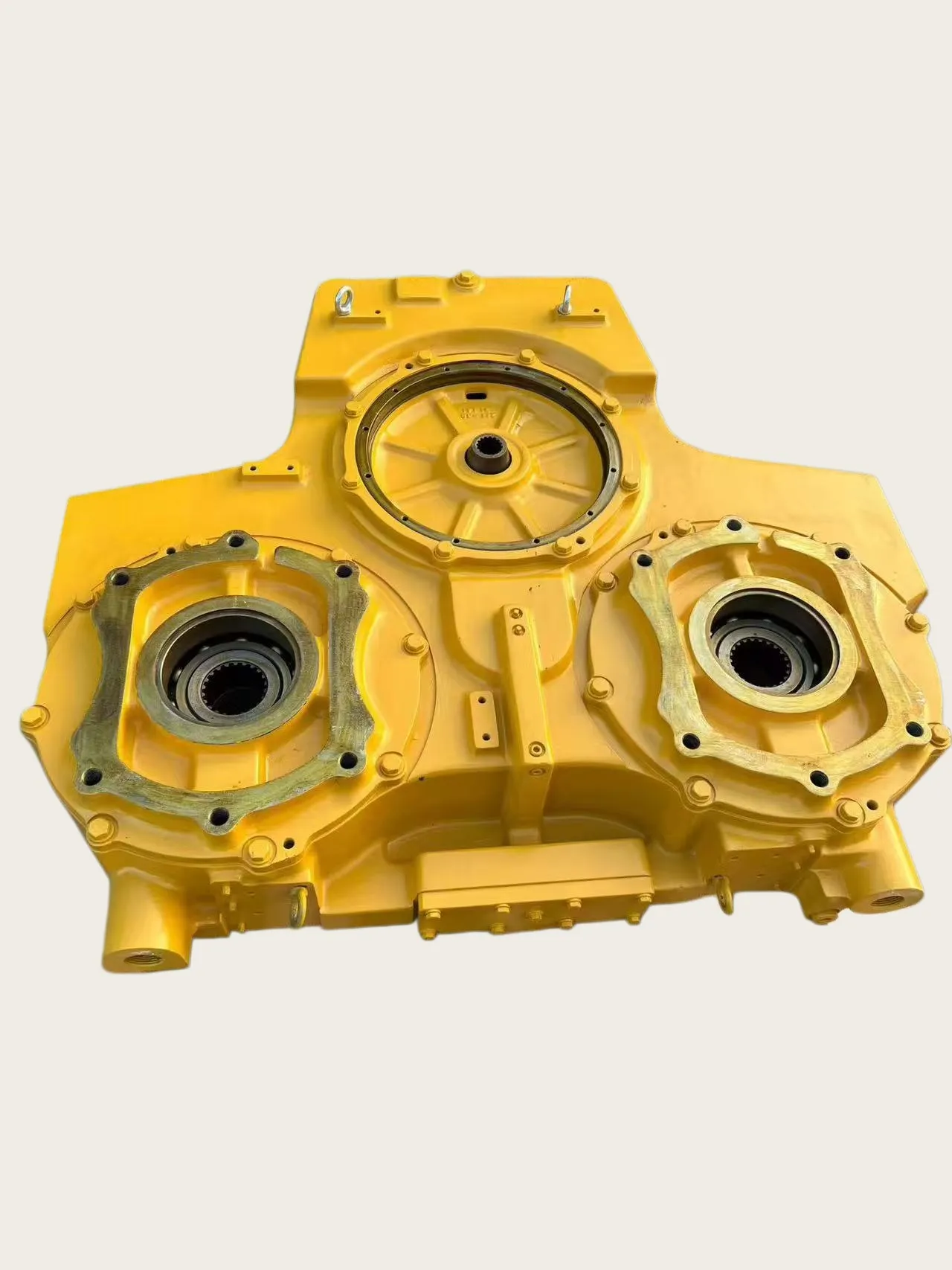 komatsu-part-21T-38-00160 21T-38-00170 21T-38-00180 21T-38-00190 PTO Assembly PC2000-8 PC2000-11 PTO (POWER TAKE OFF), INNER PARTS POWER TAKE OFF
 -
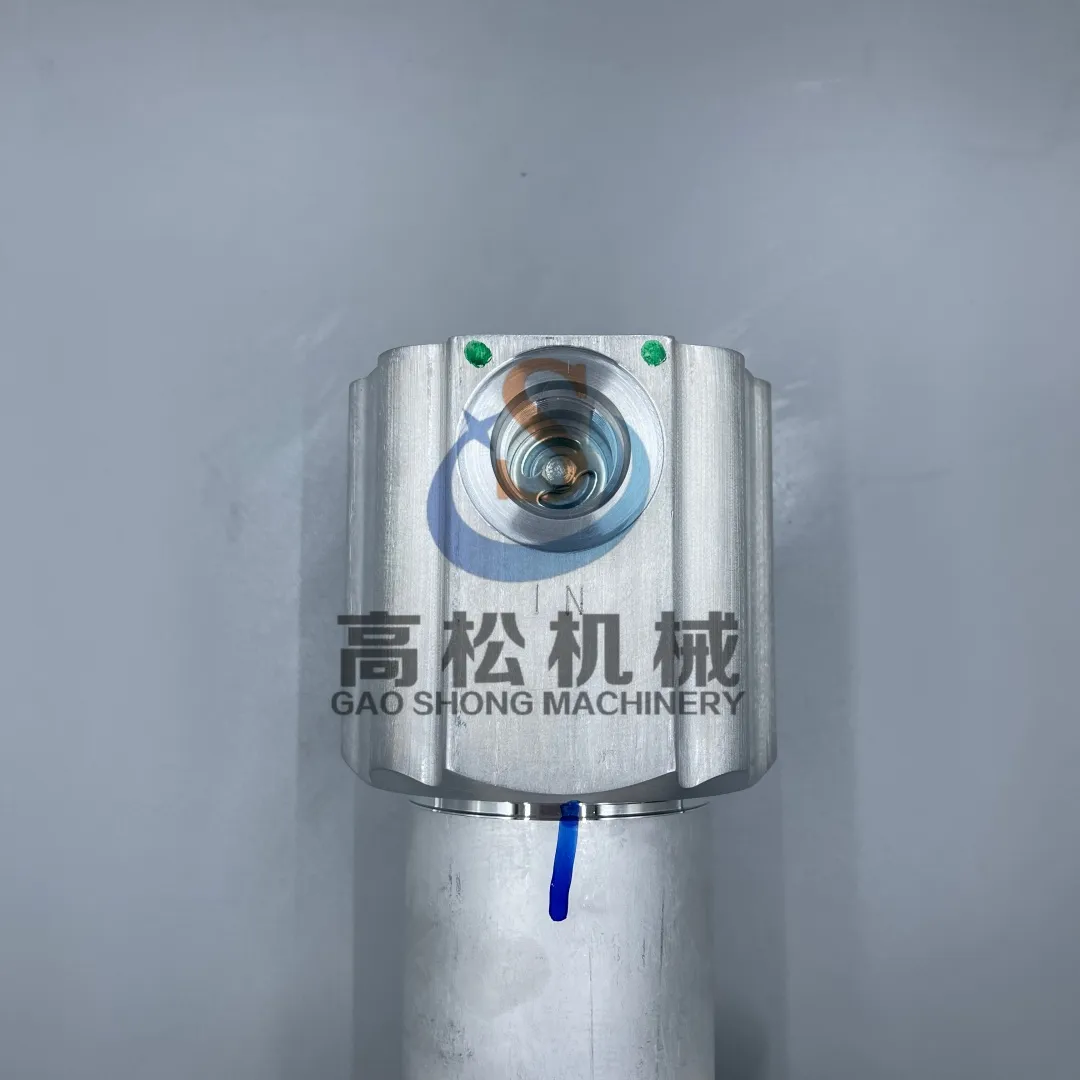 569-43-83911 Komatsu Filter Assembly
 -
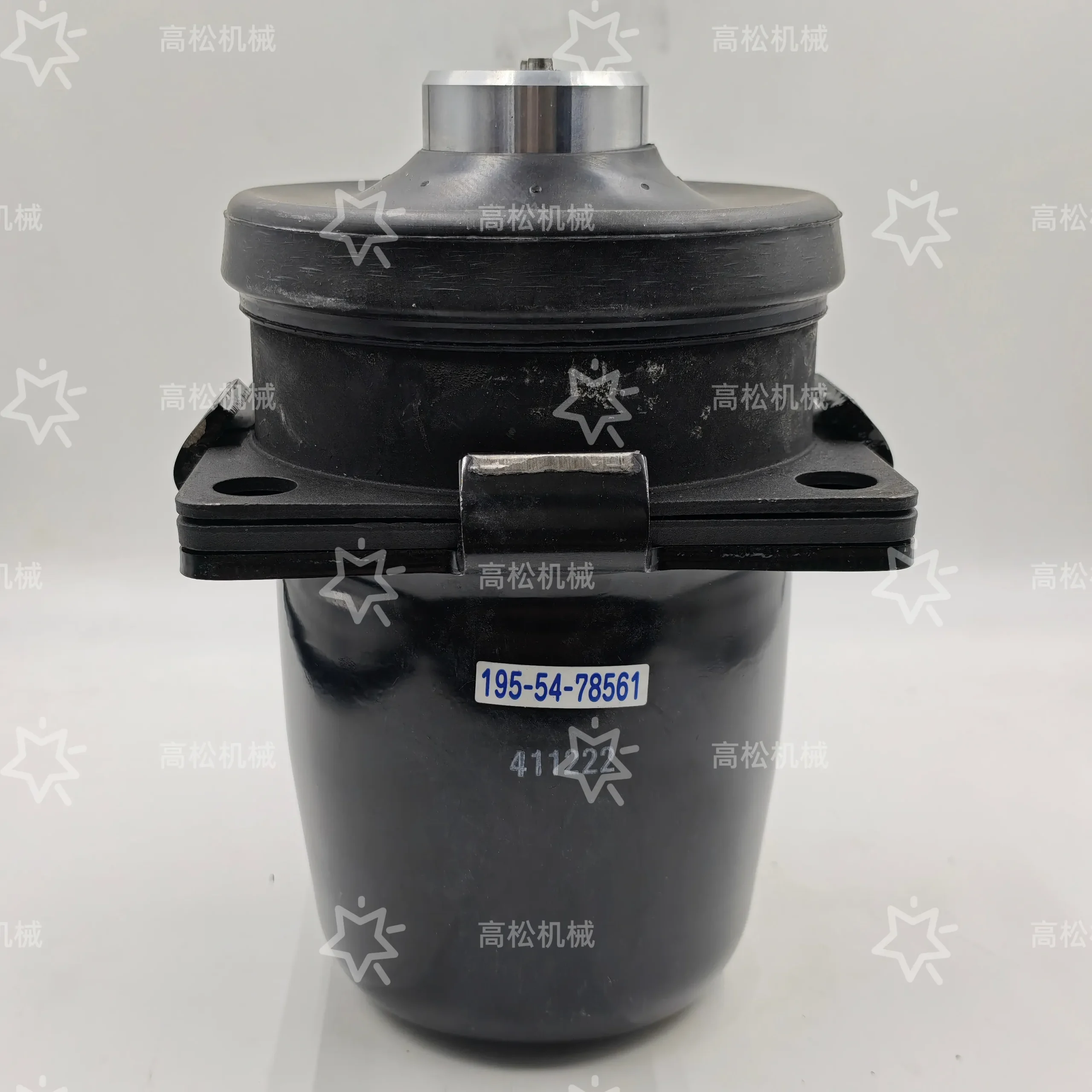 Komatsu D375 bulldozer buffer 195-54-78561
 -
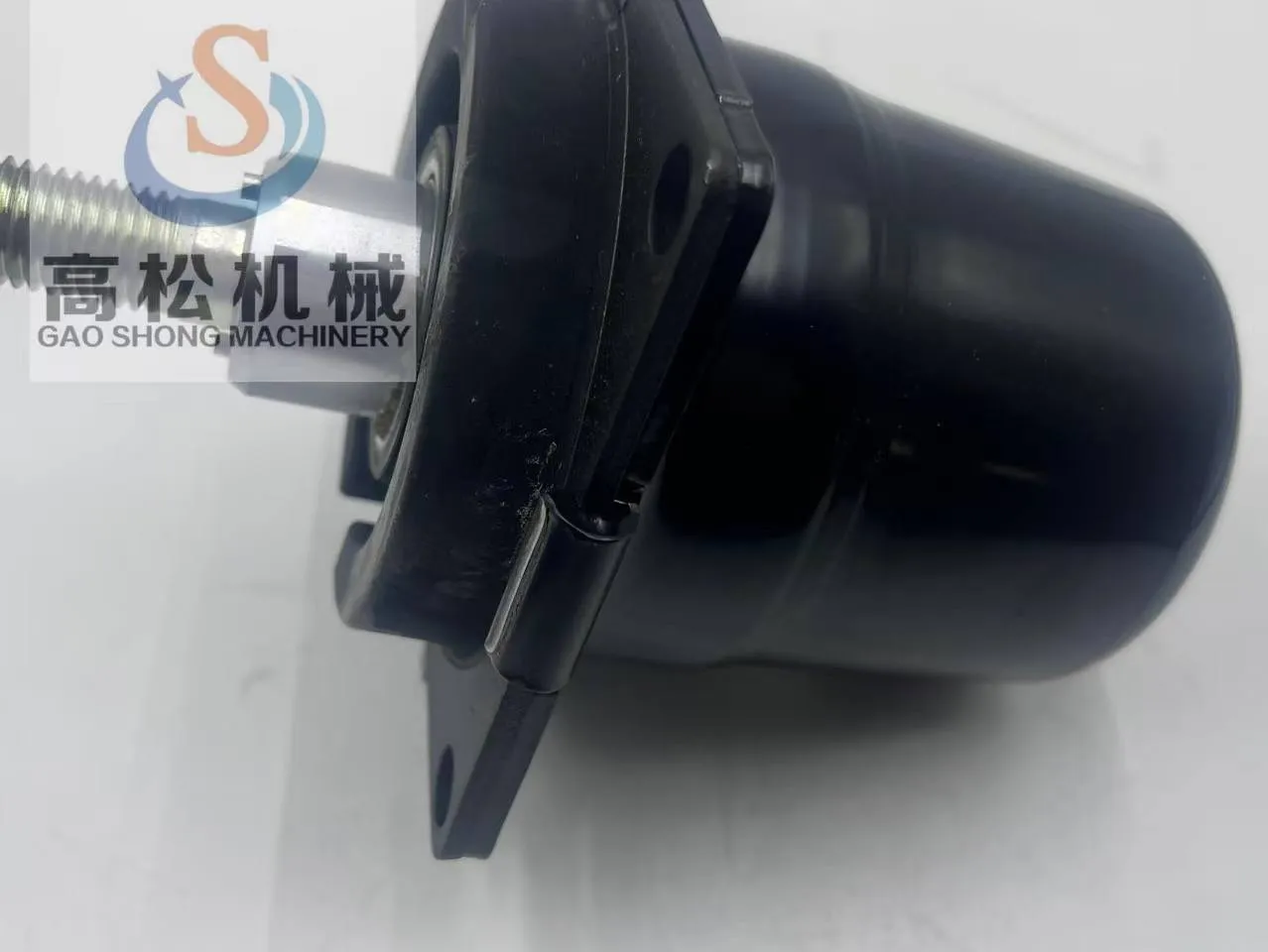 D275 /D375/D475 Cab Cushion 195-54-78410 195-54-78561
 -
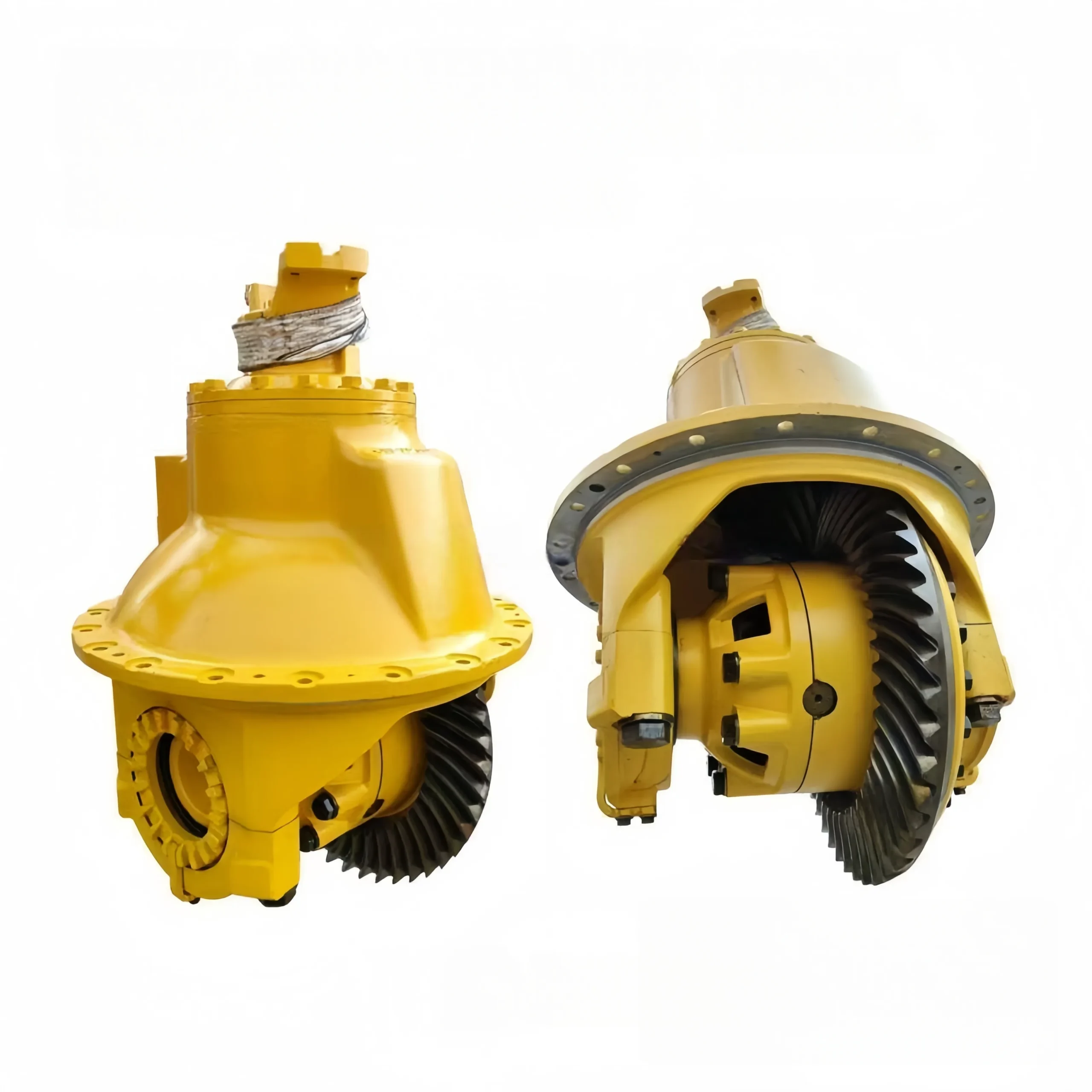 komatsu-part-569-22-71002 RM569-22-71002 569-22-71001 DIFFERENTIAL ASS’Y HD465-7 HD605-7 REAR AXLE (REAR DIFFERENTIAL)
 -
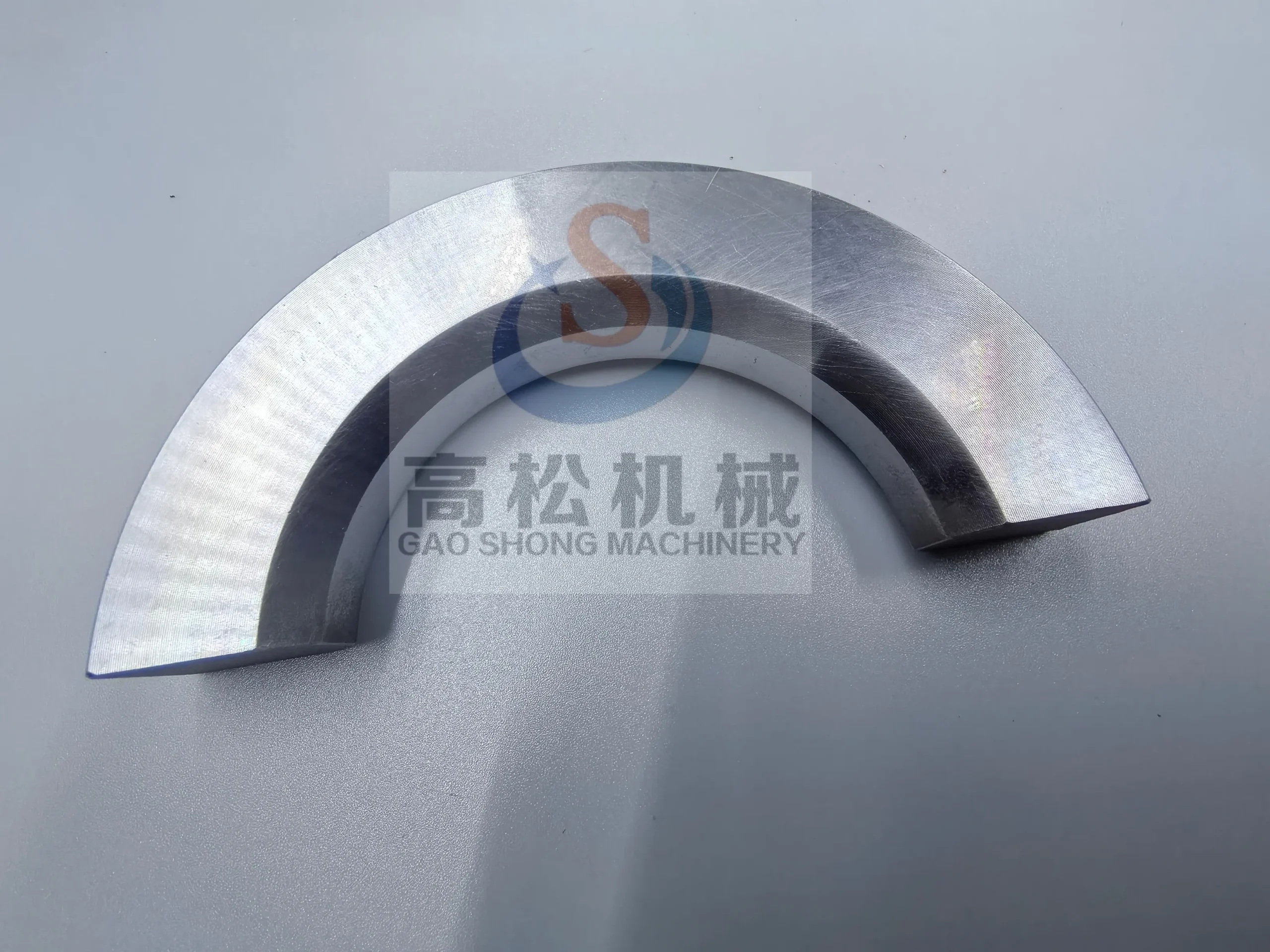 14X-30-13241 Spacer (Komatsu)
 -
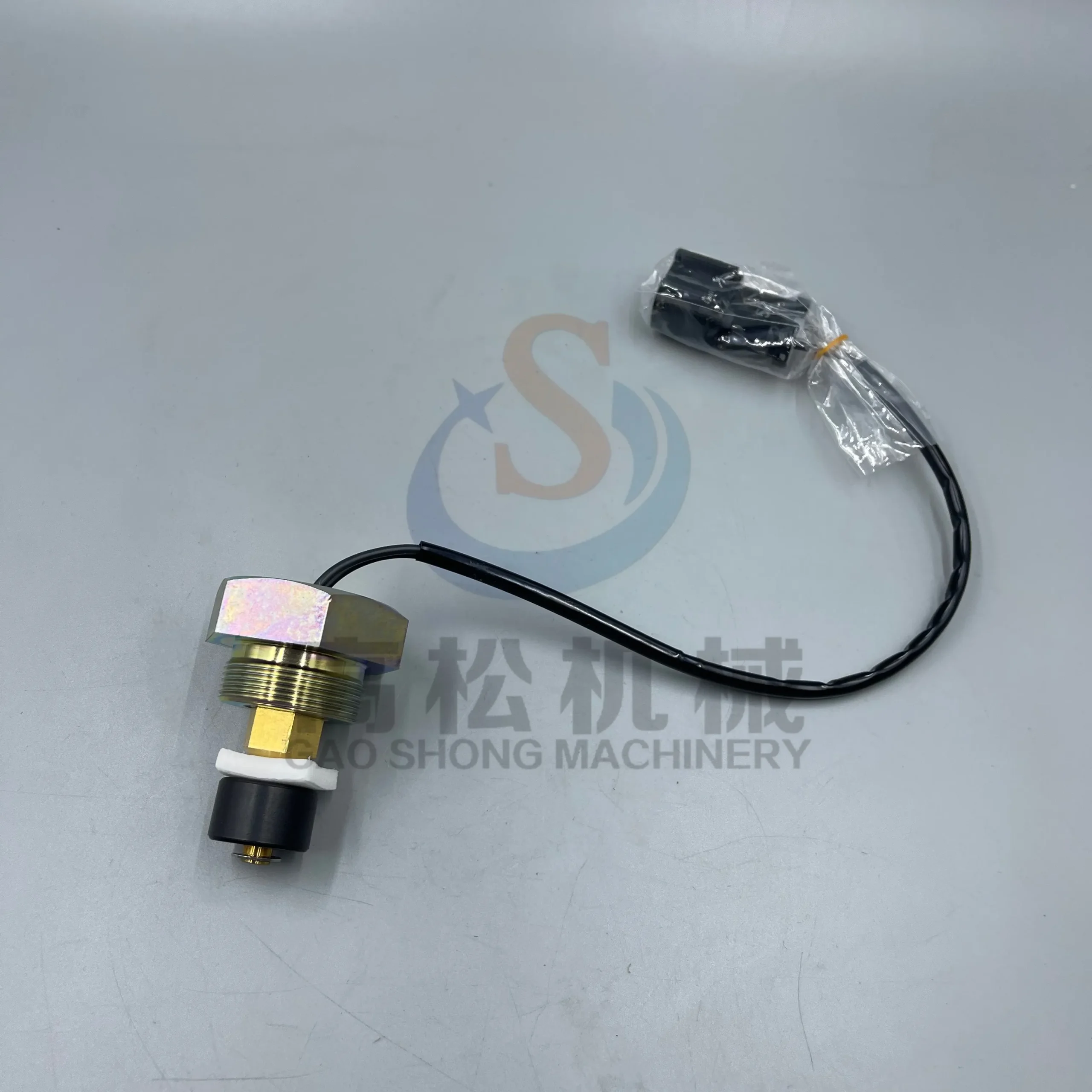 7861-92-4500 Komatsu SENSOR,HYDRAULIC OIL LEVEL
 -
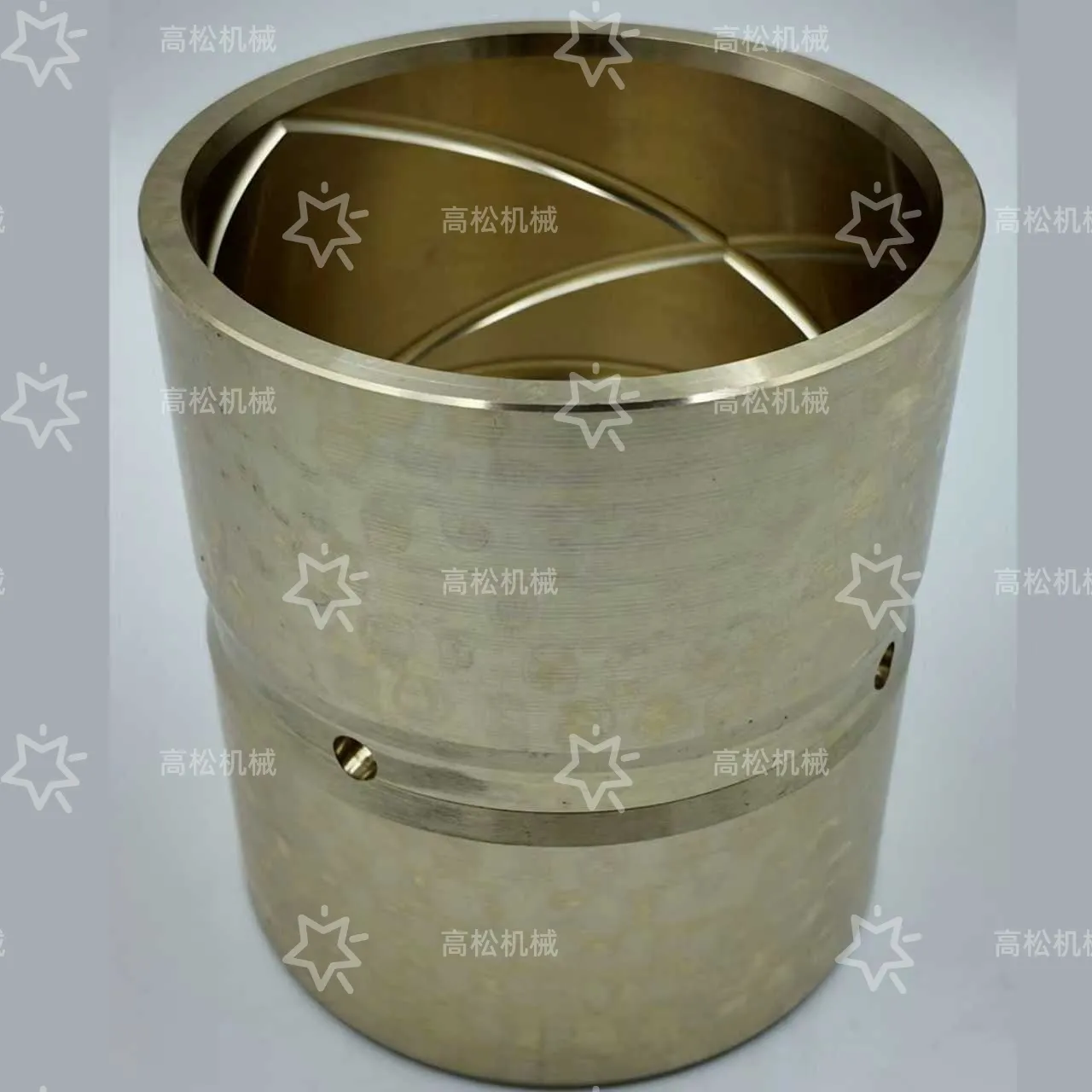 BUSHING 207-70-61610 for KOMATSU PC350-7 PC300LC-7 PC300-8 PC300LC-7L PC300-7
 -
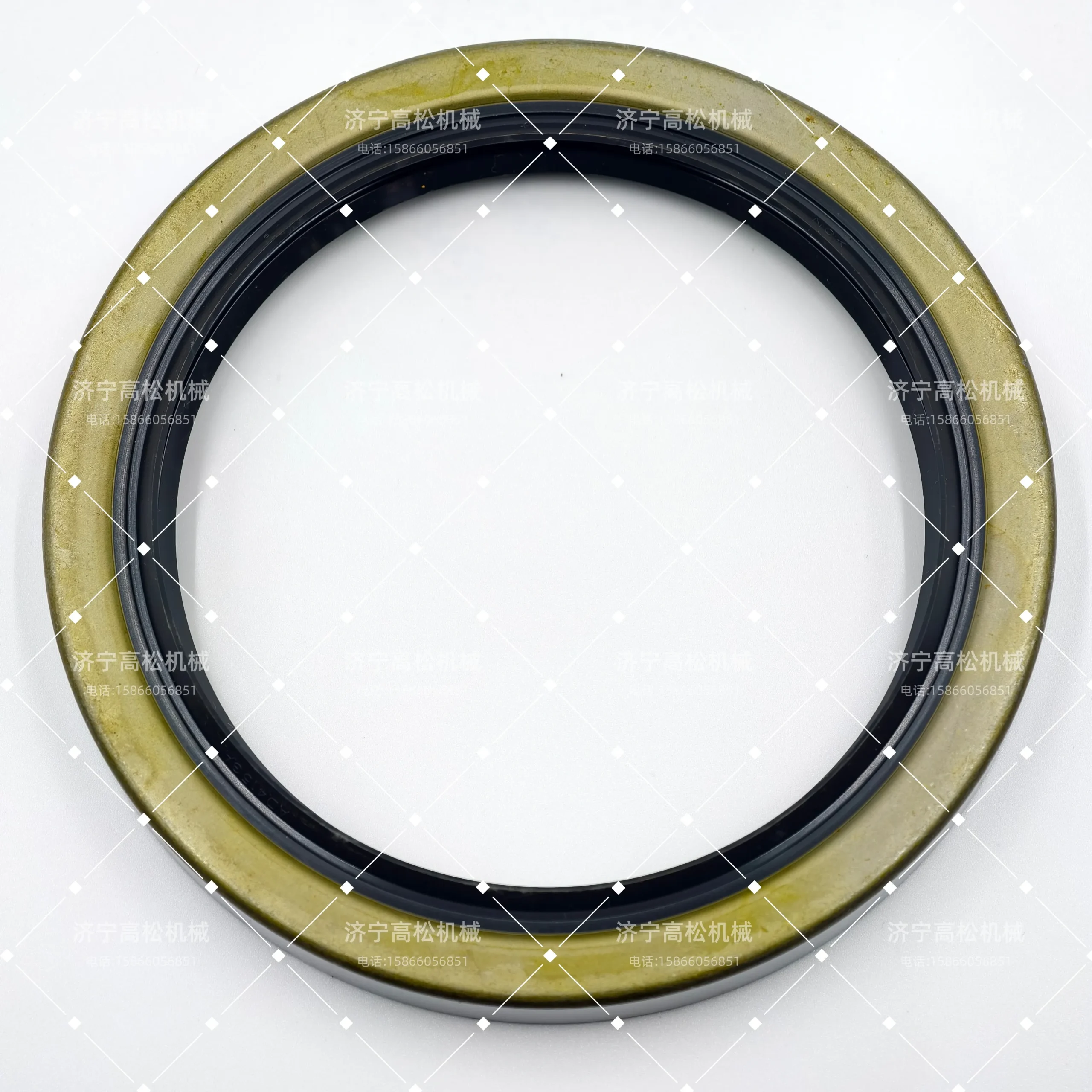 WA500-3 Oil Seal 425-20-15740 China Manufacturers Suppliers…
 -
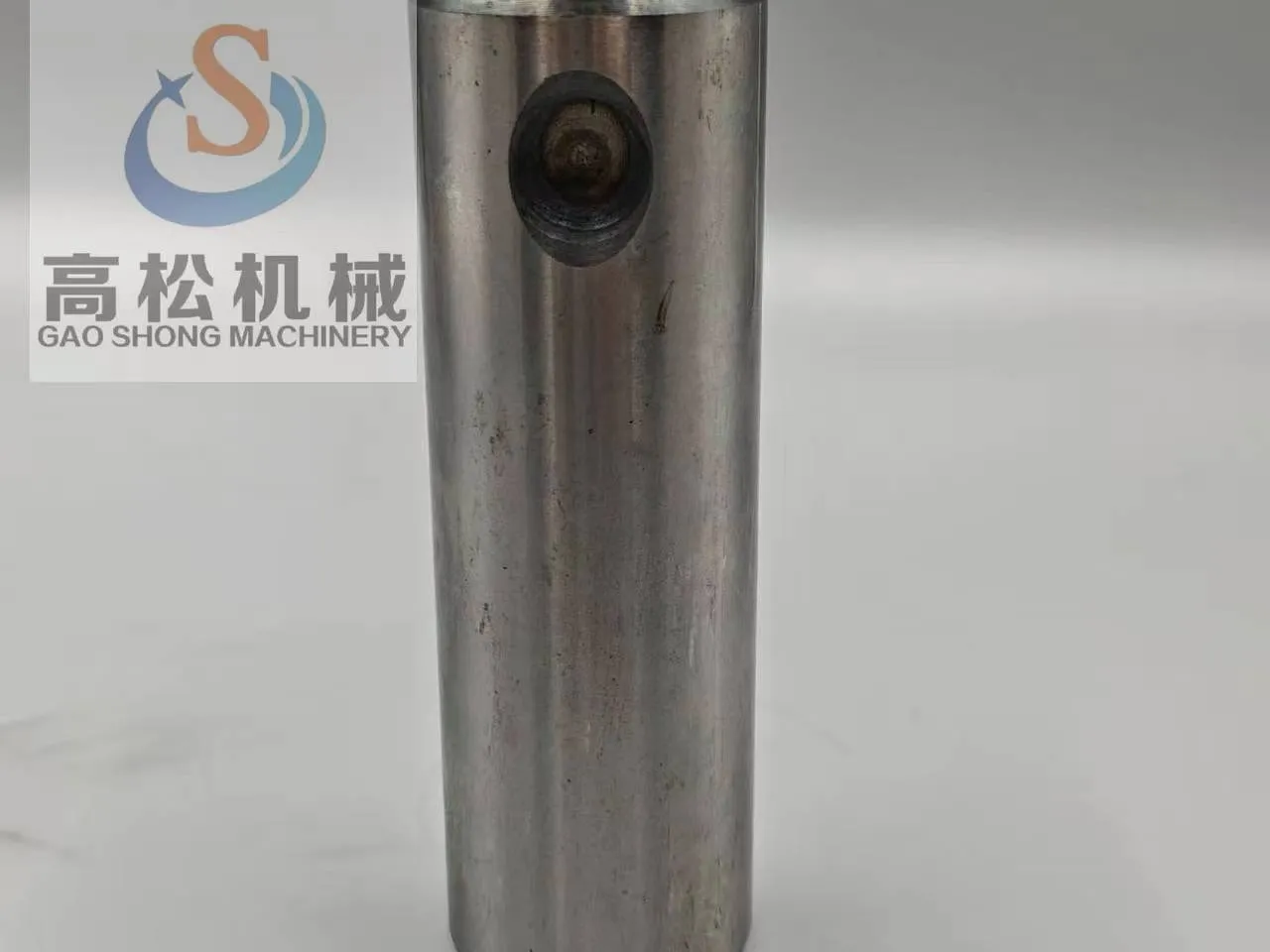 Komatsu Pin, 20Y-27-31160 Komatsu Sales, 20Y-27-31160
 -
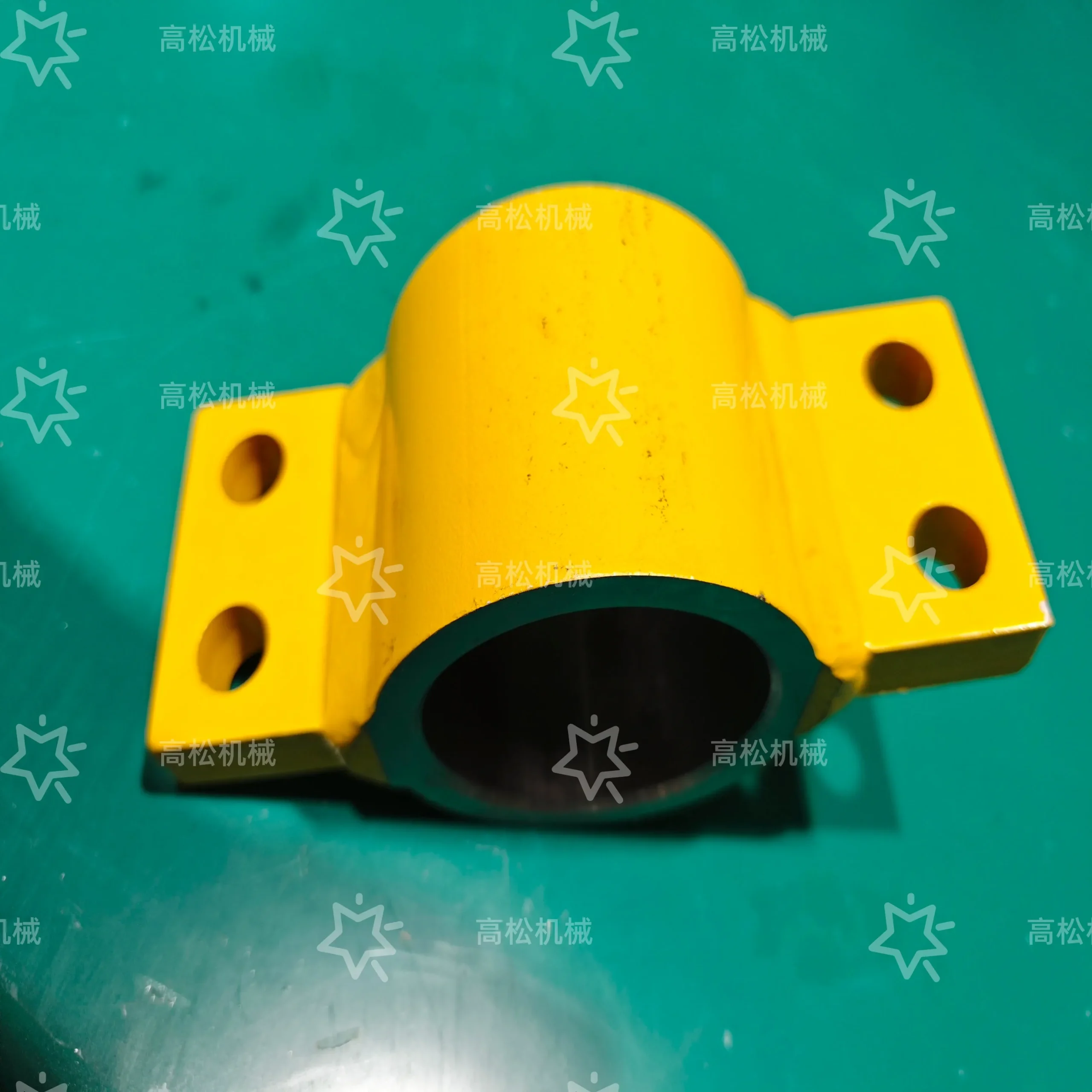 part 566-14-41160 Bracket (Komatsu)