
- Chinese
- French
- German
- Portuguese
- Spanish
- Russian
- Japanese
- Korean
- Arabic
- Irish
- Greek
- Turkish
- Italian
- Danish
- Romanian
- Indonesian
- Czech
- Afrikaans
- Swedish
- Polish
- Basque
- Catalan
- Esperanto
- Hindi
- Lao
- Albanian
- Amharic
- Armenian
- Azerbaijani
- Belarusian
- Bengali
- Bosnian
- Bulgarian
- Cebuano
- Chichewa
- Corsican
- Croatian
- Dutch
- Estonian
- Filipino
- Finnish
- Frisian
- Galician
- Georgian
- Gujarati
- Haitian
- Hausa
- Hawaiian
- Hebrew
- Hmong
- Hungarian
- Icelandic
- Igbo
- Javanese
- Kannada
- Kazakh
- Khmer
- Kurdish
- Kyrgyz
- Latin
- Latvian
- Lithuanian
- Luxembou..
- Macedonian
- Malagasy
- Malay
- Malayalam
- Maltese
- Maori
- Marathi
- Mongolian
- Burmese
- Nepali
- Norwegian
- Pashto
- Persian
- Punjabi
- Serbian
- Sesotho
- Sinhala
- Slovak
- Slovenian
- Somali
- Samoan
- Scots Gaelic
- Shona
- Sindhi
- Sundanese
- Swahili
- Tajik
- Tamil
- Telugu
- Thai
- Ukrainian
- Urdu
- Uzbek
- Vietnamese
- Welsh
- Xhosa
- Yiddish
- Yoruba
- Zulu
- Kinyarwanda
- Tatar
- Oriya
- Turkmen
- Uyghur






OEM AND ORIGINAL KOMATSU SENSOR 566-88-66143
When you see a part number like , especially with the terms OEM and Original slapped in front of it, your first thought might be that it's straightforward. But in the trenches of heavy equipment parts supply, that's rarely the case. I've seen too many guys get tripped up thinking OEM and Original are always the same thing for Komatsu parts. For a sensor this specific, used across various Komatsu excavator models, the distinction isn't just semantic—it's about traceability, performance, and often, sheer availability. The promise of an original part can lead you down a rabbit hole of cross-references and questionable suppliers if you're not careful.
The Tangled Web of OEM vs. Original
Let's break this down from experience. True OEM AND ORIGINAL KOMATSU SENSOR means it came off the same assembly line that supplies Komatsu's own production. The packaging, the stamping, the performance specs—everything matches. But here's the catch: Komatsu licenses several certified manufacturers to produce these components. So, an OEM product might be functionally identical and made to the same blueprint, but it may not have the Komatsu logo laser-etched on it. I've ordered parts billed as original only to receive a perfectly functional sensor in plain white box from a certified factory like Denso or Nippon Denso, which Komatsu uses. Is it original? Technically, yes. Does it look like the one you pulled off the machine? Maybe not.
This is where companies that operate within the Komatsu ecosystem, like Jining Gaosong Construction Machinery Co., Ltd., become critical. They position themselves as an OEM product supplier within the Komatsu system. What that means on the ground is they often have access to these certified factory runs—the same components before they get the Komatsu-branded packaging. For a part like the , this can be a lifeline. Their role as a third-party sales company for Komatsu isn't about selling alternatives; it's about providing a parallel, legitimate supply chain for the exact same engineering.
The practical test? I once had a D375 dozer throwing intermittent codes related to this sensor. We got a hold of a sensor from a general parts supplier that listed the as a match. It plugged in, but the machine's computer didn't quite recognize it properly—the voltage feedback was off by a margin. We then sourced one through a channel like takematsumachinery.com, which was explicitly sold as an OEM product within the system. That one worked seamlessly. The lesson was clear: compatibility isn't just about the plug fitting; it's about the communication protocol being exact.
Why the is More Than Just a Number
This isn't a generic pressure switch. The is typically a speed sensor or a rotational sensor, often found on swing motors or travel motors in mid-to-large size excavators like the PC300 or PC400 series. Its failure mode is sneaky. It doesn't always just die; it can start sending noisy signals, causing jerky movement or uncommanded hesitations that mechanics might blame on hydraulics first. I've wasted afternoons chasing pump issues when the root cause was this sensor degrading.
When you look for this part, the aftermarket is flooded with compatible versions. Some are decent, but many lack the proper shielding against the intense electromagnetic interference inside a machine's engine compartment. The genuine article, whether branded or from its OEM source, has a specific potting compound and shielding that you can see and feel. The cheap copies feel lighter, the connector plastic is more brittle. It's a tactile difference you learn to recognize.
This is the core of the value proposition for a supplier focused on solving parts supply challenges. In regions where the official Komatsu distribution is slow or non-existent, getting a hold of a reliable OEM AND ORIGINAL KOMATSU SENSOR in days instead of months is what keeps fleets operating. The website for Jining Gaosong, https://www.takematsumachinery.com, isn't just a storefront; for many of us, it's a verified shortcut to the authentic supply chain without the corporate logistics overhead.
Failures and Field Diagnostics
I'll share a mistake so you don't make it. We had a PC360-8 with a travel alarm. Code pointed to a sensor circuit. We checked the sensor on the travel motor with a multimeter—resistance seemed within a vague range we found online. Swapped it with a new compatible unit. Problem persisted. Turns out, the original sensor was probably fine. The issue was a chafed wire harness about a foot back from the connector, exposing the signal wire to intermittent grounding. The new sensor reading was actually less accurate than the old one, muddying the diagnostics further.
The proper diagnostic flow for this specific sensor involves checking the AC voltage output while the machine moves, not just static resistance. You need to see a clean, sinusoidal wave on an oscilloscope, or at least a consistent AC voltage increase with speed. Many manuals assume you have the factory tooling, but in the field, you learn workarounds. The point is, throwing a new sensor at the problem first is tempting but can be costly and ineffective if you haven't ruled out the wiring and the ECM's power supply to the sensor.
This is where having a trusted source for the part matters. If you're going to replace it for diagnostic purposes, you want the replacement to be a known-good, OEM-spec unit. Otherwise, you're introducing another variable. Using a source that supplies within the Komatsu system gives you that baseline confidence. You know the sensor's output characteristic will be to spec, so if the problem remains, you can definitively look elsewhere.
The Economics of Genuine in a Tight Market
Let's talk cost. The official Komatsu box with the logo commands a premium, sometimes 40-50% more than the OEM equivalent from a system supplier. For fleet managers, that delta is hard to justify when the performance is identical. The business model of a company acting as a third-party sales company for Komatsu is built on this arbitrage. They get the parts from the certified factories and sell them without the final branding and distribution markups, directly helping to solve parts supply challenges in certain countries.
However, cheaper doesn't mean cheap. A real OEM KOMATSU SENSOR will still be significantly more expensive than a blatant copy. You're paying for the metallurgy in the sensing element, the quality control in the potting, and the rigorous testing for thermal cycling and vibration resistance. I've seen the cheap ones fail within 300 hours in high-vibration applications. The real one lasts for the life of the component it's monitoring.
The economic calculation isn't just part price vs. part price. It's the cost of downtime, the cost of a second repair, and the cost of potential collateral damage if a faulty sensor causes erratic machine behavior. Sourcing from a dedicated OEM supplier bridges the gap between the prohibitively expensive full-branded part and the risky unknown of the open aftermarket.
Sourcing Practicalities and Red Flags
So, how do you actually get one? If you search the part number, you'll get pages of hits. The red flags are immediate: sellers with stock of 1000+ units, prices that seem too good to be true, and vague descriptions like fits Komatsu. The green flags are more nuanced: detailed specs listing output voltage/Hz, mention of certified manufacturing, and suppliers who openly discuss their position in the Komatsu supply chain, much like the stated role of Jining Gaosong.
A practical step I always take is to ask for a photo of the actual part, specifically the connector face and any stamped numbers on the body. The real has very specific machining marks and often a date/batch code. A blurry stock photo is a hard pass. A supplier with a professional platform like takematsumachinery.com will usually have clear, real images because they're moving real inventory, not drop-shipping from an unknown warehouse.
Finally, lead time is a tell. Genuine OEM/original parts, even through alternative channels, rarely sit in massive warehouse stock. There's usually a short lead time because the supply is tied to factory production schedules. If someone says they can ship 50 units today, be very skeptical. The reality of sourcing this sensor is one of patience and verification, leaning on suppliers who have built their business on transparency within the official system, not outside of it.
Related Products
Related Products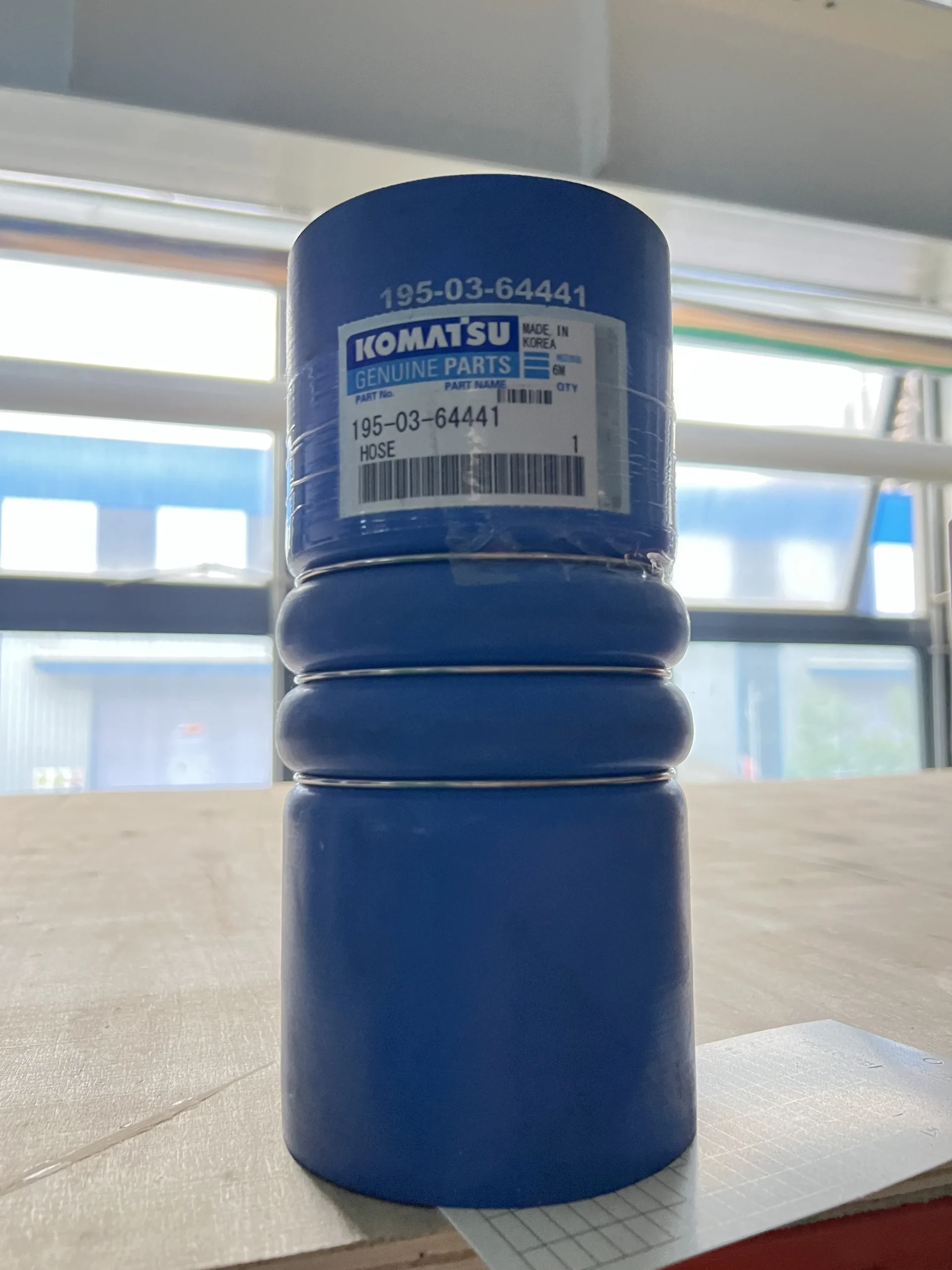
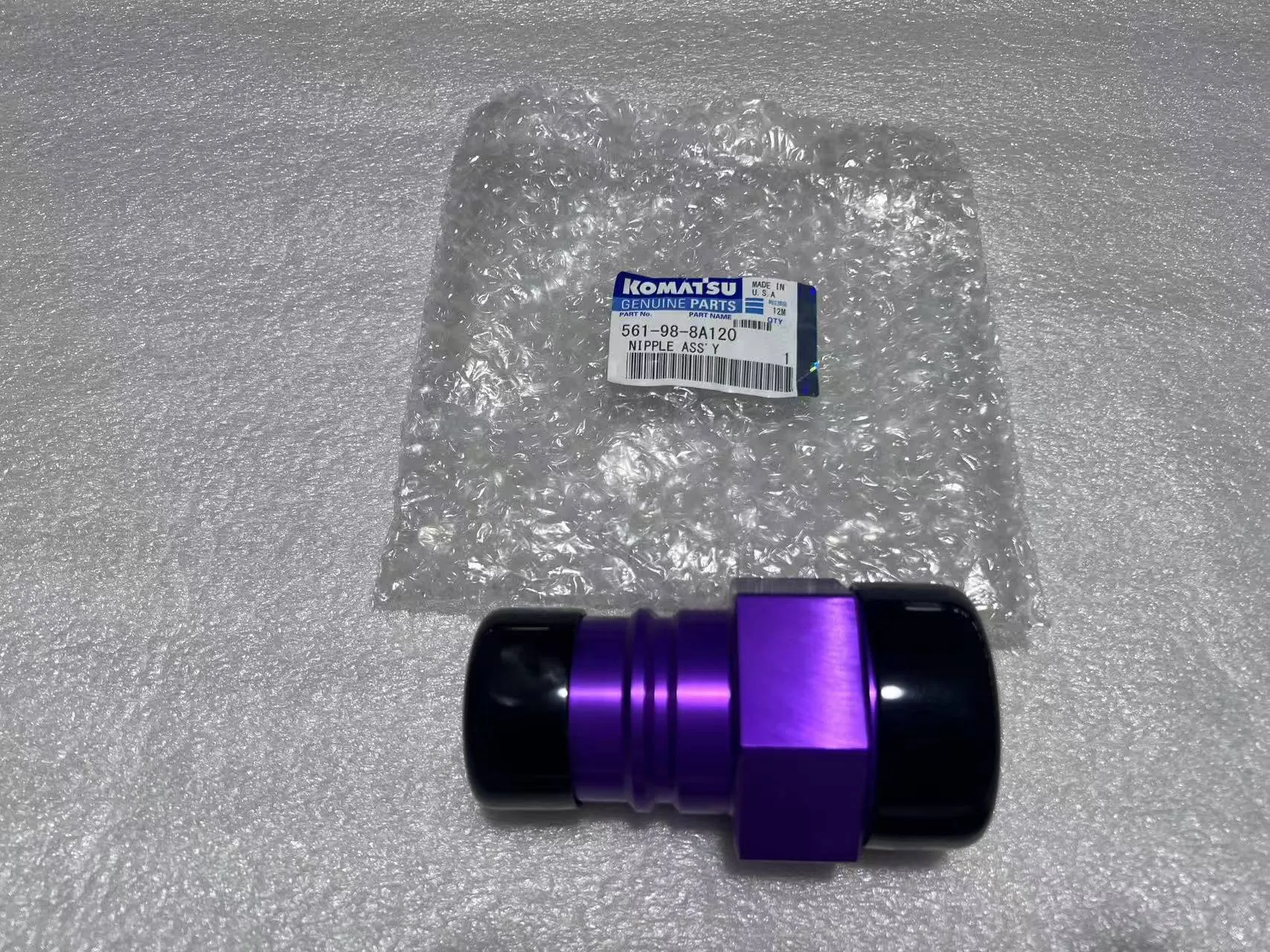

Best Selling Products
Best Selling Products-
 14X-30-13241 Spacer (Komatsu)
 -
 7861-93-5410-SENSOR-Komatsu Original Factory
 -
 Disong 22L-979-2200 AIR CONDITIONER COMPRESSOR 22L-979-2200 for Excavator PC56-7
 -
 Heavy Machines Built to Last 799-101-5160 SOCKET for Komatsu…
 -
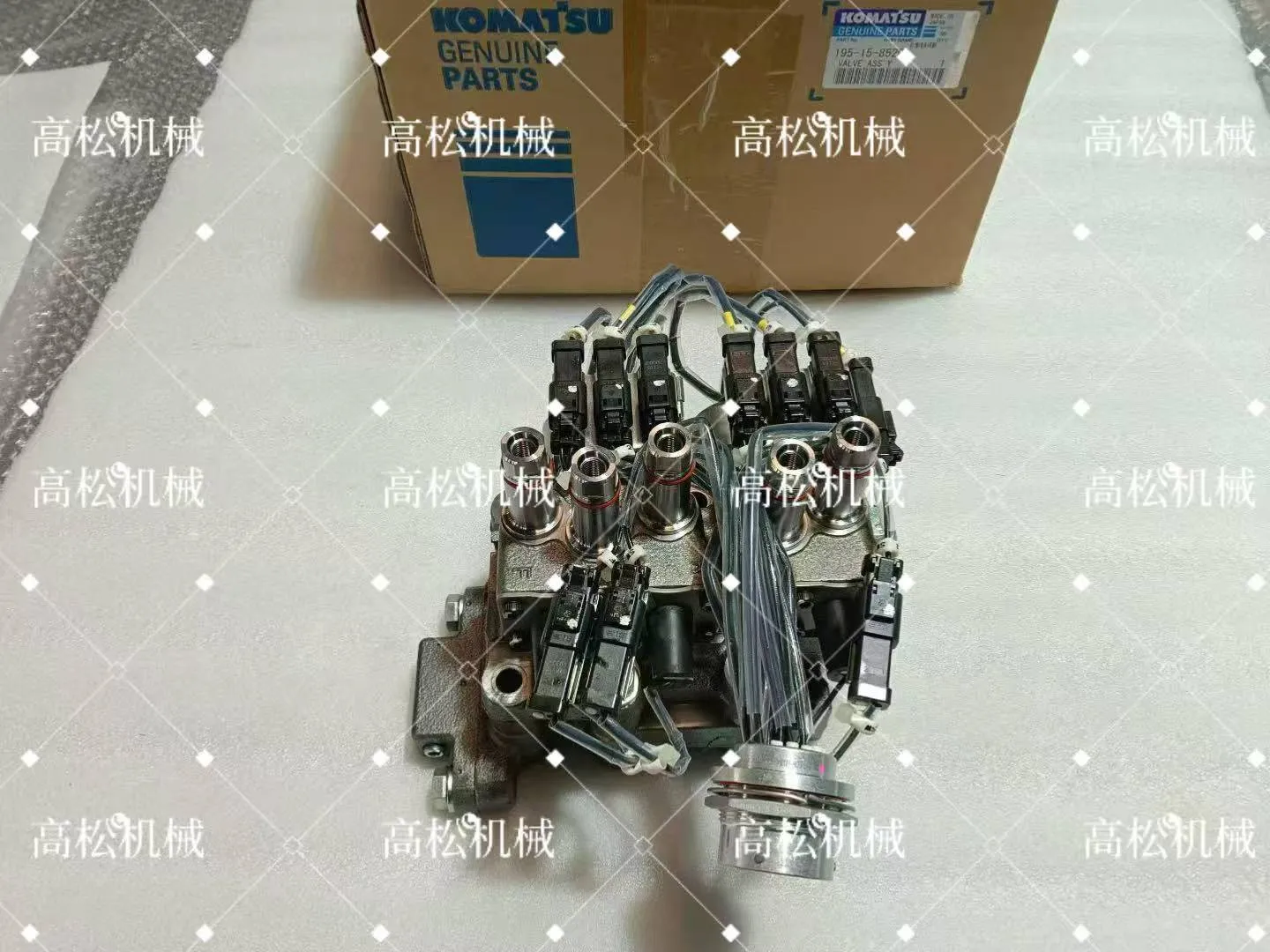 Low price, spot 195-15-85201, valve transmission control for komatsu, parts d375a-6 construction machinery
 -
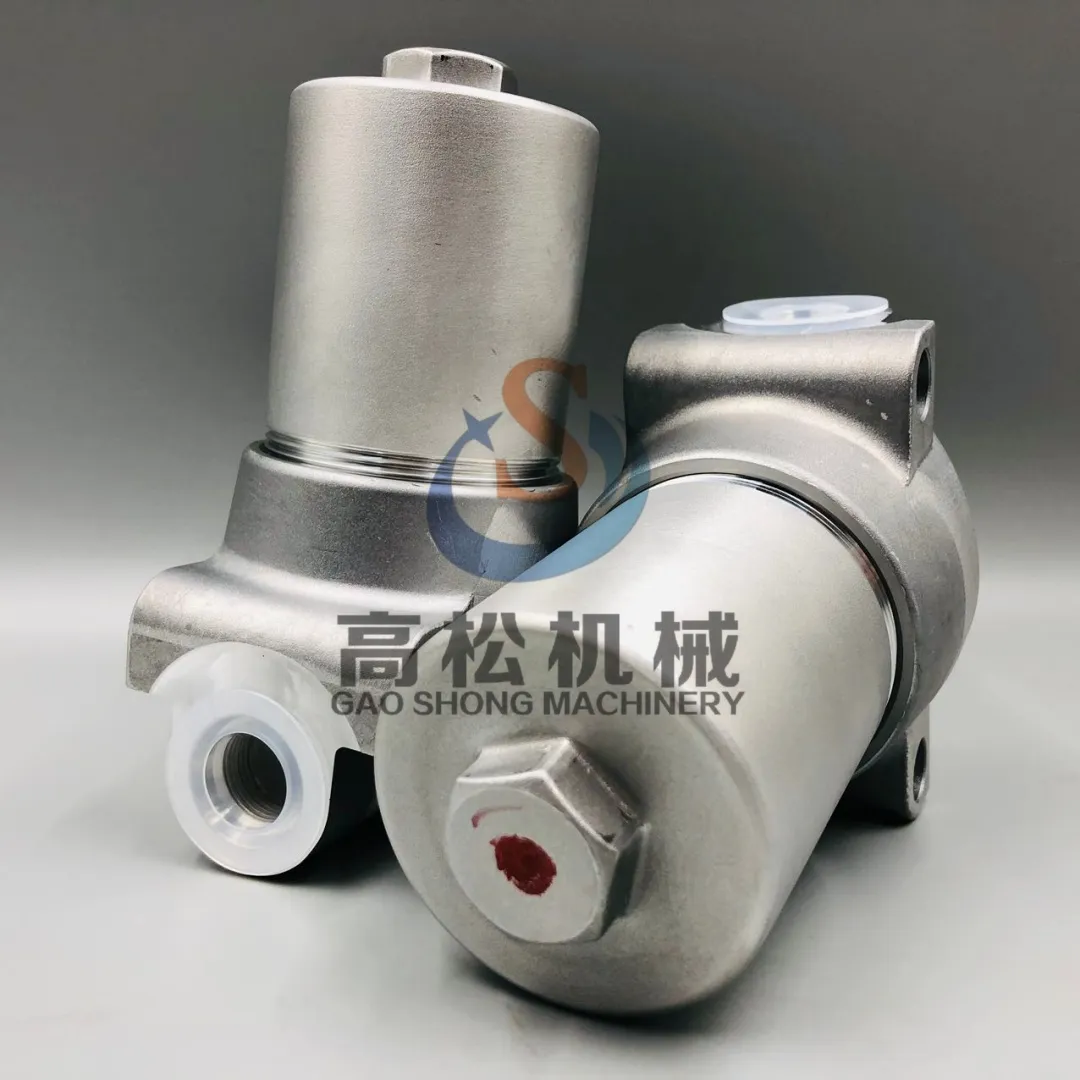 20Y-62-51681Komatsu Filter 20Y-62-51681 for Crawler excavator PC210LC-8
 -
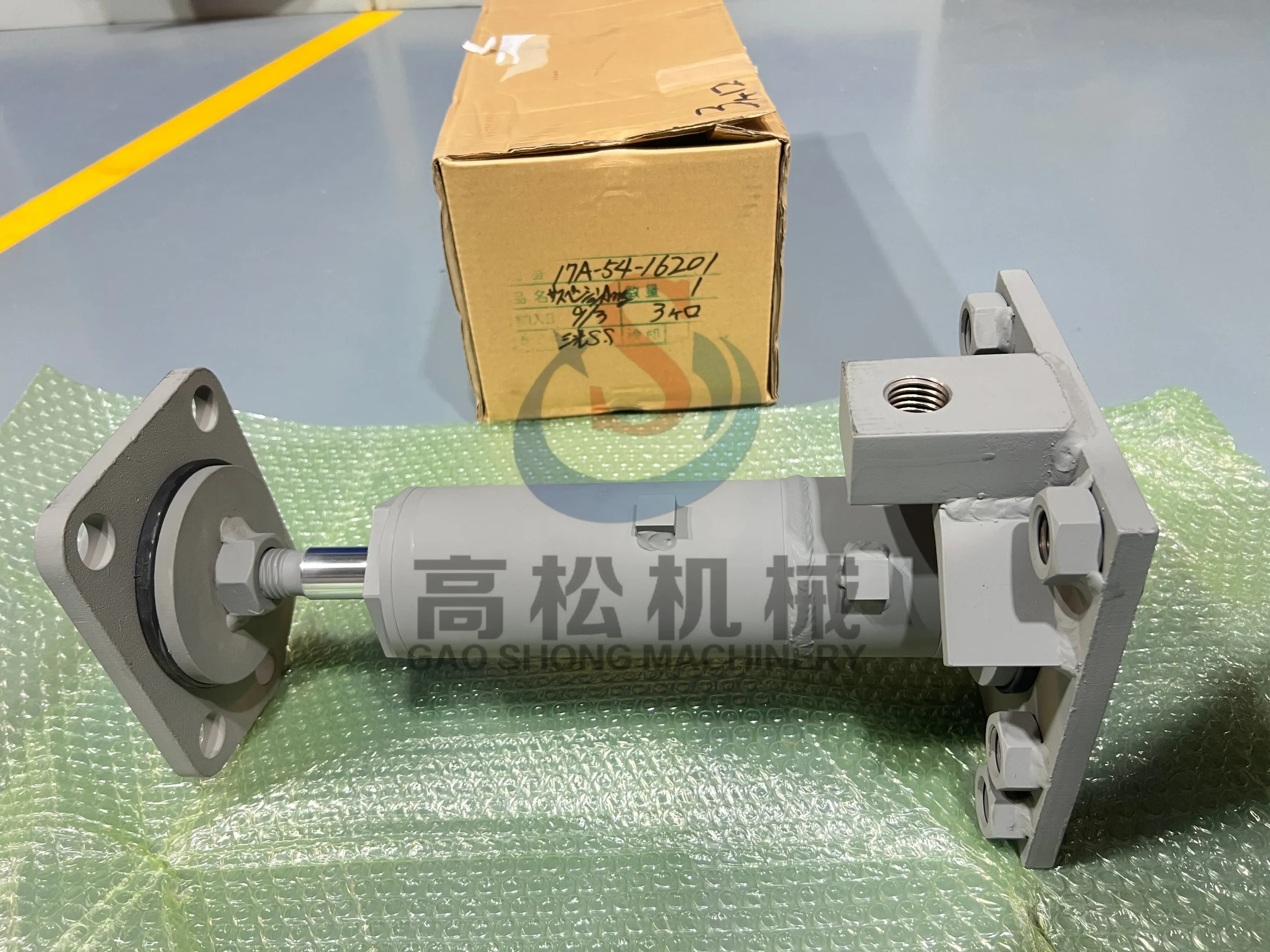 SUSPENSION ASS’Y 17A-54-16201 – KOMATSU
 -
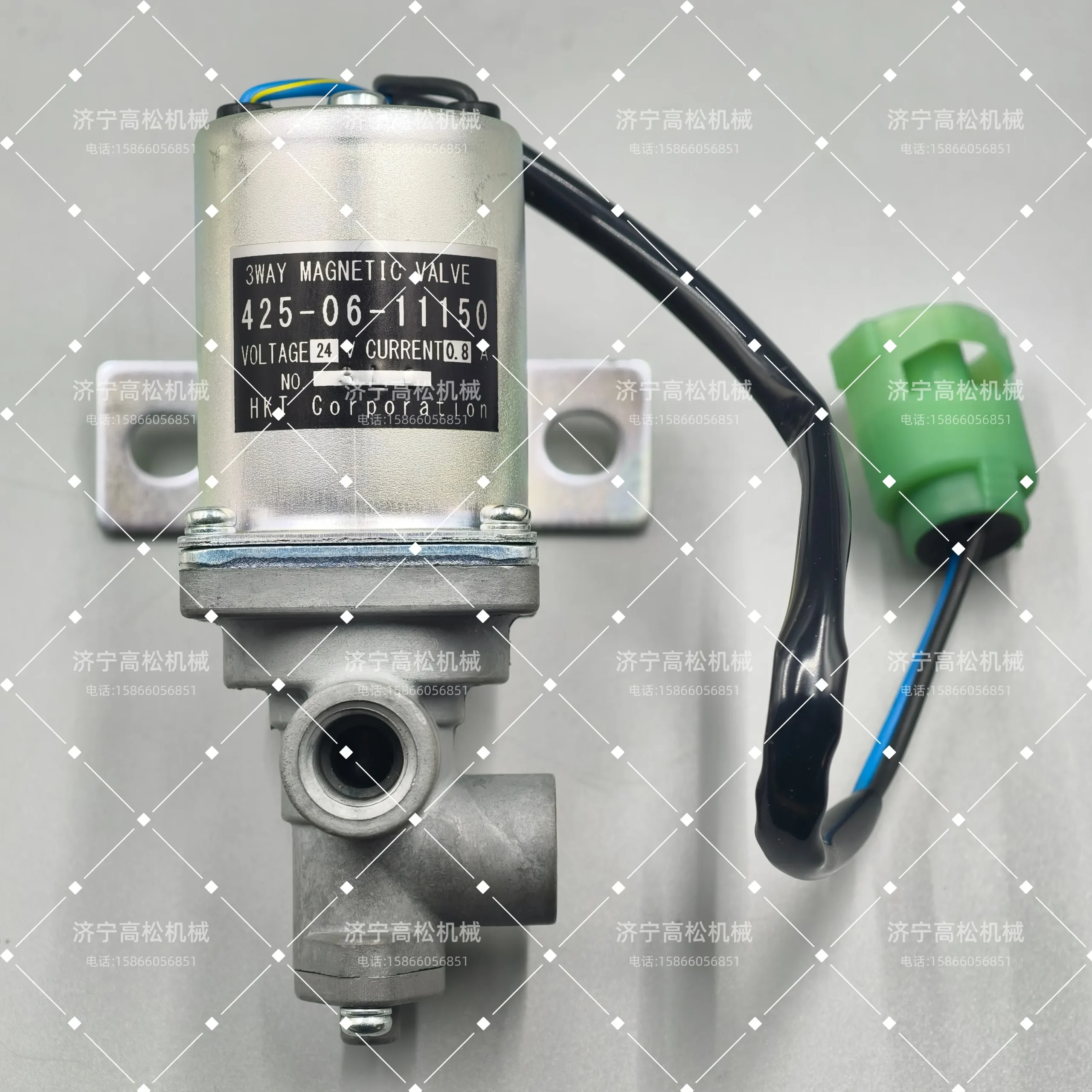 425-06-11150 Komatsu VALVE, PARKING BRAKE
 -
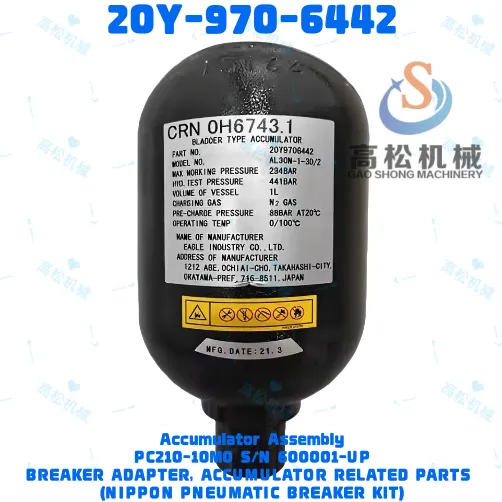
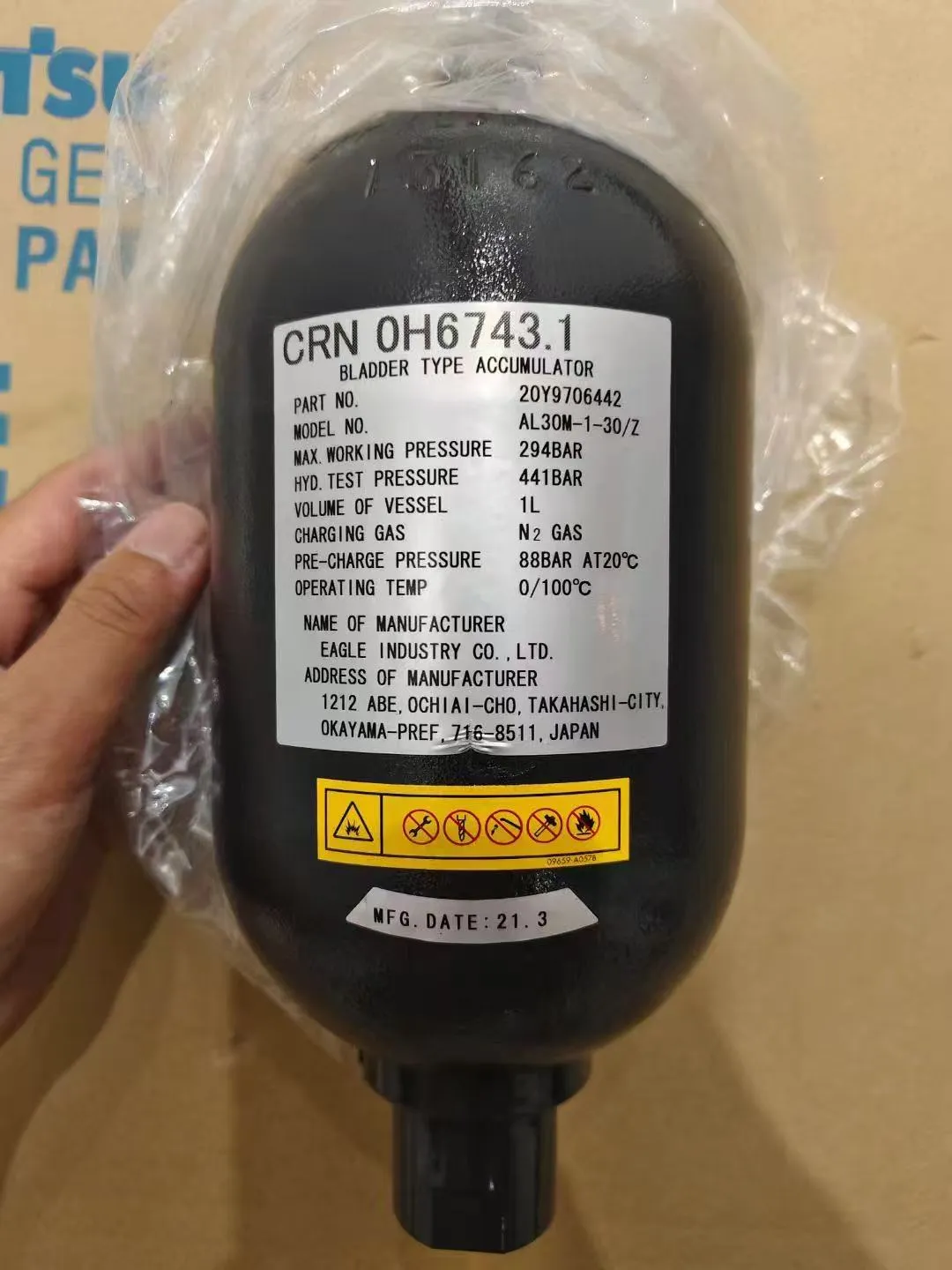 20Y-970-6442 Komatsu Accumulator Assembly
 -
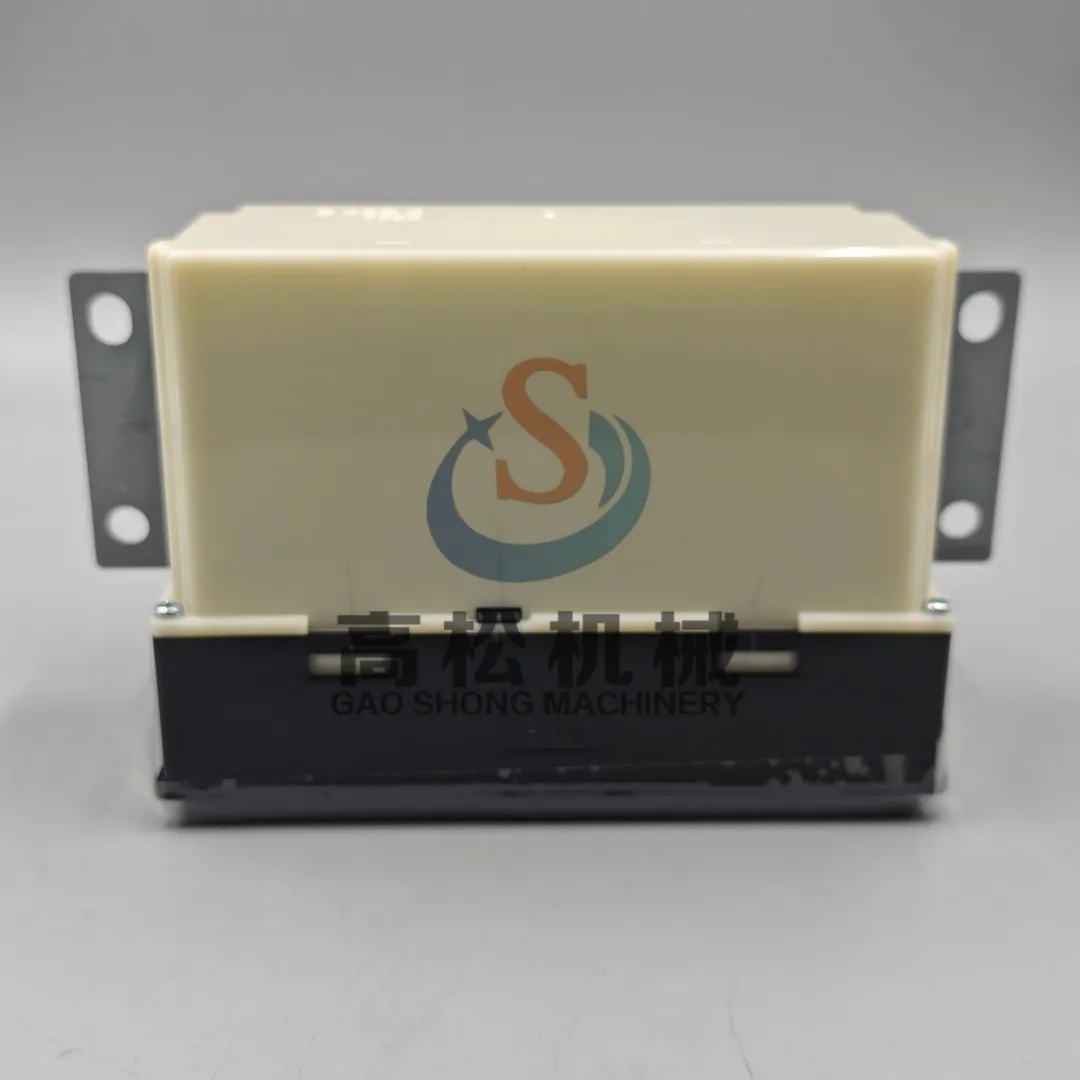 used Komatsu Controller 425-07-21121 for WA500-3H
 -
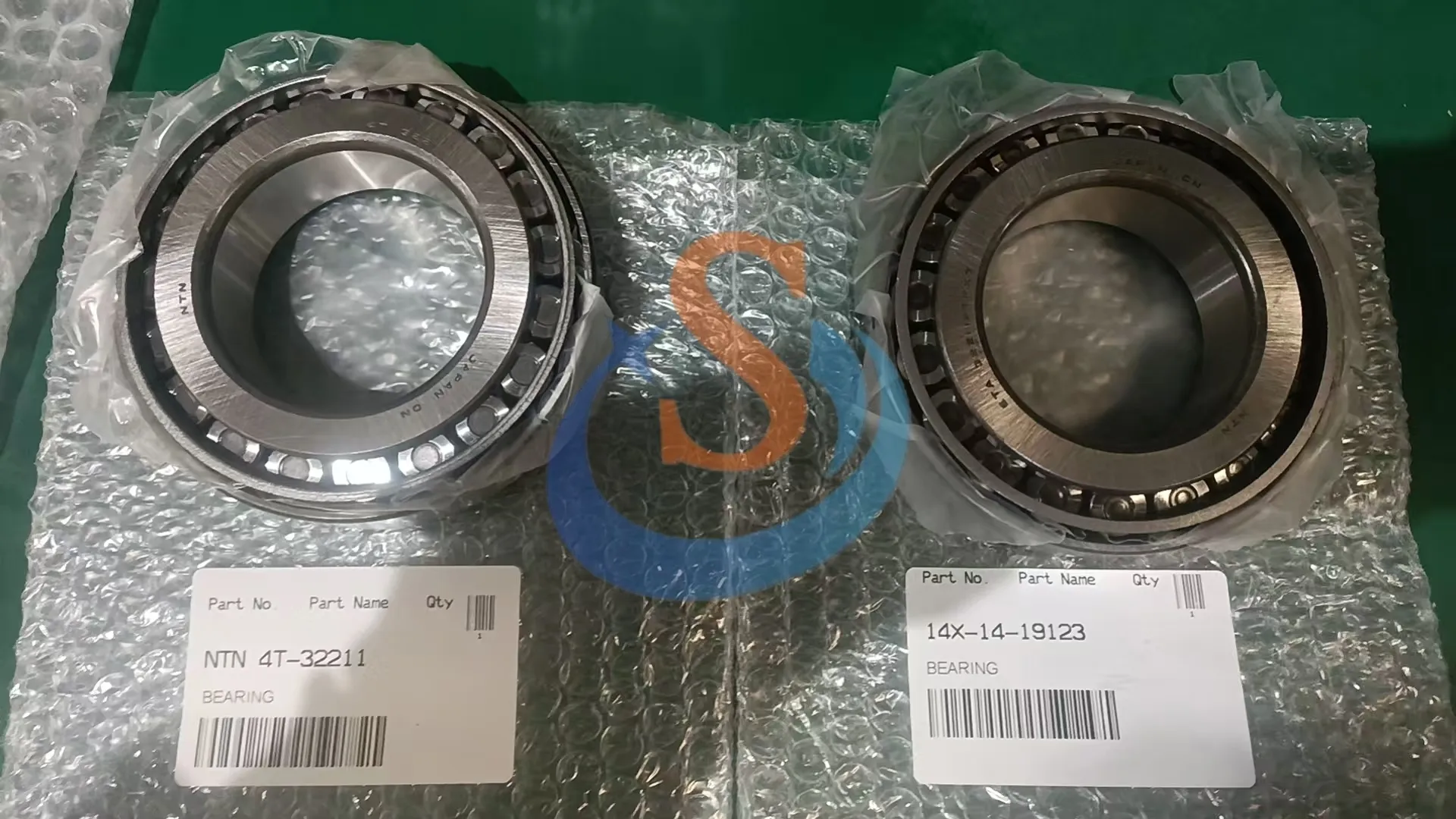
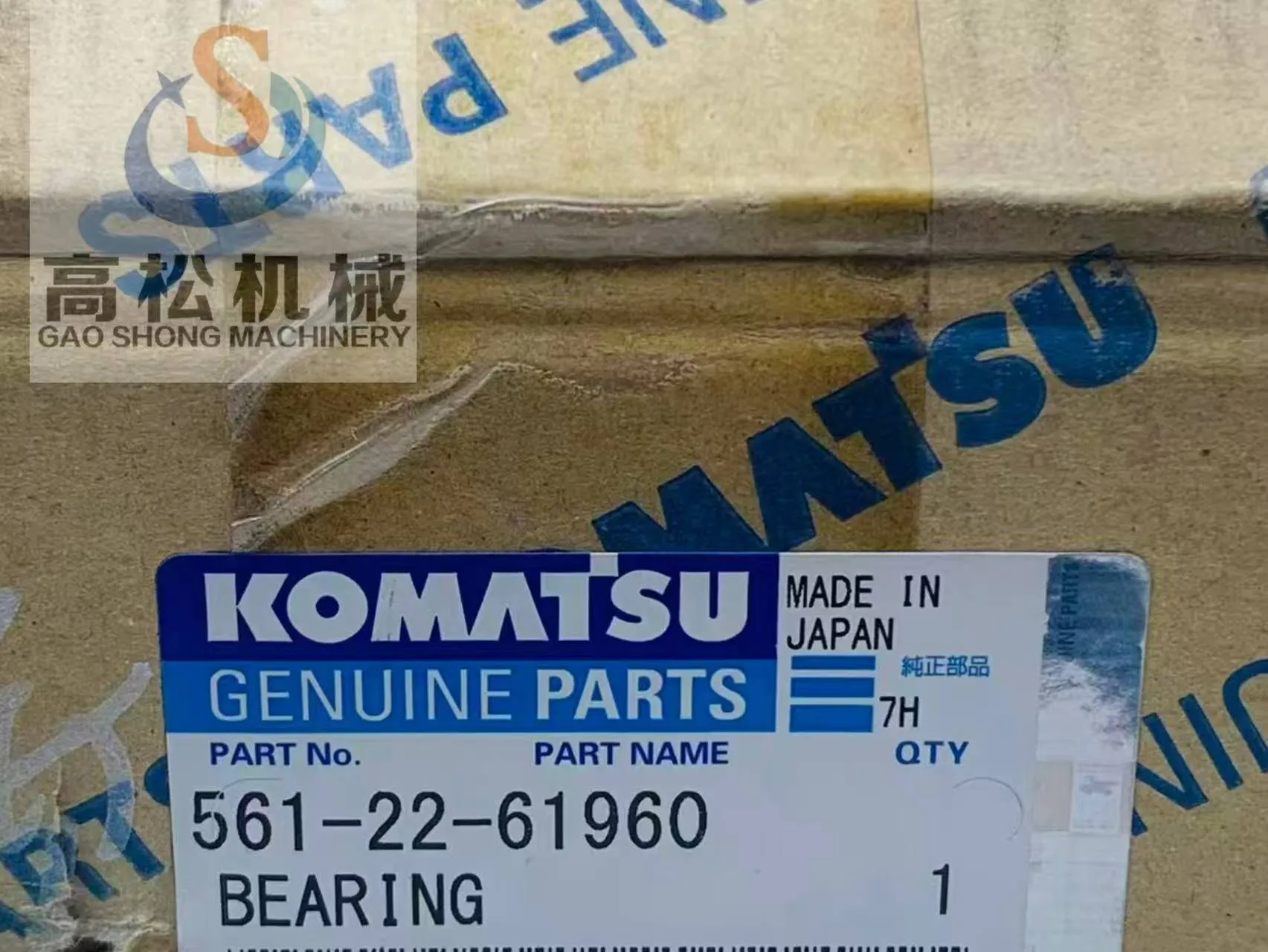 561-22-61960 bearing Komatsu parts HD785, HD985, WA1200
 -
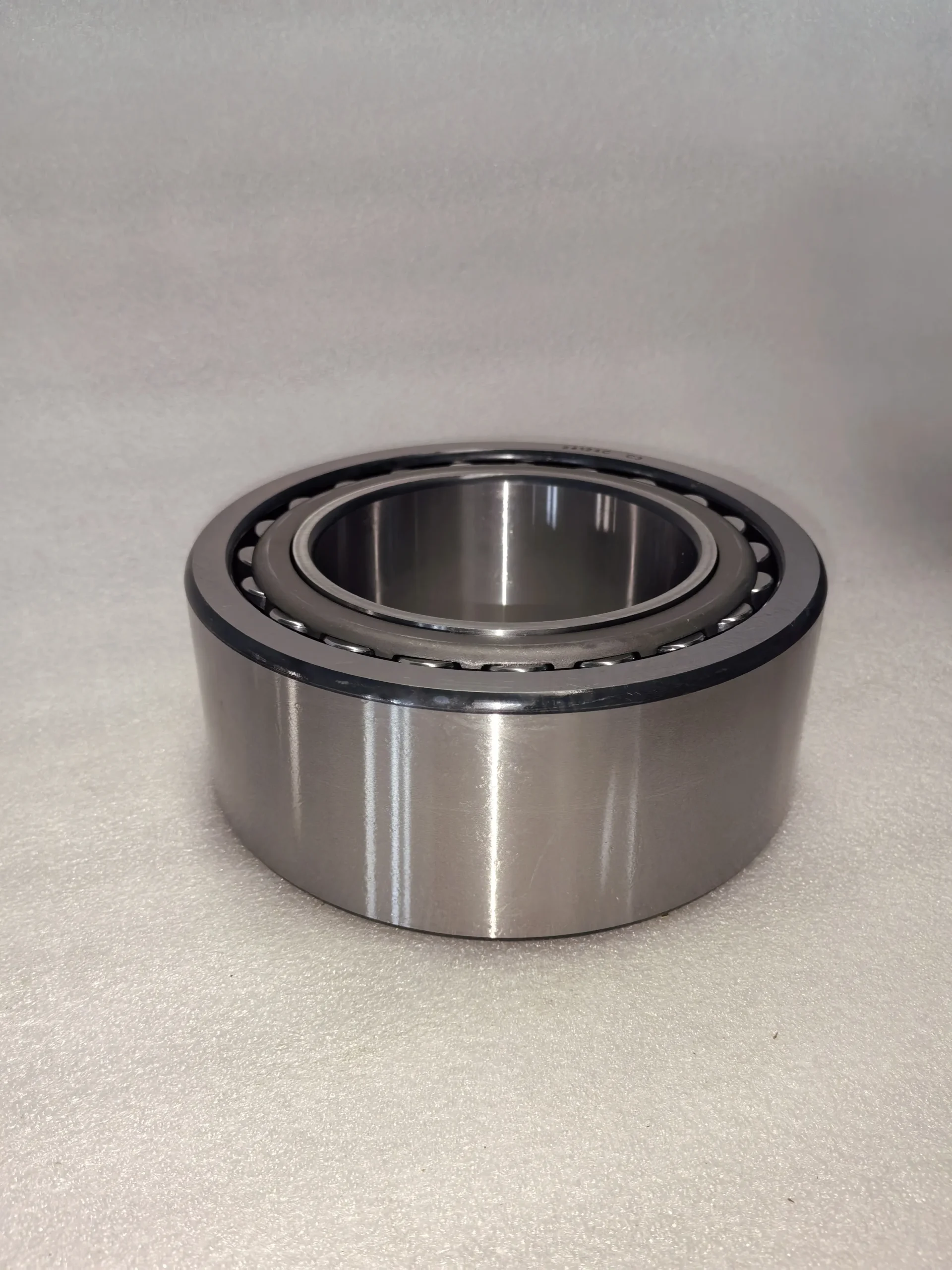 170-09-13250 Komatsu Bearing – Komatsu