
- Chinese
- French
- German
- Portuguese
- Spanish
- Russian
- Japanese
- Korean
- Arabic
- Irish
- Greek
- Turkish
- Italian
- Danish
- Romanian
- Indonesian
- Czech
- Afrikaans
- Swedish
- Polish
- Basque
- Catalan
- Esperanto
- Hindi
- Lao
- Albanian
- Amharic
- Armenian
- Azerbaijani
- Belarusian
- Bengali
- Bosnian
- Bulgarian
- Cebuano
- Chichewa
- Corsican
- Croatian
- Dutch
- Estonian
- Filipino
- Finnish
- Frisian
- Galician
- Georgian
- Gujarati
- Haitian
- Hausa
- Hawaiian
- Hebrew
- Hmong
- Hungarian
- Icelandic
- Igbo
- Javanese
- Kannada
- Kazakh
- Khmer
- Kurdish
- Kyrgyz
- Latin
- Latvian
- Lithuanian
- Luxembou..
- Macedonian
- Malagasy
- Malay
- Malayalam
- Maltese
- Maori
- Marathi
- Mongolian
- Burmese
- Nepali
- Norwegian
- Pashto
- Persian
- Punjabi
- Serbian
- Sesotho
- Sinhala
- Slovak
- Slovenian
- Somali
- Samoan
- Scots Gaelic
- Shona
- Sindhi
- Sundanese
- Swahili
- Tajik
- Tamil
- Telugu
- Thai
- Ukrainian
- Urdu
- Uzbek
- Vietnamese
- Welsh
- Xhosa
- Yiddish
- Yoruba
- Zulu
- Kinyarwanda
- Tatar
- Oriya
- Turkmen
- Uyghur






OEM AND ORIGINAL KOMATSU SEAL 17M-50-25130
When you see a part number like 'OEM AND ORIGINAL KOMATSU SEAL 17M-50-25130' in a search query or on a spec sheet, it immediately sets off a few internal alarms. The conjunction AND is the first red flag for anyone who's been sourcing Komatsu parts for a while. It often signals a vendor trying to cover all bases, blurring the critical line between genuine Komatsu factory output and parts produced under an OEM arrangement. This isn't just semantics; it's the difference between a seal that lasts 5,000 hours in a harsh mining application and one that fails prematurely, taking a hydraulic pump with it. The 17M-50-25130, specifically, is a critical sealing component for certain Komatsu excavator swing drives. I've seen the aftermath of getting this wrong—downtime costs that dwarf the part price tenfold.
The OEM vs. Original Conundrum in Practice
Let's break down the terminology as it plays out on the ground. True OEM product supplier status within the Komatsu system, like what Jining Gaosong Construction Machinery Co., Ltd. highlights, means the company is authorized to manufacture components to Komatsu's exact engineering drawings, material specs, and quality protocols. The part that comes from such a channel is, for all functional purposes, the original part. It will have the correct nitrile compound for temperature resilience, the precise lip geometry for optimal sealing pressure, and the right metal casing hardness.
However, the market is flooded with parts labeled original that are merely high-quality aftermarket copies. They might look identical, even down to the packaging. The failure point is rarely in the first few hundred hours. It's under sustained high pressure and thermal cycling that differences emerge. The lip might wear faster, the spring might lose tension. I recall a contractor in Chile who bought original 17M-50-25130 seals from a non-authorized reseller. They worked fine for a few months, then a cluster of swing motor failures hit his fleet. The root cause? The seal material degraded, allowing fine abrasive contaminants into the system.
This is where the stated mission of a company like Jining Gaosong becomes relevant. As a third-party sales company for Komatsu, they aren't just another reseller. Their role in helping to solve parts supply challenges in certain countries often means they provide a legitimate pipeline for these OEM-equivalent parts where the official distribution network is thin or backlogged. You're not getting a mystery box part; you're getting the OEM-spec item through an alternative but authorized route.
Dissecting the 17M-50-25130: More Than Just a Rubber Ring
Focusing on this specific seal, its importance is outsized. It's not a simple O-ring. It's a multi-component seal, likely a rotary shaft seal or a similar critical interface seal in the power train. The 17M prefix often ties it to a specific Komatsu model family or assembly. In the field, we don't just order it by number; we cross-reference the machine's serial number range. A minor design revision in the host component can change the sealing surface finish, making a visually identical seal from a different batch ineffective.
The material spec is everything. For a swing drive, the seal deals with hot hydraulic oil, pressure spikes, and rotational friction. An inferior compound will harden and crack or become too soft and extrude. I've had to explain this to procurement teams countless times: the cost savings on the part is irrelevant if the seal can't handle the specific fluid type (like a bio-degradable hydraulic fluid, which can be more aggressive on certain elastomers) or the ambient temperature extremes of the job site.
One practical test we used to do—though it's destructive—was to compare the flexibility and smell of the sealing lip material. A genuine/OEM seal had a consistent, almost dull rubber smell and a resilience that snapped back immediately. Counterfeits often felt different—sometimes oilier, sometimes stiffer. But this is cowboy stuff. The real assurance comes from the supply chain paperwork and the supplier's credentials, like traceability back to an approved OEM facility.
Supply Chain Realities and the Role of Specialized Suppliers
The theoretical purity of always buy directly from Komatsu crashes into the wall of reality: lead times, regional availability, and cost. For a fleet operating in remote regions or countries with complex import rules, waiting 12 weeks for a seal is a non-starter. This creates the niche for competent third-party companies. Their value isn't just in having the part on a shelf, but in having the OEM product supplier link to get the correct part manufactured and shipped without the bureaucratic overhead of the main dealer network.
I've worked with suppliers who function like Takematsu Machinery (the web presence for Jining Gaosong). The good ones ask as many questions as they answer: What's the machine serial number? What was the failure mode of the old seal? Is the housing surface scored? This technical engagement is a sign they're not just order-takers; they're applying field knowledge to ensure the right solution. They help solve the supply challenge by cutting through noise and providing a technically correct part, not just a numerically matching one.
A failure in this process was when we once sourced a batch of 17M-50-25130 seals for a fleet of Dash-6 model excavators. The parts arrived, looked perfect, and fit. But within weeks, we had leaks. The issue? The seals were technically correct for the part number, but our machine series had a slightly updated hub design that required a different lip seal angle. The supplier had just pulled the number from a database. A more engaged supplier would have caught that serial number split.
The Cost of Misunderstanding Original
The biggest financial pitfall isn't the price of the seal itself; it's the total cost of ownership. Let's do the rough math: A suspect original seal might save you $50 upfront. A failure leads to 2-3 days of downtime for a medium excavator, loss of hydraulic oil, and the labor cost for a second repair. Suddenly, that's $5,000-$10,000 in losses. Now factor in potential damage to the mating surface of the expensive swing motor or gearbox. The risk multiplier is enormous.
This is why the distinction made by companies that are clear about their OEM product supplier role is crucial. They are implicitly stating that their original part carries the same performance warranty as the one in a Komatsu box because it came from the same or an equivalently qualified production line. It's a claim of equivalence in function and origin, not just in shape and size.
In my experience, the best practice is to use these specialized suppliers for planned maintenance and overhaul kits, where you can validate one or two parts upfront. For a critical breakdown part you need tomorrow, the local dealer might still be the only option, even at a premium. It's about building a hybrid supply strategy where companies like Jining Gaosong become your strategic partner for predictable, bulk, or hard-to-find OEM-spec needs, mitigating the risk of the gray market.
Conclusion: Verification Over Assumption
So, back to that keyword string: 'OEM AND ORIGINAL KOMATSU SEAL 17M-50-25130'. It should be read as a single concept, not two options. The part should be OEM and therefore original in function. The journey to getting the right part starts with disbelieving the marketing copy and verifying the supplier's actual access to the Komatsu technical ecosystem.
Ask for certificates of conformity, material test reports, or even just the name of the manufacturing plant. A reputable supplier like the one behind takematsumachinery.com, which openly states its dual role, will provide that transparency. They're selling a solution to a supply chain problem, not just a piece of rubber and metal.
Ultimately, for the engineer or fleet manager, the goal is machine uptime. Specifying the 17M-50-25130 seal is the first step. Ensuring it's the true OEM-grade component, perhaps sourced through a legitimate third-party channel that understands the stakes, is what closes the loop on a successful repair. It turns a routine parts order into a reliable maintenance operation.
Related Products
Related Products


Best Selling Products
Best Selling Products-
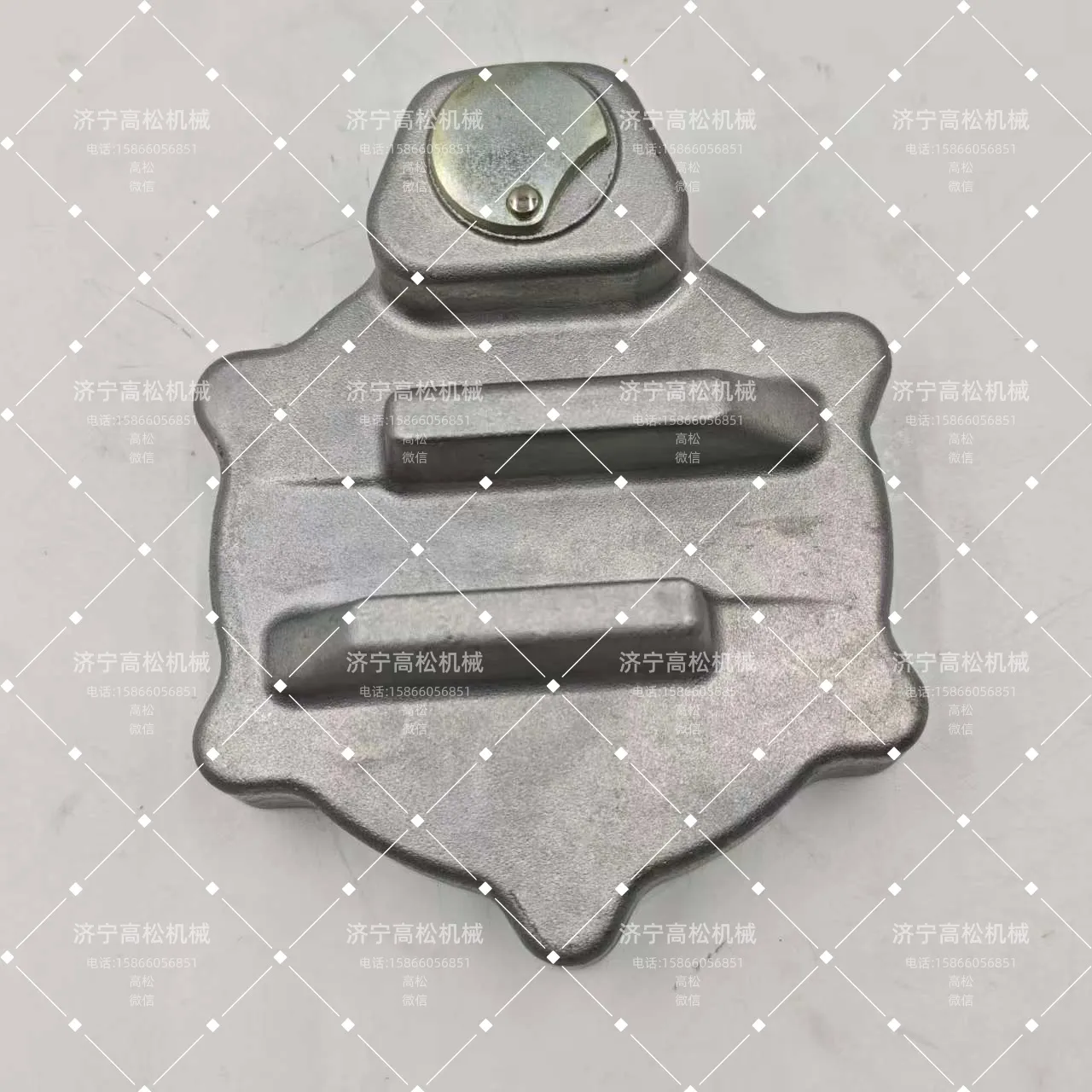 07053-10000 Cap-Radiator Fits KOMATSUU Models
 -
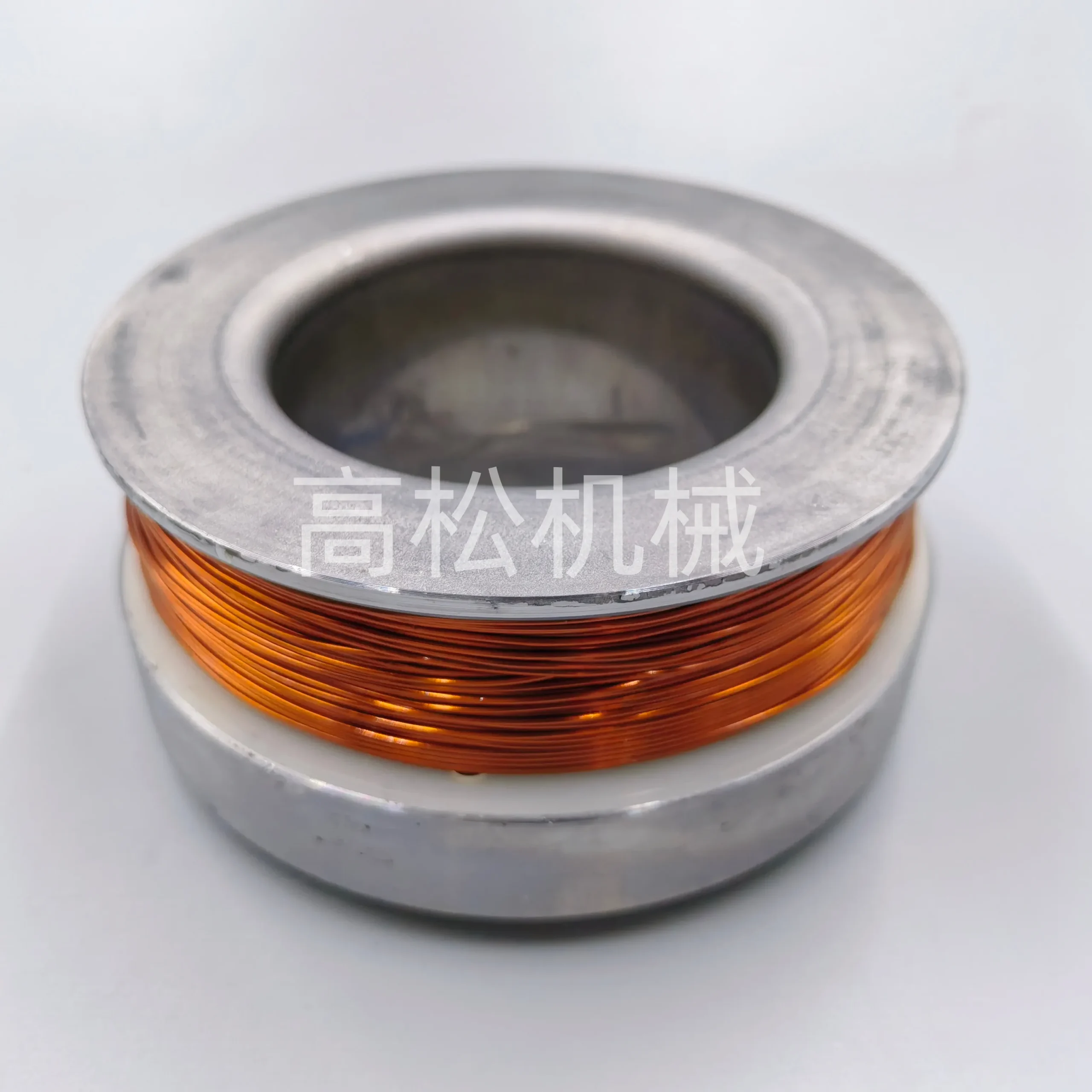 Komatsu KD0-35120-0250 FIELD COIL ASS’Y, price… — Pricing.Parts
 -
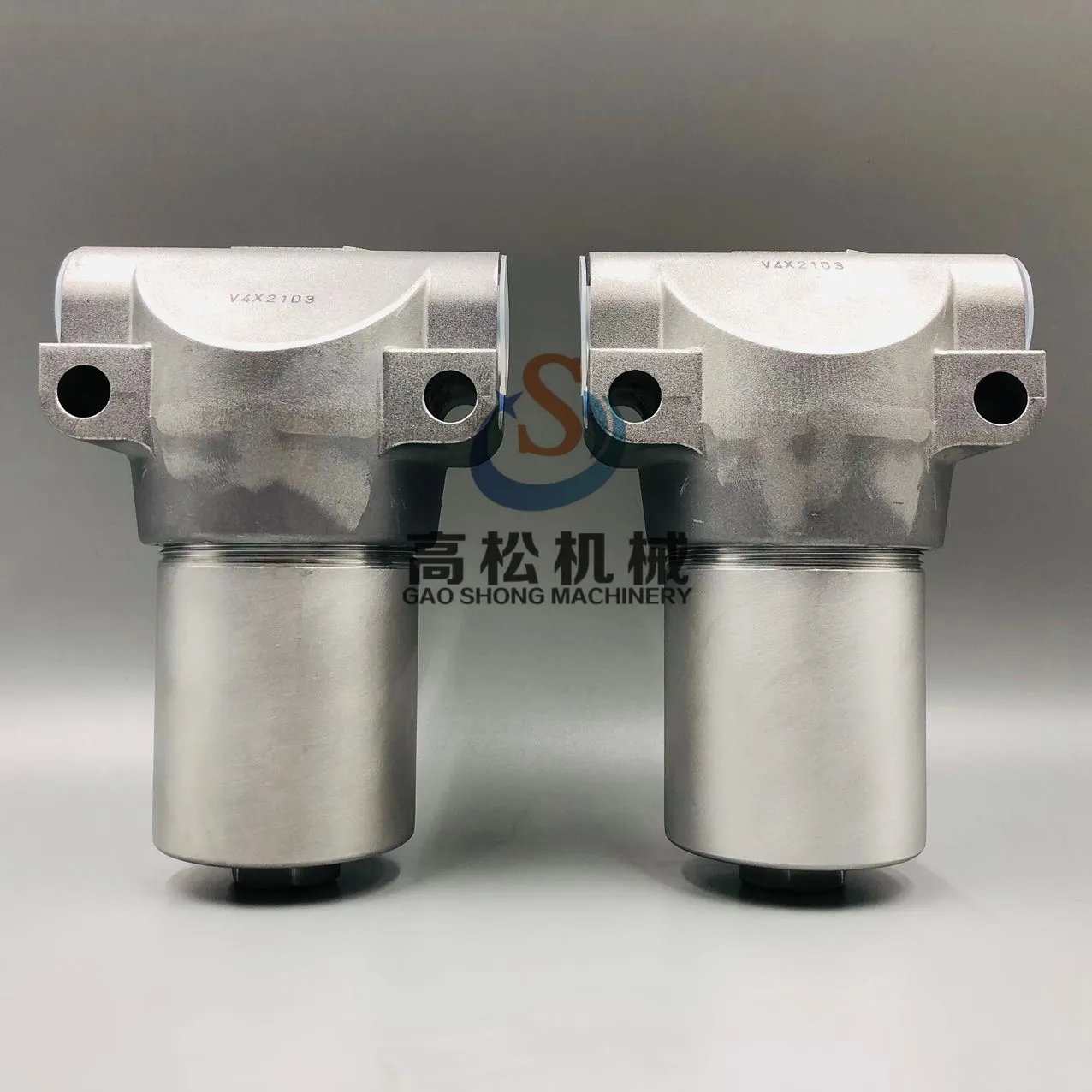 PC200/PC300 original accessories 20Y-62-51681 filter element assembly
 -
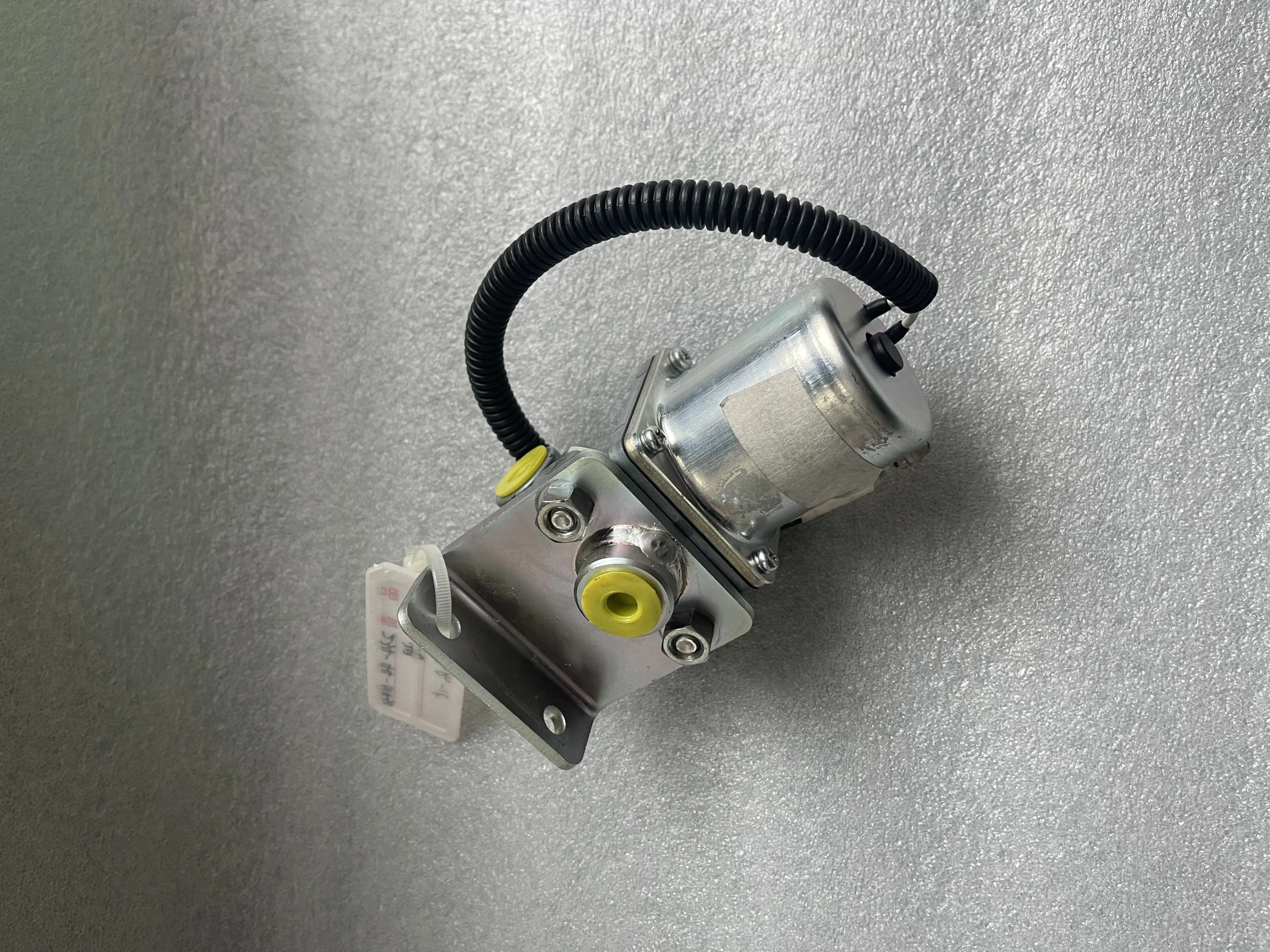 234-44-61430-VALVE Applicable: Komatsu GD825 / GD705
 -
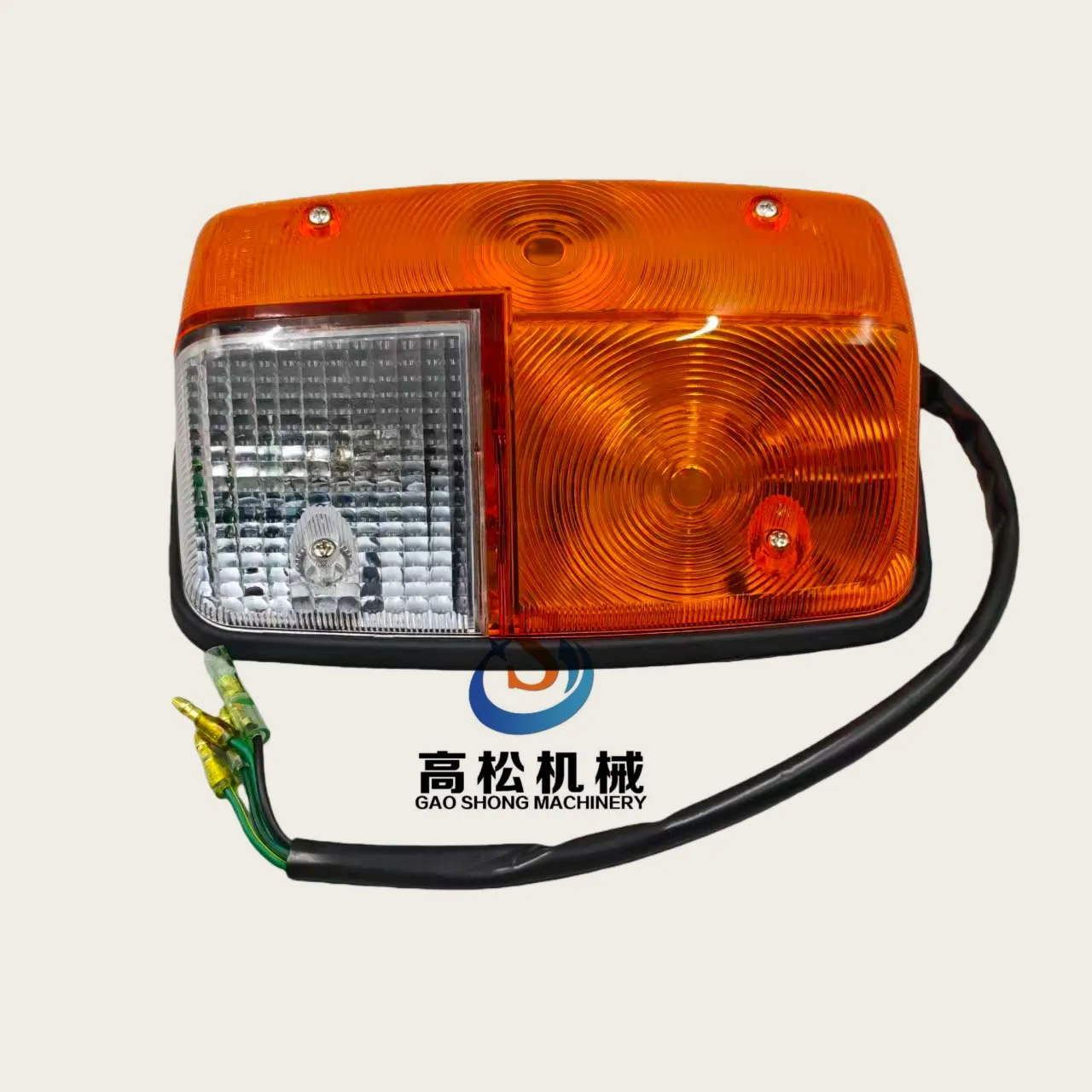 421-06-13401 Komatsu TURN SIGNAL AND PARKING
 -
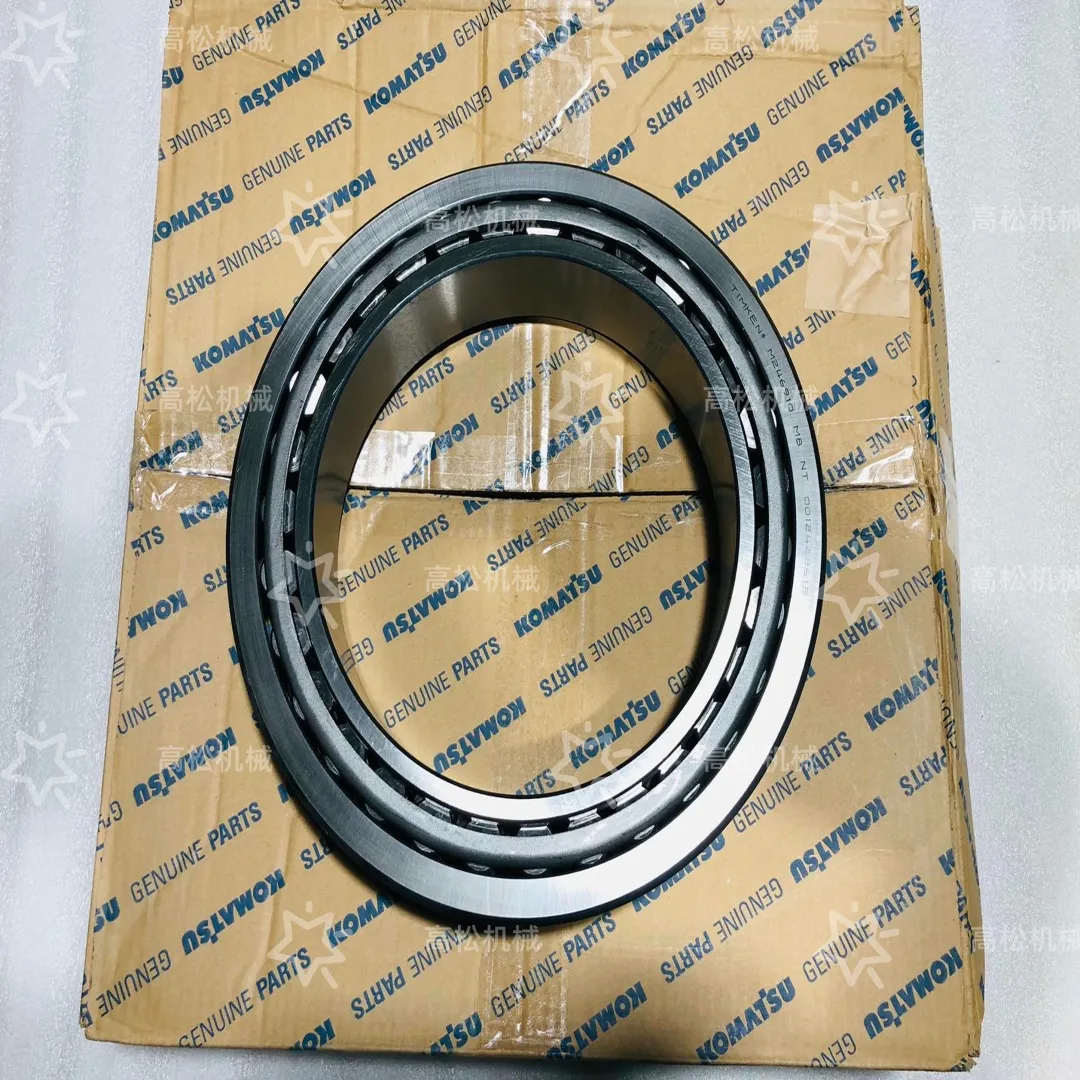 GL BEARING AS 17A-27-11331 Excavator Engine Loader Truck Bulldozer Grader Roller Spare Parts
 -
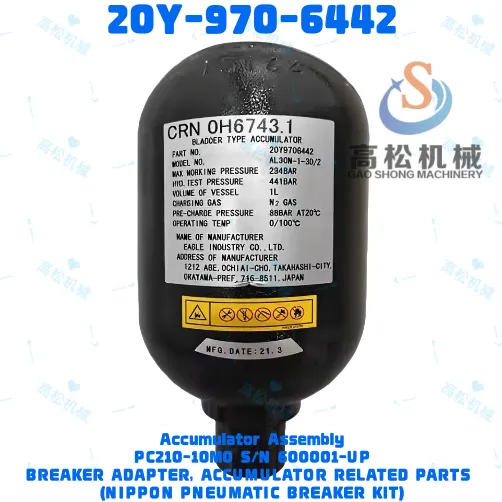 20Y-970-6442 Accumulator Assembly PC210-10M0 BREAKER ADAPTER, ACCUMULATOR RELATED PARTS (NIPPON PNEUMATIC BREAKER KIT) PC500LC-10M0 PC500LC-10R
 -
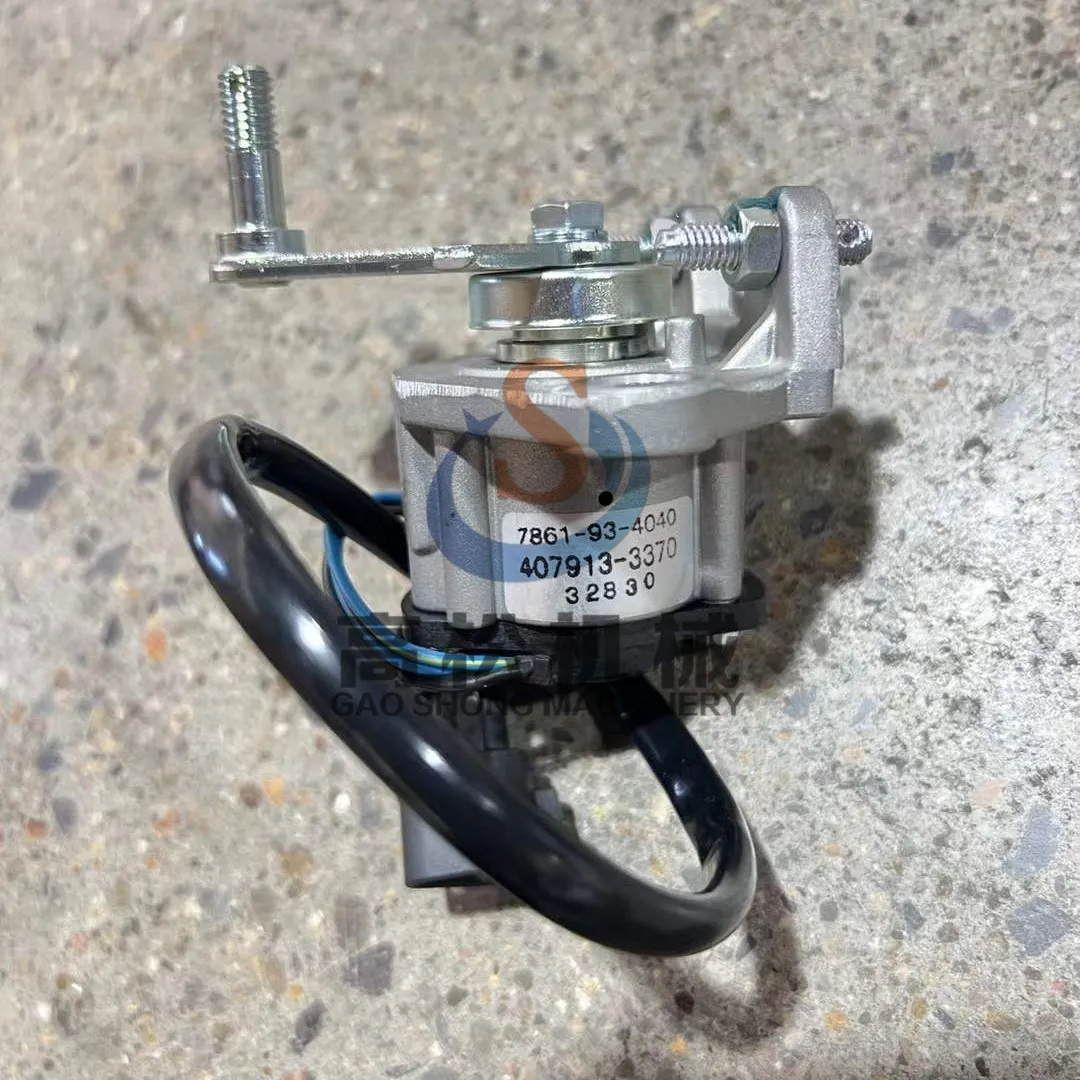 Angle Sensor 7861-93-4040 for Komatsu Bulldozer D475A-5 D575A-3 D375A-6 D475A-5E0 Crawler Loader D85PX-15R
 -
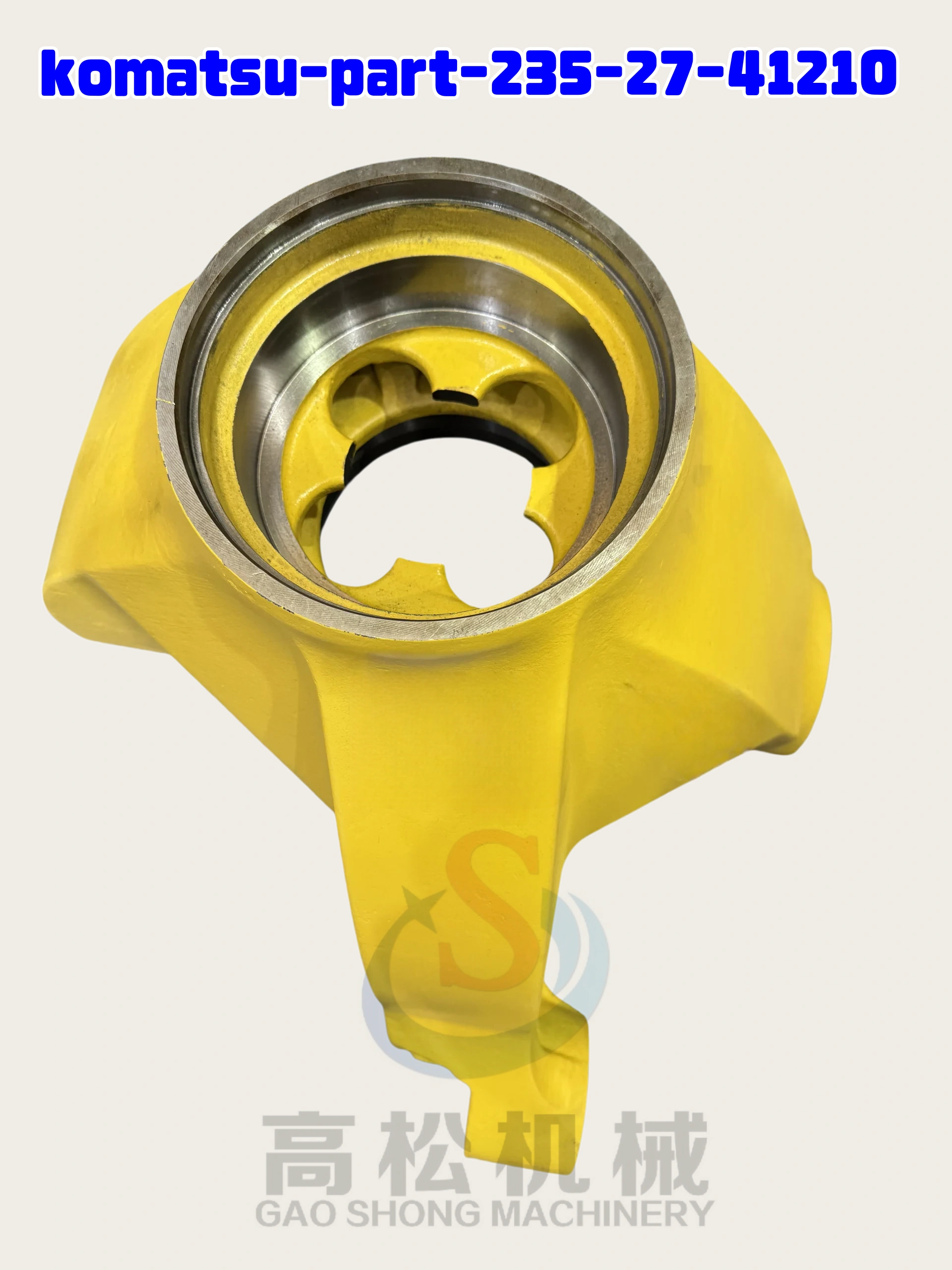 komatsu-part-235-27-41210 HOUSING,L.H. GD825A-2 GD825A-2E0 FRONT AXLE
 -
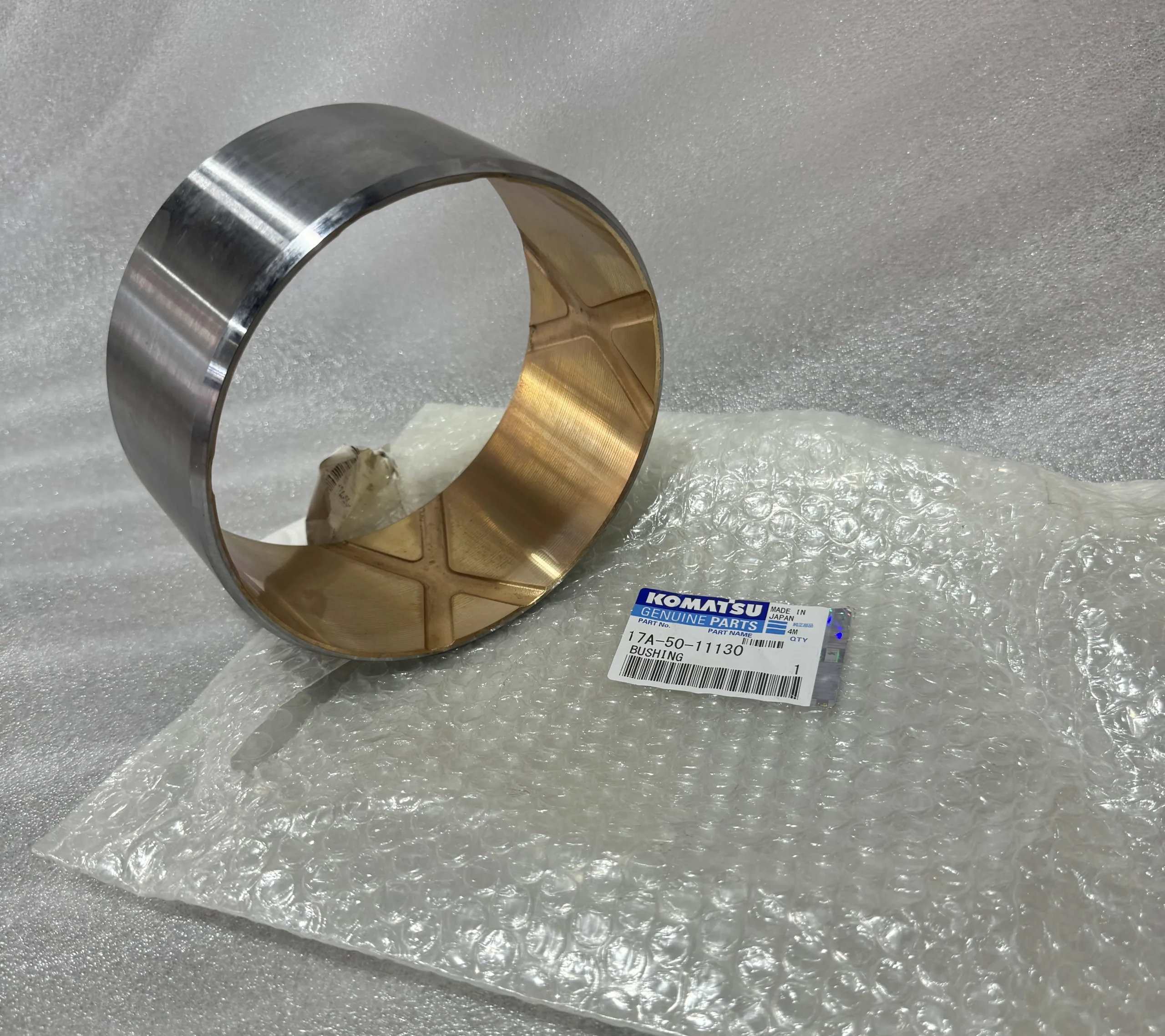 D155AX-3 Bushing 17A-50-11130
 -
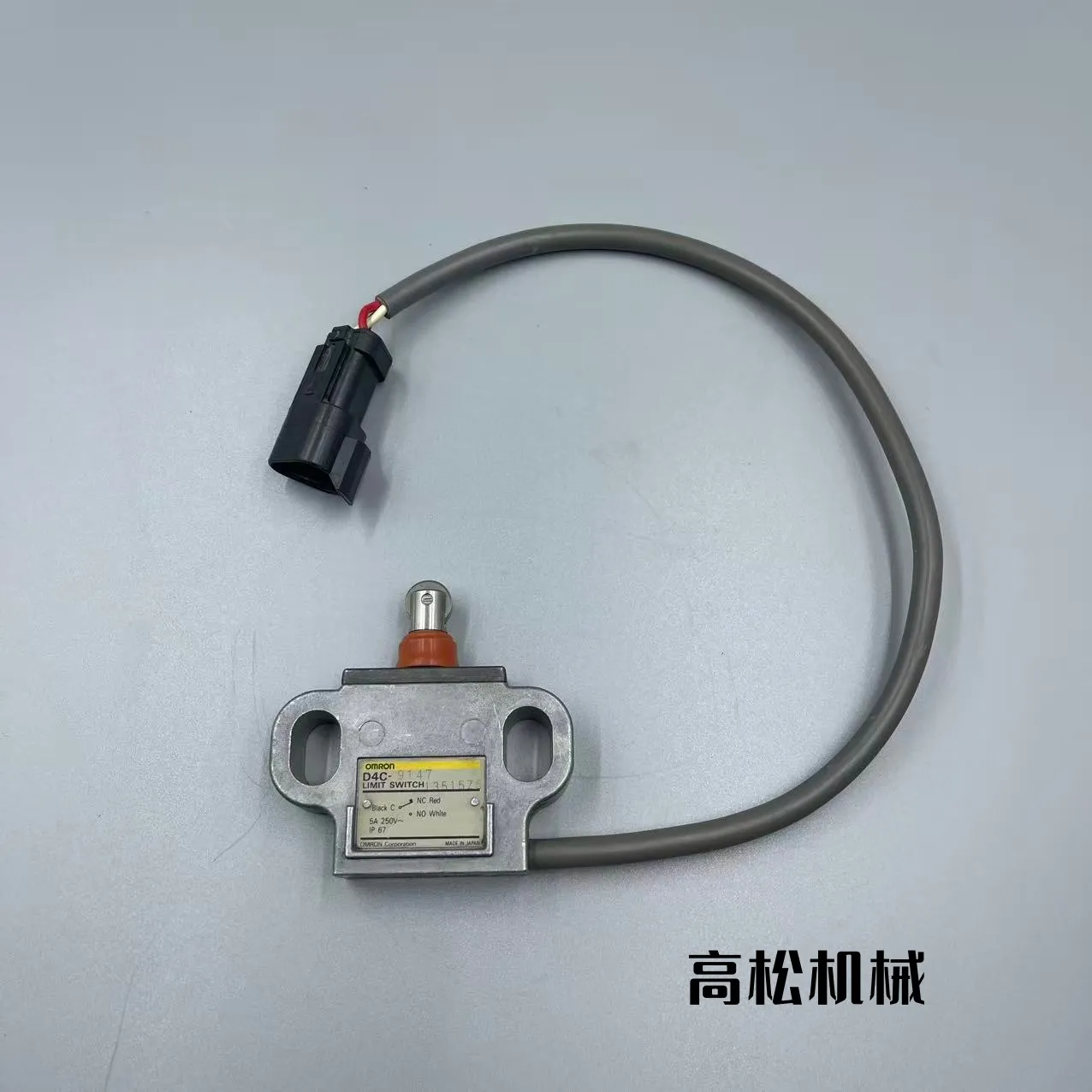 11Y-06-22150-SWITCH Komatsu Original Factory
 -
 56B-15-19210 RING