
- Chinese
- French
- German
- Portuguese
- Spanish
- Russian
- Japanese
- Korean
- Arabic
- Irish
- Greek
- Turkish
- Italian
- Danish
- Romanian
- Indonesian
- Czech
- Afrikaans
- Swedish
- Polish
- Basque
- Catalan
- Esperanto
- Hindi
- Lao
- Albanian
- Amharic
- Armenian
- Azerbaijani
- Belarusian
- Bengali
- Bosnian
- Bulgarian
- Cebuano
- Chichewa
- Corsican
- Croatian
- Dutch
- Estonian
- Filipino
- Finnish
- Frisian
- Galician
- Georgian
- Gujarati
- Haitian
- Hausa
- Hawaiian
- Hebrew
- Hmong
- Hungarian
- Icelandic
- Igbo
- Javanese
- Kannada
- Kazakh
- Khmer
- Kurdish
- Kyrgyz
- Latin
- Latvian
- Lithuanian
- Luxembou..
- Macedonian
- Malagasy
- Malay
- Malayalam
- Maltese
- Maori
- Marathi
- Mongolian
- Burmese
- Nepali
- Norwegian
- Pashto
- Persian
- Punjabi
- Serbian
- Sesotho
- Sinhala
- Slovak
- Slovenian
- Somali
- Samoan
- Scots Gaelic
- Shona
- Sindhi
- Sundanese
- Swahili
- Tajik
- Tamil
- Telugu
- Thai
- Ukrainian
- Urdu
- Uzbek
- Vietnamese
- Welsh
- Xhosa
- Yiddish
- Yoruba
- Zulu
- Kinyarwanda
- Tatar
- Oriya
- Turkmen
- Uyghur






OEM AND ORIGINAL KOMATSU ROD 195-70-51152
When you see that part number, , for a Komatsu rod, the immediate assumption is that you're dealing with a genuine, factory-original component. But in this business, that's where the first and most costly misunderstandings happen. The term OEM and Original gets thrown around so loosely it's lost meaning. I've seen shops pay a premium for a part in a Komatsu box, only to find casting marks that don't align with the last five genuine ones they installed. The real conversation isn't about the label; it's about the supply chain integrity behind it. A company like Jining Gaosong Construction Machinery Co., Ltd. positions itself interestingly here, being both an OEM product supplier within the Komatsu system and a third-party seller. That dual role, which they note on their site https://www.takematsumachinery.com, is crucial. It means they might have access to lines that pure aftermarket players don't, but it also requires a deep understanding of the grey areas in parts distribution, especially for markets with supply challenges.
The Blurred Line Between OEM and Original
Let's get specific about this rod. The isn't some obscure bracket; it's a critical powertrain component. In my experience, the OEM tag from a supplier like Gaosong often means it's produced in a facility that has a manufacturing agreement with Komatsu, possibly for specific regional markets or to supplement main factory output. The Original tag, however, should mean it came off the exact same line as the part you'd get from a Komatsu dealer. The gap between those two is where the quality variance hides.
I recall a rebuild on a PC300-8 where we used a rod sourced as original. It fit perfectly, the dimensions were on spec, but the material fatigue life was off. It failed prematurely under high-load cycling. The post-mortem pointed to a subtle difference in the forging process. The supplier swore it was to Komatsu spec, but it likely came from an OEM run where a material batch or heat treat parameter was marginally different. This is the practical risk. A company that openly states its role as an OEM product supplier is, in a way, being more transparent. You know you're potentially getting a parallel supply chain item, which can be perfectly excellent, but you must vet it differently than a dealer-part.
This is why their secondary role as a third-party sales company is key. Their job isn't just to sell a box; it's to solve parts supply challenges. For a mine in a remote location or a country with import restrictions, they might be the only viable channel for a critical part. In those scenarios, the question shifts from Is this absolutely identical? to Is this reliable enough to get the machine running for another 10,000 hours? The answer often lies in their technical support and willingness to provide batch traceability.
Verification in the Field: It's in the Details
You can't just trust the packaging. For the , we developed a checklist. First, the machining finish on the pin bore and the cap interface. Genuine parts have a specific, almost polished, cross-hatch pattern from a proprietary honing process. Many OEM copies are slightly rougher. Second, the weight. We weigh every critical rod. A variance of more than 15 grams from the known genuine standard is a red flag, indicating potential density issues in the forging.
The casting numbers and logos are another tale. Komatsu's markings are crisp and deeply cast. I've seen original parts where the logo was slightly blurred or the alphanumeric sequence was in a different font weight. This doesn't always mean the part is bad—it might just be from a different tooling die in an approved OEM plant. But it forces the conversation with the supplier. When I've engaged with teams at places like Takematsu Machinery, the ones who know their stuff can immediately explain these discrepancies: That's from our Plant B line, the forging press is newer, so the mark is sharper. That kind of detail builds confidence.
A failed test we ran involved magnetic particle inspection on a batch of rods. Two out of twenty showed faint, non-critical linear indications near the radius. The supplier's response was telling. A generic parts house would have argued spec. A knowledgeable OEM supplier, understanding their role in the Komatsu system, initiated a batch review with their foundry. They provided the MTRs (Material Test Reports) for the steel alloy. That's the difference. The part itself was functionally fine, but the process showed professional rigor.
The Economics and The Reality of Supply
Cost is a driver, but it's a trap to go for the cheapest option labeled with this part number. The real economic equation is Total Cost of Ownership. A rod that fails takes out the liner, piston, and can grenade the block. The savings vanish in an instant. The value from a supplier like the one mentioned isn't necessarily a lower price, but supply certainty and technical honesty.
They help solve parts supply challenges in certain countries by navigating logistics, customs, and having regional stock. I've worked on projects in Southeast Asia where the official dealer network quoted a 90-day lead time for this rod. A specialized third-party supplier within the Komatsu ecosystem had it air-freighted in 7 days. It came in plain packaging, but with full documentation linking it back to an OEM production order. The machine was back earning money.
The downside? Consistency. One shipment might be indistinguishable from dealer stock. The next might have those subtle machining differences. You have to build a relationship and be clear about your expectations. Saying I need it to perform like genuine is not enough. You must say I need the hardness rating, tensile strength, and fatigue cycle data to match Komatsu spec sheet XYZ. A serious supplier will have that, or will get it.
Lessons from a Mis-Match
We learned the hard way. Not with Gaosong specifically, but with another OEM source. We installed a rod that, upon torquing the cap bolts, showed a slightly different clamping force characteristic on our strain gauges. We proceeded anyway. Big mistake. It resulted in a fretting wear at the cap-to-rod interface after about 800 hours, leading to a catastrophic bearing failure.
The post-failure analysis showed the bolt hole threads in the rod body were to a slightly different class of fit, altering the clamp load distribution. It was a microscopic spec deviation, but it mattered. The supplier argued it was within OEM tolerance. Since then, our protocol includes a dummy assembly with instrumented bolts for any critical component from a new source. It's extra work, but it filters out the 95% of suppliers who are just box-movers from the 5% who are true technical partners.
This experience directly informs why the model of a company being embedded in the OEM system yet independent in sales is appealing. They are incentivized to maintain the performance standard of the Komatsu system because their long-term business depends on it, but they have the flexibility to provide solutions the main dealer network sometimes cannot. They can't afford to sell junk that fails quickly, as their reputation in those niche markets would collapse.
Concluding Thoughts: A Matter of Trust and Verification
So, what are you actually getting with an OEM AND ORIGINAL KOMATSU ROD ? You're getting a promise. The promise hinges entirely on the supplier's expertise and integrity. The part number is just an entry point. The real product is the supplier's knowledge of its provenance, their quality control gates, and their willingness to stand behind it with data, not just a warranty return slip.
Entities like Jining Gaosong Construction Machinery Co., Ltd. fill a complex niche. They aren't the anonymous aftermarket, and they aren't the official dealer. They are a hybrid. For the savvy fleet manager, this can be a powerful resource. It requires more due diligence upfront—asking for certifications, maybe even visiting their facility if the volume justifies it—but it can yield a reliable, responsive supply chain.
In the end, the goal is uptime. Whether the rod comes in a branded box, a plain box, or no box at all, its ability to match the performance and longevity of the part it replaces is all that counts. That judgment call, backed by careful inspection and a relationship with a technically competent supplier, is the real work. The label OEM and Original is just the starting point of that conversation, not the end of it.
Related Products
Related Products

Best Selling Products
Best Selling Products-
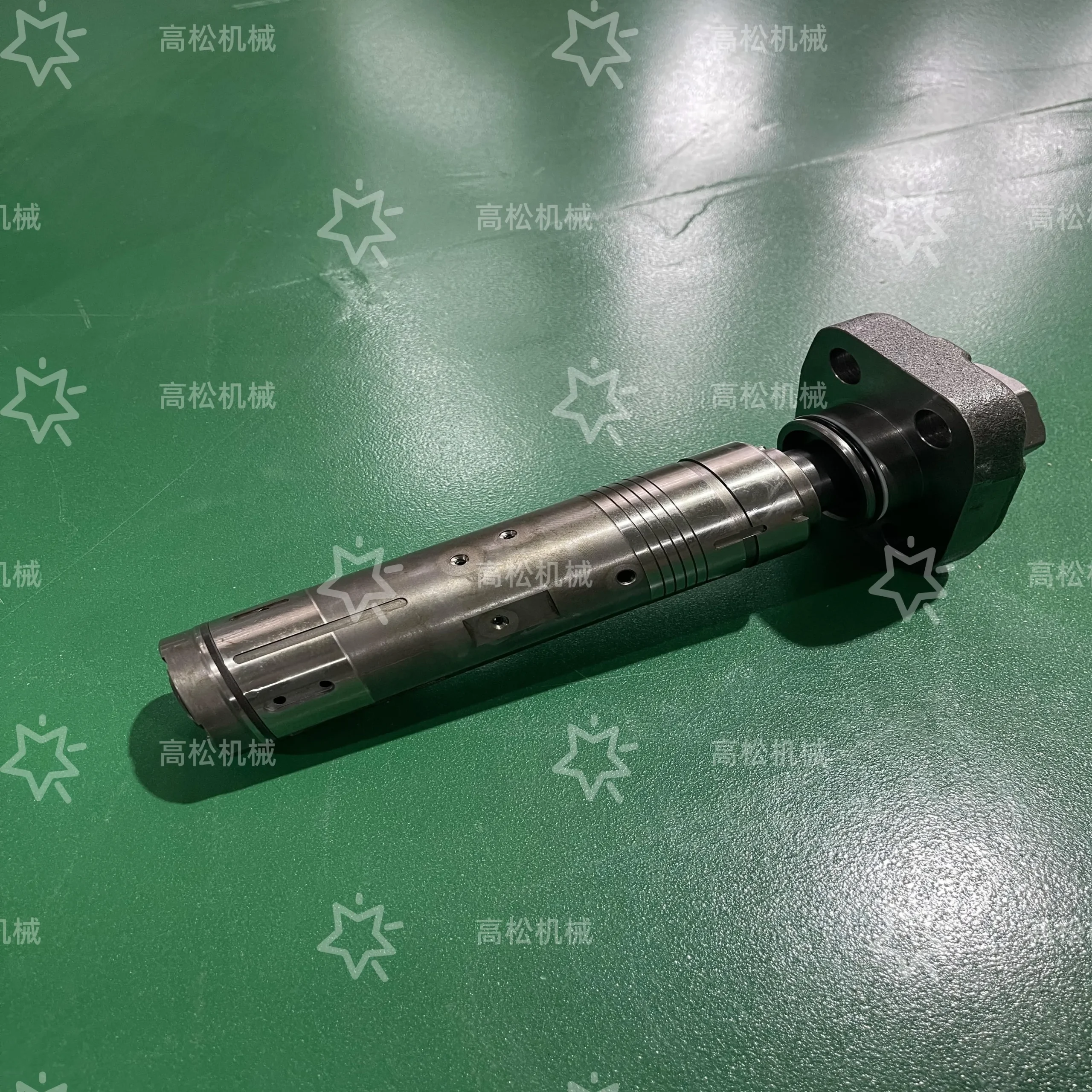 708-2H-03411 Hydraulic Pump PC Valve PC400 PC450 Servo Flow Regulation
 -
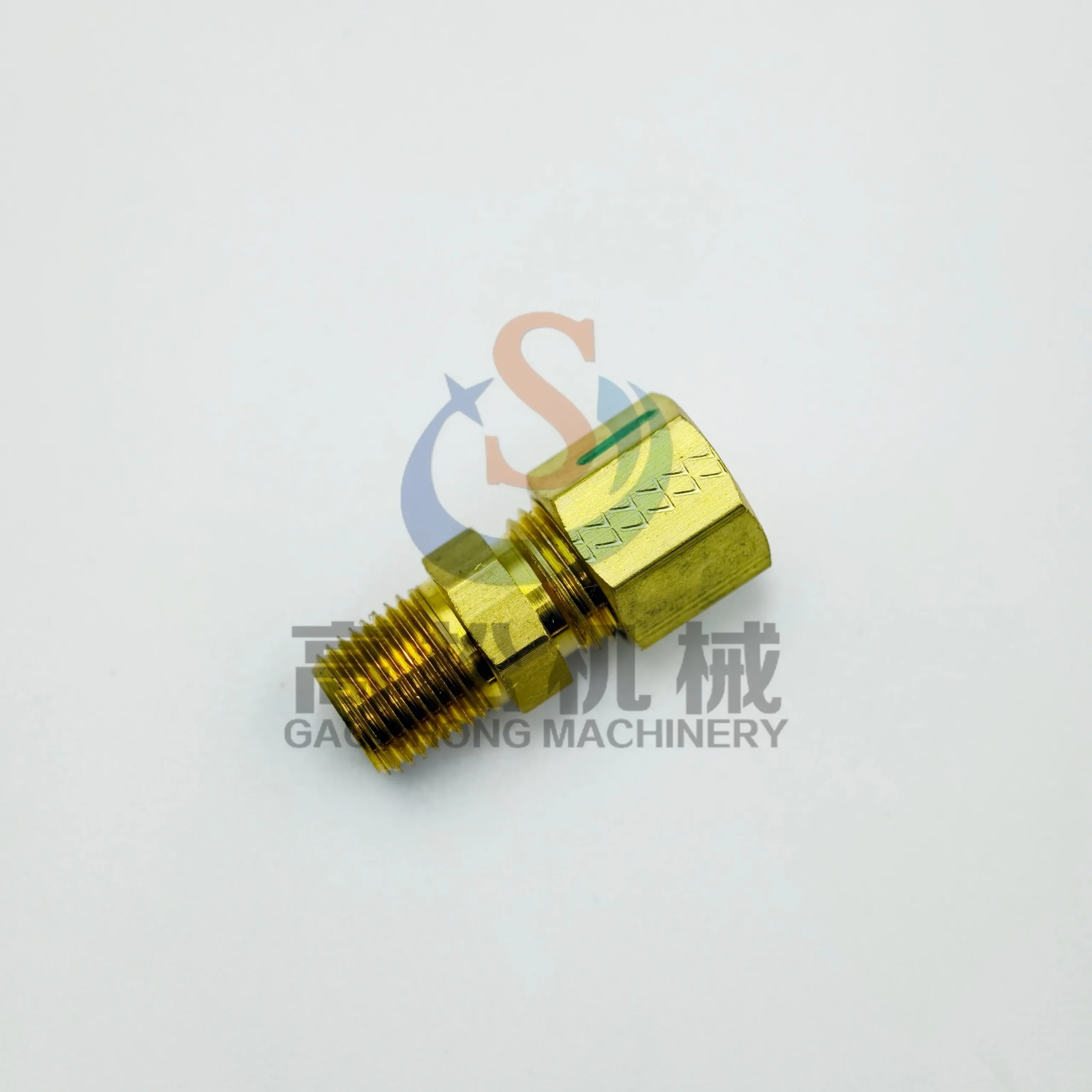 21N-68-32320 Komatsu Connector
 -
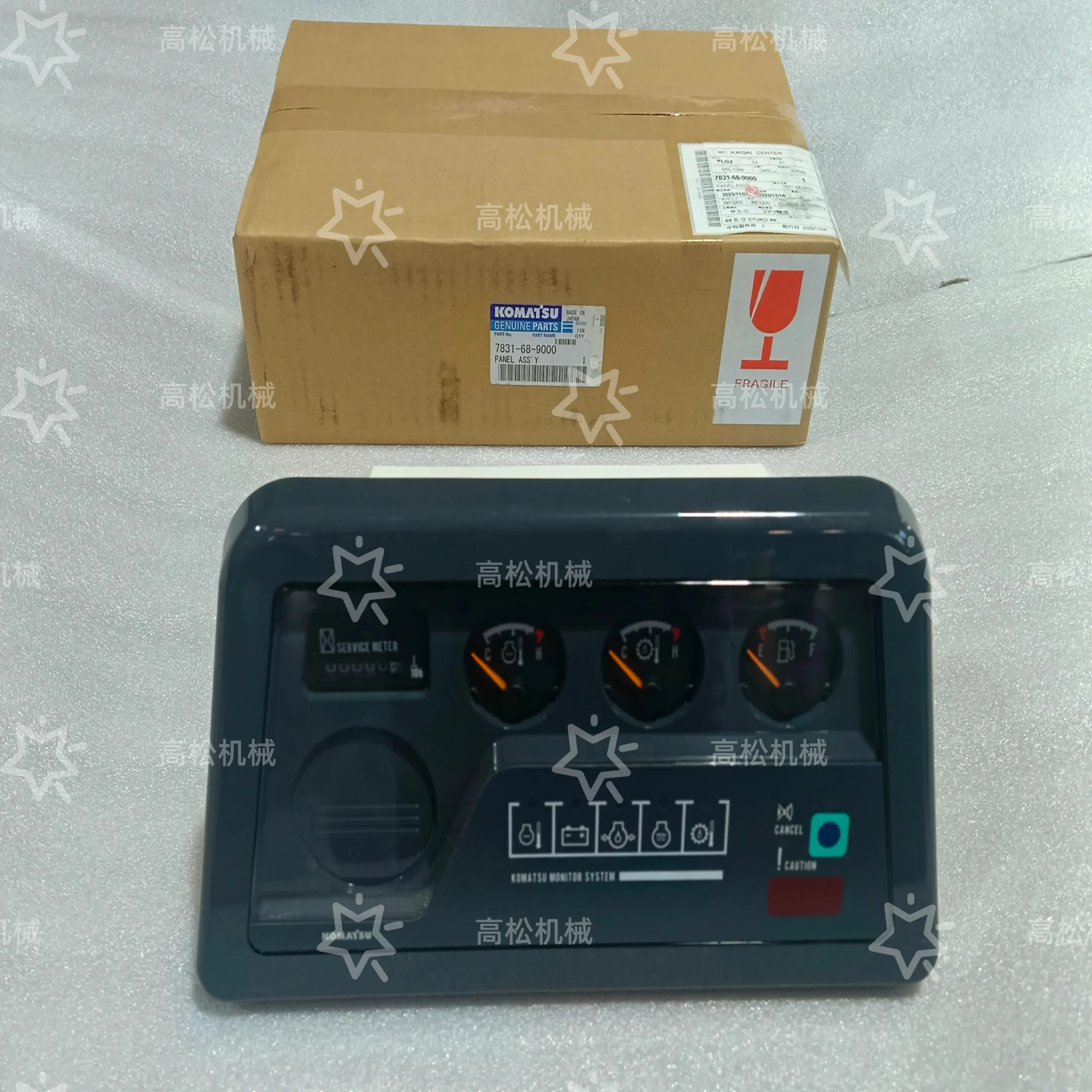 Original New Stock Panel 7831-68-9000 Instrument Panel Assembly Suitable for Komatsu D375A-3/5 Bulldozer
 -
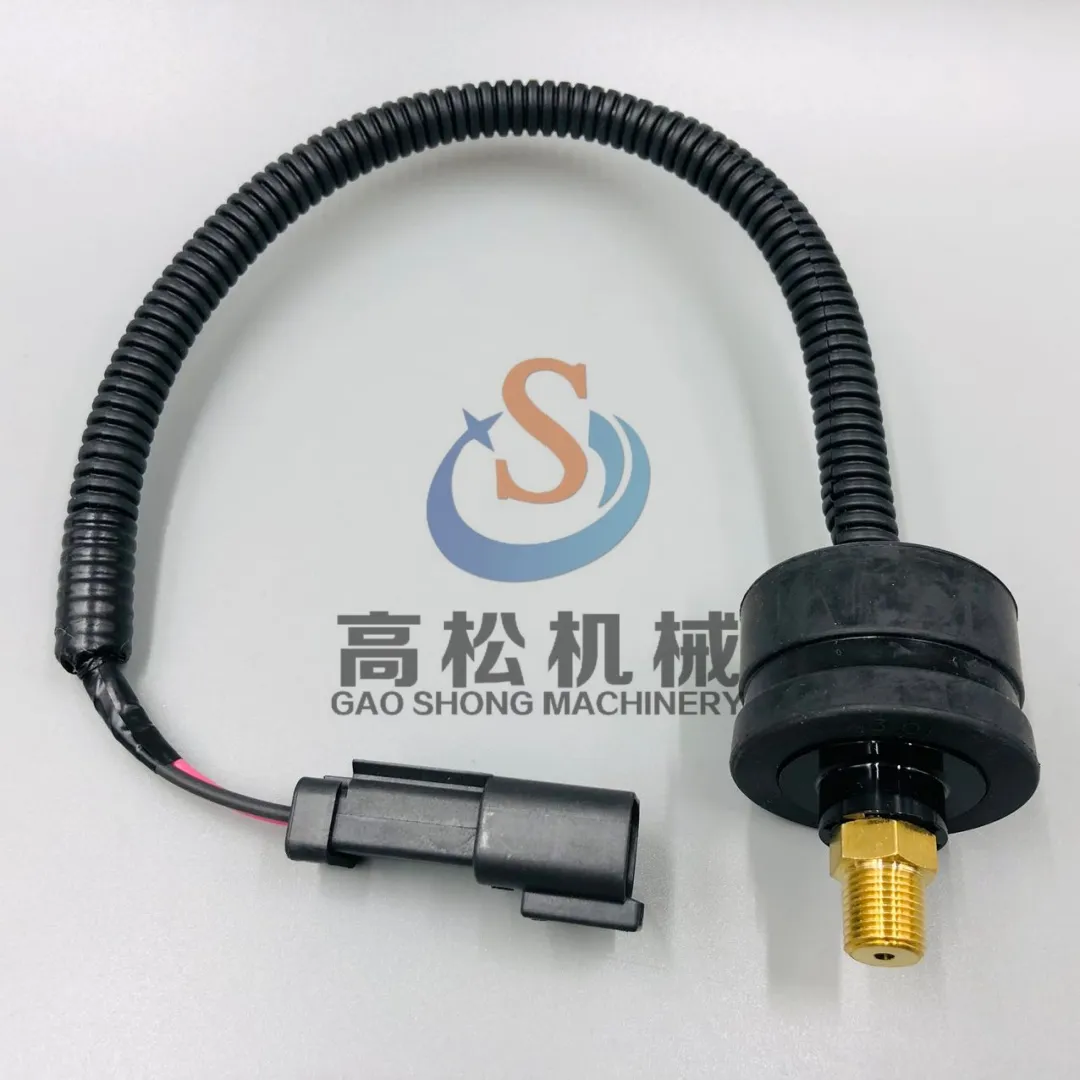 For Komatsu PC200 210 PC300 PC130-8 PC-8 air filter Pressure sensor 7861-93-1430
 -
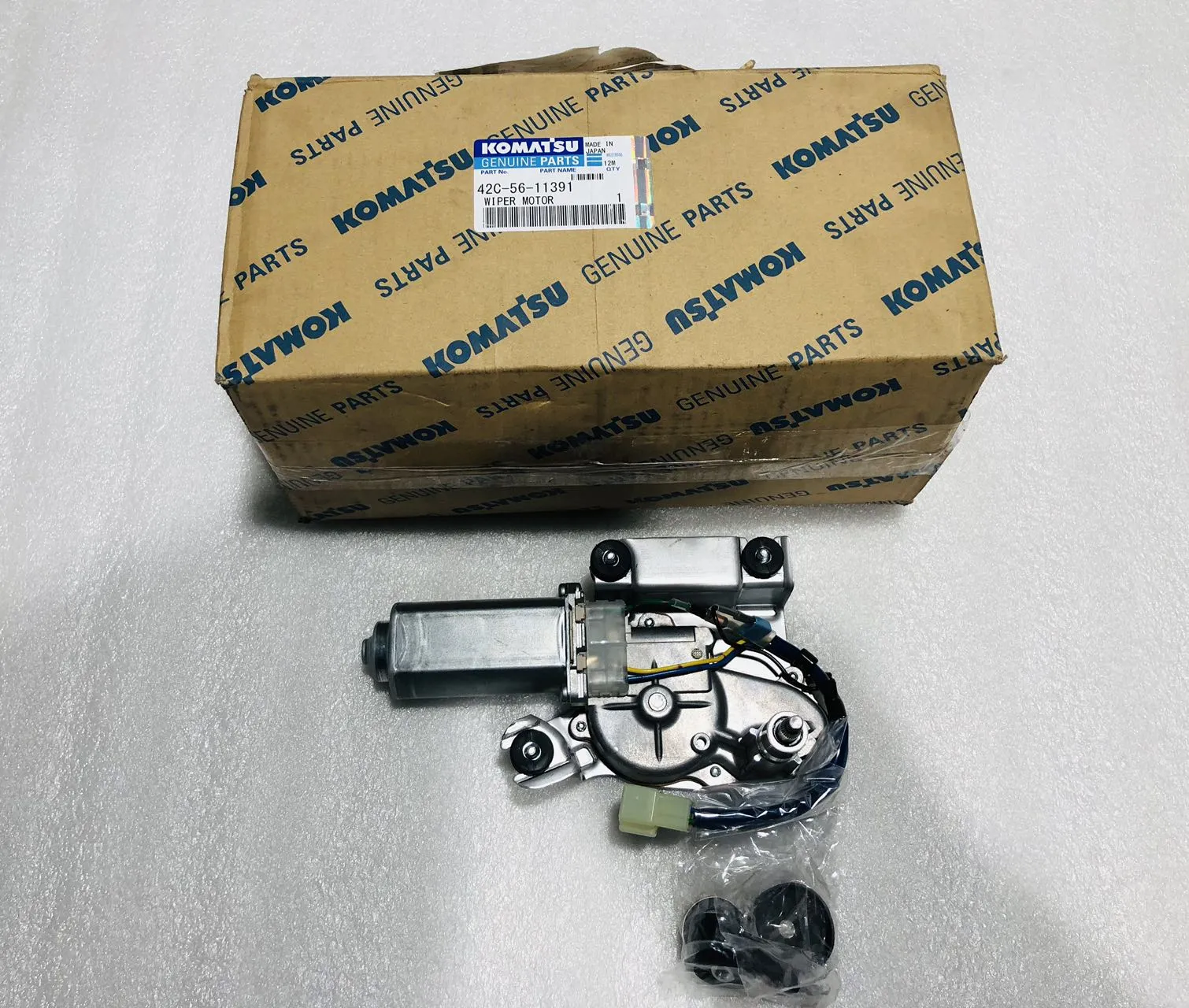 Komatsu grader GD555 wiper motor 42C-56-11391
 -
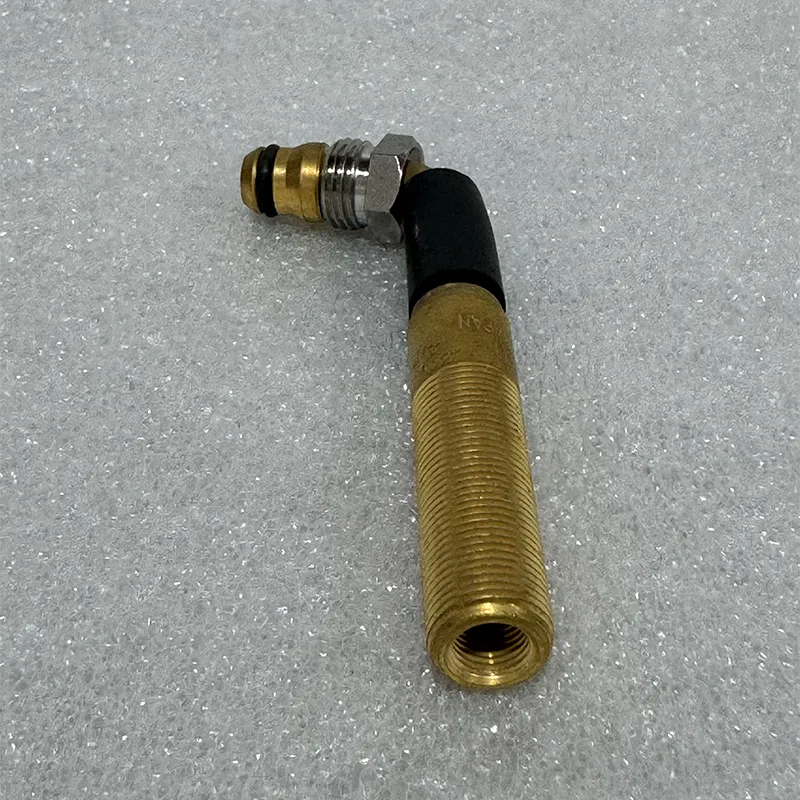 Original komatsu WA200-6 valve stem 09280-10130
 -
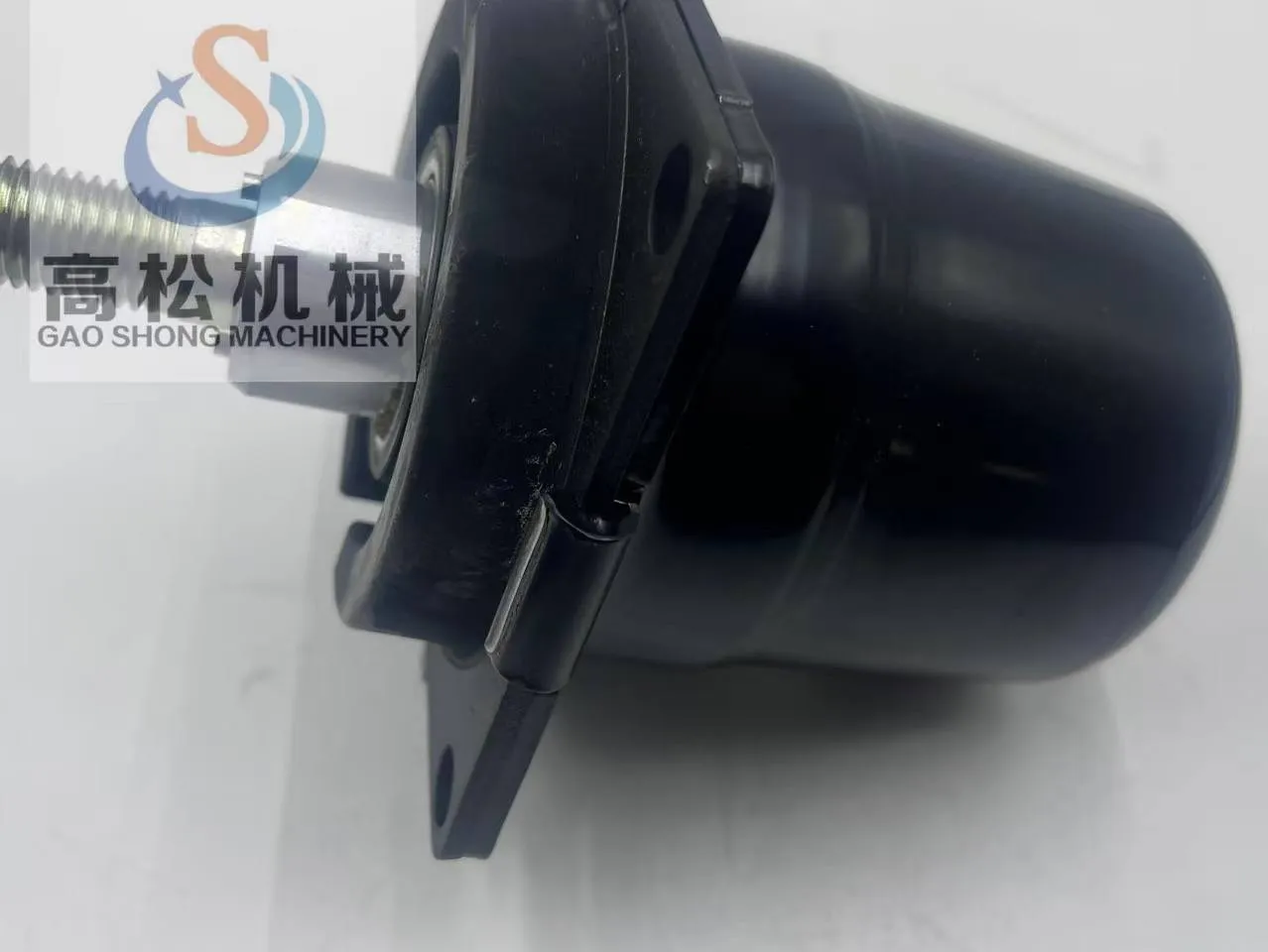 D275 /D375/D475 Cab Cushion 195-54-78410 195-54-78561
 -
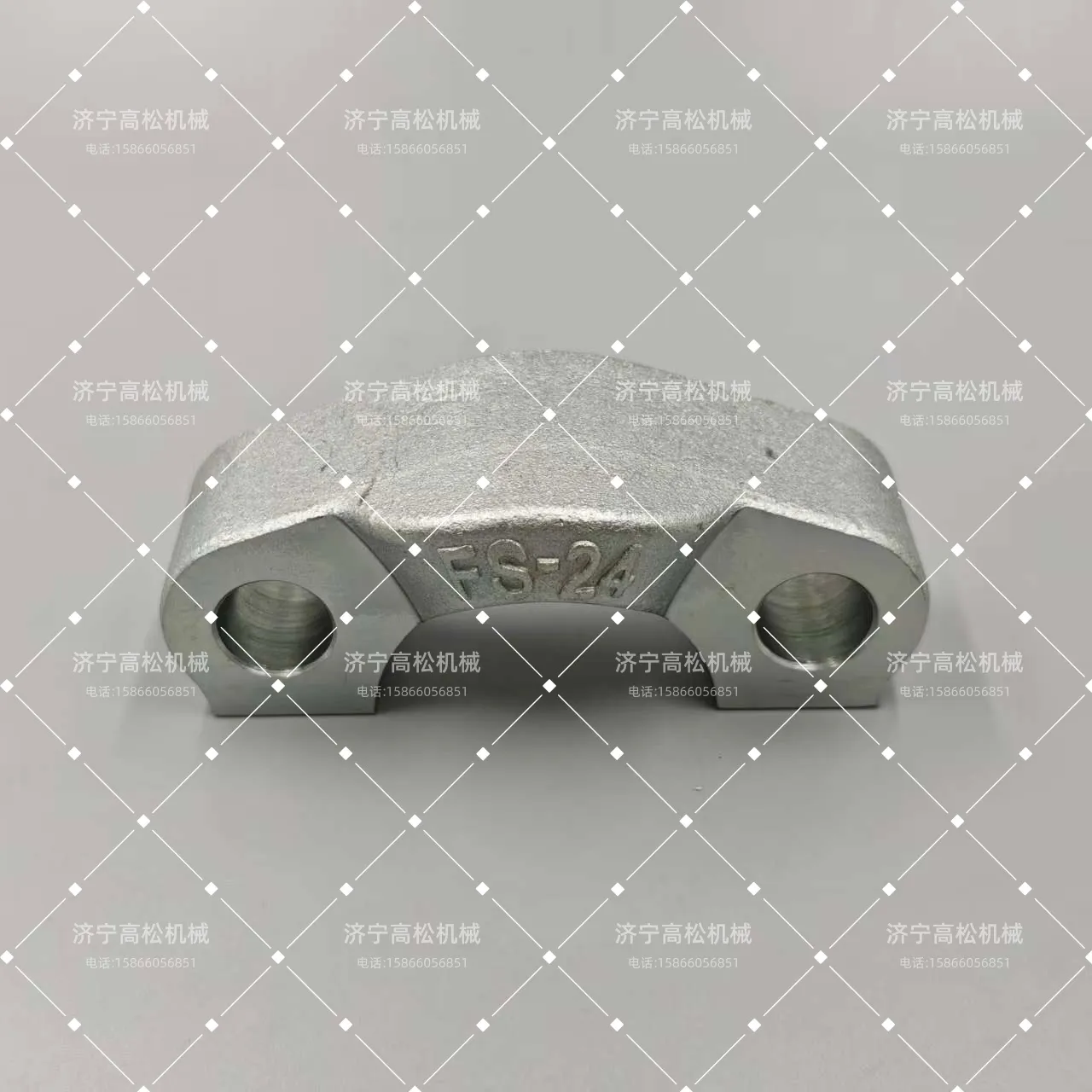 FLANGE 07371-51470 – KOMATSU Part catalog
 -
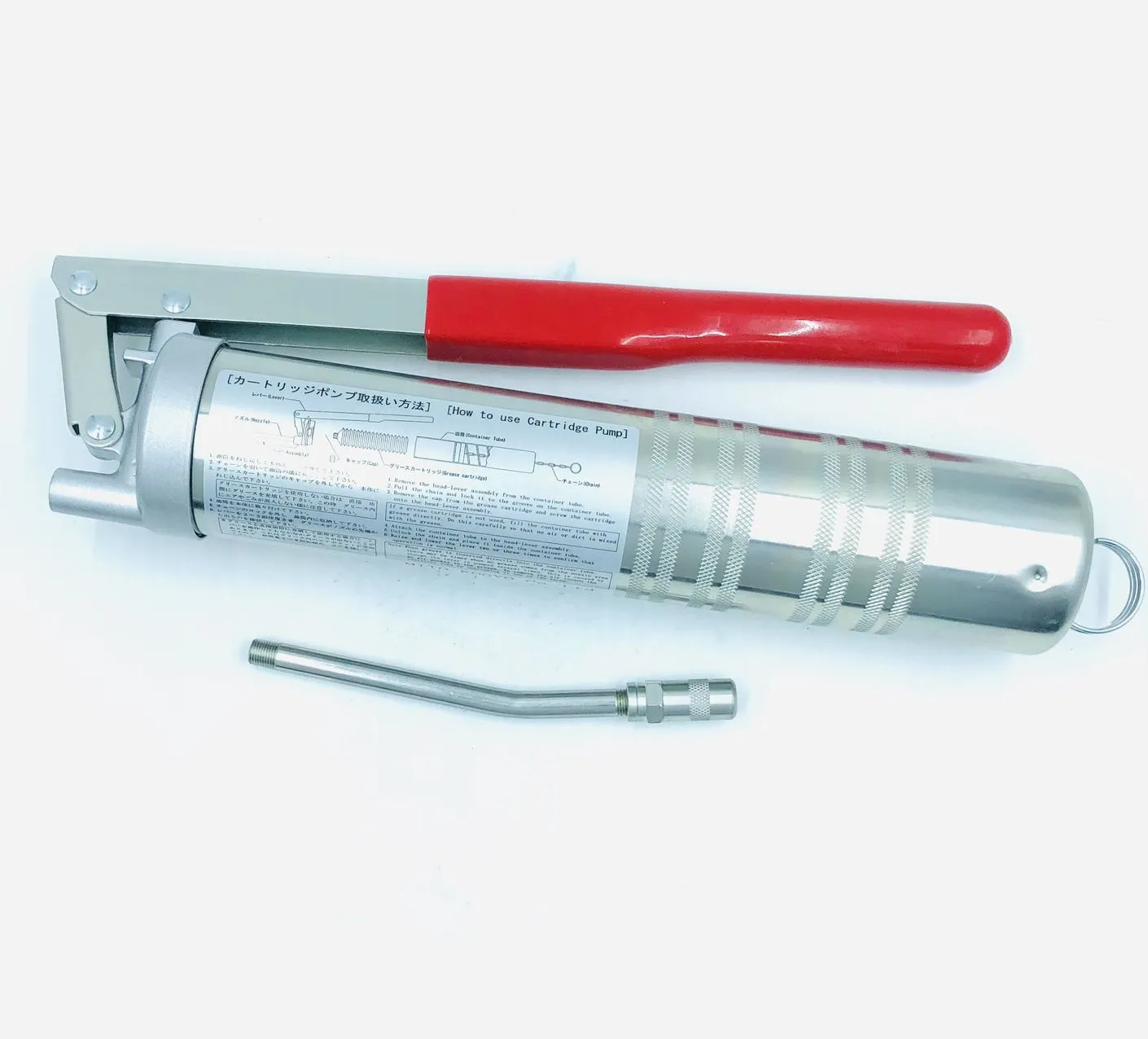 07952-70014- Pump Assembly-Komatsu Original Factory
 -
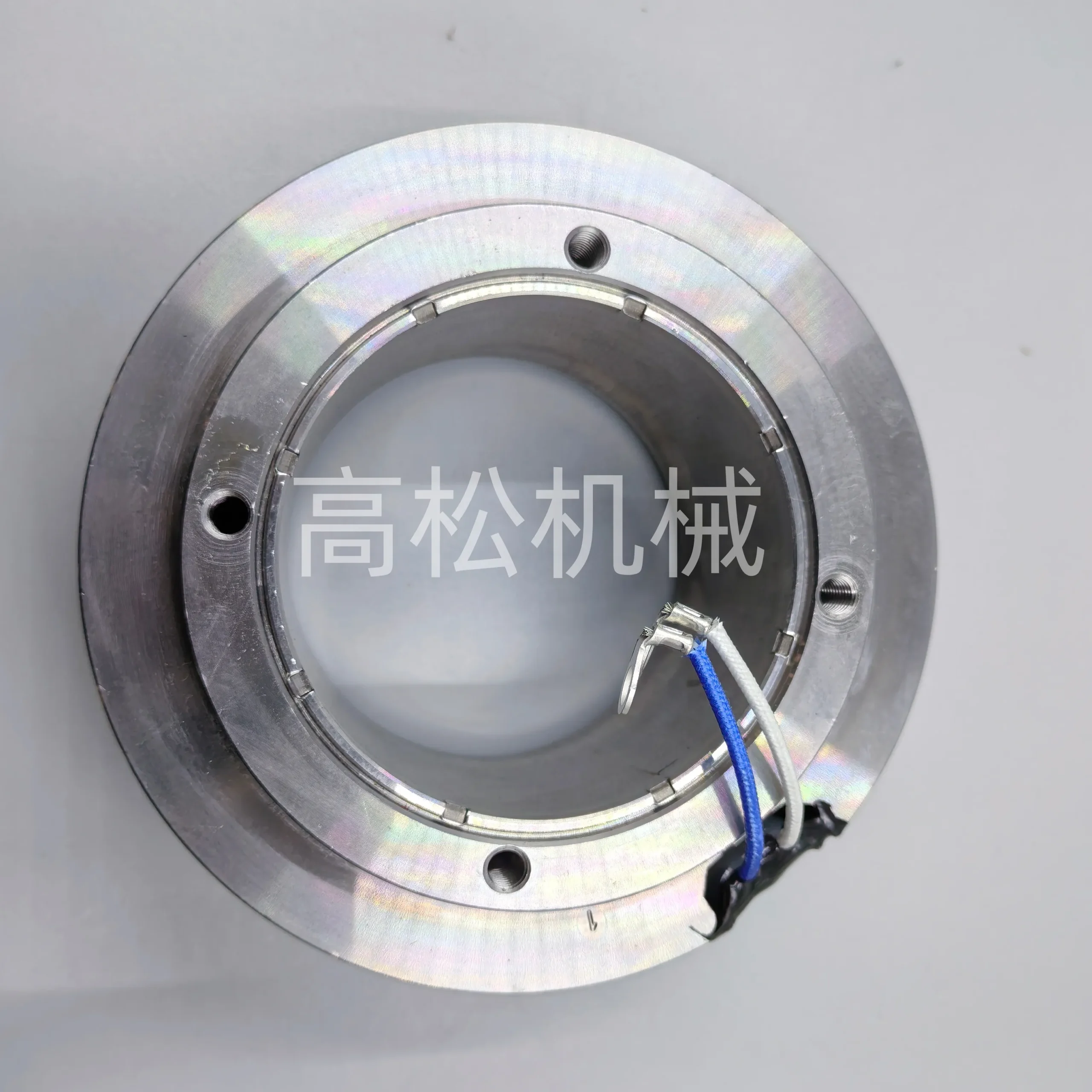 KD0-35120-0250 • FIELD COIL ASS’Y-Komatsu Original Factory
 -
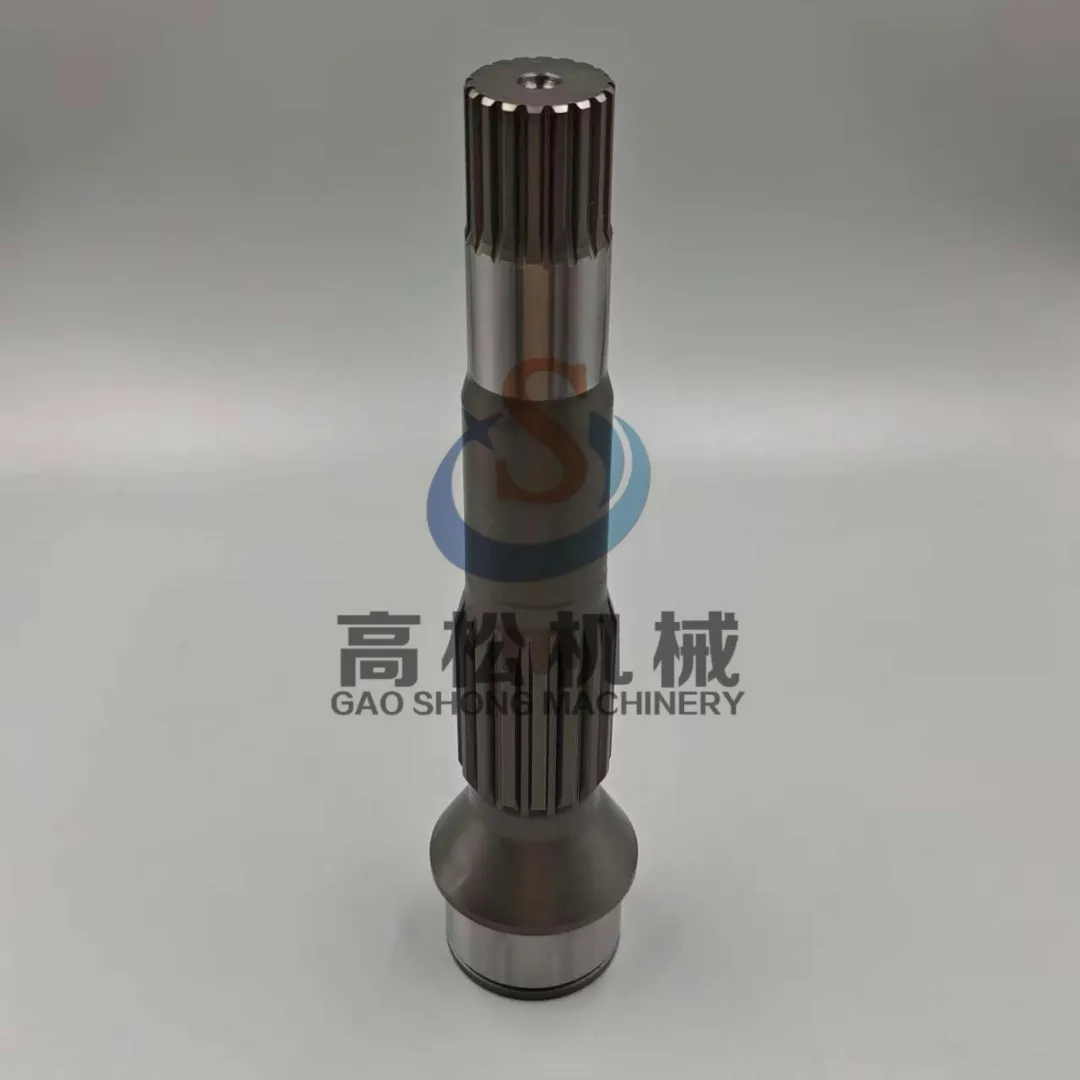 708-2G-12121 Shaft Drive L Fits Komatsu PC300-7 PC360-7 PC350-7 HPV140 Pump
 -
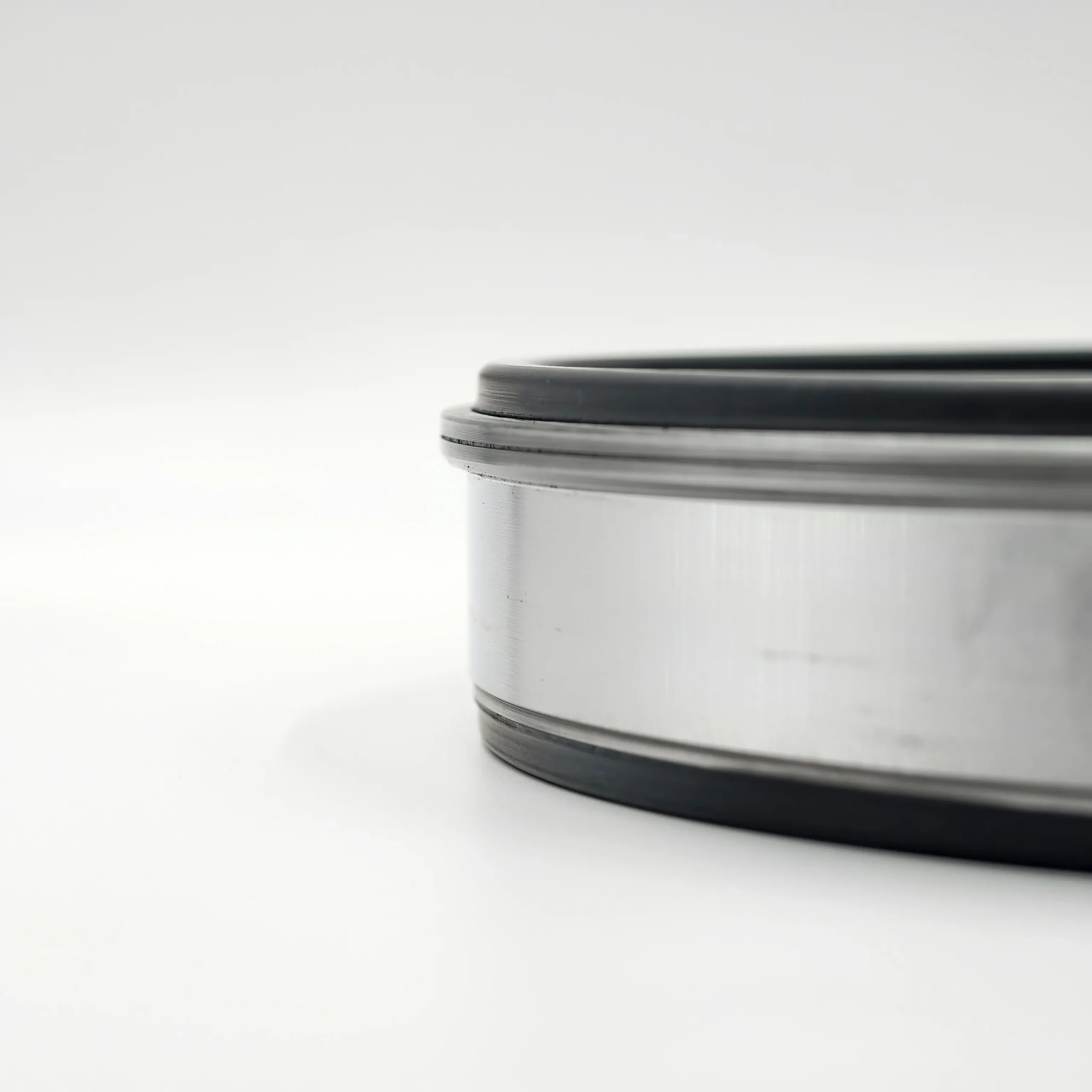 KOMATSU-Collar Assembly 14Y-21-13242