
- Chinese
- French
- German
- Portuguese
- Spanish
- Russian
- Japanese
- Korean
- Arabic
- Irish
- Greek
- Turkish
- Italian
- Danish
- Romanian
- Indonesian
- Czech
- Afrikaans
- Swedish
- Polish
- Basque
- Catalan
- Esperanto
- Hindi
- Lao
- Albanian
- Amharic
- Armenian
- Azerbaijani
- Belarusian
- Bengali
- Bosnian
- Bulgarian
- Cebuano
- Chichewa
- Corsican
- Croatian
- Dutch
- Estonian
- Filipino
- Finnish
- Frisian
- Galician
- Georgian
- Gujarati
- Haitian
- Hausa
- Hawaiian
- Hebrew
- Hmong
- Hungarian
- Icelandic
- Igbo
- Javanese
- Kannada
- Kazakh
- Khmer
- Kurdish
- Kyrgyz
- Latin
- Latvian
- Lithuanian
- Luxembou..
- Macedonian
- Malagasy
- Malay
- Malayalam
- Maltese
- Maori
- Marathi
- Mongolian
- Burmese
- Nepali
- Norwegian
- Pashto
- Persian
- Punjabi
- Serbian
- Sesotho
- Sinhala
- Slovak
- Slovenian
- Somali
- Samoan
- Scots Gaelic
- Shona
- Sindhi
- Sundanese
- Swahili
- Tajik
- Tamil
- Telugu
- Thai
- Ukrainian
- Urdu
- Uzbek
- Vietnamese
- Welsh
- Xhosa
- Yiddish
- Yoruba
- Zulu
- Kinyarwanda
- Tatar
- Oriya
- Turkmen
- Uyghur





OEM AND ORIGINAL KOMATSU RING 561-34-71661
When you see that part number, , for a Komatsu ring, the immediate assumption is that it's a straightforward OEM item. But in the field, that's where the confusion starts. The term 'OEM' gets thrown around so loosely it's lost meaning. Is it a genuine Komatsu part from the factory line, or is it a part made to Komatsu's exact blueprint by a licensed supplier? For critical components like piston rings, that distinction isn't academic—it's the difference between a rebuild that lasts 10,000 hours and one that scuffs a cylinder in 500. I've seen both outcomes, and it often boils down to the source.
The OEM vs. Original Conundrum in Practice
Let's be clear. In the Komatsu ecosystem, 'Original' means the part came through Komatsu's official distribution, packaged in their box, with their label. OEM AND ORIGINAL KOMATSU RING , when original, is a known quantity. The metallurgy, the coating, the end gap spec—it's all consistent. The 'OEM' tag, however, is trickier. A company can be a genuine OEM supplier, producing the ring to the exact material and engineering specification for Komatsu, and then also sell that same ring under their own packaging. It's the same part, just a different route to market. The problem? The market is flooded with parts that claim 'OEM quality' but are just reverse-engineered copies. They might look identical, but the plasma coating or the heat treatment is off. I've measured ring end gaps on supposed 'OEM' rings that were so tight, you just knew they'd seize under thermal expansion.
This is where a supplier's position in the system matters. A company like Jining Gaosong Construction Machinery Co., Ltd. illustrates the legitimate path. They operate as an OEM product supplier within the Komatsu system. That phrasing is key. It implies a formal relationship, not just a trading agreement. It means they have access to the technical specifications and the approved manufacturing processes. Their role as a third-party sales company then makes sense—they can help move these genuine OEM parts into regions where the official Komatsu supply chain might be slow, blocked by sanctions, or simply overpriced due to local import duties.
I recall a project in a South American mine where the official lead time for a set of Komatsu ring was 14 weeks. The machine was down. We sourced what was claimed to be OEM equivalents from a local vendor. They failed a spectrographic analysis on-site; the chromium content was wrong. We then connected with a channel like Gaosong's. They could provide the OEM-manufactured rings, with batch traceability, in three weeks. It wasn't the 'original' Komatsu box, but the engineering documentation confirmed it was the same product from the same factory line. The machine is still running. That experience cemented the difference between marketing OEM and being OEM.
Decoding the Specs and Failure Modes of
This ring isn't a generic seal. It's designed for a specific Komatsu engine family, often found in mid-sized excavators like the PC300 or certain haul trucks. The number tells you it's a top ring, likely with a specific wear-resistant coating—molybdenum or a proprietary Komatsu composite. The failure mode I've most commonly associated with aftermarket copies of this ring isn't always catastrophic wear. It's micro-pitting on the ring face that leads to increased oil consumption and blow-by. It's a slow death, not a sudden seizure.
When inspecting a used original , you should see a very even wear pattern on the face. The coating wear should be uniform. The copies often show uneven wear, sometimes with the coating flaking at the edges. The radial tension is another silent spec. We had a batch once—not from Gaosong, from another supplier—where the tension was too high. It didn't cause immediate failure, but it created excessive cylinder wall friction, leading to higher fuel consumption across a fleet. It was only caught because we were logging fuel data meticulously. You don't get that from a visual inspection.
This is why provenance is everything. A supplier's website, like https://www.takematsumachinery.com, isn't just a storefront. When they state they help solve parts supply challenges in certain countries, they're addressing a real, daily headache for fleet managers. It's not about being cheaper; it's about being a reliable conduit for technically correct parts. You're not just buying a ring; you're buying access to a verified supply chain.
The On-Ground Verification Process
You can't just take a word for it. My process, learned the hard way, involves a few checks beyond the part number. First, the packaging. Even if it's not a Komatsu box, legitimate OEM-supplied parts have professional, traceable packaging. Lot numbers, material certs (often available upon request), and the supplier's clear branding. Junk parts often come in flimsy, unmarked boxes.
Second, a physical comparison with a known-good, worn original part. The machining on the inside diameter, the finish on the side rails, the stamping of the part number—the font and depth are often telltale signs. I keep a 'library' of worn but genuine parts for this reason. A supposed OEM AND ORIGINAL KOMATSU RING should be dimensionally and visually identical to the original, minus the Komatsu logo.
Finally, start small. Don't outfit a whole fleet on a new supplier's word. Do a single engine rebuild. Monitor oil consumption, blow-by pressure, and ultimately, teardown inspection at the next major service. That's the only real test. A supplier confident in their pipeline, like one emphasizing their OEM supplier role, won't shy away from this. They know their product will pass.
Cost vs. Value and the Total Lifecycle Math
The initial price tag is a trap. An 'original' Komatsu ring might cost 100%. A verified OEM ring from a system supplier might be 65-75%. A copycat claiming OEM quality might be 40%. The rebuild labor cost is the same. The downtime cost if it fails early is astronomical. The math is simple, yet I've seen countless operations choose the 40% option, lured by the immediate savings.
The value from a source like Jining Gaosong Construction Machinery Co., Ltd. isn't necessarily the lowest price. It's the mitigation of risk. You are paying for the assurance that the Komatsu ring you're installing behaves like a Komatsu ring. You're paying for the engineering, the quality control, and the supply chain integrity. For a critical wear component, that's the only calculation that matters.
I think of it as insurance. The premium is the difference between the copycat price and the verified OEM price. The payout is avoiding an unscheduled teardown, a wrecked cylinder liner, and a project manager screaming at you. It's a premium worth paying every single time.
Closing the Loop: Sourcing with Context
So, when you're searching for , you're not just looking for a metal ring. You're navigating a complex global supply web. The keyword string OEM AND ORIGINAL KOMATSU RING perfectly captures that buyer's dilemma—wanting the assurance of 'original' with the potential accessibility of 'OEM'.
The solution lies in identifying the true nodes in that web. Companies that are embedded in the system, that have the technical capability to validate what they sell, and that understand the operational consequences of part failure. Their value proposition isn't based on having the part; it's based on having the correct part and the documentation to prove it.
It comes down to this: trust, but verify. Verify through documentation, through small-scale trials, and through partnerships with suppliers who are transparent about their role. The goal isn't to find a part; it's to eliminate a point of failure in your operation. For a component as small but critical as a piston ring, that's the entire job.
Related Products
Related Products
Best Selling Products
Best Selling Products-
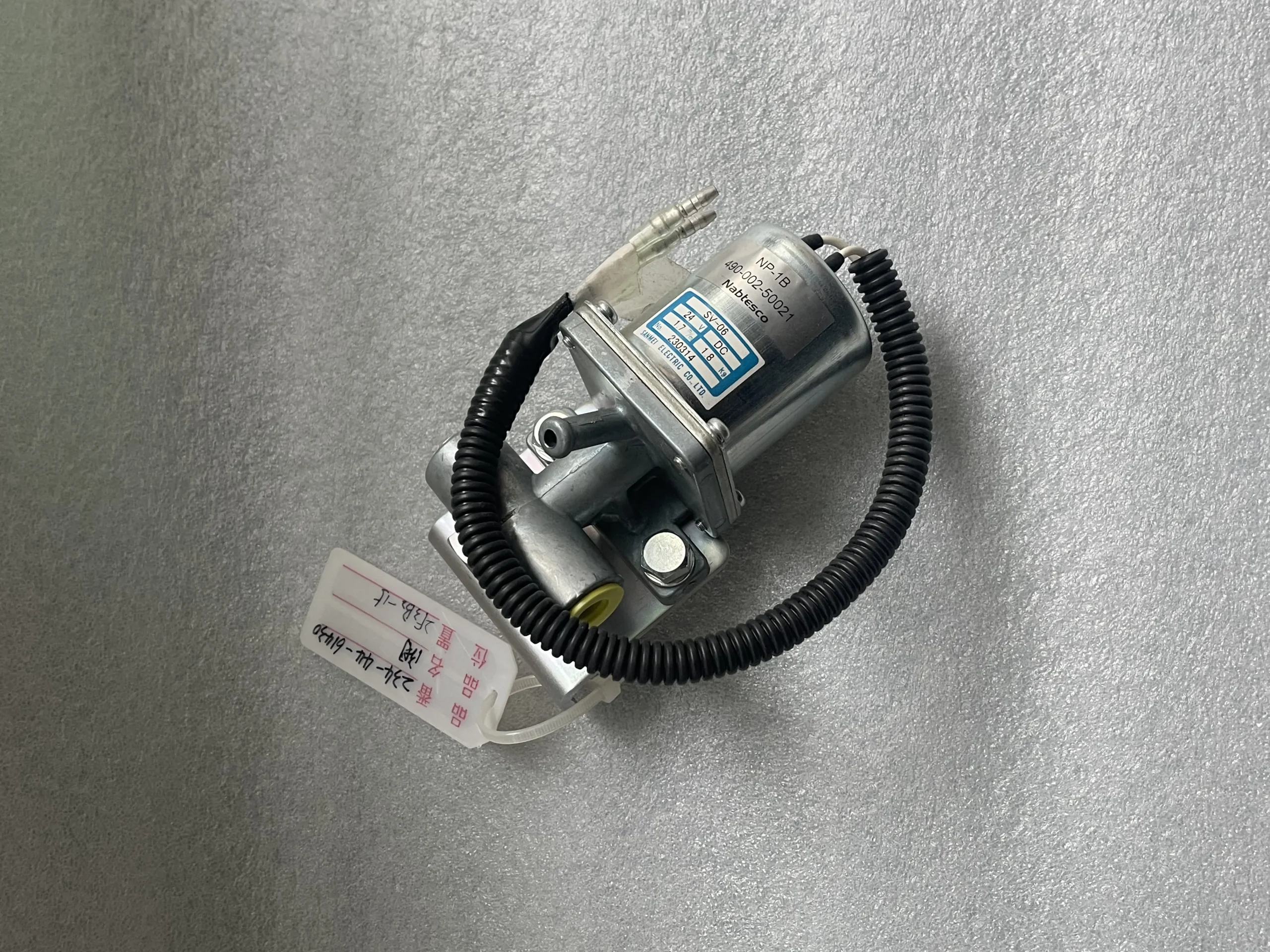 VALVE 234-44-61430
 -
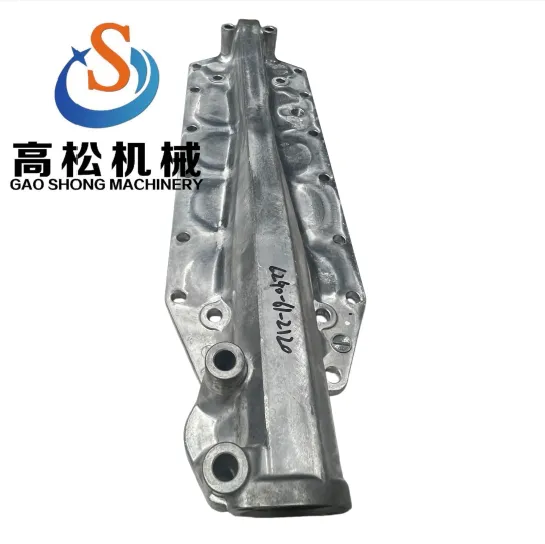 Engine Oil Cooler Cover for Cummins QSK23 SA6D170 Engine 4096006 6240-61-2120 Oil Cooler Cover 6240612120
 -
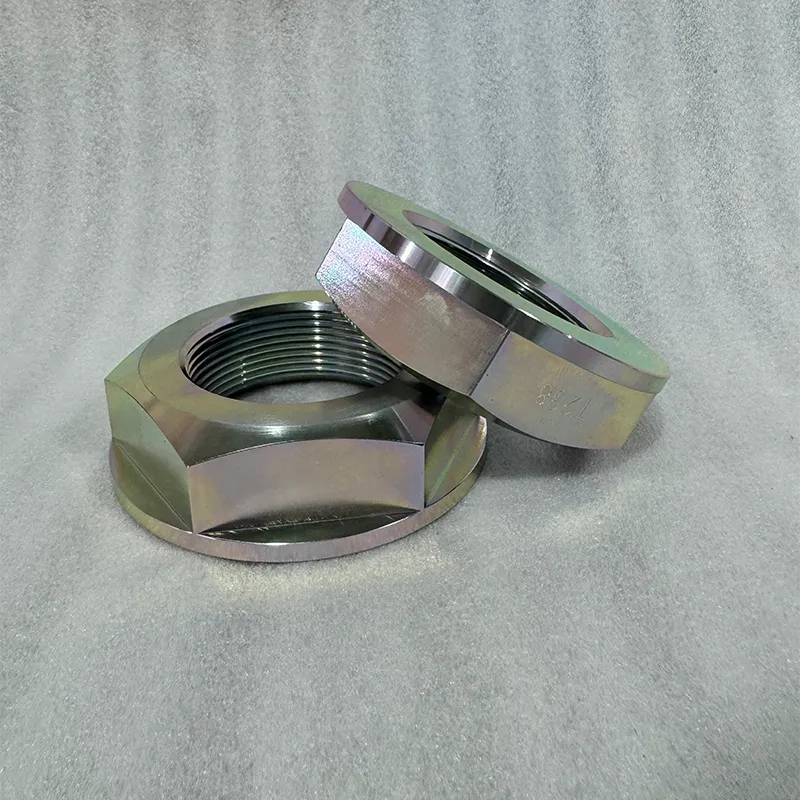 Original komatsu GD825A-2 235-46-45130
 -
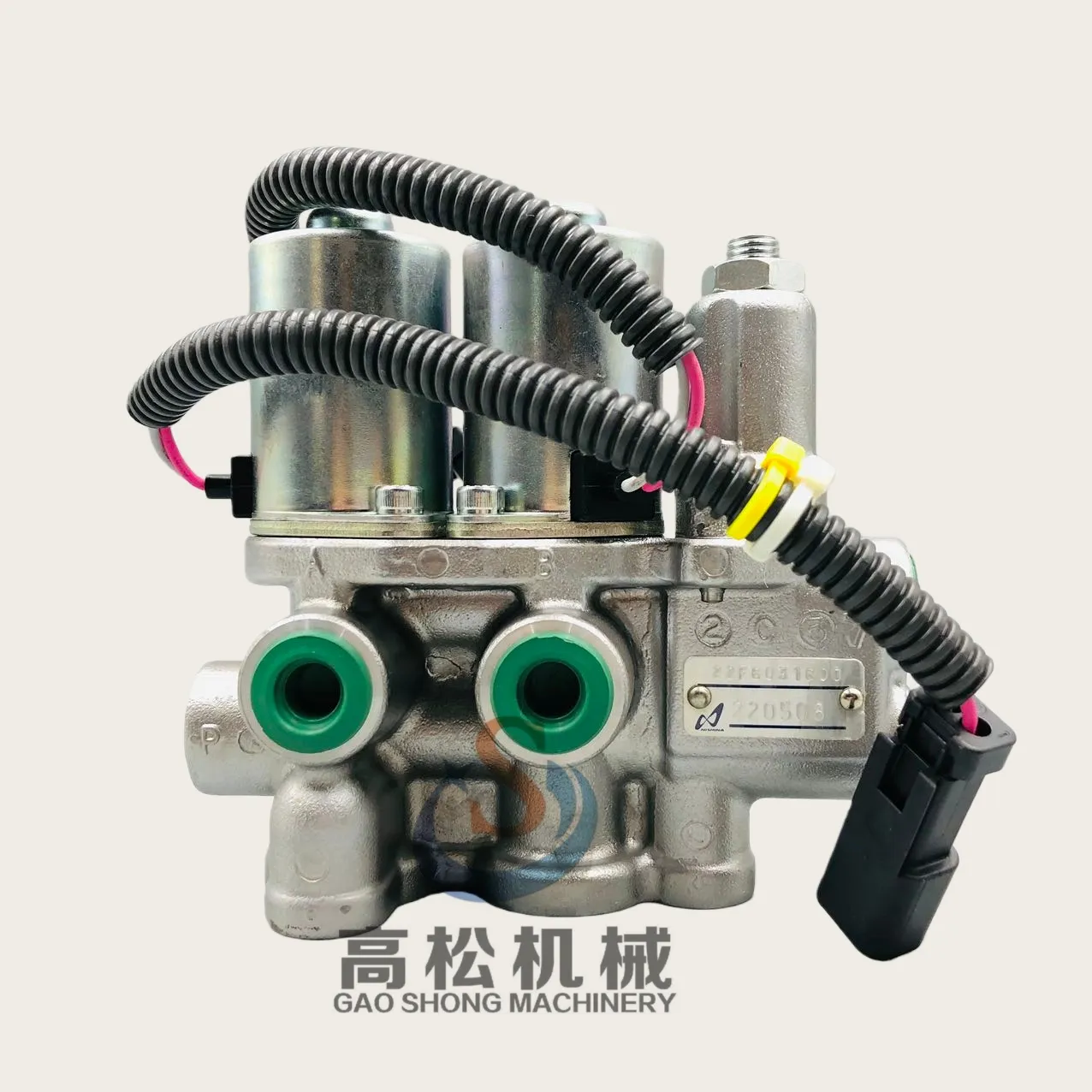 komatsu 22F-60-31600 VALVE ASS’Y PC18MR-3 PC35MR-3 PC45MR-3 PC55MR-3 MAIN VALVE
 -
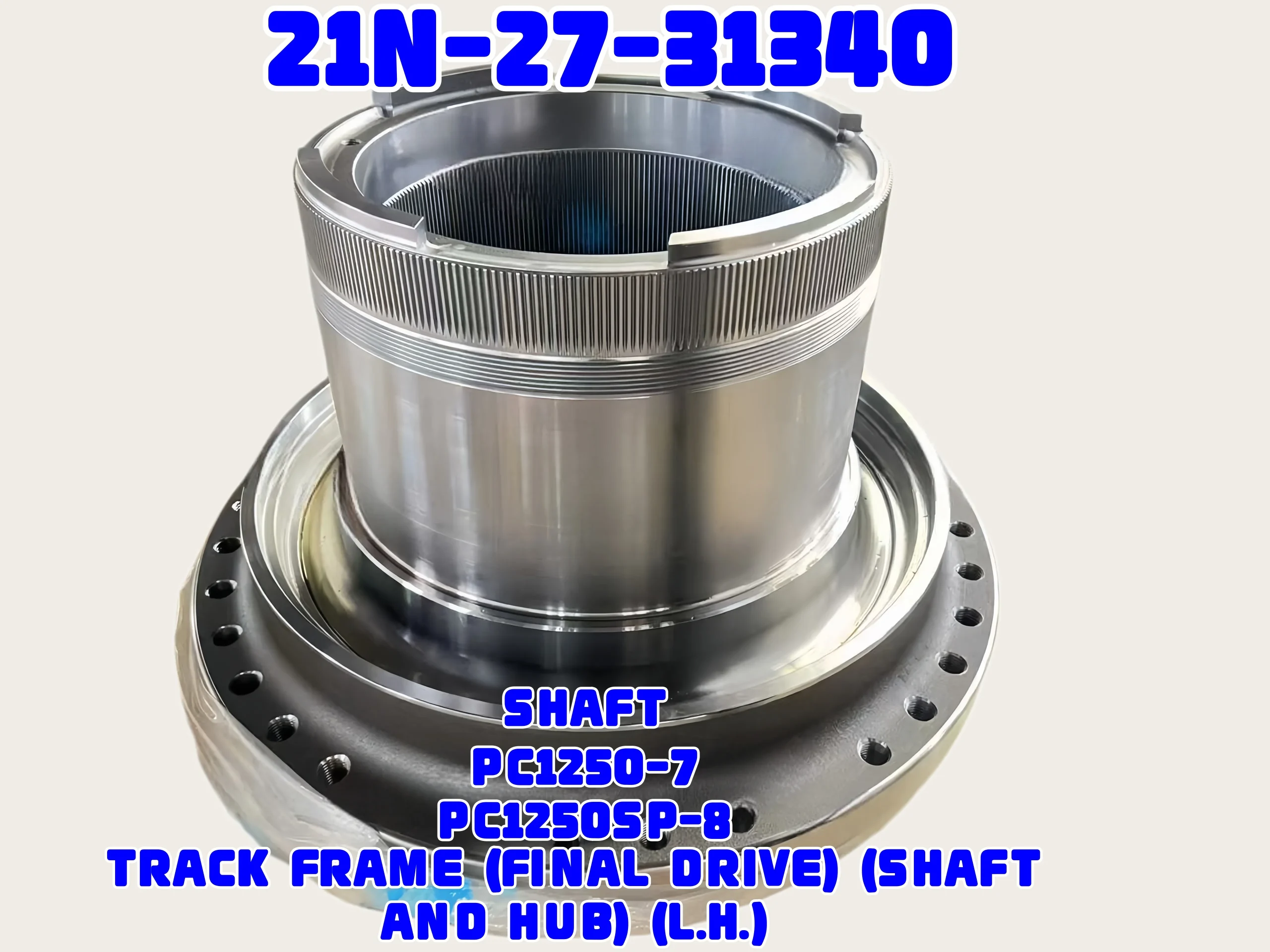 komatsu-part-21N-27-31340 SHAFT PC1250-7 PC1250LC-8 PC1250-8R PC1250-11 TRACK FRAME, FINAL DRIVE L.H. TRACK FRAME, FINAL DRIVE R.H. FINAL DRIVE ASSEMBLY, SHAFT AND HUB, L.H., R.H.
 -
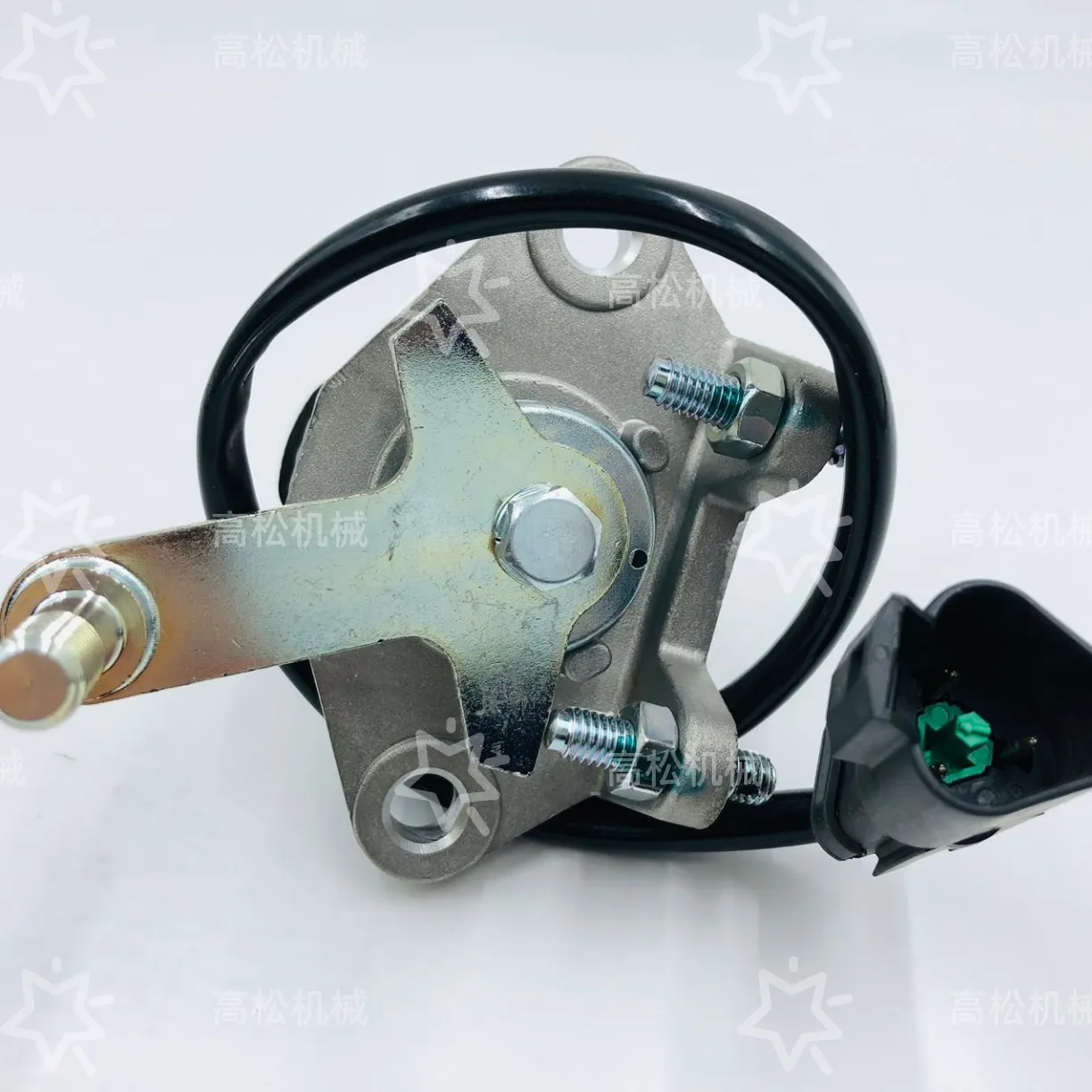 7861-93-4040 Bulldozer D275 D375 Sensor
 -
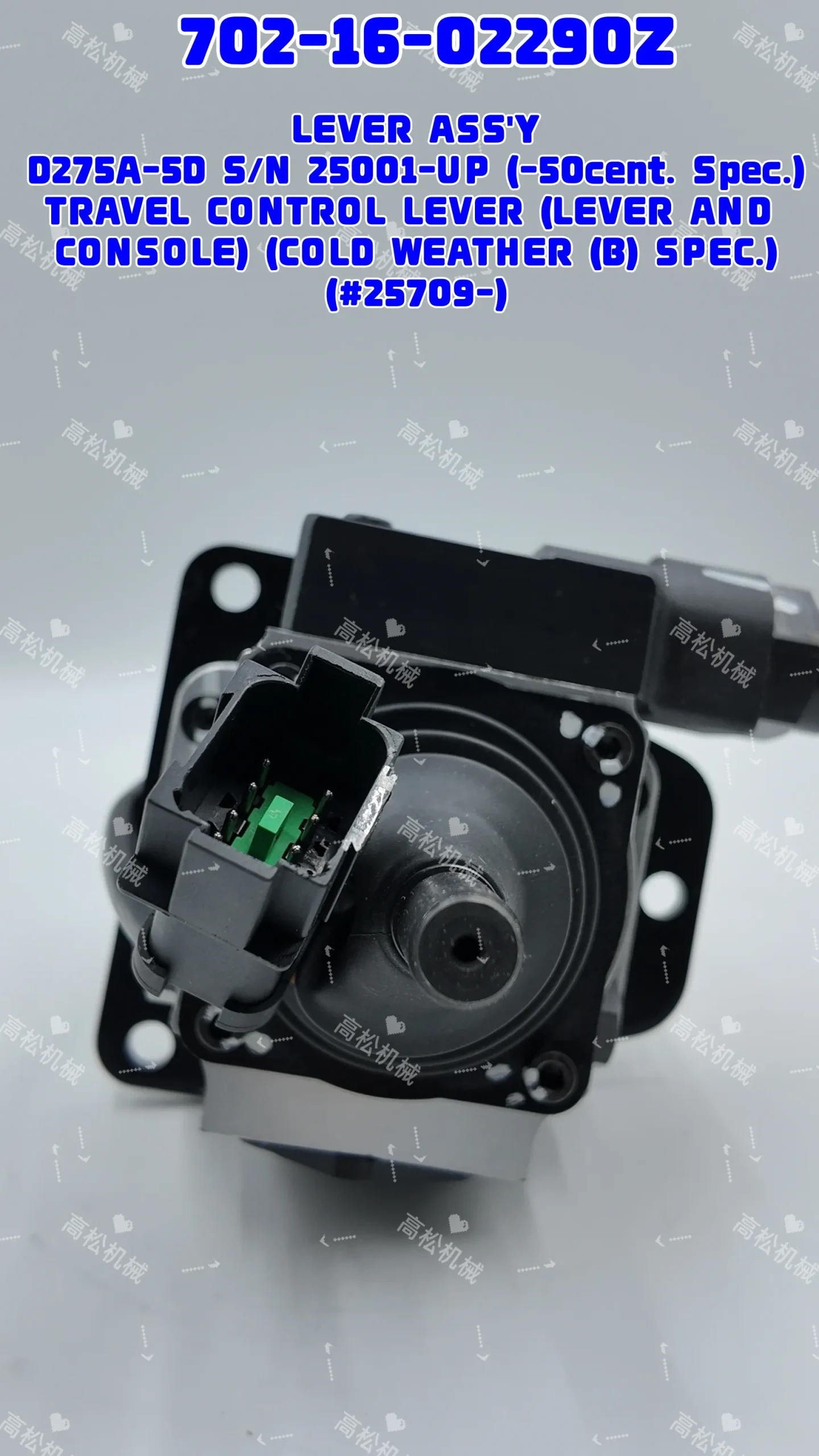 LEVER ASS’Y 702-16-02290 D275A-5D D65PX-15E0 D85EX-15 D65PX-16 D155AX-8 TRAVEL CONTROL LEVER ELECTRIC LEVER FLOOR FRAME
 -
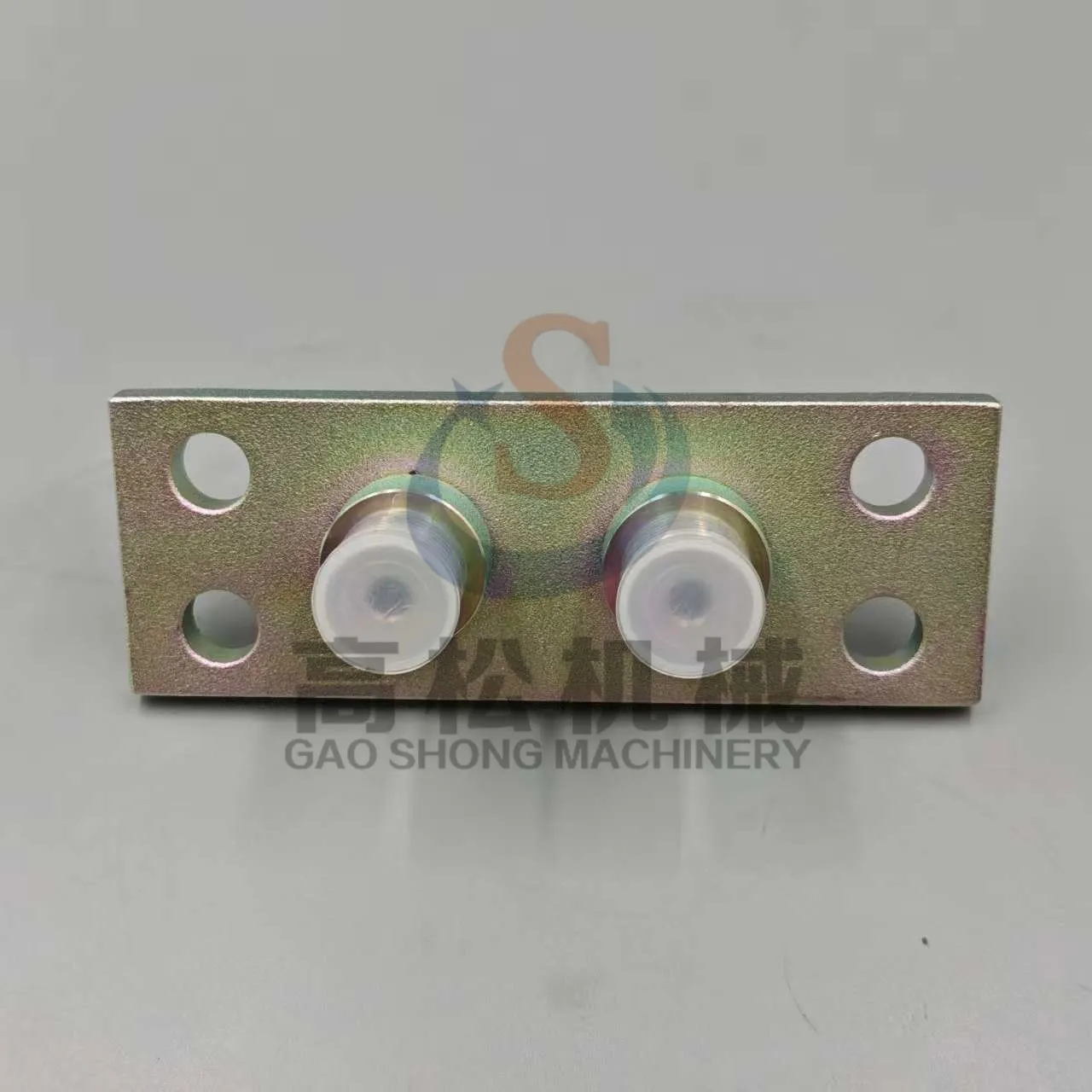 Komatsu D65EX-15 14Y-62-31411 BRACKET
 -
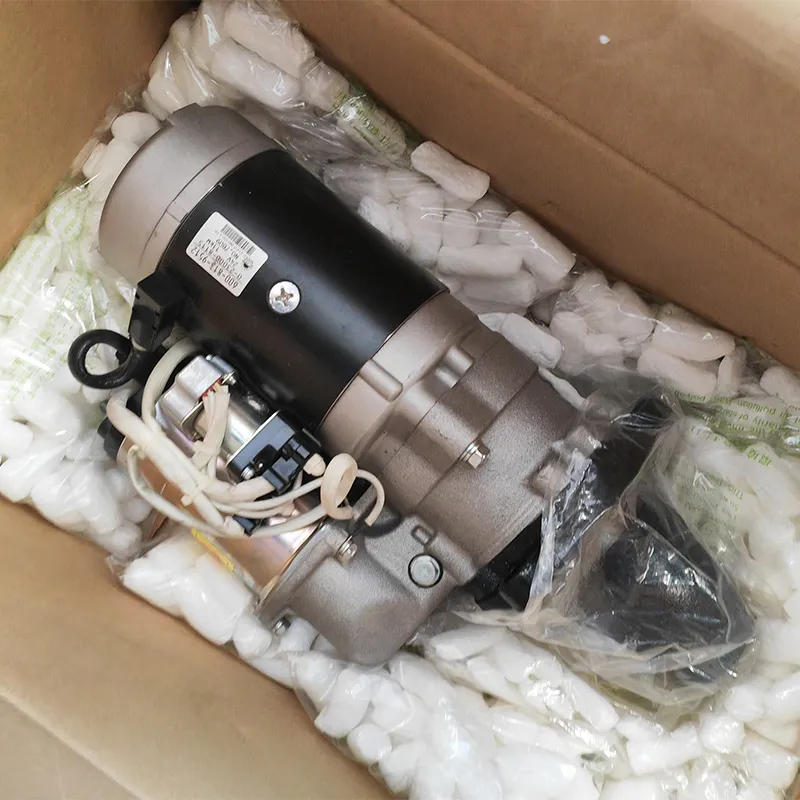 600-813-9512 Original komatsu Starter Motor for PC1250-8 D375-6 WA600-8
 -
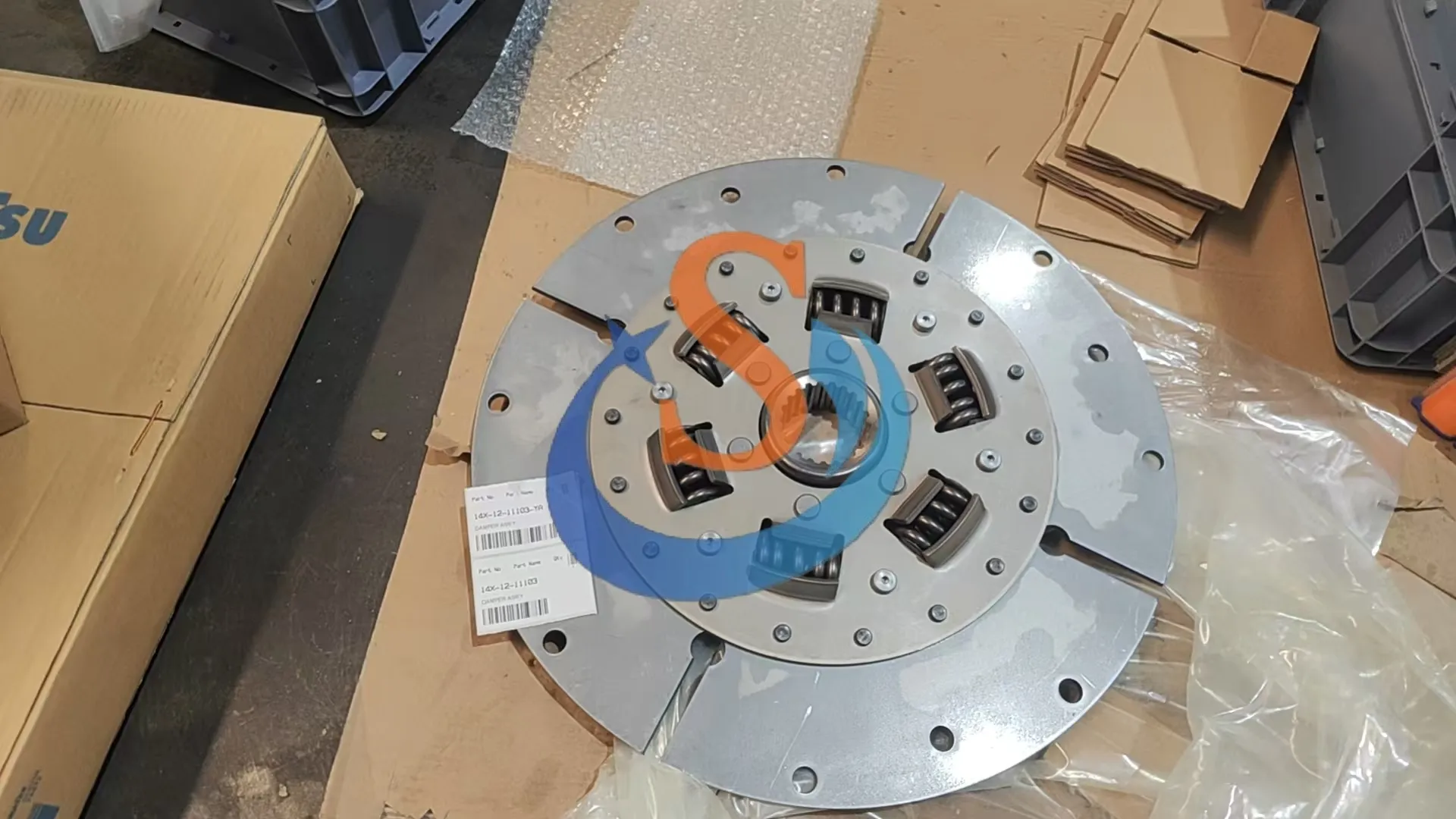 14X-12-11103 Damper Disc ASS’Y D65/D85
 -
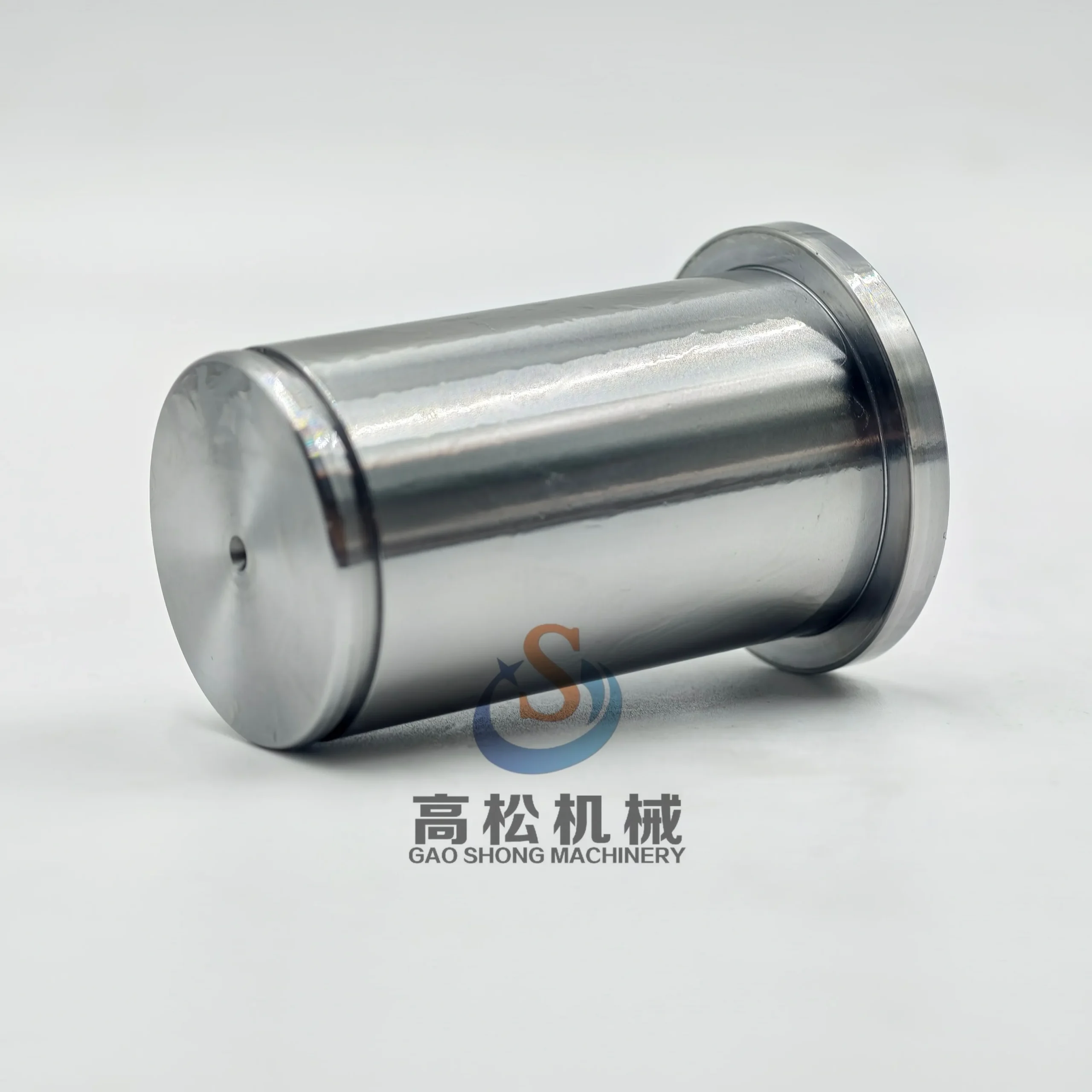 komatsu parts 21N-26-33240 Pin PC1250-11 SWING MACHINERY AND MOTOR, FRONT
 -
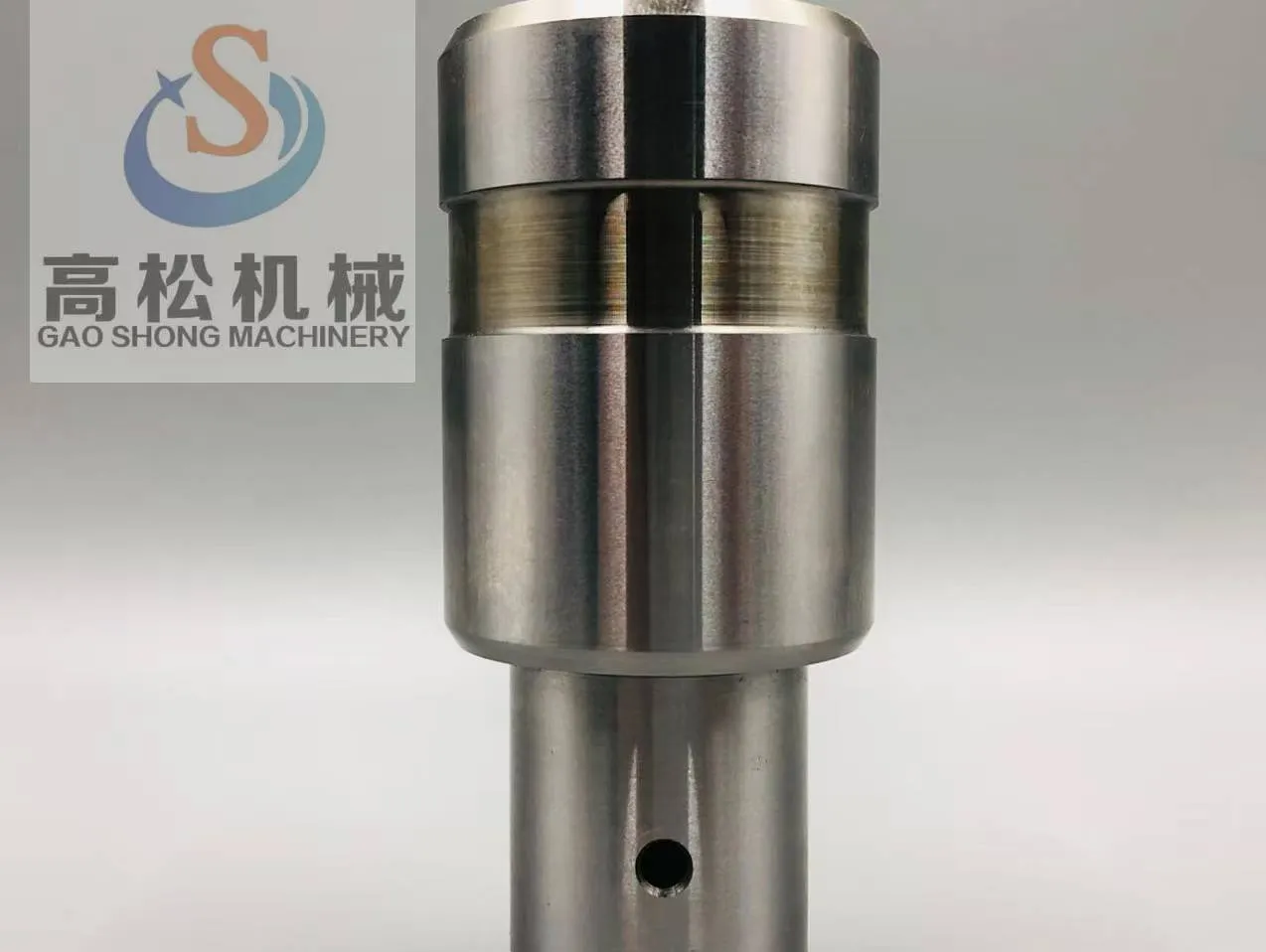 Excavator PC1250sp-8r Axle 6240-61-1313 6240611313