
- Chinese
- French
- German
- Portuguese
- Spanish
- Russian
- Japanese
- Korean
- Arabic
- Irish
- Greek
- Turkish
- Italian
- Danish
- Romanian
- Indonesian
- Czech
- Afrikaans
- Swedish
- Polish
- Basque
- Catalan
- Esperanto
- Hindi
- Lao
- Albanian
- Amharic
- Armenian
- Azerbaijani
- Belarusian
- Bengali
- Bosnian
- Bulgarian
- Cebuano
- Chichewa
- Corsican
- Croatian
- Dutch
- Estonian
- Filipino
- Finnish
- Frisian
- Galician
- Georgian
- Gujarati
- Haitian
- Hausa
- Hawaiian
- Hebrew
- Hmong
- Hungarian
- Icelandic
- Igbo
- Javanese
- Kannada
- Kazakh
- Khmer
- Kurdish
- Kyrgyz
- Latin
- Latvian
- Lithuanian
- Luxembou..
- Macedonian
- Malagasy
- Malay
- Malayalam
- Maltese
- Maori
- Marathi
- Mongolian
- Burmese
- Nepali
- Norwegian
- Pashto
- Persian
- Punjabi
- Serbian
- Sesotho
- Sinhala
- Slovak
- Slovenian
- Somali
- Samoan
- Scots Gaelic
- Shona
- Sindhi
- Sundanese
- Swahili
- Tajik
- Tamil
- Telugu
- Thai
- Ukrainian
- Urdu
- Uzbek
- Vietnamese
- Welsh
- Xhosa
- Yiddish
- Yoruba
- Zulu
- Kinyarwanda
- Tatar
- Oriya
- Turkmen
- Uyghur






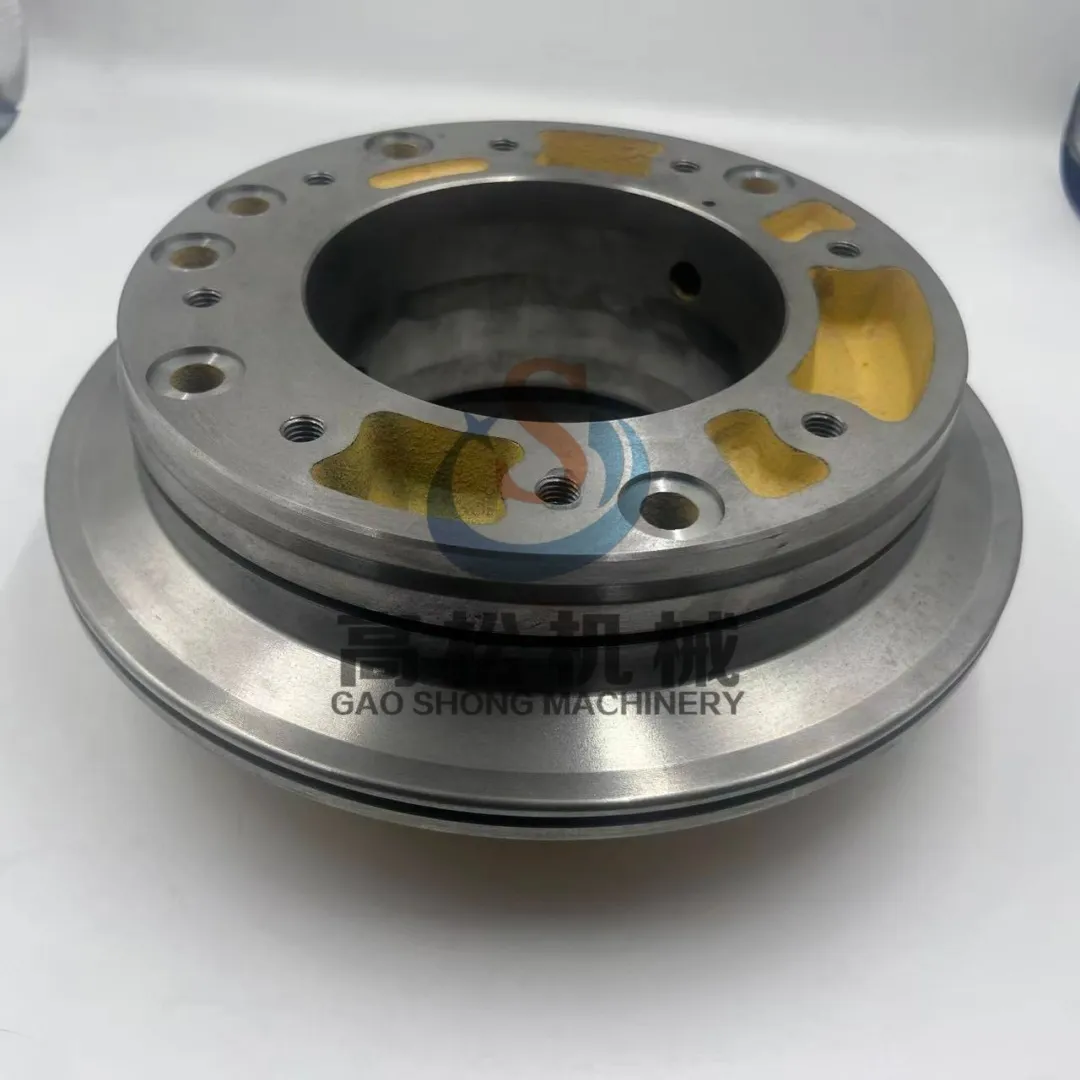
OEM AND ORIGINAL KOMATSU RING 561-30-91120
When you see a part number like , especially with the terms 'OEM' and 'Original' attached, it's easy to assume it's a straightforward purchase. In the world of Komatsu undercarriage and components, that's rarely the case. The reality is more nuanced, and confusing these terms can lead to costly downtime or premature failure. I've seen too many projects hit a snag because someone bought what they thought was a genuine Komatsu ring, only to find subtle metallurgical differences or tolerance issues that a spec sheet doesn't show. The 'OEM AND ORIGINAL' label itself is a bit of a red flag for those in the trenches—it often signals a supplier trying to bridge two worlds, which isn't inherently bad, but requires a keen eye.
The in the Real World
Let's talk about the OEM AND ORIGINAL KOMATSU RING specifically. This isn't some generic seal; it's a critical wear component, often for larger models. The 'OEM' bit implies it's made by the original equipment manufacturer within Komatsu's sanctioned supply chain—not necessarily Komatsu's own factory, but a certified partner. The 'Original' claim is trickier. In my experience, true 'Original' parts come in Komatsu-branded boxes with full traceability. When both terms are used together, it usually means the part is produced to the exact OEM blueprint and material spec, but might be distributed outside Komatsu's primary channels. I had a situation in Indonesia where a fleet owner insisted on only 'Original' boxes, but a supply blockage meant his D375 dozers were idle for weeks. We sourced what was technically an OEM AND ORIGINAL KOMATSU RING from a certified system supplier, and it performed identically over its full service life. The lesson was about verifying the source's credentials, not just the packaging.
Performance is where you separate marketing from mechanics. A proper ring needs to withstand not just pressure, but impact and abrasive wear. I recall testing a batch—not from our usual source—where the hardness was off by just a few points on the Rockwell scale. It looked perfect, even had the correct stamping. But in the field, it wore down 30% faster than expected, causing a cascade of other undercarriage issues. The failure wasn't catastrophic, but it was expensive. That's the hidden cost: a part can fail without breaking, just by not meeting its engineered lifespan.
This is where a company's role becomes critical. Take Jining Gaosong Construction Machinery Co., Ltd., for instance. Their position as an OEM product supplier within the Komatsu system and a third-party sales company is exactly the model that addresses this grey area. They aren't just a reseller; they are integrated into the OEM manufacturing ecosystem. When they list an OEM AND ORIGINAL KOMATSU RING , it carries a different weight. They're not claiming it's from Komatsu's main parts depot; they're stating it's built to the same standard by a factory that likely also supplies Komatsu directly. For markets in Africa or Southeast Asia where official distribution is thin, a partner like this, accessible at https://www.takematsumachinery.com, is the difference between a running machine and a yard ornament.
Decoding the Supply Chain
The global parts network is fragmented. Komatsu's official channel is robust but not omnipresent. In certain countries, the challenges they mention—like import restrictions or logistical bottlenecks—are very real. A third-party sales company that is also an OEM supplier fills that gap. They help solve parts supply challenges by leveraging their direct manufacturing link. When you order from such a source, you're often cutting out two or three middlemen, which explains the cost difference from a 'genuine' boxed part. The risk is that you must trust their quality control is the same line feeding the official OEM orders. From my dealings, the reputable ones have identical QC gates because it's the same production line; the parts just take a different logistical path.
I learned this the hard way early on. We needed a urgently for a repair in a remote quarry. The local dealer had a six-week lead time. We found a supplier online with a great price and OEM all over the listing. The part arrived quickly, but the machining on the groove was slightly rough—a detail you'd only notice if you've handled dozens of them. We installed it under pressure, and it leaked within 50 hours. The failure was due to a micro-fracture from a machining stress point. The supplier was just a trader, not a manufacturer or system supplier. Now, I always drill down on the company's actual role. A brief look at the Takematsu Machinery website shows their clear statement: they are within the Komatsu system. That phrasing matters. It suggests a formal relationship, not just a sourcing agreement.
So, how do you validate? First, ask for material certification or mill test reports. A true OEM-level producer will have these, even if slightly redacted. Second, ask about packaging. While not in a Komatsu box, it should still be in industrial-grade, branded packaging from the factory. Third, and most importantly, ask for references or case studies in similar applications. A company like Jining Gaosong, by virtue of their dual role, should be able to provide examples of how they've solved specific supply challenges for other clients, not just a list of parts they sell.
Practical Application and Pitfalls
Let's get into the installation nuances. The isn't a part you just slam in. Cleanliness is paramount—any grit during installation will score the mating surface and doom the seal. I've seen seasoned mechanics get lazy here, using diesel as a cleaner and leaving a residue that breaks down the rubber compound. The proper method is a non-petroleum-based cleaner and letting it air dry. Also, the ring often needs to be heated uniformly in an oil bath to expand slightly for installation. An electric heat gun might seem faster, but it creates hot spots that weaken the material. These are the unspoken practices that come from hands-on repetition.
Another pitfall is ignoring the components around the ring. If you're replacing this ring, what's the condition of the gland and the opposing surface? Installing a perfect OEM AND ORIGINAL KOMATSU RING on a pitted or worn groove is a waste of money. It's like putting a new tire on a bent rim. Always do a full inspection of the housing. Sometimes, the cost-saving move of just replacing the ring backfires because the underlying wear wasn't addressed, leading to a callback and a ruined new part. This is where a good supplier's technical support is valuable. The best ones will ask about the application and the condition of the assembly, not just process an order.
In one mining operation, we had a recurring failure of the on several machines. We kept replacing them with what we believed were quality parts. Finally, we involved a technical rep from our supplier. He asked for photos of the disassembled unit and noticed a slight wear pattern on the housing that suggested misalignment from a previous major rebuild. The ring itself was fine; it was failing because it was compensating for another problem. We corrected the alignment, and the ring life returned to spec. This is the value of sourcing from experts who understand the system, not just the component.
The Cost-Benefit Analysis Beyond Price
The initial price tag is the easiest comparison. A part from a source like Jining Gaosong Construction Machinery Co., Ltd. will sit somewhere between a pure aftermarket part and a Komatsu-boxed genuine part. But the real analysis is Total Cost of Ownership (TCO). This includes the part cost, installation labor, machine downtime during repair, and the expected service life. A cheaper, non-OEM-spec ring might save 40% upfront, but if it fails in half the time, you incur double the labor and downtime costs. The math quickly favors the verified OEM-spec part.
Downtime is the killer, especially with critical equipment. If you're in a country with parts supply challenges, having a reliable pipeline is worth a premium. The business model described by Jining Gaosong—acting as both an OEM supplier and a third-party solver—is built for this. Their website, takematsumachinery.com, isn't just a catalog; it should be viewed as an access point to that pipeline. When you have a relationship with such a supplier, you're not just buying a part; you're buying insurance against extended stoppages. You're paying for their ability to navigate the complex OEM logistics on your behalf.
We once standardized on a certain tier of aftermarket parts for a whole fleet to cut costs. The savings on paper were significant. But over two years, our mean time between failures (MTBF) on hydraulic systems dropped noticeably. When we audited the failures, the common link was often seals and rings that didn't meet the OEM material specification. We switched back to using verified OEM-system parts, like those from an OEM supplier, and the MTBF recovered. The savings had been an illusion, eaten up by unplanned maintenance and lost productivity. Now, for critical wear items like the , we never compromise on the provenance.
Concluding Thoughts on Provenance and Trust
In the end, the part number is just a code. The value is in the integrity behind it. The term 'OEM AND ORIGINAL' is a useful signal if you understand what it represents in context: a part built to the original source specification, often from the same factory, but potentially distributed outside the main brand's network. It's a legitimate and often necessary segment of the market.
The key is moving from a transactional parts-buying mindset to a partnership one. You need a supplier who is transparent about their place in the chain. A company that states it is an OEM product supplier within the Komatsu system is giving you a crucial piece of information. It allows you to make an informed risk assessment. You're trusting their integration and their quality control, which, for a well-established player, is a calculated and usually sound bet.
So, next time you need a OEM AND ORIGINAL KOMATSU RING , look beyond the keywords. Scrutinize the supplier's actual role. Can they explain their manufacturing link? Do they understand the application? Can they help troubleshoot beyond just selling the part? For those operating in regions where the official supply chain is strained, leveraging a dedicated partner like Jining Gaosong isn't just a convenience—it's a strategic operational decision. The right part from the right source keeps the iron moving, and that's the only metric that truly matters on the ground.
Related Products
Related Products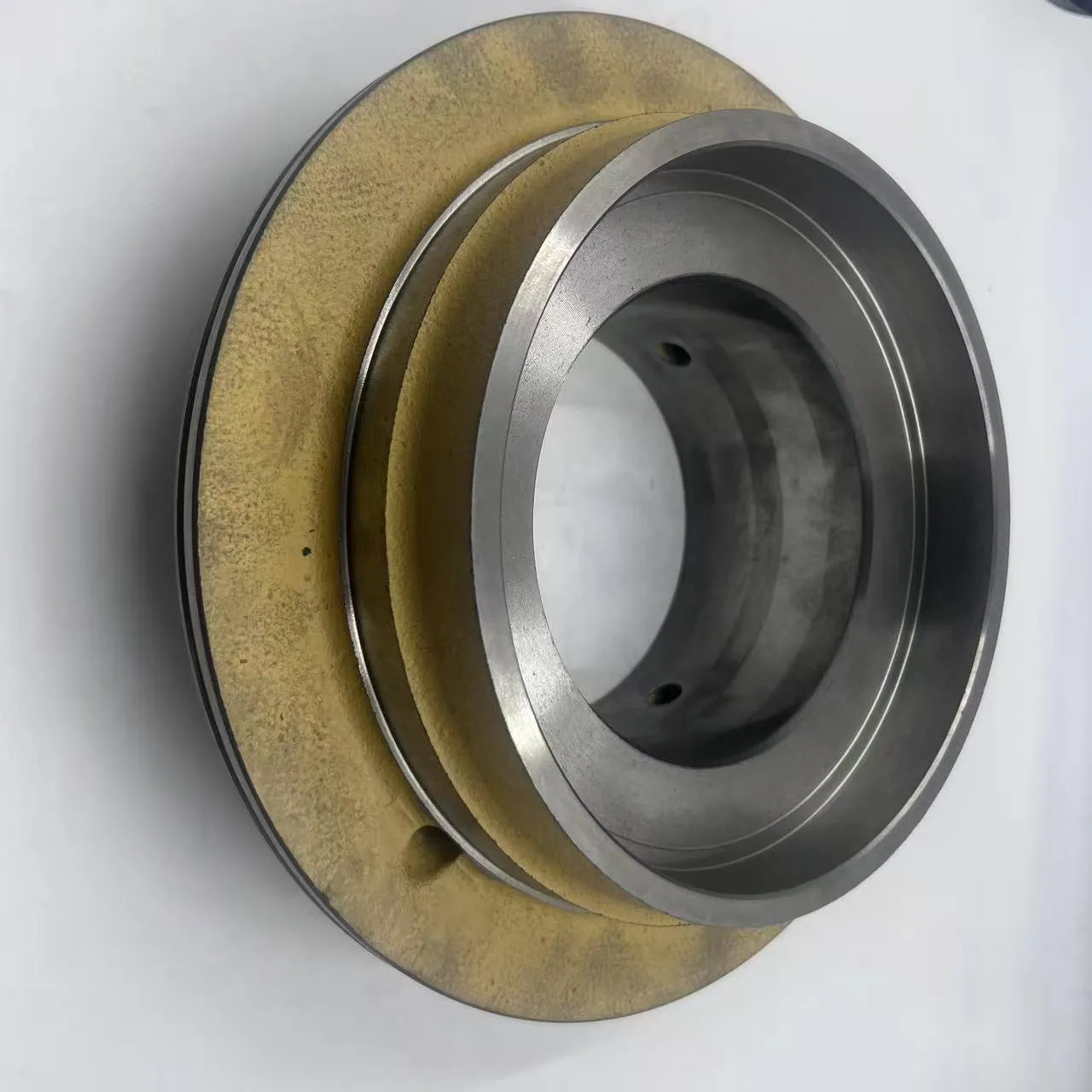

Best Selling Products
Best Selling Products-
 SEAL RING 155-15-12811 Dump Truck Transmission Kit D85A-18 NT855
 -
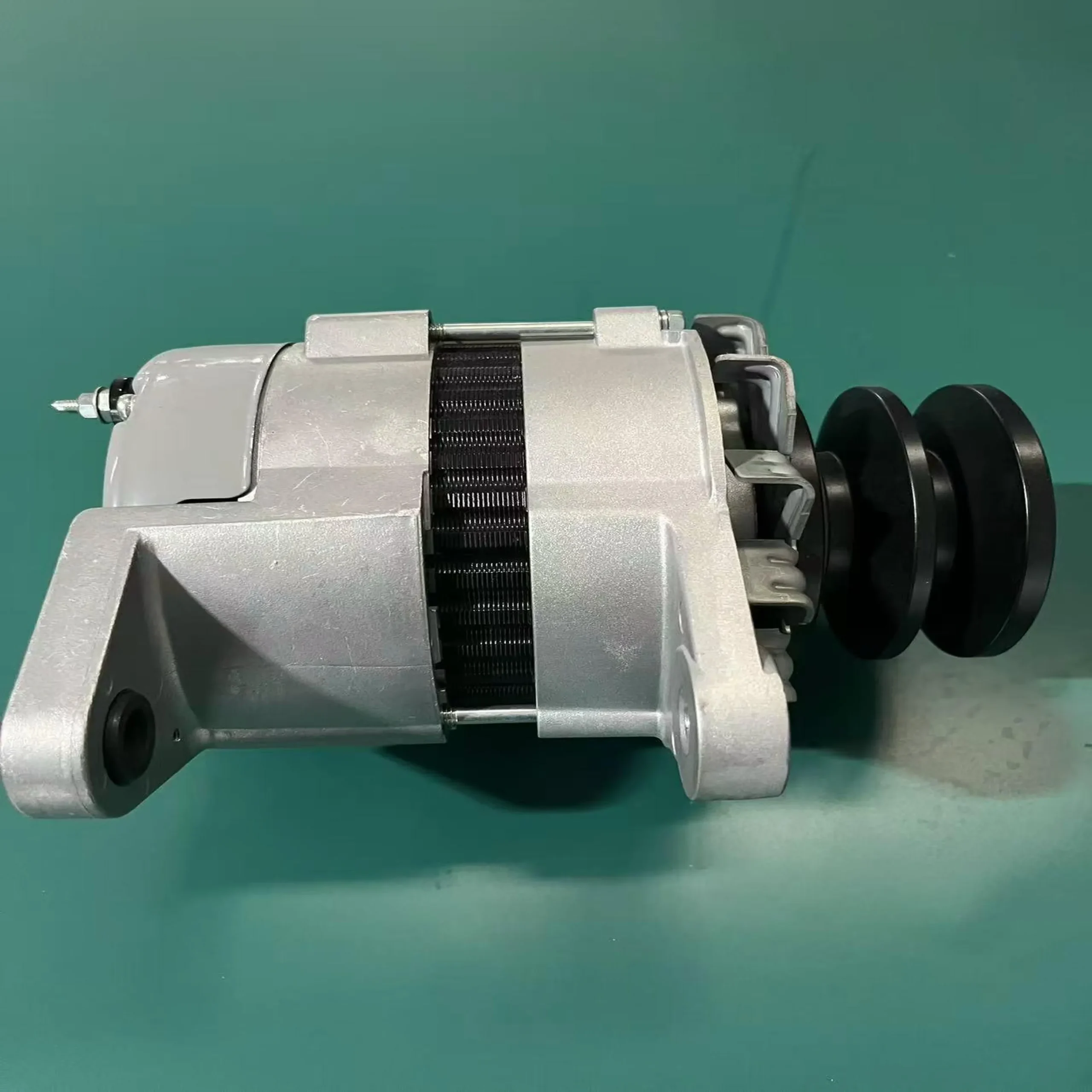 600-825-3151OEG Parts New Alternator Compatible With KOMATSU D65E Crawler & PC130 PC400 EXCAVATOR WA320 LOADER 6008253120, 6008253150, 6008253151, 6008253160, 6008253161, ANK0005, 40050015
 -
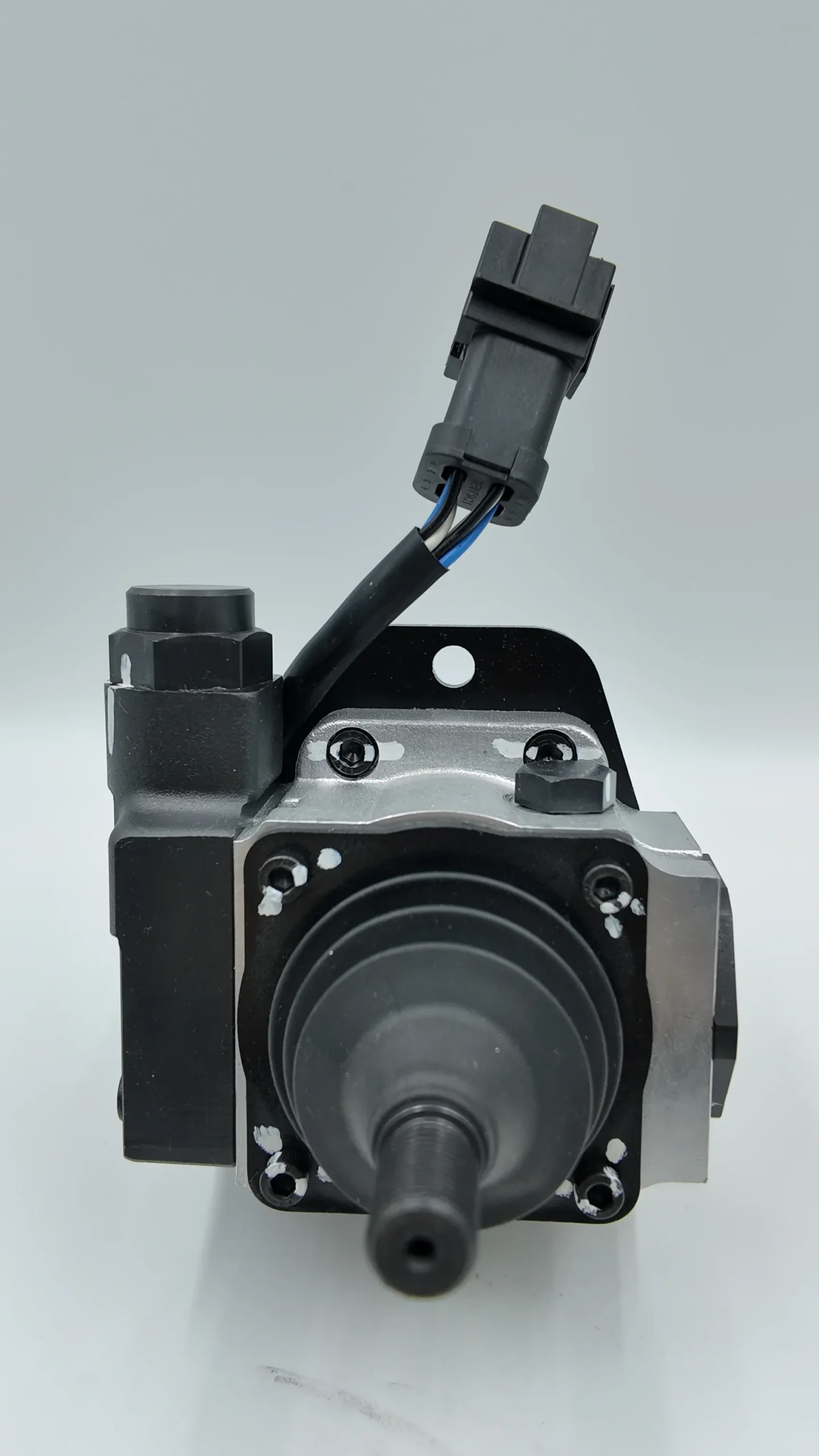 702-16-02290 LEVER ASS’Y-Komatsu Original Factory
 -
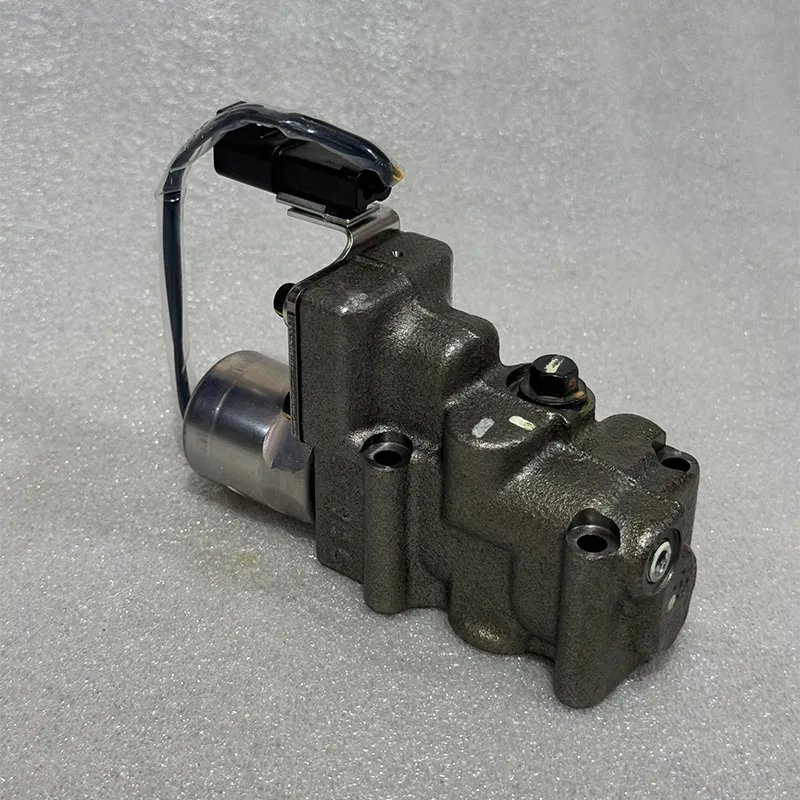 Original komatsu HD785-7 Valve Assembly 561-15-75500
 -
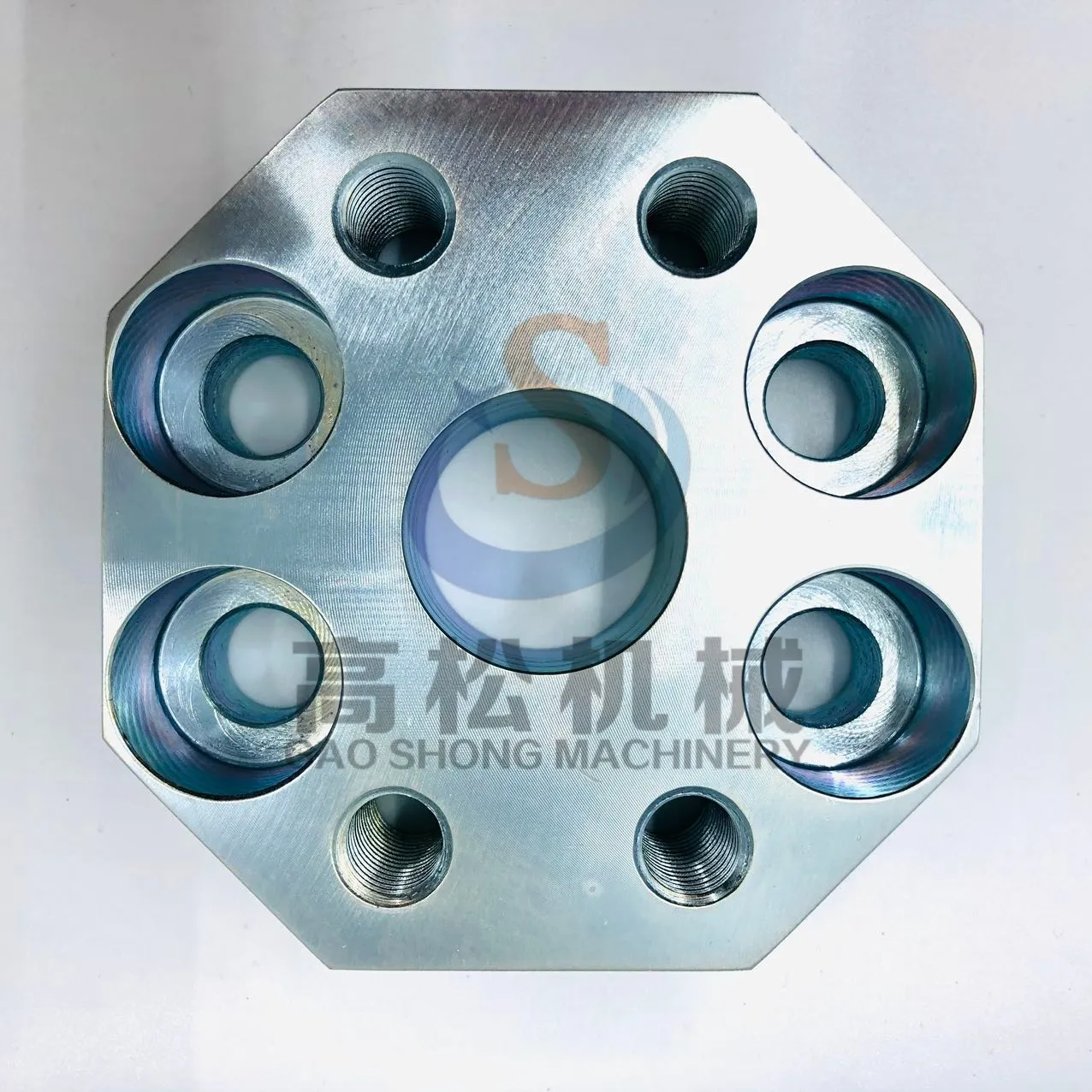 21N-62-11361 Komatsu Flange
 -
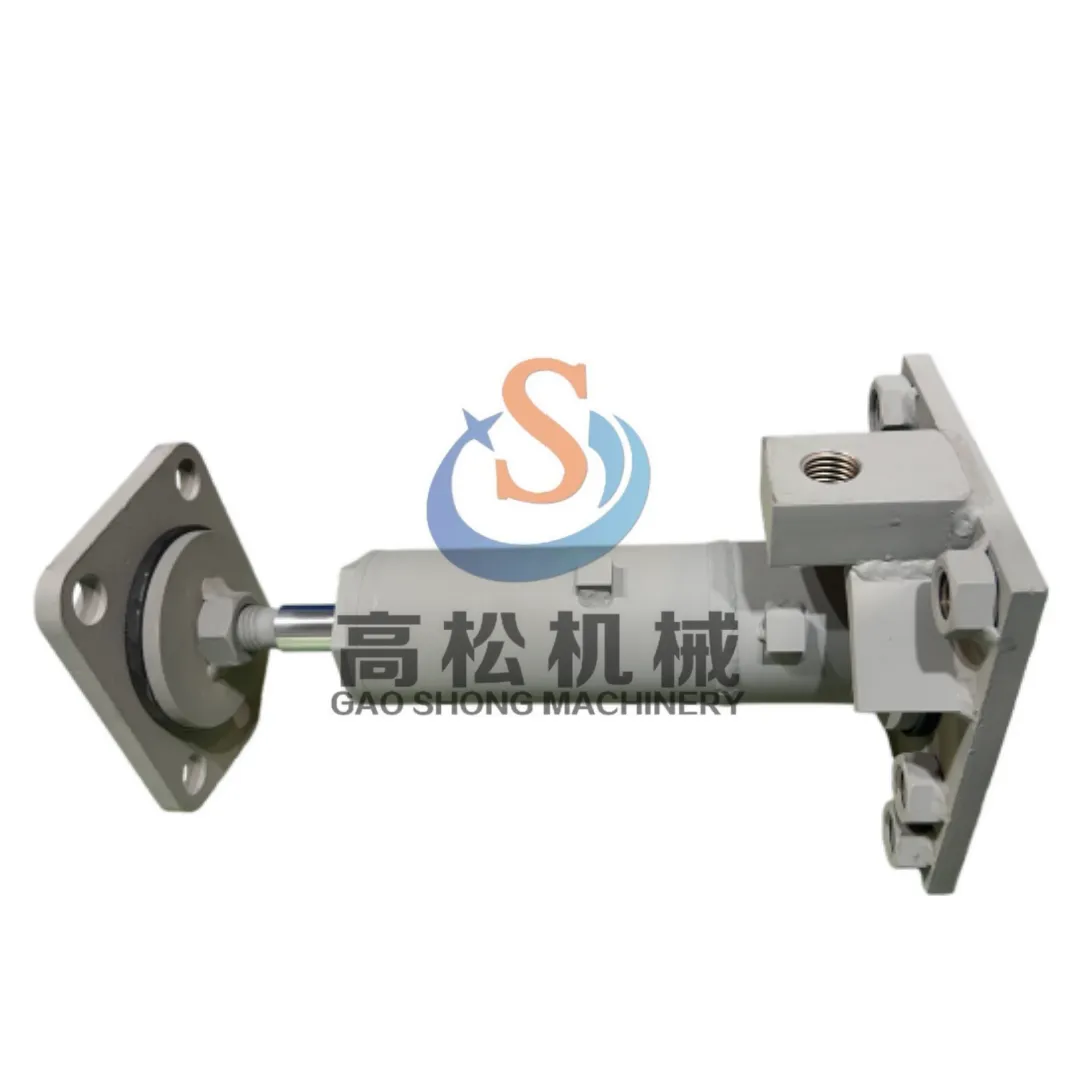 suspension ass’y 17a-54-16201 – komatsu
 -
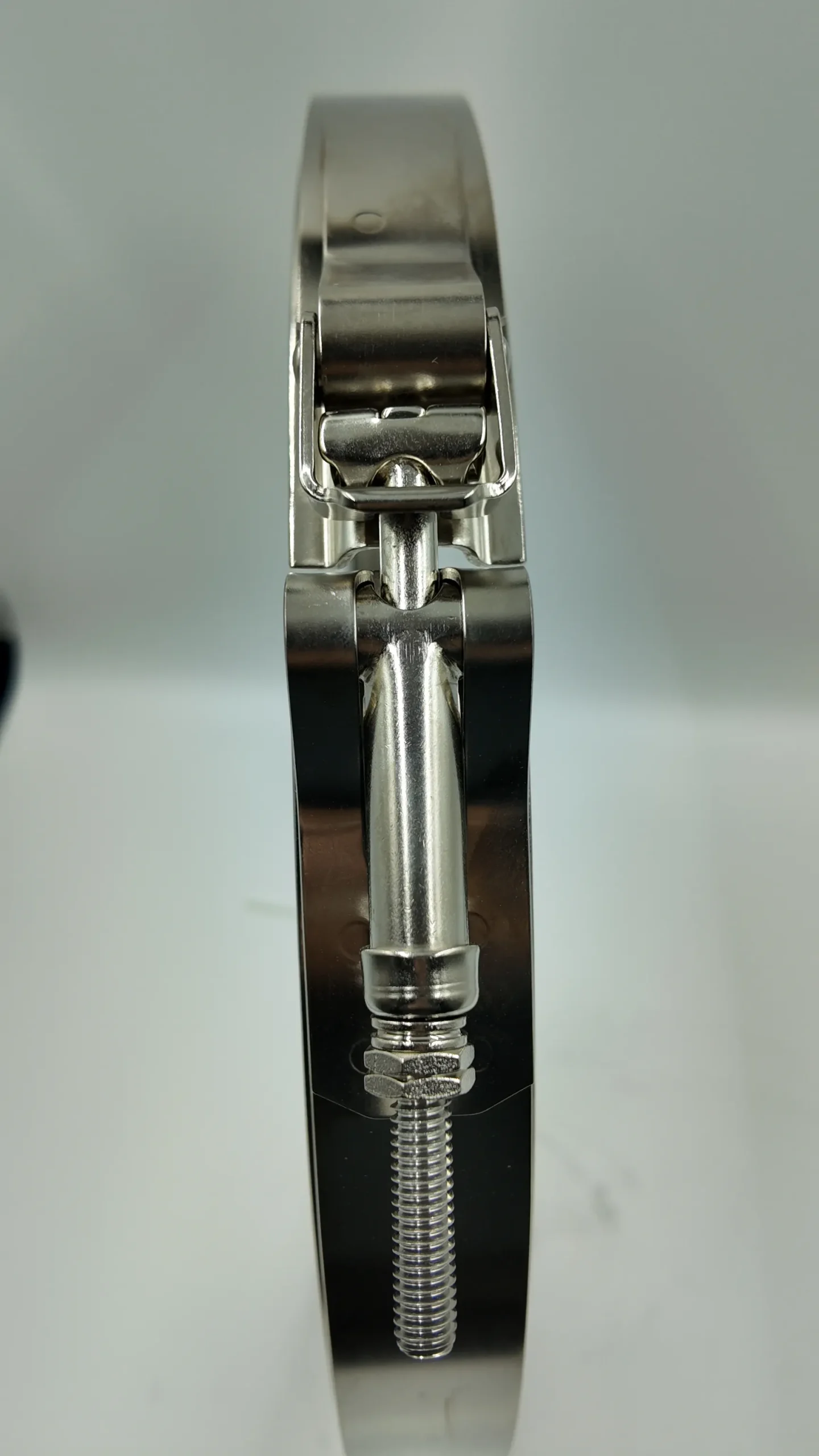 195-21-32821 COUPLING HEAVY DUTY Komatsu
 -
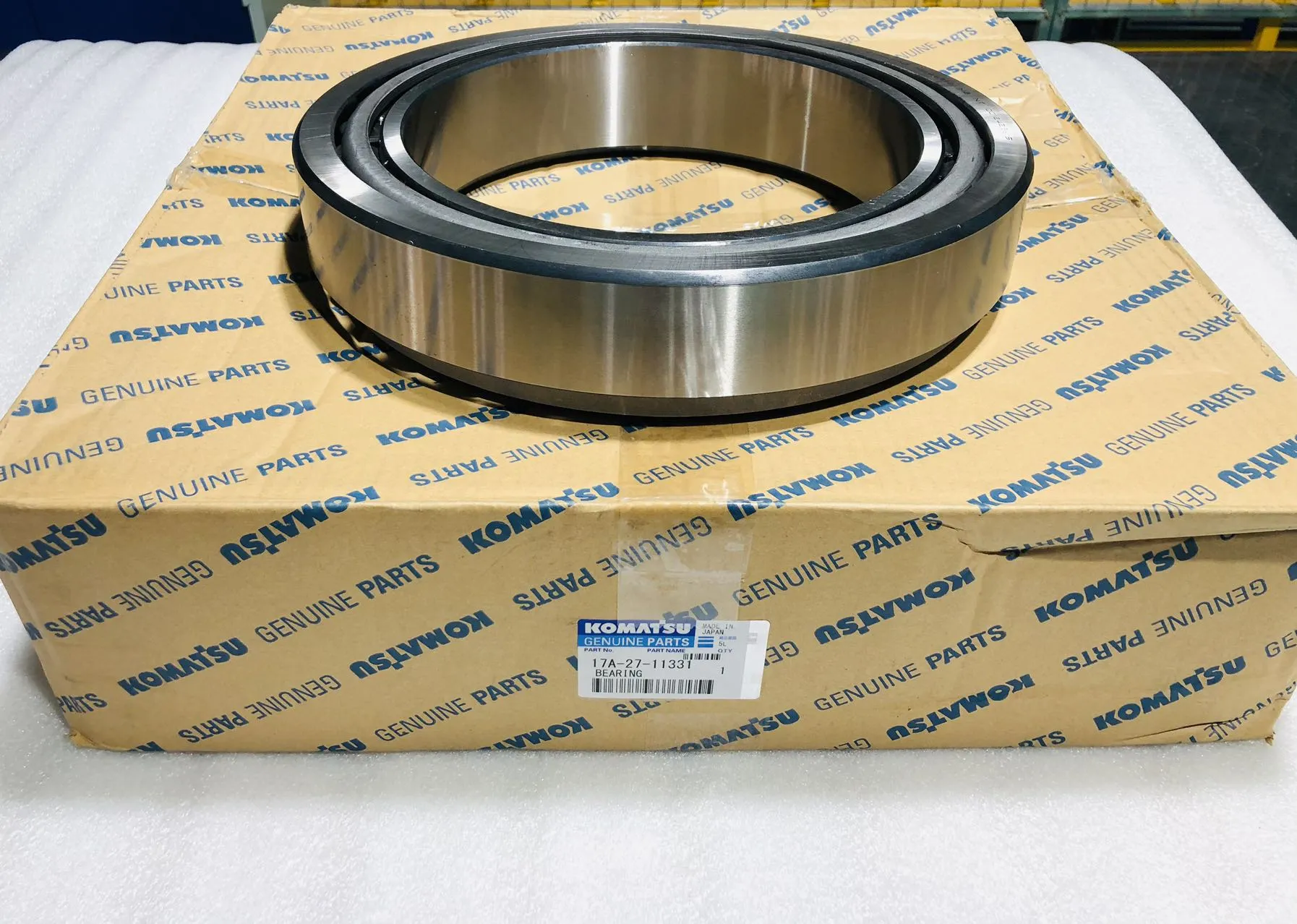 17A-27-11331 Komatsu D155
 -
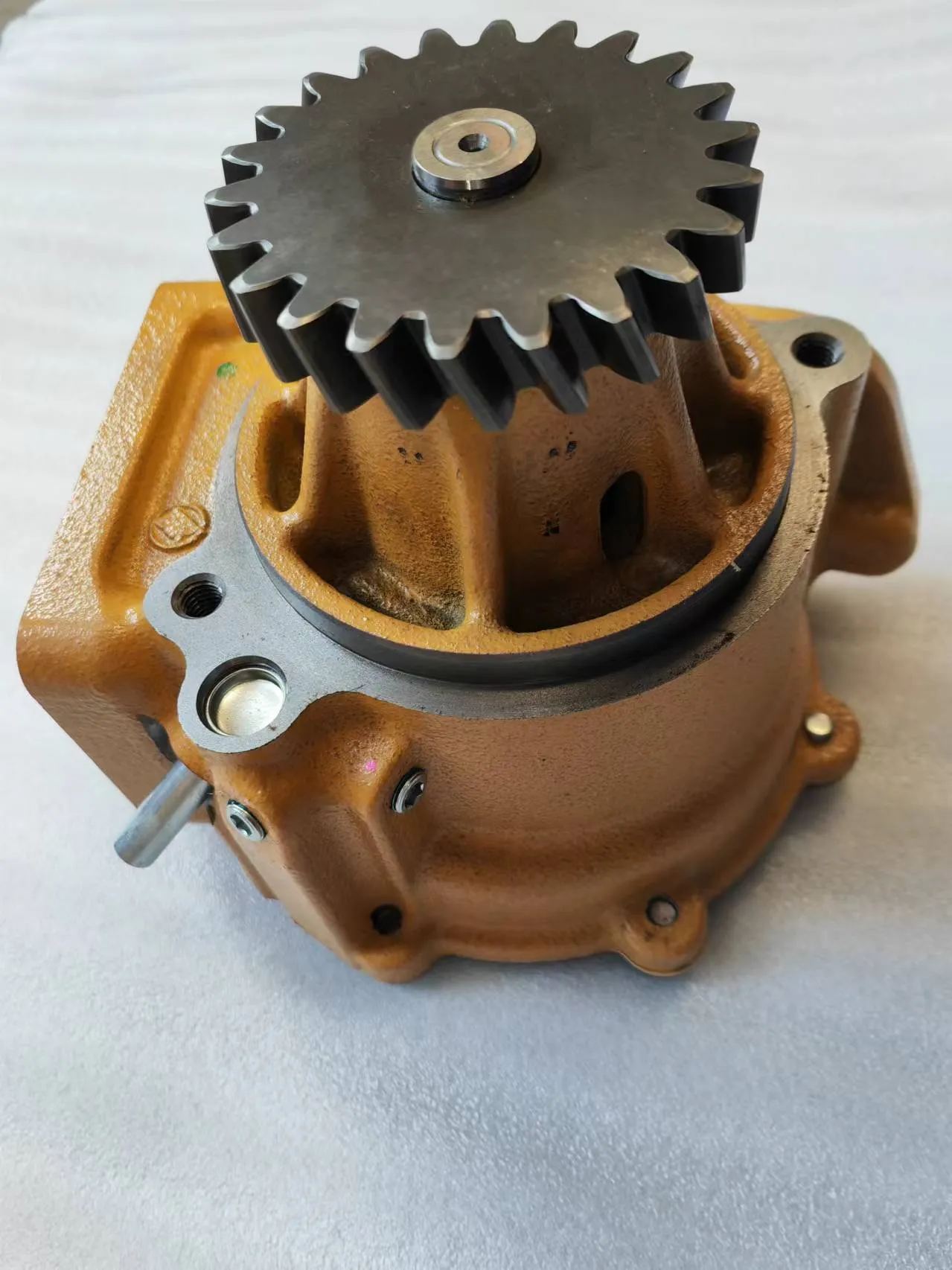 Water Pump Assembly 6219-61-1100 6219-61-1101 6219-61-1102 for Komatsu Engine SA12V140 SAA12V140E SDA12V140 Dump Truck HD785-7
 -
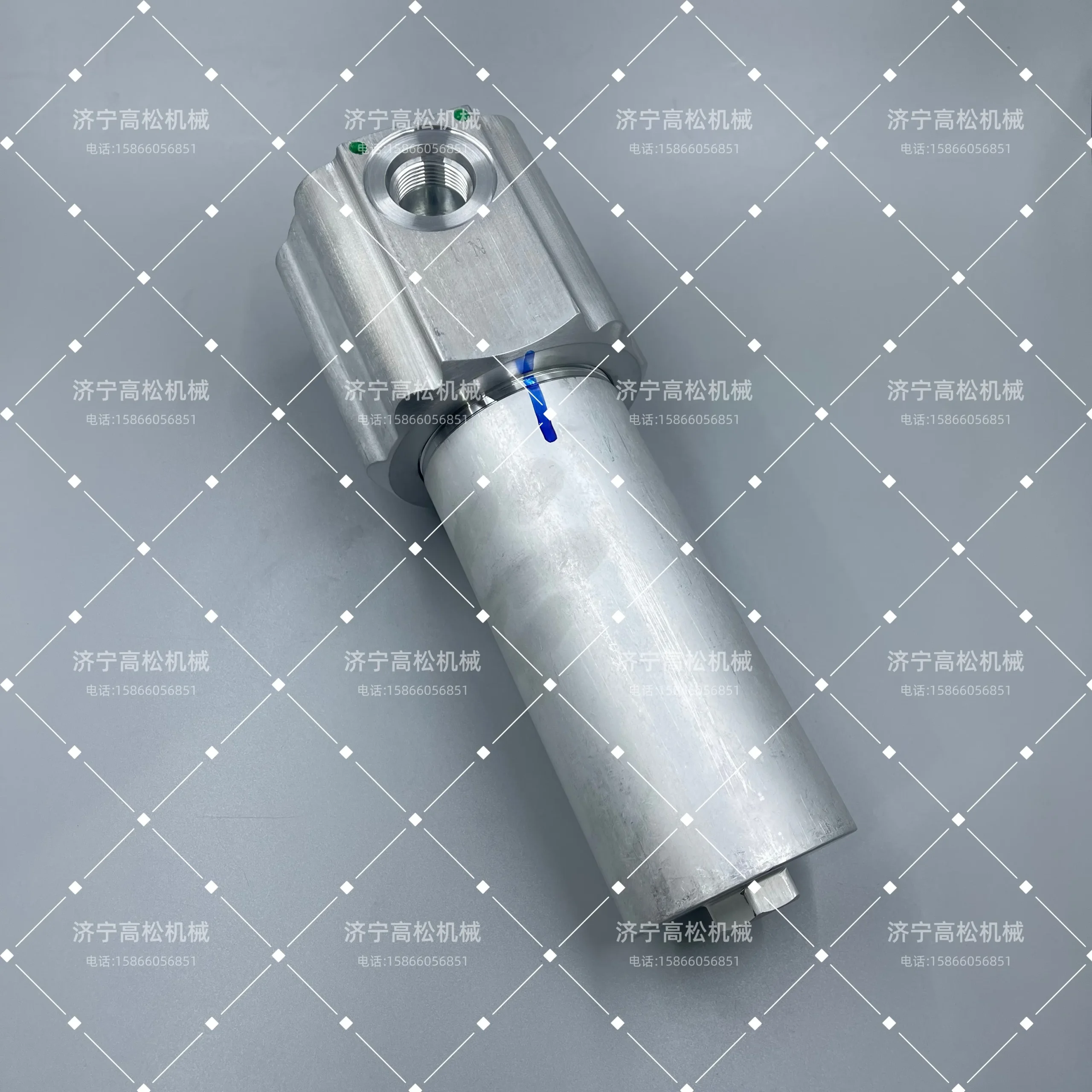 Filter Assembly 569-43-83911 for Komatsu HD785 Dump Trucks
 -
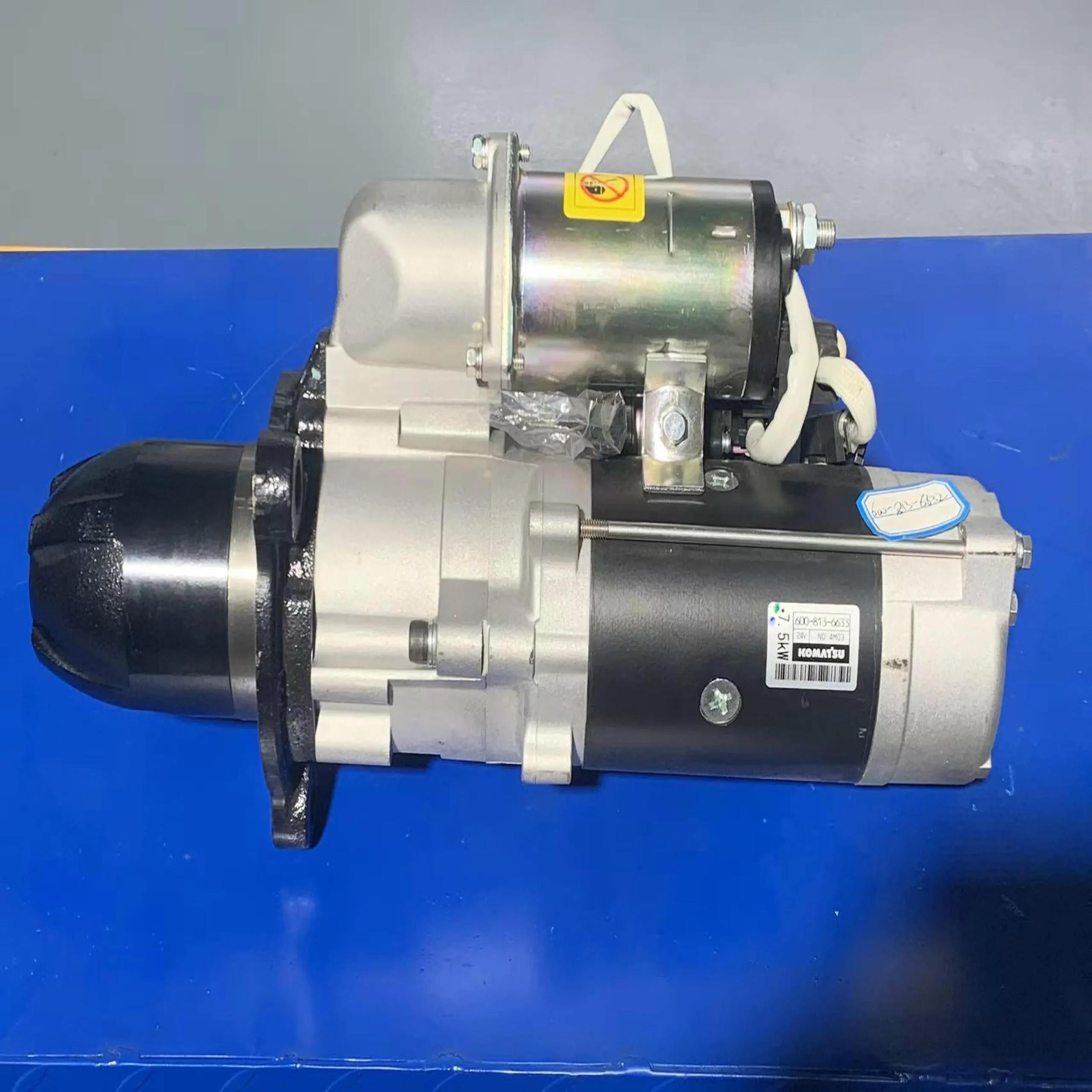 600-813-6632 PC400-8 Start Motor
 -
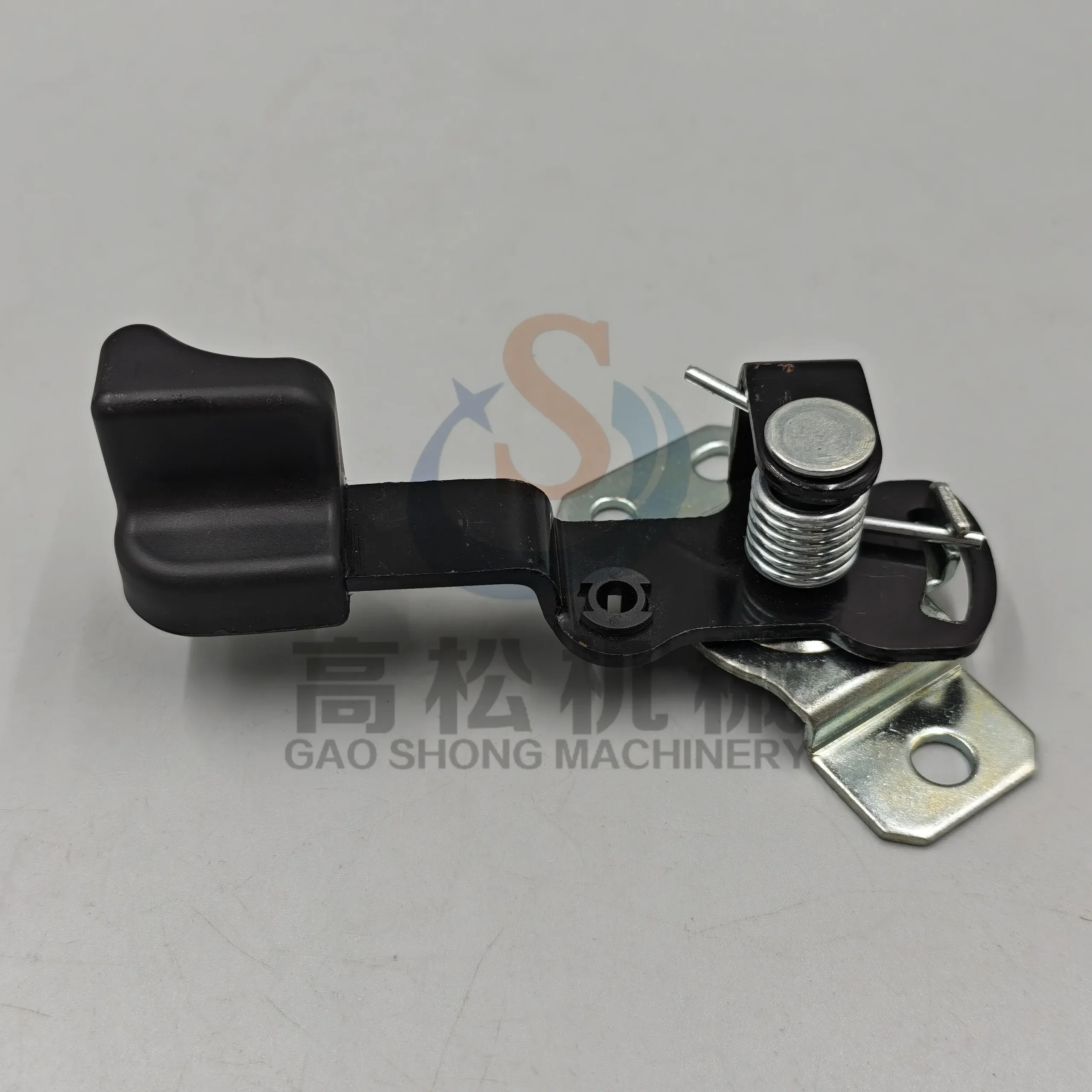 20Y-54-52300 Komatsu Handle Assembly