
- Chinese
- French
- German
- Portuguese
- Spanish
- Russian
- Japanese
- Korean
- Arabic
- Irish
- Greek
- Turkish
- Italian
- Danish
- Romanian
- Indonesian
- Czech
- Afrikaans
- Swedish
- Polish
- Basque
- Catalan
- Esperanto
- Hindi
- Lao
- Albanian
- Amharic
- Armenian
- Azerbaijani
- Belarusian
- Bengali
- Bosnian
- Bulgarian
- Cebuano
- Chichewa
- Corsican
- Croatian
- Dutch
- Estonian
- Filipino
- Finnish
- Frisian
- Galician
- Georgian
- Gujarati
- Haitian
- Hausa
- Hawaiian
- Hebrew
- Hmong
- Hungarian
- Icelandic
- Igbo
- Javanese
- Kannada
- Kazakh
- Khmer
- Kurdish
- Kyrgyz
- Latin
- Latvian
- Lithuanian
- Luxembou..
- Macedonian
- Malagasy
- Malay
- Malayalam
- Maltese
- Maori
- Marathi
- Mongolian
- Burmese
- Nepali
- Norwegian
- Pashto
- Persian
- Punjabi
- Serbian
- Sesotho
- Sinhala
- Slovak
- Slovenian
- Somali
- Samoan
- Scots Gaelic
- Shona
- Sindhi
- Sundanese
- Swahili
- Tajik
- Tamil
- Telugu
- Thai
- Ukrainian
- Urdu
- Uzbek
- Vietnamese
- Welsh
- Xhosa
- Yiddish
- Yoruba
- Zulu
- Kinyarwanda
- Tatar
- Oriya
- Turkmen
- Uyghur





OEM AND ORIGINAL KOMATSU RELIEF VALVE 709-90-72700
When you see that part number, , pop up on a screen or a quote, the immediate instinct is to think Komatsu relief valve. But that's where the real conversation starts, not ends. In my years dealing with hydraulic systems for excavators and dozers, I've seen more confusion around this specific component than almost any other. The term OEM AND ORIGINAL gets thrown around so loosely it's become almost meaningless. Some guys think if it fits, it's original. Others believe only the part in the Komatsu-branded bag counts. The truth, as always, is messier and hinges entirely on the supply chain you're tapping into.
The Core of the Confusion: OEM vs. Original
Let's break this down. A genuine, through-channel OEM AND ORIGINAL KOMATSU RELIEF VALVE means it was produced in a factory authorized by Komatsu, to their exact material and tolerance specs, and distributed through their official network. It has the pedigree. But here's the industry open secret: Komatsu doesn't forge every single valve body themselves. They source from dedicated manufacturers who build exclusively for them or for a very select group. These manufacturers are the true OEMs (Original Equipment Manufacturers).
Now, the grey area—and where companies like Jining Gaosong Construction Machinery Co., Ltd. operate—is when you access that same manufacturing source, but outside of Komatsu's primary distribution control. This isn't a copy or a replica. It's the same physical part, from the same production line, often lacking only the final Komatsu packaging and the premium price tag of the official dealer network. Their role, as they state on their site https://www.takematsumachinery.com, is precisely this: functioning as an OEM product supplier within the Komatsu system to solve parts supply challenges. That's a crucial distinction from a generic aftermarket producer.
I learned this the hard way early on. We had a PC300-6 with a flaky hydraulic circuit. Ordered what was advertised as an original from a non-dealer source. The part arrived, looked perfect, even had casting marks that matched the one we pulled out. But the pressure setting was off by a noticeable margin. It turned out to be a high-quality aftermarket part, reverse-engineered, but not from the original tooling. The metallurgy was close, but not identical, leading to a slightly different spring fatigue rate. The machine ran, but not optimally. That's when I started digging deeper into provenance, not just appearance.
Identifying True Lineage: It's in the Details
So how do you spot the difference? It's rarely in the big, obvious stuff. With a valve like the , you need to get forensic. First, look at the machining marks. The original OEM part will have specific tooling signatures—certain patterns on the bore, the finish on the threads. A cloned part might have sharper edges or different milling patterns. The weight is another dead giveaway; a fraction of an ounce difference can indicate a different alloy.
The spring is the heart of a relief valve. For the , the spring wire diameter, the number of active coils, and the preset load are critical. An OEM-origin part will have a spring that matches the factory service manual spec exactly. Many aftermarket units get the outer dimensions right but compromise on the spring grade to save cost. This leads to pressure drift over time, which is a nightmare to diagnose intermittently. I've started weighing springs and checking coil count as a standard practice before installing any critical valve.
Then there's the sealing surfaces and the poppet. The wear pattern and the hardness of the seat are everything. I recall a batch from a supplier a few years back where the poppet material was slightly softer. It sealed fine initially, but after a few hundred hours of high-cycle operation, it began to erode, causing a slow internal leak and a drop in system pressure. The machine didn't fail catastrophically; it just got slower, burning more fuel. Took us weeks to pin it down to that one component.
The Practical Value of a Verified OEM Source
This is why the model of a company like Jining Gaosong makes sense in certain markets. If they are genuinely sourcing as an OEM product supplier within the Komatsu system, they are providing a legitimate alternative to the often slow or prohibitively expensive official channel. The key for the end user or service shop is verification. Can they trace the lot? Do they understand the application nuances of the valve across different machine models? The might be used in a variety of pumps and circuits; a good supplier knows these details.
I've used their approach for clients in regions where dealer support is sparse or lead times are measured in months, not weeks. The goal isn't to cheap out, but to keep equipment running with a part of known, reliable origin. You're not just buying a piece of metal; you're buying the assurance that the manufacturing process and quality controls were aligned with Komatsu's initial design intent. It bypasses the branding premium but retains the engineering integrity.
A failure case that sticks with me involved a competitor's equivalent part. It wasn't from an OEM-linked source. The valve body itself was fine, but the small drain orifice was drilled to a slightly larger diameter. The effect? The valve chattered excessively under certain load conditions, creating noise and vibration that eventually cracked a nearby hydraulic hose fitting. A tiny, almost imperceptible deviation from the original spec caused a cascade of secondary failures. That's the risk you run when the provenance is unclear.
Beyond the Part Number: System Integration
Focusing solely on the OEM AND ORIGINAL KOMATSU RELIEF VALVE as a standalone item is another common pitfall. This valve doesn't work in a vacuum. Its performance is tied to the pump's output, the condition of the hydraulic oil, and even the settings of adjacent valves. Swapping in a new valve without checking system pressure before and after is a rookie move. I've seen techs throw a genuine valve at a problem only to find the issue was a worn pump or a contaminated pilot line.
When you install one, especially from a non-dealer source, you must do a full pressure test. Hook up gauges, check the cracking pressure, the full flow pressure, and the reseat pressure. Compare it to the book values. An OEM-origin part will hit these numbers spot-on, consistently. If there's variance, you need to ask why. Sometimes it's a calibration issue on your test rig, but sometimes it's the part. Documenting these baseline readings is also crucial for future troubleshooting.
Another layer is the seal kit. Often, the valve itself is fine, but the O-rings and backup rings are degraded. A reputable supplier, whether the dealer or a company like Gaosong, should be able to provide the correct seal kit that matches the material (usually Nitrile or Polyurethane) and dimensions of the original. Using generic seals here can lead to leaks that are falsely blamed on the valve body.
Final Judgment: A Matter of Trust and Context
So, what's the verdict on sourcing a ? It boils down to trust, transparency, and operational context. For a machine under warranty or on a critical, high-productivity site, the path of least risk is still the official dealer, despite the cost. The paperwork trail is clean.
However, for older machines, in remote locations, or when budget and downtime are in a fierce battle, a verified OEM-source part from a specialized third-party sales company becomes a technically sound and economically rational choice. The value proposition of Jining Gaosong Construction Machinery Co., Ltd. is exactly that: leveraging their position within the broader Komatsu ecosystem to fill gaps. Their stated mission of helping to solve parts supply challenges in certain countries isn't just marketing; it's a real pain point for many fleet managers.
In the end, the part number is just a code. The substance is in its lineage, its physical attributes, and its performance in your specific machine. Don't get hung up on the words OEM AND ORIGINAL in a listing. Dig into what it actually means for that supplier. Ask for details on origin, ask for test data if possible, and always, always validate the part's performance upon installation. That's how you move from just replacing a part to actually fixing a system.
Related Products
Related Products
Best Selling Products
Best Selling Products-
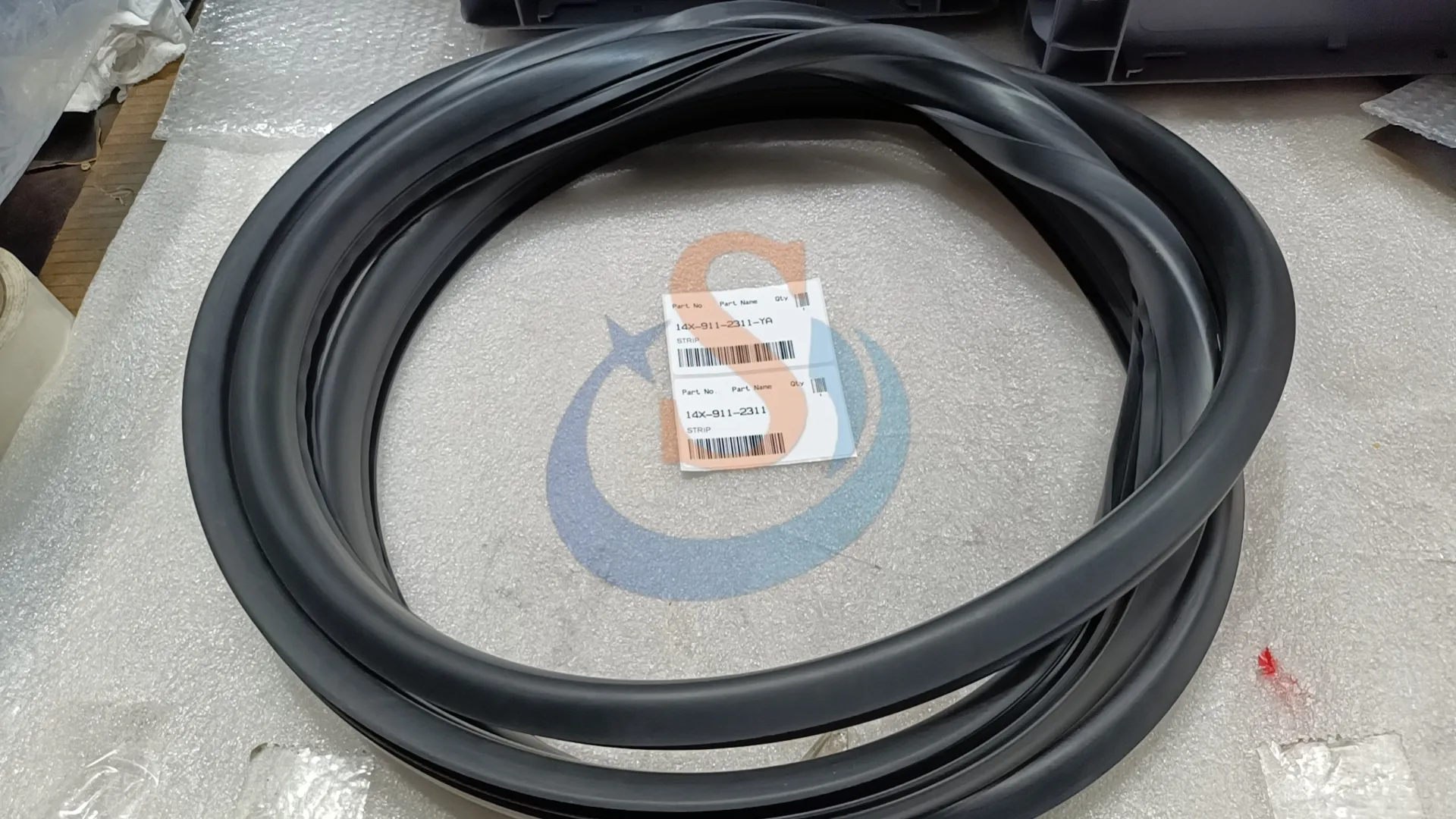 14X-911-2311,STRIP WEATHER,D155A,D375A,D65E
 -
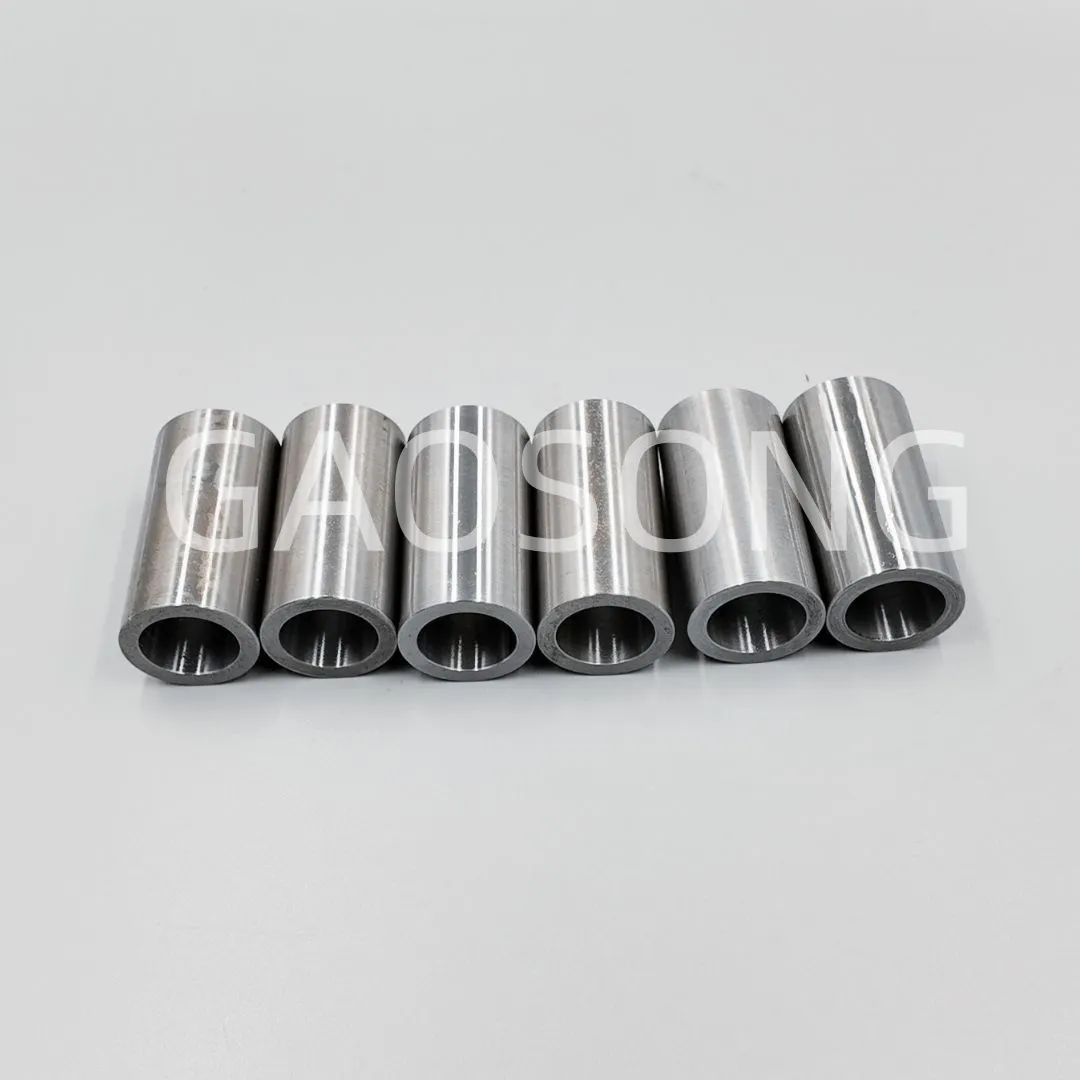 566-54-21910 BUSHING–Komatsu Original Factory
 -
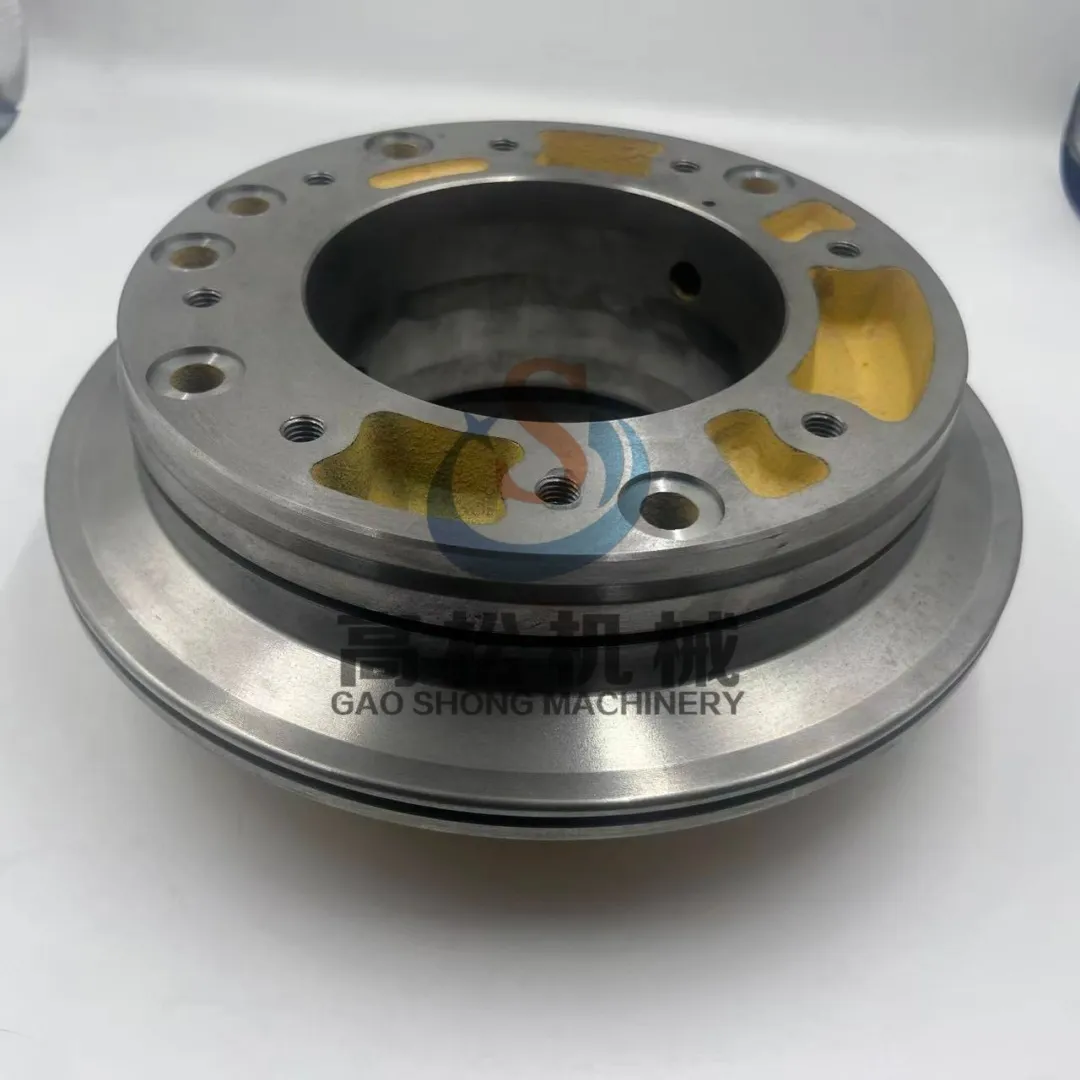 17A-22-11132 Cylinder (Komatsu)
 -
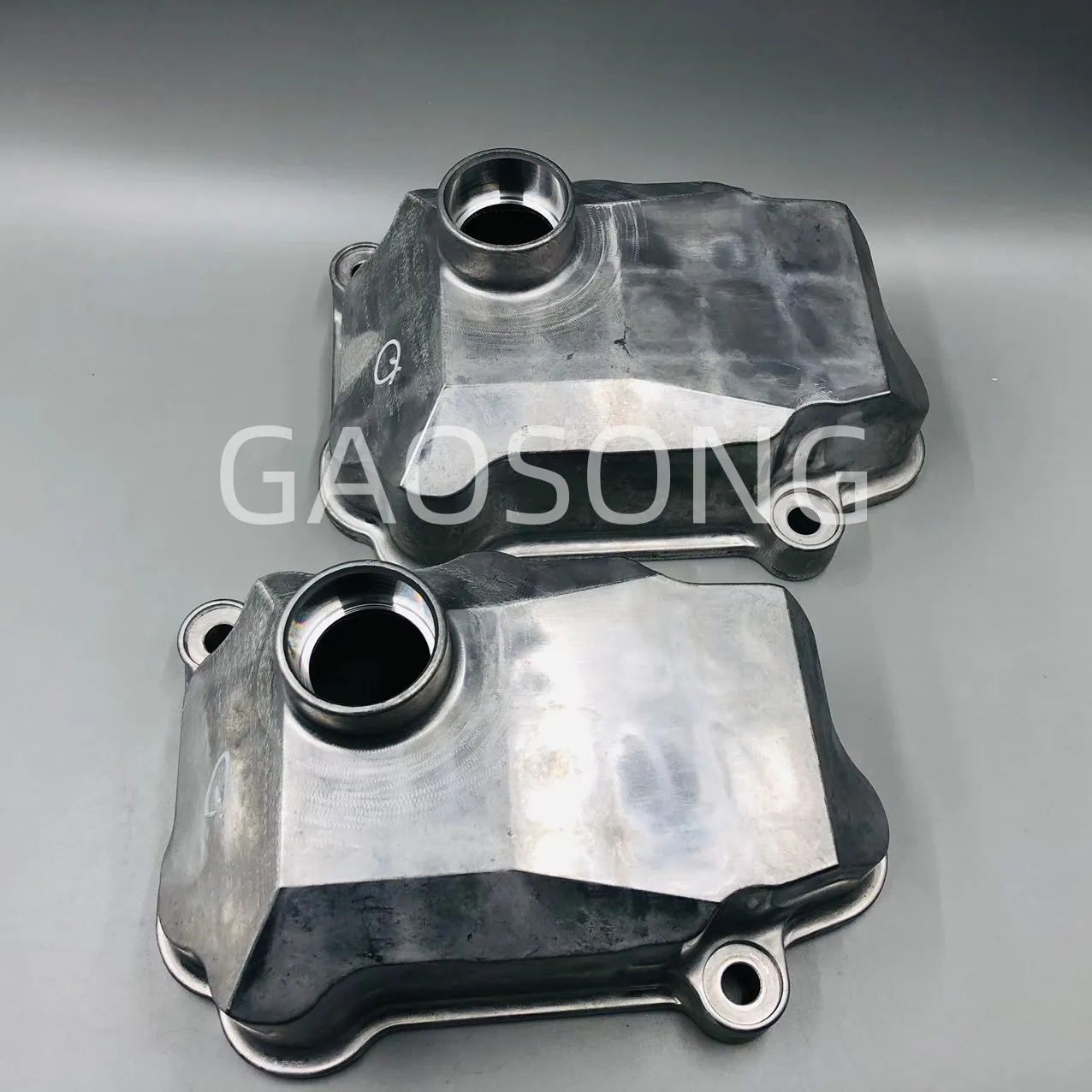 6251-11-8150 COVER, ROCKER ARM HOUSING-Komatsu Original Factory
 -
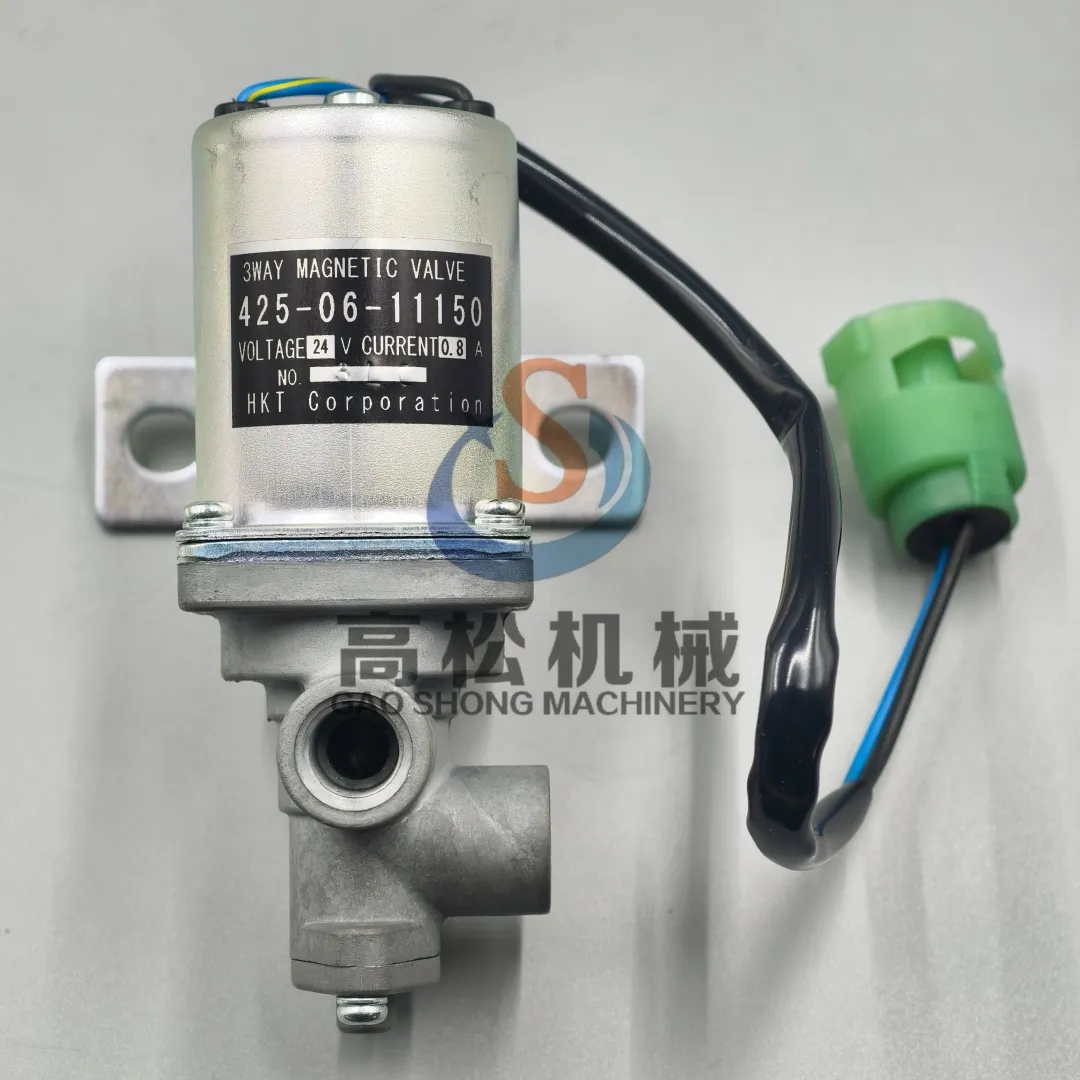 Komatsu Relay 425-06-11150 for Wheel loader WA600-1 12V
 -
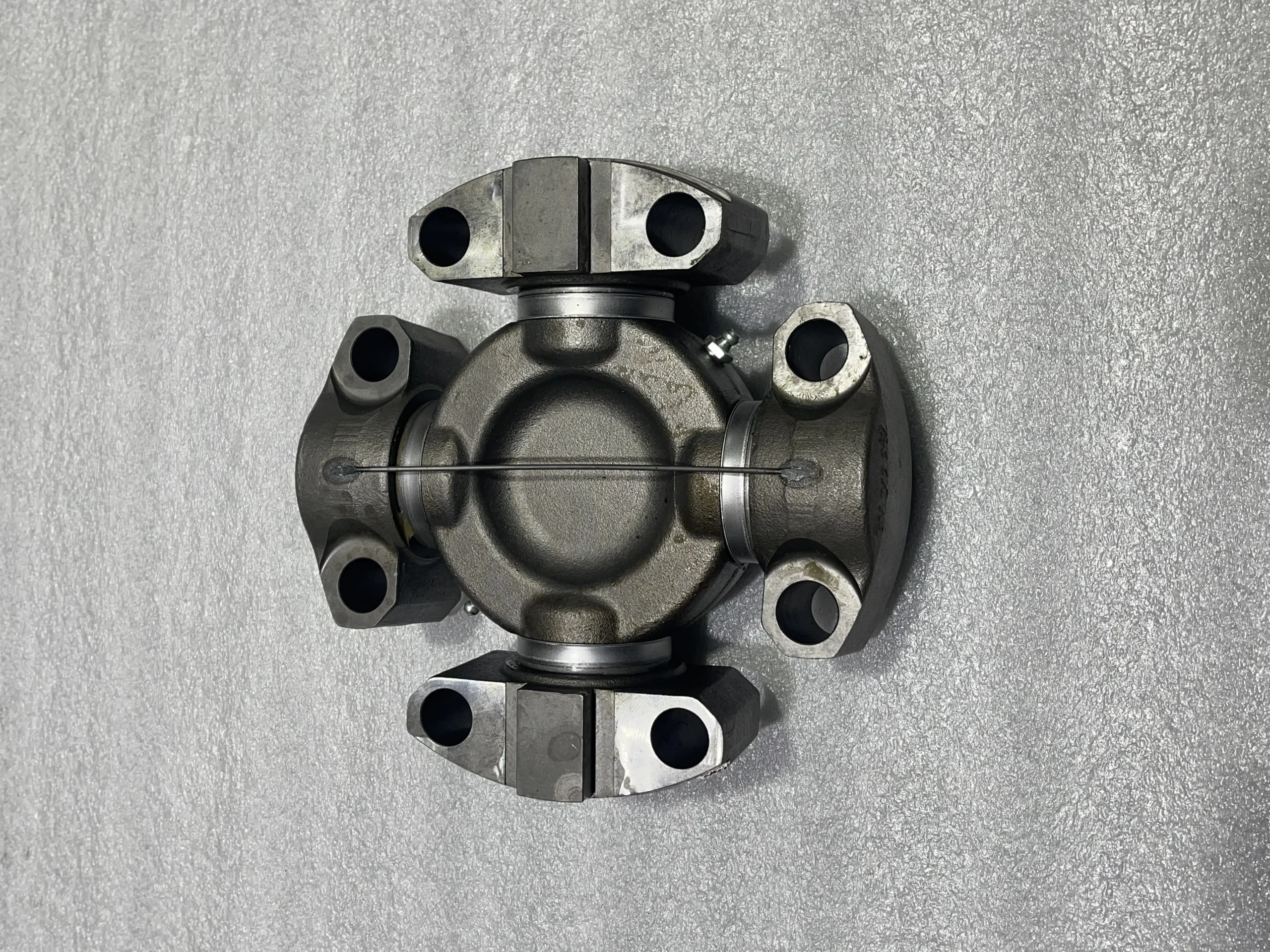 561-20-71100• SPIDER Komatsu Original Factory
 -
 154-27-72350 komatsu Bushing
 -
 702-16-02190Lever Assembly 702-16-02190 – KOMATSU – Avrora parts
 -
 209-60-77220 Komatsu Valve Assembly
 -
 421-06-13401 LAMP ASS’Y,R.H.-Komatsu Original Factory
 -
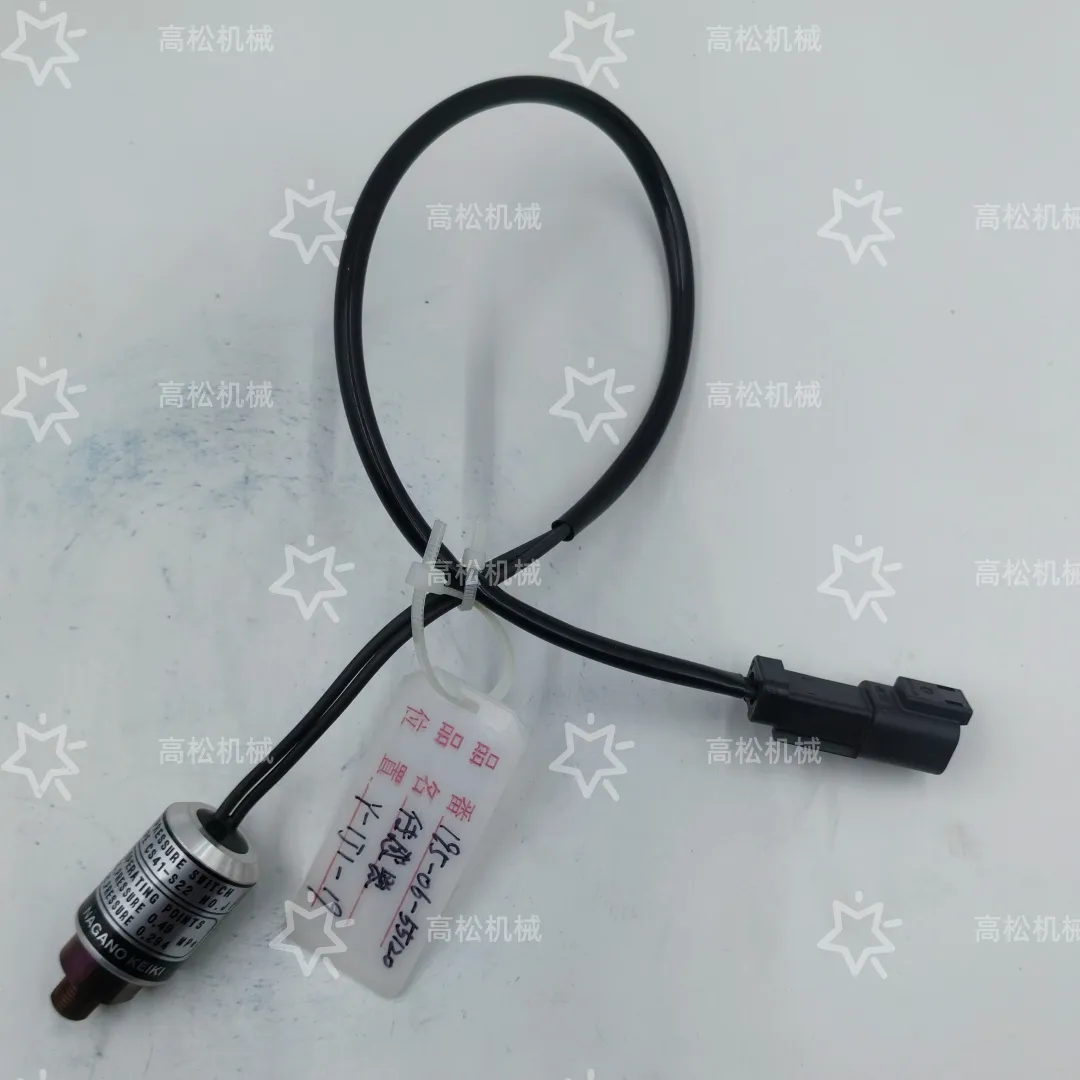 SWITCH 195-06-55120 – KOMATSU
 -
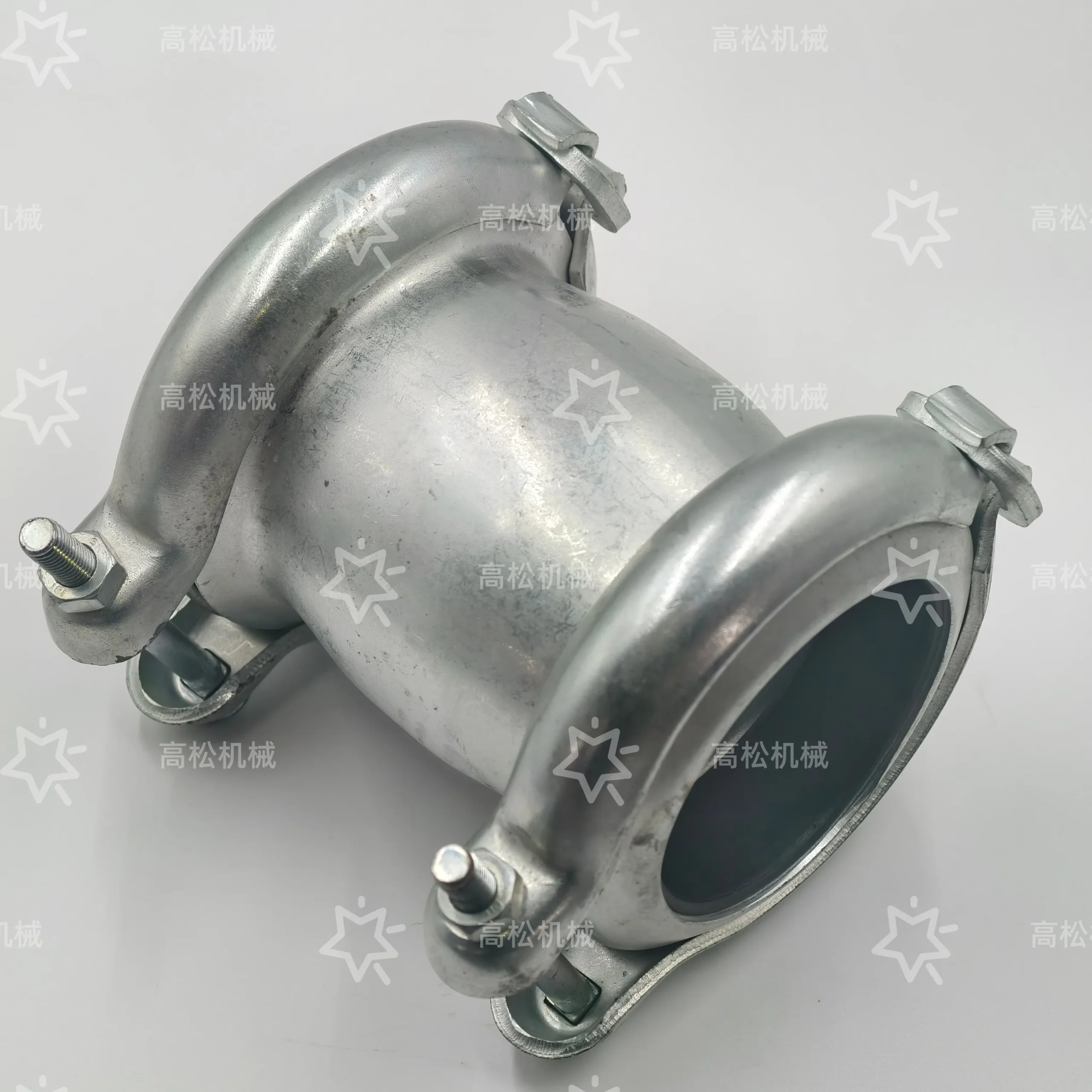 07332-03000Coupling 07332-03000 07332-63000 for Komatsu Dozer D155AX-3 D155S-1 D275A-5 D355A-3 D355A-5 D375A-3 D455A-1 D475A-5