
- Chinese
- French
- German
- Portuguese
- Spanish
- Russian
- Japanese
- Korean
- Arabic
- Irish
- Greek
- Turkish
- Italian
- Danish
- Romanian
- Indonesian
- Czech
- Afrikaans
- Swedish
- Polish
- Basque
- Catalan
- Esperanto
- Hindi
- Lao
- Albanian
- Amharic
- Armenian
- Azerbaijani
- Belarusian
- Bengali
- Bosnian
- Bulgarian
- Cebuano
- Chichewa
- Corsican
- Croatian
- Dutch
- Estonian
- Filipino
- Finnish
- Frisian
- Galician
- Georgian
- Gujarati
- Haitian
- Hausa
- Hawaiian
- Hebrew
- Hmong
- Hungarian
- Icelandic
- Igbo
- Javanese
- Kannada
- Kazakh
- Khmer
- Kurdish
- Kyrgyz
- Latin
- Latvian
- Lithuanian
- Luxembou..
- Macedonian
- Malagasy
- Malay
- Malayalam
- Maltese
- Maori
- Marathi
- Mongolian
- Burmese
- Nepali
- Norwegian
- Pashto
- Persian
- Punjabi
- Serbian
- Sesotho
- Sinhala
- Slovak
- Slovenian
- Somali
- Samoan
- Scots Gaelic
- Shona
- Sindhi
- Sundanese
- Swahili
- Tajik
- Tamil
- Telugu
- Thai
- Ukrainian
- Urdu
- Uzbek
- Vietnamese
- Welsh
- Xhosa
- Yiddish
- Yoruba
- Zulu
- Kinyarwanda
- Tatar
- Oriya
- Turkmen
- Uyghur





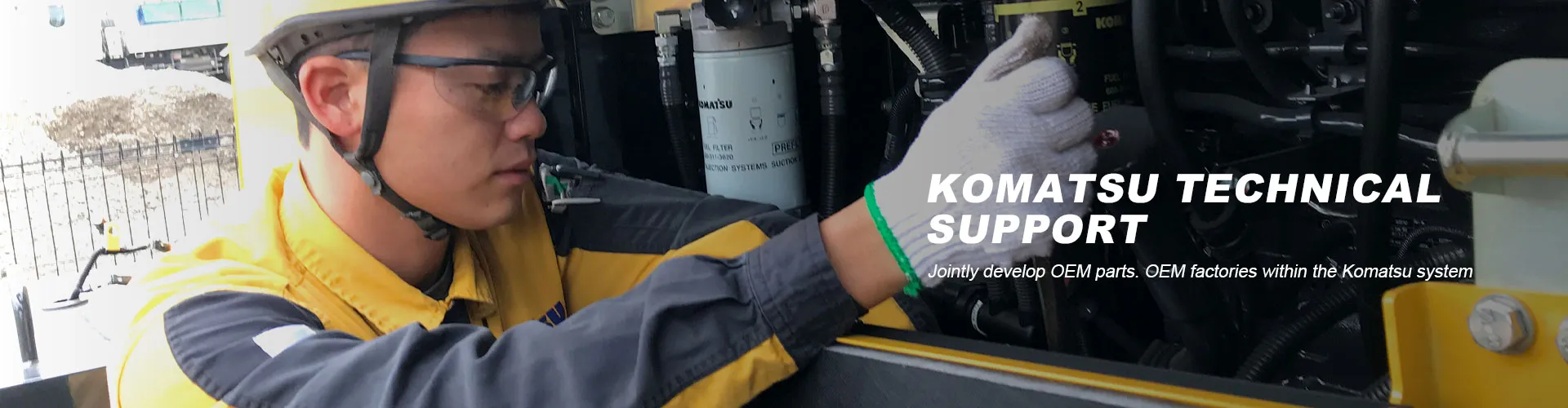
OEM AND ORIGINAL KOMATSU PROPELLER SHAFT 421-20-32712
When you see that part number – – pop up in a search or on a quote, the immediate assumption is you're looking at a genuine Komatsu part. That's where the conversation gets messy. In our line of work, the terms 'OEM' and 'Original' get thrown around so loosely they've almost lost meaning. I've seen suppliers slap an 'OEM' label on a reverse-engineered shaft that looks the part but lacks the specific metallurgy or heat treatment. The for a Komatsu excavator, likely a PC300 or similar model, isn't just a piece of metal; it's a torque-bearing component that sees immense stress. Calling something 'OEM' implies it's made by the original equipment manufacturer, Komatsu, or a factory explicitly contracted and quality-audited by them. 'Original' should mean it came off the Komatsu production line. But the market reality? It's a spectrum, and knowing where your part lands on it is the difference between a reliable fix and a costly downtime event a few months down the line.
The Nuance of OEM vs. OEM-Style in Komatsu Parts
This is the core of the confusion. A true OEM product supplier within the Komatsu system, like Jining Gaosong Construction Machinery Co., Ltd., operates under a formal agreement. They aren't just selling Komatsu parts; they are, in some cases, producing them to Komatsu's exact prints, with approved materials, and under Komatsu's quality control protocols. The propeller shaft from such a source is functionally identical to the one in a brand-new machine. The distinction from a third-party seller is critical. The latter might sell genuine parts, but they are sourcing from the open market, not directly from the manufacturing pipeline.
Now, the grey area: the OEM-style or OEM-quality part. I've torn down a few. They might use a lower-grade universal joint, or the balancing isn't as precise. The splines might fit, but the surface hardening is off, leading to premature wear. The failure often isn't catastrophic at first; it's a gradual increase in vibration, a new noise the operator mentions, which eventually leads to a complete failure that can damage the transmission or final drive interface. You save 30% on the part cost but risk a repair bill 300% larger.
So, how do you navigate this? It comes down to provenance. A supplier's role is telling. If they are, as Takematsu Machinery's site states, both an OEM supplier and a third-party sales channel, it means they have access to the genuine pipeline and can also help source alternatives when genuine is unavailable or lead times are impossible. Their job is to clarify which you're buying. A reputable one will tell you straight: This is a genuine Komatsu box with the Komatsu stamp, or This is our OEM-grade equivalent, here are the specifications where it differs. The blurry middle is where problems live.
Real-World Pitfalls with Propeller Shaft Sourcing
Let me give you a concrete example from a few years back. A client in a region with severe parts delays needed a urgently. They got a guaranteed OEM part from a local vendor. It arrived in plain packaging, looked right, and was installed. Three months later, the machine was back in the shop with severe vibration. Upon removal, we found the issue: the yoke ears had minute hairline cracks, a classic sign of subpar forging or improper heat treatment. The part hadn't failed completely, but it was a ticking bomb.
We cross-referenced the casting marks with a known-genuine part. They were different. The vendor's defense was, It's OEM, just from a different foundry. That's the loophole. A true Komatsu OEM part, even if made by a sub-contractor like what Jining Gaosong might facilitate, will have traceable and consistent marking. This one didn't. The lesson was expensive. We had to source a verifiable part, which took another two weeks, and cover the secondary labor. The client's total cost exceeded just waiting for a confirmed genuine part in the first place.
This is precisely the parts supply challenges in certain countries that companies positioned like Gaosong aim to solve. They use their dual role to bridge the gap. If the official Komatsu network in Country X has a 60-day backorder, but their connected OEM factory has a batch running for another market, they can sometimes legally intercept that supply for the urgent case. It's still an original Komatsu propeller shaft, just routed through a different channel. That's a value beyond price.
Judging Quality Beyond the Part Number
The part number is just the starting point. When evaluating a propeller shaft, especially a critical one like the , you have to look at the details. First, the packaging and documentation. A genuine part comes in Komatsu-branded or at least high-quality, specific packaging with a label matching the part number and often a QR code or barcode for tracing. The documentation includes material certifications and sometimes a test report for dynamic balancing.
Then, the physical inspection. Look at the welding on the yokes. On a quality part, it's smooth, consistent, and clean. Grinding marks should be minimal and only for cleanup, not to cover a poor weld. The universal joints should have clear branding (like NTN or KOYO) and feel smooth but not loose. The splines should be cleanly cut, with a slight oil coating to prevent rust. A part that arrives oily all over might be hiding surface imperfections; a part that arrives bone-dry might have unprotected splines.
Finally, weight. It sounds simple, but it's a great quick check. A counterfeit part, using inferior materials or less metal, is often noticeably lighter. Keep a record of the weight of a known-good shaft. If a new one feels off, put it on a scale. A 5-7% weight difference is a huge red flag for material substitution.
The Supplier Relationship is a Technical Asset
This isn't just a transactional business. Your parts supplier should function as a technical filter. When I need a Komatsu propeller shaft, I'm not just buying an object; I'm buying assurance. A supplier with OEM background understands the application. They can ask the right questions: Is this for a machine that's doing heavy trenching or mostly loading? Have you had repeated failures on this component? Their insight can sometimes point to an installation issue (like improper flange alignment) rather than a part quality issue.
A company like the one mentioned, which explicitly states its role in solving supply challenges, is positioning itself as this kind of partner. They're not a passive warehouse; they're an active node in the logistics and technical support network. For a maintenance manager, that's invaluable. It means you can call and say, I need a , but the budget is tight, what are my reliable options? and get a straight answer: genuine, their OEM equivalent, or a recommendation to wait because the aftermarket options for this particular component are too risky right now.
I've learned to trust suppliers who are transparent about their supply chain. If they say this is from our OEM production, they should be able to explain, in general terms, what that means. Do they do the forging in-house? Source yokes from a certified vendor? Do final assembly and balancing? That knowledge shows depth. It turns a catalog entry into a credible component.
Wrapping It Up: Specificity Over Generalization
So, back to the . The key takeaway is to move beyond the part number and the generic OEM claim. Drill into the specifics. Is it original Komatsu, from their factory or a sanctioned OEM partner? Is it an OEM-grade reproduction from a technically competent factory? Or is it a generic copy? Each has its place, but you must know which one you're installing.
The market needs all three tiers. Sometimes, for an older machine near retirement, a good-quality copy is an economical choice. But for a core machine in your fleet, the risk calculus almost always favors the genuine or true OEM route. The total cost of ownership is lower. Suppliers who can navigate this complex landscape, offering clear choices and technical backup, like the model Jining Gaosong Construction Machinery describes, are becoming essential. They help you make an informed decision, not just a purchase.
Ultimately, it's about due diligence. Ask for documentation. Inspect the part. Know your supplier's actual role. That propeller shaft is a vital link. Don't let it be the weakest one.
Related Products
Related Products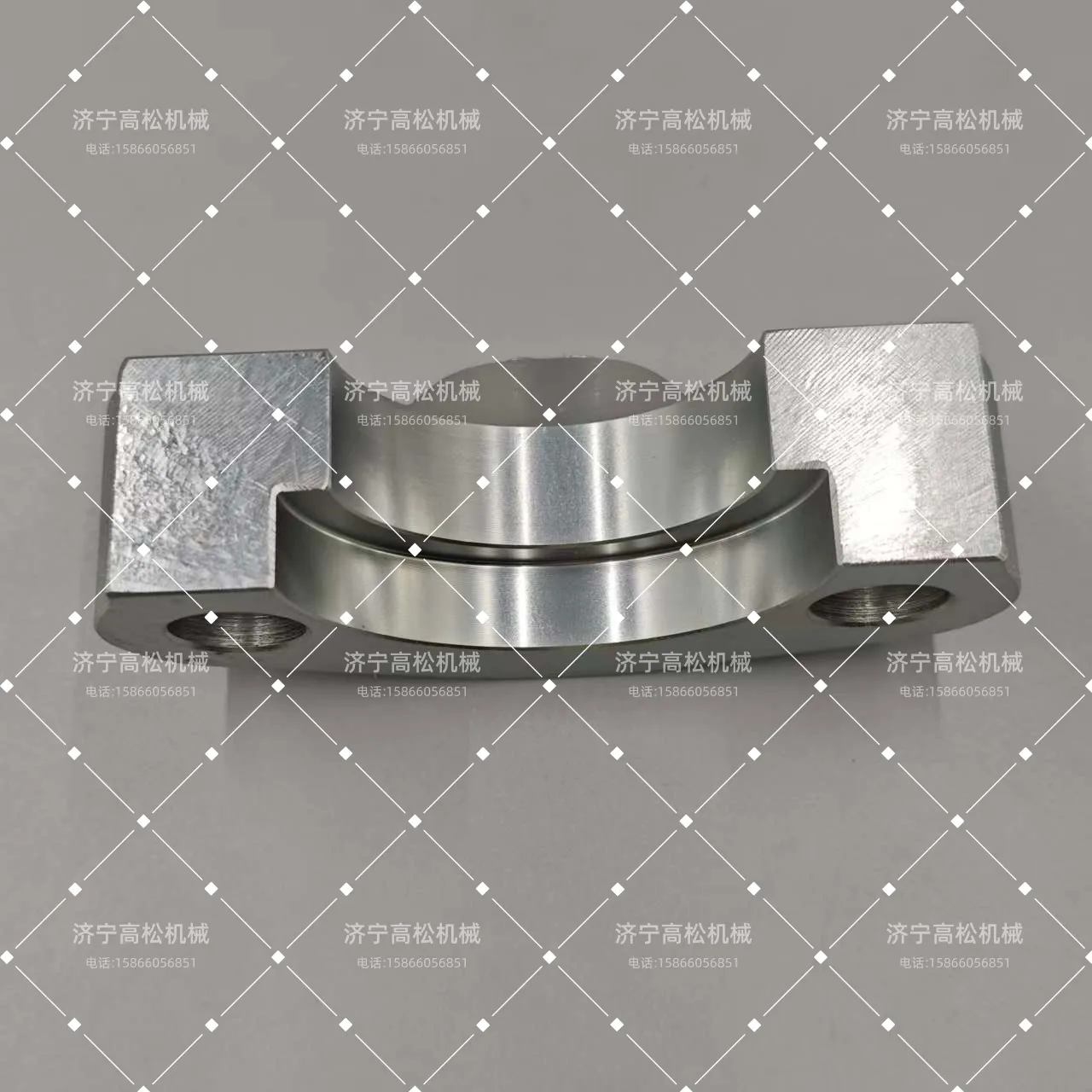
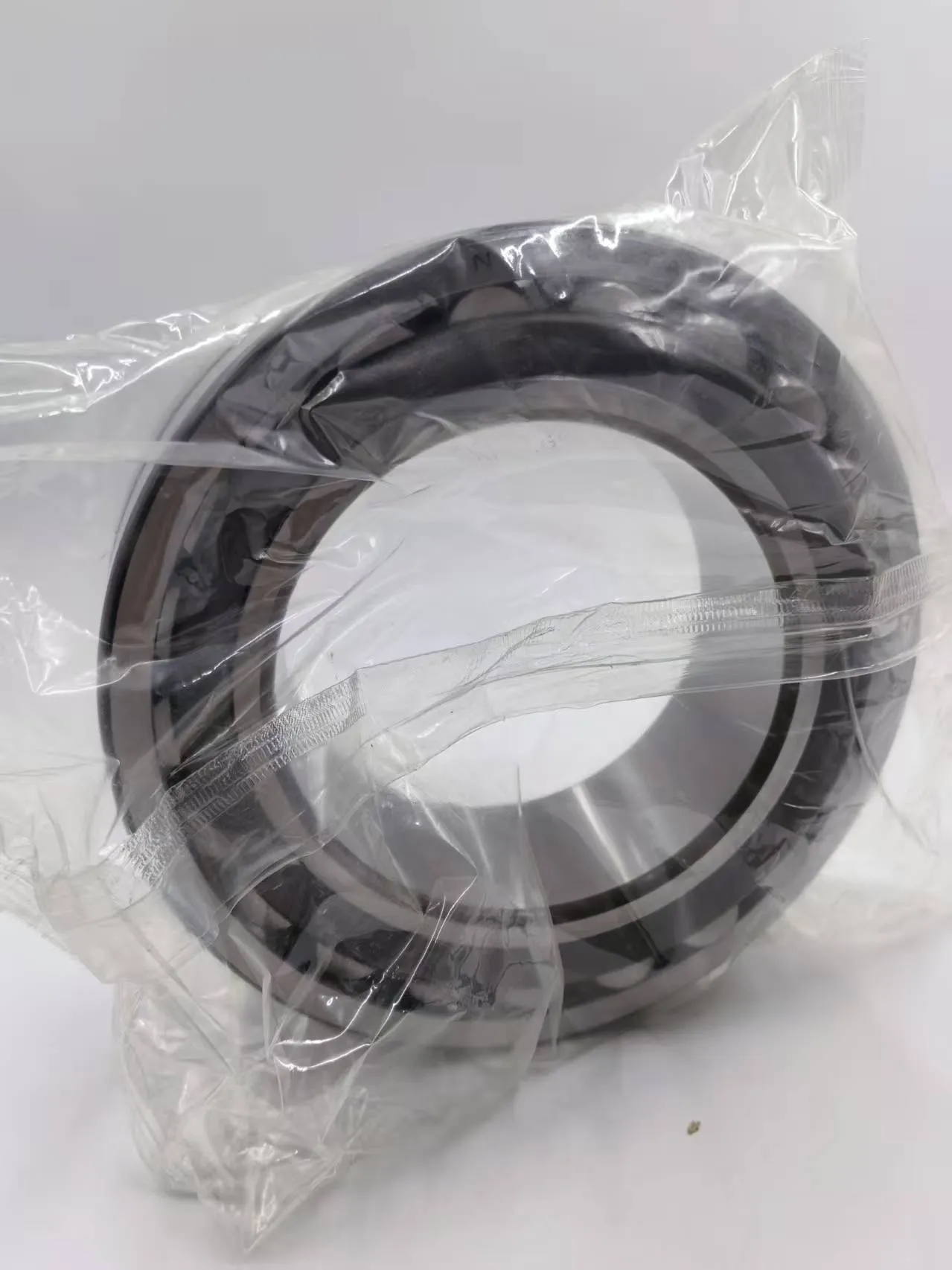
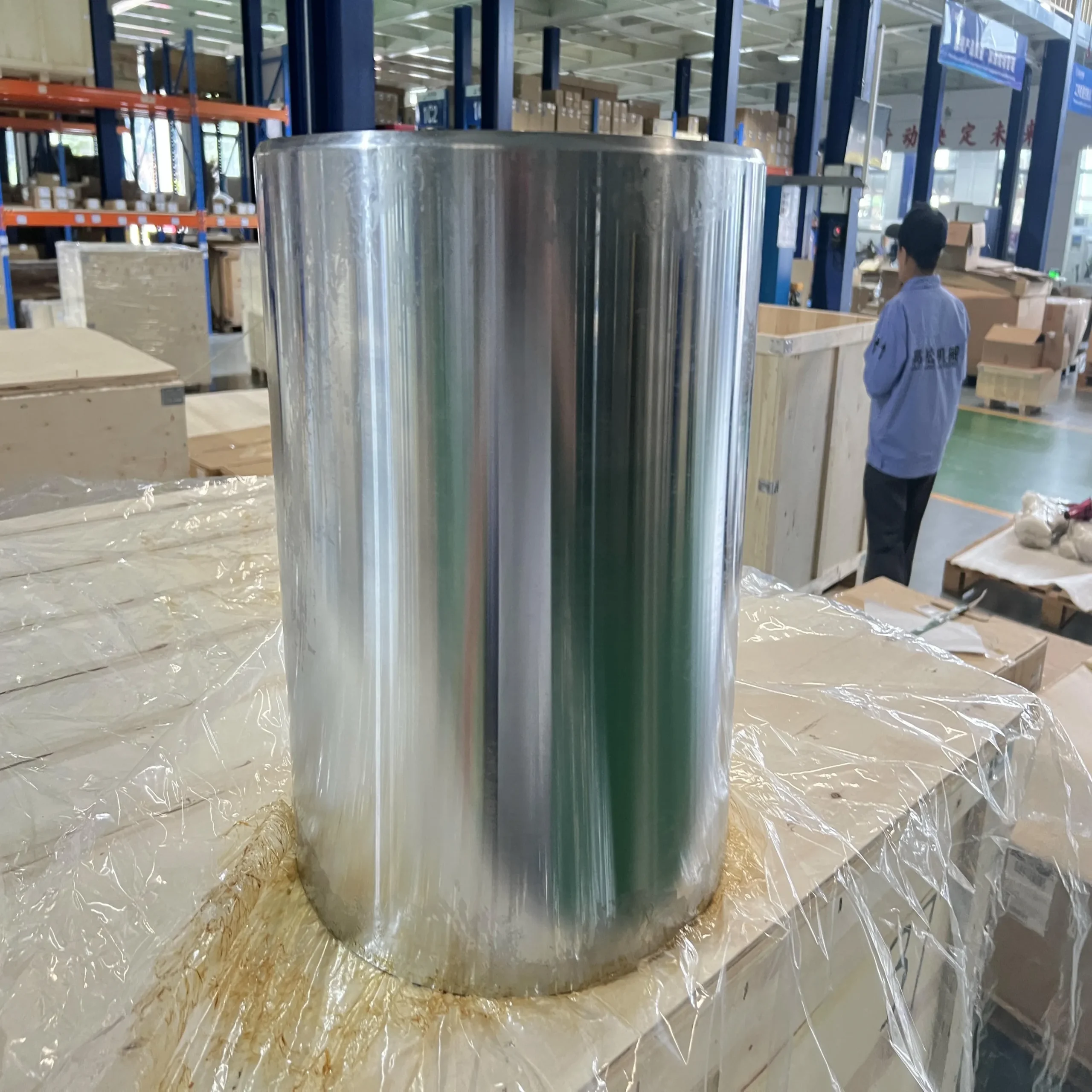
Best Selling Products
Best Selling Products-
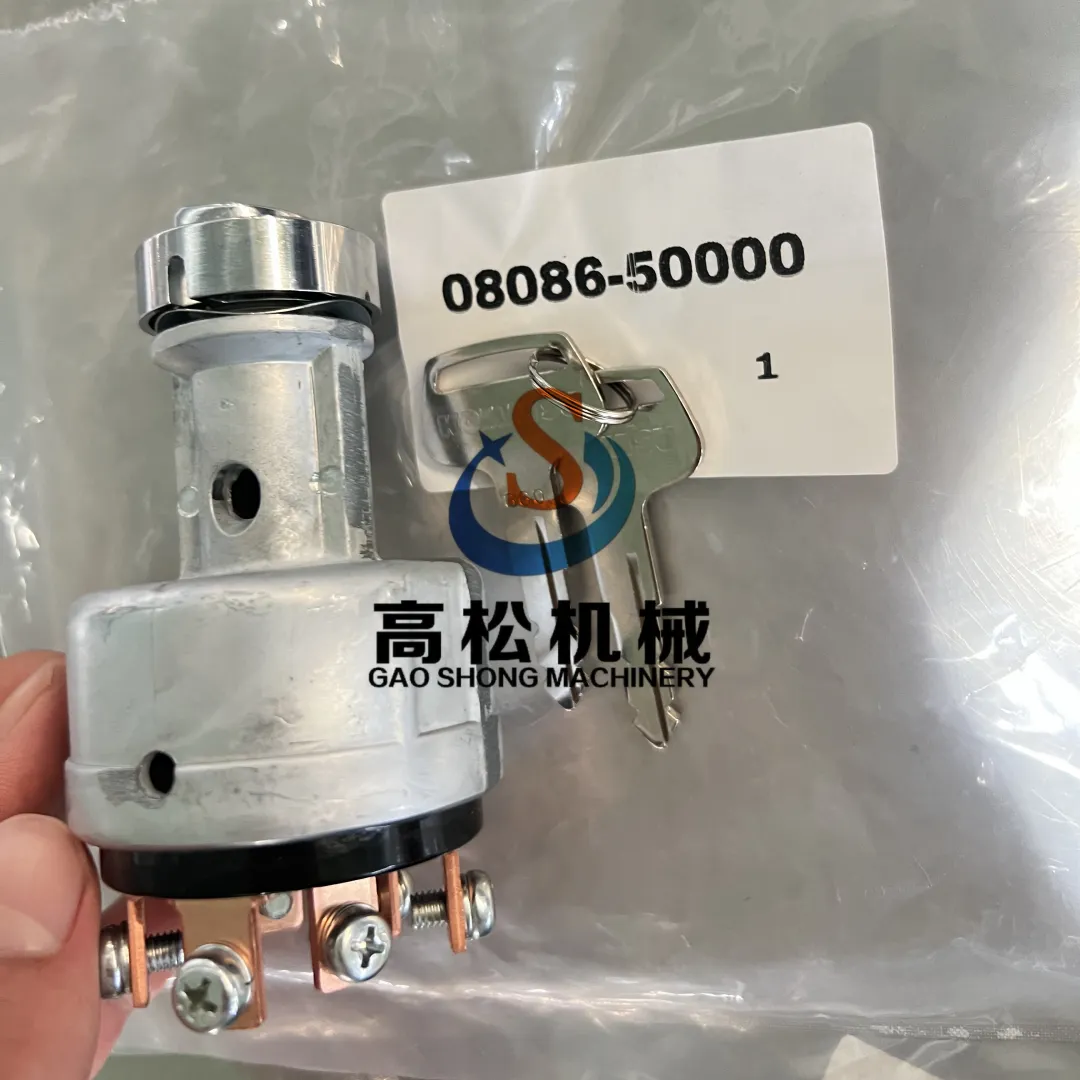 08086-50000Komatsu 08086-50000 Replacement Ignition Switch
 -
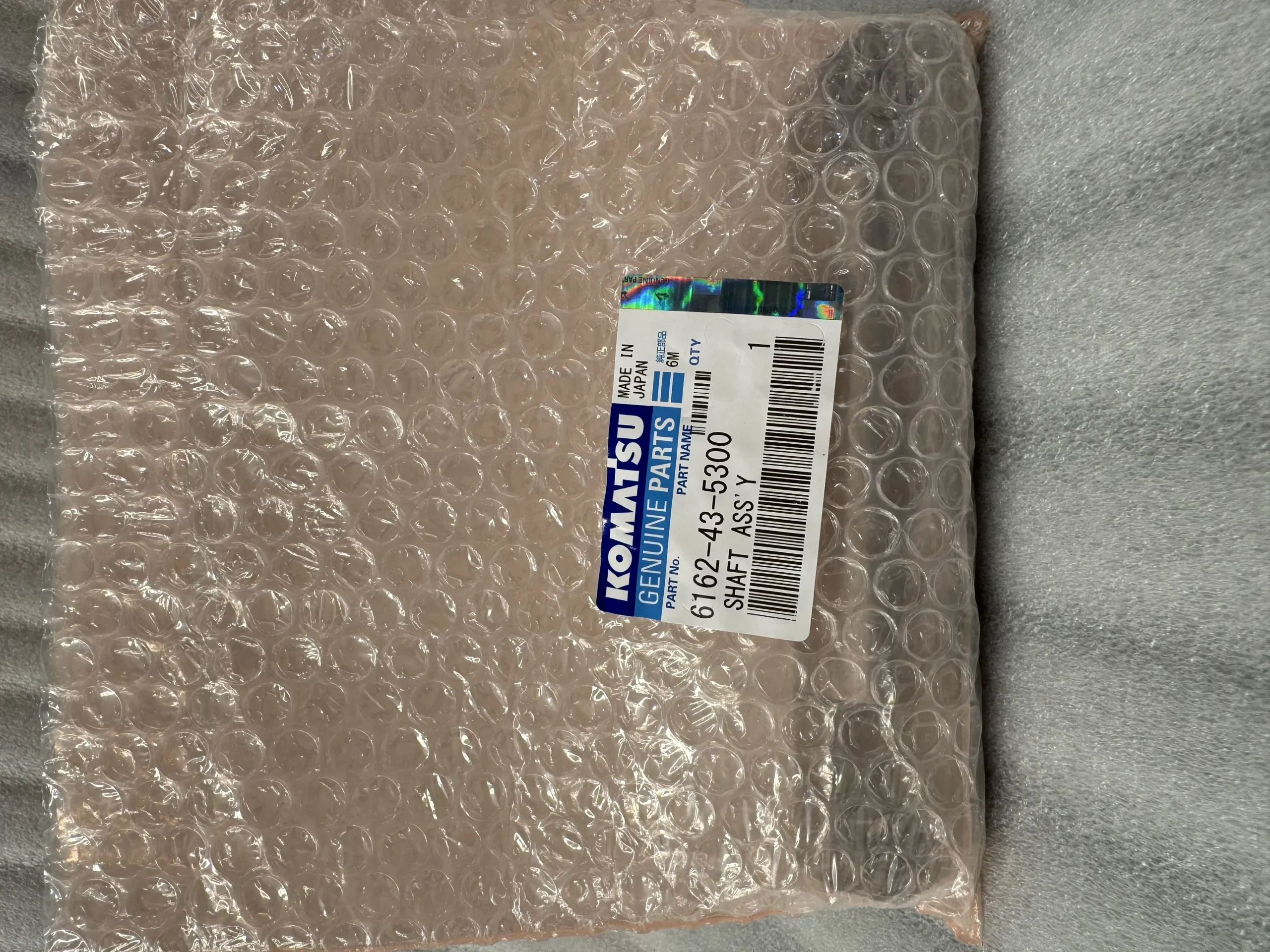 6D170-2 rocker arm shaft 6162-43-5300
 -
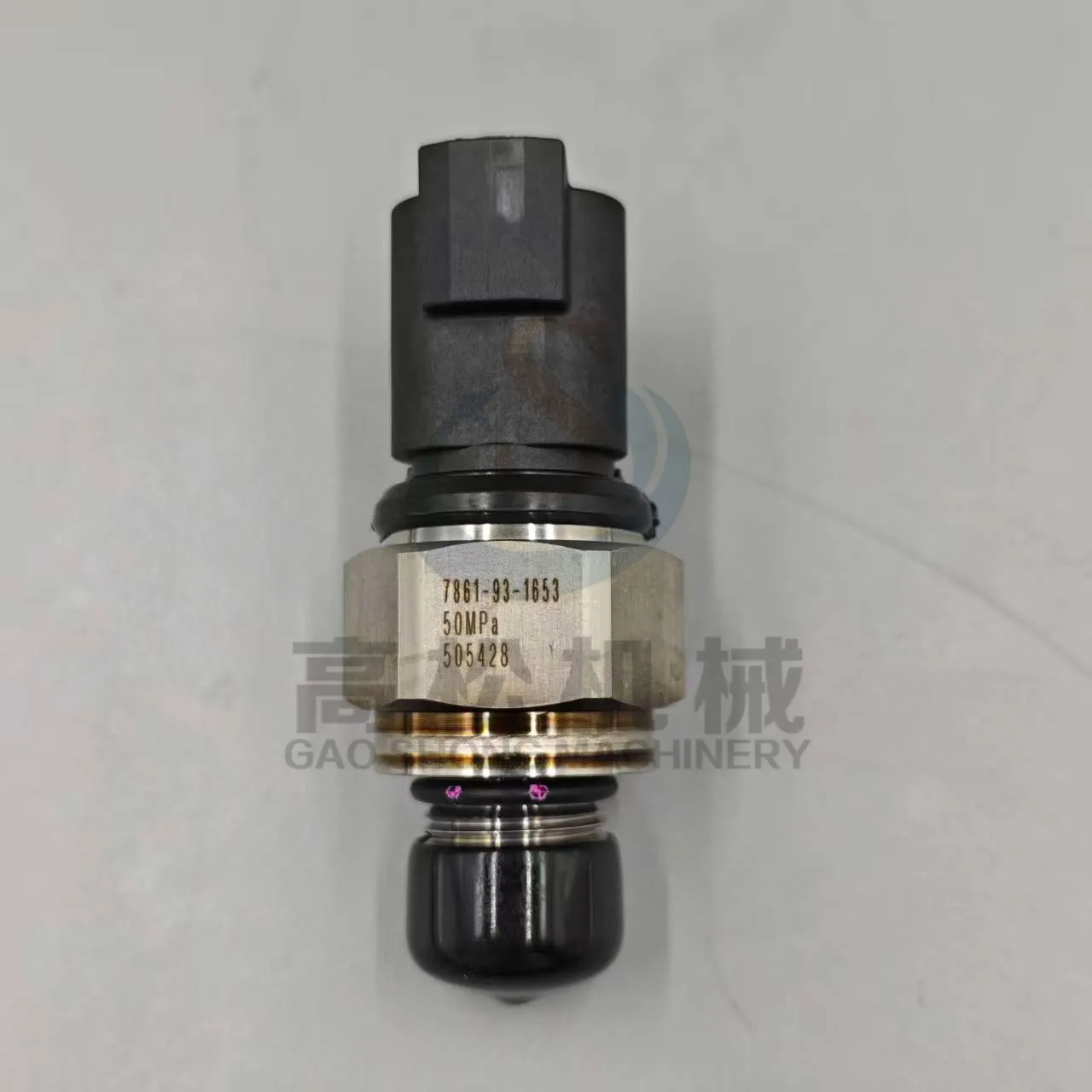 Komatsu 7861-93-1653 Sensor Pres
 -
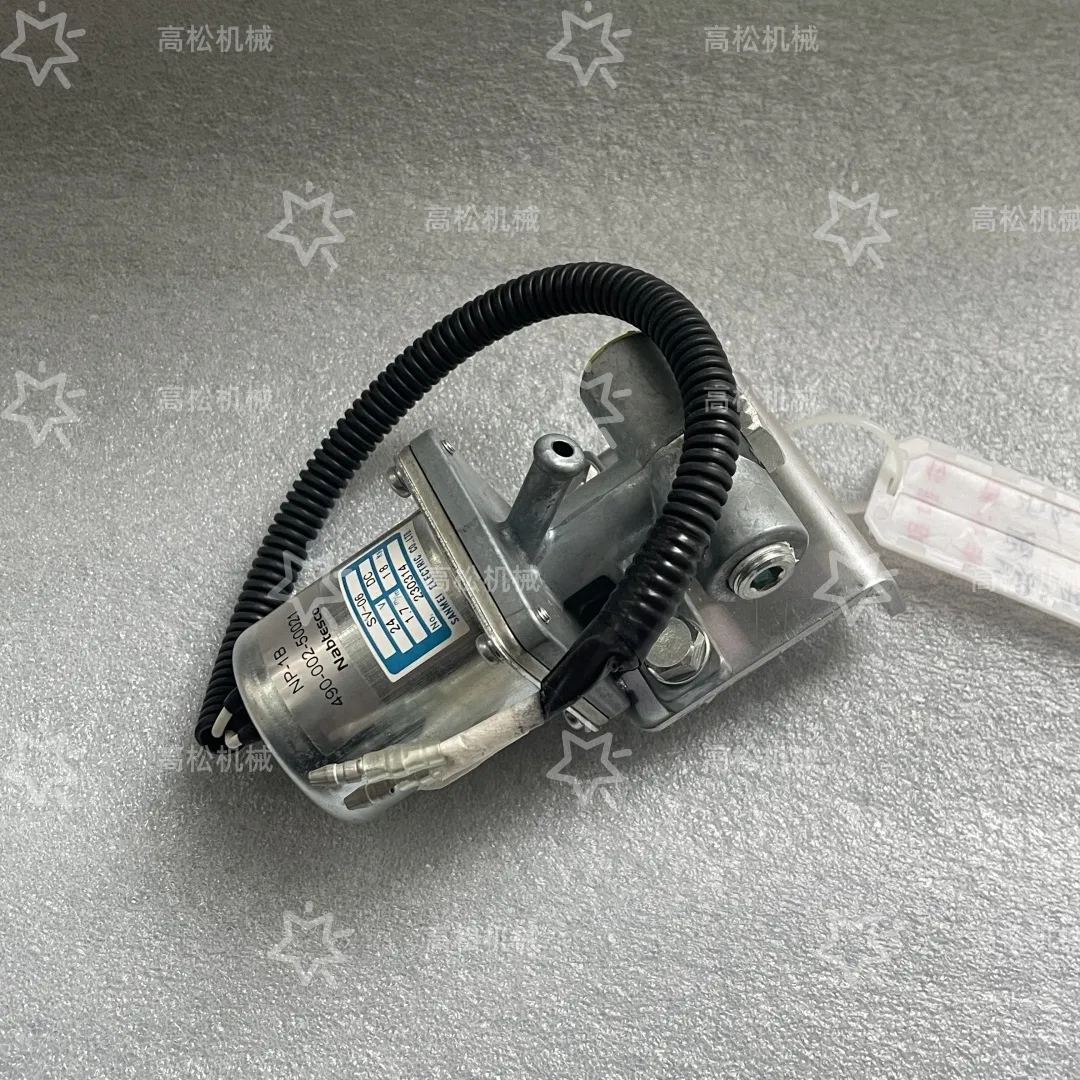 234-44-61430SOLENOID VALVE 234-44-61430 BANK CUTTING CONTROL PIPING AUTO TRANSMISSION SPEC for GD705/825
 -
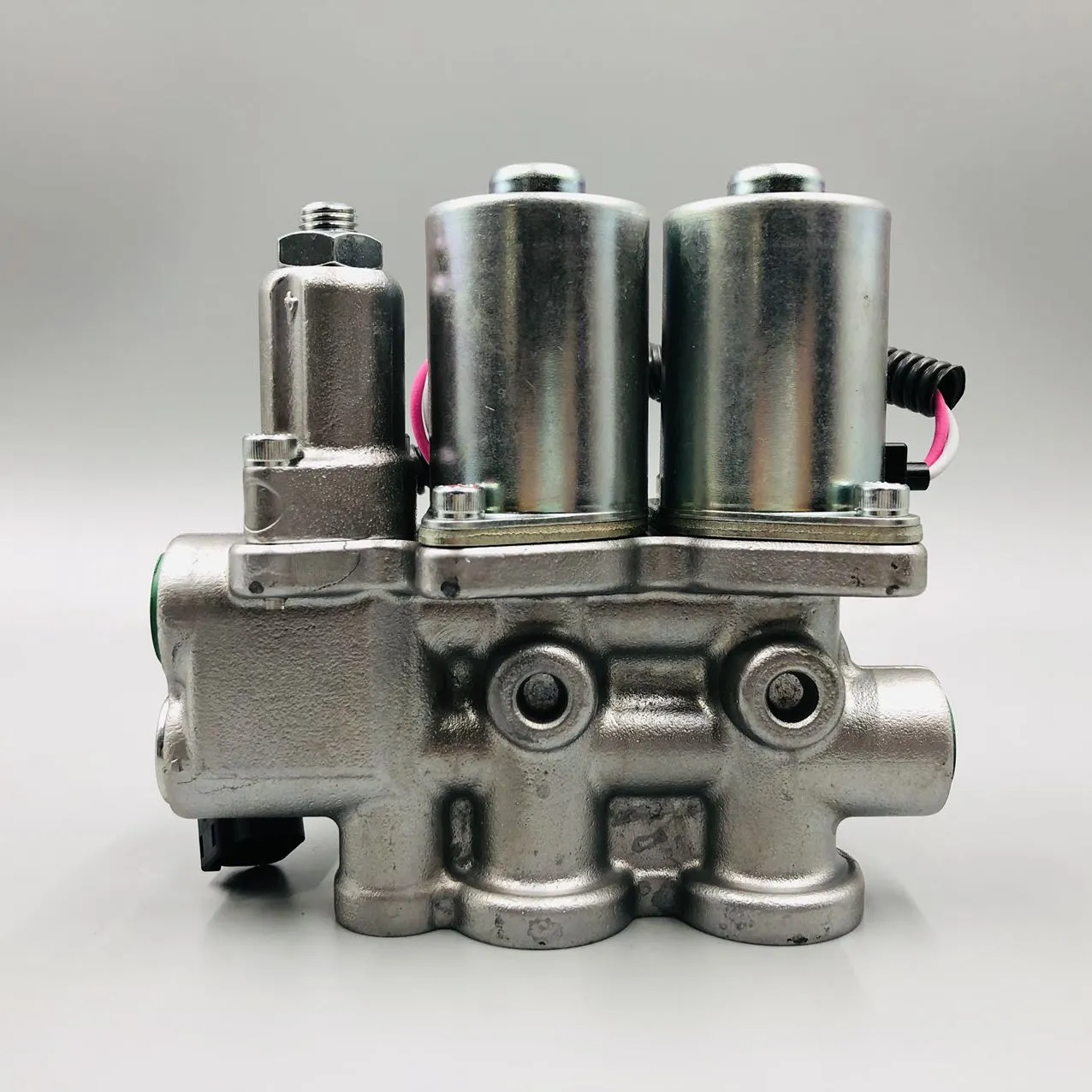 Valve Assembly22F-60-31600
 -
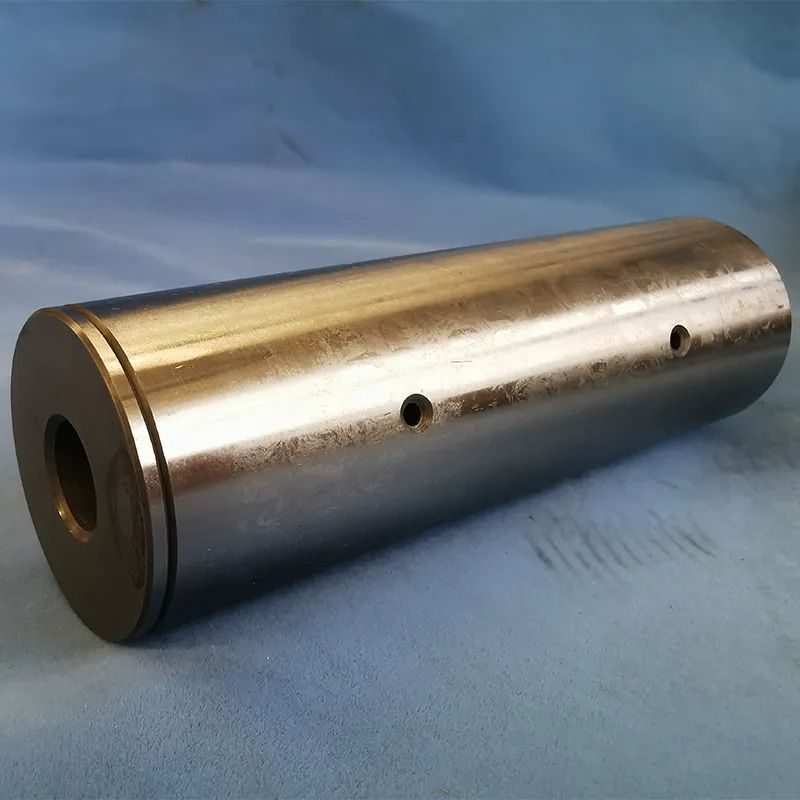 Komatsu original D375A-5 axis 195-15-72520
 -
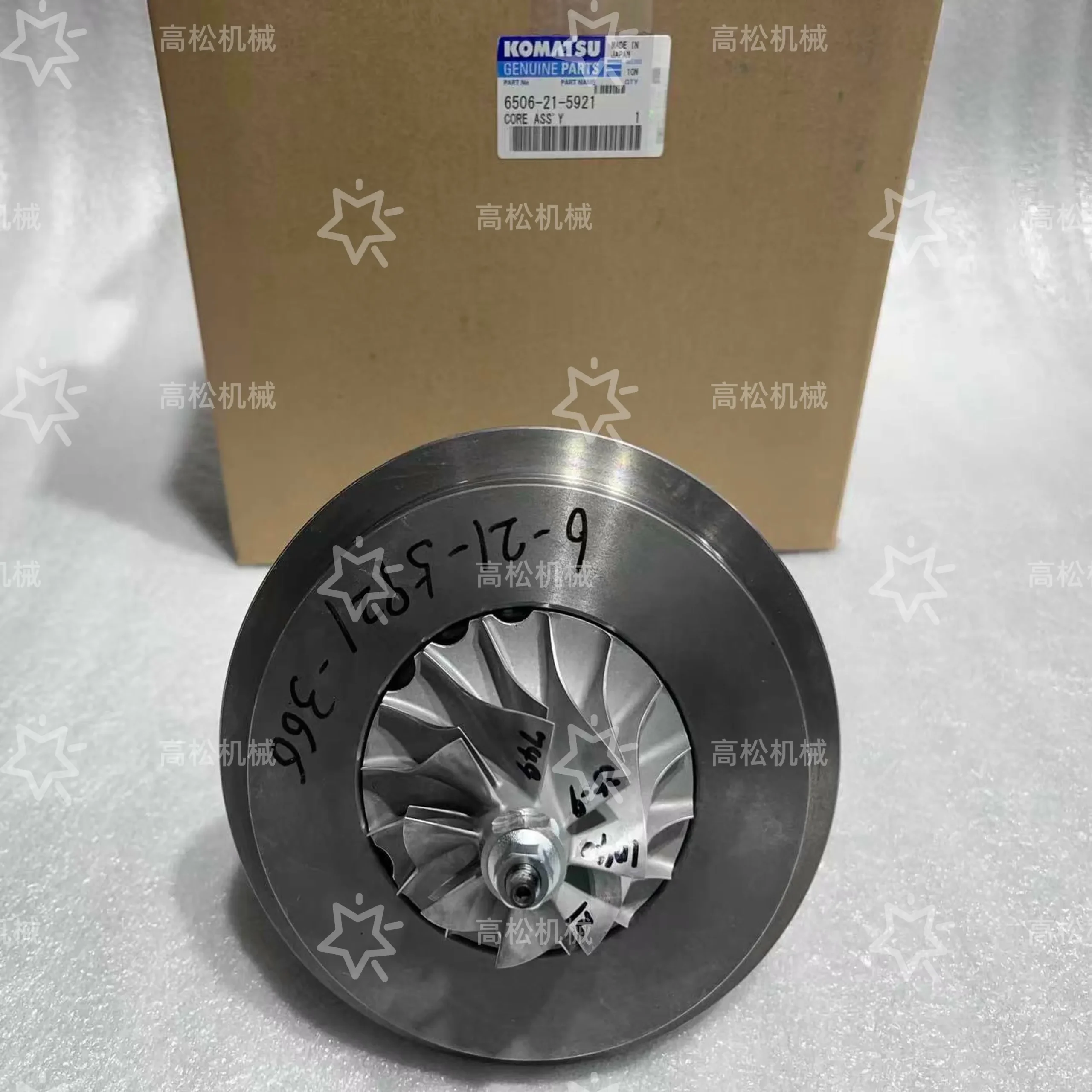 6506-21-5921 Komatsu Core Assembly
 -
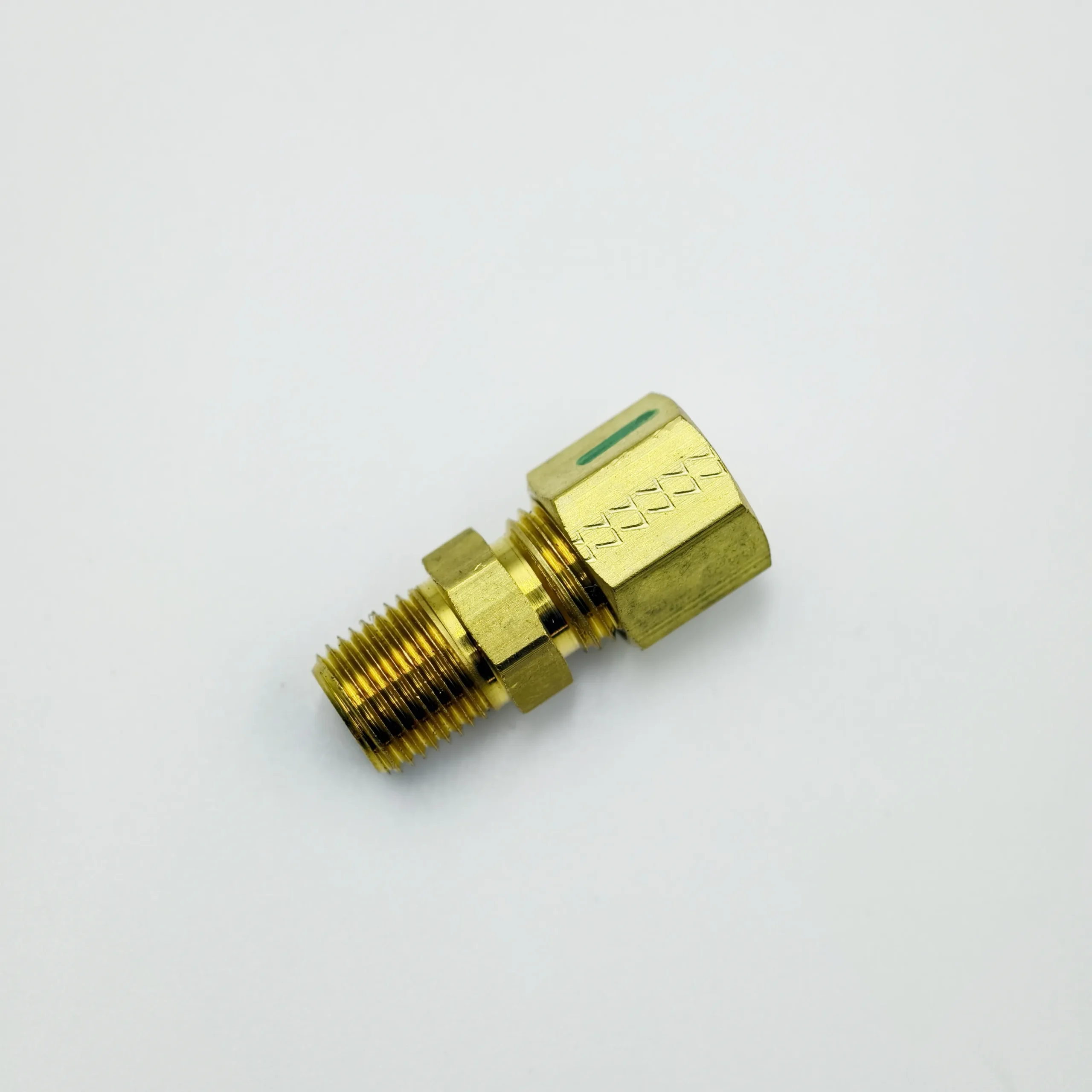 21N-68-32320 Komatsu Connector
 -
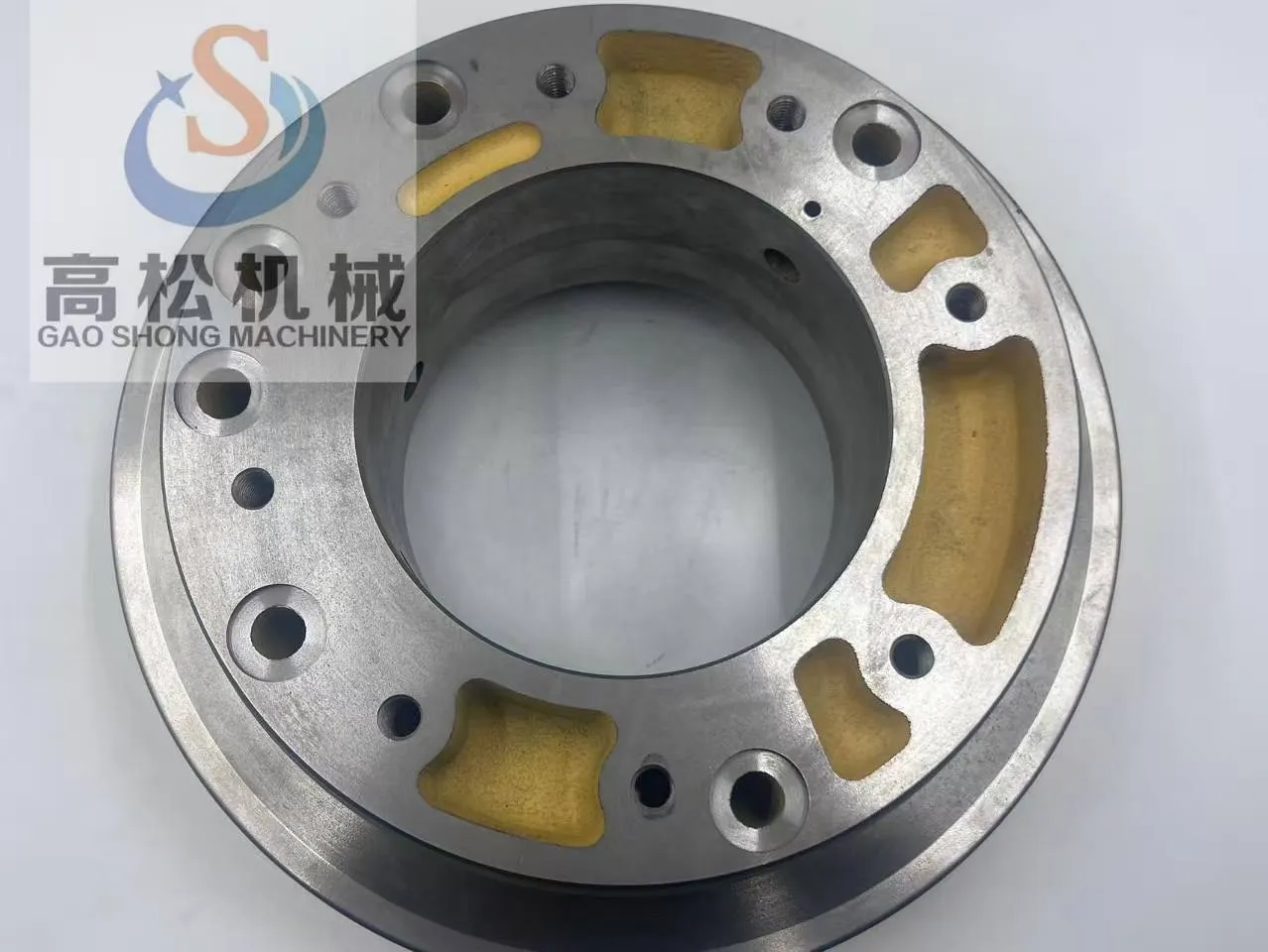 Komatsu D155A-5 cylinder 17A-22-11132
 -
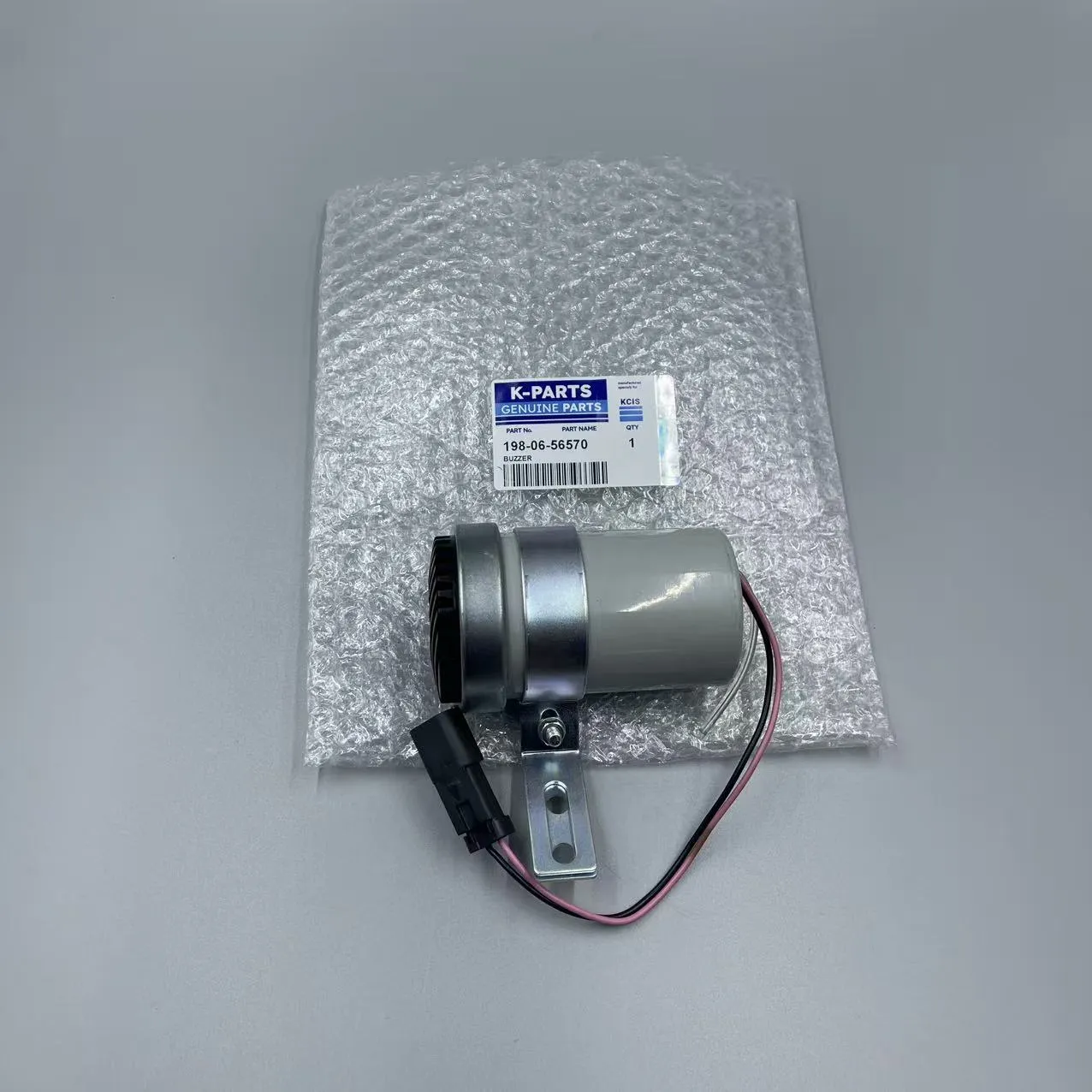 Buzzer198-06-56570
 -
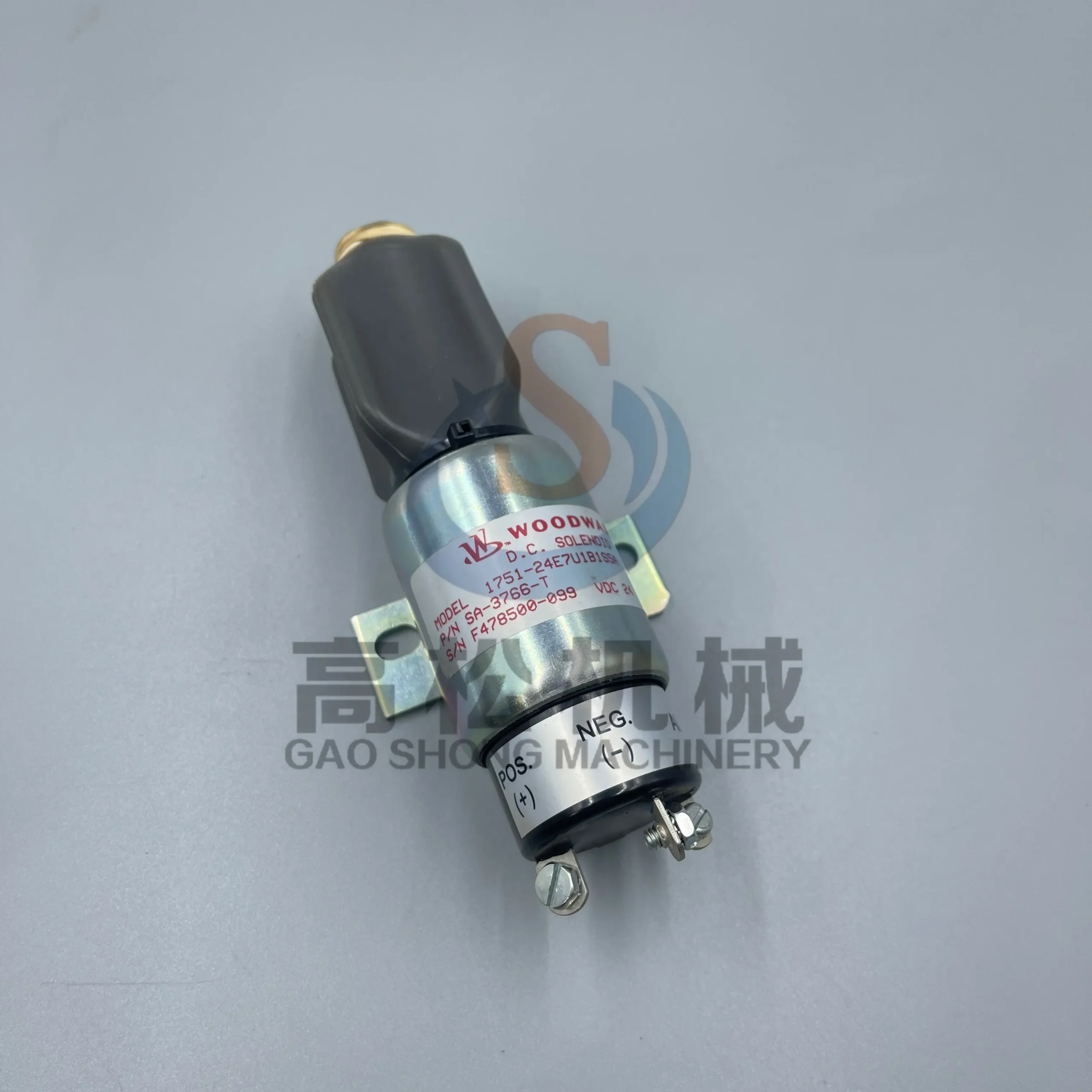 Stop Solenoid 600-815-7550
 -
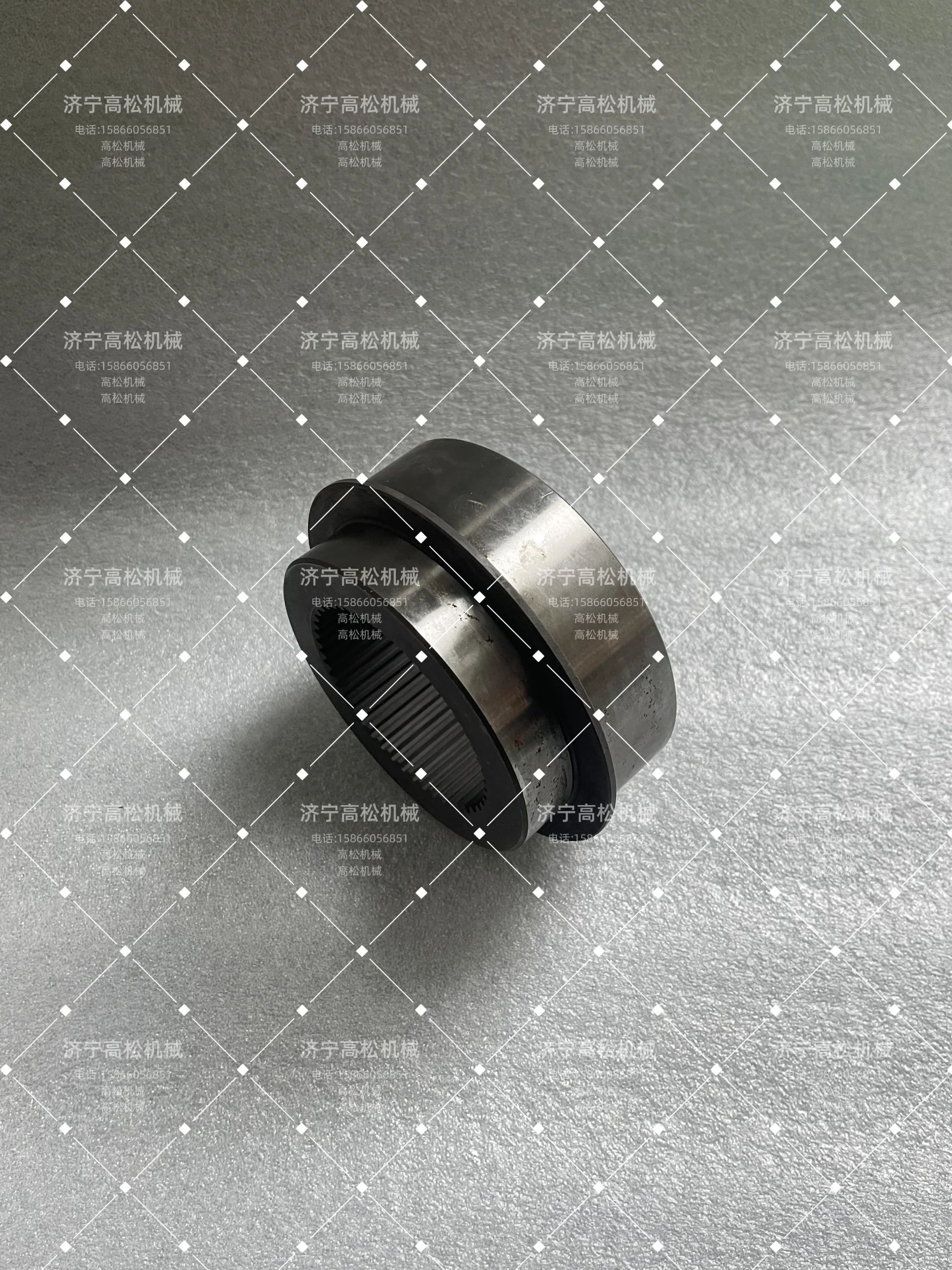 195-15-82570 Komatsu Spacer