
- Chinese
- French
- German
- Portuguese
- Spanish
- Russian
- Japanese
- Korean
- Arabic
- Irish
- Greek
- Turkish
- Italian
- Danish
- Romanian
- Indonesian
- Czech
- Afrikaans
- Swedish
- Polish
- Basque
- Catalan
- Esperanto
- Hindi
- Lao
- Albanian
- Amharic
- Armenian
- Azerbaijani
- Belarusian
- Bengali
- Bosnian
- Bulgarian
- Cebuano
- Chichewa
- Corsican
- Croatian
- Dutch
- Estonian
- Filipino
- Finnish
- Frisian
- Galician
- Georgian
- Gujarati
- Haitian
- Hausa
- Hawaiian
- Hebrew
- Hmong
- Hungarian
- Icelandic
- Igbo
- Javanese
- Kannada
- Kazakh
- Khmer
- Kurdish
- Kyrgyz
- Latin
- Latvian
- Lithuanian
- Luxembou..
- Macedonian
- Malagasy
- Malay
- Malayalam
- Maltese
- Maori
- Marathi
- Mongolian
- Burmese
- Nepali
- Norwegian
- Pashto
- Persian
- Punjabi
- Serbian
- Sesotho
- Sinhala
- Slovak
- Slovenian
- Somali
- Samoan
- Scots Gaelic
- Shona
- Sindhi
- Sundanese
- Swahili
- Tajik
- Tamil
- Telugu
- Thai
- Ukrainian
- Urdu
- Uzbek
- Vietnamese
- Welsh
- Xhosa
- Yiddish
- Yoruba
- Zulu
- Kinyarwanda
- Tatar
- Oriya
- Turkmen
- Uyghur






OEM AND ORIGINAL KOMATSU PLATE 427-46-12171
When you see a part number like , especially calling out both OEM and Original, it immediately flags a common industry pain point. Many assume OEM and Original are interchangeable for Komatsu parts, but in the trenches, that's where the confusion—and risk—starts. The plate , often for undercarriage or structural reinforcement, is a perfect example. I've seen orders get delayed for weeks because someone sourced a so-called OEM plate that turned out to be a decent copy, but not the genuine article with the precise metallurgy and heat treatment Komatsu specs require. The distinction isn't just semantic; it's about machine integrity and total cost of ownership.
The Reality Behind the Part Number
Let's break down . This isn't a generic bucket pin or seal; it's a specific, often critical, plate component. In my experience, these plates are used in high-stress areas, like side frames or attachment points. The Original tag means it came off the exact line supplying Komatsu's assembly plants, with all the certified material reports and traceability. The OEM label, however, has become murky. It can mean a part produced by a factory authorized by Komatsu, which might be identical. Or, it can mean a part made to the same blueprint but without the full chain of validation. For a component bearing this load, that gray area is a gamble.
I recall a project in Southeast Asia where a contractor insisted on using a cheaper OEM-equivalent for this very plate. The supplier had all the paperwork, but the failure happened within 800 hours—a hairline crack that led to a major weld repair and two weeks of downtime. The cost saved on the part was multiplied tenfold in repairs and lost revenue. The lesson was harsh: for structural plates, equivalent often falls short on fatigue resistance. The original Komatsu plate is engineered for a specific duty cycle; replicating that exactly is more than just cutting steel to shape.
This is where a supplier's role gets critical. A company like Jining Gaosong Construction Machinery Co., Ltd. operates in that crucial space. As they state on their site takematsumachinery.com, they are an OEM product supplier within the Komatsu system and a third-party sales channel. In practice, this means they have access to the genuine pipeline—the Original parts—but also understand the need for verified OEM alternatives in markets where pure original supply is constrained. Their value isn't just in stocking the part, but in knowing which label applies to which batch and being transparent about it.
Sourcing Challenges and Practical Scenarios
Why is sourcing a genuine Komatsu plate so difficult in some regions? It's rarely just about price. Official distribution channels can be tight, focused on large dealers or direct sales to mega-projects. For smaller outfits or operations in countries with complex import regulations, getting that original part can take months. I've been in situations where the machine is down, the official dealer quotes a 12-week lead time, and the site manager is breathing down your neck. The temptation to grab a locally manufactured OEM part is huge.
Here's a scenario I've lived through. A mining operation in West Africa needed this plate for a Komatsu dozer. The official channel was backlogged. We found a supplier offering an OEM plate. The first step was always due diligence: checking mill certificates, asking for previous installation records, and if possible, a sample for hardness testing. In this case, the paperwork was shaky. We pivoted and worked with a third-party specialist like Gaosong, who clarified they could source the original part from an alternative Komatsu network hub, cutting the lead time to three weeks. They leveraged their position as an OEM product supplier within the Komatsu system to navigate the internal logistics. That's the practical advantage—they understand the system's backdoors.
The failure path for a non-conforming plate isn't always dramatic. Sometimes it's accelerated wear on adjoining components, like bushings or pins, because the plate's hardness or dimensional tolerance is off by a few critical microns. You don't see the plate fail; you see the maintenance costs for the entire assembly creep up. It's a slow bleed that's hard to diagnose back to a single OEM part. That's why, for core structural items, I now lean heavily on suppliers who can provide unambiguous provenance, even if it costs 15-20% more upfront.
The Supplier's Role: More Than a Warehouse
Jining Gaosong's model, as described, is telling. They don't just sell parts; they aim to solve parts supply challenges in certain countries. This is key. From the ground, this looks like holding strategic stock of high-demand, long-lead items like the plate in regional hubs. It also means having the technical knowledge to advise when an OEM-spec part from a certified factory might be acceptable for a lower-intensity application, and when you must hold out for the original. A good supplier saves you from yourself.
I've interacted with similar companies where the conversation goes beyond we have it in stock. It's about them asking: What's the machine serial number and application? For a plate used on a PC700 excavator in a demolition yard versus a D65 dozer in a quarry, the stress profiles differ. Their recommendation might differ based on that. This nuanced advice is what separates a parts peddler from a partner. It's the difference between selling a OEM AND ORIGINAL KOMATSU PLATE and providing the right plate for the job.
Their dual role as an insider (OEM supplier) and an outsider (third-party sales) is a unique advantage. It grants them flexibility. They can sometimes access original parts that are surplus in one market to fill a gap in another, a process too cumbersome for most end-users to navigate. For a project manager, this capability is worth its weight in gold, turning a potential crisis into a manageable logistics delay.
Verification and Risk Mitigation
So, how do you verify what you're getting? The part number is stamped, but that's easy to replicate. The real tells are subtler. Original Komatsu plates have a specific finish—often a phosphate coating that's distinct from standard paint or oil. The stamping is crisp and deep. The packaging, while not foolproof, for genuine parts is usually sealed with Komatsu-branded labels and includes a detailed packing list with material codes. An OEM part from a certified factory might have the supplier's own branding alongside the part number.
One failed verification attempt I was part of involved a batch of plates where the dimensions were perfect, but the weight was off by about 2%. It seemed negligible, but it pointed to a different grade of steel. The supplier claimed it was within tolerance. We pressed for the material cert, which they couldn't produce. We rejected the shipment. The process cost us time, but it avoided a field failure. Now, a simple scale check is part of our receiving protocol for critical plates. It's a low-tech, high-impact test.
Building a relationship with a transparent supplier mitigates this. When I look at a site like takematsumachinery.com, I'm looking for clues of this transparency. Do they specify Genuine Komatsu vs. OEM Quality in listings? Do they provide supporting documentation proactively? This behavior builds trust. It turns the transaction from a commodity purchase into a technical procurement.
Concluding Thoughts: Value Over Price
Wrapping this up, the keyword OEM AND ORIGINAL KOMATSU PLATE represents a microcosm of the heavy equipment parts world. The chase for the lowest price often leads to the highest total cost. The value of a part isn't just in its metal; it's in the certainty it provides. For a critical plate, that certainty comes from an unbroken chain of custody from the Komatsu-approved foundry to your yard.
Companies that occupy the space Jining Gaosong describes are becoming essential. They're the adapters, connecting the rigid official supply chain to the messy, urgent realities of global construction and mining. Their job is to absorb the complexity so the end-user doesn't have to. For a part like this, that service—the ability to source the right version, with honest labeling—is often more important than a marginal price difference.
In the end, it's about risk management. Specifying Original Komatsu in your PO is the first step. The second, and more crucial, is choosing a supply partner who understands the gravity of that specification and has the network and integrity to deliver exactly that, or to clearly communicate a viable, certified alternative when the genuine article is truly out of reach. That's the professional's way through the maze.
Related Products
Related Products

Best Selling Products
Best Selling Products-
 Komatsu Genuine Parts 56B-27-12361 Retainer
 -
 accumulator inflation valve
 -
 Brand New and Original RETARDER VALVE ASS’Y 561-35-62203 Valve Assembly for komatsu HD605-5 HD465-5 HD405-6 Dump Trucks
 -
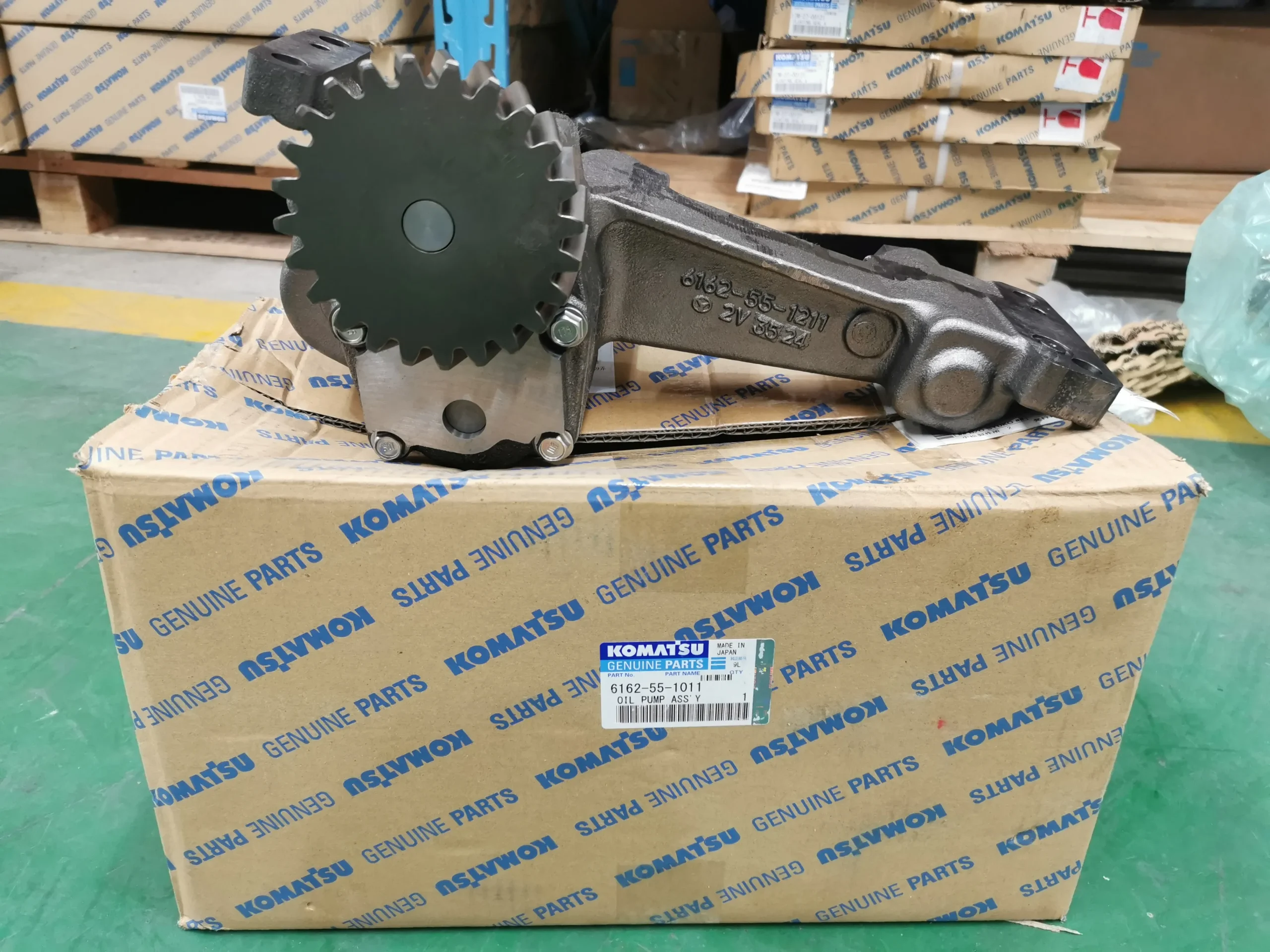 S6D170E-2A Oil Pump 6162-55-1011
 -
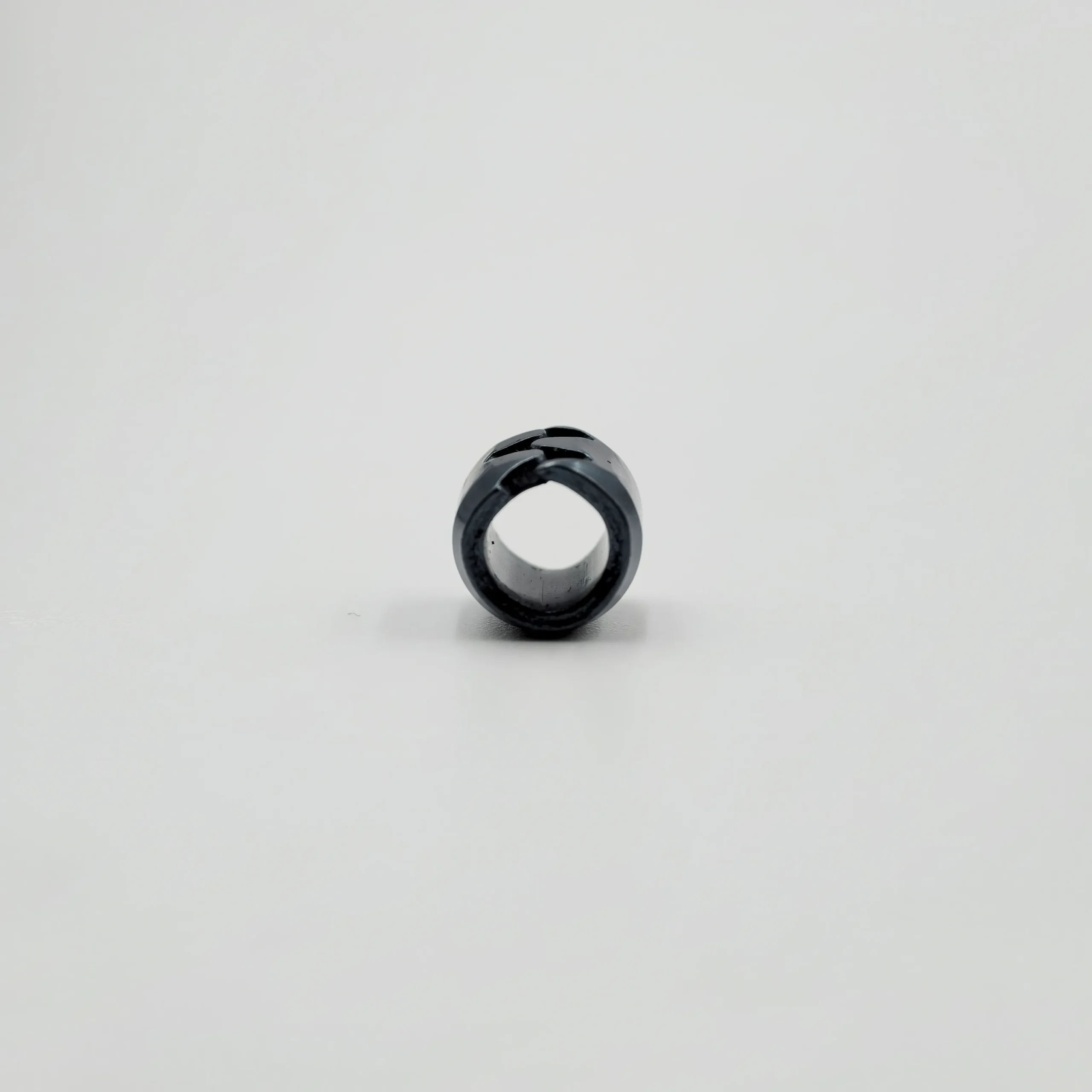 144-70-15251 Komatsu Pin, Dowel
 -
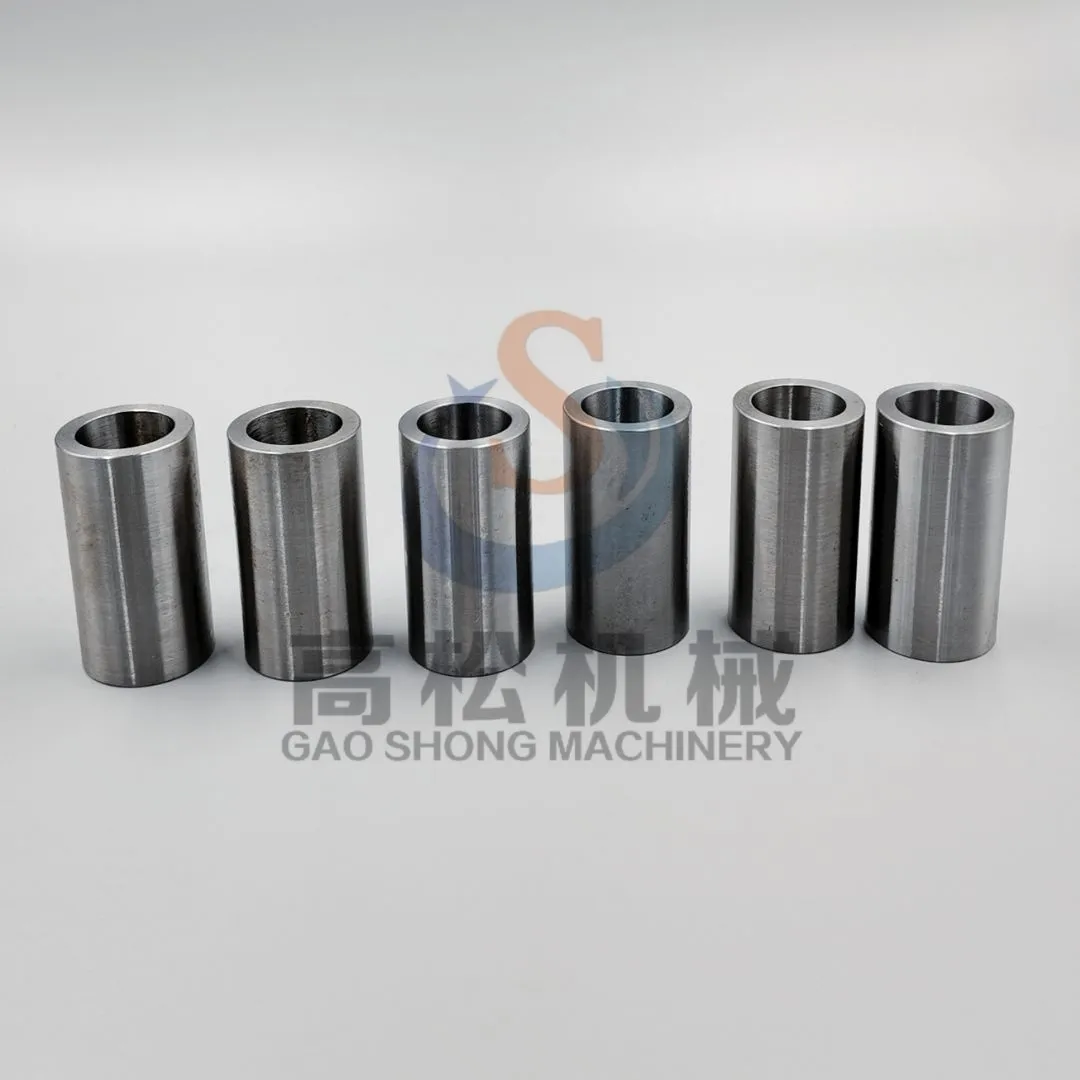 566-54-21910 Komatsu Bushing
 -
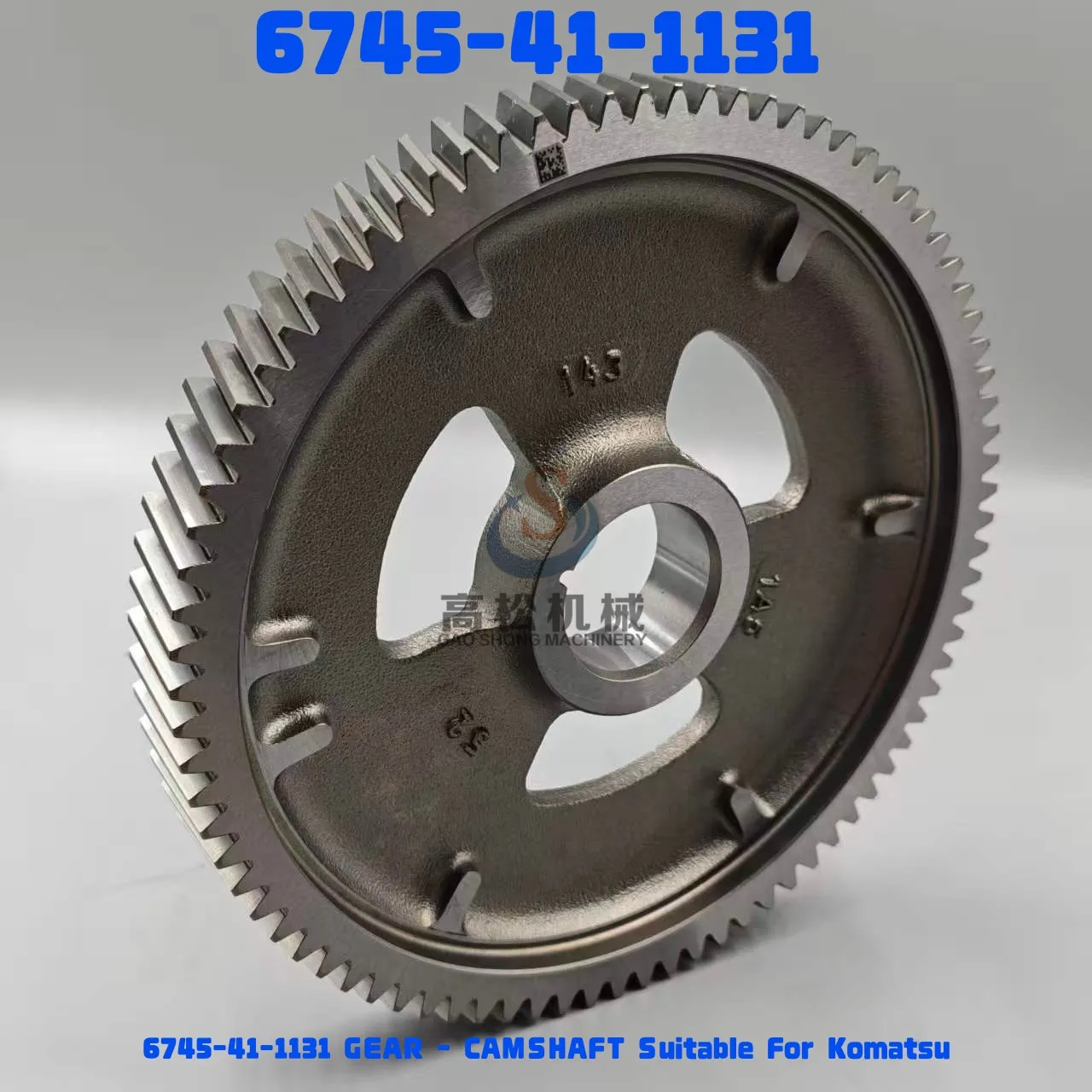 6745-41-1131 GEAR – CAMSHAFT Suitable For Komatsu 6745411131Compatible Models: SAA6D114E-3B-WT (BUILD 9K), SAA6D114E-3E (BUILD 9L), SAA6D114E-6A & SAA6D114E-6B (BUILD 9J)
 -
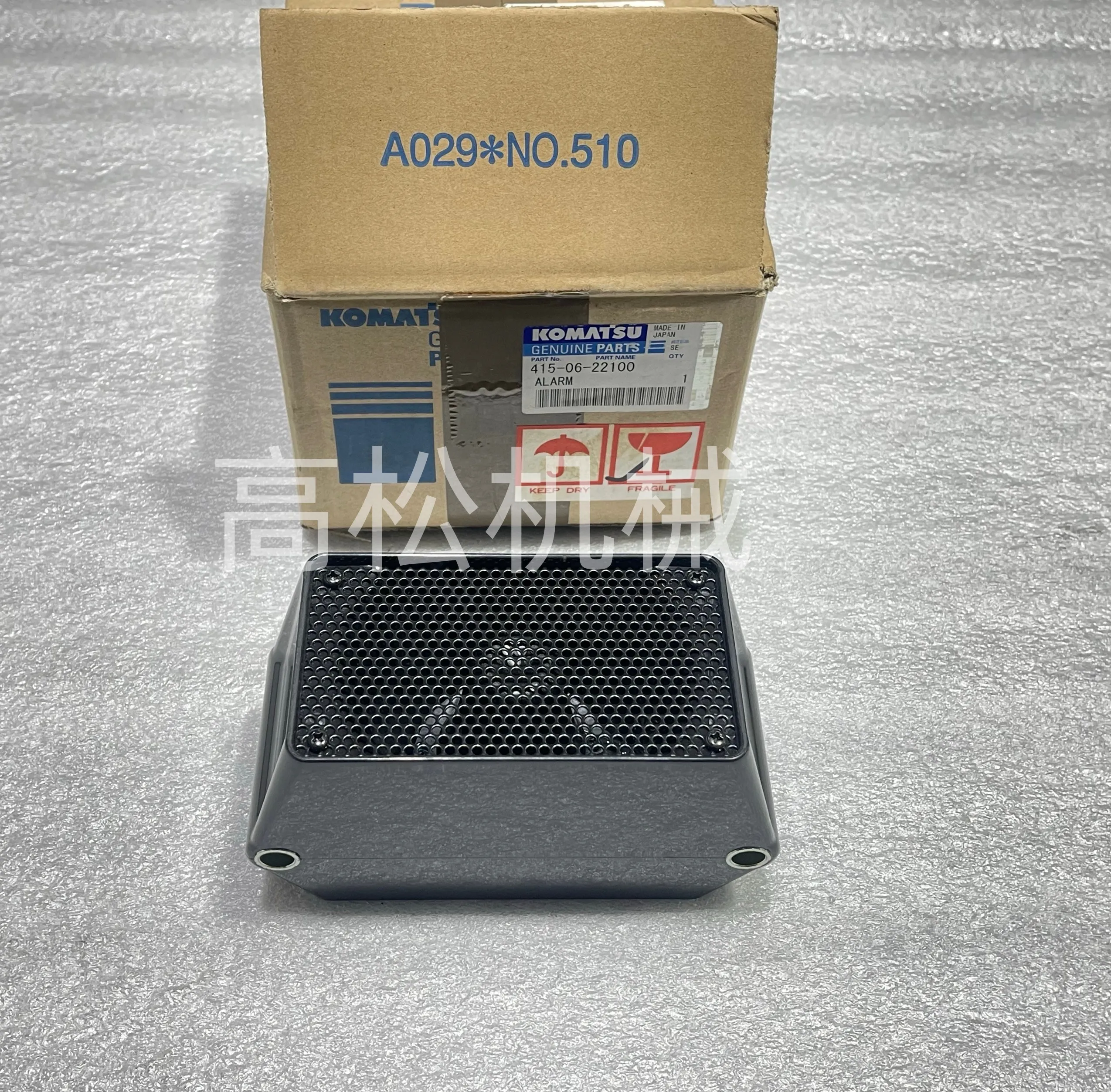 415-06-22100-ALARM.BACK-UP Komatsu Original Factory
 -
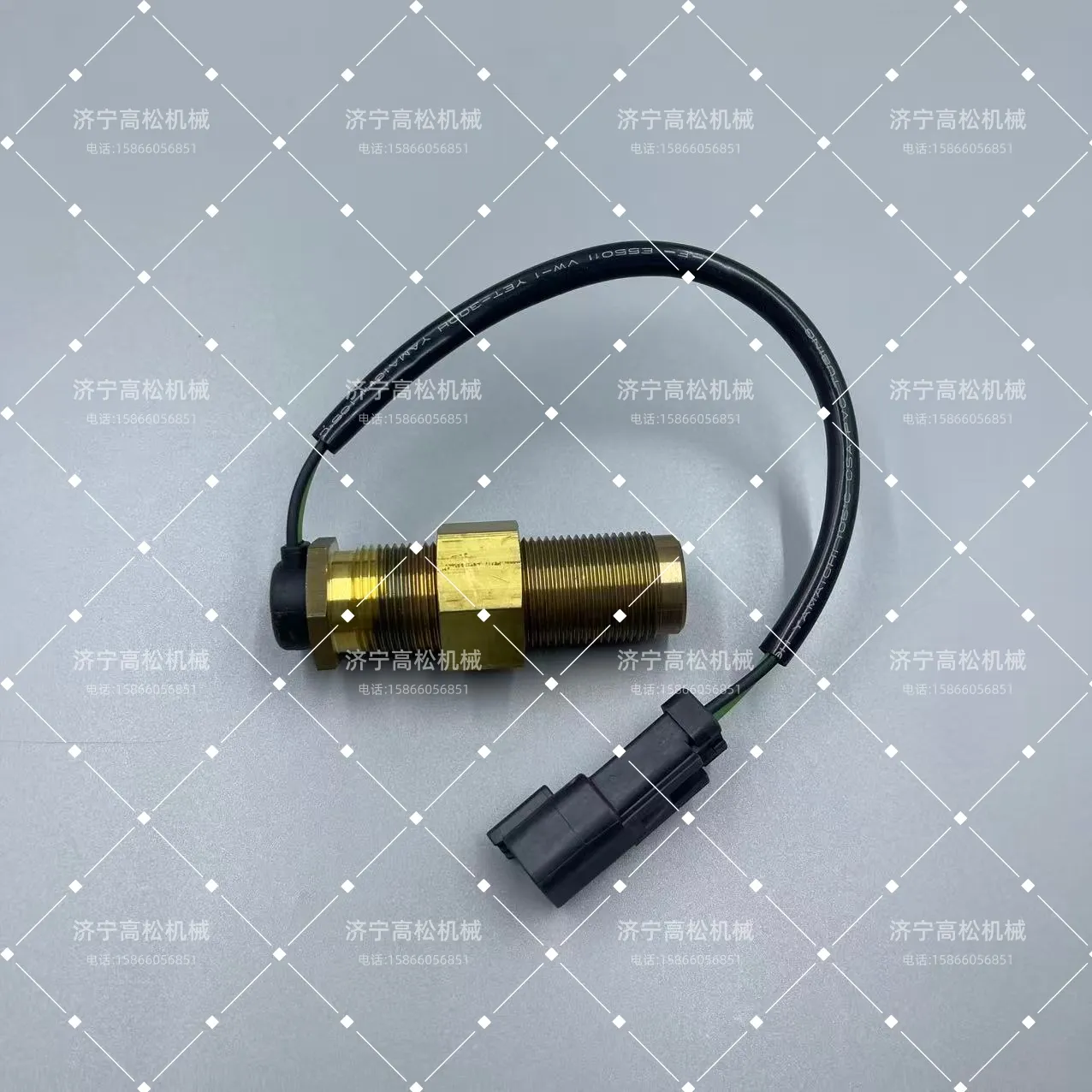 Revolution Sensor 7861-93-2330 for Bulldozer D85EX-15
 -
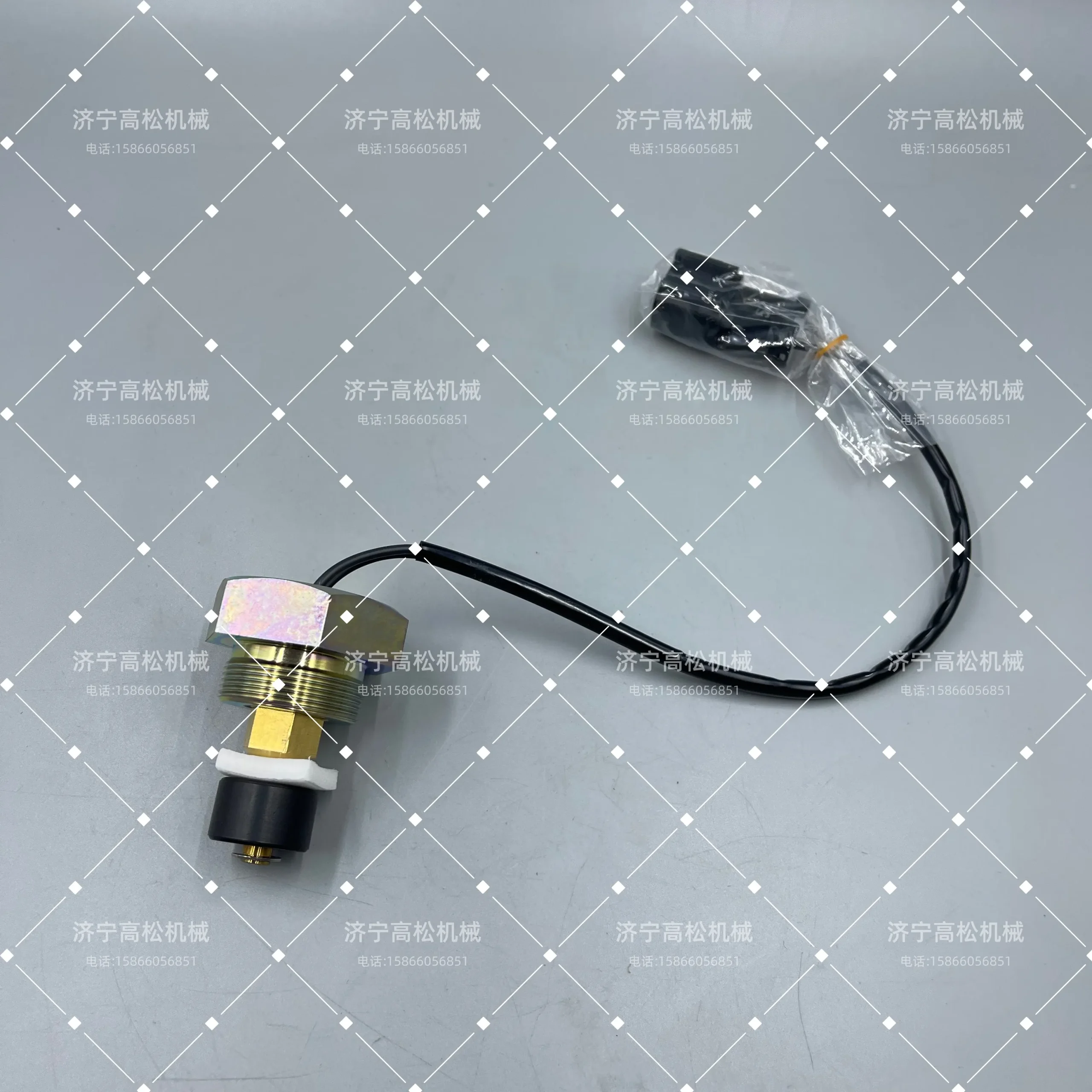 Sensor 7861-92-4500 for KOMATSU WA350-3A-S China…
 -
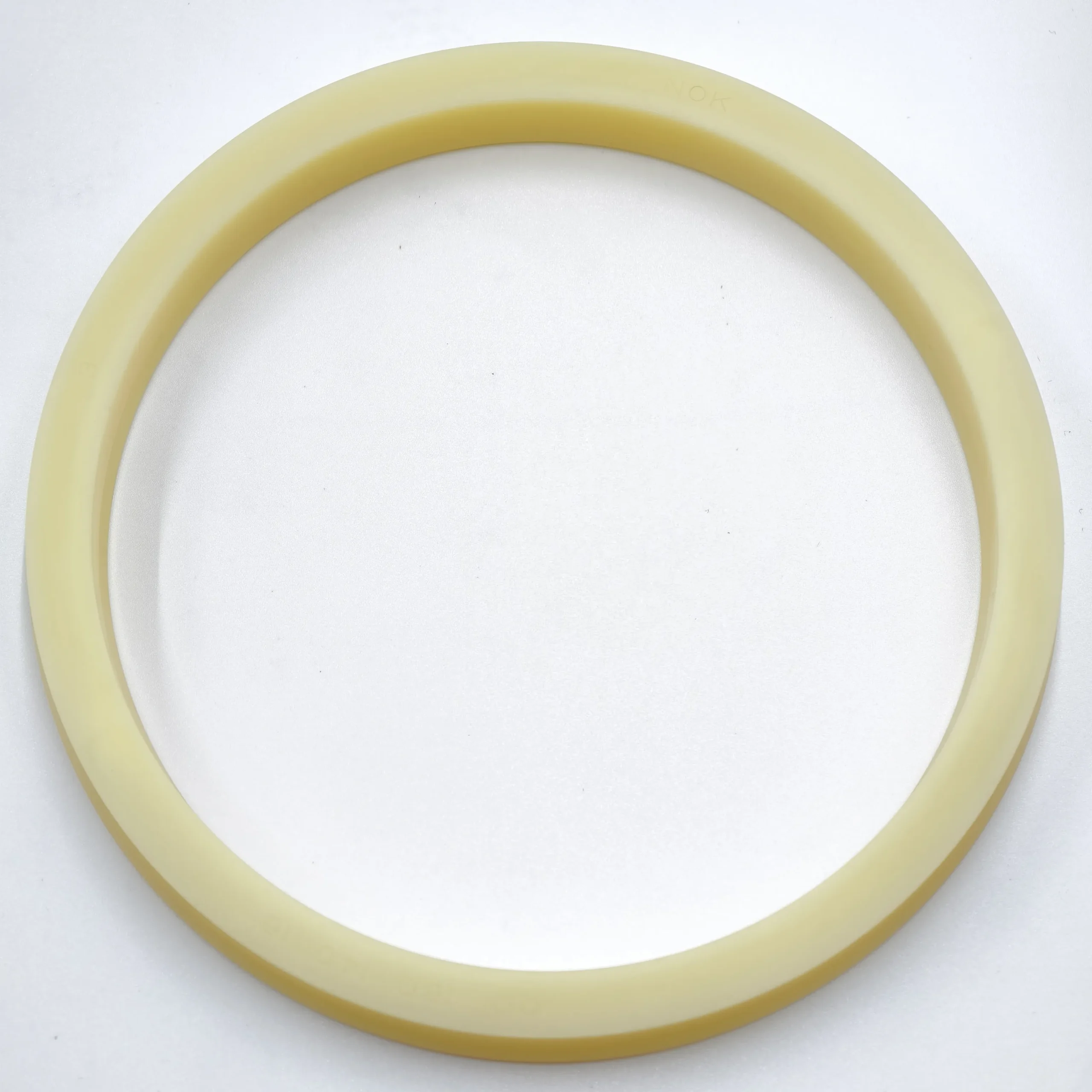 21N-30-14160 for Excavator PC1250-7 PC1100 IDLER CUSHION PACKING
 -
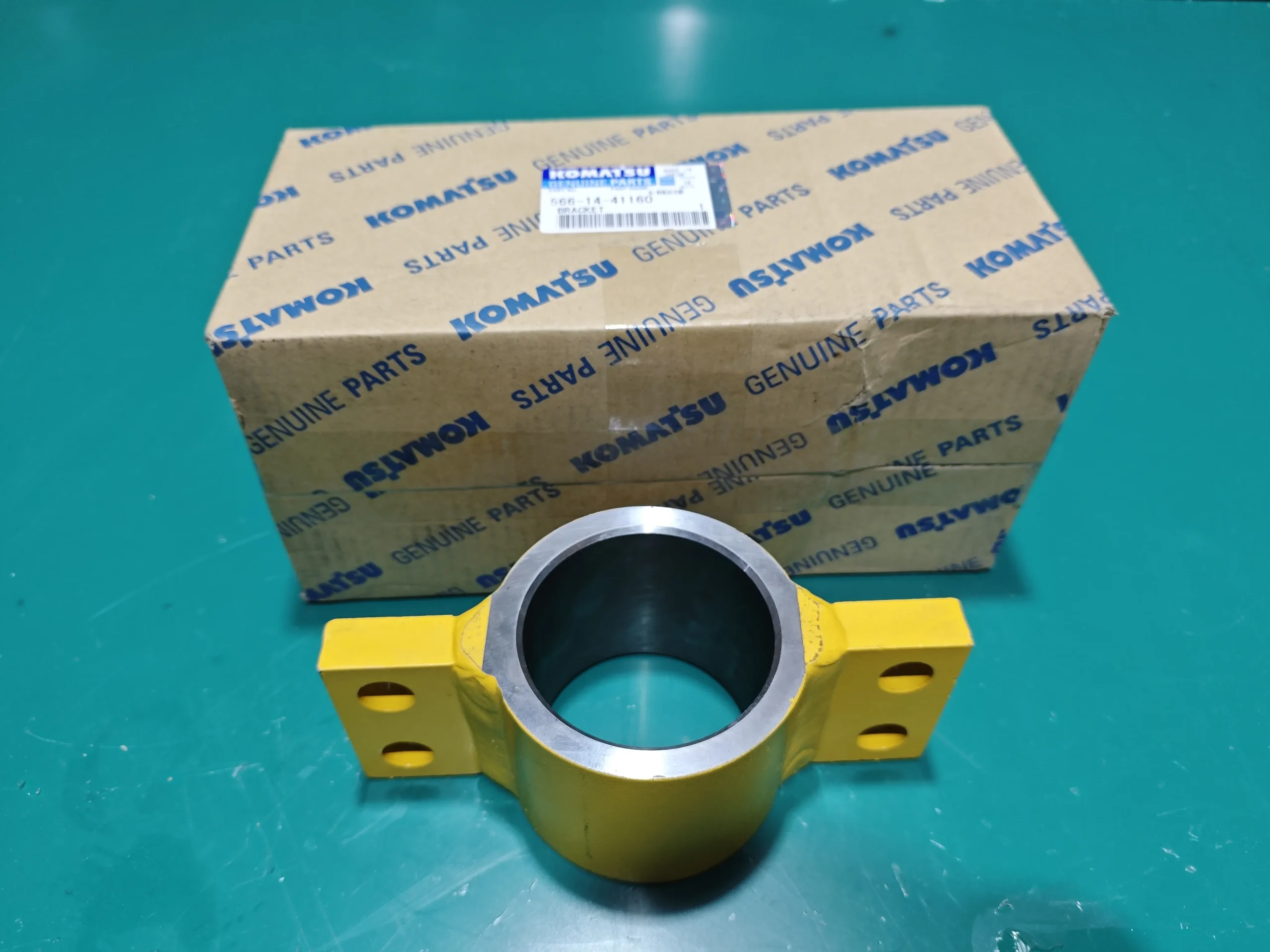 UrParts – Komatsu – Loader Parts – WA600-1H – 566-14-41160…