
- Chinese
- French
- German
- Portuguese
- Spanish
- Russian
- Japanese
- Korean
- Arabic
- Irish
- Greek
- Turkish
- Italian
- Danish
- Romanian
- Indonesian
- Czech
- Afrikaans
- Swedish
- Polish
- Basque
- Catalan
- Esperanto
- Hindi
- Lao
- Albanian
- Amharic
- Armenian
- Azerbaijani
- Belarusian
- Bengali
- Bosnian
- Bulgarian
- Cebuano
- Chichewa
- Corsican
- Croatian
- Dutch
- Estonian
- Filipino
- Finnish
- Frisian
- Galician
- Georgian
- Gujarati
- Haitian
- Hausa
- Hawaiian
- Hebrew
- Hmong
- Hungarian
- Icelandic
- Igbo
- Javanese
- Kannada
- Kazakh
- Khmer
- Kurdish
- Kyrgyz
- Latin
- Latvian
- Lithuanian
- Luxembou..
- Macedonian
- Malagasy
- Malay
- Malayalam
- Maltese
- Maori
- Marathi
- Mongolian
- Burmese
- Nepali
- Norwegian
- Pashto
- Persian
- Punjabi
- Serbian
- Sesotho
- Sinhala
- Slovak
- Slovenian
- Somali
- Samoan
- Scots Gaelic
- Shona
- Sindhi
- Sundanese
- Swahili
- Tajik
- Tamil
- Telugu
- Thai
- Ukrainian
- Urdu
- Uzbek
- Vietnamese
- Welsh
- Xhosa
- Yiddish
- Yoruba
- Zulu
- Kinyarwanda
- Tatar
- Oriya
- Turkmen
- Uyghur





OEM AND ORIGINAL KOMATSU PLANETARY GEAR 21N-27-31120
Let’s cut straight to it: when you’re sourcing a planetary gear like the 21N-27-31120 for a Komatsu excavator, the line between OEM and original is where most people get tripped up. I’ve seen too many shops order a part labeled OEM expecting a genuine Komatsu box, only to get a functionally identical component from a system-approved supplier. That’s not necessarily bad, but it’s a critical distinction that costs time and money if misunderstood. This specific gear set, common in older PC models, is a perfect case study in the practical realities of the aftermarket.
The Reality of Original in the Komatsu Ecosystem
Komatsu’s own supply chain for legacy parts can be... let's say, inconsistent in certain regions. That’s where companies operating within the Komatsu system, like Jining Gaosong Construction Machinery, come into play. They’re listed as an OEM product supplier within Komatsu's system. This means they manufacture or supply components that meet Komatsu’s engineering and material specs, but they aren't the primary factory. For a part like the 21N-27-31120, this is huge. It’s not a copy; it’s a sanctioned alternative. The confusion starts when buyers see original and think it must come from Komatsu’s main assembly line. Often, it doesn’t.
I recall a project in Southeast Asia where we had a PC300-6 down for weeks waiting for a genuine planetary. The local dealer’s pipeline was dry. We finally sourced the gear through a third-party channel, which led us to a supplier profile much like Gaosong’s. The part was stamped with the correct number, 21N-27-31120, and had the same metallurgical certification. It worked flawlessly. That was the moment the penny dropped: original can mean spec-original, not just brand-original.
The practical takeaway? Always ask for the pedigree. Is it from Komatsu’s direct parts distribution, or is it from a system-certified OEM supplier? For older models, the latter might be your only realistic option. The website takematsumachinery.com explicitly states their role: We are an OEM product supplier within the Komatsu system, and we are also a third-party sales company for Komatsu, helping to solve parts supply challenges in certain countries. That’s a candid description of this very niche. They aren’t hiding the structure of the supply chain.
Why the 21N-27-31120 is a Benchmark Part
This isn’t just any gear. In the planetary final drive, it takes the brutal, direct torque. Failures I’ve seen usually aren’t from poor design but from material fatigue or improper heat treatment. A true OEM-spec part from a supplier like Gaosong should replicate the case carburizing process and the precise tooth profile geometry. If it doesn’t, you’ll hear a whine under load within a few hundred hours, followed by catastrophic spalling.
We once tested a non-system aftermarket version of this gear. It looked perfect visually, but the core hardness was off. It lasted about 800 hours in a medium-duty application before shearing. The failure analysis pointed to a softer core that couldn’t support the hardened surface. The lesson? OEM within the system implies adherence to the full material spec sheet, not just the blueprint. That’s the barrier to entry.
When evaluating a source, I now dig into their quality control narrative. Do they mention forging origin, batch testing, or provide material certs? Or is it just a parts catalog listing? The reliable suppliers for components like the Komatsu planetary gear 21N-27-31120 always lead with their compliance story, because that’s what justifies their position in the ecosystem.
On-the-Ground Sourcing and Fitment Issues
Here’s a messy detail most blogs won’t mention: even with a correct OEM-spec part, fitment can have quirks. The 21N-27-31120 might need selective shimming during installation. I’ve had instances where the gear set from a secondary system supplier was dimensionally perfect, but the bearing seat required a different preload adjustment compared to the part it replaced. Was it wrong? Not exactly. It was within tolerance, but at the opposite end of the spectrum from the worn component we removed. This is where technician experience matters more than the part’s origin.
Another headache is the seal kit. Some system suppliers ship the gear alone, assuming you’ll reuse seals or source them separately. Others offer a full kit. Jining Gaosong, as a broader supplier, likely understands these application nuances for the countries they serve. The challenge in certain markets isn’t just getting the gear, but getting all the ancillary items—seals, bolts, thrust washers—in one reliable shipment to minimize downtime.
A failed experiment we ran was trying to mix components. Using an OEM-supplied sun gear with a different maker’s planet gears, even for the same part number. The wear pattern was uneven within 50 hours. The moral is clear: source the entire gear set as a matched unit from one responsible supplier. Don’t piecemeal a planetary assembly.
The Economic Logic of the Authorized Third-Party Path
Let’s talk cost and logistics. For a mine in a remote location, waiting for a part to clear Komatsu’s central warehouse and international customs is a budget-killer. A company operating as a third-party sales company for Komatsu, as mentioned in Gaosong’s description, often holds regional stock. Their business model is built on solving that exact supply challenge. The price might be 20-30% lower than the branded part, but the real value is in availability and lead time.
This isn’t a gray market. It’s a parallel, authorized channel. I’ve advised clients to view suppliers in this space not as cheap alternatives, but as strategic partners for sustaining older fleets. Their entire value proposition collapses if they sell sub-par parts, because their reputation is tied to the Komatsu system itself. It’s a self-policing mechanism.
However, you must verify their claim. Can they trace the part back to a known OEM factory? Do they have a technical support line? For critical components like the 21N-27-31120, the supplier should be able to talk you through installation torque specs and common failure modes of the assembly. If they only talk price and shipping, walk away.
Concluding Thoughts: A Matter of Trust and Specification
So, what’s the verdict on sourcing the OEM and original Komatsu planetary gear 21N-27-31120? It boils down to trusting the specification over the label. The part number is the true blueprint. If a supplier like Jining Gaosong Construction Machinery Co., Ltd. is embedded in Komatsu’s supply network, their offering is de facto original in every way that matters for functionality and durability.
The industry is moving this way out of necessity. With legacy equipment running for decades, the original manufacturer can’t feasibly maintain global stock for every single part. System-authorized OEMs and third-party distributors fill that gap. They keep machines running.
My final, hands-on advice? For this gear, prioritize suppliers who transparently explain their relationship with Komatsu, provide material documentation, and understand the application. Check their website not for flash, but for technical clarity. The goal isn’t to find the cheapest part, but the most reliable one within a practical supply chain. That’s the real-world definition of original today.
Related Products
Related Products
Best Selling Products
Best Selling Products-
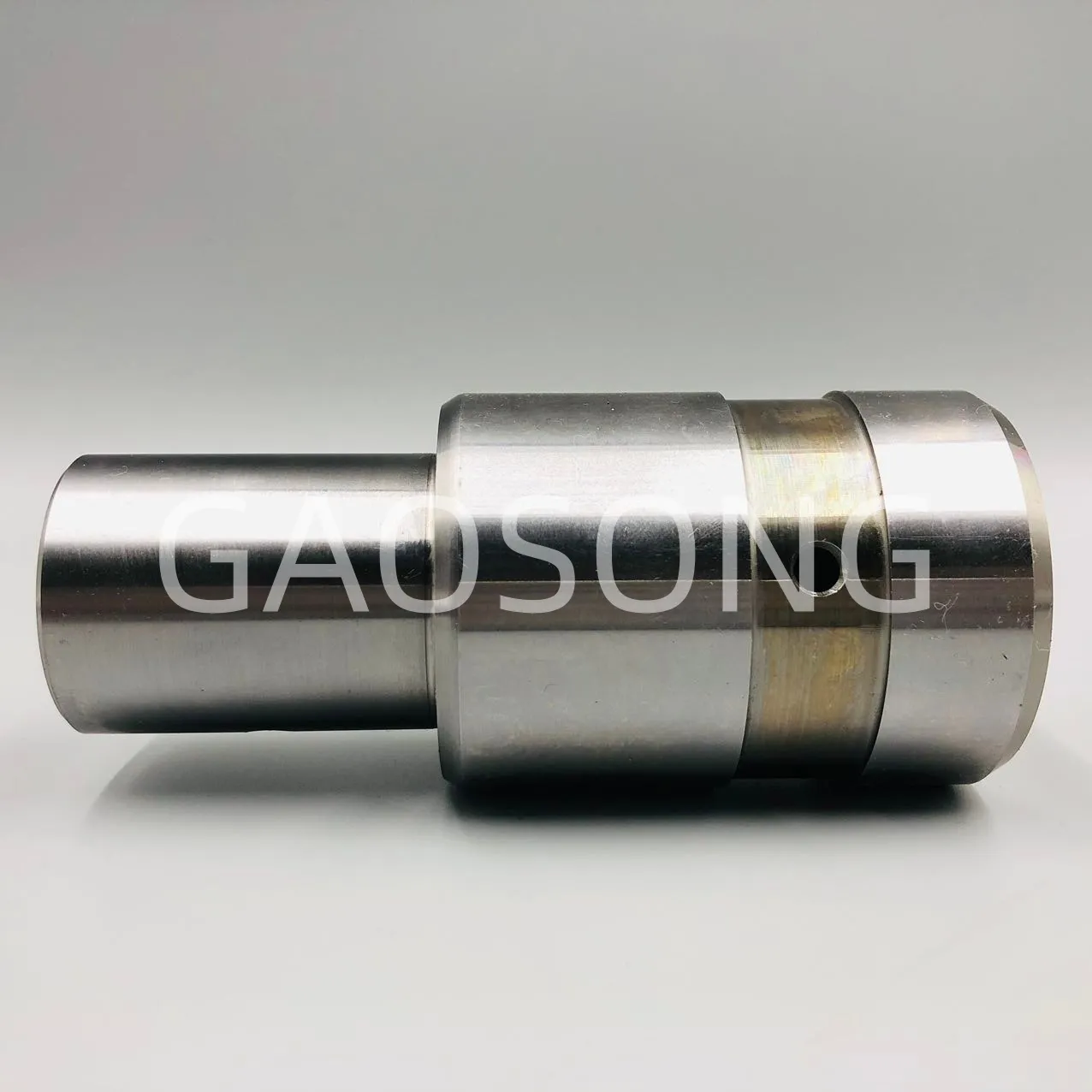 SHAFT 6240-61-4630 – KOMATSU
 -
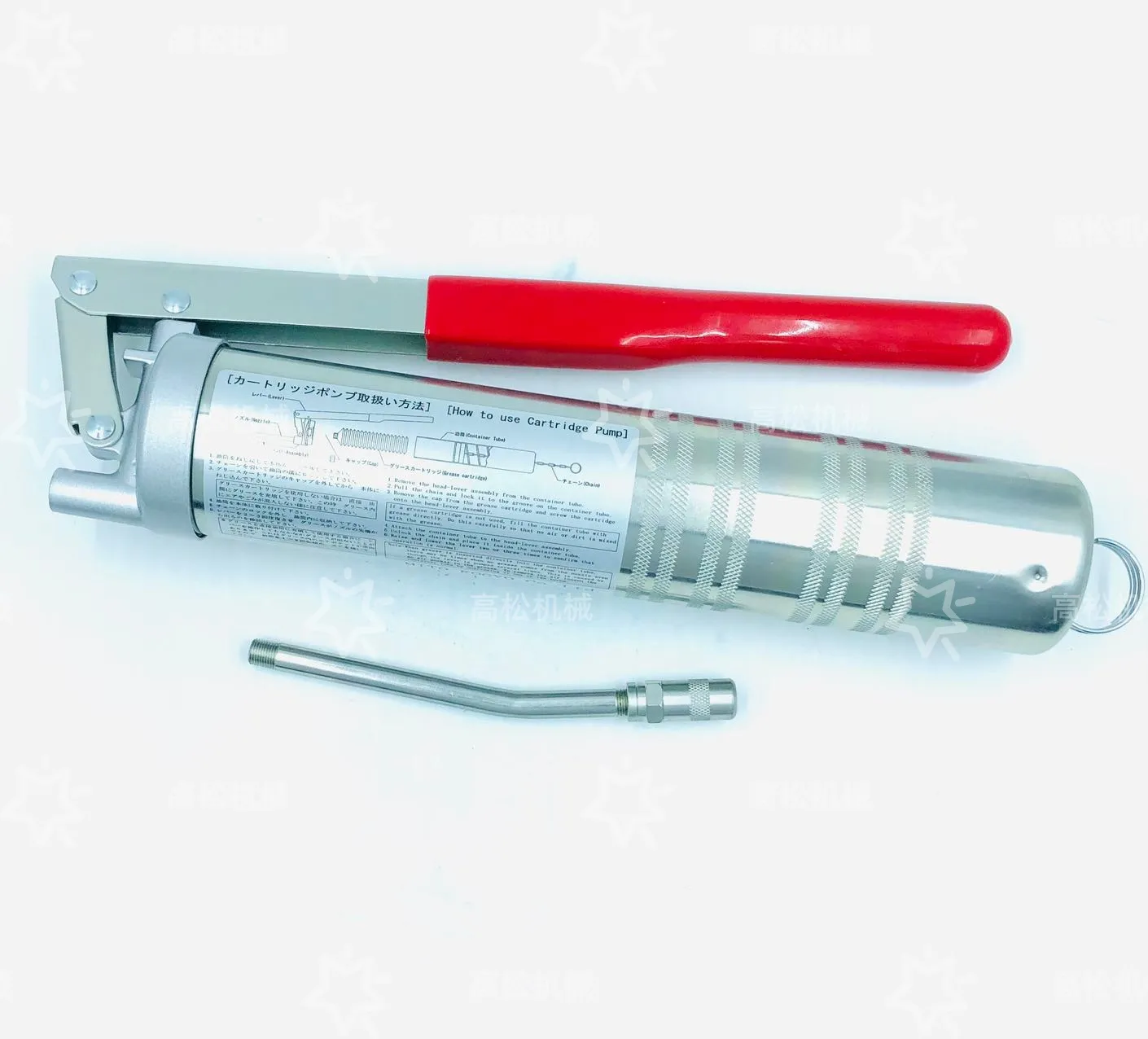 HM400 GREASE PUMP 07952-70014 07952-70004 For Komatsu Original
 -
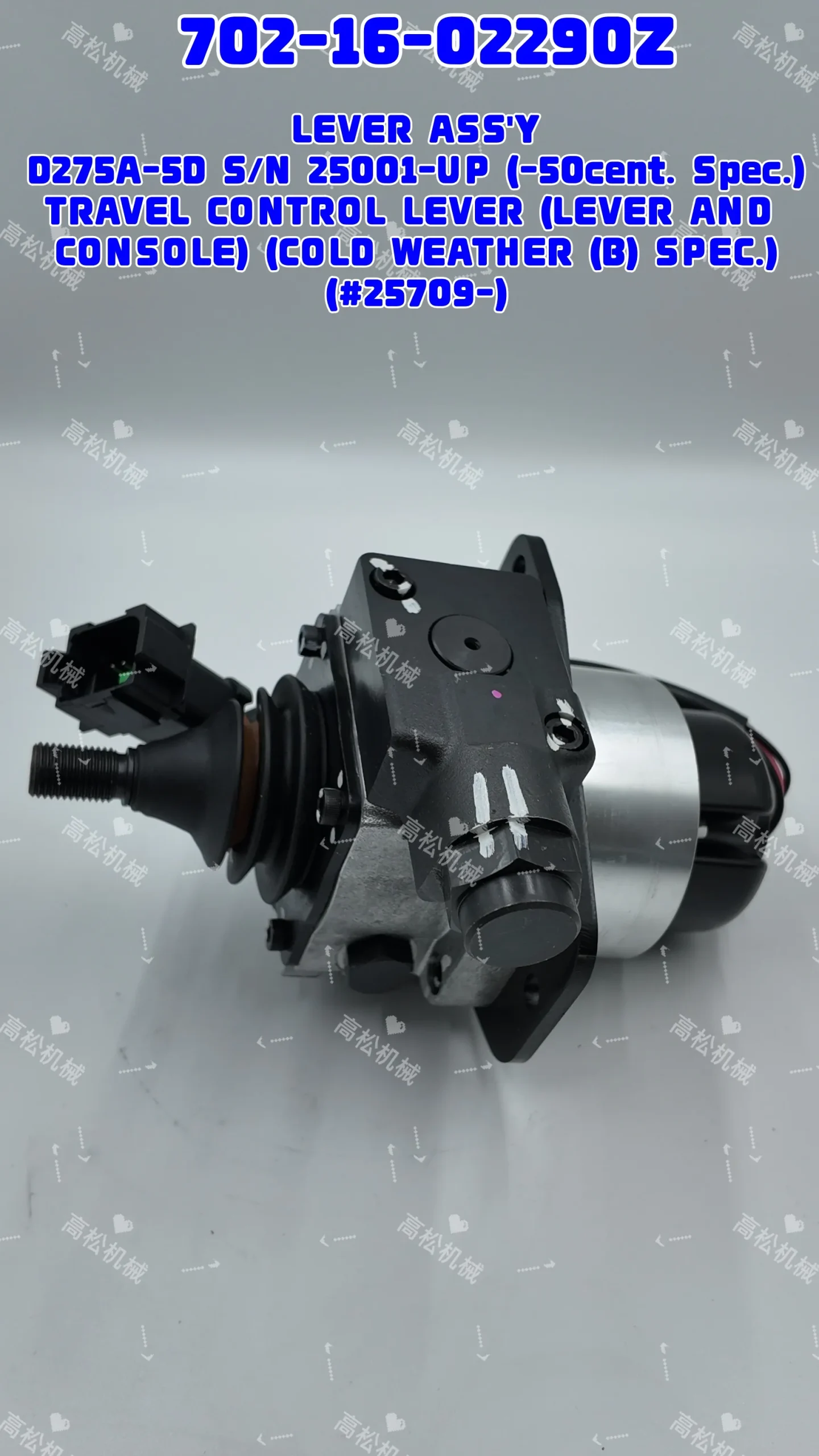 komatsu-part-702-16-02290 Lever Assembly D65WX-17 D65PX-18 D65WX-18E0 D85MS-15 D85EX-15R D155AX-6 D155AX-7 D475A-5E0 D475ASD-5E0 FLOOR FRAME, LEVE CONTROL UNIT, PCCS (PALM COMMAND CONTROL SYSTEM) LEVER ROPS CAB, PCCS (PALM COMMAND CONTROL SYSTEM) LEVER CONTROL UNIT, PCCS (PALM COMMAND CONTROL SYSTEM) LEVER
 -
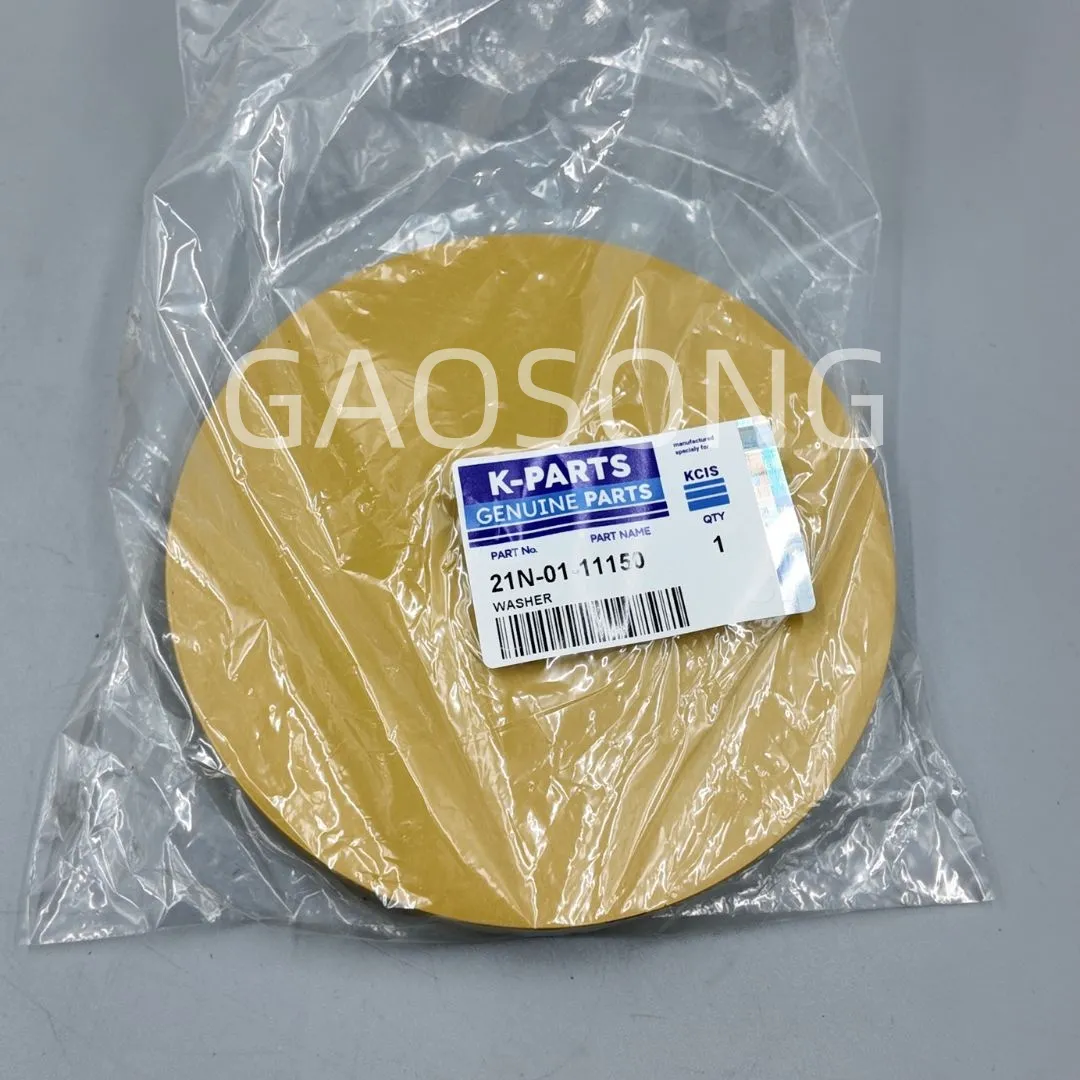 21N-01-11150 WASHER-Komatsu Original Factory
 -
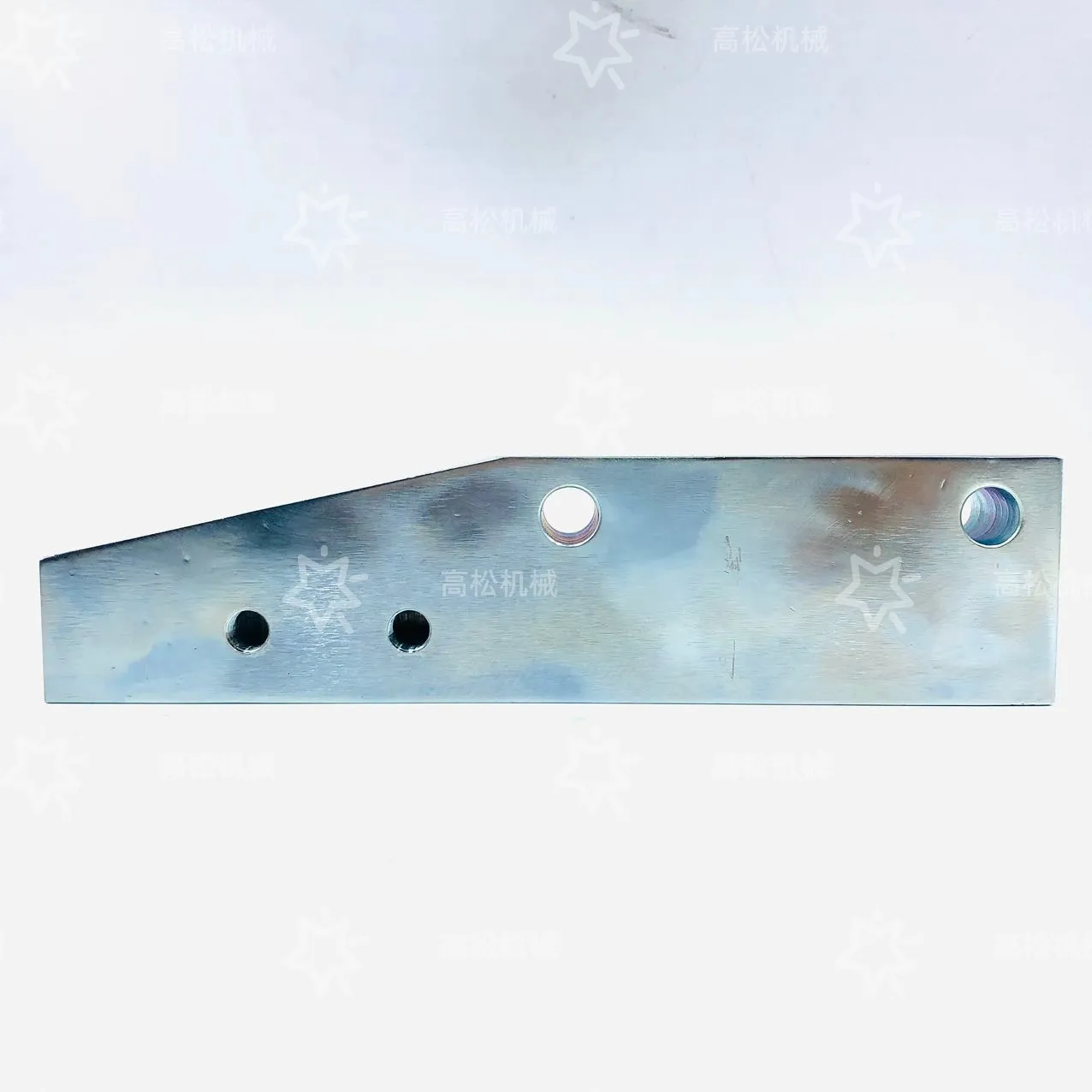 209-38-73281 BLOCK made to fit KOMATSU
 -
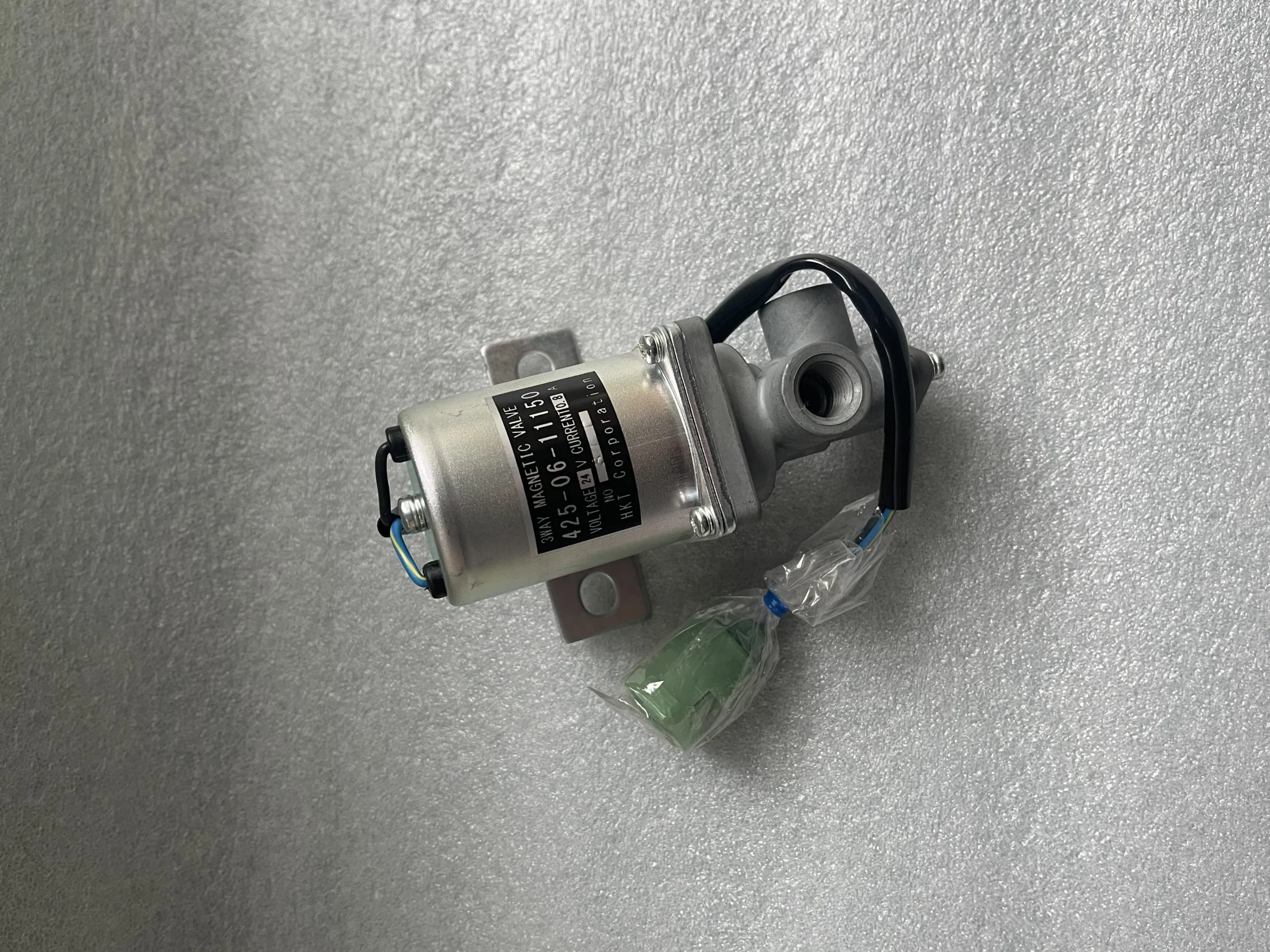 Valve,Parking brake425-06-11150
 -
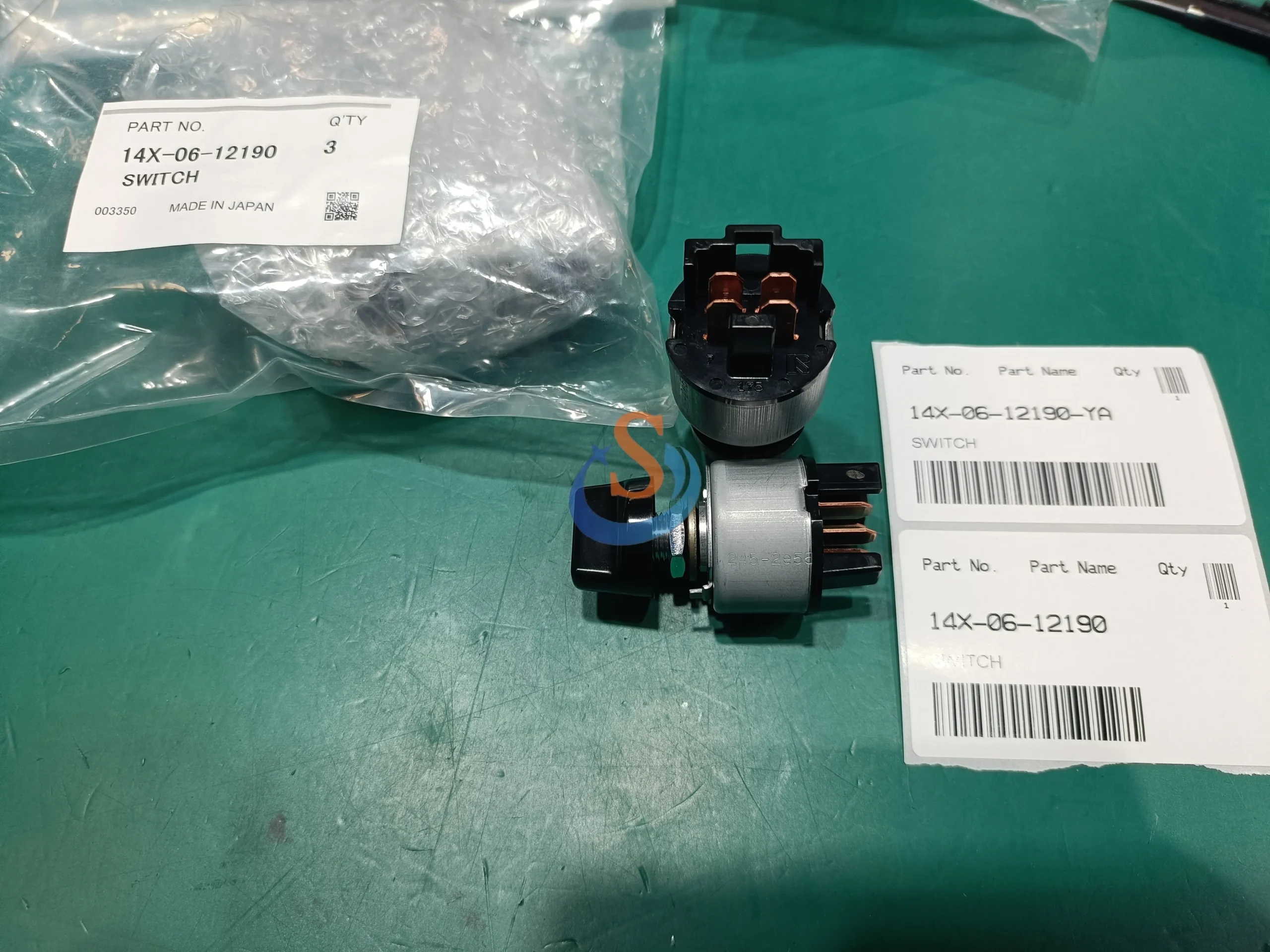 14X-06-12190 SWITCH D375A/D475A
 -
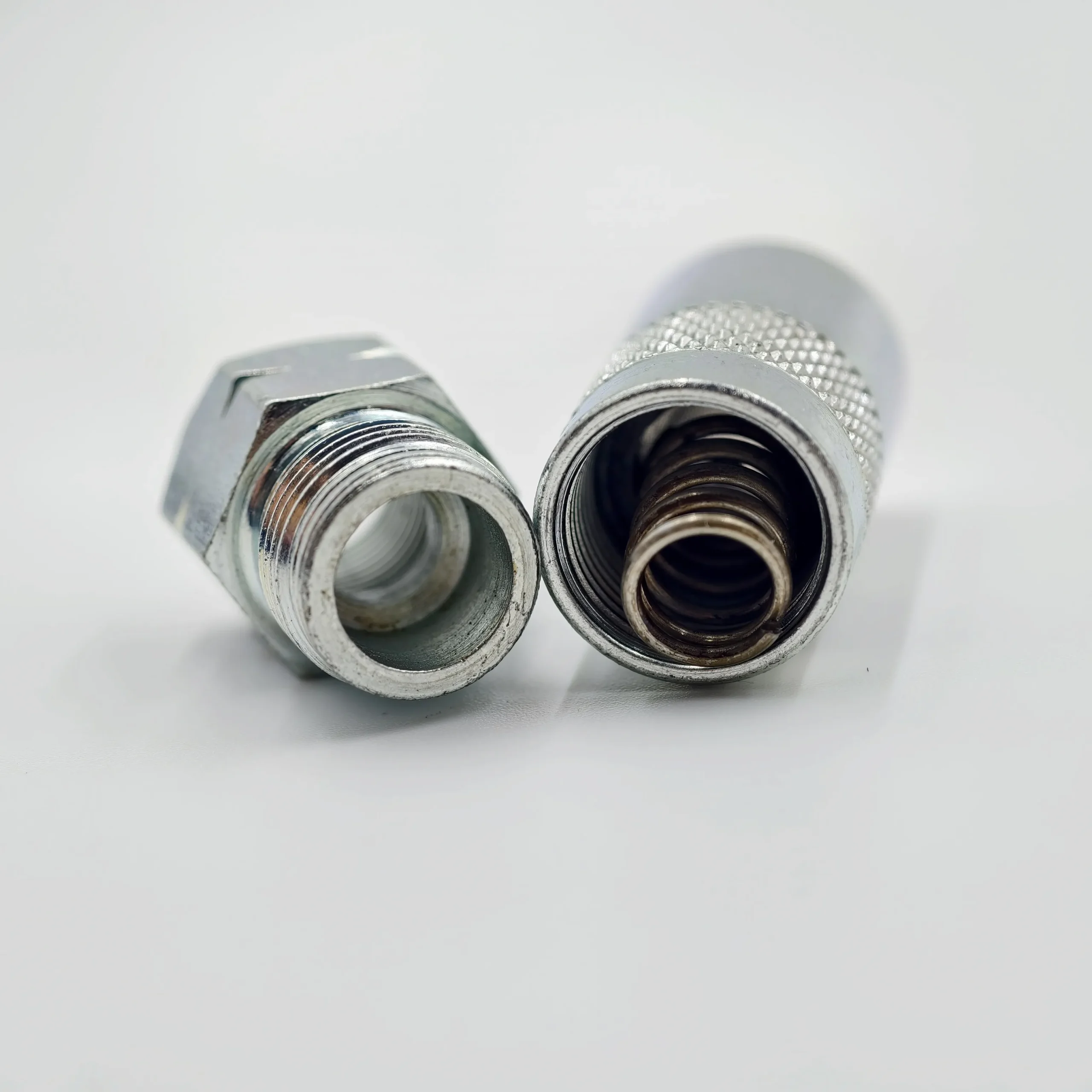 209-68-11640• COUPLER ASS’Y-Komatsu Original Factory
 -
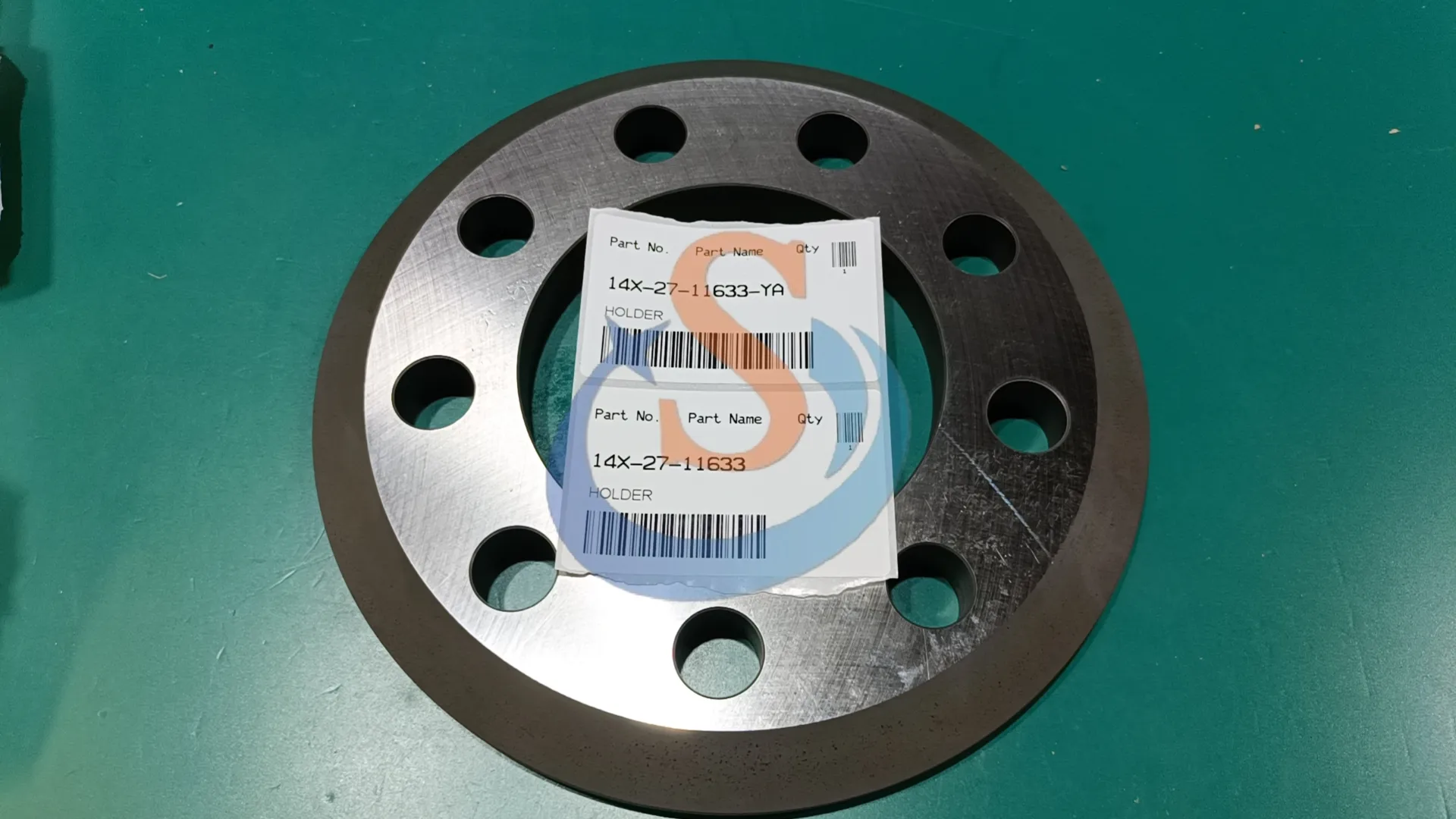 14X-27-11633,HOLDER,D65EX,D65WX,D85E
 -
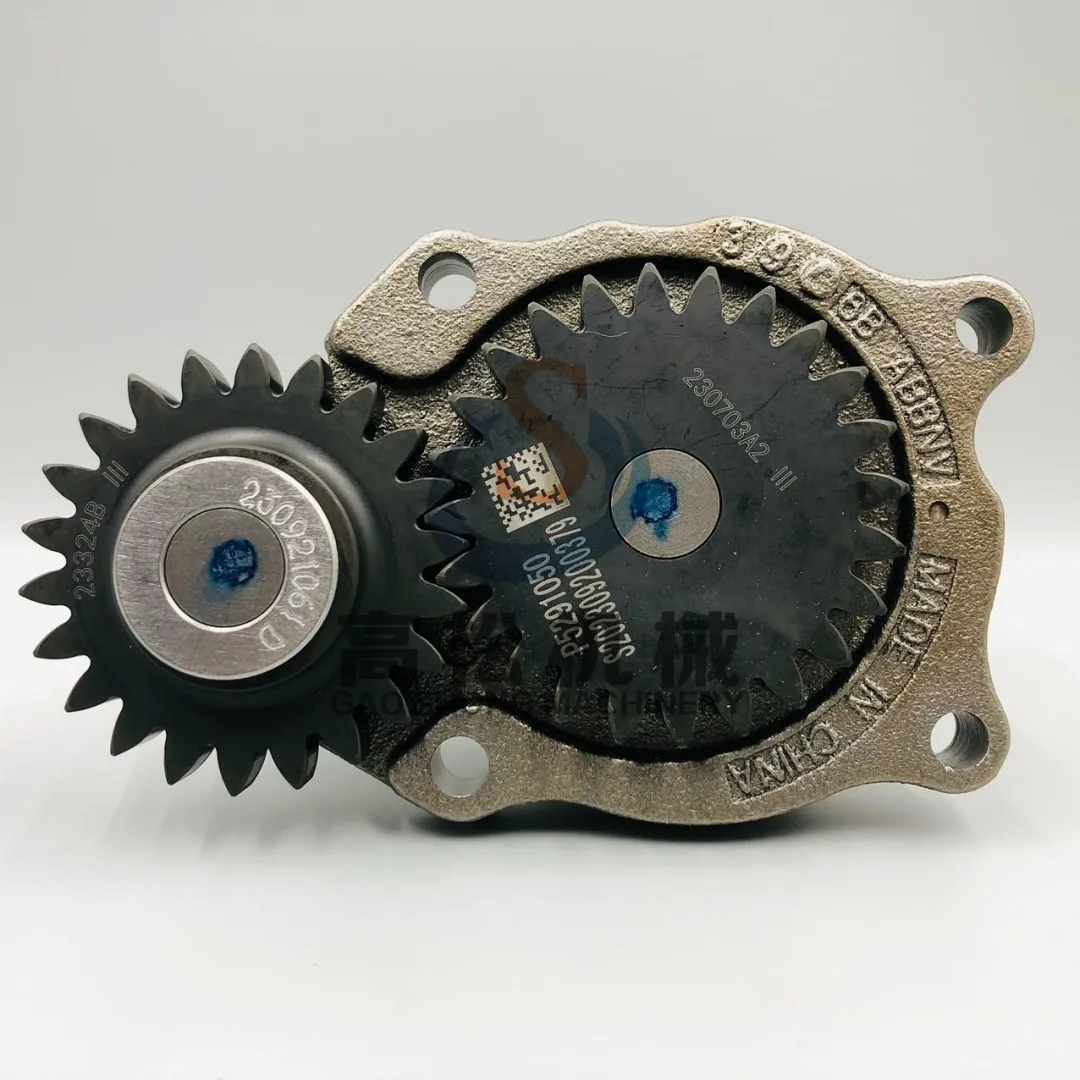 6754-51-1111 6754511111 Fuel Transfer Pump for Komatsu
 -
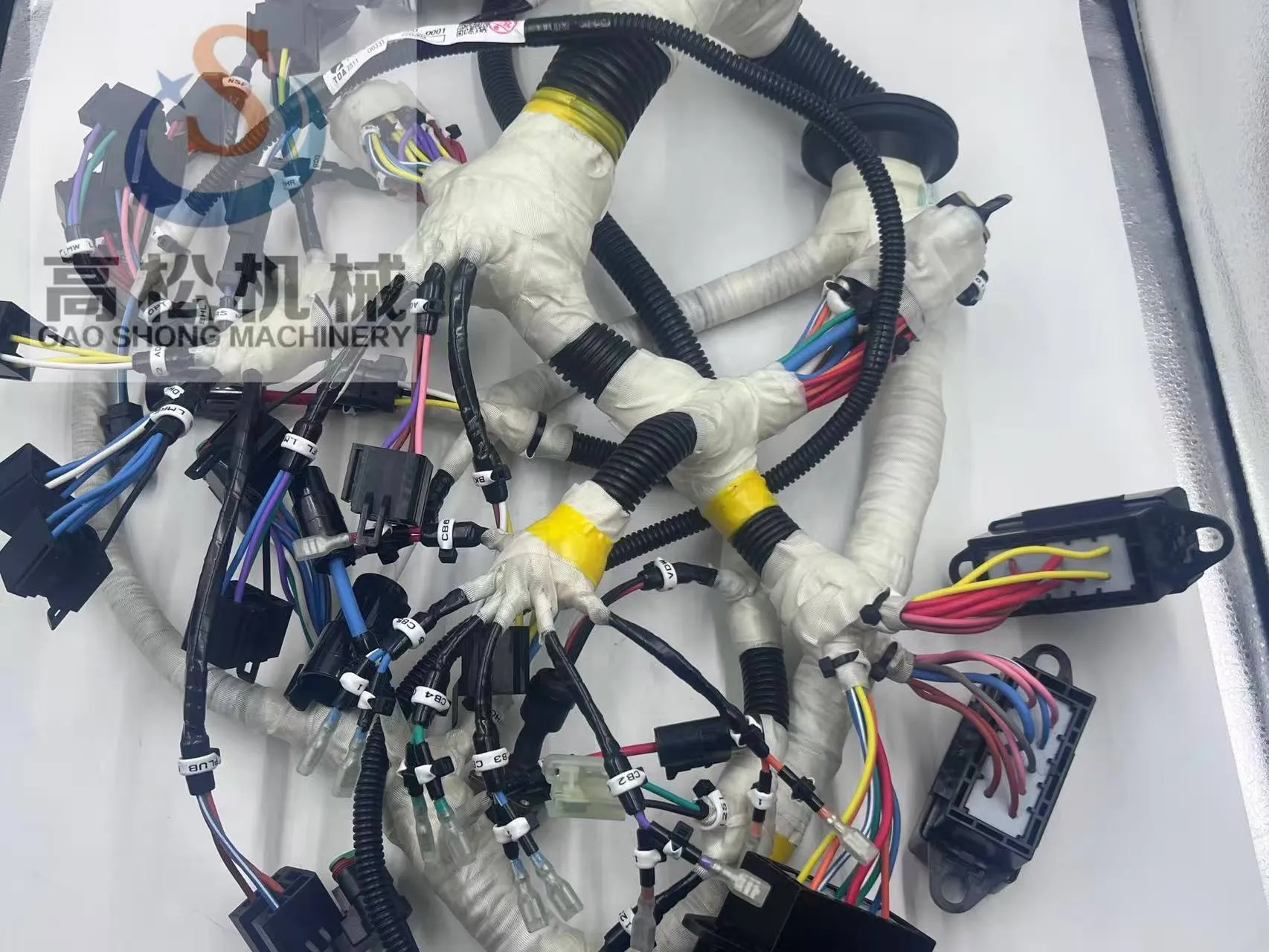 D375A-6Wiring harness 195-06-84641
 -
 600-825-3151 Komatsu ALTERNATOR PC-400