
- Chinese
- French
- German
- Portuguese
- Spanish
- Russian
- Japanese
- Korean
- Arabic
- Irish
- Greek
- Turkish
- Italian
- Danish
- Romanian
- Indonesian
- Czech
- Afrikaans
- Swedish
- Polish
- Basque
- Catalan
- Esperanto
- Hindi
- Lao
- Albanian
- Amharic
- Armenian
- Azerbaijani
- Belarusian
- Bengali
- Bosnian
- Bulgarian
- Cebuano
- Chichewa
- Corsican
- Croatian
- Dutch
- Estonian
- Filipino
- Finnish
- Frisian
- Galician
- Georgian
- Gujarati
- Haitian
- Hausa
- Hawaiian
- Hebrew
- Hmong
- Hungarian
- Icelandic
- Igbo
- Javanese
- Kannada
- Kazakh
- Khmer
- Kurdish
- Kyrgyz
- Latin
- Latvian
- Lithuanian
- Luxembou..
- Macedonian
- Malagasy
- Malay
- Malayalam
- Maltese
- Maori
- Marathi
- Mongolian
- Burmese
- Nepali
- Norwegian
- Pashto
- Persian
- Punjabi
- Serbian
- Sesotho
- Sinhala
- Slovak
- Slovenian
- Somali
- Samoan
- Scots Gaelic
- Shona
- Sindhi
- Sundanese
- Swahili
- Tajik
- Tamil
- Telugu
- Thai
- Ukrainian
- Urdu
- Uzbek
- Vietnamese
- Welsh
- Xhosa
- Yiddish
- Yoruba
- Zulu
- Kinyarwanda
- Tatar
- Oriya
- Turkmen
- Uyghur





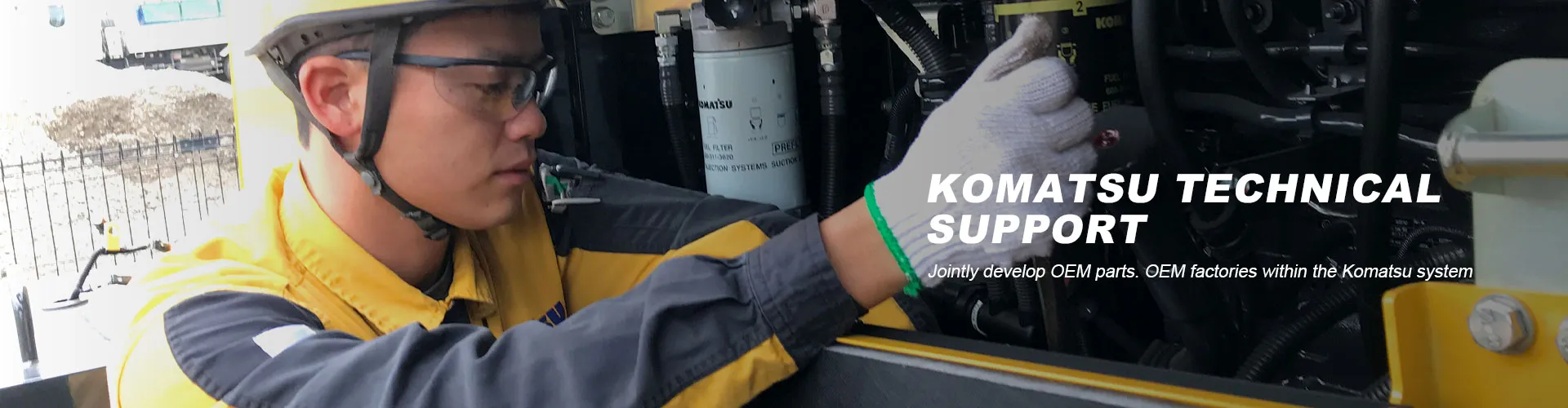
OEM AND ORIGINAL KOMATSU PLANETARY GEAR 198-27-45421
When you see that part number, , for a Komatsu planetary gear, the immediate assumption is you need the genuine article from Komatsu. But in the real world of keeping machines like a PC300 or PC400 running, the choice is rarely that binary. The term 'OEM' gets thrown around loosely, and 'original' can mean different things depending on who you're talking to and where you are. I've seen too many guys order what they think is a genuine Komatsu part, only to get a decent-quality aftermarket piece in a convincing box, or worse, a sub-standard copy that fails prematurely. The real question isn't just about the part number, but about the supply chain behind it. This is where the role of a specialized supplier within the Komatsu ecosystem, like Jining Gaosong Construction Machinery Co., Ltd., becomes critical. They operate in that interesting space – an OEM product supplier under the Komatsu system and a third-party sales channel. It's a model built for solving the practical headaches of parts supply in regions where the official pipeline is slow, blocked, or prohibitively expensive.
The Planetary Gear: More Than Just a Number
Let's talk about the itself. This isn't some generic bolt; it's the heart of the final drive on specific Komatsu excavator models. The planetary set takes the massive torque from the travel motor and reduces it to the high-traction force needed at the sprocket. Failure here means the machine is dead in the dirt. An original Komatsu planetary gear is engineered for a specific balance of hardness, surface finish, and metallurgical integrity to handle shock loads and continuous stress. The difference between a good one and a great one often isn't visible on day one. It's in the micro-pitting resistance, the precise heat treatment of the sun gear and planet gears, and the quality of the needle bearings. I've torn down failed units where the teeth sheared off cleanly – a classic sign of a material flaw or improper hardening, something a true OEM-spec part is rigorously tested to avoid.
So, when a company like Jining Gaosong says they are an OEM product supplier within the Komatsu system, it implies a different level of access and specification adherence. It suggests they might be producing or sourcing components that are built to Komatsu's engineering drawings and material specs, possibly for the aftermarket or for assembly in certain regions. This is distinct from a pure reverse-engineered aftermarket part. You can find their portal at https://www.takematsumachinery.com, which frames their mission around solving parts supply challenges. That's a very real pain point. I've waited 12 weeks for an official gear set to ship from Japan, while a mining operation was hemorrhaging money daily. Alternatives aren't just convenient; they're often operational necessities.
The tricky part is verification. How do you, as a fleet manager or mechanic, know what you're getting? The part number will be identical – – stamped right on it. The packaging might look professional. The supplier's paperwork might state OEM Quality. The proof is in the performance and the internal details. Does the gear have the correct, subtle chamfers on the tooth roots? Is the case hardening depth consistent? A genuine part will have traceability. A system supplier's part should have a comparable level of documented quality control. This is where reputation and long-term relationships matter more than a single transaction.
Navigating the Supply Gray Zone
The global parts market for Komatsu is a spectrum. On one end, you have the pure, traceable genuine parts from Komatsu distributors. On the other, you have cheap knock-offs with no quality control. In the middle is this vast, vital gray zone of OEM suppliers and authorized third-party companies. Jining Gaosong Construction Machinery Co., Ltd. positions itself in this middle ground, acting as a bridge. They're not just a random reseller; their stated identity as part of the Komatsu system suggests a formalized relationship. This is key. It means they likely have access to technical specifications, update bulletins, and perhaps even surplus production capacity or overruns from contracted factories that produce for Komatsu.
I've used similar channels for other components, like hydraulic pumps and swing bearings. The advantage is direct access and often more flexible logistics. The risk, always, is consistency. One batch might be indistinguishable from genuine, the next might have a subtle but critical deviation. A professional supplier's value is in ironing out those inconsistencies. Their website intro, highlighting that they help solve parts supply challenges in certain countries, tells you they're targeting markets where the official network is weak. This isn't about undercutting Komatsu; it's about filling a gap they can't or won't fill efficiently.
For a critical component like a planetary gear, using such a channel requires a bit of faith and due diligence. You'd want to ask for material certificates, maybe even a sample cut-away or hardness test report for a first-time order. A credible supplier won't balk at these requests. They understand the stakes. If they're truly operating as an OEM product supplier, their entire business relies on the part performing as if it came from the main line.
Case in Point: A Failure and a Fix
I recall a situation with a PC360-8 where the planetary gear failed after about 3,000 hours. The machine was operating in a remote area in South America. The local Komatsu dealer quoted a 90-day lead time and a sky-high price due to import duties. The site manager was desperate. We sourced a equivalent from a supplier with a similar profile to Gaosong – one claiming system integration. We were skeptical but had no choice.
The part arrived in neutral packaging, but the gears themselves looked right. The machining marks, the stamping, the weight – all matched our failed genuine unit. We installed it with careful attention to pre-load and alignment. That was five years ago. I checked in recently, and that gear set is still running, with over 12,000 hours on it. Now, that's one anecdote, not a guarantee. But it highlights the potential value. The alternative was a three-month downtime. The cost of that downtime would have bought a dozen planetary gears.
Conversely, I've also seen failures. A different supplier provided a OEM gear for a smaller dozer. It failed catastrophically within 500 hours, taking the carrier with it. The root cause was brittle teeth, indicative of poor heat treatment. The supplier vanished, and the lesson was learned: not all gray-market sources are equal. The ones that last, the ones like the entity behind takematsumachinery.com, build their reputation on reliability, not just price. They are solving a supply challenge, not just selling a part.
Practical Implications for Maintenance
So, what does this mean for your maintenance strategy? First, the part number is your starting point, but your sourcing decision is a risk calculation. For a machine under warranty, you go genuine, no question. For a critical machine in a high-production environment with good dealer support, you probably still go genuine. But for older models, for machines in regions with poor support, or for backup stock, the OEM-supplier channel is a legitimate and often smarter option.
When evaluating a supplier, their stated affiliation matters. A company that openly says it's an OEM product supplier within the Komatsu system is making a specific claim. It's worth probing. Ask them what that means. Do they have manufacturing audits? Can they provide batch testing data? How do they handle a warranty claim on a planetary gear that fails prematurely? Their answers will tell you if they are a professional partner or just a broker.
Integrating such parts into your inventory also requires clear communication. Your mechanics need to know the provenance of the part they're installing. Don't let it be a secret. Label it, document the source (like noting it was sourced via a system supplier like Jining Gaosong), and track its hours meticulously. This builds your own internal data on which alternative sources are trustworthy for which components.
Wrapping It Back to the Gear
Ultimately, the discussion about OEM AND ORIGINAL KOMATSU PLANETARY GEAR is a microcosm of modern heavy equipment support. Original isn't just a brand; it's a performance standard. OEM isn't just a label; it's a specification pathway. The market has evolved to include hybrid players who operate with one foot in the official system and one foot in the practical reality of global logistics and cost pressures.
For the planetary gear in question, the best practice is to understand all your options. The genuine part is the benchmark. But a part produced by a vetted, Komatsu-system-aligned OEM product supplier can meet that benchmark at a different point in the supply chain, offering speed and sometimes cost advantages where they matter most. It's not a compromise on quality if the supplier's processes are sound. It's a pragmatic solution for keeping iron moving.
Companies like Jining Gaosong Construction Machinery Co., Ltd. exist because the pure, linear supply chain model doesn't work everywhere. Their value proposition, as seen on their site, is filling that gap with parts that adhere to the system's core standards. For the mechanic, the fleet manager, or the owner staring at a downed machine, that's not just marketing. It's a potential lifeline, provided you do your homework on the specific supplier behind the claim. The part number is the same. The source, and the assurance behind it, is what you're really buying.
Related Products
Related Products
Best Selling Products
Best Selling Products-
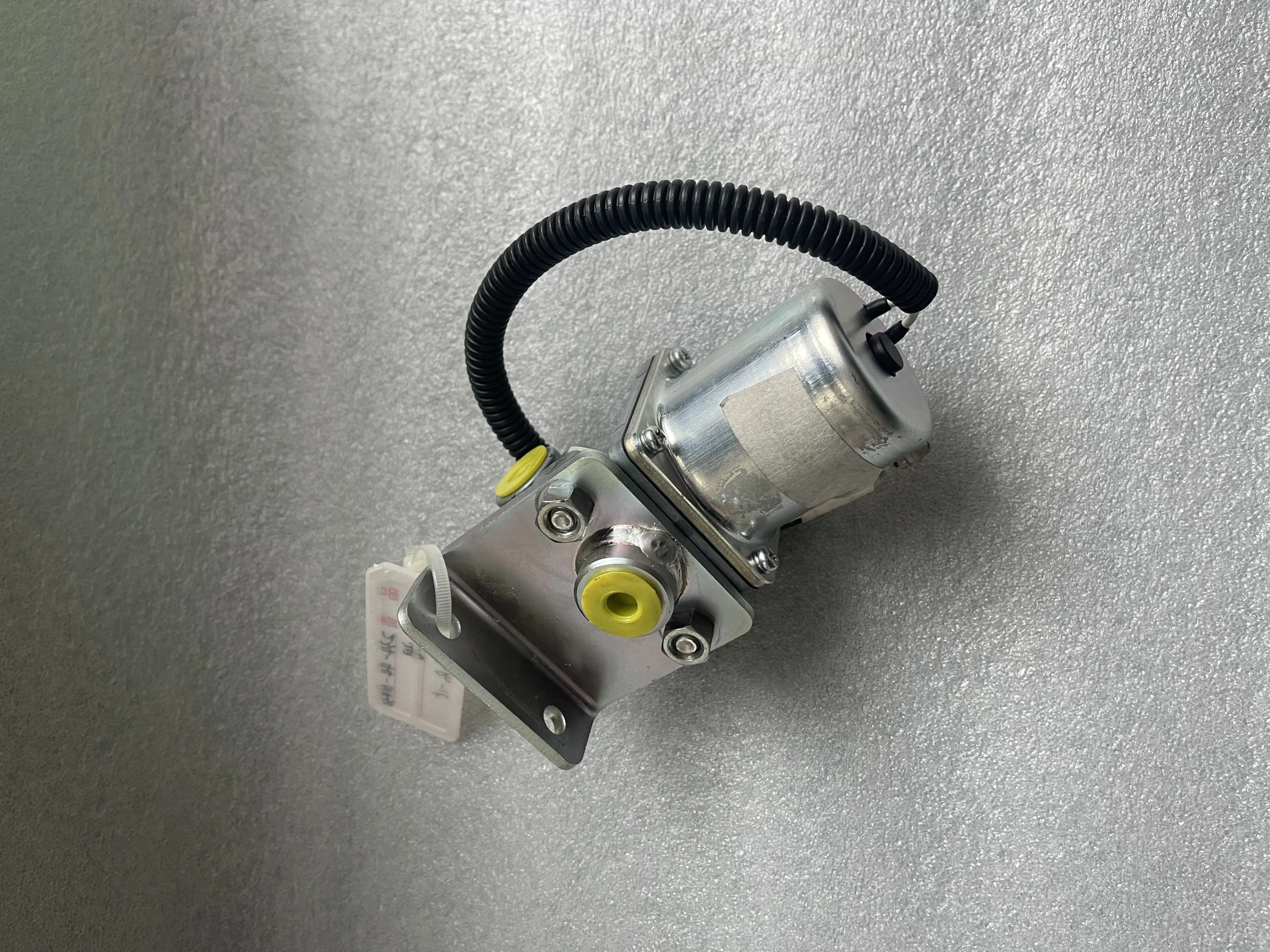 234-44-61430-VALVE Applicable: Komatsu GD825 / GD705
 -
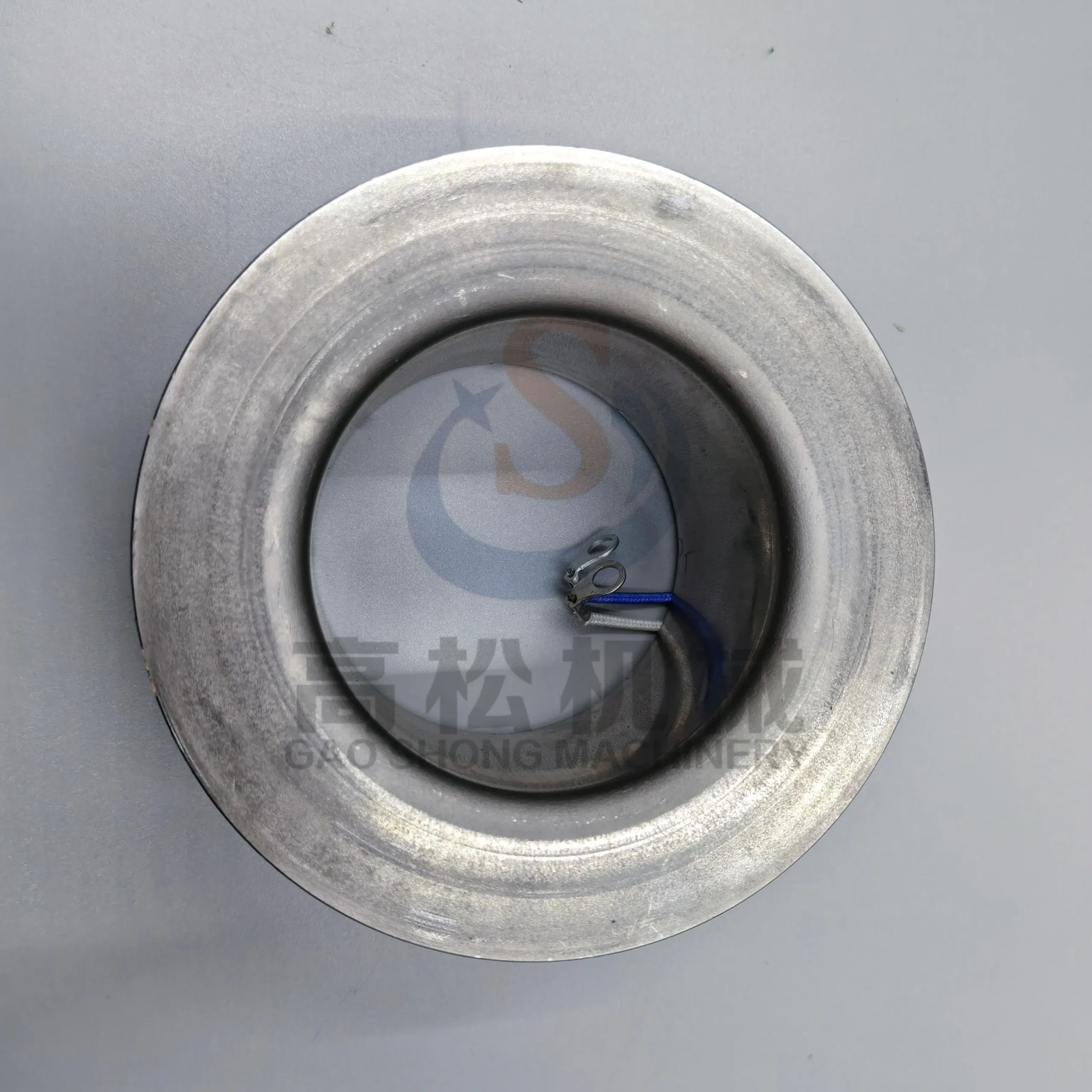 KD0-35120-0250 Komatsu Coil Assembly
 -
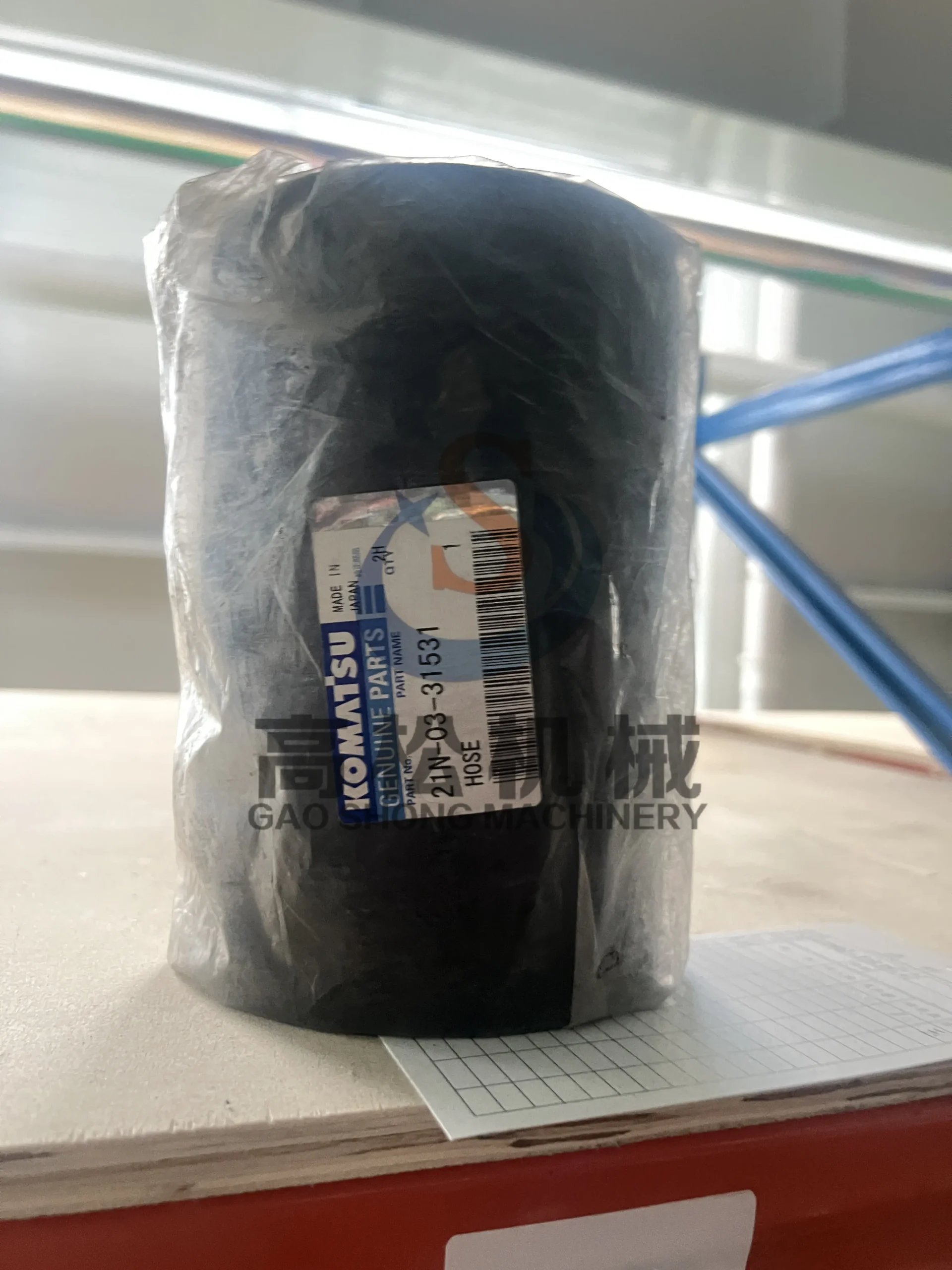 HOSE 21N-03-31531 – KOMATSU
 -
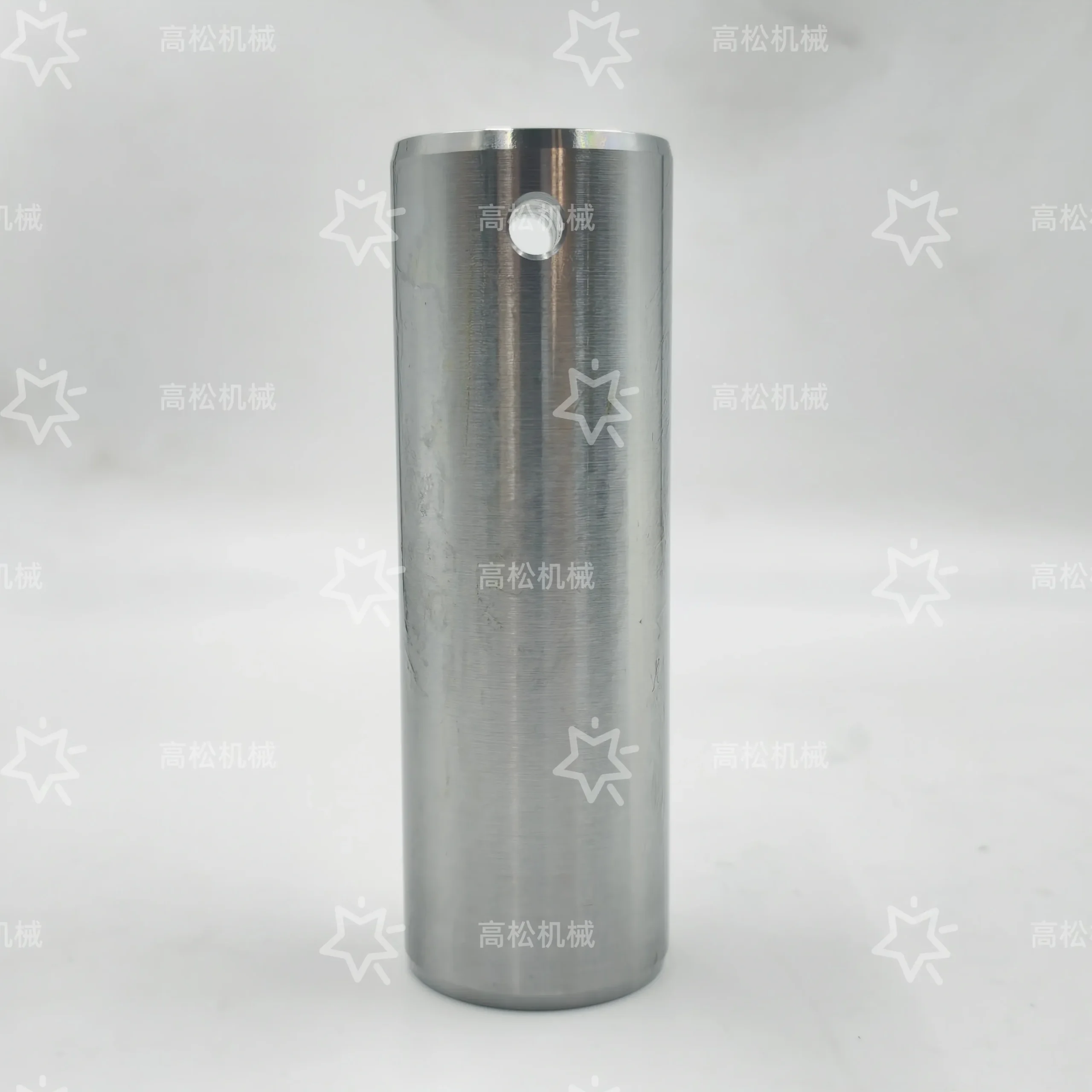 Komatsu Pin 421-22-32511 for Wheel loader WA470-6
 -
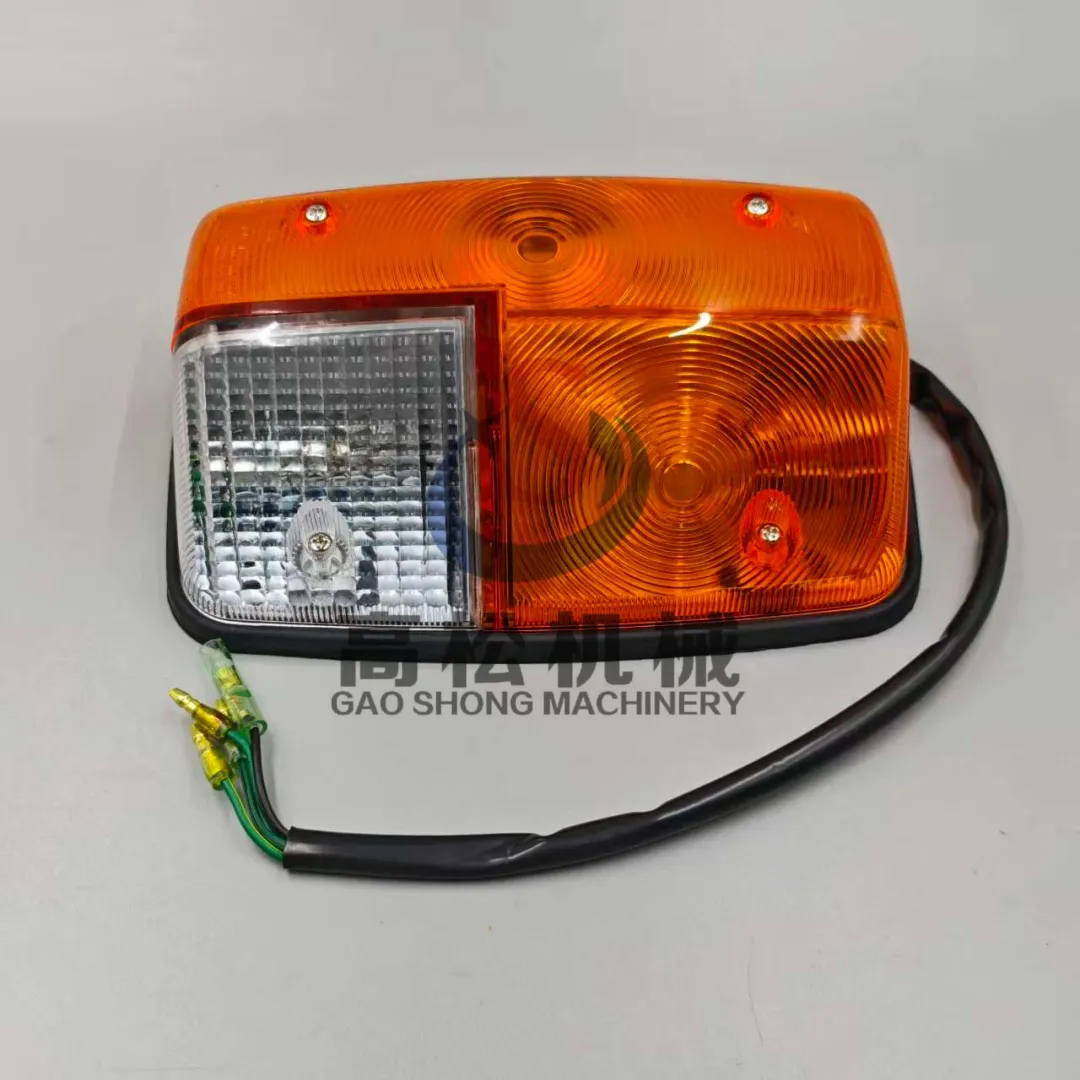 421-06-13401 LIGHT ASSEMBLY, TURN SIGNAL AND PARKING
 -
 2A8-70-13570 Excavator Arm Bucket Link Cover for PC500-10
 -
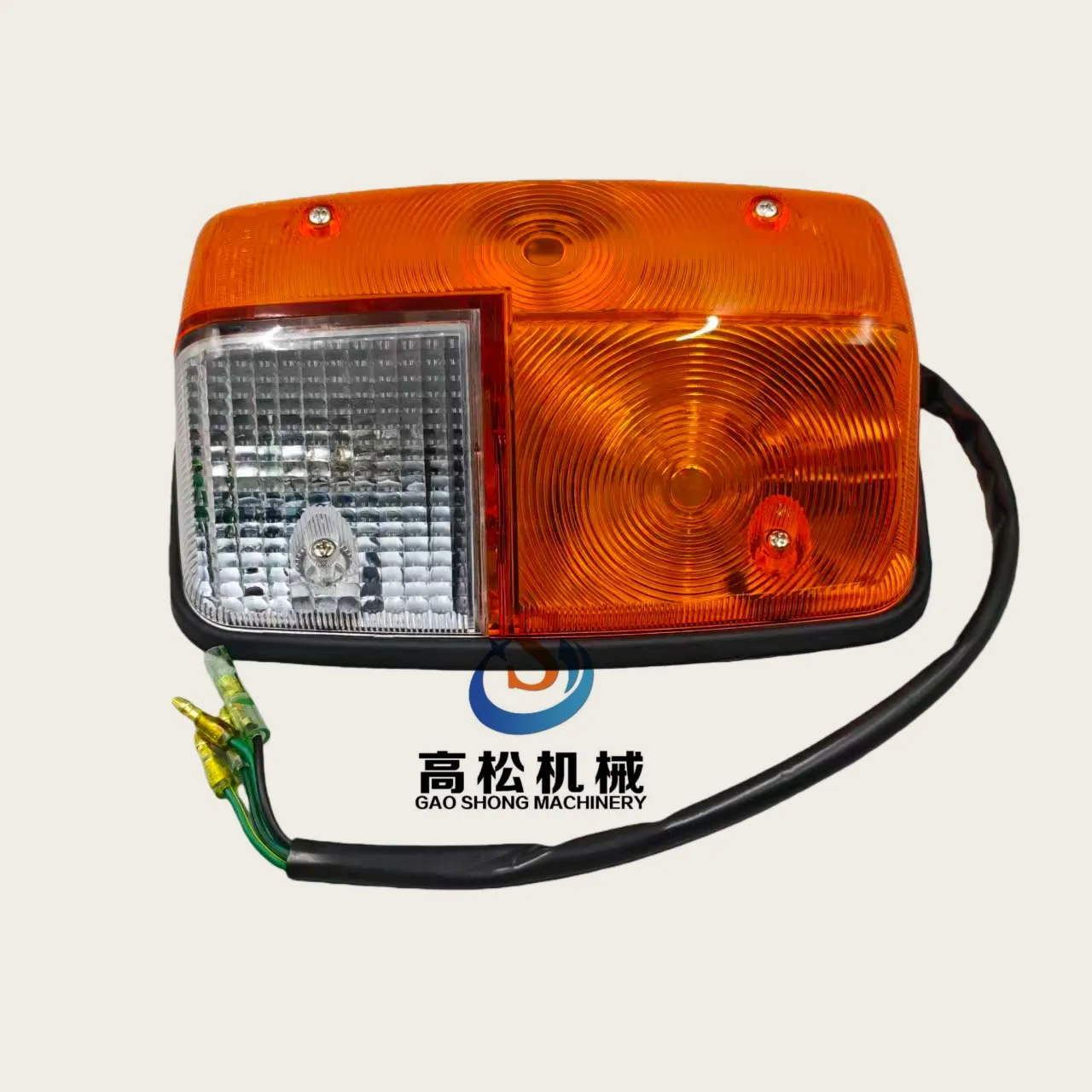 421-06-13401 Komatsu TURN SIGNAL AND PARKING
 -
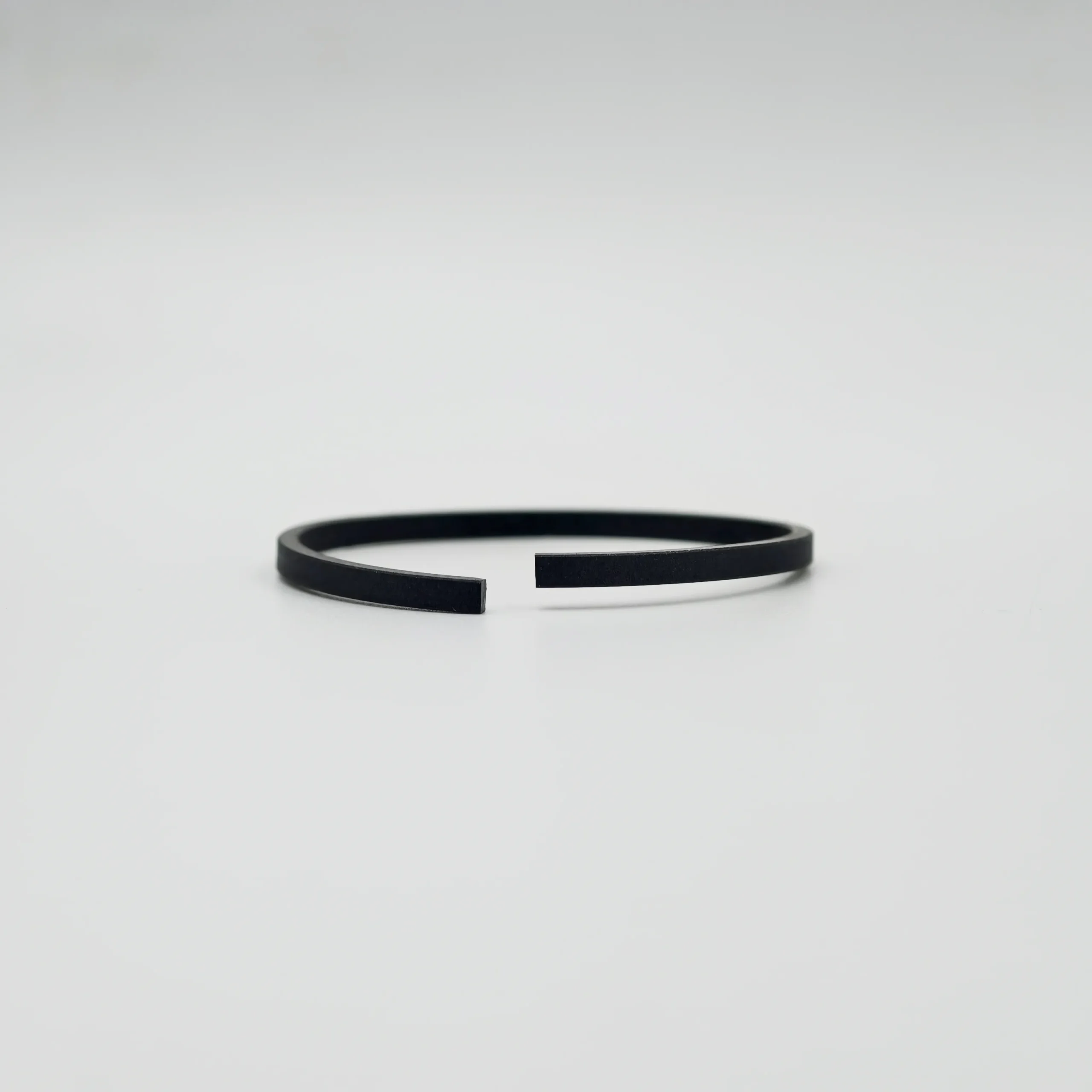 56D-15-19250 RING
 -
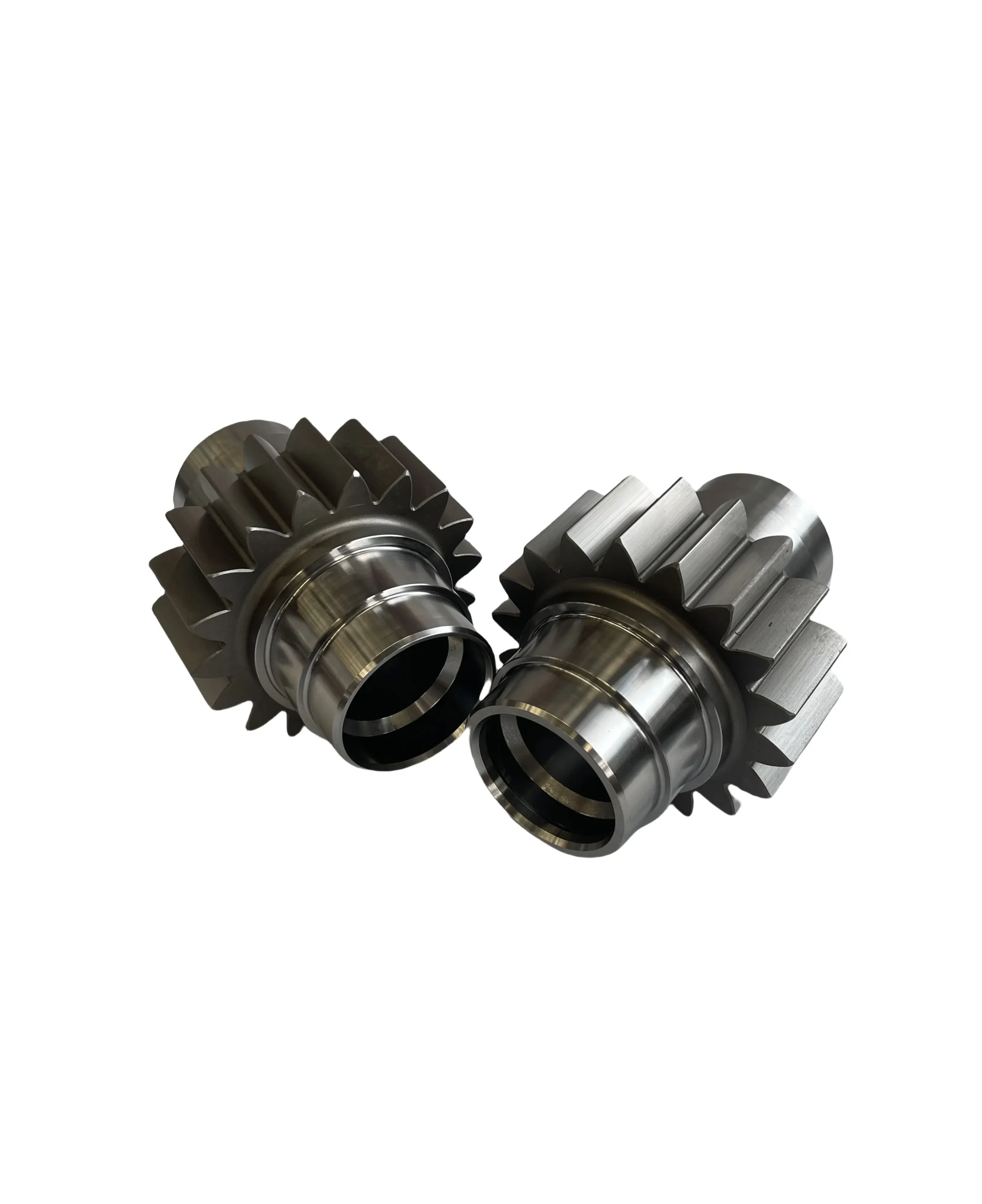 17M-27-41210 gear for Komatsu D275A-5
 -
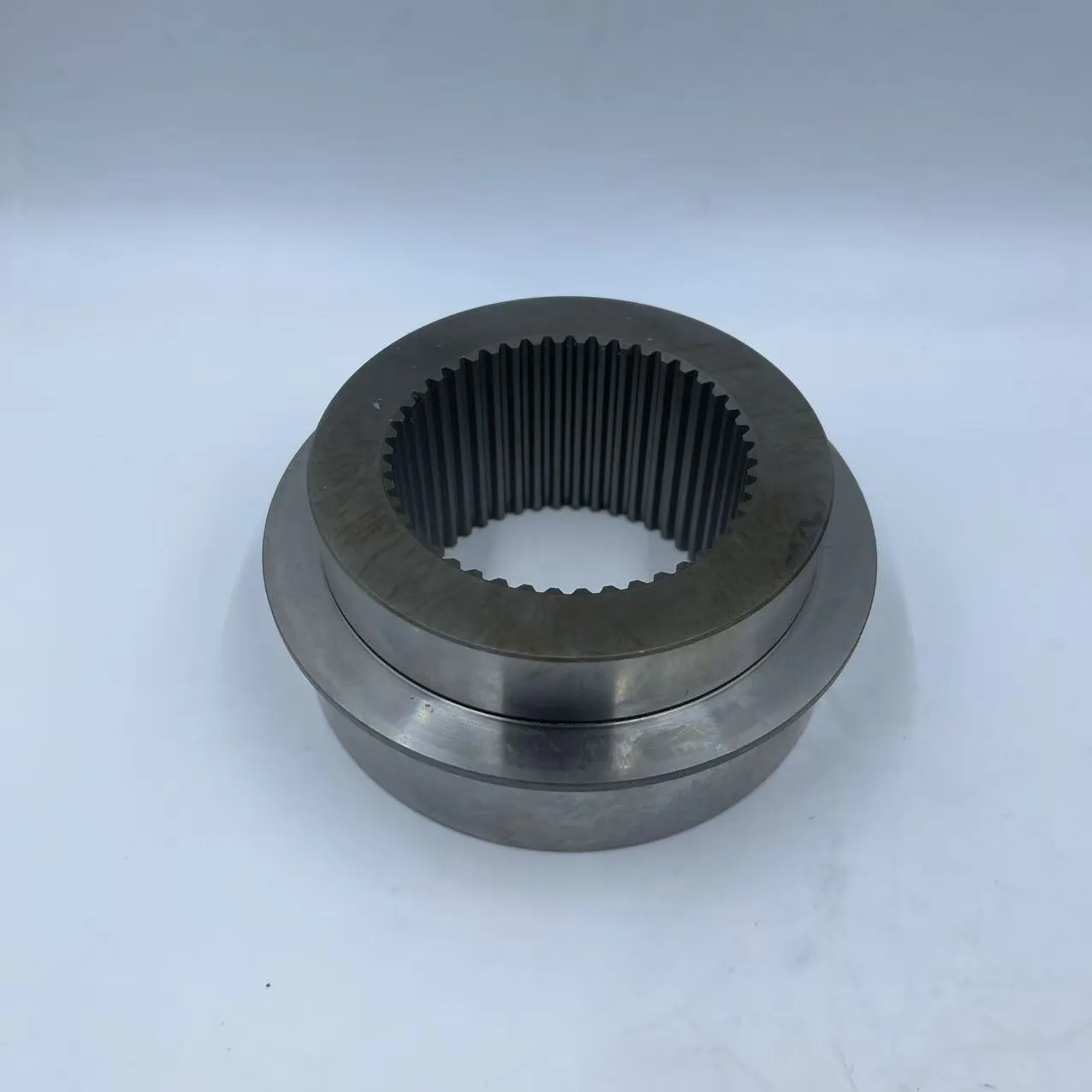 Standard D375A-5 Spacer 195-15-82570 for Komatsu Mining Equipment
 -
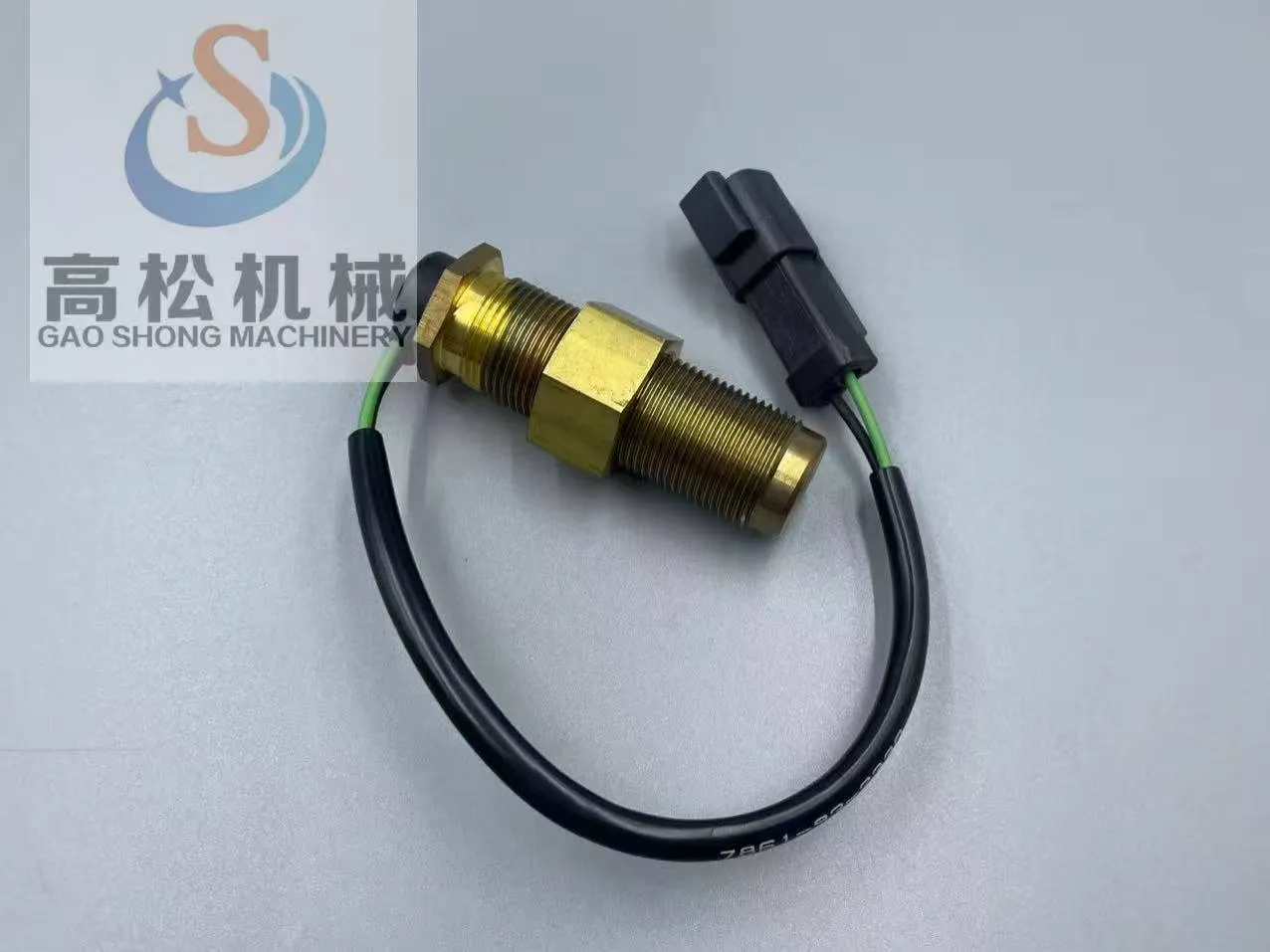 PC130-7 PC300-7 Engine Speed Sensor 7861-93-2330
 -
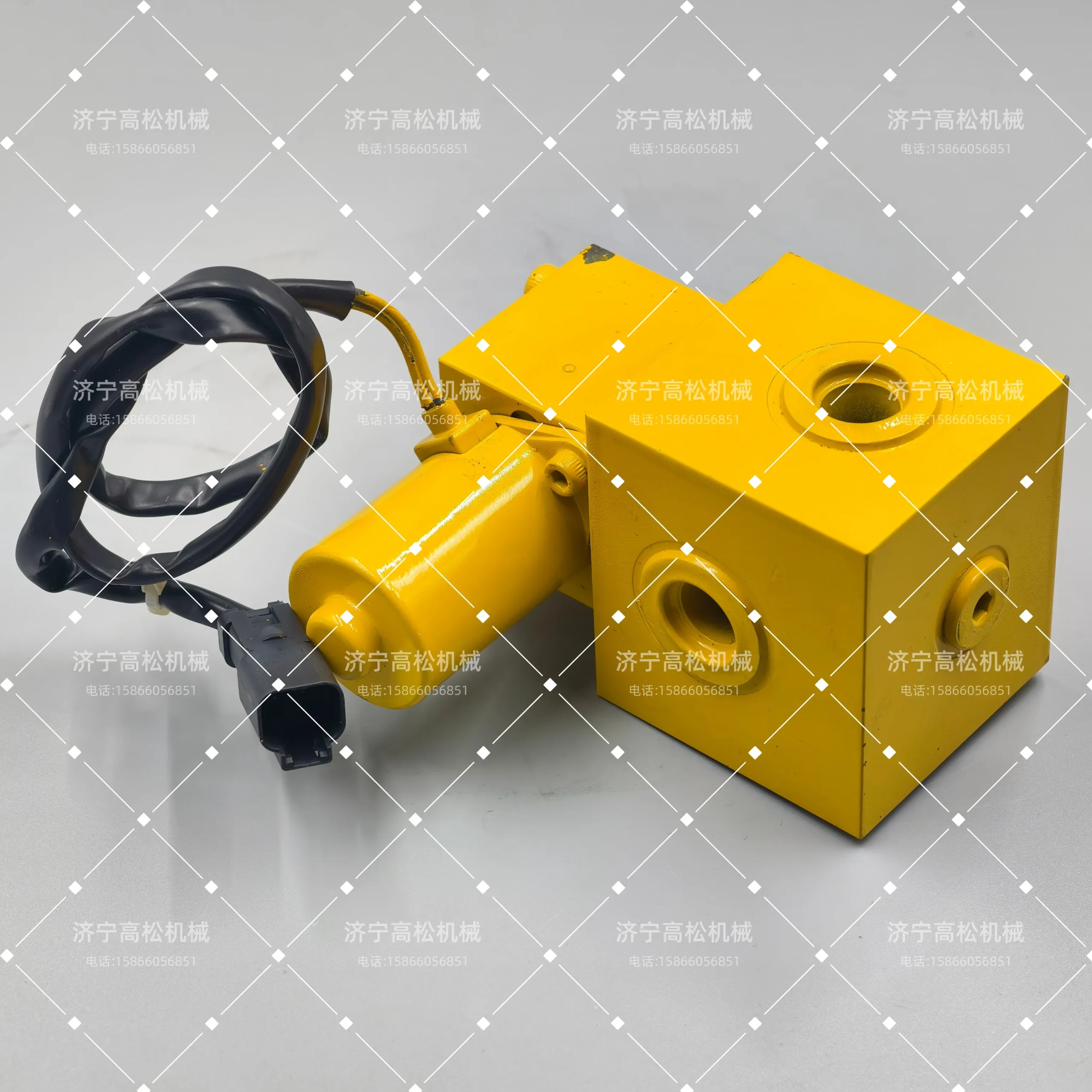 209-60-77220 Komatsu Valve Assembly