
- Chinese
- French
- German
- Portuguese
- Spanish
- Russian
- Japanese
- Korean
- Arabic
- Irish
- Greek
- Turkish
- Italian
- Danish
- Romanian
- Indonesian
- Czech
- Afrikaans
- Swedish
- Polish
- Basque
- Catalan
- Esperanto
- Hindi
- Lao
- Albanian
- Amharic
- Armenian
- Azerbaijani
- Belarusian
- Bengali
- Bosnian
- Bulgarian
- Cebuano
- Chichewa
- Corsican
- Croatian
- Dutch
- Estonian
- Filipino
- Finnish
- Frisian
- Galician
- Georgian
- Gujarati
- Haitian
- Hausa
- Hawaiian
- Hebrew
- Hmong
- Hungarian
- Icelandic
- Igbo
- Javanese
- Kannada
- Kazakh
- Khmer
- Kurdish
- Kyrgyz
- Latin
- Latvian
- Lithuanian
- Luxembou..
- Macedonian
- Malagasy
- Malay
- Malayalam
- Maltese
- Maori
- Marathi
- Mongolian
- Burmese
- Nepali
- Norwegian
- Pashto
- Persian
- Punjabi
- Serbian
- Sesotho
- Sinhala
- Slovak
- Slovenian
- Somali
- Samoan
- Scots Gaelic
- Shona
- Sindhi
- Sundanese
- Swahili
- Tajik
- Tamil
- Telugu
- Thai
- Ukrainian
- Urdu
- Uzbek
- Vietnamese
- Welsh
- Xhosa
- Yiddish
- Yoruba
- Zulu
- Kinyarwanda
- Tatar
- Oriya
- Turkmen
- Uyghur






OEM AND ORIGINAL KOMATSU PLANETARY GEAR 195-27-31313
When you see a part number like , especially for a Komatsu planetary, the immediate assumption is that it's a straightforward, off-the-shelf item. That's the first mistake. In the trenches, that number represents a world of nuance between a genuine Komatsu box and an OEM-spec part that can make or break a rebuild. I've seen too many guys, even seasoned mechanics, treat the OEM AND ORIGINAL label as interchangeable. They're not. One comes with the Komatsu logo and a price that'll make you wince; the other should meet the same blueprint but often lives or dies by the supplier's integrity and metallurgical process. The 31313 gear set, common in a range of mid-sized excavators, is a perfect case study for this gap between catalog listings and workshop reality.
The Core Distinction: Genuine vs. OEM-Spec in Practice
Let's get concrete. The OEM AND ORIGINAL KOMATSU PLANETARY GEAR from a Komatsu dealer is a known entity. You're paying for the traceability, the guaranteed heat treatment, and the peace of mind that the carburizing depth is exactly to spec. But here's the rub: supply chains break. For operations in regions where the official distributor network is thin or backlogged for months, that genuine part becomes a phantom. This is where the OEM product supplier model, like the one operated by Jining Gaosong Construction Machinery Co., Ltd., becomes critical. They aren't just resellers; they're integrated within the system to manufacture to the original engineering drawings.
The practical difference often isn't in the initial fit. I've installed OEM-spec 31313 sets that dropped in perfectly. The divergence reveals itself under load and over time. A batch we tested about two years ago showed premature spalling on the planet pinion teeth after ~1200 hours. The failure analysis pointed to a suboptimal case hardening process—the core hardness was right, but the gradient was off. It wasn't a bad part, just one that wouldn't match the 10,000-hour lifecycle expectation of the genuine article. This is the judgement call you make: extended downtime waiting for the original, or a calculated risk with a high-tier OEM supplier for a faster turnaround.
This is why the company's dual role, as described on https://www.takematsumachinery.com, makes sense on the ground. Being an OEM product supplier within the Komatsu system suggests access to the foundational specs, while acting as a third-party sales company allows them to navigate around official channel bottlenecks. They're essentially solving for the availability variable in the reliability equation.
Field Lessons and the 31313's Specific Pain Points
The isn't a particularly problematic design, but it has its quirks. It's often the carrier assembly that goes first, not the gears themselves. Misdiagnosis is common—teams see metal in the oil and assume the planetary gears are shot, when the root cause was a worn carrier bearing that allowed just enough deflection to accelerate wear on the new gear set you just installed. I learned this the hard way on a PC300-6. Replaced the full planetary with an OEM-spec kit, only to have it start whining within 200 hours. Tore it back down and found the new sun gear already showing abnormal wear patterns. The old carrier, which we'd reused, was out of spec by a few thou.
Another detail that's easy to miss: the thrust washers and selective shims in these kits. A genuine Komatsu kit will include the exact shim pack for a standard rebuild. Many OEM kits provide a range of shims, putting the onus on the fitter to measure and select. It's a more skilled job. If you just slap it together with the pre-packed shims, you might end up with incorrect bearing preload, leading to early failure. This isn't a mark against the OEM part; it's actually more correct procedure. But in a busy shop, it's a step that gets rushed.
We started sourcing certain wear-critical components like the planetary gear from a select few suppliers who understood these nuances. The ones who could provide not just the gear, but sometimes the matched carrier or at least detailed installation torque and clearance specs that went beyond the manual. The website for Takematsu Machinery explicitly mentions helping to solve parts supply challenges in certain countries, which directly translates to understanding these field-level integration issues, not just moving boxes.
Cost-Benefit Analysis and the Total Job Picture
p>It's never just the part cost. You have to factor in machine downtime, labor for R&R, and the risk of a comeback. If a genuine 31313 set costs $X with a 4-week lead time, and an OEM-spec set from a reliable source costs 0.6X with a 3-day lead time, the math changes dramatically. For a machine earning $500 a day, waiting a month is a $15,000 loss before you even touch the part. An OEM-spec part that lasts 80% as long starts to look like brilliant economics.But this only holds if the OEM supplier is vetted. We've had success with components that don't see extreme shock loads, and the planetary final drive, while tough, is a relatively controlled environment compared to, say, a swing gear. The key is batch consistency. A good supplier will have their metallurgy certificates and can tell you the origin of the forging. A vague answer there is a red flag. The outfit at https://www.takematsumachinery.com positions itself within the Komatsu ecosystem, which implies a level of accountability and technical dialogue that you don't get from a pure trading company.
I recall a rebuild for a client in a remote mining site. The official channel quoted 8 weeks. We went with a recommended OEM-spec route, the machine was back online in 10 days. We documented the install meticulously, including oil sample intervals. At the 5000-hour mark, the oil analysis still showed normal wear metals. That was a win. It validated the approach of using a technically-engaged OEM supplier as a functional alternative, not just a cheap substitute.
Technical Deep Dive: What Actually Wears Out?
Focusing back on the 31313, let's talk tooth profile. The original Komatsu gear has a very specific lead crowning and tip relief to manage load distribution. Lower-tier copies sometimes get the basic involute right but miss these subtle modifications. Under a microscope, you might see a sharper tooth edge or a slightly different root fillet. This alters the stress concentration points. In a high-torque, start-stop application like an excavator traveling up a grade, these micro-stress points can initiate cracks.
The material, SCM822H or equivalent, is no secret. The magic is in the process: carburizing, quenching, and tempering. The core needs to remain tough to handle shock, while the case needs to be hard for wear resistance. An uneven carbon profile during carburizing is a common pitfall in lower-cost production. We used to do simple file tests—a file should skid off the case-hardened surface. It's a crude check, but it immediately weeds out the parts that didn't get the right treatment.
For a supplier like Jining Gaosong, their value isn't just in having the forging. It's in controlling or rigorously auditing that entire thermal treatment process. When they say OEM product supplier within the Komatsu system, it raises the expectation that their process audit trail is aligned with the original factory's quality gates, even if the part is produced off the main line.
Sourcing Strategy and Building a Reliable Pipeline
So, what's the takeaway for someone needing a tomorrow? Don't have a single source. Your primary source should be the official channel, for reference pricing and lead time. Your secondary source should be a small roster of vetted OEM suppliers. Vetting means ordering a sample, installing it in a lower-priority machine, and tracking its life. It means having technical conversations. Ask them: What's your QC check for case depth on the planet pinions? A legitimate supplier will have an answer.
The role of companies operating as third-party sales channels within the Komatsu sphere is to bridge the trust gap. They aren't the anonymous eBay seller. They are, or should be, entities that provide technical data and assume some liability. Their website intro isn't just marketing fluff; it's a claim to a specific niche: solving availability while maintaining a link to OEM standards. In regions with supply challenges, that link is the critical path to keeping equipment running.
Ultimately, the OEM AND ORIGINAL KOMATSU PLANETARY GEAR debate boils down to informed risk management. The original is the benchmark. The OEM is a spectrum. Your job is to find the spot on that spectrum where the quality curve hasn't dropped off a cliff, but the availability and cost curves are still favorable. It's not a binary choice, and the right answer depends entirely on the machine's role, your downtime cost, and most importantly, the proven track record of the human beings on the other end of the supply chain.
Related Products
Related Products

Best Selling Products
Best Selling Products-
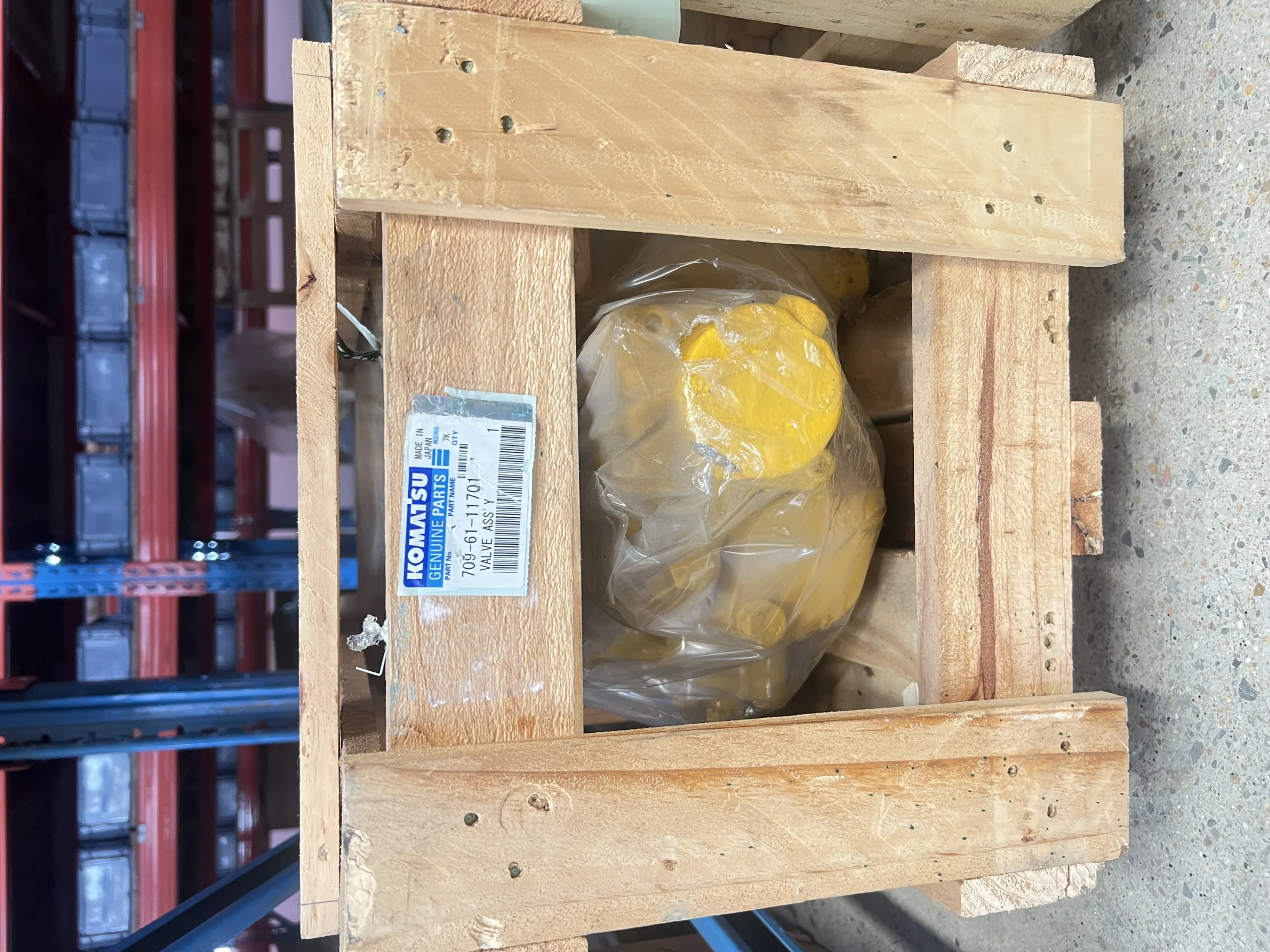 D375A-3D Valve Assembly 709-61-11701
 -
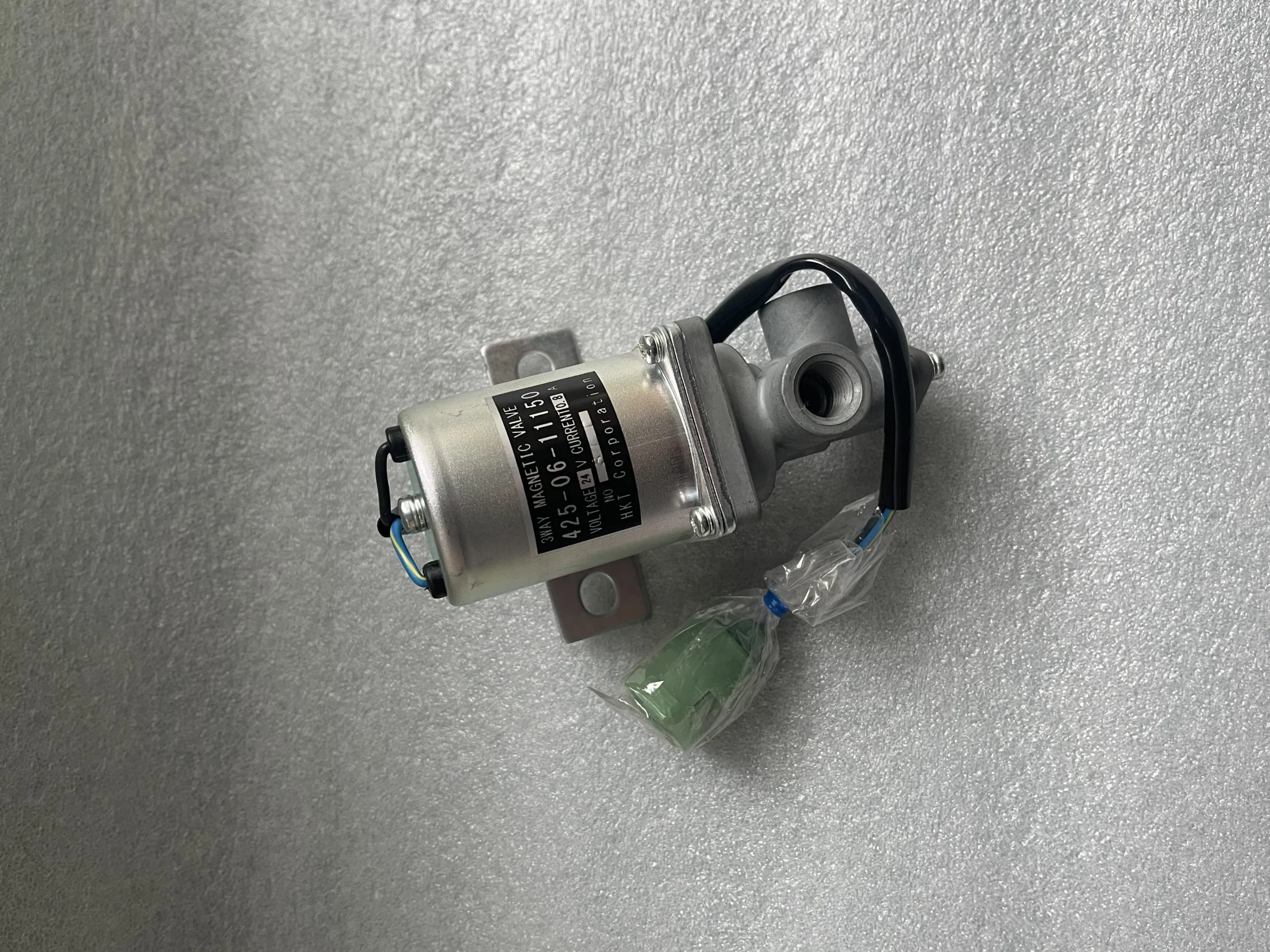 Valve,Parking brake425-06-11150
 -
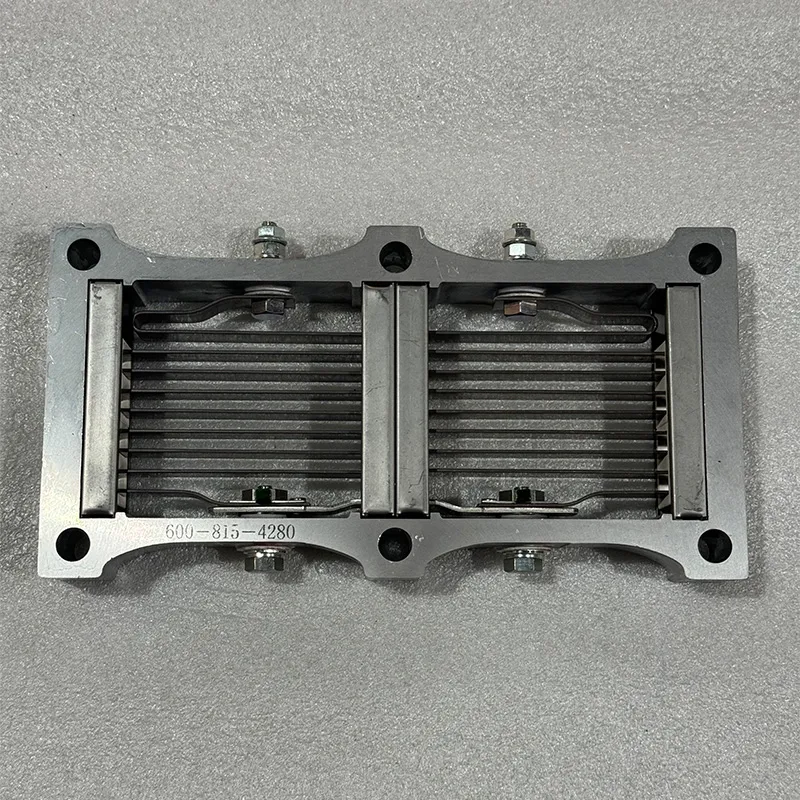 600-815-4280 Original komatsu Heater Ribbon for komatsu SAA6D engines
 -
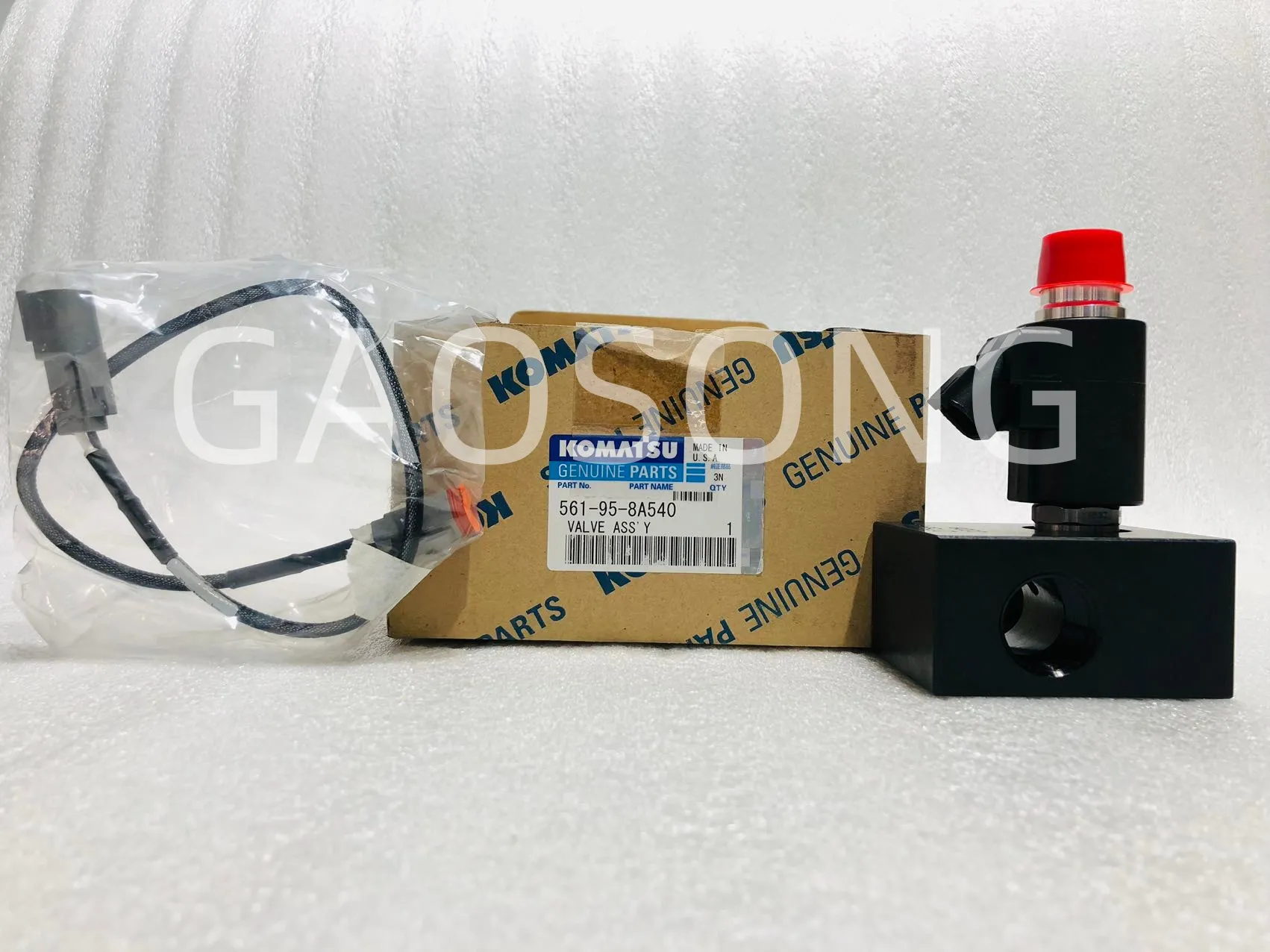 561-95-8A530 • PUMP ASSEMBLY-Komatsu Original Factory
 -
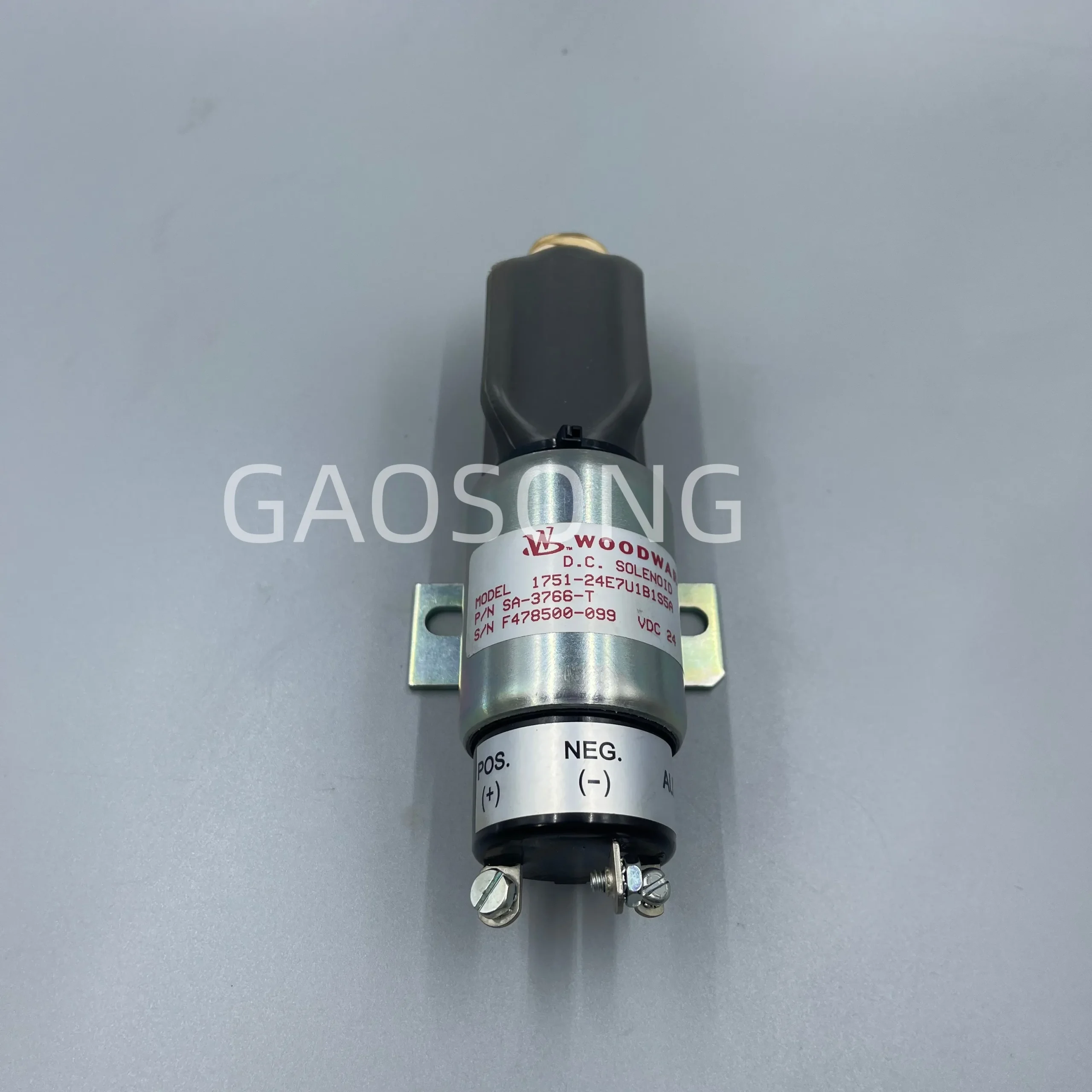 600-815-7550 SOLENOID ASS’Y–Komatsu Original Factory
 -
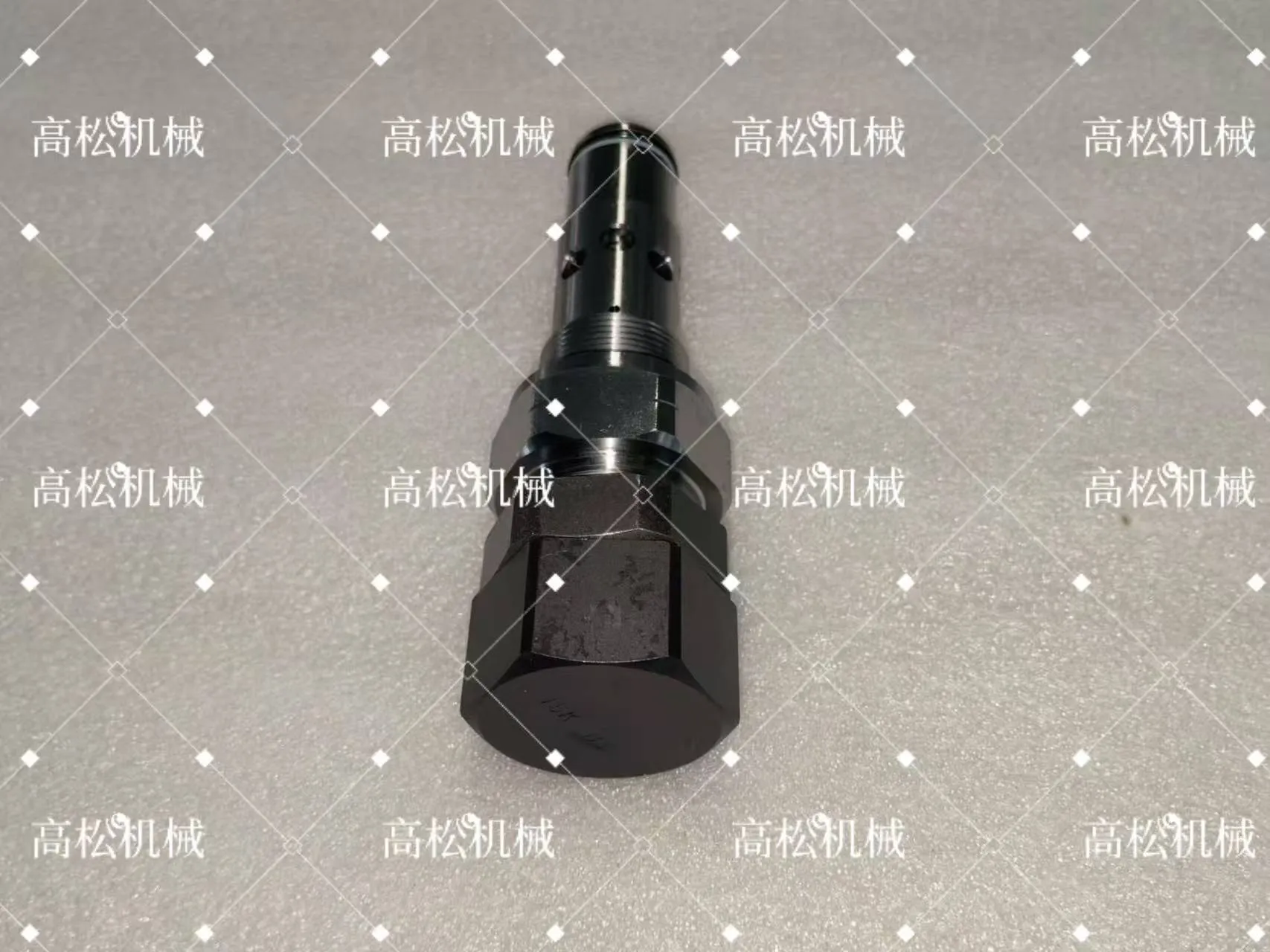 Komatsu original valve assembly, part no.702-75-01900, fits model PC750SE-7
 -
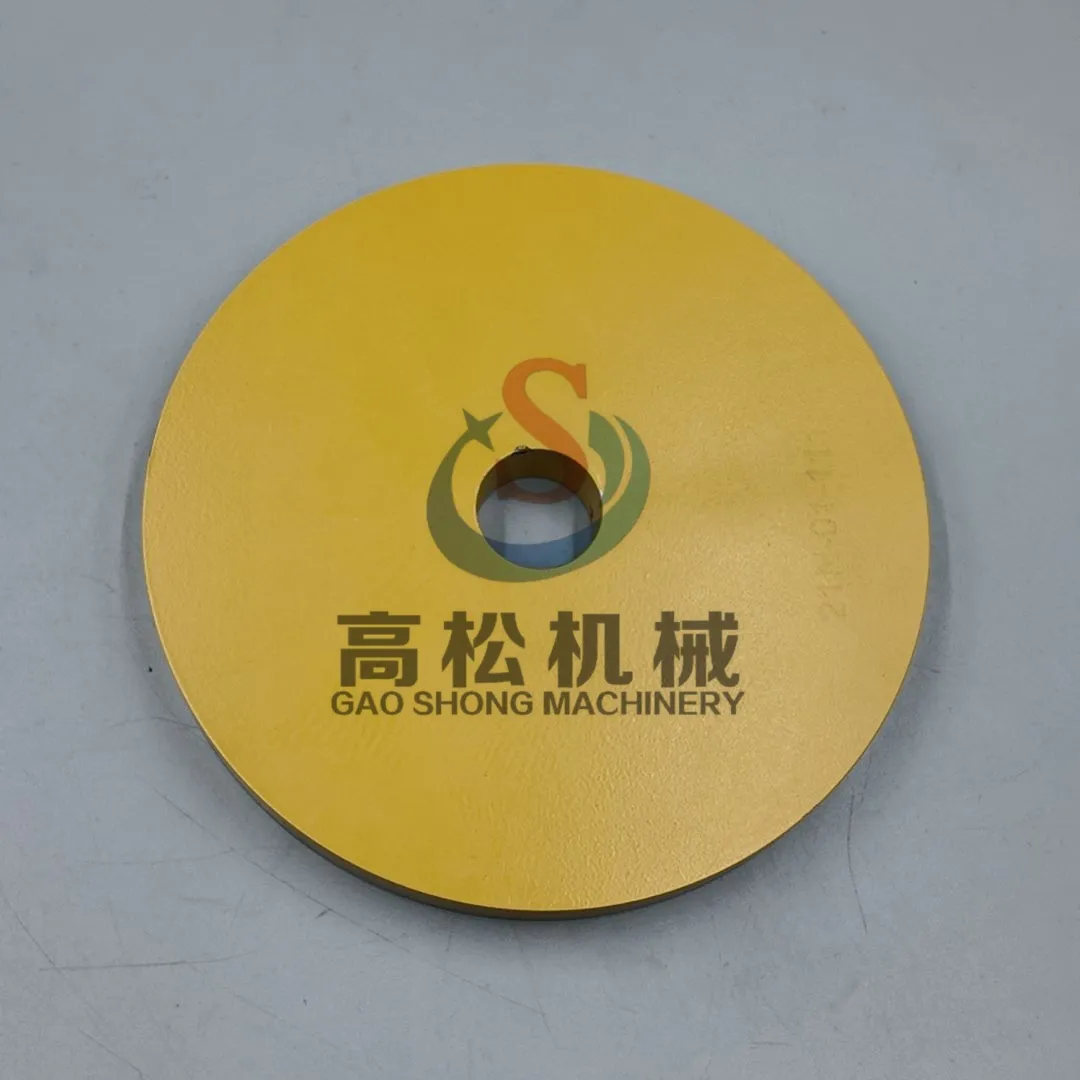 21T-01-11150 21N-01-11120 Cushion KOMATSU Excavator Spare Parts For PC800LC-8E0 PC850-8E0
 -
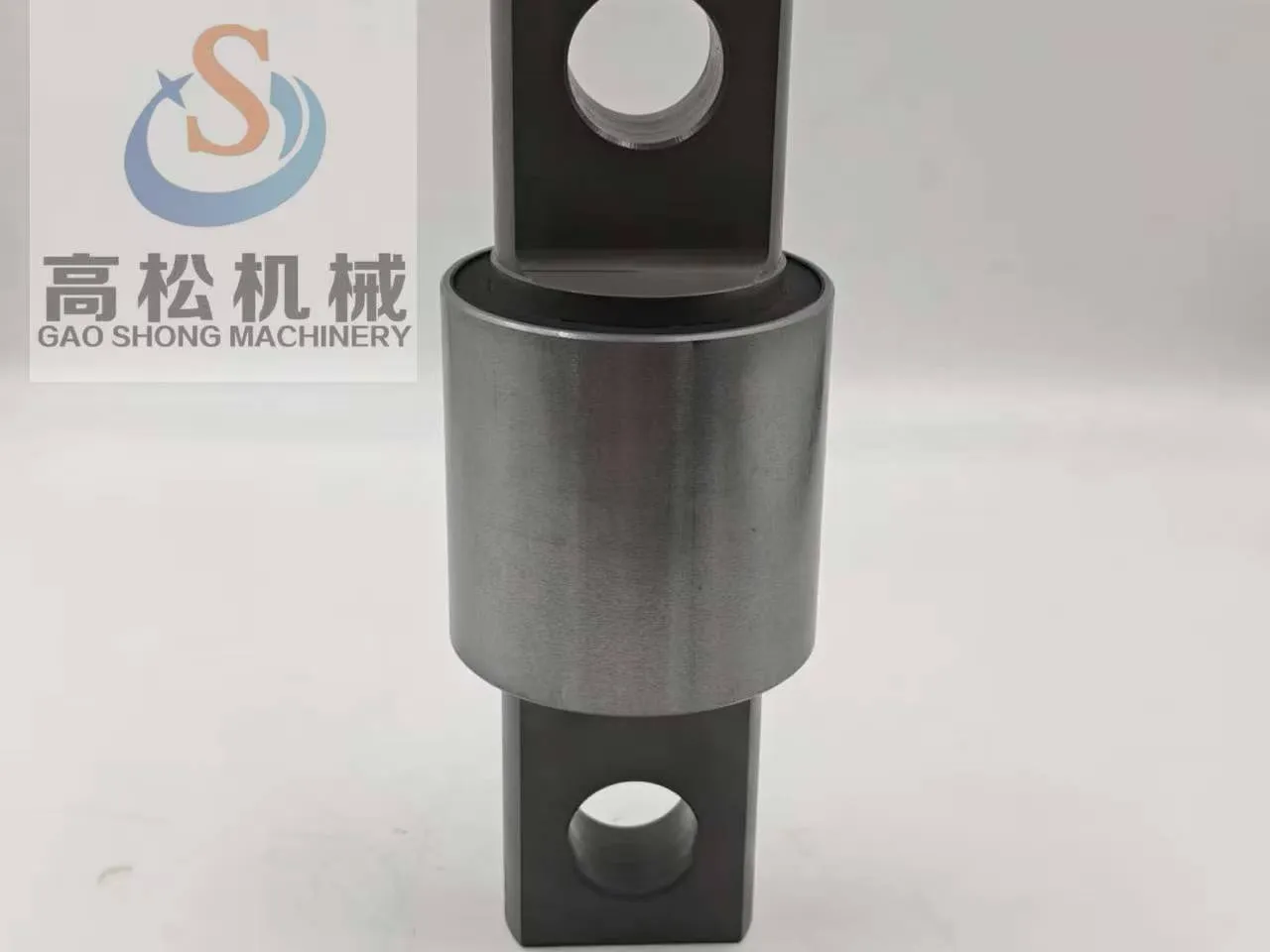 56B-16-11211 Komatsu buffer pad parts HM250, HM300, HM300TN, HM350, HM400
 -
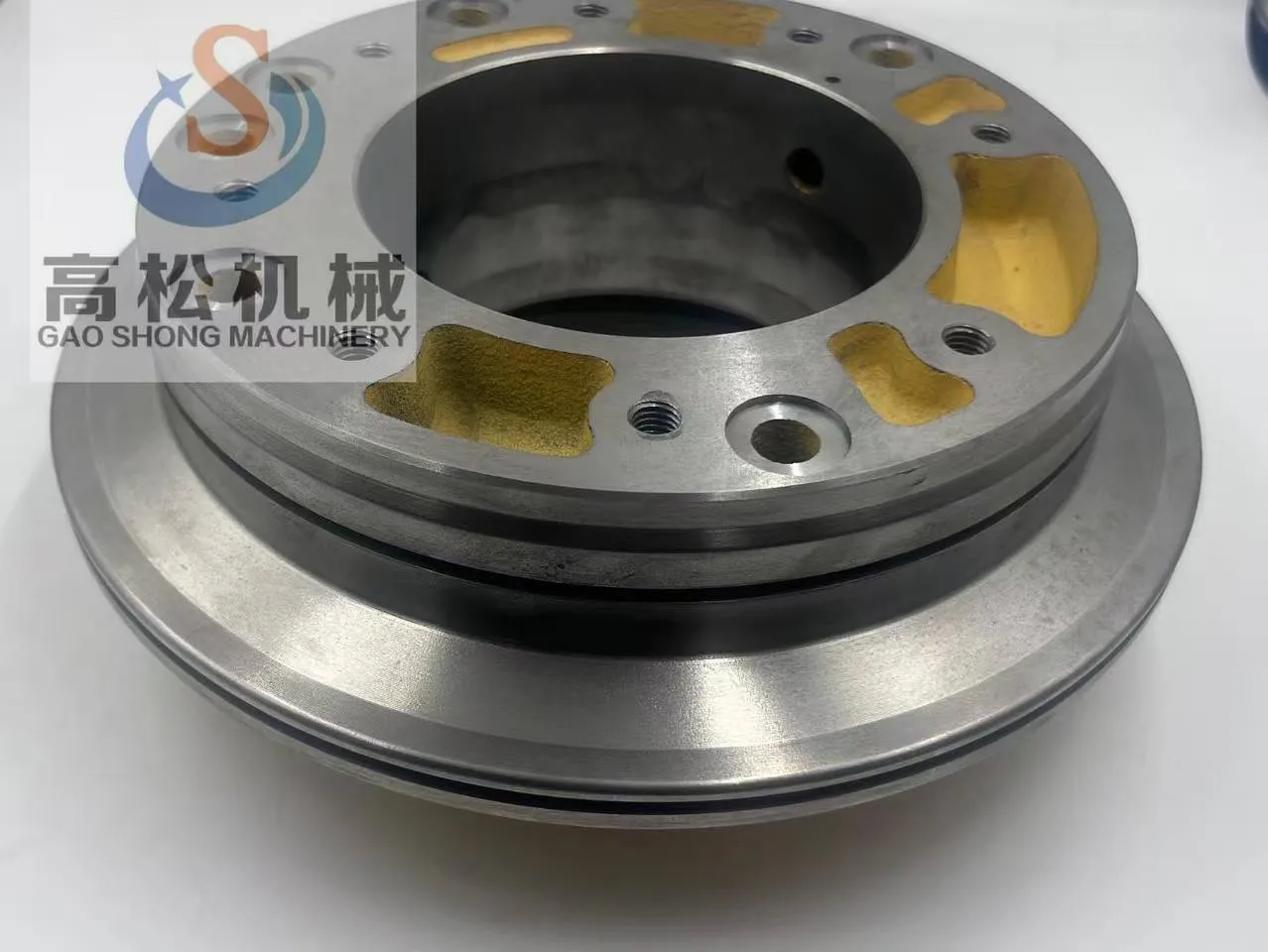 17A-22-11132 Komatsu Original Cylinder Compatible with Bulldozer 155
 -
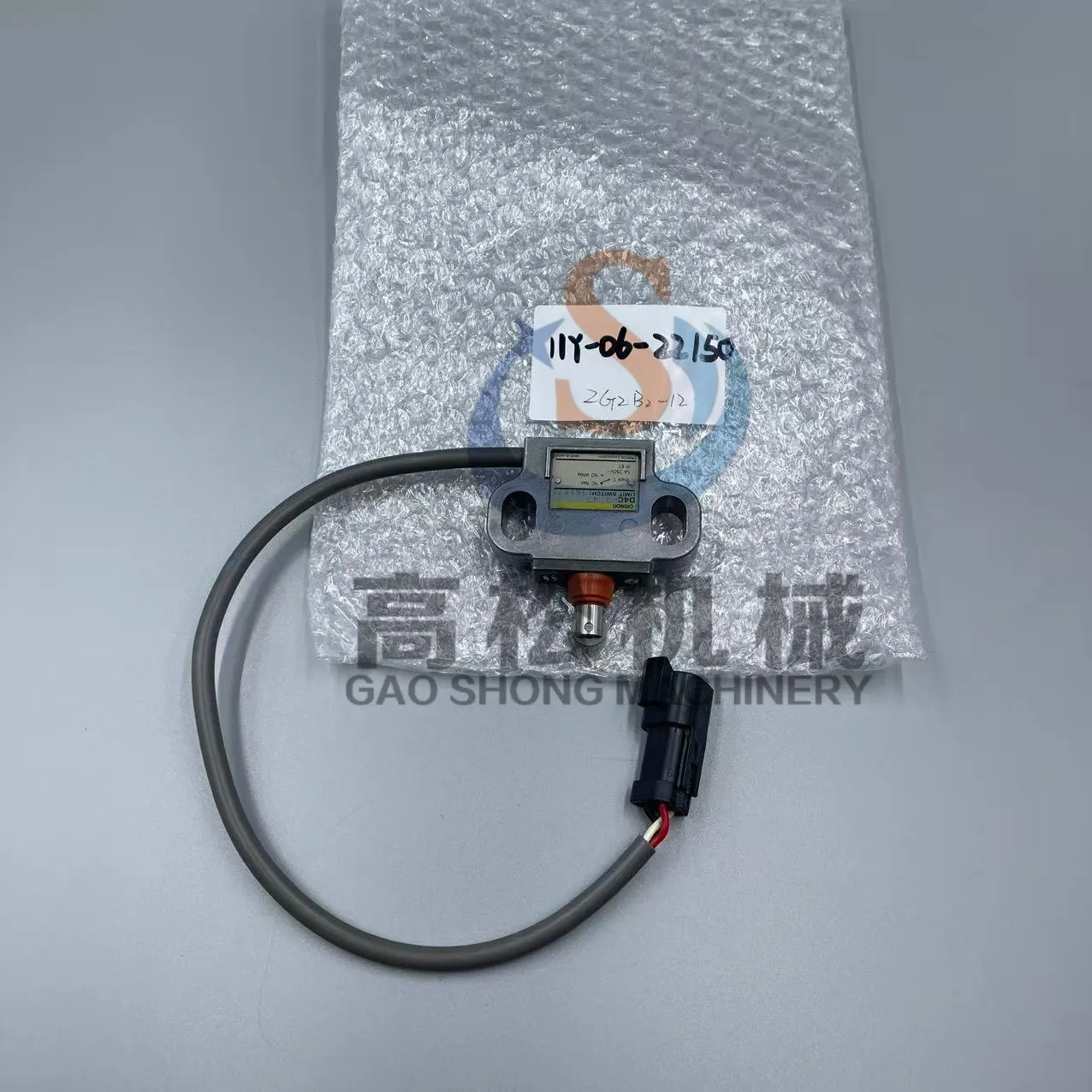 SWITCH 11Y-06-22150 – KOMATSU
 -
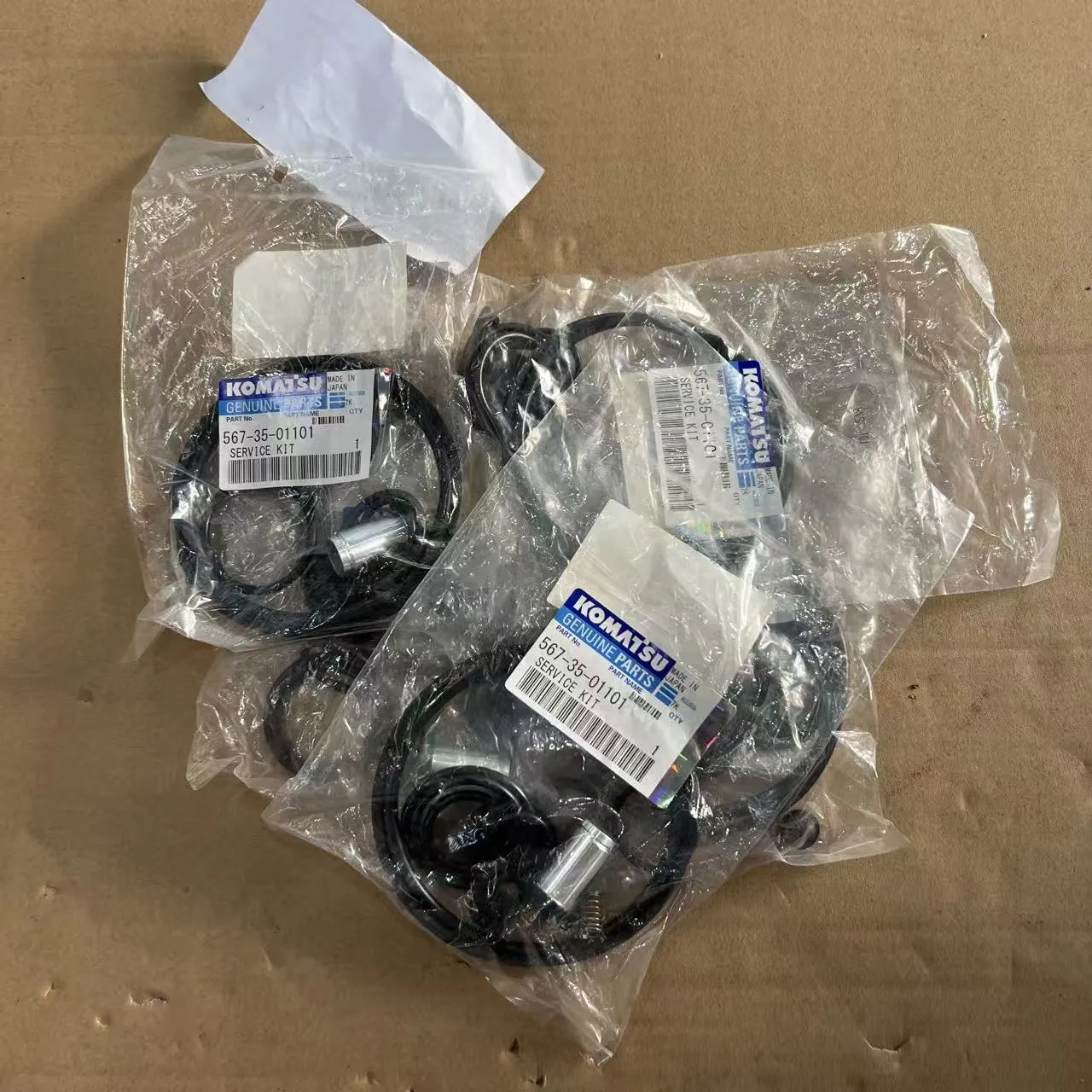 Komatsu 567-35-01101 Service Kit
 -
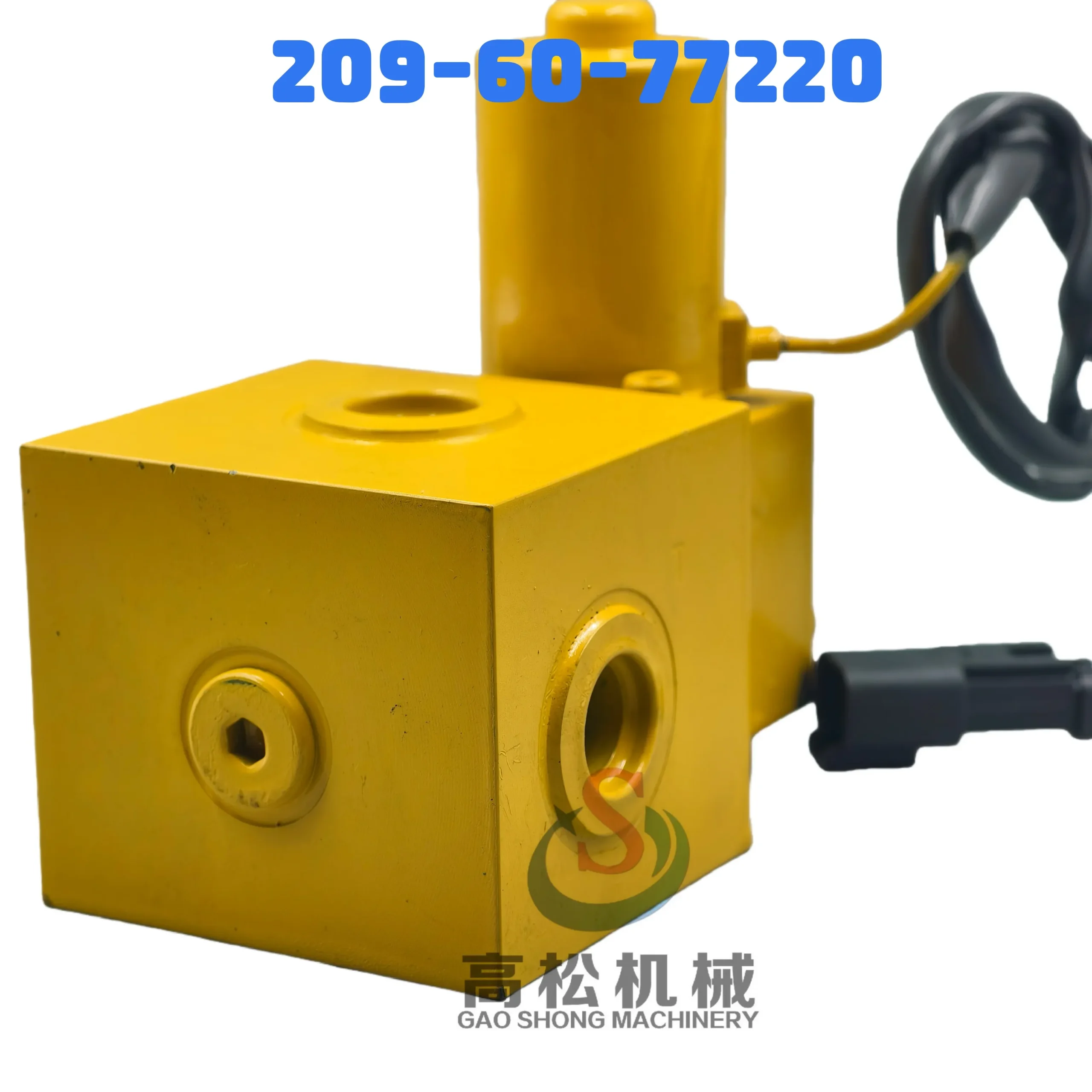 Valve 209-60-77220 for Komatsu