
- Chinese
- French
- German
- Portuguese
- Spanish
- Russian
- Japanese
- Korean
- Arabic
- Irish
- Greek
- Turkish
- Italian
- Danish
- Romanian
- Indonesian
- Czech
- Afrikaans
- Swedish
- Polish
- Basque
- Catalan
- Esperanto
- Hindi
- Lao
- Albanian
- Amharic
- Armenian
- Azerbaijani
- Belarusian
- Bengali
- Bosnian
- Bulgarian
- Cebuano
- Chichewa
- Corsican
- Croatian
- Dutch
- Estonian
- Filipino
- Finnish
- Frisian
- Galician
- Georgian
- Gujarati
- Haitian
- Hausa
- Hawaiian
- Hebrew
- Hmong
- Hungarian
- Icelandic
- Igbo
- Javanese
- Kannada
- Kazakh
- Khmer
- Kurdish
- Kyrgyz
- Latin
- Latvian
- Lithuanian
- Luxembou..
- Macedonian
- Malagasy
- Malay
- Malayalam
- Maltese
- Maori
- Marathi
- Mongolian
- Burmese
- Nepali
- Norwegian
- Pashto
- Persian
- Punjabi
- Serbian
- Sesotho
- Sinhala
- Slovak
- Slovenian
- Somali
- Samoan
- Scots Gaelic
- Shona
- Sindhi
- Sundanese
- Swahili
- Tajik
- Tamil
- Telugu
- Thai
- Ukrainian
- Urdu
- Uzbek
- Vietnamese
- Welsh
- Xhosa
- Yiddish
- Yoruba
- Zulu
- Kinyarwanda
- Tatar
- Oriya
- Turkmen
- Uyghur





OEM AND ORIGINAL KOMATSU PIN 561-40-81510
When you see a listing for 'OEM AND ORRIGINAL KOMATSU PIN ', your first instinct might be to question the 'AND'. Is it both, or is it trying to be clever? In our line of work, that part number is specific – it's a swing circle pin for certain Komatsu excavators, like the PC300 or PC400 models. The phrasing often signals a supplier operating in that complex space between genuine Komatsu lines and the aftermarket, a space where companies like Jining Gaosong Construction Machinery Co., Ltd. have carved out a role. They position themselves as an OEM product supplier within the Komatsu system, which is a nuanced claim. It doesn't necessarily mean the part in your hand came off Komatsu's own assembly line in Japan. It could mean it was produced for Komatsu's authorized manufacturing network, perhaps for regional assembly or as a service part. That's the first layer of confusion we deal with daily.
The Reality of OEM Within the System
Let's break down what Jining Gaosong means by their description. From my dealings and cross-referencing their portal at https://www.takematsumachinery.com, their model is classic for certain markets. They likely source from factories that have contractual production agreements with Komatsu for specific components or complete machines. These factories, outside of Komatsu's direct control but within its supply web, produce parts that meet Komatsu's engineering drawings and specifications. So, for a pin like the , the material grade, heat treatment, hardness, and tolerances should match. The original here refers to that specification conformity, not necessarily the Komatsu logo on the box.
I've ordered similar pins from such channels. The physical appearance is usually spot-on. The machining marks, the finish on the chamfer, the weight – it all feels correct. But the packaging is often neutral or bears the supplier's own label. This is where they act as a third-party sales company for Komatsu, facilitating the flow of these system-OEM parts into regions where Komatsu's official distribution is thin, slow, or prohibitively expensive. Their stated goal of helping to solve parts supply challenges in certain countries is real. I've seen projects in remote areas stalled for weeks waiting for an official air-freighted pin, while a local supplier had a system-OEM equivalent in a warehouse.
The risk, however, isn't in the initial quality. It's in the traceability and the consistency of the supply chain over time. You might get a batch that's perfect, and the next one, from a different sub-contractor within the same broad system, might have a slight variance in the case depth. It's rarely catastrophic for a pin, but it introduces a variable. You start to develop a feel for which suppliers have tighter quality gates, even within this OEM bracket.
The in the Field: A Case Point
We had a PC360-8 with a slightly loose swing circle. Diagnosis pointed to wear on the pin and its bushing. The official dealer quote had a lead time that didn't match our downtime window. We sourced a OEM AND ORIGINAL KOMATSU PIN from a supplier with a profile much like Gaosong's. The part arrived, and the initial fit was good – not a hammer-in fit, but a firm press fit as specified.
During installation, we noticed the lubrication groove was machined exactly to the drawing. That's a good sign; aftermarket copies often get the groove depth or radius wrong, affecting oil flow. However, the surface finish on the bearing area, while smooth, had a different texture under a magnifying glass compared to a logged genuine part we had as a reference. It was more of a ground finish versus a super-finished honed look. Functionally, after several hundred hours, it's performing without issue. The machine swings true. But that textural difference nags at me. Was it a different but acceptable machining process from a different factory in the OEM network? Or a cost-optimization step?
This is the practical judgment call. For a critical, high-shear component like a crankshaft, I'd be more hesitant. For a pin like this, which is critical but operates in a relatively lower-stress, wear-oriented environment, the system-OEM part from a reputable conduit is often a rational compromise between cost, availability, and risk. The key is knowing the supplier's reputation. A website like takematsumachinery.com becomes a point of investigation – not just for ordering, but to gauge their specialization and transparency.
When Original Isn't: The Failure Modes
Not all stories end well. I recall a batch of what was supposed to be system-OEM pins for a smaller Komatsu dozer model, procured for a fleet in a price-sensitive market. The failure was subtle. The pins themselves didn't break, but they wore prematurely, causing excessive clearance in the linkage within 800 hours. Upon removal and inspection, the hardness was a few points below the Rockwell C specification. The metallurgy was off.
This is the shadow side. The supplier claimed OEM pedigree, but the part was likely from a factory that had lapsed in its quality control or, worse, was producing overrun parts outside of its contract with Komatsu's system. The documentation was vague. It taught us that the phrase OEM AND ORIGINAL is not a guarantee; it's a starting point for due diligence. You must ask for material certificates, even if they are from the foundry that supplies the OEM network factory. If a supplier like Jining Gaosong can provide that chain of paperwork, it adds a layer of credibility to their claim.
In that failed case, the cost savings were wiped out by the rework labor and secondary wear on other components. The total cost of ownership was higher. It reinforced that the cheapest option in this gray zone carries a hidden tax of potential failure. You're not just buying a part; you're buying the supplier's integrity and their leverage within the manufacturing network.
The Supplier's Niche and Practical Sourcing
So, where does a company fitting Jining Gaosong Construction Machinery Co., Ltd.'s description fit? They're a bridge. For markets in Africa, parts of Southeast Asia, or South America, where official dealer networks are sparse, they provide an alternative that is theoretically closer to genuine than a pure reverse-engineered aftermarket part. Their value proposition is access to the same or similar production sources without the branding and logistics overhead of Komatsu's global parts system.
When I'm sourcing a part like the , my process involves tiering. First check official availability and lead time. If that's untenable, I look to these system-OEM suppliers. My questions are direct: Which factory produced this? Can you share the mill certificate for the steel? What is your inspection process for incoming batches? Their willingness and ability to answer these questions, even partially, separates the credible operators from the parts traders.
I might visit a site like their https://www.takematsumachinery.com not to order online blindly, but to get a sense of their range. Do they specialize in undercarriage? In cylinder components? Or are they a generalist? For a pin, a supplier focused on wear parts and linkages might have better quality control than one selling everything from engines to caps. The website is a digital brochure, a starting point for a conversation that must happen over email or, better, phone.
Wrapping It Up: A Matter of Informed Risk
There's no universal answer on the OEM AND ORIGINAL KOMATSU PIN . It exists in a spectrum. At one end is the indisputable genuine part from Komatsu, with full traceability and a premium price. At the other are cheap imitations. In the middle is this vast, varied landscape of system-OEM and specification-compliant parts.
Companies operating as third-party sales company for Komatsu fill a genuine need. Their parts can be perfectly serviceable and a smart economic choice. The AND in their listing is a marketing hedge, but it also reflects a commercial reality. They are selling a part that is OEM in provenance and original in design specification, if not in branded origin.
The final judgment rests on the equipment owner's risk tolerance, the criticality of the component, and most importantly, the developed trust in a specific supplier's channel. It's about managing downtime and cost, with a clear-eyed view that not all that is labeled OEM is equal, but that the label itself isn't meaningless either. You learn to read between the lines of the listing, and more importantly, you learn who to call to get the story behind the part number.
Related Products
Related Products
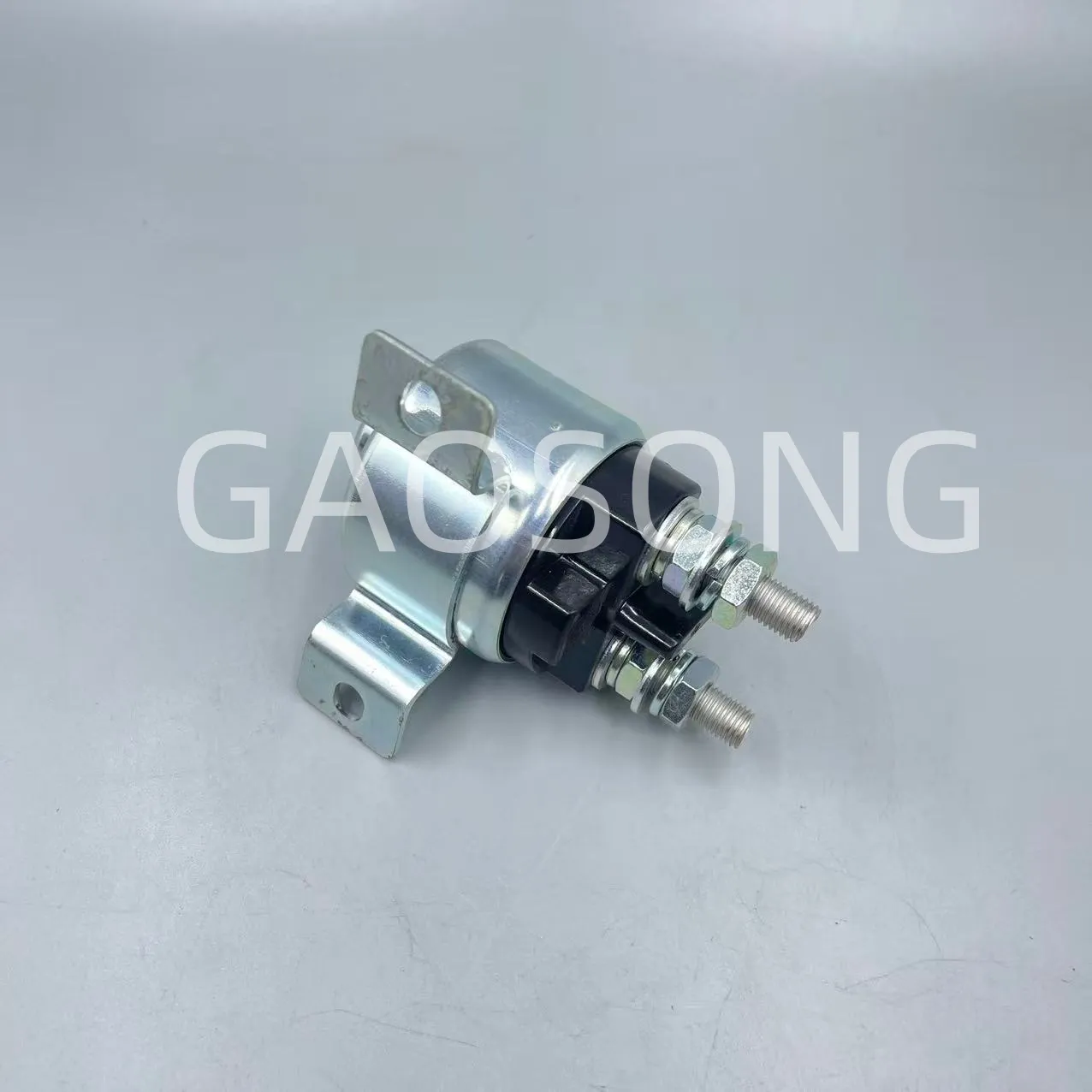
Best Selling Products
Best Selling Products-
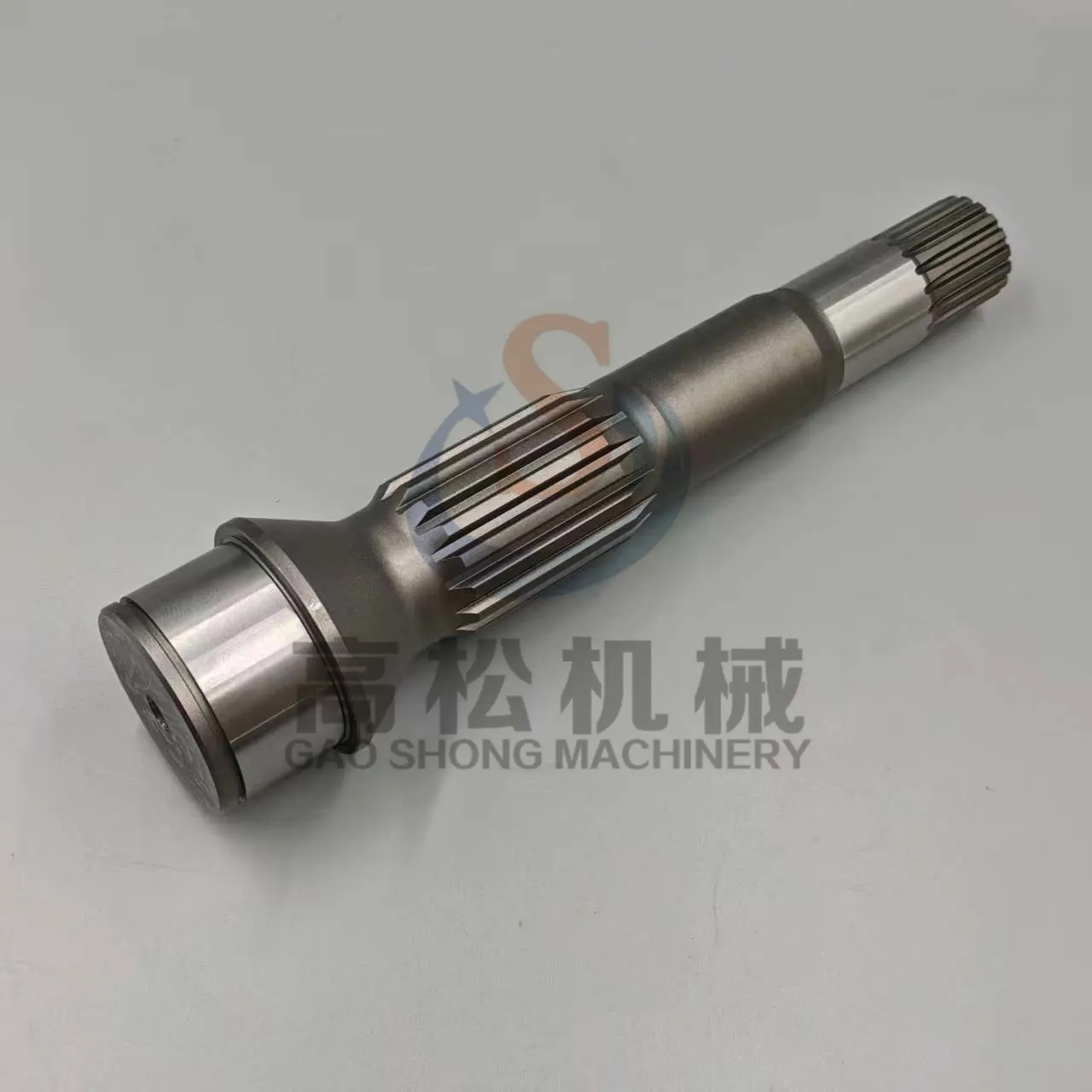 SHAFT 708-2G-12121 – KOMATSU
 -
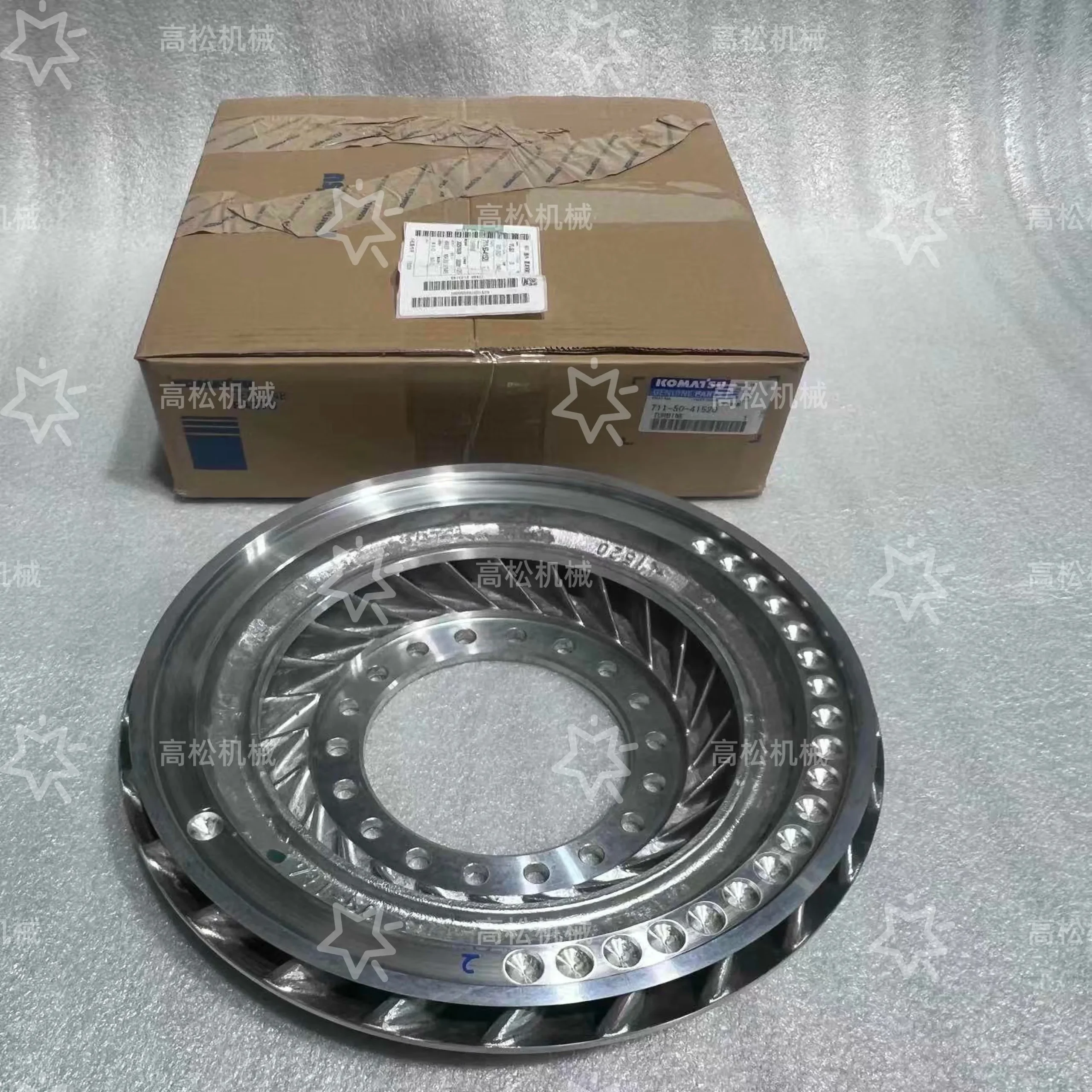
 Komatsu 711-50-41520 Impeller for WA380-3 Wheel loader
 -
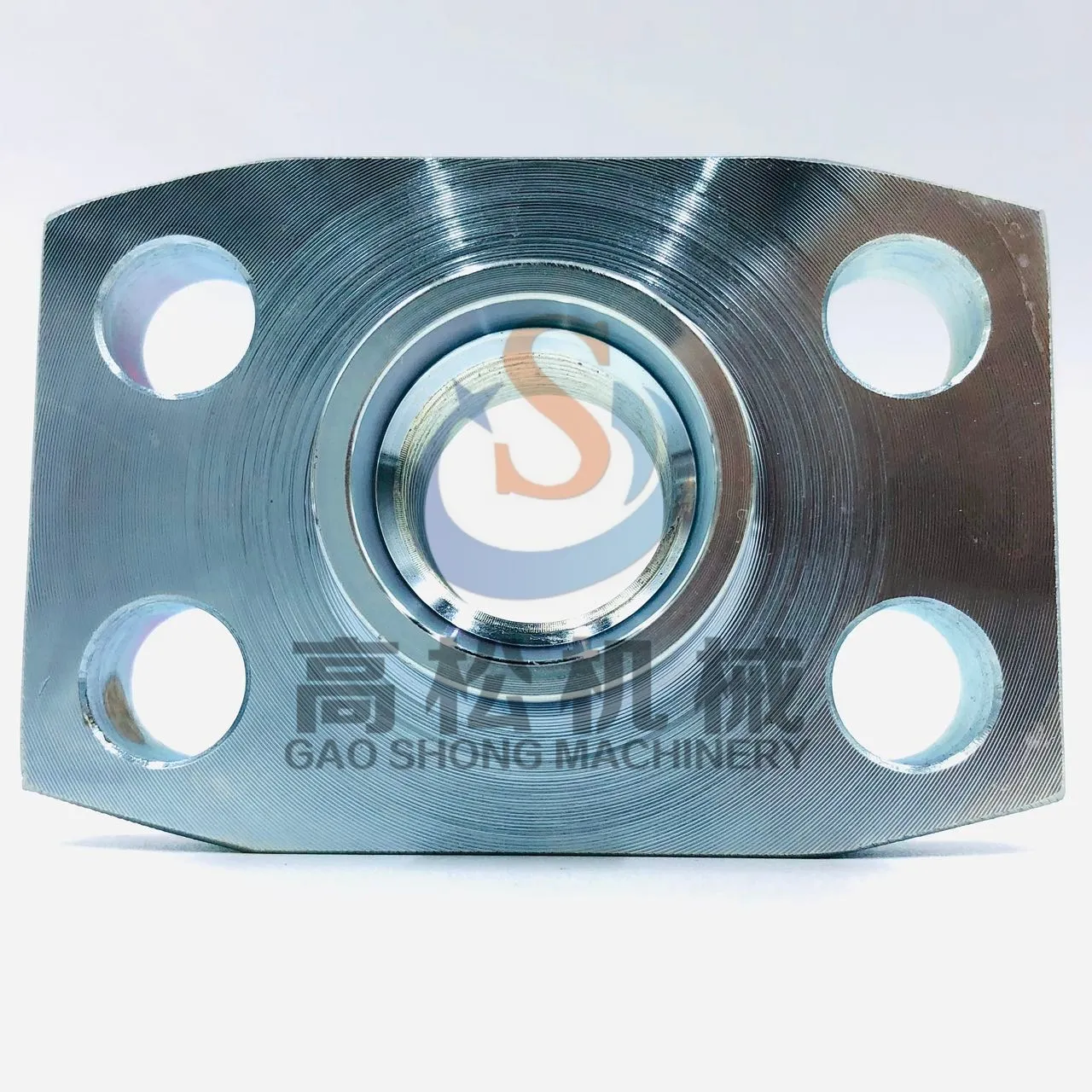 Komatsu excavator PC1250 flange 21N-38-12310
 -
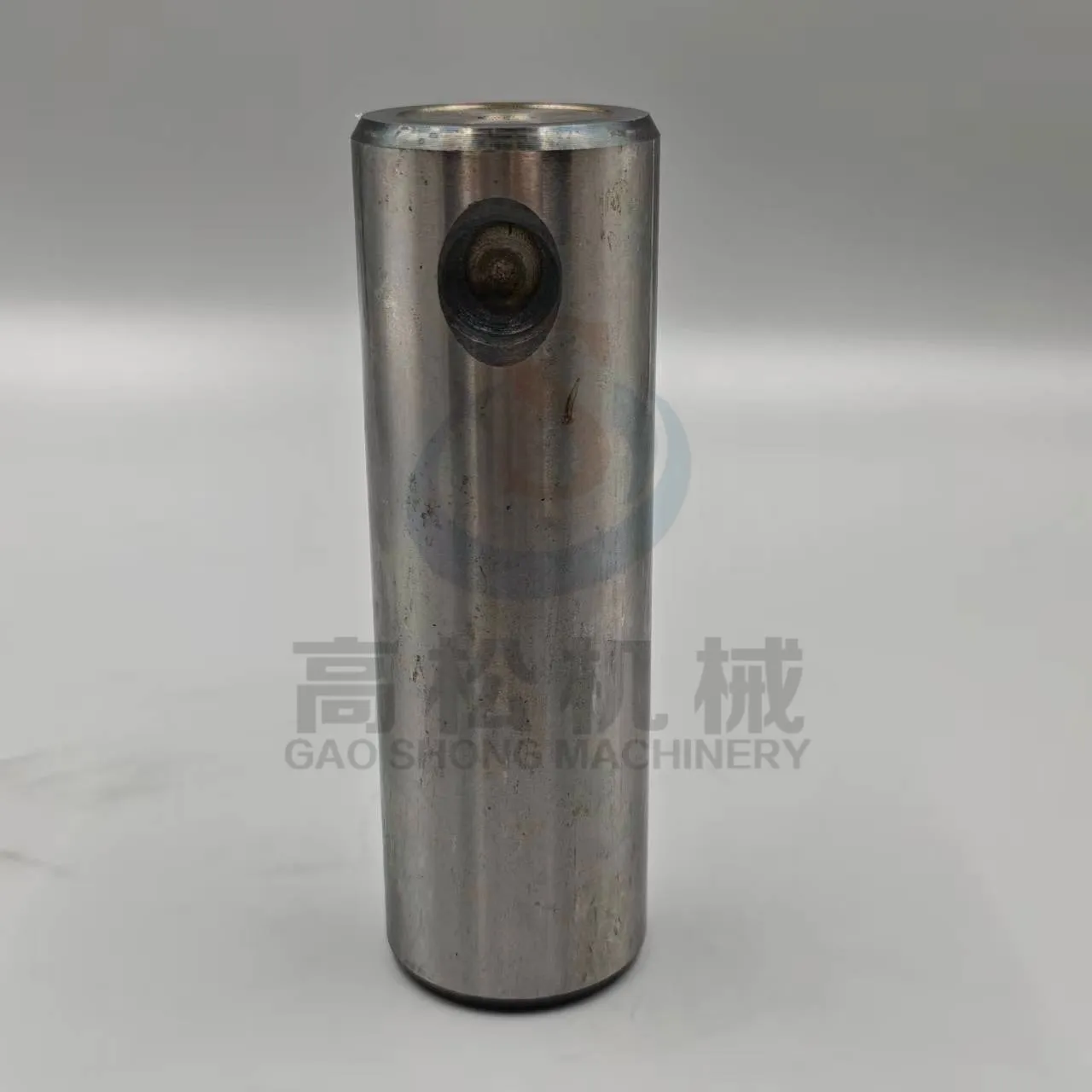 424-22-12510 Shaft (Komatsu)
 -
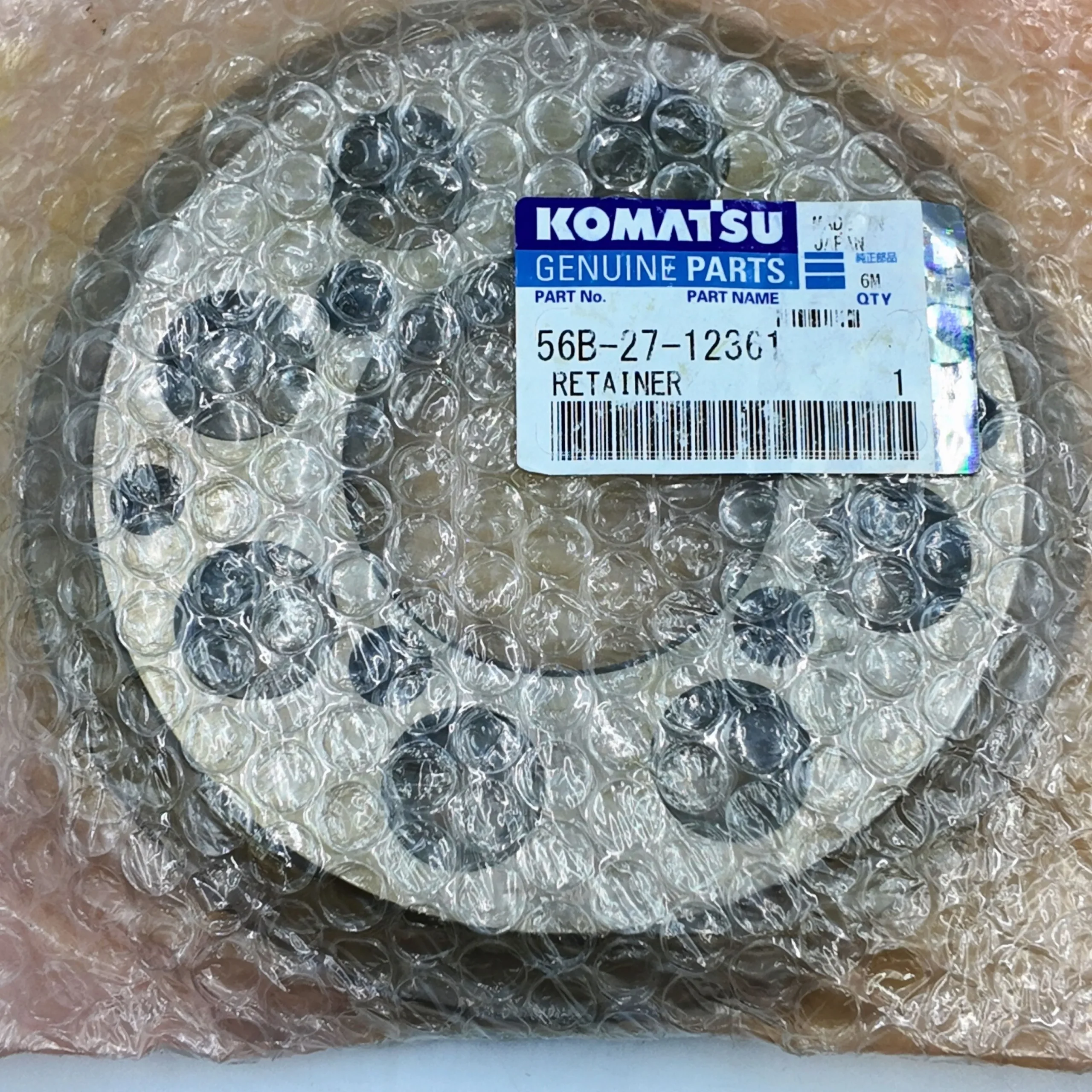 56B-27-12361•• RETAINER-Komatsu Original Factory
 -
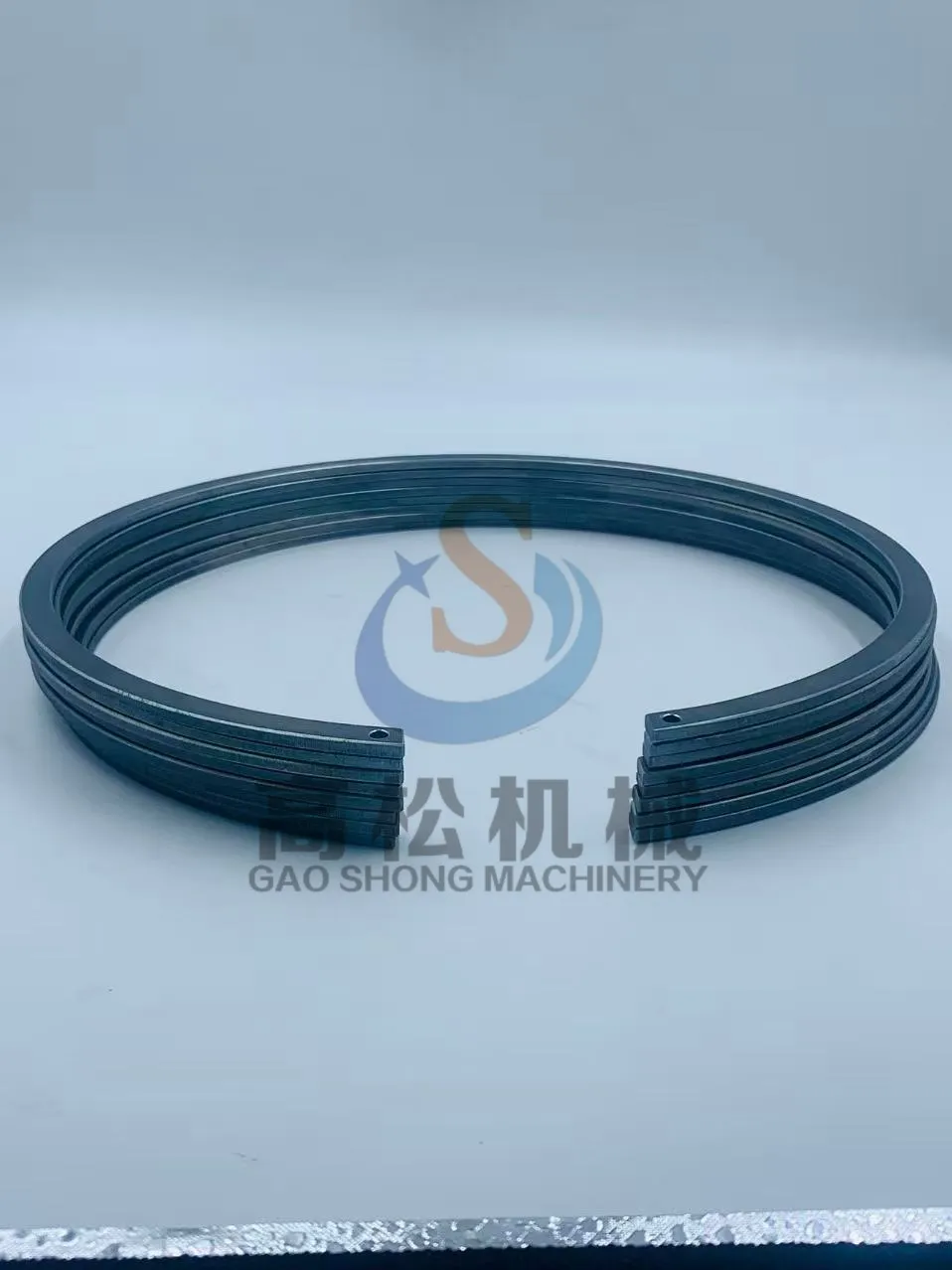 426-13-48281 SNAP RING KOMATSU
 -
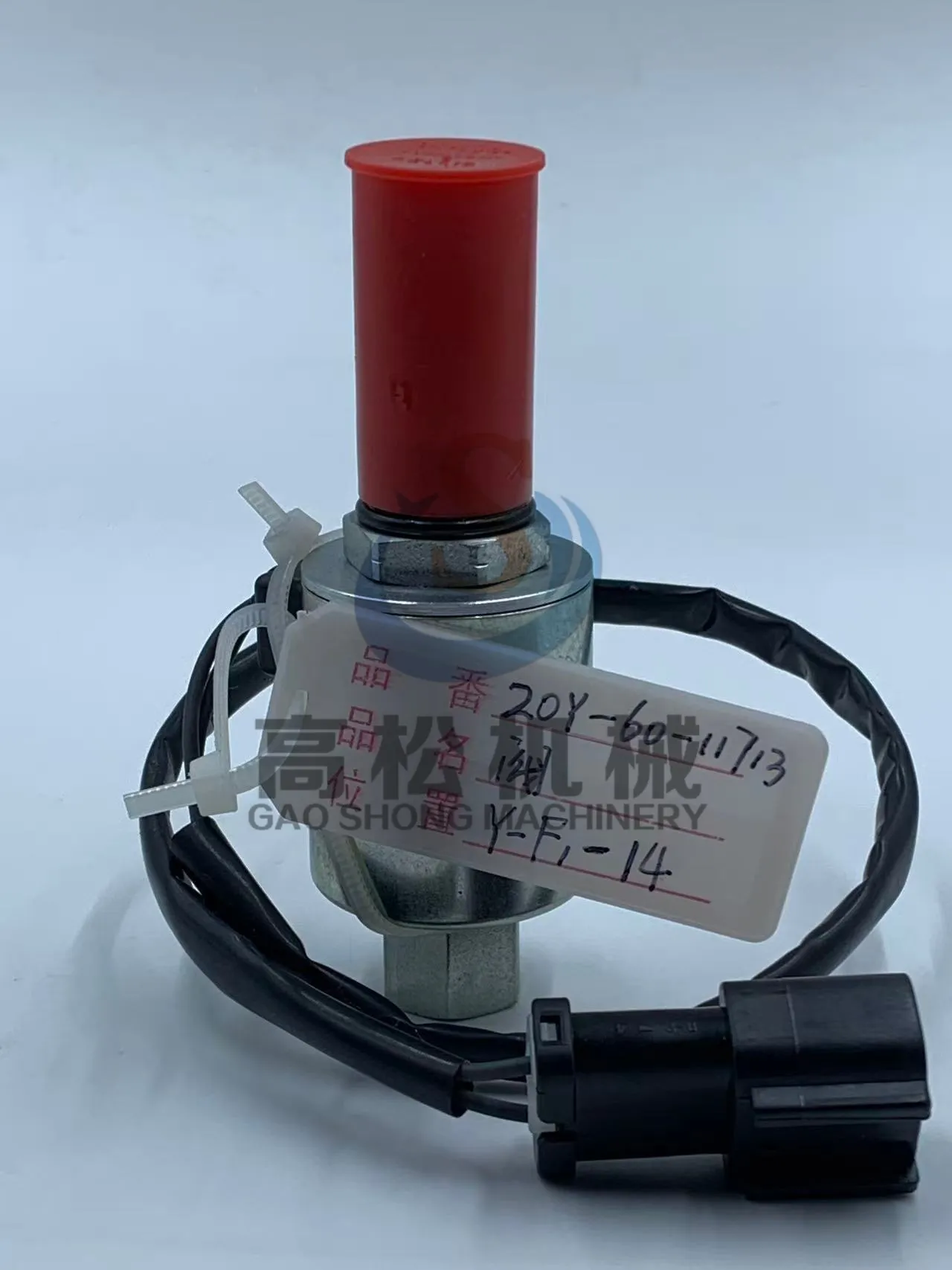 Swing Motor Solenoid Valve 20Y-60-11713
 -
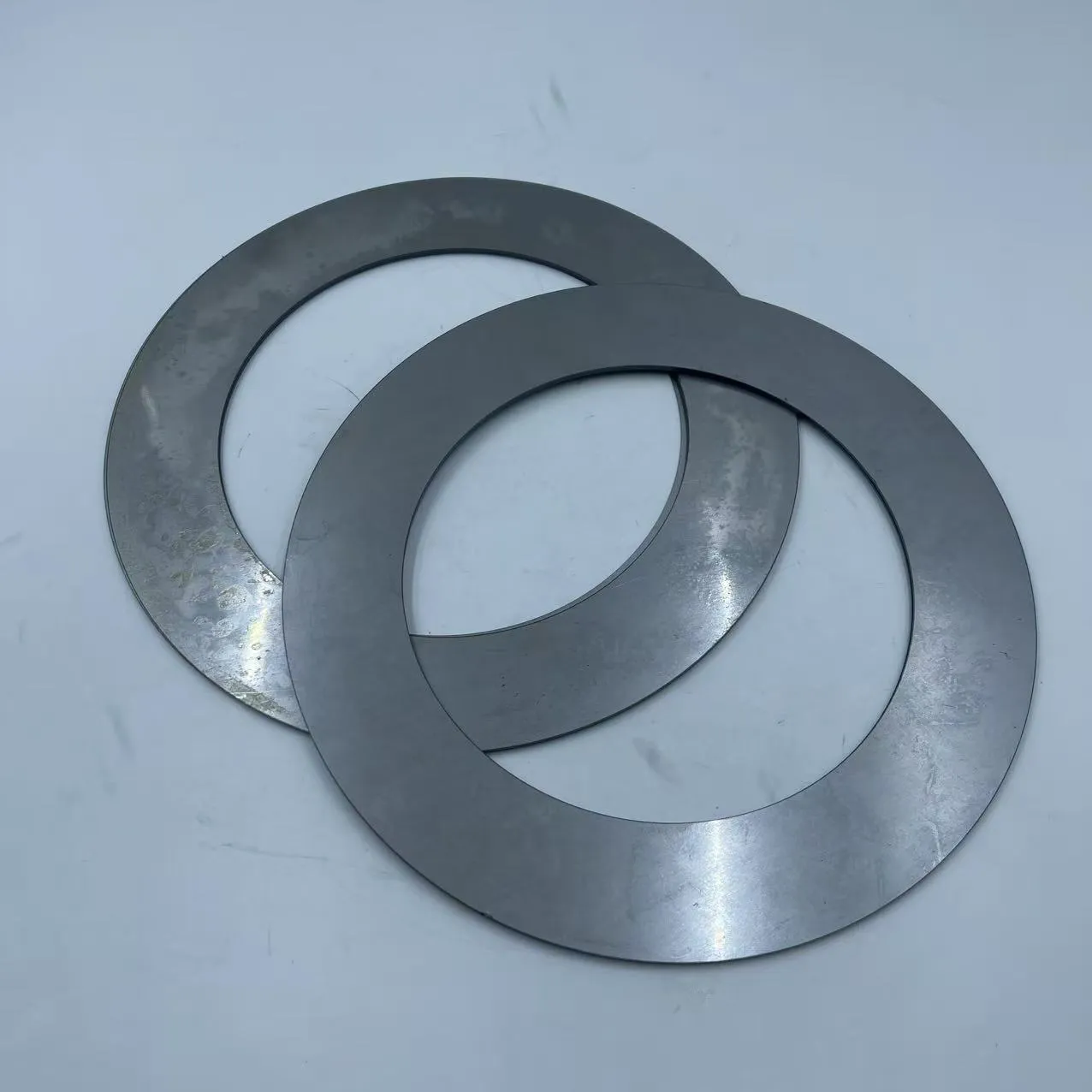 209-939-0070 Komatsu Shim Assembly PC800SE-8EO PC850SE-8EO
 -
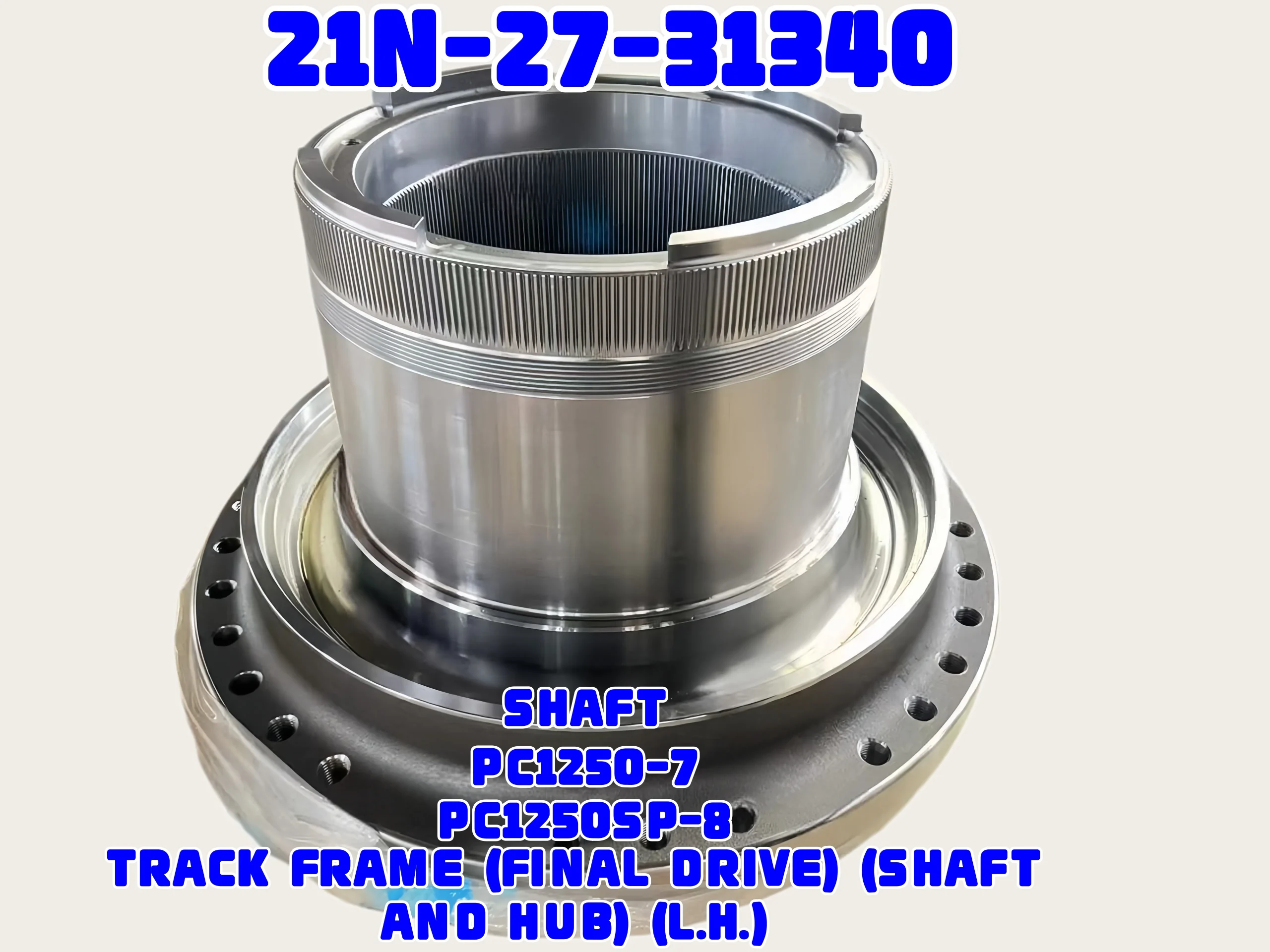 SHAFT 21N-27-31340 PC1250-7 PC1250-8 PC1250-8R TRACK FRAME (FINAL DRIVE) (SHAFT AND HUB) (L.H.) FINAL DRIVE
 -
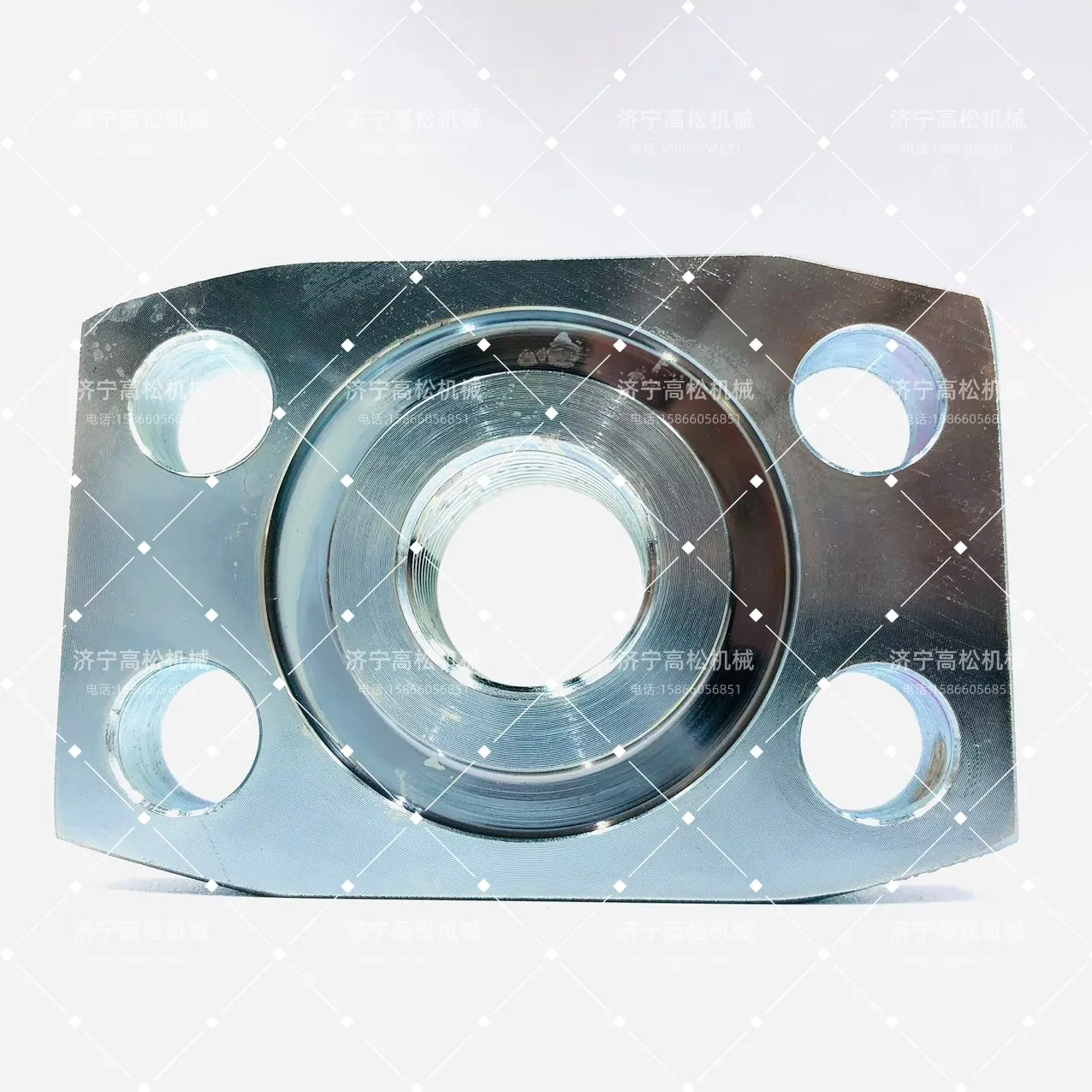 21N-38-12310 Komatsu FLANGEKomatsu Original Equipment…
 -
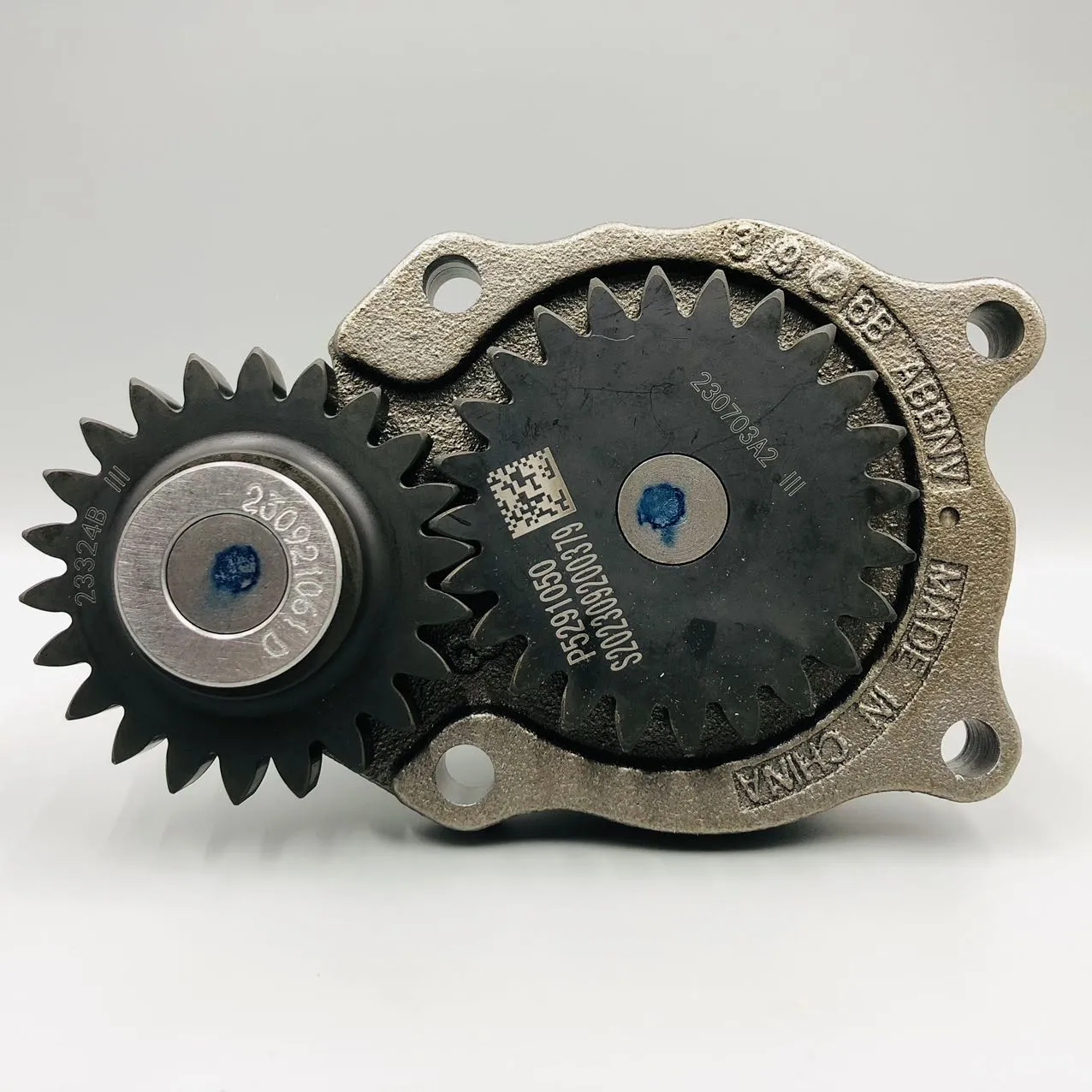 6754-51-1111Oil pump assembly
 -
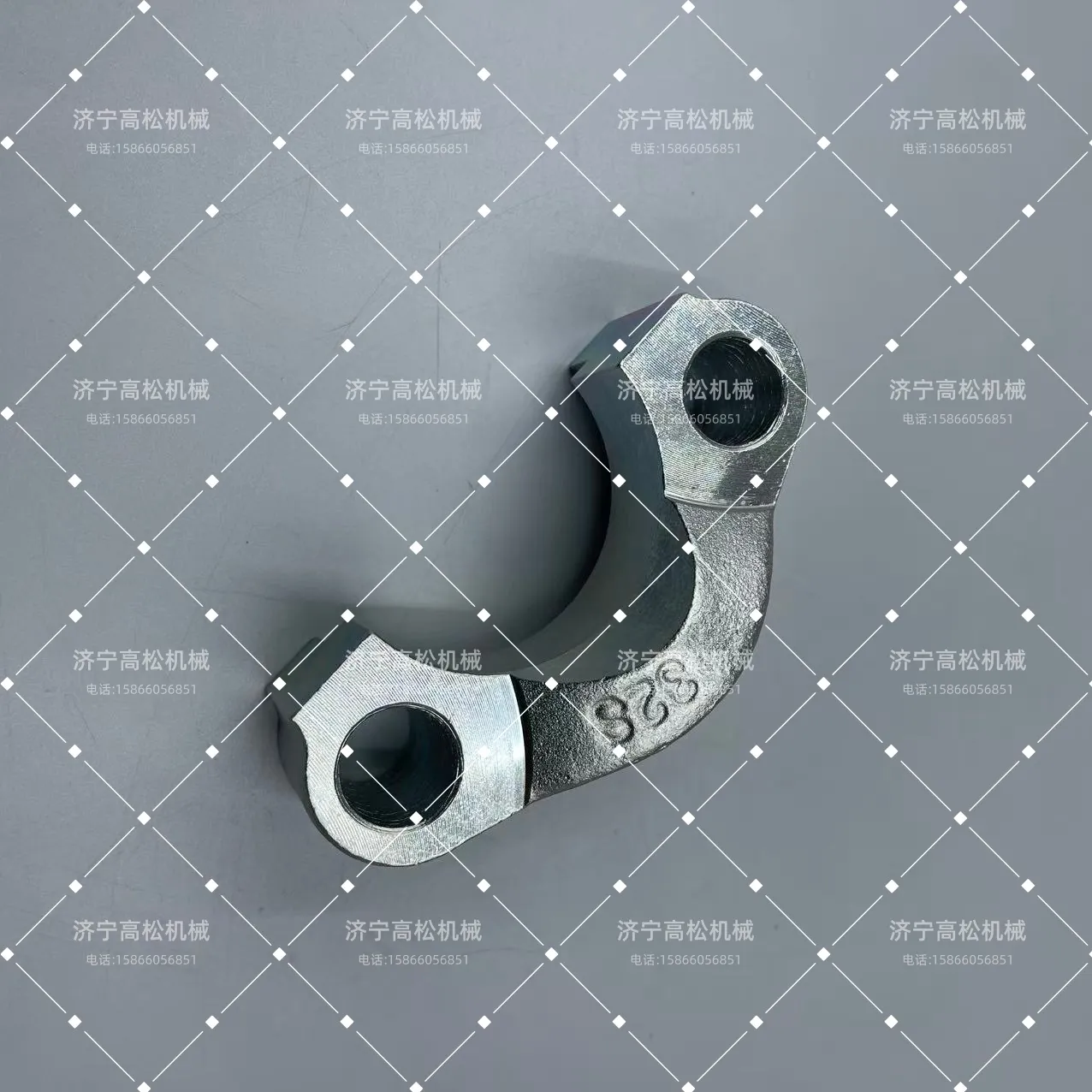 07371-52080 Komatsu FLANGE | AGA Parts