
- Chinese
- French
- German
- Portuguese
- Spanish
- Russian
- Japanese
- Korean
- Arabic
- Irish
- Greek
- Turkish
- Italian
- Danish
- Romanian
- Indonesian
- Czech
- Afrikaans
- Swedish
- Polish
- Basque
- Catalan
- Esperanto
- Hindi
- Lao
- Albanian
- Amharic
- Armenian
- Azerbaijani
- Belarusian
- Bengali
- Bosnian
- Bulgarian
- Cebuano
- Chichewa
- Corsican
- Croatian
- Dutch
- Estonian
- Filipino
- Finnish
- Frisian
- Galician
- Georgian
- Gujarati
- Haitian
- Hausa
- Hawaiian
- Hebrew
- Hmong
- Hungarian
- Icelandic
- Igbo
- Javanese
- Kannada
- Kazakh
- Khmer
- Kurdish
- Kyrgyz
- Latin
- Latvian
- Lithuanian
- Luxembou..
- Macedonian
- Malagasy
- Malay
- Malayalam
- Maltese
- Maori
- Marathi
- Mongolian
- Burmese
- Nepali
- Norwegian
- Pashto
- Persian
- Punjabi
- Serbian
- Sesotho
- Sinhala
- Slovak
- Slovenian
- Somali
- Samoan
- Scots Gaelic
- Shona
- Sindhi
- Sundanese
- Swahili
- Tajik
- Tamil
- Telugu
- Thai
- Ukrainian
- Urdu
- Uzbek
- Vietnamese
- Welsh
- Xhosa
- Yiddish
- Yoruba
- Zulu
- Kinyarwanda
- Tatar
- Oriya
- Turkmen
- Uyghur






OEM AND ORIGINAL KOMATSU PIN 428-70-11281
When you see a part number like OEM AND ORRIGINAL KOMATSU PIN in a listing, the immediate assumption is often binary: it's either a genuine Komatsu part or a complete fake. That's where the nuance gets lost. In my years dealing with undercarriage and pins, I've found that the term OEM itself is a minefield. For a pin like the , used in various Komatsu excavator track links, the real conversation isn't just about authenticity; it's about the supply chain's gray areas and who has the legitimate capacity to produce to the original specs. Many buyers, especially in markets with supply bottlenecks, don't realize that authorized production doesn't always happen under the Komatsu logo directly.
The OEM Misconception and the Reality
Let's get specific about this pin. The isn't some obscure part; it's a high-wear component. The OEM AND ORIGINAL tag often plastered on it by suppliers needs dissecting. True Komatsu-original parts come through official dealers, with the full markup. But OEM can mean it's made by a factory that is part of Komatsu's approved manufacturing network, producing the part to the exact material and heat-treatment specifications, but perhaps for a different distribution channel. I've cross-sectioned pins claiming to be OEM. The ones that held up had the same case hardening depth and core ductility as the ones I pulled from a genuine Komatsu kit. The failures? Usually in the metallurgy—they'd spall or shear under cyclical loading, a sure sign of inferior alloy or improper tempering.
This is where companies with a formal position within the Komatsu ecosystem become critical. A supplier like Jining Gaosong Construction Machinery Co., Ltd. presents an interesting case. They state they are an OEM product supplier within the Komatsu system and a third-party sales company. In practice, this often means they have access to production lines that are tooled for Komatsu specs. For a part number like the KOMATSU PIN , they might be sourcing from the same foundries that feed the official chain, just without the final branding and packaging. It's not a guarantee, but it changes the probability of getting a functionally identical part dramatically compared to a random aftermarket seller.
I recall a project in Southeast Asia where the official distributor was back-ordered for months on track group components. We took a chance on a batch of pins from a supplier with a similar profile to Gaosong (their site is at takematsumachinery.com, which explicitly outlines their role in solving parts challenges). We paired them with genuine Komatsu bushings. After 2000 hours, the wear was within 2% of what we'd expect from a full OEM set. The cost difference was nearly 40%. That's the tangible value of understanding this tier of the market.
Material and Process: Where the Devil Lives
Moving past the labels, the worth of this pin is decided by its manufacturing journey. A pin isn't just a cylinder of steel. For the , the substrate is typically a chromium-molybdenum alloy. The critical steps are the carburizing (or induction hardening) process and the subsequent tempering. I've seen OEM pins that looked perfect but failed because the heat treatment was rushed, leaving residual stresses that led to premature cracking.
A reliable supplier in this space doesn't just sell a part; they should be able to articulate—or better yet, provide certs for—the material grade and the heat treatment protocol. When browsing a site like https://www.takematsumachinery.com, the lack of marketing fluff about premium quality and a focus on their systemic role as an OEM product supplier is actually a good sign. It suggests the product stands on its specification pedigree rather than vague promises. It’s the difference between a parts salesman and a supply chain participant.
In a failure analysis I did last year, a broken pin from a dubious source showed a coarse grain structure under the microscope. This indicated it was held at a high temperature for too long during forging, weakening it. A proper OEM-spec process controls this meticulously. This is the kind of detail you learn the hard way, by holding the failed part in your hand and tracing back the supply chain, often to a seller who had no business claiming OEM lineage.
The Third-Party Sales Channel: Filling the Gaps
The phrase third-party sales company for Komatsu is key. This isn't a pirate operation. In many regions, especially where Komatsu's direct distribution is thin or plagued by long lead times, Komatsu itself may authorize certain entities to distribute genuine or OEM-spec parts to keep machines running. It's a pragmatic solution. The part number becomes a commodity of necessity.
Jining Gaosong's stated mission of helping to solve parts supply challenges in certain countries rings true to my experience. I've worked in markets where a machine down for a pin could idle a $500k project. The official channel might take eight weeks. A company operating as a sanctioned third-party can often move that to two weeks by leveraging parallel logistics and inventory from the OEM network. The part might arrive in plain packaging, but the micro-hardness tests don't lie.
However, caution is still paramount. The third-party space has a spectrum. On one end, you have integrated suppliers like the one mentioned; on the other, you have aggregators who mix and match sources. Always ask for a material test report (MTR) for a critical wear part like a pin. If they balk, that's your answer. The good ones, who see themselves as part of the machinery ecosystem, will provide traceability.
Practical Sourcing and Risk Mitigation
So, how do you actually source a KOMATSU PIN with confidence? First, abandon the idea that only the dealer-part is acceptable for non-warranty work. It's economically unviable for many operations. Instead, qualify your supplier. A company profile that clearly states its OEM relationship and third-party role, like Gaosong's, is a starting point for dialogue. Ask them: Is this pin from a Komatsu-approved forge? Can you share the hardness profile data?
Second, consider a phased approach. For a critical machine, maybe run a single set of their pins and bushings on one side of an excavator, and a full genuine set on the other. Monitor the wear rates and failure modes. This real-world test is worth more than any certificate. I've done this, and the data from the comparison often reveals more about the quality than the supplier's website ever could.
Finally, manage your documentation. Keep the packing lists, any material certificates, and the supplier's details. If the part performs well, you've found a valuable resource for the OEM AND ORIGINAL KOMATSU PIN and likely for other components. If it fails, you have a paper trail for a claim. This isn't just buying a part; it's auditing a supply node.
Concluding Thoughts: Beyond the Part Number
The takeaway isn't that you should always buy from third-party OEM suppliers. It's that the part number is just the beginning of the inquiry. The label OEM AND ORIGINAL KOMATSU PIN is a claim that needs verification through the supplier's provenance and your own validation. The market is segmented into official, authorized-OEM, quality-aftermarket, and junk.
Suppliers like Jining Gaosong Construction Machinery Co., Ltd. occupy a specific and necessary niche in the second category. Their value proposition—formal OEM ties and third-party distribution—directly addresses the real-world problem of availability and cost without a complete leap of faith into the unknown aftermarket. Their website, Takematsu Machinery, frames it as solving supply challenges, which is exactly what it is.
In the end, every pin tells a story. The that lasts 5000 hours in abrasive conditions tells a story of correct chemistry and controlled processes, regardless of the box it came in. Finding the source for that story is the real work. It's less about searching for a part and more about identifying the right link in a complex, global chain.
Related Products
Related Products

Best Selling Products
Best Selling Products-
 14X-13-57111 komatsu Housing D65
 -
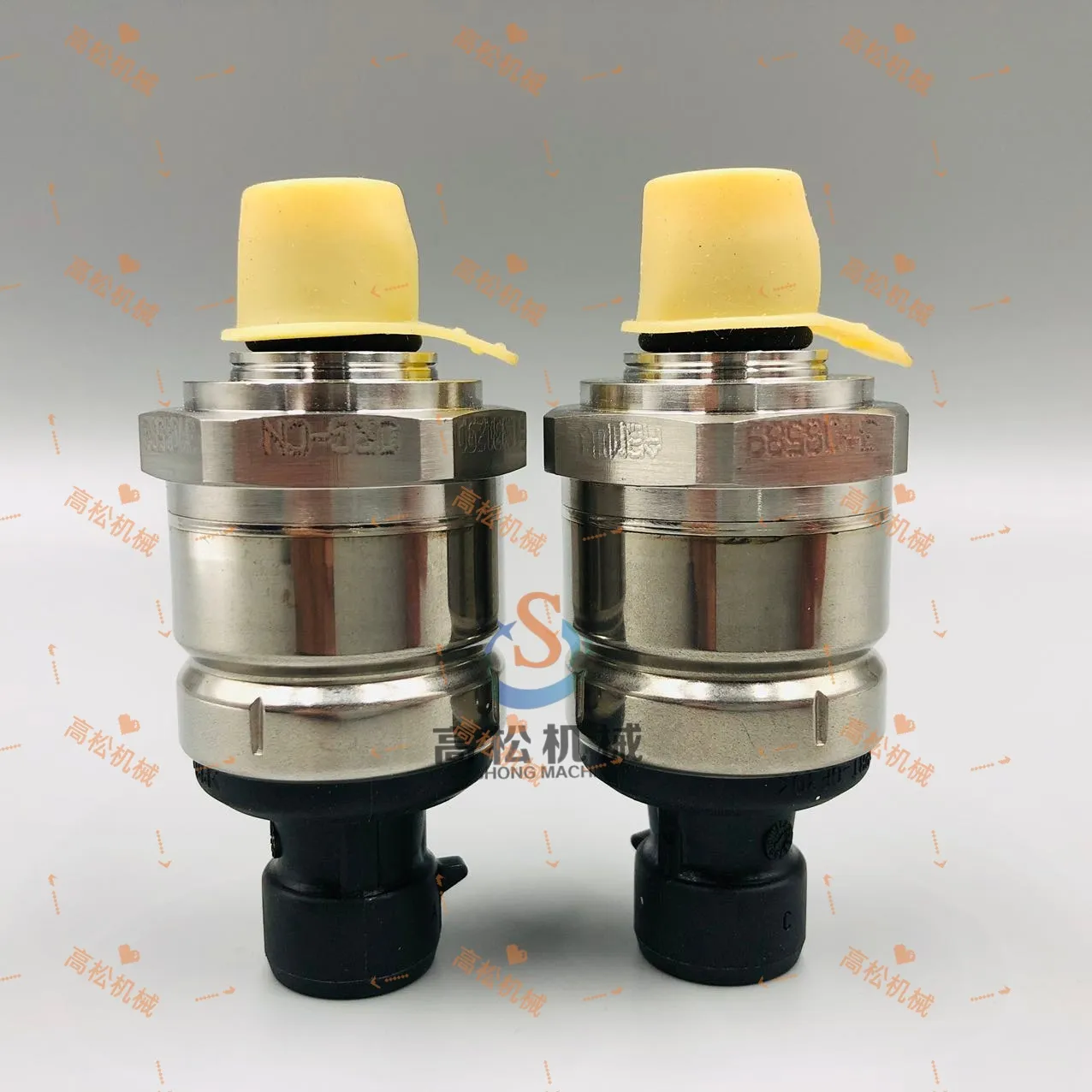 Pressure Sensor for Komatsu HM400 SAA6D140E WA500 6560-61-7201 6560617201
 -
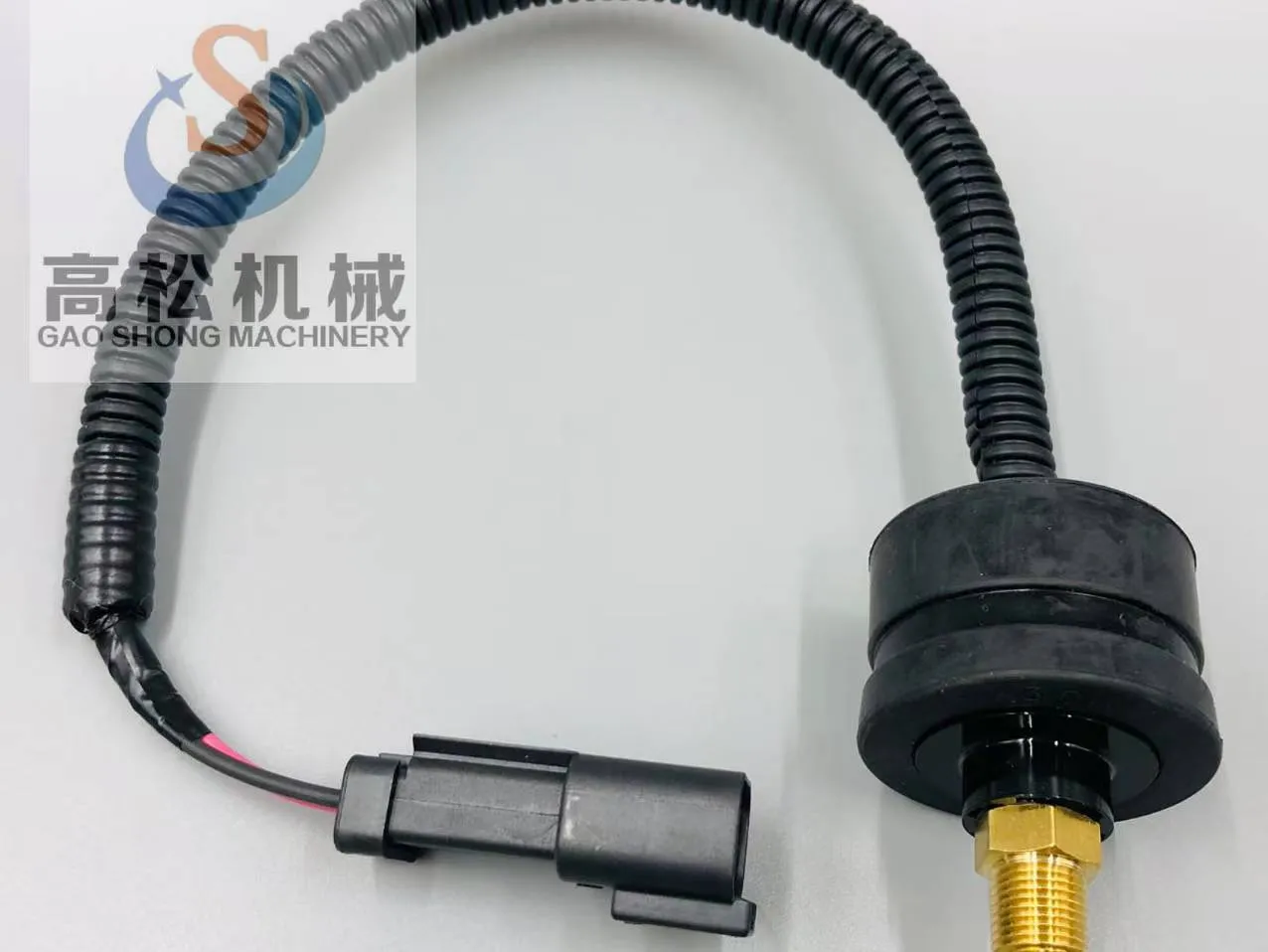 PC300-8 excavator air filter sensor 7861-93-1420 7861-93-1430 Construction machinery parts
 -
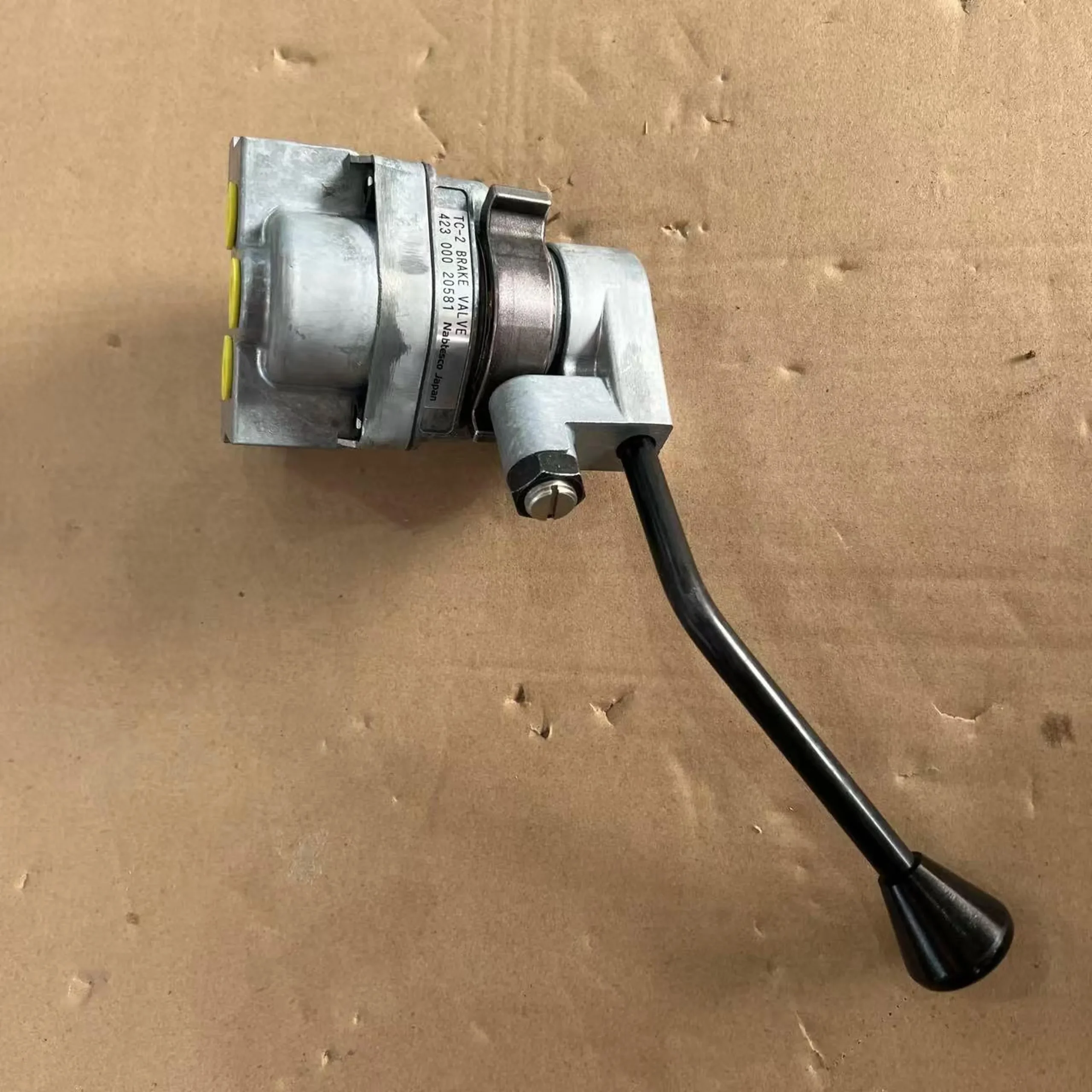 Brand New and Original RETARDER VALVE ASS’Y 561-35-62203 Valve Assembly for komatsu HD605-5 HD465-5 HD405-6 Dump Trucks
 -
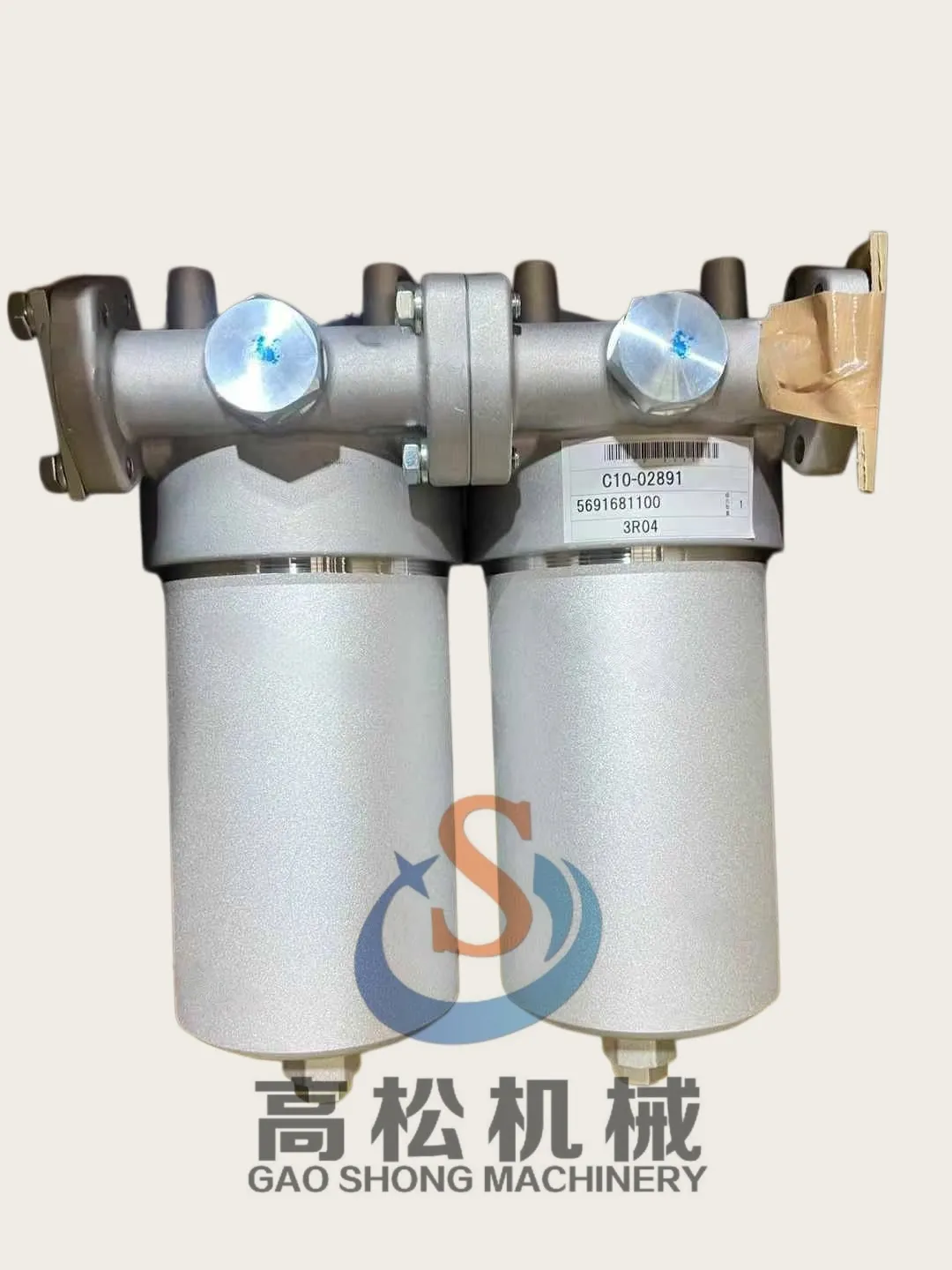 OIL FILTER ASS’Y 569-16-81100 425-16-21240 427-16-21120 569-16-81160 HD325-7 HD325-7R HD405-7 HD405-7R HD605-7 HD785-7 HD605-7E1 HD605-8 HD785-7 HYDRAULIC TANK ASS’Y (TRANSMISSION OIL FILTER¤ INNER PARTS) TRANSMISSION OIL FILTER
 -
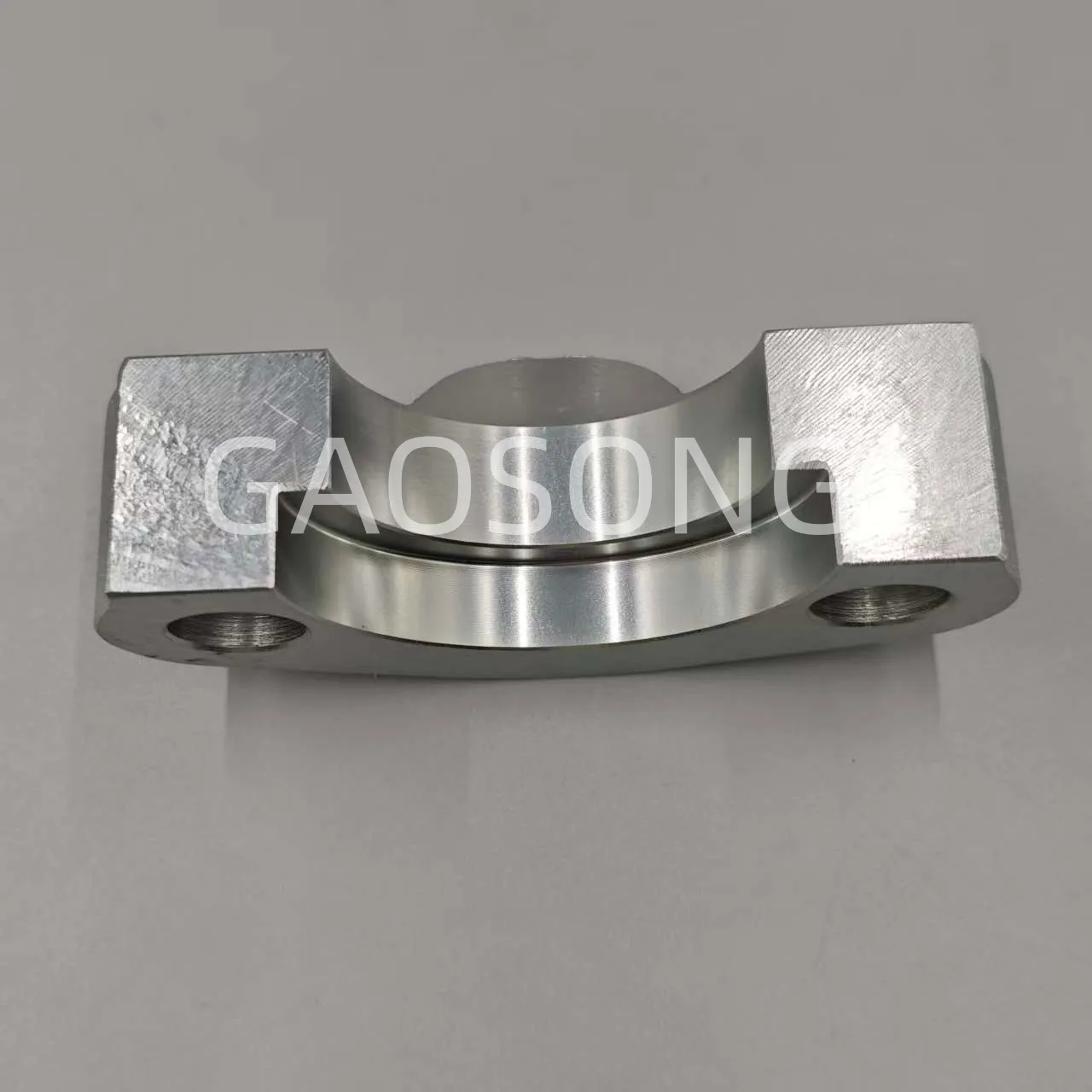 07371-51470 FLANGE-Komatsu Original Factory
 -
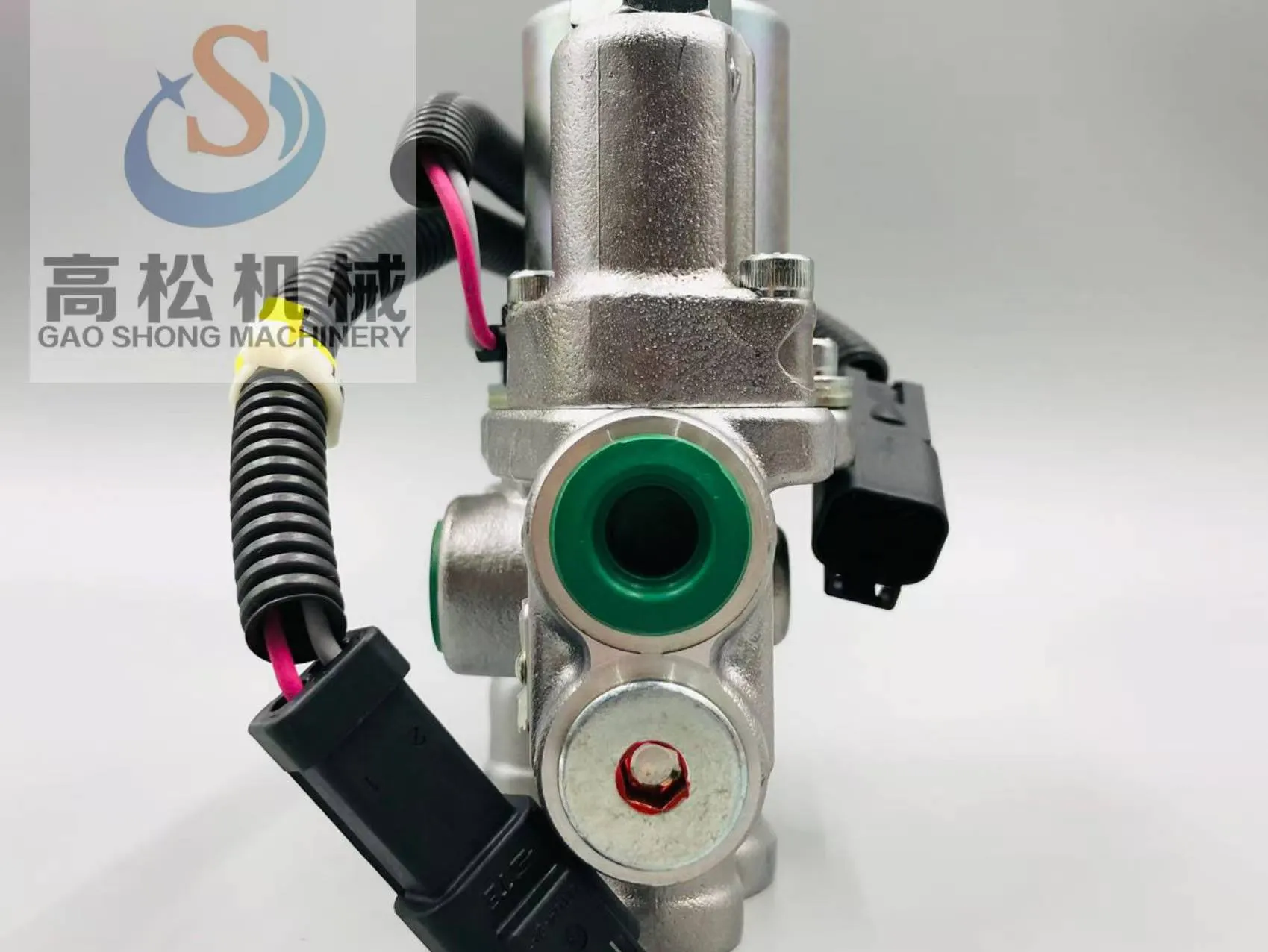 22F-60-31600/22F-60-21201 Electromagnetic valve assembly for PC40MR PC55MR PC56-7 excavator parts
 -
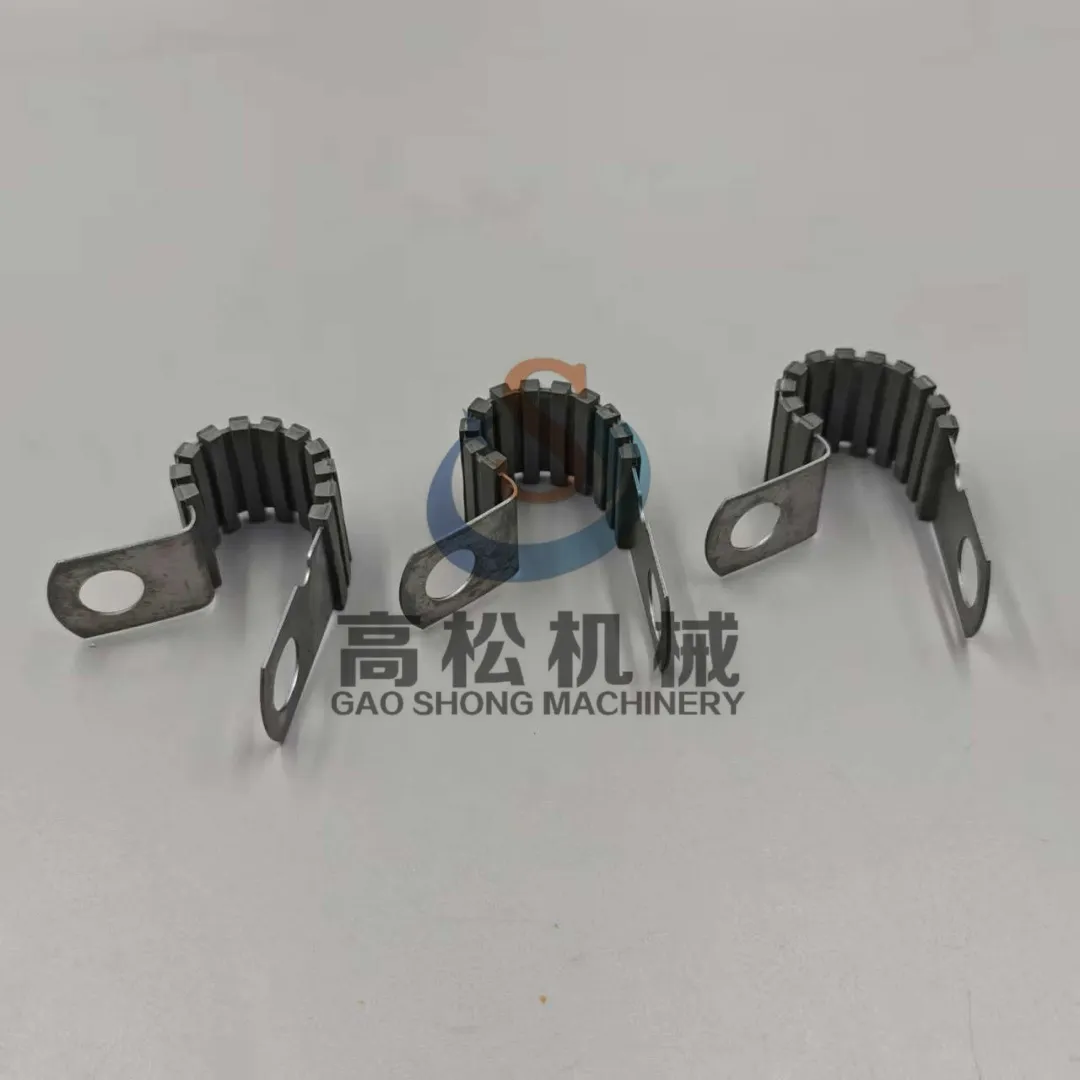 600-051-2180 Clip (Komatsu)
 -
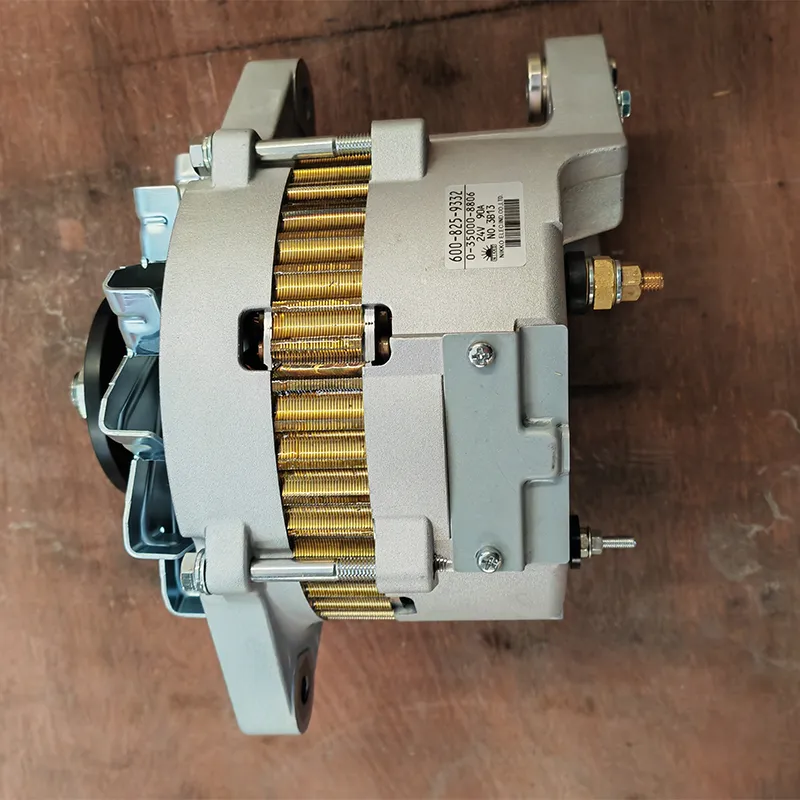 600-825-9332 Original komatsu alternator for S6D125 6D140 12V140
 -
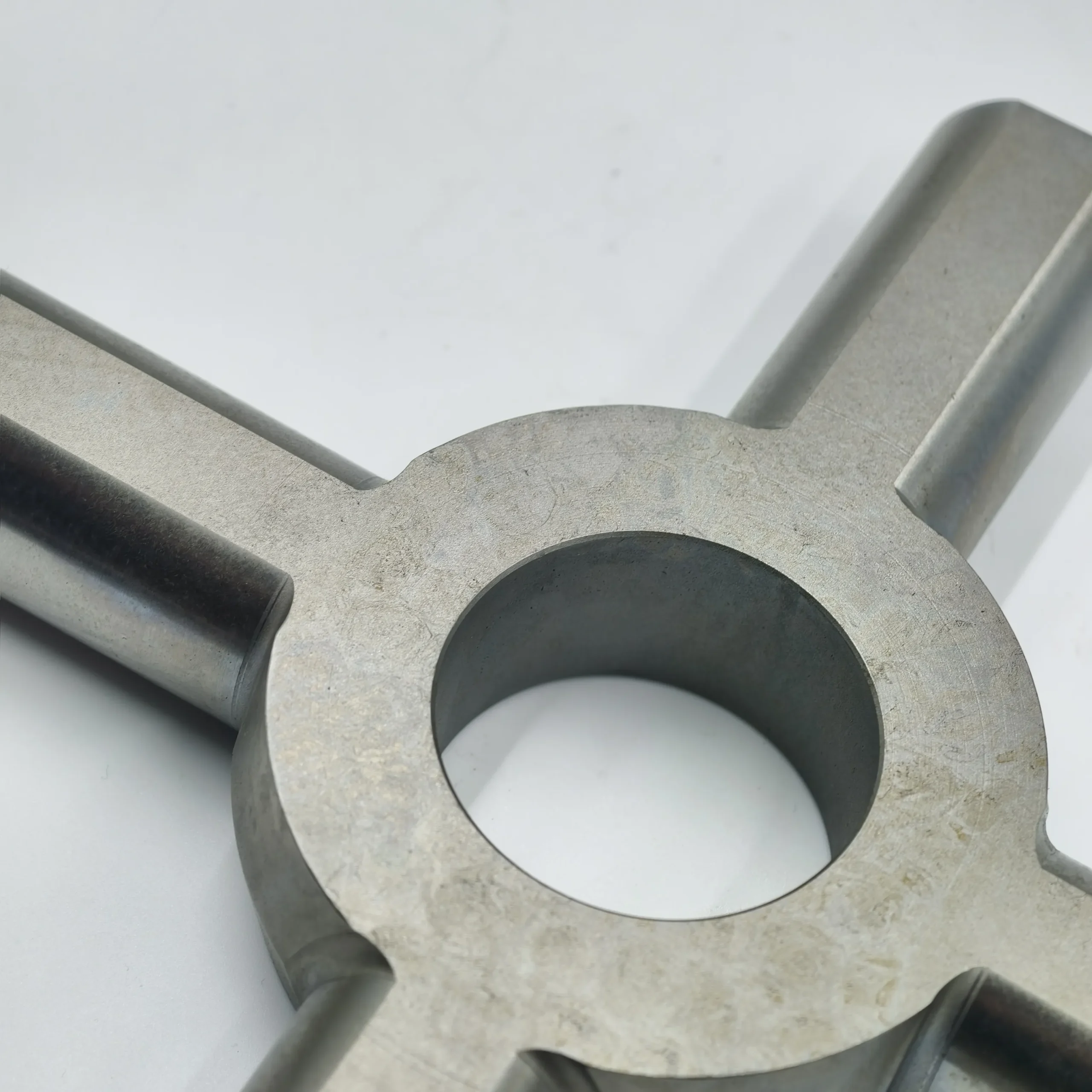 Komatsu Construction Machinery Full Series Accessories 421-22-11440 Loading Parts
 -
![[Hot Item] Generator Engine Part 600-825-3151 for PC400-6-7](https://www.takematsumachinery.com/wp-content/uploads/微信图片_20251224093522_43_1619-1.webp) [Hot Item] Generator Engine Part 600-825-3151 for PC400-6-7
[Hot Item] Generator Engine Part 600-825-3151 for PC400-6-7 -
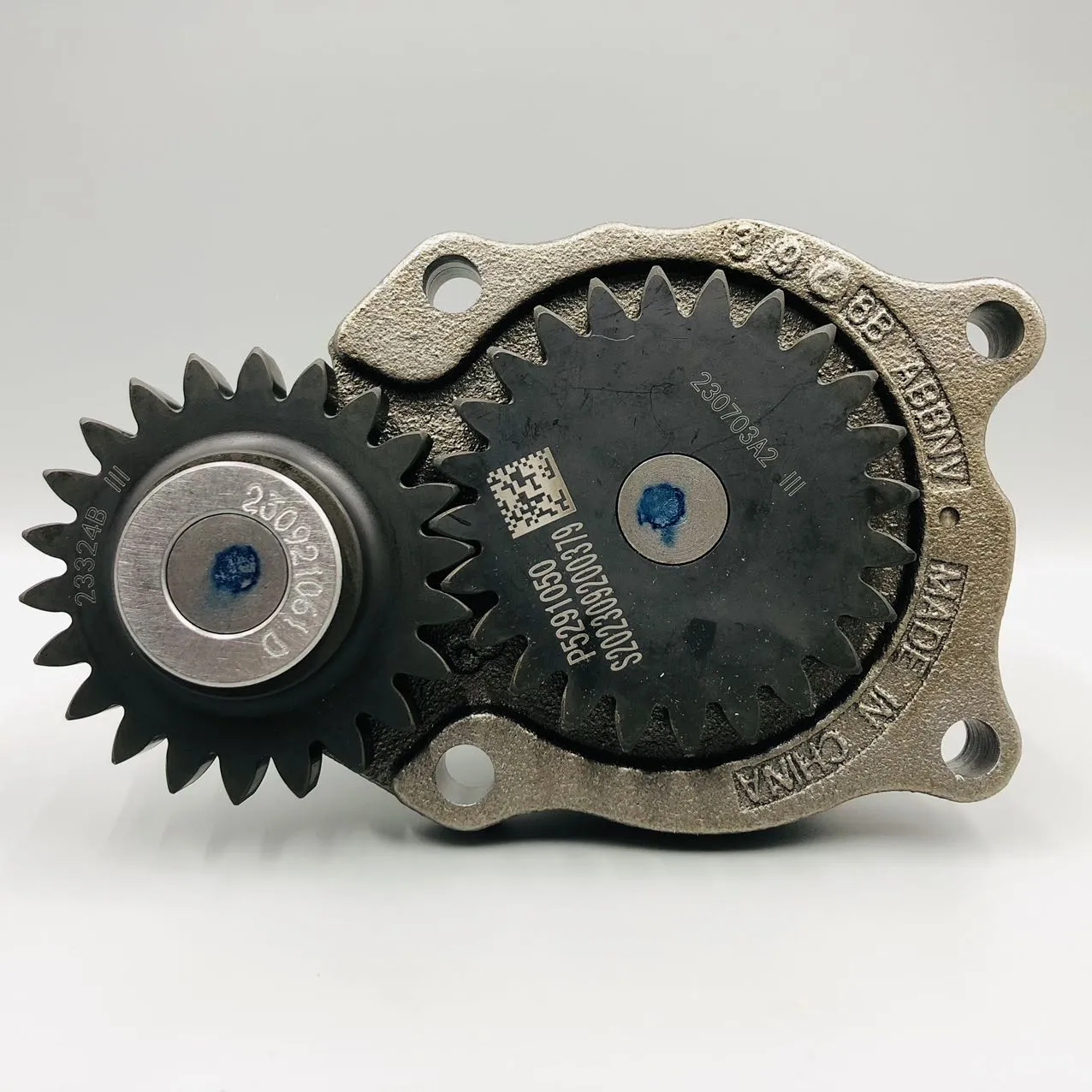 6754-51-1111Oil pump assembly