
- Chinese
- French
- German
- Portuguese
- Spanish
- Russian
- Japanese
- Korean
- Arabic
- Irish
- Greek
- Turkish
- Italian
- Danish
- Romanian
- Indonesian
- Czech
- Afrikaans
- Swedish
- Polish
- Basque
- Catalan
- Esperanto
- Hindi
- Lao
- Albanian
- Amharic
- Armenian
- Azerbaijani
- Belarusian
- Bengali
- Bosnian
- Bulgarian
- Cebuano
- Chichewa
- Corsican
- Croatian
- Dutch
- Estonian
- Filipino
- Finnish
- Frisian
- Galician
- Georgian
- Gujarati
- Haitian
- Hausa
- Hawaiian
- Hebrew
- Hmong
- Hungarian
- Icelandic
- Igbo
- Javanese
- Kannada
- Kazakh
- Khmer
- Kurdish
- Kyrgyz
- Latin
- Latvian
- Lithuanian
- Luxembou..
- Macedonian
- Malagasy
- Malay
- Malayalam
- Maltese
- Maori
- Marathi
- Mongolian
- Burmese
- Nepali
- Norwegian
- Pashto
- Persian
- Punjabi
- Serbian
- Sesotho
- Sinhala
- Slovak
- Slovenian
- Somali
- Samoan
- Scots Gaelic
- Shona
- Sindhi
- Sundanese
- Swahili
- Tajik
- Tamil
- Telugu
- Thai
- Ukrainian
- Urdu
- Uzbek
- Vietnamese
- Welsh
- Xhosa
- Yiddish
- Yoruba
- Zulu
- Kinyarwanda
- Tatar
- Oriya
- Turkmen
- Uyghur





OEM AND ORIGINAL KOMATSU PIN 427-S95-3461
When you see a part number like 427-S95-3461, especially with the terms 'OEM' and 'Original Komatsu' attached, your first instinct might be to assume they're the same thing. In my years dealing with Komatsu undercarriage and pins, I've found that's where most of the confusion—and sometimes costly mistakes—begin. That specific pin is a critical component, often for larger excavator track links, and the distinction between a true Komatsu-original part and an OEM-produced one within their system is everything. It's not just about the steel grade; it's about the supply chain you're buying into.
The Reality of OEM within the Komatsu System
This is where companies like Jining Gaosong Construction Machinery Co., Ltd. operate. Their site, https://www.takematsumachinery.com, states they are an OEM product supplier within the Komatsu system. What does that mean on the ground? It means they are a certified manufacturer producing to Komatsu's exact engineering drawings and material specifications. The PIN 427-S95-3461 they produce should, in a perfect world, be dimensionally and metallurgically identical to one that comes in a Komatsu-branded box from a main dealer.
But here's the practical judgment call: should be is the operative phrase. I've seen batches from various system-OEMs where the hardening process was a shade off, leading to premature wear on the bushing. It wasn't a failure per se, but it didn't hit the 10,000-hour mark we expected. The paperwork said it met spec, but the machine told a different story. This is the nuance. When Jining Gaosong says they help solve parts supply challenges, they're addressing a real pain point—availability and cost—but the onus is on the buyer to vet the source's consistency.
I recall a project in Indonesia where we used an OEM-system pin for a Komatsu PC800. The price was right, and the supplier was certified. Installation was fine, but after about 1,500 hours, we started seeing abnormal flange wear. Upon inspection, the surface hardness was inconsistent along the pin's length. Was it a catastrophic failure? No. Did it cause downtime and extra cost for a premature change? Absolutely. The lesson was that even within the system, quality audits and batch testing matter. You can't just buy on part number and certification alone.
The Original Komatsu Mirage
Then there's the term Original Komatsu. In the aftermarket, this has become almost a marketing incantation. A true original part is sourced through Komatsu's official distribution channels. For a pin like 427-S95-3461, that means it was produced either by Komatsu itself or by a primary, tightly-controlled OEM and distributed with Komatsu's logistics and warranty. The premium is significant.
The common trap is believing that an OEM part, because it's made to the same print, is an Original Komatsu part. It's not. It lacks the chain of custody and the direct warranty from Komatsu. A supplier might call it original quality or original specification, which blurs the line intentionally. I've had mechanics swear a pin was genuine just because it fit perfectly, only to find out later it was a high-tier OEM substitute. The fit is the easy part to copy; the long-term wear characteristics are harder.
This is where the third-party sales role, like what Jining Gaosong mentions, becomes relevant. They aren't just selling a box; they're providing an alternative supply route for markets where the official channel is slow, prohibitively expensive, or simply out of stock. Their value proposition is access to the OEM-quality part without the official channel markup. But you, as the buyer or fleet manager, must understand you are opting out of Komatsu's direct warranty and assuming the risk based on the third-party company's reputation and support.
Field Observations and Material Talk
Let's get specific about PIN 427-S95-3461. It's a large-diameter, high-load pin. The core of its performance is the carburizing depth and the final hardness after tempering. OEM suppliers have the heat-treatment protocols, but the devil is in the process control. I've visited factories where the quenching medium temperature variance was just a few degrees too high, resulting in a slightly more brittle core. You wouldn't know until it developed a hairline crack under cyclical loading.
Another detail often overlooked is the seal groove machining. An imprecise groove or a burr left from machining will shred a seal in no time, letting in abrasive slurry. I've seen to-spec pins fail because the secondary finishing process wasn't as rigorous as the primary manufacturing. When evaluating a supplier, asking about their post-forging machining and quality control for these non-dimensional features is as important as asking for the material certificate.
Sometimes, the failure mode isn't the pin itself but the interaction with other components. If you put a perfect OEM 427-S95-3461 into a link that's been previously run with an undersized or worn bushing, you'll get a false brinelling issue. The takeaway is that part sourcing is never isolated. You need to consider the entire assembly's history. A good supplier should ask these questions, not just fulfill a part number request.
Navigating Supplier Claims and Making a Choice
So, when you land on a site like takematsumachinery.com and see they offer this pin, how do you assess? First, look beyond the homepage. Do they provide detailed material certifications (like a 3.1B EN 10204) for the specific batch? Can they trace the raw material? For a critical pin, they should. Their claim of being an OEM product supplier within the Komatsu system should be backed by a willingness to share audit reports or evidence of their manufacturing agreement.
I always recommend a trial order for a non-critical machine first, or for a single machine in a fleet. Install it, document the hours, and pull it for inspection at a mid-life interval (say, 3,000 hours). Measure the wear pattern, check for spalling or cracking. This real-world test beats any brochure. Jining Gaosong Construction Machinery Co., Ltd. positions itself as a solution to supply challenges. The true test of such a company is how they handle a problem. If a pin fails prematurely, will they just send a replacement, or will they send an engineer to investigate the failure mode with you?
The economics are undeniable. An OEM-system pin can be 30-40% less than the Original Komatsu dealer price. For a fleet, that's massive savings. But the calculation must include the risk of potential earlier replacement and downtime. If the supplier has a proven track record and technical support, the risk lowers. It becomes a viable, professional alternative, especially in regions where official support is lacking.
Concluding Without a Perfect Answer
There's no universal right choice between an OEM-system part and an Original Komatsu part for 427-S95-3461. It's a risk-management decision. For a single, high-utilization machine in a remote location, the security of the official part might be worth the premium. For a large fleet where you can manage and monitor the lifecycle, a reliable OEM-source like a proven system supplier makes tremendous financial sense.
The key is moving past the buzzwords. OEM AND ORIGINAL KOMATSU PIN 427-S95-3461 in a product title is a starting point for inquiry, not an end. It tells you the part number and hints at the quality tier. Your job is to drill down into what OEM within the system means for that specific supplier's consistency, and what original truly refers to in their context.
In the end, the best parts strategy is built on relationships with suppliers who are transparent, technically competent, and stand behind their product in the field. Whether that's the official distributor or a competent third-party like Jining Gaosong, depends entirely on their ability to demonstrate that reliability over time, not just on a website, but on your equipment.
Related Products
Related Products
Best Selling Products
Best Selling Products-
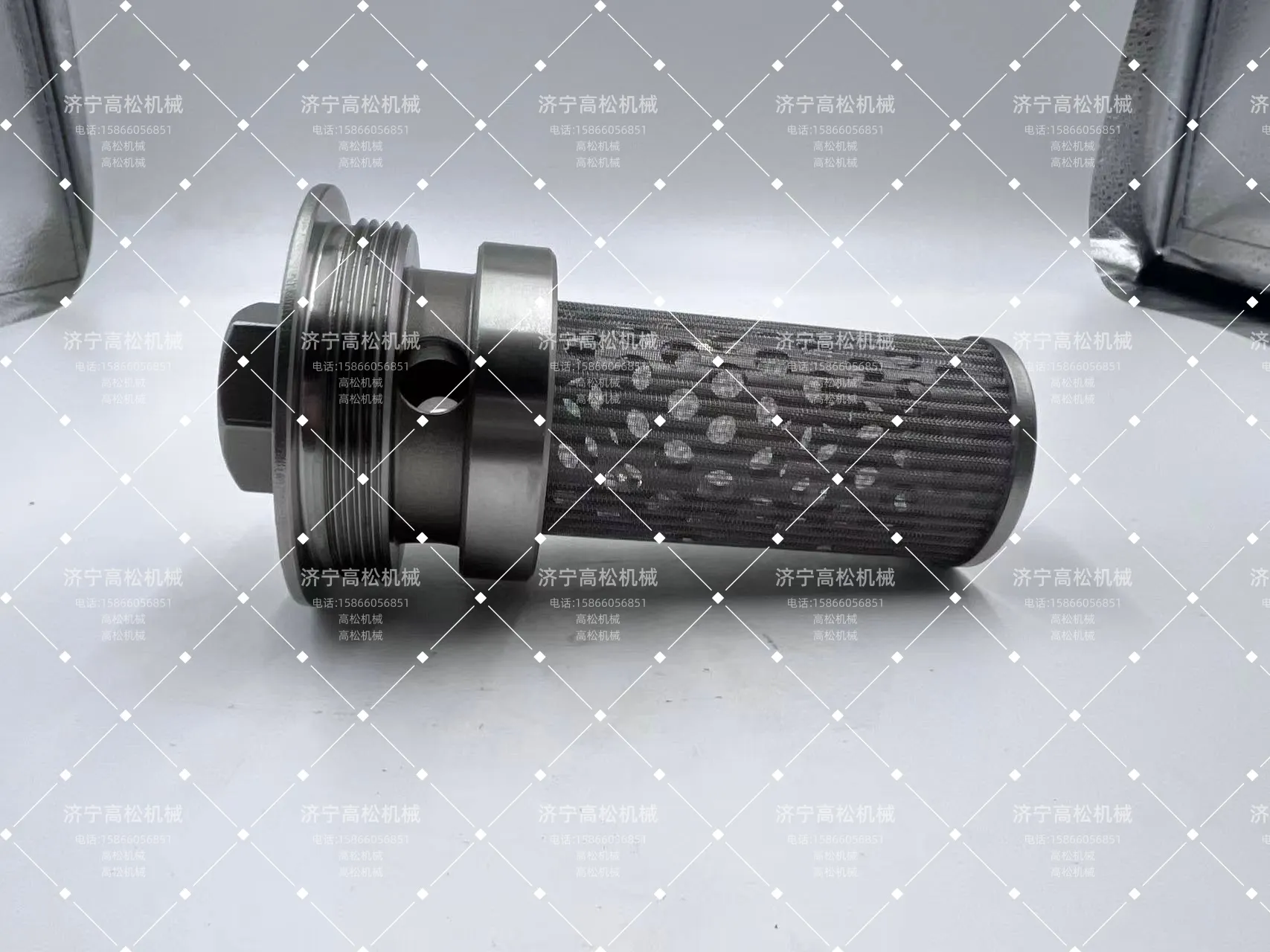 Original Brand New Filter element 195-04-11150 Filter Suitable for…
 -
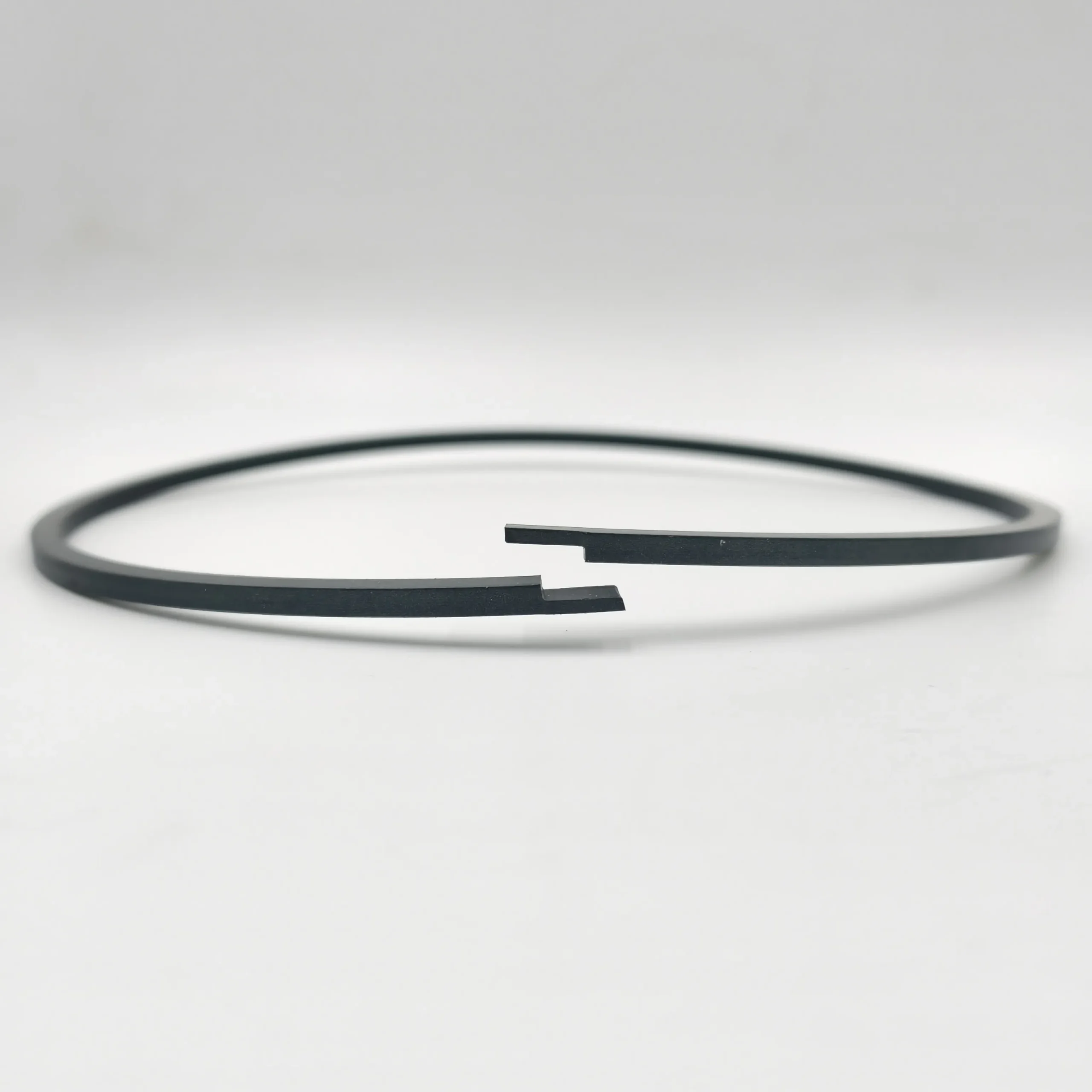 14X-15-29210 SEAL RING
 -
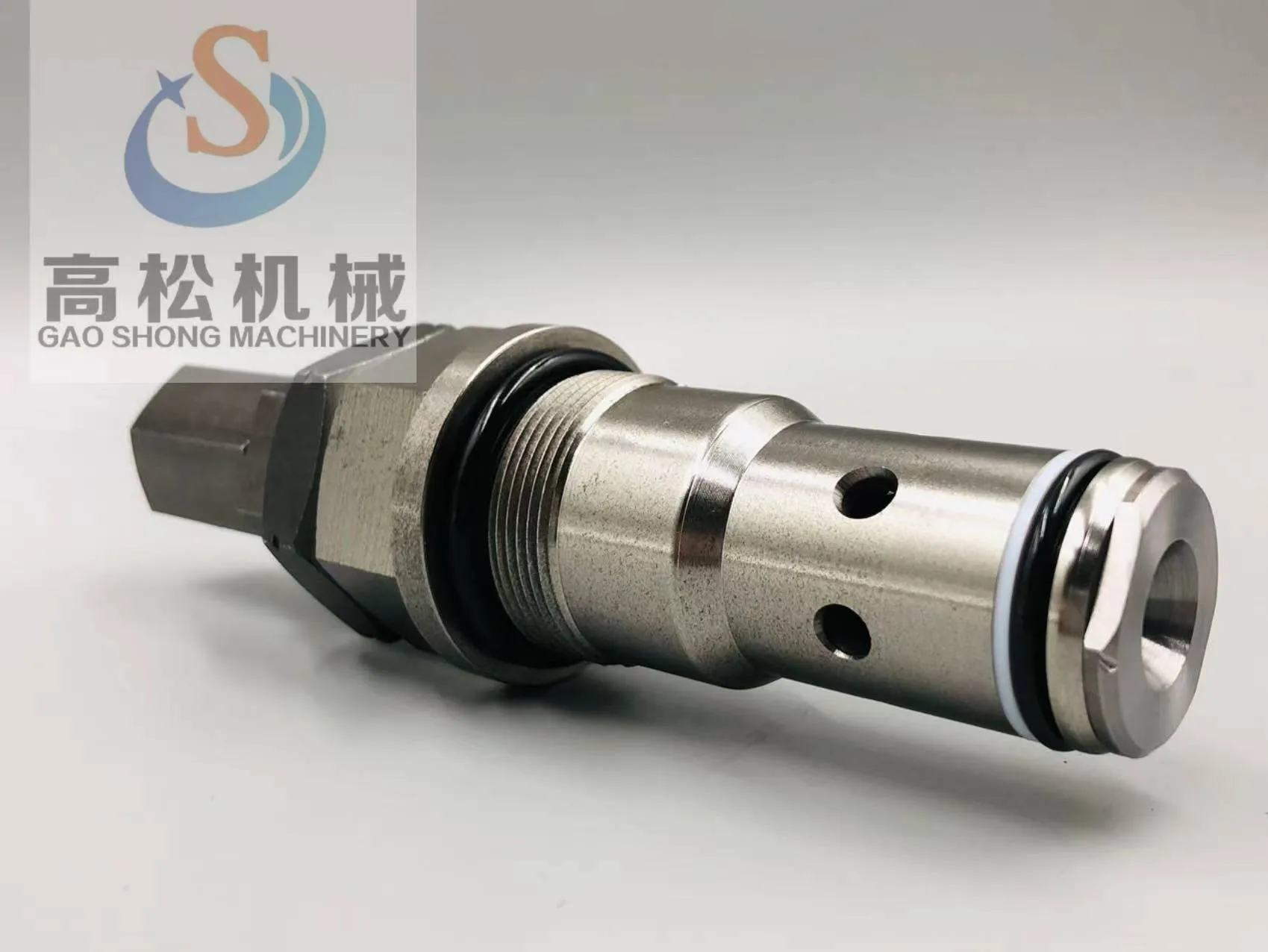 700-89-66000 relief valve Komatsu steering valve
 -
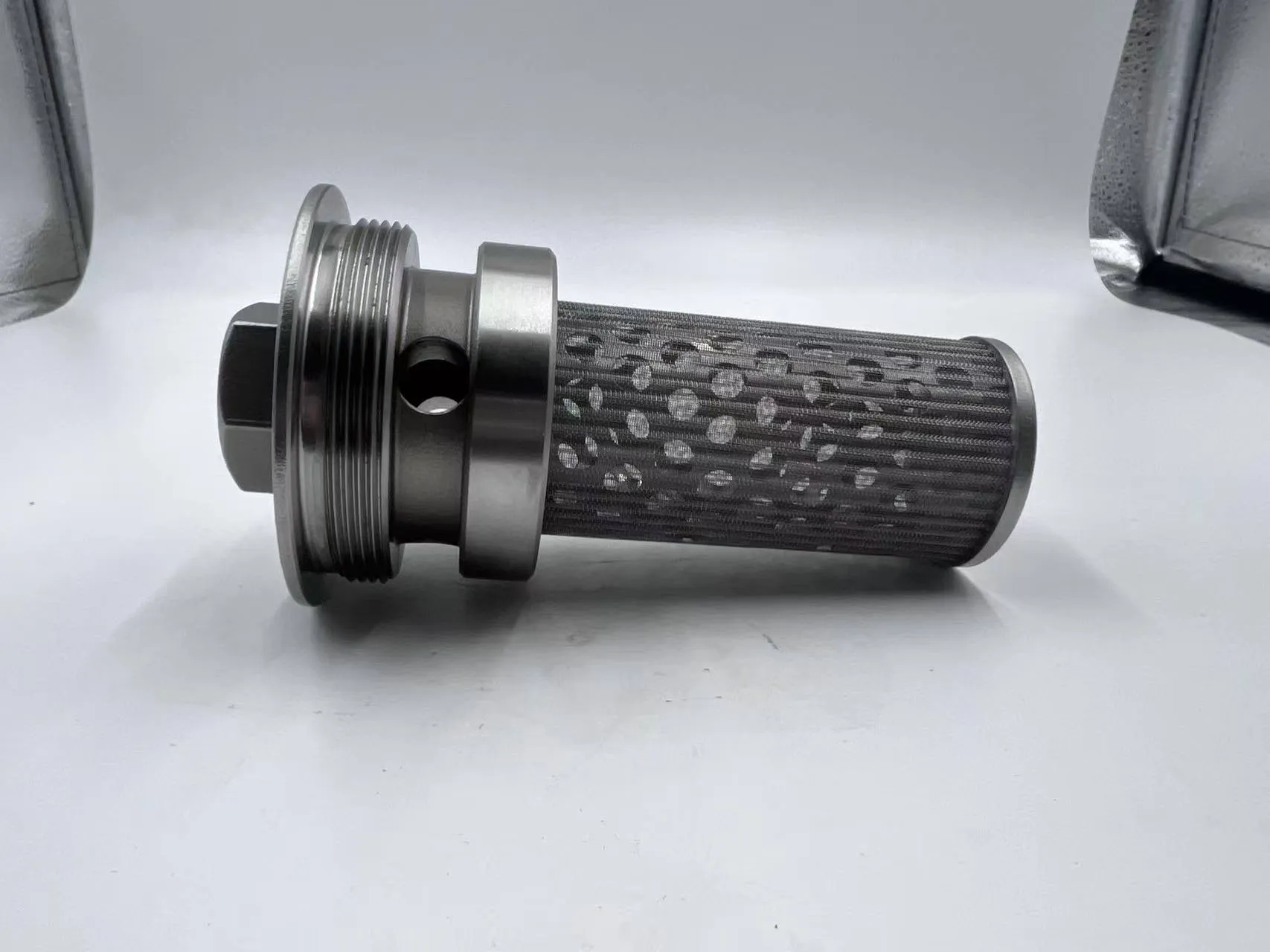 195-04-11150 STRAINER Suitable For Komatsu
 -
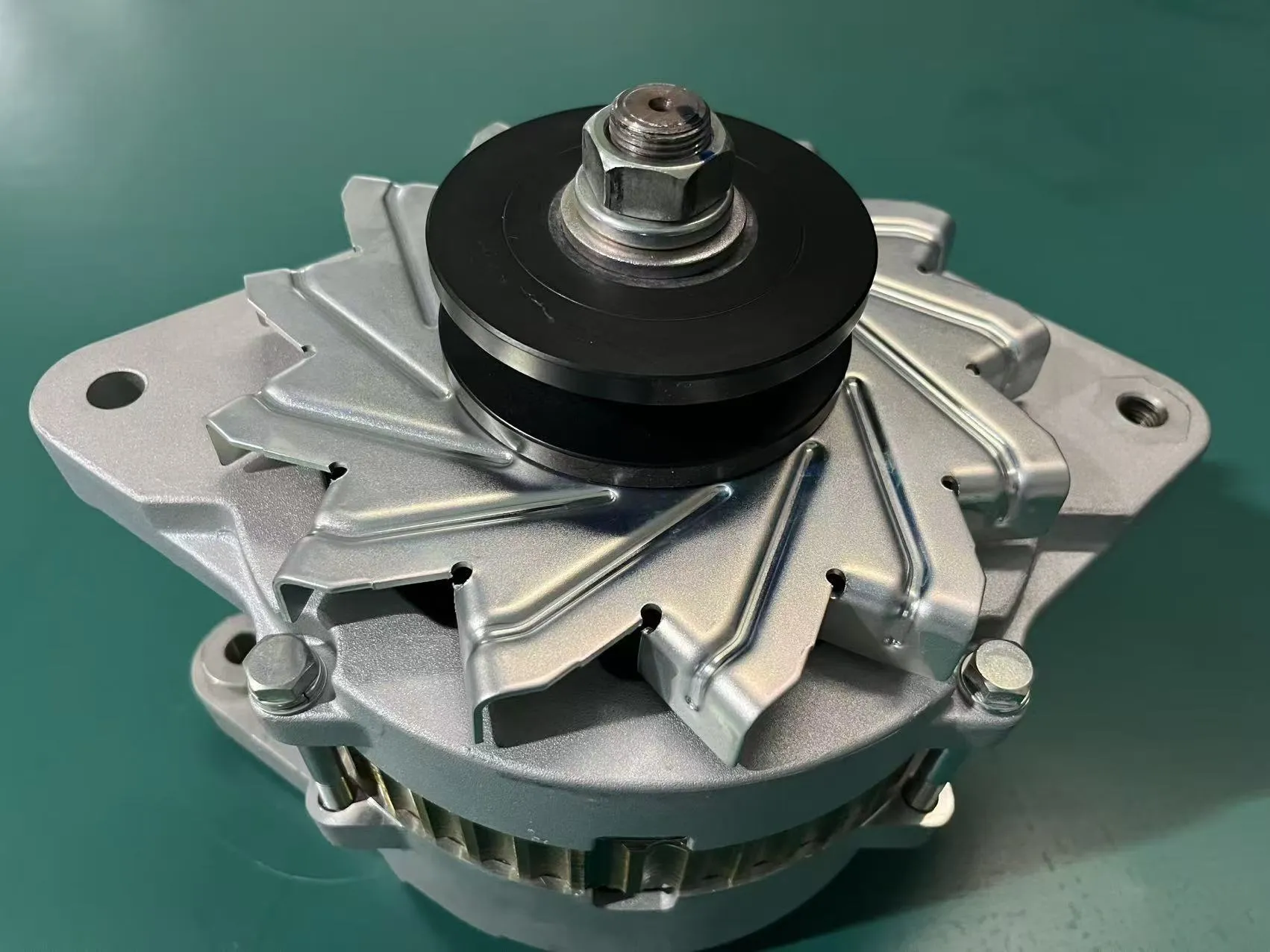 600-825-9332 Komatsu Alternator
 -
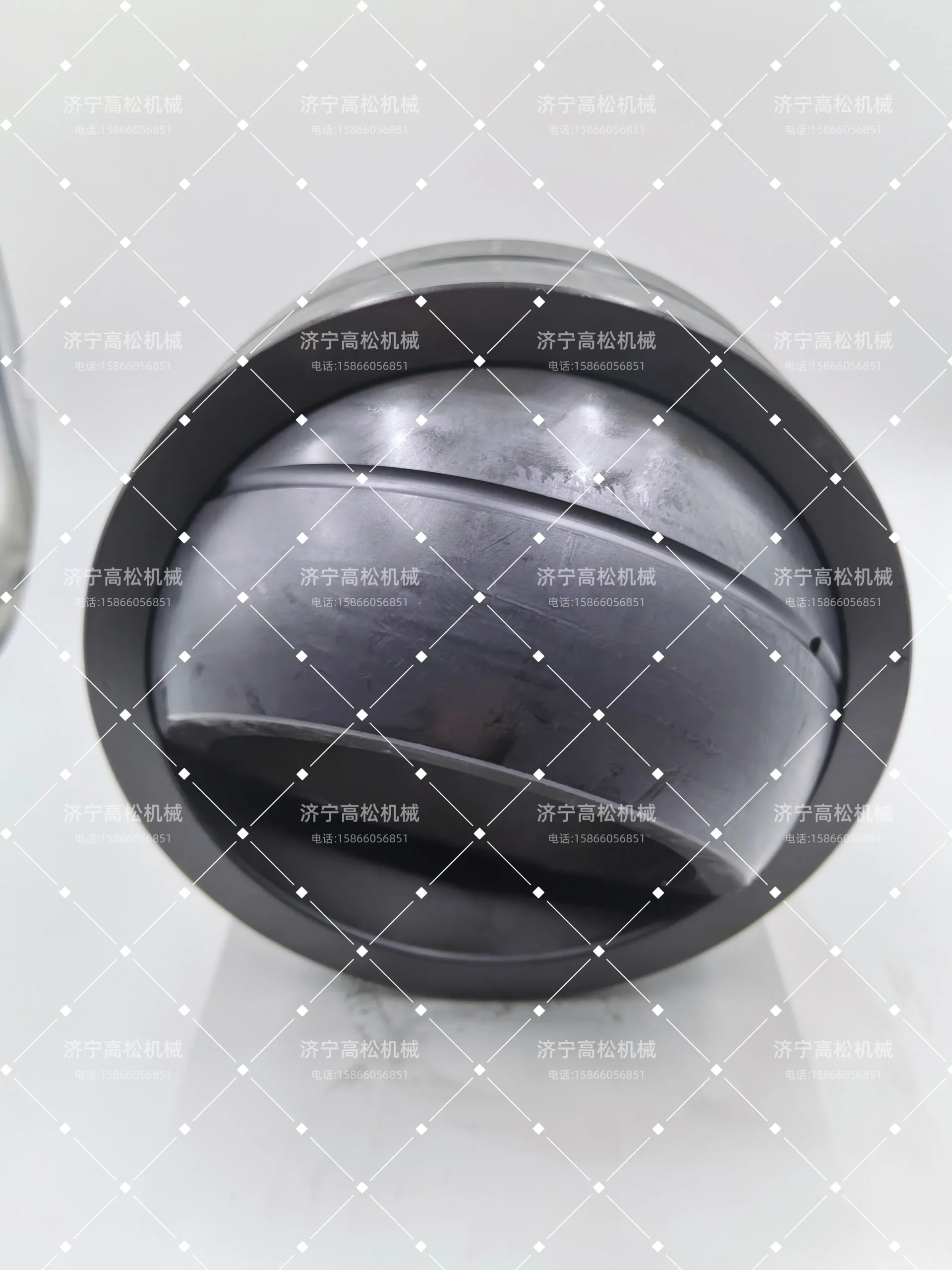 707-46-14010 Spherical Bearing for Komatsu Equipment…
 -
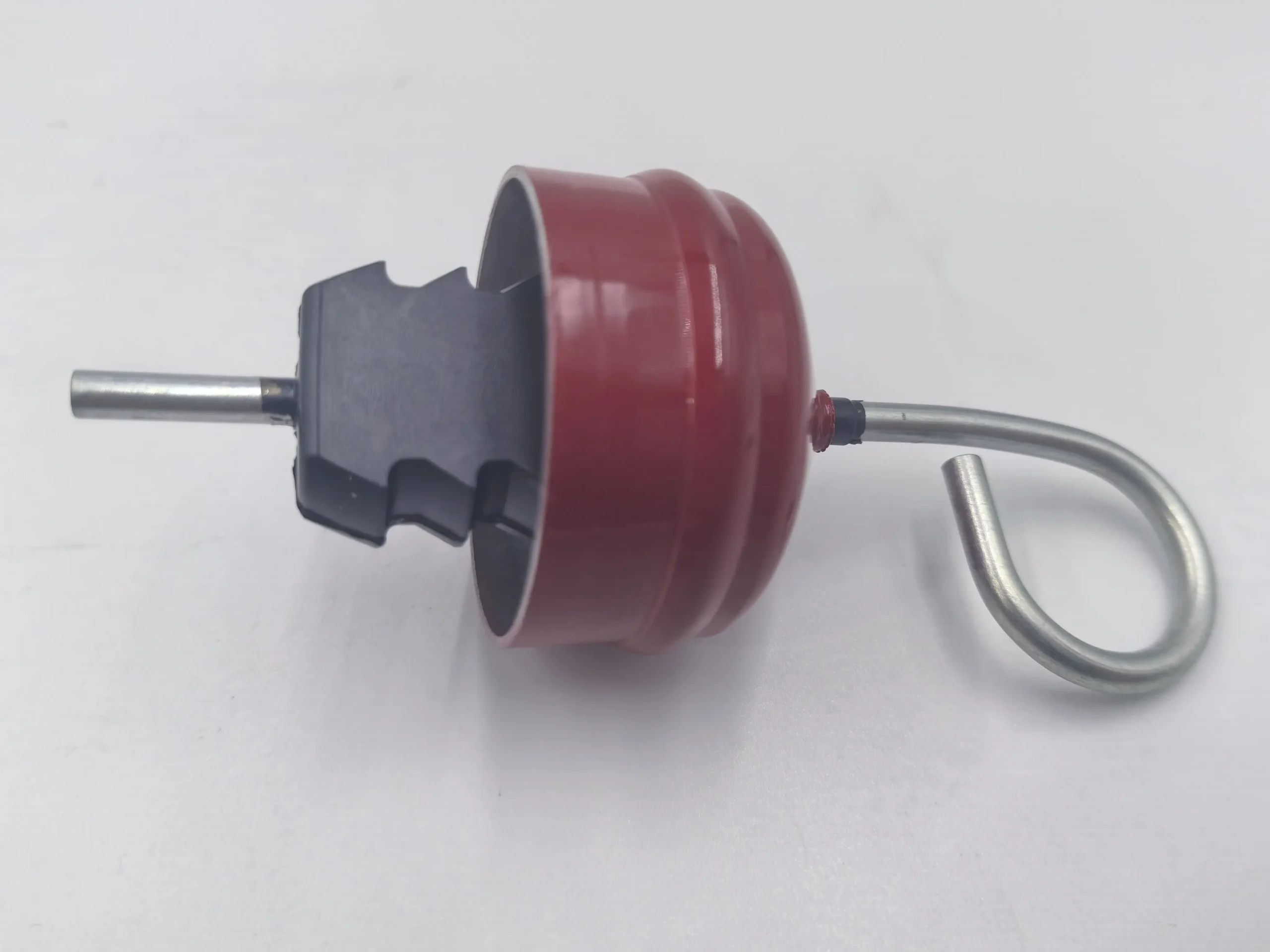 KOMATSU GAUGE 207-01-31150
 -
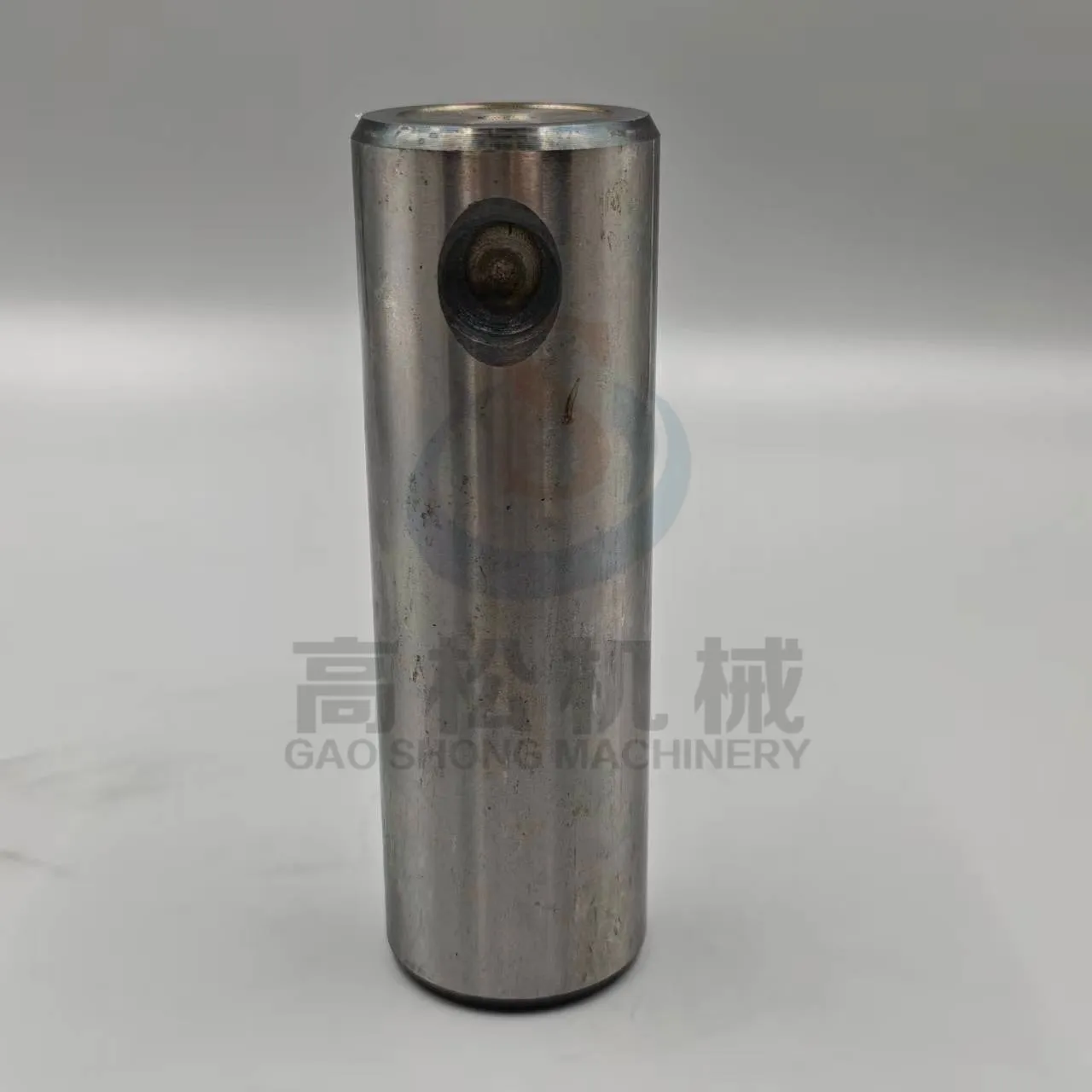 424-22-12510 Shaft (Komatsu)
 -
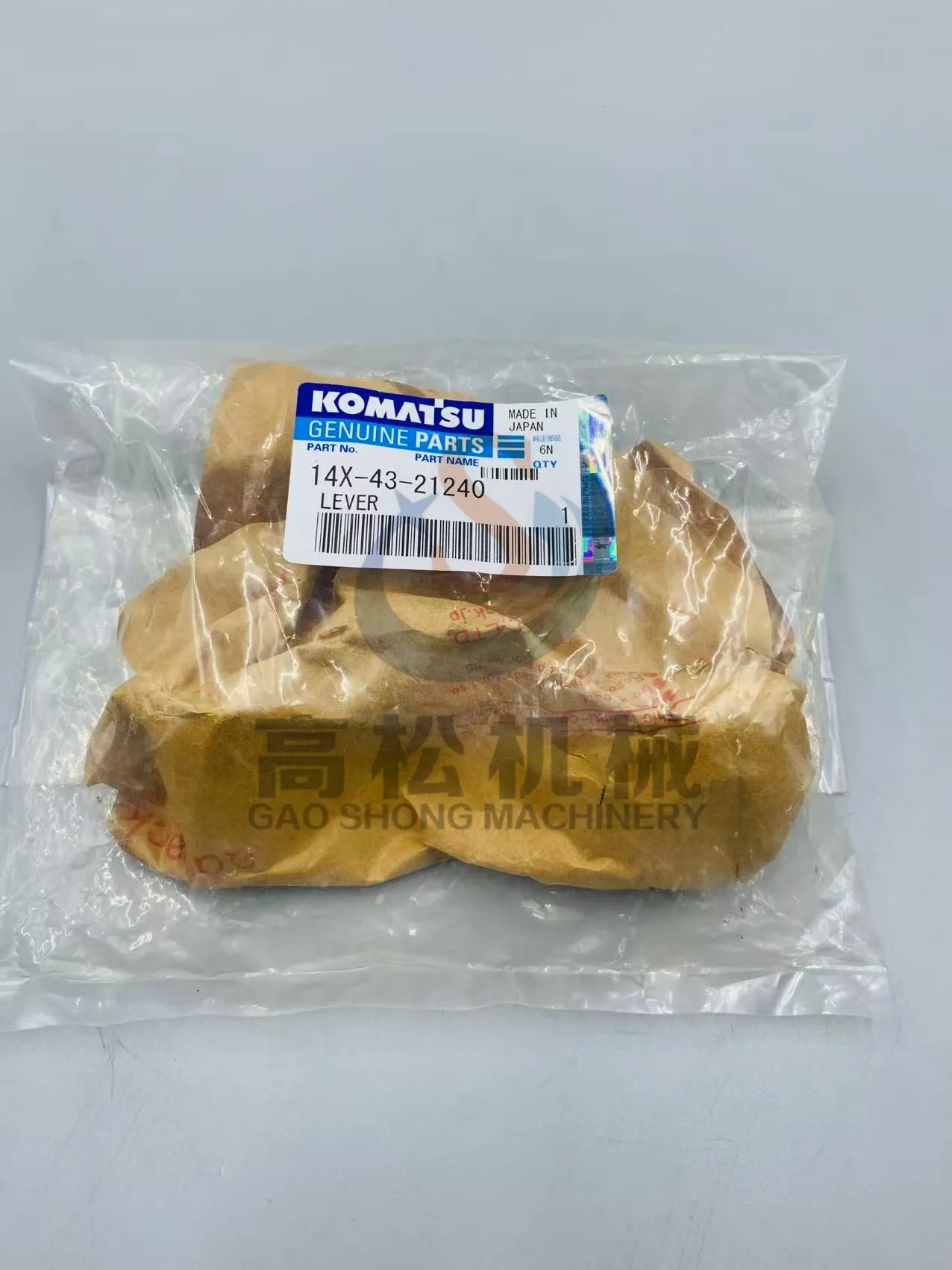 KOMATSU 14X-43-21240 LEVER
 -
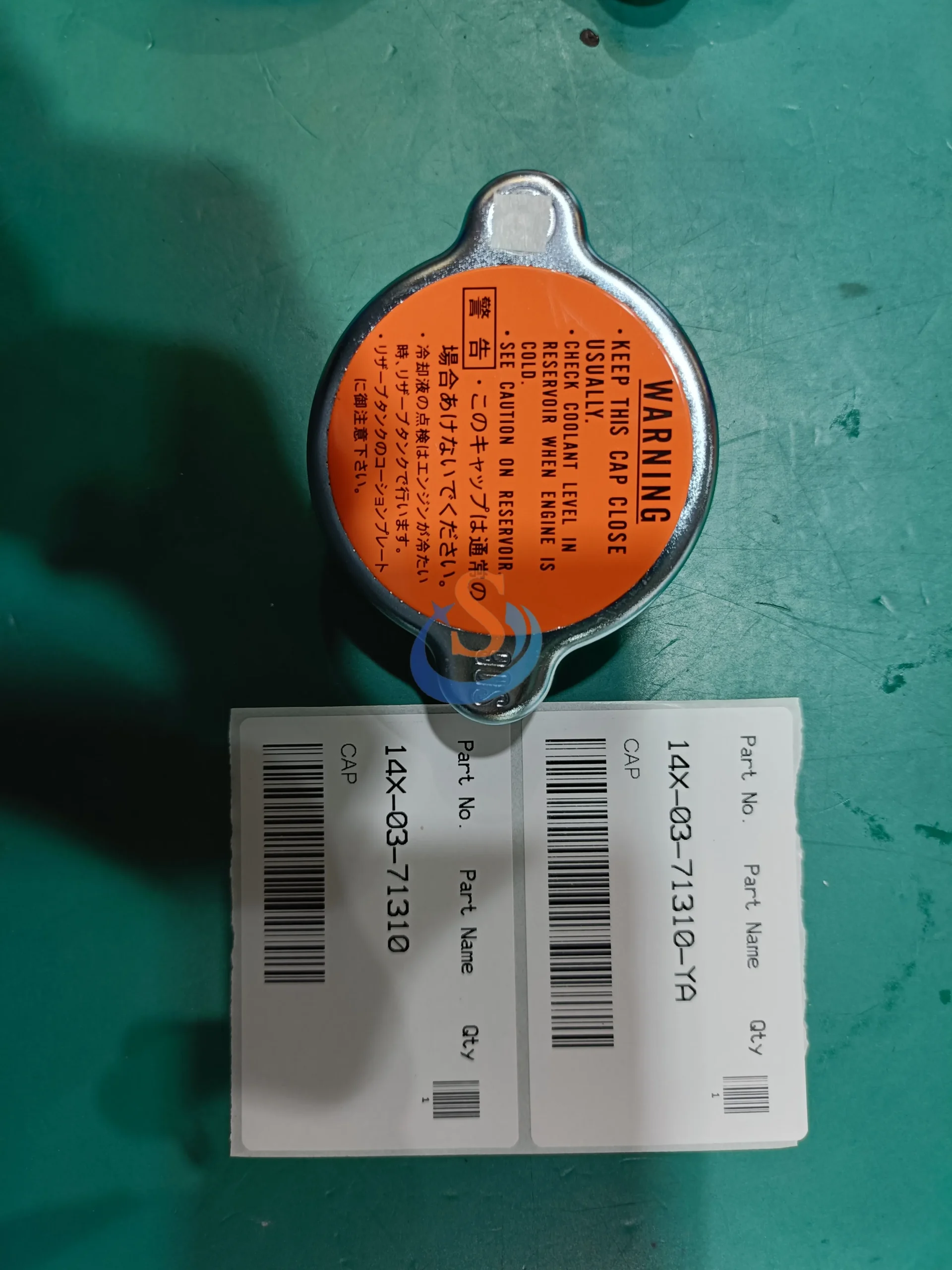 14X-03-71310 CAP HM300/WA470
 -
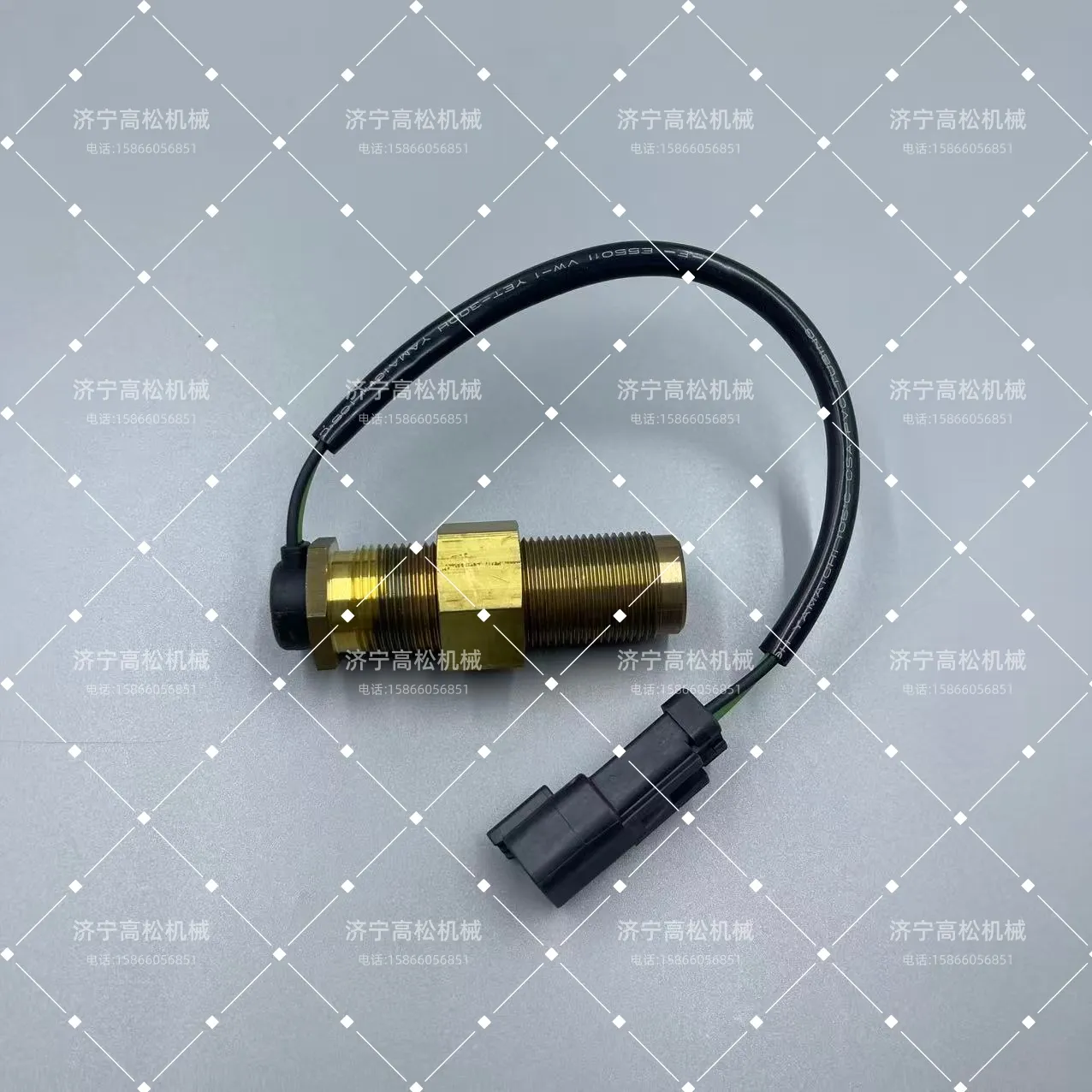 Revolution Sensor 7861-93-2330 for Bulldozer D85EX-15
 -
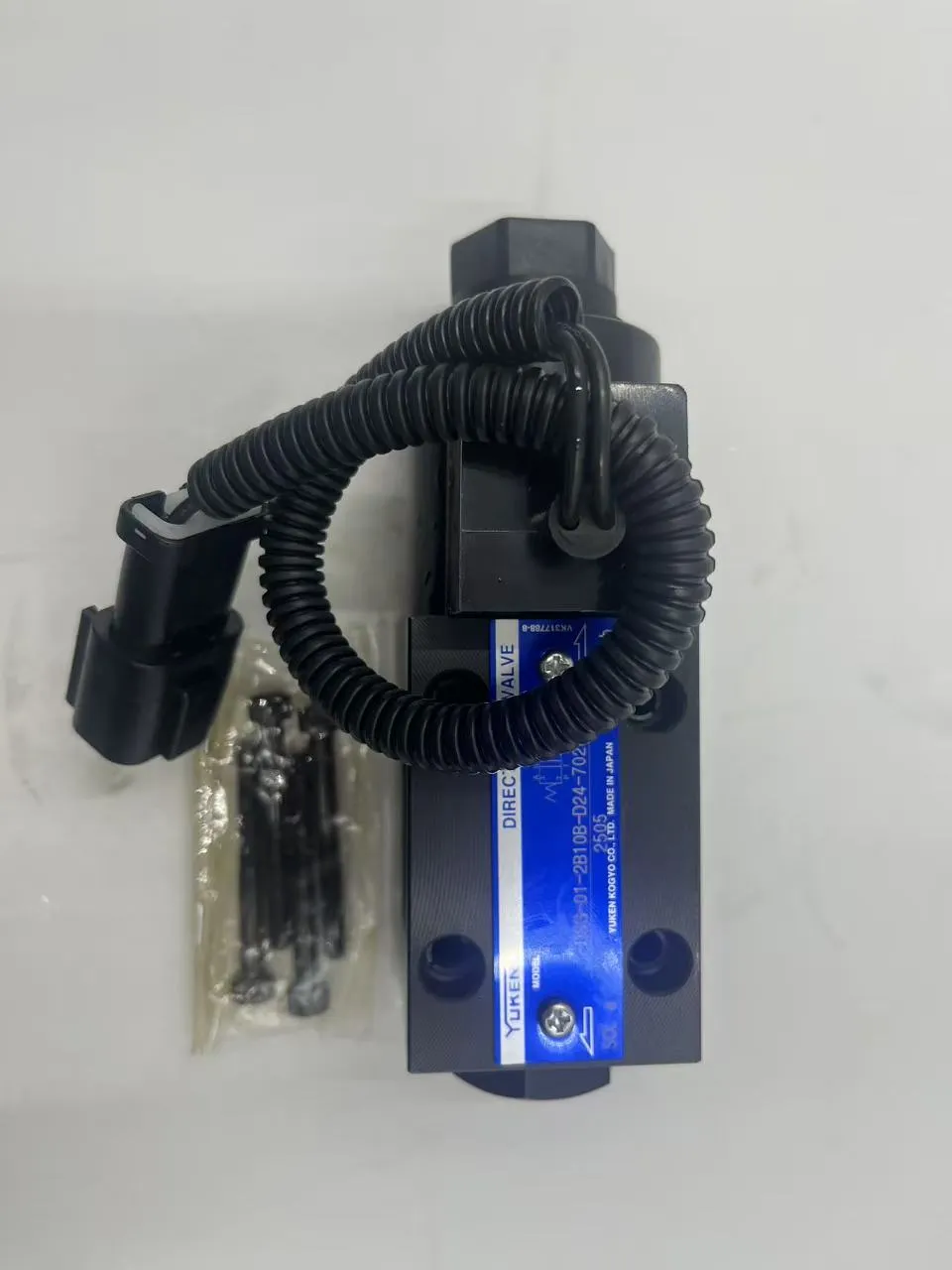 VALVE ASS’Y 23W-60-28230 KOMATSU