
- Chinese
- French
- German
- Portuguese
- Spanish
- Russian
- Japanese
- Korean
- Arabic
- Irish
- Greek
- Turkish
- Italian
- Danish
- Romanian
- Indonesian
- Czech
- Afrikaans
- Swedish
- Polish
- Basque
- Catalan
- Esperanto
- Hindi
- Lao
- Albanian
- Amharic
- Armenian
- Azerbaijani
- Belarusian
- Bengali
- Bosnian
- Bulgarian
- Cebuano
- Chichewa
- Corsican
- Croatian
- Dutch
- Estonian
- Filipino
- Finnish
- Frisian
- Galician
- Georgian
- Gujarati
- Haitian
- Hausa
- Hawaiian
- Hebrew
- Hmong
- Hungarian
- Icelandic
- Igbo
- Javanese
- Kannada
- Kazakh
- Khmer
- Kurdish
- Kyrgyz
- Latin
- Latvian
- Lithuanian
- Luxembou..
- Macedonian
- Malagasy
- Malay
- Malayalam
- Maltese
- Maori
- Marathi
- Mongolian
- Burmese
- Nepali
- Norwegian
- Pashto
- Persian
- Punjabi
- Serbian
- Sesotho
- Sinhala
- Slovak
- Slovenian
- Somali
- Samoan
- Scots Gaelic
- Shona
- Sindhi
- Sundanese
- Swahili
- Tajik
- Tamil
- Telugu
- Thai
- Ukrainian
- Urdu
- Uzbek
- Vietnamese
- Welsh
- Xhosa
- Yiddish
- Yoruba
- Zulu
- Kinyarwanda
- Tatar
- Oriya
- Turkmen
- Uyghur






OEM AND ORIGINAL KOMATSU PIN 427-S95-2621
Let's talk about that PIN, 427-S95-2621. If you're ordering it, you're probably dealing with a Komatsu excavator or dozer bucket linkage. The number itself is dry, but the reality behind it is where things get messy. A lot of guys see OEM and think it's the exact same part that comes off the Komatsu line in Japan. That's the first, and most expensive, misconception. In my experience, OEM within the Komatsu system can mean a dozen different things, from a licensed foundry using original drawings to a factory making original-spec parts with approved material certs but not for final assembly at Komatsu's main plants. The distinction matters more than most suppliers let on.
The Gray Zone of Original
I've handled probably a hundred units of this specific pin over the years. The true Komatsu-original 427-S95-2621 has a specific finish, a very precise chamfer on the ends, and the part number is laser-etched, not stamped. The steel grade is a particular hardened alloy. When a company like Jining Gaosong Construction Machinery Co., Ltd. says they are an OEM product supplier within the system, the immediate question is: which tier? Are they the primary forge for this component, or are they producing to print after the original tooling has been released or even retired? I've seen their samples, and the machining is good. The hardness tests often check out. But the original from them versus the one in a sealed Komatsu bag from an official dealer? There's a subtle difference in the tolerance stack-up. It might be a +/-0.01mm thing, but over time, with that bucket slamming around, it manifests as wear in the linkage bushings a bit faster.
This isn't to say their part is bad. Not at all. For a machine that's not in warranty, or operating in a region where getting that official bag is a 12-week ordeal, it's a solid, functional solution. Their role as a third-party sales company addressing supply challenges is real. I recall a project in West Africa where the official channel was quoting 90 days for a pin. We sourced through a similar supplier, got it on site in 3 weeks, and kept the machine running. The cost was 40% less. The trade-off? We scheduled an earlier inspection on the entire linkage group. It's a calculated risk.
The real pitfall is when suppliers blur the lines intentionally. OEM AND ORIGINAL in a product title is a powerful magnet. But you have to dig. Is it original design? Original specification? Or original manufacturer? Those are three different price and assurance points. I've been burned once, early on, by a pin that looked perfect but had a subsurface material flaw. It sheared after about 300 hours. The supplier vanished. That's why I now prefer entities with a traceable footprint, like a proper site such as https://www.takematsumachinery.com, which at least indicates a level of permanence and a channel for recourse, even if the part itself originates from the complex OEM ecosystem.
Field Realities and Fitment Issues
Even with a perfectly in-spec pin, installation is where theory meets dirt. The 427-S95-2621 isn't a simple push-through. It often involves heat, presses, and a feel for the interference fit. I've had original-spec pins that required more press tonnage to install than the Komatsu-branded one, suggesting a tolerance on the upper limit. It went in, but it stressed the surrounding boss. The reverse, a slightly undersized pin, is worse—it leads to immediate knocking.
A practical step we always take is a dry-fit check before any heating or pressing. Clean the bores meticulously, remove any old paint or burrs. Try to hand-start the pin. If it doesn't go in by hand at least a few millimeters, stop. Measure both the pin and the bore. I've had to send back pins that were advertised as 427-S95-2621 but were off by a critical half-millimeter. The packaging was convincing, the paperwork looked right. The calipers told the truth.
Another nuance is the lubrication groove. On this pin model, the groove pattern and depth are critical for grease distribution. Some aftermarket versions simplify this to cut costs, making the grooves shallower or fewer. This isn't always a deal-breaker, but it means you must be more aggressive with your greasing schedule. It's a maintenance headache you inherit.
The Supplier's Stated Role and On-Ground Truth
Looking at the description for Jining Gaosong—helping to solve parts supply challenges in certain countries—that's the key value proposition. They aren't claiming to be Komatsu direct. They're a bridge. In markets where the official distribution is thin, slow, or exorbitantly priced, their existence is pragmatic. I've worked with similar companies in Southeast Asia and South America. The good ones are transparent about provenance. They'll tell you, This is from our OEM factory, here are the material certs, but it does not have the Komatsu logo. The bad ones slap a fake logo on it and charge a premium.
Their website, Takematsu Machinery, should be your first checkpoint. Not just for ordering, but for gauging their specialization. Do they list technical specs for the pin? Do they show application charts? Or is it just a parts catalog with prices? The more technical information readily available, the more confident I am that they understand the part's function, not just its part number. A supplier that just moves boxes often can't answer why a pin failed.
We used a batch of their OEM pins for a fleet of PC300s. The performance was generally reliable for about 5,000 hours, which is acceptable for most mining support equipment. However, we did notice that the surface hardness seemed to wear slightly faster under constant, high-impact loading compared to the traceable Komatsu part. For a machine in a less punishing application, like general construction, I wouldn't hesitate. It comes down to duty cycle assessment.
Cost vs. Long-Term Uptime Calculus
Never just compare the price of the pin. The total cost includes downtime for installation, potential collateral damage if it fails, and the lifespan of the mating parts. A cheaper pin that causes premature bushing wear can erase its savings ten times over. For a critical machine on a tight deadline, the premium for the absolute certainty of a dealer part might be insurance. For a backup machine or in a cost-sensitive rebuild, the verified OEM alternative makes economic sense.
My rule now is to qualify a new supplier with a non-critical application first. Test their 427-S95-2621 on a machine where a sudden failure isn't a project-killer. Monitor it. Take wear measurements at regular intervals. If it performs, you've added a viable source to your list. This is how you build a resilient supply chain, especially in regions mentioned on their site where challenges are the norm.
Ultimately, the keyword OEM AND ORIGINAL KOMATSU PIN 427-S95-2621 is a promise that needs verification. The OEM part relates to the manufacturing pedigree, the ORIGINAL speaks to the design compliance. Companies operating in the space defined by Jining Gaosong Construction Machinery Co., Ltd. fill a crucial, pragmatic niche. They solve the immediate availability problem. It's then our job as end-users or mechanics to validate that the solution doesn't create a different, more expensive problem down the line. It's not about finding the cheapest part; it's about securing the most reliable uptime for the lowest total operating cost. Sometimes that's the official part. Often, especially outside the core markets, it's a well-vetted, transparent OEM alternative.
Related Products
Related Products

Best Selling Products
Best Selling Products-
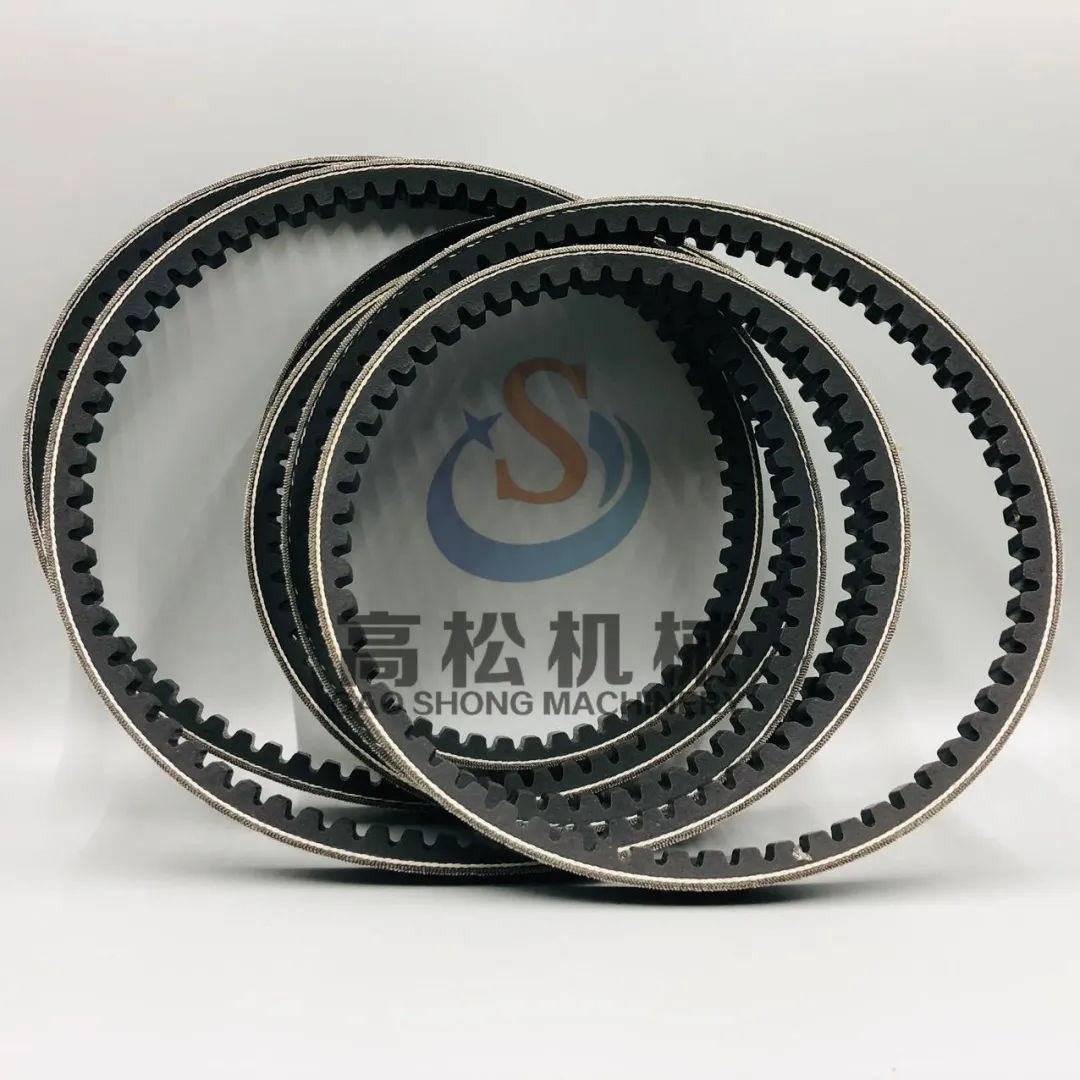 Genuine KOMATSU V-Belt for KOMATSU/SA12V140E-3/D375A-5/HD785-7 | P/N 6219-61-3420
 -
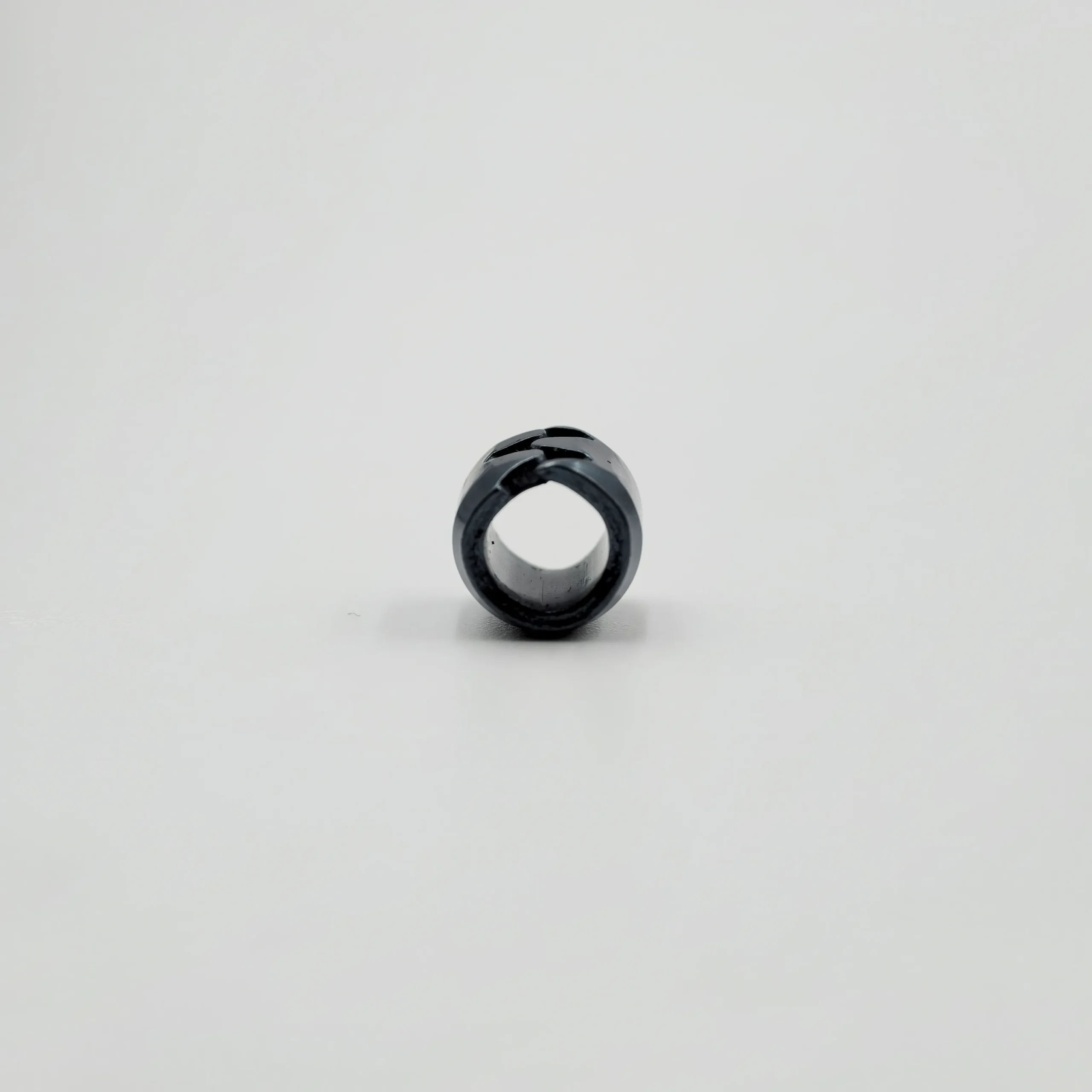 144-70-15251 Komatsu Pin, Dowel
 -
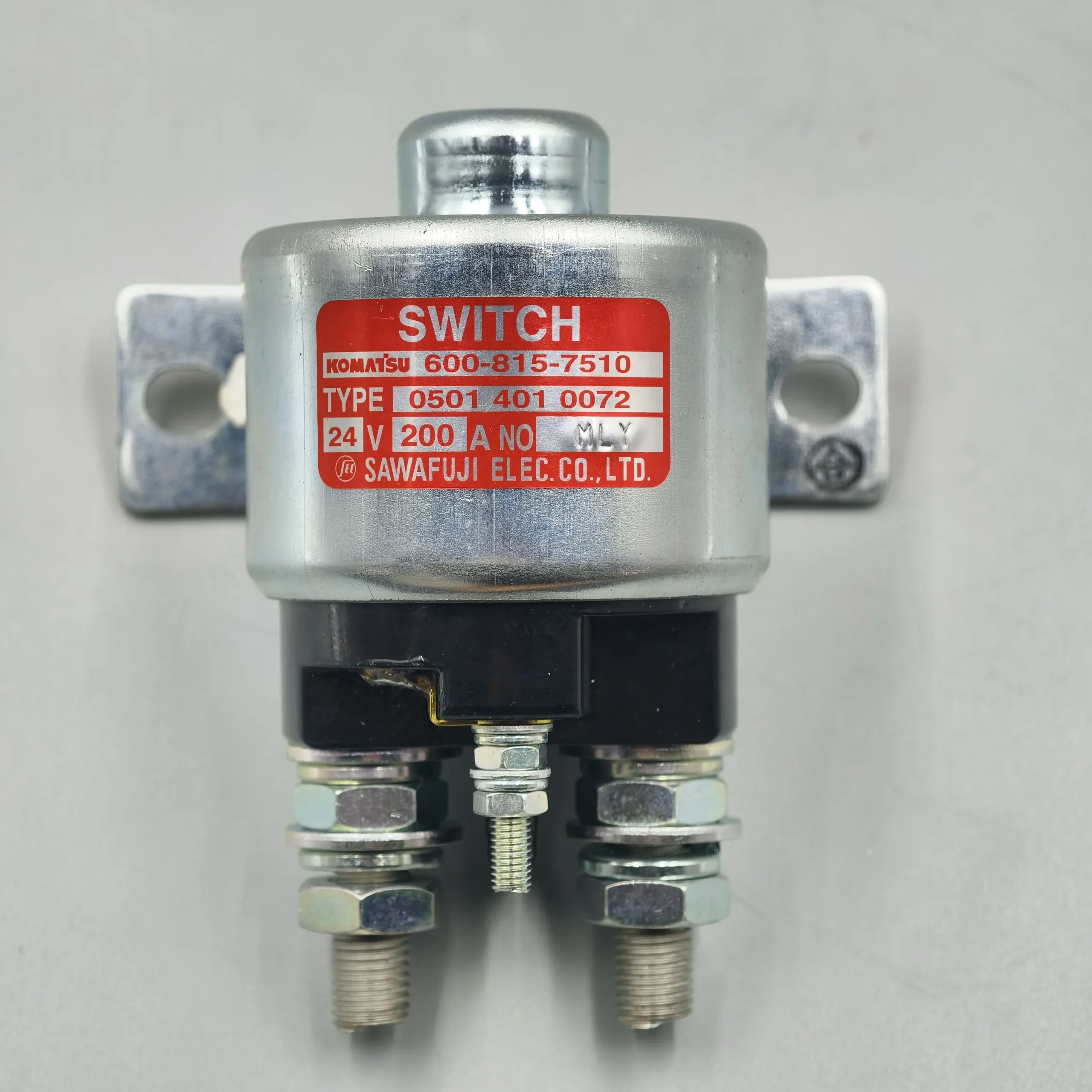
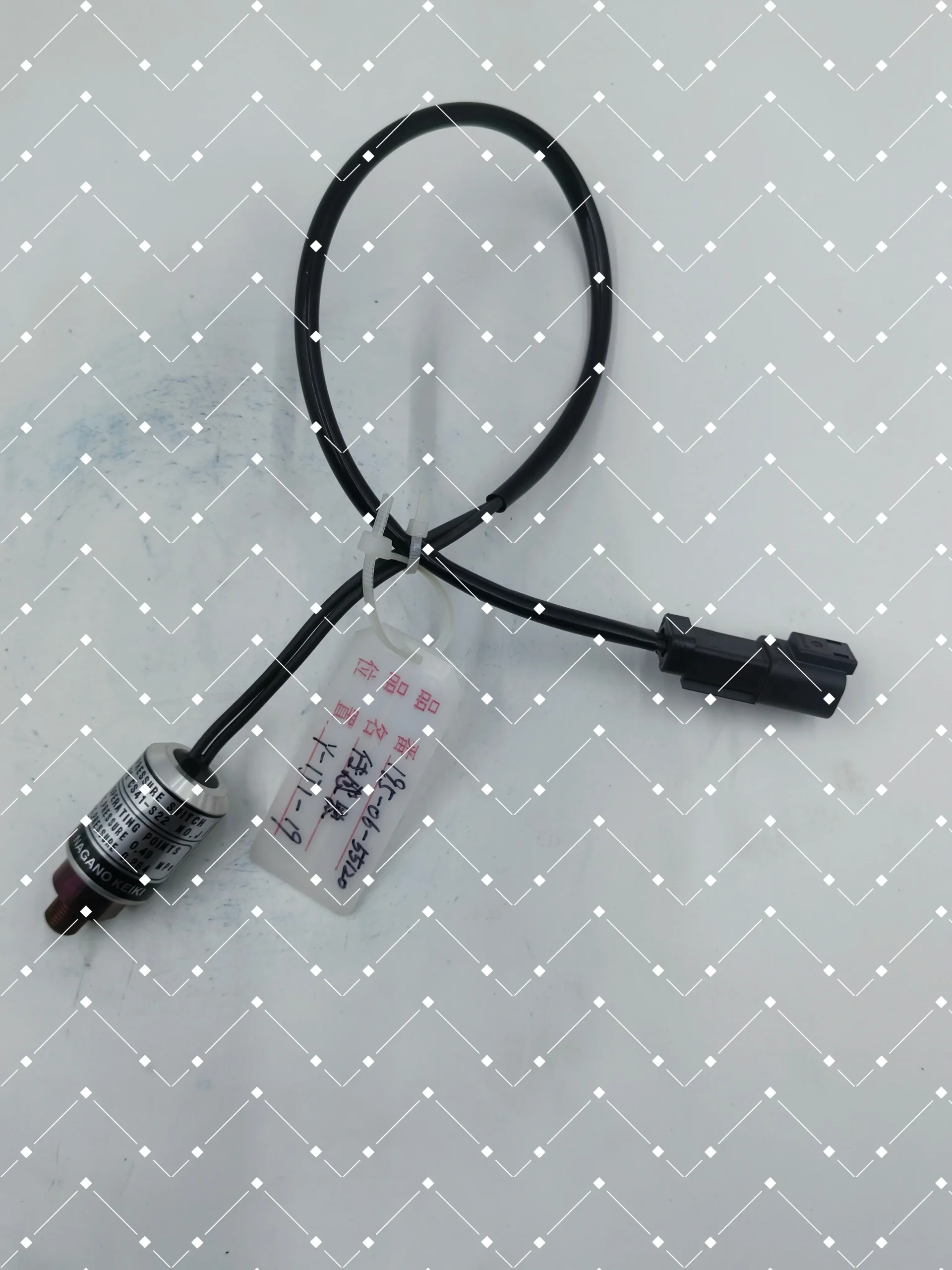 Komatsu 195-06-55120 Switch, price for original and… — Pricing.Parts
 -
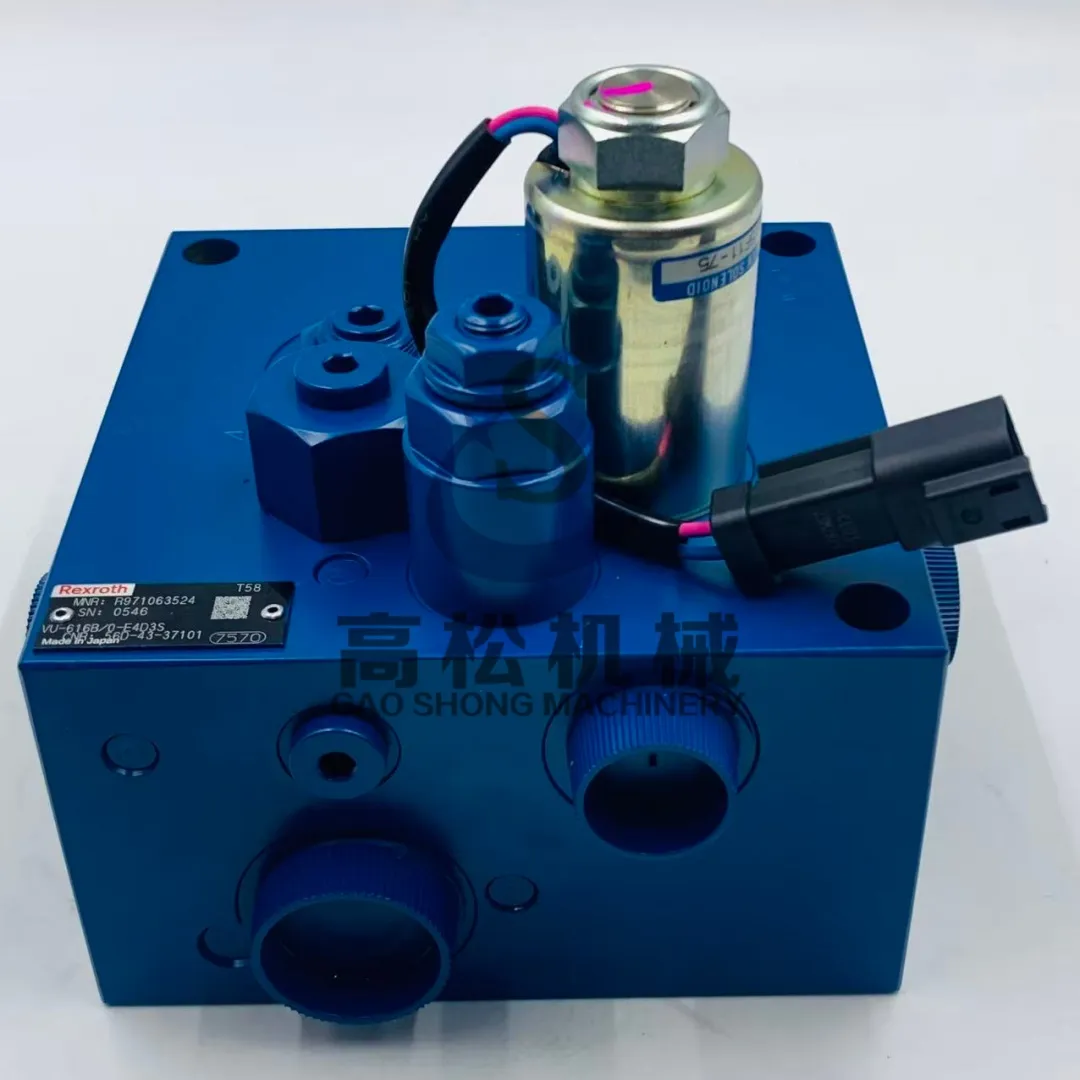 56D-43-37101 Komatsu Valve Assembly
 -
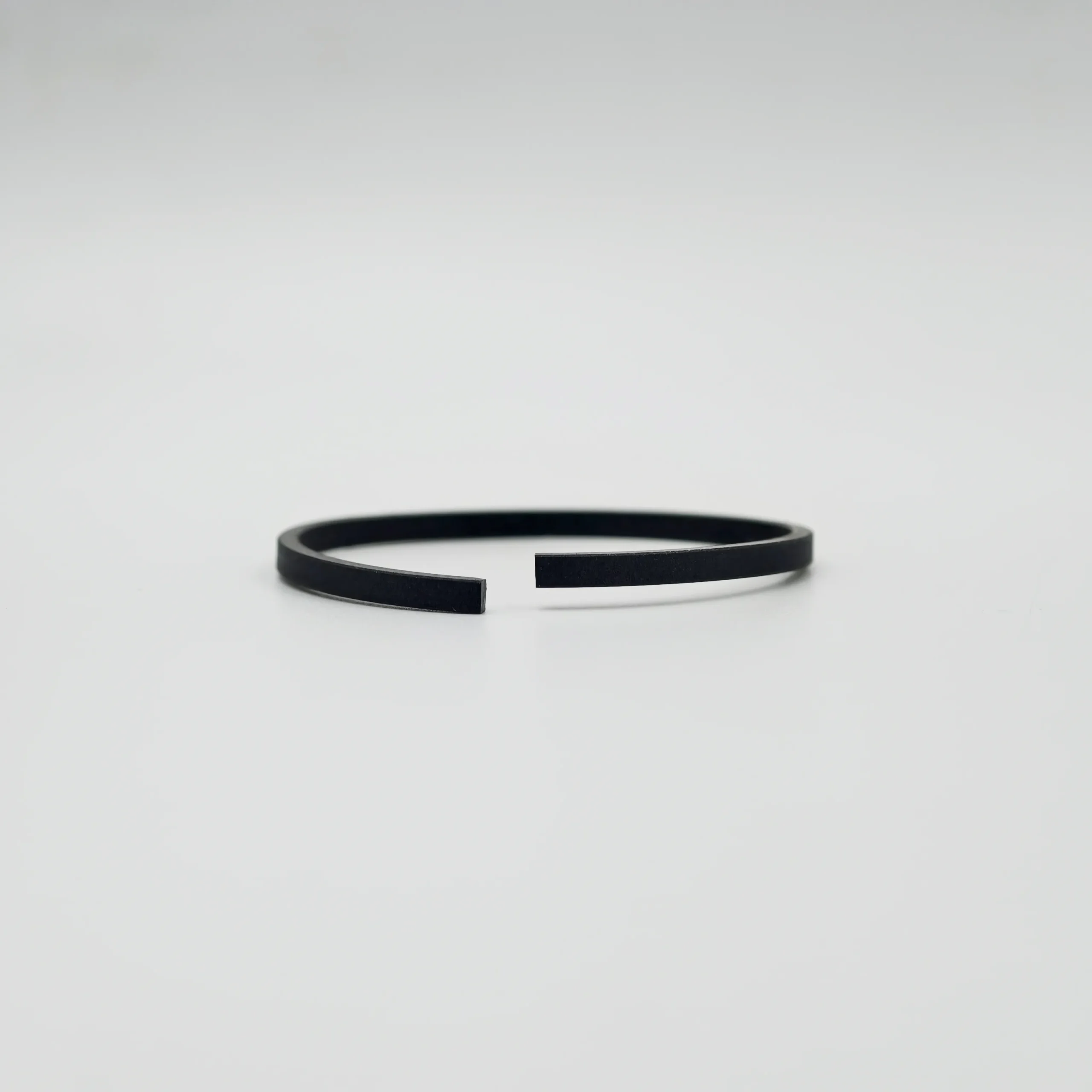 56D-15-19250 RING
 -
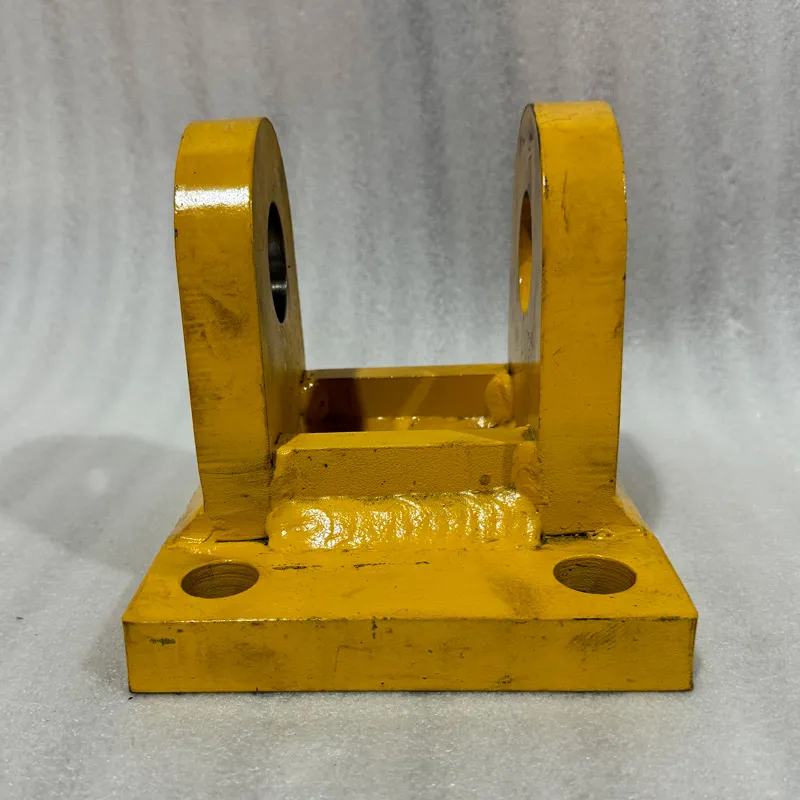 Original komatsu GD661A-1 Pull Rod 238-46-11810
 -
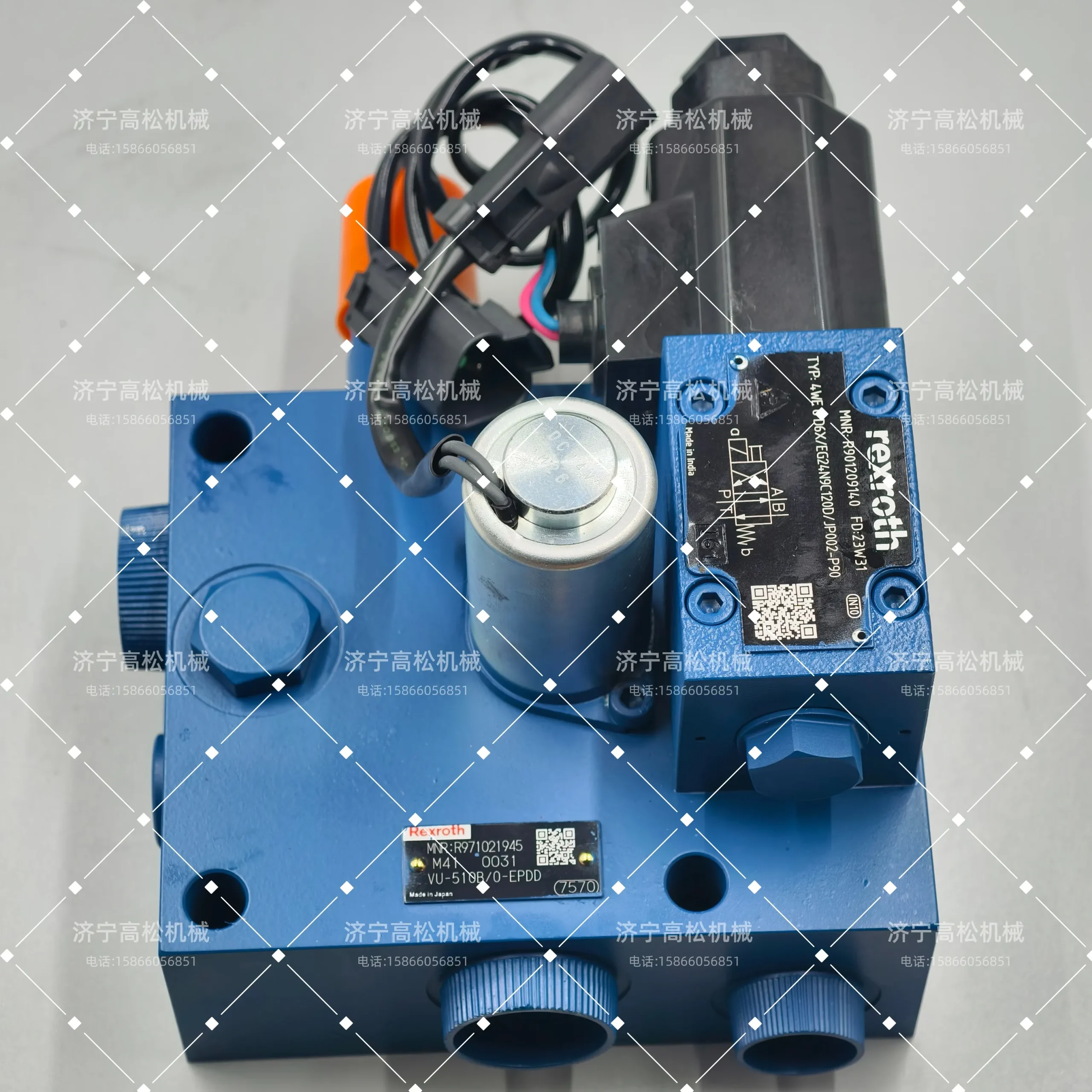 Dump Truck HD465-7EPC Valve Ass’y 56b-43-12402 56b4312402…
 -
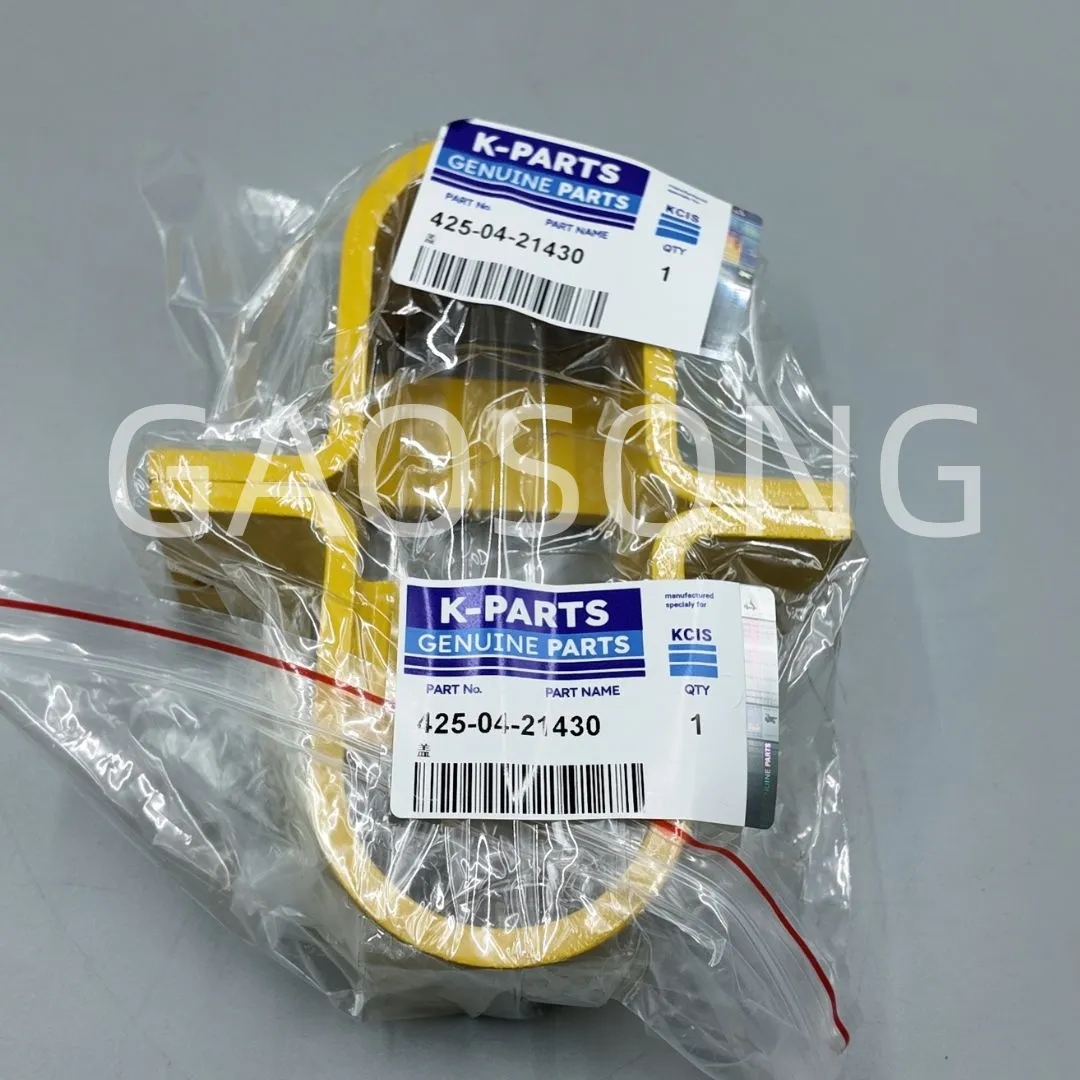
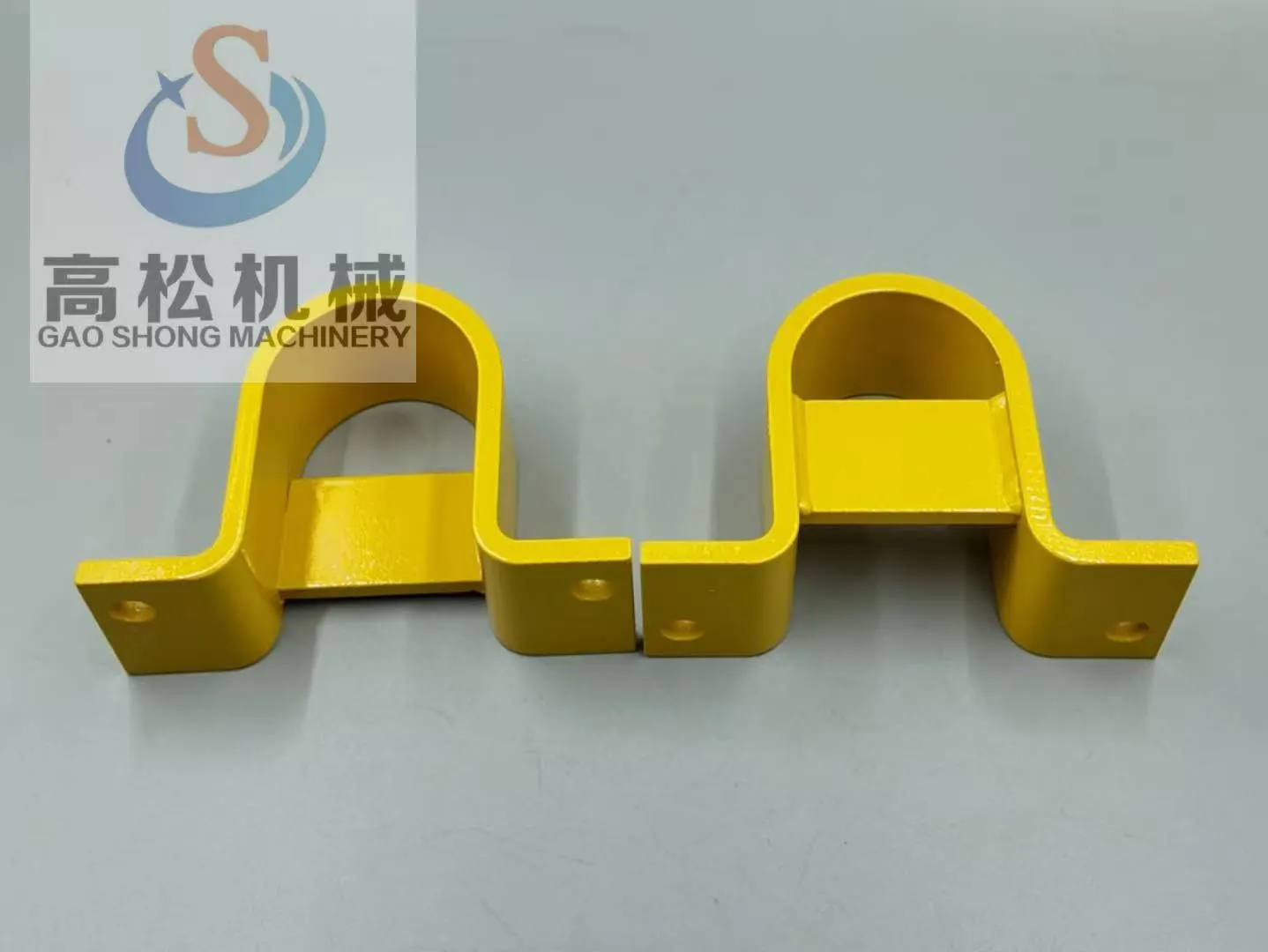 425-04-21430 Compatible models: WA500 Komatsu cover. Large inventory, current spot pricing advantages.
 -
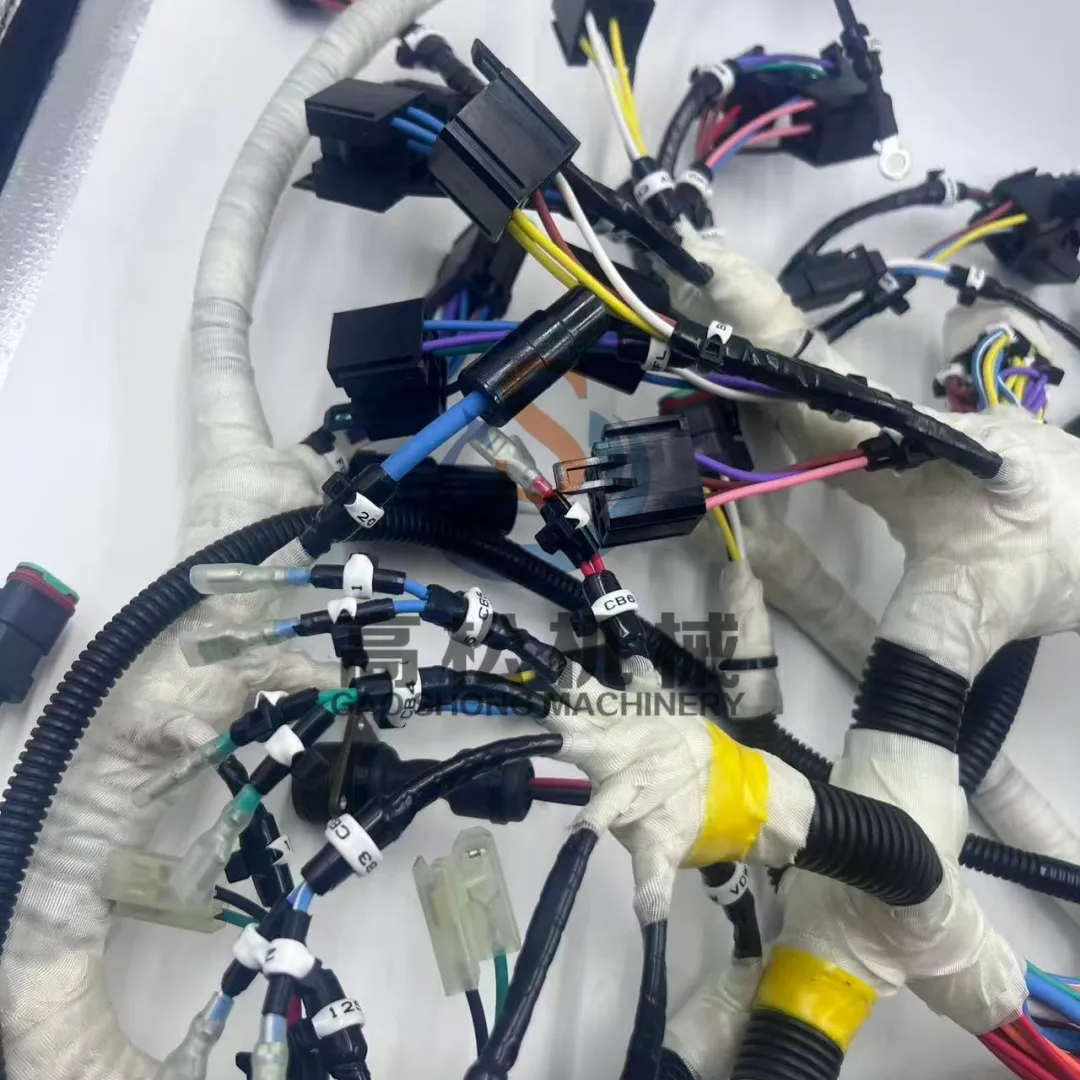 195-06-84471 Komatsu Wiring Harness
 -
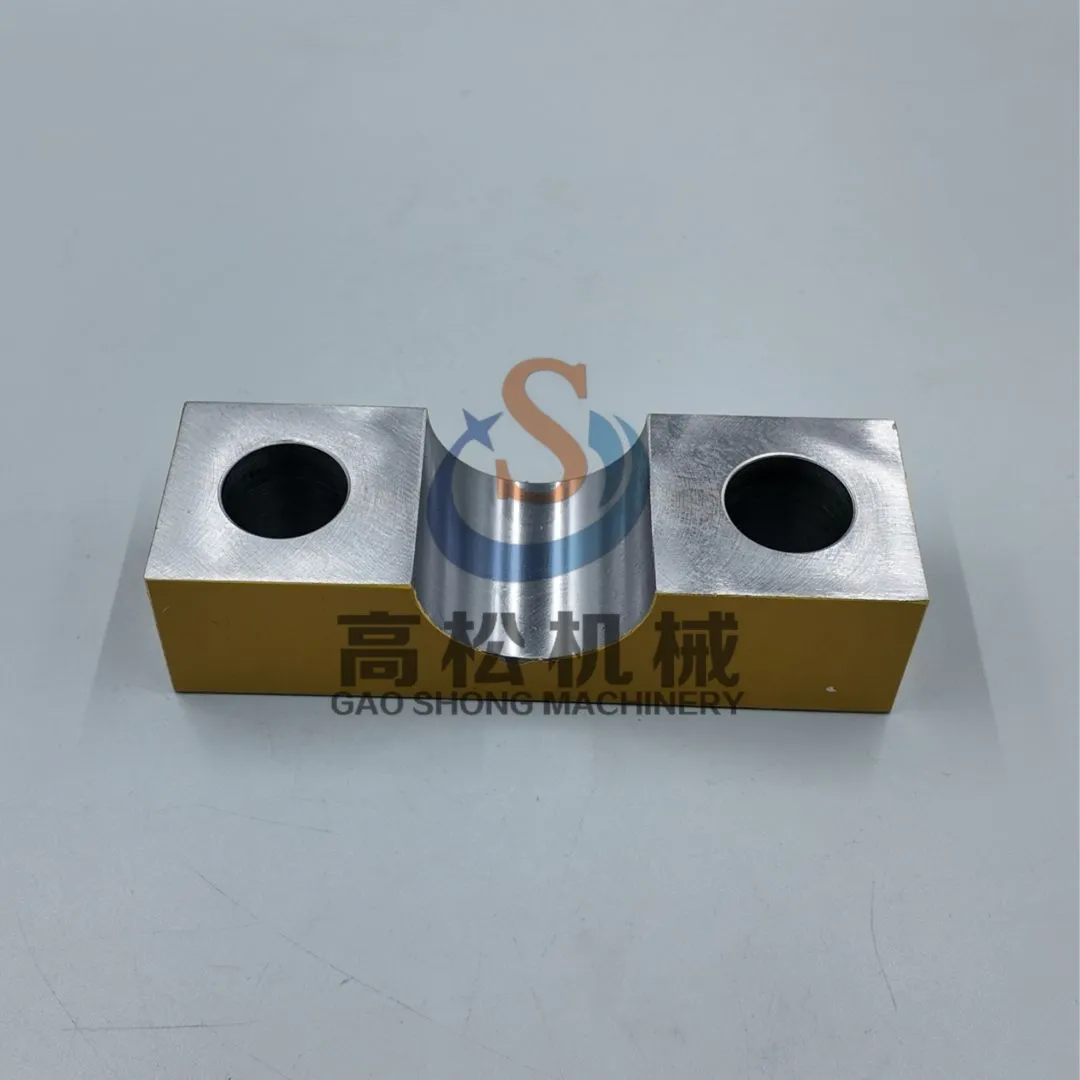 56B-50-12150 Komatsu Plate komatsu original
 -
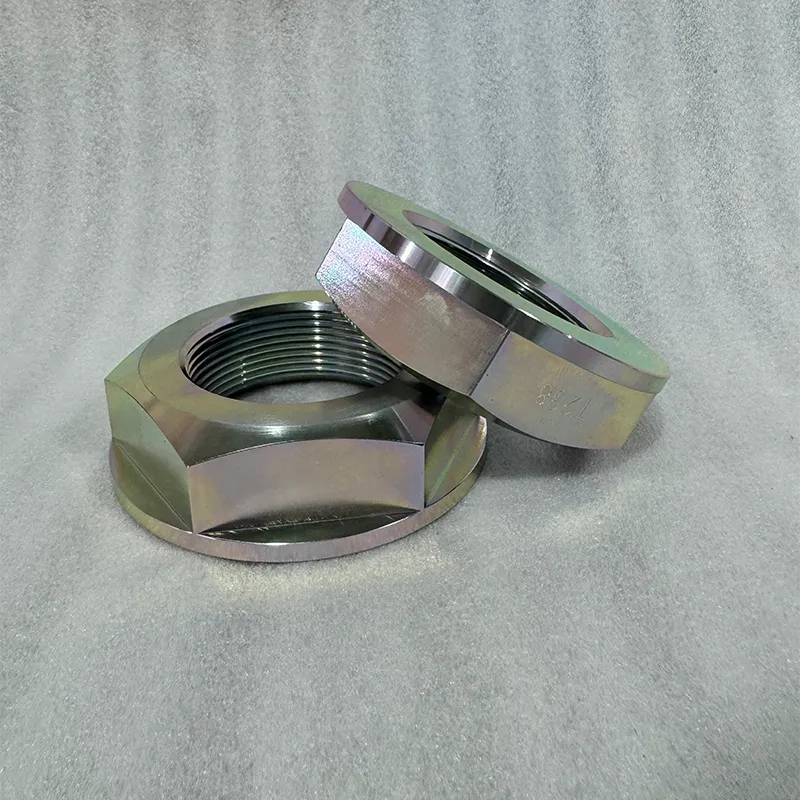 Original komatsu GD825A-2 235-46-45130
 -
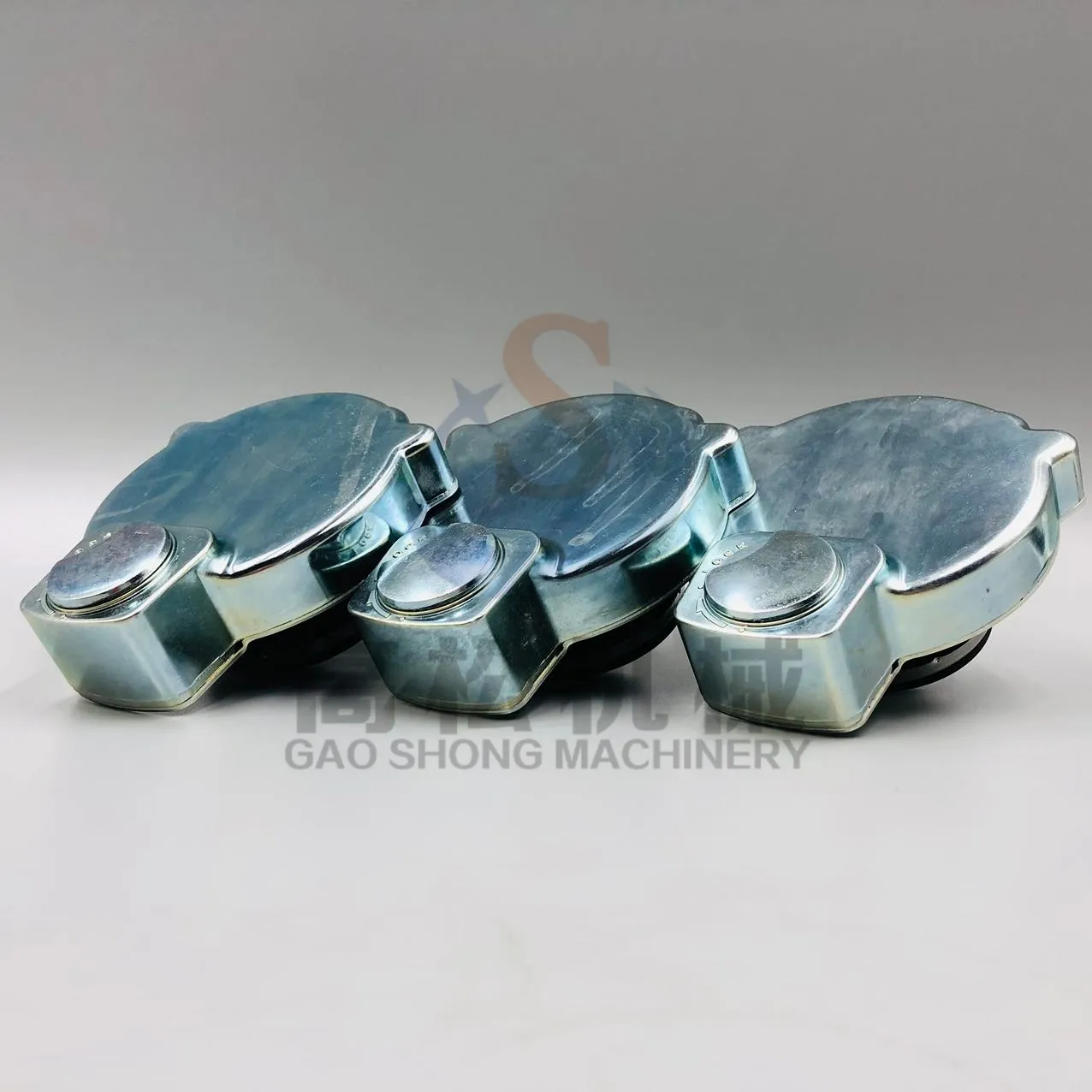 Komatsu fuel tank cap 17A-60-11310