
- Chinese
- French
- German
- Portuguese
- Spanish
- Russian
- Japanese
- Korean
- Arabic
- Irish
- Greek
- Turkish
- Italian
- Danish
- Romanian
- Indonesian
- Czech
- Afrikaans
- Swedish
- Polish
- Basque
- Catalan
- Esperanto
- Hindi
- Lao
- Albanian
- Amharic
- Armenian
- Azerbaijani
- Belarusian
- Bengali
- Bosnian
- Bulgarian
- Cebuano
- Chichewa
- Corsican
- Croatian
- Dutch
- Estonian
- Filipino
- Finnish
- Frisian
- Galician
- Georgian
- Gujarati
- Haitian
- Hausa
- Hawaiian
- Hebrew
- Hmong
- Hungarian
- Icelandic
- Igbo
- Javanese
- Kannada
- Kazakh
- Khmer
- Kurdish
- Kyrgyz
- Latin
- Latvian
- Lithuanian
- Luxembou..
- Macedonian
- Malagasy
- Malay
- Malayalam
- Maltese
- Maori
- Marathi
- Mongolian
- Burmese
- Nepali
- Norwegian
- Pashto
- Persian
- Punjabi
- Serbian
- Sesotho
- Sinhala
- Slovak
- Slovenian
- Somali
- Samoan
- Scots Gaelic
- Shona
- Sindhi
- Sundanese
- Swahili
- Tajik
- Tamil
- Telugu
- Thai
- Ukrainian
- Urdu
- Uzbek
- Vietnamese
- Welsh
- Xhosa
- Yiddish
- Yoruba
- Zulu
- Kinyarwanda
- Tatar
- Oriya
- Turkmen
- Uyghur





OEM AND ORIGINAL KOMATSU PIN 427-N42-1161
When you see a part number like 427-N42-1161, especially with the terms 'OEM' and 'Original' slapped next to 'Komatsu', it's easy to assume you're getting the exact same pin that came off the line in Japan. That's the first, and most expensive, misconception. In our world, 'OEM' within the Komatsu system doesn't always mean 'Komatsu-branded'. It can mean a licensed factory producing to spec, or it can be a murkier claim. The 'Original' tag is even trickier. I've spent years untangling this, and this specific pin for various Komatsu excavator linkages is a perfect case study in the gap between the catalog listing and the part you actually receive in a crate.
The Anatomy of a Part Number and Supplier Reality
Let's break down 427-N42-1161. It's not a generic bucket pin; it's a specific linkage pin for models like the PC300, PC360 series. The tolerance, the surface hardening depth, the precise chamfer—these are what make it 'original'. A deviation of a few microns in hardness can lead to premature wear in the bushing, causing slop in the arm movement within a few hundred hours. I've measured both 'original' and so-called 'OEM' versions where the case depth was inconsistent, a sure sign of a heat-treat process that wasn't quite up to snuff.
This is where the reality of companies like Jining Gaosong Construction Machinery Co., Ltd. comes into sharp focus. Their stated role as an OEM product supplier within the Komatsu system is precisely the nuanced position I'm talking about. They aren't Komatsu, but they operate within its approved manufacturing ecosystem for certain components. Their parallel role as a third-party sales company for Komatsu addressing parts supply challenges is the practical arm of this. You find them when the official channel is backlogged for months or doesn't serve your region effectively. Their website, https://www.takematsumachinery.com, often becomes a lifeline for operations in regions with fragmented official support.
The critical judgment call is this: Is the pin they supply for 427-N42-1161 from the same forge and machining line that feeds Komatsu's own parts distribution? Sometimes, yes. Sometimes, it's from a secondary approved line with the same blueprint but different QC priorities. The material certificate is the first thing I ask for, not the glossy brochure.
Field Failures and the Cost of Assumptions
I remember a contractor in West Africa who bought a batch of these pins, advertised as OEM AND ORIGINAL KOMATSU, from a local supplier claiming a similar OEM pedigree. The price was attractive, about 30% below what we knew the true OEM cost to be. They failed catastrophically within eight weeks—not by shearing, but by developing a groove. The failure mode indicated abrasive wear from a softer core material, not the specified alloy. The downtime cost for that PC360-8 dwarfed the savings on a dozen pins.
This is the core challenge Jining Gaosong and similar entities aim to solve. They're not the fly-by-night sellers. Their business hinges on providing a reliable alternative that doesn't compromise the machine's integrity. When they say they help solve parts supply challenges in certain countries, it's this scenario they're addressing. But the onus is still on the buyer to verify. I'd trust their supply more if they proactively provided batch-specific metallurgical reports, which some leading third-party suppliers have started doing.
The lesson wasn't to avoid all non-Komatsu-boxed parts. It was to audit the supply chain. After that incident, we started a simple test: for a critical wear part like this pin, we'd order one sample first. Check the weight (a quick proxy for density/material), measure the Rockwell hardness at multiple points, and even do a magnetic particle inspection for surface cracks. If it passes, then you talk about a batch order.
The Verification Process: More Than a Part Number Match
So, how do you navigate this? First, understand that the part number is just the starting point. When engaging with a supplier like the one behind https://www.takematsumachinery.com, your dialogue must be technical. Don't just ask Is this original? Ask: Can you provide the material grade certification (e.g., SCM440)? What is the specified surface hardness (HRC) and core hardness? What is the chrome plating thickness? A genuine OEM-system supplier will have these answers, often on file.
Second, look for the physical markings. A true Komatsu-original pin will have the part number laser-etched or stamped, along with the Komatsu 'K' mark. Many OEM-system pins will have the number but not the 'K', or they'll have a factory code. The ones from Jining Gaosong might have their own traceability code. The absence of the 'K' isn't a deal-breaker if the documentation supports the spec.
Third, consider the packaging. It sounds trivial, but it's a tell. Komatsu's packaging is specific, with certain labeling and barcodes. OEM-system parts often come in plain brown boxes or the supplier's own boxes. I've seen 'original' pins arrive wrapped in bubble wrap in a reused carton—that immediately raises red flags about the entire handling and storage chain, regardless of the part's initial quality.
Practical Sourcing and When to Compromise
In an ideal world, you'd always use the factory-boxed part. But the world isn't ideal. Machines break down in remote locations, projects have budgets, and official dealers can have exorbitant markups or no stock. This is the legitimate space for the OEM AND ORIGINAL market. For a part like the 427-N42-1161, if I'm sourcing from a reputable third-party within the Komatsu system, I'm making a calculated risk assessment.
If the machine is under warranty, I never deviate. The risk of voiding coverage is too high. For an older machine, say a PC300-7 with 15,000 hours, where the priority is cost-effective uptime, a verified OEM-system part from a credible source is a sensible choice. The key is 'verified'. I might even choose to replace the pin and its corresponding bushing as a set more frequently as a precaution, turning a potential reliability question into a managed maintenance schedule.
I've had good experiences with parts that followed this model. They performed for their expected service life without issue. The failure came when we stretched the service interval based on that success, assuming it matched the factory part's longevity. It didn't. That was our error in judgment, not necessarily the part's failure. It underscored that even with correct specs, the safety factor designed by Komatsu might be different from the OEM-system supplier's interpretation.
Closing the Loop on 427-N42-1161
Ultimately, the keyword string OEM AND ORIGINAL KOMATSU PIN 427-N42-1161 represents a spectrum of quality, not a binary choice. It's a search term that leads you into the complex, layered reality of global heavy equipment parts supply. Companies like Jining Gaosong Construction Machinery Co., Ltd. exist in that middle layer—more reliable than the open market, more flexible than the official channel.
The professional's job is to dissect the claim. 'OEM' tells you about the manufacturing relationship. 'Original' speaks to the design specification. Your due diligence bridges the gap between the two. For this pin, ask the hard questions, request the proof, and maybe run a sample test. The goal isn't to find the cheapest option, or even the one with the 'right' labels. It's to find the part that lets that Komatsu machine cycle reliably for the next few thousand hours, with the full knowledge of what you installed and why. Sometimes that part comes from the dealer, sometimes it comes from a website like Takematsumachinery, but it should always come with a verifiable pedigree that goes deeper than the words on the packing list.
Related Products
Related Products
Best Selling Products
Best Selling Products-
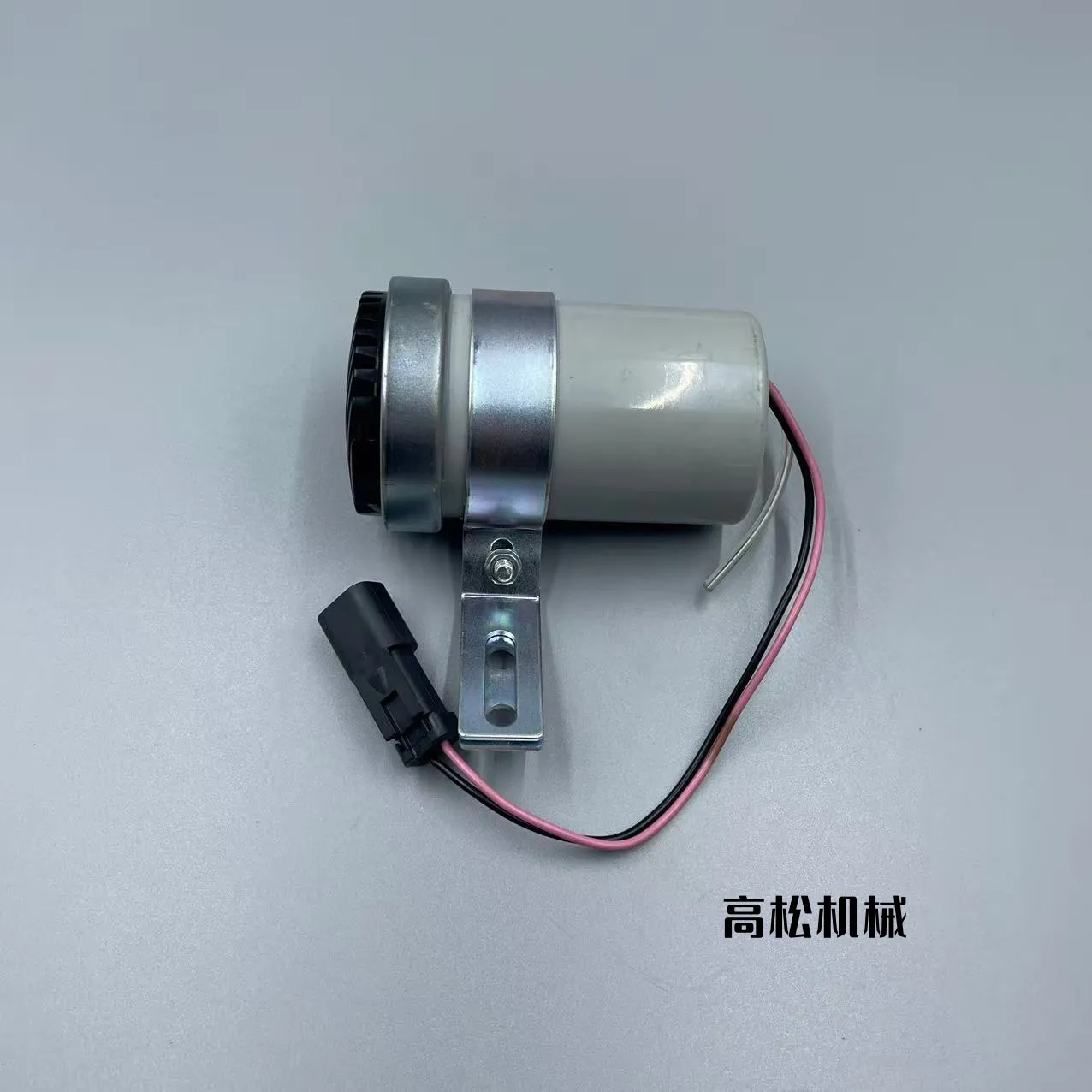 198-06-56570-BUZZER-Komatsu Original Factory
 -
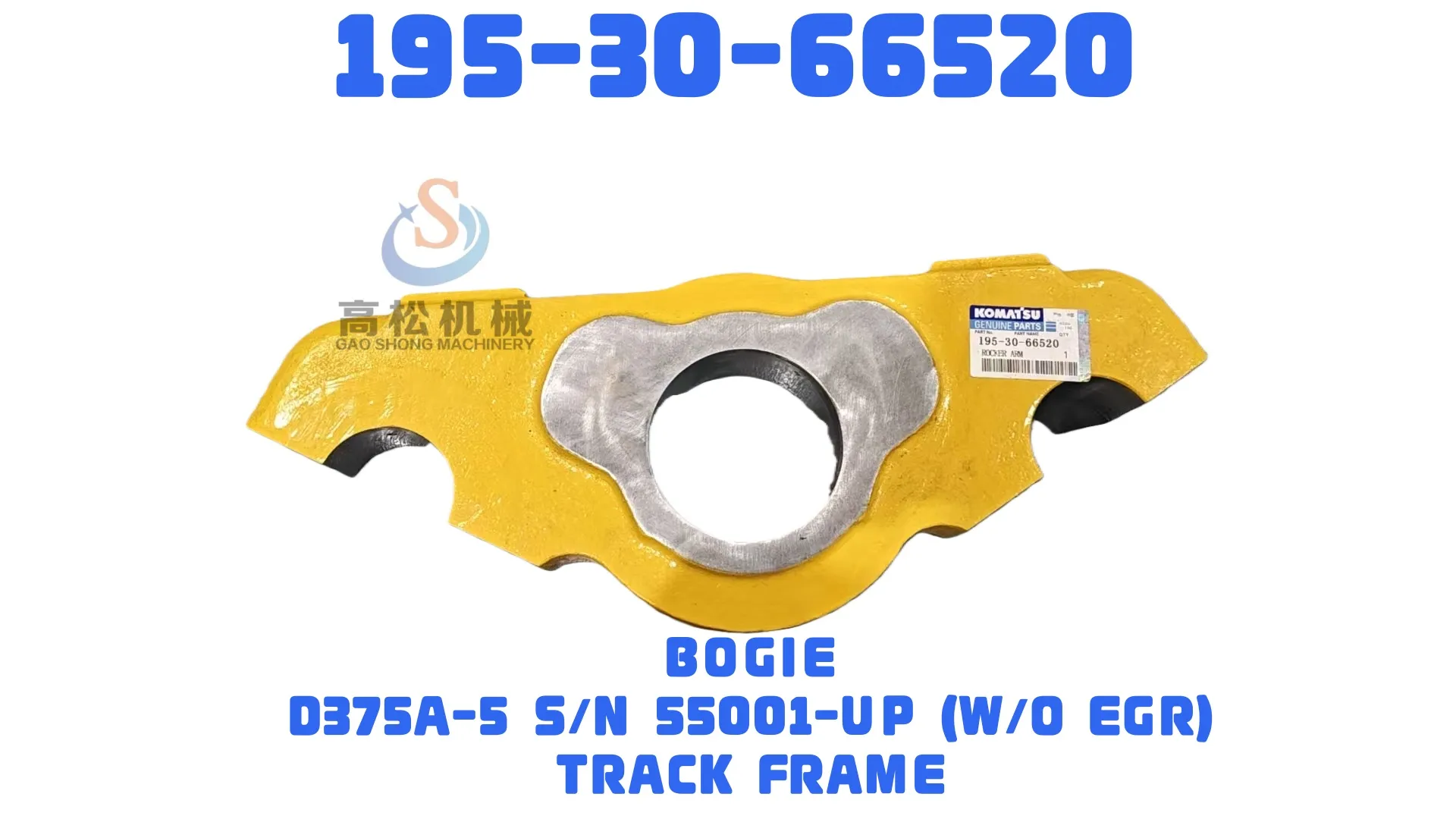 195-30-66520 – Bogie
 -
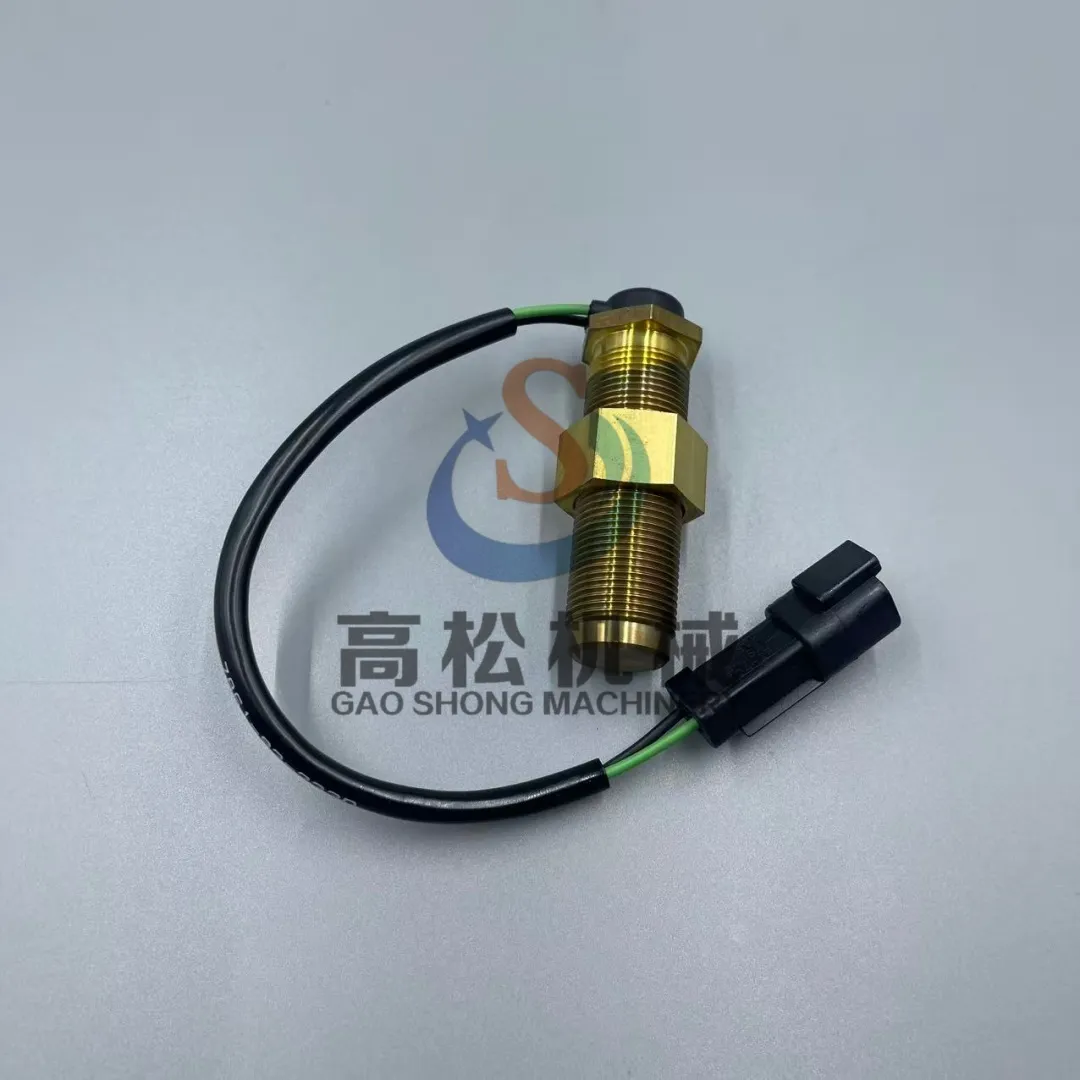 Speed Revolution Sensor 7861-92-2340 7861-93-2330 Fits for Komatsu PC200-3
 -
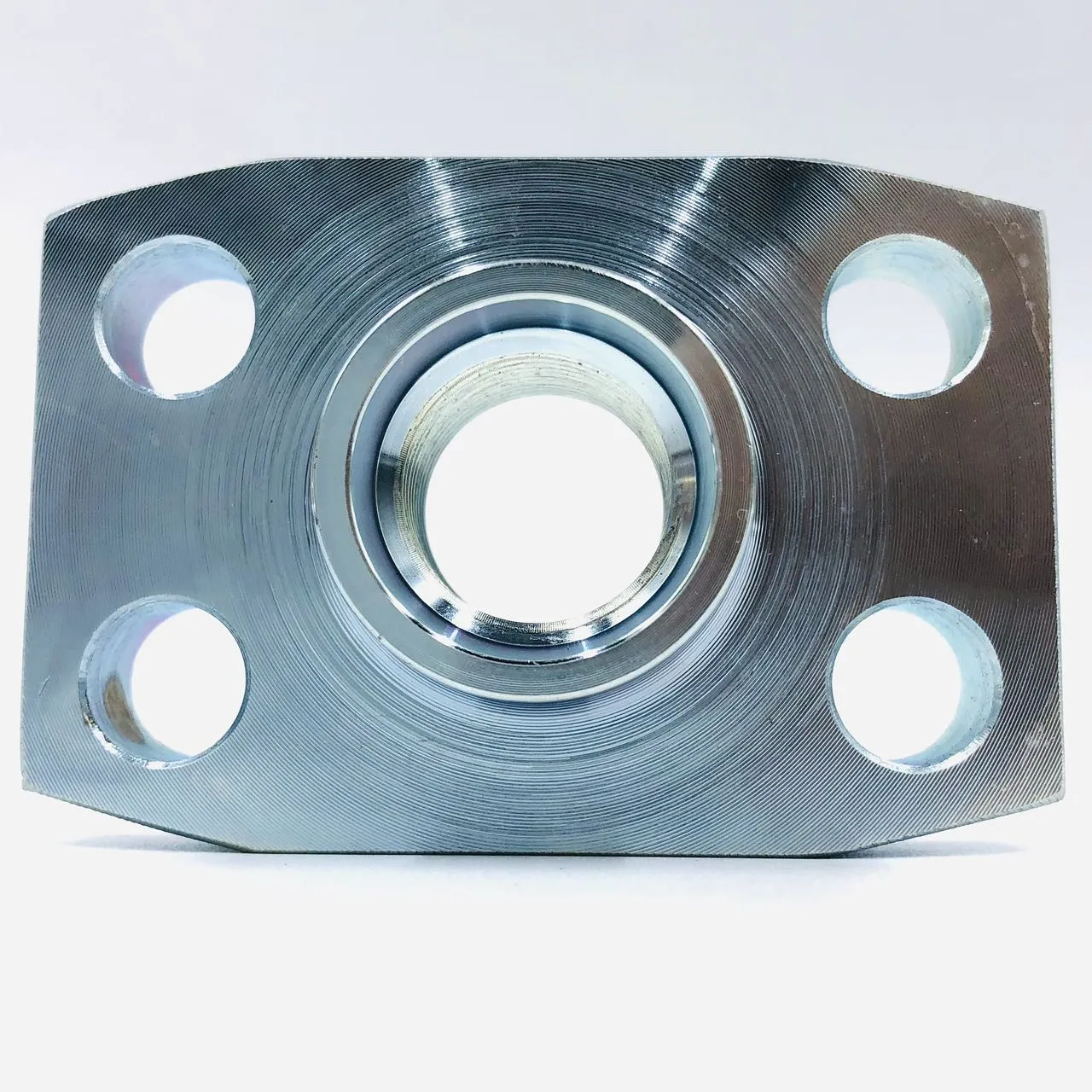 21N-38-12310 Komatsu FLANGEKomatsu Original Equipment Excavator Parts
 -
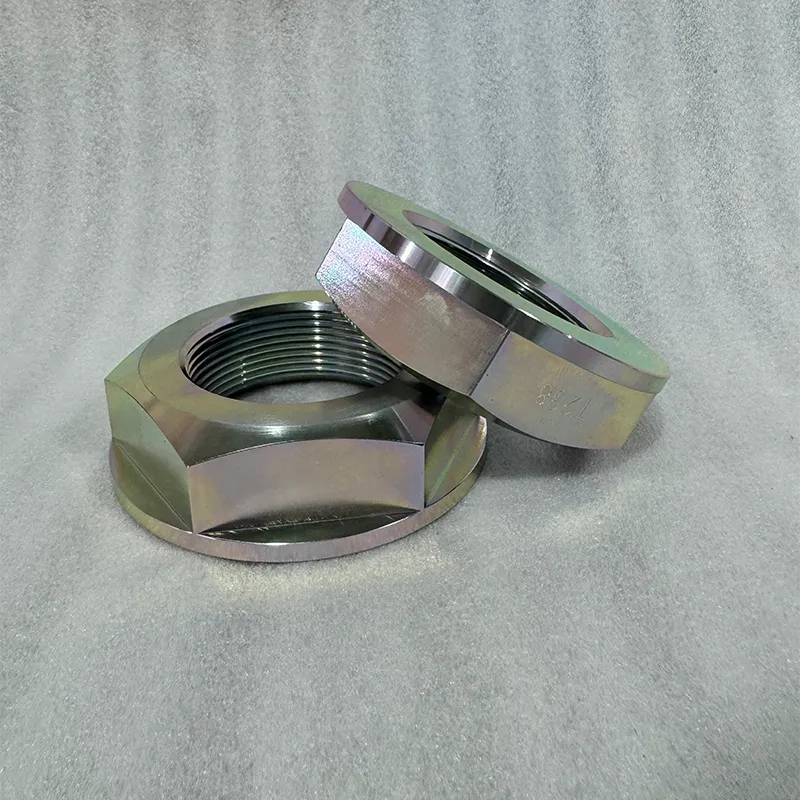 Original komatsu GD825A-2 235-46-45130
 -
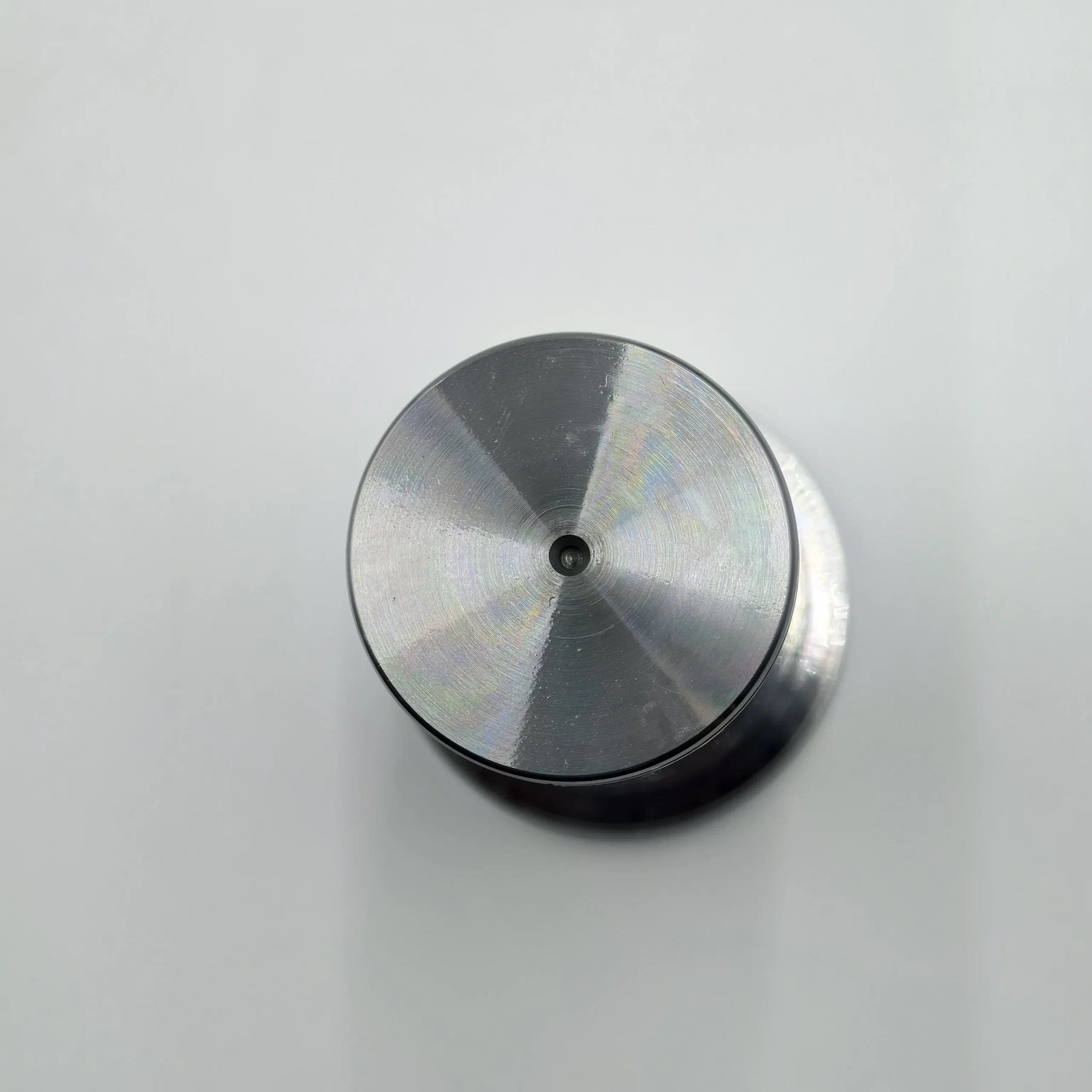 21N-26-33240Komatsu original factory accessories
 -
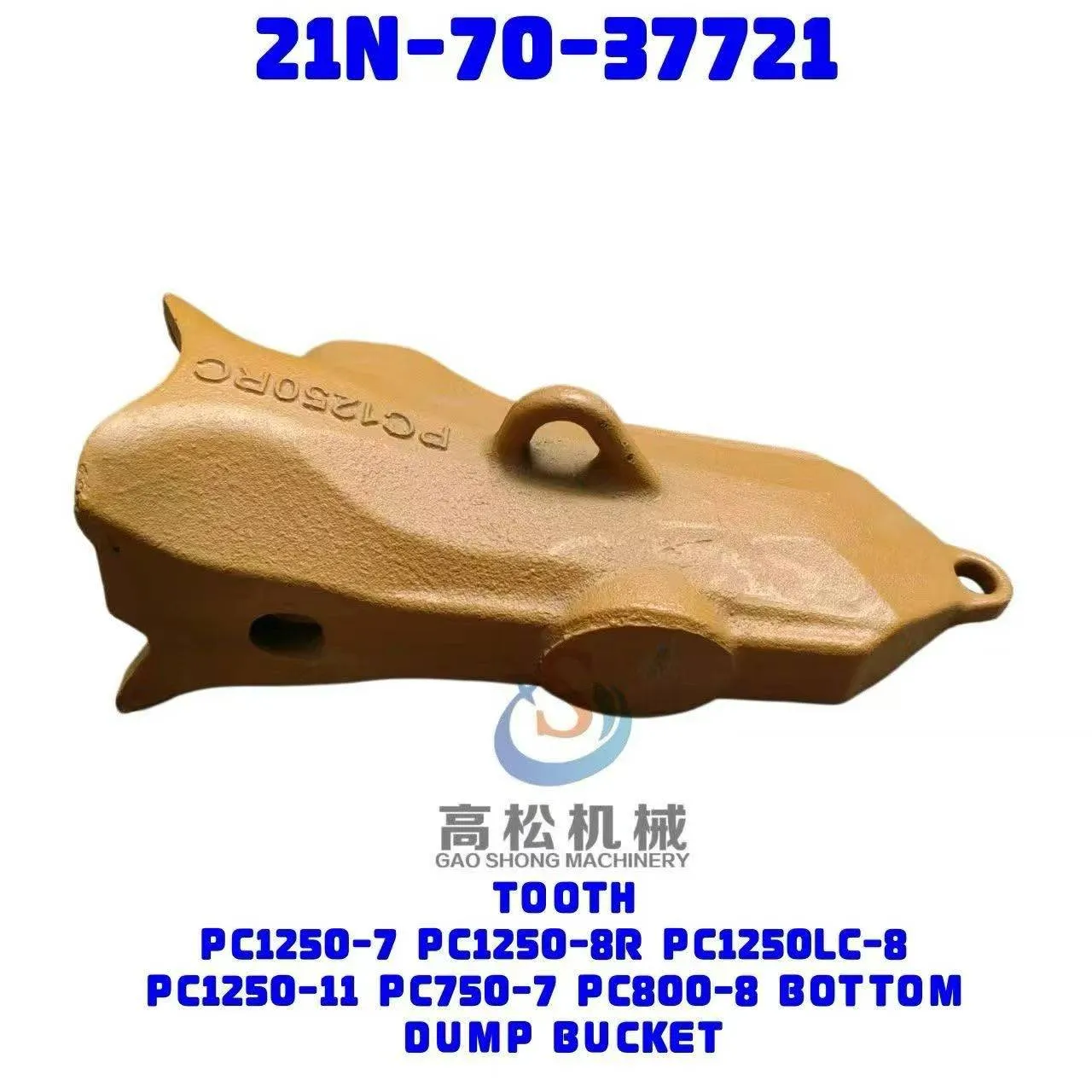 21n-70-37721 Bucket teeth, suitable for the following vehicle models. PC1250-7 PC1250-8R PC1250LC-8 PC1250-11 PC750-7 PC800-8 BOTTOM TOOTH PC1250-7 PC1250-8R PC1250LC-8 PC1250-11 PC750-7 PC800-8 BOTTOM DUMP BUCKET
 -
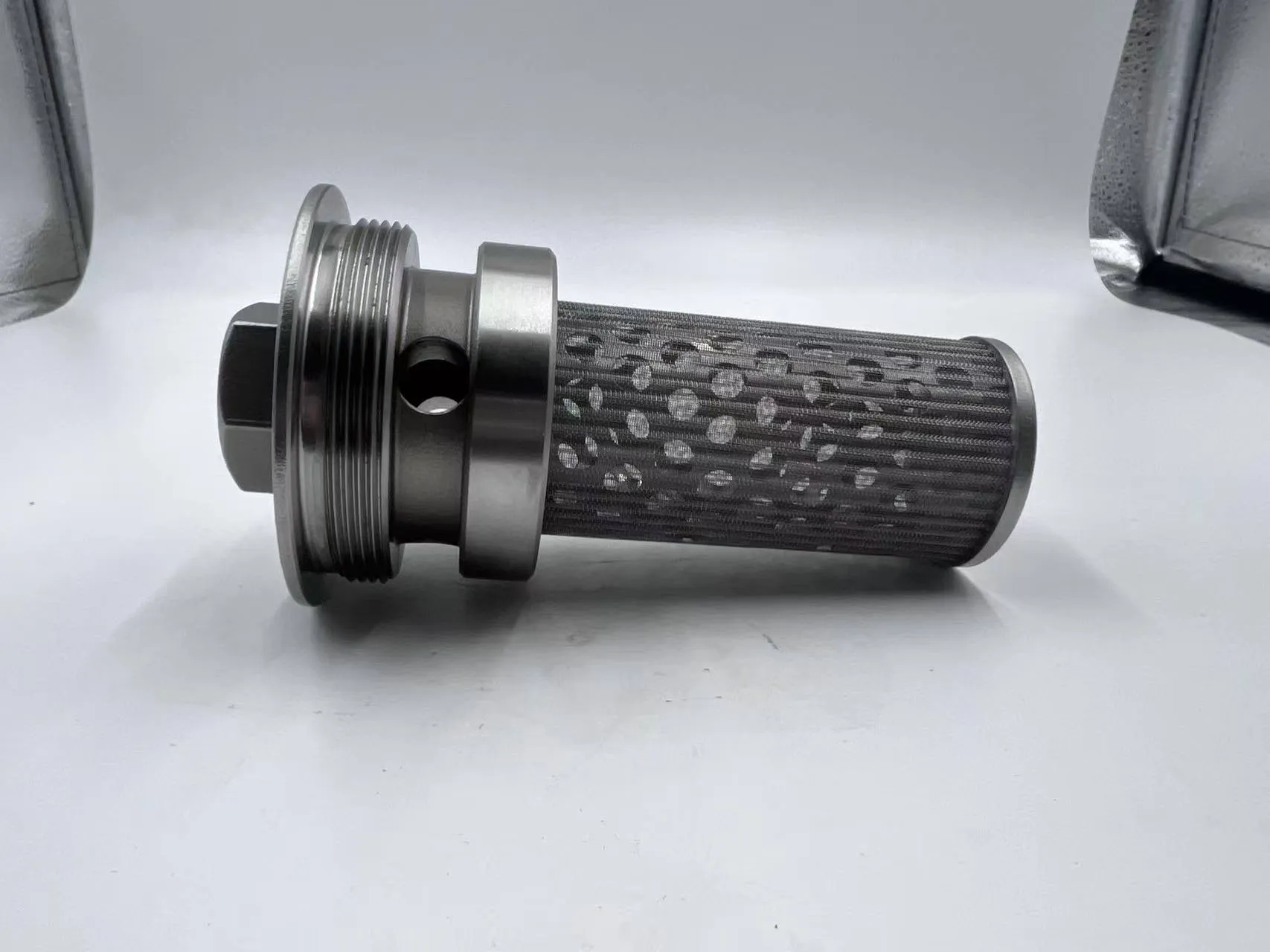 195-04-11150 STRAINER Suitable For Komatsu
 -
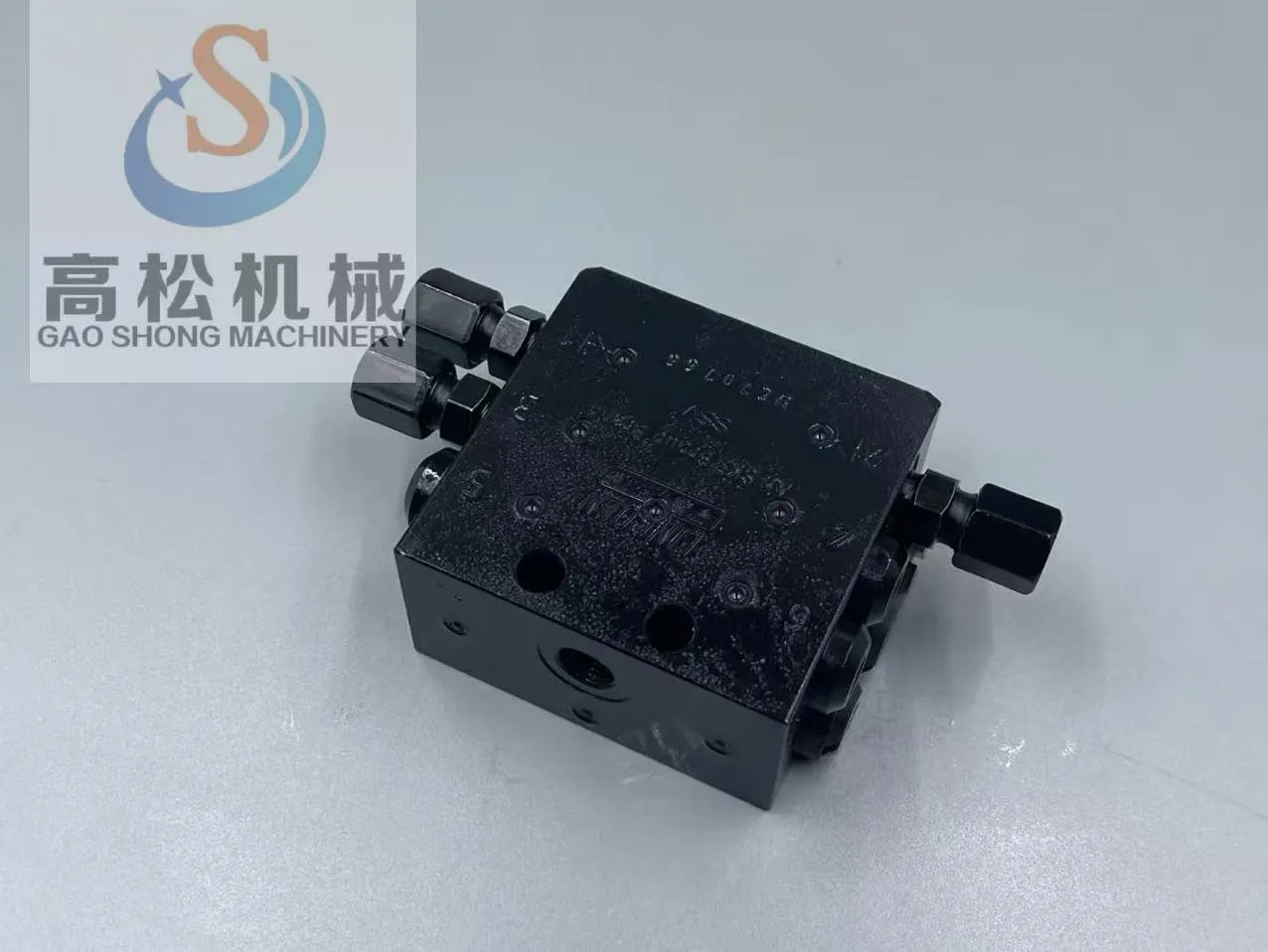 Valve Assembly 21T-68-67940 for Komatsu PC2000-8 Excavator
 -
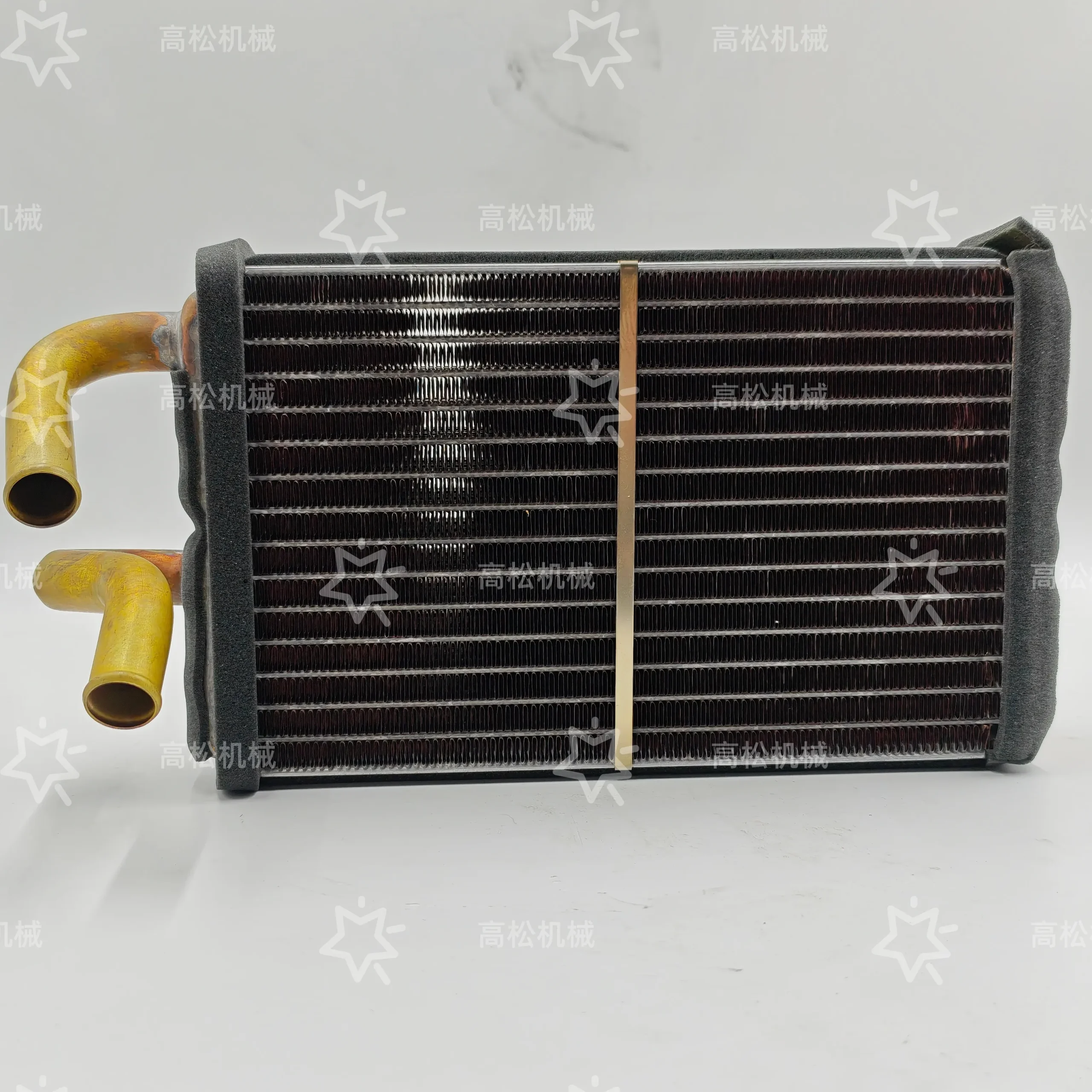 Original ND116410-9681 UNIT SUB ASS’Y for HM300-1 HM350-1 ND1164109681
 -
 SEAL RING 155-15-12811 Dump Truck Transmission Kit D85A-18 NT855
 -
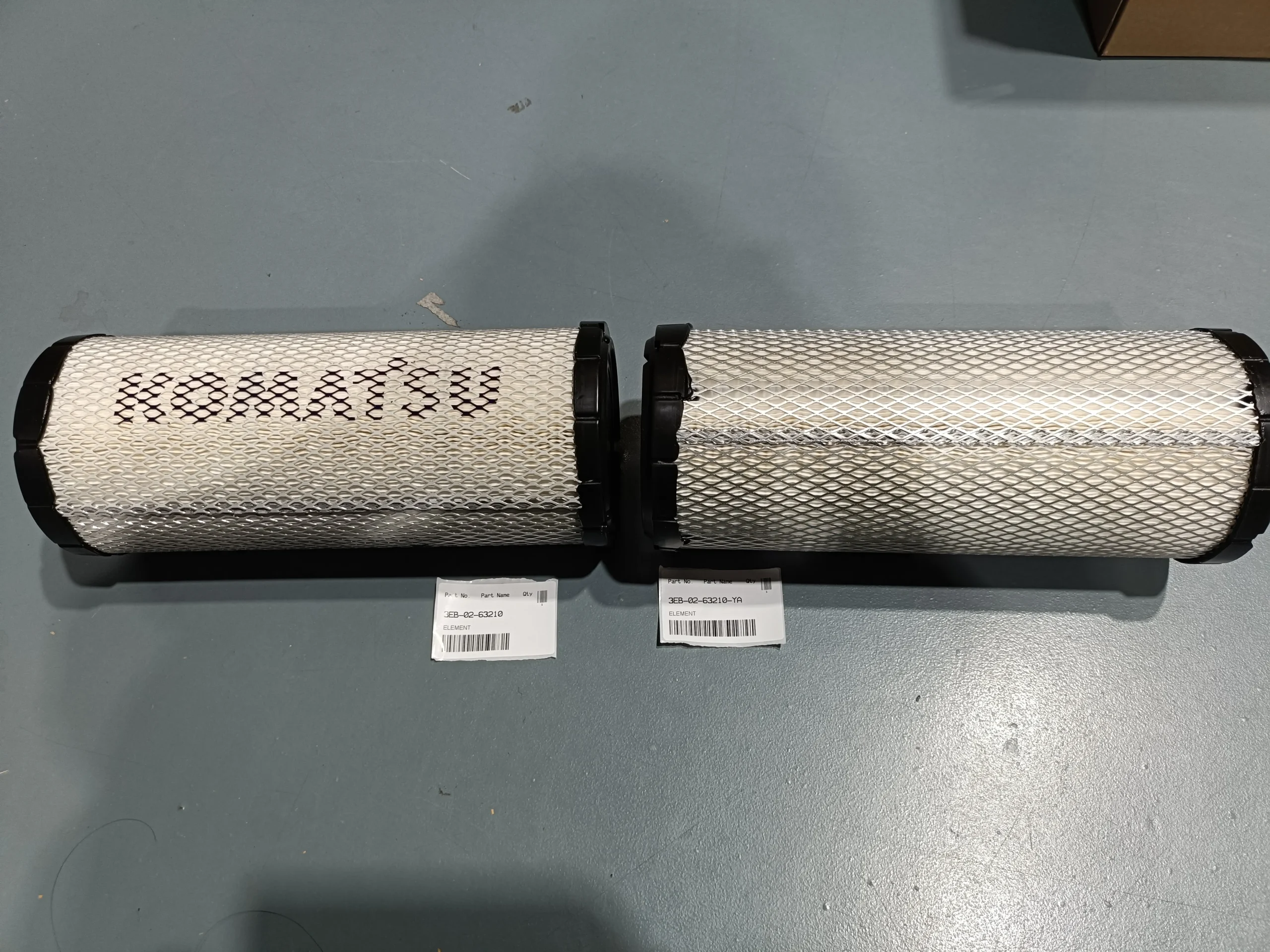 3EB-02-63210 komatsu ELEMENT-PC45MR/PC55MR