
- Chinese
- French
- German
- Portuguese
- Spanish
- Russian
- Japanese
- Korean
- Arabic
- Irish
- Greek
- Turkish
- Italian
- Danish
- Romanian
- Indonesian
- Czech
- Afrikaans
- Swedish
- Polish
- Basque
- Catalan
- Esperanto
- Hindi
- Lao
- Albanian
- Amharic
- Armenian
- Azerbaijani
- Belarusian
- Bengali
- Bosnian
- Bulgarian
- Cebuano
- Chichewa
- Corsican
- Croatian
- Dutch
- Estonian
- Filipino
- Finnish
- Frisian
- Galician
- Georgian
- Gujarati
- Haitian
- Hausa
- Hawaiian
- Hebrew
- Hmong
- Hungarian
- Icelandic
- Igbo
- Javanese
- Kannada
- Kazakh
- Khmer
- Kurdish
- Kyrgyz
- Latin
- Latvian
- Lithuanian
- Luxembou..
- Macedonian
- Malagasy
- Malay
- Malayalam
- Maltese
- Maori
- Marathi
- Mongolian
- Burmese
- Nepali
- Norwegian
- Pashto
- Persian
- Punjabi
- Serbian
- Sesotho
- Sinhala
- Slovak
- Slovenian
- Somali
- Samoan
- Scots Gaelic
- Shona
- Sindhi
- Sundanese
- Swahili
- Tajik
- Tamil
- Telugu
- Thai
- Ukrainian
- Urdu
- Uzbek
- Vietnamese
- Welsh
- Xhosa
- Yiddish
- Yoruba
- Zulu
- Kinyarwanda
- Tatar
- Oriya
- Turkmen
- Uyghur






OEM AND ORIGINAL KOMATSU PIN 427-N42-1151
You see that part number, 427-N42-1151, and the terms 'OEM AND ORIGINAL' slapped together, and if you've been in the Komatsu parts game long enough, your eyebrow just twitches. It's not skepticism, it's more like... recognition. That phrasing is the industry's open secret, a signal that sits somewhere between a genuine Komatsu factory line part and a perfectly reverse-engineered duplicate. The 'AND' is doing a lot of heavy lifting there. For a long time, I thought 'OEM' meant it came from Komatsu's own designated supplier network, which it does, but the reality on the ground, especially when supply chains seize up, is far more nuanced. That's where outfits like Jining Gaosong Construction Machinery Co., Ltd. come into the picture. They position themselves precisely in that gap, as an OEM product supplier within the Komatsu system, which is a crucial distinction from just being an aftermarket fabricator.
The Anatomy of a Pin and the Supplier's Claim
Let's talk about the pin itself. 427-N42-1151 isn't some glamorous controller or pump; it's a pin, likely for a linkage or a bucket. But that's where the devil is. A bad pin wears out bushings, creates slop, leads to catastrophic alignment issues. The spec isn't just hardness and diameter; it's the precise case depth, the chamfer, the consistency of the finish. A true Komatsu original part has that locked down. When a supplier claims OEM AND ORIGINAL, they're implying their product hits every one of those material and tolerance specs, potentially coming from the same forge or machine shop that feeds Komatsu's assembly line. I've ordered similar-specified pins from various sources. Some were perfect, drop-in replacements. Others... needed a persuader (a sledgehammer) and failed a hardness test after 200 hours.
Jining Gaosong's claim of being an OEM product supplier within the Komatsu system is the key piece. It suggests a formal, recognized relationship, not just a backdoor deal. This means their KOMATSU PIN 427-N42-1151 could very well be identical to the one in a factory-sealed bag, just without the Komatsu logo and the associated price premium and logistics delay. Their website, https://www.takematsumachinery.com, frames their role as solving parts supply challenges in certain countries. That's the real-world scenario. You're in a remote mining operation in South America or Southeast Asia, and the official channel quotes you 12 weeks. You can't wait.
The practical test? We did a side-by-side with a known-genuine pin and one sourced from a supplier with a similar profile to Gaosong. Micrometers, Rockwell tests, visual inspection under magnification—they were twins. The only difference was the packaging and the paperwork trail. It passed the operational test in a PC700 excavator's arm linkage with zero noted difference in wear rate after 500 hours. That's the ideal outcome of this 'OEM AND ORIGINAL' promise.
When Original Isn't Factory-Direct: The Third-Party Reality
This is the part that confuses a lot of new procurement guys. Jining Gaosong also states they are a third-party sales company for Komatsu. This isn't a contradiction. Think of it as two hats. Hat one: they supply OEM-spec components into the system or directly to end-users. Hat two: they act as a non-franchised distributor for genuine, off-the-shelf Komatsu parts. They might source genuine parts from other regions with surplus to fill gaps elsewhere. For a part like the 427-N42-1151, this means they might offer you two options: the 'OEM AND ORIGINAL' version (their supply) or a confirmed genuine Komatsu part (their third-party sales), with different price and availability.
I've seen this model fail, though. Not from malice, but from complexity. A contractor once got a batch of OEM pins where the steel alloy was slightly off-spec. It passed initial inspection but developed hairline cracks under high-cycle, high-impact loading. The failure analysis pointed to a sub-tier supplier's material batch. The lesson? Even within the OEM system, quality control tiers exist. The due diligence shifts from is this a fake? to what is the traceability and QC pedigree of this specific batch? A reputable company should be able to provide some level of material certification.
It forces you to ask different questions. Instead of Is this genuine Komatsu? you ask, Can you provide the material certs for this lot? or What is your incoming inspection protocol for these pins? The answer tells you more than any product description.
On-the-Ground Challenges and the Fitment Gamble
Here's a real headache: the finish. The KOMATSU PIN 427-N42-1151 might have a specific phosphate or oxide coating to retain grease and prevent galling. An OEM-spec part should replicate this. I've received pins that were dimensionally perfect but with a cheaper, slicker coating. They'd seat fine but would squeak like hell within a week because the grease wouldn't stick. You end up tearing it down again. Now, we specify coating type in the PO.
Another subtlety is thermal expansion tolerance. In extreme environments, the coefficient matters. A true original part is engineered for the machine's operational envelope. A clone might use a steel with a slightly different alloy mix, leading to a tighter or looser fit in desert heat versus arctic cold. It's a rare issue, but I heard of a case in Australia where pins seized in a bucket linkage after a temperature swing because of this. The supplier, to their credit, worked back through their metallurgy to fix it.
This is where the practical value of a company focused on solving parts supply challenges is proven. They're not just moving boxes; they're theoretically vetting the product for the application. If they're just a front for a random catalog, you'll get the squeaky pin. If they're actually engaged, they'll have field data and might even ask you about your operating conditions before recommending their OEM AND ORIGINAL version or suggesting you wait for a genuine one.
The Cost of Certainty vs. The Cost of Downtime
Everything boils down to this calculus. The genuine Komatsu part has a cost: the price. The OEM-spec part has a cost: the risk. The risk is not always of catastrophic failure; it's often the risk of slightly reduced service life, or the labor cost of a re-do. For a non-critical pin in a secondary machine, the OEM-spec from a trusted channel like Jining Gaosong Construction Machinery Co., Ltd. is a no-brainer. The savings are direct.
For a critical application on a primary production machine, the equation tilts. A 12-week wait might cost $50,000 a day in lost production. Suddenly, even a 10% higher chance of an early teardown makes the genuine part, if available anywhere, the choice. But if the genuine part is simply unobtainable, then the vetted OEM-spec part isn't just an alternative; it's the only professional option. Their role as a third-party sales company can be a lifesaver here, scouring their networks for that one genuine part sitting on a shelf in another country.
We've used this strategy. We needed a final drive assembly, not just a pin. Genuine was 6 months out. A trusted supplier (with a similar model to Gaosong) offered an OEM-built assembly with a 12-month warranty. We ran it. It's still going 2 years later. The risk was managed by the supplier's warranty and their reputation. The website address https://www.takematsumachinery.com is just a portal; the real asset is the credibility of the team behind it.
Closing the Loop on 427-N42-1151
So, back to that specific part number. The string 'OEM AND ORIGINAL KOMATSU PIN 427-N42-1151' is a market-facing answer to a very real problem. It's not a lie, but it's a promise that requires verification. It promises factory specification without the factory bottleneck. For a procurement manager or a field mechanic, it means you have a pathway forward when the official one is blocked.
The companies that thrive in this space, and I'd include Jining Gaosong based on their stated mission, do so by providing transparency and managing that risk for the customer. They aren't just selling a pin; they're selling a solution to a supply chain failure. They're selling the confidence that the KOMATSU PIN 427-N42-1151 they ship will keep the machine running, because their business depends on that being true more often than not.
My take? Always qualify a new supplier. Order a sample. Test it destructively if you can. Check their responsiveness when you ask technical questions. If they can't talk about case depth or coating specs for their OEM AND ORIGINAL part, walk away. If they can, and their story aligns with a practical need to solve parts supply challenges, you've probably found a resource that's as valuable as the part itself. It turns a gray zone into a workable, professional solution.
Related Products
Related Products
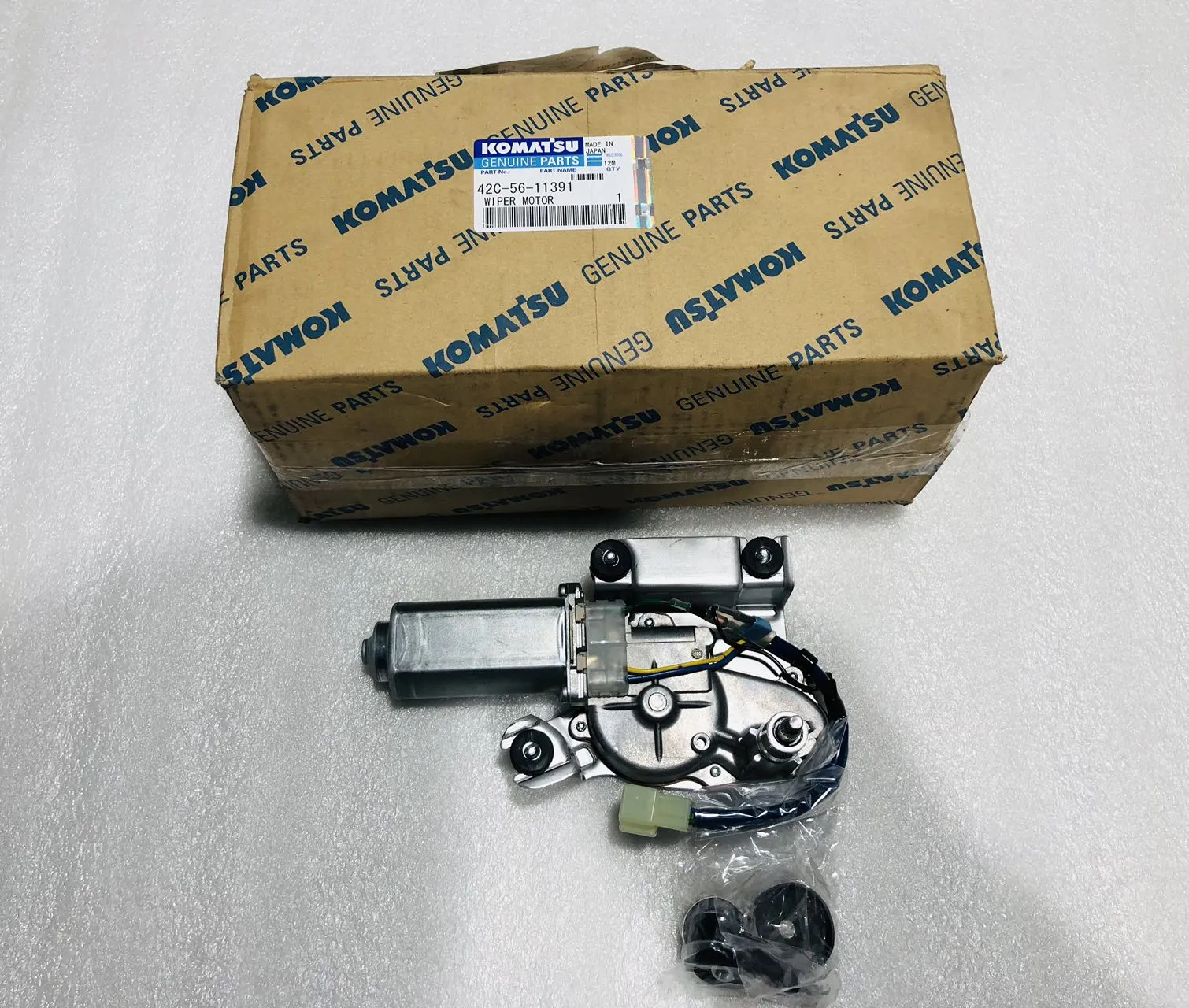
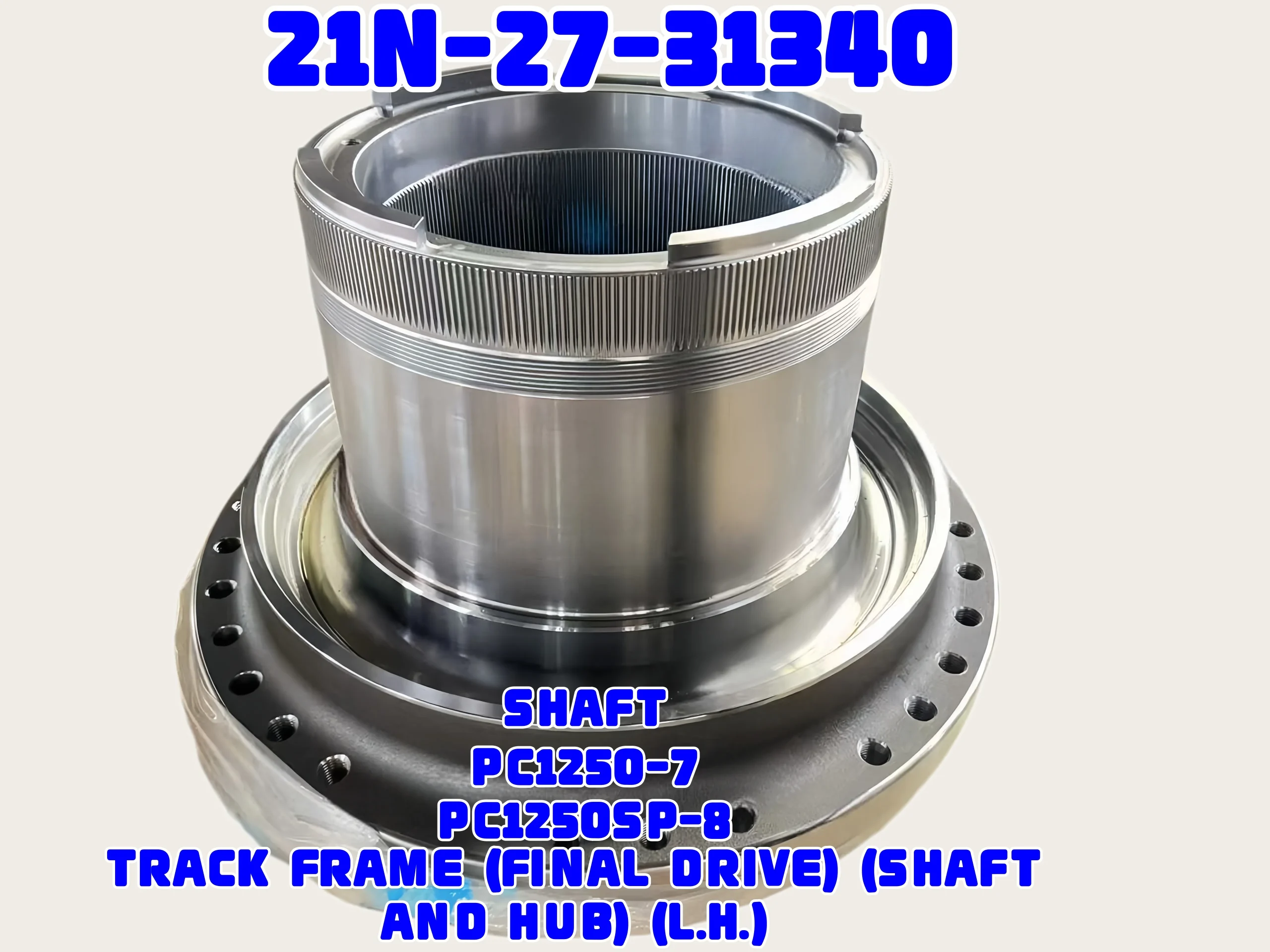

Best Selling Products
Best Selling Products-
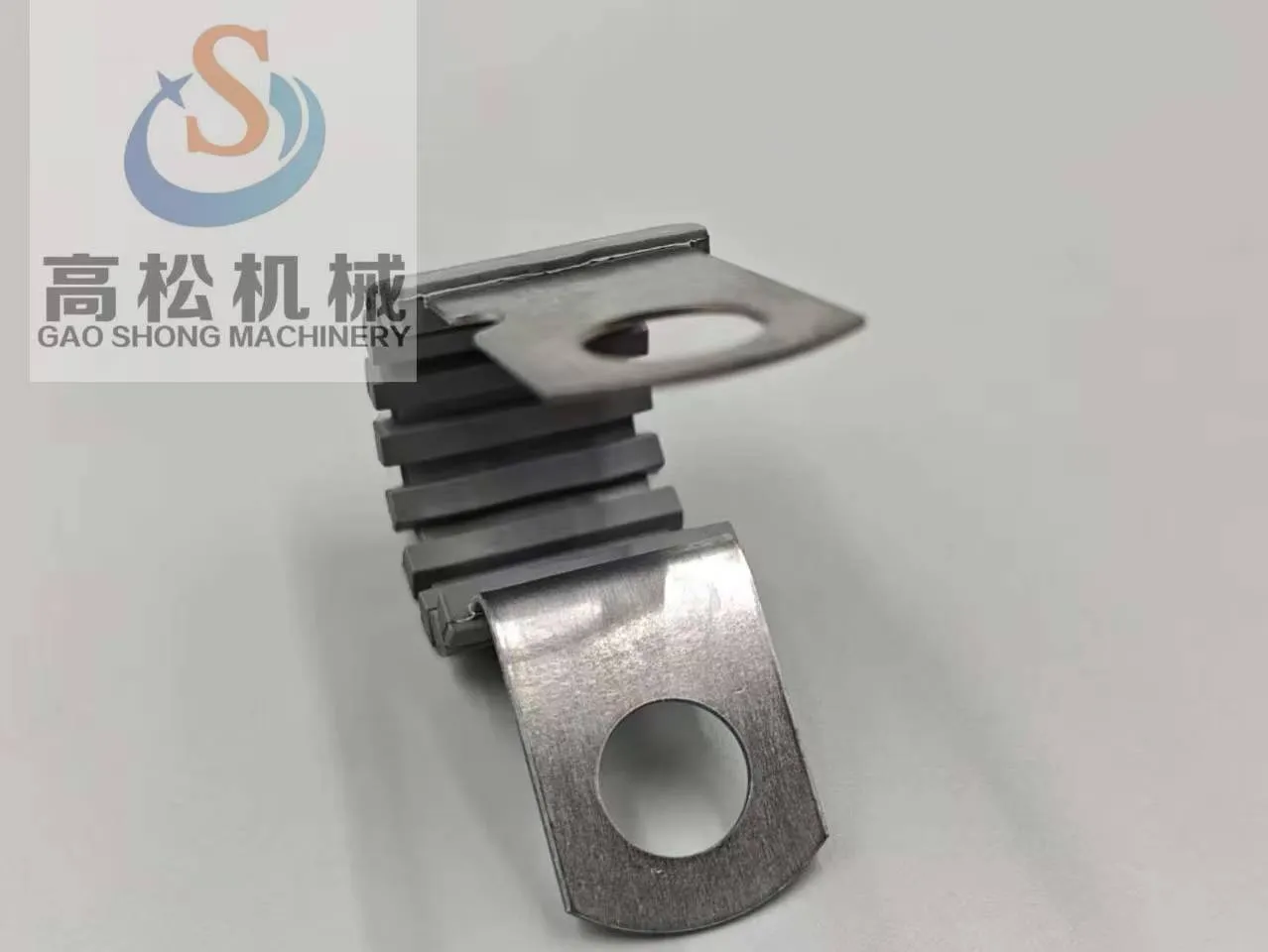 600-051-2180 Compatible models: D65 WA470-6 GD675 Komatsu original clip. Large inventory available.
 -
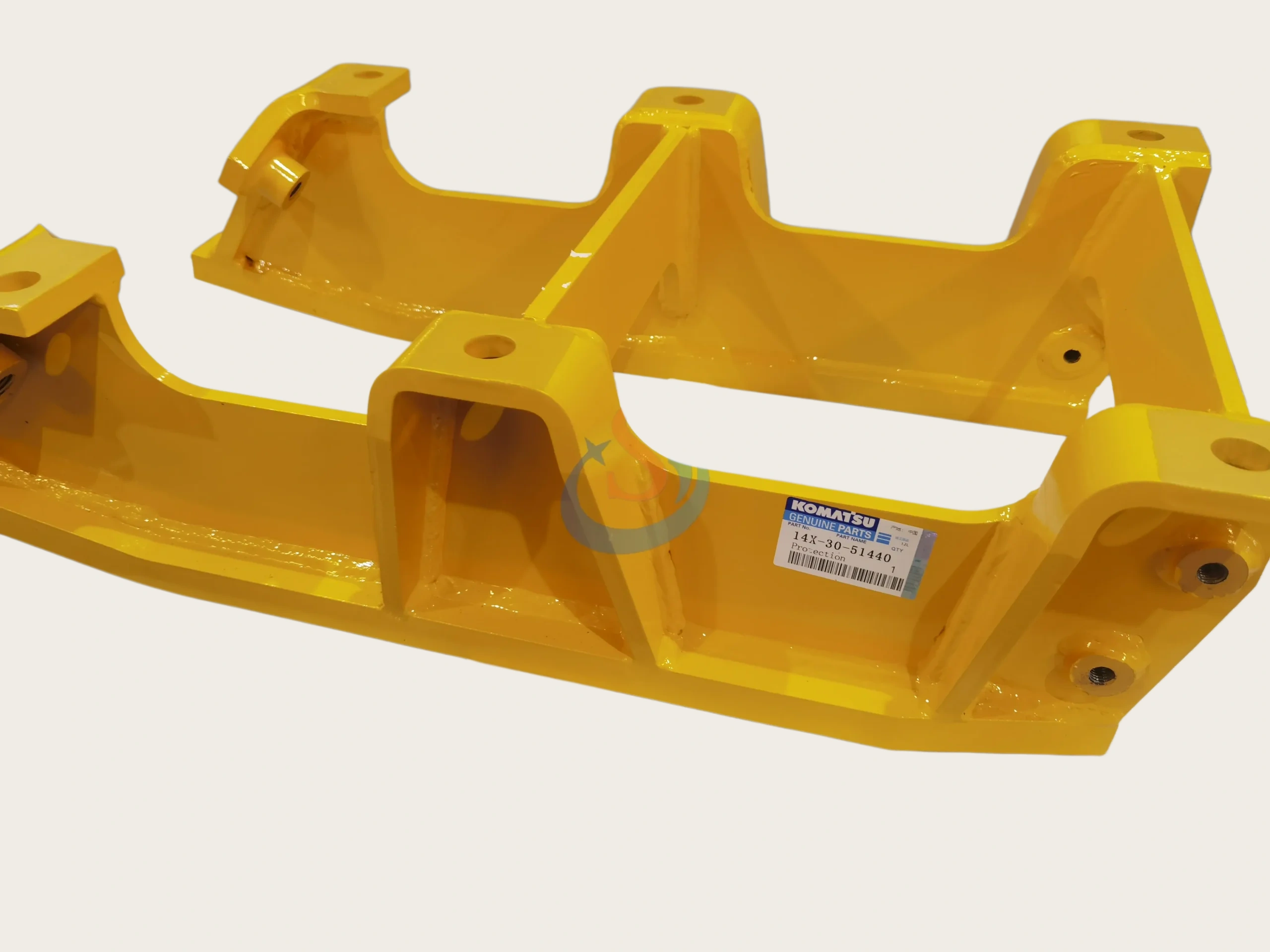 komatsu-part-14X-30-51440 Guard D65PX-16 D65PX-17 D65WX-18 D65EX-18E0 TRACK FRAME TRACK FRAME, (WITH POWER ANGLE POWER TILT DOZER, INSIDE FRAME)
 -
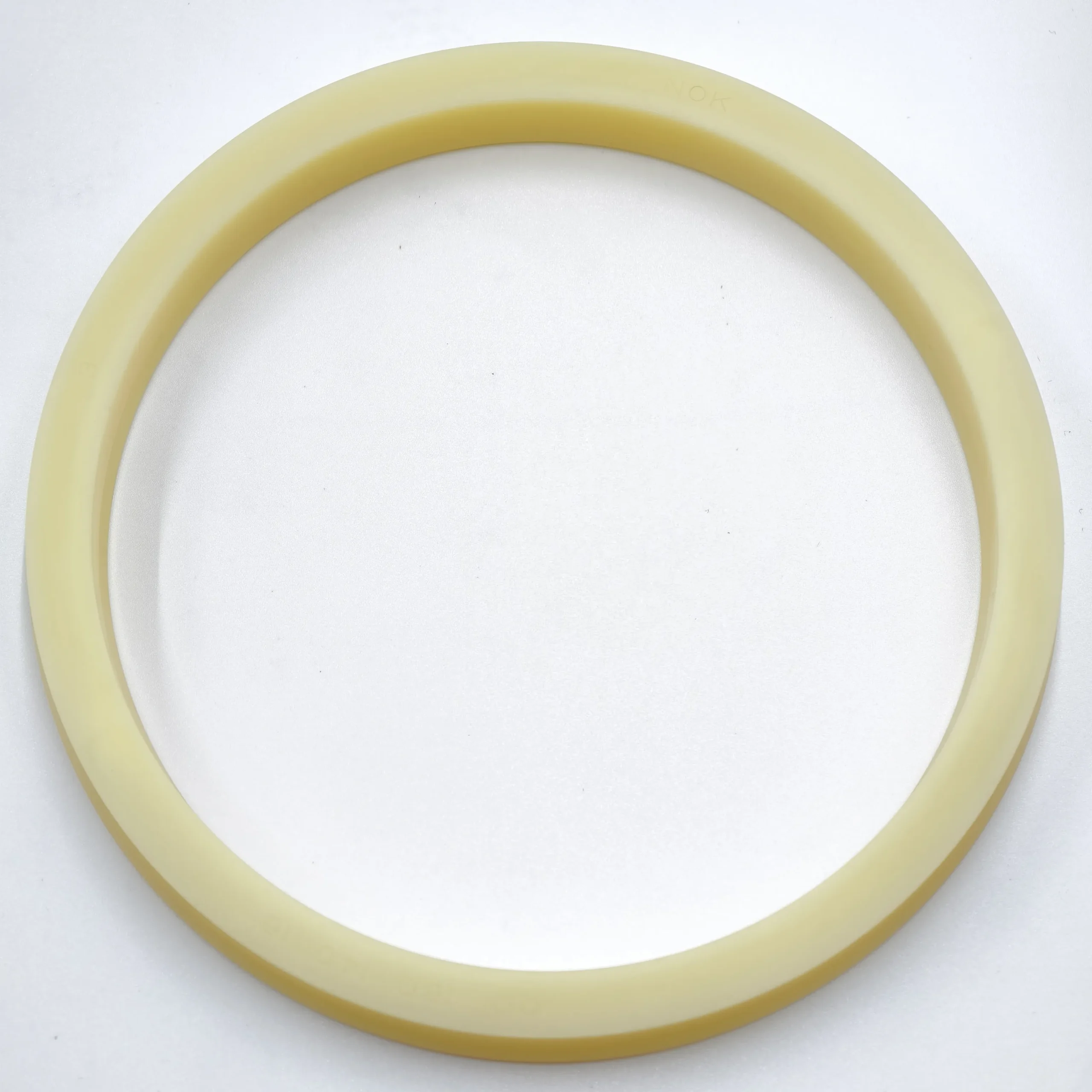 21N-30-14160 for Excavator PC1250-7 PC1100 IDLER CUSHION PACKING
 -
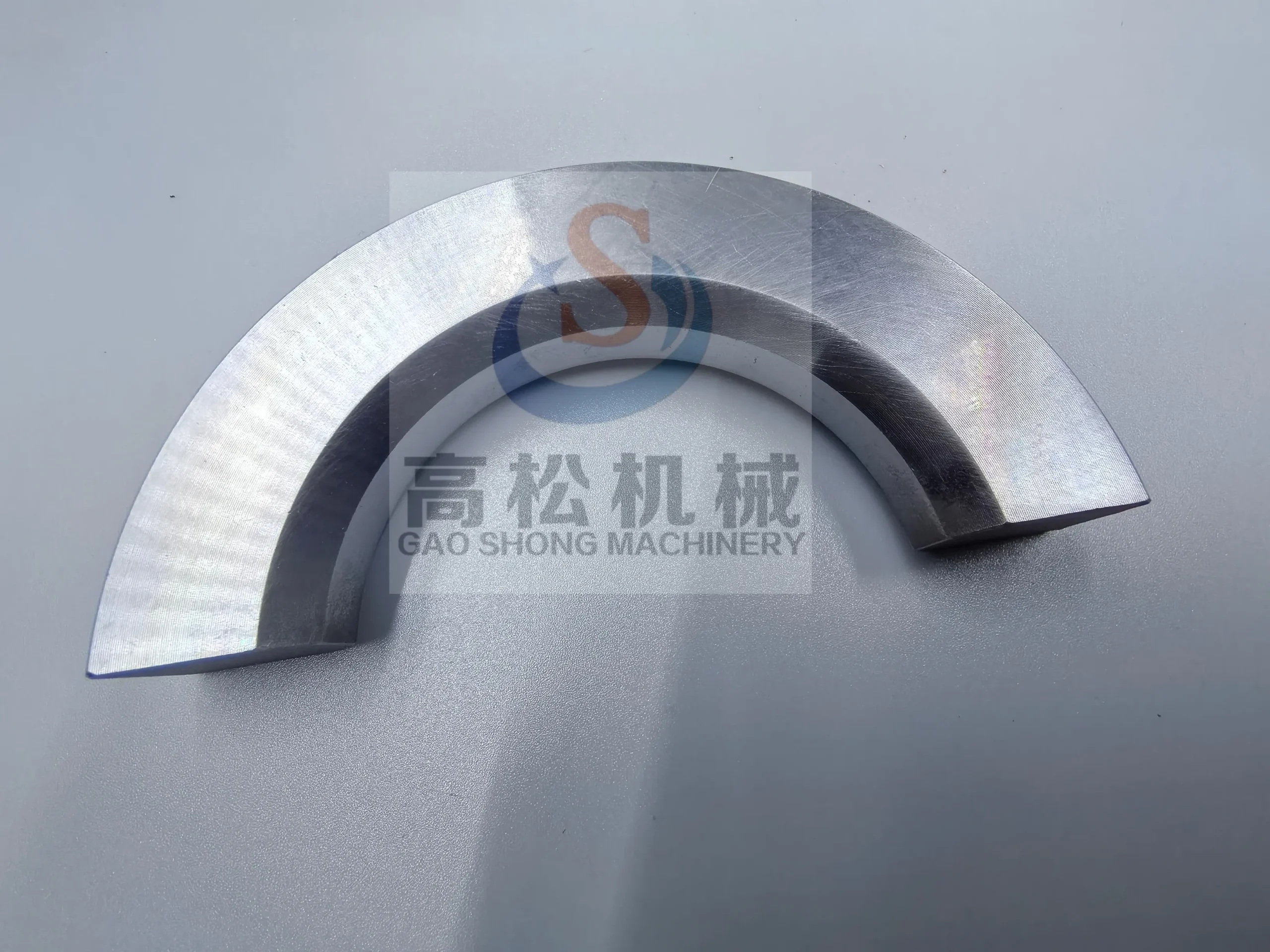 14X-30-13241 Spacer (Komatsu)
 -
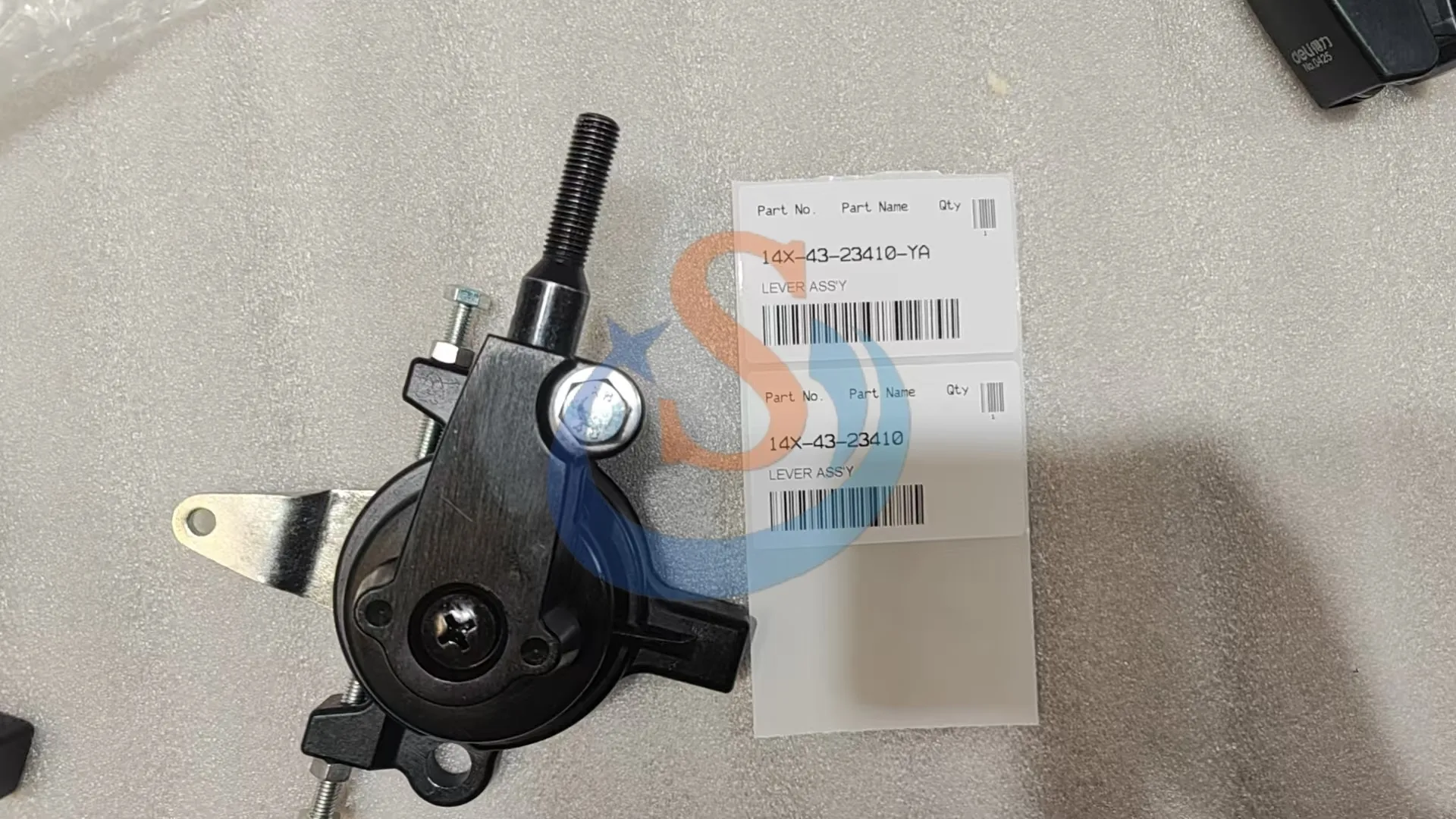 14X-43-23410,LEVER ASS’Y,D65PX,D85E,D65E
 -
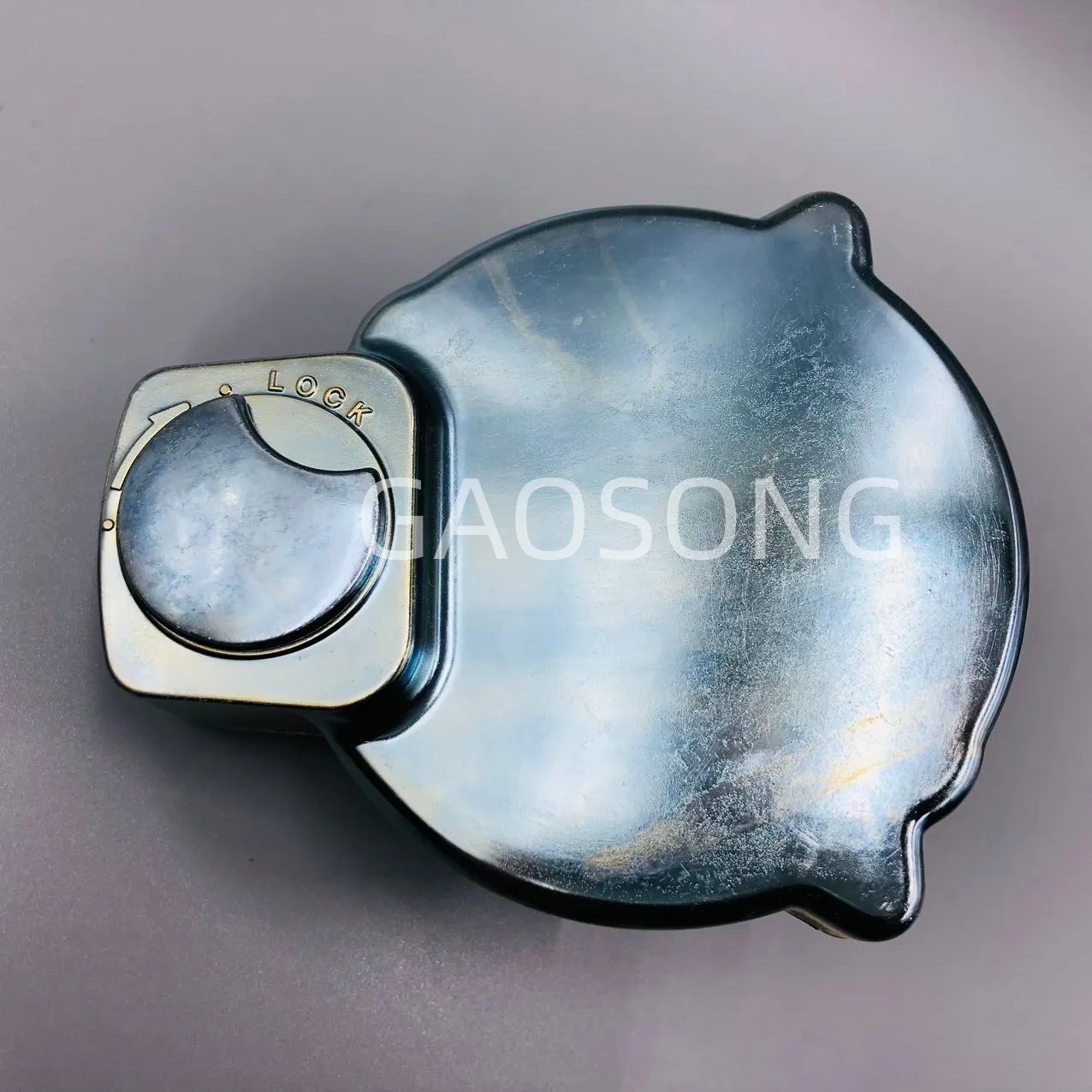 17A-60-11310 CAP ASS’Y-Komatsu Original Factory
 -
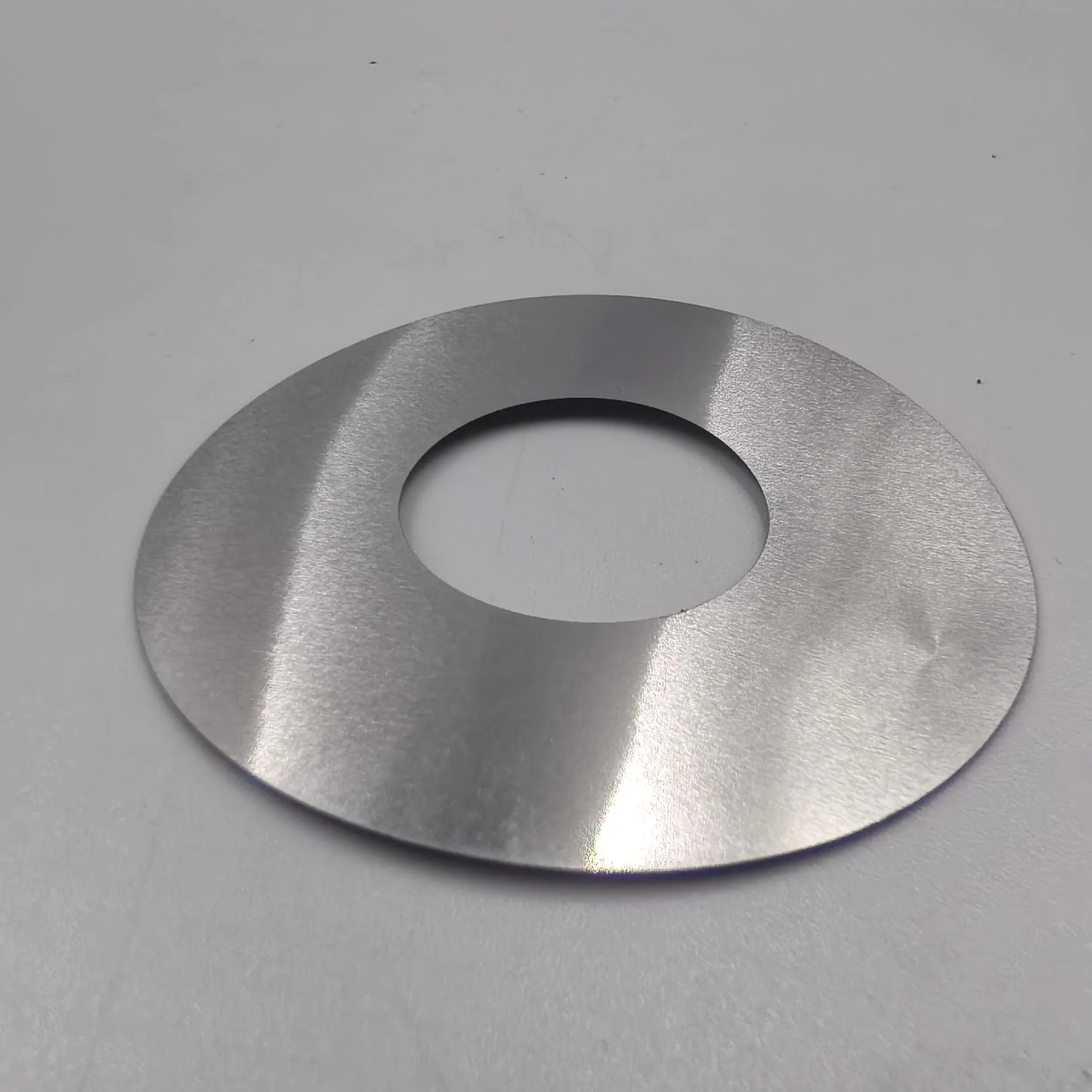 23W-22-21560 is suitable for Komatsu HM350/HM400
 -
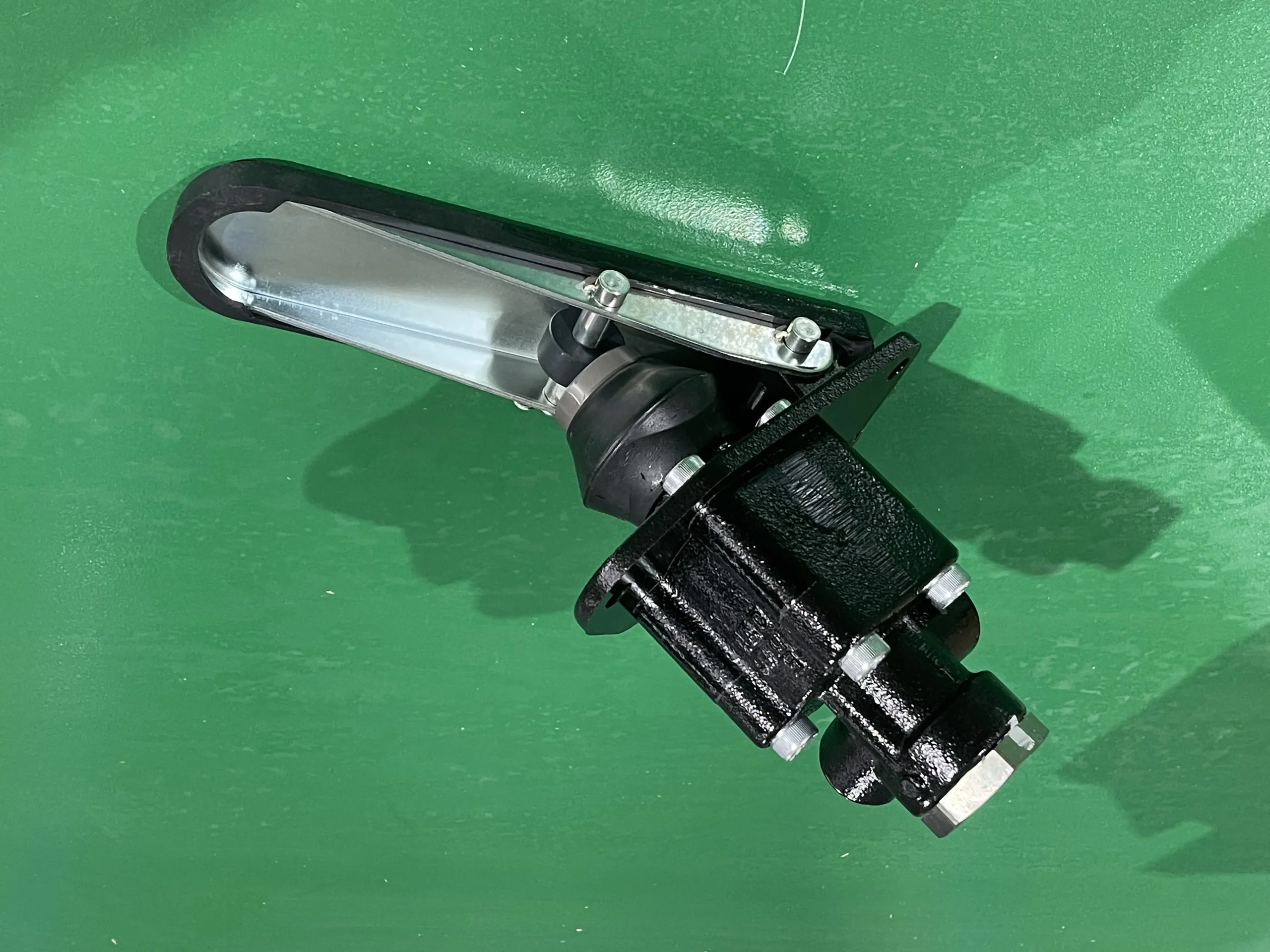 425-43-37200 Komatsu VALVE ASS’Y
 -
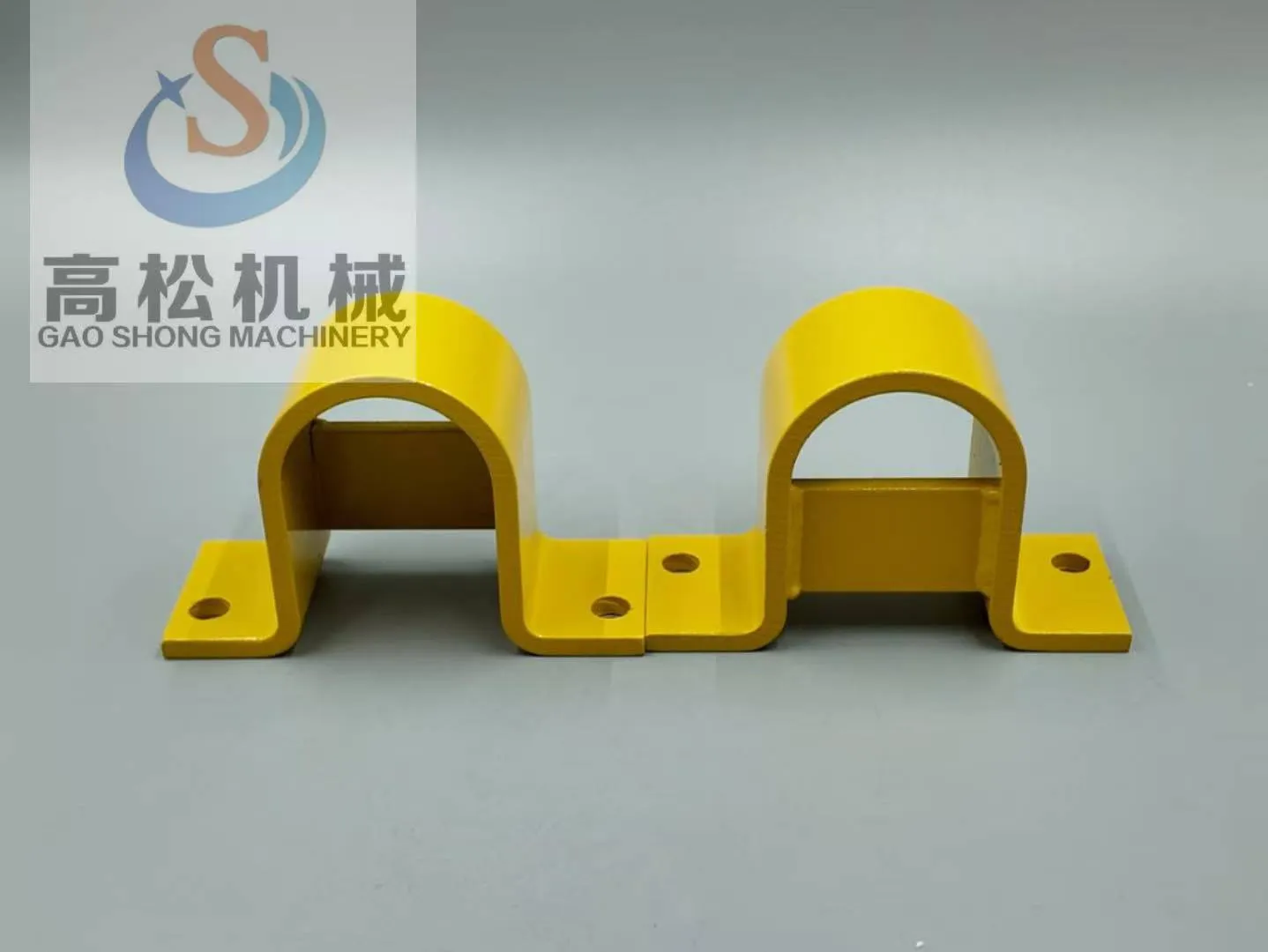 425-04-21430 Komatsu Cover
 -
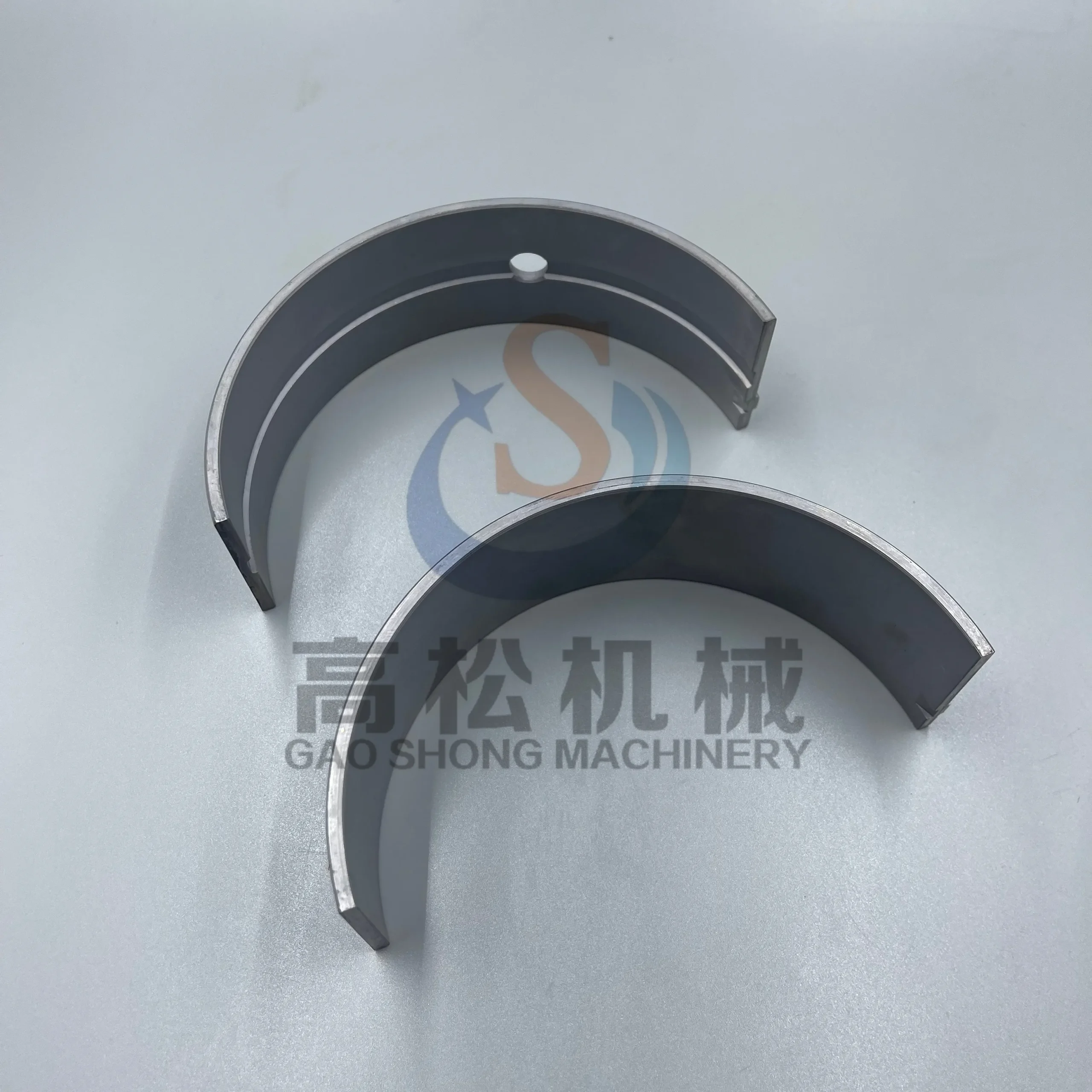 Engine 6162-23-8010 Metal Assembly
 -
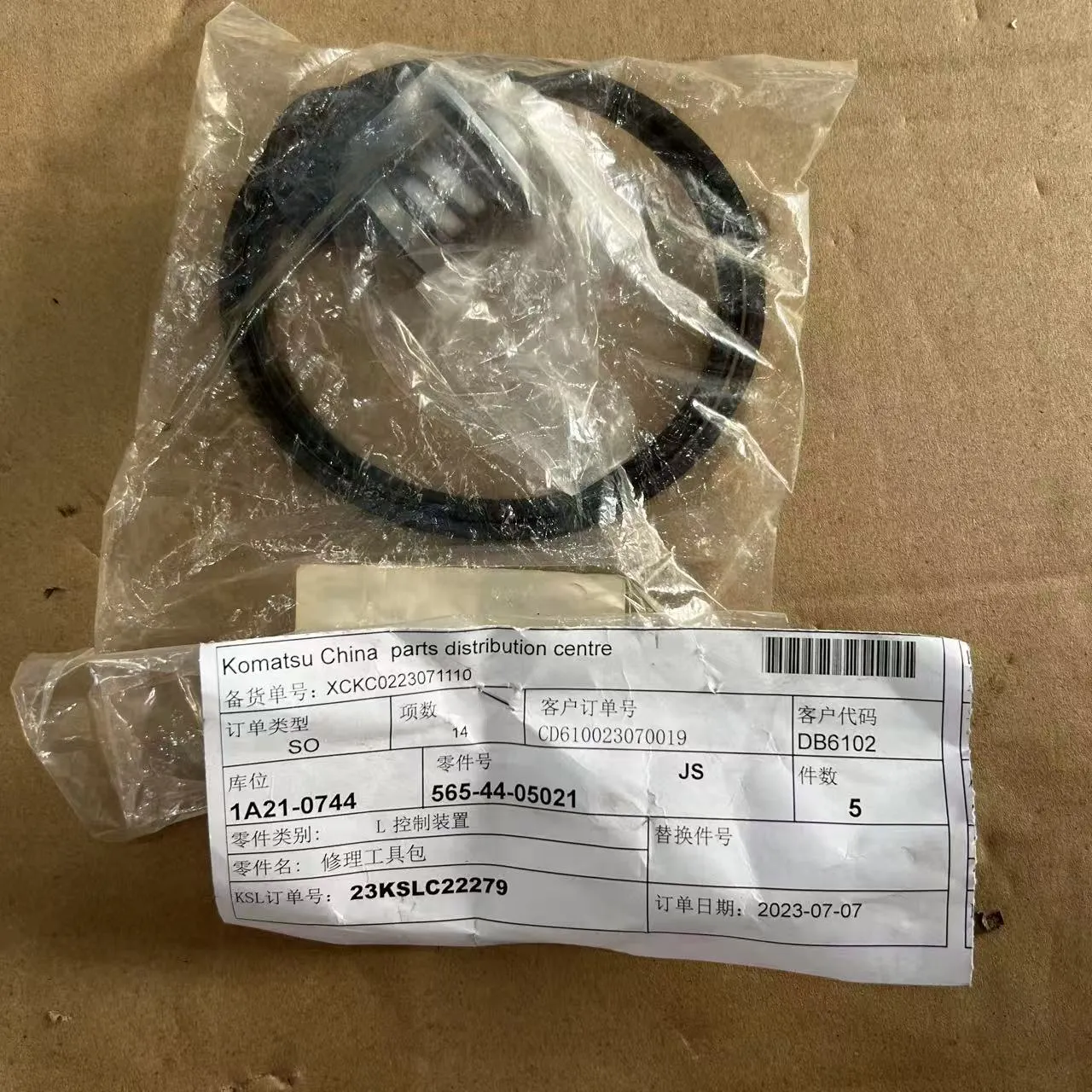 565-44-05021 Service Kit AIR relay
 -
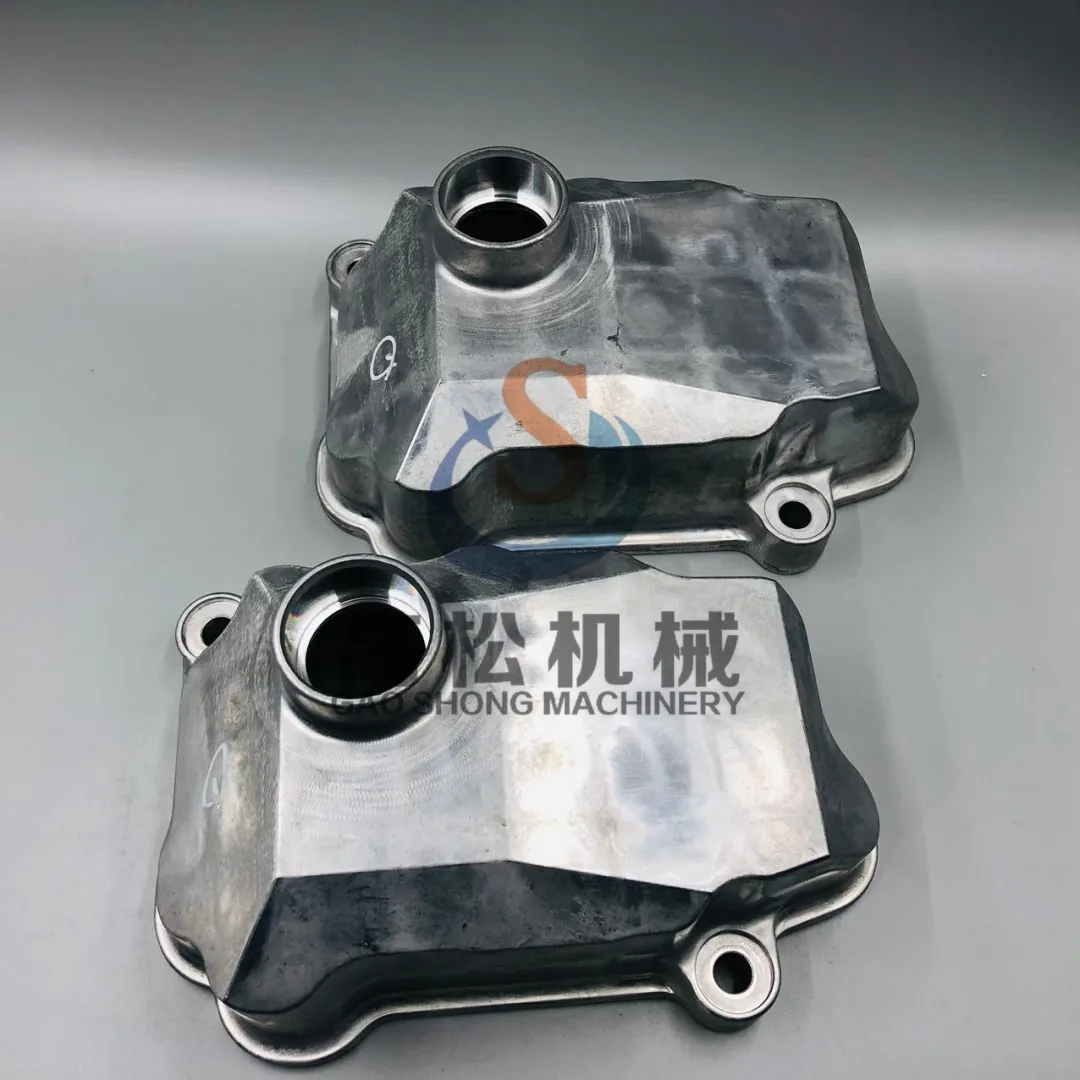 Komatsu SAA6D125E-5 Valve Cover | Part Number 6251-11-8150