
- Chinese
- French
- German
- Portuguese
- Spanish
- Russian
- Japanese
- Korean
- Arabic
- Irish
- Greek
- Turkish
- Italian
- Danish
- Romanian
- Indonesian
- Czech
- Afrikaans
- Swedish
- Polish
- Basque
- Catalan
- Esperanto
- Hindi
- Lao
- Albanian
- Amharic
- Armenian
- Azerbaijani
- Belarusian
- Bengali
- Bosnian
- Bulgarian
- Cebuano
- Chichewa
- Corsican
- Croatian
- Dutch
- Estonian
- Filipino
- Finnish
- Frisian
- Galician
- Georgian
- Gujarati
- Haitian
- Hausa
- Hawaiian
- Hebrew
- Hmong
- Hungarian
- Icelandic
- Igbo
- Javanese
- Kannada
- Kazakh
- Khmer
- Kurdish
- Kyrgyz
- Latin
- Latvian
- Lithuanian
- Luxembou..
- Macedonian
- Malagasy
- Malay
- Malayalam
- Maltese
- Maori
- Marathi
- Mongolian
- Burmese
- Nepali
- Norwegian
- Pashto
- Persian
- Punjabi
- Serbian
- Sesotho
- Sinhala
- Slovak
- Slovenian
- Somali
- Samoan
- Scots Gaelic
- Shona
- Sindhi
- Sundanese
- Swahili
- Tajik
- Tamil
- Telugu
- Thai
- Ukrainian
- Urdu
- Uzbek
- Vietnamese
- Welsh
- Xhosa
- Yiddish
- Yoruba
- Zulu
- Kinyarwanda
- Tatar
- Oriya
- Turkmen
- Uyghur





OEM AND ORIGINAL KOMATSU PIN 427-70-11993
That part number, , comes up a lot. It's a pin, seems straightforward. But in our world, that number is a whole conversation starter. The biggest misconception? That 'OEM' and 'Original' stamped on a box mean the same thing, especially for a critical component like a Komatsu pin. They don't. Not even close. I've seen too many machines down for an extra week because someone assumed they were interchangeable. Let's talk about what you're really buying.
The OEM Reality vs. The Original Promise
When we say we're an OEM product supplier within the Komatsu system, like at Jining Gaosong, it means we produce components to the exact engineering drawings, material specs, and heat-treatment processes that Komatsu mandates. The OEM AND ORIGINAL KOMATSU PIN from this channel isn't a copy; it's a genuine part of the manufacturing chain, just not packaged in the famous yellow box. The metallurgy report for 11993, for instance, isn't a suggestion—it's a bible. We get audited on this.
Now, the Original tag in the aftermarket is a murkier space. It often means compatible with original. The dimensions might match, sure. But the core failure point for pins like the is rarely the diameter. It's the sub-surface hardness gradient, the precise case depth that prevents brittle fracture under cyclical load. A part can look perfect, pass a caliper check, and still fail prematurely because the hardening process was off by a few microns or the alloy blend was close enough.
I recall a contractor in Southeast Asia who bought original pins from a local supplier. They failed in half the expected service life on their PC300 excavator boom linkage. The downtime cost eclipsed the savings tenfold. When we pulled the failed pin and did a spectrographic analysis, the chromium and molybdenum levels were wrong. It was a different steel altogether, just machined to the right shape. That's the gamble.
Why the Supply Chain Gap Exists (And How We Fit In)
Komatsu's official network is robust, but it's not omnipresent. In certain regions, geopolitical issues, import logistics, or simply inventory allocation can create massive delays. That's the parts supply challenges in certain countries we help solve. We're not replacing the official channel; we're providing a parallel, certified stream for the same physical product.
Our role as a third-party sales company for Komatsu is formalized. We don't just source random parts; we facilitate the movement of system-approved components. For a customer urgently needing a OEM AND ORIGINAL KOMATSU PIN , contacting us at Takematsu Machinery often means getting the genuine OEM part without the international shipping bottleneck. The part comes from the same forge, the same machining line.
The key is traceability. Every batch we handle has its own manufacturing lot number that ties back to the OEM factory's records. If there's ever a field issue (rare, but it happens), Komatsu can trace it back through us just as they would through their own depot. That's the level of integration required. It's not a grey market; it's a supply chain extension.
Field Verification: The Telltale Signs Most Miss
You can't always run a lab test in a field workshop. But there are indicators. A true OEM pin like the 11993 will have very specific, clean machining marks. The chamfer edges are consistent, not ragged. The part number is often laser-etched, not stamped, as stamping can create micro-stress points. The finish isn't necessarily pretty—it's a functional, often phosphate-coated or black-oxided surface that holds grease.
The weight. This sounds simple, but it's a great quick check. Get a known-good OEM pin and weigh it. Then weigh the new one. If there's a discrepancy of more than a few grams on a part this size, the density is wrong, meaning the material is wrong. I've kept a calibrated scale in my service truck for years for this exact reason.
Then there's the fit. Not the fit into the hole—a copy will do that. I'm talking about the fit with the seal kits and the retaining clips. Non-OEM parts often have subtle tolerance stack-ups. The groove for the circlip might be half a millimeter too shallow, or the surface finish too rough for the O-ring to seal properly. You only find out when it starts leaking. The genuine OEM AND ORIGINAL KOMATSU PIN is part of a system. It's designed with the wear bushing, the seals, and the locking mechanism as one unit.
Cost of Downtime: The Real Price of a Pin
This is where the conversation always ends up. A customer sees a price difference of 30-40% and takes the chance. The math they miss is the cost of a second downtime event. Let's say the official part lasts 8,000 hours. A sub-par part fails at 5,000. You're not just buying the part again; you're paying for 20+ hours of mechanic labor, possibly a field service truck, fluid loss, and, most critically, the lost revenue from an idle $300,000 machine.
For a major mining operation, that calculus is obvious. But for a smaller fleet owner, it's a tougher call. Our advice is always to tier your approach. For non-critical, easily accessible pins, maybe a high-quality aftermarket part is fine. But for a pin like the , which is often in a high-load, difficult-to-access pivot point on a boom or arm? That's a false economy. The labor to get to it alone justifies the OEM premium.
We've helped companies set up hybrid programs. They'll stock critical, high-labor-access OEM pins like the 11993 through us, and use compatible parts for less critical applications. It's about smart CAPEX, not just cheap CAPEX. The website, takematsumachinery.com, isn't just a storefront; it's a portal to that kind of consultative sourcing. You're talking to people who've been on the repair side and know what a failed pin actually costs.
Beyond the Part Number: The System View
Finally, don't get hypnotized by the number. is a snapshot. When you install it, you're affecting the entire linkage. An out-of-spec pin can cause abnormal wear on the bushing, leading to slop, which then hammers the adjacent pins and brackets. You can chase wear issues for months, replacing part after part, and the root cause was that first non-OEM pin.
Always do a full linkage inspection when replacing a major pin. Measure the bore for ovality. Check the mating parts. The OEM part is designed for a specific wear tolerance with its matched components. Throwing a perfect pin into a worn system is also a mistake. Sometimes, the right move is a pin-and-bushing kit, or even a full linkage reconditioning.
So, when you're searching for that OEM AND ORIGINAL KOMATSU PIN , you're really searching for certainty. Certainty in material, in process, in traceability, and in performance. The goal isn't to just get a piece of metal that fits. It's to get the correct piece of metal that restores the machine's designed service life and keeps it running. That's the difference between buying a part and investing in uptime. Everything else is just a temporary fix waiting to fail.
Related Products
Related Products
Best Selling Products
Best Selling Products-
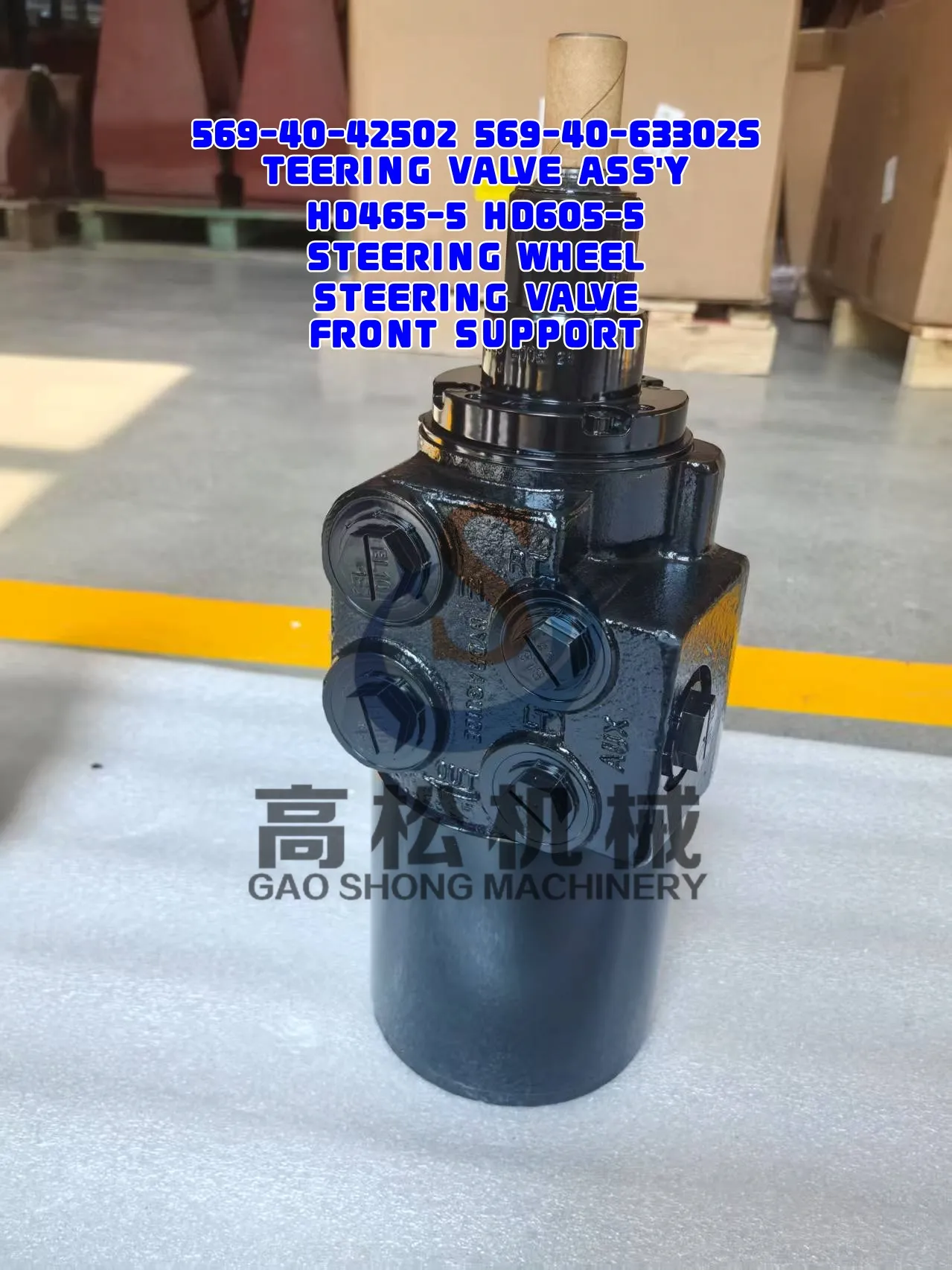 komatsu-part-569-40-42502 569-40-63302 STEERING VALVE ASS’Y HD465-5 HD465-7 HD465-7E1 HD465-7R HD465-7E0 HD605-7R HD605-5 HD605-7 HD465-7E0 STEERING WHEEL STEERING VALVE FRONT SUPPORT (STEERING VALVE MOUNTING PARTS)
 -
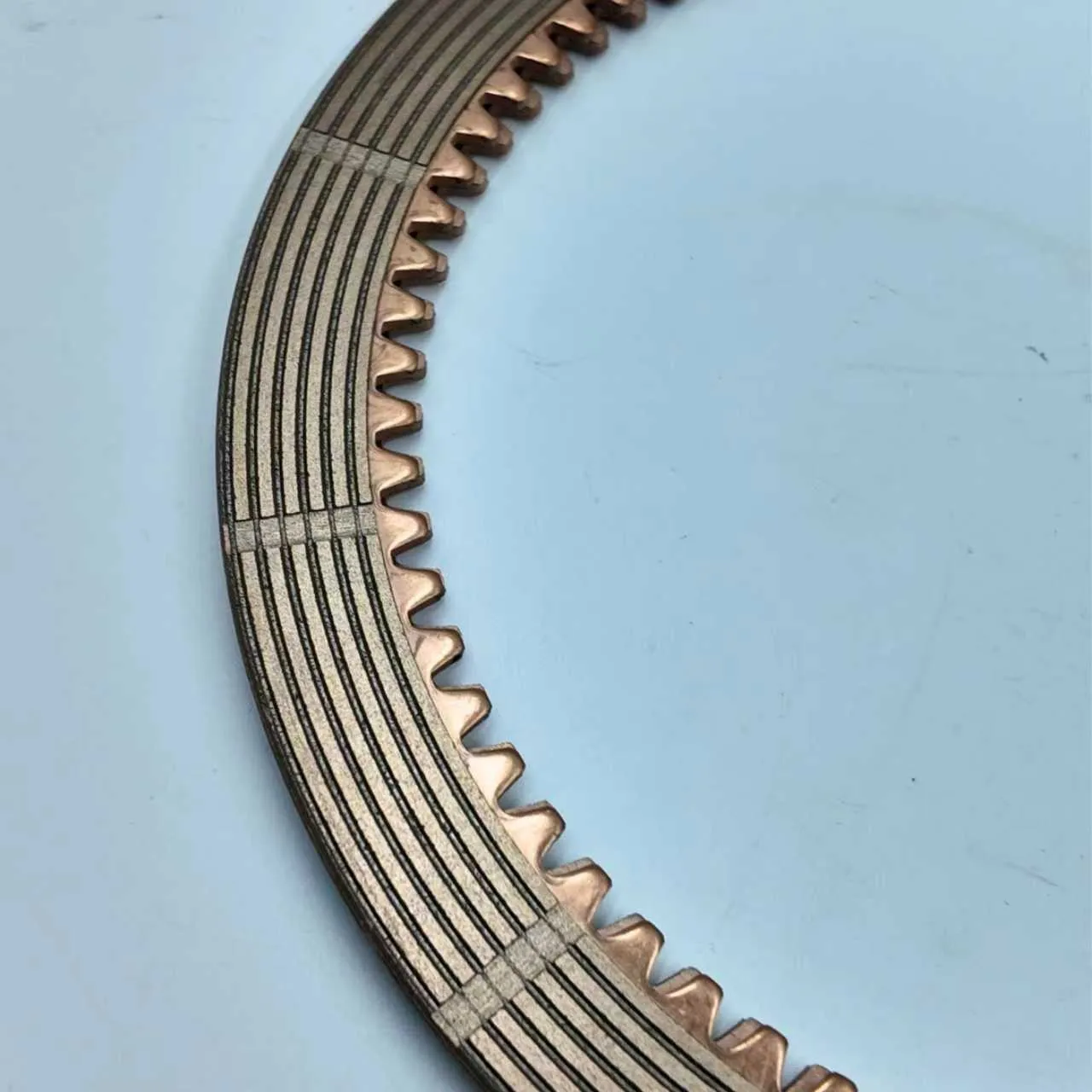 23S-15-12710 Komatsu Disc
 -
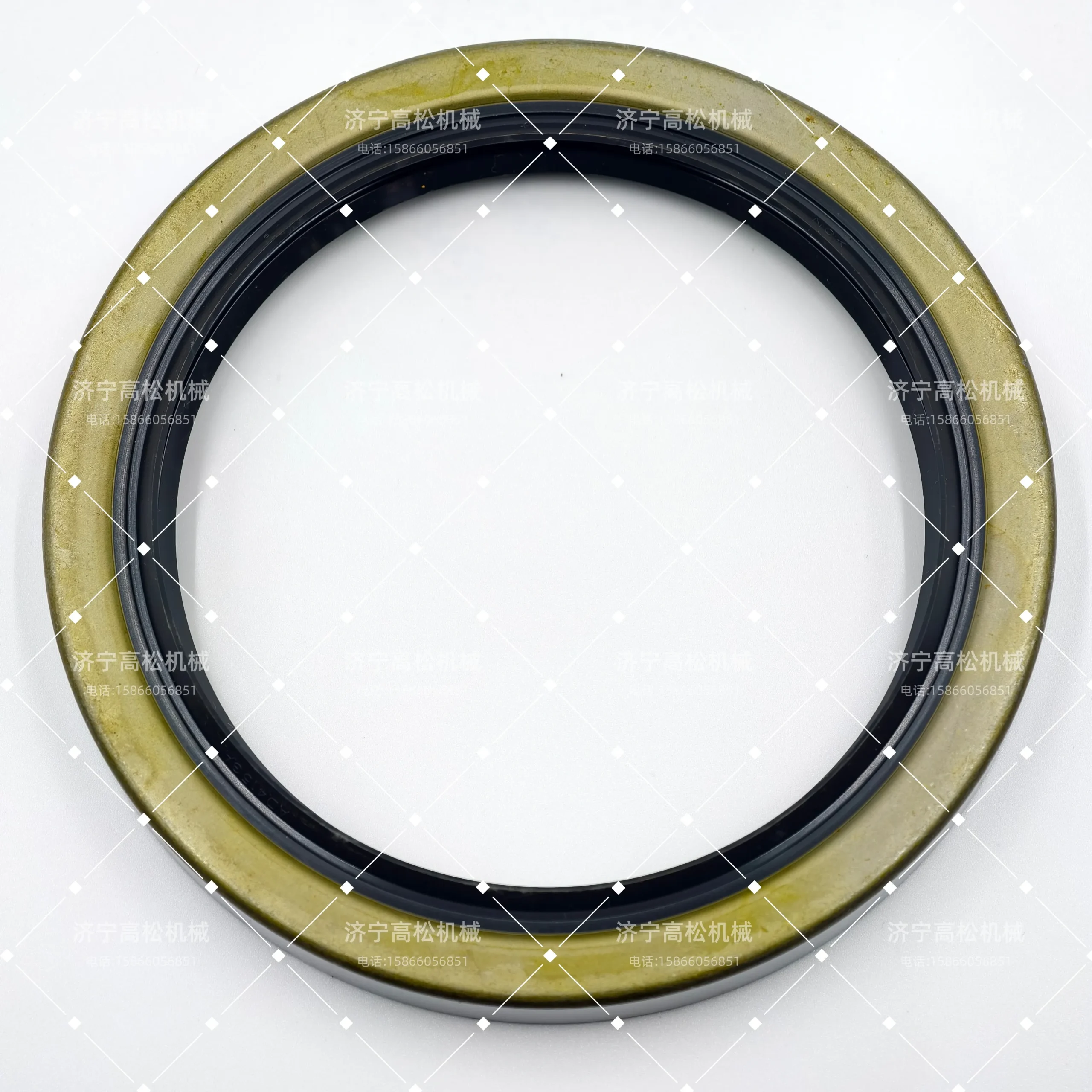 WA500-3 Oil Seal 425-20-15740 China Manufacturers Suppliers…
 -
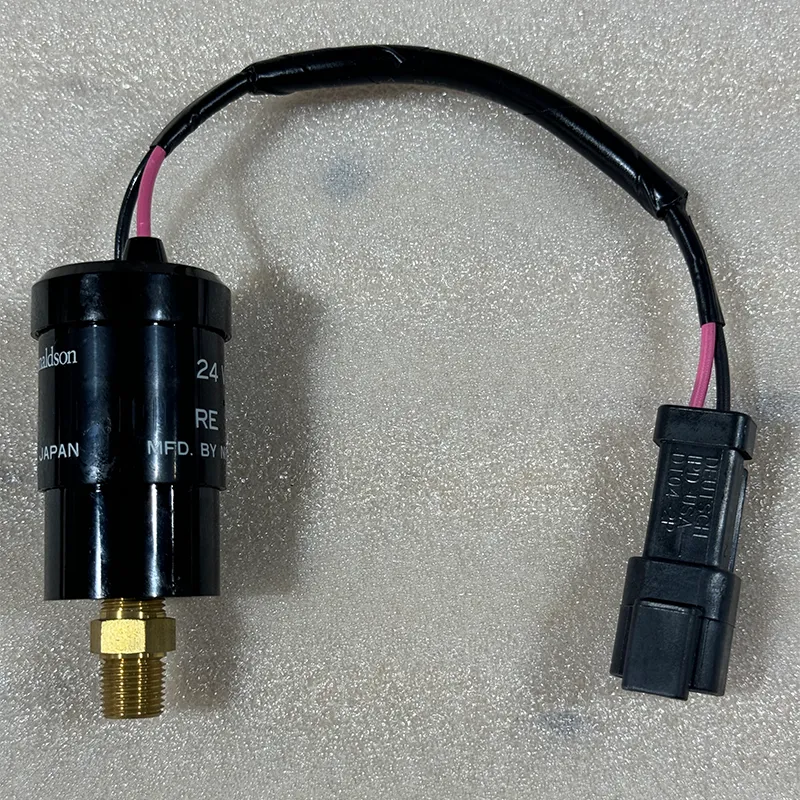 600-815-8860 Original komatsu Indicator Air Cleaner for HD325-7R WA500-6 HM300-2
 -
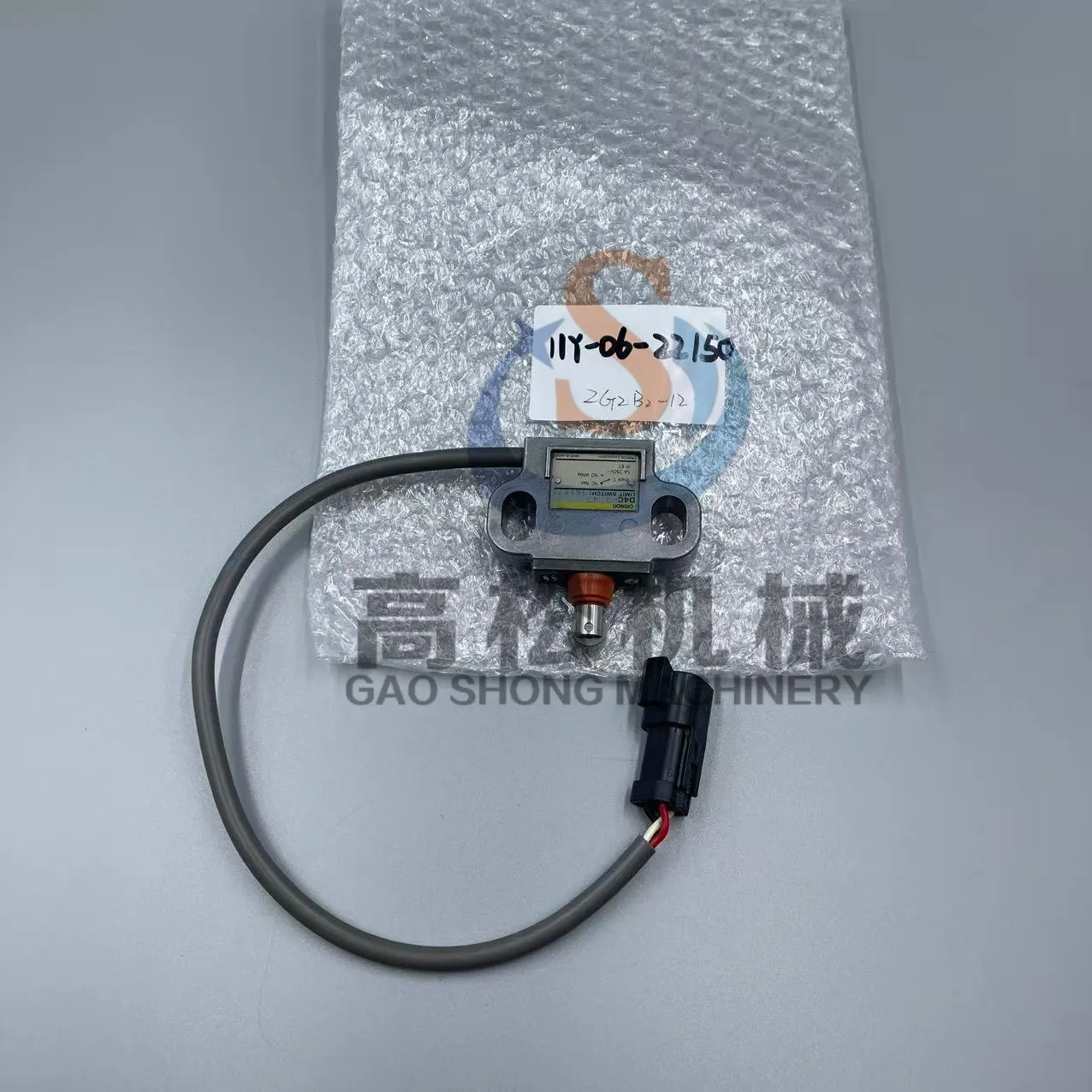 SWITCH 11Y-06-22150 – KOMATSU
 -
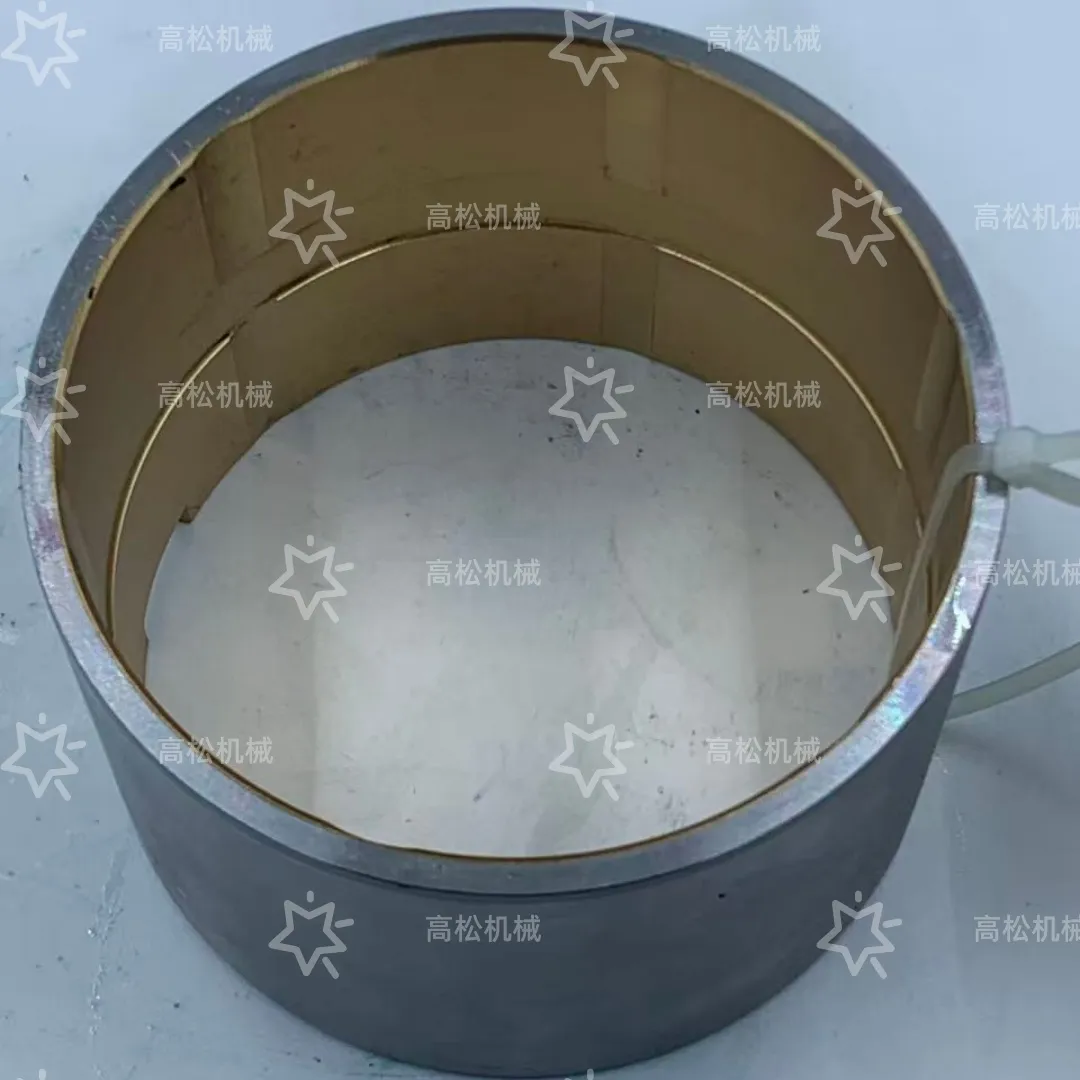 Bulldozer D375A-1 Bushing 195-61-41160 1956141160
 -
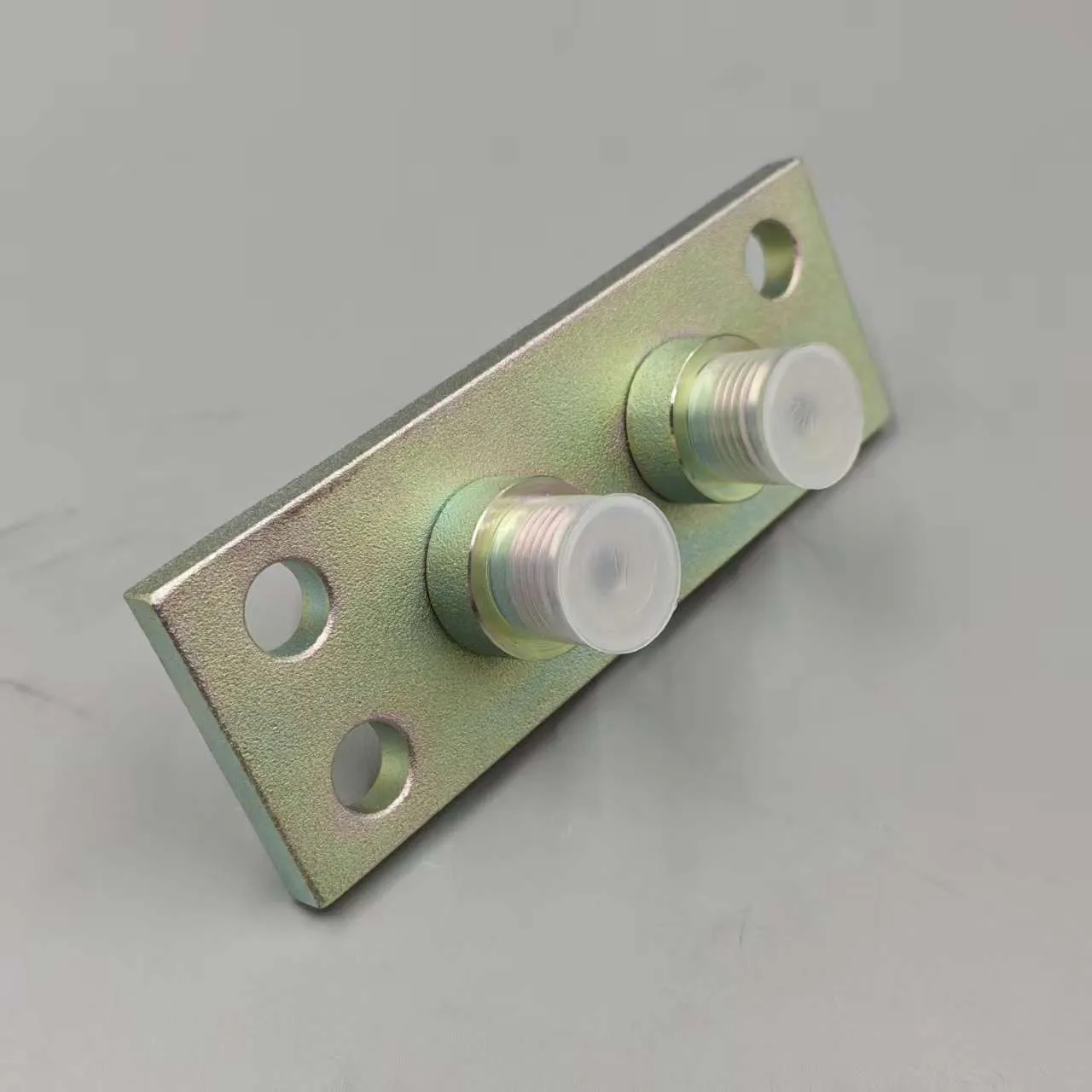 14Y-62-31411 BRACKET KOMATSU parts D60P, D65E, D65EX, D65P, D65PX, D65WX, D85E, D85ESS
 -
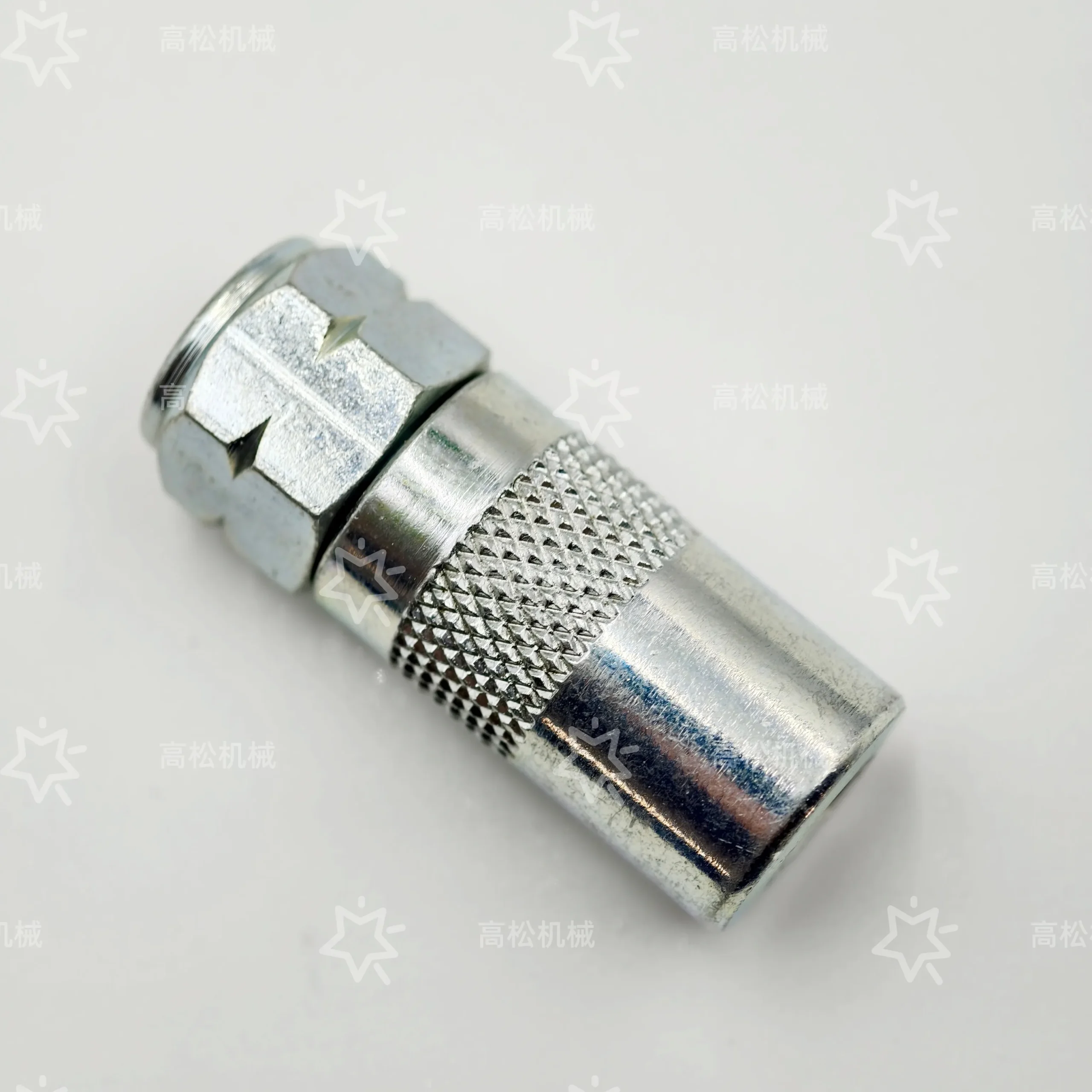 209-68-11640 Komatsu Coupling Assembly
 -
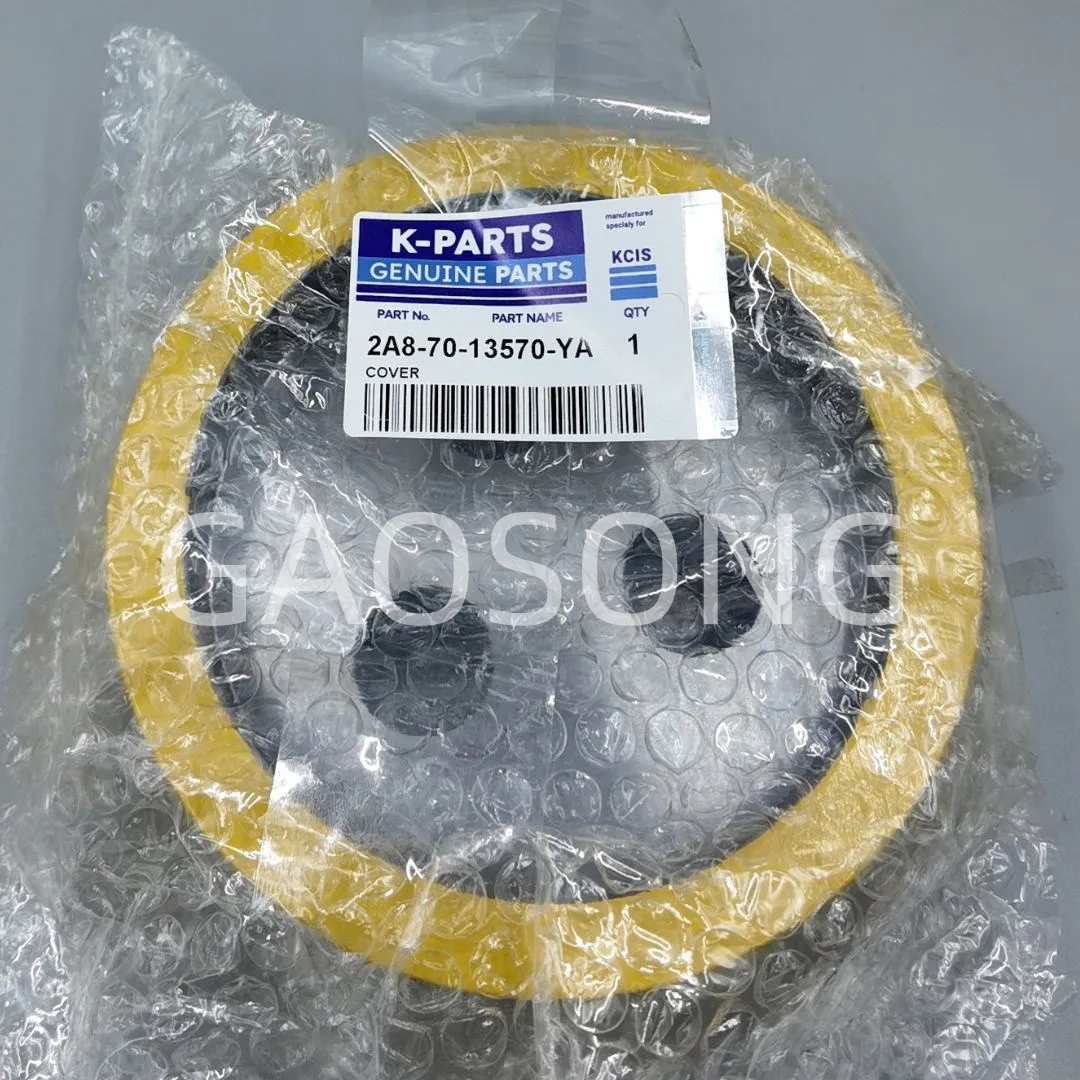 2A8-70-13570 Cover-Komatsu Original Factory
 -
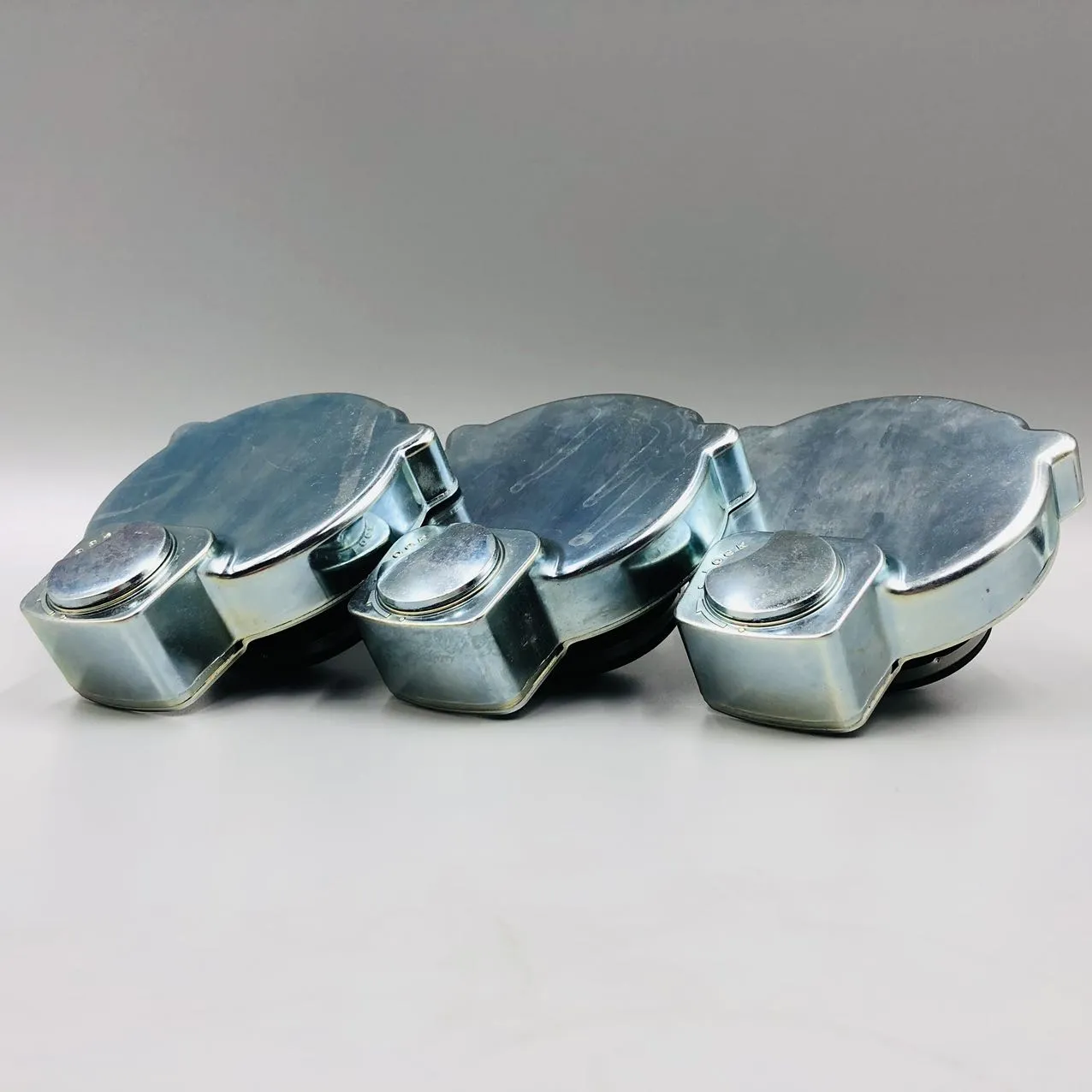 Hydraulic Oil Tank Cap 17A-60-11310 For Komatsu PC200-6 PC200-8 D155A PC400-8
 -
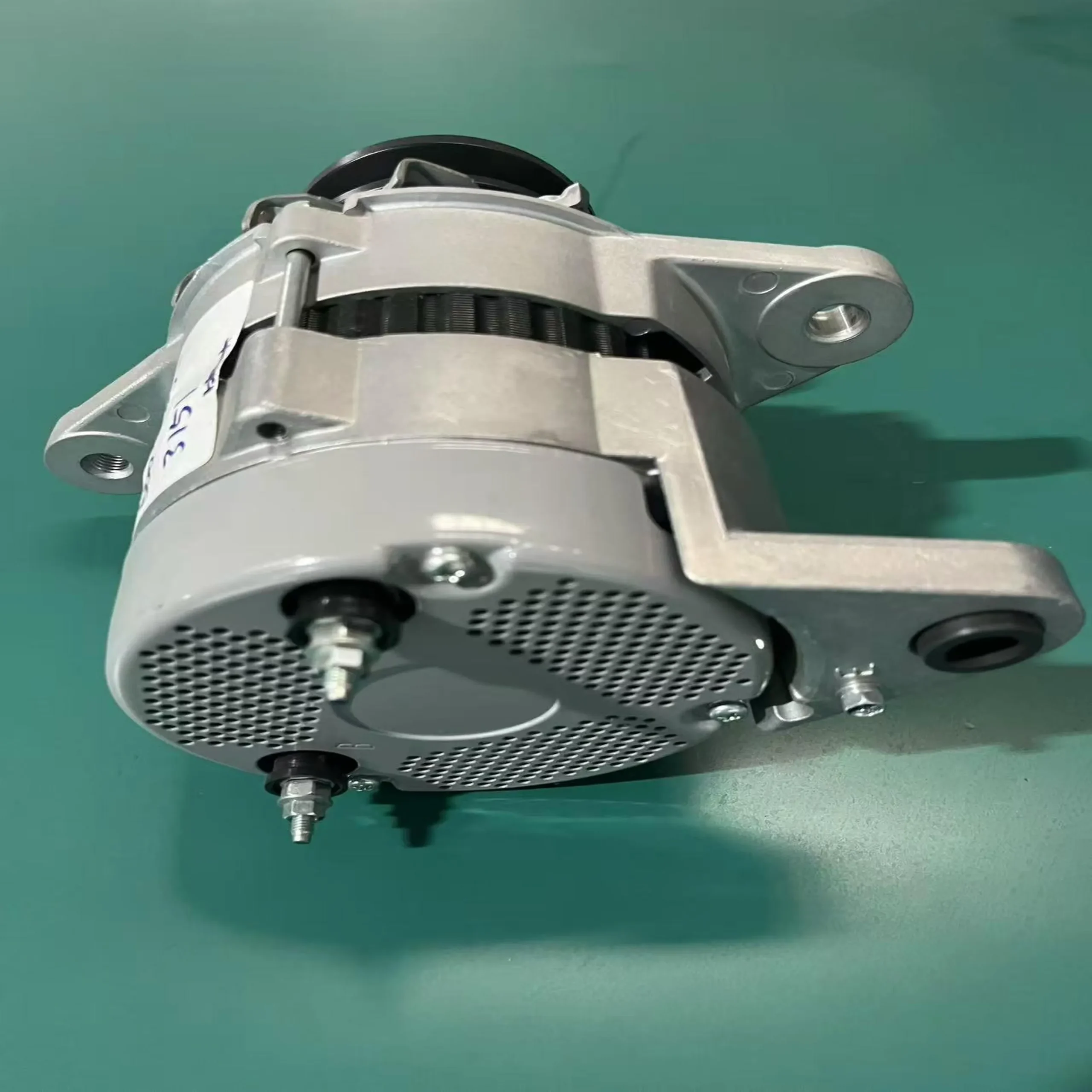 600-825-3151 Komatsu ALTERNATOR PC-400
 -
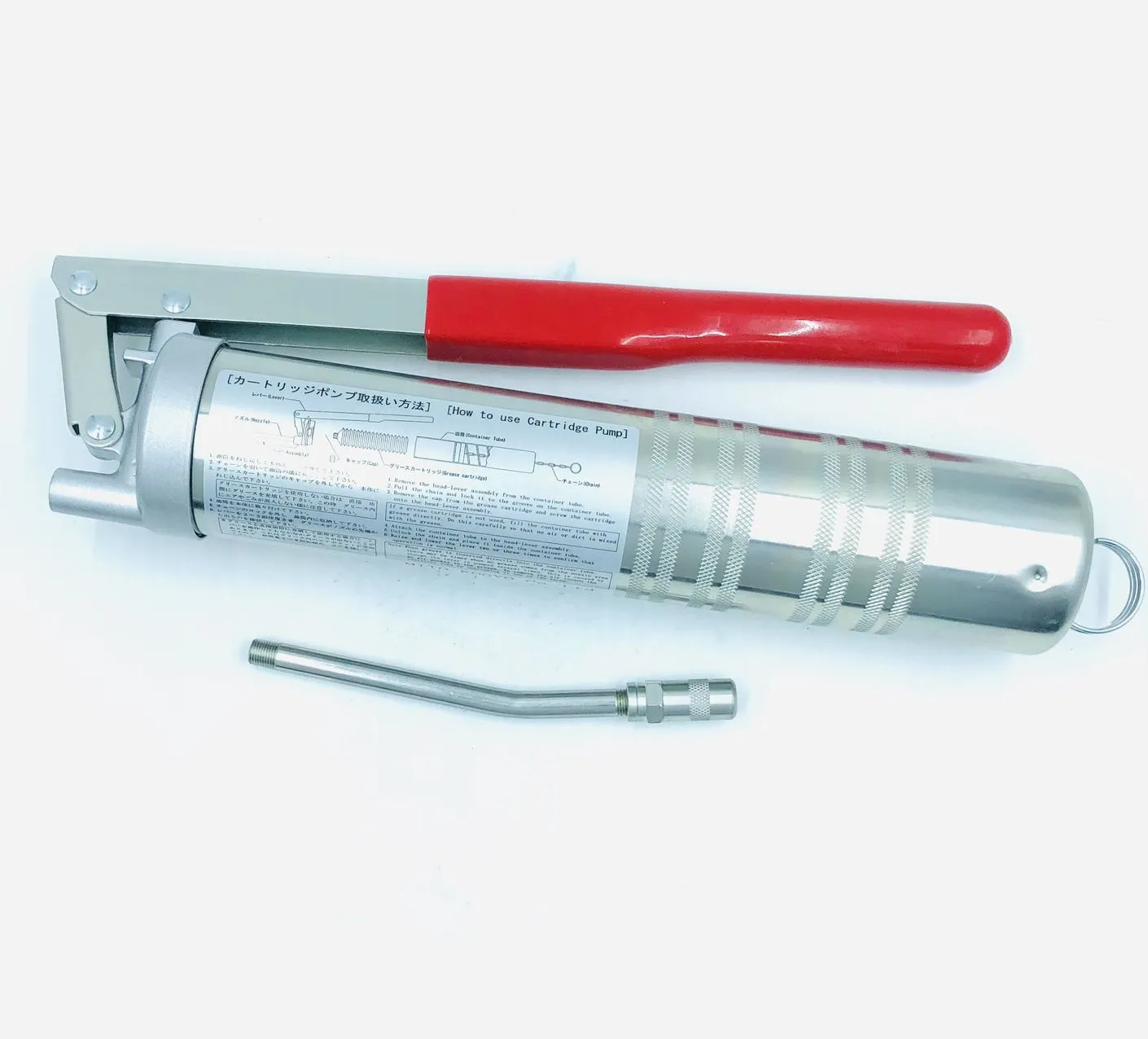 07952-70014- Pump Assembly-Komatsu Original Factory