
- Chinese
- French
- German
- Portuguese
- Spanish
- Russian
- Japanese
- Korean
- Arabic
- Irish
- Greek
- Turkish
- Italian
- Danish
- Romanian
- Indonesian
- Czech
- Afrikaans
- Swedish
- Polish
- Basque
- Catalan
- Esperanto
- Hindi
- Lao
- Albanian
- Amharic
- Armenian
- Azerbaijani
- Belarusian
- Bengali
- Bosnian
- Bulgarian
- Cebuano
- Chichewa
- Corsican
- Croatian
- Dutch
- Estonian
- Filipino
- Finnish
- Frisian
- Galician
- Georgian
- Gujarati
- Haitian
- Hausa
- Hawaiian
- Hebrew
- Hmong
- Hungarian
- Icelandic
- Igbo
- Javanese
- Kannada
- Kazakh
- Khmer
- Kurdish
- Kyrgyz
- Latin
- Latvian
- Lithuanian
- Luxembou..
- Macedonian
- Malagasy
- Malay
- Malayalam
- Maltese
- Maori
- Marathi
- Mongolian
- Burmese
- Nepali
- Norwegian
- Pashto
- Persian
- Punjabi
- Serbian
- Sesotho
- Sinhala
- Slovak
- Slovenian
- Somali
- Samoan
- Scots Gaelic
- Shona
- Sindhi
- Sundanese
- Swahili
- Tajik
- Tamil
- Telugu
- Thai
- Ukrainian
- Urdu
- Uzbek
- Vietnamese
- Welsh
- Xhosa
- Yiddish
- Yoruba
- Zulu
- Kinyarwanda
- Tatar
- Oriya
- Turkmen
- Uyghur






OEM AND ORIGINAL KOMATSU PIN 427-70-11982
Let's talk about that part number, . It's a pin, right? For Komatsu equipment, probably something like a bucket hinge or a linkage. But here's the thing – when you see OEM AND ORIGINAL slapped together in a search, it creates a fog. In our world, they aren't always the same thing, and that's where guys get burned. I've seen too many orders come in where someone paid for original and got a decent aftermarket copy, or worse, a part that just doesn't fit the shear spec. The number itself, , is pure Komatsu language. It tells me it's likely a specific, hardened pin for a defined application. The confusion starts when suppliers, especially third-party ones, use OEM to describe their own compatible line, which is fine if they're honest, but passing it off as genuine Komatsu-blue-box stock is a different game. That's the gap companies like Jining Gaosong Construction Machinery Co., Ltd. aim to bridge, being both an OEM product supplier within the Komatsu system and a third-party sales channel. Their site, https://www.takematsumachinery.com, positions them in that interesting space. But back to the pin. The real test isn't the listing; it's the metal.
The Dimensional Truth and the Fitment Lie
So you get this pin, . The paperwork says it's to spec. Diameter checks out, length is good. You drive it in. It fits. But fit is a spectrum. With a genuine pin, the fit is precise – a firm, consistent resistance along the entire bore. With some alternatives, you might get a slight taper or a variance in surface finish that you can't see, only feel during installation. It'll go in, but the load distribution changes. I remember a job on a PC360 where we used a sourced pin that met all dimensions. It worked for about 400 hours. Then we started seeing abnormal wear on the bushing, a kind of polishing on one side that indicated uneven contact. The pin wasn't bending; it just wasn't perfectly true. The cost of the bushing and downtime dwarfed the savings on the pin. That's the hidden math.
This is where the supplier's role is critical. A company that is an OEM product supplier within the Komatsu network has access to the material certifications and the heat-treat protocols. For a part like this pin, the hardness profile is everything. It needs to be hard enough to resist wear but with a core toughness to avoid catastrophic shear. A third-party maker might hit the Rockwell C number on the surface but miss the depth of hardness or the tempering process. The failure mode then isn't always dramatic breakage; it's accelerated, expensive wear on the mating parts.
When Jining Gaosong says they help solve parts supply challenges in certain countries, this is the practical layer of that statement. It's not just about having a pin in stock. It's about having the right metallurgical pedigree or being transparent about what pedigree the part actually has. Their dual position means they should, in theory, be able to tell you exactly what you're holding: This is from Komatsu's OEM forge or This is our own production, here are our test sheets to validate its serviceability. The latter is a legitimate, professional alternative if the data is solid.
The Original Box and the Gray Market Reality
Original should mean it came from Komatsu's authorized parts stream. But the market is messy. You can get parts in genuine Komatsu packaging from channels that Komatsu itself doesn't endorse. These might be surplus, overruns, or parts diverted from other regions. They are physically identical to what you'd get from a dealer, but the supply chain integrity and warranty support can be nebulous. For a critical pin, this might be an acceptable risk for some fleets if the price is right and the source is trusted.
Then there's the true OEM product supplier scenario. This is a factory that has a contract to manufacture this very pin, , for Komatsu. They produce a batch, ship a percentage to Komatsu for branding and distribution, and may have the contractual right to sell the remainder under their own or a neutral part number. This is often where the best value lies – the same factory, the same machine, the same QC, often without the branded markup. The challenge is verifying that claim. A supplier's website address, like https://www.takematsumachinery.com, is just a starting point. The proof is in purchase orders, factory audits, and traceability.
I've been fooled before. A supplier presented fantastic certification docs for a batch of pins. We bought a small lot. The first few were perfect. The batch halfway through had a subtle inconsistency in the chrome plating thickness, leading to premature seal wear. The supplier blamed a sub-processor. The lesson was that even with good docs, the chain of custody matters. A company embedded in the system, as Gaosong describes itself, should have tighter oversight on these production runs, whether for Komatsu or for their own third-party sales.
Application Specifics: It's Never Just a Pin
Let's not treat as a commodity. A pin isn't a light bulb. Its function is defined by the machine model and the specific joint. Is it for the arm-to-bucket linkage on a PC200-8? Or a swing circle mounting pin on a smaller excavator? The forces are completely different. An OEM supplier worth their salt will have that cross-reference data immediately and will ask you for the machine serial number to confirm. A non-specialist will just sell you the pin that matches the number.
I recall a case where the same part number was called out for two different generations of a machine. Komatsu had made a silent revision, changing the clearance tolerance by a few microns. The old-stock original pins caused a slight bind in the newer machines. It wasn't a failure, just a slight increase in hydraulic effort and heat generation. Only a technician deeply familiar with the equipment nuances would spot that. This is the value of a specialist third-party sales company that focuses on Komatsu – they live in these details.
This is the kind of problem a company positioned to solve parts supply challenges should be pre-emptively addressing. Their product data shouldn't just list the number; it should have application notes, revision histories, and maybe even installation torque or press-fit recommendations. That turns a parts listing into a technical resource.
The Cost of Downtime vs. The Cost of the Part
This is the only calculation that matters in the field. If a pin shears, what's the fallout? Is the machine stuck in a remote site? Does it require a full teardown of a major joint? The $200 you save on a non-verified part evaporates in the first hour of downtime. For non-critical, easy-to-access locations, a verified high-quality alternative makes perfect sense. For critical, high-load, or buried applications, the risk profile shifts heavily toward verified genuine or true OEM-spec parts.
The business model of a company like Jining Gaosong Construction Machinery Co., Ltd. makes sense if they can navigate this risk calculus with their clients. They can offer the genuine article when it's imperative, and a rigorously vetted, traceable alternative when the application allows. Their credibility hinges on getting this judgment call right for the customer, not just moving inventory.
In practice, I'd use a supplier like this for a part such as by first asking for their recommendation based on my specific machine serial number and job. Their answer would tell me everything. If they immediately ask for the serial and context, that's a good sign. If they just quote a price and lead time, I'm looking elsewhere.
Verification and Building Trust
So how do you trust a source? Paperwork is a start. Material test reports, certificate of origin, and maybe even sample testing. But long-term, it's about consistency and problem-solving. Does the supplier stand behind the part when there's a question? I once had a batch of pins where the machining on the grease groove was a bit rough. A good supplier didn't argue; they sent out replacements immediately and had their QC team review their process. That's partnership.
Looking at https://www.takematsumachinery.com, the promise is in their dual role. The OEM product supplier within the Komatsu system part suggests direct access to specifications and quality standards. The third-party sales company for Komatsu part suggests they understand the market need for flexibility and cost-effectiveness. The real test is whether these two sides inform each other to provide better, more reliable solutions.
For a part number like OEM AND ORIGINAL KOMATSU PIN , the AND in the keyword is the whole story. It represents the choice, and the confusion. A professional supplier clarifies that choice, providing clear paths to both the genuine part and a truly equivalent alternative, with the data to back up either claim. That's solving the real challenge, which is never just supply—it's reliable, cost-effective uptime.
Related Products
Related Products

Best Selling Products
Best Selling Products-
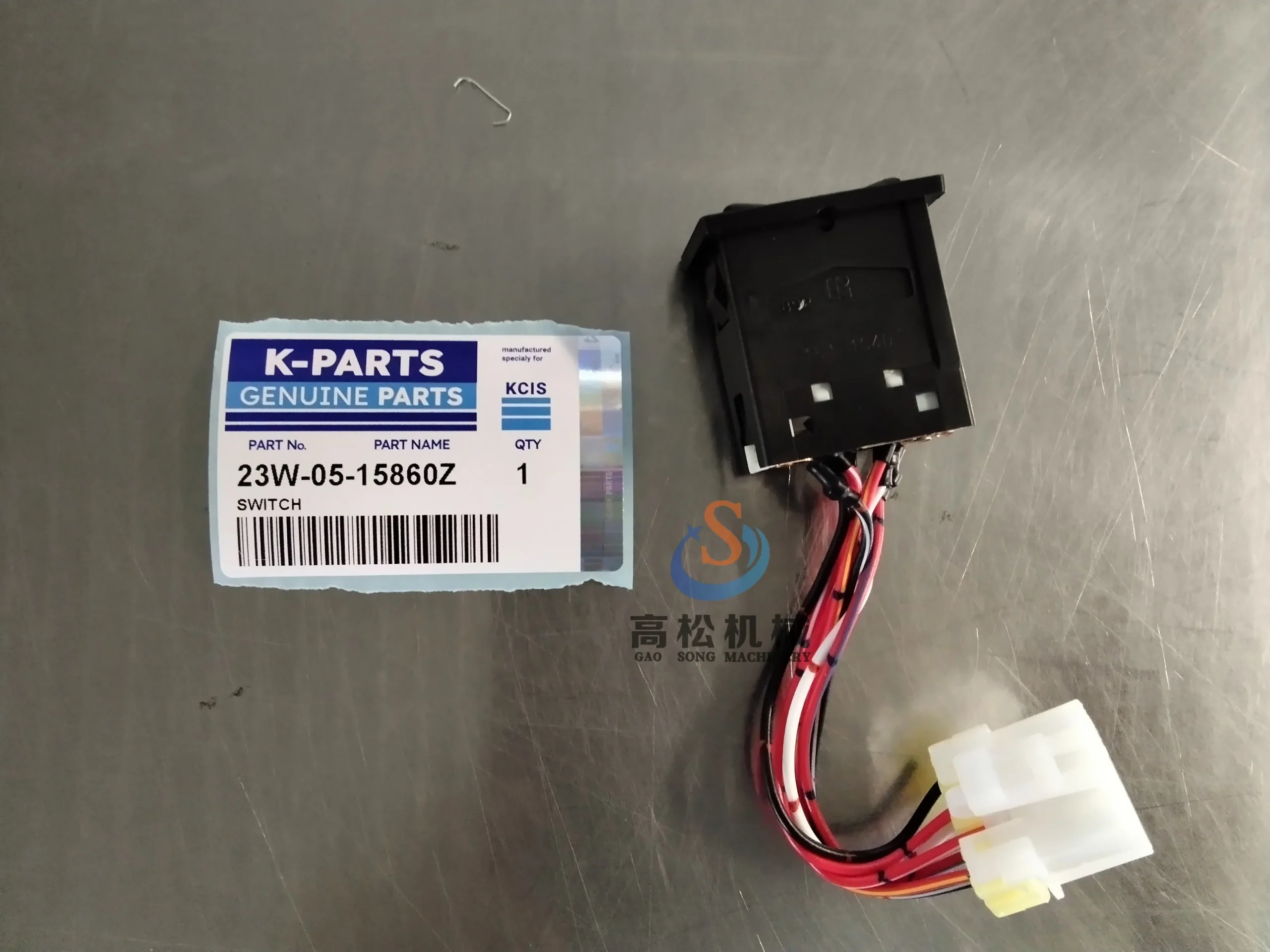 23W-05-15860 komatsu switch-HM300/HD325/HM400
 -
 20Y-979-3120 TANK-Komatsu Original Factory
 -
 07053-10000 Cap-Radiator Fits KOMATSUU Models
 -
 Komatsu21T-04-31170 Cap Assembly
 -
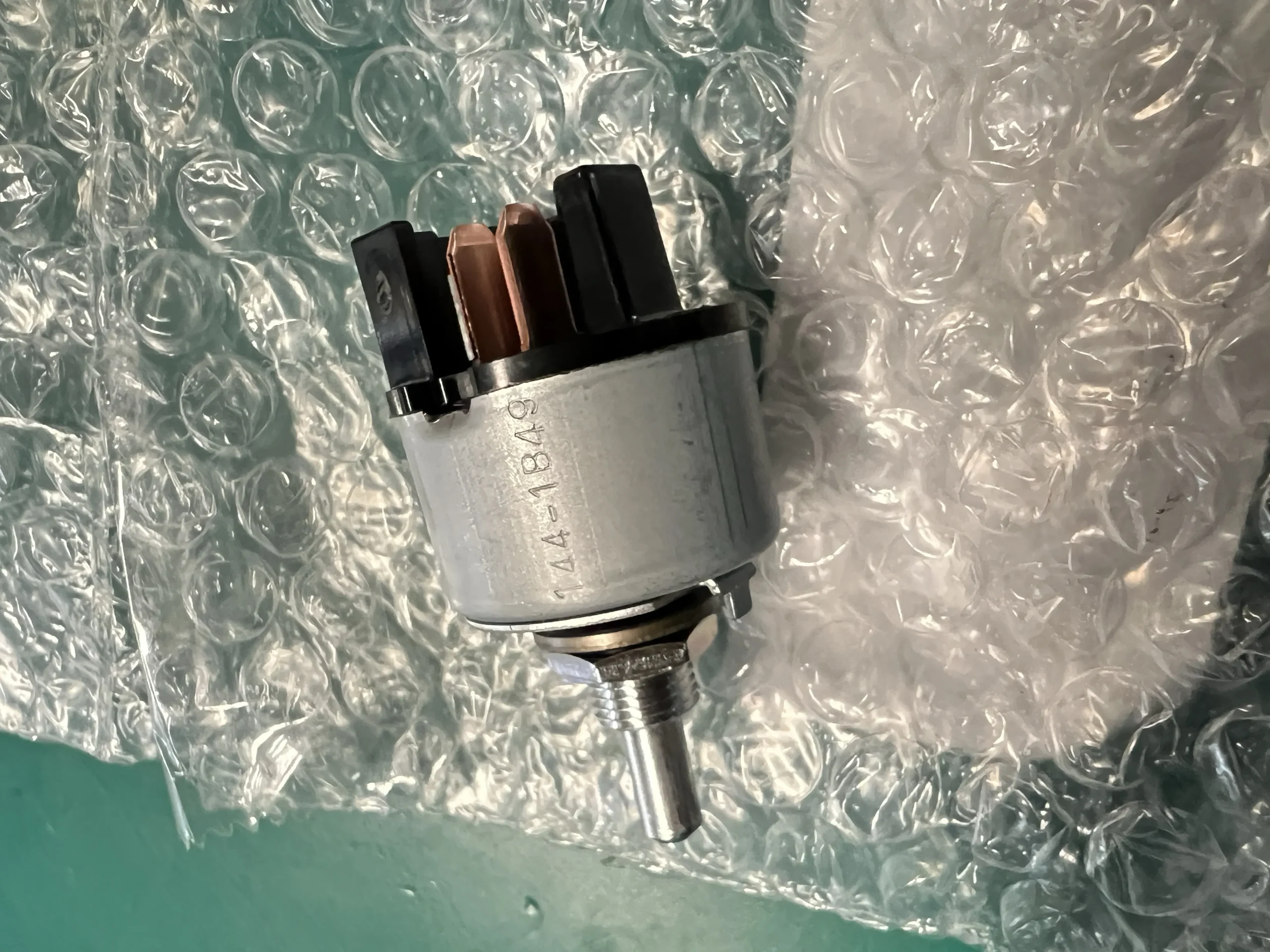 205-06-71380 Switch
 -
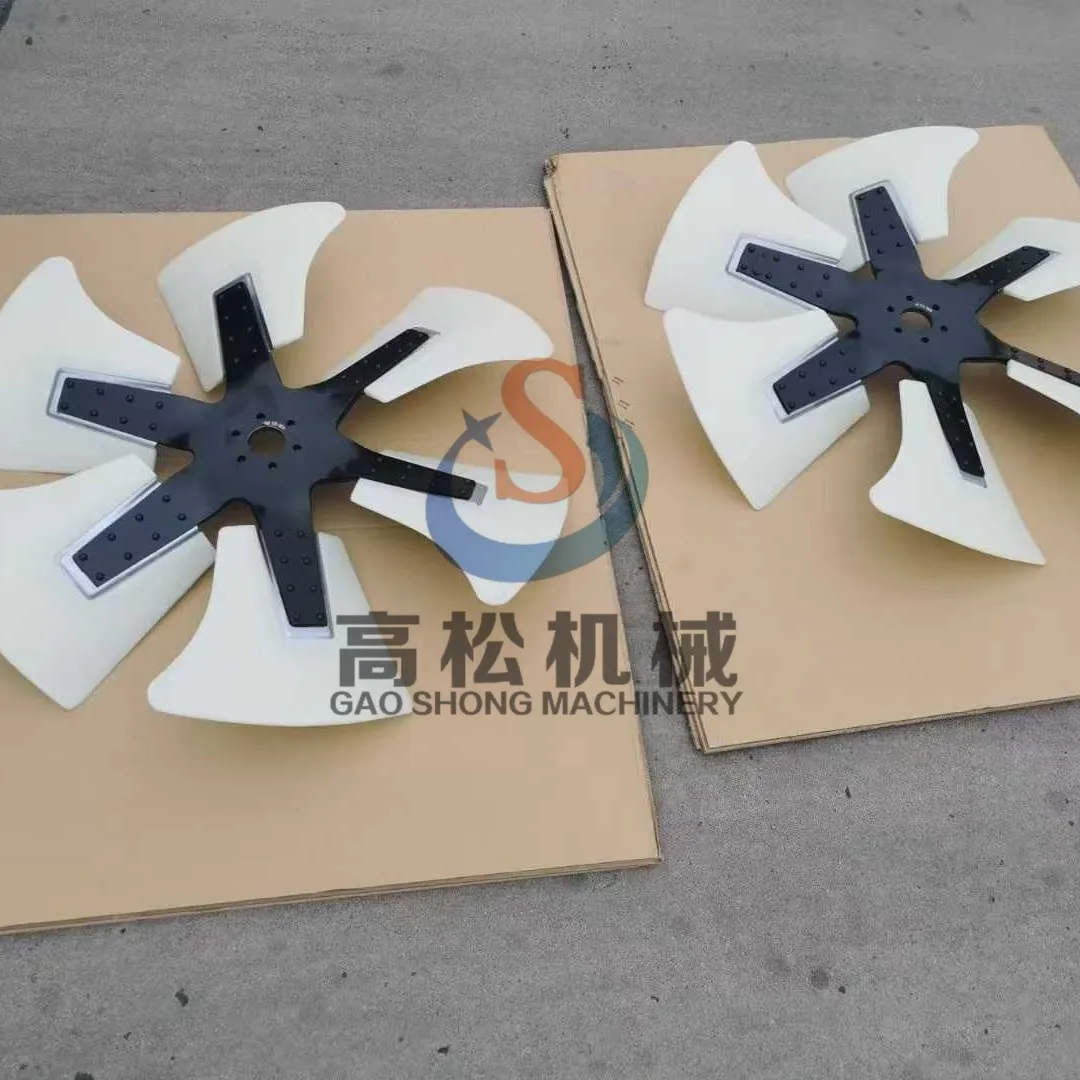 600-635-7870 fan for PC360 komatsu parts
 -
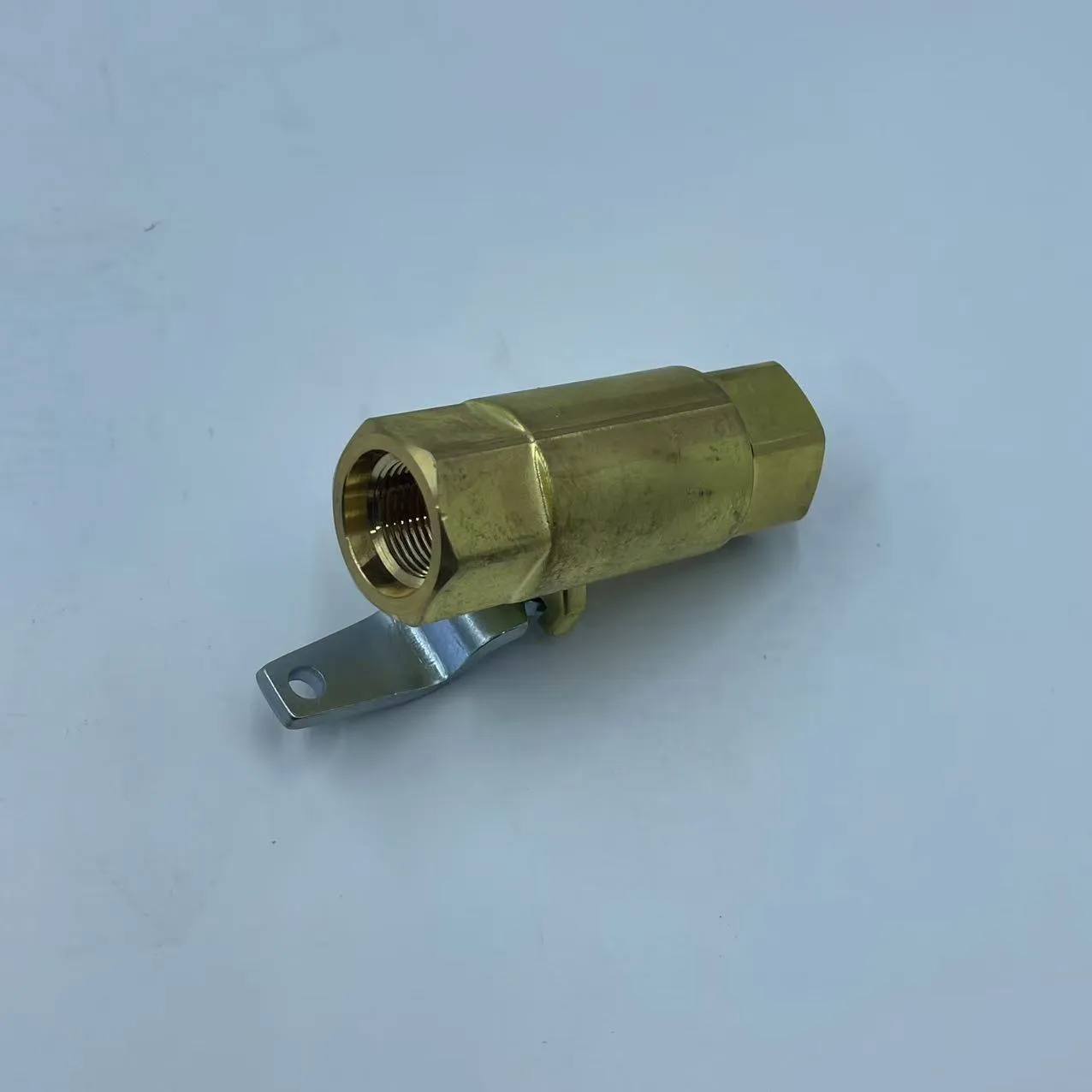 Komatsu Excavator PC200 Valve 20Y-62-15651
 -
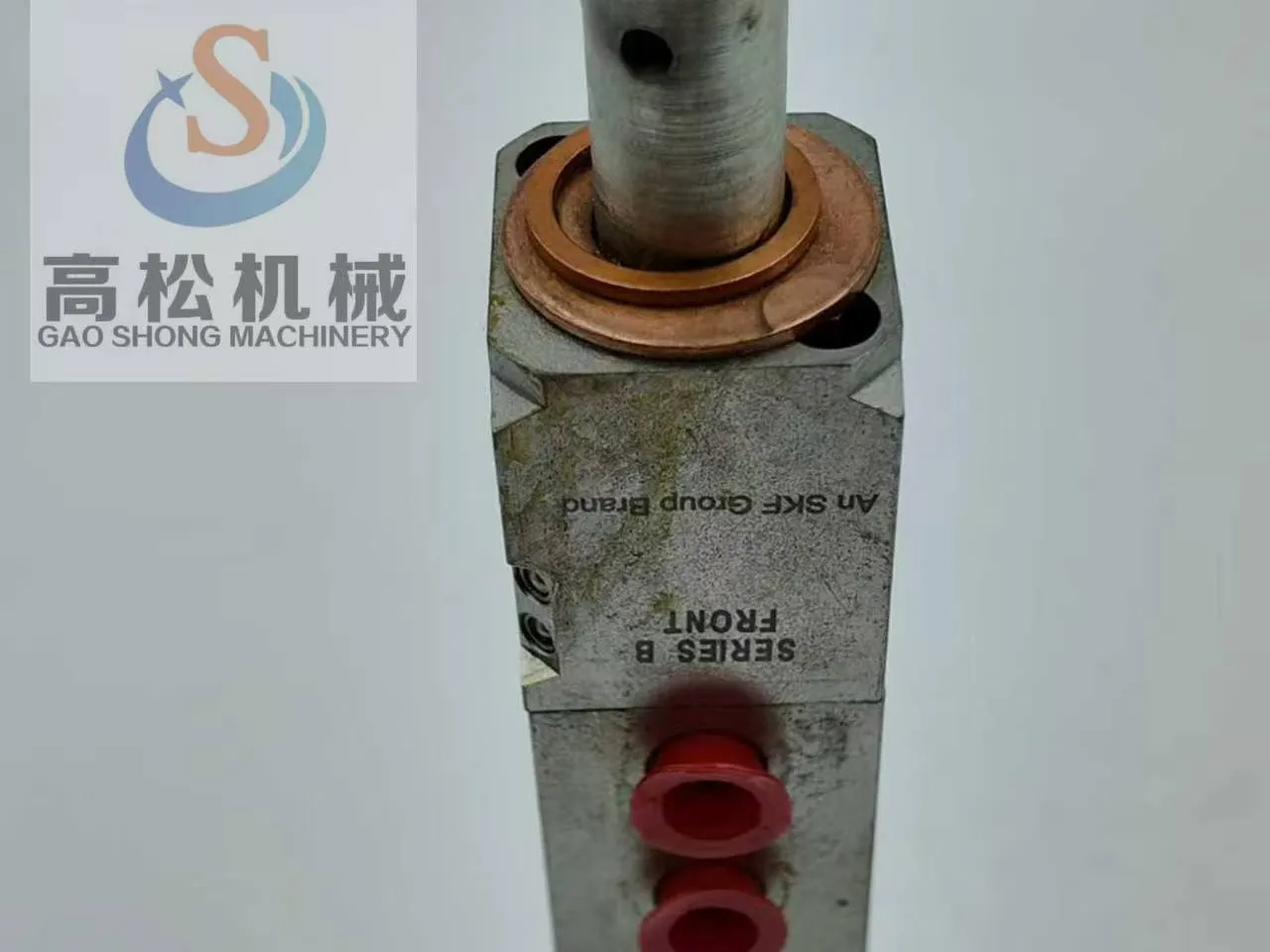 561-95-83030 561-95-84080 injector assembly for hd785-7 injectors
 -
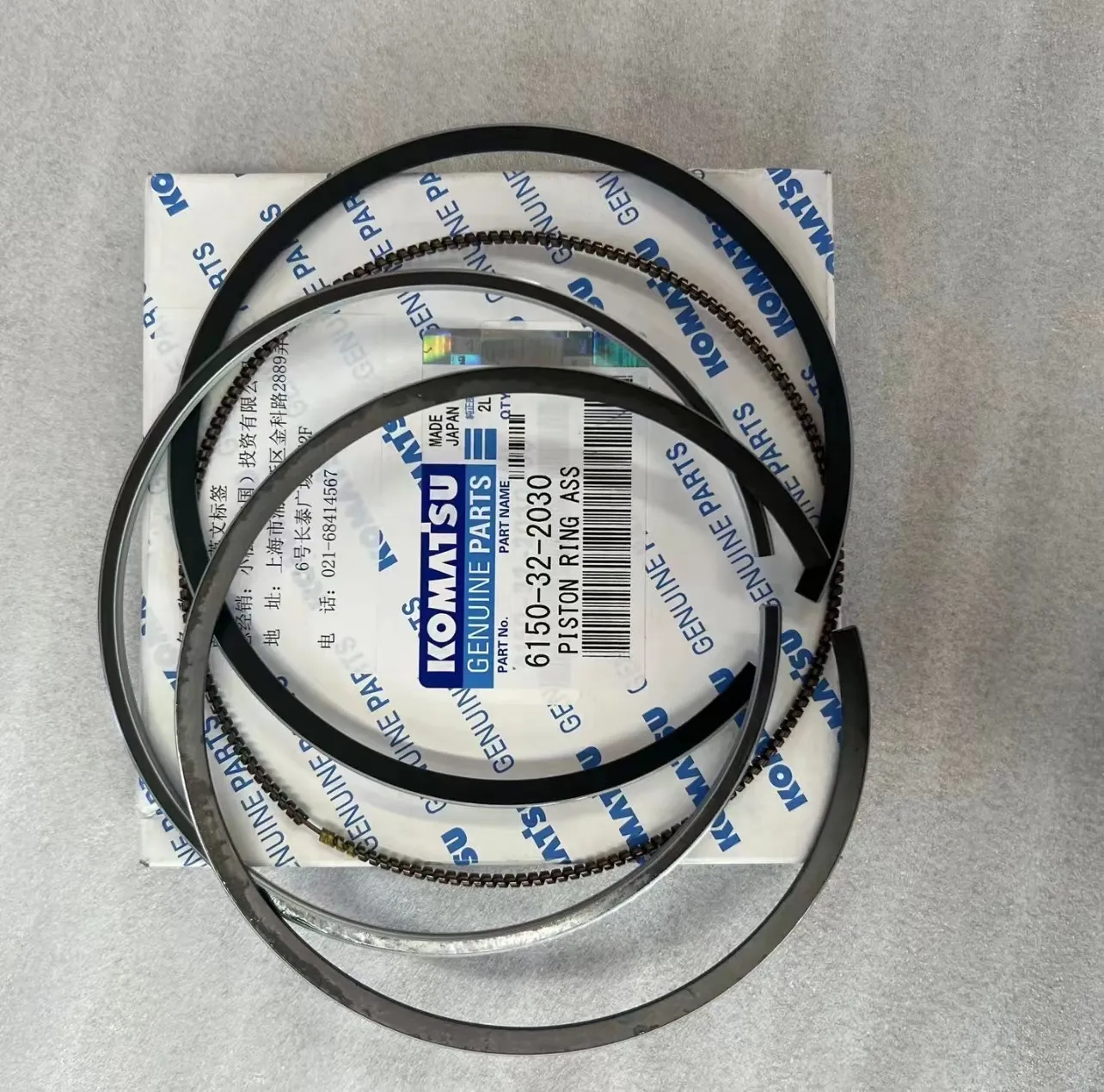 WA470-3 Piston Ring 6150-32-2030
 -
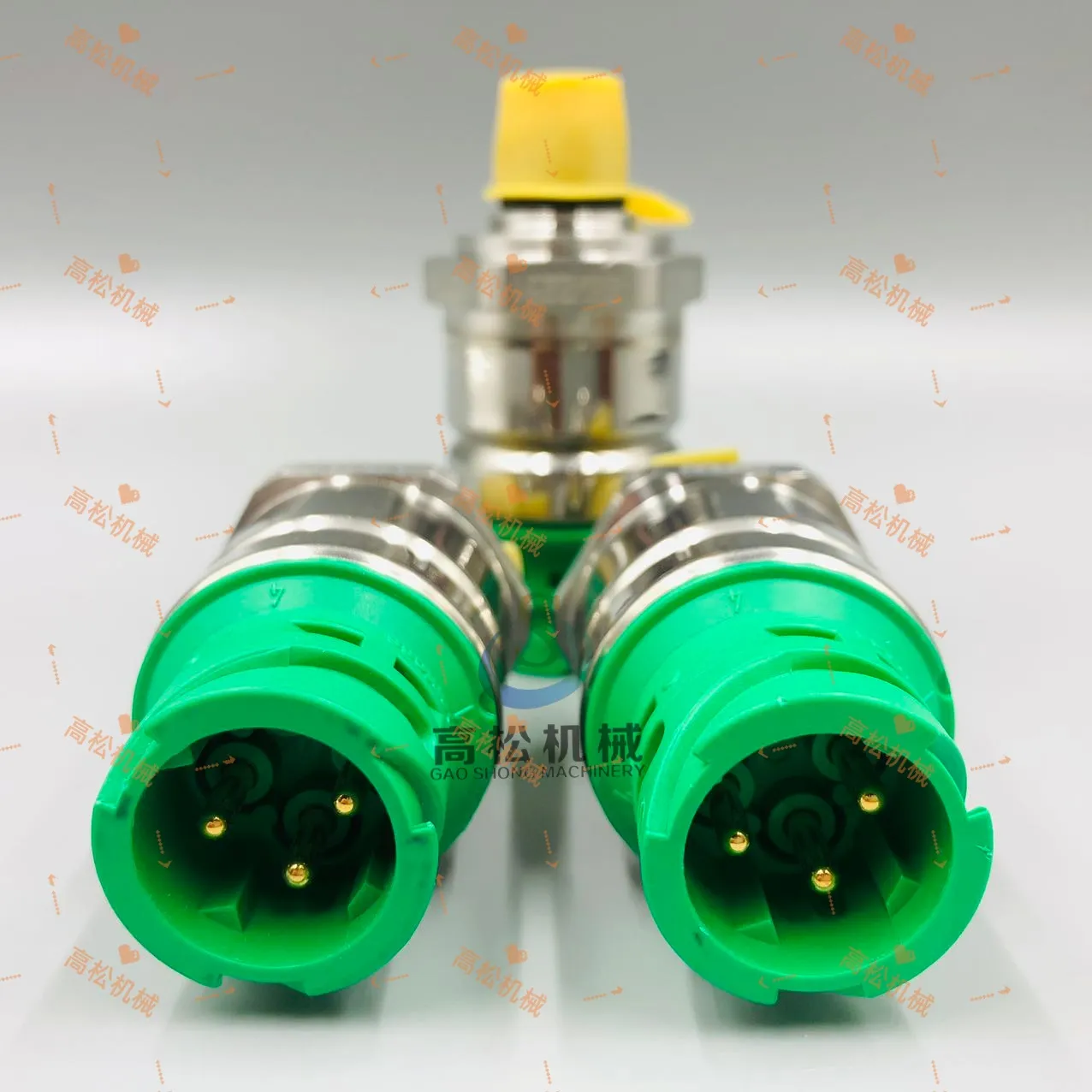 Pressure Sensor for Komatsu HM400 SAA6D140E WA500 6560-61-7201 6560617201
 -
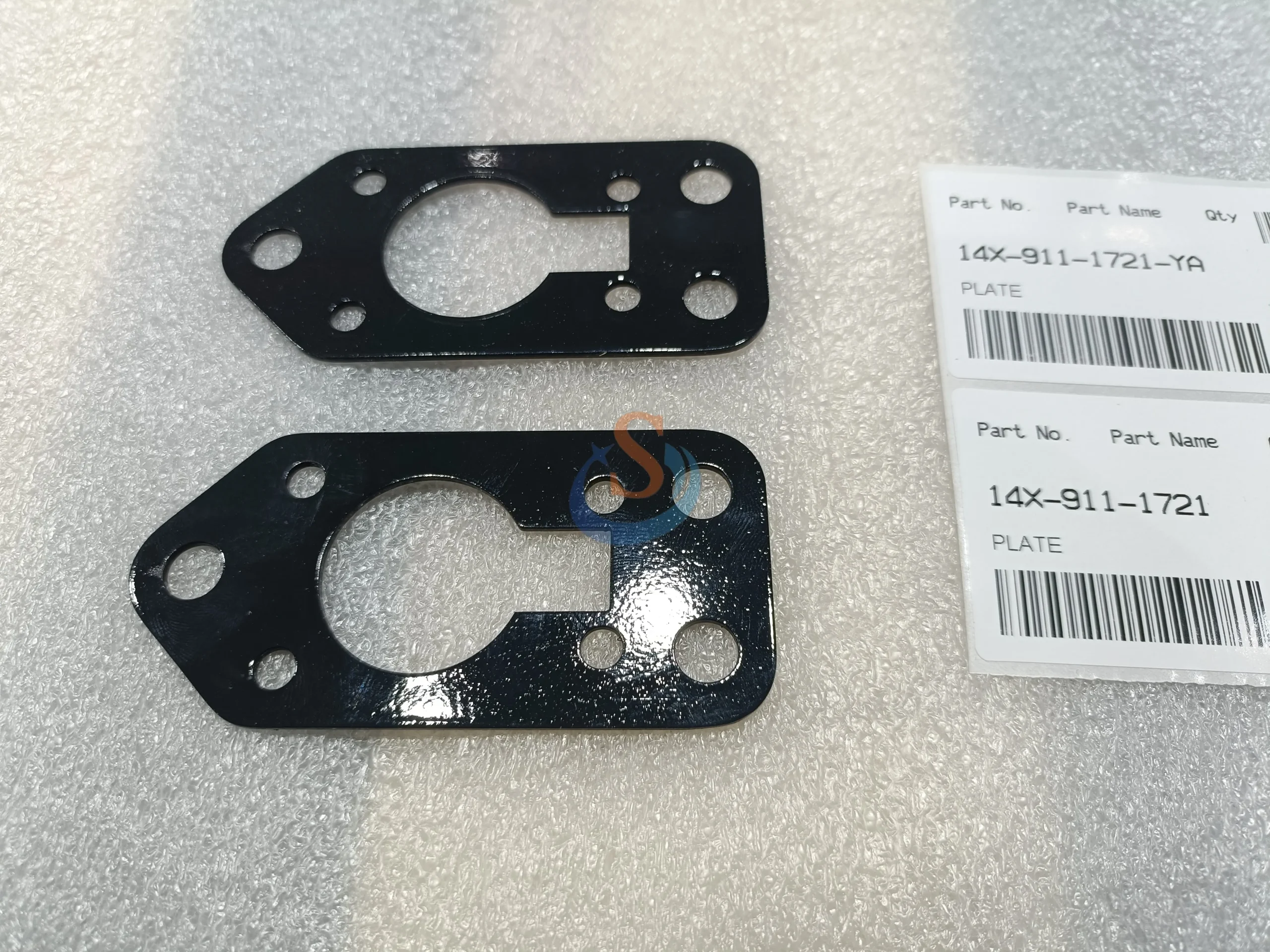 14X-911-1721,PLATE,D65E,D61PX,D155A,D375A
 -
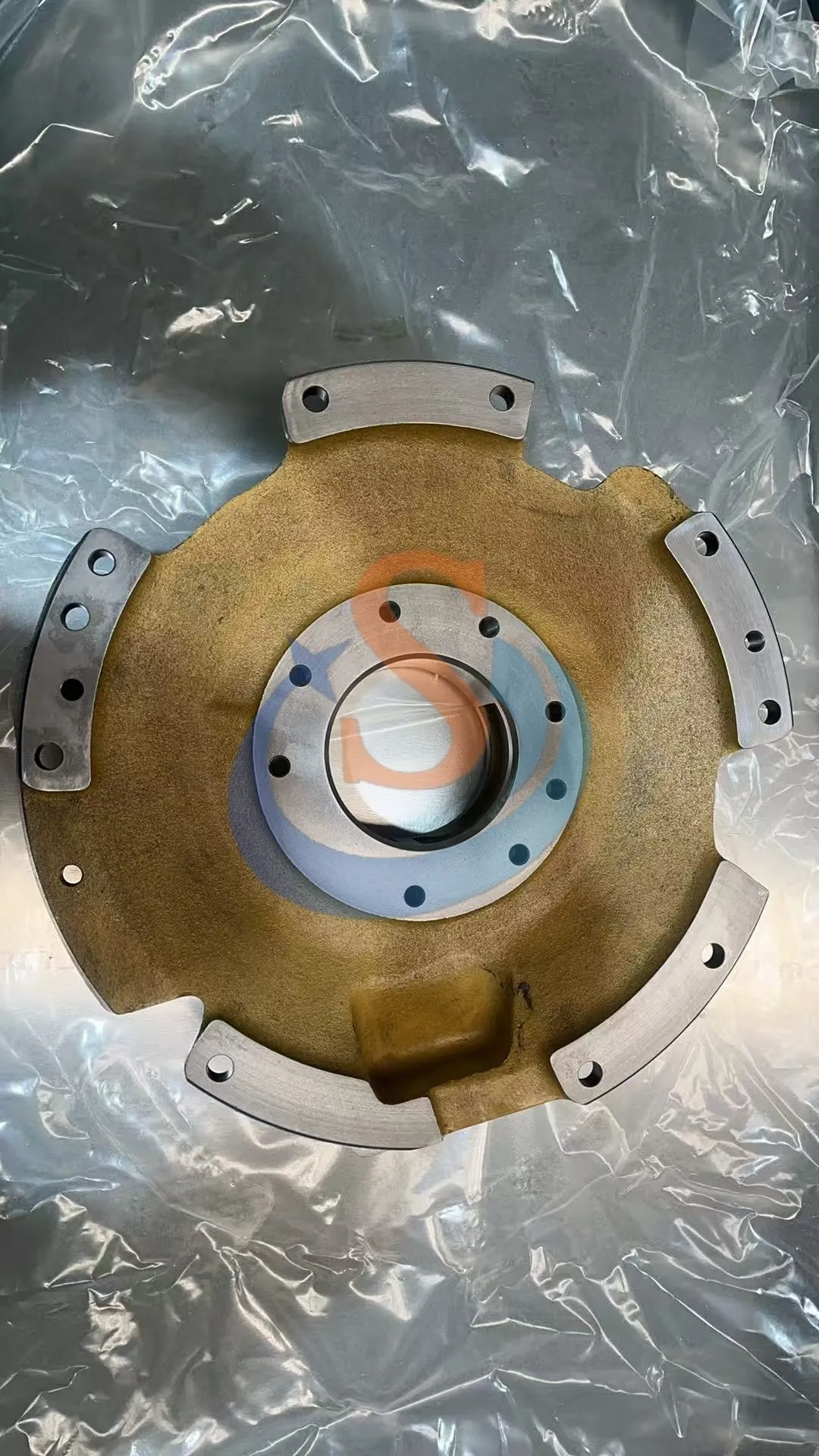 14X-13-54411 Housing D65PX/D65WX/D65EX