
- Chinese
- French
- German
- Portuguese
- Spanish
- Russian
- Japanese
- Korean
- Arabic
- Irish
- Greek
- Turkish
- Italian
- Danish
- Romanian
- Indonesian
- Czech
- Afrikaans
- Swedish
- Polish
- Basque
- Catalan
- Esperanto
- Hindi
- Lao
- Albanian
- Amharic
- Armenian
- Azerbaijani
- Belarusian
- Bengali
- Bosnian
- Bulgarian
- Cebuano
- Chichewa
- Corsican
- Croatian
- Dutch
- Estonian
- Filipino
- Finnish
- Frisian
- Galician
- Georgian
- Gujarati
- Haitian
- Hausa
- Hawaiian
- Hebrew
- Hmong
- Hungarian
- Icelandic
- Igbo
- Javanese
- Kannada
- Kazakh
- Khmer
- Kurdish
- Kyrgyz
- Latin
- Latvian
- Lithuanian
- Luxembou..
- Macedonian
- Malagasy
- Malay
- Malayalam
- Maltese
- Maori
- Marathi
- Mongolian
- Burmese
- Nepali
- Norwegian
- Pashto
- Persian
- Punjabi
- Serbian
- Sesotho
- Sinhala
- Slovak
- Slovenian
- Somali
- Samoan
- Scots Gaelic
- Shona
- Sindhi
- Sundanese
- Swahili
- Tajik
- Tamil
- Telugu
- Thai
- Ukrainian
- Urdu
- Uzbek
- Vietnamese
- Welsh
- Xhosa
- Yiddish
- Yoruba
- Zulu
- Kinyarwanda
- Tatar
- Oriya
- Turkmen
- Uyghur






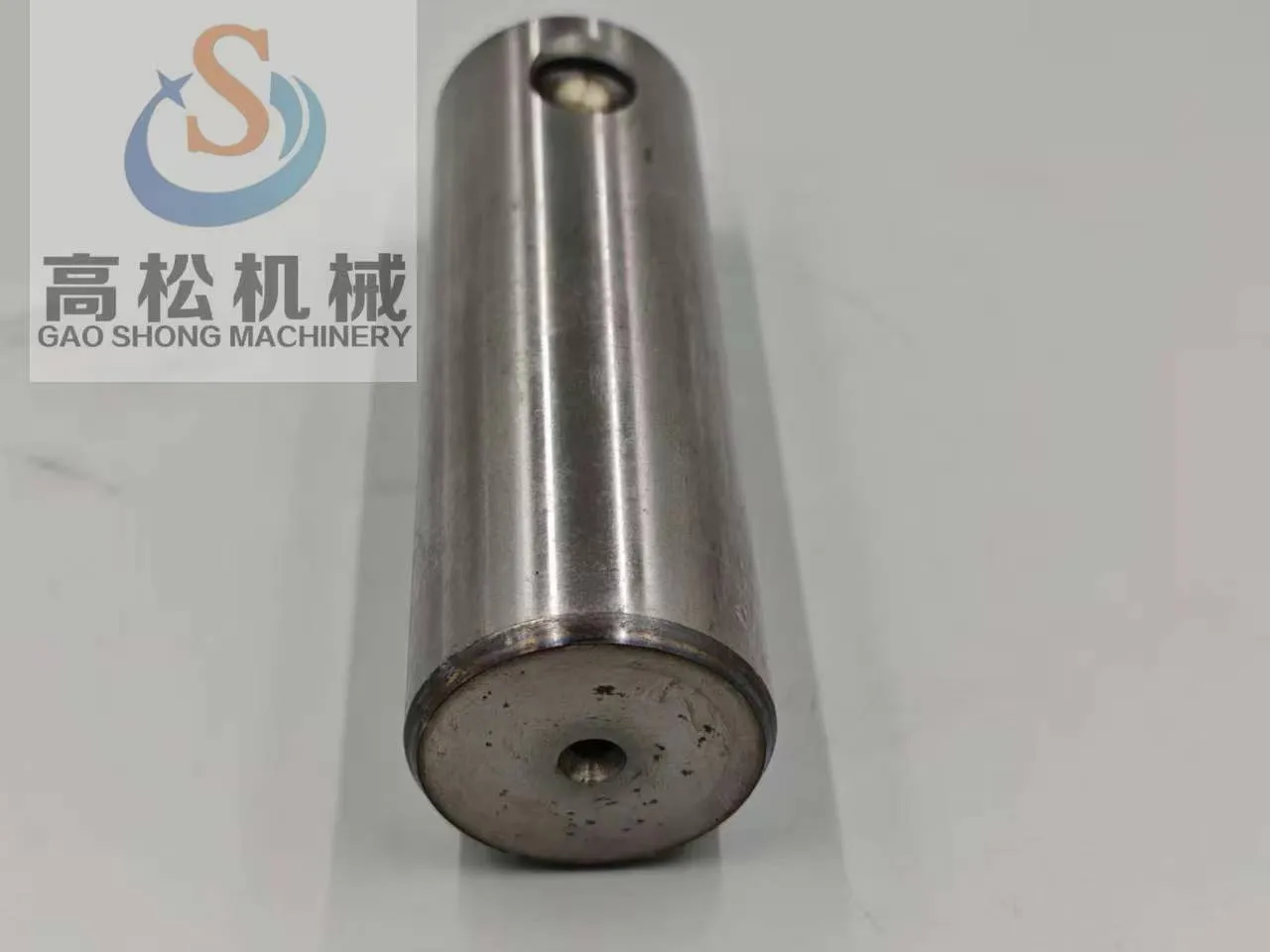
OEM AND ORIGINAL KOMATSU PIN 427-70-11972
If you're searching for that specific pin, , you're likely in the middle of a repair or rebuild on a Komatsu machine, probably an excavator like a PC200 or PC300 series. The first thing that comes to my mind, and where a lot of guys get tripped up, is the whole OEM AND ORIGINAL tag. It sounds straightforward, but in the real world of parts supply, especially in regions where official channels are strained, that phrase carries a lot of weight and, frankly, a lot of confusion. Is it a genuine part from Komatsu's main line, or is it an OEM product made to the same spec? The difference isn't just semantic; it's about fit, longevity, and sometimes, the success of your entire job.
The Nuance Behind the Part Number
Let's break down the number itself: . The 427 group typically relates to the undercarriage or boom linkage assemblies. This pin is a critical wear item, a pivot point that takes immense shear force. When we talk about original, we mean the part that comes in a Komatsu-branded box, with the Komatsu stamp, sourced directly from Komatsu's manufacturing pipeline. The OEM designation, however, is where it gets interesting. Within Komatsu's system, there are certified OEM suppliers who produce these components to the exact material and dimensional specifications. They are, for all functional purposes, the same part, just without the final Komatsu branding applied at the factory. This is a key distinction from a generic aftermarket part, which might claim to fit but often misses on hardness rating or precise tolerance.
I've seen countless non-OEM pins fail prematurely. The surface might look right, but the core hardness is off. It'll wear the bushing unevenly, cause premature slack in the linkage, and lead to a knock-on effect of damage. You think you're saving money, but you're buying a much bigger problem down the line. The OEM AND ORIGINAL KOMATSU PIN from a legitimate source implies it meets the original engineering standard, whether it's branded or OEM-sourced. That's the baseline you cannot compromise on.
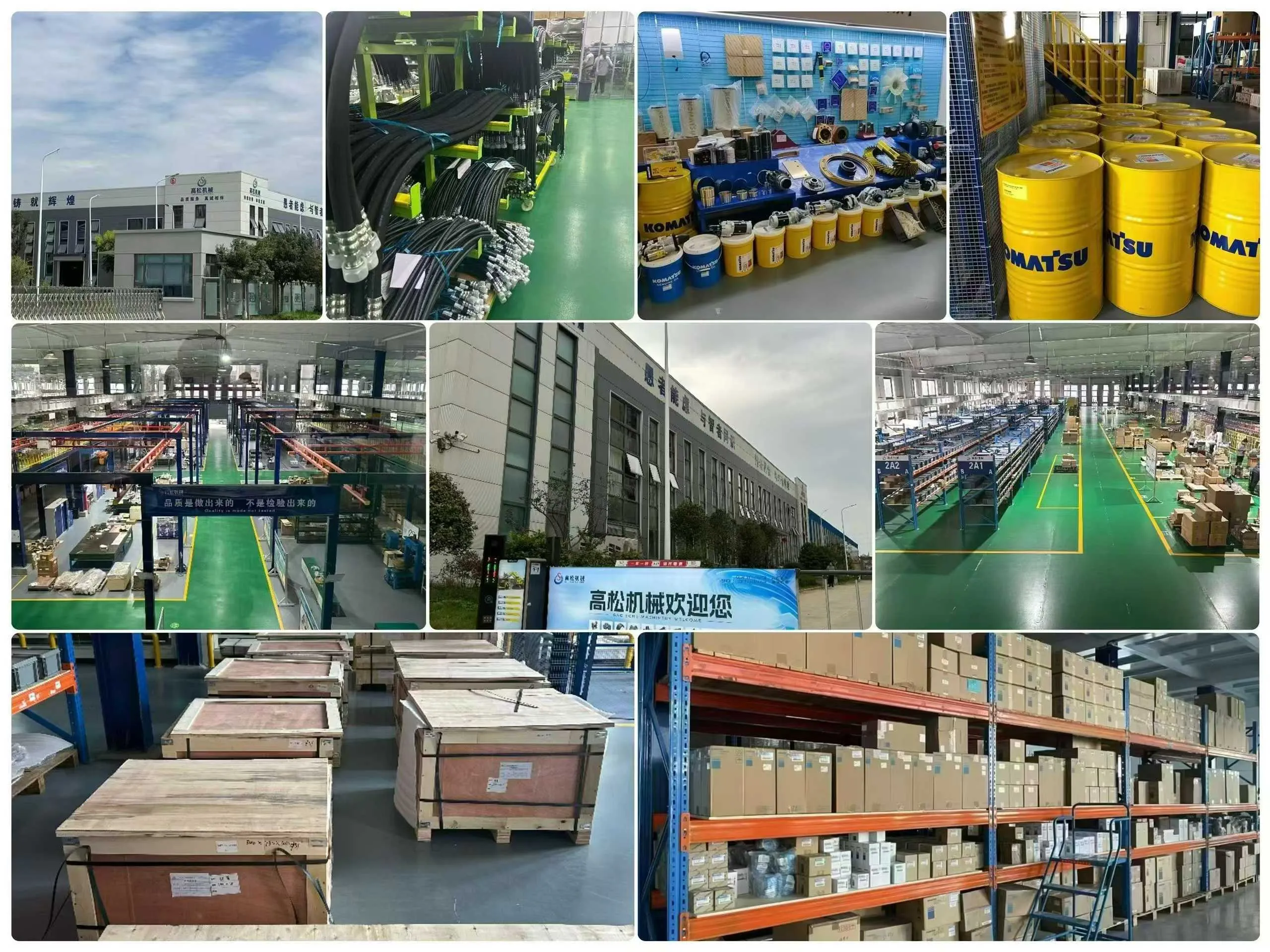
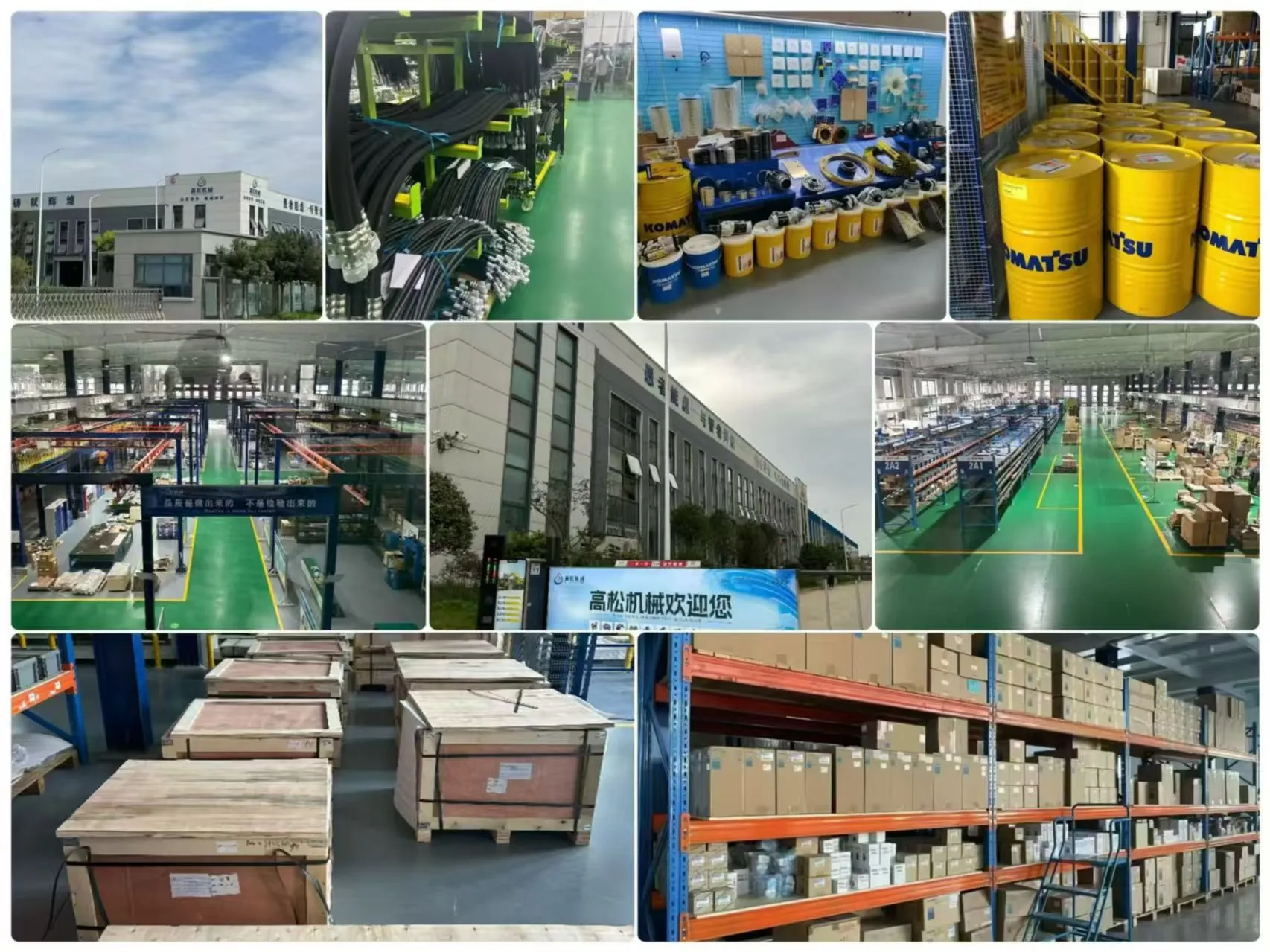
This is precisely the gap that companies like Jining Gaosong Construction Machinery Co., Ltd. aim to fill. Operating as an OEM product supplier within the Komatsu system, they're positioned to provide these specification-critical parts. Their role isn't to undercut with cheap alternatives, but to provide the authentic OEM-level componentry where the official supply chain might be disrupted. When you look them up on their portal at https://www.takematsumachinery.com, their stated mission—helping to solve parts supply challenges in certain countries—isn't just marketing. It's a reflection of the daily logistical headaches fleet managers face.
Real-World Fitment and The Close Enough Trap
Here's a practical scenario from last year. A client was reassembling a PC220-8 boom and used a pin advertised as compatible with . It slid in, but with just a bit too much hand-force ease. They called it good enough and ran it. Three weeks later, we were looking at a cracked boss on the boom foot. The culprit? The pin's diameter was at the very bottom of the tolerance band, and the hardness was insufficient. The resulting micro-movement (fretting) created stress points that the cast metal couldn't handle. The repair bill dwarfed the cost of a proper pin.
An authentic OEM AND ORIGINAL KOMATSU PIN isn't just about diameter. It's about the precision of the machined grooves for retainers, the consistency of the surface finish (which affects lubrication retention), and the specific grade of alloy steel. A proper OEM supplier will have the technical drawings and the quality control to hit these points. This is why I often cross-reference suppliers. If a company like Jining Gaosong explicitly states they are an OEM supplier within the Komatsu system, it gives more confidence that they have access to or produce against those exact specs, rather than just reverse-engineering a sample.
The failure I described wasn't an isolated event. It's a pattern. When you move away from the engineered component, you become the test engineer. And most of our field workshops aren't set up for that kind of metallurgical validation. We have to rely on the provenance of the part. The website for Takematsu Machinery explicitly links their product to the OEM system, which is a more valuable data point than a thousand five-star reviews saying fits good.
Sourcing and The Trust Factor
Sourcing this pin, or any critical wear part, is less about a simple purchase and more about establishing a supply chain relationship. You need a supplier who understands the consequence of failure, not just a sales agent moving boxes. The challenge in many markets is that official Komatsu dealers might have long lead times or may not service older models aggressively. This creates a vacuum filled by all qualities of aftermarket parts.
A competent third-party sales company for Komatsu, as mentioned in Jining Gaosong's description, should function as a technical partner. They should be able to confirm not just availability of , but also its batch traceability, its compatibility list (e.g., this also fits the earlier 11970 assembly), and provide proper documentation. Can they tell you the Rockwell hardness value? If they balk at that question, it's a red flag. The good ones will have that spec sheet ready.
My process now involves a direct inquiry that goes beyond price. I'll ask about the origin of the stock, the material certification, and the packaging. An OEM part, even unbranded, usually comes in neutral but professional packaging with protective end caps and anti-corrosion coating. If it arrives in a plastic bag with metal shavings on it, the story doesn't add up. The trust is built on these tangible, boring details, not on flashy websites.
Cost vs. Value in the Total Job Context
Let's talk money, because that's always the pressure point. The price delta between a dubious compatible pin and a verified OEM/Original one can be significant on paper—sometimes 40-50% cheaper for the copy. Management sees that and pushes for it. The calculation that's often missed is the total cost of the downtime event. Installing a pivot pin is never a standalone job. It requires tearing down the linkage, likely pressing out old, seized components, cleaning, inspecting adjacent parts, and reassembling with proper torques.
The labor and machine downtime for that procedure is fixed. If you have to do it twice in three months because the first pin failed, you've doubled that fixed cost and lost all the savings from the cheap part, plus you now have additional damage. The value of the OEM AND ORIGINAL KOMATSU PIN is that it should last for the designed service interval. You're paying for predictability. In their company intro, the mention of solving parts supply challenges hints at this value proposition: they're not just selling a piece of metal; they're selling the reliability of the machine's uptime.
I've learned to frame the purchase as an insurance premium. That premium is the extra cost for the certified part. It insures you against rework labor, secondary damage, and unexpected downtime. When you present the quote from a supplier, you're also implicitly presenting their credibility as your insurer. A supplier embedded in the OEM system carries more of that risk for you.
Conclusion: The Spec is the Bible
So, circling back to the keyword that started this: OEM AND ORIGINAL KOMATSU PIN . The takeaway isn't a simple buying guide. It's a mindset. In our field, the part number is the starting point for a forensic inquiry into provenance. OEM AND ORIGINAL should be a promise of specification adherence. It directs you towards suppliers who operate with the technical backbone of the manufacturer, like the role outlined by Jining Gaosong Construction Machinery.
Don't get lured by the perfect-looking website or the lowest price. Get lured by the supplier who answers your technical questions without hesitation, who provides material certs, and who understands that their part is a small but critical piece in a much larger, more expensive asset. The pin itself is simple. The ecosystem of trust, specification, and reliability it represents is everything. That's what you're actually shopping for.
Next time you need it, look past the listing. Ask the hard questions. The right supplier won't mind. They'll have the answers, because they deal in the specs, not just the inventory. That's the difference between a part that fits and a part that works.
Related Products
Related Products

Best Selling Products
Best Selling Products-
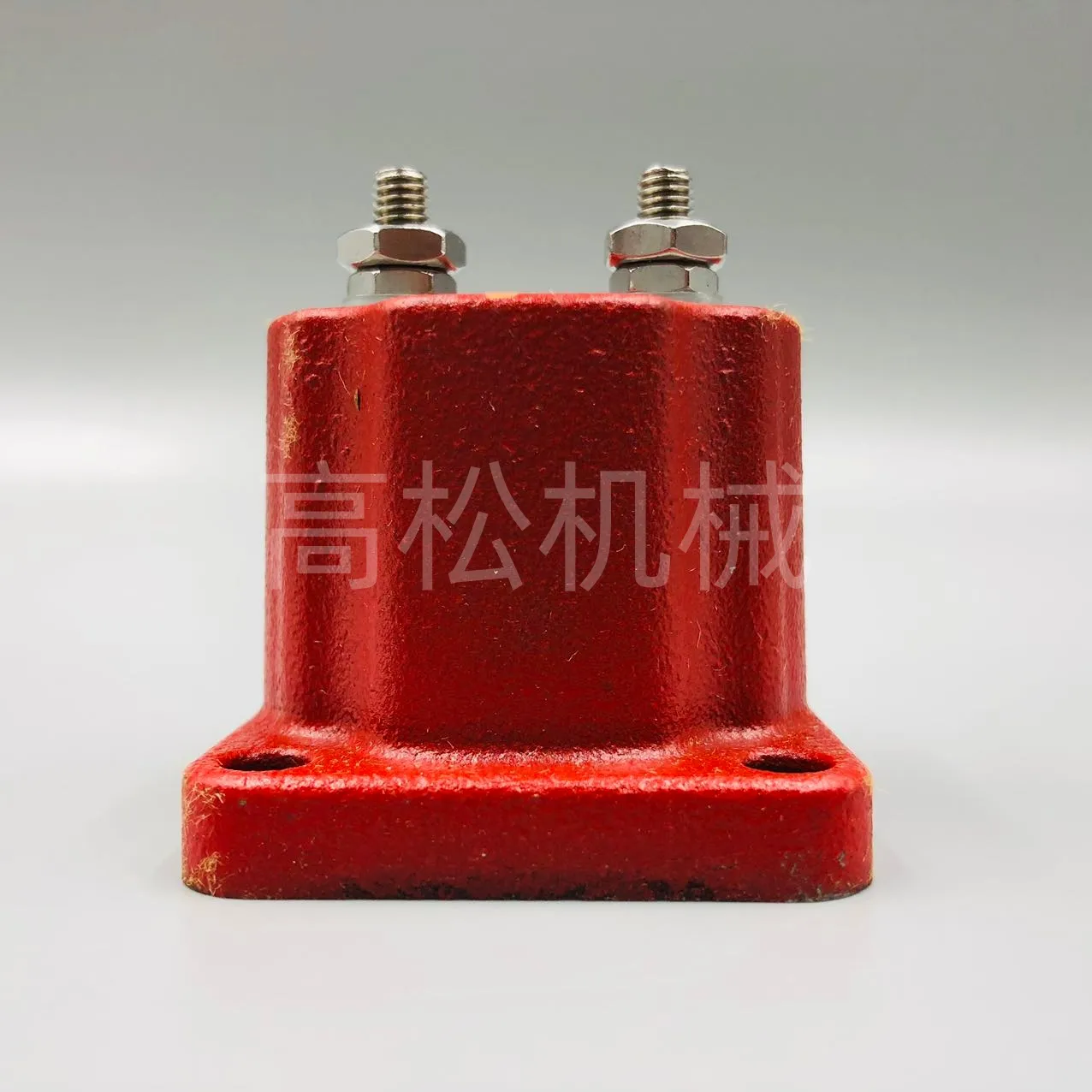 6560-51-1510 • SOLENOID-Komatsu Original Factory
 -
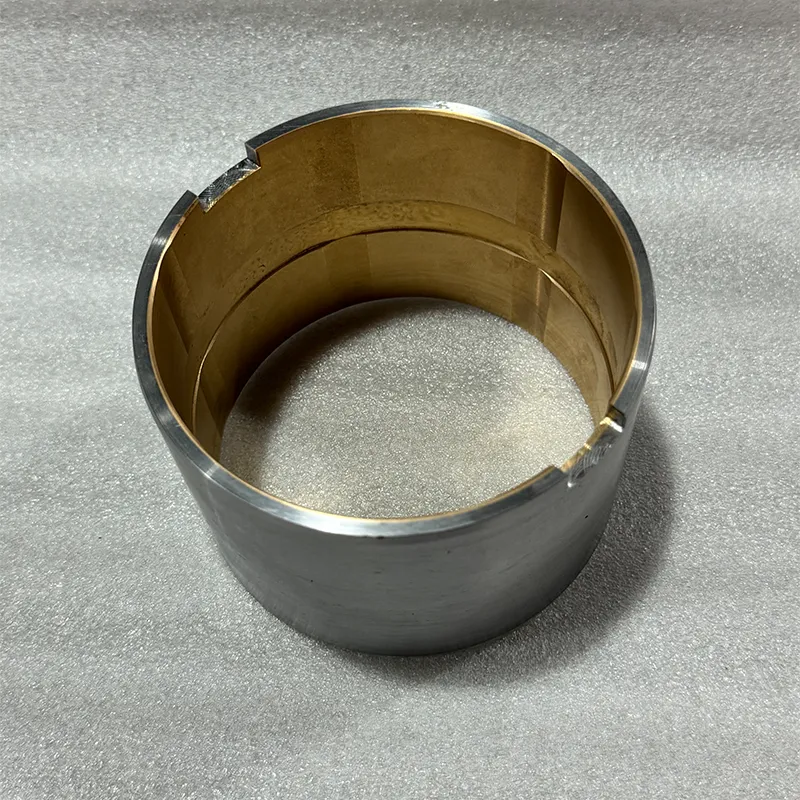 Komatsu original D375A-1 Sleeve 195-61-41160
 -
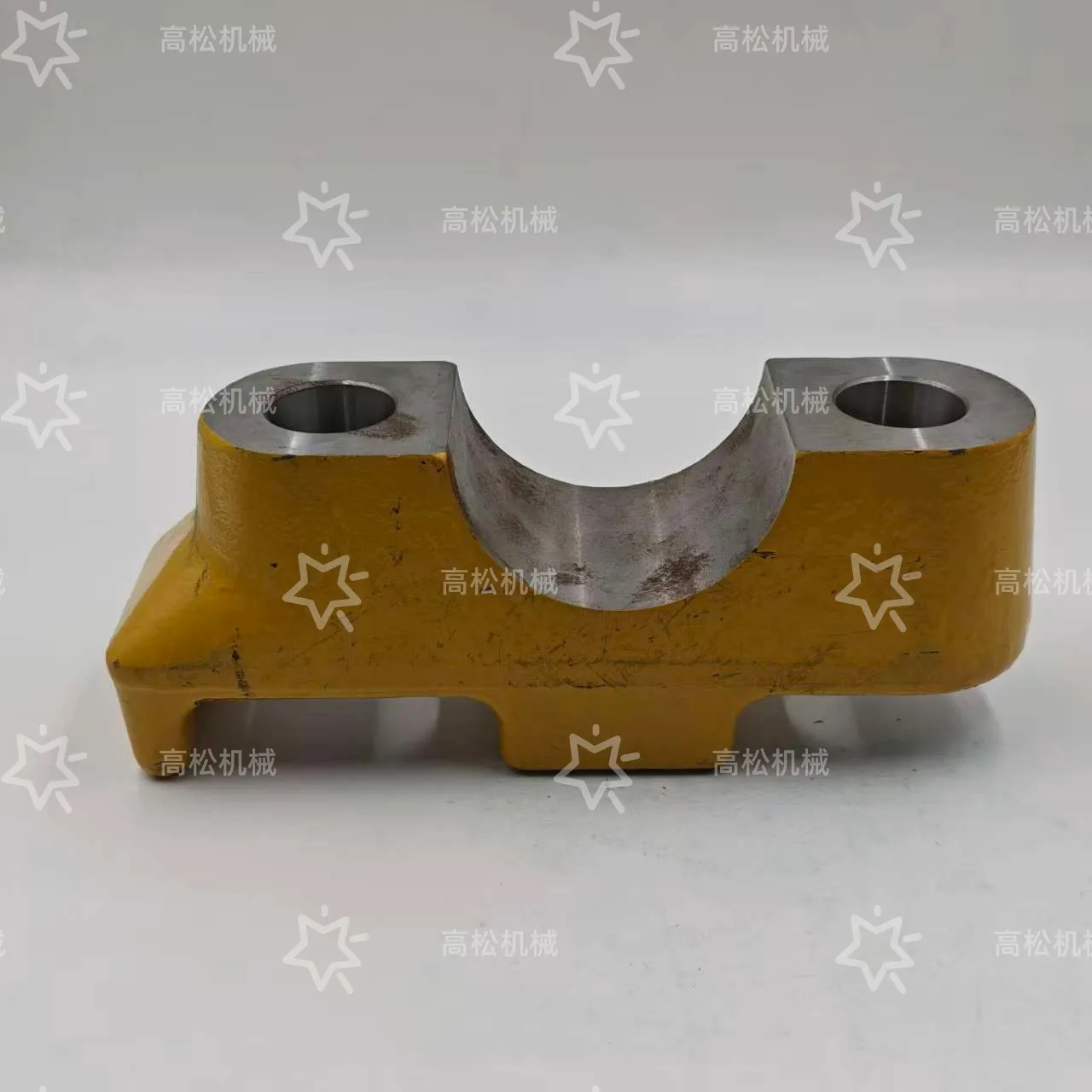 195-30-62141Komatsu Cap 195-30-62141
 -
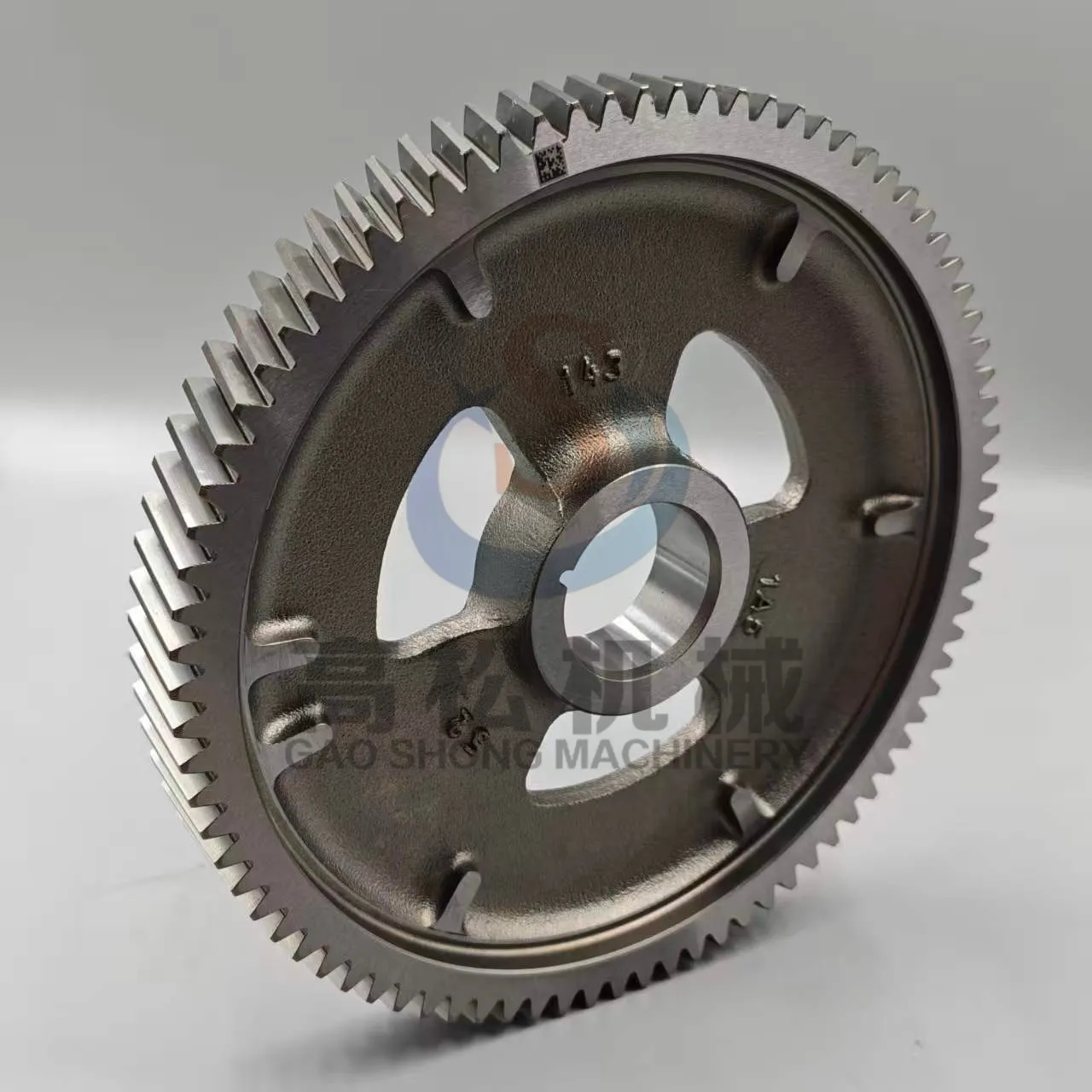 GEAR 6745-41-1131 – KOMATSU
 -
 6240-61-2120 Cover for Engine SAA6D170E-3F-8 Parts – Komatsu
 -
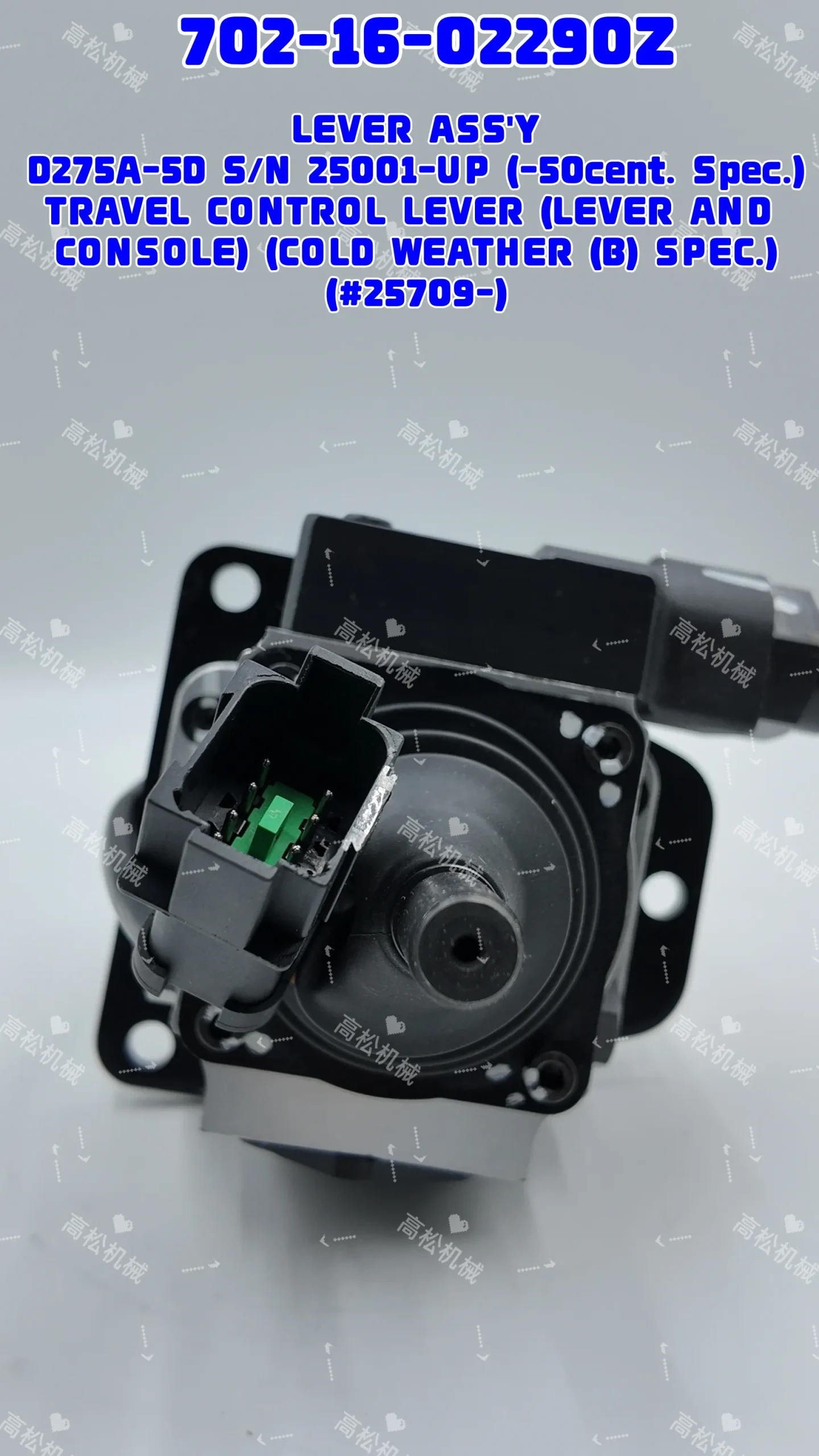 LEVER ASS’Y 702-16-02290 D275A-5D D65PX-15E0 D85EX-15 D65PX-16 D155AX-8 TRAVEL CONTROL LEVER ELECTRIC LEVER FLOOR FRAME
 -
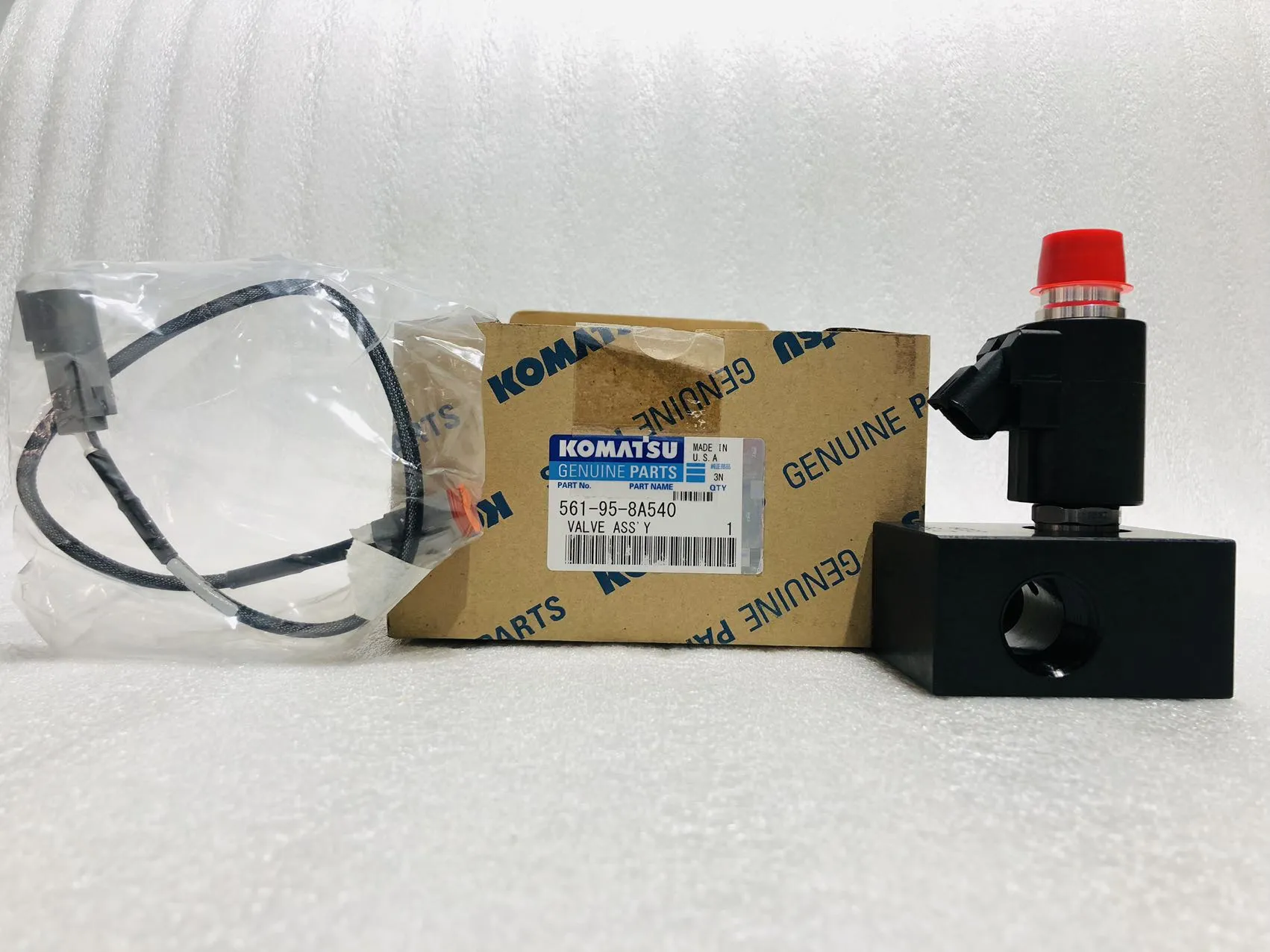 561-95-8A540HD785-7 komatsu
 -
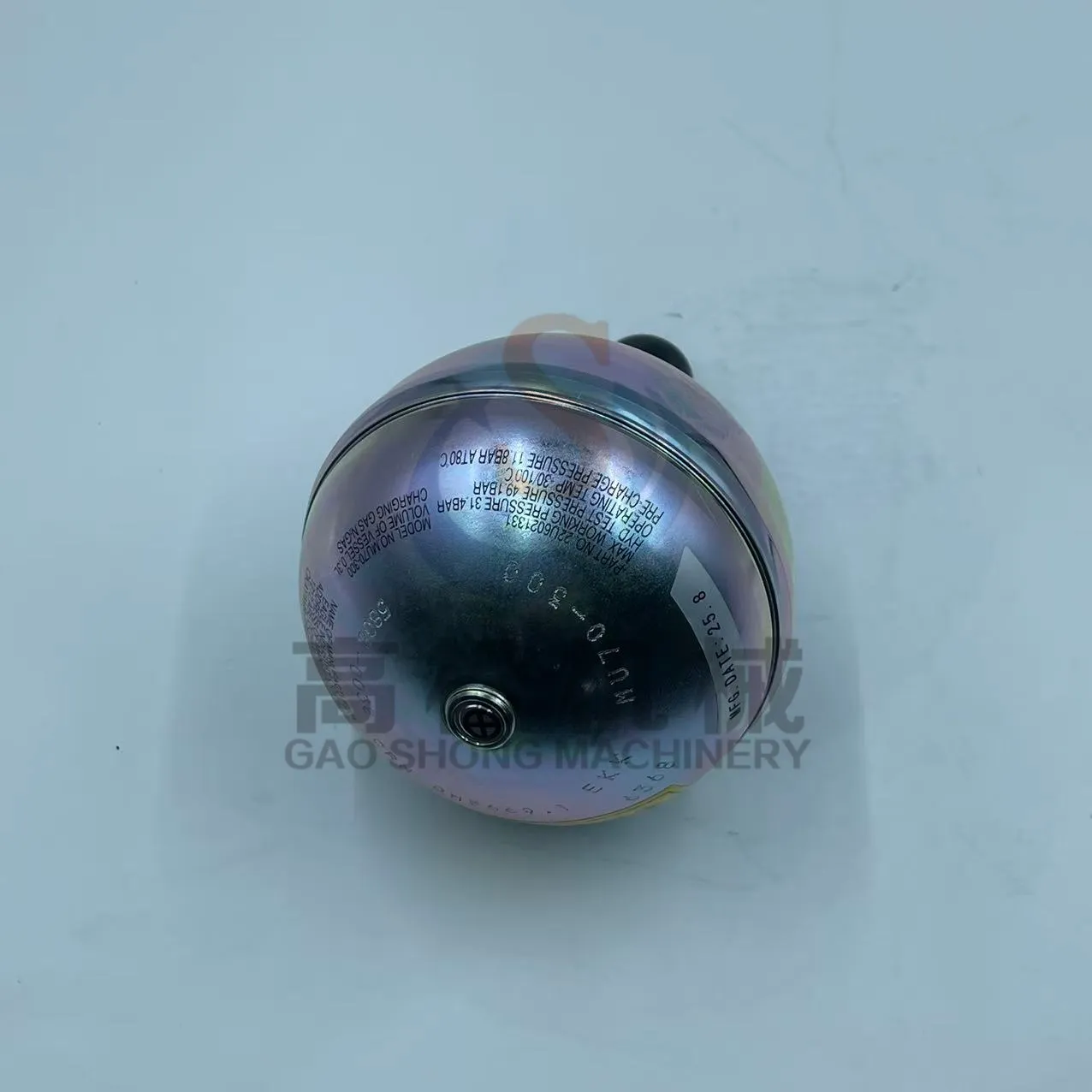 PC210 Excavator Accumulator 22U-60-21331 22U6021331 for Excavator PC300-8 PC350-8 PC130-8 PC200-8 PC220LC-8
 -
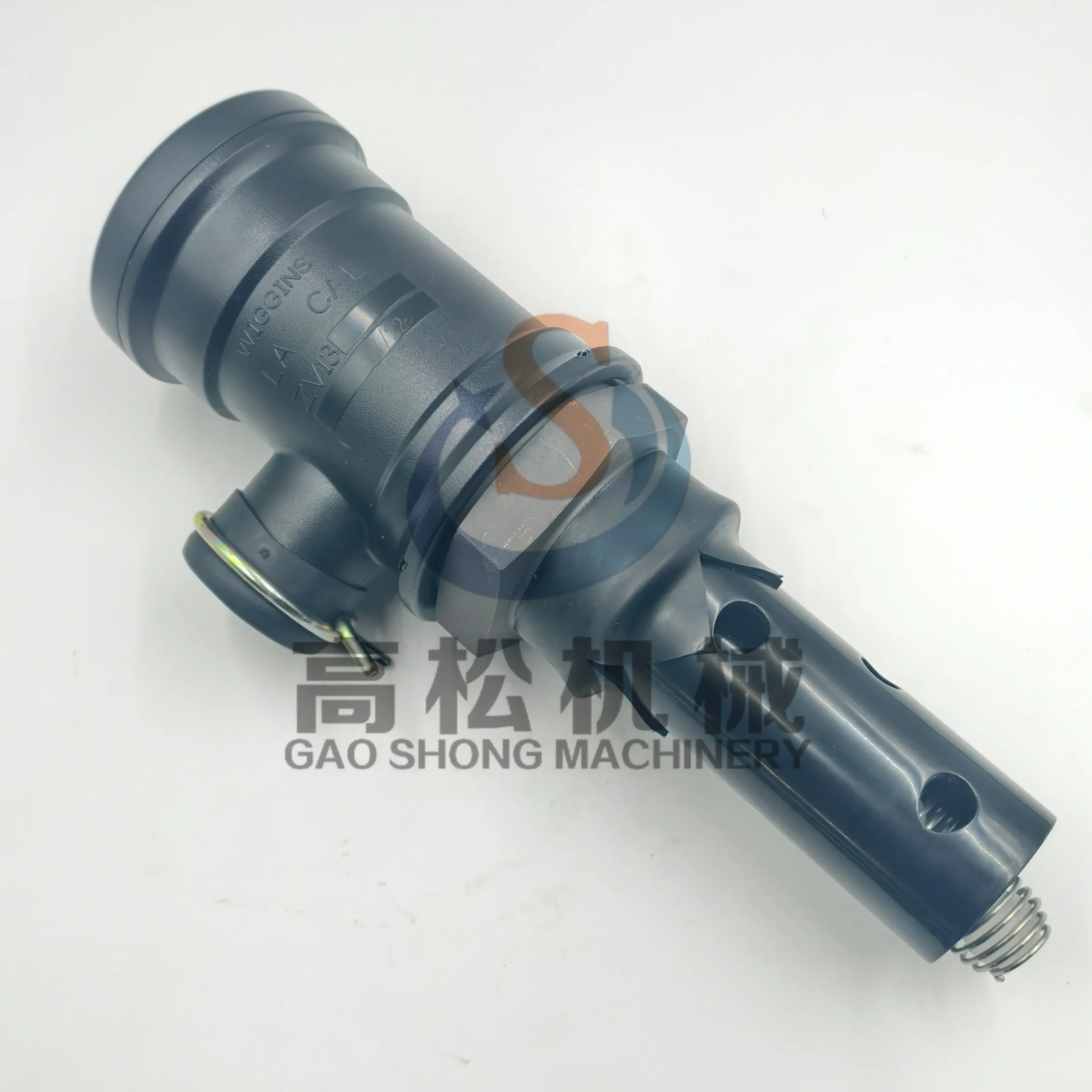 21T-04-31130 VENT ASS’Y (Komatsu)
 -
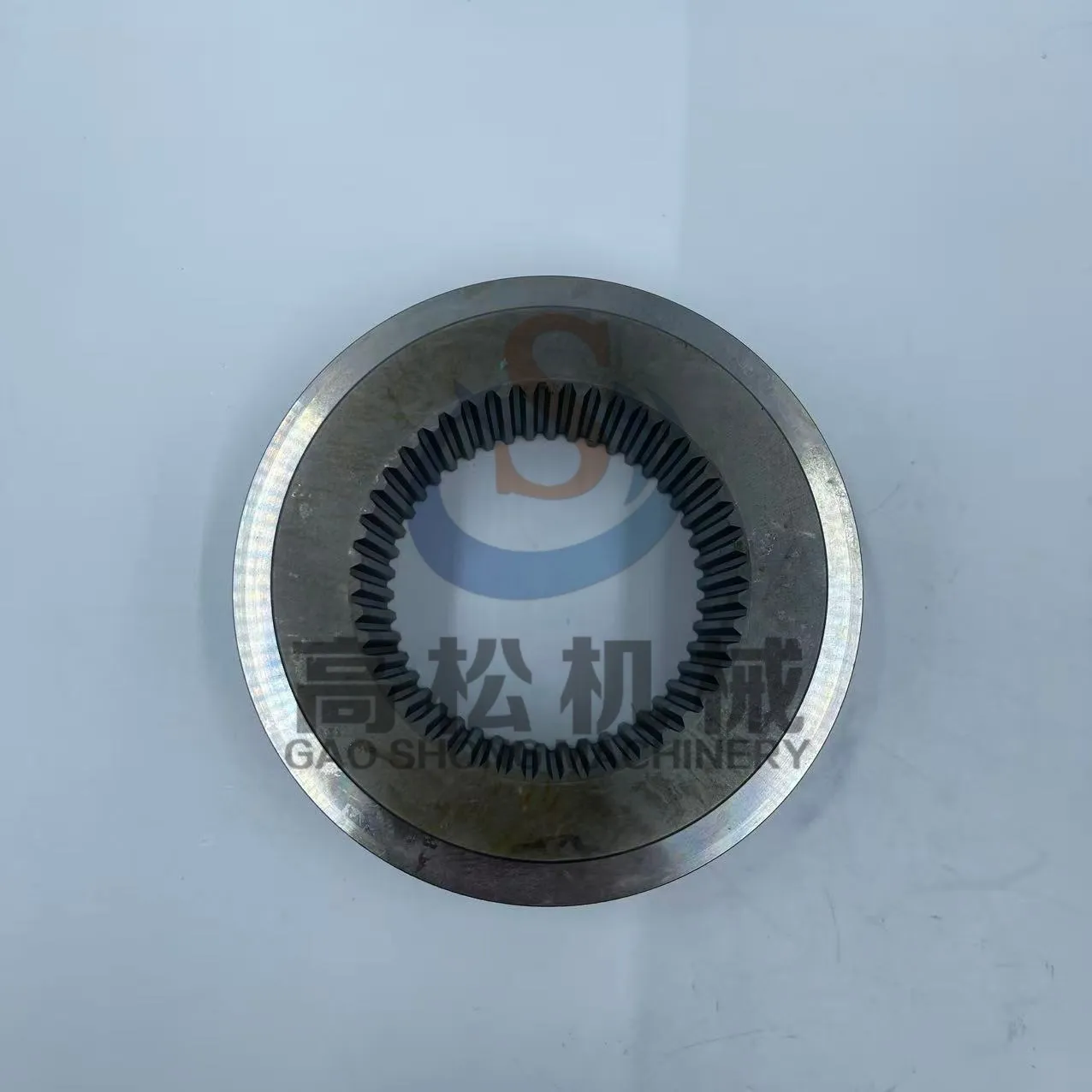 Provide Komatsu original bearing 170-09-13250
 -
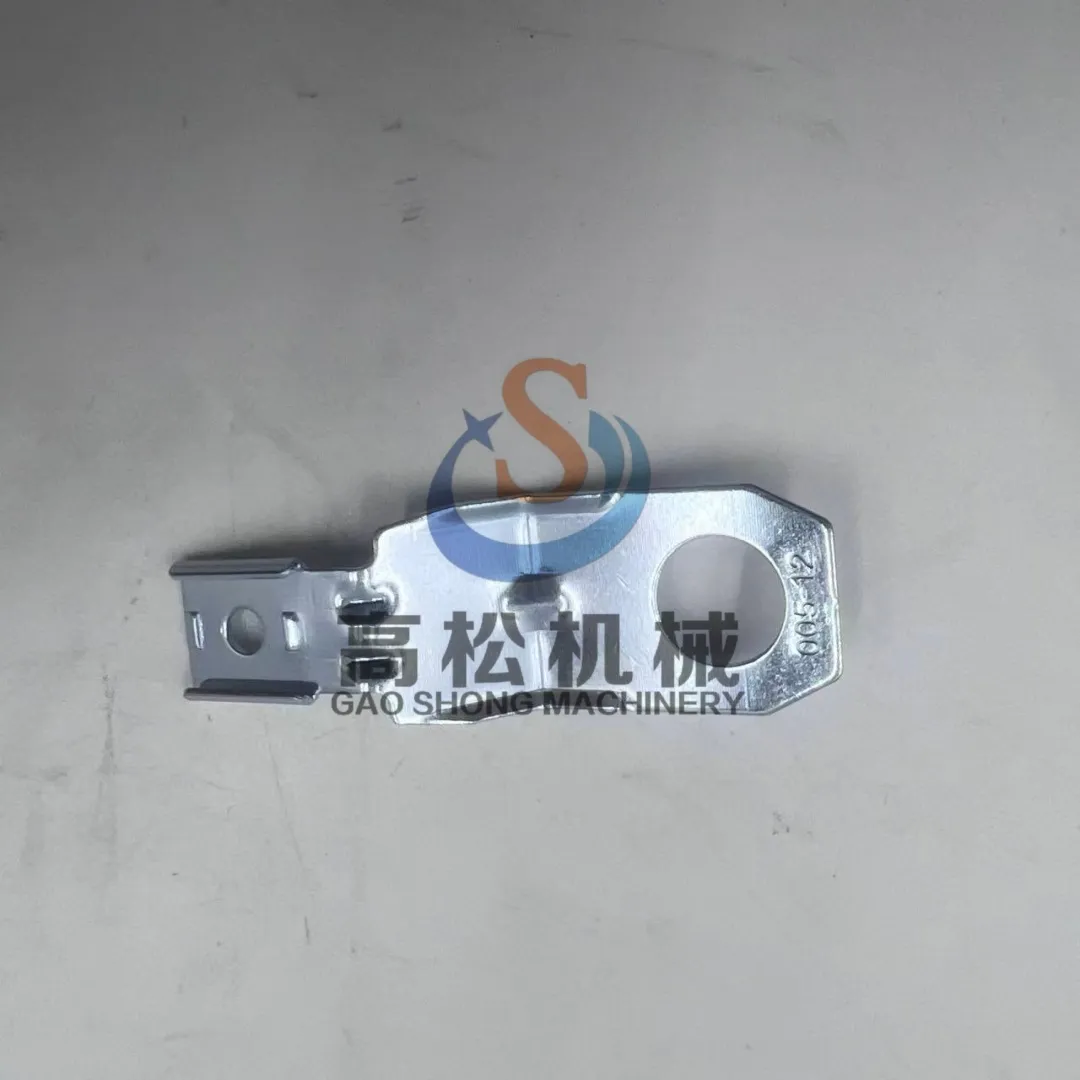 193-21012 CLIP,(WITHOUT ACCUMULATOR) – Komatsu
 -
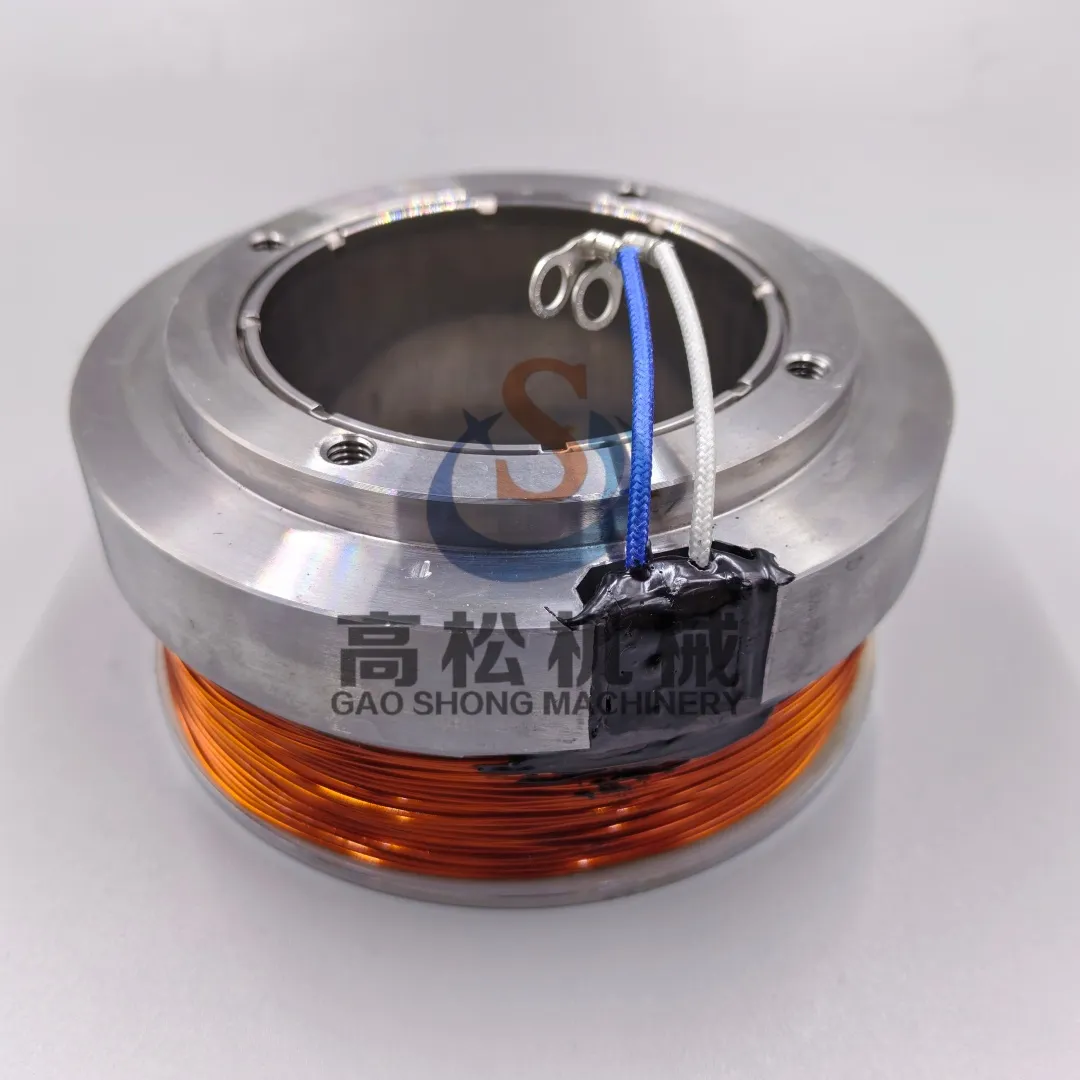 KD0-35120-0250 FIELD COIL ASS’Y (Komatsu)