
- Chinese
- French
- German
- Portuguese
- Spanish
- Russian
- Japanese
- Korean
- Arabic
- Irish
- Greek
- Turkish
- Italian
- Danish
- Romanian
- Indonesian
- Czech
- Afrikaans
- Swedish
- Polish
- Basque
- Catalan
- Esperanto
- Hindi
- Lao
- Albanian
- Amharic
- Armenian
- Azerbaijani
- Belarusian
- Bengali
- Bosnian
- Bulgarian
- Cebuano
- Chichewa
- Corsican
- Croatian
- Dutch
- Estonian
- Filipino
- Finnish
- Frisian
- Galician
- Georgian
- Gujarati
- Haitian
- Hausa
- Hawaiian
- Hebrew
- Hmong
- Hungarian
- Icelandic
- Igbo
- Javanese
- Kannada
- Kazakh
- Khmer
- Kurdish
- Kyrgyz
- Latin
- Latvian
- Lithuanian
- Luxembou..
- Macedonian
- Malagasy
- Malay
- Malayalam
- Maltese
- Maori
- Marathi
- Mongolian
- Burmese
- Nepali
- Norwegian
- Pashto
- Persian
- Punjabi
- Serbian
- Sesotho
- Sinhala
- Slovak
- Slovenian
- Somali
- Samoan
- Scots Gaelic
- Shona
- Sindhi
- Sundanese
- Swahili
- Tajik
- Tamil
- Telugu
- Thai
- Ukrainian
- Urdu
- Uzbek
- Vietnamese
- Welsh
- Xhosa
- Yiddish
- Yoruba
- Zulu
- Kinyarwanda
- Tatar
- Oriya
- Turkmen
- Uyghur






OEM AND ORIGINAL KOMATSU PIN 427-70-11965
When you see that part number, , pop up on a screen or a worn-out tag, the immediate reaction in the field is often a mix of recognition and mild dread. It's a pin, a seemingly simple component, but in the Komatsu universe, especially for certain mid-range excavator linkages, it becomes a focal point for a classic industry debate: OEM versus what's marketed as original. The term OEM AND ORIGINAL KOMATSU PIN itself is a bit of a minefield. Some suppliers use OEM to mean genuine Komatsu-made, while others use it to denote parts made to original specifications but not by Komatsu. That's where the confusion, and frankly, where a lot of costly mistakes start.
The Core Confusion: What Are You Actually Buying?
I've been in yards where mechanics swear by aftermarket pins for non-critical applications, but for a pin like the , which deals with significant shear force and wear in the arm linkage, the tolerance game changes. An OEM part from a non-Komatsu supplier might look identical. The dimensions check out on the calipers. The steel grade on the certificate might even read similarly. But the devil is in the heat treatment, the surface hardening process, and the microscopic finish. A genuine Komatsu pin has a specific case-hardening depth that's engineered to wear in a predictable way with its mating bushing. A clone might be through-hardened, making it brittle, or under-hardened, leading to premature galling.
I recall a contractor who bought a batch of OEM pins from a local supplier at half the price. They failed within 400 hours. Not by shearing, but by developing a groove that threw the entire linkage geometry off, causing erratic bucket movement and accelerating wear on the much more expensive bushings and seals. The downtime and secondary damage cost far exceeded the initial savings. That's the real cost of the gray market.
This is precisely why companies like Jining Gaosong Construction Machinery Co., Ltd. position themselves carefully. When they state they are an OEM product supplier within the Komatsu system, it implies a different level of integration. It suggests they might be producing authorized components or sub-assemblies that meet the factory's direct engineering and material specs, which is a world apart from a generic reverse-engineered part. Their role as a third-party sales company then makes sense—they can help funnel these system-approved parts into regions where the official distribution network is thin or plagued by long lead times.
The Supplier Landscape and Practical Verification
So, you're sourcing this pin. You find a site like takematsumachinery.com. Their stated mission to solve parts supply challenges in certain countries rings true for anyone who's waited 12 weeks for a air freight shipment. But verification is key. For a critical pin, I don't just trust the website copy. The first thing I do is ask for the material certification. Not just a generic ISO 9001 cert, but the actual mill certificate for the steel bar stock used. A genuine part traceability should go back that far. Then, it's about the packaging and marking. Komatsu genuine parts have very specific, laser-etched or stamped markings at a defined location. Fakes often have shallow, irregular stamps or stickers that peel off.
I've had suppliers send samples. For a pin, a simple file test can be revealing (though destructive). The case-hardened surface of a real Komatsu pin is extremely hard; a file will skate off it. The core remains tougher. A poorly made pin might let the file bite in everywhere. It's a crude test, but it has saved us from bad batches before. A more technical check is a simple hardness test with a portable durometer at the surface and the core.
The other angle is the bushing. You should never install a new pin on a worn bushing, and vice versa. The mating part tells a story. If you're replacing a pin, inspect the bushing it came out of. Abnormal, localized wear patterns can indicate the previous pin was out of spec, even if it didn't fail catastrophically. This forensic approach is what separates a parts changer from a real technician.
Case Study: When Original Isn't Genuine
Let me walk through a specific headache. A fleet manager sourced what was advertised as original Komatsu pins for a fleet of PC300s. The parts came in Komatsu-style bags with printed labels showing the number. Looked legit. But the texture of the metal felt slightly different—less of that smooth, almost polished finish. We installed them under time pressure. Fast forward 250 hours: increased hydraulic noise from the arm circuit, and a slight knock on reversal. Inspection showed the pins had worn oval by nearly 0.5mm, allowing the linkage to shift. The bushings, which should have lasted another 1000 hours, were scored.
The supplier argued it was an installation error. But the wear pattern was textbook for subpar material. The lesson? Packaging is the easiest thing to counterfeit. The paperwork trail is what matters. In this case, the supplier couldn't provide a coherent chain of custody back to a Komatsu-affiliated plant. They were just a reseller with good packaging. This is where a direct relationship with a system-integrated supplier, one that clarifies its position like Gaosong does, adds value beyond just price. They're not just a warehouse; they're theoretically a node in the manufacturing chain.
After that fiasco, our protocol changed. For any critical load-bearing component like this pin, we require the supplier to specify upfront: Is this part sourced from a Komatsu production line, or is it produced under a Komatsu OEM agreement with full spec and material control? The answer dictates the price we're willing to pay and the warranty we expect.
Economic and Operational Realities
Let's be brutally honest: sometimes you can't wait for the genuine article, and sometimes the budget won't allow it. For a machine that's near the end of its economic life or on a low-intensity job, a high-quality aftermarket pin might be a perfectly rational choice. The key is knowing it's a compromise and monitoring it accordingly. But calling it an OEM AND ORIGINAL KOMATSU PIN is misleading. It should be sold as a precision aftermarket replacement meeting or exceeding OEM specifications. Transparency builds trust.
Companies operating in supply-challenged regions have to navigate this daily. The value of a partner like the one described on takematsumachinery.com isn't just in having stock; it's in having informed stock. They should know which parts are hyper-critical and must be genuine, and which have more tolerance for alternatives. A good supplier will tell you, For this pin, given your application, I strongly recommend the system-OEM option. For this hose clamp, the aftermarket is fine. That advisory role is gold.
In our own operations, we've created a tiered system. Tier 1 (like the pin, engine components, pump rotors) is genuine or system-OEM only. Tier 2 (seals, hoses, filters) can be from certified high-quality aftermarket. Tier 3 (decals, trim, non-structural bolts) is cost-driven. This pragmatism, born from both success and failure, keeps machines running without gambling on core reliability.
Closing the Loop on
So, back to that specific number. The takeaway isn't that you must always buy the most expensive option. It's that you must know what you're buying. The label OEM AND ORIGINAL has been diluted by marketing. True value lies in the provenance. When a company states it is part of the Komatsu system as an OEM supplier, dig into what that means for the specific component. Ask for evidence of that integration. Is there a part approval document? A material spec sheet that references a Komatsu engineering standard?
The pin itself is just a piece of metal. The knowledge and integrity behind its supply chain are what you're really purchasing. In a global market, partners who help solve parts supply challenges by providing clarity and traceability, not just availability, are the ones that earn long-term business. For the , that means understanding whether you're getting a piece of Komatsu's engineering intent or just a dimensional replica. That distinction, in the long run, is the only thing that matters for your machine's health and your bottom line.
Related Products
Related Products

Best Selling Products
Best Selling Products-
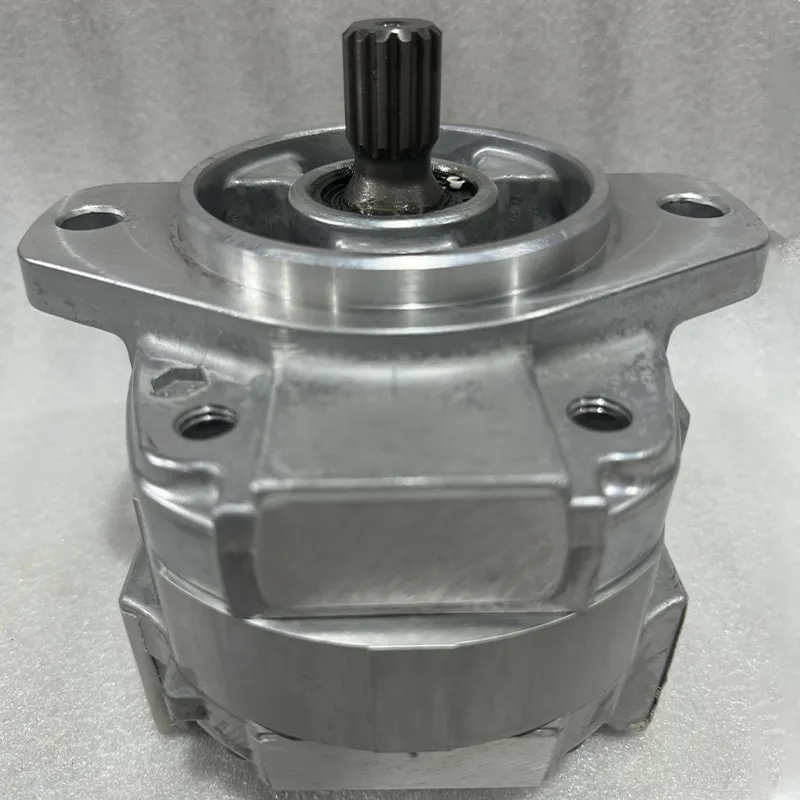 6156-71-1131 6156-71-1132Pump Compatible For 6D125 SA6D125E Engine Komatsu PC450-8 Excavator
 -
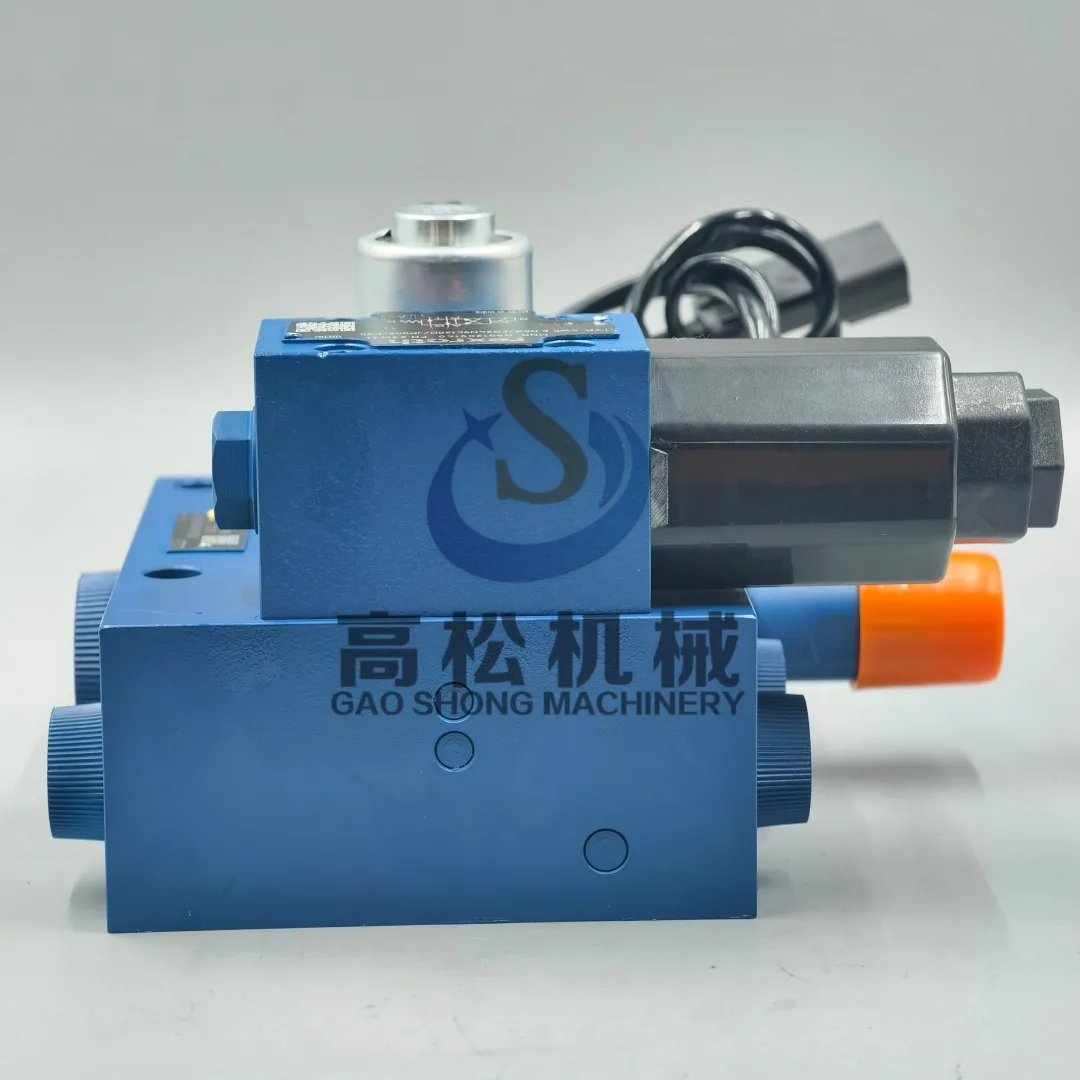 Original VALVE ASS’Y 56B-43-12402 for DUMP TRUCKS HD325 HD605
 -
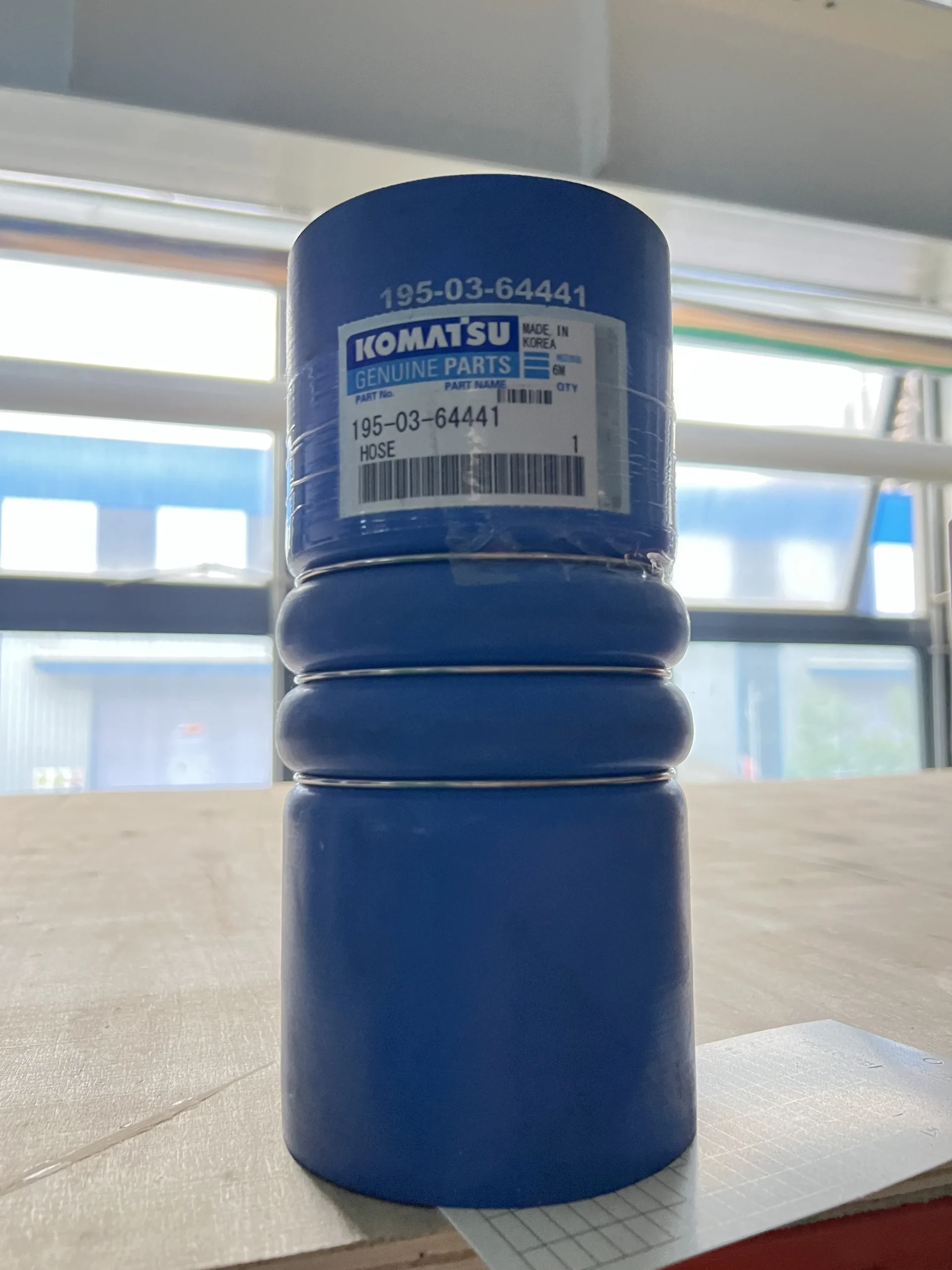 Intercooler Air Hose 195-03-64441 for Komatsu D375A-5
 -
 21N-30-14160 PACKING (Komatsu)
 -
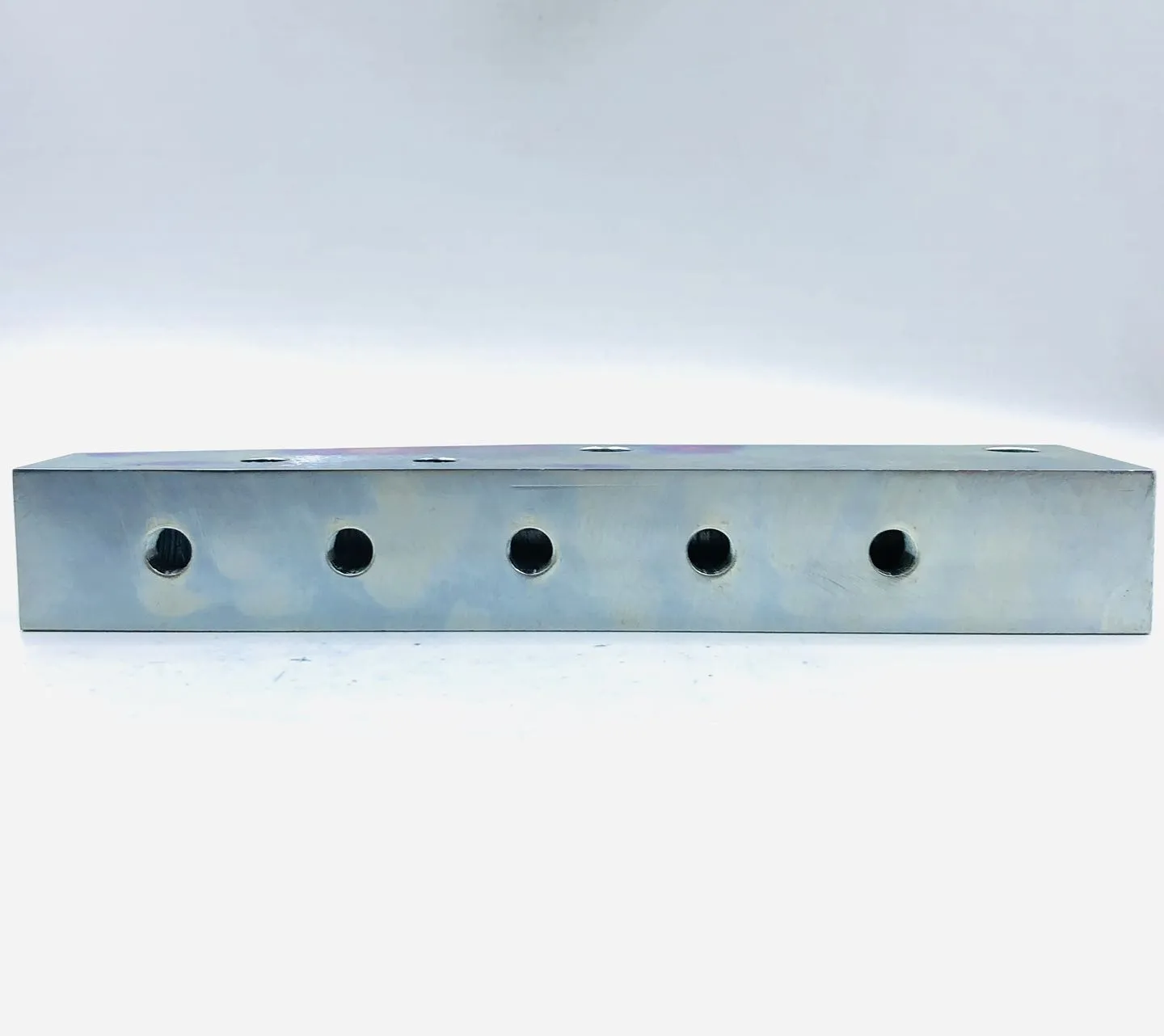 209-38-73281 Block (Komatsu)
 -
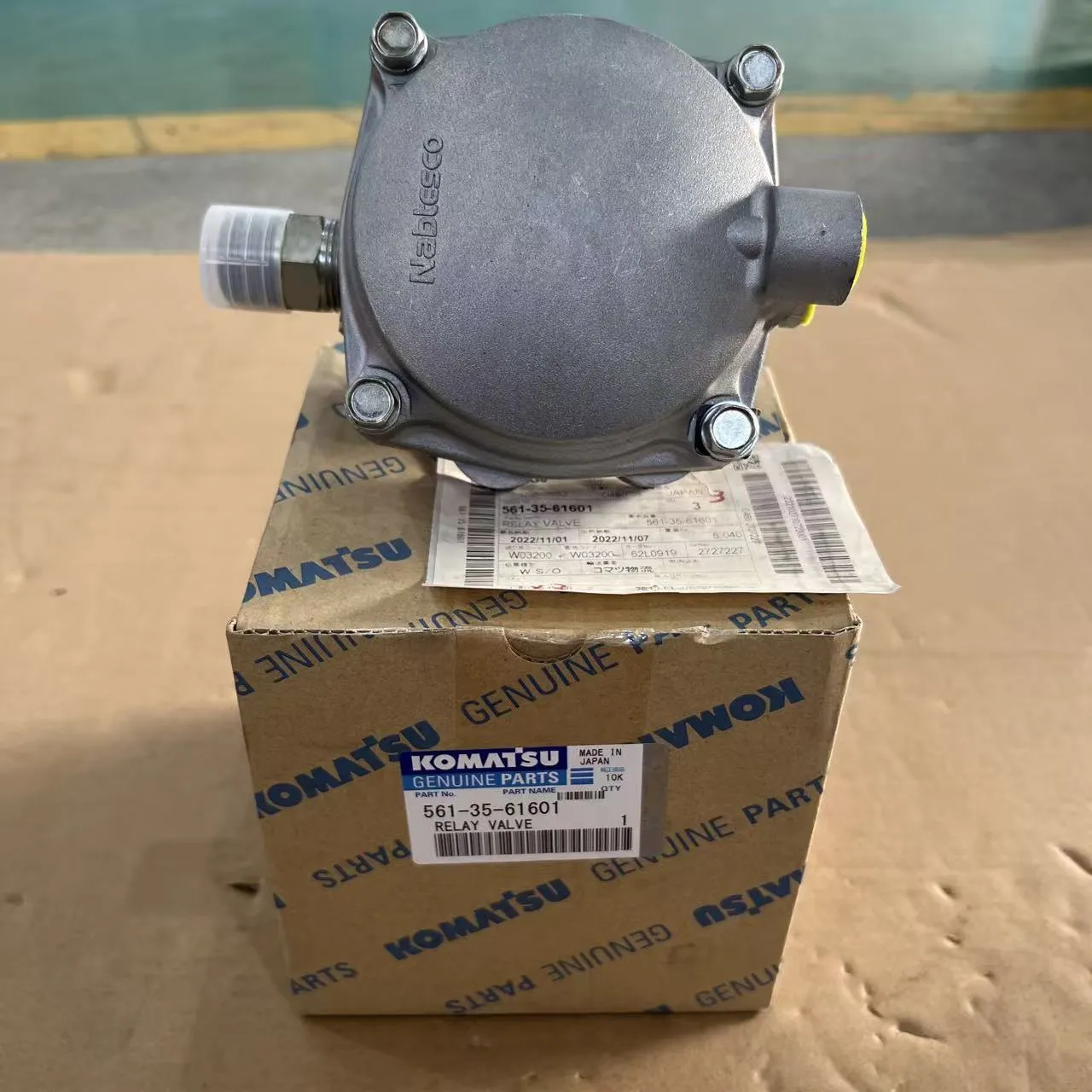 RELAY VALVE ASS’Y 561-35-61601 – KOMATSU
 -
 WA500-3 Oil Seal 425-20-15740 China Manufacturers Suppliers…
 -
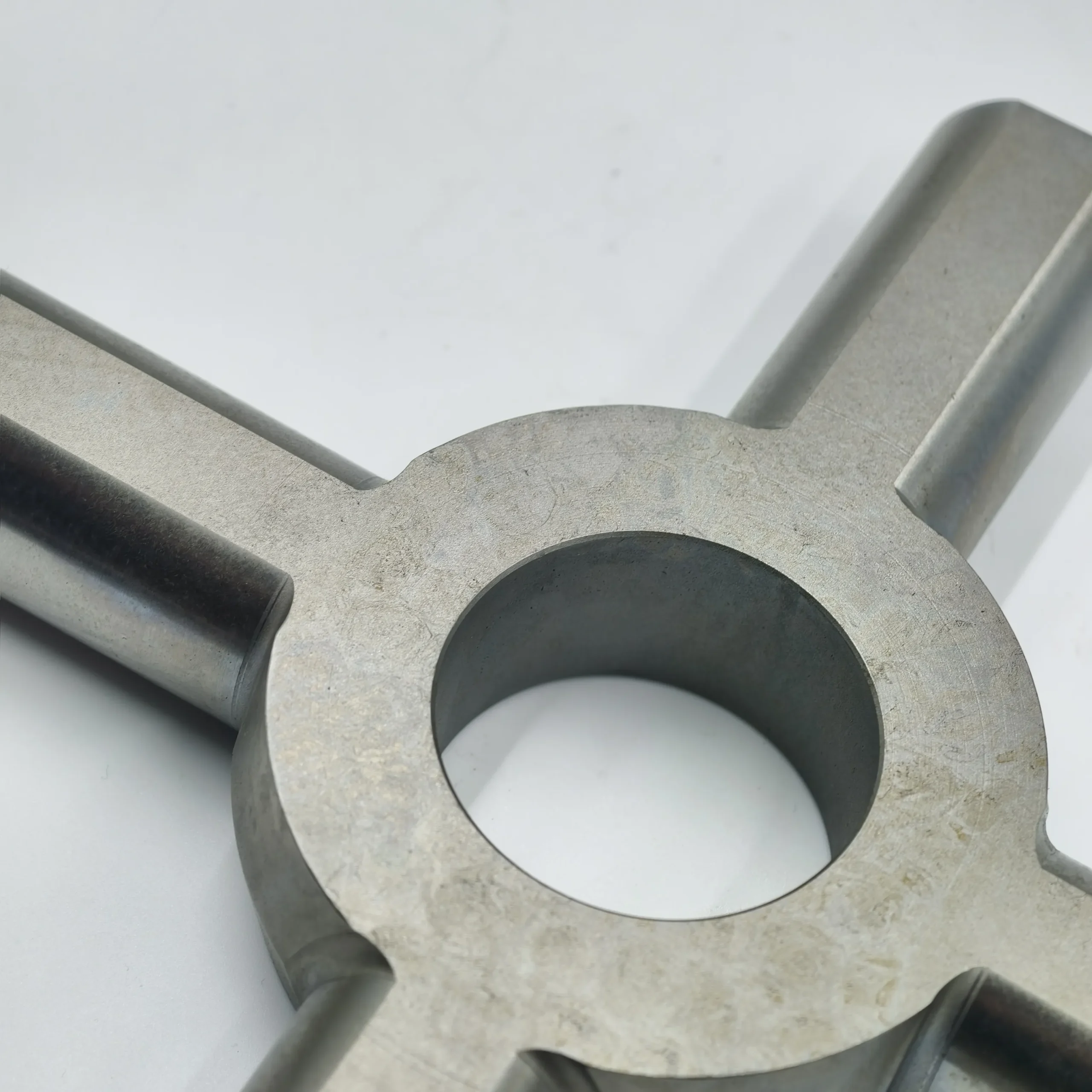 Komatsu Construction Machinery Full Series Accessories 421-22-11440 Loading Parts
 -
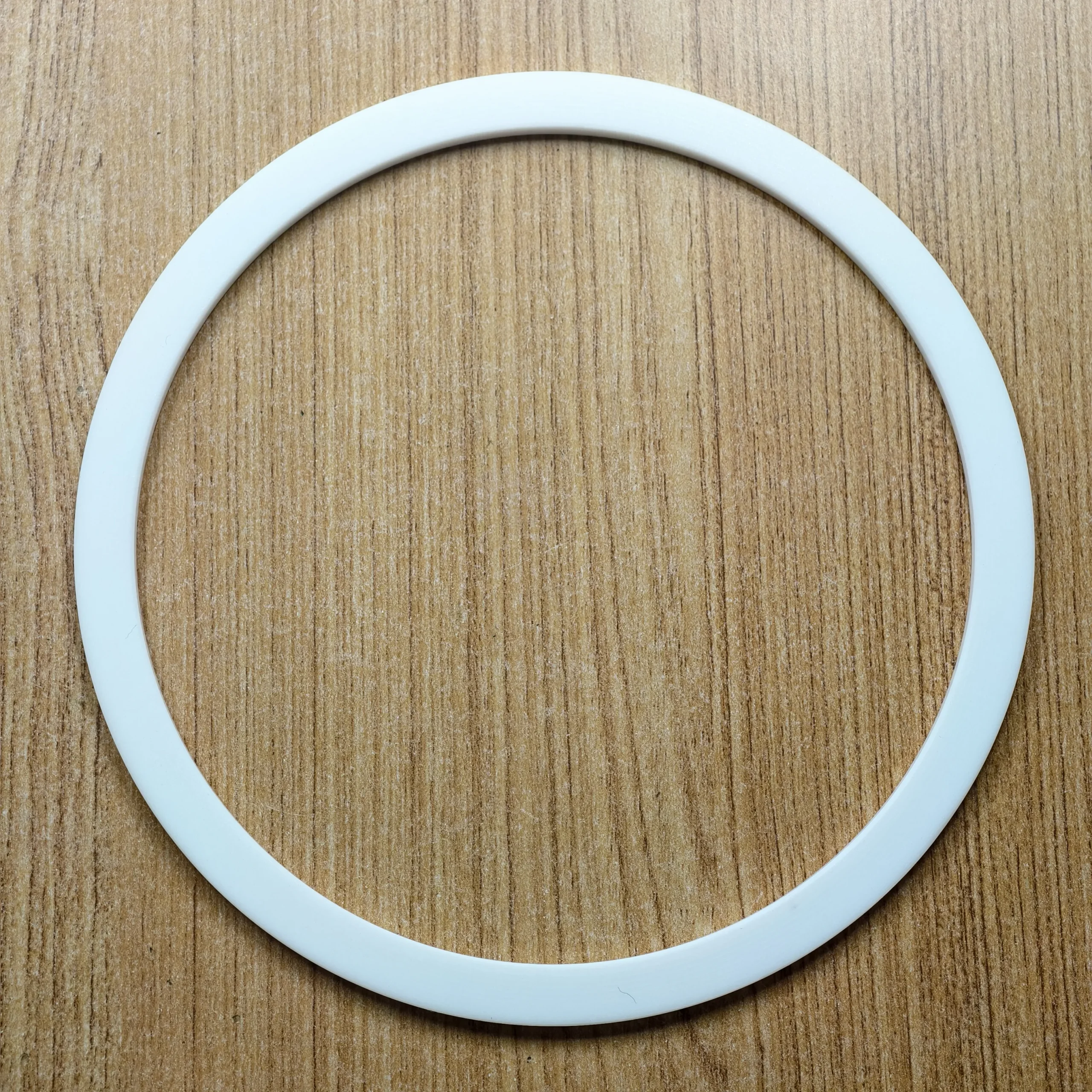 21N-30-14170 21N3014170 Spare Ring for Komatsu Excavator PC1250 PC1250SP
 -
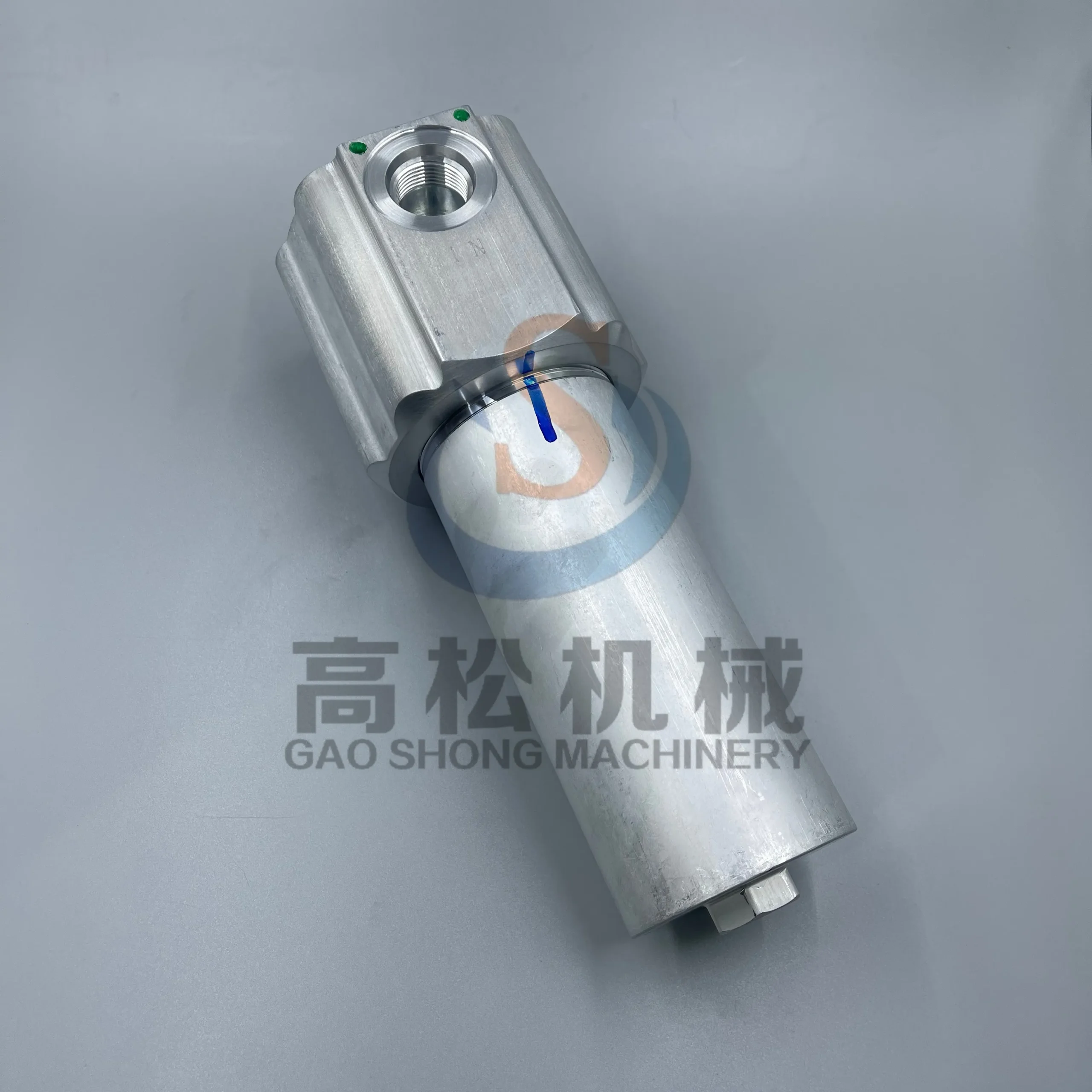 569-43-83911 Komatsu Filter Assembly
 -
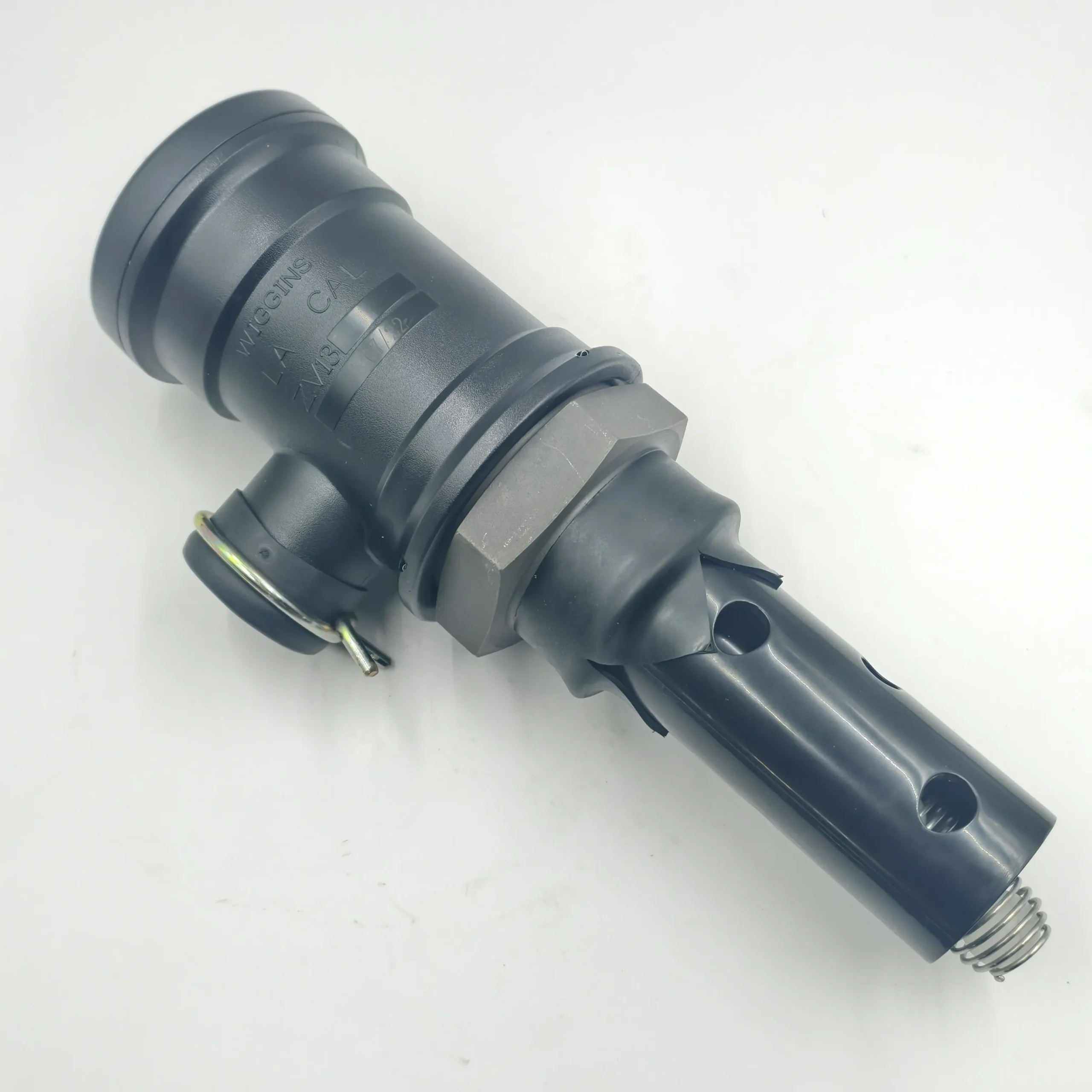 Vent 21T-04-31130
 -
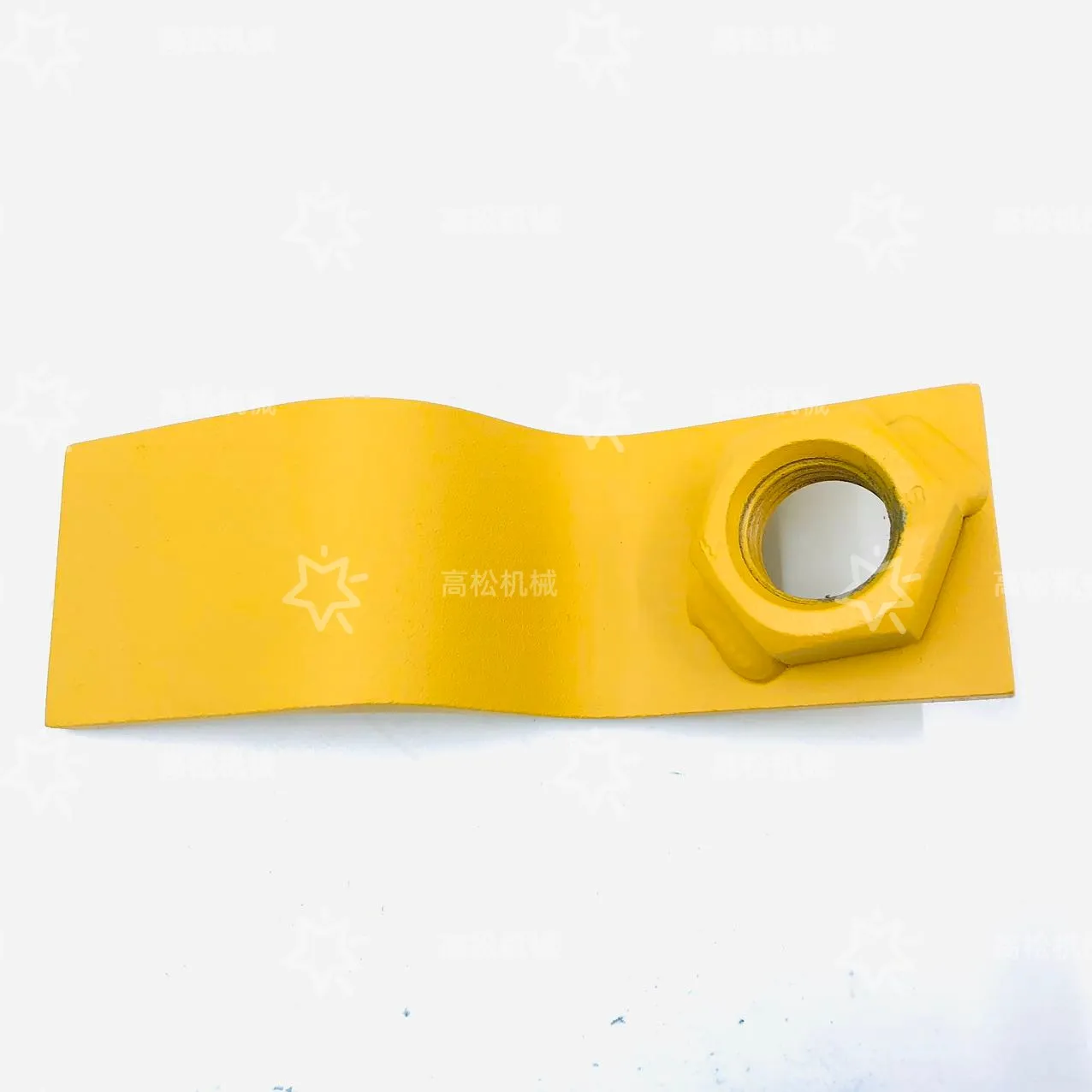 Hot Selling at Low Prices 21P-62-K1520 21M-62-11230 21T-01-67330 21U-62-34760 Underground Facilities