
- Chinese
- French
- German
- Portuguese
- Spanish
- Russian
- Japanese
- Korean
- Arabic
- Irish
- Greek
- Turkish
- Italian
- Danish
- Romanian
- Indonesian
- Czech
- Afrikaans
- Swedish
- Polish
- Basque
- Catalan
- Esperanto
- Hindi
- Lao
- Albanian
- Amharic
- Armenian
- Azerbaijani
- Belarusian
- Bengali
- Bosnian
- Bulgarian
- Cebuano
- Chichewa
- Corsican
- Croatian
- Dutch
- Estonian
- Filipino
- Finnish
- Frisian
- Galician
- Georgian
- Gujarati
- Haitian
- Hausa
- Hawaiian
- Hebrew
- Hmong
- Hungarian
- Icelandic
- Igbo
- Javanese
- Kannada
- Kazakh
- Khmer
- Kurdish
- Kyrgyz
- Latin
- Latvian
- Lithuanian
- Luxembou..
- Macedonian
- Malagasy
- Malay
- Malayalam
- Maltese
- Maori
- Marathi
- Mongolian
- Burmese
- Nepali
- Norwegian
- Pashto
- Persian
- Punjabi
- Serbian
- Sesotho
- Sinhala
- Slovak
- Slovenian
- Somali
- Samoan
- Scots Gaelic
- Shona
- Sindhi
- Sundanese
- Swahili
- Tajik
- Tamil
- Telugu
- Thai
- Ukrainian
- Urdu
- Uzbek
- Vietnamese
- Welsh
- Xhosa
- Yiddish
- Yoruba
- Zulu
- Kinyarwanda
- Tatar
- Oriya
- Turkmen
- Uyghur





OEM AND ORIGINAL KOMATSU PIN 427-70-11942
Let's talk about that pin, . If you're ordering it, you're probably dealing with a Komatsu excavator bucket or linkage, maybe a PC300 or PC360. The immediate assumption is that OEM and Original are the same thing. In the real world, they're not, and that's where the headaches start. I've seen too many guys get a box with a Komatsu logo, pay the premium, and still get a part that fails prematurely because the supply chain got fuzzy. The term OEM AND ORIGINAL KOMATSU PIN itself is a bit of a red flag—it's often used to blur lines. True original means it came off Komatsu's designated line. OEM can mean it was made in a factory that once had a contract with Komatsu, or uses approved materials, but the oversight isn't the same. The difference is in the grain structure of the steel and the precision of the hardening process, things you can't see until it's under load for 500 hours.
The Core Confusion: OEM vs. Original in the Field
Here's a practical breakdown. Last year, we had a client in Indonesia who needed a rush shipment of pins for a PC300-8 fleet. They ordered what was advertised as OEM/Original from a local supplier. The pins arrived in Komatsu-style packaging, even had the correct part number stamp. But within three weeks, we started seeing abnormal wear on the bushing surfaces, and one even developed a hairline crack at the grease channel. The metallurgy was off. It wasn't a counterfeit in the classic sense; it was a legitimate OEM-spec part from a secondary supplier, but the quality consistency wasn't there. The original Komatsu pin has a very specific case hardening depth and a particular finish on the journal surface that reduces friction with the seal. This batch was just a bit rougher, a bit softer. That just a bit costs thousands in downtime.
This is precisely the gap that companies like Jining Gaosong Construction Machinery Co., Ltd. aim to bridge. They operate within that complex space. Being an OEM product supplier within the Komatsu system suggests they have the specs and the capability to produce to the genuine engineering standard. But their role as a third-party sales company is what's critical. They aren't just moving boxes; they're providing an alternative channel for genuine-grade parts where the official distribution is tangled, slow, or non-existent. You can check their portal at https://www.takematsumachinery.com to see their approach. Their stated mission—helping to solve parts supply challenges in certain countries—isn't marketing fluff. It's the daily reality in markets where getting a direct-from-Komatsu part can take 12 weeks.
So, when you see OEM AND ORIGINAL KOMATSU PIN , you need to ask: Is this from Komatsu's primary manufacturing stream, or is it from a licensed OEM factory being sold through a parallel channel? The performance difference hinges on that answer. A true original part has a traceable batch number back to Komatsu. An OEM part might only be traceable to the forging plant. For a high-shear, high-cycle component like a pin, that traceability matters for warranty and failure analysis.
Material and Process: Where the Real Spec Lives
Diving into the specifics of . It's not just a round bar of steel. The substrate is typically a chromium-molybdenum alloy like SCr420 or equivalent. The magic is in the carburizing and quenching. The original Komatsu process achieves a hardened case depth of around 1.5-2.0mm with a core that remains tough and ductile to absorb impact. I've tested aftermarket pins that were through-hardened. They're hard all the way through, yes, but they become brittle. A sharp impact from a rock jam can snap them clean. The original design is meant to dent, not shatter.
The grease grooves and the chamfers are also tell-tale signs. On the genuine pin, the grooves are machined with a specific radius at the edges to prevent stress concentration points. I've seen OEM variants where the groove is cut with a sharper tool, leaving a microscopic ridge that becomes a crack initiation site. It's a detail you only notice when you run your finger over it or, worse, when you're doing a post-failure inspection. The precision of the diameter tolerance, often a nominal 80mm with a tolerance of -0.05 to +0.02, is crucial for proper fit with the bushing. Loose, and you get hammering. Too tight, and you can't assemble it without a press.
When we work with suppliers who understand this, like the team at Gaosong, the conversation changes. It's not just about price and availability. It's about providing mill certificates for the steel, process control charts for the heat treatment, and sometimes even sample parts for destructive testing. This is the professional OEM route, as opposed to the commercial OEM route which just aims for visual equivalence.
Logistics and the Certain Countries Challenge
The website takematsumachinery.com mentions solving supply challenges in certain countries. Let me translate that from experience. This often means regions in Africa, Southeast Asia, or South America where official distributors are sparse, import duties are prohibitive, or lead times are measured in seasons. In these markets, machine downtime isn't an inconvenience; it's a project-killer. The ability to source a reliable OEM AND ORIGINAL KOMATSU PIN from a trusted third-party with a shorter logistics chain is a competitive advantage.
I recall a mining operation in West Africa. Their official parts pipeline was through Europe, then to a port, then held up in customs for weeks. They turned to a third-party supplier—one that, like Gaosong, positioned itself as an OEM system supplier. They got their pins in 10 days via air freight from a regional hub. The parts performed. Were they from the exact same factory as the ones in Komatsu's Tokyo depot? Possibly not. But did they meet the material and dimensional spec to keep the machine running for another 10,000 hours? Absolutely. That's the value proposition.
The risk, of course, is vetting. Not all third-party sellers are equal. Some are just resellers with no technical backbone. The legitimate ones have engineers on staff who can talk about Rockwell C scales and induction heating frequencies. They help you solve the actual problem, not just sell you a part.
Failure Analysis and Lessons Learned
We've had our share of failures, too. Early on, we assumed any pin that fit was good enough. A bad assumption. One particular incident involved an OEM pin for a Komatsu D155 dozer tilt cylinder. It wasn't , but a similar pin. It sheared after about 200 hours of moderate use. The fracture surface showed a classic fatigue failure originating from a subsurface inclusion in the steel—a manufacturing defect that proper quality control at the foundry level should have caught. The supplier was just a trader; they had no control over the source factory. That was the lesson: the supplier must have direct oversight of their manufacturing chain.
This experience directly informs how we view a company's claim of being an OEM product supplier within the Komatsu system. It implies a level of integration and accountability. It suggests they might be producing on the same tooling, to the same drawings, with raw material from the same approved mills. That's a different league from a company that buys generic pins and stamps a number on them.
When you're in a bind and need that pin, the question isn't just Is it original? It's Can this supplier guarantee the provenance and the specification? For a critical wear part, the certificate of conformity is as important as the part itself.
The Practical Verdict on Sourcing
So, what's the takeaway for someone searching for OEM AND ORIGINAL KOMATSU PIN ? First, understand your own risk tolerance. If the machine is under strict OEM warranty and you need to preserve it, you might be forced to go through the official channel, despite the cost and wait. For a fleet machine in a remote location, a verified, high-grade OEM part from a specialist third-party is often the smarter business decision.
Companies like Jining Gaosong Construction Machinery exist because the global parts market is imperfect. Their model—OEM production capability combined with agile third-party sales—addresses a real need. It's not about being cheaper than Komatsu; it's about being reliably available and technically correct where the official network falls short.
Always ask for documentation. Ask about the source factory. Ask if they've done comparative wear testing. The right supplier won't hesitate to answer. The pin itself is simple. The ecosystem around it—the quality control, the logistics, the technical support—is what you're really buying. Get that right, and the part number on the box almost becomes a secondary detail.
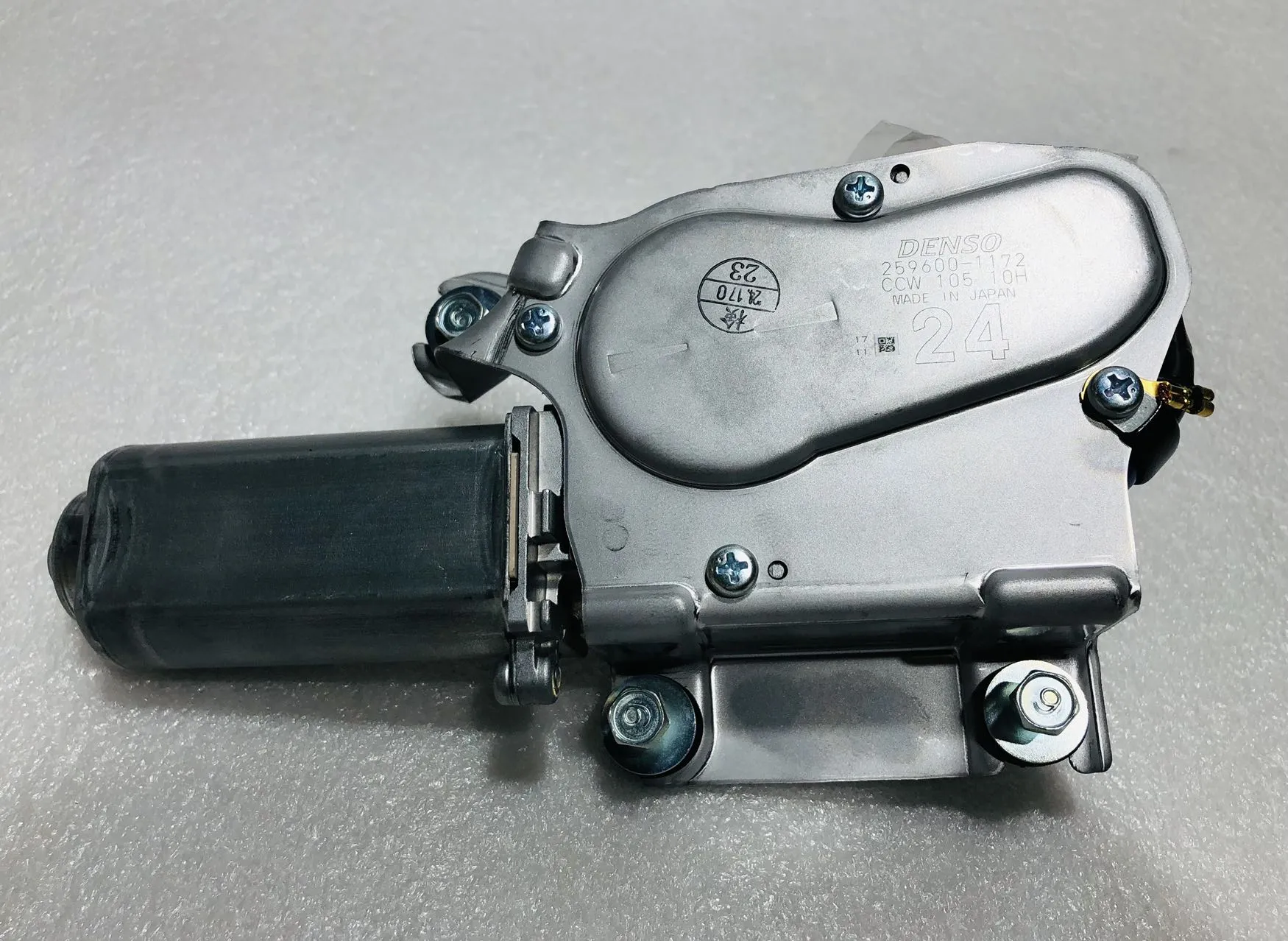
Related Products
Related Products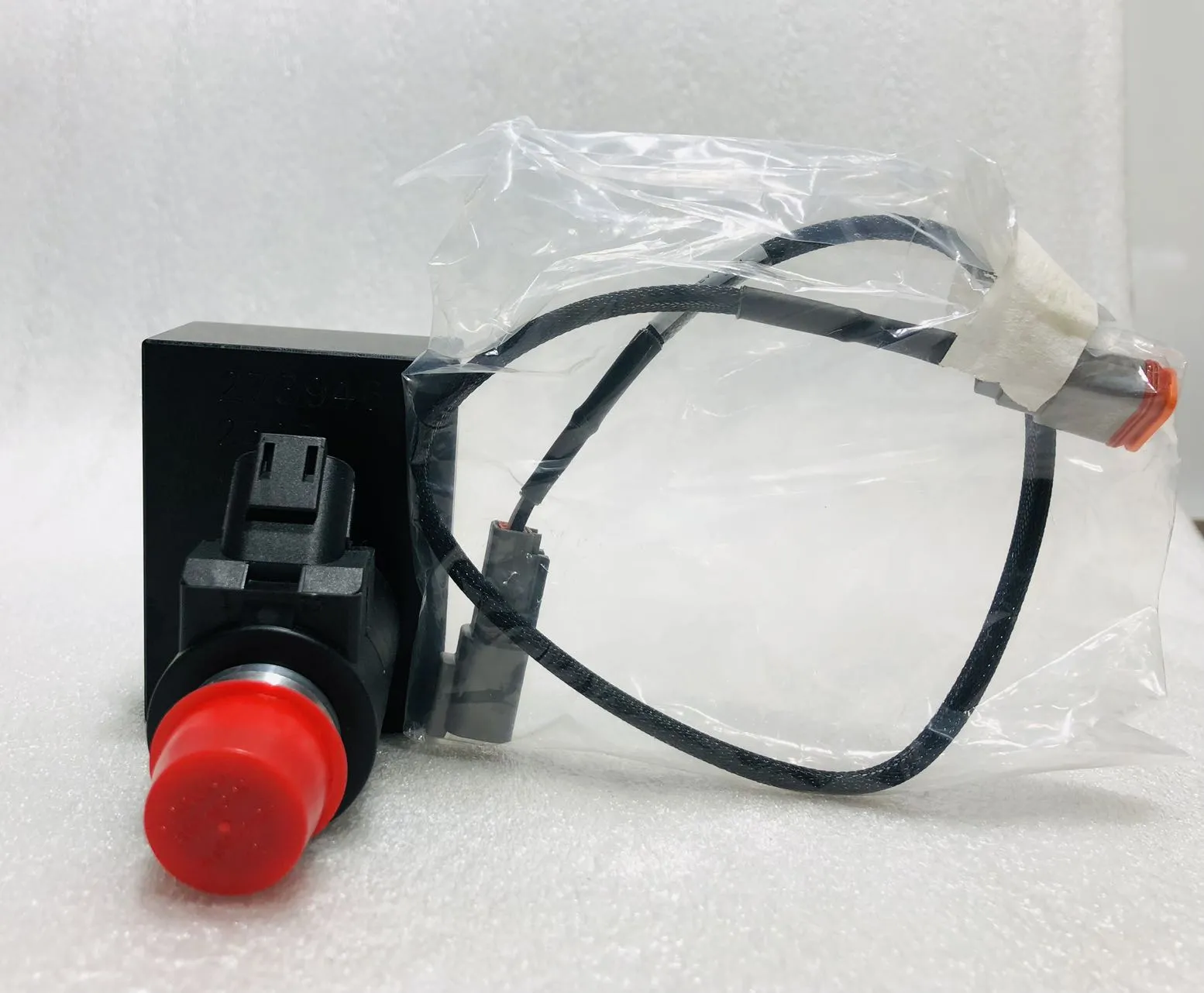
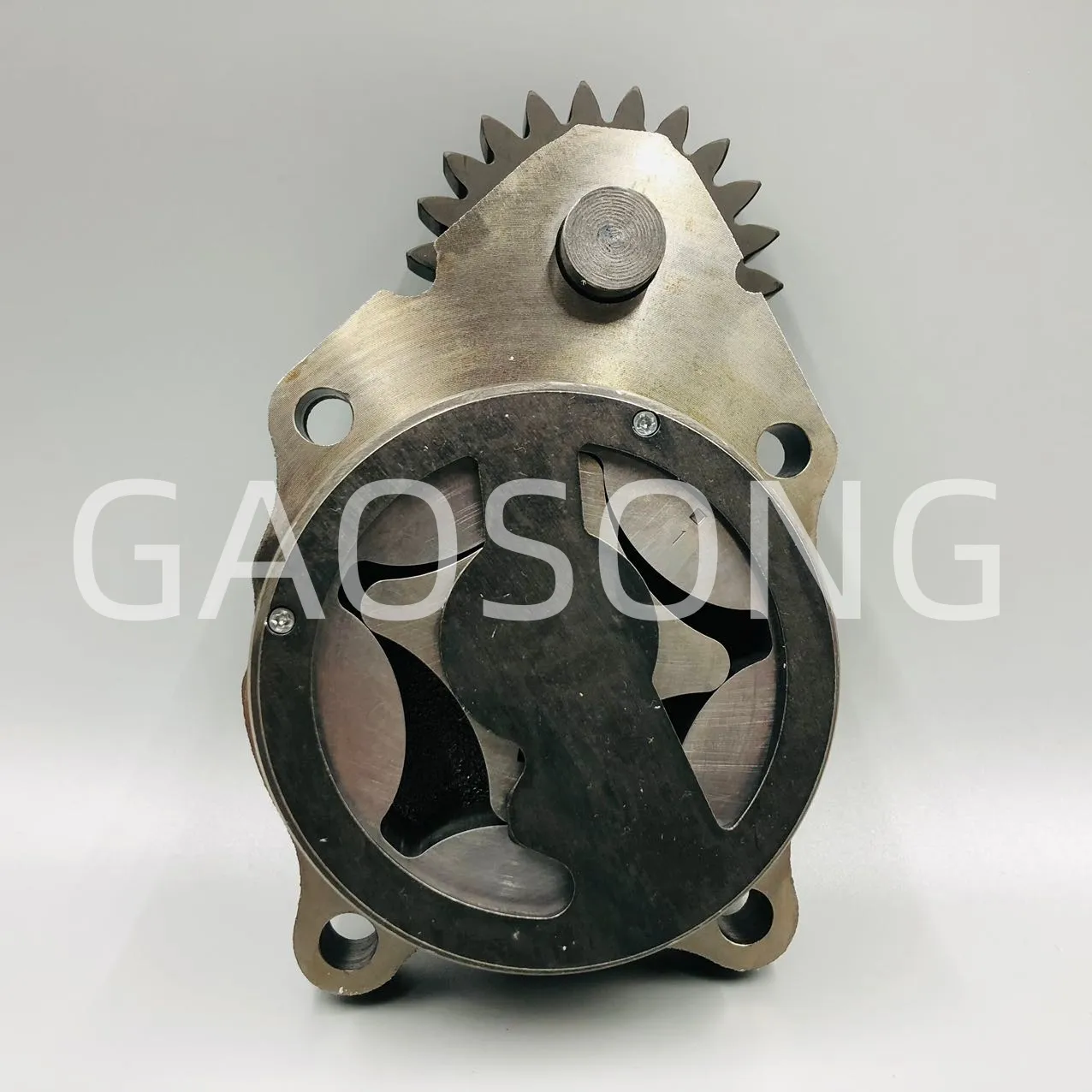
Best Selling Products
Best Selling Products-
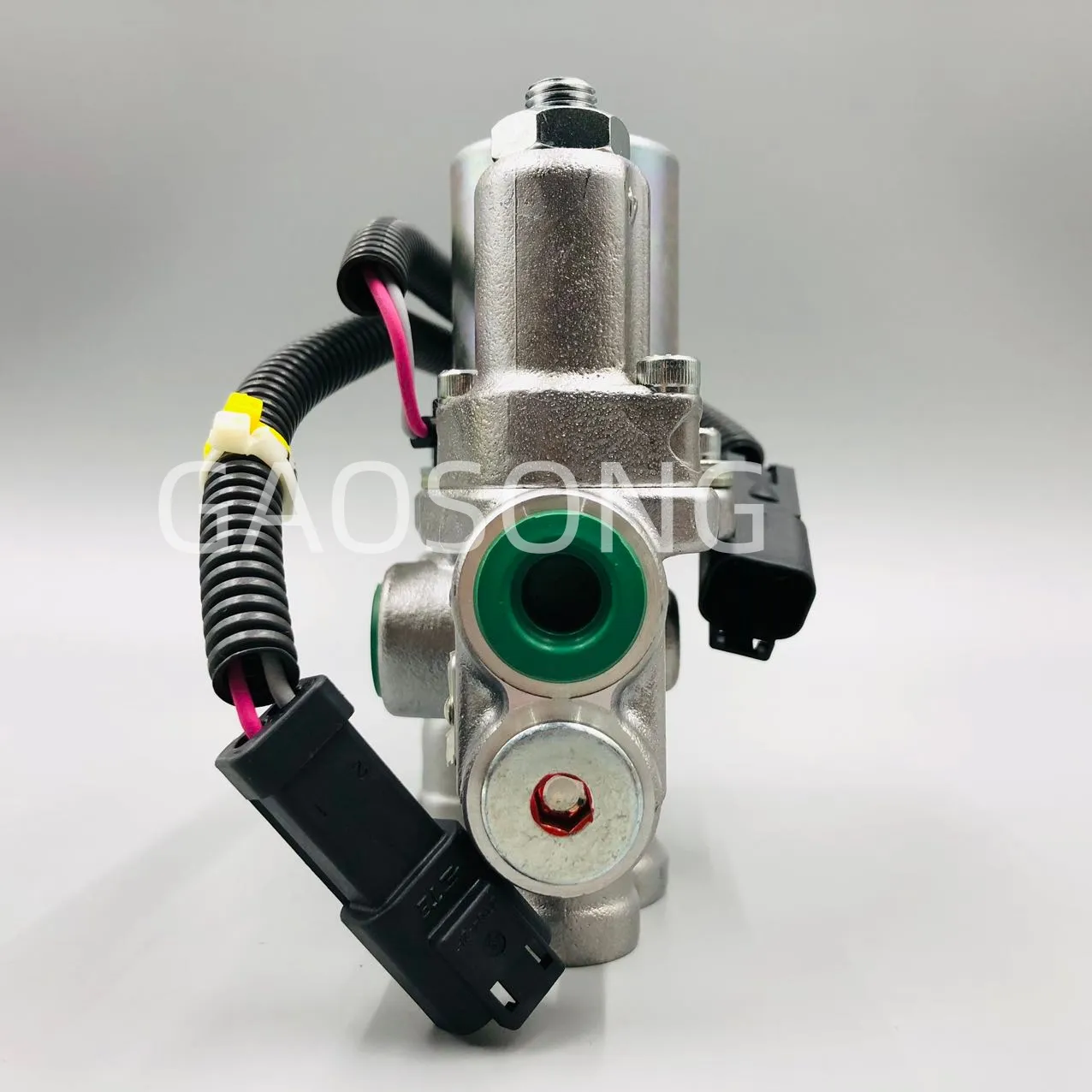 22F-60-31600 VALVE ASS’Y,(SEE FIG.Y1681-01A0).-Komatsu Original Factory
 -
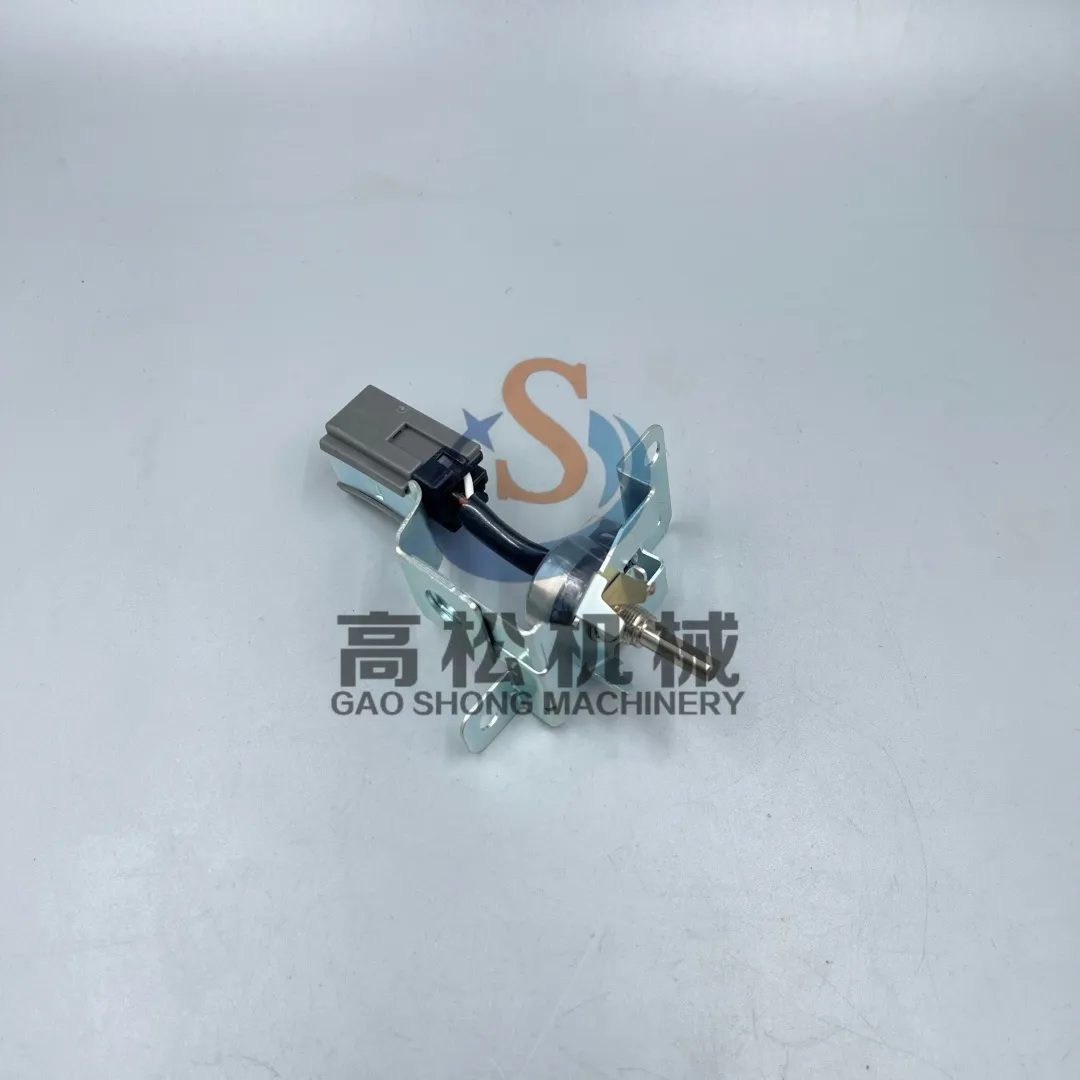 22U-06-22420 Komatsu Potentiometer Assembly
 -
 175-06-37871 PLUG(WITH HEATER) (Komatsu)
 -
 09370-00070 – U-PACKING fits Komatsu
 -
 21N-27-00150 floating seal for Komastu PC1250-8 EXCAVATOR
 -
 561-95-8A540 • VALVE ASSEMBLY,VENT-Komatsu Original Factory
 -
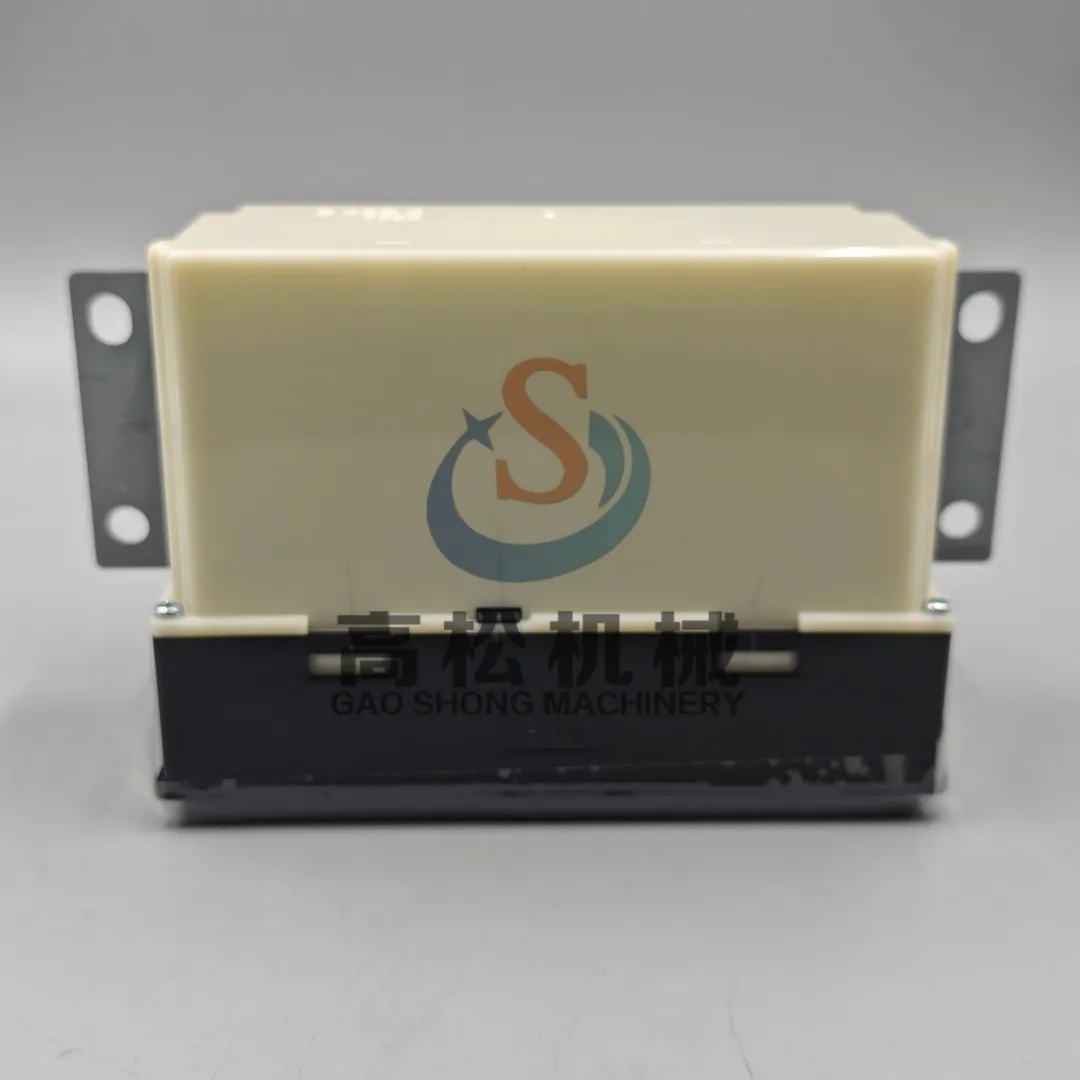 used Komatsu Controller 425-07-21121 for WA500-3H
 -
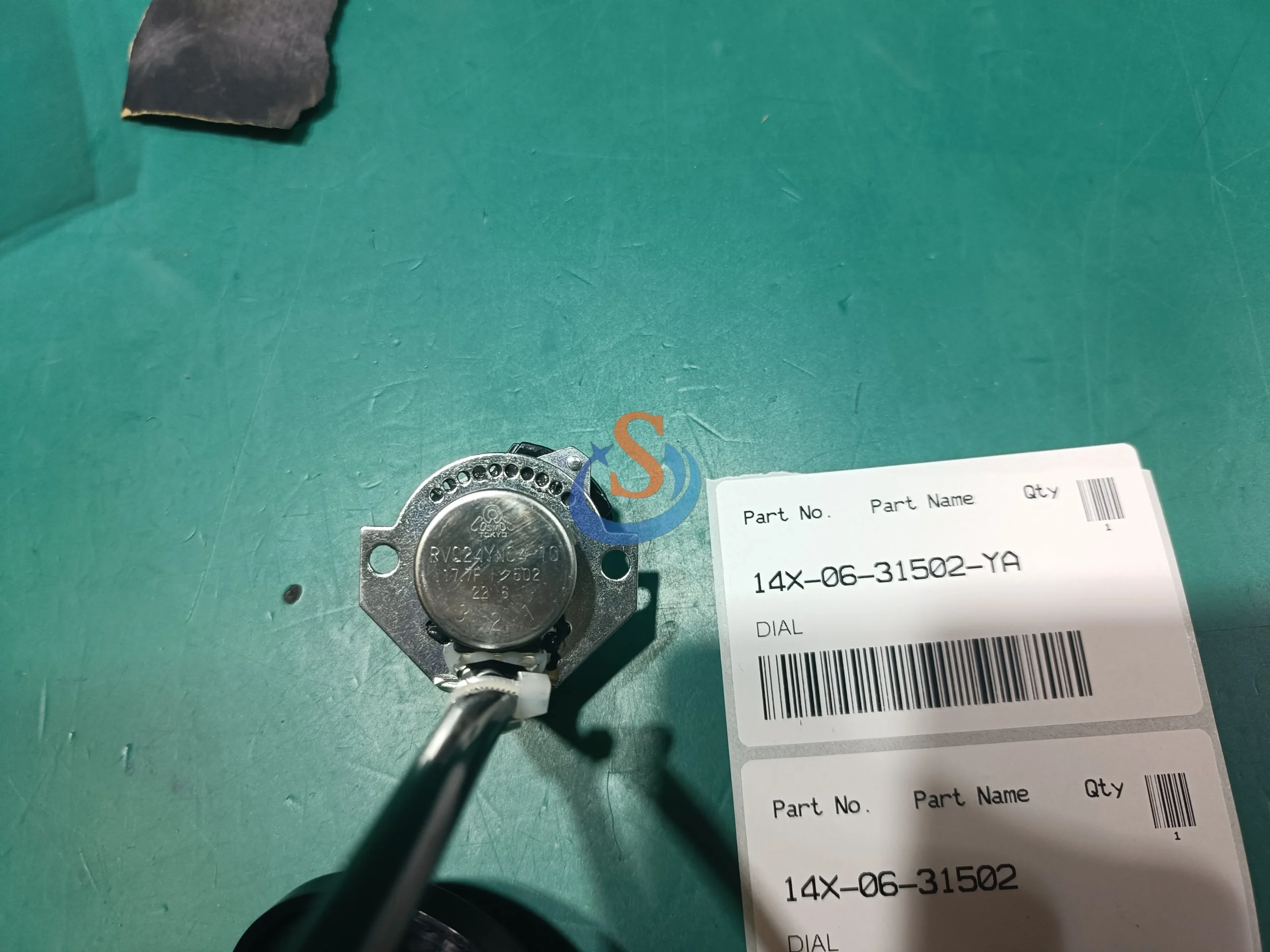 14X-06-31502 DIAL D65/D155/D375A
 -
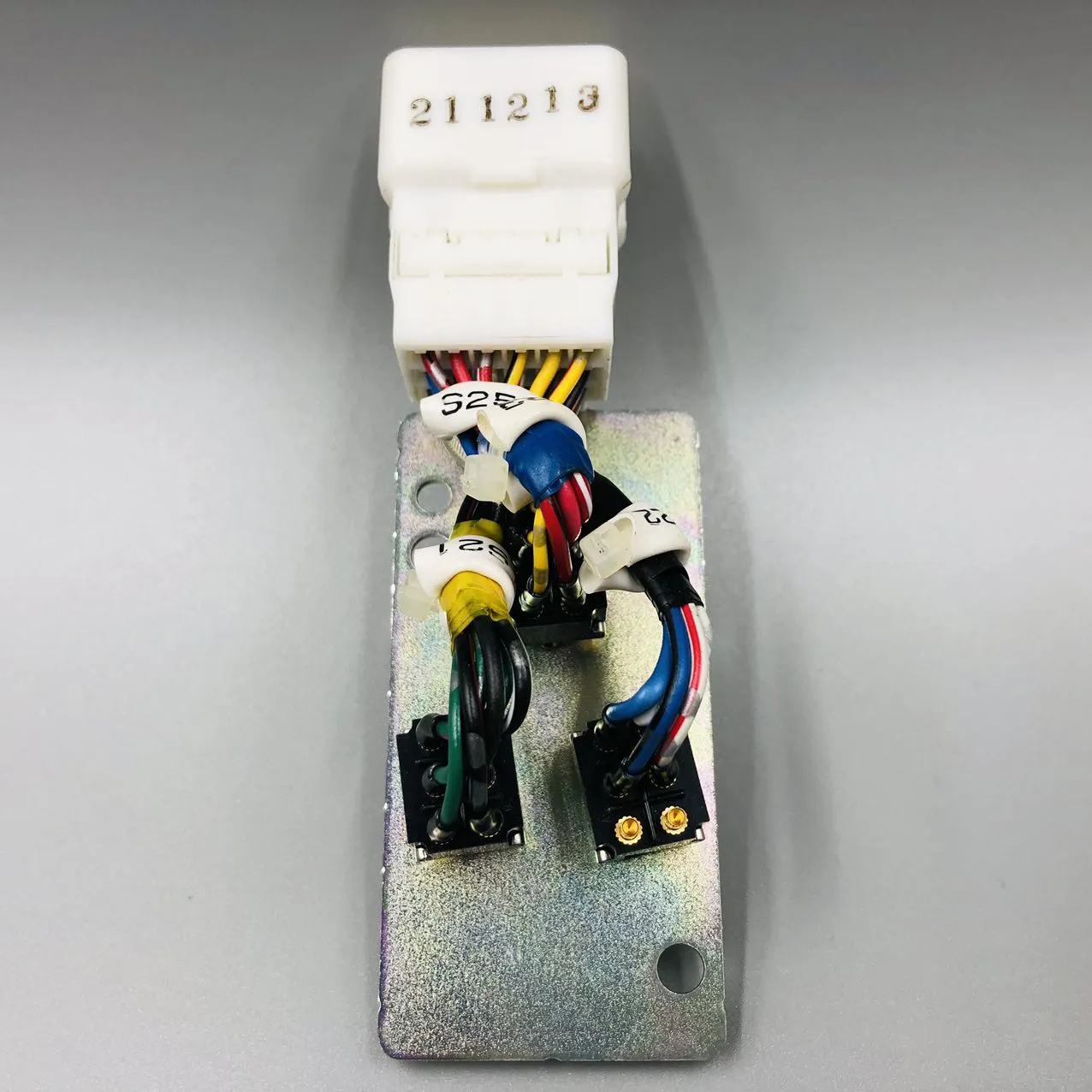 PC300-7 PC350-7 Switch Assy 22U-06-22370
 -
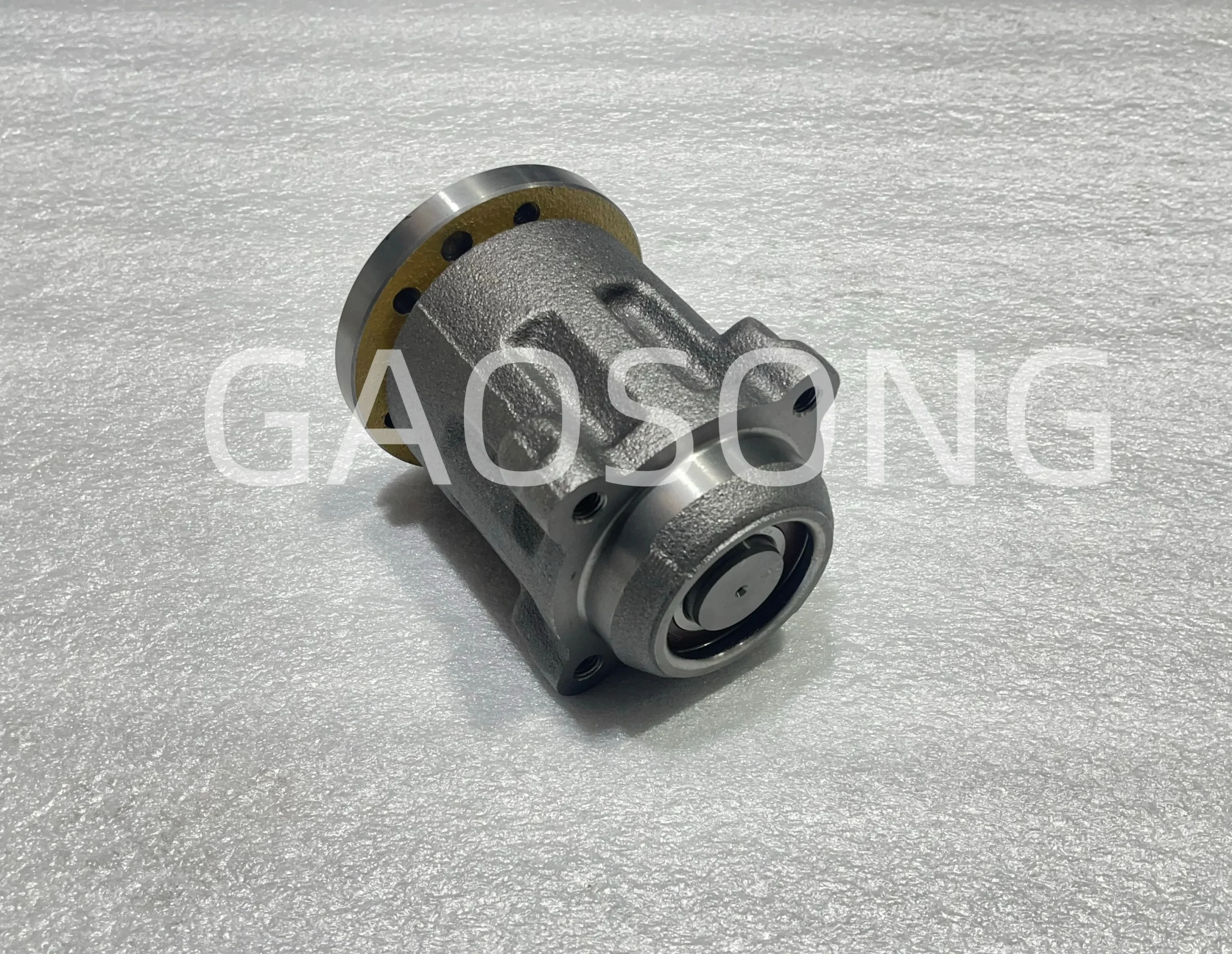 6151-61-3201 CASE ASS’Y-Komatsu Original Factory
 -
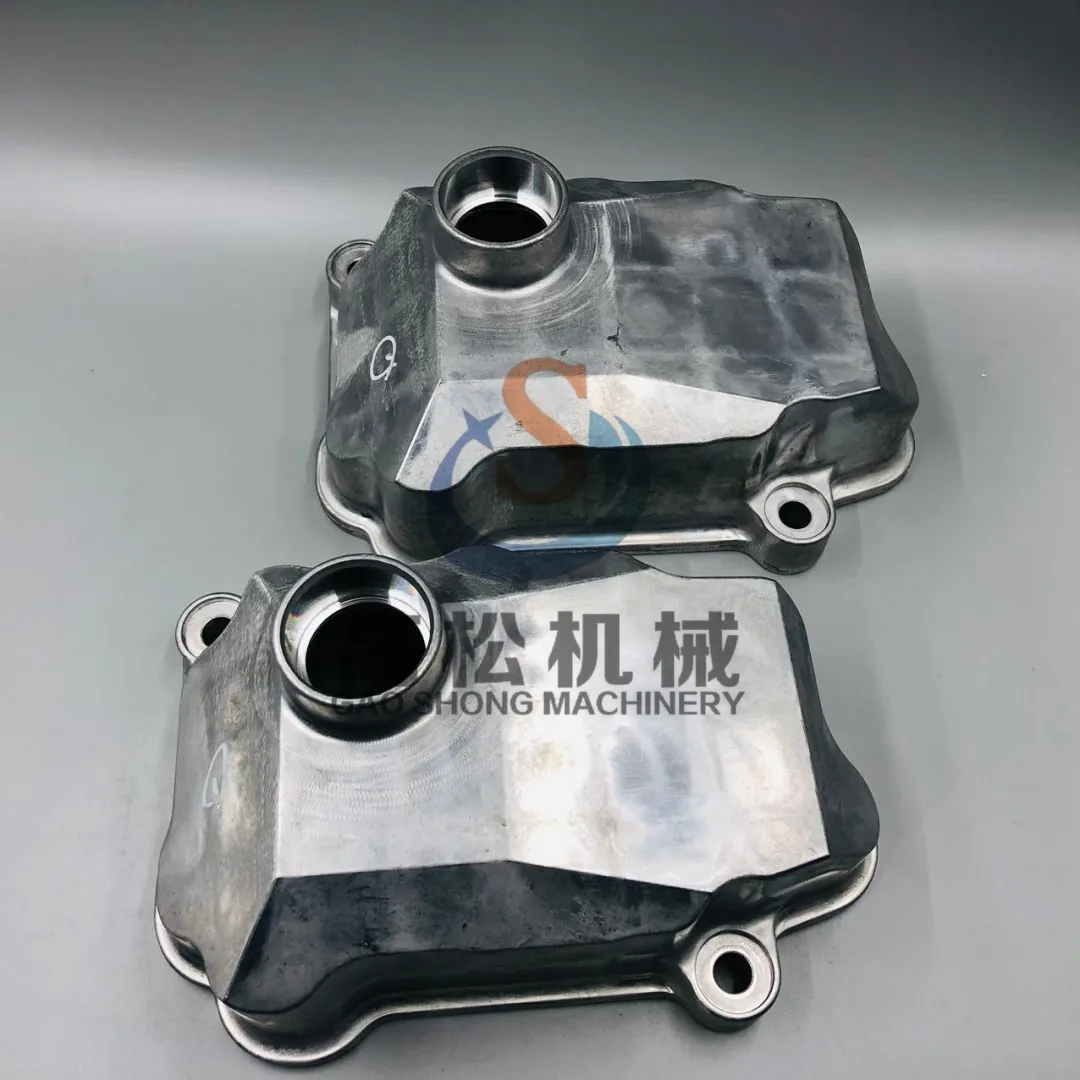 KOMATSU 6251-11-8150 COVER
 -
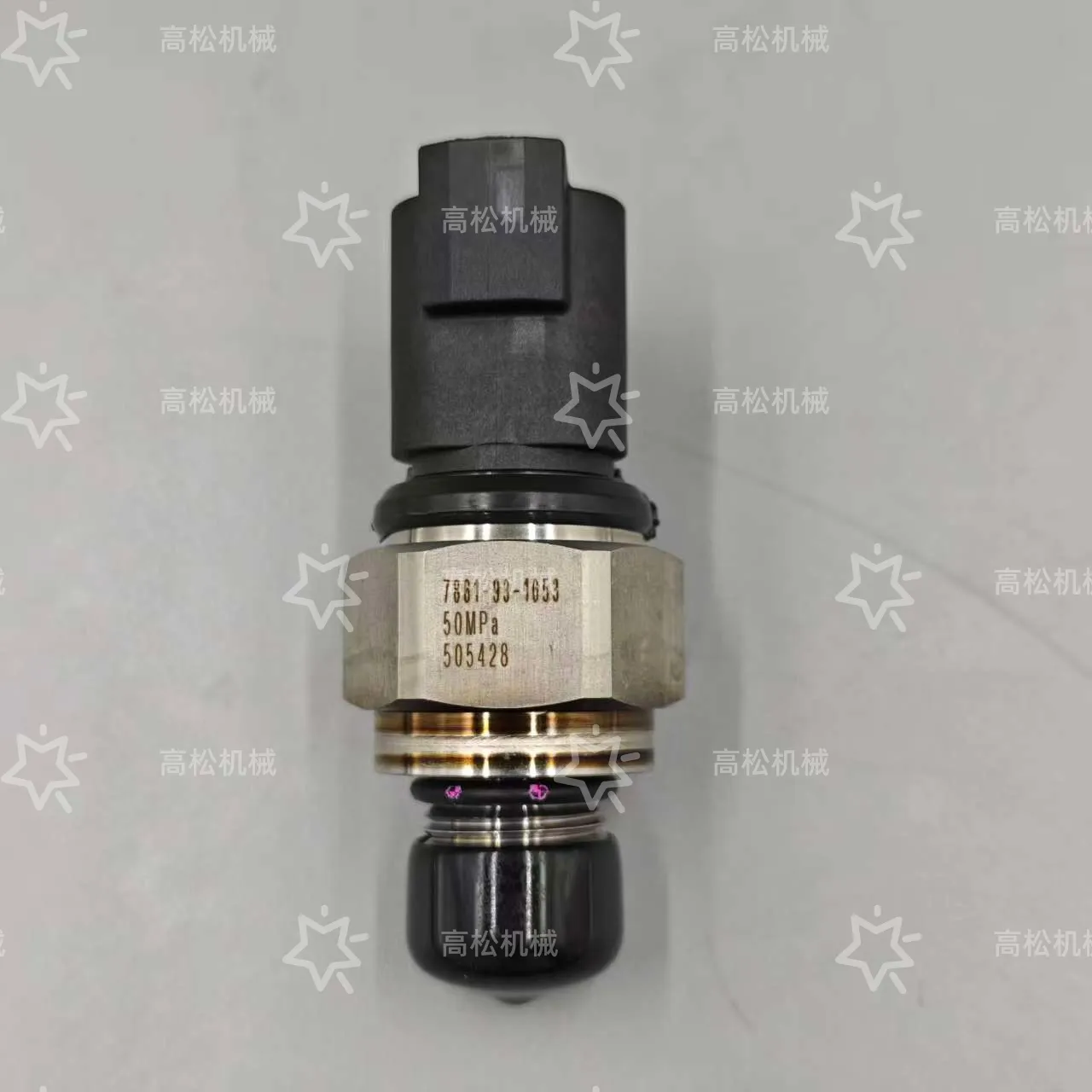 7861-93-1653 7861-93-1652 7861-93-1650 HYDRAULIC PUMP SENSOR for PC300-7