
- Chinese
- French
- German
- Portuguese
- Spanish
- Russian
- Japanese
- Korean
- Arabic
- Irish
- Greek
- Turkish
- Italian
- Danish
- Romanian
- Indonesian
- Czech
- Afrikaans
- Swedish
- Polish
- Basque
- Catalan
- Esperanto
- Hindi
- Lao
- Albanian
- Amharic
- Armenian
- Azerbaijani
- Belarusian
- Bengali
- Bosnian
- Bulgarian
- Cebuano
- Chichewa
- Corsican
- Croatian
- Dutch
- Estonian
- Filipino
- Finnish
- Frisian
- Galician
- Georgian
- Gujarati
- Haitian
- Hausa
- Hawaiian
- Hebrew
- Hmong
- Hungarian
- Icelandic
- Igbo
- Javanese
- Kannada
- Kazakh
- Khmer
- Kurdish
- Kyrgyz
- Latin
- Latvian
- Lithuanian
- Luxembou..
- Macedonian
- Malagasy
- Malay
- Malayalam
- Maltese
- Maori
- Marathi
- Mongolian
- Burmese
- Nepali
- Norwegian
- Pashto
- Persian
- Punjabi
- Serbian
- Sesotho
- Sinhala
- Slovak
- Slovenian
- Somali
- Samoan
- Scots Gaelic
- Shona
- Sindhi
- Sundanese
- Swahili
- Tajik
- Tamil
- Telugu
- Thai
- Ukrainian
- Urdu
- Uzbek
- Vietnamese
- Welsh
- Xhosa
- Yiddish
- Yoruba
- Zulu
- Kinyarwanda
- Tatar
- Oriya
- Turkmen
- Uyghur





OEM AND ORIGINAL KOMATSU PIN 426-N42-3812
When you see a part number like OEM AND ORIGINAL KOMATSU PIN 426-N42-3812 listed, the immediate assumption is often about authenticity and source. In my years dealing with Komatsu undercarriage and pins, I've found that distinction isn't always as black and white as some suppliers claim. The term OEM gets thrown around loosely, sometimes conflated with original, but in the trenches, we know it's more about the supply chain path and certification than just the metal itself. A genuine Komatsu part from the factory is one thing, but an OEM product within the Komatsu system, like those supplied by entities such as Jining Gaosong Construction Machinery Co., Ltd., represents a critical, often more accessible, tier of quality. This company, operating as an OEM product supplier within Komatsu's network and a third-party sales agent, directly speaks to the complex reality of sourcing a component like the 426-N42-3812 pin in markets where direct factory supply faces hurdles.
The Pin in Question: 426-N42-3812
Let's get specific. The KOMATSU PIN 426-N42-3812 isn't just a random code. It's a pivot pin, likely for a larger excavator or dozer arm assembly. The 426 series often ties to specific machine families, and the full number dictates material, hardening process, and tolerances. I've handled these. The original ones have a particular finish, a specific shade of paint daub on the end for lot tracking, and packaging that, while not fancy, is consistent. The weight feels right—there's a heft to properly forged and heat-treated steel that cheaper alternatives don't replicate. When you're rebuilding a joint, the difference of a few microns in diameter or a slight variance in surface hardness is what separates a rebuild that lasts 5000 hours from one that fails catastrophically at 1500.
I recall a job in Southeast Asia where we were replacing pins on a D375 dozer. The local dealer was out of stock for 8 weeks, and the machine was down. We sourced what was advertised as an original pin from a non-authorized vendor. It fit, but the wear pattern after just 400 hours was all wrong—concentrated scoring in the middle. Upon inspection, the case hardening depth was insufficient. That's the hidden cost. The part number was stamped correctly, but the metallurgy wasn't. This is precisely the gap that a legitimate OEM supplier within the system aims to fill, providing a certified alternative without the extended lead time.
That's where the model of a company like Jining Gaosong becomes relevant. As they state, they are an OEM product supplier within the Komatsu system. In practice, this often means they produce or source components to Komatsu's engineering drawings and quality audits, but they may not ship them in Komatsu-branded boxes to the primary distribution centers. Instead, they serve parallel markets or regions with supply constraints. For a maintenance manager staring at a downed machine, this channel is not a compromise; it's a strategic solution. The part, if truly from such a source, should be functionally identical to what you'd get from the main dealer.
OEM vs. Original: A Practitioner's Distinction
The phrase OEM AND ORIGINAL in a product listing is a deliberate hedge. It's trying to communicate two things: compliance with original specifications and a direct manufacturing lineage. Original implies it came from Komatsu's own production line or its first-tier, wholly controlled supplier. OEM can mean it was made by a contracted factory authorized by Komatsu to produce this part. The performance should be the same, but the paperwork and supply path differ. In many countries, especially those with import restrictions or limited dealer networks, accessing the original stream is difficult and slow. The OEM stream, facilitated by third-party sales companies, keeps equipment running.
I've had debates with procurement teams over this. They want the original part number, and they get fixated on the packaging. But if the pin is made from the same grade of steel, on the same forging dies, with the same heat-treatment protocol, and inspected to the same standard, does the box matter? Operationally, no. For warranty claims through Komatsu proper, maybe. But if you're sourcing through a channel like Takematsu Machinery's site, the warranty is with them, and their credibility as a Komatsu-system supplier is the key. Their stated role in helping to solve parts supply challenges in certain countries isn't marketing fluff; it's the daily reality for many fleets outside major industrial hubs.
The risk, of course, is counterfeiters. They exploit this very ambiguity. They'll stamp the correct 426-N42-3812 on a subpar pin. The tell-tale signs? Inconsistent machining marks, a slightly off-color phosphate coating, or a part number stamp that's too deep or too shallow. A legitimate OEM supplier's value is in their traceability. You should be able to ask for mill certificates for the steel or batch heat-treatment reports. If they can't provide that, walk away.
Supply Chain Realities and the Role of Third-Party Agents
Why does this complexity exist? Komatsu's global supply chain is immense, but it's not perfectly efficient for every corner of the world. Local content rules, tariffs, and simple logistics create bottlenecks. A dedicated third-party sales company that Komatsu trusts acts as a pressure relief valve. They don't just sell parts; they understand the application, the failure modes, and the urgency. When you call about a KOMATSU PIN, they know if it's for a PC700 or a D85, and they might ask about the bushing condition on the other side of the joint—because they know one wears out the other.
Jining Gaosong's description of their dual role is telling. They're not just an aftermarket parts reseller; they are embedded in the OEM system. This suggests a deeper integration, possibly involving direct orders from Komatsu regional offices to fulfill specific contracts. For a customer, this means the part arriving at your port might have a different commercial invoice, but the technical provenance is solid. It bypasses the main dealer's inventory system but arrives with the necessary quality pedigree.
I've used such channels for pins, bushings, and even track links. The process is different. Less automated, more email and phone calls, often with technical queries upfront. They might send you a dimensional inspection report for the specific batch of PIN 426-N42-3812 before you commit. It feels more hands-on. The downside is that you lose the one-stop-shop convenience of a full dealer portal. The upside is often price and, more importantly, availability when the official network is dry.
On the Ground: Fitting and Failure Analysis
Let's talk about putting this pin in. Even with a perfectly legitimate part, installation is where value is realized or destroyed. The 426-N42-3812 is an interference fit. You need a proper press, the right fixtures, and ideally, heating the housing (never the pin itself). I've seen people try to hammer them in with a sledge and a brass drift. It works, but you're damaging the surface finish that's designed to retain oil and resist galling. The first sign of a good pin during installation is that it presses in smoothly with steady, high pressure. If it chatters or binds, something's wrong—either the pin's diameter is off, or the housing is distorted.
Post-failure analysis on a pin like this is instructive. When you pull a failed one, look at the wear pattern. Even wear across the length suggests good alignment and proper hardness. Localized severe wear or a corset shape (worn in the middle) points to misalignment or a pin that wasn't hard enough. I once cut a suspected counterfeit pin in half to check the case depth. The original spec called for a hardened case of about 3mm. This one was barely 1mm deep, with a soft core. It explained the rapid, abnormal wear. That's the risk you mitigate by sourcing through a vetted, system-integrated OEM supplier.
It circles back to trust and verification. A website like takematsumachinery.com is a front end. The real test is in the dialogue. Do they ask for your machine serial number? Can they discuss the related wear parts? When questioned about the OEM status, can they explain their relationship with Komatsu beyond a vague we are a supplier? Their stated mission of solving supply challenges implies they're solving a problem for Komatsu as much as for the end-user, which aligns the incentives correctly.
Concluding Thoughts: Beyond the Part Number
So, when you're searching for OEM AND ORIGINAL KOMATSU PIN 426-N42-3812, you're not just buying a piece of steel. You're buying into a supply chain decision. The part number is just the address. The route it takes to get to you—factory direct, through a global dealer, or via an integrated third-party OEM supplier like Jining Gaosong—defines your cost, downtime, and ultimately, machine reliability.
The industry is moving toward this hybrid model out of necessity. Pure original parts distribution can't cover every scenario globally. The savvy equipment managers I know have two or three trusted sources for critical components: the official dealer, a reputable independent OEM supplier, and maybe a local machinist for emergencies. Each has its place.
For a high-wear, high-impact component like the 426-N42-3812 pin, the supplier's technical understanding is as important as the part itself. The value of a company positioned within the Komatsu system is that they speak the same technical language. They know why that pin exists, how it fails, and what its failure does to the rest of the structure. That knowledge, paired with a legitimate manufacturing pipeline, turns a simple purchase into a reliable repair. It turns a part number back into a solution.
Related Products
Related Products
Best Selling Products
Best Selling Products-
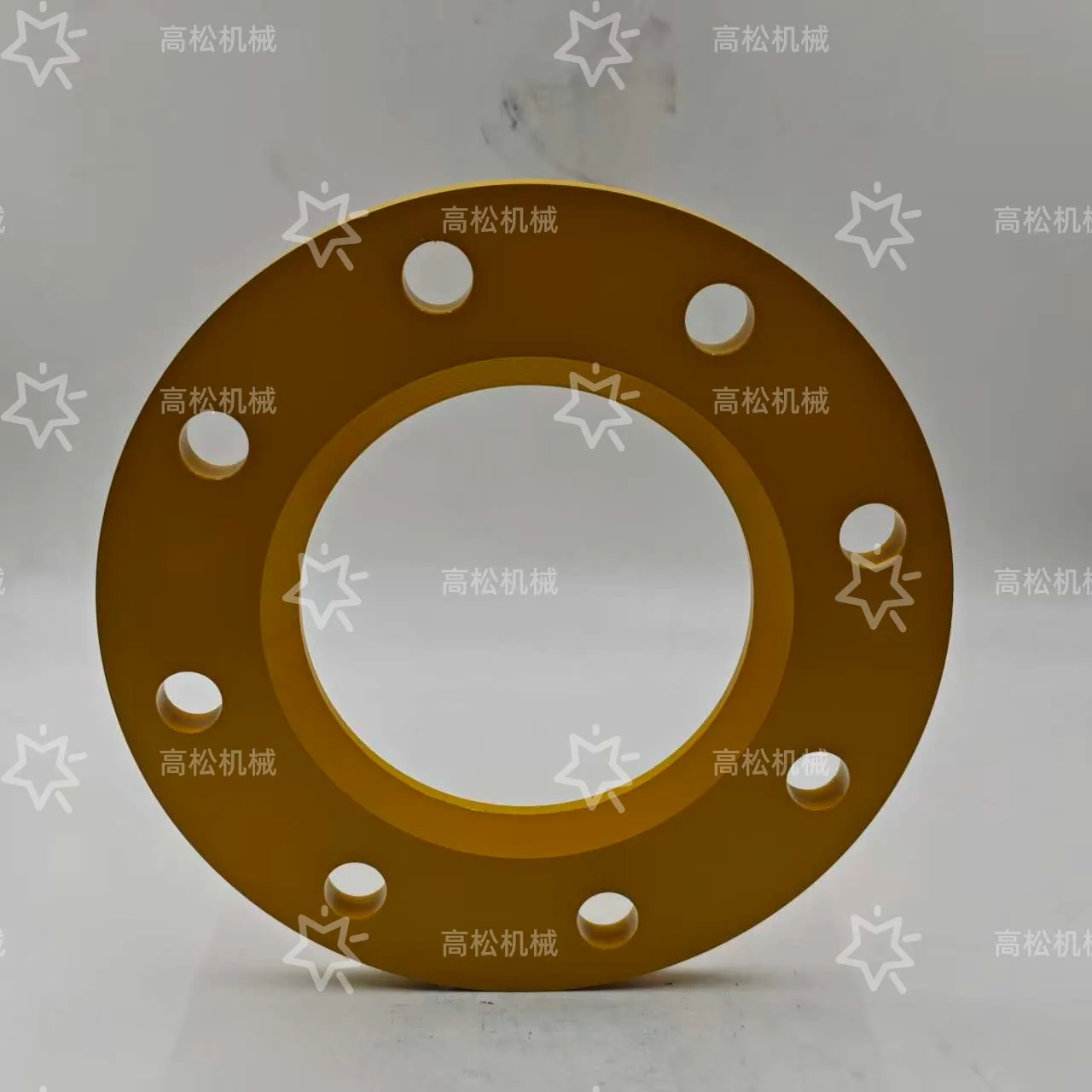 Komatsu 41E-70-15461 board
 -
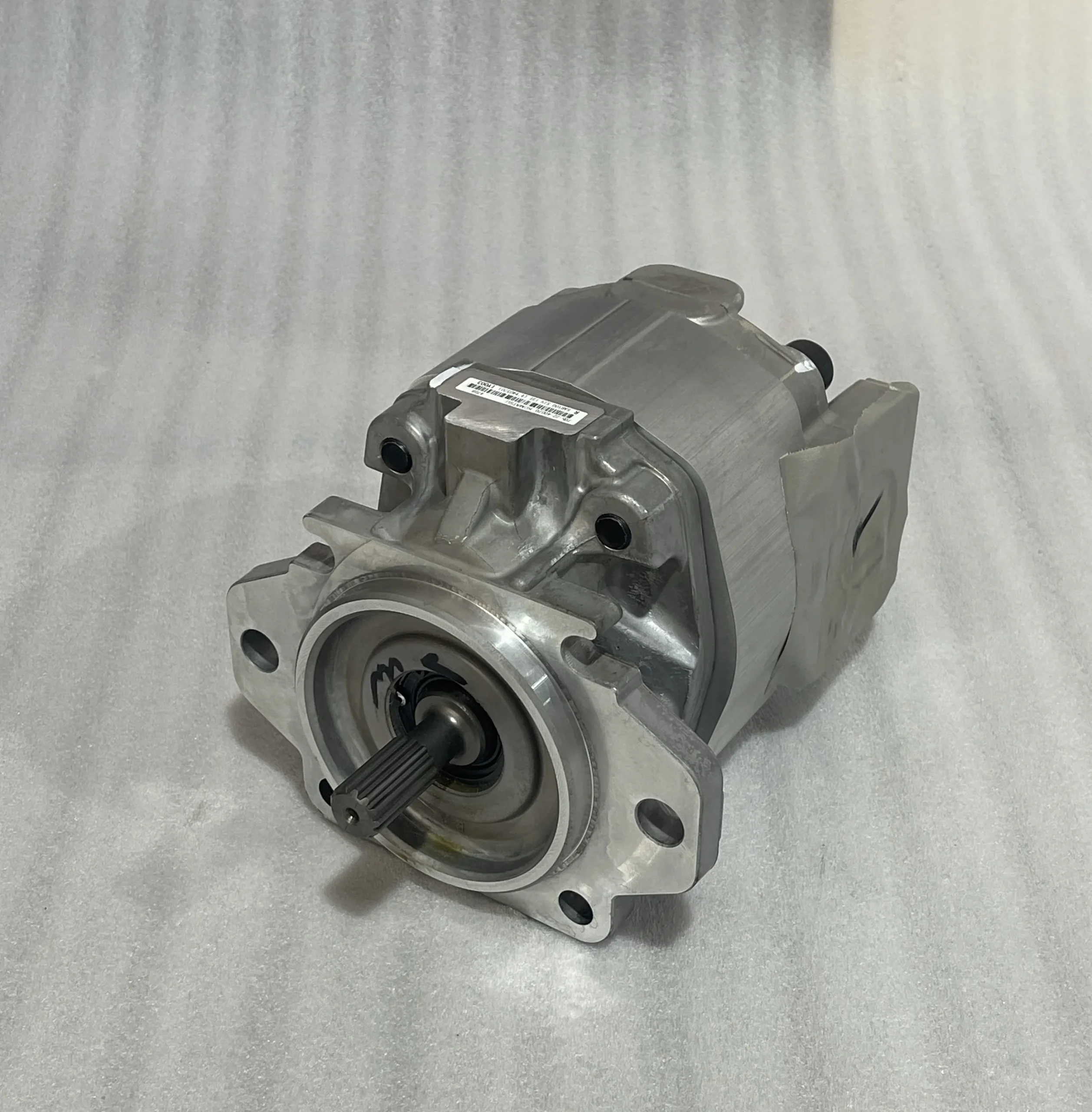 WA470-3 Gear Pump 705-22-40070
 -
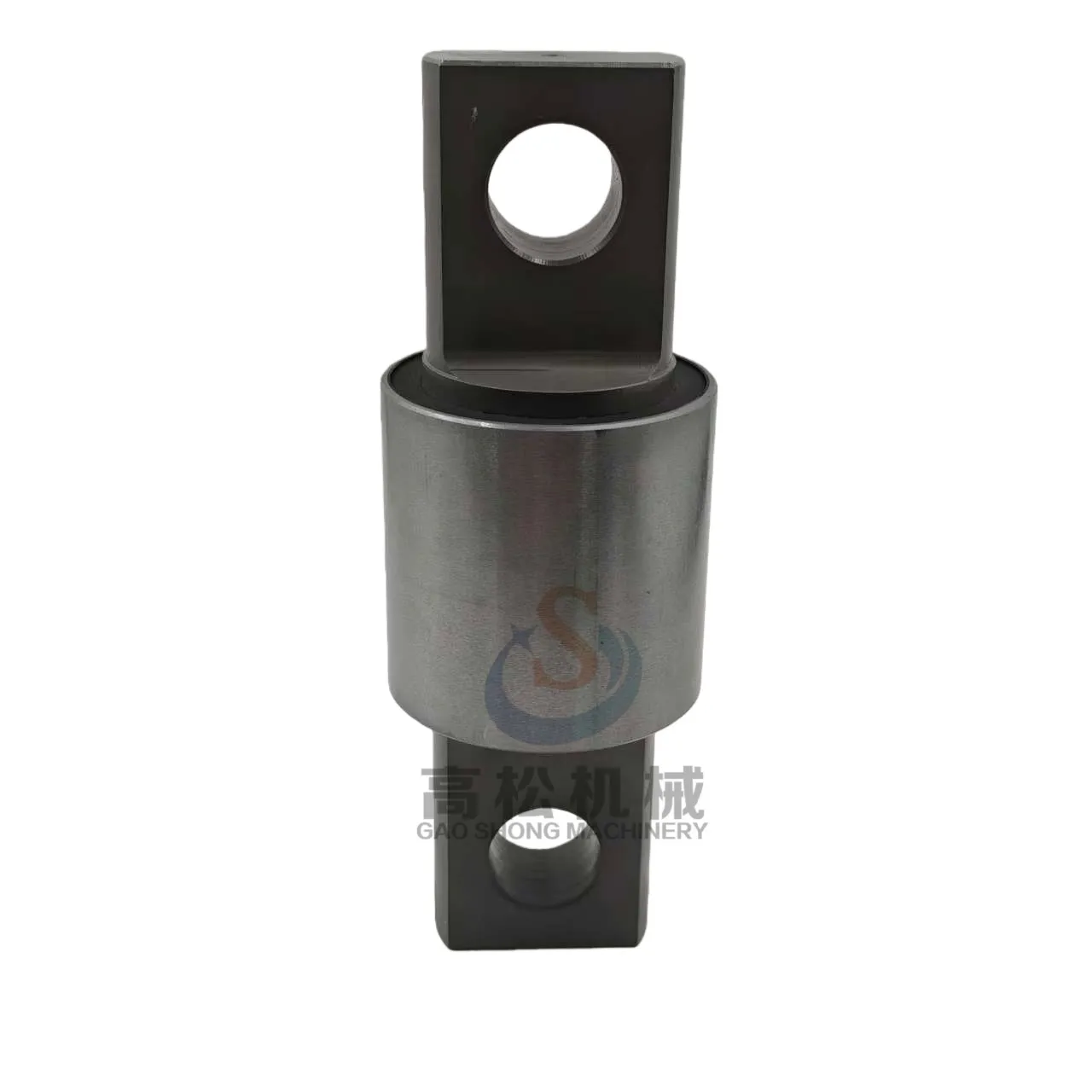 CUSHION 56B-16-11211 – KOMATSU
 -
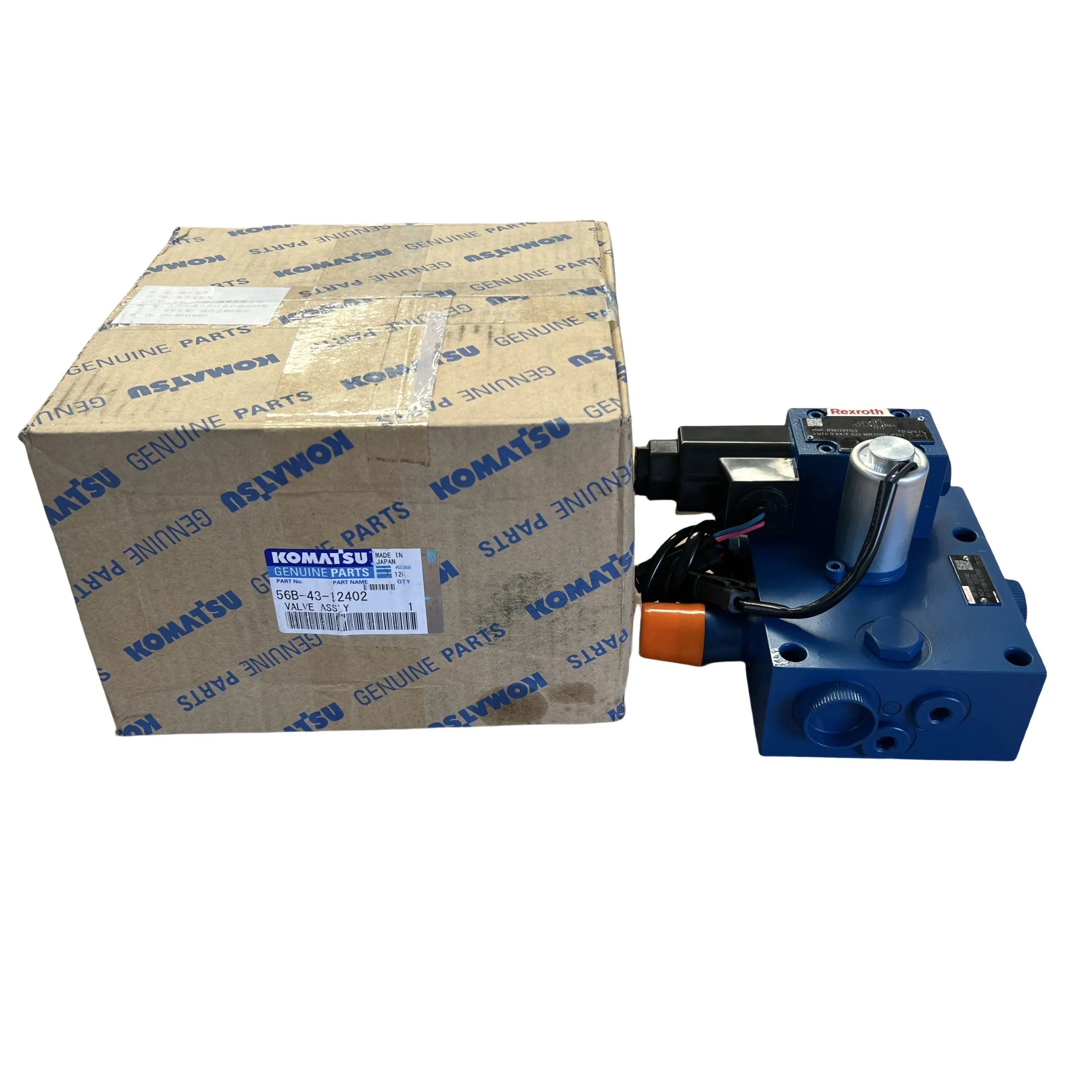 EPC valve 56B-43-120402 for Komatsu HD465-7
 -
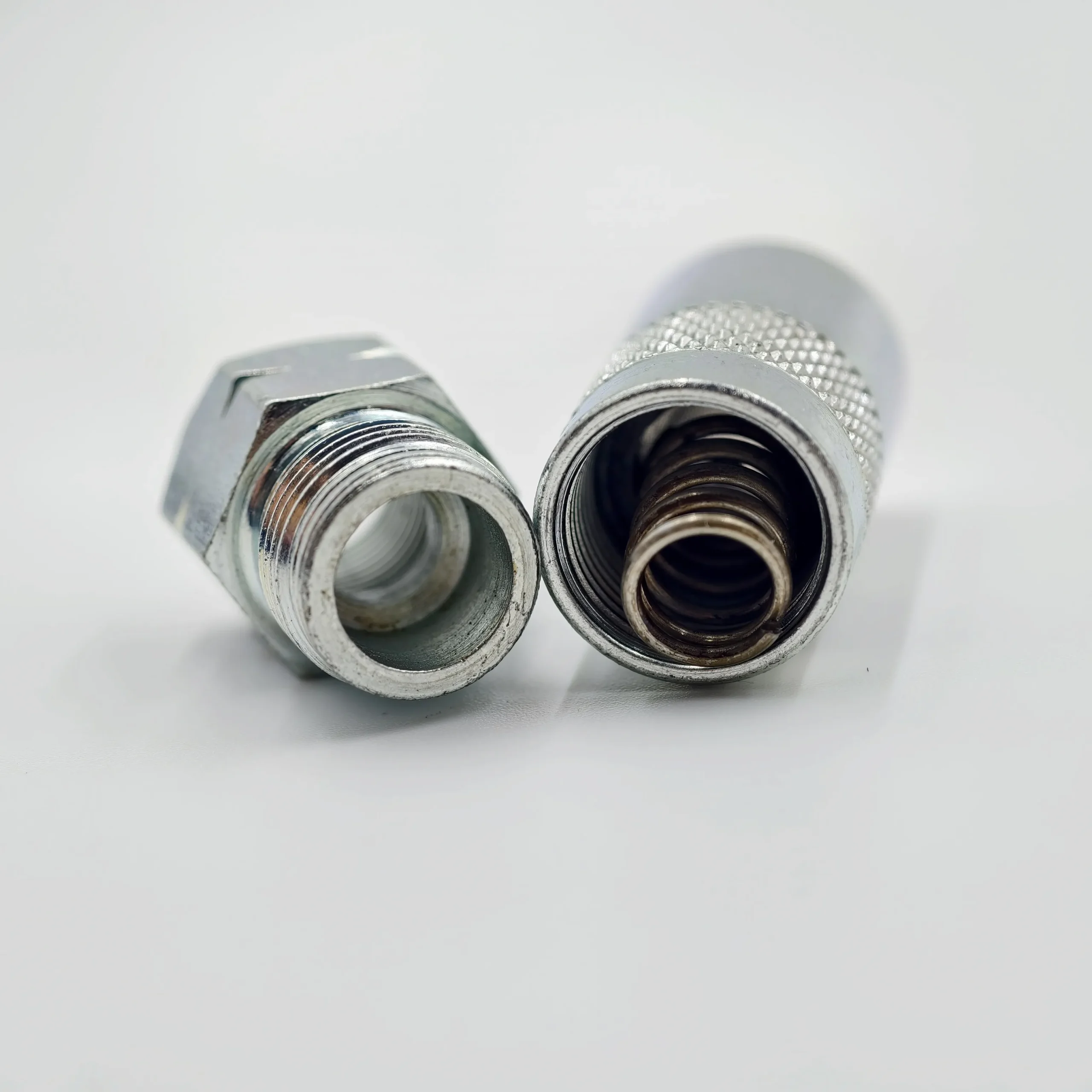 209-68-11640• COUPLER ASS’Y-Komatsu Original Factory
 -
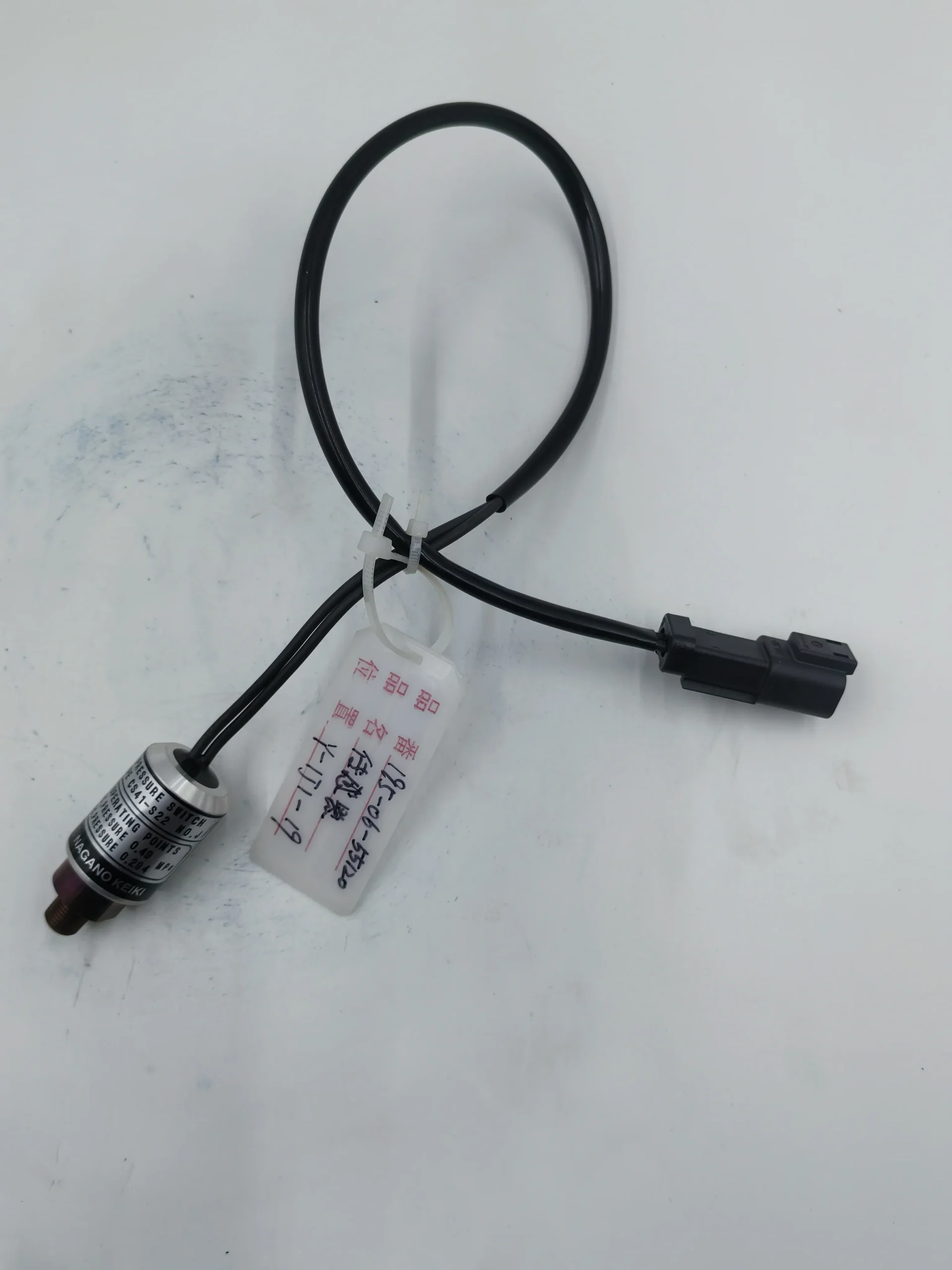 Electrical Parts 195-06-55120 Switch
 -
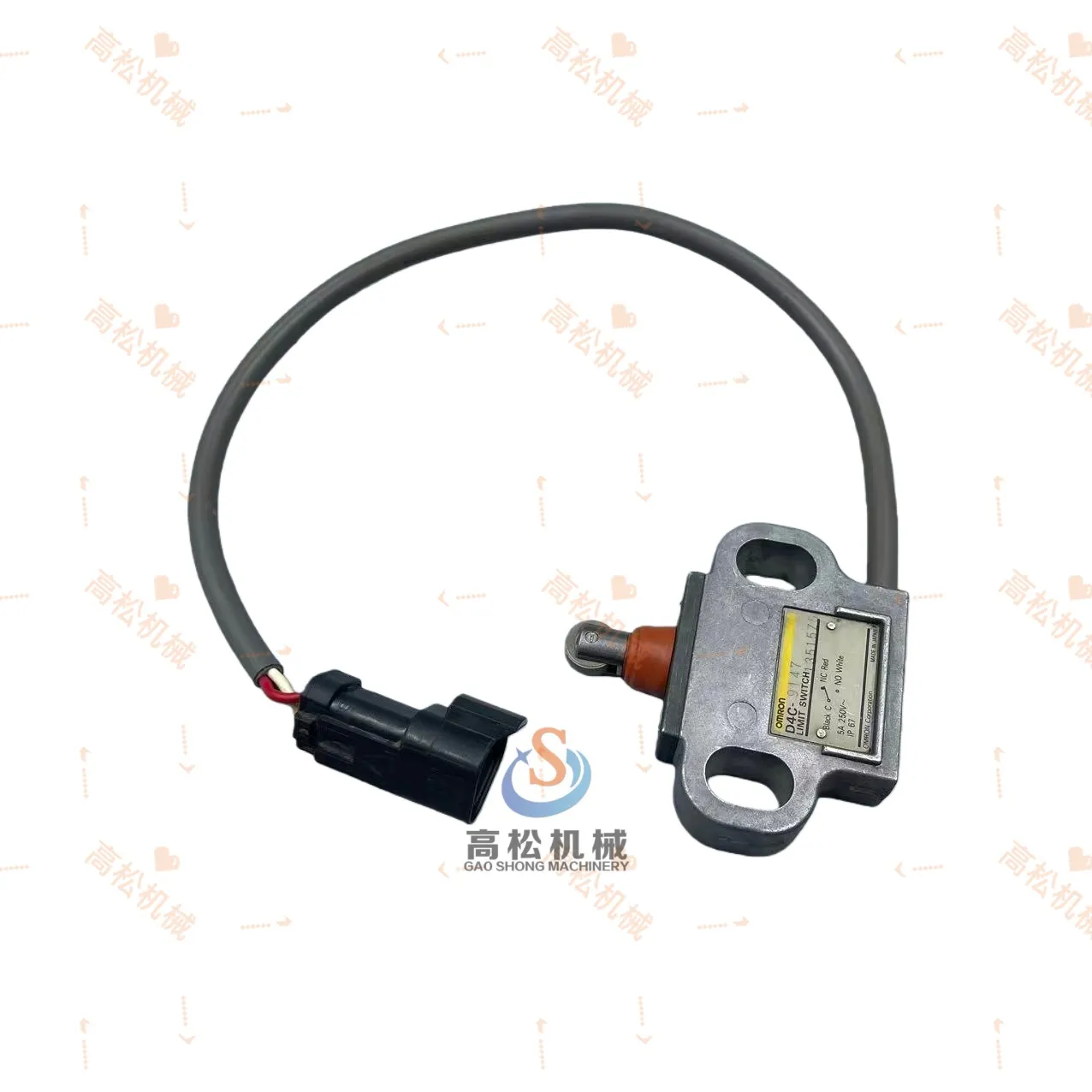 11Y-06-22150 SWITCH D31PX-21A S/N 50501-UP CENTER FLOOR Komatsu – 14X-06-12160, SWITCH
 -
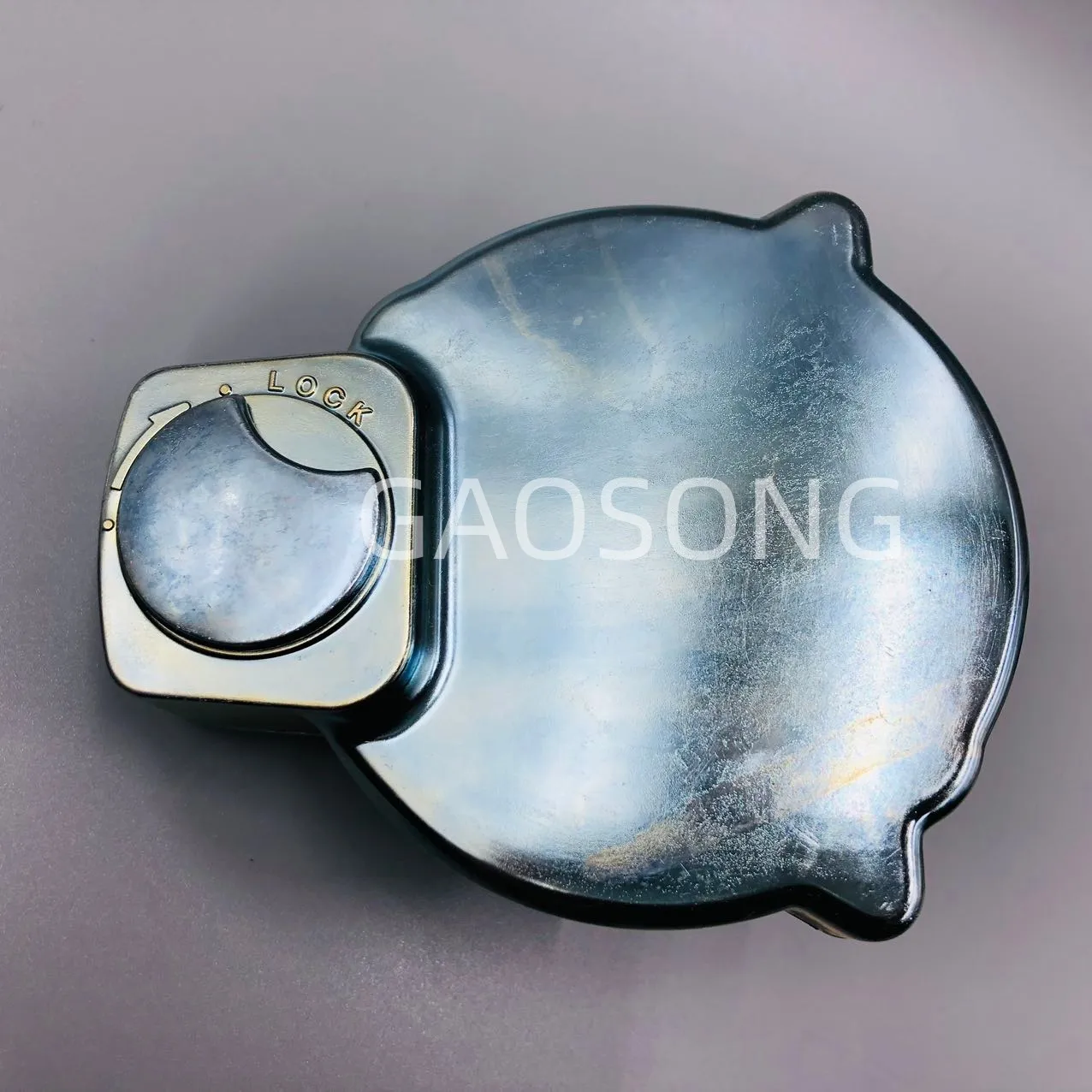 17A-60-11310 CAP ASS’Y–Komatsu Original Factory
 -
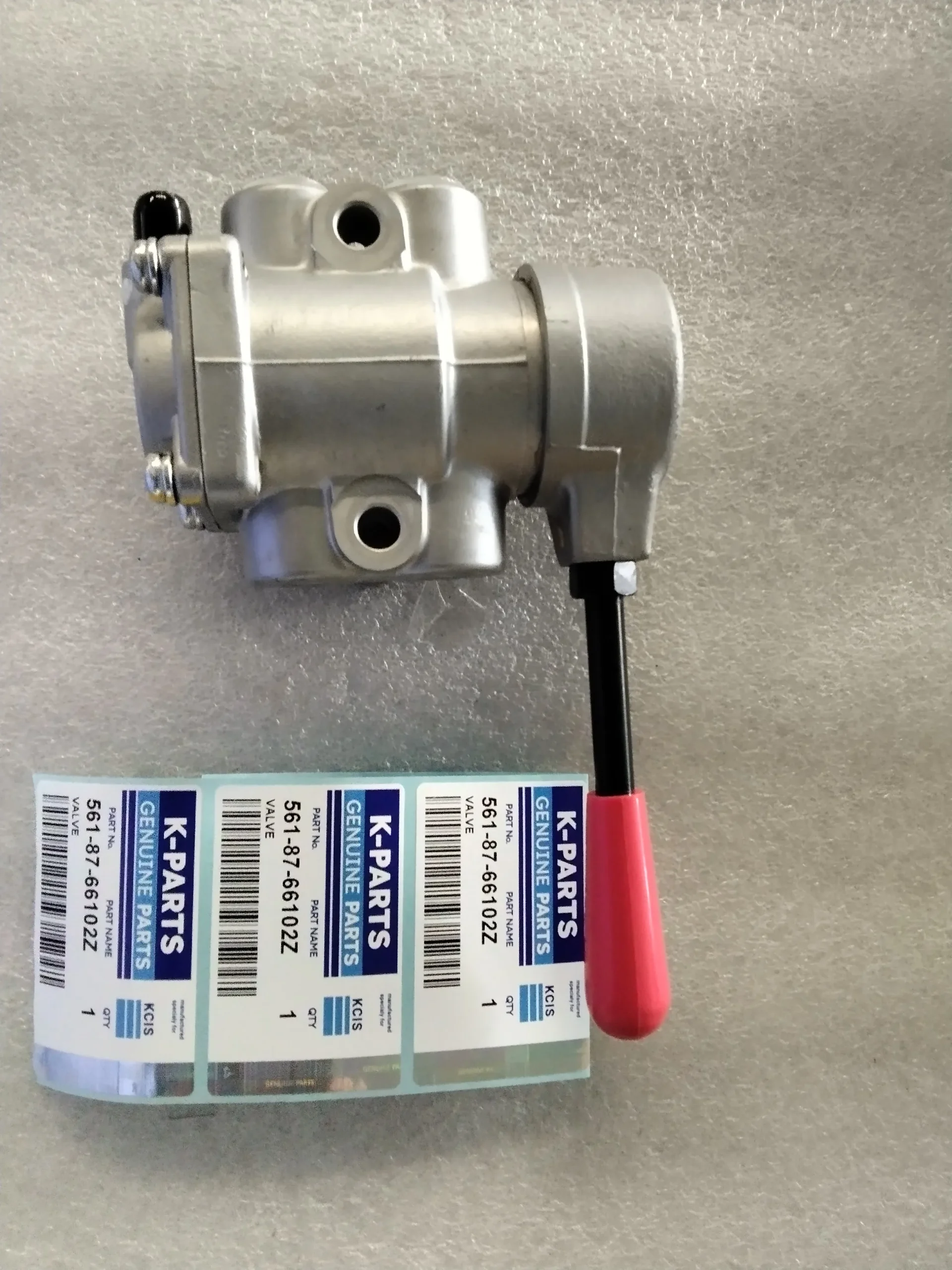 Komatsu dump truck HD785 valve component 561-87-66102
 -
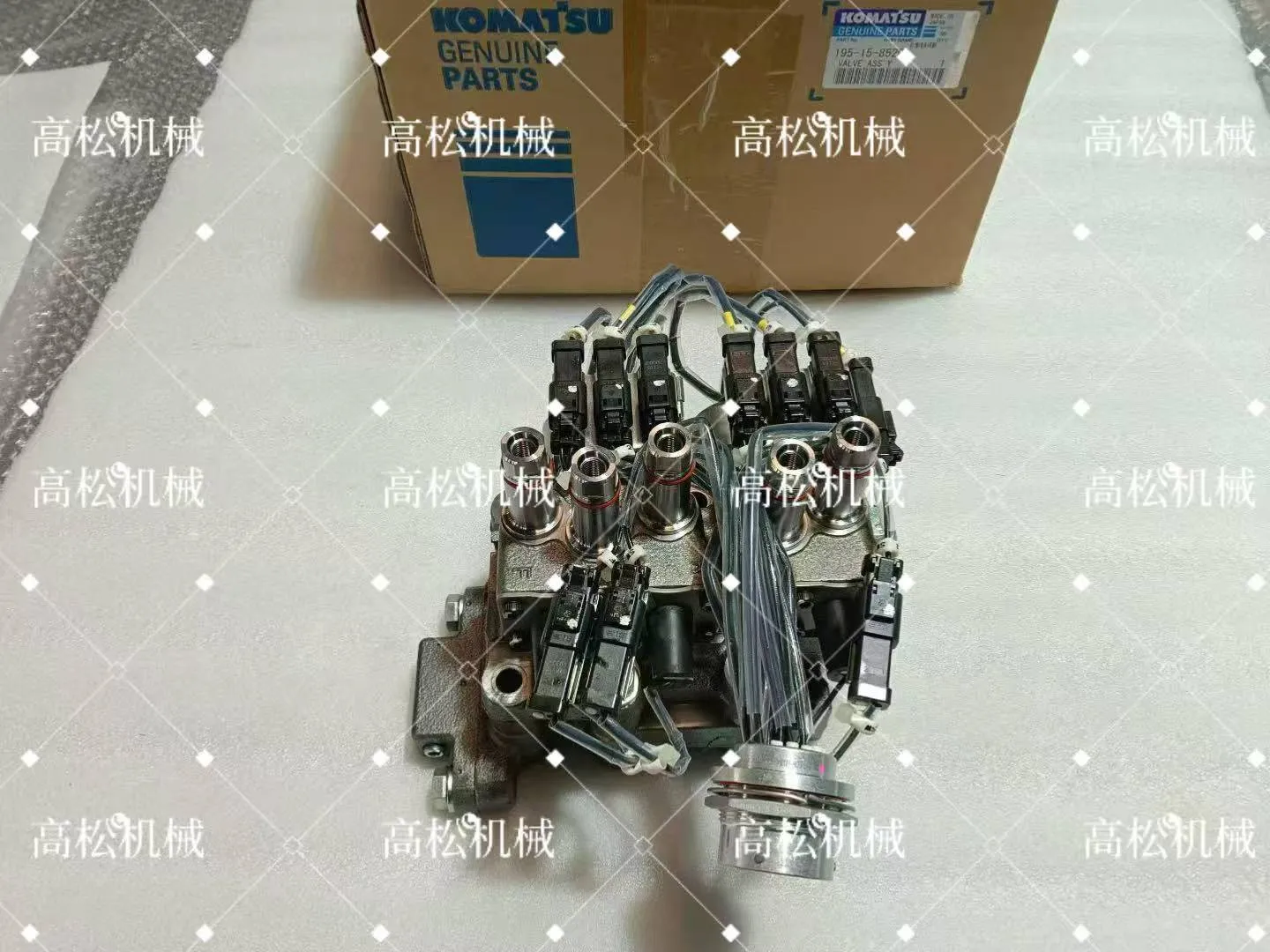 Low price, spot 195-15-85201, valve transmission control for komatsu, parts d375a-6 construction machinery
 -
 PLATE – 195-04-42170
 -
 207-70-61610• BUSHING Komatsu Original Factory