
- Chinese
- French
- German
- Portuguese
- Spanish
- Russian
- Japanese
- Korean
- Arabic
- Irish
- Greek
- Turkish
- Italian
- Danish
- Romanian
- Indonesian
- Czech
- Afrikaans
- Swedish
- Polish
- Basque
- Catalan
- Esperanto
- Hindi
- Lao
- Albanian
- Amharic
- Armenian
- Azerbaijani
- Belarusian
- Bengali
- Bosnian
- Bulgarian
- Cebuano
- Chichewa
- Corsican
- Croatian
- Dutch
- Estonian
- Filipino
- Finnish
- Frisian
- Galician
- Georgian
- Gujarati
- Haitian
- Hausa
- Hawaiian
- Hebrew
- Hmong
- Hungarian
- Icelandic
- Igbo
- Javanese
- Kannada
- Kazakh
- Khmer
- Kurdish
- Kyrgyz
- Latin
- Latvian
- Lithuanian
- Luxembou..
- Macedonian
- Malagasy
- Malay
- Malayalam
- Maltese
- Maori
- Marathi
- Mongolian
- Burmese
- Nepali
- Norwegian
- Pashto
- Persian
- Punjabi
- Serbian
- Sesotho
- Sinhala
- Slovak
- Slovenian
- Somali
- Samoan
- Scots Gaelic
- Shona
- Sindhi
- Sundanese
- Swahili
- Tajik
- Tamil
- Telugu
- Thai
- Ukrainian
- Urdu
- Uzbek
- Vietnamese
- Welsh
- Xhosa
- Yiddish
- Yoruba
- Zulu
- Kinyarwanda
- Tatar
- Oriya
- Turkmen
- Uyghur






OEM AND ORIGINAL KOMATSU PIN 426-70-31991
When you see a part number like OEM AND ORRIGINAL KOMATSU PIN in a search query or on a supplier's list, it immediately sets off a few internal alarms. The phrasing itself, OEM AND ORIGINAL, is a bit of a red flag for anyone who's been sourcing Komatsu parts for a while. In my experience, that conjunction often comes from suppliers trying to cover all bases in SEO, but it creates confusion in the field. Is it an OEM part made for Komatsu, or is it an original Komatsu part from the factory? They are not always the same thing, and that distinction costs people real money and downtime.
The Nuance Behind the Part Number
Let's break down PIN . It's a pin, likely for a linkage or a joint assembly on a Komatsu excavator or dozer—think D65, D85, or maybe a PC300 series. The 426 group usually points to undercarriage or frame-related components. The problem isn't identifying it; it's sourcing the right one. A true original Komatsu part comes with a specific pedigree: the material grade, the heat treatment specs, the precise hardness. I've seen pins that looked identical but wore out three times faster because the subsurface hardening was off. The OEM world is where this gets intricate.
Companies like Jining Gaosong Construction Machinery Co., Ltd. operate in this space. They position themselves as an OEM product supplier within the Komatsu system. What does that mean practically? It often means they, or their partners, have the manufacturing capability and possibly the historical drawings to produce a part that meets the form, fit, and function of . It might even be produced on the same line that once supplied Komatsu. But within the system doesn't automatically equate to the part being packaged in the iconic Komatsu yellow box. That's a crucial detail for buyers who need that traceability for their maintenance logs or warranty claims.
Their role as a third-party sales company, as noted on their site takematsumachinery.com, is frankly more interesting to me. This speaks to the real-world gaps in Komatsu's official distribution, especially in certain countries where supply chains are tight or tariffs make genuine parts prohibitively expensive. They're not just selling a pin; they're offering a workaround for a systemic supply challenge. Whether this pin is a Gaosong OEM product or they are brokering original stock depends entirely on the shipment and the deal. You have to ask.
Field Trials and Costly Assumptions
I learned this the hard way on a project in Southeast Asia. We needed a batch of pins for a fleet of older D65EX-12 dozers. The official channel had a 12-week lead time, which was a non-starter. We found a supplier advertising OEM & Original Komatsu parts at a 40% discount. The parts arrived, stamped correctly, dimensions perfect. We installed them.
Failure occurred within 200 hours. Not a catastrophic break, but a pronounced wear groove that indicated improper hardness. The downtime for re-replacement, plus the labor, wiped out any cost saving tenfold. The post-mortem pointed to a subpar alloy composition. The supplier's defense was that it was an OEM equivalent, which was technically true—it was made for an original equipment manufacturer, just not necessarily to Komatsu's exact material specification. The word original was used loosely. This is the core risk.
How a Reliable Supplier Should Operate
A competent supplier in this niche, which Jining Gaosong seems to aim for, should provide transparency. When you inquire about PIN , the response shouldn't just be a price and availability. It should include: Is this from ex-factory stock (original, possibly with old packaging)? Is it produced under a Komatsu-approved OEM agreement with material certs? Or is it a high-spec aftermarket part meeting or exceeding Komatsu's published standards? Each has its place and price point.
Their company intro about helping to solve parts supply challenges in certain countries is key. This isn't about undercutting the main dealer for every bolt in North America. It's about keeping machines running in markets where the official support is thin. In such a scenario, a high-quality OEM pin from a verified supplier is infinitely better than a counterfeit or a machine sitting dead for months. The value is in the vetting.
I'd want to know their sourcing for this specific pin. Do they have a direct factory relationship? Can they provide batch testing reports? The best suppliers in this space often have photos of the manufacturing process or can connect you with their quality team. It's this layer of practical information that builds trust far more than SEO-friendly keyword strings.
The Verification Process - A Practical Checklist
So, how do you handle a search for OEM AND ORIGINAL KOMATSU PIN ? First, strip the marketing language. You're looking for either a genuine Komatsu part or a verified OEM-quality replacement. Here's a quick mental checklist I run through: 1) Request clear photos of the actual part, focusing on any casting marks, stamps, and the finish. Genuine parts have a specific look. 2) Ask for the country of origin and the name of the manufacturing plant. 3) Inquire about certification. For a critical pin, a material certificate of analysis (CoA) is a reasonable ask for an OEM part. 4) Gauge their reaction. A supplier with nothing to hide, like one emphasizing their role within the Komatsu ecosystem, will provide details. A vague one will stick to high quality and good price.
This is where a company's stated mission aligns with action. If Takematsu Machinery (Gaosong's site) truly focuses on solving supply challenges, their response to these questions should be swift and substantiated. They might even offer both options: We have original stock with a premium, and our OEM production at a better rate, here are the specs for both. That's the sign of a professional operator.
Never assume. I once received a part where the stamp was slightly misaligned—a tiny detail. It turned out to be a perfect reverse-engineered copy, but the metallurgy was for a lighter-duty application. The stamp had been added post-production. The lesson? Scrutinize everything. The part number is just the starting point for a conversation.
Conclusion: Beyond the Keyword
Ultimately, the keyword string OEM AND ORIGINAL KOMATSU PIN reflects a market demand for clarity in a murky space. Buyers want the assurance of original but are often forced by circumstance to consider OEM. The real expertise lies in finding suppliers who understand this dilemma and bridge the gap with integrity and technical transparency.
Suppliers like Jining Gaosong Construction Machinery Co., Ltd. carve out their niche by not just selling a commodity, but by providing a specific solution for broken supply chains. Their value proposition stands or falls on the quality and honesty of their offerings for critical components like this pin. For the end user, the task is to look past the blended keyword and conduct the due diligence that separates a reliable part from a costly mistake. It's not about finding the cheapest ; it's about finding the right one for your operational reality.
In this business, the part number is just code. The real story is in the supply chain behind it.
Related Products
Related Products

Best Selling Products
Best Selling Products-
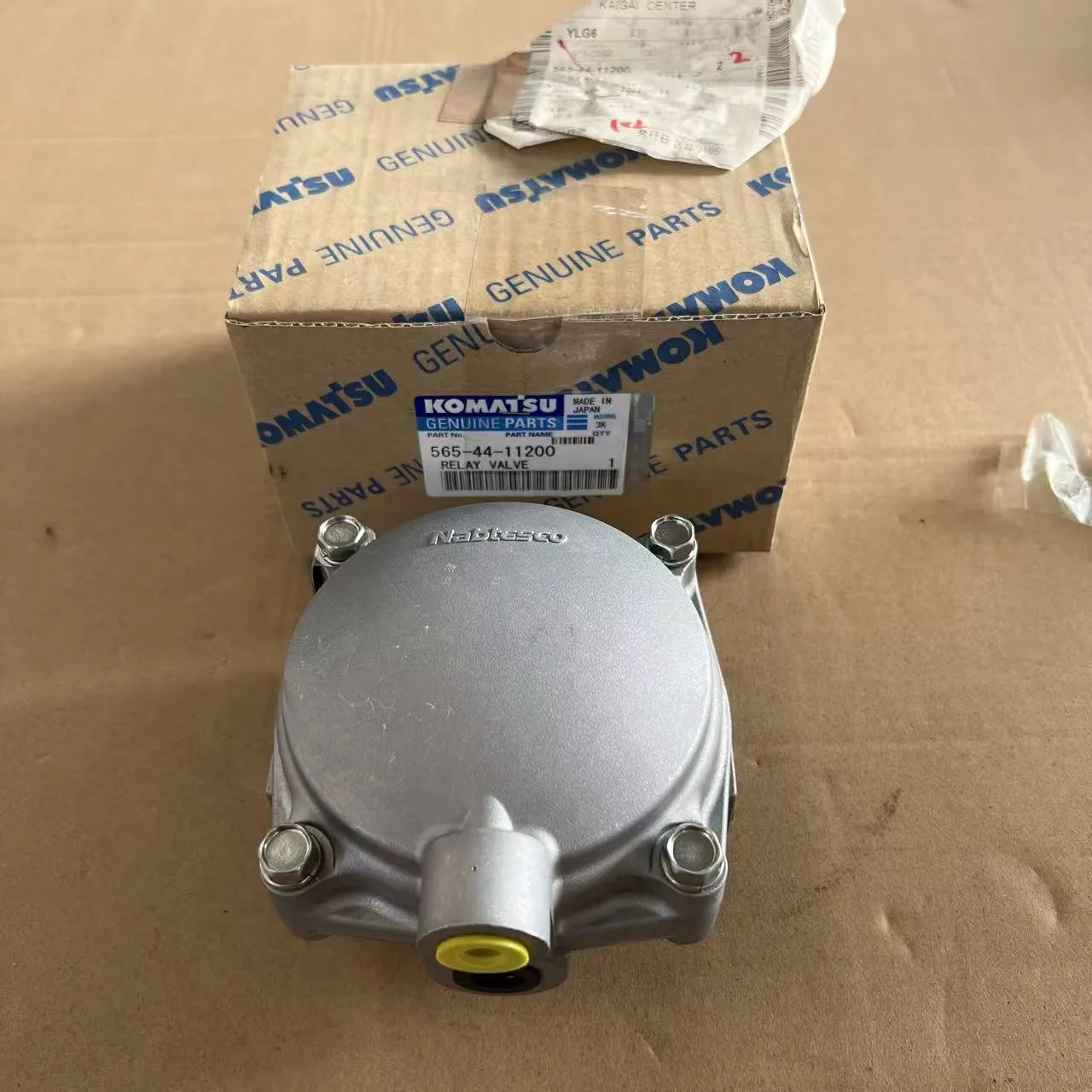 Komatsu (565-44-11200) VALVE ASS’Y, PARKING… — Pricing.Parts
 -
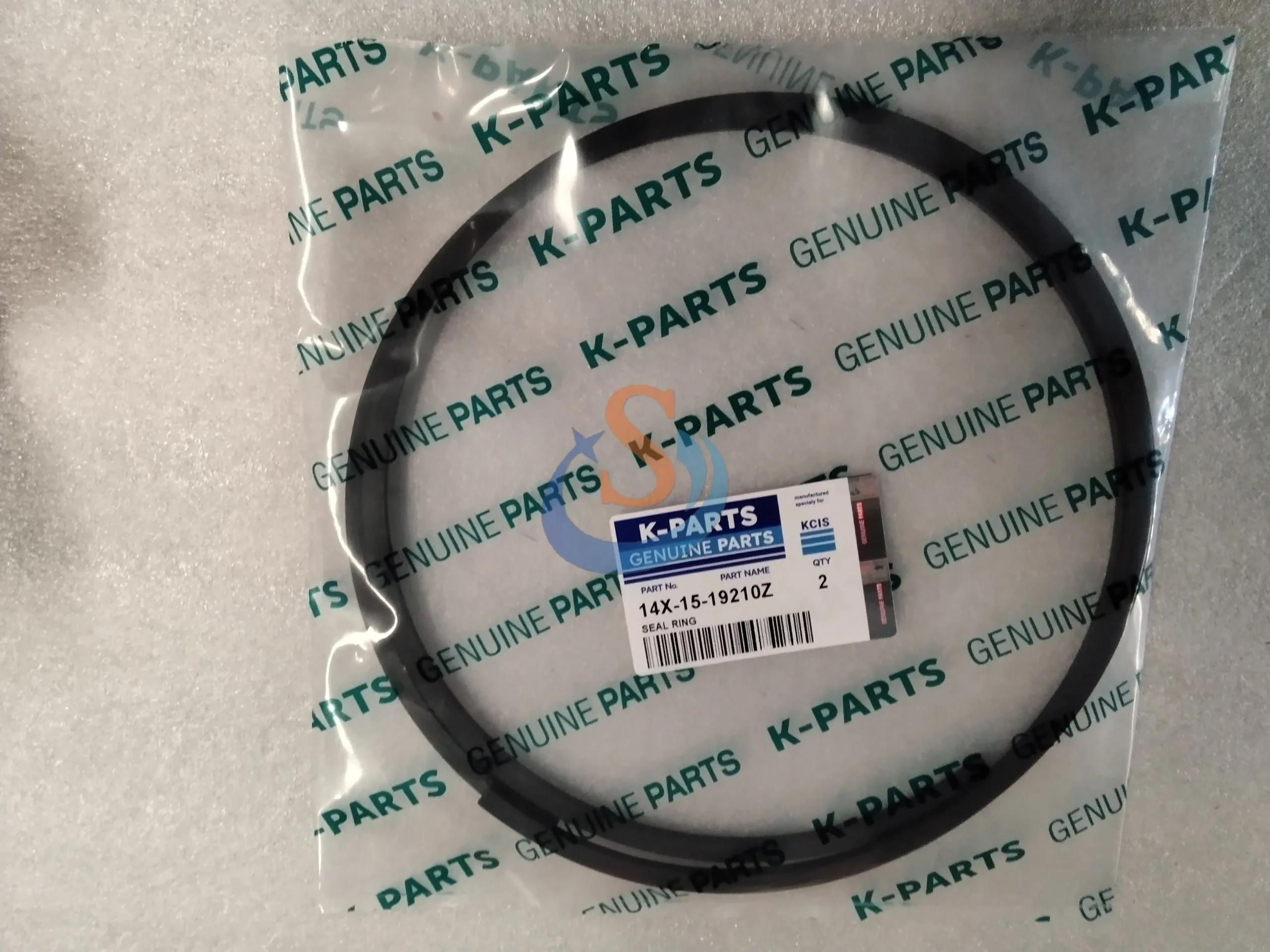 14X-15-19210 SEAL RING D65/WA500/D85
 -
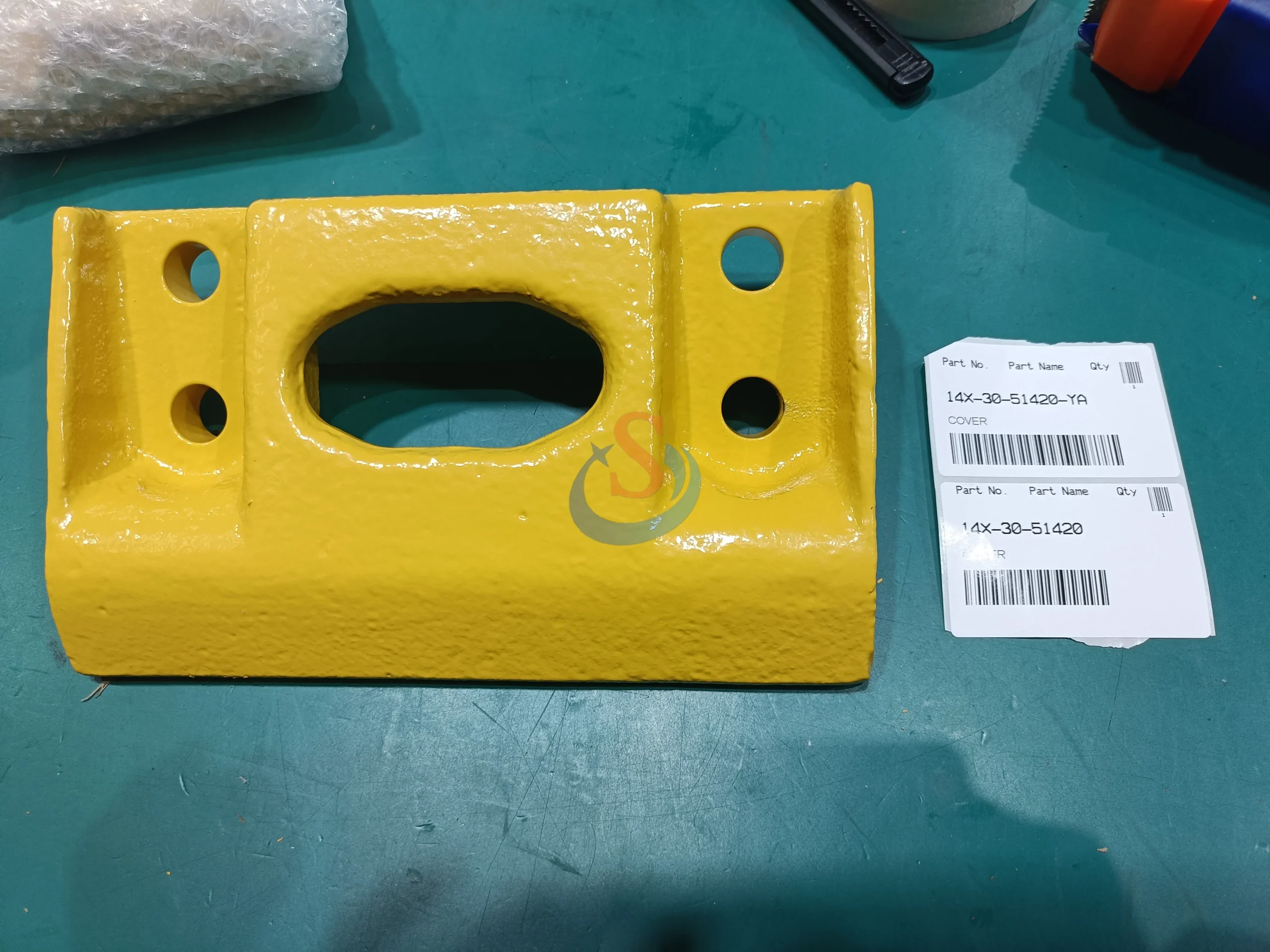 14X-30-51420,Cover,D65PX,D65WX,D65EX
 -
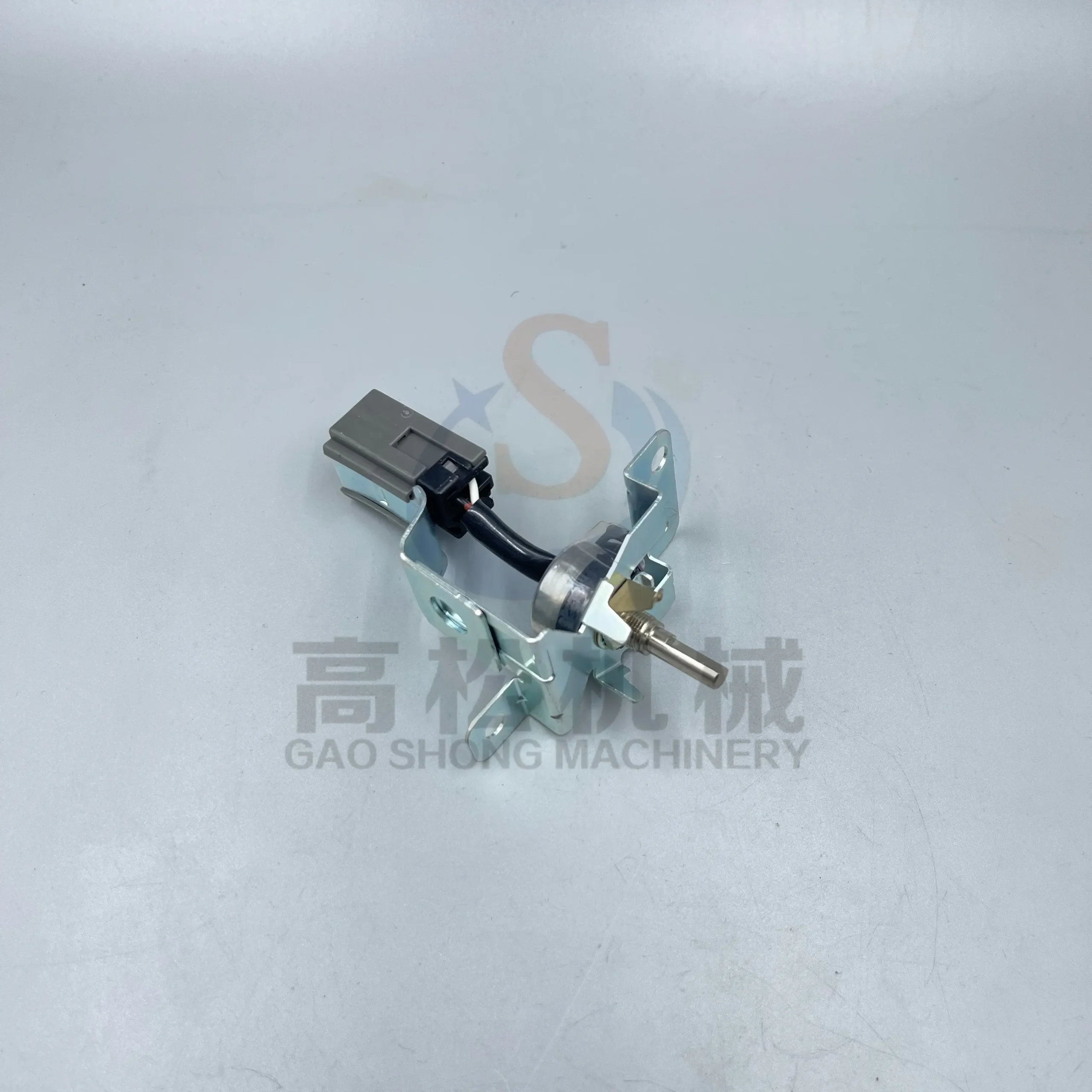 Throttle Knob 22U-06-22420
 -
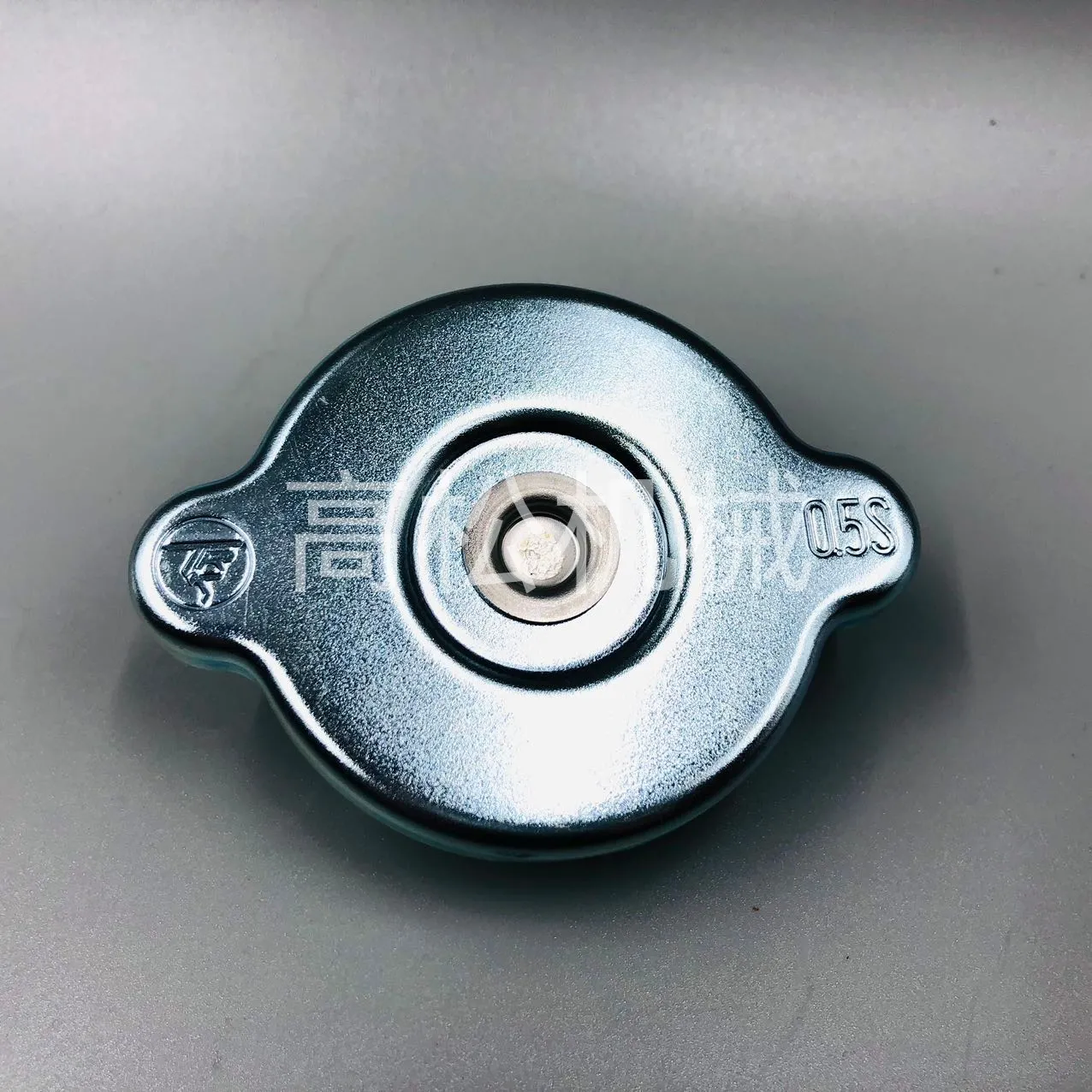 20Y-03-22110-CAP-Komatsu Original Factory
 -
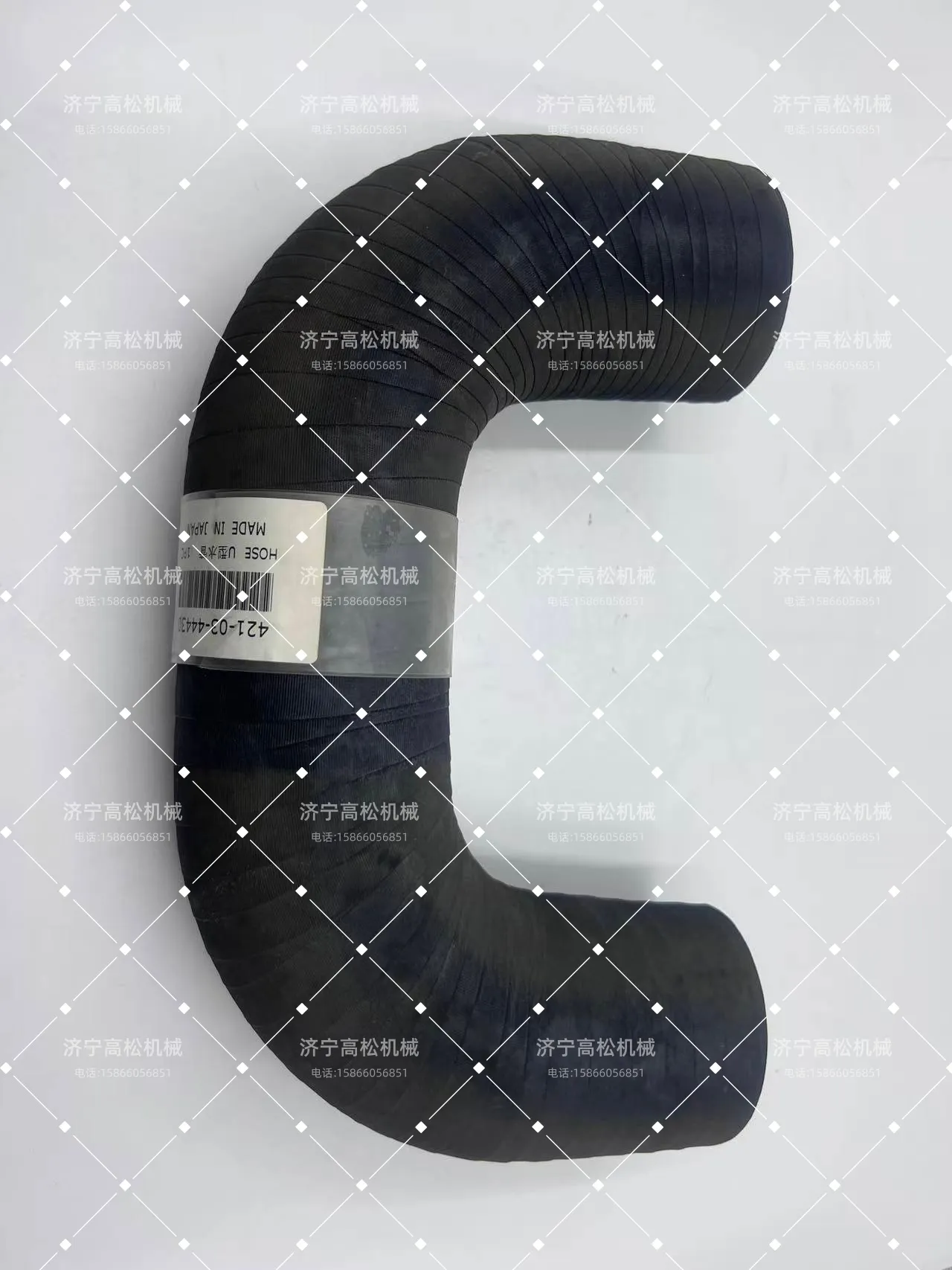 421-03-44430 4210344430 Hose KOMATSU Wheel Loader Spare…
 -
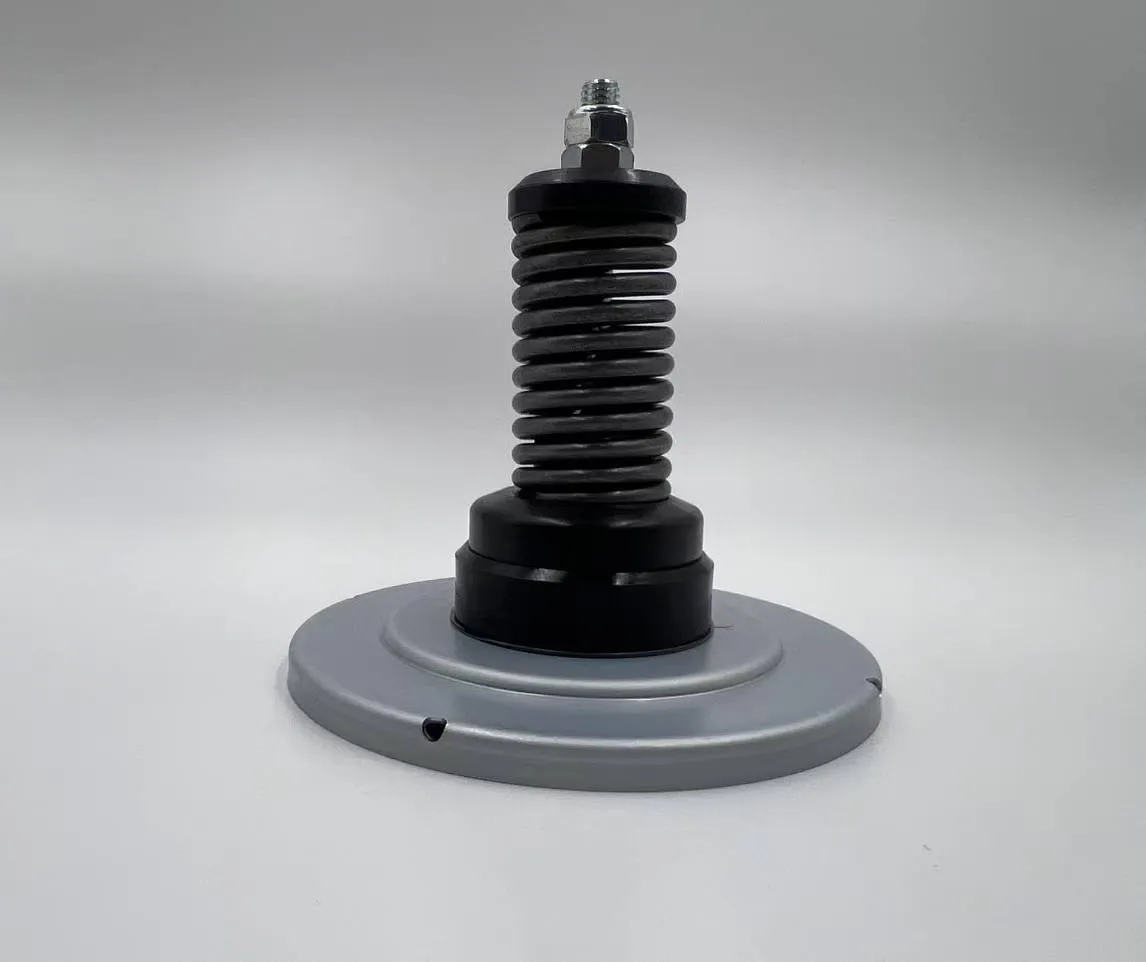 20Y-60-31450 Valve Assembly KOMATSU parts HB205, HB215, PC300, PC350
 -
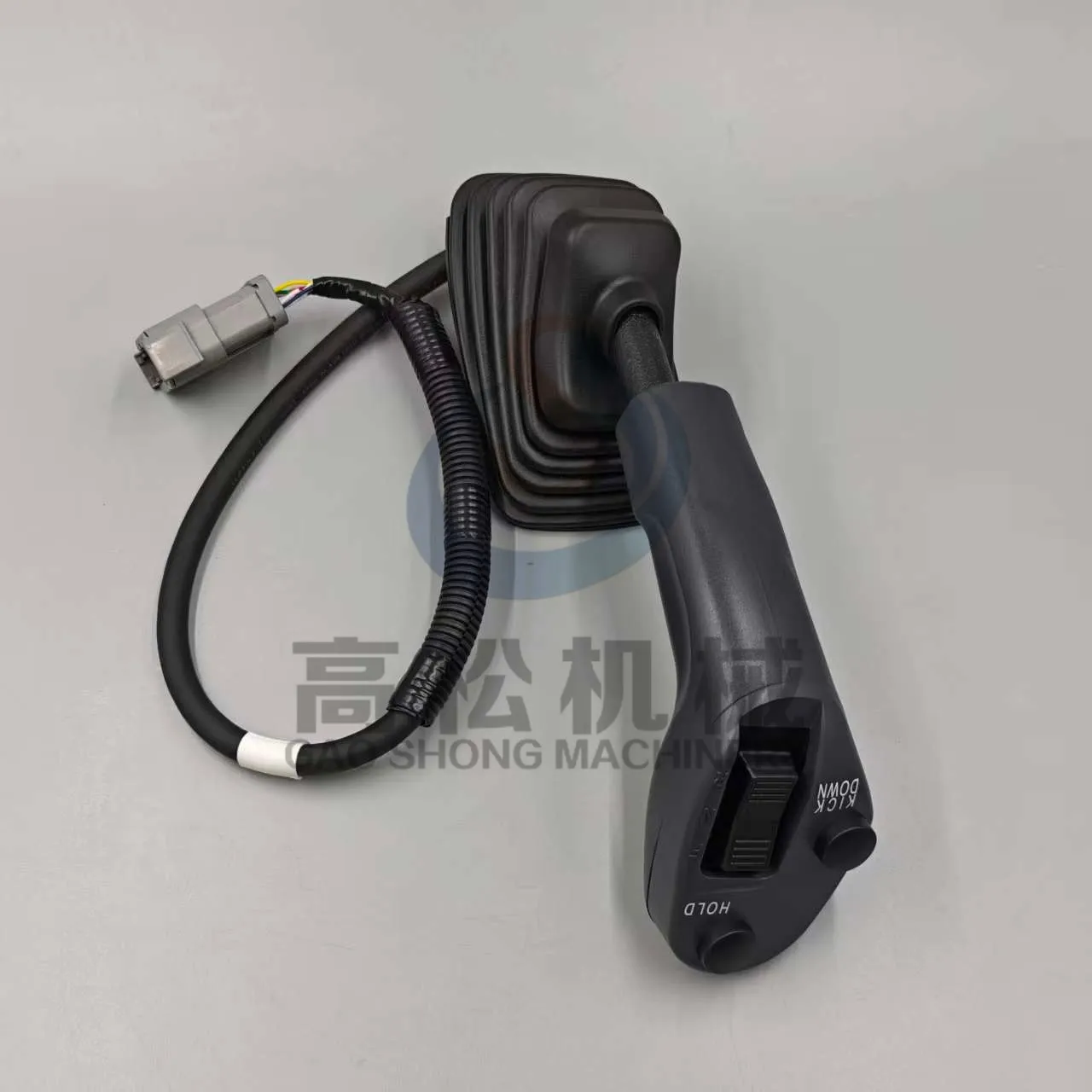 423-V91-4144 Komatsu Lever Assembly
 -
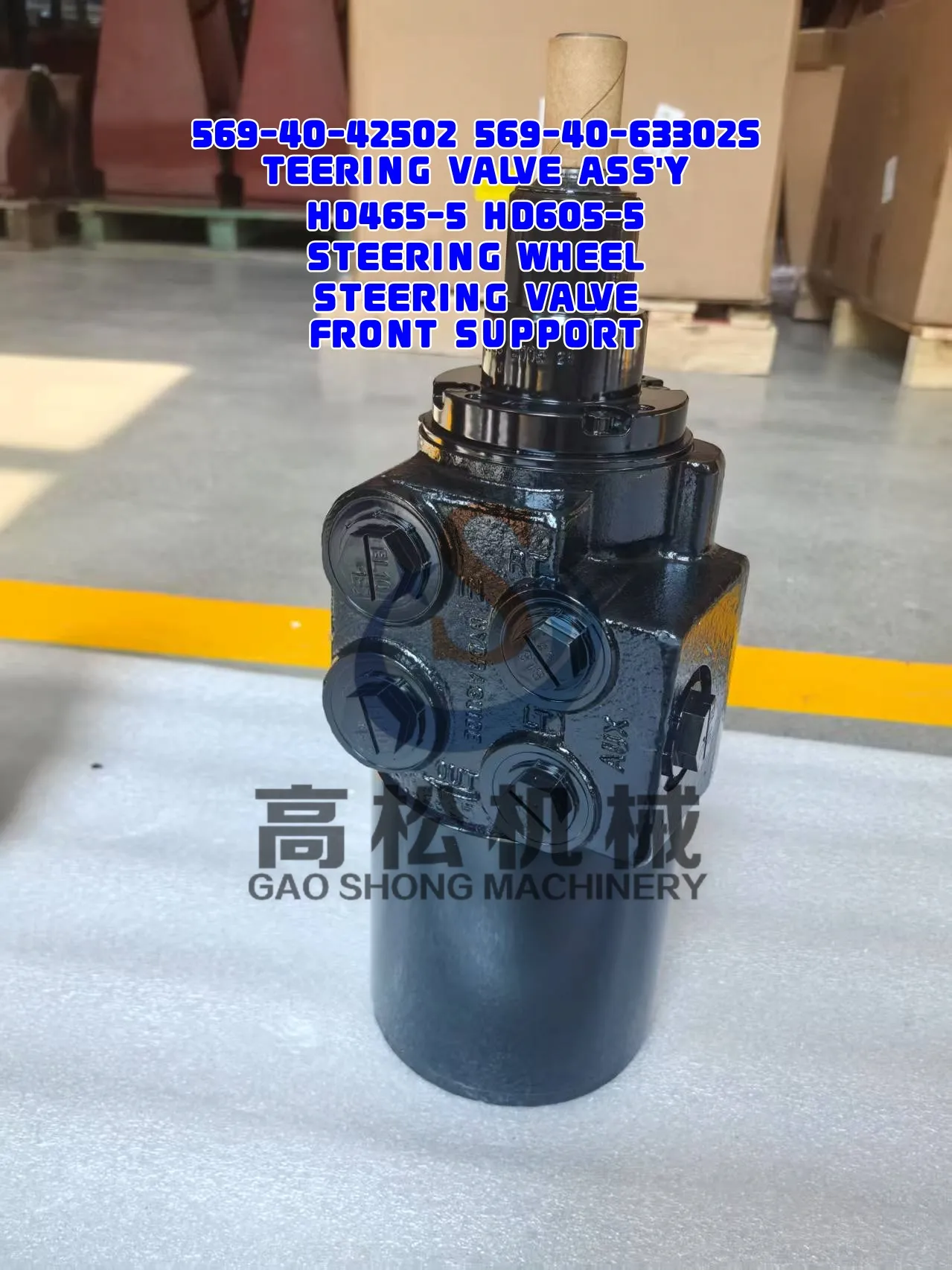 komatsu-part-569-40-42502 569-40-63302 STEERING VALVE ASS’Y HD465-5 HD465-7 HD465-7E1 HD465-7R HD465-7E0 HD605-7R HD605-5 HD605-7 HD465-7E0 STEERING WHEEL STEERING VALVE FRONT SUPPORT (STEERING VALVE MOUNTING PARTS)
 -
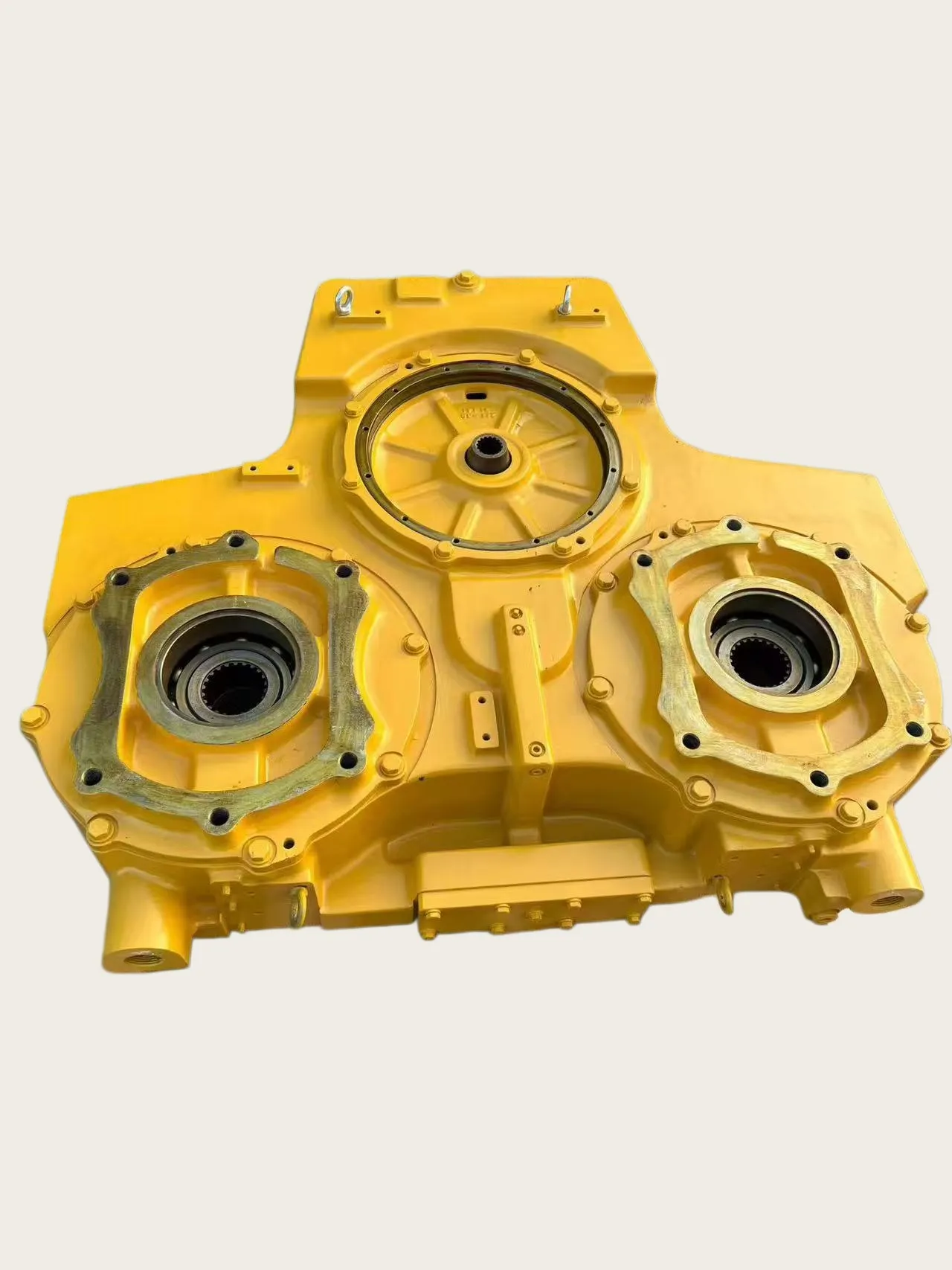 komatsu-part-21T-38-00160 21T-38-00170 21T-38-00180 21T-38-00190 PTO Assembly PC2000-8 PC2000-11 PTO (POWER TAKE OFF), INNER PARTS POWER TAKE OFF
 -
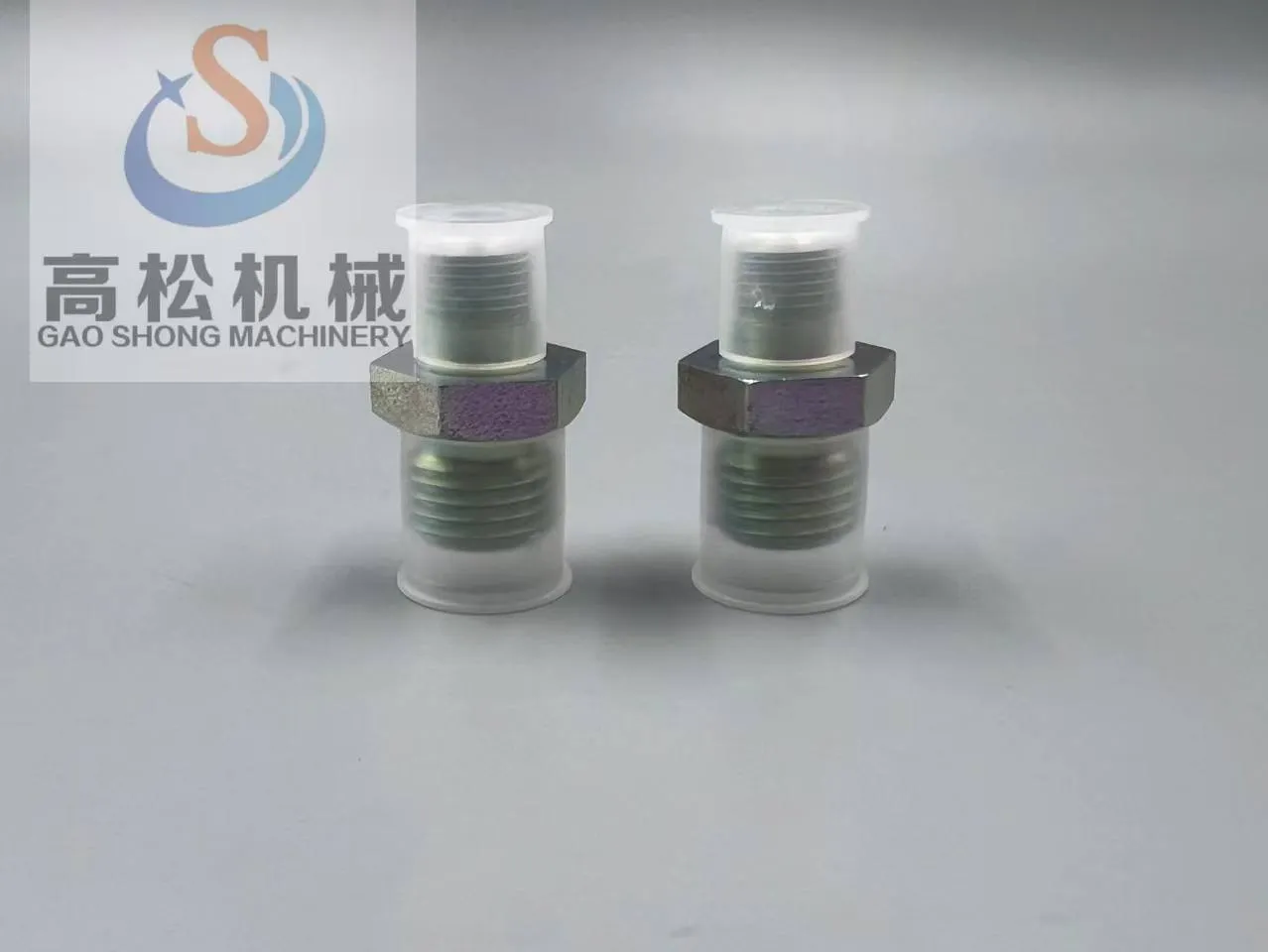 07213-50710 Connector, suitable for Komat Su D275A/D375A/D475A/PC600/PC1250
 -
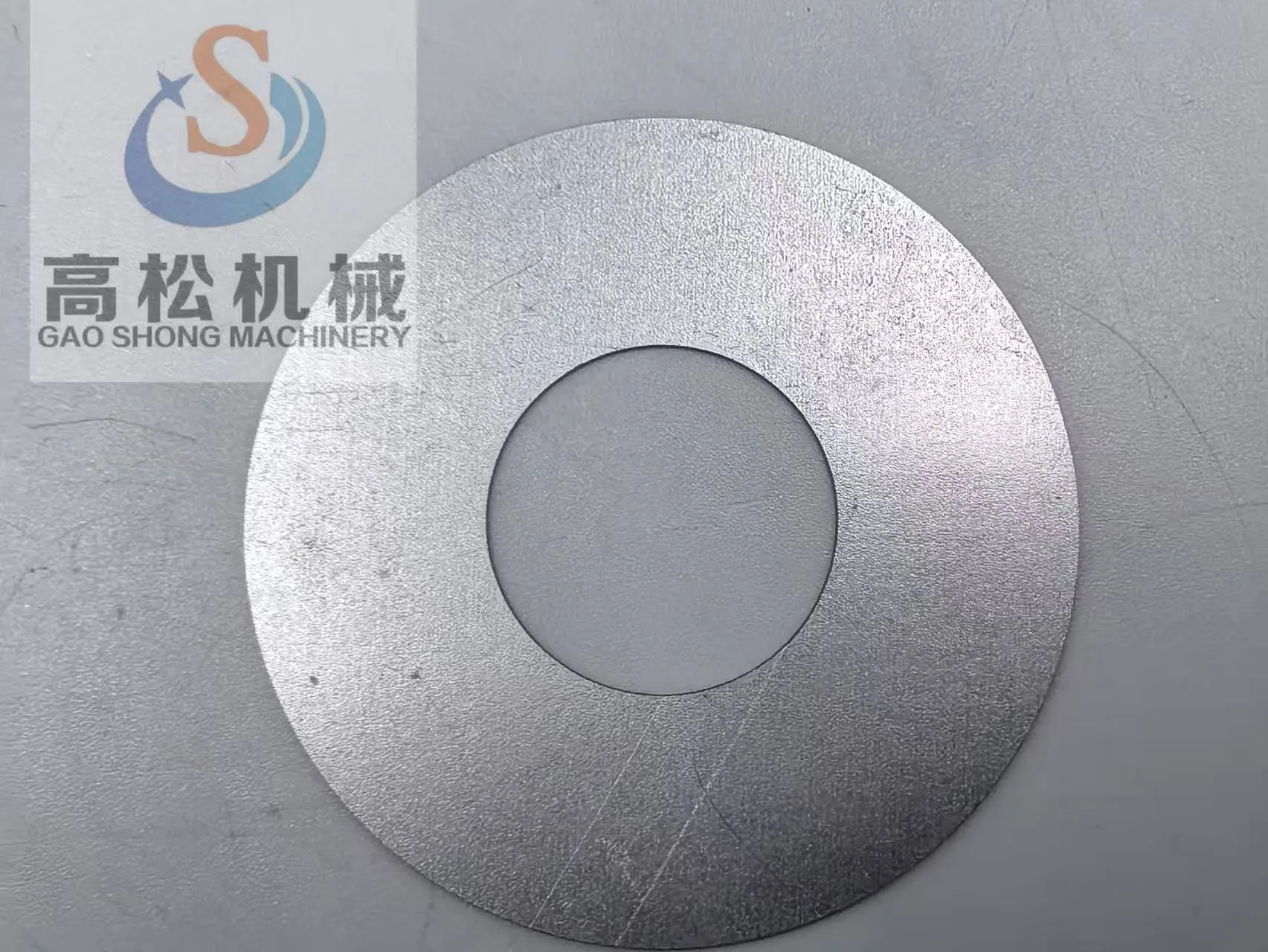 23W-22-21580 Compatible model: HM350-2 Gasket thickness: 0.5 mm