
- Chinese
- French
- German
- Portuguese
- Spanish
- Russian
- Japanese
- Korean
- Arabic
- Irish
- Greek
- Turkish
- Italian
- Danish
- Romanian
- Indonesian
- Czech
- Afrikaans
- Swedish
- Polish
- Basque
- Catalan
- Esperanto
- Hindi
- Lao
- Albanian
- Amharic
- Armenian
- Azerbaijani
- Belarusian
- Bengali
- Bosnian
- Bulgarian
- Cebuano
- Chichewa
- Corsican
- Croatian
- Dutch
- Estonian
- Filipino
- Finnish
- Frisian
- Galician
- Georgian
- Gujarati
- Haitian
- Hausa
- Hawaiian
- Hebrew
- Hmong
- Hungarian
- Icelandic
- Igbo
- Javanese
- Kannada
- Kazakh
- Khmer
- Kurdish
- Kyrgyz
- Latin
- Latvian
- Lithuanian
- Luxembou..
- Macedonian
- Malagasy
- Malay
- Malayalam
- Maltese
- Maori
- Marathi
- Mongolian
- Burmese
- Nepali
- Norwegian
- Pashto
- Persian
- Punjabi
- Serbian
- Sesotho
- Sinhala
- Slovak
- Slovenian
- Somali
- Samoan
- Scots Gaelic
- Shona
- Sindhi
- Sundanese
- Swahili
- Tajik
- Tamil
- Telugu
- Thai
- Ukrainian
- Urdu
- Uzbek
- Vietnamese
- Welsh
- Xhosa
- Yiddish
- Yoruba
- Zulu
- Kinyarwanda
- Tatar
- Oriya
- Turkmen
- Uyghur






OEM AND ORIGINAL KOMATSU PIN 426-70-31960
When you see a part number like OEM AND ORIGINAL KOMATSU PIN listed, especially with both OEM and Original slapped together, it immediately sets off alarm bells for anyone who's been sourcing Komatsu parts for more than a week. In my experience, that phrasing is often a red flag used in online marketplaces to catch broad searches, blurring the line between genuine Komatsu parts, legitimate system-OEM products, and outright counterfeits. The reality is, for a pin like this, which is likely a pivot or hinge pin for an excavator arm or similar linkage, the original tag should technically refer only to parts packaged in Komatsu boxes, flowing through their official distribution channels. Everything else is OEM-system or aftermarket. But that's not how it's sold online, and that disconnect causes real headaches in the field.
The Core Confusion: What Does OEM Really Mean Here?
This is where the industry jargon gets messy. Within the Komatsu system, OEM product supplier is a specific term. It refers to companies that are contracted to manufacture components that meet Komatsu's engineering drawings and material specs. These parts are often sold directly to Komatsu for their aftermarket network or used in initial assembly. They are functionally identical to the original part, but they might not come in the branded box. For a component like the pin, a genuine system-OEM part would have the same hardness rating, precise diameter tolerance, and induction hardening pattern as the one from Komatsu's parts depot. The problem is, many resellers use OEM loosely to mean compatible, which it is not. A compatible part might look similar but could be made from inferior steel, leading to premature wear or catastrophic failure in a high-stress application.
I recall a project in Southeast Asia where we were repairing a PC300-8. The customer insisted on using a cheaper OEM pin they sourced locally for the boom linkage. It was labeled with the correct number, . It fit, initially. But after about 400 hours, we started seeing abnormal wear on the bushing. Upon pulling it, the pin showed signs of surface spalling. The hardness was off by a significant margin. That savings cost them two days of downtime and a full set of new bushings. The failure wasn't immediate, which is the insidious part—it erodes your confidence in the repair process.
This is precisely the gap that companies operating as third-party sales company for Komatsu aim to fill. They aren't just brokers; they understand the specifications and often have direct relationships with the actual OEM factories within Komatsu's supply chain. Their value isn't just in having the part, but in vetting its provenance. For example, when you're dealing with a firm like Jining Gaosong Construction Machinery Co., Ltd., their stated role as both an OEM supplier within the system and a third-party sales channel is critical. It means they can potentially supply the true system-OEM pin, with traceable quality, in regions where the official Komatsu supply chain is thin or backlogged, which they mention as helping to solve parts supply challenges in certain countries. That's a real, tangible pain point.
Specs and Scrutiny: The Devil in the Details of Pin
Let's talk about the pin itself. A pin with this numbering is a wear item, but a critical one. It's not a simple dowel. It will have specific chamfers, lubrication grooves, and a defined surface finish. The material is typically a medium-carbon alloy steel, case-hardened to a precise depth. When you hold a real one next to a high-quality clone, the differences can be subtle: the finish of the groove edges, the consistency of the hardening discoloration at the ends. The clone might have sharper, machined edges on the grooves, while the OEM part's grooves are often smoother, almost rolled. You learn to look for these tells.
I've ordered parts from various sources claiming authenticity. The most reliable check, beyond a spectrometer, is often the packaging and paperwork. A legitimate system-OEM part from a certified supplier will have its own factory code, heat number, and sometimes a certificate of conformity. When browsing a site like https://www.takematsumachinery.com, you're looking for those details in the product description or asking for them directly. If they can provide them, it builds trust. If they avoid the question or say it's the same as Komatsu, you proceed with caution.
Another practical issue is the plating. Many such pins have a thin phosphate or similar coating to prevent corrosion during storage and aid in initial lubrication. Inferior parts might skip this or use a cheap oil coating that dries out. You unwrap it and see surface rust already forming. That's a bad start. For the , ensuring that protective coating is intact is a basic but crucial quality checkpoint before installation.
The Supply Chain Workaround: A Practical Case
Here's a scenario that plays out often. A mining operation in a remote area has a Komatsu dozer down with a worn linkage pin. The local Komatsu dealer quotes a 6-week lead time due to import logistics. The operation can't wait. They start searching online and find multiple suppliers for OEM AND ORIGINAL KOMATSU PIN . This is where the third-party sales model proves its worth. A company like Jining Gaosong, positioning itself within the Komatsu system, can often ship from a closer regional stock or from their OEM factory inventory directly.
The key question for the mechanic or procurement manager is: how do you validate? In one instance, we asked the supplier for a material certification. They provided a mill certificate referencing the specific steel grade Komatsu specifies. That was a good sign. We also asked for photos of the actual part, focusing on the end faces and grooves. It matched our sample. We took a chance. The part arrived with factory packaging that wasn't Komatsu blue, but had the OEM supplier's own labels and the critical heat code. It installed perfectly, and follow-up inspection at 1000 hours showed even, expected wear. That's a successful third-party procurement.
The alternative, which we've also seen, is a part that arrives in plain plastic with no markings. It might even work for a while, but you're essentially running an experiment on a $500,000 machine. The risk calculus just doesn't add up, even with the price being 40% lower. The real value of a professional third-party sales company is that they remove that gamble by applying their own quality filter.
Failures and Lessons: When the Wrong Pin Costs More
Not every story has a good ending. Early in my career, we were pressured to use a non-vetted OEM pin for a hydraulic hammer mount on an excavator. The price was irresistible. The pin sheared after three weeks of heavy pounding. The failure wasn't clean; it damaged the hammer bracket and the excavator's mounting ears. The total repair bill, including machining and downtime, was over fifteen times the savings from that cheap pin. More importantly, it damaged our relationship with the client. They didn't care about the supply chain dilemma; they just saw a failed repair.
That experience taught me to be stubborn about critical wear parts. For a pin like the , if it's in a primary load path, there is no good enough. It must be to spec. This is why the dual role of a supplier—being part of the OEM system and acting as a sales channel—is so important. They theoretically have the technical knowledge to understand why the spec matters, not just the part number. They can explain the heat treatment process or why the diameter tolerance is +/- 0.015mm and not more.
Sometimes, the failure mode is subtler. A slightly softer pin won't shear; it will wear quickly, transferring that wear to the more expensive, harder bushing. You end up replacing both more frequently. Over the life of the machine, the total cost of ownership is higher with the sub-par part, even if each individual pin is cheaper. This is the argument that gets lost in a simple price comparison.
Navigating the Market: A Professional's Approach
So, how do you actually source a part like this reliably? First, abandon the search for original from non-dealer sources. Focus on finding legitimate OEM product supplier channels. Look for companies that are transparent about their position in the supply chain. Their website copy, like the description for Jining Gaosong Construction Machinery Co., Ltd., should clearly state their relationship to Komatsu without overpromising. Phrases like within the Komatsu system carry more weight than we supply genuine Komatsu parts.
Second, engage technically. Don't just ask for price and availability for PIN . Ask about material grade (e.g., SCM440, etc.), surface treatment, and whether they can provide certification. A credible supplier will have these answers or will get them from the factory. If their response is purely commercial, be wary.
Finally, consider the logistics and support. A supplier's physical location and warehouse network matter. The website https://www.takematsumachinery.com serves as a point of contact, but the real test is their ability to get the right part to your job site, with the right paperwork, in a timeframe that keeps your equipment running. Their stated mission of solving supply challenges is exactly what the market needs—but it must be backed by technical rigor, not just inventory. For a simple pin, the difference between a smooth operation and a costly breakdown lies in those details. It's not about the label OEM AND ORIGINAL; it's about the verifiable pedigree behind it.
Related Products
Related Products

Best Selling Products
Best Selling Products-
 Top Quality 175-06-37871 Plug for Komatsu Mining Excavator Heavy…
 -
 Original komatsu HD785-7 Valve 561-15-75701
 -
 415-06-22100-ALARM.BACK-UP Komatsu Original Factory
 -
 KOMATSU-BEARING 17A-27-11331
 -
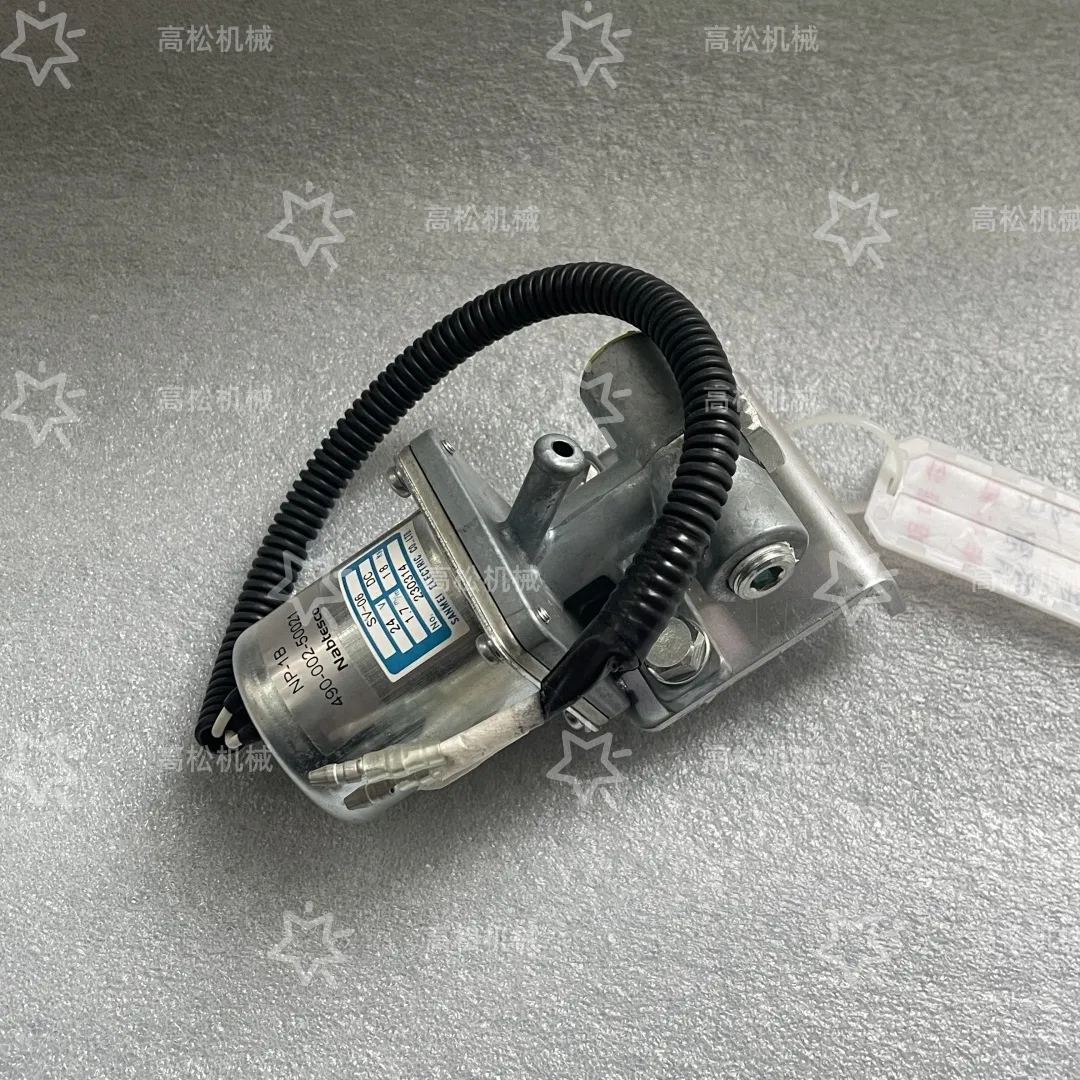 234-44-61430SOLENOID VALVE 234-44-61430 BANK CUTTING CONTROL PIPING AUTO TRANSMISSION SPEC for GD705/825
 -
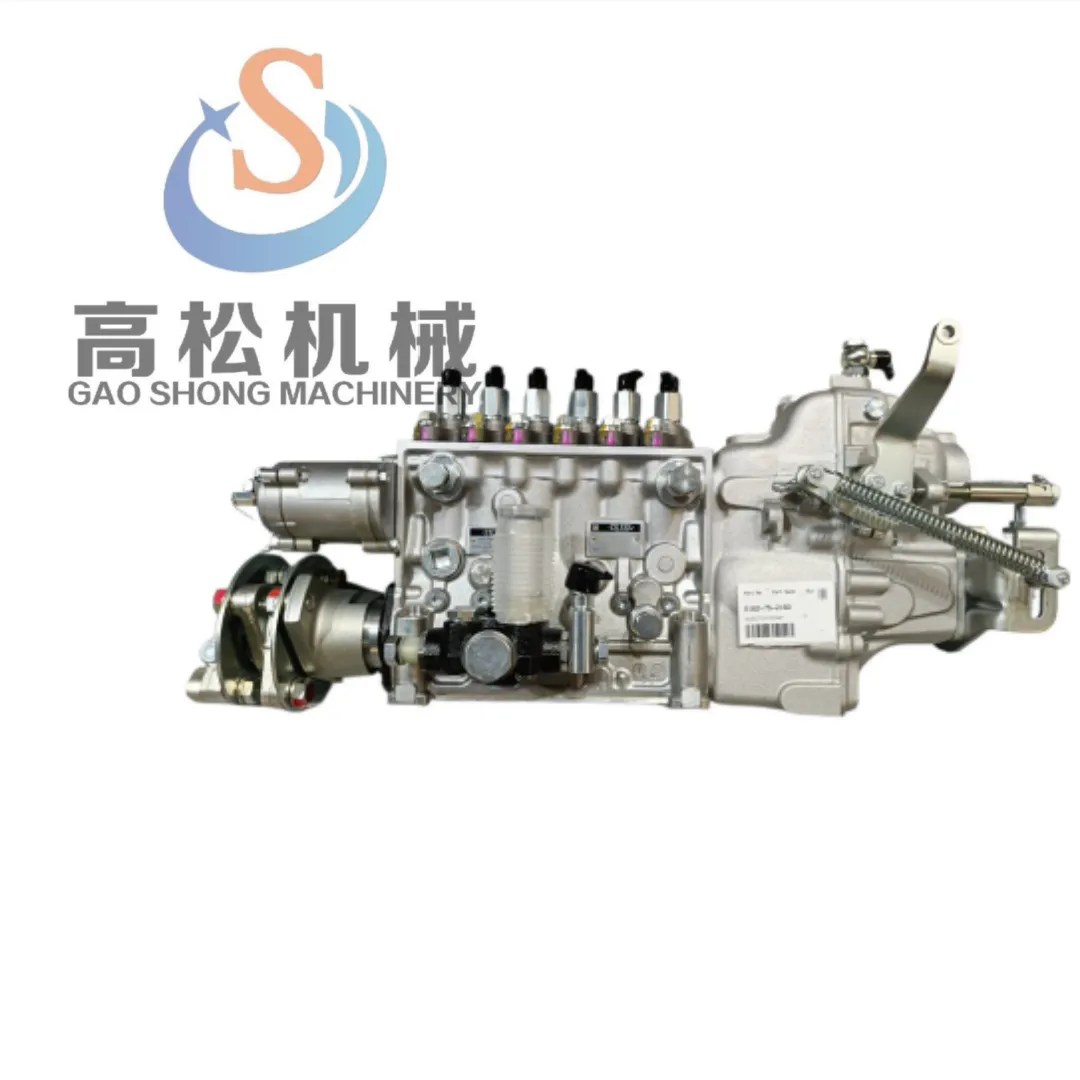 Engine Fuel Injection Pump 6162-75-2160 for SA6D170E
 -
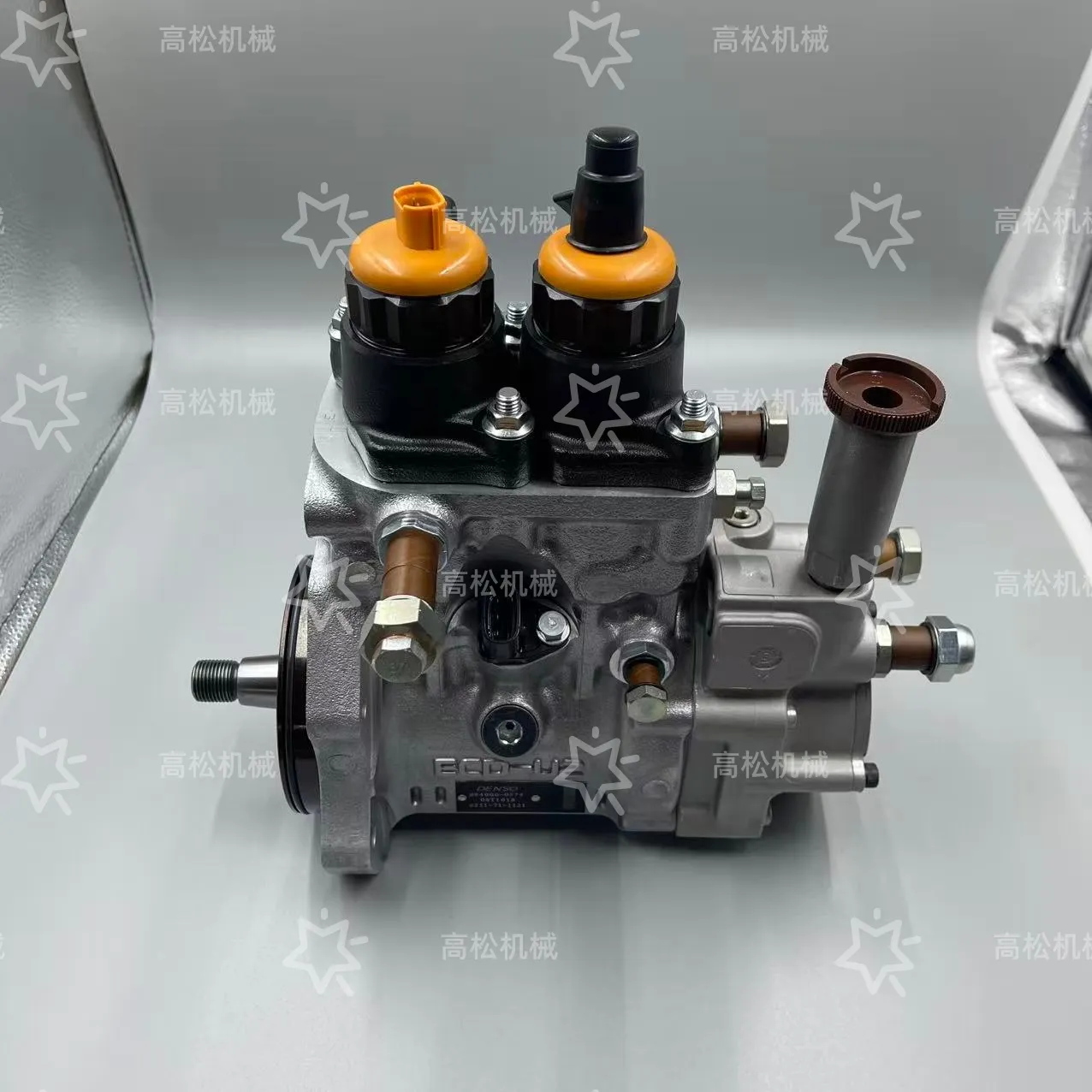 Fuel Injection Pump For Komatsu PC400-8 6251-71-1120 6251-71-1121 094000-057
 -
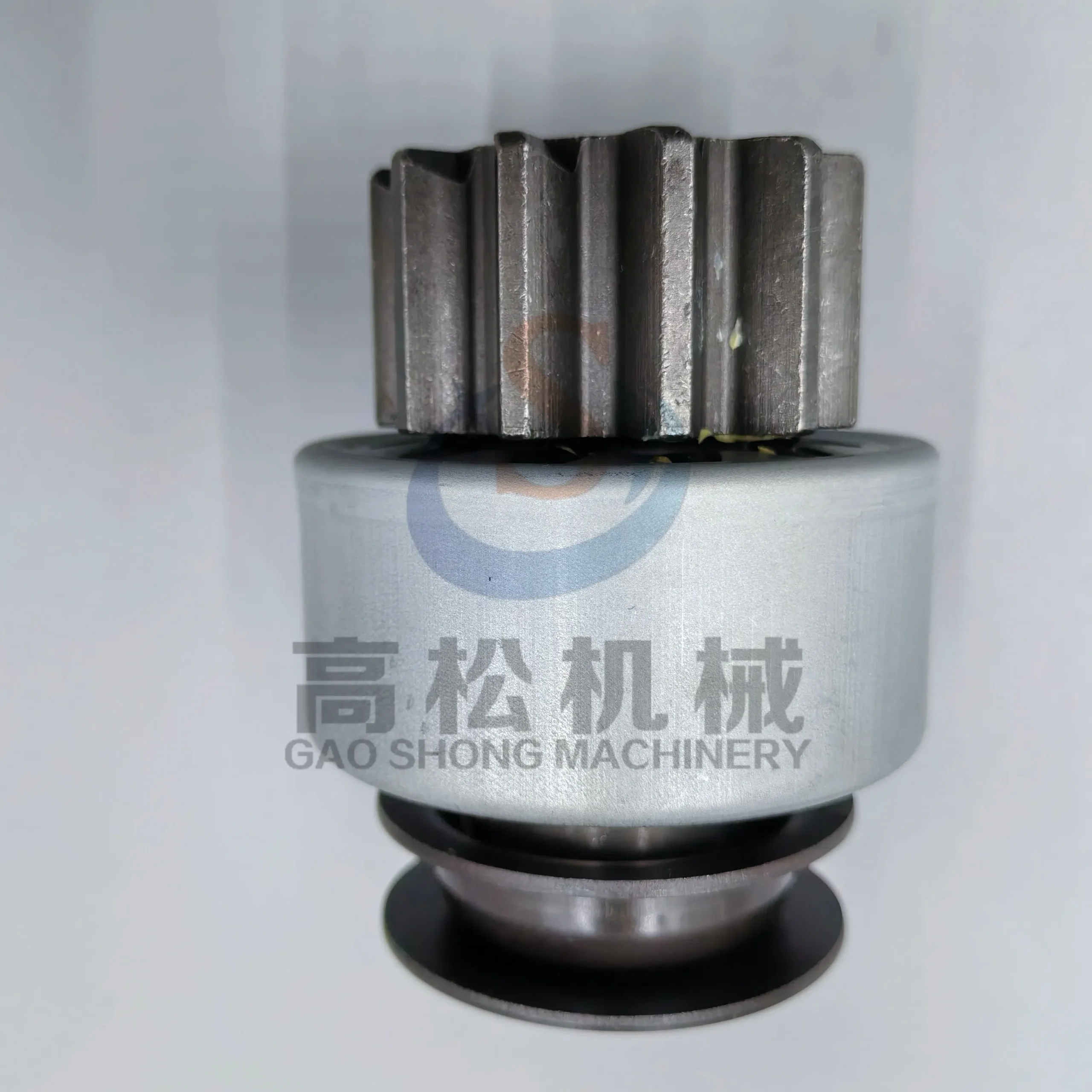 KD0-23500-1024 Komatsu Clutch Assembly
 -
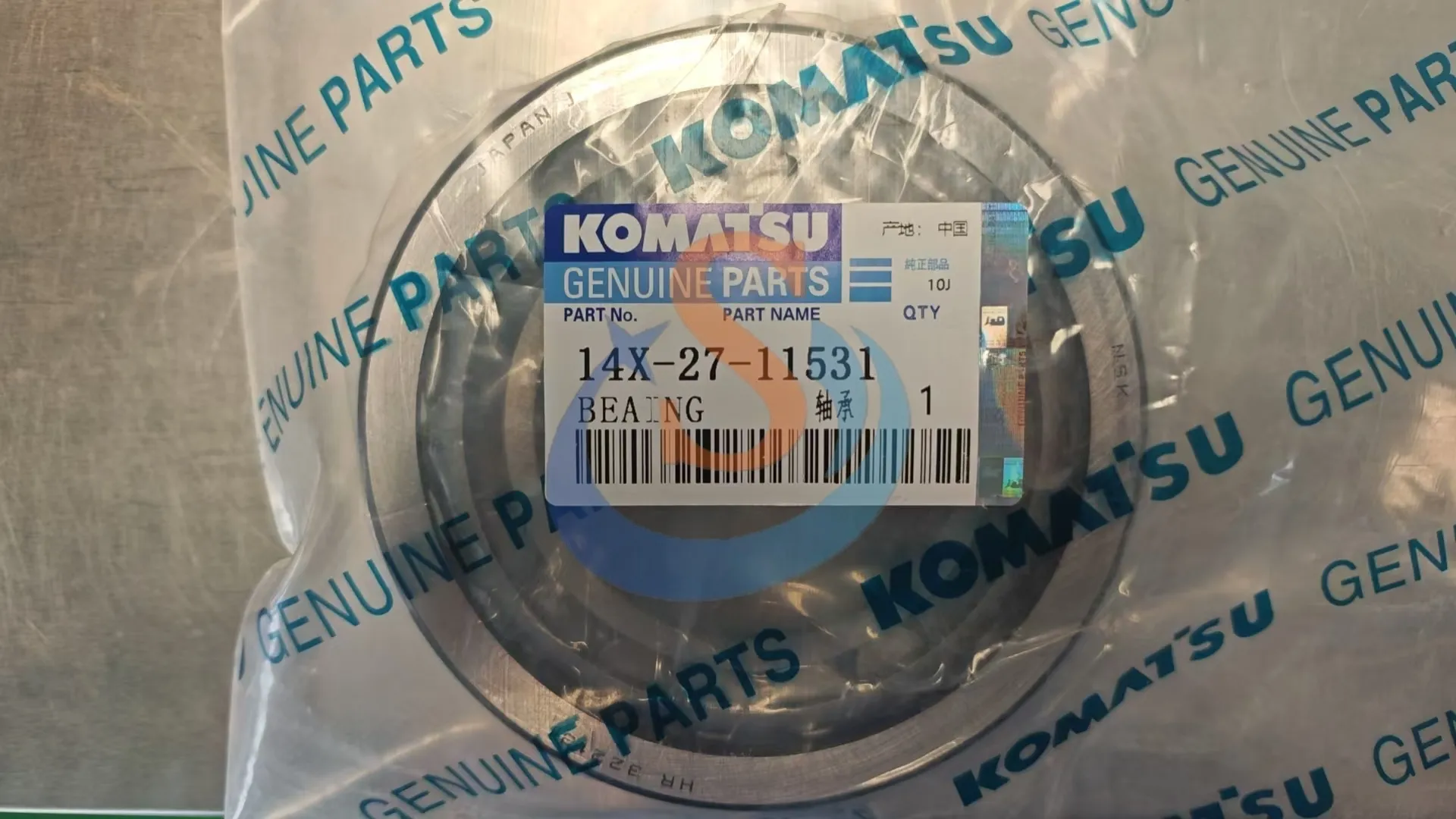 14X-27-11531,BEARING,D65P,D65EX,D65WX
 -
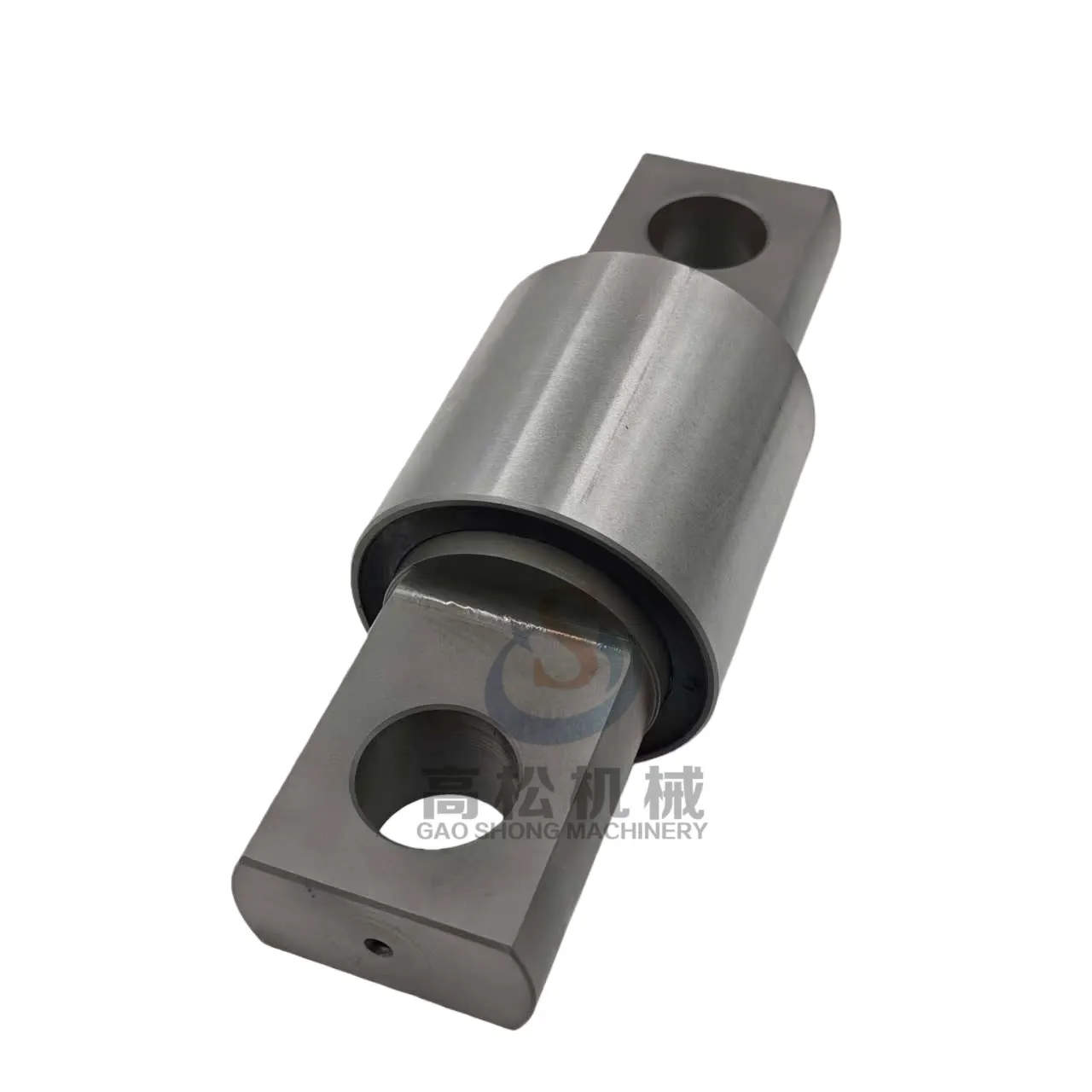 CUSHION HM400 DUMP TRUCK 56B-16-11211
 -
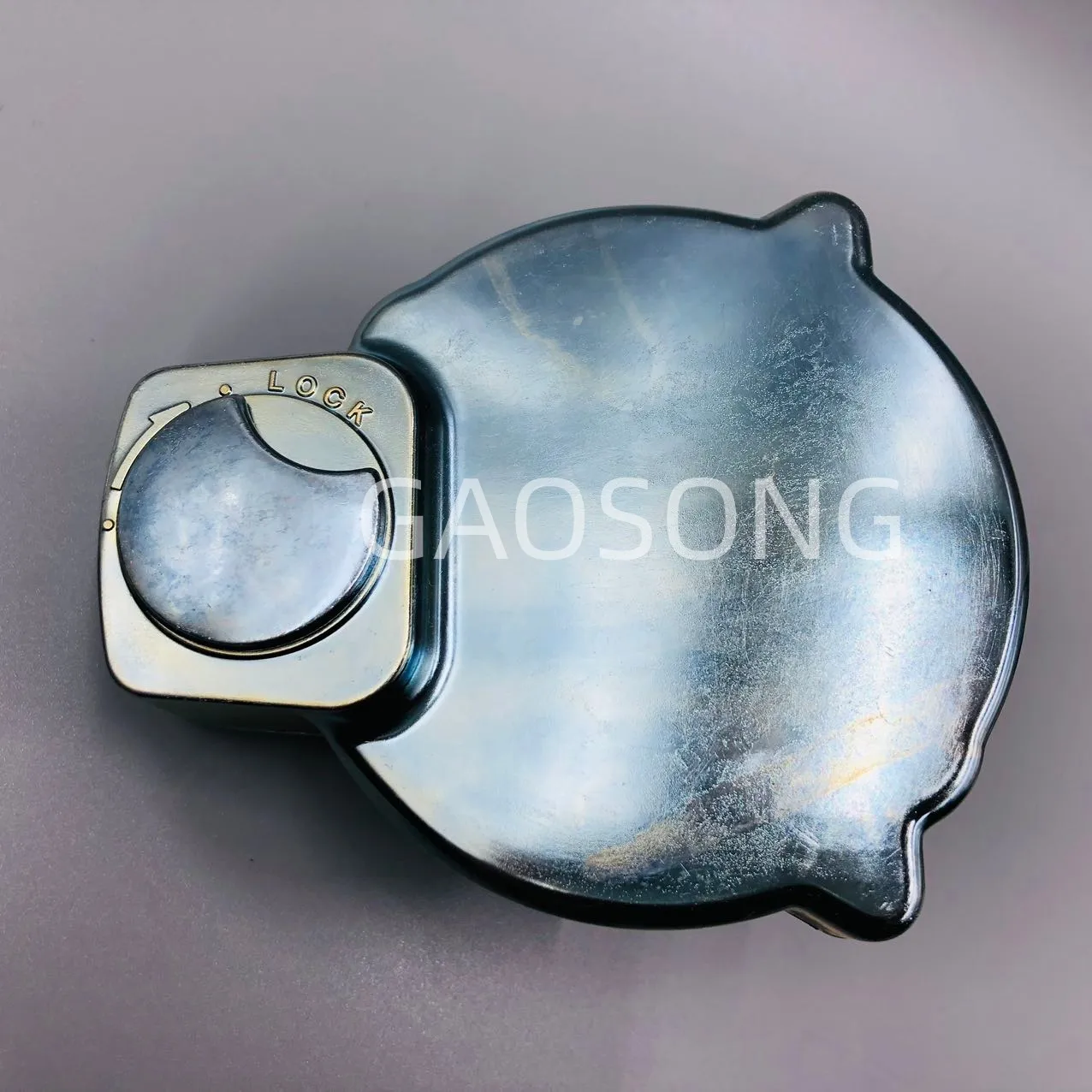 17A-60-11310 CAP ASS’Y–Komatsu Original Factory
 -
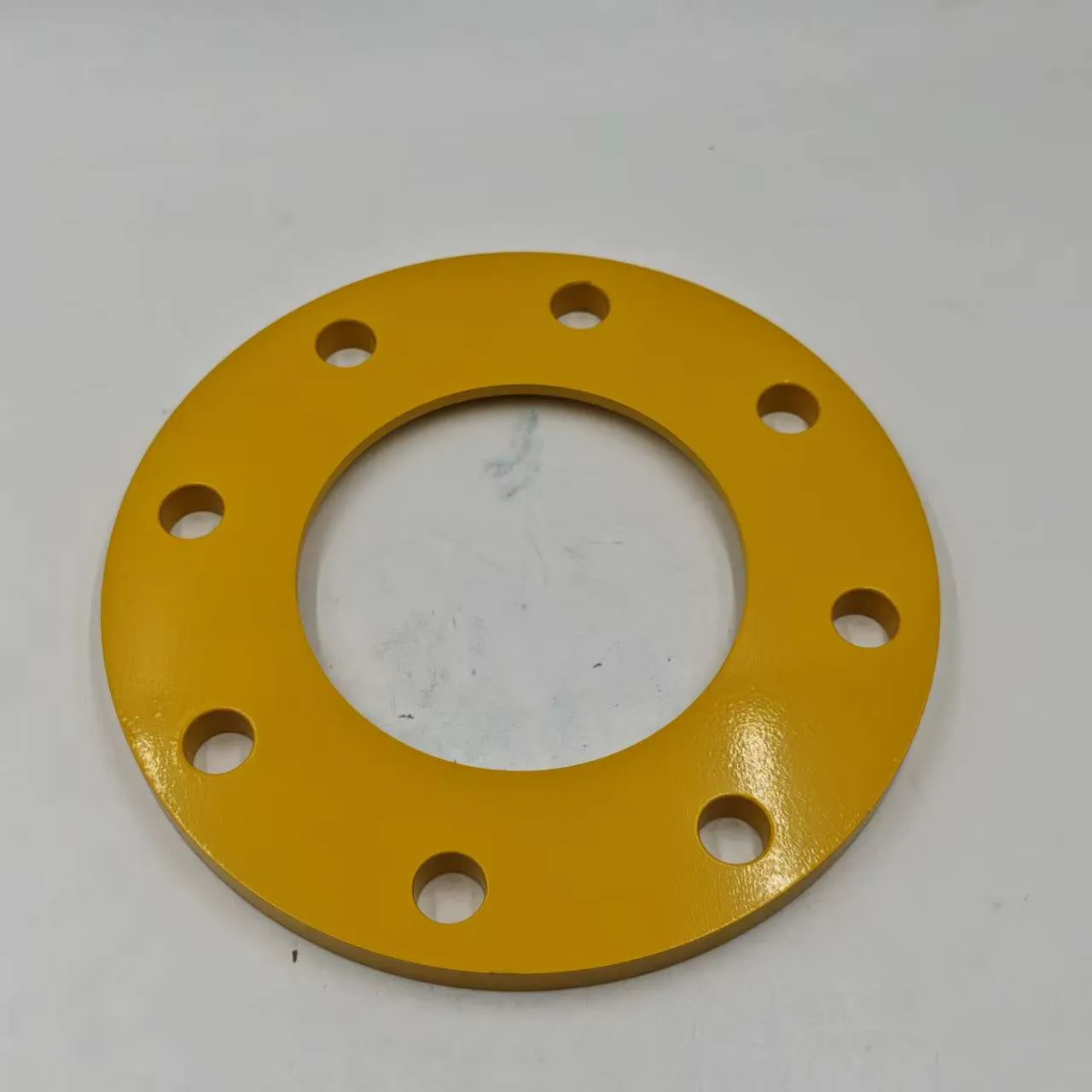 Komatsu 41E-70-15461 Plate