
- Chinese
- French
- German
- Portuguese
- Spanish
- Russian
- Japanese
- Korean
- Arabic
- Irish
- Greek
- Turkish
- Italian
- Danish
- Romanian
- Indonesian
- Czech
- Afrikaans
- Swedish
- Polish
- Basque
- Catalan
- Esperanto
- Hindi
- Lao
- Albanian
- Amharic
- Armenian
- Azerbaijani
- Belarusian
- Bengali
- Bosnian
- Bulgarian
- Cebuano
- Chichewa
- Corsican
- Croatian
- Dutch
- Estonian
- Filipino
- Finnish
- Frisian
- Galician
- Georgian
- Gujarati
- Haitian
- Hausa
- Hawaiian
- Hebrew
- Hmong
- Hungarian
- Icelandic
- Igbo
- Javanese
- Kannada
- Kazakh
- Khmer
- Kurdish
- Kyrgyz
- Latin
- Latvian
- Lithuanian
- Luxembou..
- Macedonian
- Malagasy
- Malay
- Malayalam
- Maltese
- Maori
- Marathi
- Mongolian
- Burmese
- Nepali
- Norwegian
- Pashto
- Persian
- Punjabi
- Serbian
- Sesotho
- Sinhala
- Slovak
- Slovenian
- Somali
- Samoan
- Scots Gaelic
- Shona
- Sindhi
- Sundanese
- Swahili
- Tajik
- Tamil
- Telugu
- Thai
- Ukrainian
- Urdu
- Uzbek
- Vietnamese
- Welsh
- Xhosa
- Yiddish
- Yoruba
- Zulu
- Kinyarwanda
- Tatar
- Oriya
- Turkmen
- Uyghur






OEM AND ORIGINAL KOMATSU PIN 426-46-11411
If you've been sourcing parts for Komatsu equipment long enough, you've likely typed 'OEM AND ORIGINAL KOMATSU PIN ' into a search bar, hoping for clarity but often finding confusion. The big misconception? That 'OEM' and 'Original' are always the same thing coming from Komatsu. In practice, especially with a pin like this for undercarriage or linkage assemblies, the supply chain is more nuanced. Many buyers face a tough choice: wait for the official channel with potential delays and cost, or find an alternative that claims equivalence. This is where companies operating within the Komatsu ecosystem, like Jining Gaosong Construction Machinery Co., Ltd., carve out their role. They position themselves as an OEM product supplier within the Komatsu system, which is a specific and important distinction from a generic aftermarket manufacturer.
The Reality of the OEM Within the System Claim
When a supplier says they are an OEM product supplier for Komatsu, it doesn't automatically mean they are Komatsu Manufacturing. It often means they are part of the authorized production network, manufacturing components to Komatsu's exact specifications and blueprints. For a part like the KOMATSU PIN , this is critical. The metallurgy, heat treatment, and precise diameter tolerances are what prevent premature wear in high-stress pivot points. I've seen pins that looked identical fail within a few hundred hours because the case hardening depth was off by a few tenths of a millimeter.
This is the value a company like Jining Gaosong brings. Their website, https://www.takematsumachinery.com, explicitly states they help solve parts supply challenges in certain countries. From experience, these challenges are usually long lead times from the primary distributor or complete unavailability for older models. Their role as a third-party sales company for Komatsu suggests they can access genuine pipelines or provide certified-alternative parts, which is a lifeline for operations with equipment downtime costing thousands per hour.
The tricky part is verification. Just because a pin is packaged in a box with a Komatsu-style label doesn't guarantee it's to original spec. We learned this the hard way on a project in Indonesia. We sourced what was sold as an 'OEM' pin for a D375A-8 bulldozer, part number , from a different supplier. It fit, but within three weeks we had noticeable play in the linkage. Post-failure analysis pointed to substandard alloy composition. It wasn't a counterfeit in the crude sense, but it certainly wasn't produced to the necessary standard. That's why the distinction on Gaosong's site about being within the system matters—it implies a formal quality agreement.
Decoding the Part Number: More Than Just a PIN
Let's break down the KOMATSU PIN . The '426' group typically relates to undercarriage or track components, while '46' often points to a specific assembly like a link or bushing group. The '11411' is the unique identifier. Knowing this isn't just academic; it helps in cross-referencing and understanding what machine families this pin serves. It might fit a range of dozers or excavators, which is common for standardized pivot points. When you're in the field and the official system shows zero stock, knowing these patterns lets you check compatibility with other models you might have on site, or vet an alternative supplier's cross-reference list more effectively.
A practical issue we constantly face is the will-fit vs. does-fit dilemma. Many third-party suppliers list this pin as compatible with a dozen models. Sometimes it is, but sometimes there's a slight chamfer difference or a tolerance stack-up that only reveals itself during installation under pressure. I always advise my team to physically measure the new pin against the worn one they're pulling out, not just on diameter, but on length, shoulder dimensions, and even the finish of the grease grooves. A true OEM product supplier understands these nuances and will have the technical data to confirm fit-for-application, not just fit-in-hole.
This is where the practical experience of a supplier is tested. A good sales engineer from a company like the one mentioned won't just say yes, we have it. They should ask for the machine serial number, the specific application (e.g., front idler pivot, blade tilt cylinder), and potentially the hardness reading from the old pin. It's this level of detail that separates parts peddlers from solution providers.
The Supply Chain Tightrope: Genuine, Alternative, or Risky?
The global parts network for major OEMs is complex. Komatsu's official policy is to supply through their authorized dealers. However, in regions where dealer networks are thin or logistics are strained, machines still need to run. This creates a legitimate space for third-party sales companies that are authorized within the broader system. They aren't bypassing Komatsu; they are fulfilling a tier of supply that the primary structure can't efficiently reach. For a contractor in a remote location, getting a critical pin like the in days instead of months from a source like Takematsu Machinery is an operational necessity.
But you have to manage risk. We implement a simple rule: for non-critical, wear-and-tear items, we might consider a well-reviewed aftermarket part. For a core structural pin like this, which sees immense shear stress, we insist on documentation. A proper OEM product supplier should provide material certificates (like a CMTR for steel alloy), heat treatment charts, and ideally, a certificate of conformity. If a supplier hesitates to provide these, it's a major red flag, regardless of their within the system claim.
I recall a conversation with a similar supplier who argued that their parts were identical to original because they used the same forging house. That's plausible, but without the quality oversight and final inspection tied to Komatsu's warranty, it's just a story. The proof is in the performance and the paperwork. The website for Jining Gaosong states they are an OEM product supplier within the Komatsu system. This phrasing, if accurate, should mean they are subject to Komatsu's quality audits and part approval processes, which is a significant step above a reverse-engineered product.
Field Lessons and Failure Analysis
Nothing teaches you about parts quality like a failure. Beyond the Indonesia case, we had a less dramatic but telling experience with a bucket linkage pin on a PC700 excavator—a similar part in function. We used a pin from a reputable alternative brand. It lasted about 70% of the expected service life. The failure mode wasn't catastrophic breakage; it was accelerated wear. The surface hardness had worn down, allowing the pin to egg the bushing. The cost wasn't just the pin, but the bushing, the labor for rework, and the unexpected downtime. When we calculated it, the savings from the cheaper pin were erased three times over.
This experience directly informs how we view a part number like . It's not a commodity; it's a precision wear component. The decision to source it from an OEM-aligned supplier versus the open market isn't just about price, it's about total cost of ownership. A supplier whose business model is built on being a third-party sales company for Komatsu has a vested interest in ensuring the part performs, because their relationship with the OEM and their customer base depends on reliability.
In our procurement process now, we ask potential suppliers specific failure analysis questions. What is the typical surface hardness (HRC) on this pin after treatment? What is the core toughness (Joule impact value)? A generic supplier will give you a sales sheet. A technically competent one, especially one operating within an OEM framework, will have the data or will get it from their engineering team. This dialogue itself is a filter for quality.
Conclusion: Sourcing with Context
So, back to the original keyword: OEM AND ORIGINAL KOMATSU PIN . The AND in that search is the operative word. It reflects the buyer's desire for both the quality assurance of the original and the supply flexibility of the OEM network. In an ideal world, they are the same. In the real world, they can be, but it requires due diligence.
Companies like Jining Gaosong Construction Machinery Co., Ltd., found at https://www.takematsumachinery.com, exist in this space. Their stated mission of solving parts supply challenges aligns with a real-world need. The key for any buyer is to probe deeper into what OEM product supplier within the Komatsu system means for their specific part. Request certifications, ask for references from other projects in similar conditions, and if possible, start with a non-critical order to validate their quality.
Ultimately, the pin is just a piece of steel until it's under load in a machine. The sourcing decision determines whether it's a reliable component or a point of failure. Understanding the landscape between the pure original and the various shades of OEM is the first step in making the right call. It's not a simple purchase; it's a technical procurement decision with real consequences on the ground.
Related Products
Related Products

Best Selling Products
Best Selling Products-
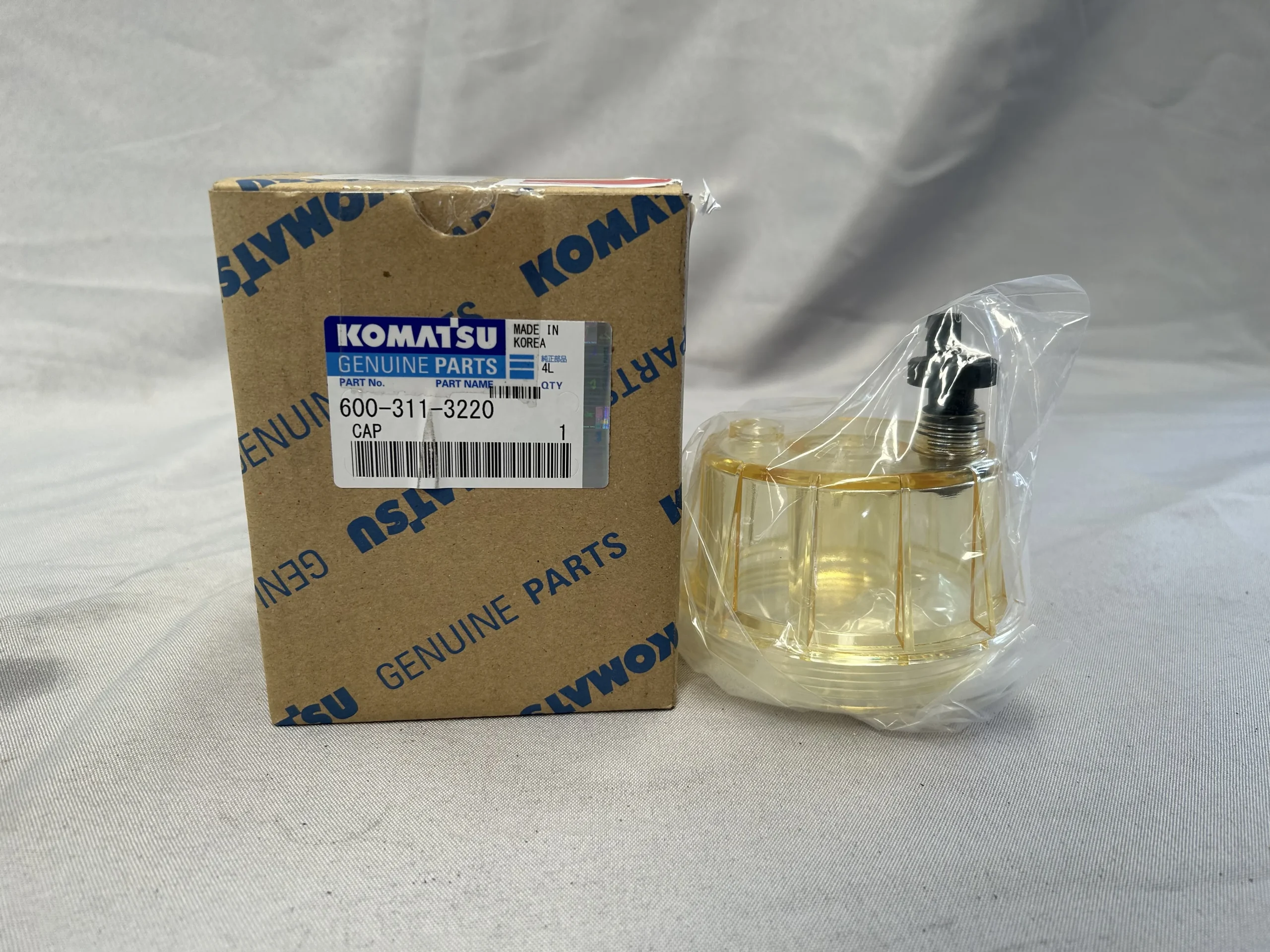 SA6D170E-3A Filter Cup 600-311-3220
 -
 424-15-16410 Komatsu SHIM, 0.5mm
 -
 56D-43-37101 Komatsu Valve Assembly
 -
 WA470-3 Gear Pump 705-22-40070
 -
 PC600-8/PC2000-8 Coupler 209-68-11640
 -
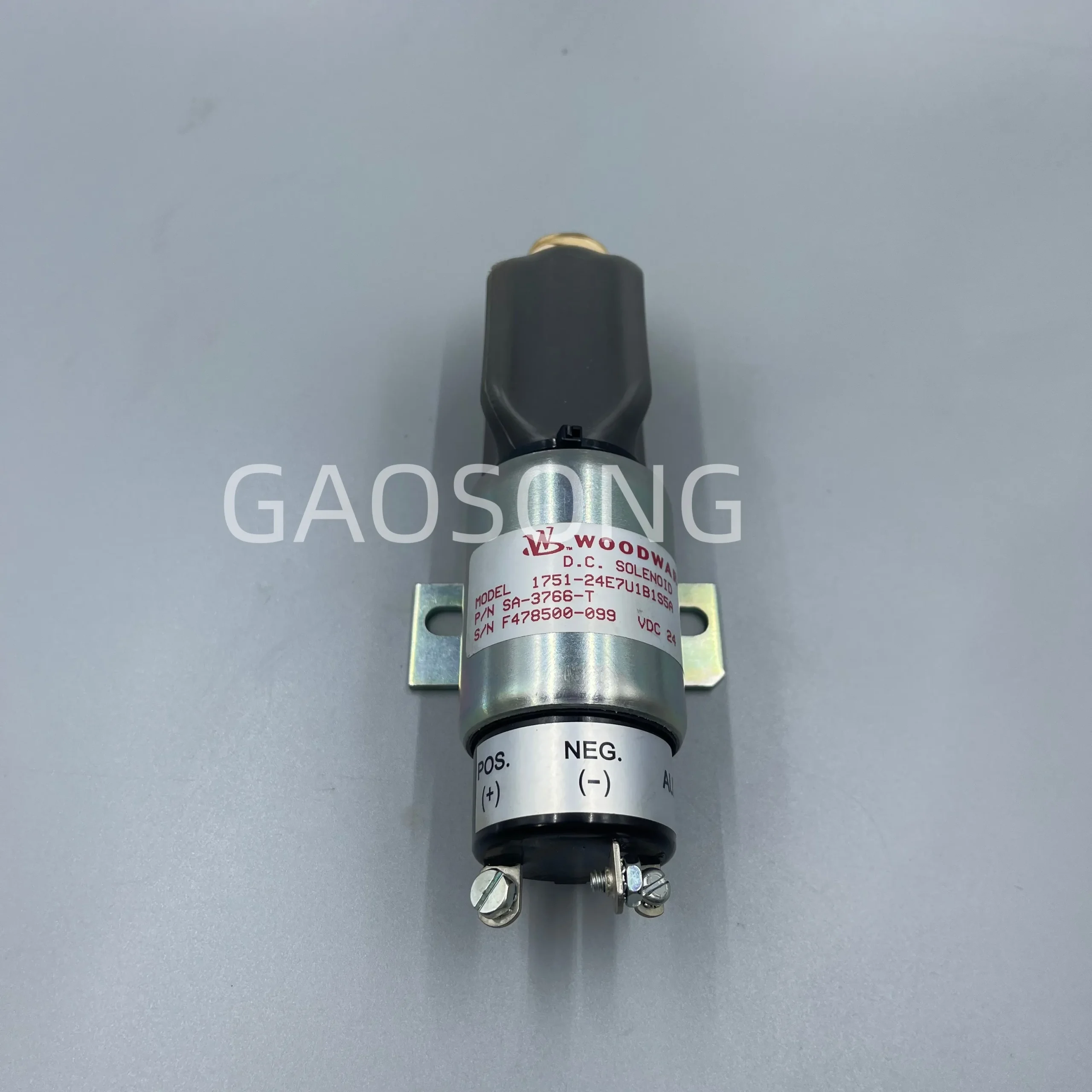 600-815-7550 SOLENOID ASS’Y–Komatsu Original Factory
 -
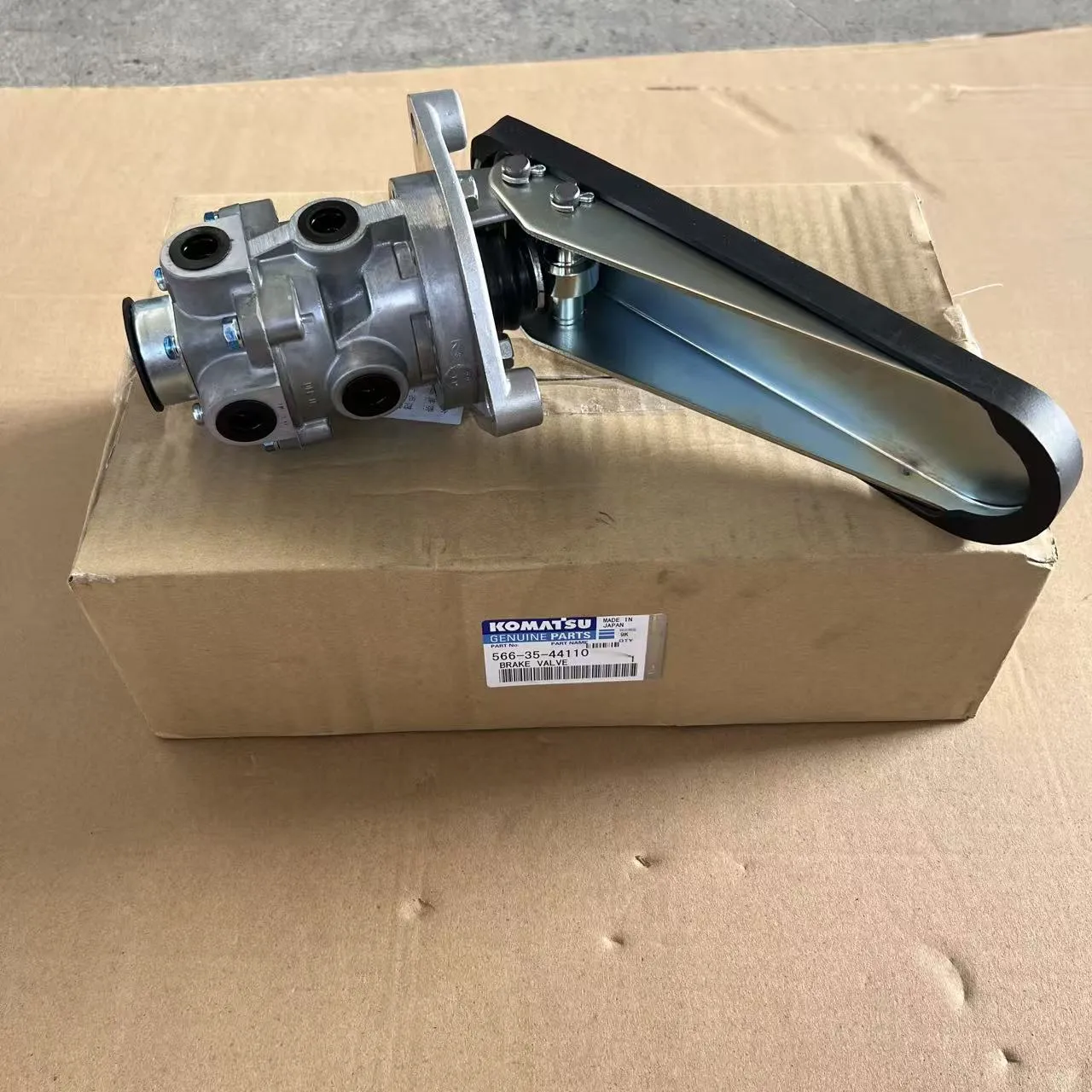 Komatsu Dump Truck Original HD785-5 Brake Valve 566-35-44110
 -
 Excavator Hydraulic Main Pump GAUGE 207-01-31150 207-01-41710 2070131150 2070141710 GAUGE for Komatsu PC200 PC300 PC400 Excavator
 -
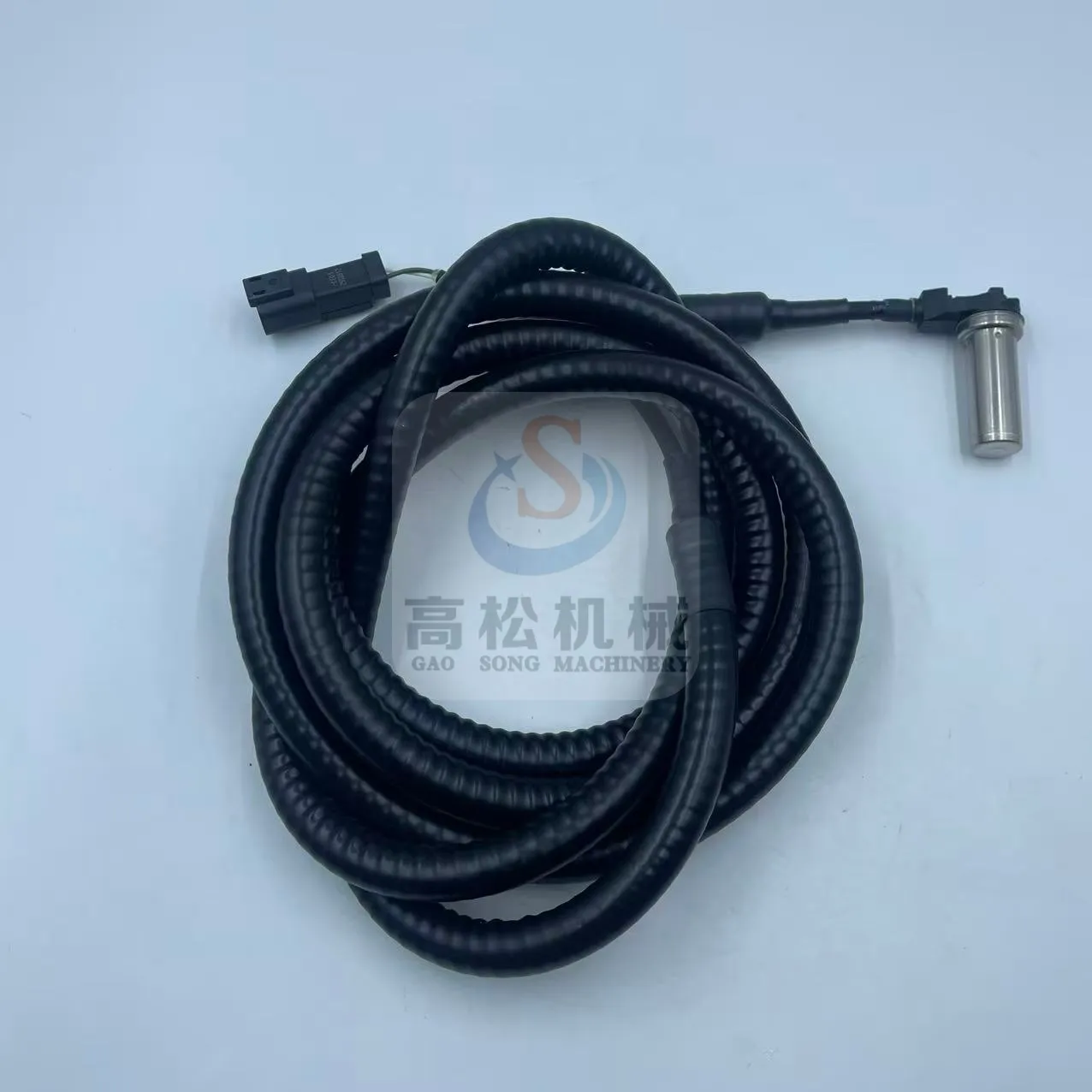 566-88-66143 sensor for Komatsu HD465-7
 -
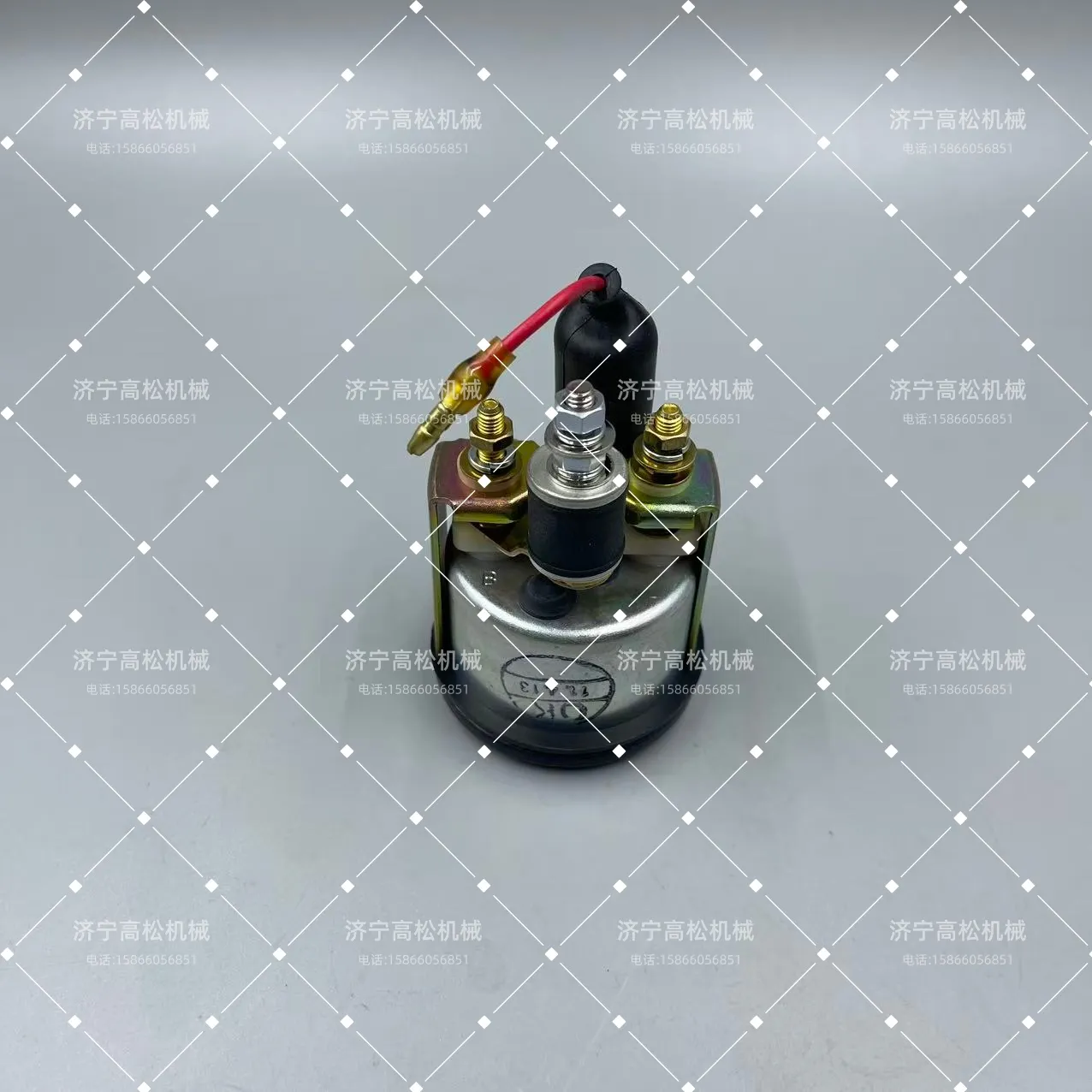 Water Temperature Gauge 195-06-23110 for Komat Su Bulldozer…
 -
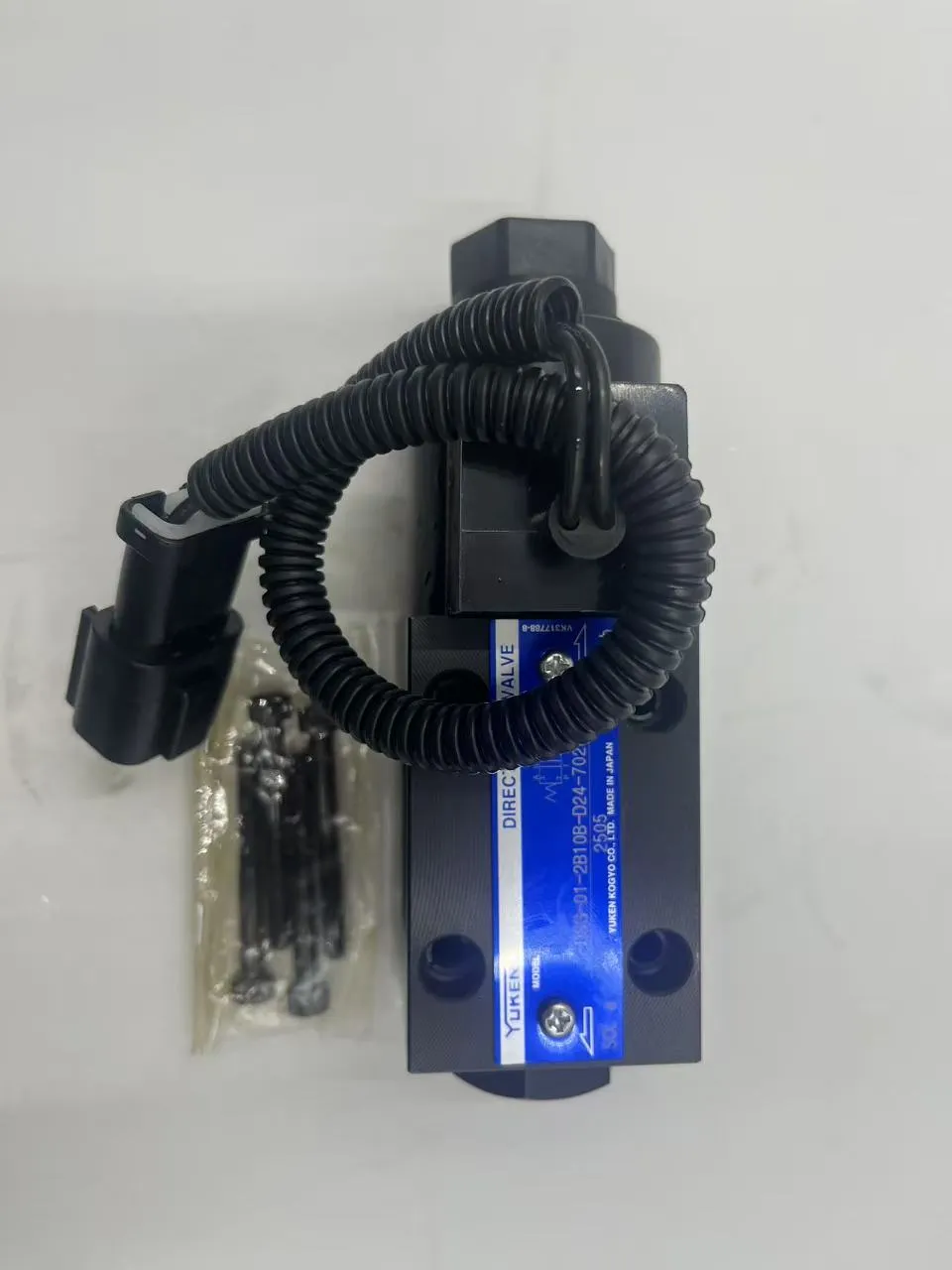 VALVE ASS’Y 23W-60-28230 KOMATSU
 -
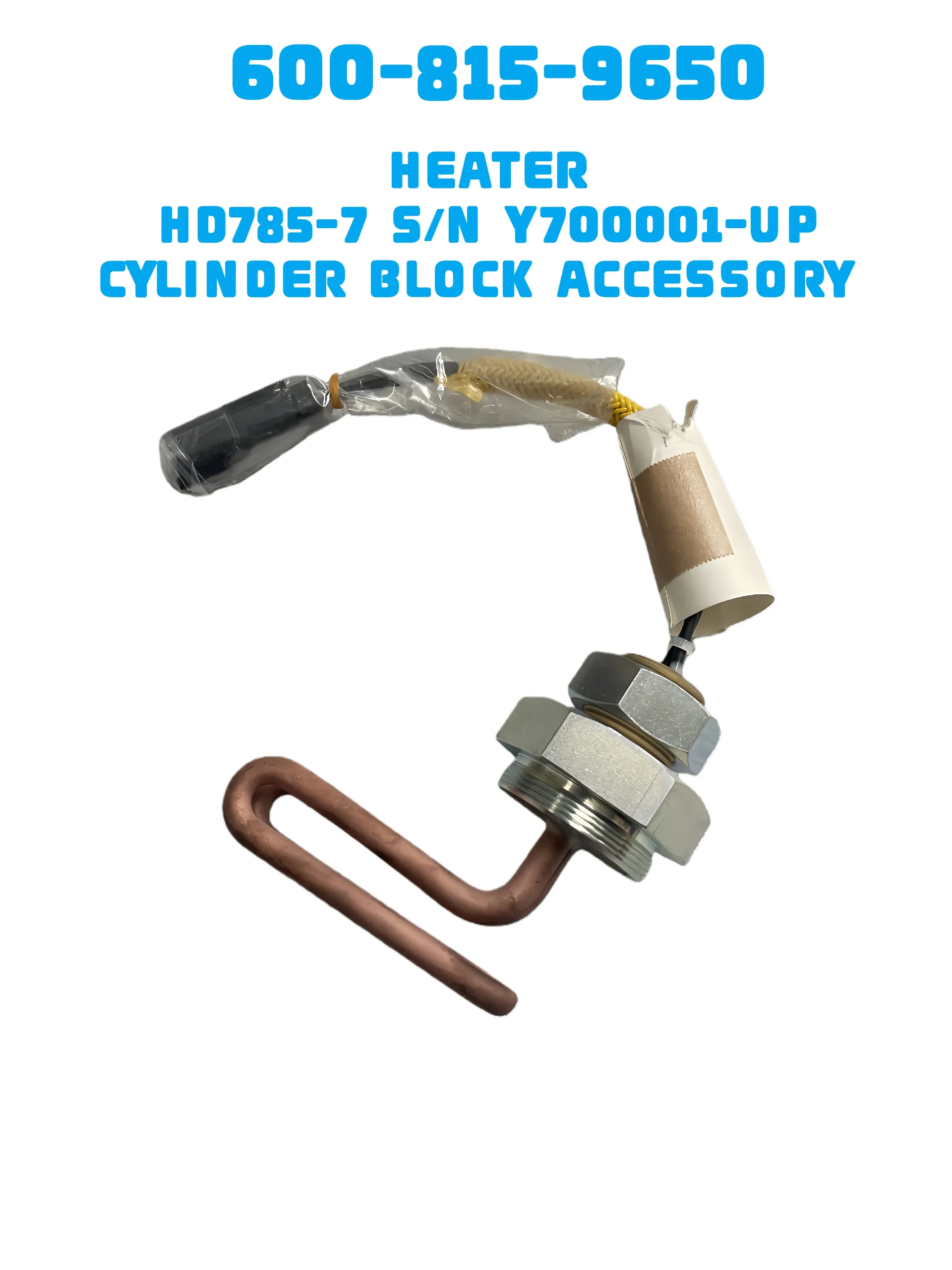 komatsu-part-600-815-9650 HEATER SAA12V140E-3B HD785-7 SAA12V140E-7 SAA12V140E-3D CYLINDER BLOCK ACCESSORY (OIL SENSOR¤ SWITCH AND WATER HEATER) OIL COOLER (COLD TERRAIN SPEC.) CYLINDER BLOCK ACCESSORY (FOR COLD AREA SPECIFICATION,ENGINE OIL PAN AND COOLANT HEATER) ENGINE OIL COOLER (FOR COLD AREA SPECIFICATION A (-30 DEG C),ENGINE OIL PAN AND COOLANT HEATER)