
- Chinese
- French
- German
- Portuguese
- Spanish
- Russian
- Japanese
- Korean
- Arabic
- Irish
- Greek
- Turkish
- Italian
- Danish
- Romanian
- Indonesian
- Czech
- Afrikaans
- Swedish
- Polish
- Basque
- Catalan
- Esperanto
- Hindi
- Lao
- Albanian
- Amharic
- Armenian
- Azerbaijani
- Belarusian
- Bengali
- Bosnian
- Bulgarian
- Cebuano
- Chichewa
- Corsican
- Croatian
- Dutch
- Estonian
- Filipino
- Finnish
- Frisian
- Galician
- Georgian
- Gujarati
- Haitian
- Hausa
- Hawaiian
- Hebrew
- Hmong
- Hungarian
- Icelandic
- Igbo
- Javanese
- Kannada
- Kazakh
- Khmer
- Kurdish
- Kyrgyz
- Latin
- Latvian
- Lithuanian
- Luxembou..
- Macedonian
- Malagasy
- Malay
- Malayalam
- Maltese
- Maori
- Marathi
- Mongolian
- Burmese
- Nepali
- Norwegian
- Pashto
- Persian
- Punjabi
- Serbian
- Sesotho
- Sinhala
- Slovak
- Slovenian
- Somali
- Samoan
- Scots Gaelic
- Shona
- Sindhi
- Sundanese
- Swahili
- Tajik
- Tamil
- Telugu
- Thai
- Ukrainian
- Urdu
- Uzbek
- Vietnamese
- Welsh
- Xhosa
- Yiddish
- Yoruba
- Zulu
- Kinyarwanda
- Tatar
- Oriya
- Turkmen
- Uyghur






OEM AND ORIGINAL KOMATSU PIN 425-70-11961
You see that part number, , and the terms 'OEM' and 'Original' slapped next to it, and you'd think it's straightforward. It's not. In our line, that combo is almost a red flag, a signal to dig deeper. Everyone claims OEM for Komatsu pins, but the reality in the supply chain, especially in markets with allocation issues, is a messy spectrum. An 'OEM product supplier within the Komatsu system' doesn't automatically mean the pin in your hand is identical to the one in a sealed Komatsu box from an official distributor. It might be, or it might be a licensed component from the same forging house that supplies Komatsu, but finished elsewhere. That's the nuance that eats projects alive.
The Anatomy of a Pin and the Supplier's Claim
Take this specific pin, . It's not some generic bucket hinge pin; it's for a specific linkage assembly, likely on a mid-sized excavator like a PC200 or PC300 series. The tolerance on the diameter, the hardness gradient from the core to the case, and the precision of the lubrication grooves—these are what kill you. A company like Jining Gaosong Construction Machinery Co., Ltd. positions itself as an OEM product supplier within Komatsu's ecosystem. What does that mean practically? In my experience, it often means they have access to the technical drawings and material specifications, possibly even sourcing raw forgings or blanks from a Tier-1 supplier to Komatsu. Their site, https://www.takematsumachinery.com, states they help solve parts supply challenges in certain countries. That's the key: they operate in the gaps of Komatsu's official distribution.
I've ordered pins from similar channels. Sometimes, the part arrives in plain brown box, with a laser-etched part number that looks right. The metallurgy report might even check out. But the failure point is often in the finer details. The chamfer on the end isn't as pronounced, making installation a brute-force affair that scores the boss. Or the surface finish isn't as smooth, leading to premature wear on the bushing. The claim of being an 'OEM product supplier' is technically true if they are part of the authorized manufacturing network, but the 'Original' label gets blurry. Is it original if it's made on the same line on Tuesday for Komatsu and on Wednesday for Gaosong? Maybe. But if it's made in a separate facility using the same spec, it's a gray area.
This isn't to disparage companies like Gaosong. Their role is critical when you have a machine down in a region where the official part is on a 12-week backorder. They provide a solution. But the professional judgment call is about risk assessment. For a non-critical, easily replaceable pin in a low-stress application, their offering might be perfectly adequate. For a main swing circle pin or a final drive pivot, I'd sweat the details much more, even if it means waiting and paying the premium for the distributor-boxed part.
Field Trials and Unspoken Compromises
We ran a trial batch of these OEM AND ORIGINAL KOMATSU PIN units from a supplier with a similar profile to Gaosong. The initial fit was acceptable, not perfect—needed a slight tap with a sledge to seat fully, which already set off alarms. The official part should slide in with hand pressure after alignment. We installed them on three machines with similar hours for a 500-hour monitor.
At around 300 hours, we started seeing abnormal wear on the mating bushings on two of the three units. Not catastrophic, but the clearance was increasing faster than the OEM baseline we had. The third pin was fine. This inconsistency is the hallmark of a supply chain that might have variability in heat treatment or final grinding. The supplier's response was typical: they asked for photos, then blamed installation error or contaminated grease. Possible, but unlikely across two different crews. We pulled the pins at 500 hours. The metallurgy on the worn ones showed a slightly lower case hardness than spec—not enough to fail a cert, but enough to wear faster under high cyclic loading.
The lesson wasn't that the parts were 'bad.' They were, in their words, 'to OEM specification.' But in the field, specification is a range, and genuine Komatsu parts seem to sit at the most conservative, durable end of that range. These aftermarket-OEM parts often sit at the acceptable minimum. For a machine working in sand versus hard rock, that minimum might be just fine. It's about matching the part's provenance to the application's brutality.
The Documentation Dance and Traceability
One tangible difference is paperwork. When you buy from an official Komatsu distributor, the certificate of conformity is a given, with traceability back to a specific melt lot. With an OEM product supplier like the one mentioned, you have to ask, and sometimes push, for that documentation. Sometimes you get a generic mill cert; sometimes you get a full material and heat treat report. The lack of consistent, readily available traceability is a sign. It tells you that while they may produce to the spec, their quality management system isn't fully integrated or transparent to the end user.
I recall a case where we needed a batch of pins for a government contract that mandated full traceability. Our usual channel, similar to Takematsu Machinery's stated model, couldn't provide batch-specific heat treat logs. We had to fall back to the official network at a 40% cost increase. The supplier was frustrated—they had the parts, they were 'the same,' but they couldn't navigate the bureaucratic documentation requirement. This is a core part of their stated mission to 'solve parts supply challenges.' The challenge isn't just physical availability; it's providing the administrative and compliance backbone that comes with the original part.
When It Makes Sense: The Practical Niche
So when do you go for this option? Based on their company intro of solving supply issues in certain countries, their niche is clear: urgency and geography. If you're in a remote operation where logistics are king, and a machine down costs thousands per hour, a locally stocked pin from a reputable OEM supplier is a godsend, even with a slight performance trade-off. The cost saving is real, often 20-30% less than distributor list price.
The key is vendor qualification. It's not about buying a pin; it's about vetting the supplier. Do they have consistent stock? Can they explain their sourcing? Will they stand behind a failure? A company like Jining Gaosong, by being upfront about their dual role as an OEM-network supplier and a third-party seller, is at least setting realistic expectations. They're not pretending to be the Komatsu parts counter. They're a pragmatic alternative within the system's gray areas.
For the , I'd use it from such a source for a routine planned maintenance cycle where I'm replacing pins and bushings together anyway. I wouldn't use it for a single pin replacement in an otherwise old linkage system. The mismatch in wear characteristics could cause issues. It's about system thinking, not just part swapping.
Concluding Without a Bow
There's no clean conclusion here. The part number exists. Genuine Komatsu parts exist. And a whole ecosystem of OEM AND ORIGINAL suppliers exists in between. The value of a supplier in this space, like the one referenced, is their honesty about their position and their ability to deliver a physically compatible part when the official channels are blocked or prohibitively slow.
The professional's job is to dissect the marketing term 'OEM AND ORIGINAL' into actionable questions: Original to what standard? OEM by whose authorization? The answers dictate where and how you use it. I keep a few of these pins from qualified alternative suppliers on the shelf for emergencies. The rest of the time, I plan ahead and order the box with the Komatsu logo. It's not elitism; it's risk management learned from seeing a pin wear out 200 hours too soon. The goal is uptime, and sometimes that path leads through a supplier's website like takematsumachinery.com, and sometimes it leads straight to the distributor. Knowing the difference is what they pay us for.
Related Products
Related Products

Best Selling Products
Best Selling Products-
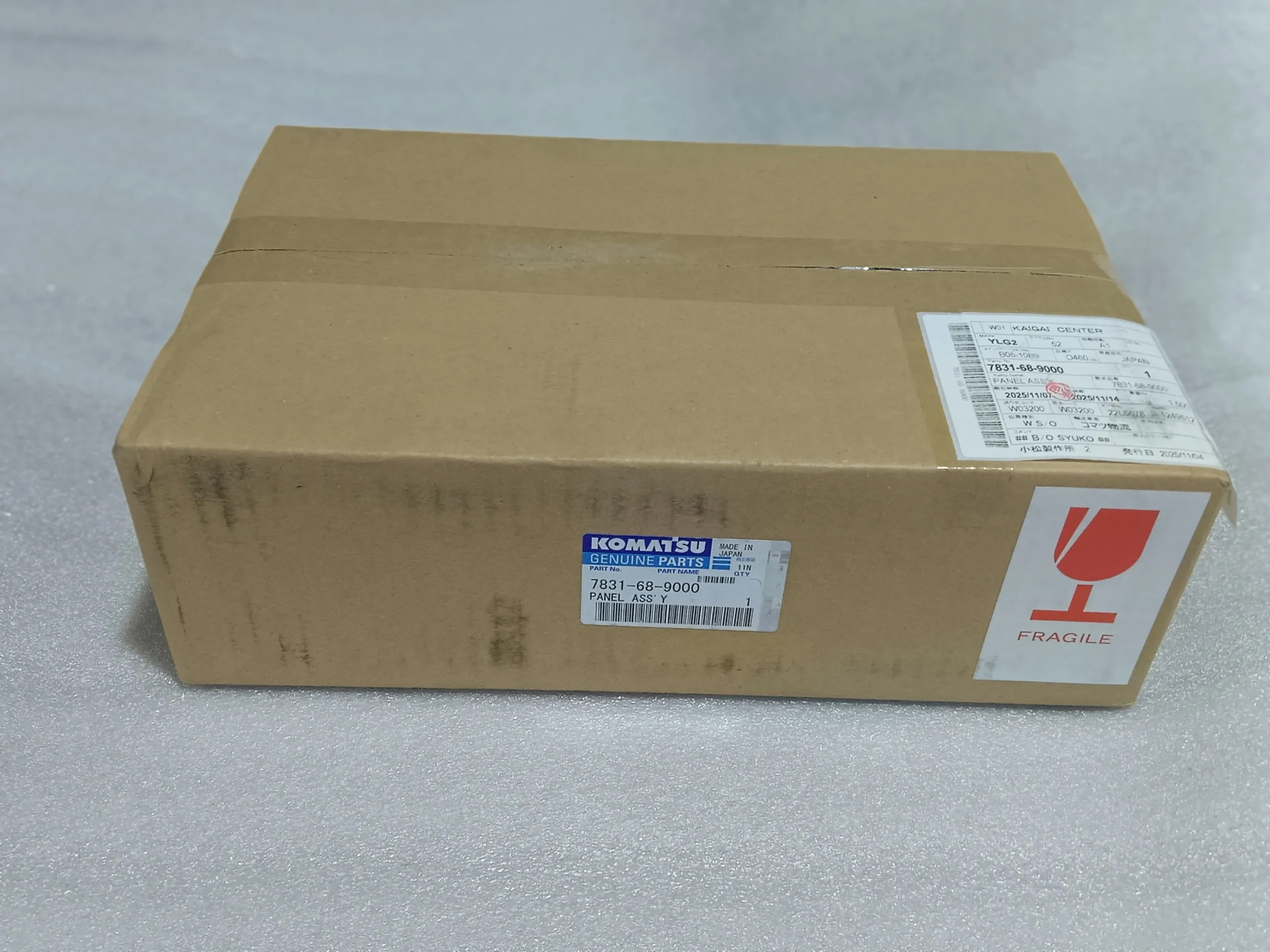 7831-68-9000 PANEL ASS’Y
 -
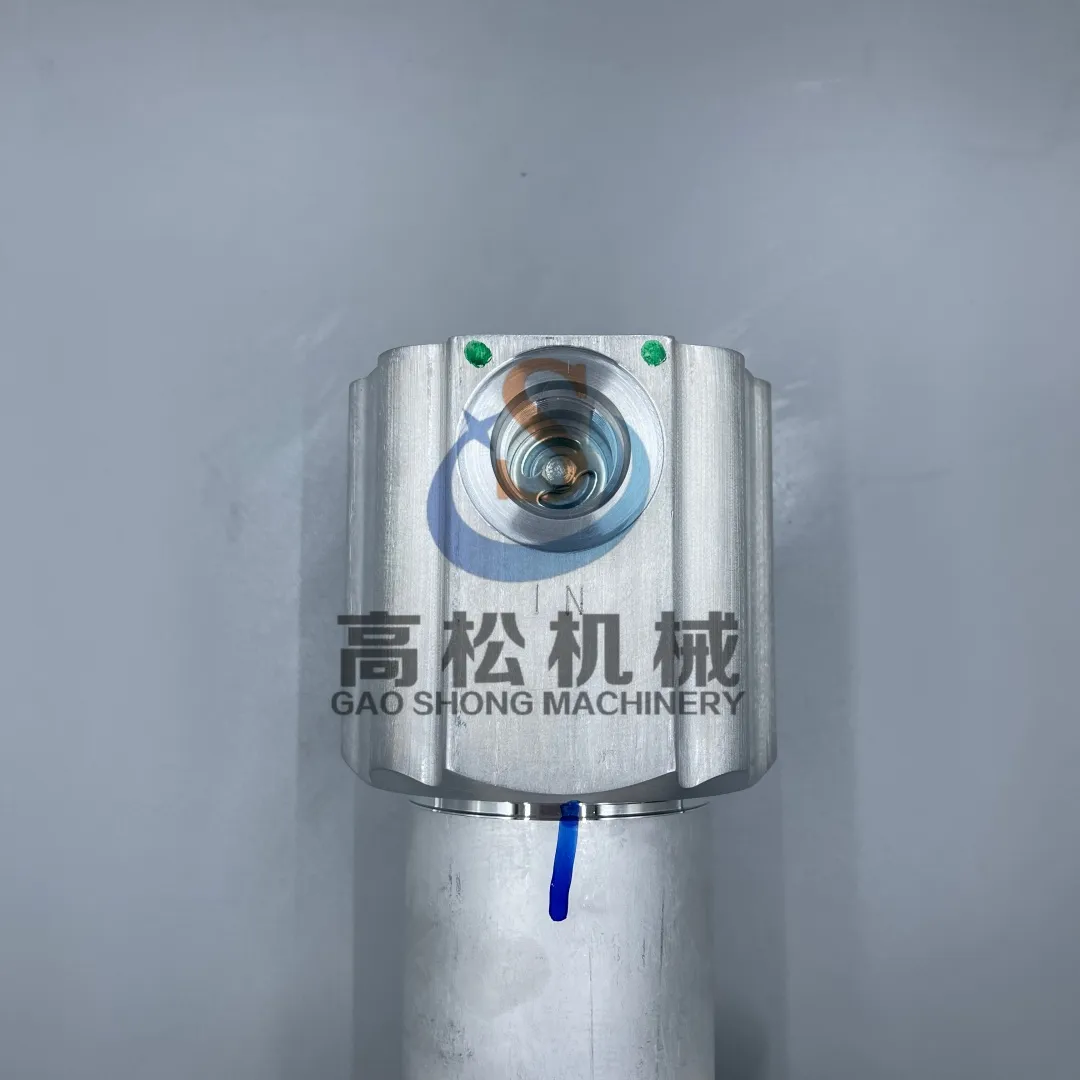 569-43-83911 Komatsu Filter Assembly
 -
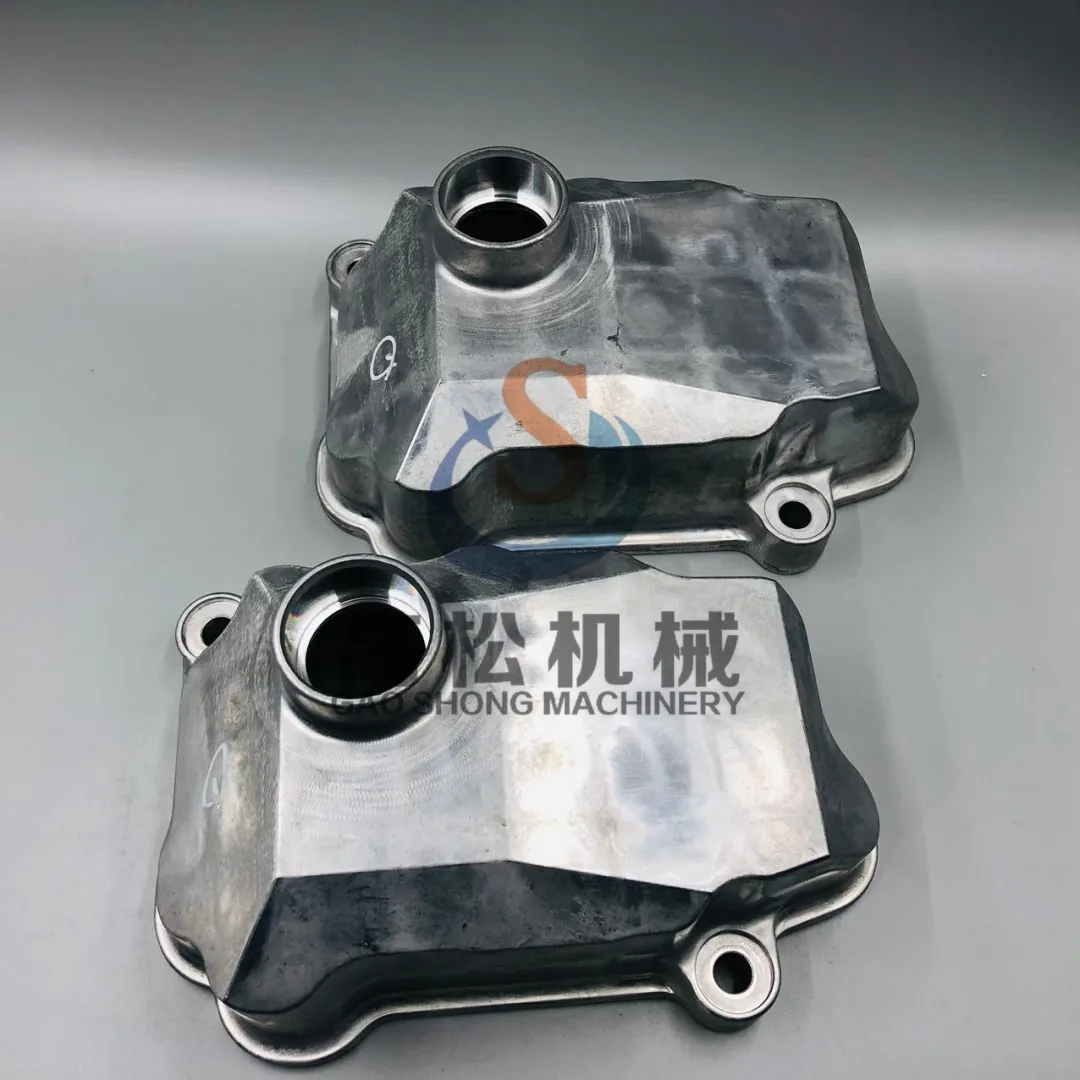 Komatsu SAA6D125E-5 Valve Cover | Part Number 6251-11-8150
 -
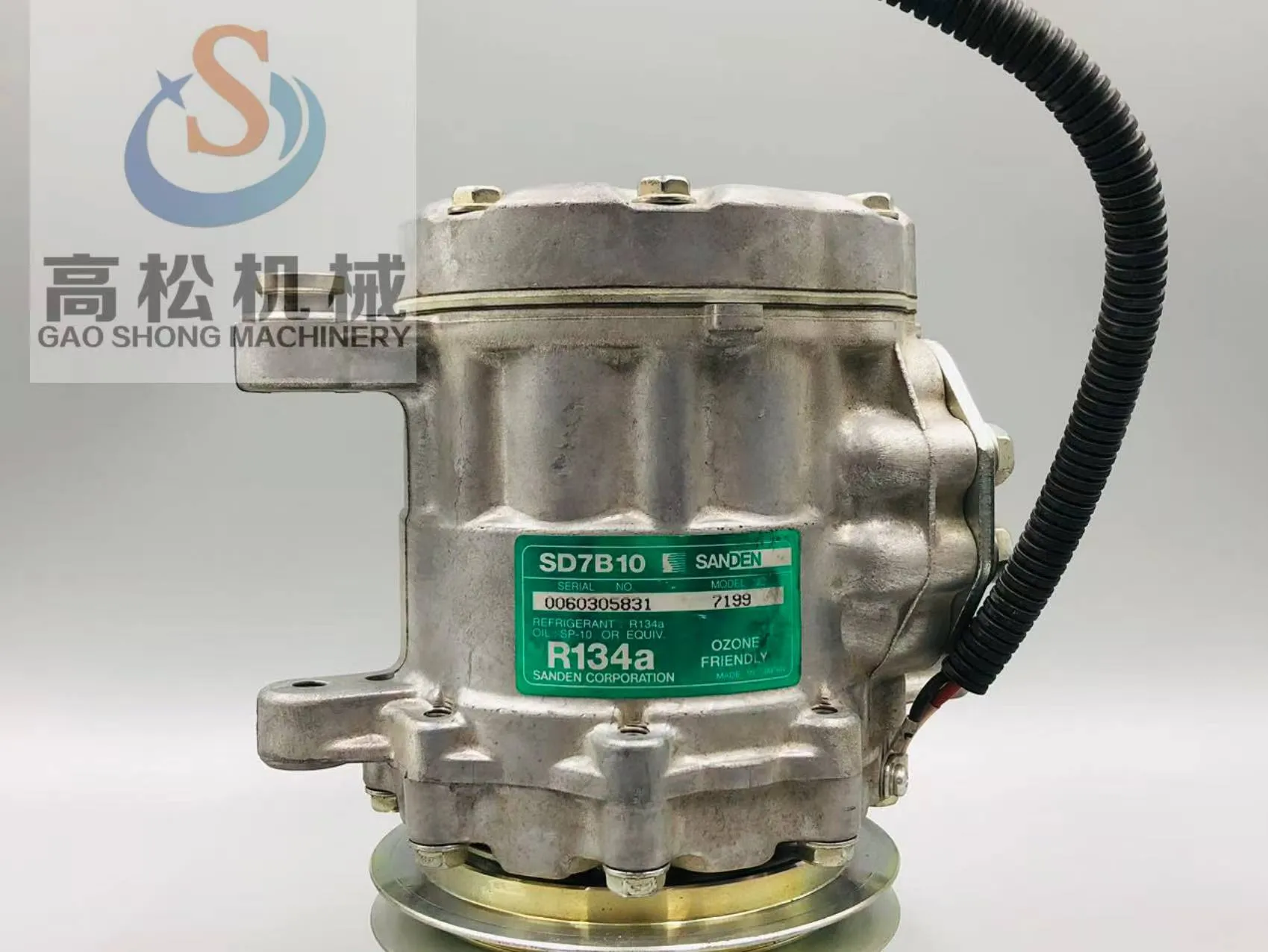 Compress0r 22L-979-2211 22l-979-2200 for Komatsu
 -
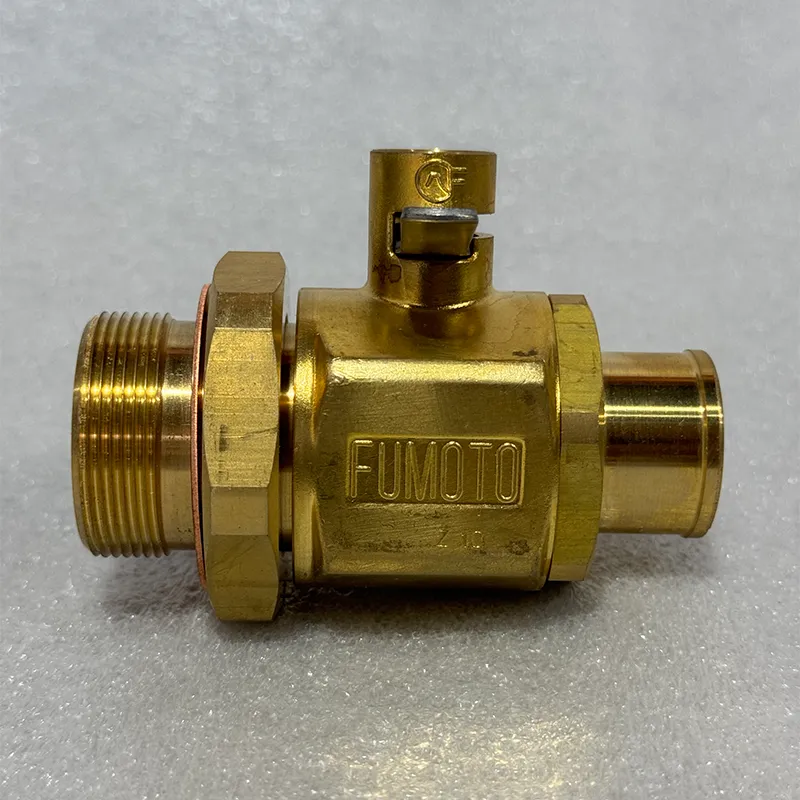 Original komatsu PC2000-8 Valve 21T-01-31490
 -
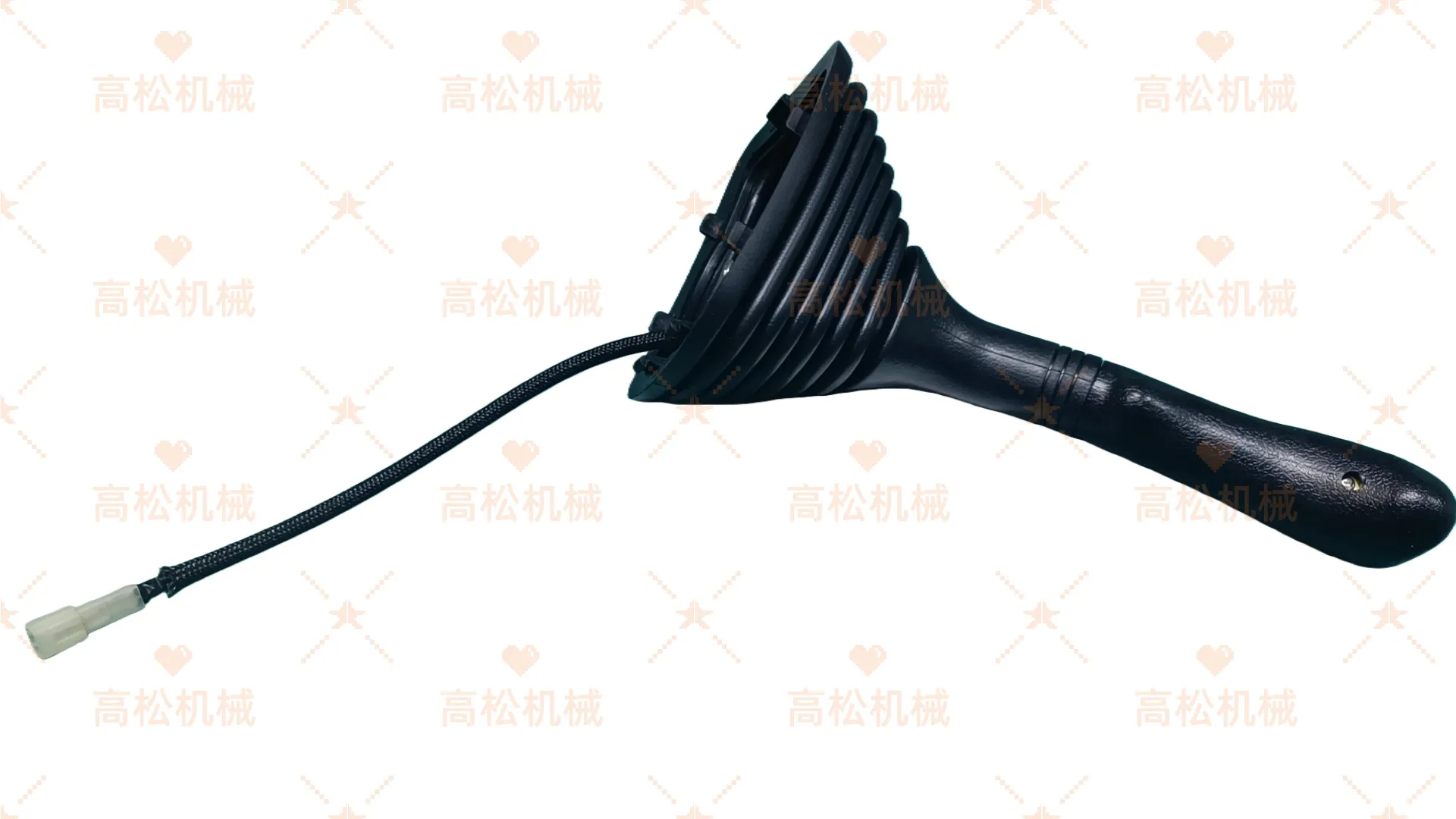 2A5-43-12861SWITCH 2A5-43-12933LEVER ASSEMBLY 2A5-53-12721Motor Assembly 2A5-54-13421 Rear View Mirror2A5-979-1113 Air conditioning component 2A8-70-13210Pin
 -
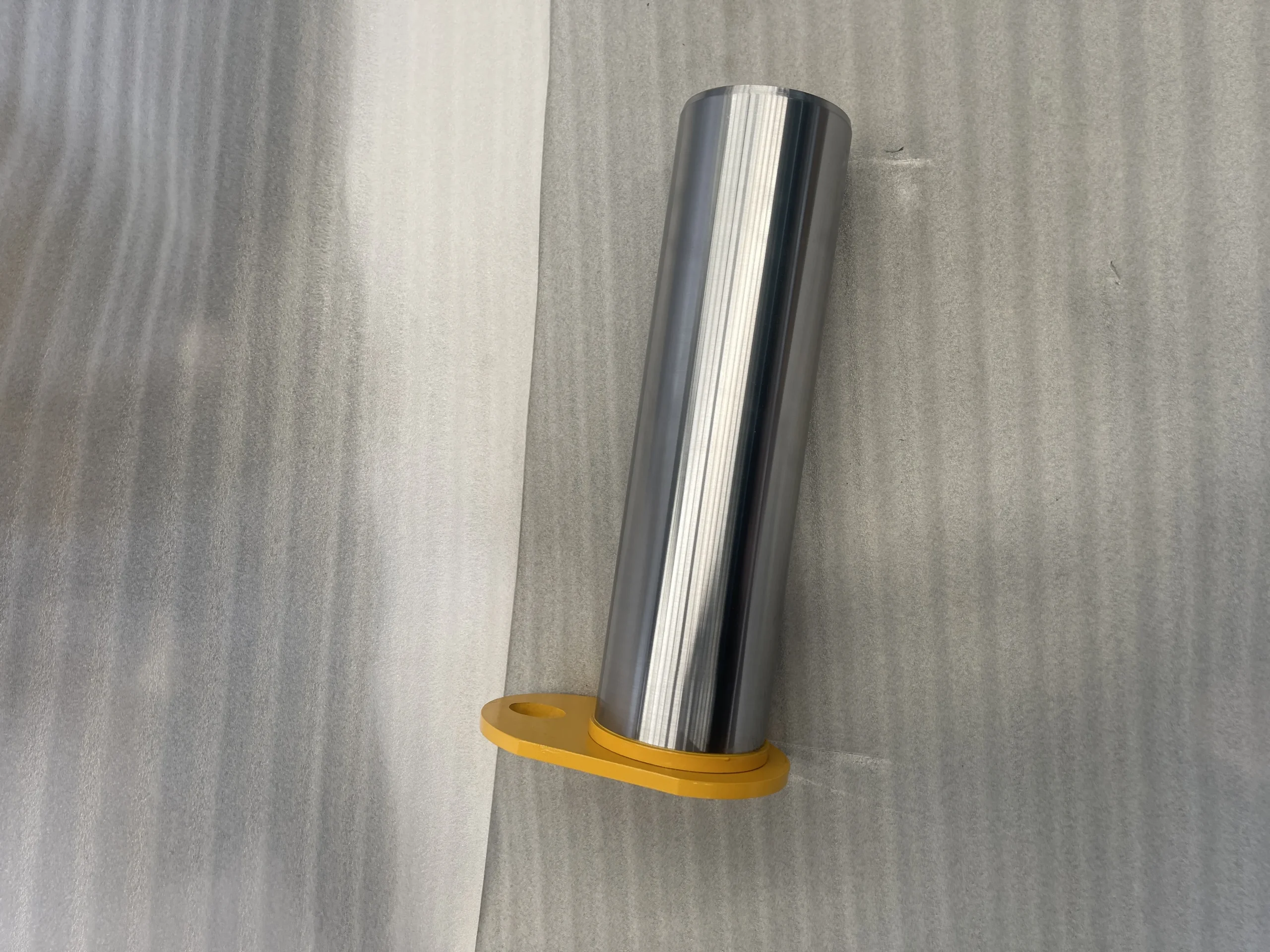 WA600-6 pin 426-70-31960
 -
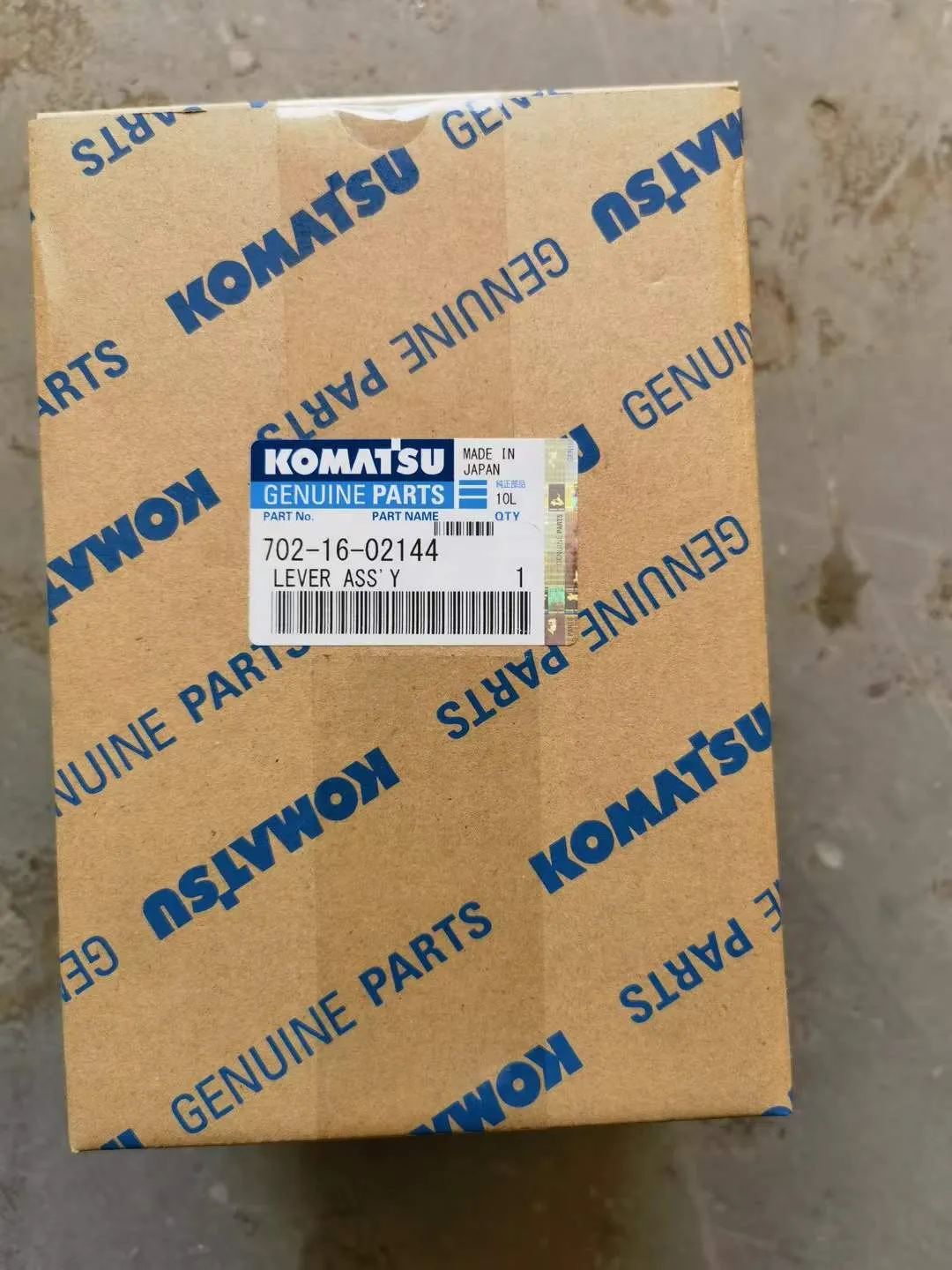 702-16-02144 Komatsu Lever Assembly
 -
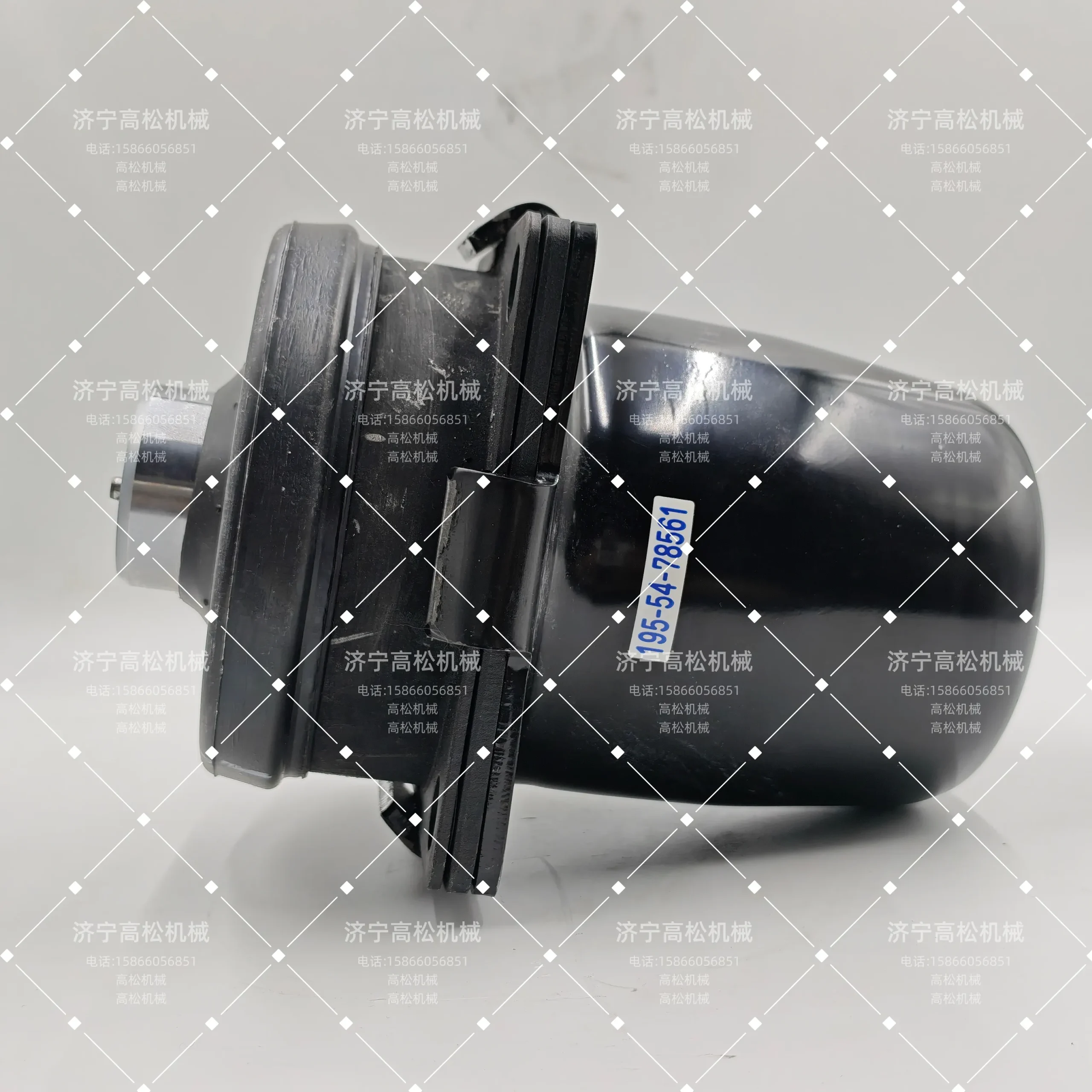 Komatsu Shock Absorbers 195-54-78412 195-54-78561 for D375A-6
 -
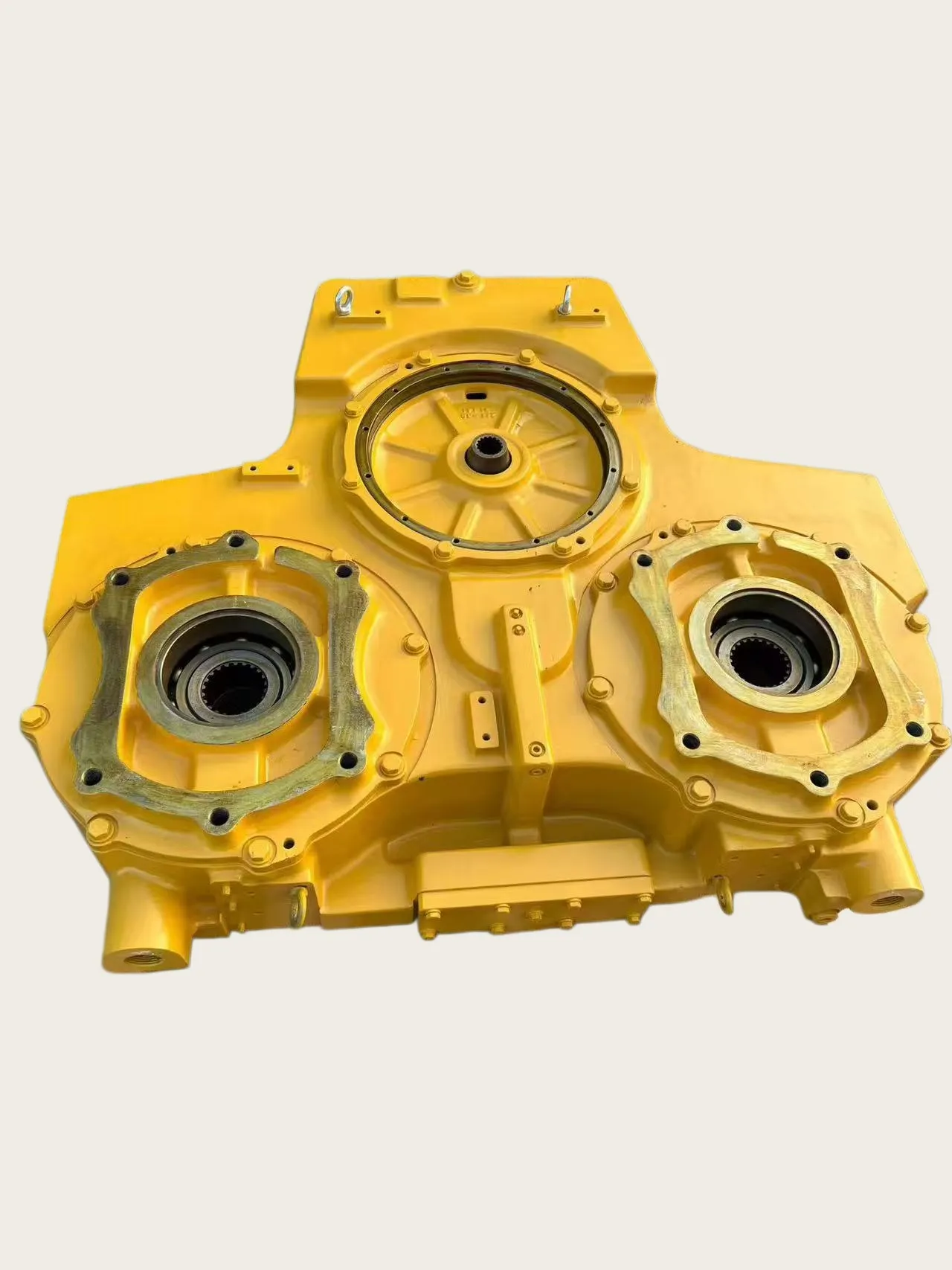 komatsu-part-21T-38-00160 21T-38-00170 21T-38-00180 21T-38-00190 PTO Assembly PC2000-8 PC2000-11 PTO (POWER TAKE OFF), INNER PARTS POWER TAKE OFF
 -
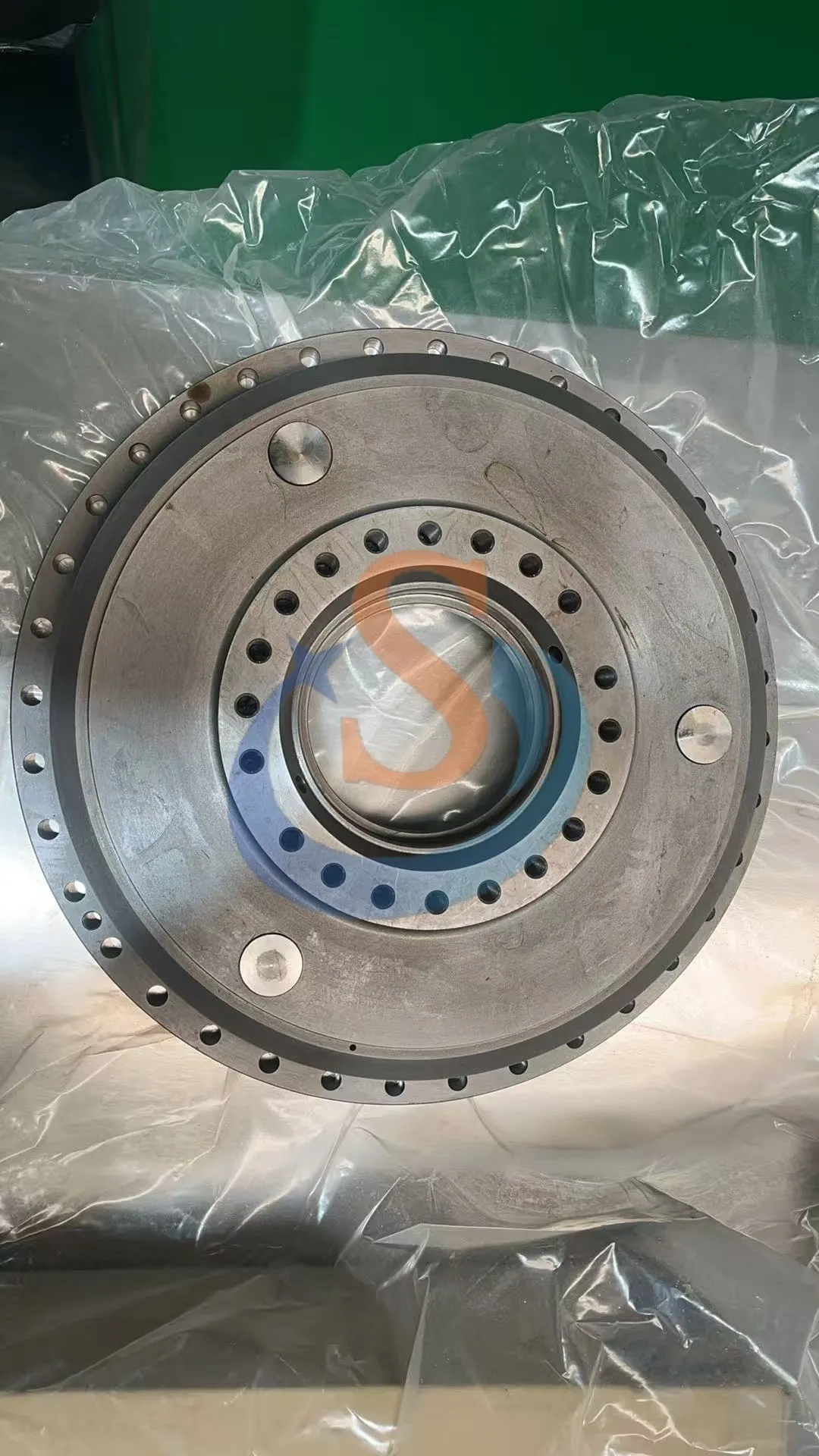 14X-13-57111 komatsu Housing D65
 -
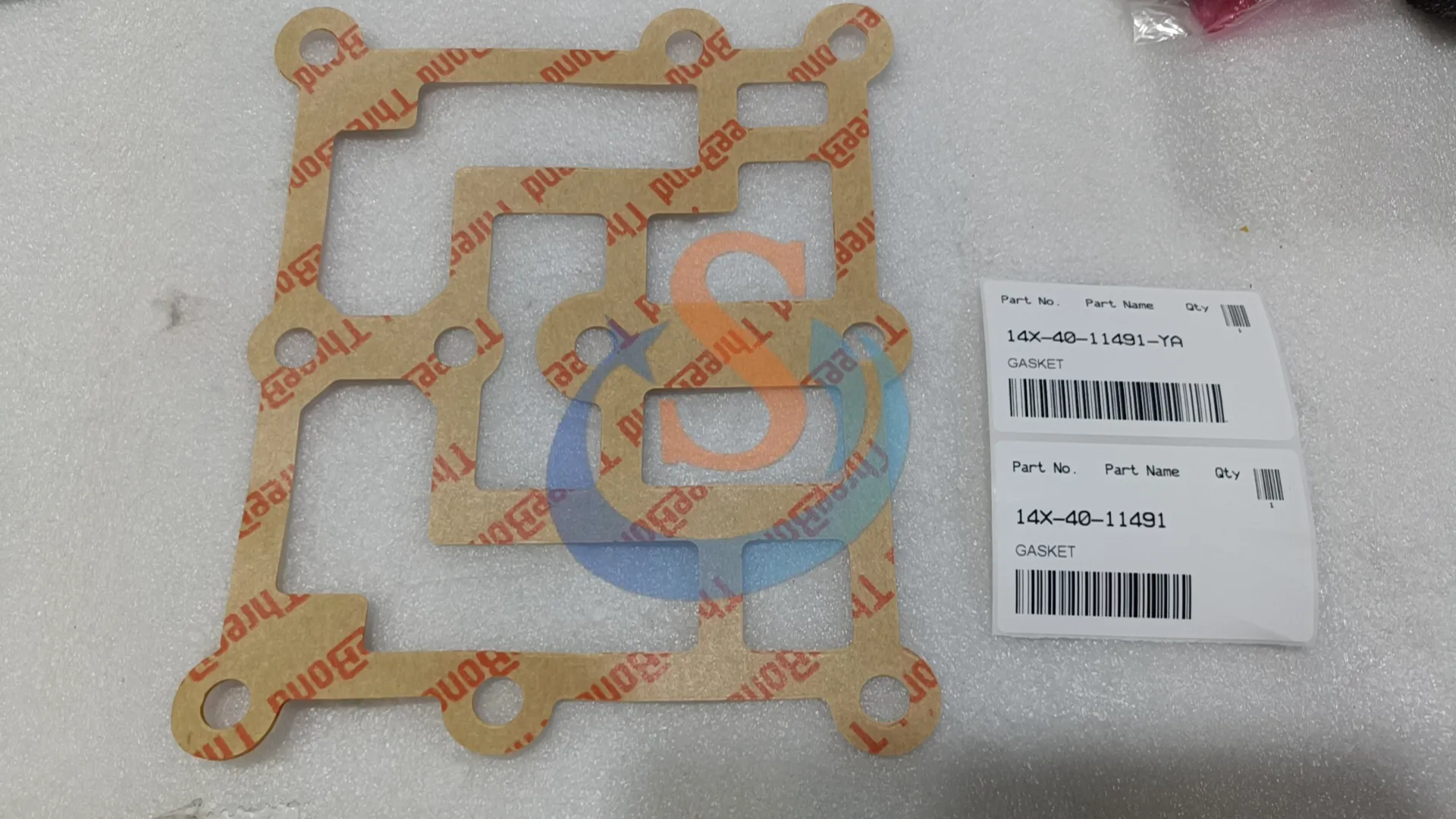 14X-40-11491,GASKET,D155A,D375A,D475A