
- Chinese
- French
- German
- Portuguese
- Spanish
- Russian
- Japanese
- Korean
- Arabic
- Irish
- Greek
- Turkish
- Italian
- Danish
- Romanian
- Indonesian
- Czech
- Afrikaans
- Swedish
- Polish
- Basque
- Catalan
- Esperanto
- Hindi
- Lao
- Albanian
- Amharic
- Armenian
- Azerbaijani
- Belarusian
- Bengali
- Bosnian
- Bulgarian
- Cebuano
- Chichewa
- Corsican
- Croatian
- Dutch
- Estonian
- Filipino
- Finnish
- Frisian
- Galician
- Georgian
- Gujarati
- Haitian
- Hausa
- Hawaiian
- Hebrew
- Hmong
- Hungarian
- Icelandic
- Igbo
- Javanese
- Kannada
- Kazakh
- Khmer
- Kurdish
- Kyrgyz
- Latin
- Latvian
- Lithuanian
- Luxembou..
- Macedonian
- Malagasy
- Malay
- Malayalam
- Maltese
- Maori
- Marathi
- Mongolian
- Burmese
- Nepali
- Norwegian
- Pashto
- Persian
- Punjabi
- Serbian
- Sesotho
- Sinhala
- Slovak
- Slovenian
- Somali
- Samoan
- Scots Gaelic
- Shona
- Sindhi
- Sundanese
- Swahili
- Tajik
- Tamil
- Telugu
- Thai
- Ukrainian
- Urdu
- Uzbek
- Vietnamese
- Welsh
- Xhosa
- Yiddish
- Yoruba
- Zulu
- Kinyarwanda
- Tatar
- Oriya
- Turkmen
- Uyghur






OEM AND ORIGINAL KOMATSU PIN 235-46-45110
When you see a part number like OEM AND ORIGINAL KOMATSU PIN listed, especially with both OEM and Original slapped together, it sets off alarm bells for anyone who's been sourcing Komatsu undercarriage parts for a while. That phrasing is a red flag in our world—it often tries to blur the line between genuine Komatsu parts and aftermarket alternatives that claim similar pedigree. The reality is, if it's truly original Komatsu, it comes through their official channels with their packaging and documentation. The term OEM gets thrown around loosely; sometimes it means the part was made by a factory that once had a contract with Komatsu, other times it's just marketing speak for compatible. For a critical pin like the , which takes serious stress in the track chain assembly, that ambiguity isn't just academic—it's a potential site visit and a pissed-off customer waiting to happen.
The Anatomy of a Pin and the Supply Chain Maze
Let's talk about the pin itself. The isn't a glamorous part, but it's a workhorse. It's for larger machines, think Dash-8 or Dash-9 series dozers or excavators. The failure mode here is usually wear and elongation, which then beats up the bushings and leads to premature track stretch. I've seen machines where someone used a subpar pin and the sprocket started climbing the links because the pitch was off. The metallurgy and the induction hardening process are everything. A genuine pin has a very specific case depth and core toughness to handle impact without shearing.
This is where companies like Jining Gaosong Construction Machinery Co., Ltd. come into the picture. They position themselves within the Komatsu ecosystem in a specific way. From my dealings and understanding, their stated role as an OEM product supplier within the Komatsu system and a third-party sales company points to a specific niche. They aren't the first-party Komatsu distributor, but they might be sourcing from factories that produce to Komatsu's blueprints, perhaps for different regional markets or after a contract has ended. Their website, https://www.takematsumachinery.com, frames their mission around solving parts supply challenges in certain countries. That's a real pain point. In some regions, getting official parts can take months, and downtime costs a fortune.
So, the value proposition is clear: they offer a potentially more accessible or faster alternative to the official channel. But the million-dollar question remains: is the part they supply for identical to the one in a Komatsu box? Is it from the same forge, the same heat treat line? Or is it a licensed production run with minor tolerancing differences? You can't tell from a website photo. You need a sample, a micrometer, and a hardness tester. I've ordered OEM pins before that looked perfect but wore out 30% faster. The devil is in the certification and the traceability.
Field Trials and Unspoken Compromises
We tried a batch of pins marketed exactly as OEM AND ORIGINAL for a client's PC800-8 fleet about two years ago. The price was attractive, about 65% of the dealer's list. The supplier—not Gaosong, but a similar type of company—assured us they were from a Komatsu-certified factory. The packaging was plain white boxes, the pins had the correct part number etched, but no Komatsu logo. They installed fine, no immediate issues.
The problem surfaced around the 1200-hour mark. We started getting reports of unusual track noise and faster-than-expected wear on the accompanying bushings. When we pulled them, the wear pattern was uneven. The hardness checked out superficially, but the core seemed softer, leading to more deflection and accelerated wear. It wasn't a catastrophic failure, but it threw off the entire undercarriage wear schedule. We ended up replacing the track chain much earlier than planned. The cost savings on the pins were wiped out three times over. That experience cemented a rule for me: for non-critical, non-safety parts, maybe you take a chance. For a main pin like the , the risk profile is too high unless you have ironclad proof of provenance.
This is the tightrope companies like Gaosong walk. Their promise to solve parts supply challenges is genuine and needed. But the execution hinges entirely on transparency. Are they selling parts from Komatsu's actual OEM factories that are surplus or for alternate markets? Or are they selling high-spec aftermarket parts that are OEM-quality? The difference is massive. A good supplier in this space will tell you straight up, This is from Factory X, which is a documented Komatsu supplier for South American markets, and provide some evidence. A vague one hides behind the umbrella term OEM.
Verification and Building Trust
So how do you navigate this? You can't just go by the listing. For a part this specific, you have to engage. I'd reach out to a supplier like the one at https://www.takematsumachinery.com with very pointed questions. Can they provide a material certificate for the steel? A heat treat report? Even a photo of the original factory crate? Do they have a technical contact who understands the application, not just a salesperson? You're looking for hesitation or boilerplate answers versus specific, confident details.
Another practical step is to start small. Don't outfit an entire fleet. Buy one or two pins and run them side-by-side with a genuine Komatsu pin on a machine, marking them for identification. Monitor wear rates, measure them at regular service intervals. This real-world test is the only thing that gives you definitive data. It's time-consuming, but it builds a trusted supplier relationship if the product holds up. I've done this with seal kits and filters successfully, but with load-bearing components, the bar is higher.
The industry needs these third-party channels. Komatsu's official network can't cover every corner of the globe with speed and affordability. But the term OEM AND ORIGINAL KOMATSU PIN has become so diluted it's almost meaningless without deep verification. It's shifted from a technical description to a marketing keyword. The onus is on the buyer to drill down. A reputable supplier won't mind the scrutiny; they'll welcome it as a sign of a serious professional.
The Bottom Line on Sourcing
At the end of the day, sourcing the pin comes down to a risk management calculation. What's the cost of an unplanned downtime event versus the part savings? For a machine on a critical mining or large earthmoving job, the math almost always points to paying the premium for the certainty of genuine parts through the official dealer. The paperwork trail and warranty support are part of the product.
However, for older models, for machines in remote locations where lead time is measured in months, or for backup inventory, a verified third-party source is a viable option. The key is verified. Companies like Jining Gaosong Construction Machinery Co., Ltd. fill that logistical gap. Their value isn't just in having the part, but in having the technical backbone to prove its lineage and stand behind its performance. Their website intro hits the right note about solving supply challenges—that's the real service, not just moving boxes.
So, circling back to that initial keyword string. When I see OEM AND ORIGINAL KOMATSU PIN , I don't see a product. I see a starting point for a conversation. It's a prompt to pick up the phone, ask the hard questions, and maybe request a sample. The part number itself is just geometry and steel. The trust in its origin and performance is what you're really buying—or not. That distinction is what separates a parts clerk from someone who has to live with the consequences of that part failing in the field.
Related Products
Related Products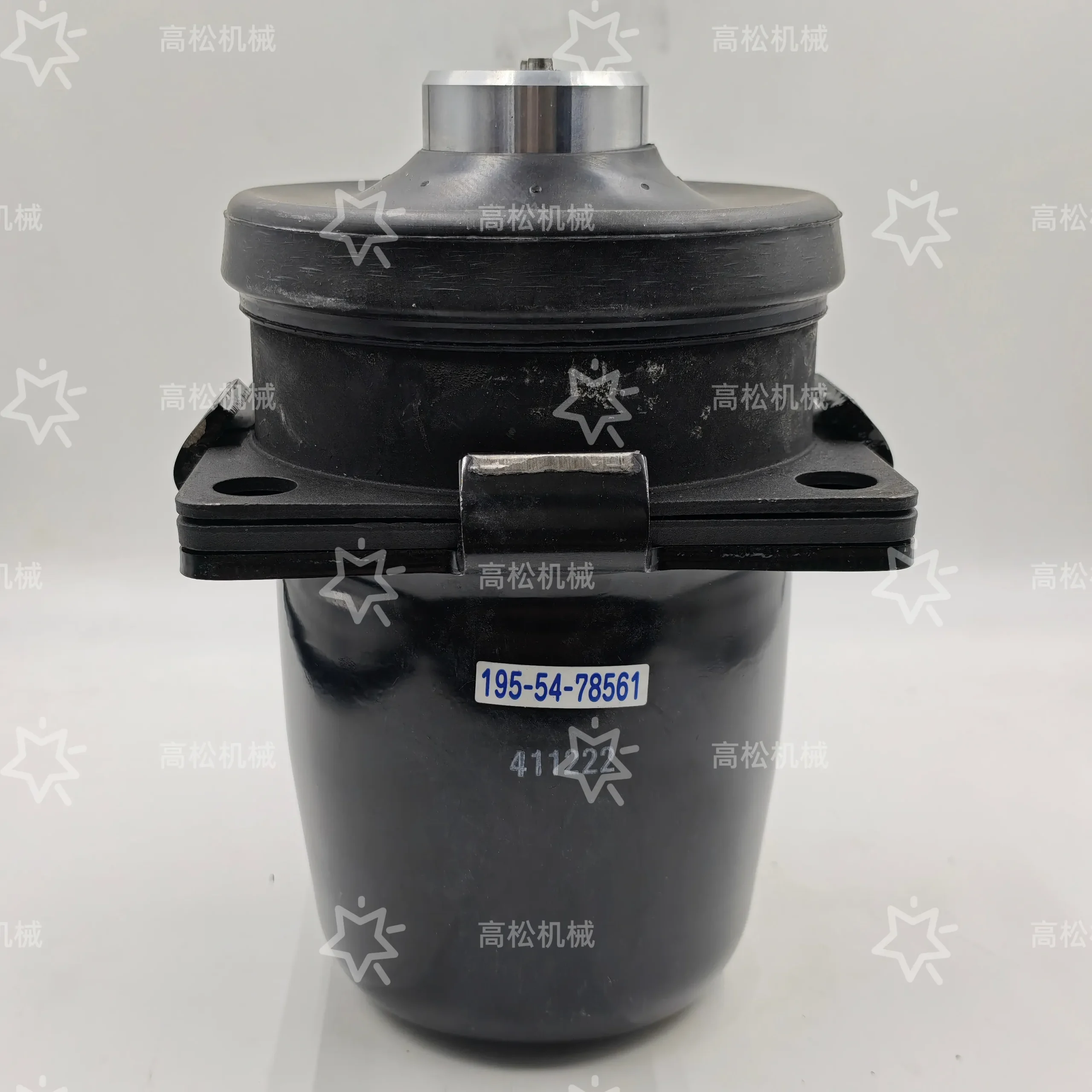
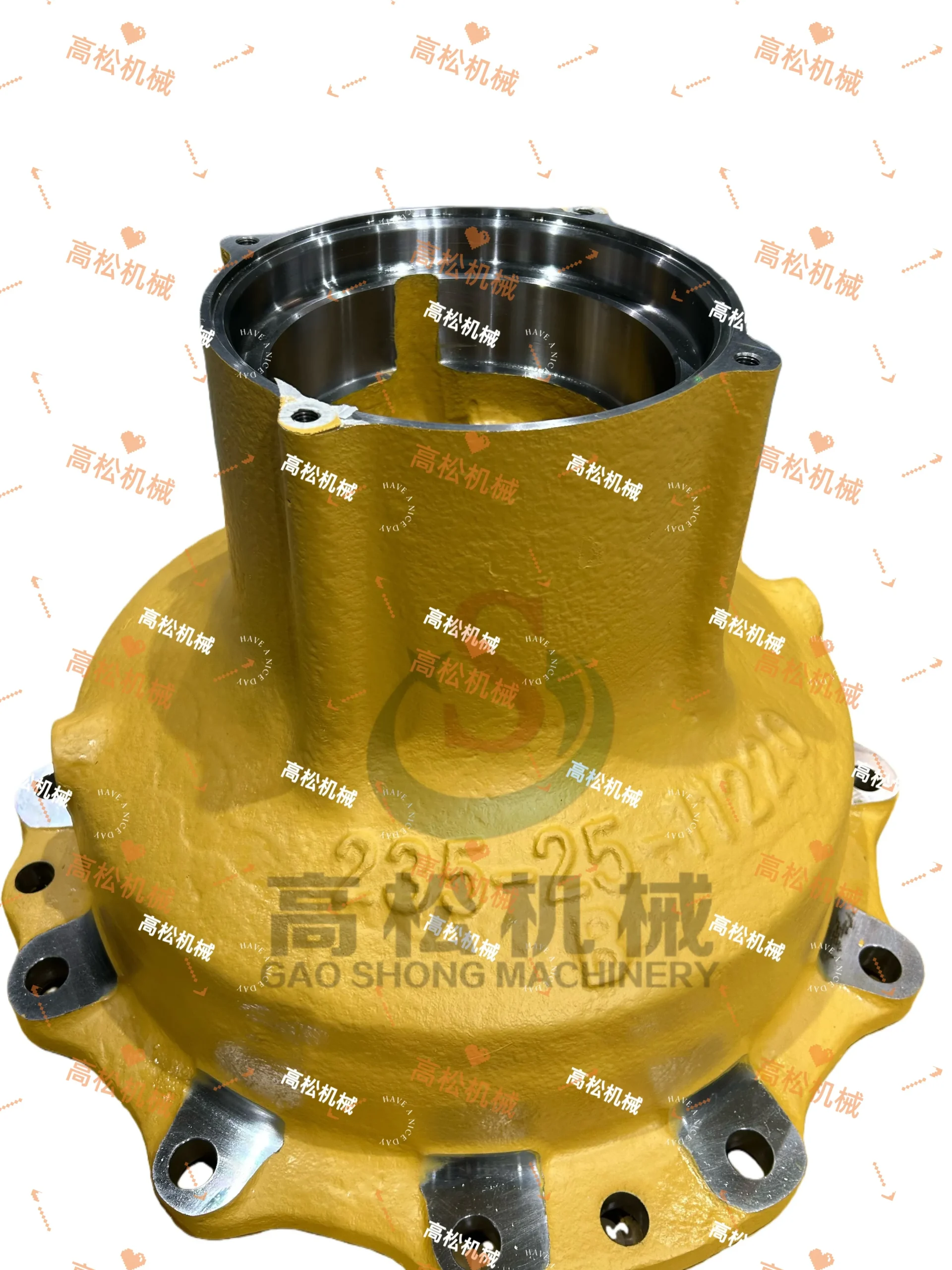
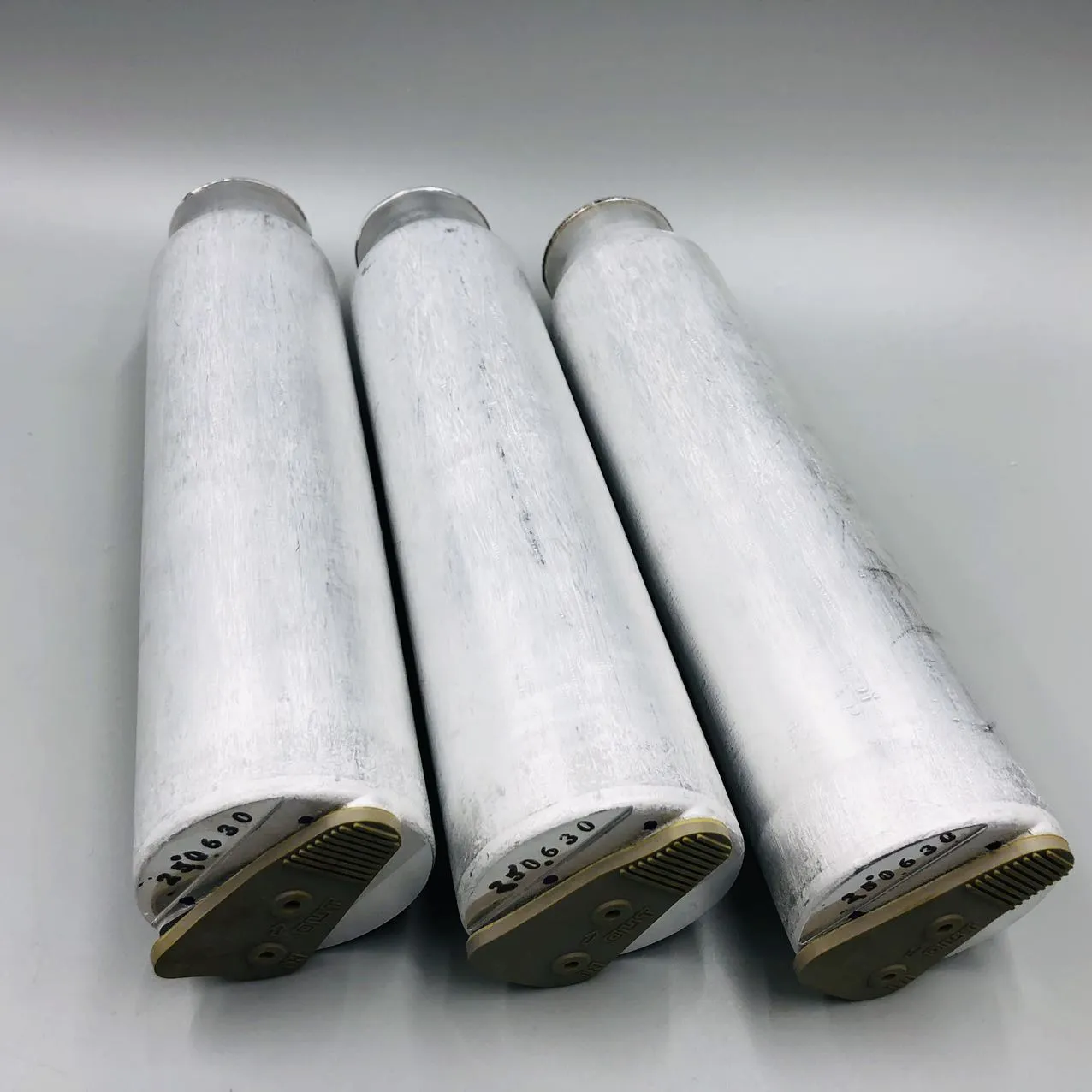
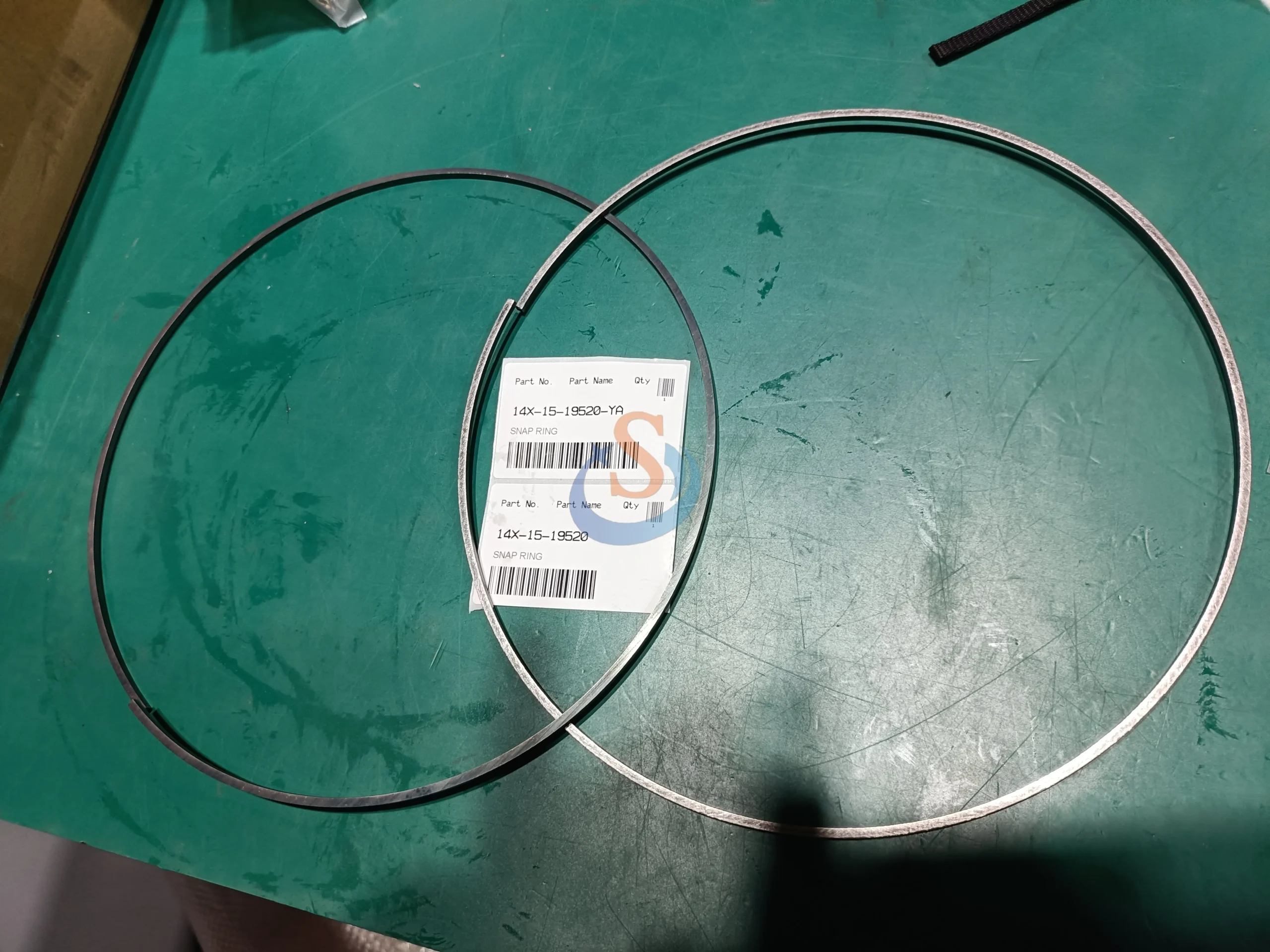

Best Selling Products
Best Selling Products-
 KD0-23700-0130 REAR BRACKET ASS’Y,REAR (Komatsu)
 -
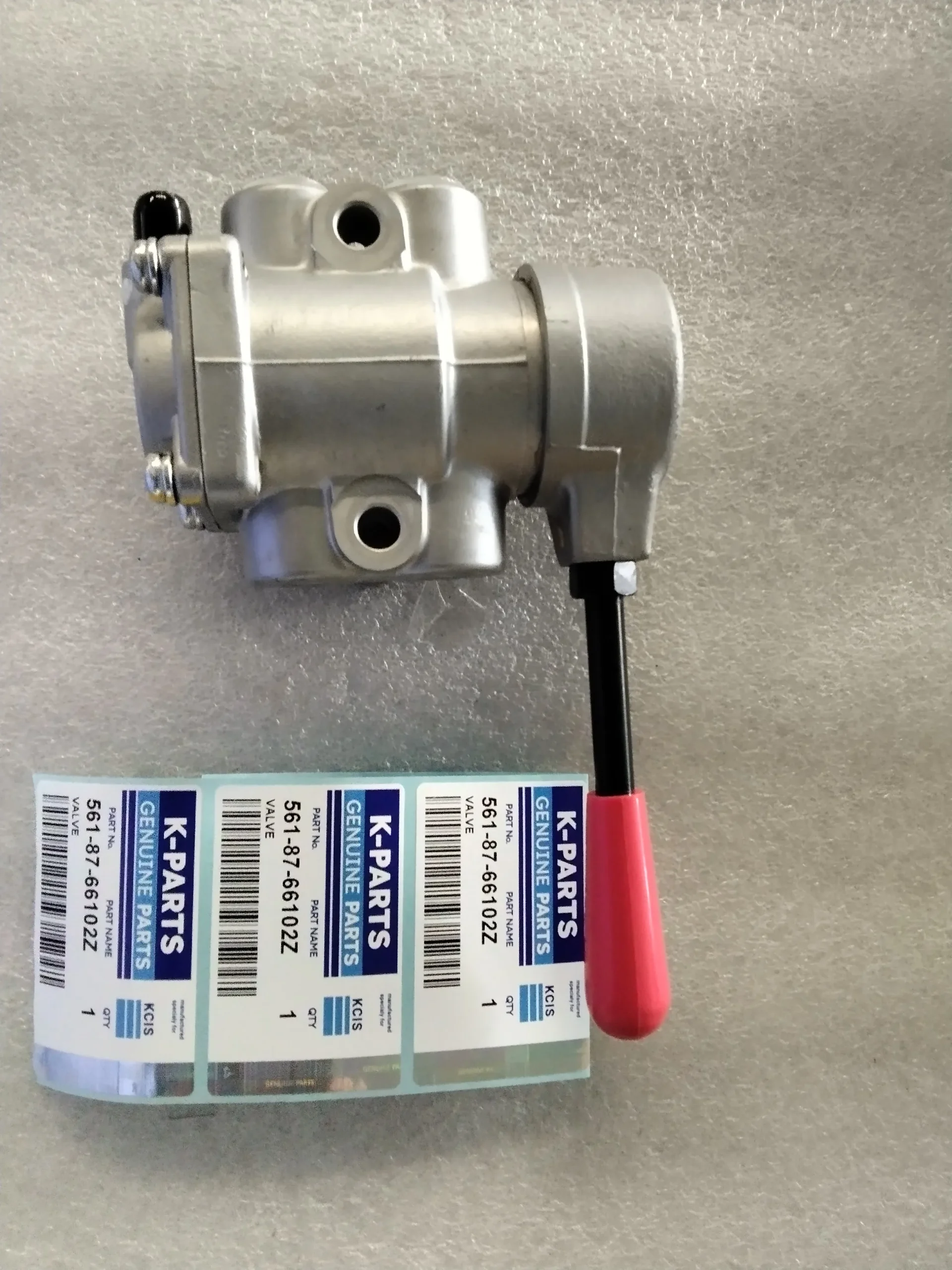 Komatsu dump truck HD785 valve component 561-87-66102
 -
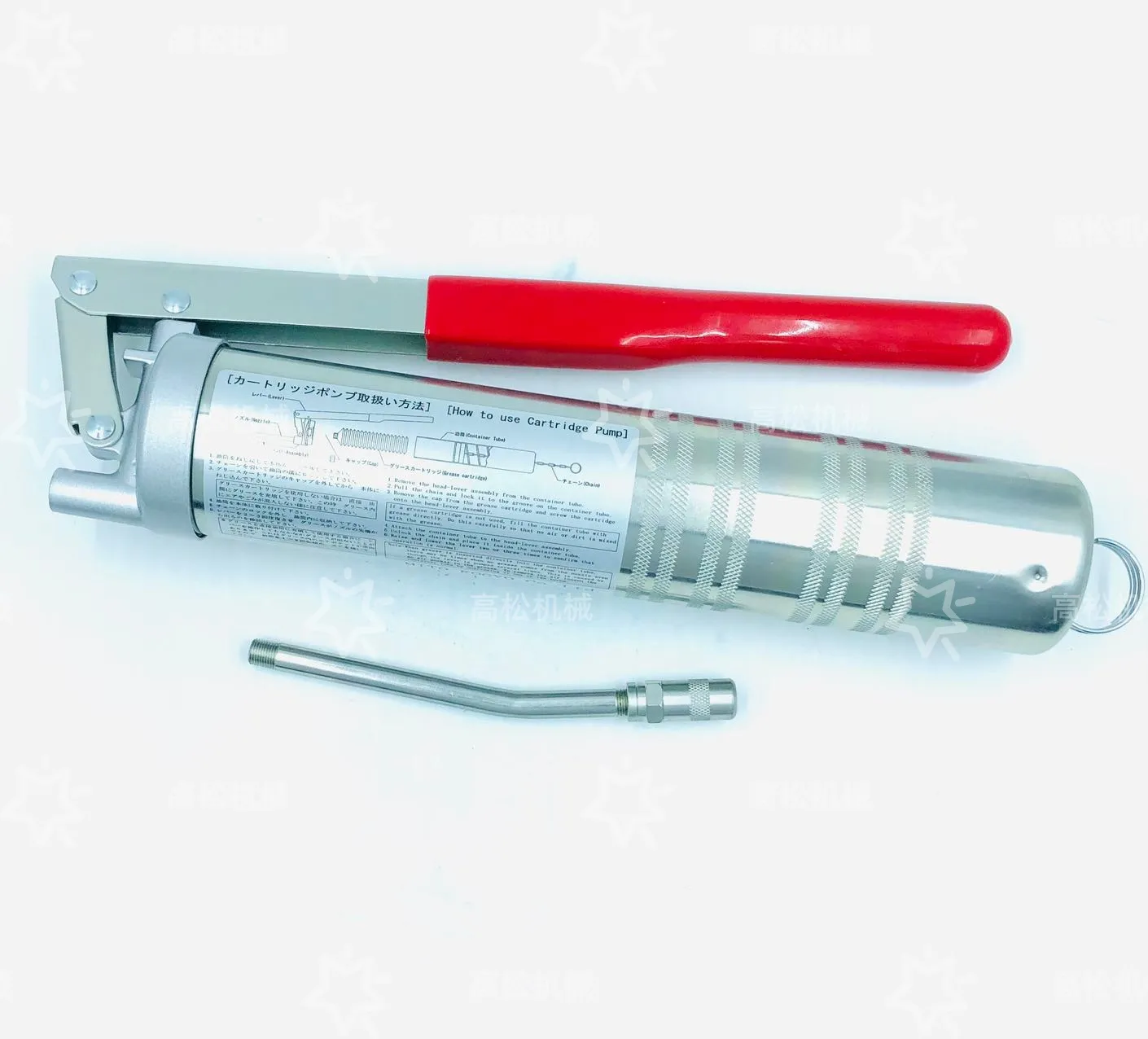 HM400 GREASE PUMP 07952-70014 07952-70004 For Komatsu Original
 -
 561-95-83030 561-95-84080 injector assembly for hd785-7 injectors
 -
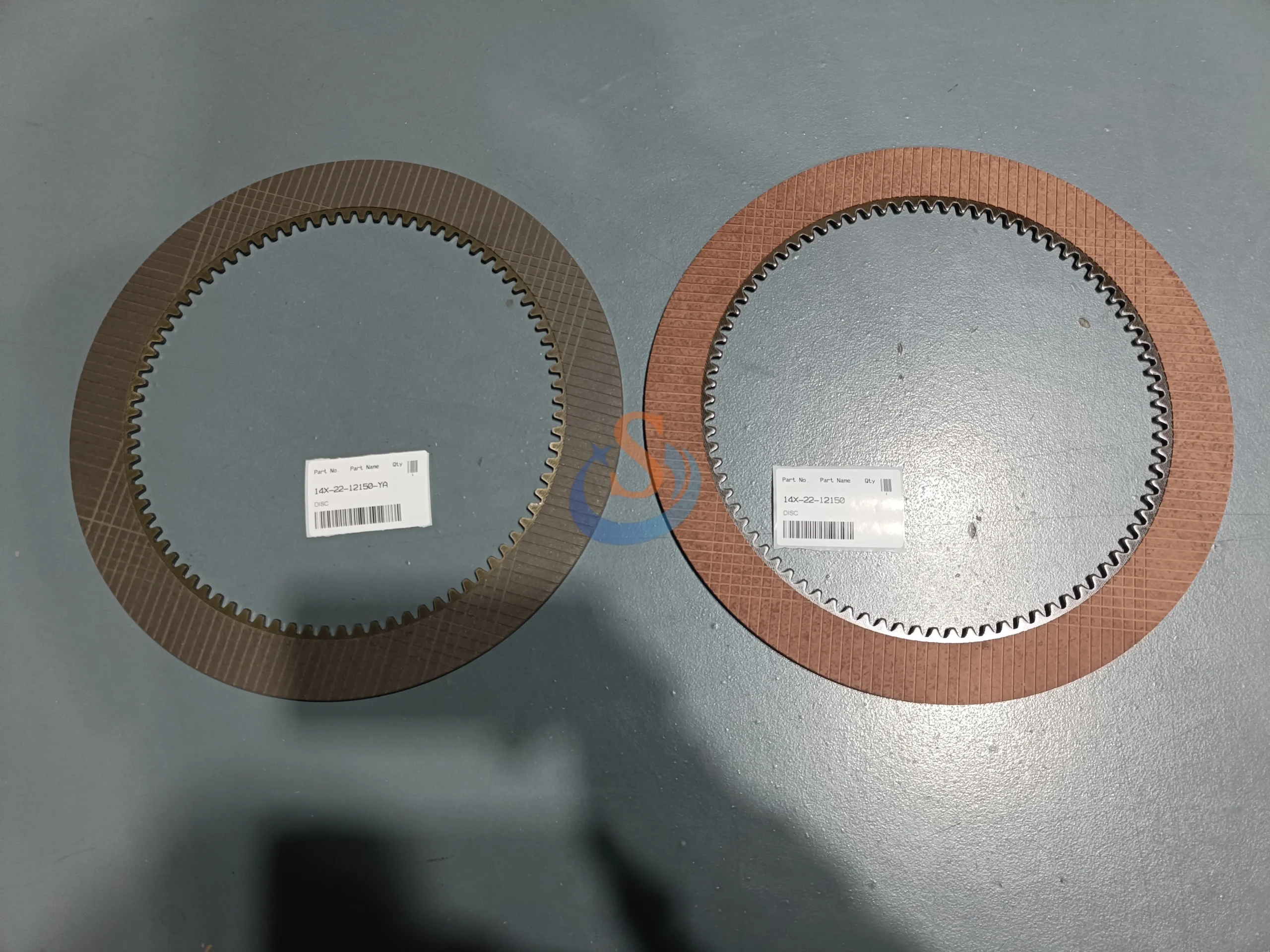 14X-22-12150,DISC,D85ESS,D275A
 -
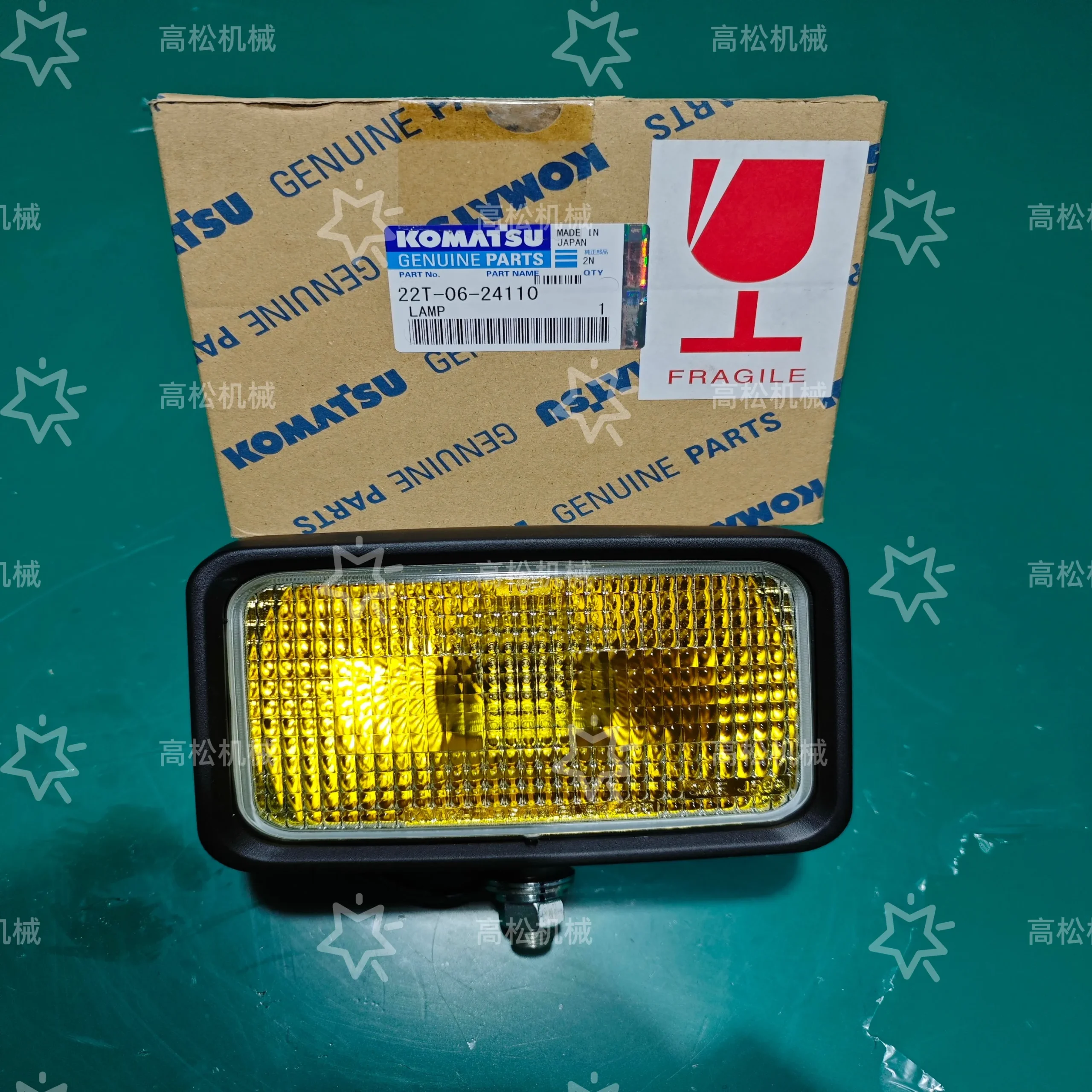 LAMP 22T-06-24110 – KOMATSU
 -
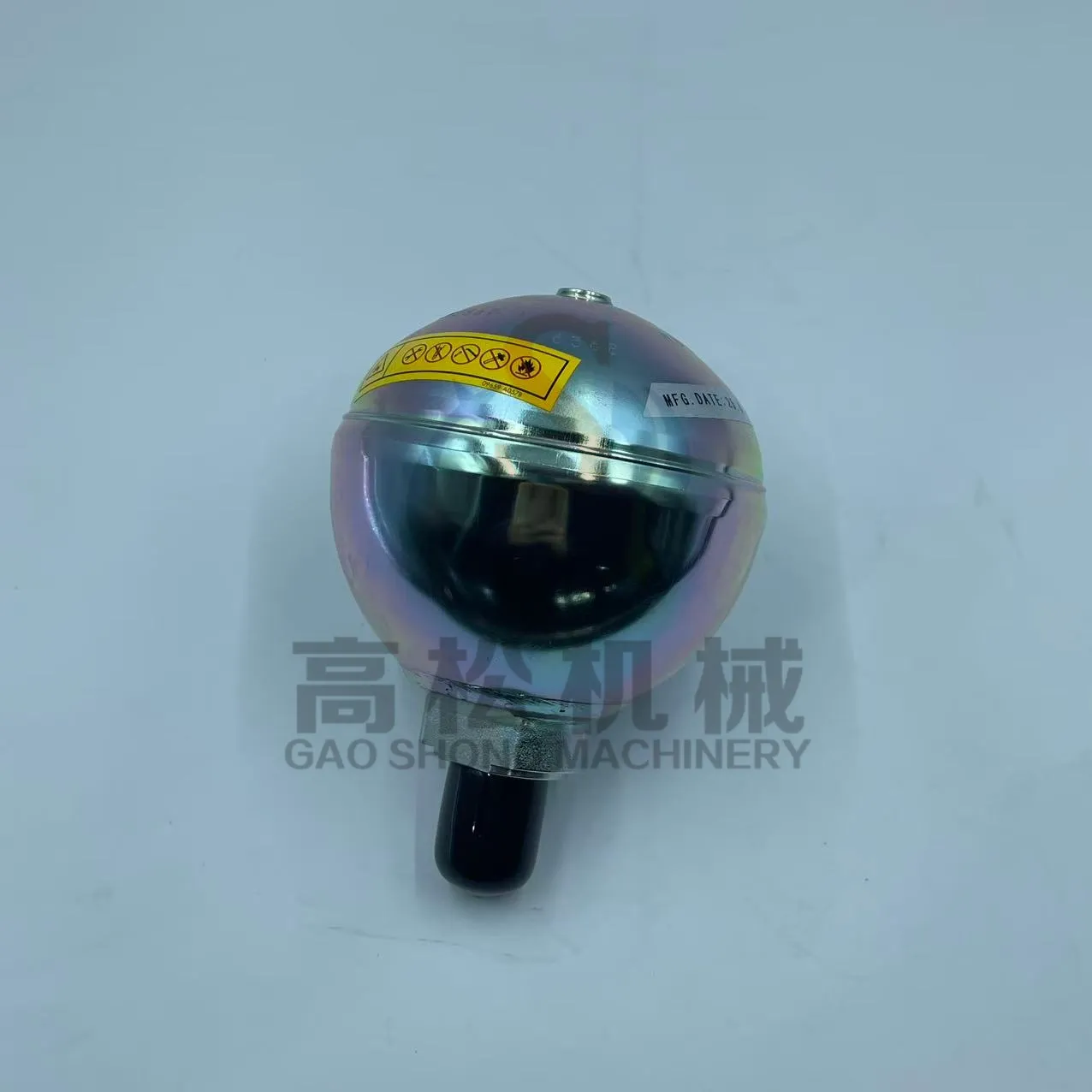 22u-60-21331 Accumulator
 -
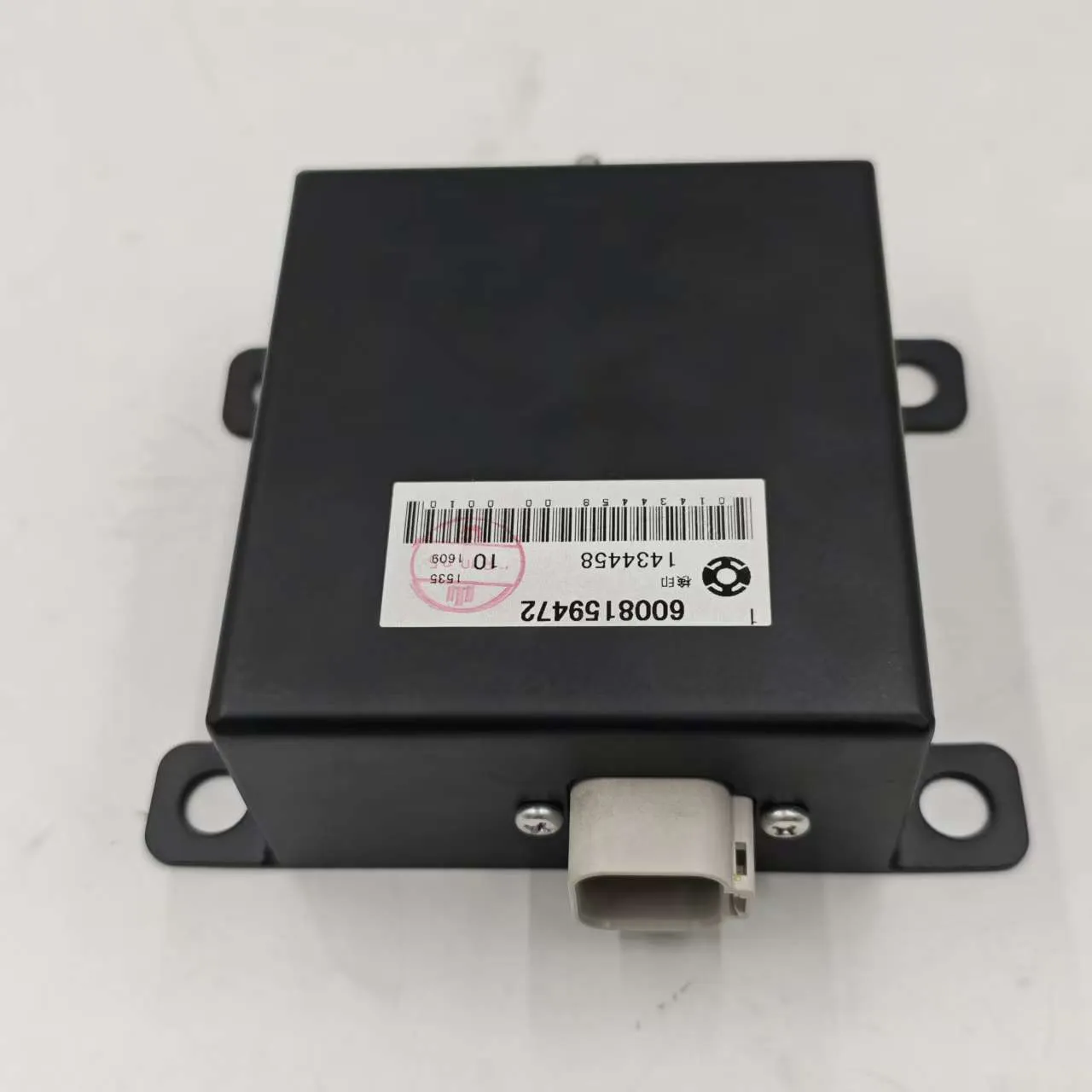 Switch 600-815-9472 HD785 Dump Truck Spare Parts
 -
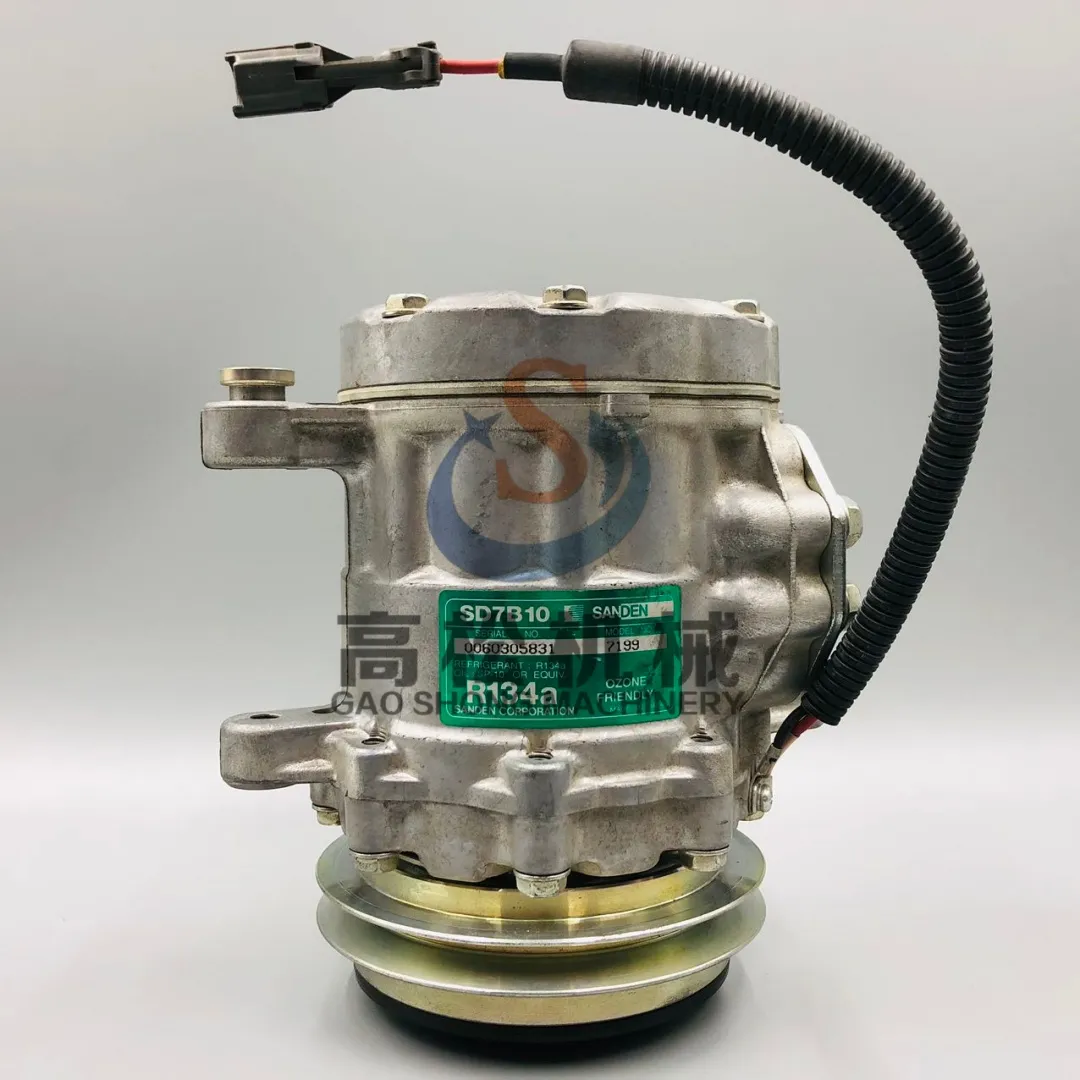 Disong 22L-979-2200 AIR CONDITIONER COMPRESSOR 22L-979-2200 for Excavator PC56-7
 -
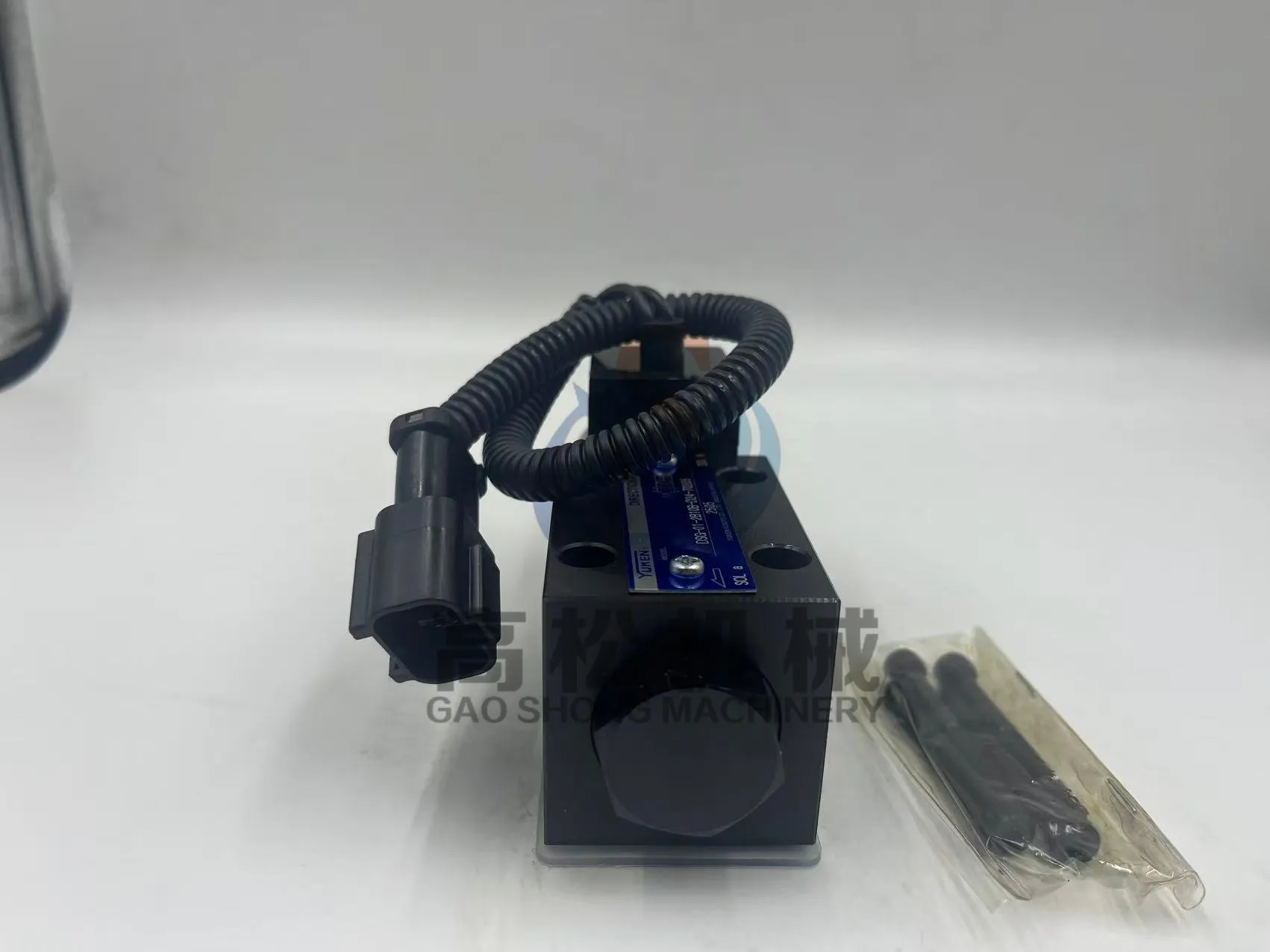 VALVE ASS’Y 23W-60-28230 – KOMATSU
 -
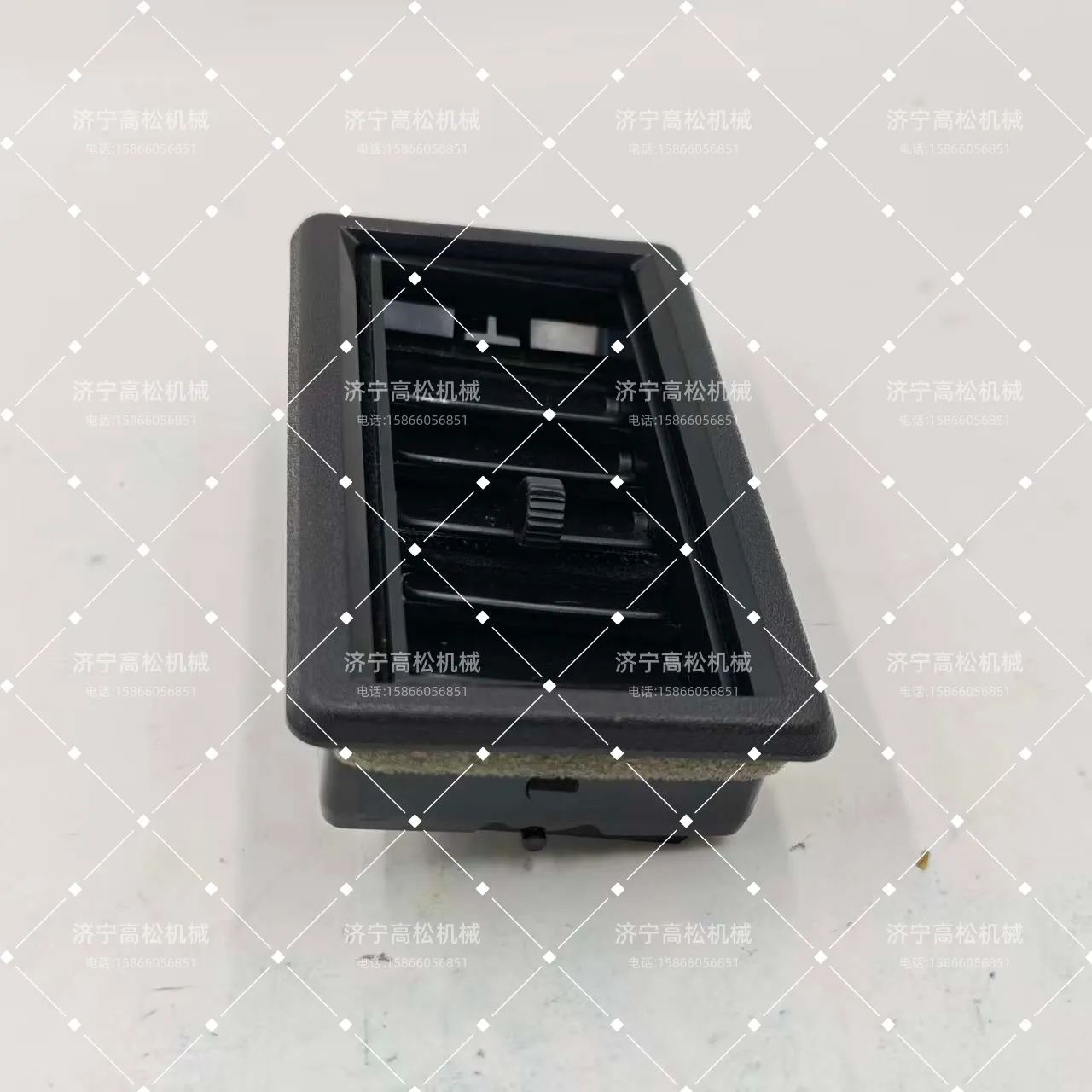 Komatsu 17A-54-18270 Inside cover for D155AX-5 Bulldozer
 -
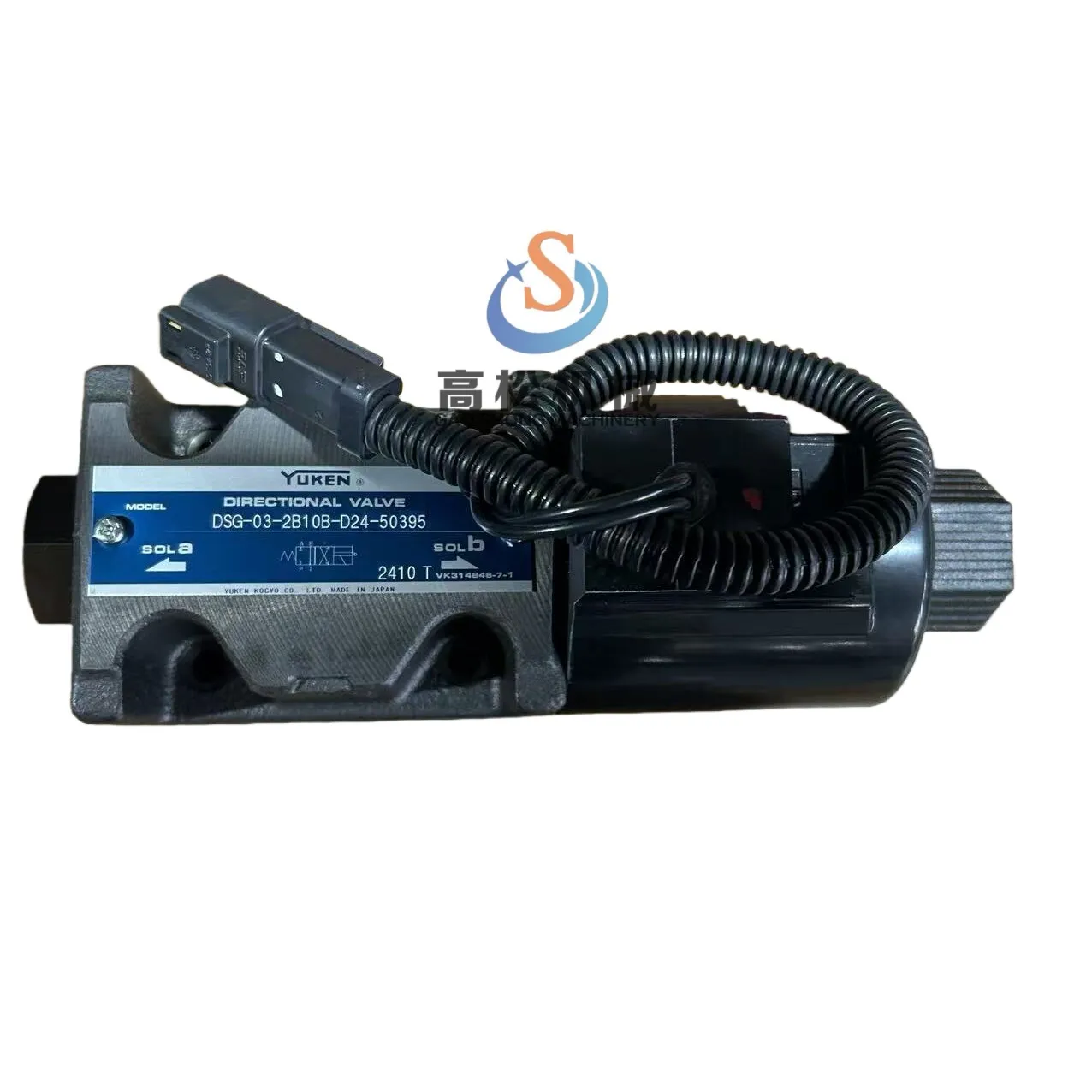 SOLENOID VALVE – 561-43-8A882