
- Chinese
- French
- German
- Portuguese
- Spanish
- Russian
- Japanese
- Korean
- Arabic
- Irish
- Greek
- Turkish
- Italian
- Danish
- Romanian
- Indonesian
- Czech
- Afrikaans
- Swedish
- Polish
- Basque
- Catalan
- Esperanto
- Hindi
- Lao
- Albanian
- Amharic
- Armenian
- Azerbaijani
- Belarusian
- Bengali
- Bosnian
- Bulgarian
- Cebuano
- Chichewa
- Corsican
- Croatian
- Dutch
- Estonian
- Filipino
- Finnish
- Frisian
- Galician
- Georgian
- Gujarati
- Haitian
- Hausa
- Hawaiian
- Hebrew
- Hmong
- Hungarian
- Icelandic
- Igbo
- Javanese
- Kannada
- Kazakh
- Khmer
- Kurdish
- Kyrgyz
- Latin
- Latvian
- Lithuanian
- Luxembou..
- Macedonian
- Malagasy
- Malay
- Malayalam
- Maltese
- Maori
- Marathi
- Mongolian
- Burmese
- Nepali
- Norwegian
- Pashto
- Persian
- Punjabi
- Serbian
- Sesotho
- Sinhala
- Slovak
- Slovenian
- Somali
- Samoan
- Scots Gaelic
- Shona
- Sindhi
- Sundanese
- Swahili
- Tajik
- Tamil
- Telugu
- Thai
- Ukrainian
- Urdu
- Uzbek
- Vietnamese
- Welsh
- Xhosa
- Yiddish
- Yoruba
- Zulu
- Kinyarwanda
- Tatar
- Oriya
- Turkmen
- Uyghur





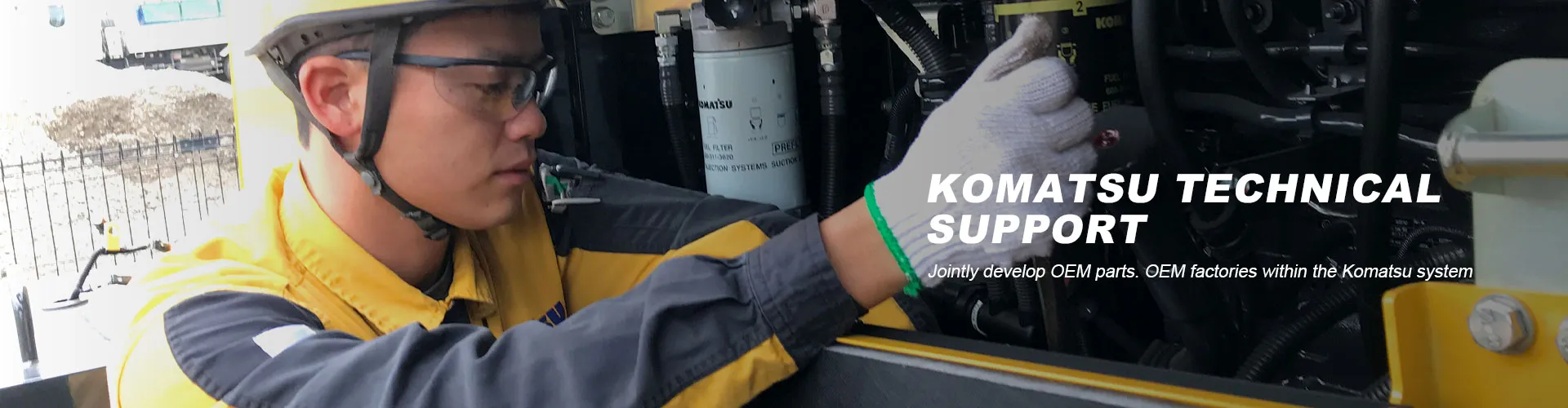
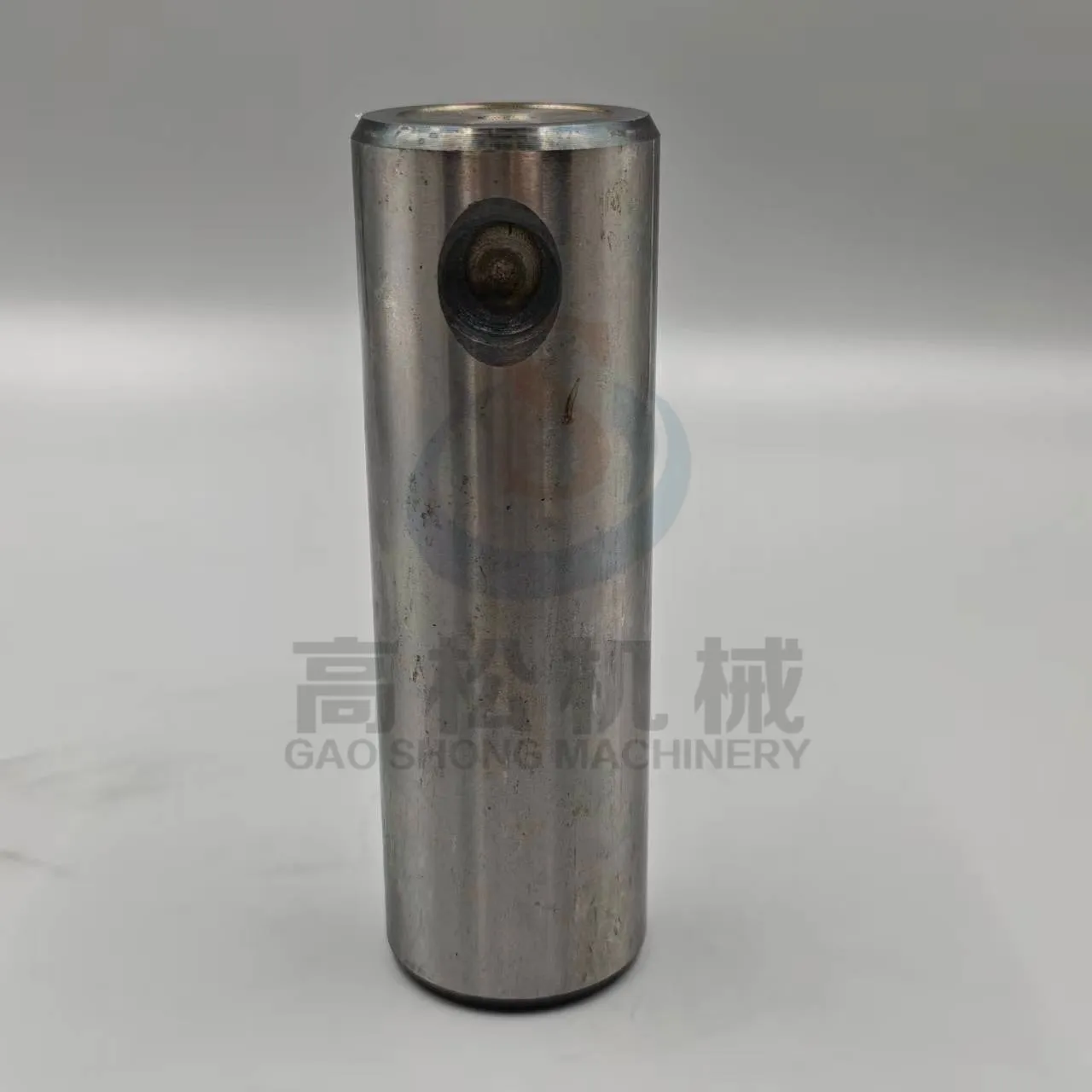
OEM AND ORIGINAL KOMATSU PIN 235-46-11410
When you see a part number like , especially with the terms OEM and Original Komatsu attached, it immediately sets off a dozen internal alarms. In this line of work, that combination is where the real battlefield is—it's never just about a pin. It's about provenance, specification adherence, and the very real operational risks that come with getting it wrong. Too many assume OEM means it rolled off Komatsu's own line, but in the global aftermarket, that's a dangerous oversimplification. My own experience sourcing these pins has been a lesson in careful verification, not just trusting a label.
The Reality Behind the OEM Label
Let's be clear: an OEM supplier within the Komatsu system is not the same as Komatsu's primary manufacturing arm. A company like Jining Gaosong Construction Machinery Co., Ltd. operates in that space. They are contracted to produce components to Komatsu's blueprint, often for specific regional distribution or to supplement the main supply chain. The pin is a perfect example. It's a critical linkage pin, probably for an excavator boom or arm. The OEM tag from such a supplier means it should be manufactured to the exact material spec, heat treatment, and dimensional tolerance that Komatsu engineering mandated.
The catch is in the should be. I've received batches where the hardness was a few points off, noticeable only after accelerated wear in high-stress pivot points. The paperwork was perfect, the packaging convincing, but the performance told a different story. This is where the role of a third-party sales company, as mentioned in their profile on https://www.takematsumachinery.com, becomes crucial. They aren't just moving boxes; they're supposed to be a filter, validating that the OEM-produced part truly meets the original standard before it hits a customer in a market where genuine Komatsu distribution is thin.
I recall a project in Southeast Asia where we were rebuilding a PC300-8. We sourced what was sold as an OEM & Original pin from a local vendor. It failed within 400 hours, causing minor but costly linkage damage. The failure analysis pointed to subpar alloy composition. The vendor swore it was from a certified OEM partner. Later, tracing it back, it was a case of a supplier cutting corners on a single production run—a batch flaw that a rigorous third-party validator should have caught. That's the gap between being an OEM producer and being a reliable solutions provider for parts supply challenges.
Verification: More Than a Part Number Match
So, how do you vet something like this? First, you move past the catalog. The part number is just the entry key. For a pin, the devil is in the metallurgy and finish. A true OEM-original pin will have a specific surface finish—often a phosphate coating for corrosion resistance and oil retention—that's distinct. I've learned to use a simple scratch test comparison with a known-genuine part; the coating behavior is different on a substitute. The machining marks, the chamfer on the ends, even the stamping depth of the part number—these are the fingerprints.
Second, you engage with the supplier on their process. A legitimate entity like Jining Gaosong, if they are indeed a formal part of the system, should be able to discuss their quality control protocols for a critical wear part like this pin. Can they provide mill certificates for the steel bar stock? What's their SPC data on the diameter tolerance? If the conversation stays only on price and availability, that's a red flag. Their stated mission of helping to solve parts supply challenges in certain countries implies they handle complexity, not just act as a warehouse.
I've found that the most reliable transactions happen when you treat the purchase as an audit. Request a sample before a bulk order. Measure every critical dimension, not just the major diameter. Check the case hardness depth. I once rejected a shipment of pins because the grease groove radius was machined slightly too sharp, a stress riser that could lead to a fatigue crack. The supplier argued it was within functional limits, but for a pin under constant shear and bending, good enough isn't in the Komatsu manual.
The Economics and Risks of the Aftermarket Pin
Financially, the allure of an OEM-original pin from a secondary supplier is obvious: cost. It can be 30-50% less than a part ordered through Komatsu's official channel. For a fleet manager, that's compelling. But the total cost of ownership calculation must include downtime. A failed pin doesn't just cost the price of the part; it costs the labor to replace it (often requiring significant disassembly) and the revenue lost from an idle machine. That cheap pin can become the most expensive component on the machine.
This is where the value proposition of a company operating as both an OEM supplier and a third-party seller should shine. They are positioned to offer a credible alternative that balances cost and reliability, but only if their quality gate is robust. Their website should be a resource, not just a catalog. Do they offer technical data sheets for their key parts? Do they discuss common failure modes? This shows a depth of understanding.
I've had successes, too. Sourcing a batch of these pins for a mining contractor in West Africa from a reputable intermediary was one. The pins performed to the expected service life. The key was that the supplier provided full traceability back to the foundry and their QC reports. They acted as a true partner, not just a vendor. That's the model that solves supply challenges.
Practical Scenarios and Field Observations
In the field, you see patterns. The pin, depending on the machine's application, wears in predictable ways. In high-cycle, high-impact digging, the wear is often just below the center, where the bending moment is highest. An under-spec pin will develop a visible hourglass shape there. In dredging or constant swing applications, wear might be more even but accelerated. A proper OEM-original pin will resist this deformation longer due to its core toughness.
Another practical note: always check the mating parts. I've seen a perfect new pin get installed into a bushing that was already out-of-spec, leading to immediate improper loading and premature failure. The part doesn't work in isolation. A good supplier will sometimes flag this, suggesting a bushing kit—showing they're thinking about the assembly, not just the SKU.
There's also the logistical side. The promise of solving supply challenges in remote countries is about more than shipping. It's about having the correct export documentation, understanding customs hurdles for mechanical parts, and ensuring packaging survives long, harsh transit. A pin that arrives rusty is useless, regardless of its pedigree.
Concluding Thoughts on Trust and Specification
Ultimately, dealing with a component labeled OEM AND ORIGINAL KOMATSU PIN is an exercise in professional skepticism and verification. The terms are not guarantees; they are categories that require validation. The existence of firms like Jining Gaosong Construction Machinery Co., Ltd. reflects the complex, layered reality of global heavy equipment support. They can be part of the solution, providing a legitimate, specification-compliant alternative in constrained markets.
But the burden is on the buyer—the mechanic, the fleet manager, the procurement specialist—to do the homework. Ask for evidence. Demand traceability. Understand the failure modes. The part number is the starting point, but your due diligence is the finish line. In this business, trust is built on data and demonstrated performance, not on labels or even a well-structured website like https://www.takematsumachinery.com. It's built when that pin lasts through the expected service interval without a hiccup. That's the only original result that truly matters.
So next time you order that pin, look past the title. Think about the steel, the heat treat, the coating, and the company's willingness to stand behind the metallurgy as much as the part number. That's how you navigate the gray zone between OEM, original, and operational reliability.
Related Products
Related Products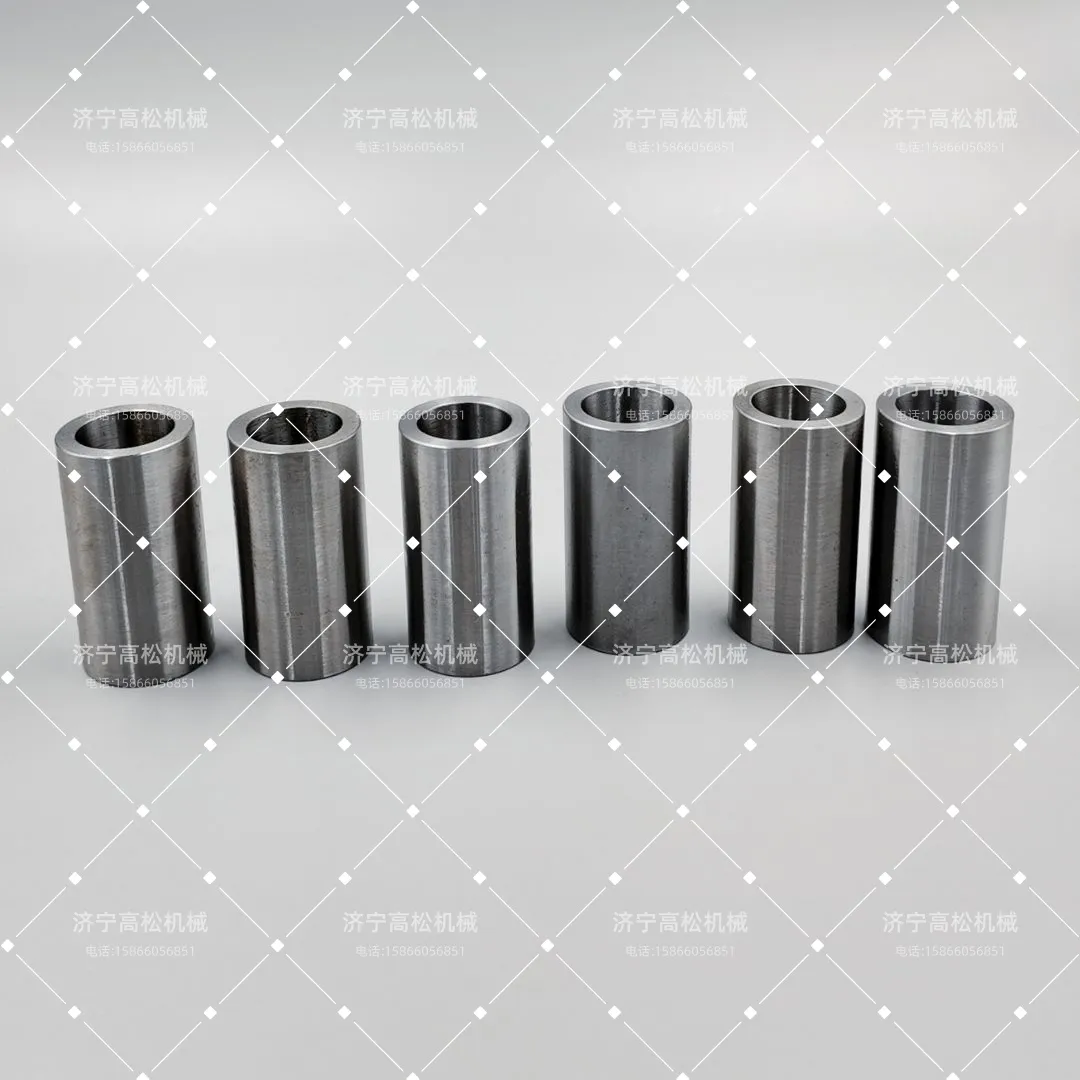
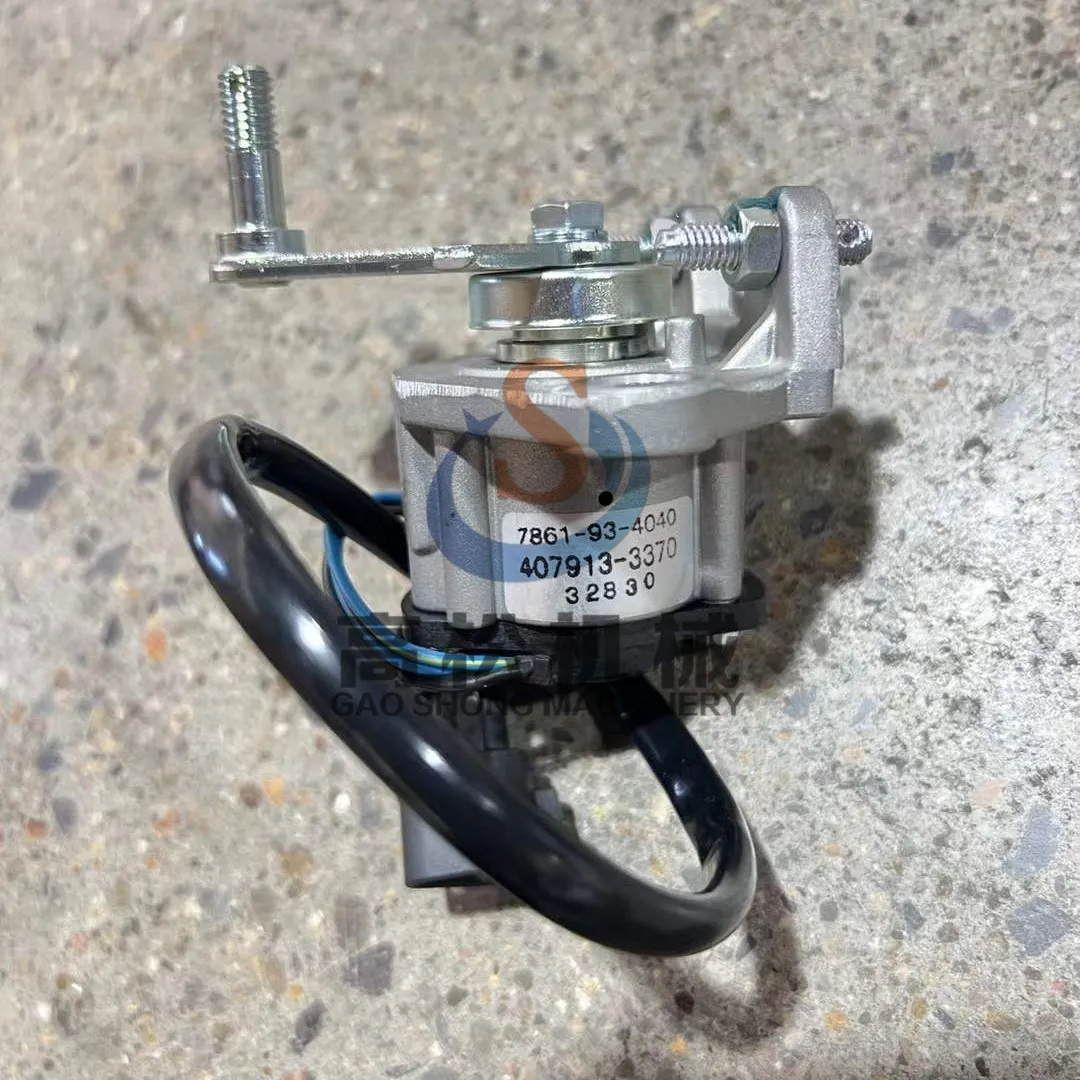
Best Selling Products
Best Selling Products-
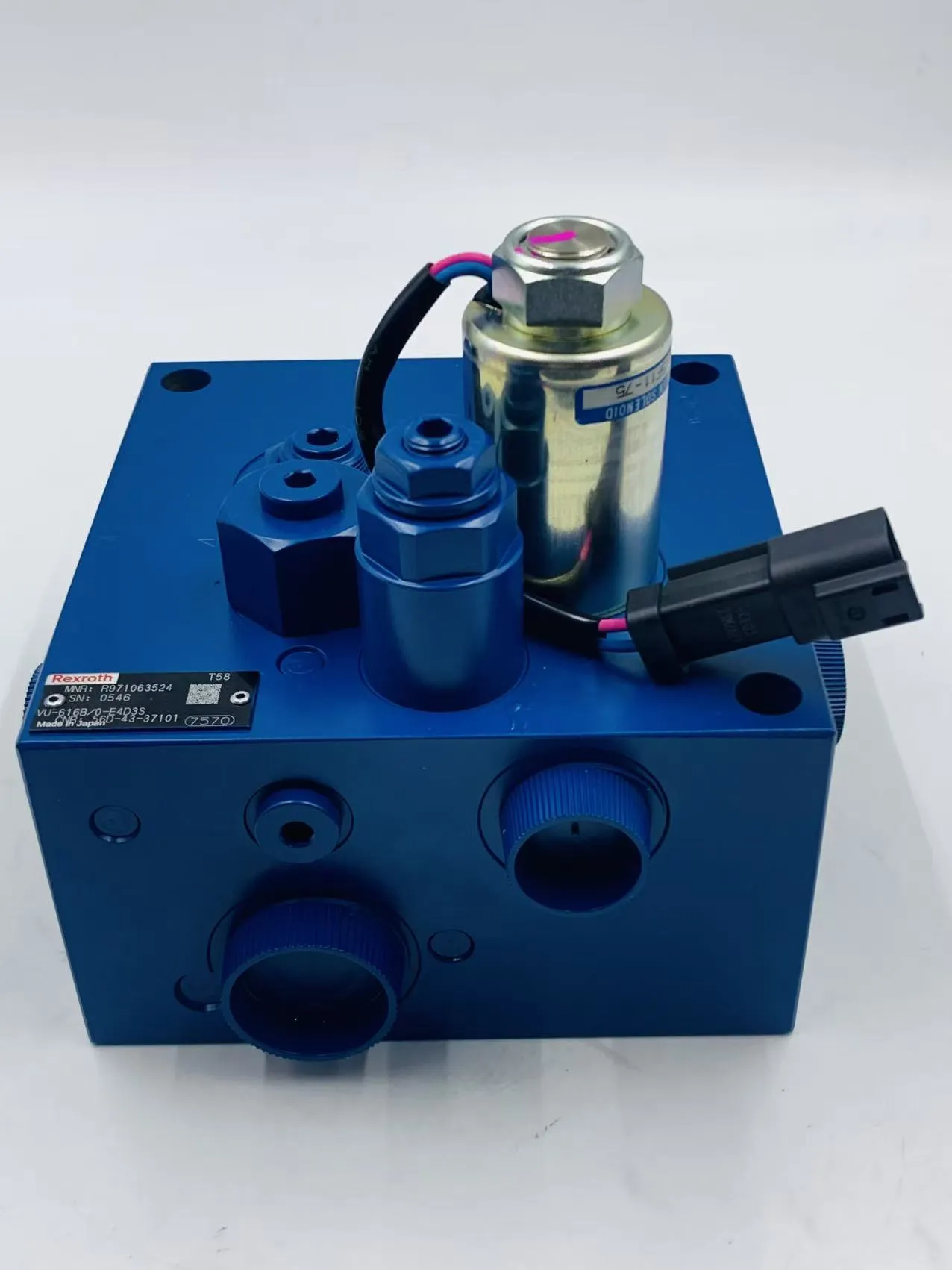 56D-43-37101 Valve Assembly, Charge for HM300 Komatsu Dump Truck Parts High Quality Original Factory
 -
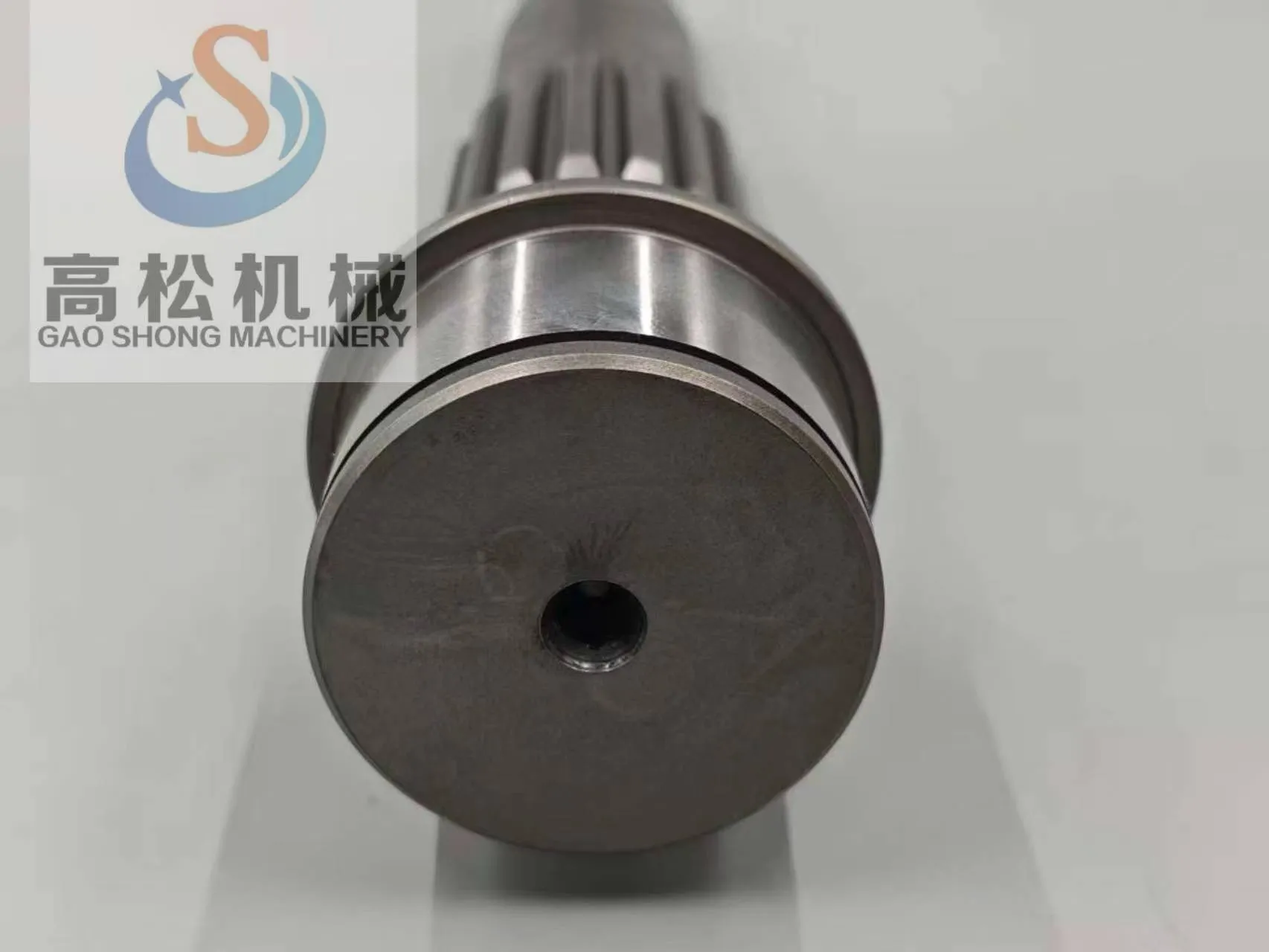 Driven Shaft Komatsu HPV140 708-2G-12121 | ASPECT PLUS
 -
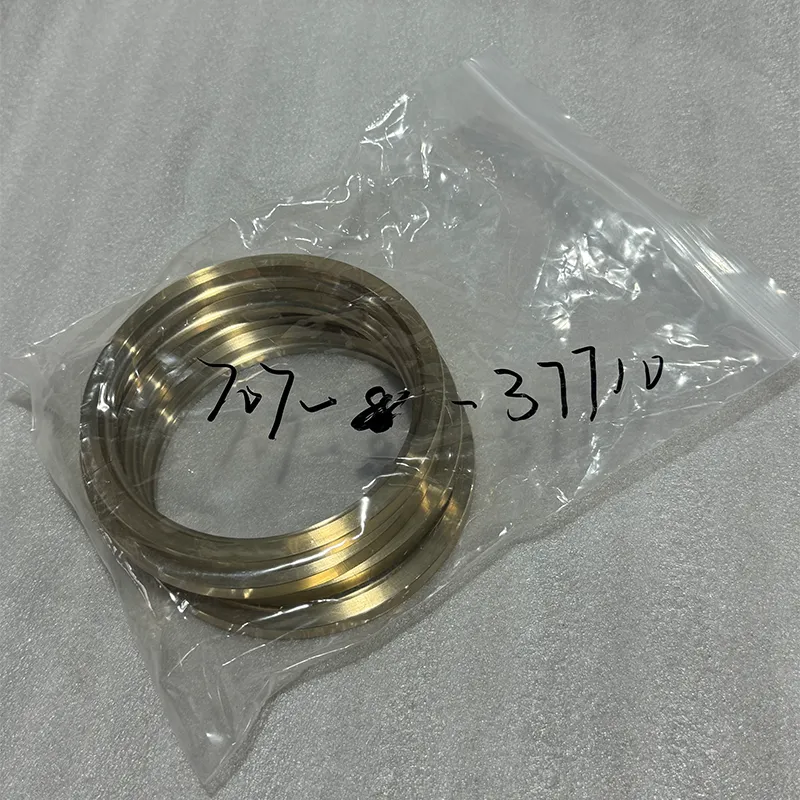 Original komatsu PC1250-8 Ring 707-88-37710
 -
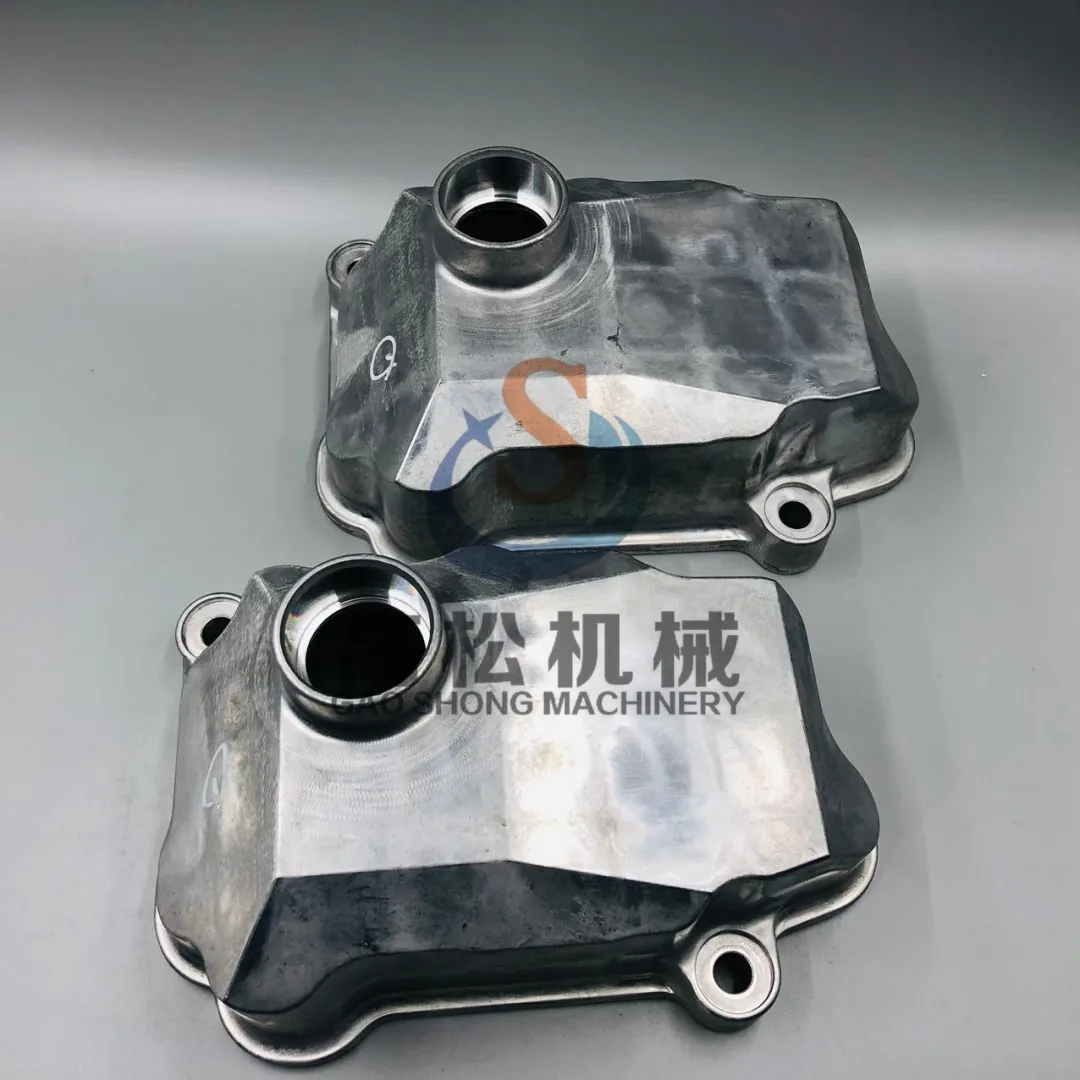 Komatsu SAA6D125E-5 Valve Cover | Part Number 6251-11-8150
 -
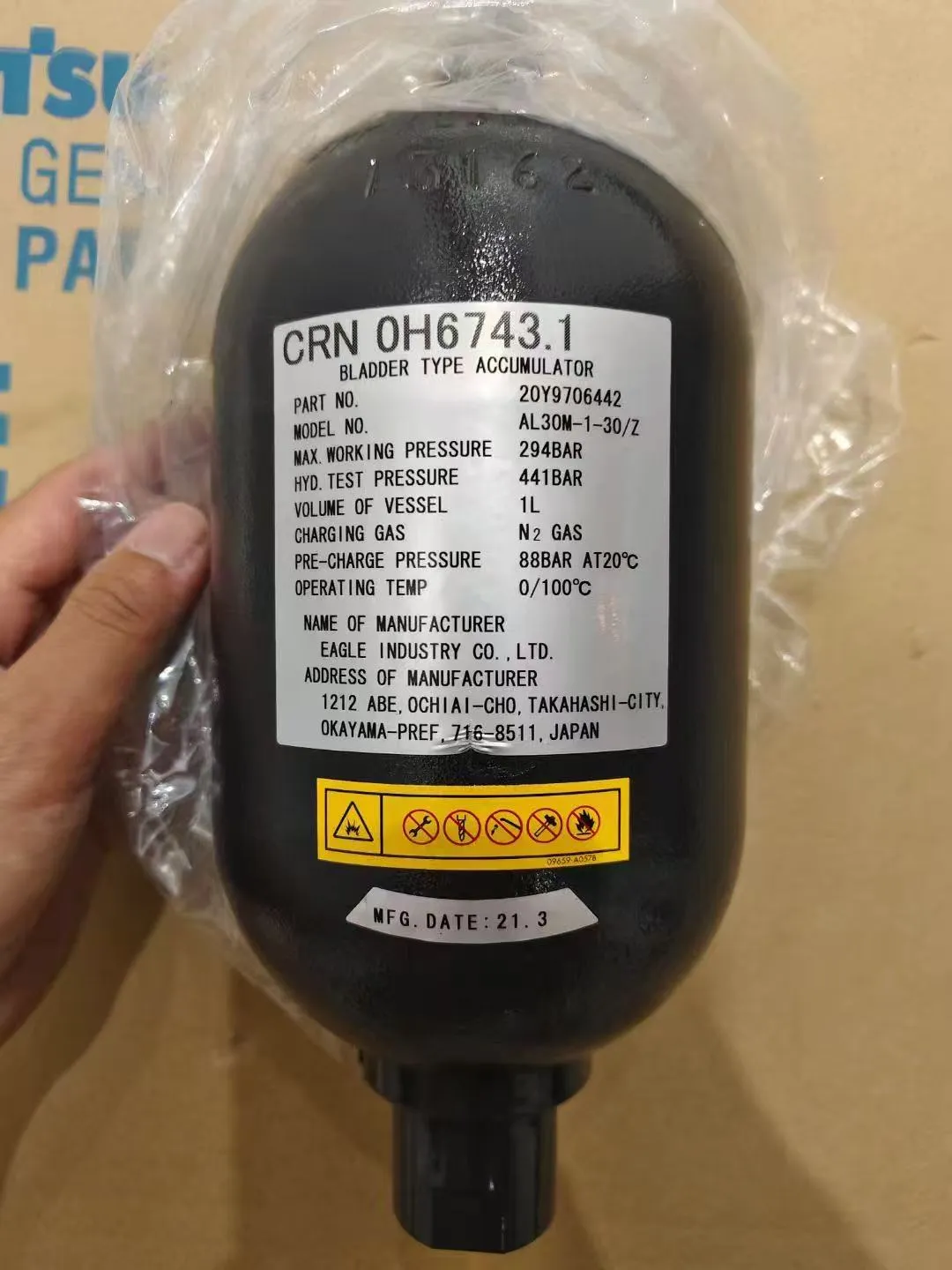 20Y-970-6442 Komatsu Accumulator Assembly
 -
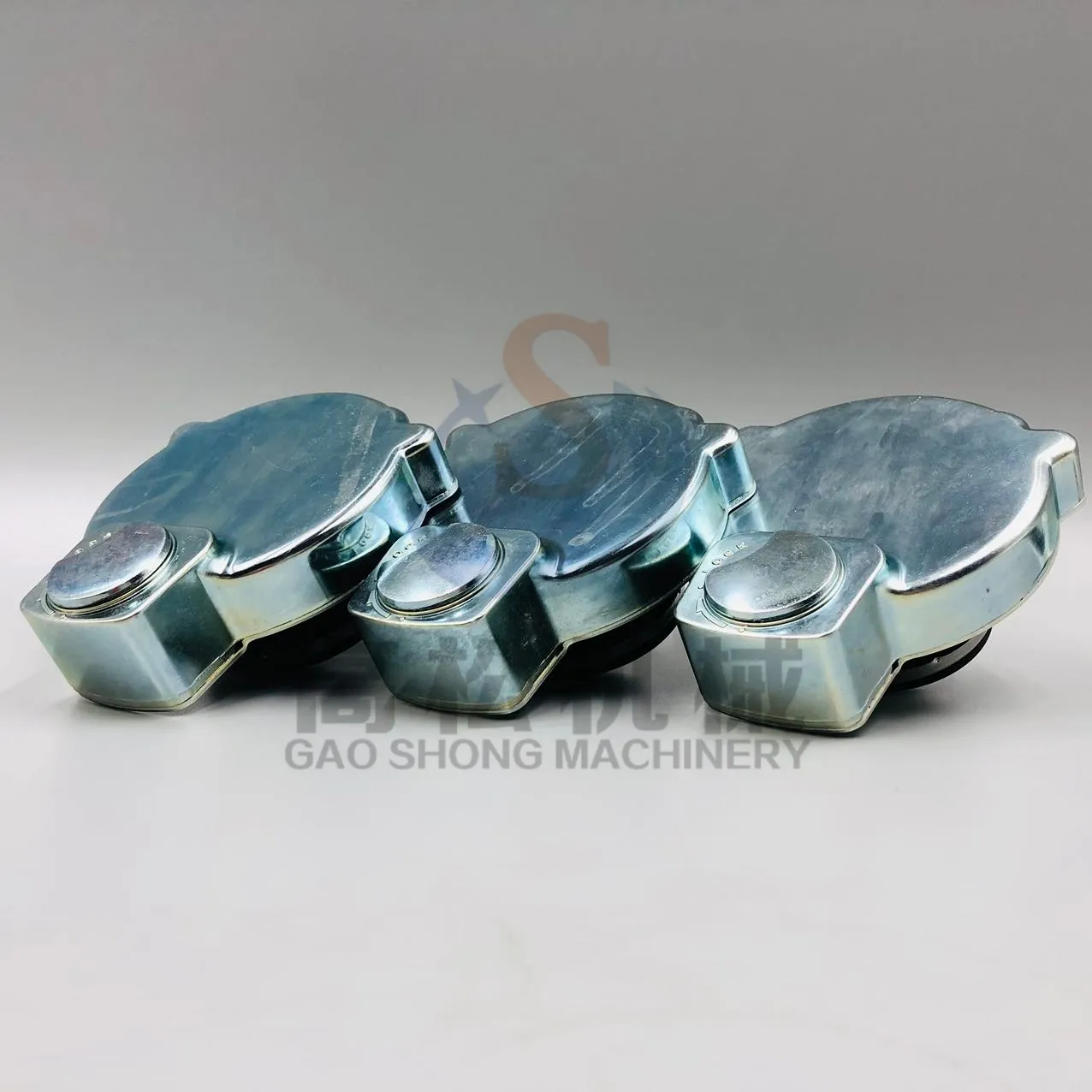 Komatsu fuel tank cap 17A-60-11310
 -
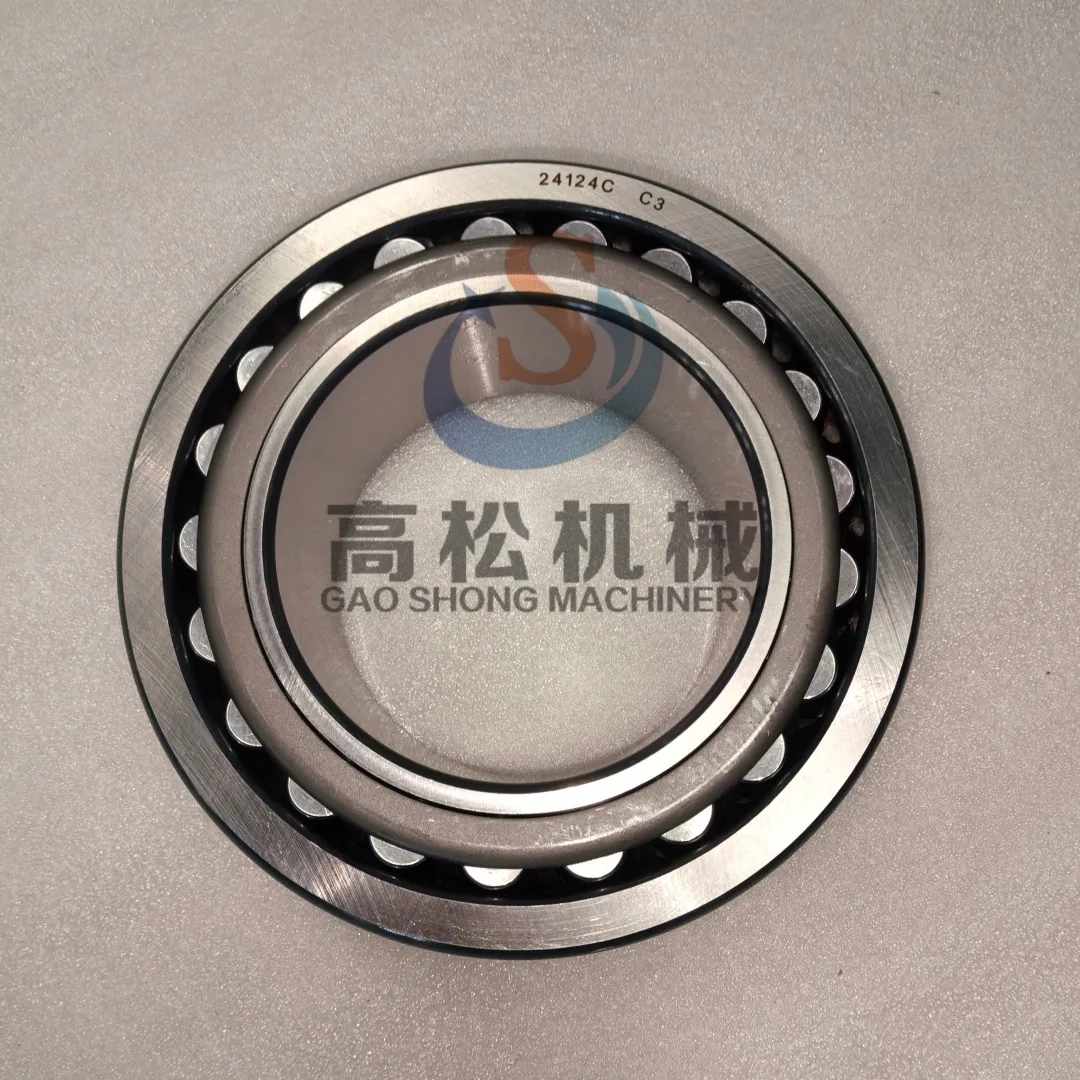 ROLLER BEARING 170-09-13250 1700913250 for Komatsu Bulldozer D85 D80 SD32 D155 FINAL DRIVE GEAR
 -
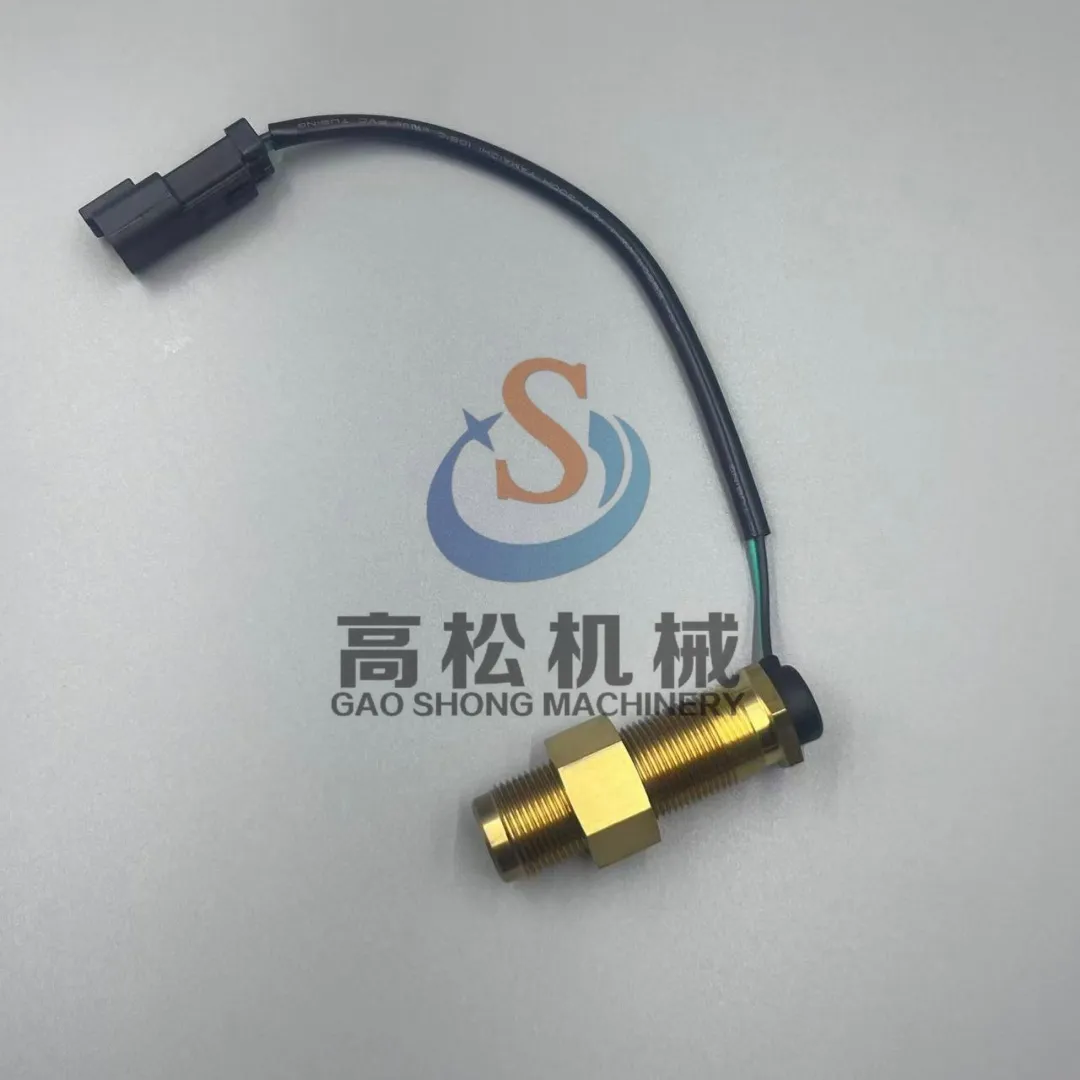 7861-92-2340 7861-93-2330 Fits for Komatsu PC200-3
 -
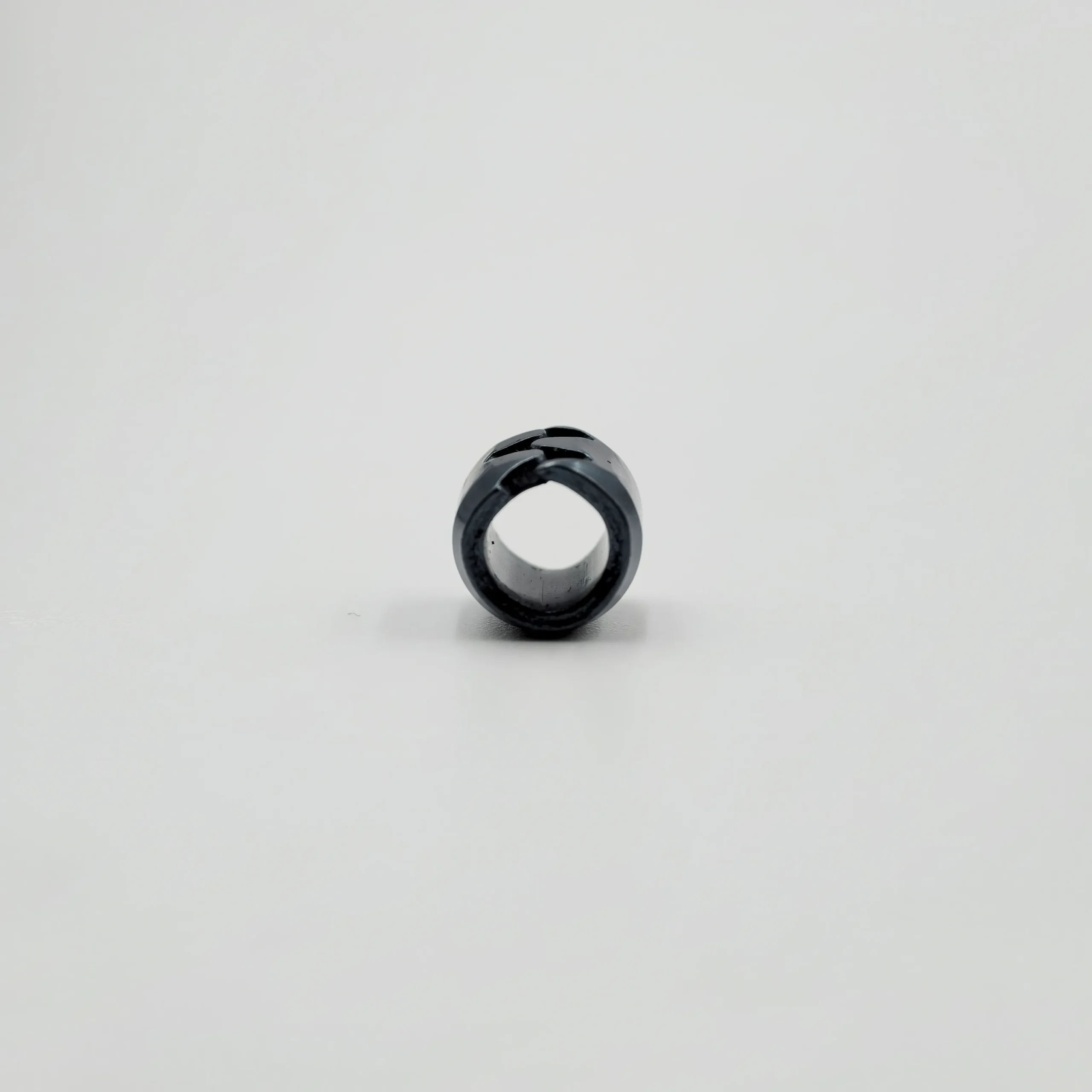 144-70-15251 Komatsu Pin, Dowel
 -
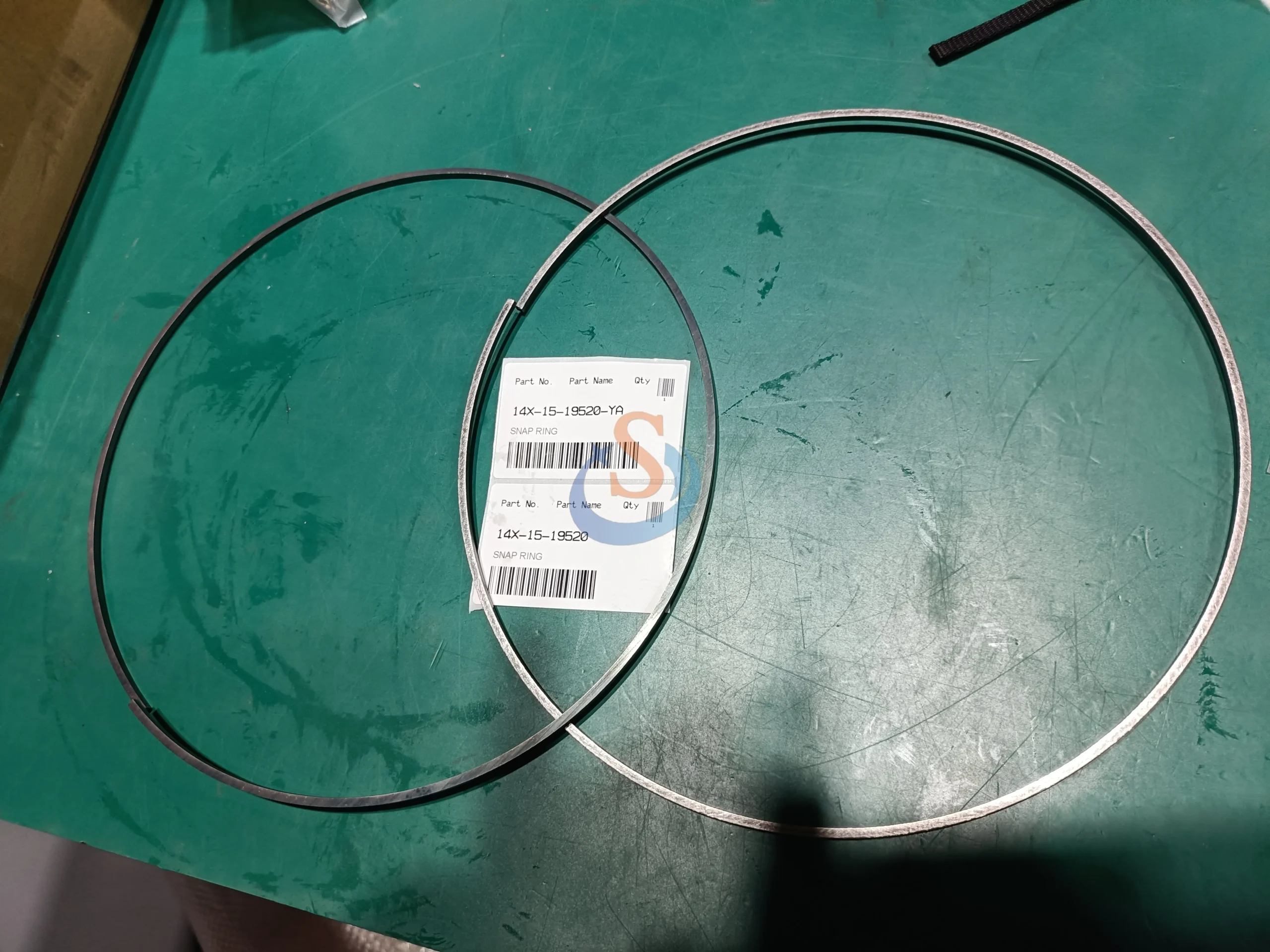 14X-15-19520 RING,SNAP D68ESS,D85PX,WA500
 -
 Komatsu 21N-30-14160 PACKING, price for original… — Pricing.Parts
 -
![[Hot Item] Generator Engine Part 600-825-3151 for PC400-6-7](https://www.takematsumachinery.com/wp-content/uploads/微信图片_20251224093522_43_1619-1.webp) [Hot Item] Generator Engine Part 600-825-3151 for PC400-6-7
[Hot Item] Generator Engine Part 600-825-3151 for PC400-6-7
Related Search
Related Search- OEM AND ORIGINAL KOMATSU PANEL ASSY 20Y-979-6141
- OEM AND ORIGINAL KOMATSU CUSHION 195-21-32362
- Komatsu hydraulic filter
- OEM AND ORIGINAL KOMATSU CUSHION 17M-54-49422
- aftermarket komatsu dozer parts
- komatsu fg25t 12 parts
- OEM AND ORIGINAL KOMATSU GEAR 17M-27-41210
- OEM AND ORIGINAL KOMATSU GEAR 21N-38-51210
- Komatsu engine cylinder head
- genuine parts komatsu