
- Chinese
- French
- German
- Portuguese
- Spanish
- Russian
- Japanese
- Korean
- Arabic
- Irish
- Greek
- Turkish
- Italian
- Danish
- Romanian
- Indonesian
- Czech
- Afrikaans
- Swedish
- Polish
- Basque
- Catalan
- Esperanto
- Hindi
- Lao
- Albanian
- Amharic
- Armenian
- Azerbaijani
- Belarusian
- Bengali
- Bosnian
- Bulgarian
- Cebuano
- Chichewa
- Corsican
- Croatian
- Dutch
- Estonian
- Filipino
- Finnish
- Frisian
- Galician
- Georgian
- Gujarati
- Haitian
- Hausa
- Hawaiian
- Hebrew
- Hmong
- Hungarian
- Icelandic
- Igbo
- Javanese
- Kannada
- Kazakh
- Khmer
- Kurdish
- Kyrgyz
- Latin
- Latvian
- Lithuanian
- Luxembou..
- Macedonian
- Malagasy
- Malay
- Malayalam
- Maltese
- Maori
- Marathi
- Mongolian
- Burmese
- Nepali
- Norwegian
- Pashto
- Persian
- Punjabi
- Serbian
- Sesotho
- Sinhala
- Slovak
- Slovenian
- Somali
- Samoan
- Scots Gaelic
- Shona
- Sindhi
- Sundanese
- Swahili
- Tajik
- Tamil
- Telugu
- Thai
- Ukrainian
- Urdu
- Uzbek
- Vietnamese
- Welsh
- Xhosa
- Yiddish
- Yoruba
- Zulu
- Kinyarwanda
- Tatar
- Oriya
- Turkmen
- Uyghur






OEM AND ORIGINAL KOMATSU PIN 21T-70-33184
When you see a part number like 21T-70-33184, especially for a Komatsu pin, the immediate assumption is often about origin. Is it genuine Komatsu, or is it an OEM part? In the field, that distinction gets blurry fast. Many buyers, particularly those managing fleets in regions with supply chain gaps, think OEM means inferior. That's not always the case, and understanding the nuance behind that AND in the keyword is where real operational knowledge comes in. I've seen too many projects stalled over debates about this very pin, when the issue was often fitment or batch consistency, not just the logo on the box.
The Anatomy of a Pin: More Than Just a Part Number
Let's break down 21T-70-33184. This isn't a generic bucket pin; it's a specific, load-bearing component, likely for a linkage assembly on a mid-sized excavator, say a PC200 or similar. The 21T prefix often ties it to a specific family or generation of machines. The critical specs here are the hardness profile, the diameter tolerances (which are incredibly tight, we're talking microns), and the surface finish. An original Komatsu pin will have a specific induction hardening pattern that's difficult to replicate perfectly. An OEM version that meets the material spec (like SCr420H) and the heat treatment process can function identically, but the devil is in the process control.
I recall a situation in a mining operation in Southeast Asia. They had a mix of original and OEM-sourced Komatsu pins for their PC300 fleet. The OEM pins, from a certified supplier, were performing at par on standard duty cycles. However, in one machine with a particularly aggressive tilt attachment, we started seeing premature wear on the OEM pin after about 1200 hours, while the originals lasted 1800+. The failure analysis pointed not to the core hardness, but to the depth of the hardened case. The OEM part was about 0.5mm shallower. It passed the standard QC, but the extreme side-loading exposed the limit. This is the kind of detail you only learn through post-mortems.
So, when a company like Jining Gaosong Construction Machinery Co., Ltd. positions itself as both an OEM product supplier within the Komatsu system and a third-party sales channel, it speaks directly to this gray area. They aren't just a reseller; they are likely involved in the authorized production of certain components or sub-assemblies. Their role in helping to solve parts supply challenges in certain countries, as noted on their site https://www.takematsumachinery.com, is crucial. It means they understand that downtime costs more than the premium for an original part that you can't get for eight weeks.
Sourcing Strategies: OEM, Original, or Something Else?
The classic dilemma: wait for the original part with a long lead time and high cost, or go with an available OEM alternative. The smart move isn't a blanket policy. For a critical, high-stress component like the 21T-70-33184 pin in a primary linkage, I lean towards insisting on original, especially for machines under warranty or in severe service. The cost of a catastrophic failure—a pin shearing and dropping a load or damaging the boom—dwarfs the part cost difference.
However, for older machines, for non-critical applications, or as temporary get-back-to-work spares, a verified OEM part is a perfectly rational choice. The verification is key. It's not enough to see a certificate; you need traceability. A reliable supplier should be able to provide mill certificates for the steel and records of the heat treatment batches. This is where a partner with direct OEM ties, like the mentioned company, adds value. They operate within the system's quality framework, so their OEM parts are more likely to have that traceability compared to a purely aftermarket fabricator.
I've been burned before, though. Early in my career, sourcing what was advertised as an OEM-equivalent pin for a Komatsu dozer from a non-vetted supplier. The dimensions were perfect, but the material was sub-par. It developed a hairline crack that wasn't caught during routine inspection and finally failed during a push operation, causing collateral damage to the blade linkage. The lesson was expensive: equivalent is a marketing term; certified or authorized is an engineering and supply chain term. Now, I always cross-reference suppliers. If I see a site like takematsumachinery.com stating clear OEM system involvement, it's a starting point for a deeper conversation about their certification and testing protocols for components like the 33184 pin.
Practical Fitment and Field Observations
Even with the right part, fitment is never guaranteed. I've had original pins from certain regional warehouses that required a slight tap from a sledgehammer to seat, while others slid in with hand pressure. This isn't necessarily a defect; it can be tolerance stacking between the pin and the bushing it's replacing. The procedure is to never force it. Check for burrs on the new pin and the clevis, use proper alignment tools, and apply the correct grease. For the OEM AND ORIGINAL KOMATSU PIN 21T-70-33184, the recommended grease type is often specified in the service manual—ignoring that can lead to premature galling.
Another field note: always check the locking mechanism. This pin likely uses a retaining bolt or a snap ring. I've seen OEM pins where the groove for the snap ring was machined a fraction too deep, compromising the ring's seating and leading to it popping out. It's a five-second visual check that can save a day of downtime. This attention to minutiae separates a parts changer from a technician.
Suppliers that have been in the trenches understand these issues. When evaluating a source, I listen for this kind of practical advice. Do they just sell the part, or do they offer fitment tips or common pitfalls? A company engaged in solving supply challenges would inherently gather this feedback from the field. Their website might not detail it, but a conversation with their technical sales should reveal this depth.
The Economics and Logistics of the Decision
Let's talk numbers and time. An original Komatsu pin 21T-70-33184 might have a list price of X, with a lead time of 4-6 weeks to a port in Africa or South America. An OEM version from a system supplier might be 30-40% less and available ex-stock. The calculation isn't just A versus B. You must factor in the machine's hourly rate, the criticality of the project phase, and the inventory holding cost. For a fleet manager, having one original and one OEM vetted pin on the shelf might be the optimal risk-mitigation strategy.
The logistics role of a company like Jining Gaosong becomes critical here. Their dual role suggests they can navigate both the official Komatsu distribution network and parallel channels. This can be a lifeline when a regional distributor is out of stock. They aren't just offering an alternative part; they are offering an alternative supply pathway for both OEM and original components. This flexibility is what solving parts supply challenges actually looks like on the ground.
A failed strategy I've witnessed is companies standardizing 100% on OEM to cut costs, without a rigorous vetting program. It works until it doesn't—usually in the form of a cluster of similar failures that ground multiple machines. The backlash then swings the policy 180 degrees to original only, which bloats inventory costs and still fails when supply dries up. A balanced, part-criticality-based approach, backed by a small roster of deeply vetted suppliers (including those with formal OEM affiliations), is the sustainable model.
Conclusion: Beyond the Label
So, what's the verdict on OEM AND ORIGINAL KOMATSU PIN 21T-70-33184? It's not an or question. It's an and question that requires context. The label matters less than the provenance, the documentation, and the supplier's credibility. The part number is a starting point for a specification, not a guarantee of performance. In today's fragmented global supply chain, partners who are embedded in the OEM ecosystem while providing logistical agility—as Jining Gaosong Construction Machinery Co., Ltd. describes its mission—fill a vital niche. They provide options. The final judgment call on the pin, however, remains with the professional on site, who must weigh the machine's duty, the available data on the part in hand, and the cost of being wrong. That's the real-world calculus no keyword can fully capture.
Related Products
Related Products

Best Selling Products
Best Selling Products-
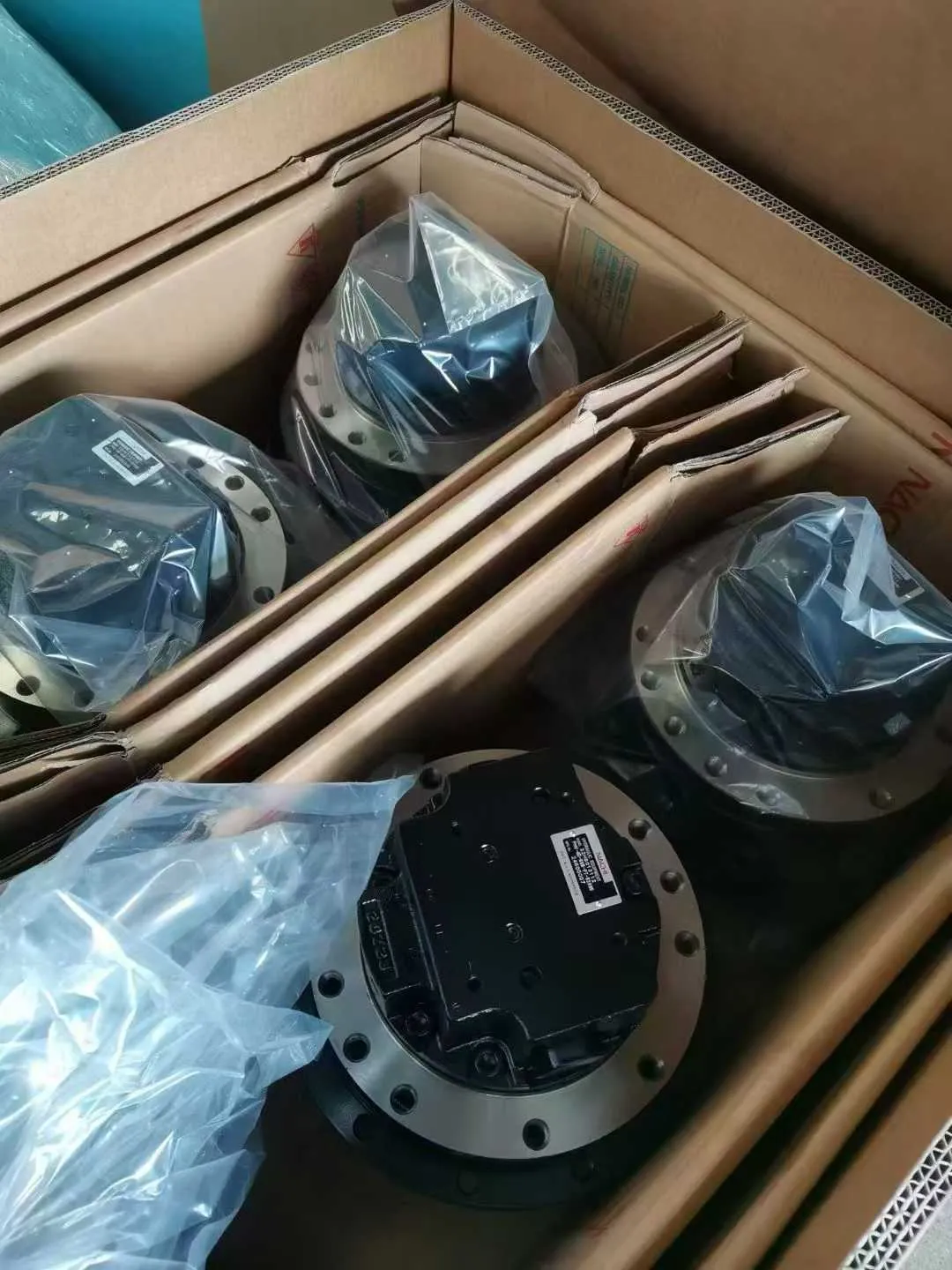 PC57-7 traveling motor assembly 22H-60-13112 in stock for sale #komatsu #komatsuparts #komatsuexcavator #pc57-7 #22H6013112
 -
 Komatsu 21N-25-31130 WIRE
 -
 Connector Hose 6156-11-5521 for SAA6D125E Engine, PC400-7 Excavator Spare Part
 -
 425-04-21430 Compatible models: WA500 Komatsu cover. Large inventory, current spot pricing advantages.
 -
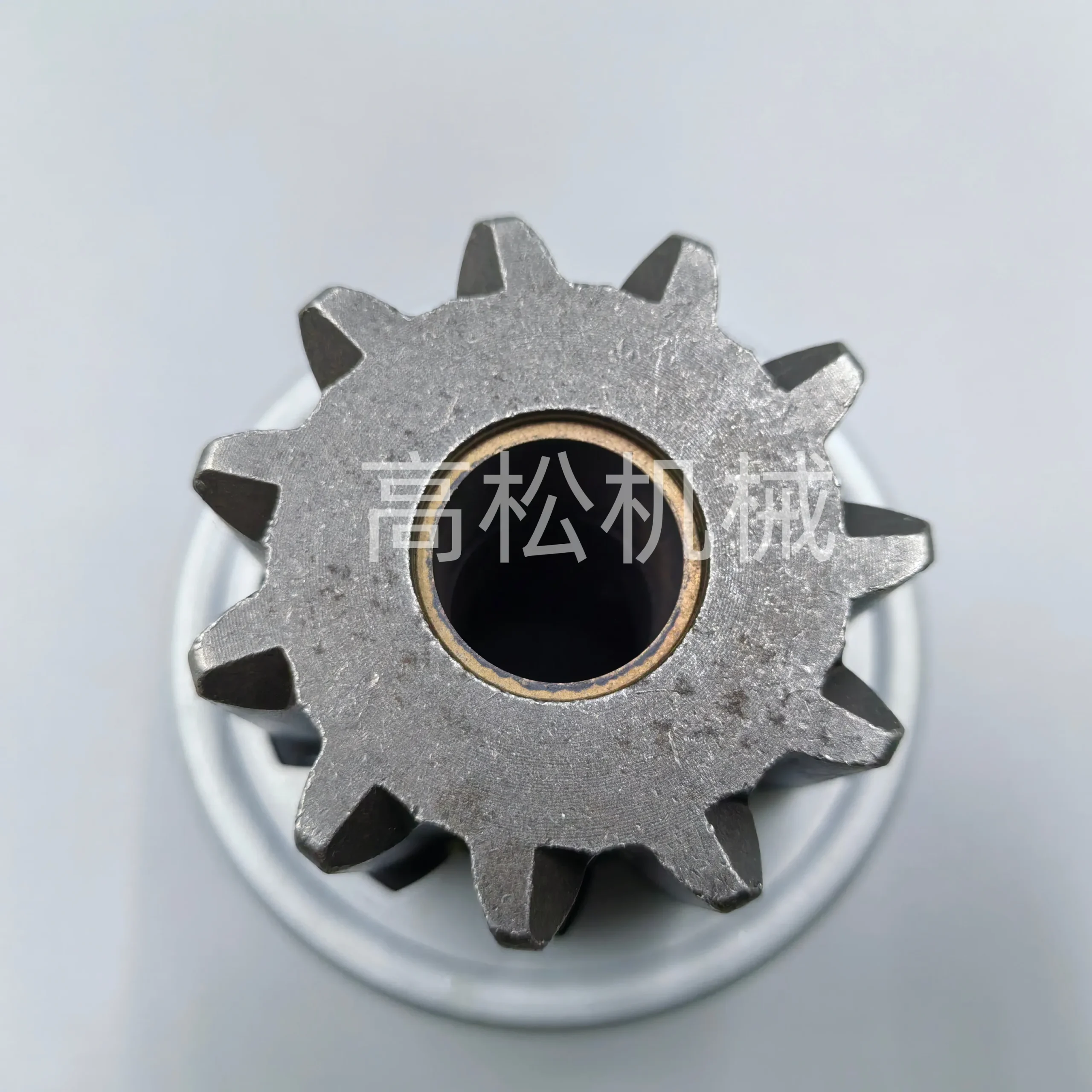 KD0-23500-1024 Komatsu Clutch Assembly
 -
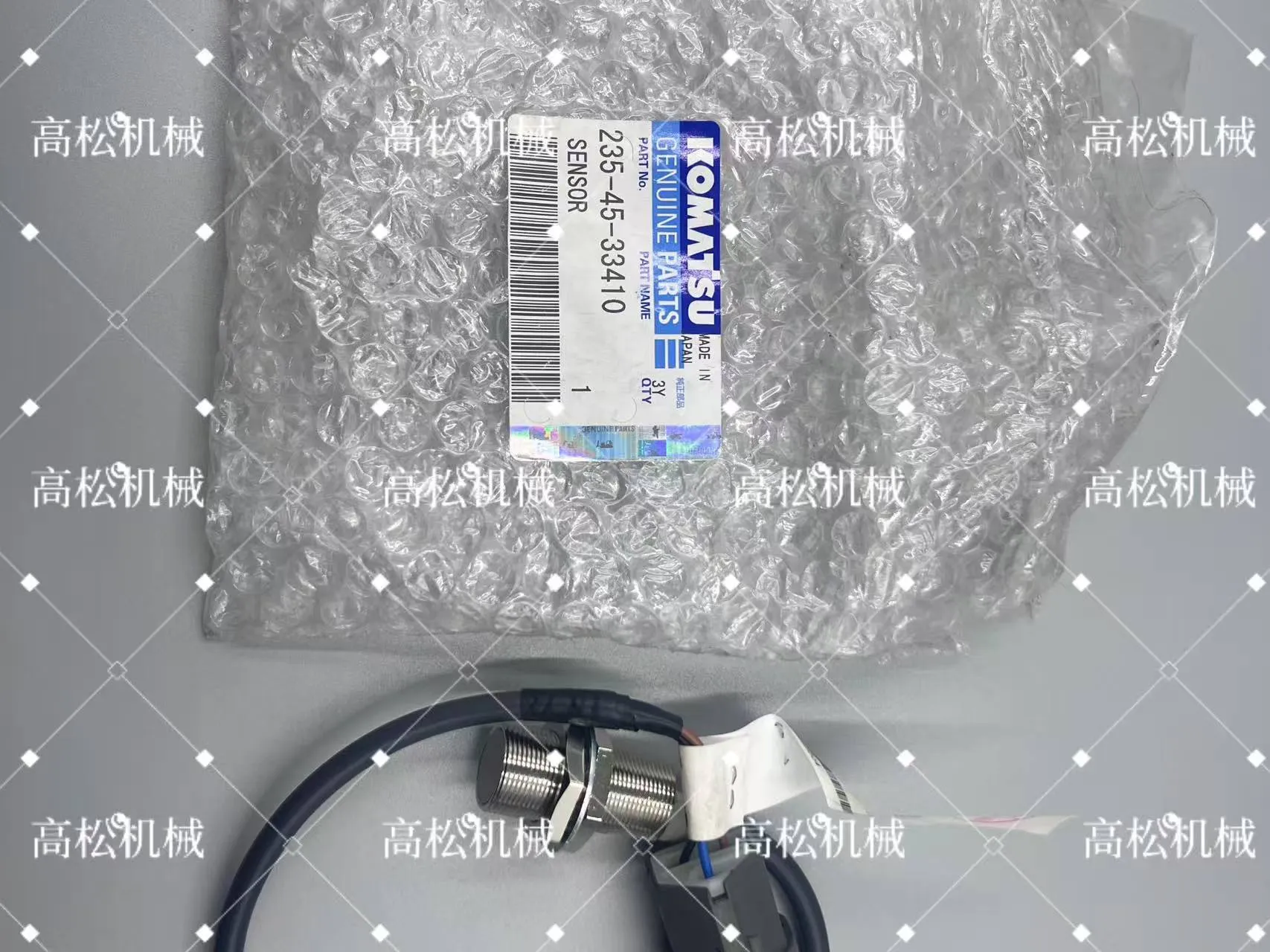 High-quality sensor set 235-45-33410 for automotive motor graders, suitable for GD805A and ZH003
 -
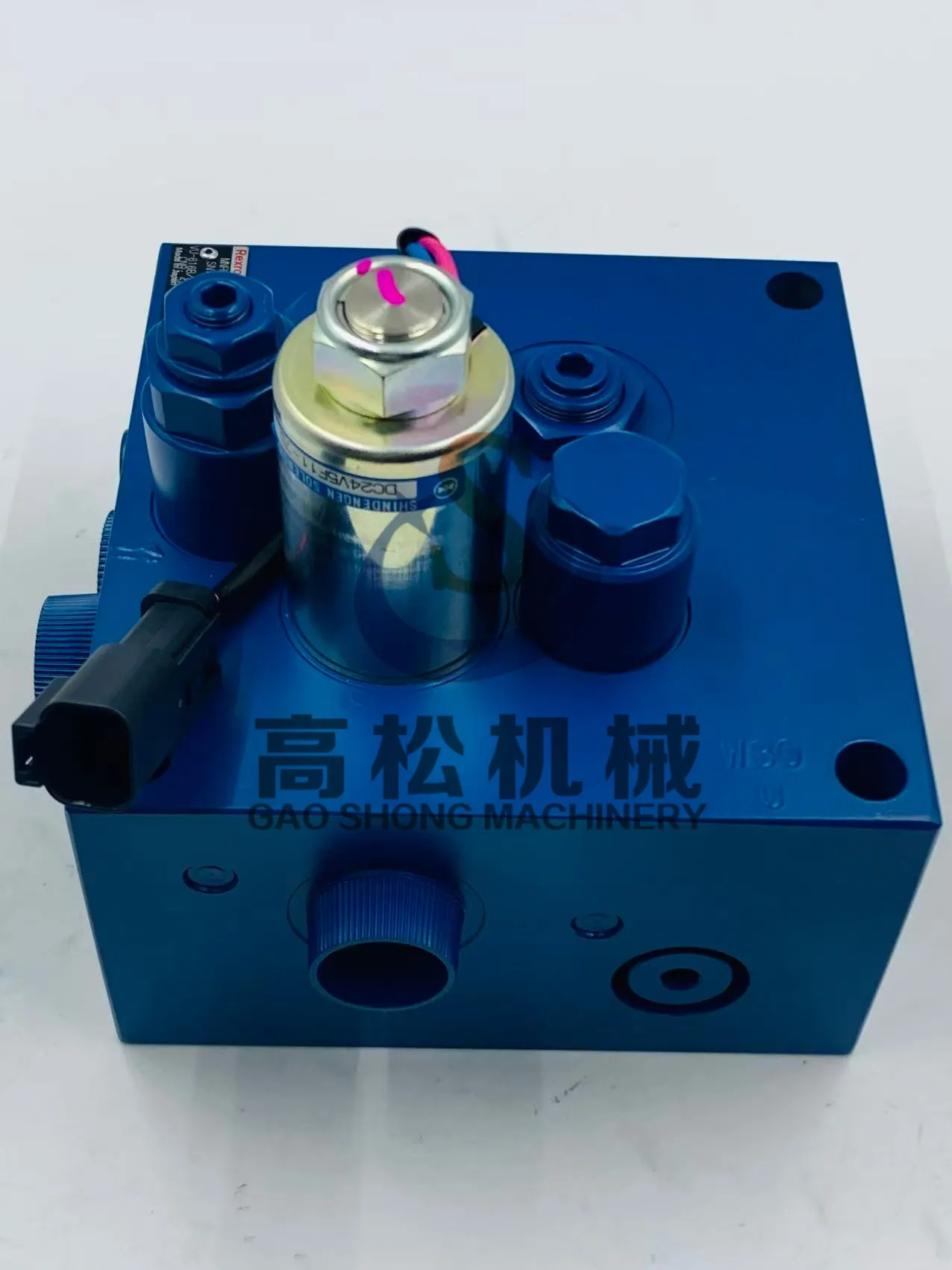 Komatsu HM300 Valve Assembly 56D-43-37101
 -
 HD785-7 center exhaust manifold 6215-11-5172
 -
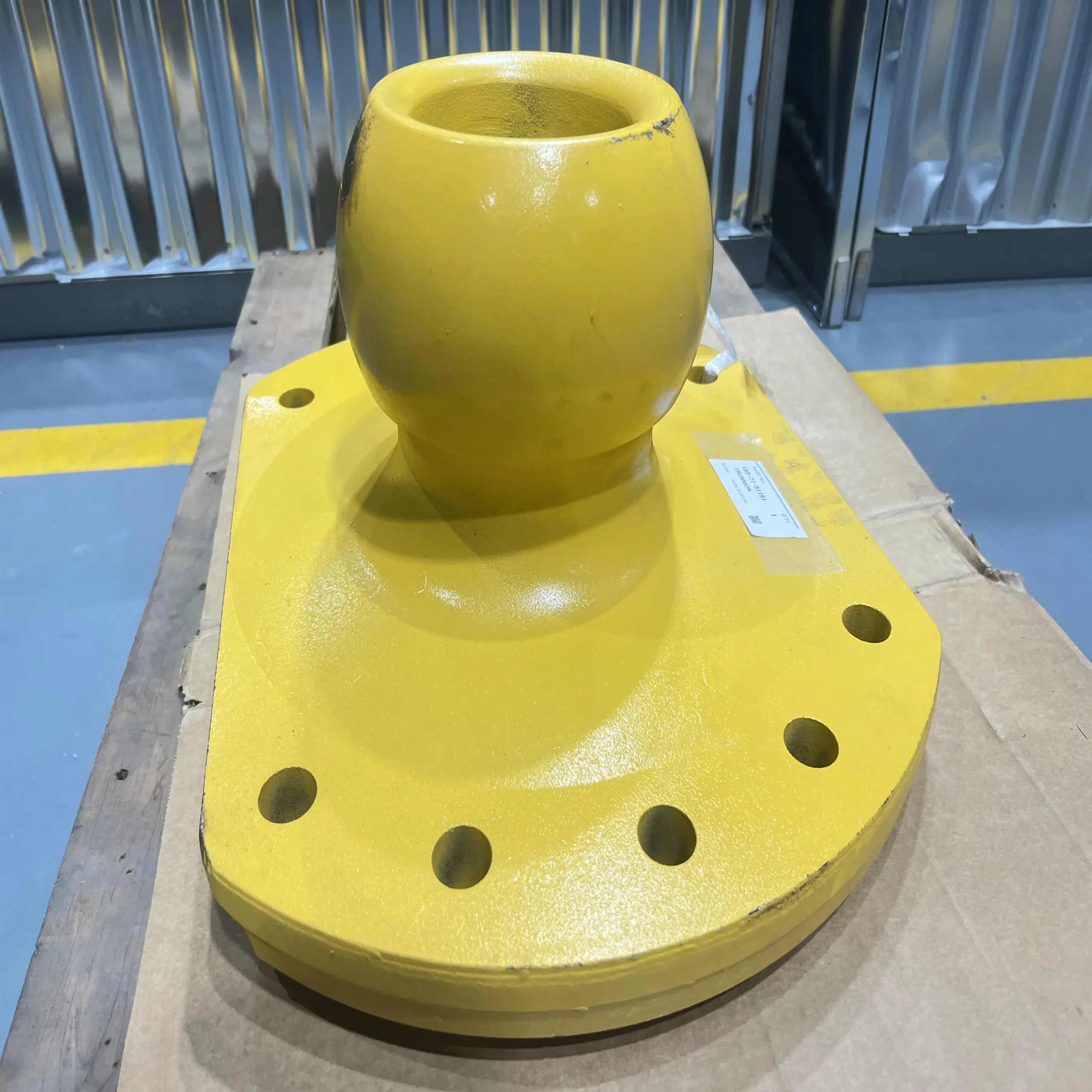 Suitable for Komatsu D375 pin/195-30-62100/195-71-51191/195-71-00342
 -
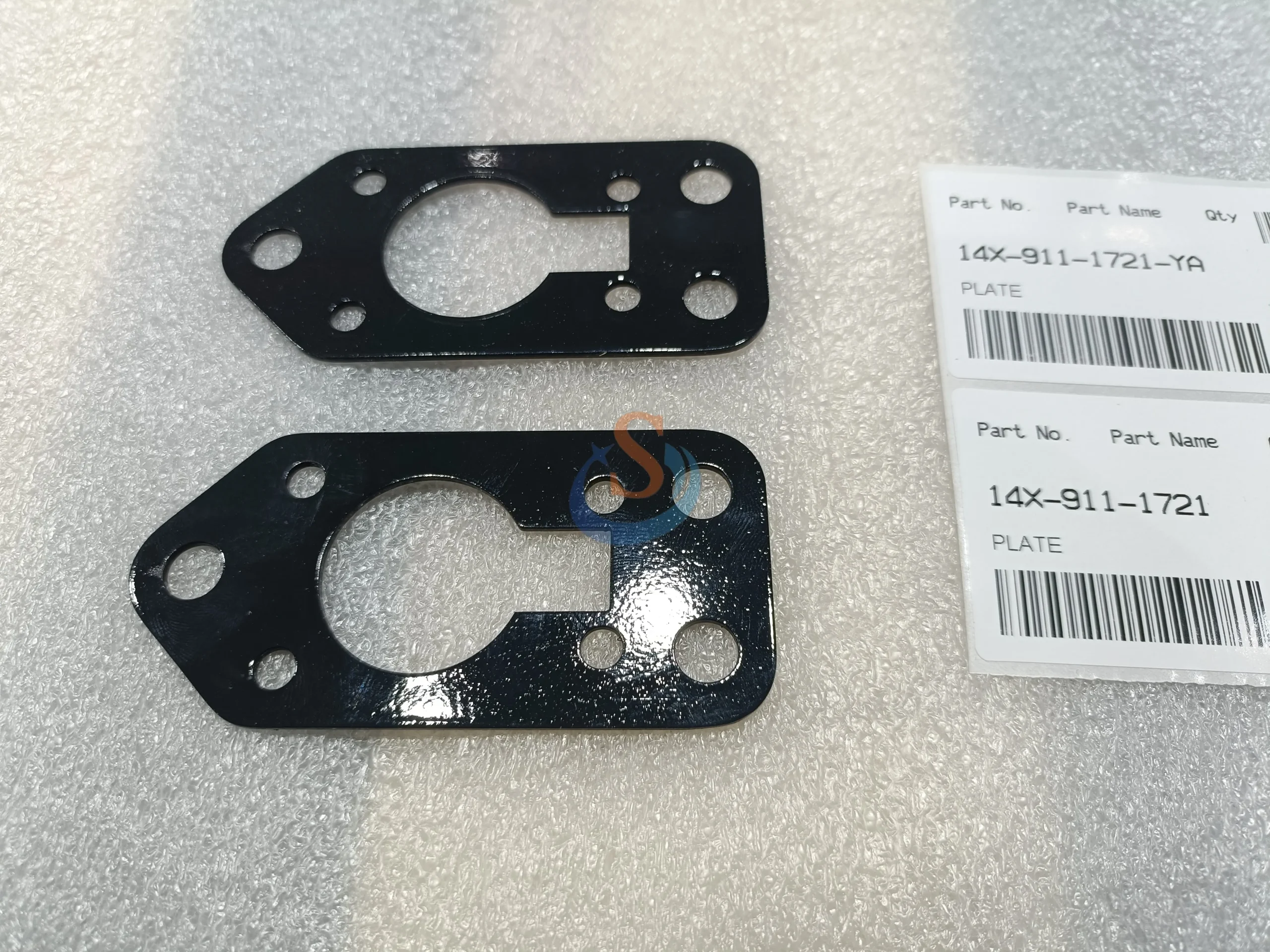 14X-911-1721,PLATE,D65E,D61PX,D155A,D375A
 -
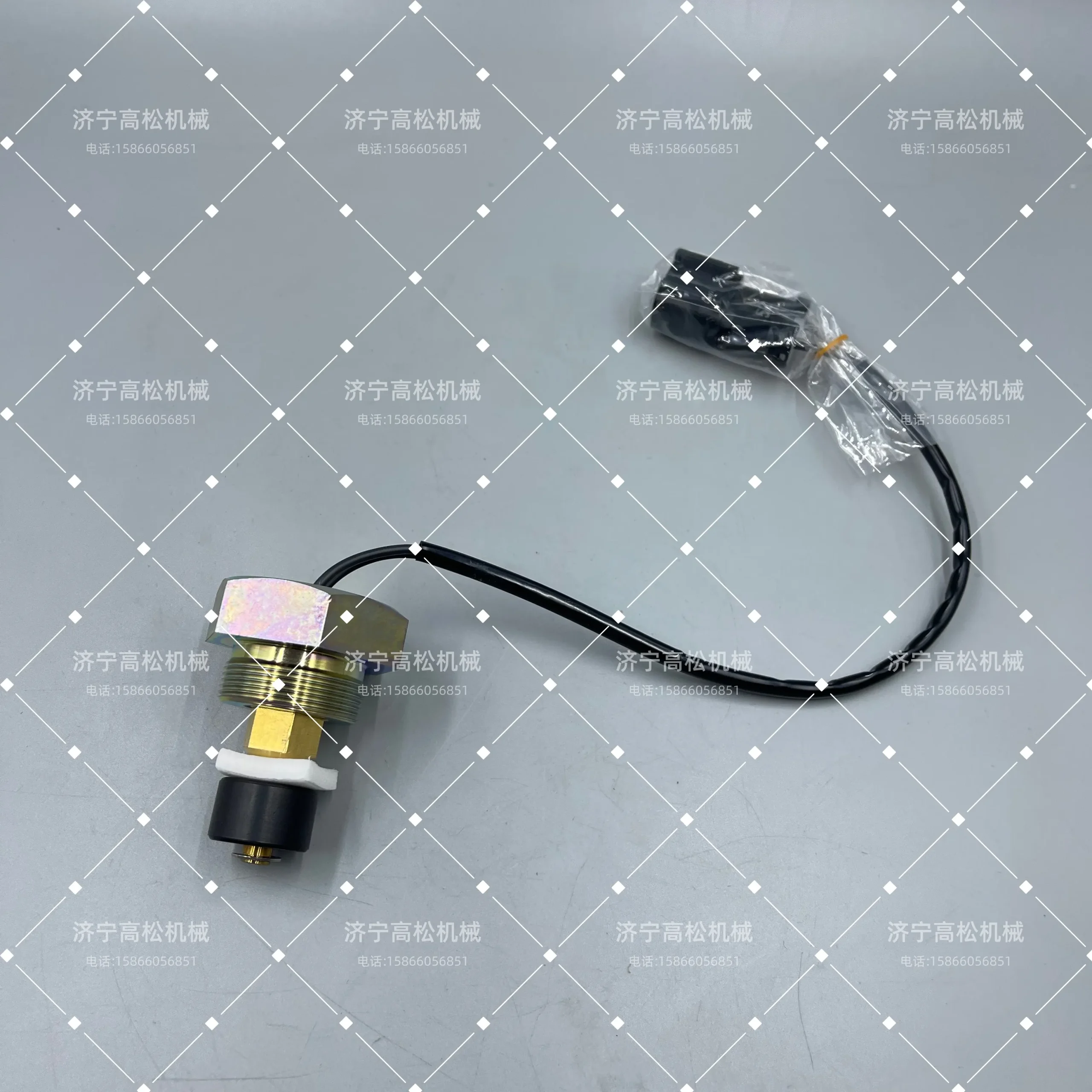 Sensor 7861-92-4500 for KOMATSU WA350-3A-S China…
 -
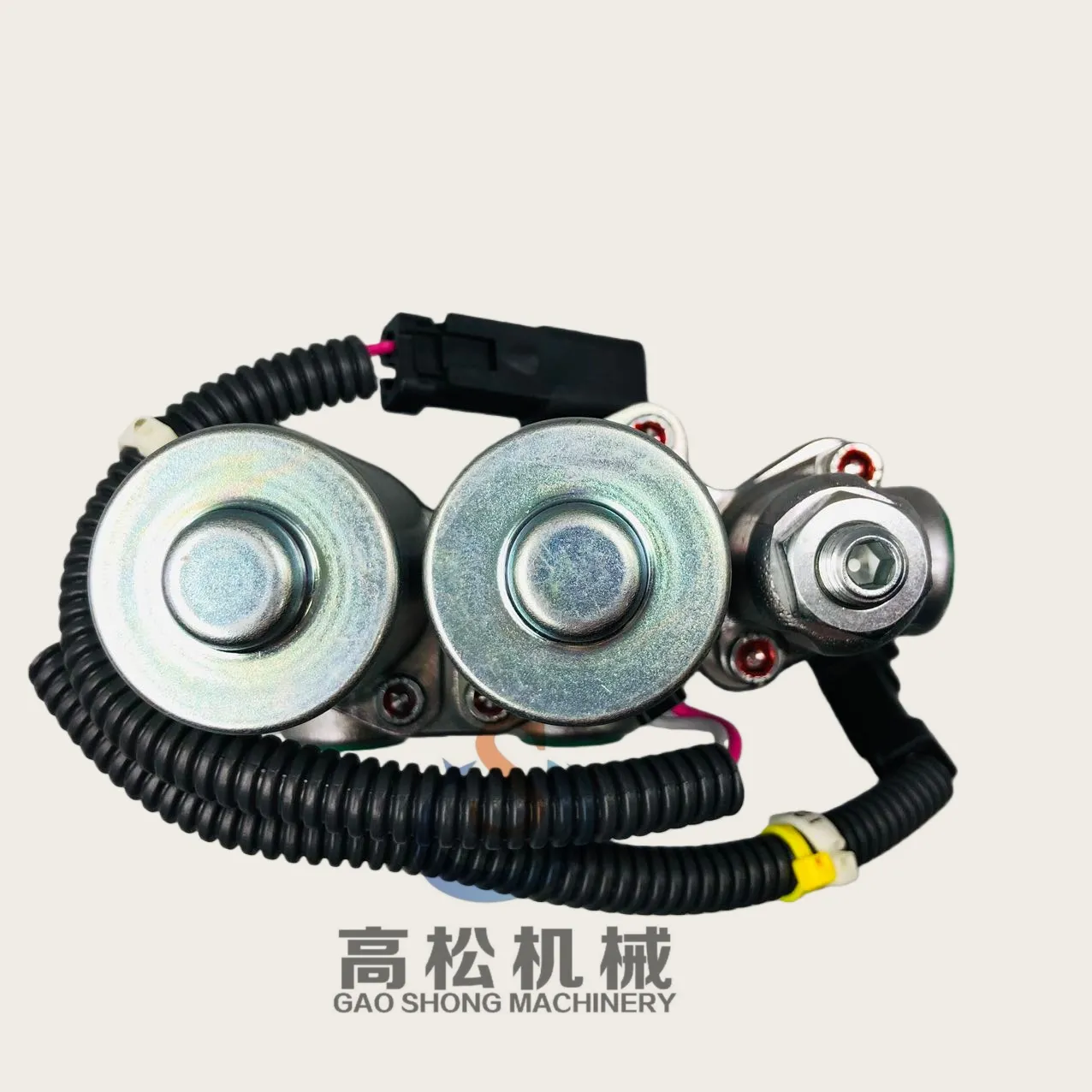 22F-60-31600 22F-60-21201 Electromagnetic valve assembly for PC40MR PC55MR PC56-7 excavator parts