
- Chinese
- French
- German
- Portuguese
- Spanish
- Russian
- Japanese
- Korean
- Arabic
- Irish
- Greek
- Turkish
- Italian
- Danish
- Romanian
- Indonesian
- Czech
- Afrikaans
- Swedish
- Polish
- Basque
- Catalan
- Esperanto
- Hindi
- Lao
- Albanian
- Amharic
- Armenian
- Azerbaijani
- Belarusian
- Bengali
- Bosnian
- Bulgarian
- Cebuano
- Chichewa
- Corsican
- Croatian
- Dutch
- Estonian
- Filipino
- Finnish
- Frisian
- Galician
- Georgian
- Gujarati
- Haitian
- Hausa
- Hawaiian
- Hebrew
- Hmong
- Hungarian
- Icelandic
- Igbo
- Javanese
- Kannada
- Kazakh
- Khmer
- Kurdish
- Kyrgyz
- Latin
- Latvian
- Lithuanian
- Luxembou..
- Macedonian
- Malagasy
- Malay
- Malayalam
- Maltese
- Maori
- Marathi
- Mongolian
- Burmese
- Nepali
- Norwegian
- Pashto
- Persian
- Punjabi
- Serbian
- Sesotho
- Sinhala
- Slovak
- Slovenian
- Somali
- Samoan
- Scots Gaelic
- Shona
- Sindhi
- Sundanese
- Swahili
- Tajik
- Tamil
- Telugu
- Thai
- Ukrainian
- Urdu
- Uzbek
- Vietnamese
- Welsh
- Xhosa
- Yiddish
- Yoruba
- Zulu
- Kinyarwanda
- Tatar
- Oriya
- Turkmen
- Uyghur






OEM AND ORIGINAL KOMATSU PIN 21T-70-11320
Let's talk about that PIN, 21T-70-11320. If you're ordering it, you're probably dealing with an undercarriage group, likely for a mid-sized dozer or excavator. The immediate pitfall everyone jumps into is the OEM AND ORIGINAL tag. In our world, that comma does a lot of heavy lifting. It's rarely and; it's usually or, and the supplier hopes you read it as the former. True Komatsu original parts come with that specific packaging, the correct metallurgy stamp, and a traceable chain back to Komatsu's own factories. The term OEM gets thrown around like confetti. For a part like this pin, which takes brutal shear stress, the difference isn't just in price; it's in machine uptime six months down the line.
The Reality of the OEM Designation
Here's where experience kicks in. I've seen boxes labeled OEM for Komatsu that contain a perfectly serviceable part, made to the original blueprint, sometimes even in a factory that once had a Komatsu contract. The KOMATSU PIN 21T-70-11320 from such a source might fit and function. The risk is consistency. Was the heat treatment cycle identical? Is the hardness gradient across the pin's shaft uniform? You can't tell by looking. I've installed third-party pins that wore out bushing faces unevenly, causing premature failure of the entire link assembly. That's a $20,000 lesson, not a $200 part savings.
This is precisely the gap companies like Jining Gaosong Construction Machinery Co., Ltd. operate in. They position themselves as an OEM product supplier within the Komatsu system. That phrasing is key. It suggests a formalized relationship, not just reverse engineering. Their role, as noted on their portal takematsumachinery.com, is to solve parts supply challenges in certain countries. Having dealt with embargoes and port delays in remote regions, I can vouch for the desperation that creates. You need a part now. A supplier like this becomes the bridge, but you have to vet the bridge.
I recall a shipment to a mining site in West Africa. We used a pin from a reputable OEM supplier for a Komatsu D85. It sheared clean after 400 hours. The failure analysis pointed to a sub-surface forging flaw—something a proper OEM QC process should have caught. The supplier made good on the part, but not on the 40 hours of downtime and the cost of a field repair team. That's the hidden math.
Decoding Original in a Global Parts Stream
Original is a sacred term. For the 21T-70-11320, an original part has a specific finish, a precise chamfer on the ends to aid installation, and often a faint, laser-etched part number. The packaging is almost secondary, but it's a tell. Komatsu's own bags have a distinct laminate and a specific print quality. When a supplier says they provide original parts, are they implying surplus stock, overruns, or parts sourced from Komatsu's own distribution network? Jining Gaosong also mentions being a third-party sales company for Komatsu. This could mean they are an authorized reseller for genuine parts in territories where Komatsu's direct network is thin. That's a legitimate channel for original.
The confusion arises when both OEM-style and original parts are in the same warehouse. A procurement manager sees OEM AND ORIGINAL and assumes parity. They are not. One is a copy (of varying quality), the other is the genuine article. The price differential tells the story, but budget pressures often blur the lines. I've had clients insist on the OEM option to save 30%, only to approve the original option on the next order after comparing service life. The total cost of ownership rarely lies.
Practical tip: Always ask for material certification, even a basic MTC. A true OEM-aligned factory will have it for their steel stock. If a supplier hesitates or provides a generic doc, that's your red flag. For a critical wear item like a pin, the chemical composition of the steel (especially chromium and molybdenum content) is non-negotiable.
Supply Chain Pragmatism and Case Points
Let's be pragmatic. There are scenarios where a high-tier OEM part is the correct choice. For a machine nearing the end of its economic life, or for a non-critical application, the cost-benefit swings that way. The skill is in identifying the high-tier OEM. This isn't about branding; it's about auditing the supply chain. Does the supplier, like Jining Gaosong, disclose their manufacturing partners? Do they understand the application, or are they just order-takers?
I worked on a fleet standardization project in Southeast Asia where we used a mix. For high-utilization machines in primary production, we locked in contracts for genuine KOMATSU PINs through authorized channels. For standby and low-cycle machines, we sourced from a vetted OEM supplier. The vetting process involved trial orders, micrometer measurements of every dimension, and hardness testing on sample batches. It was tedious but necessary. The website for Takematsu Machinery states they help solve supply challenges. The real test of such a company is not in having the part, but in having the technical backup to specify which version of the part is right for the machine's serial number and work regime.
A failure I learned from: assuming all 21T-70-11320 pins are equal. A Komatsu PC300-8 uses a different hardness specification than a older PC300-6, though the part number might be the same. We installed a pin meant for an older spec on a -8 model. It wore, but not in isolation. It caused abnormal wear on the link, leading to a track derailment. The root cause was part substitution based on number alone, without checking the machine's build spec. A good supplier should ask for your machine's serial number, not just the part number.
On-the-Ground Verification and Final Thoughts
So, you're looking at a quote for an OEM AND ORIGINAL KOMATSU PIN 21T-70-11320. What now? First, clarify. Ask the supplier: Is this part sourced from Komatsu's genuine inventory, or is it manufactured by an OEM partner? Get it in writing. Second, request physical sample photos—not catalog shots. Look for the finish, the markings. Third, if the deal is substantial, ask for a reference site or a previous shipment record.
Companies operating in the space between OEM and original, like Jining Gaosong Construction Machinery Co., Ltd., fill a crucial niche. The statement helping to solve parts supply challenges rings true in markets where genuine parts are held up for months. Their value isn't just in availability; it's in providing a technically sound alternative when the genuine pipeline is blocked, and being transparent about what that alternative is.
In the end, the pin is just a steel rod. But in context, it's a load-bearing component in a multi-ton machine. The choice between OEM and original isn't a semantic game; it's a engineering and financial calculation based on risk, downtime cost, and machine criticality. There's no universal right answer, only the right answer for this machine, in this pit, right now. And that decision comes from hands-on experience, not just a parts catalog.
Related Products
Related Products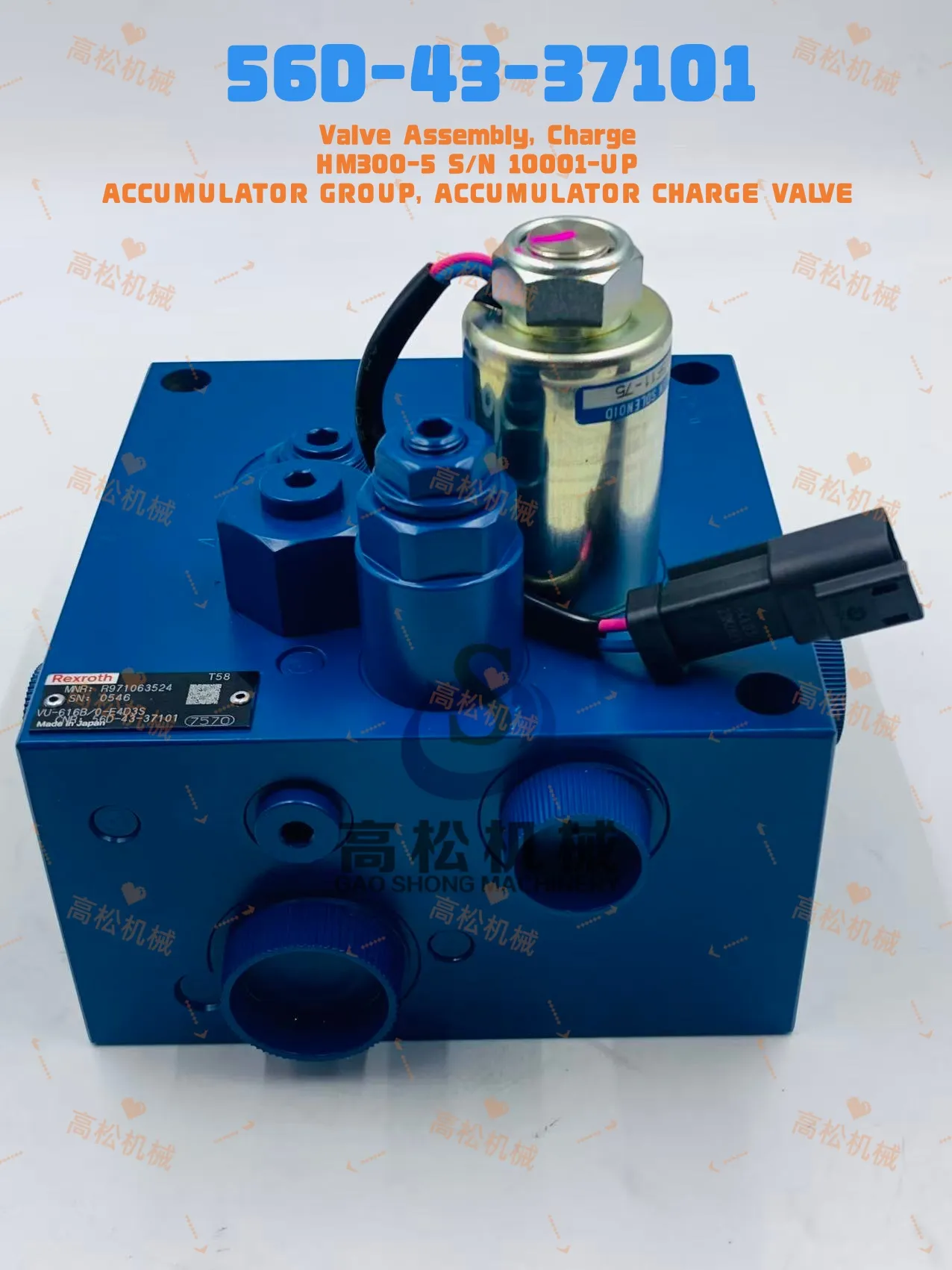
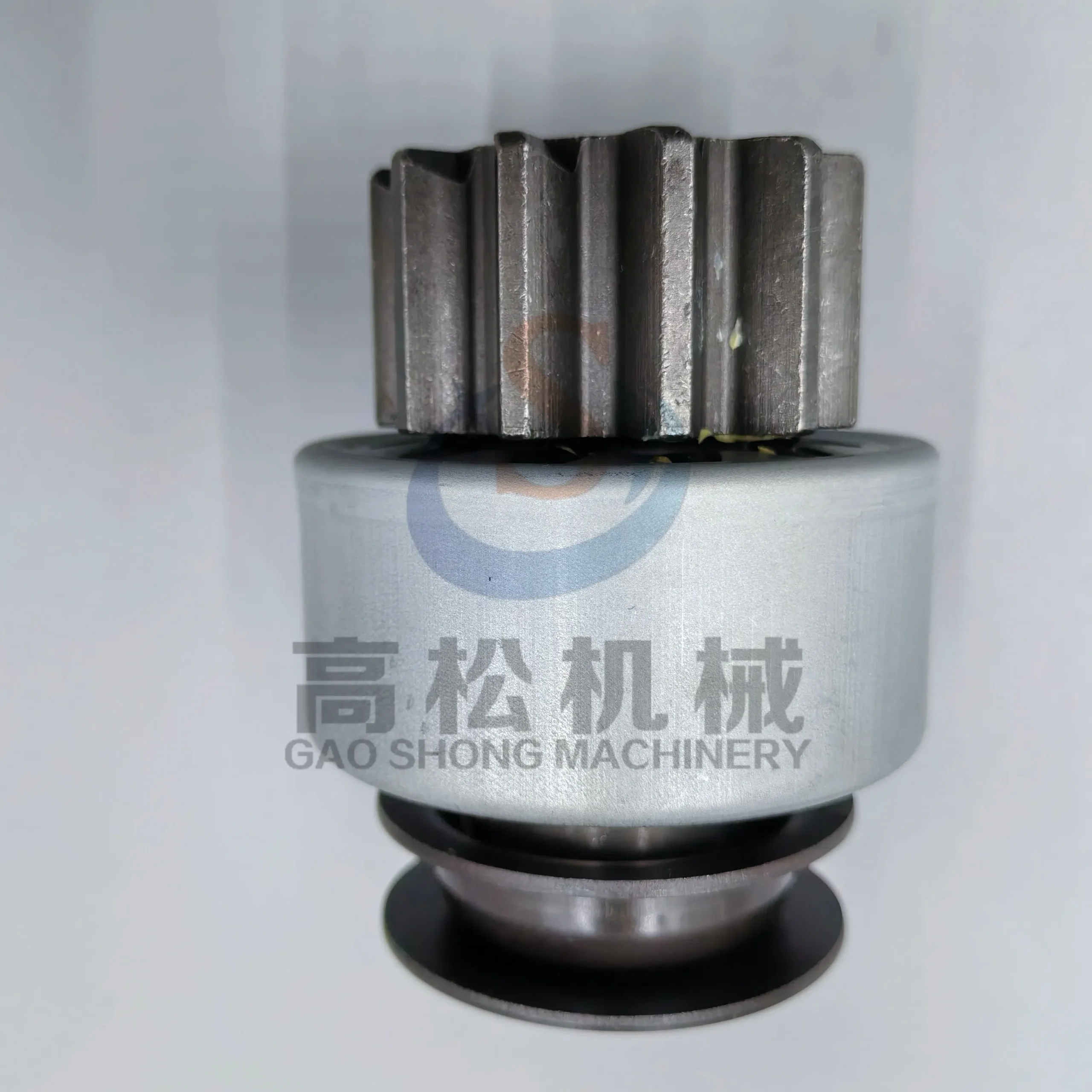
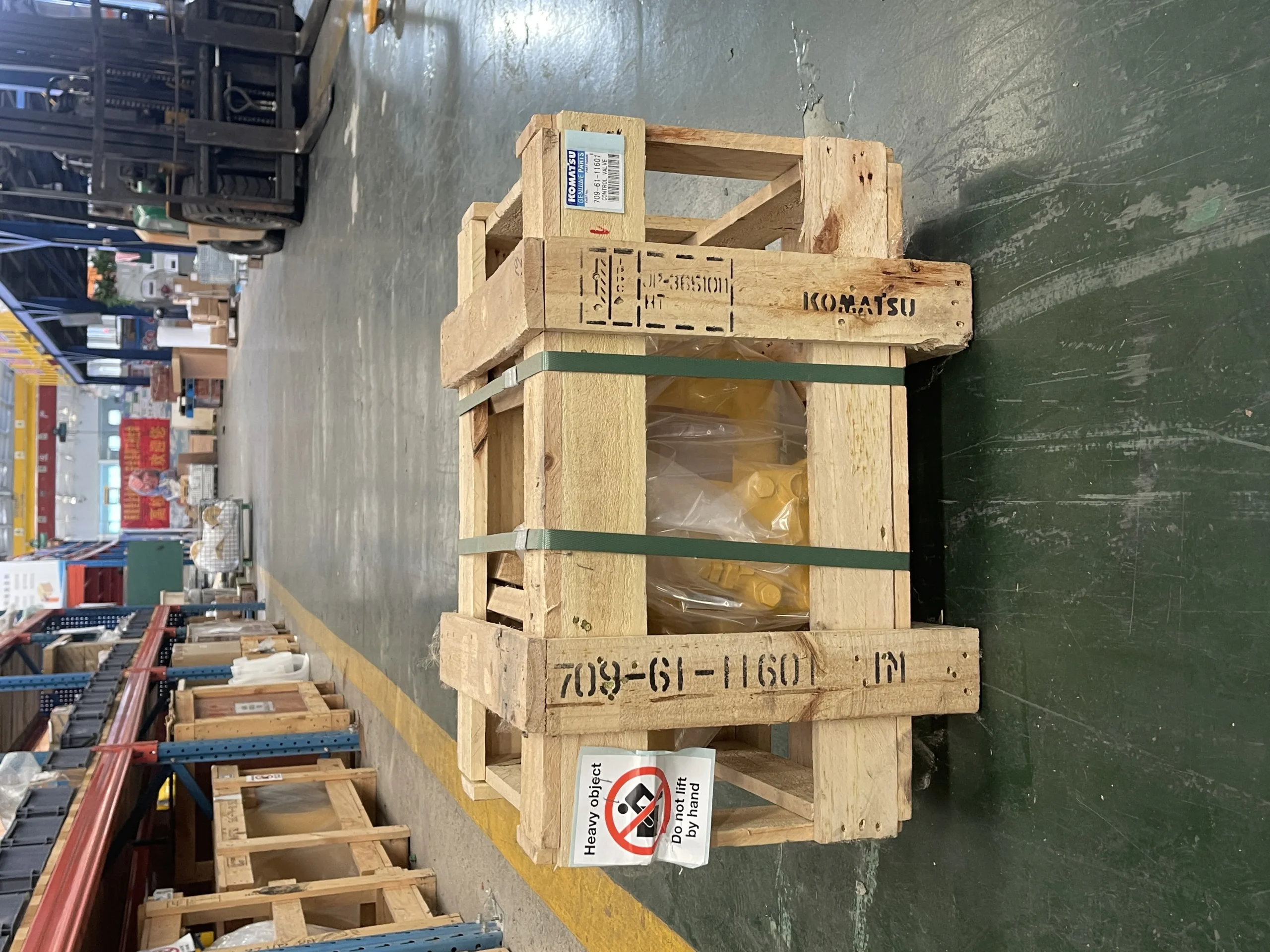
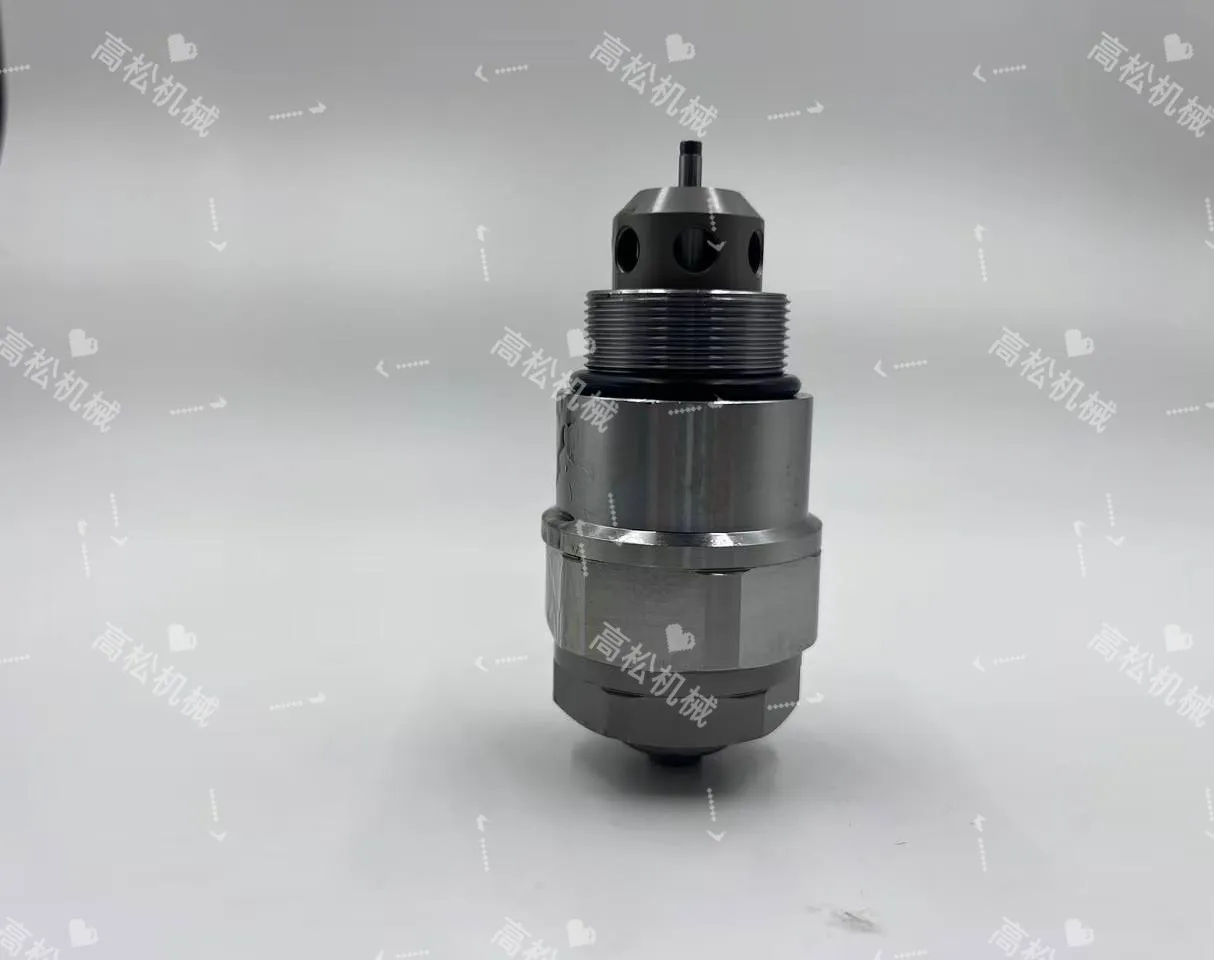

Best Selling Products
Best Selling Products-
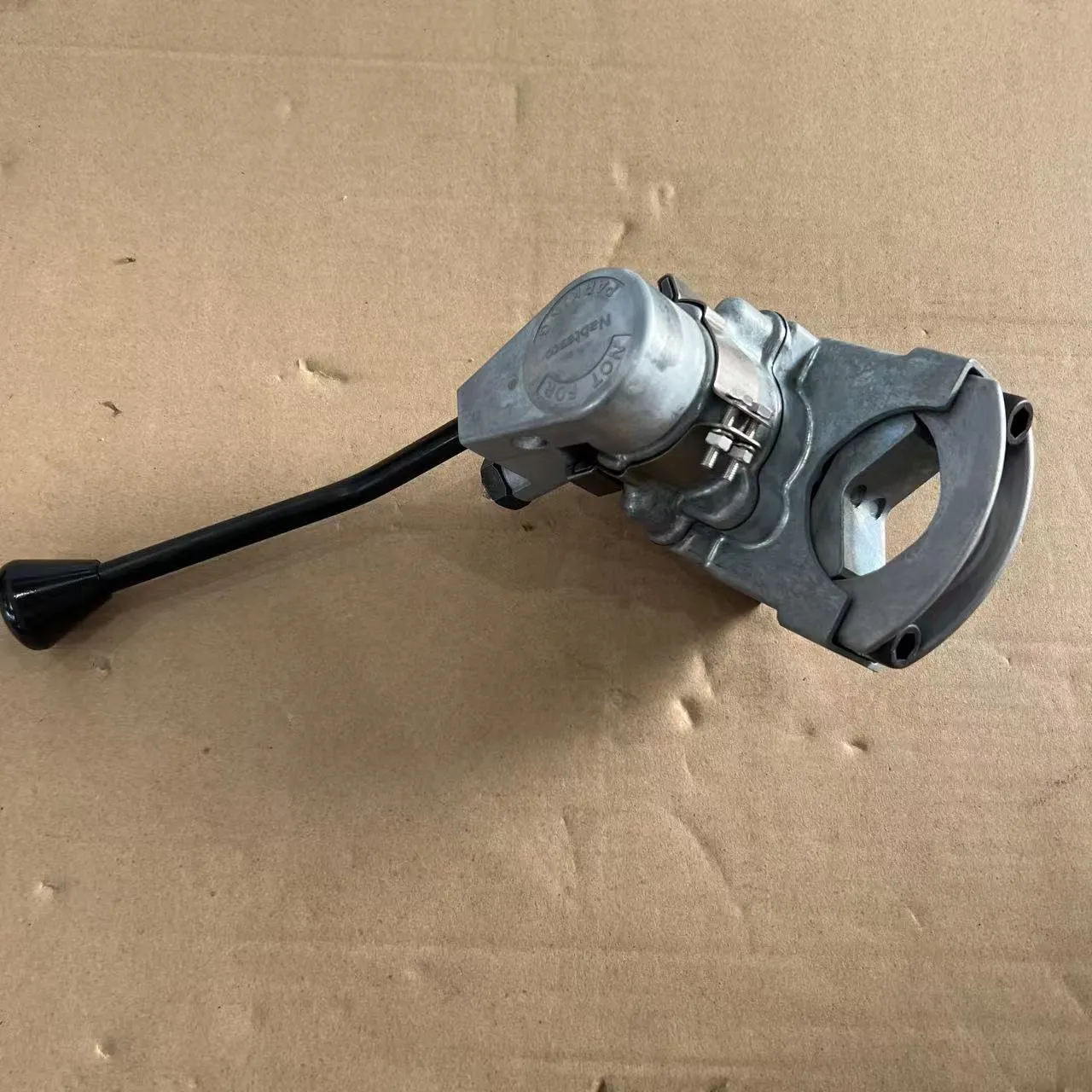 Hd785-5 Retarder 561-35-62203 For Dump Truck Original Parts, High…
 -
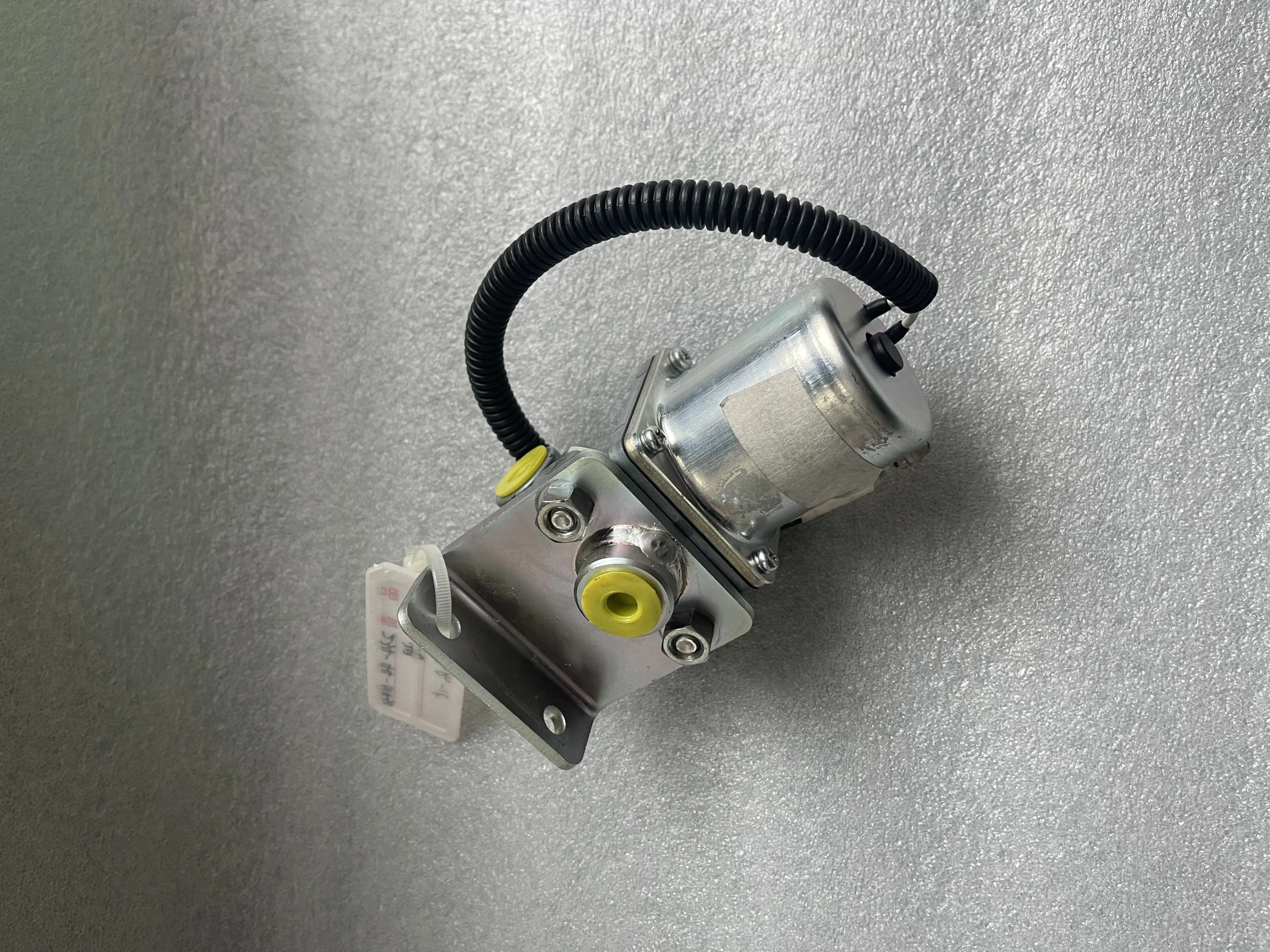 234-44-61430-VALVE Applicable: Komatsu GD825 / GD705
 -
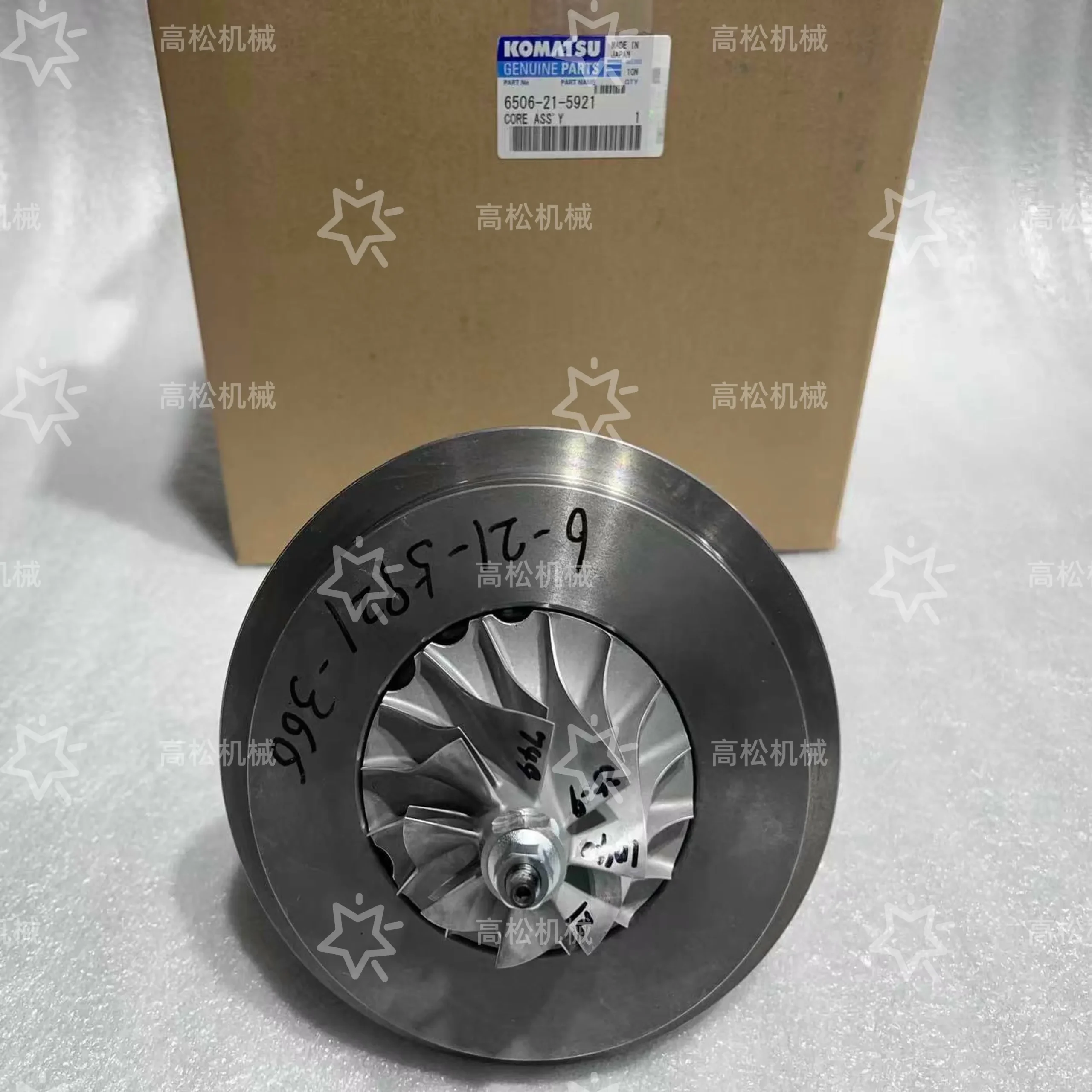 6506-21-5921 Komatsu Core Assembly
 -
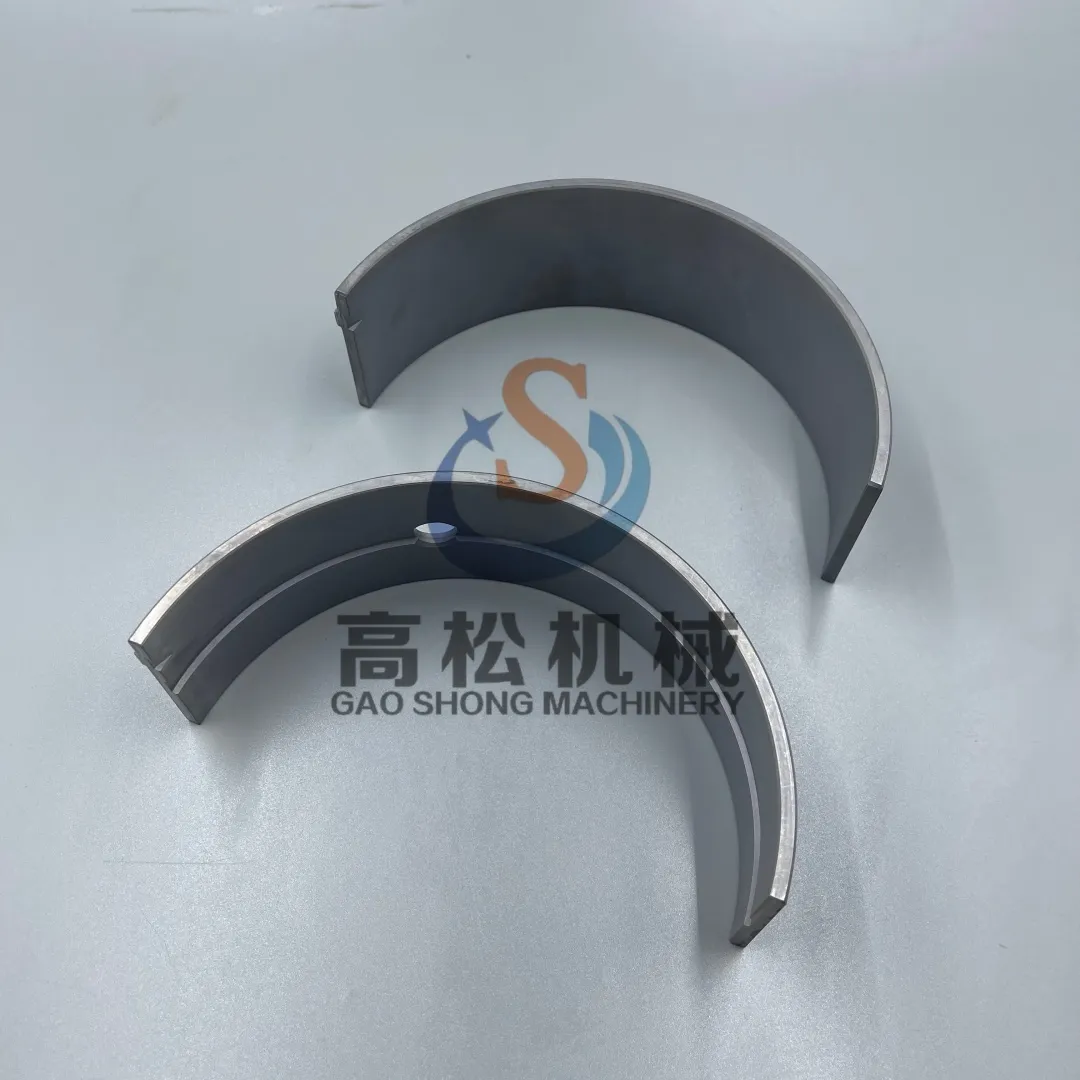 6162-23-8010 MAIN BEARING ASSEMBLY – Komatsu
 -
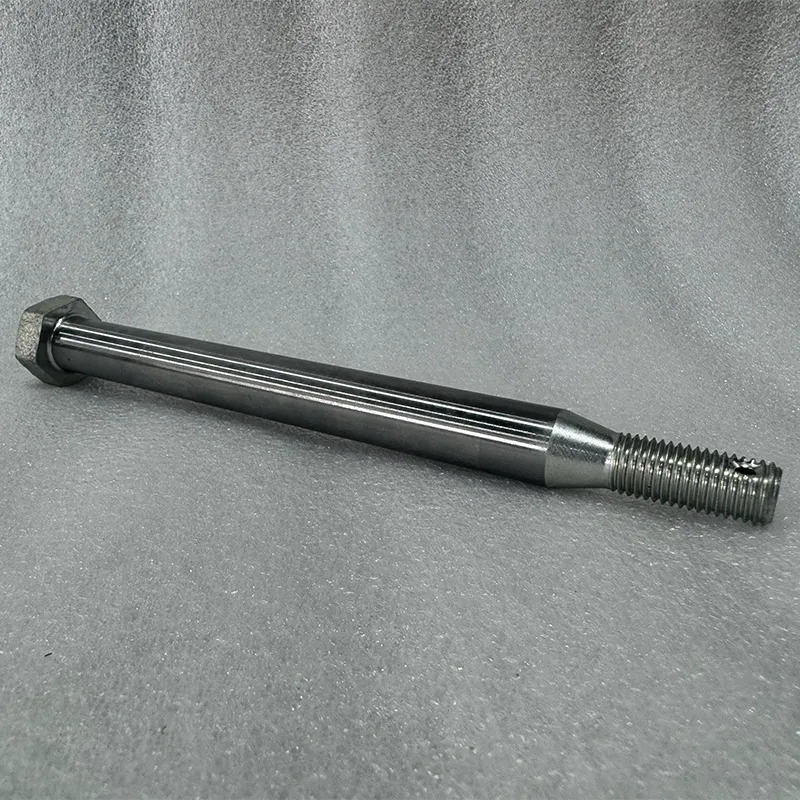 Original komatsu GD825A-2 Bolt 235-27-11360
 -
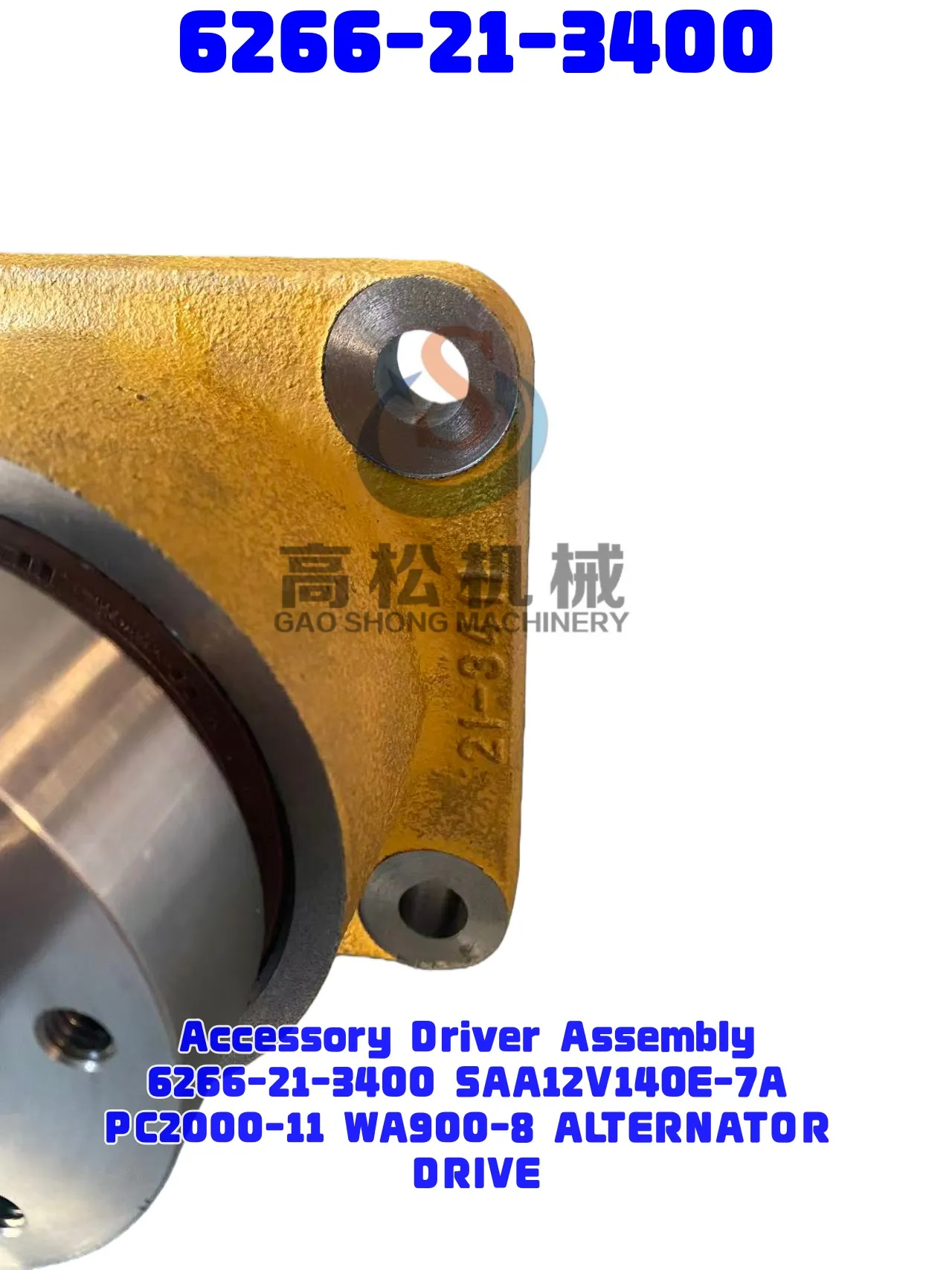 Water Pump 6154-61-1102 6251-61-1105 6251-61-1111 For Komatsu S6D125E PC400-6 PC450-6 New Aftermarket Parts
 -
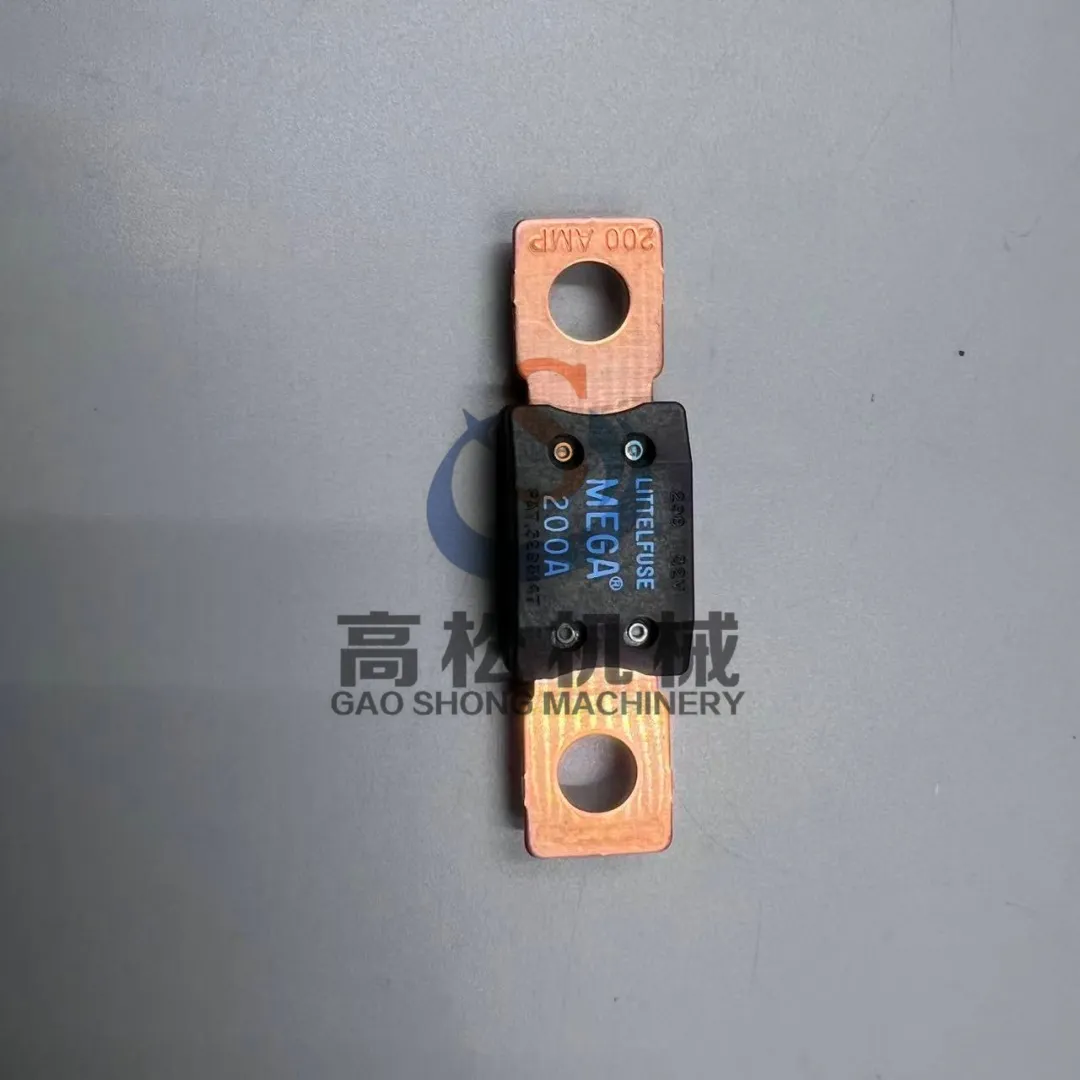 Komatsu 561-06-81610 Fuse
 -
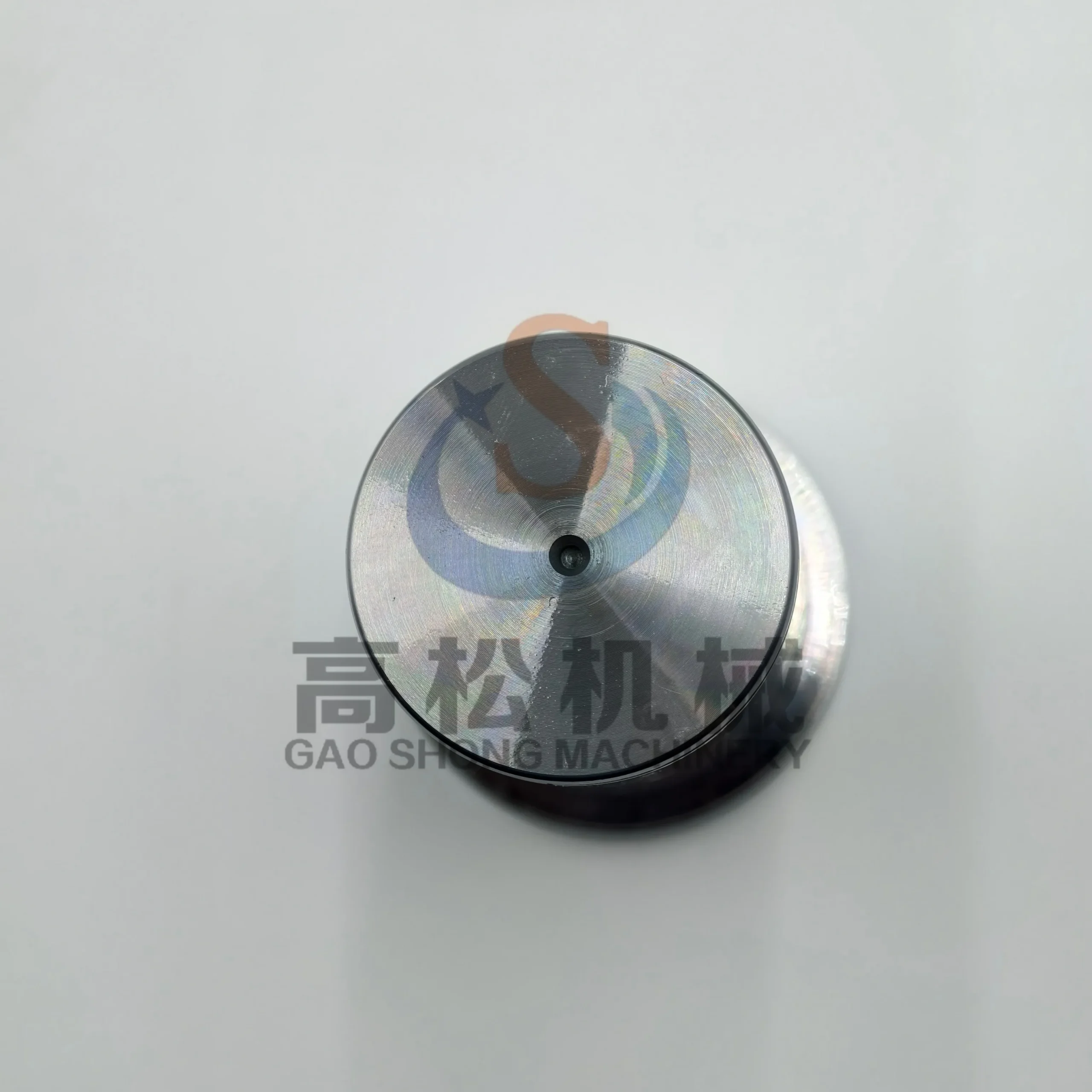 21N-26-33240 Komatsu Pin
 -
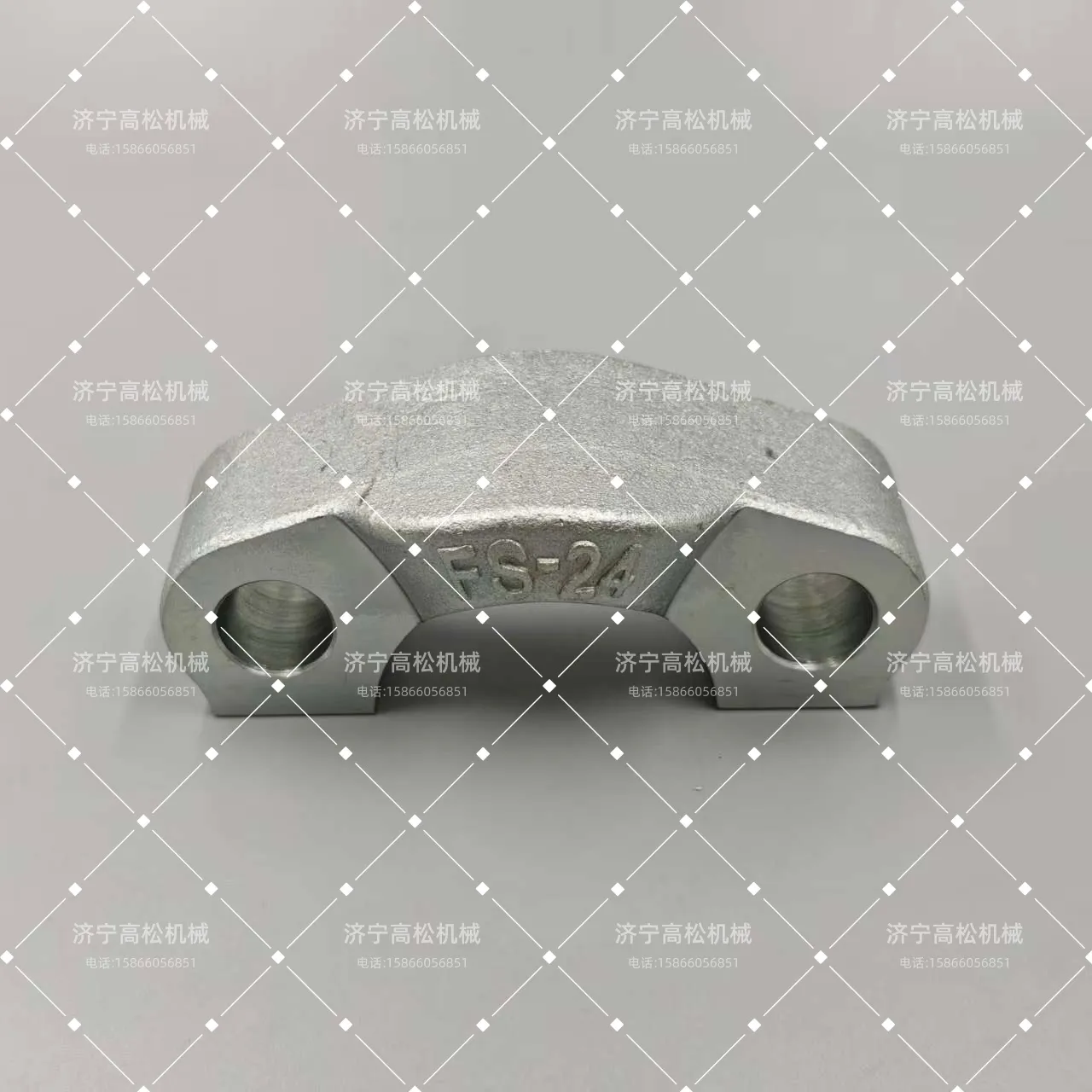 FLANGE 07371-51470 – KOMATSU Part catalog
 -
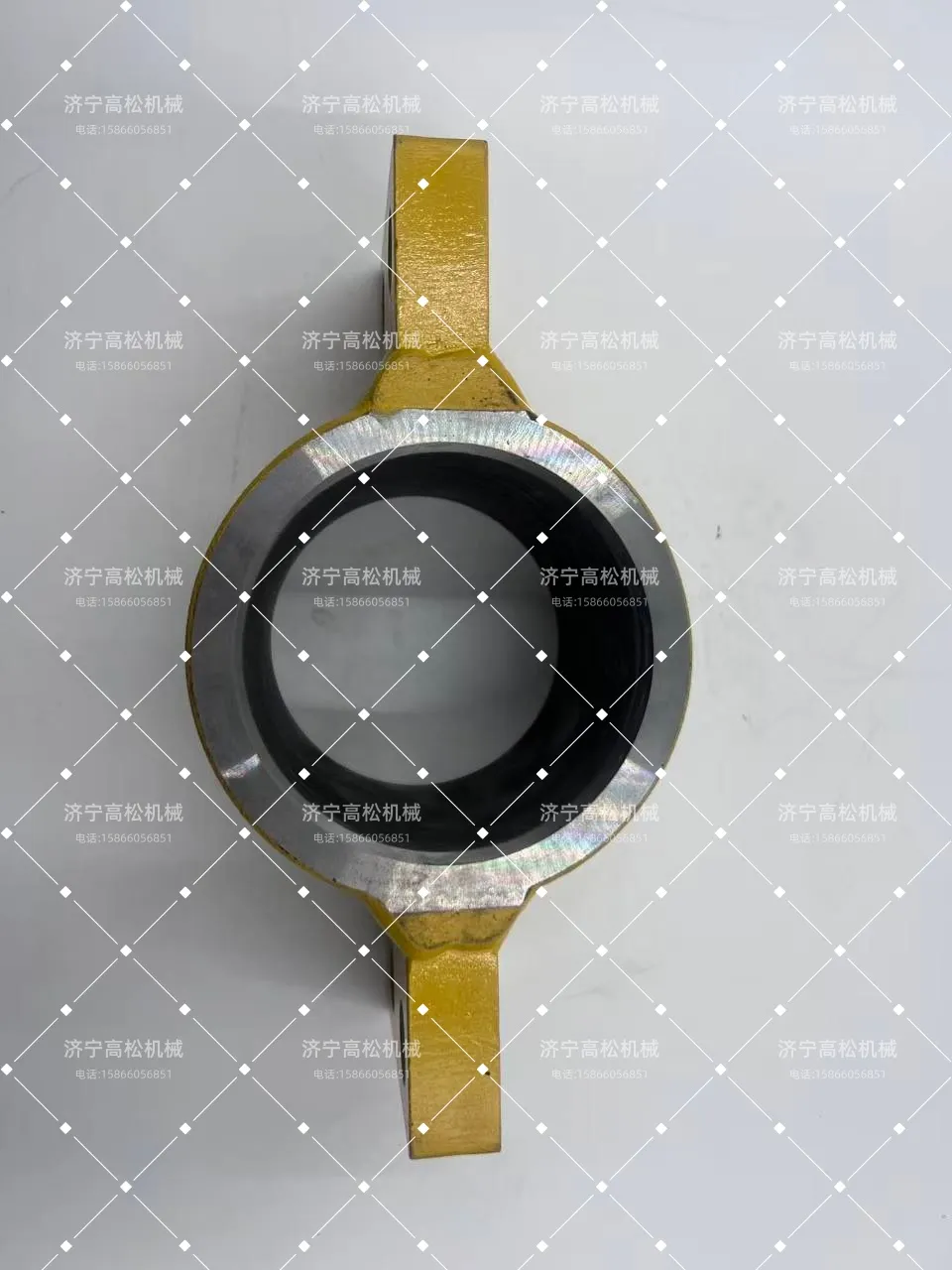 Komatsu Parçaları için İnşaatın Omurgası 566-14-41160 Braketi
 -
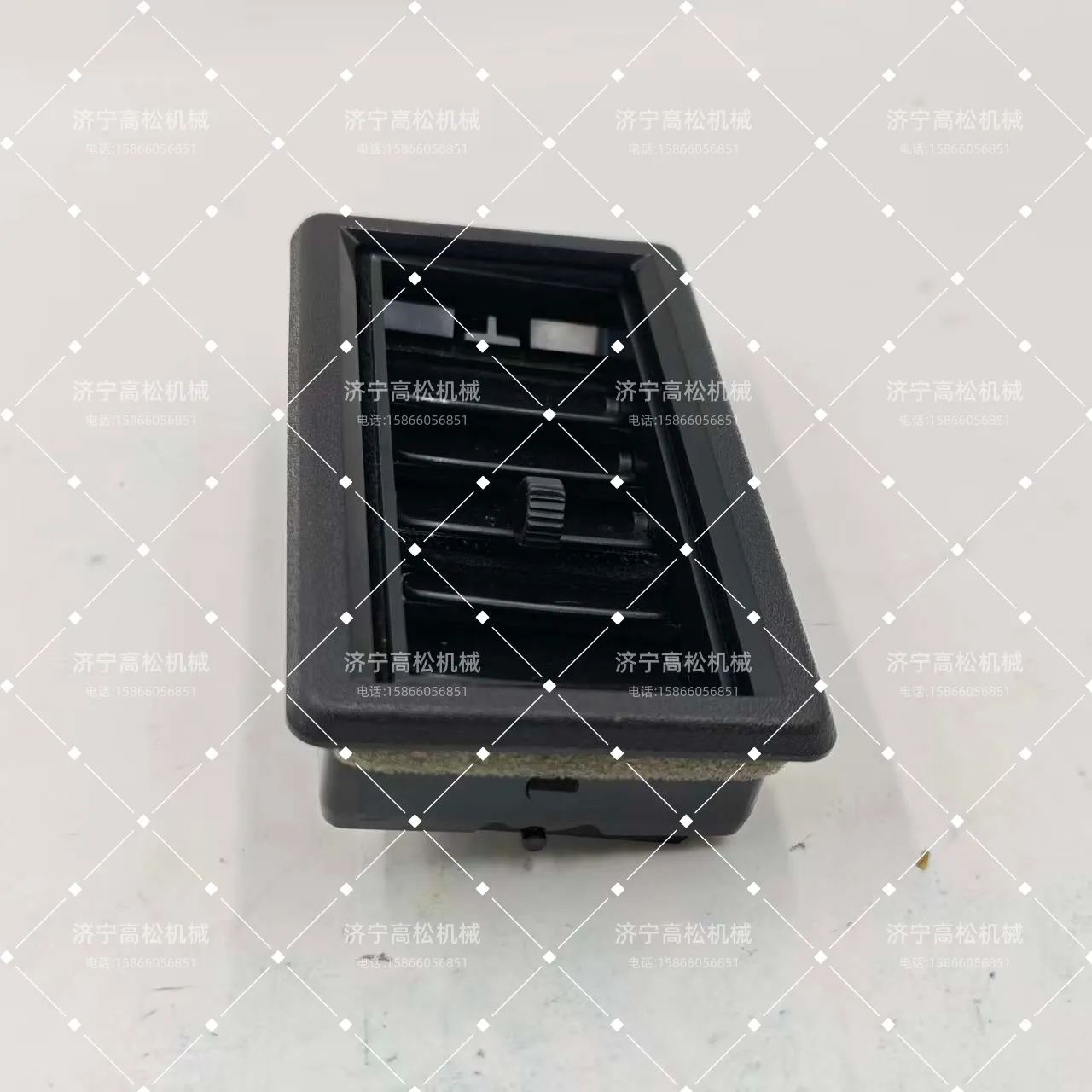 Komatsu 17A-54-18270 Inside cover for D155AX-5 Bulldozer
 -
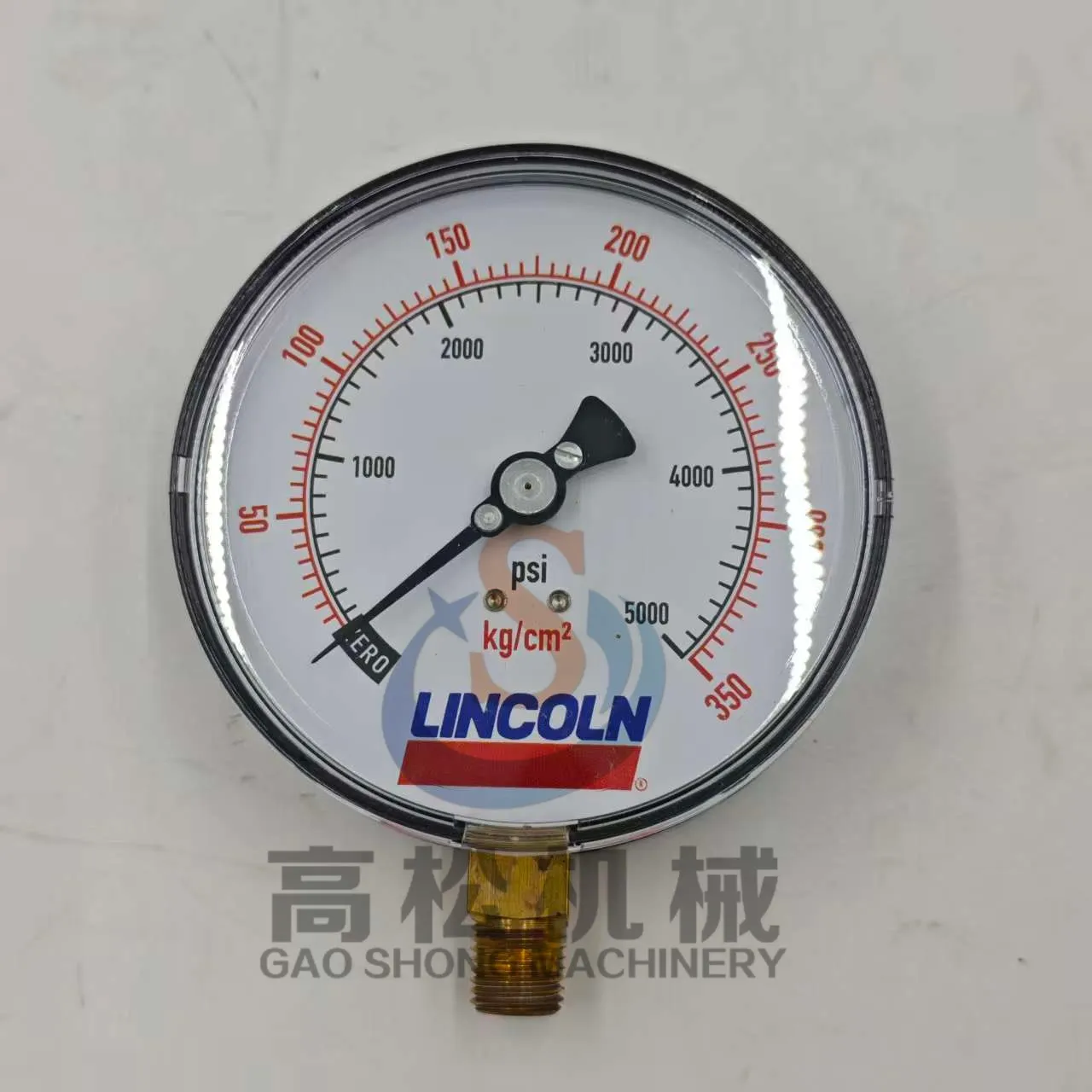 427-S95-2410 Komatsu Gauge, Pressure