
- Chinese
- French
- German
- Portuguese
- Spanish
- Russian
- Japanese
- Korean
- Arabic
- Irish
- Greek
- Turkish
- Italian
- Danish
- Romanian
- Indonesian
- Czech
- Afrikaans
- Swedish
- Polish
- Basque
- Catalan
- Esperanto
- Hindi
- Lao
- Albanian
- Amharic
- Armenian
- Azerbaijani
- Belarusian
- Bengali
- Bosnian
- Bulgarian
- Cebuano
- Chichewa
- Corsican
- Croatian
- Dutch
- Estonian
- Filipino
- Finnish
- Frisian
- Galician
- Georgian
- Gujarati
- Haitian
- Hausa
- Hawaiian
- Hebrew
- Hmong
- Hungarian
- Icelandic
- Igbo
- Javanese
- Kannada
- Kazakh
- Khmer
- Kurdish
- Kyrgyz
- Latin
- Latvian
- Lithuanian
- Luxembou..
- Macedonian
- Malagasy
- Malay
- Malayalam
- Maltese
- Maori
- Marathi
- Mongolian
- Burmese
- Nepali
- Norwegian
- Pashto
- Persian
- Punjabi
- Serbian
- Sesotho
- Sinhala
- Slovak
- Slovenian
- Somali
- Samoan
- Scots Gaelic
- Shona
- Sindhi
- Sundanese
- Swahili
- Tajik
- Tamil
- Telugu
- Thai
- Ukrainian
- Urdu
- Uzbek
- Vietnamese
- Welsh
- Xhosa
- Yiddish
- Yoruba
- Zulu
- Kinyarwanda
- Tatar
- Oriya
- Turkmen
- Uyghur






OEM AND ORIGINAL KOMATSU PIN 21N-70-31171
That part number, 21N-70-31171, it’s one of those that pops up constantly in the aftermarket for Komatsu excavator undercarriage components, especially the pins. The immediate assumption many make—and this is where the trouble starts—is that ‘OEM’ and ‘Original’ are the same thing. They’re not. Not in the trenches of actual procurement, not when you’re trying to balance cost, machine uptime, and the risk of premature failure. An OEM product supplier within the Komatsu system, like Jining Gaosong Construction Machinery Co., Ltd., operates in this exact space. They’re part of the ecosystem, but the parts they supply as OEM aren’t necessarily the same as the ones in a Komatsu-branded box shipped directly from Japan. That distinction is everything when you’re talking about a pin that takes the brutal shear forces in a track link assembly.
The Anatomy of a Pin and the Original Mirage
Let’s break down the pin itself. The 21N-70-31171 is typically for larger models, think the Dash-8 series or similar. Its job is simple: hold the track chain together. The engineering, however, isn’t. The hardness profile, the induction hardening depth, the precise diameter tolerance—these aren't just specs on paper. I’ve seen pins that looked perfect, met the dimensional print, but failed within 400 hours. The core was too soft, or the case hardening was shallow. They’d wear into an hourglass shape, causing massive slop and destroying the bushings. When you buy original, you’re paying for the guarantee that Komatsu’s metallurgical spec was followed to the letter. With OEM, the supplier is making it to a drawing, but the material sourcing and heat treatment process can have subtle variances. Sometimes those variances are inconsequential; sometimes they’re catastrophic.
This is where a company’s role becomes critical. A supplier like the one behind https://www.takematsumachinery.com isn’t just a reseller. Their stated role as an OEM product supplier within the Komatsu system and a third-party sales company points to a specific niche. They likely handle production runs for certain regions or aftermarket channels that Komatsu’s primary network doesn’t prioritize. They’re solving supply challenges, yes, but the product’s pedigree is tied to their own manufacturing compliance, not Komatsu’s direct factory floor. You have to trust their process as much as the brand.
I learned this the hard way on a project in Indonesia. We needed a set of 21N-70-31171 pins urgently. Got a batch from a local vendor claiming OEM Original. The packaging was convincing. Installed them. Within three weeks, we had a track thrown on a PC700. The pin had sheared. Post-failure analysis—just a visual check, really—showed a crystalline fracture surface, indicative of a brittle material. Wrong steel grade, or a botched quench. The cost of downtime dwarfed the savings. That experience cemented my view: knowing your supplier’s actual capability is more important than the terminology on the invoice.
Supplier Verification: Beyond the Website
So, how do you vet an OEM supplier? It’s not about flashy websites, though a professional one like Takematsu Machinery’s is a good sign. It’s about the unsexy details. Do they provide material certificates? Can they trace the steel batch? What’s their QC process for hardness testing—Rockwell or Brinell, and on how many samples per lot? I’ve started asking for macro-etch photos of sample cross-sections to see the hardening depth. A competent OEM supplier will have these, or will get them for you. A trader won’t.
The website intro for Jining Gaosong mentions solving parts supply challenges in certain countries. This is real. In places like parts of Africa or remote mining sites in South America, getting genuine Komatsu parts can take months. A reliable OEM supplier in the system becomes a lifeline. But reliable is the operative word. It means they understand that their part, the OEM AND ORIGINAL KOMATSU PIN 21N-70-31171, must function as a system component with the original chain and sprocket. It can’t be an island of inferior quality.
I recall dealing with a supplier who offered a fantastic price on these pins. Their sample passed my basic micrometer and file test (the file should skate off the case-hardened surface). But I pushed for a salt spray test report on their corrosion protection. They couldn’t provide one. That was a red flag. In high-salt or wet mining environments, surface treatment matters. A pin that rusts prematurely increases wear on the mating parts. We passed. It’s these layers of scrutiny that separate a parts purchase from a professional procurement decision.
The Cost Equation and Total Lifecycle
Everyone focuses on the unit price. An OEM pin might be 30-40% cheaper than the one from Komatsu’s official parts counter. But the real cost is in the total lifecycle. Let’s do rough math. A failed pin doesn’t just cost a new pin. It costs 12-16 hours of mechanic labor to break down the track, maybe a damaged master link or bushing, and 24 hours of machine downtime. Suddenly, that 40% savings is a 200% loss. The goal with a quality OEM part is to get 85-90% of the genuine part’s life at that lower price. That’s a win.
This is the value proposition of a legitimate OEM supplier in the system. They aren’t selling the cheapest option; they’re selling a viable, cost-effective alternative with a known and auditable quality floor. Their business depends on repeat orders from fleets, not one-off sales. A company positioned as both an OEM producer and a third-party sales agent has to maintain that balance. If their OEM AND ORIGINAL KOMATSU PIN fails consistently, their access to the broader Komatsu ecosystem network could be jeopardized.
We ran a trial on a fleet of five machines, using pins from a trusted OEM source for the 21N-70-31171 application on one machine, and genuine on the other four. We tracked hourly wear rates by measuring pin diameter during regular service. The OEM pins showed a wear rate within 5% of the genuine ones over the first 2000 hours. That’s acceptable for our cost-reduction targets on that specific application. But we wouldn’t use them on a machine in a high-impact, rock-tramming application without more data. Context is king.
Logistics and the Certain Countries Reality
The mention of certain countries on the Takematsu site is a huge clue. It speaks to a deep, practical understanding of the market. Logistics and customs for genuine parts can be a nightmare in some regions. Delays, lost shipments, exorbitant duties. An OEM supplier with a streamlined export process from a place like Jining can cut through that. They often have established freight forwarders and experience with the documentation hassles.
But this advantage comes with a caveat. You’re now responsible for more of the quality verification upfront. Once that container lands, returns are practically impossible. That’s why building a relationship is key. It’s not a one-click online purchase. It’s emails, maybe a video call to their factory floor, sending your own inspector, or starting with a small sample order. You’re not just buying a pin; you’re buying into their supply chain integrity.
I’ve had success with this model in West Africa. We partnered with a supplier (not unlike the profile of Jining Gaosong) to be our consolidated source for all undercarriage pins and bushings. We airfreighted a sample pallet first, did our tests, then committed to a sea container. Having a consistent source that understood the OEM specifications for parts like the 21N-70-31171 reduced our machine downtime by about 15% simply because we had parts on the shelf when we needed them. The alternative was waiting 8-10 weeks for official channels.
Concluding Thoughts: A Matter of Diligence
So, what’s the verdict on the OEM AND ORIGINAL KOMATSU PIN 21N-70-31171? It’s not a binary good/bad choice. It’s a spectrum of risk and reward managed through diligence. The term OEM from a company within the Komatsu system is a stronger starting point than a no-name aftermarket part. But it’s just the starting point. The original tag, in the purest sense, still belongs to Komatsu’s own distribution.
The practical path for fleet managers and equipment owners is to identify and qualify suppliers who occupy that OEM space credibly. Evaluate them on technical evidence, not just marketing. Use their products in controlled, monitored applications first. Companies that articulate their role clearly, like helping solve supply challenges, are often more attuned to these realities. They know their customers are making calculated decisions.
In the end, that pin, number 21N-70-31171, is just a piece of steel. Its true value is determined long before it’s pressed into a track link—in the mill that made the steel, the furnace that heat-treated it, and the integrity of the company that put its name on the box. Finding a source you can trust on all three counts is the real task. Everything else is just paperwork.
Related Products
Related Products

Best Selling Products
Best Selling Products-
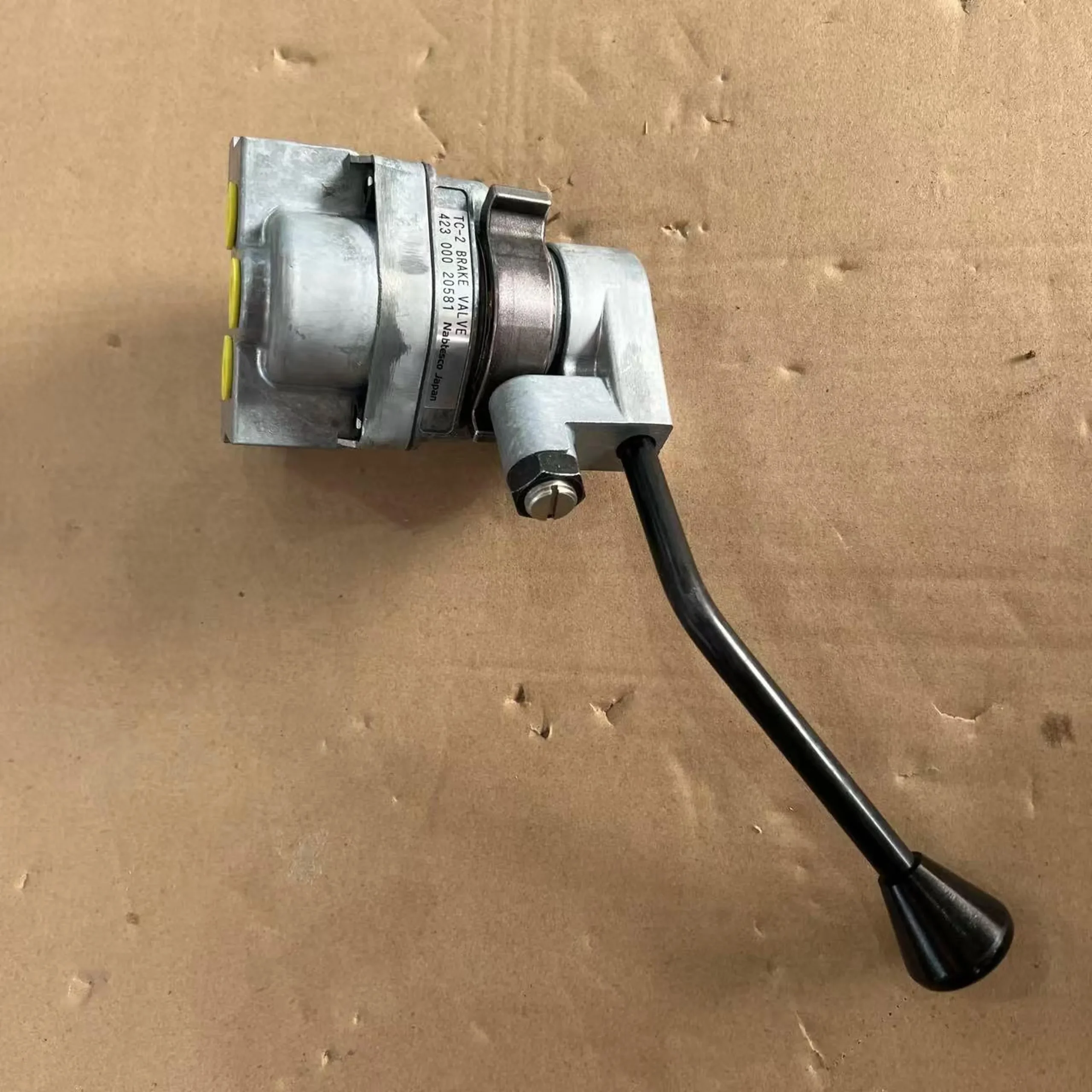 Brand New and Original RETARDER VALVE ASS’Y 561-35-62203 Valve Assembly for komatsu HD605-5 HD465-5 HD405-6 Dump Trucks
 -
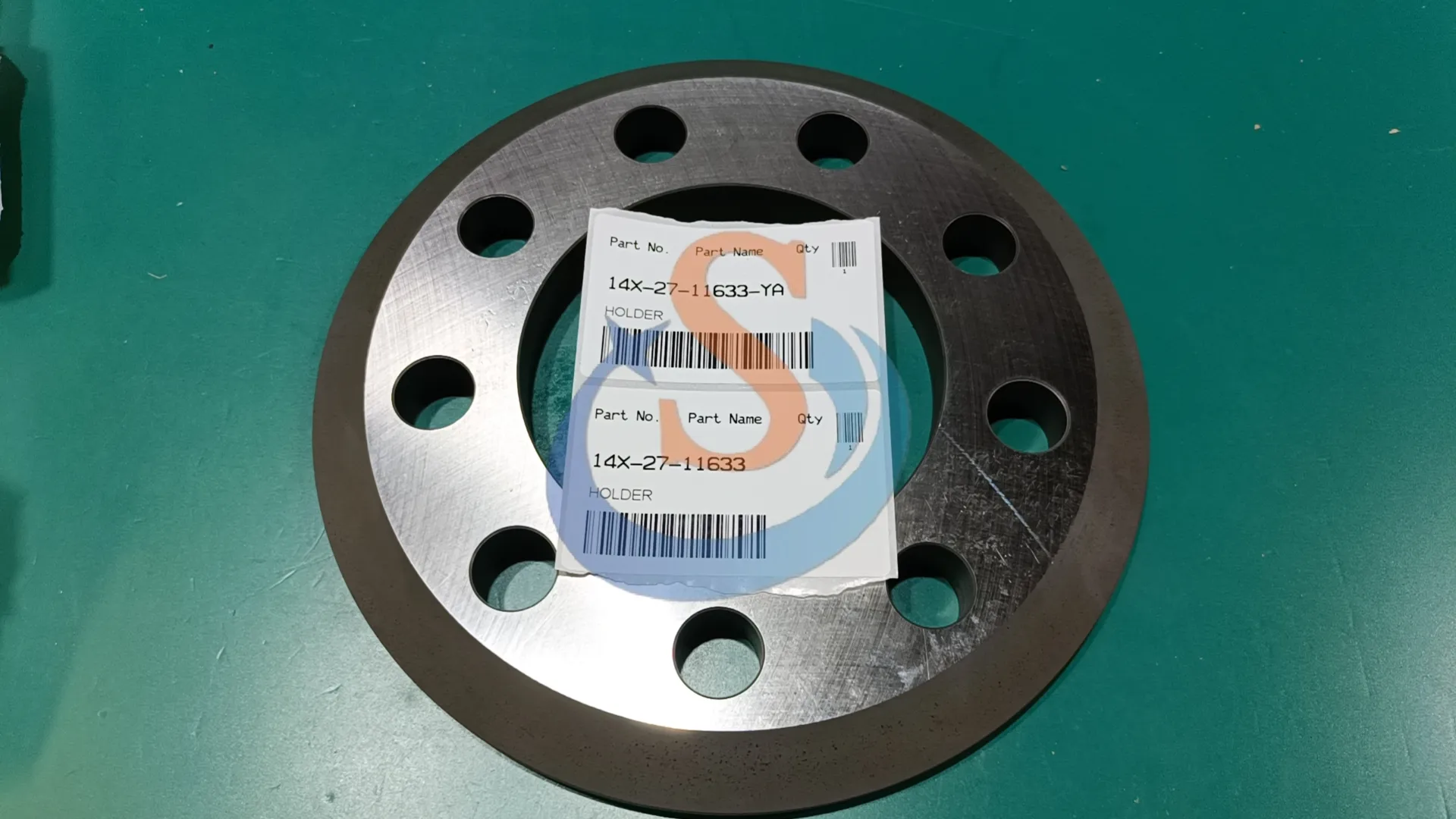 14X-27-11633,HOLDER,D65EX,D65WX,D85E
 -
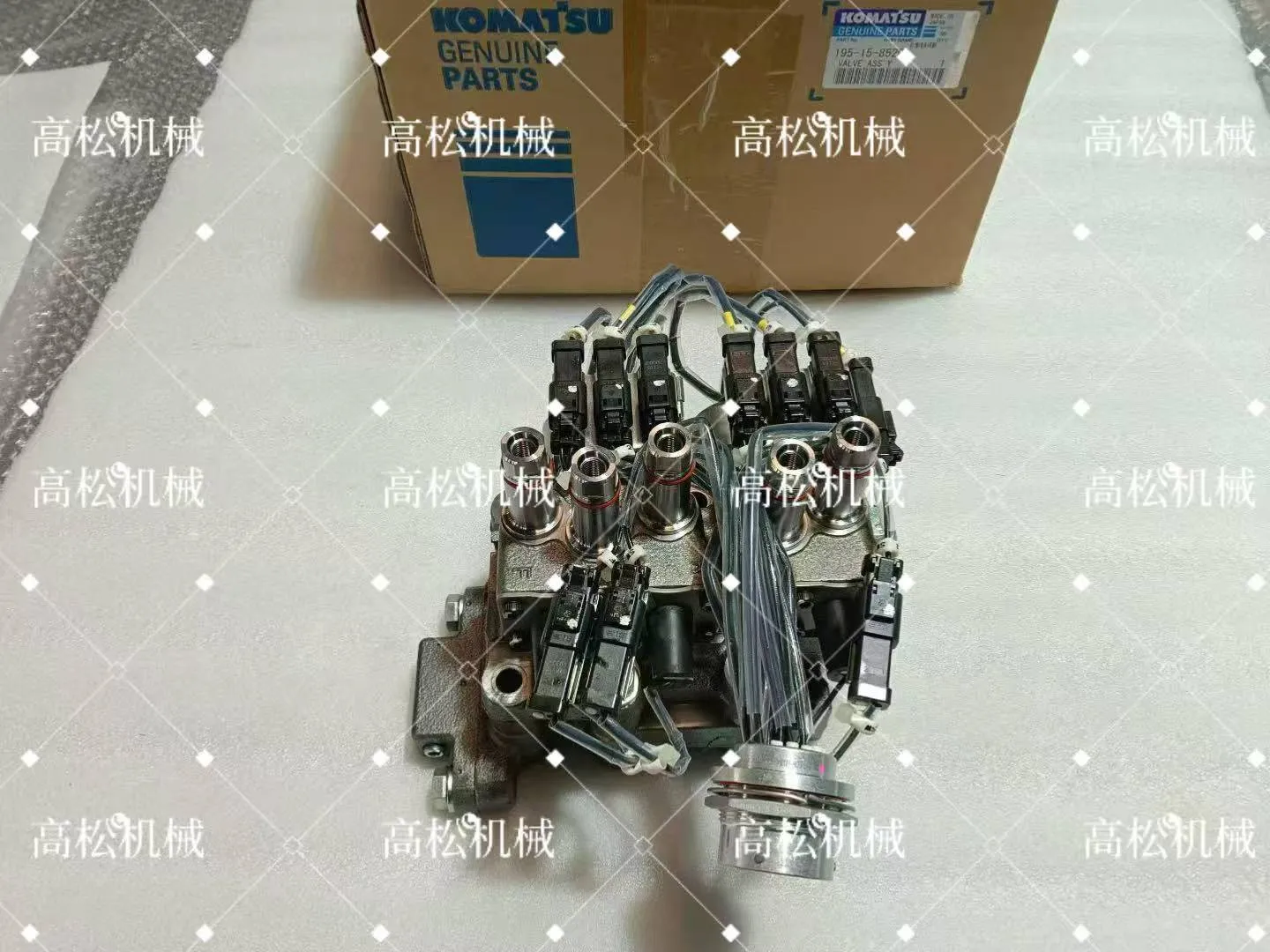 Low price, spot 195-15-85201, valve transmission control for komatsu, parts d375a-6 construction machinery
 -
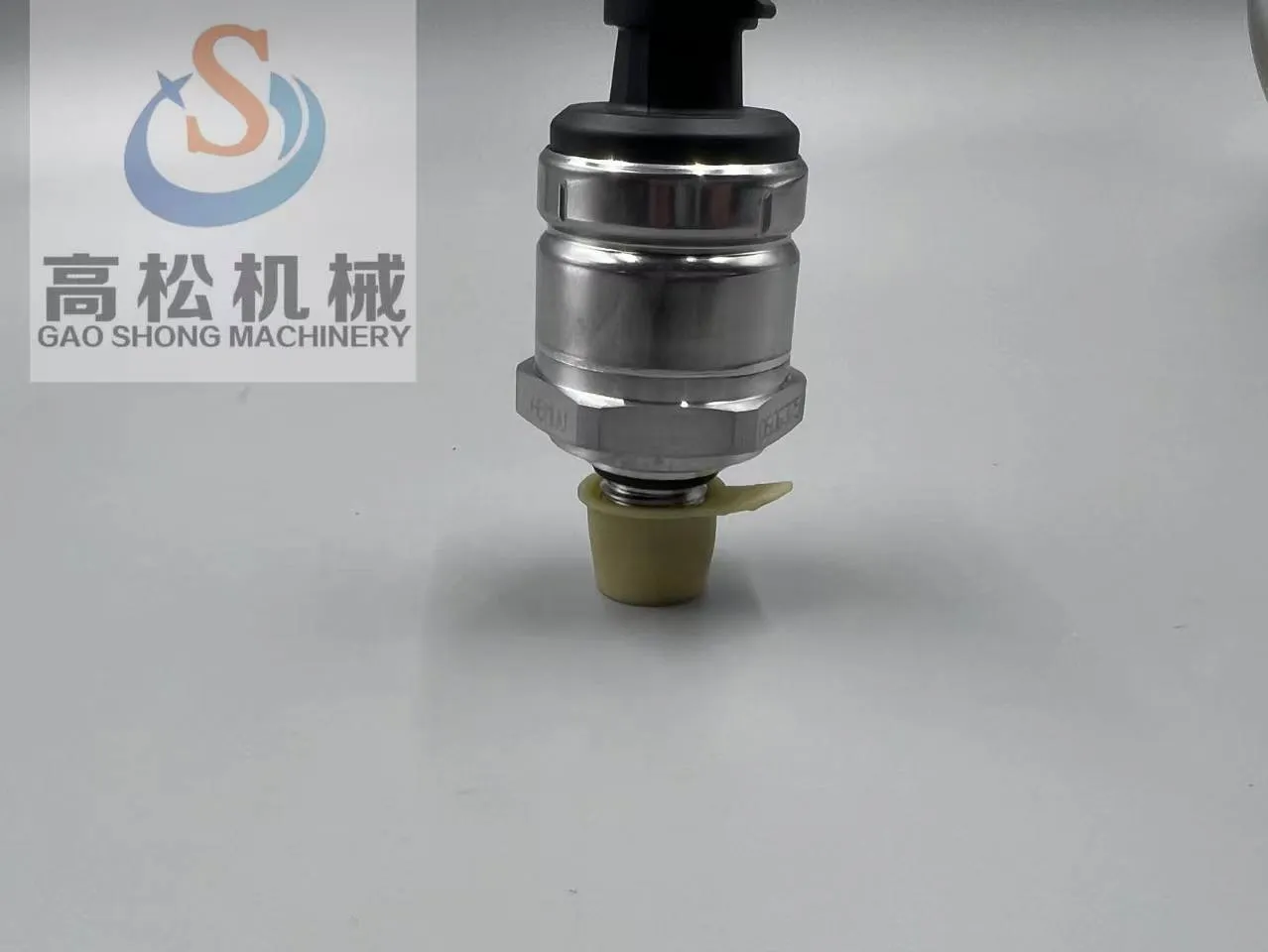 New fuel adjustment sensor sa6d170e-3 6560-51-6201 for komatsu heavy machinery spare parts
 -
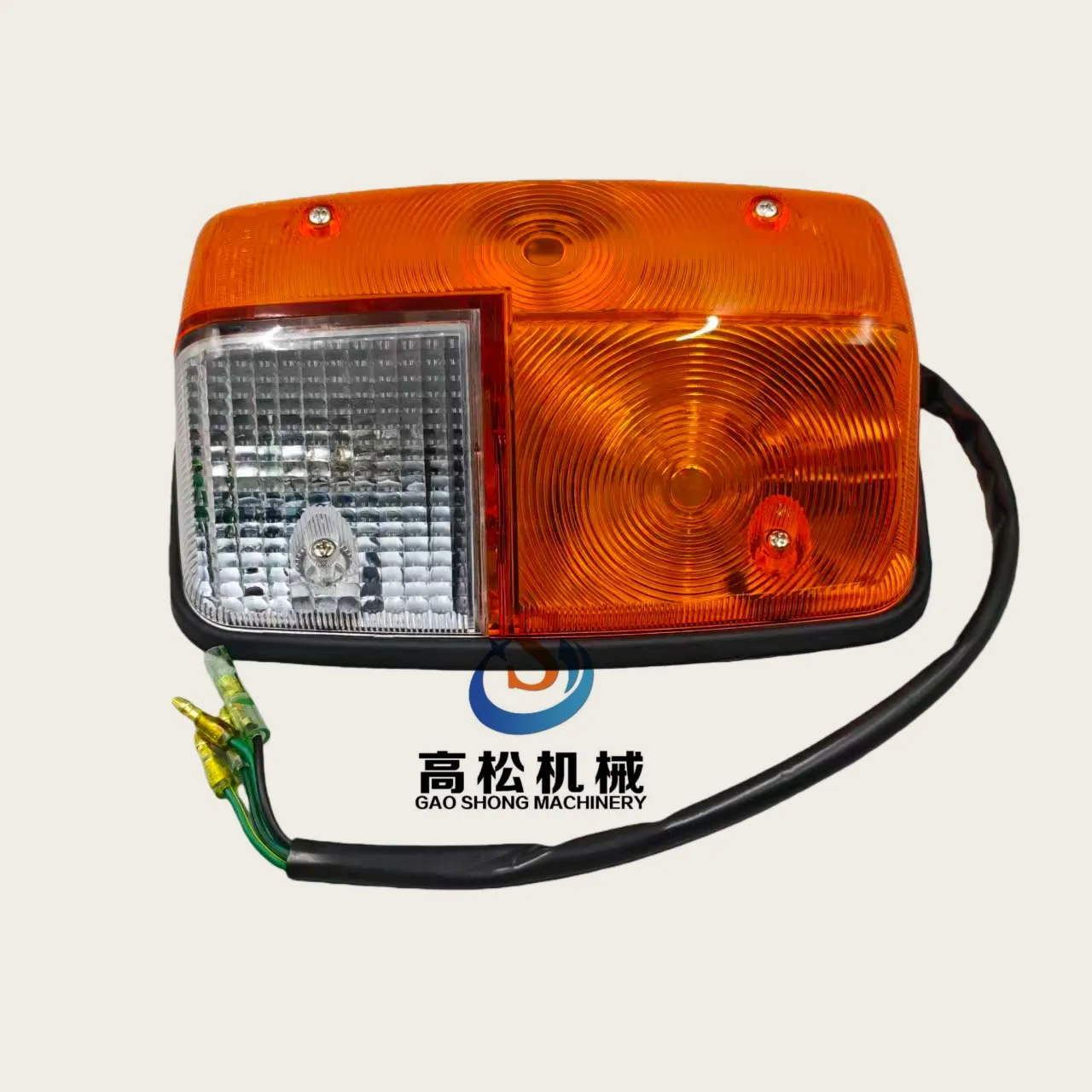 421-06-13401 LAMP ASS’Y,R.H. ELECTRICAL SYSTEM HD255-5 GS360-2 GD405A-2 GD355A-1 HD605-7 HD465-7 HD785-5 HD985-5
 -
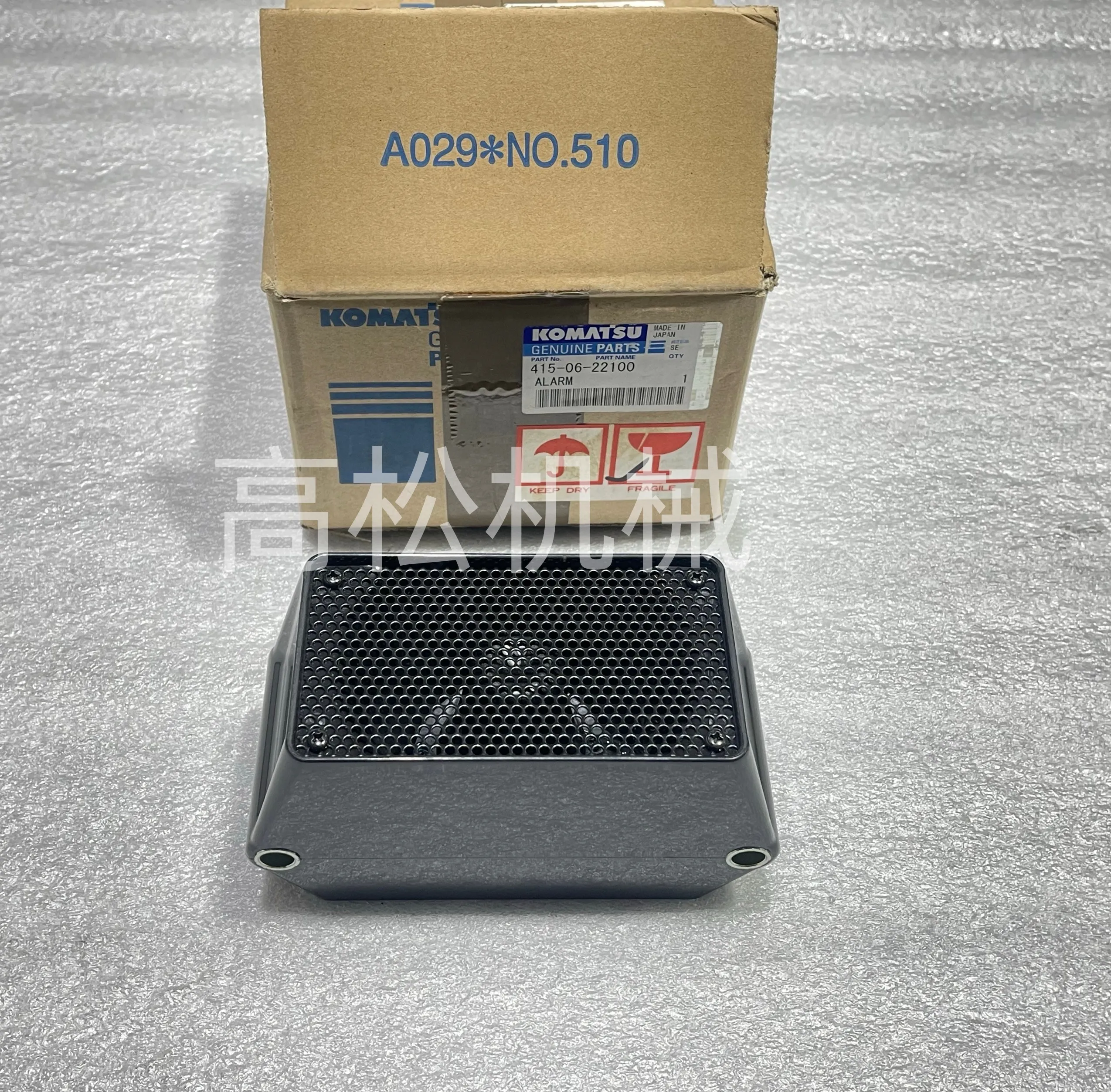 415-06-22100-ALARM.BACK-UP Komatsu Original Factory
 -
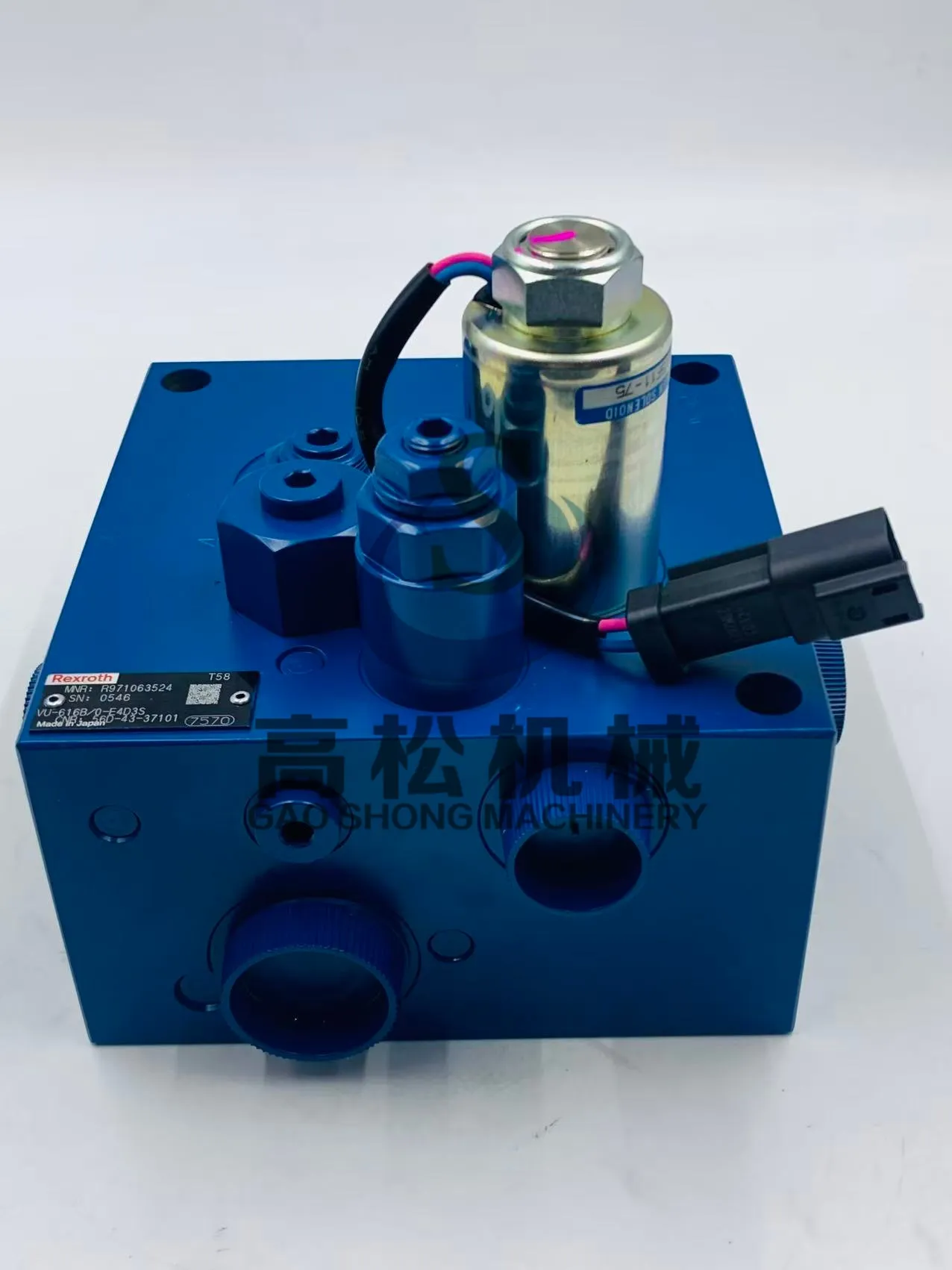 56D-43-37101 Komatsu Valve Assembly
 -
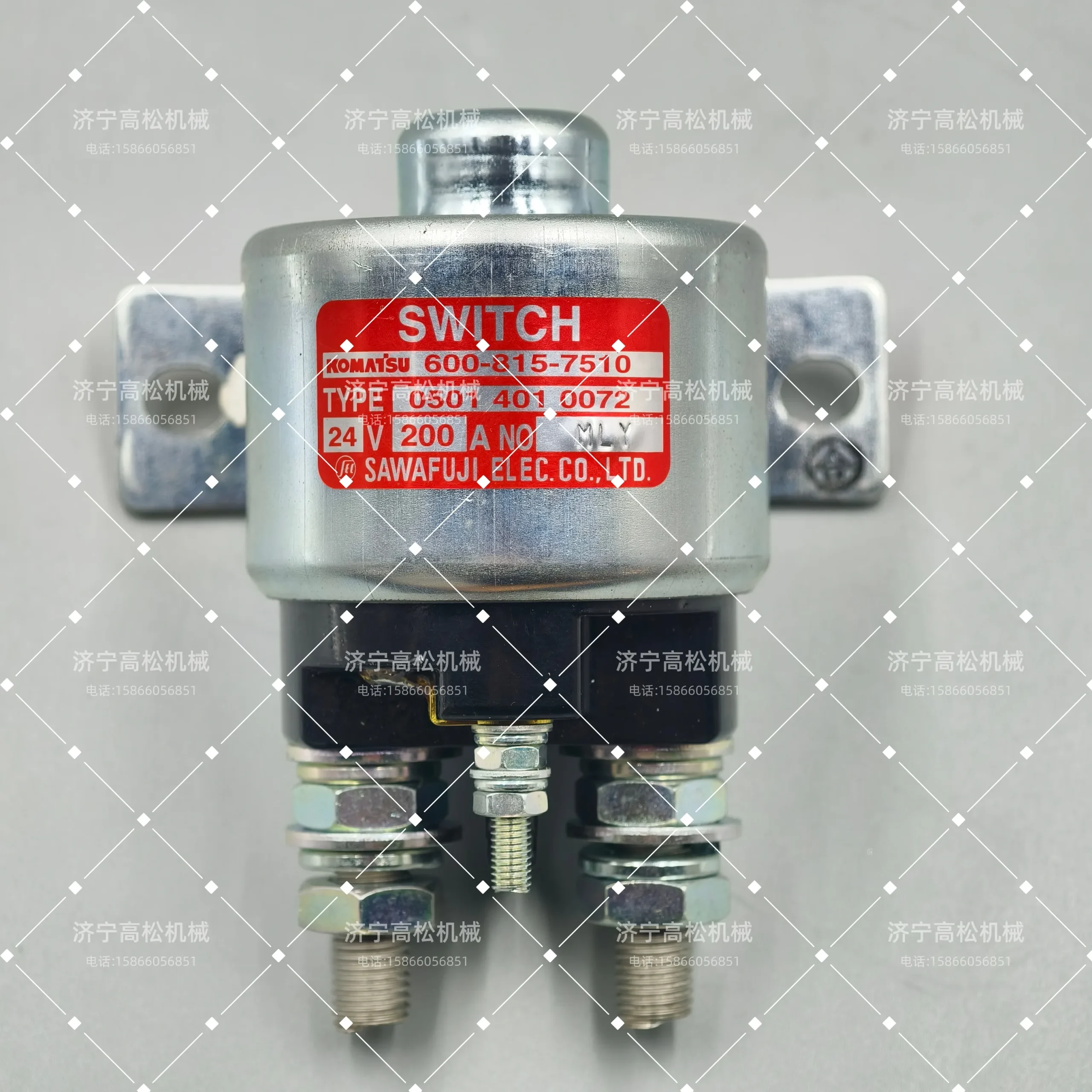
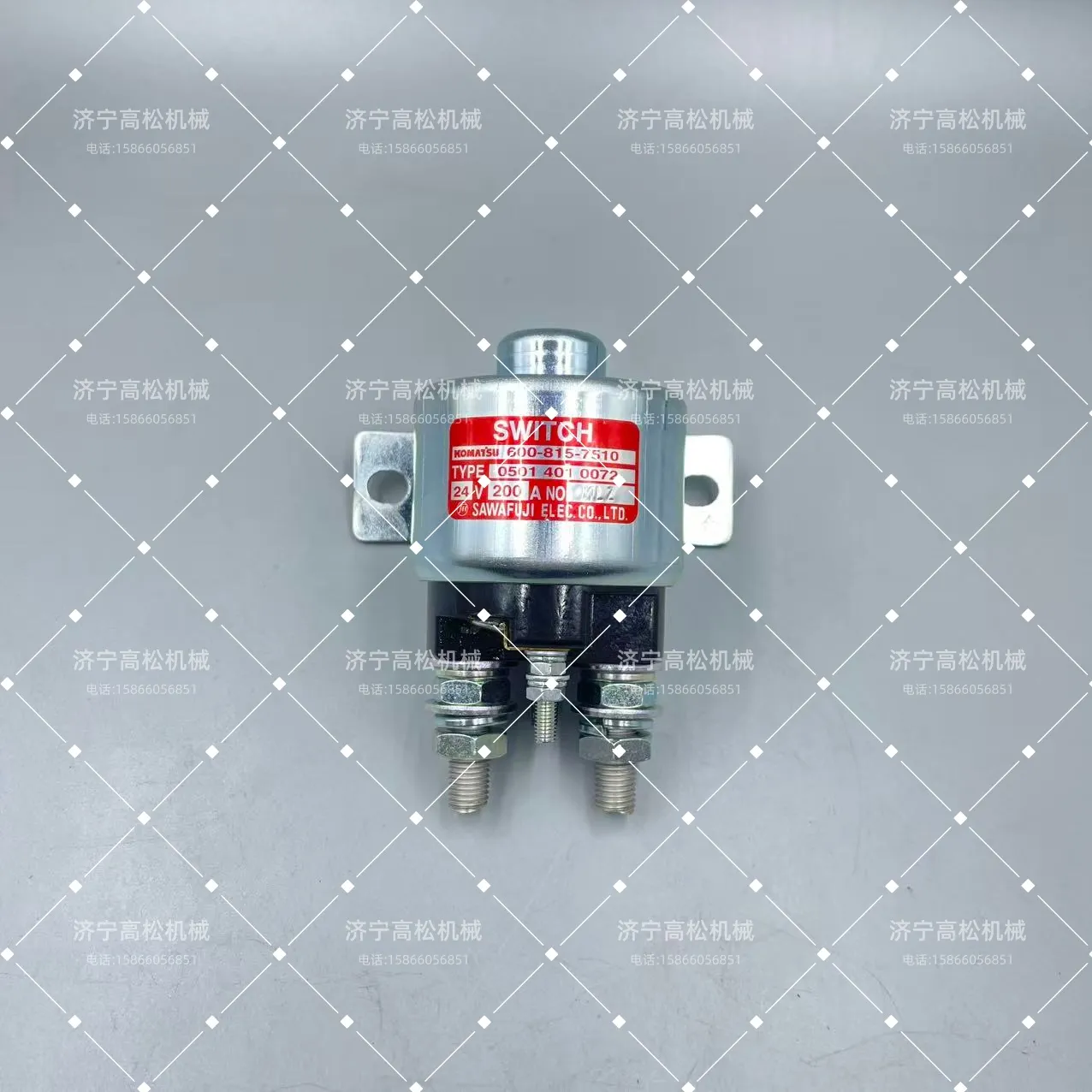 Accessories D375A-5 Switch Heater 600-815-7510 6008157510…
 -
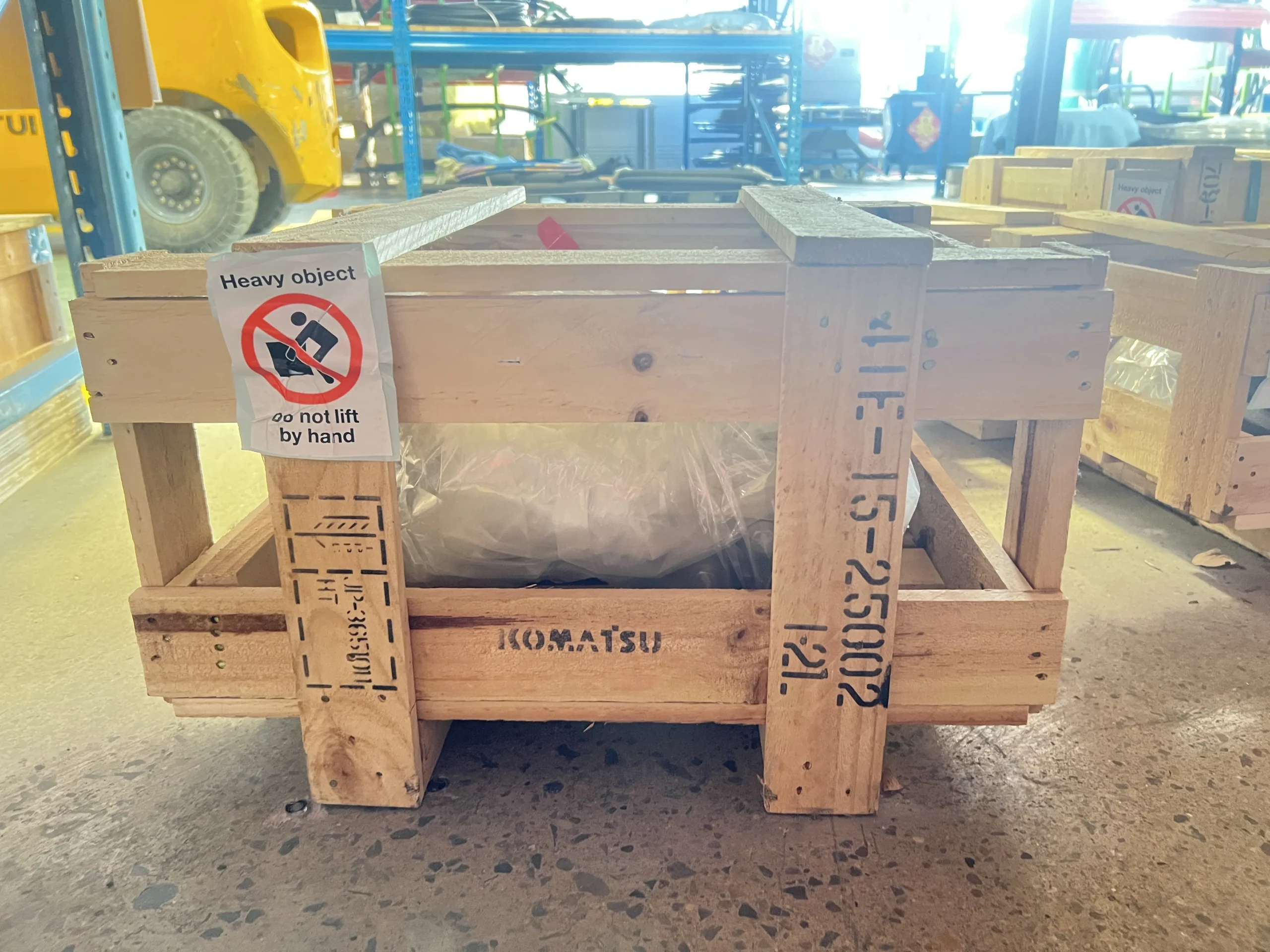 WD600-3 Control Valve Assembly 41E-15-25002
 -
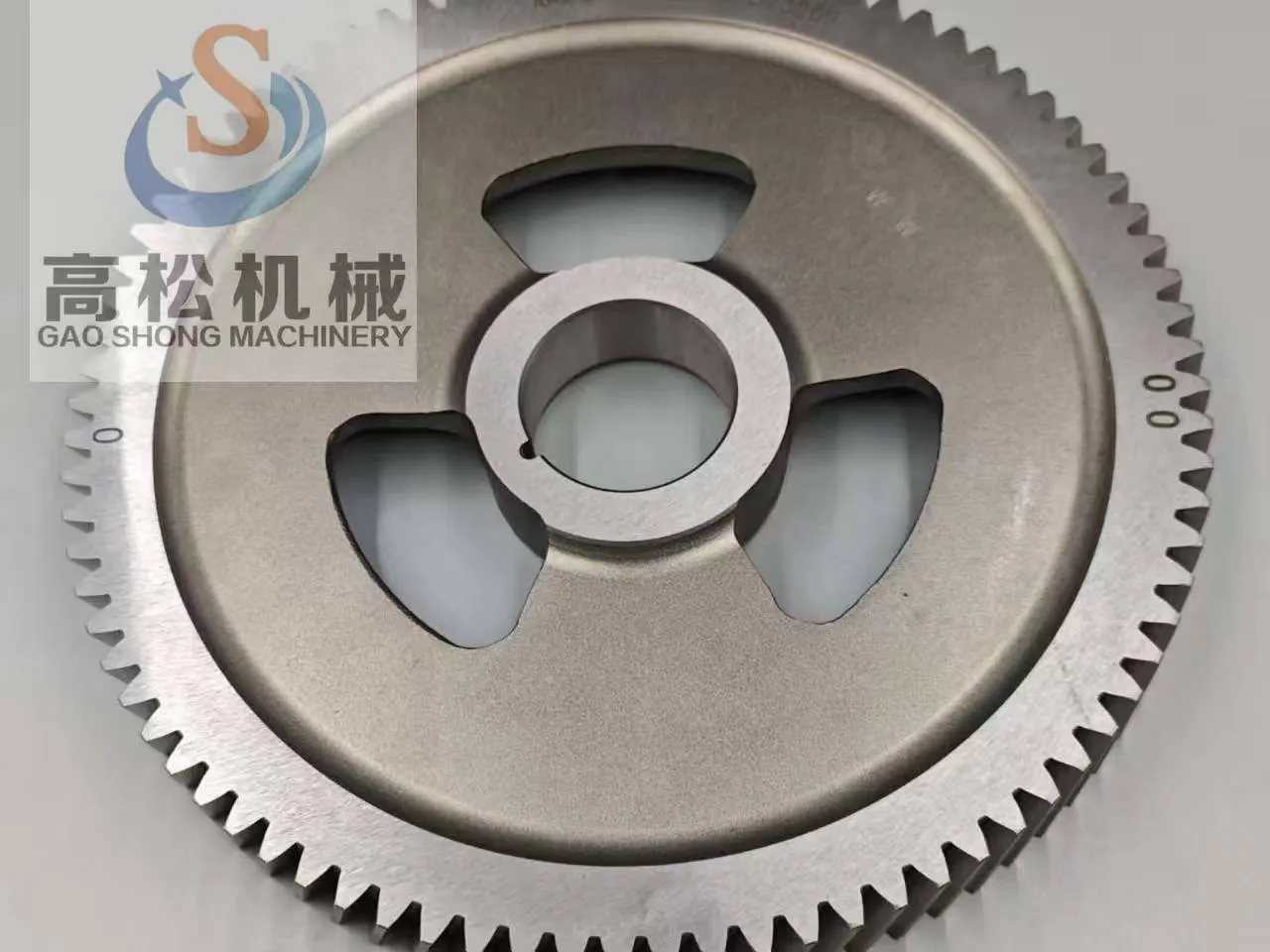 Gear 6745-41-1130 6745411130 6745-41-1131 for excavator PC300 PC350 WA430
 -
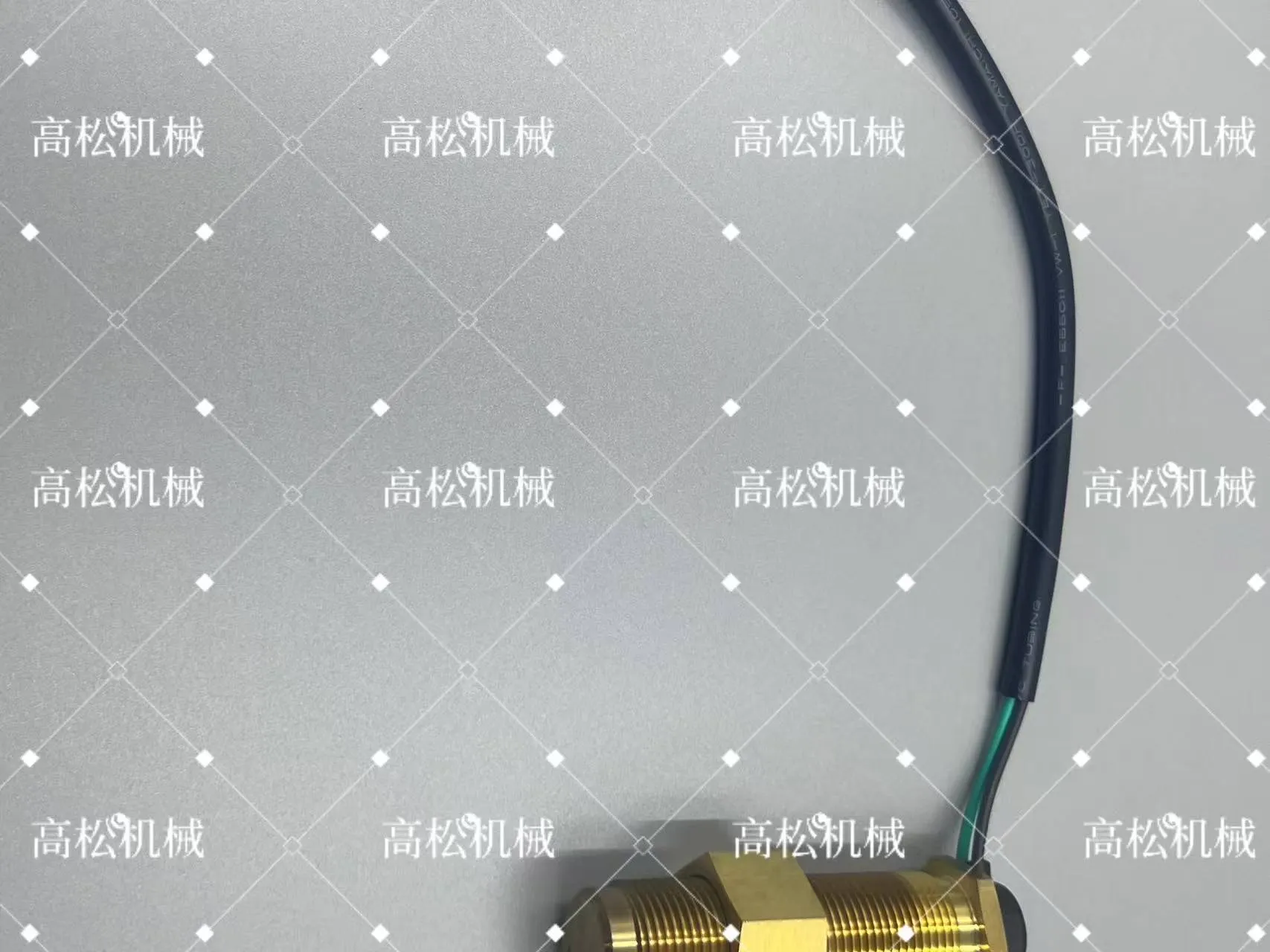 The PC300-6 tachometer sensor 7861-93-2330 is suitable for Komatsu parts
 -
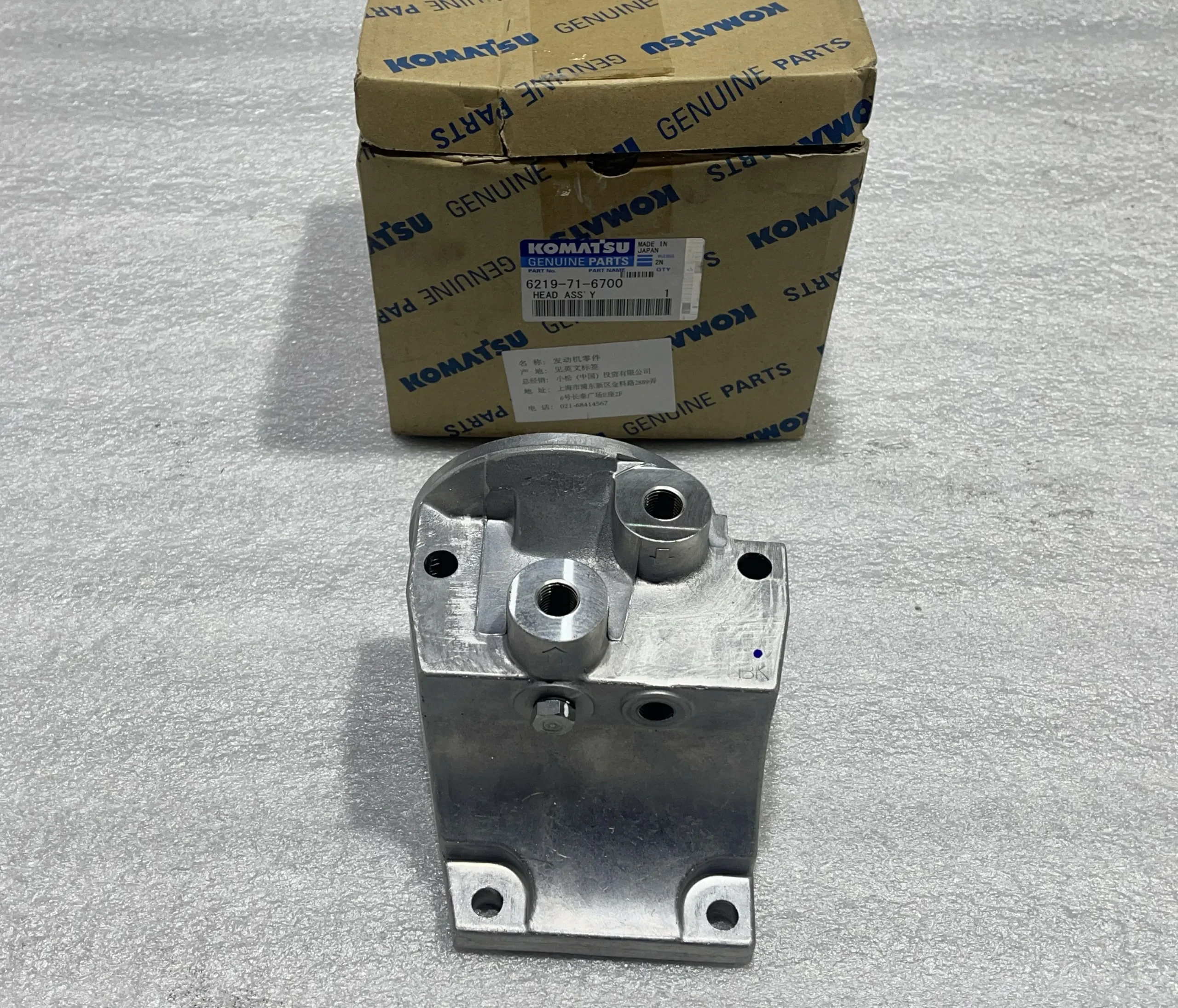 6219-71-6700 HEAD ASS’Y,FUEL FILTER-Komatsu Original Factory Accessories