
- Chinese
- French
- German
- Portuguese
- Spanish
- Russian
- Japanese
- Korean
- Arabic
- Irish
- Greek
- Turkish
- Italian
- Danish
- Romanian
- Indonesian
- Czech
- Afrikaans
- Swedish
- Polish
- Basque
- Catalan
- Esperanto
- Hindi
- Lao
- Albanian
- Amharic
- Armenian
- Azerbaijani
- Belarusian
- Bengali
- Bosnian
- Bulgarian
- Cebuano
- Chichewa
- Corsican
- Croatian
- Dutch
- Estonian
- Filipino
- Finnish
- Frisian
- Galician
- Georgian
- Gujarati
- Haitian
- Hausa
- Hawaiian
- Hebrew
- Hmong
- Hungarian
- Icelandic
- Igbo
- Javanese
- Kannada
- Kazakh
- Khmer
- Kurdish
- Kyrgyz
- Latin
- Latvian
- Lithuanian
- Luxembou..
- Macedonian
- Malagasy
- Malay
- Malayalam
- Maltese
- Maori
- Marathi
- Mongolian
- Burmese
- Nepali
- Norwegian
- Pashto
- Persian
- Punjabi
- Serbian
- Sesotho
- Sinhala
- Slovak
- Slovenian
- Somali
- Samoan
- Scots Gaelic
- Shona
- Sindhi
- Sundanese
- Swahili
- Tajik
- Tamil
- Telugu
- Thai
- Ukrainian
- Urdu
- Uzbek
- Vietnamese
- Welsh
- Xhosa
- Yiddish
- Yoruba
- Zulu
- Kinyarwanda
- Tatar
- Oriya
- Turkmen
- Uyghur





OEM AND ORIGINAL KOMATSU PILOT VALVE 702-16-05091
When you see that part number, , for a Komatsu pilot valve, the immediate split in the market is between 'OEM' and 'original'. A lot of guys just lump them together, thinking if it's not a counterfeit, it's all the same. That's where the headaches start. I've seen machines down for weeks because someone assumed the OEM-spec part from a third-party was identical to the one in the Komatsu box. The truth is more nuanced, and it often comes down to the supply chain you're dealing with.
The Nuance in the Label: OEM vs. Original Komatsu
Here's the practical distinction, the way we talk about it on the shop floor. Original Komatsu means the valve came through Komatsu's official distribution, in their packaging, with their part number stamped and traceable back to their production line. It's the benchmark. OEM product, however, is trickier. It should mean it's manufactured by the original equipment manufacturer—the actual factory that makes them for Komatsu. But here's the catch: that same factory might run extra batches after fulfilling Komatsu's order, selling them through different channels. They're physically identical, same tooling, same materials. But they lack the Komatsu branding and that official supply chain pedigree.
For the , this is critical. This pilot valve controls critical hydraulic functions. An out-of-spec valve doesn't just fail; it can cause erratic implement movement or pressure spikes that damage pumps. The OEM-spec part from a reputable supplier is often perfectly fine, sometimes even from the same bin as the 'original'. But you need to know your supplier's provenance. Are they just a reseller, or do they have a direct line to that factory floor? This is where companies positioned within the Komatsu ecosystem, like Jining Gaosong Construction Machinery Co., Ltd., become relevant. They operate as an OEM product supplier within the Komatsu system, which suggests a formal relationship and access to those factory-direct, Komatsu-spec parts without the branded box.
The risk isn't with these established intermediaries. It's with the gray market parts that claim to be 'OEM quality'. I've cut open valves that looked perfect externally but had softer springs or slightly different orifice sizes. The machine might run, but not optimally, and you'll be chasing phantom performance issues for months. Always ask for certification and traceability documents, even for OEM parts. If a supplier hesitates, that's your red flag.
Real-World Fitment and Failure Scenarios
Let me give you a concrete case. We had a PC360-8 with a weak left-hand swing. The code pointed to a pilot pressure issue. We replaced the suspected pilot valve with a readily available 'OEM-type' part. Problem seemed fixed for about 40 hours. Then the hesitation came back, worse. After wasting time on pumps and sensors, we bit the bullet and got an original Komatsu . The difference was in the spool tolerance. The aftermarket valve's spool had a micron-level variance that allowed just enough internal leakage under high thermal load to drop the pressure. The lesson? For non-critical lines, maybe you can risk it. For main control functions, the genuine part saves money in the long run.
Another common pitfall is assuming all valves are interchangeable across models. While the part number is unique, there have been silent revisions. A valve from an early-series Dash-7 machine might physically fit a Dash-8, but the internal damping or flow rate could be calibrated differently. A good supplier will ask for your machine serial number. A great supplier, like the kind that focuses on solving parts supply challenges in certain countries, will have the cross-reference and revision history to warn you. I've found that the website https://www.takematsumachinery.com often has these detailed application notes, which is a sign they're dealing with real-world fitment issues, not just moving boxes.
Installation is another moment of truth. These valves are sensitive to contamination. I don't care if it's original or OEM, if you don't flush the lines properly or use a new filter, you'll introduce debris that'll jam the spool. I've seen mechanics blame a 'bad new part' when the fault was in their install practice. The valve's aluminum body can also be over-torqued easily, distorting the bore. The service manual torque spec is there for a reason.
The Supply Chain Solution for Hard-to-Find Parts
This is where the model of a company being both an OEM product supplier and a third-party sales company for Komatsu makes operational sense. In some regions, getting an original Komatsu part can take 12 weeks. A project can't stop. A reliable supplier with direct factory links can provide the OEM-spec in a fraction of the time, with the assurance it's built to the same drawing. They're not selling alternatives; they're providing access to the same part through a parallel, often more agile, channel.
For instance, in remote mining operations or certain developing markets, the official distribution network is thin. A supplier that understands this gap isn't just selling a part; they're providing a logistics and technical solution. They ensure the correct revision is shipped, provide the necessary seals and gaskets (which are often forgotten), and can sometimes offer support on the hydraulic circuit diagnosis. This turns a simple parts transaction into a value chain.
However, this requires immense trust. You're trusting that their 'OEM' claim is legitimate. My verification process is simple: I ask for a previous batch's material certification, and I might order one for a non-critical machine first. I also check if they have the complementary parts, like the seal kits for the valve bank. A fly-by-night operation won't have that depth of inventory. A company like Jining Gaosong, by stating its role within the Komatsu system, is staking its reputation on that direct access, which is more credible than a generic parts wholesaler.
Cost vs. Value Analysis for Fleet Managers
The upfront price difference between an original and an OEM-spec valve can be 30% to 50%. For a single machine owner, the temptation to go cheap is huge. For a fleet manager, the calculation is different. You have to factor in Mean Time Between Failure (MTBF), warranty support, and most importantly, machine availability (uptime). If an OEM-spec valve from a certified channel has a 99% reliability rate versus the original's 99.5%, but gets you back online 3 weeks faster, the value proposition flips.
The key is 'certified channel'. The OEM product supplier must be that—a supplier, not just a broker. They should be able to discuss the valve's factory testing protocol. For the , ask about the pressure cycling test and the leak-down rate specification. If they can't answer or provide a spec sheet that mirrors Komatsu's, walk away. The cost of a single unplanned downtime event from a part failure wipes out the savings from a dozen cheap valves.
We implemented a hybrid strategy. For machines under warranty or on critical production schedules, we use only original Komatsu parts. For older machines or as backup field stock, we source from a trusted OEM supplier. This balances cost control with risk management. It also gives us a real-world dataset to compare performance. So far, for valves sourced from established system suppliers, the failure rate has been statistically identical to the originals.
Final Thoughts on Sourcing and Spec
So, back to the Komatsu pilot valve . It's not just a commodity. Your sourcing decision is a technical and logistical choice. The label 'OEM' isn't a magic word; it's a promise that needs verification. The most valuable suppliers are those who are transparent about their position in the supply web and focus on solving the access problem, not just undercutting price.
In practice, I keep the contact for a supplier like Jining Gaosong Construction Machinery Co., Ltd. bookmarked. When the official channel is backlogged, or when I need a technical confirmation on a part revision, that's the type of resource I use. Their stated mission—helping solve supply challenges—aligns with the real pain points in the field. It indicates they're likely to ask the right questions before they ship, saving everyone a headache.
Ultimately, whether you choose original or OEM, the goal is the same: a reliable machine. Do your due diligence on the supplier, understand the specific application of your valve, and never, ever compromise on installation cleanliness. The part number is just the starting point for a much deeper conversation.
Related Products
Related Products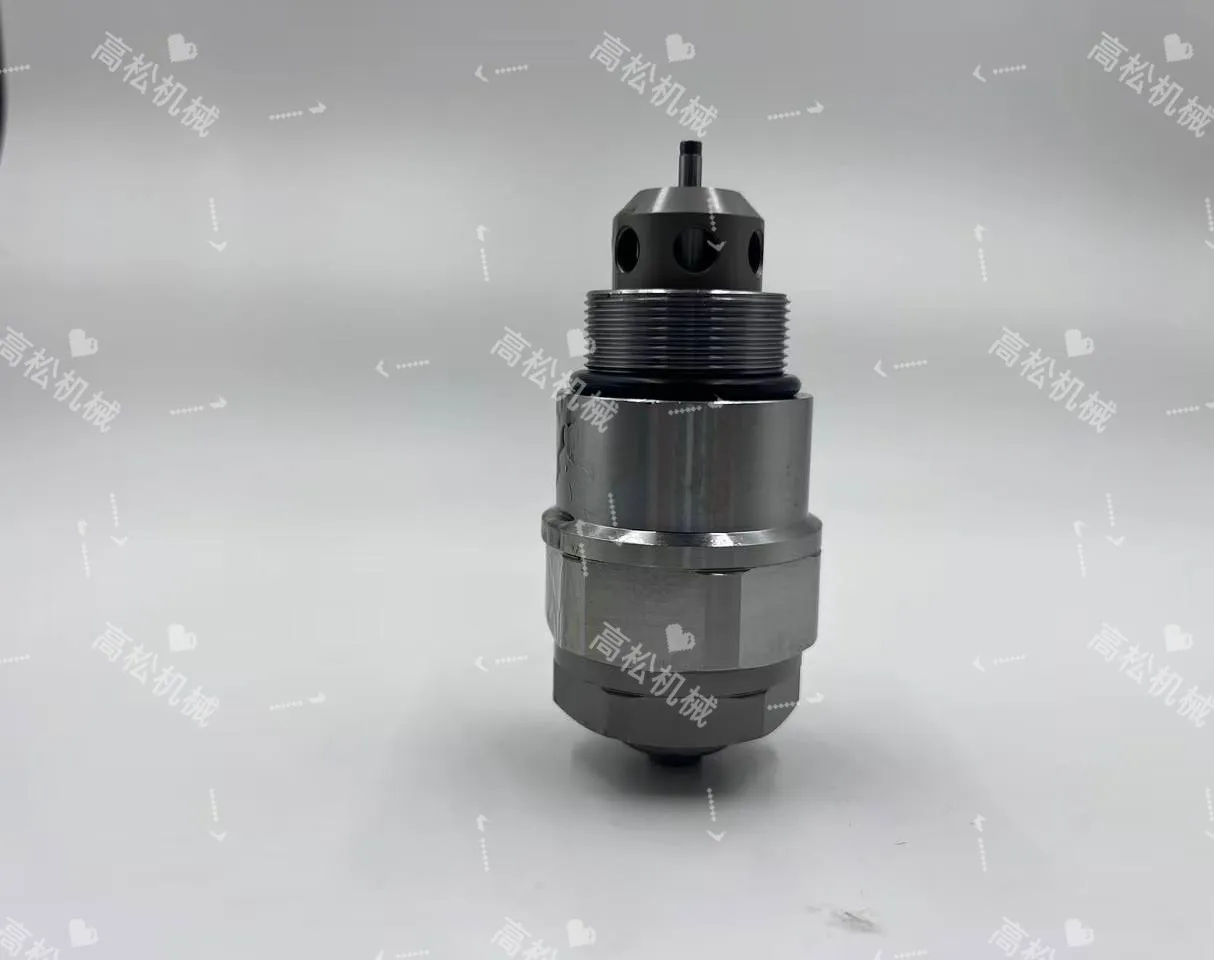
Best Selling Products
Best Selling Products-
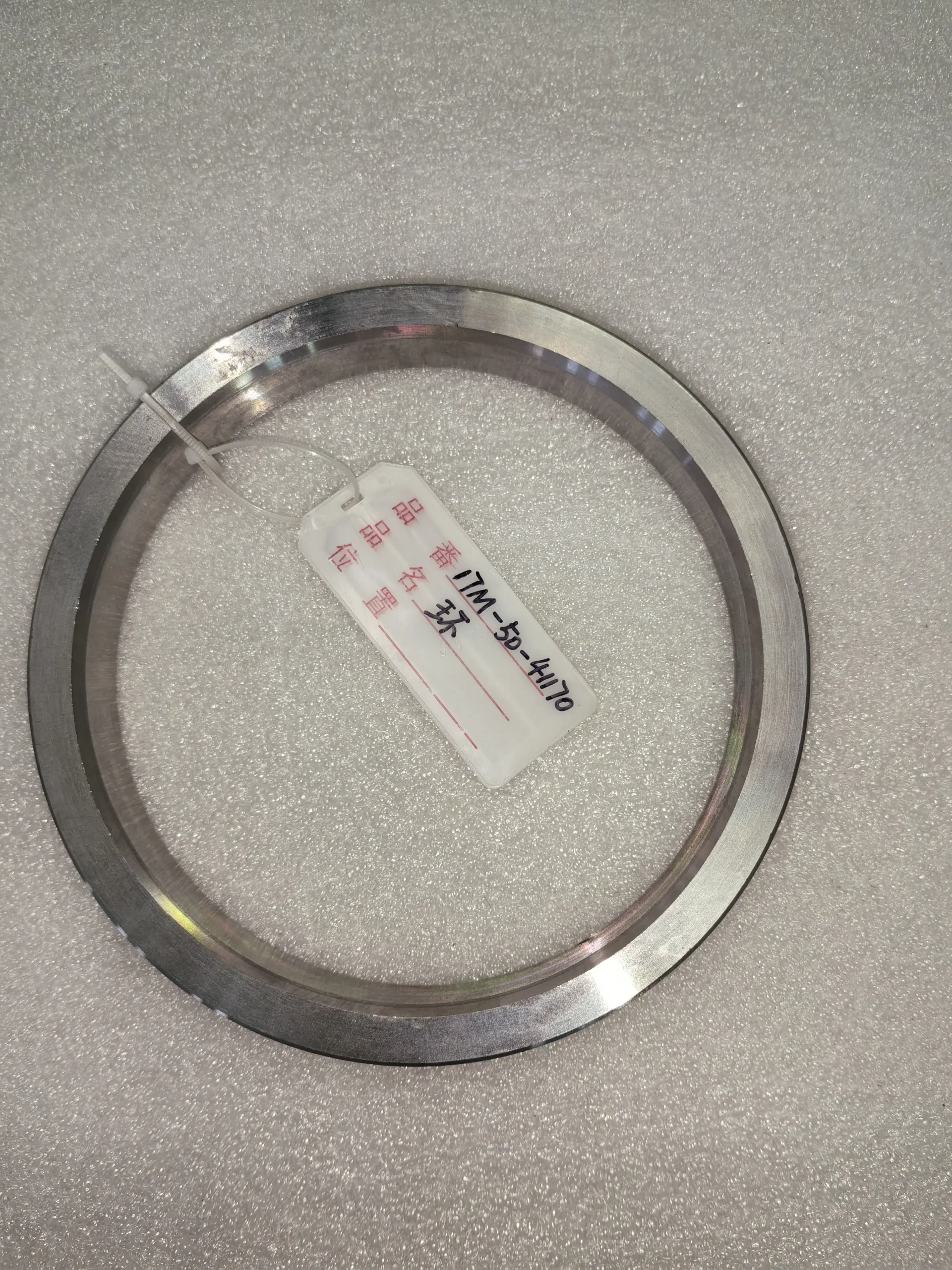 RING 17M-50-41170 – KOMATSU
 -
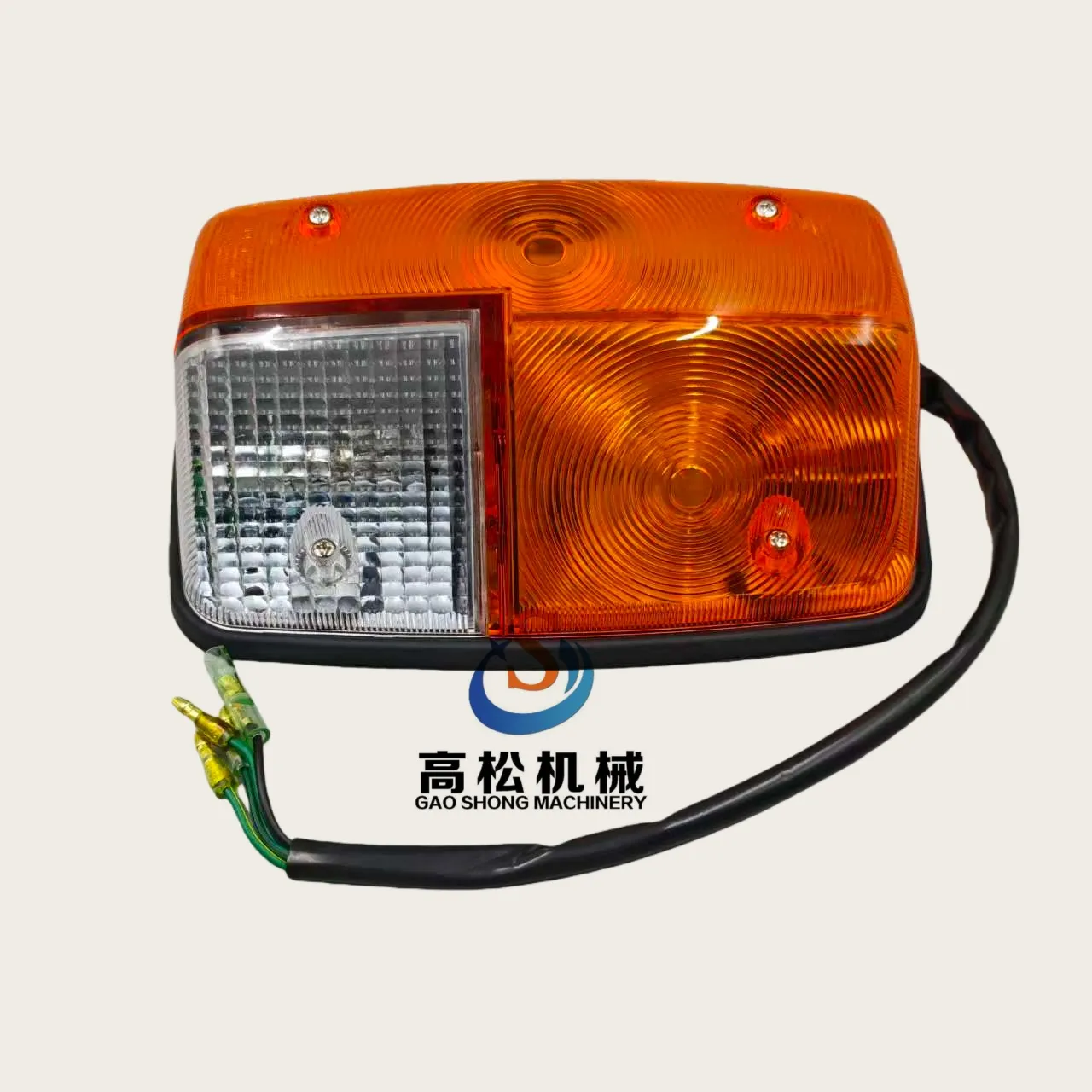 komatsu-part-421-06-13401 LAMP ASS’Y,R.H. HD255-5 HD255-5EO GS360-2 GD305A-1 GD355A-1 GD405A-2 GC380F-1 GD605A-5 HD325-6W HD605-5 HD605-7 HD465-7 HD465-5 HD785-3 HD985-5 WA100-1 WA120-1 WA150-1 WA100SS-1 WA350-1 WA420-1 WA600-1 WA470-1 WA450-1 WA500-1LC 330M LAMP AND FUSE ELECTRICAL SYSTEM (FRONT LAMP)
 -
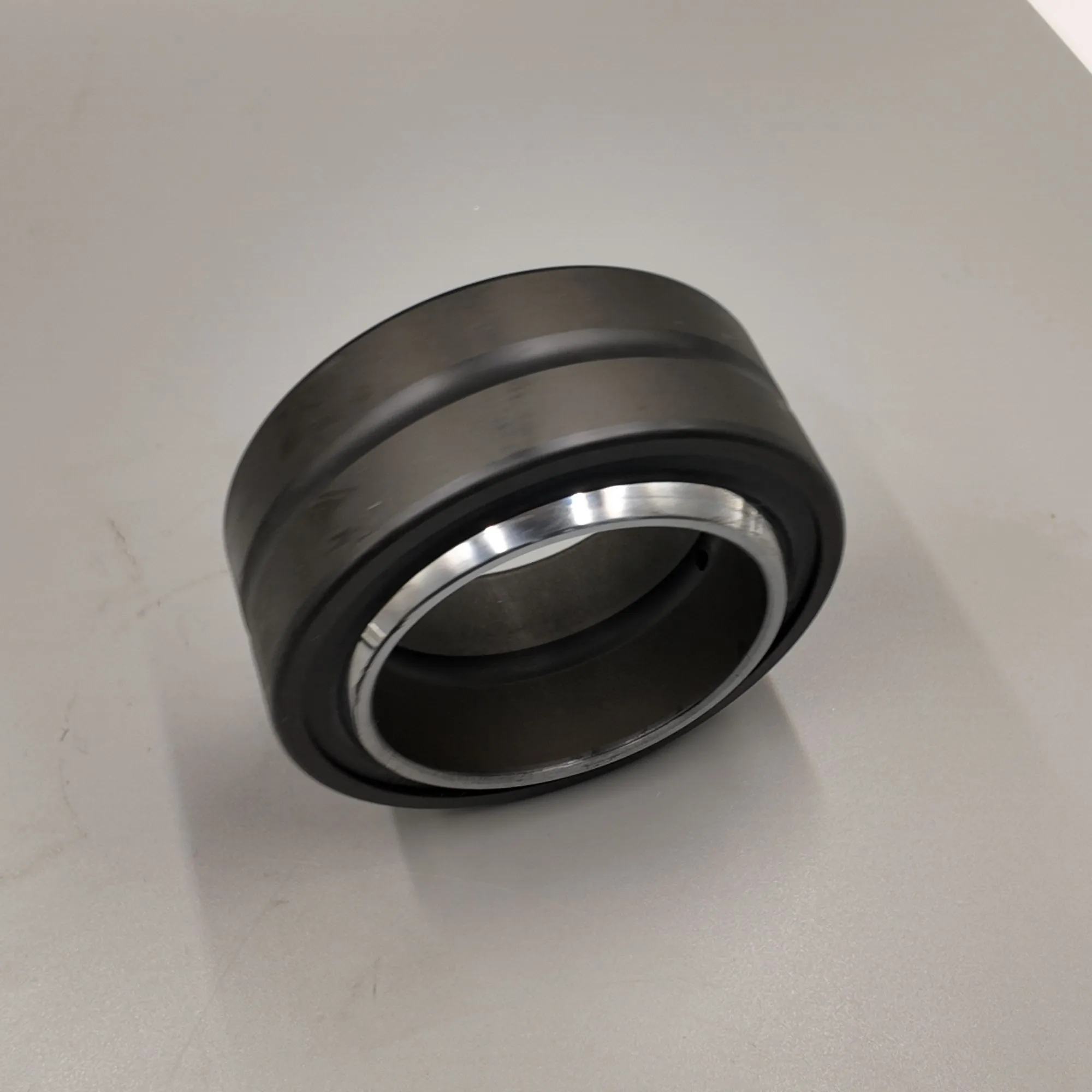 707-46-07040 • Bushing-Komatsu Original Factory
 -
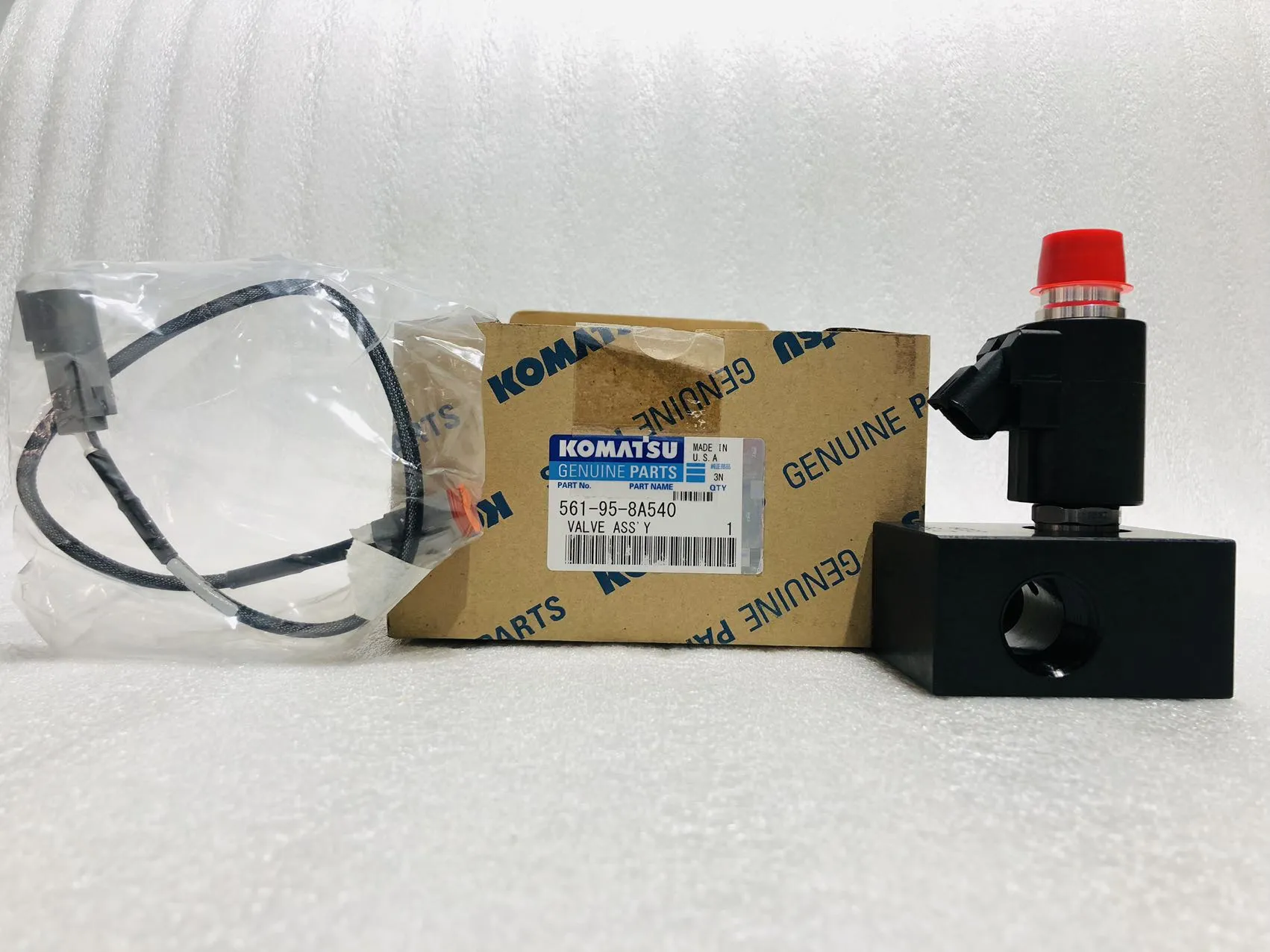 561-95-8A540HD785-7 komatsu
 -
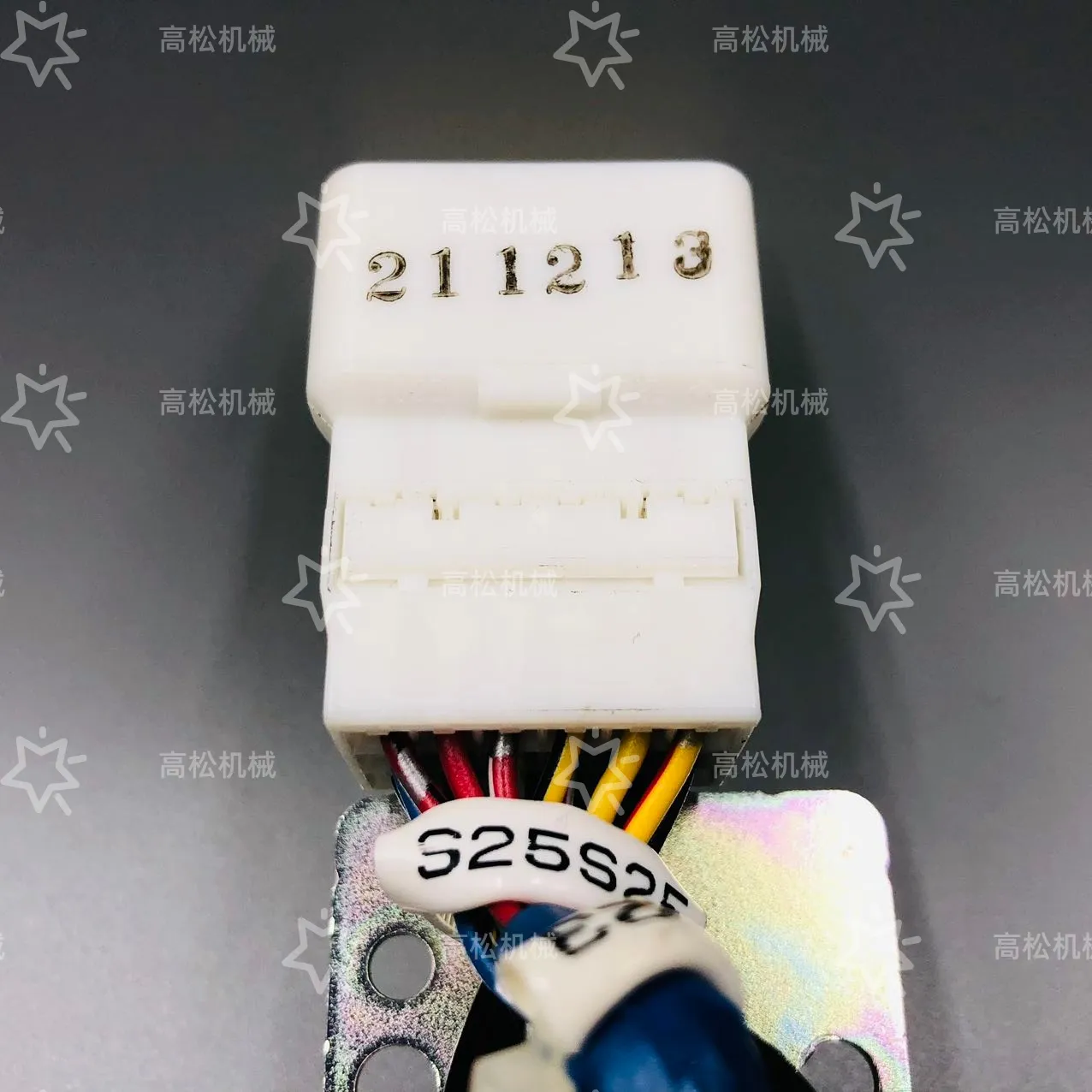 Komatsu Switch 22U-06-22370 for Crawler excavator PC340LC-7K
 -
 424-15-16410 Komatsu SHIM, 0.5mm
 -
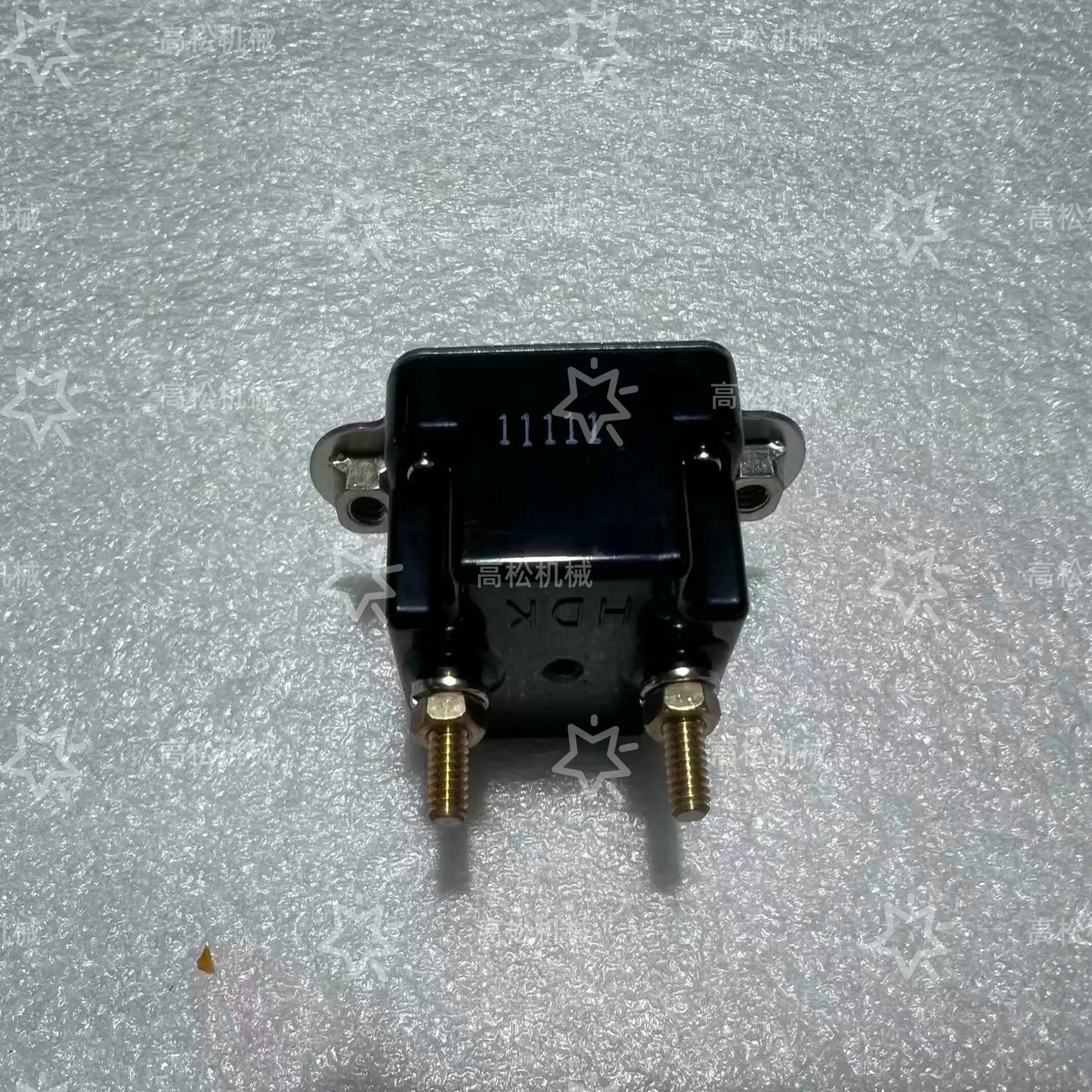 421-06-11440 BREAKER fits KOMATSU
 -
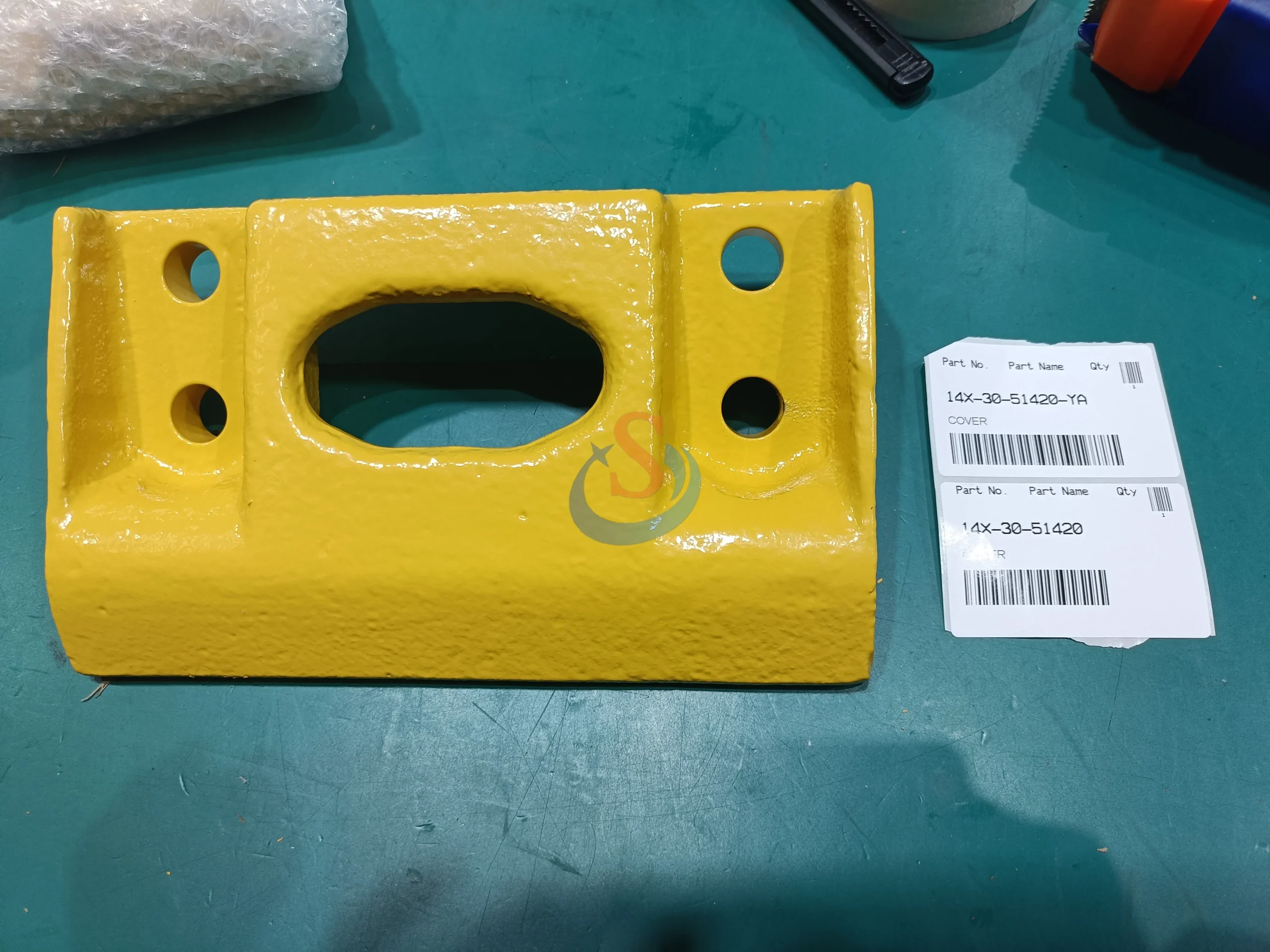 14X-30-51420,Cover,D65PX,D65WX,D65EX
 -
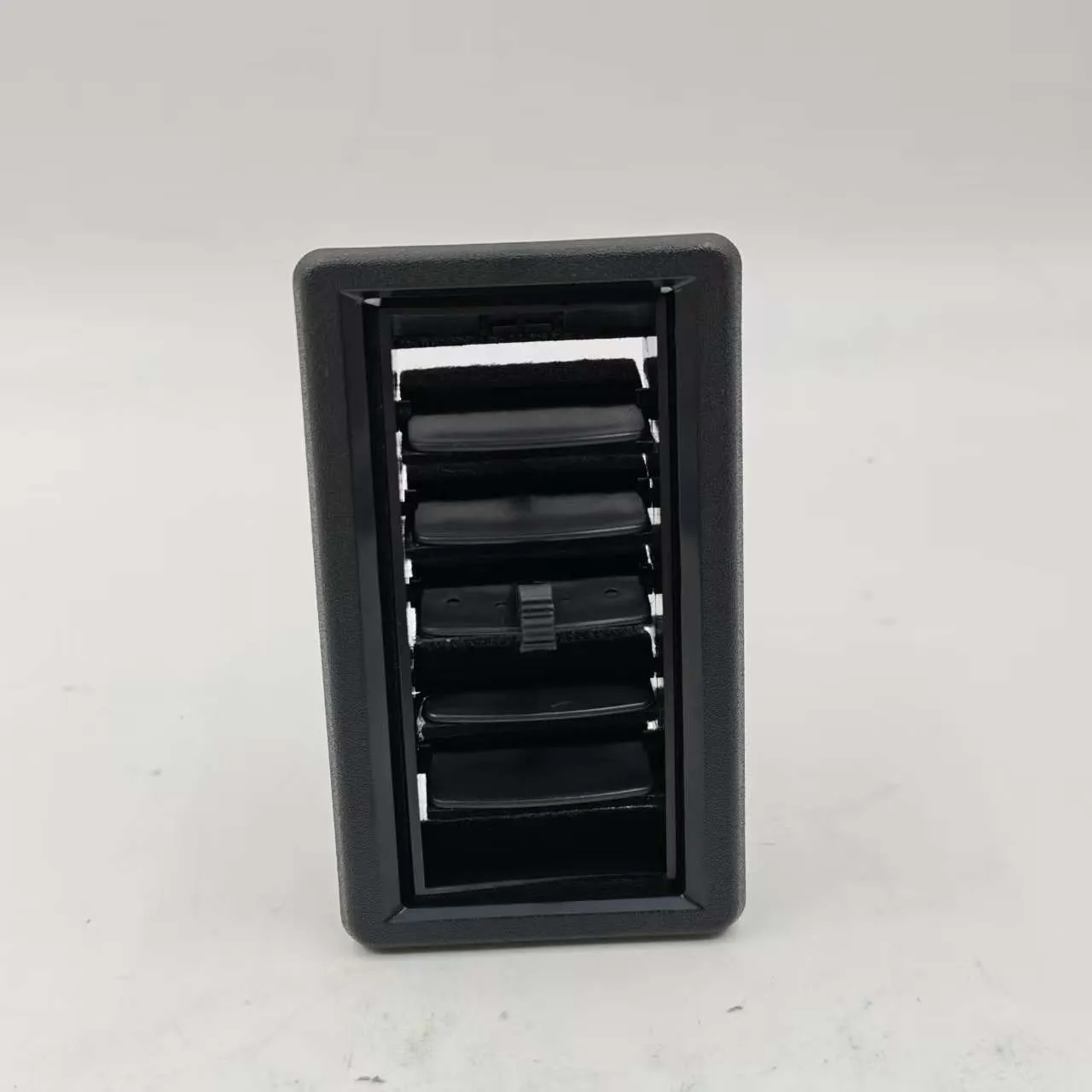 Komatsu Inside cover 17A-54-18270 for Bulldozer D155AX-5
 -
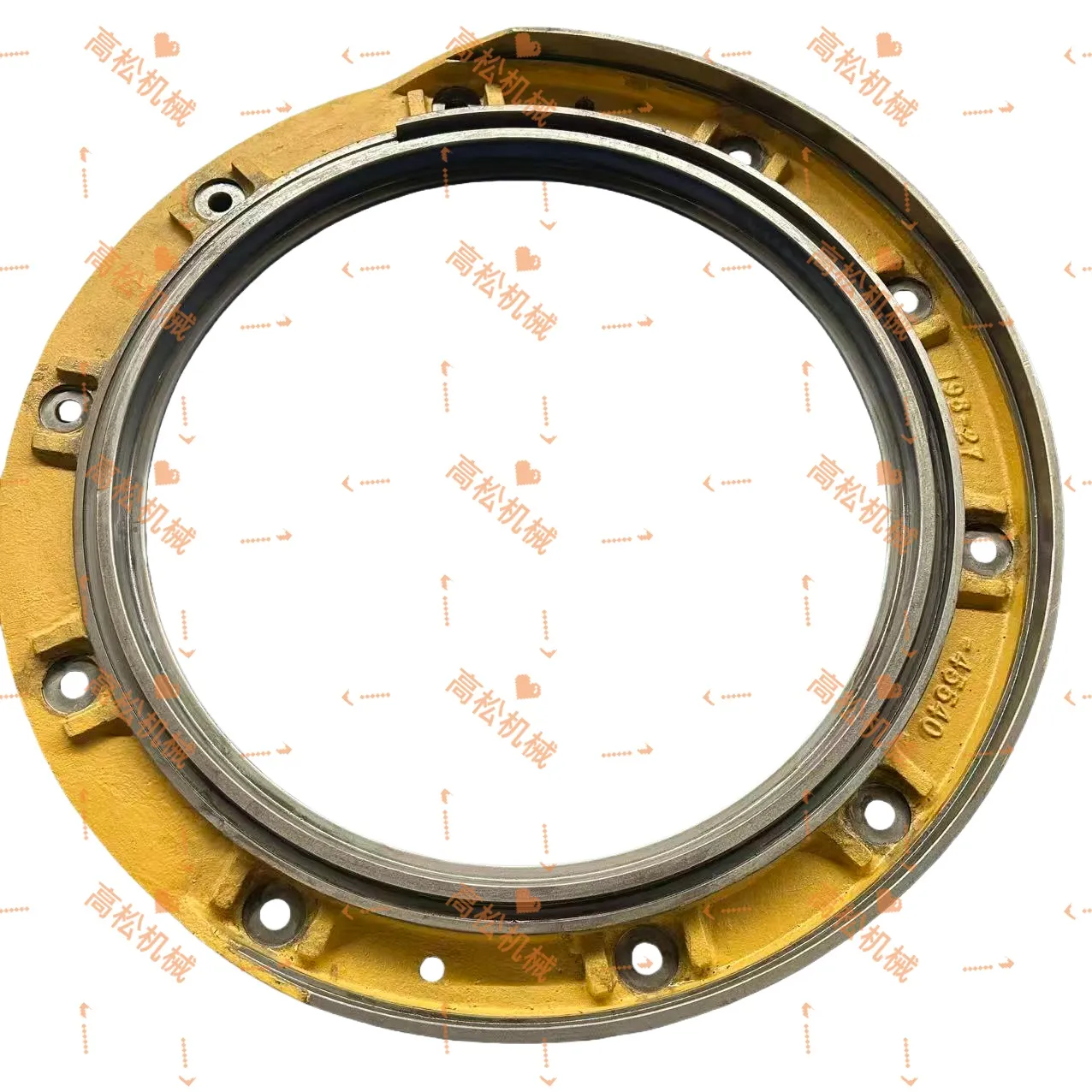 komatsu parts198-27-45540 COVER D475A-5A S/N 20001-UP (Super Dozer Spec.) FINAL DRIVE
 -
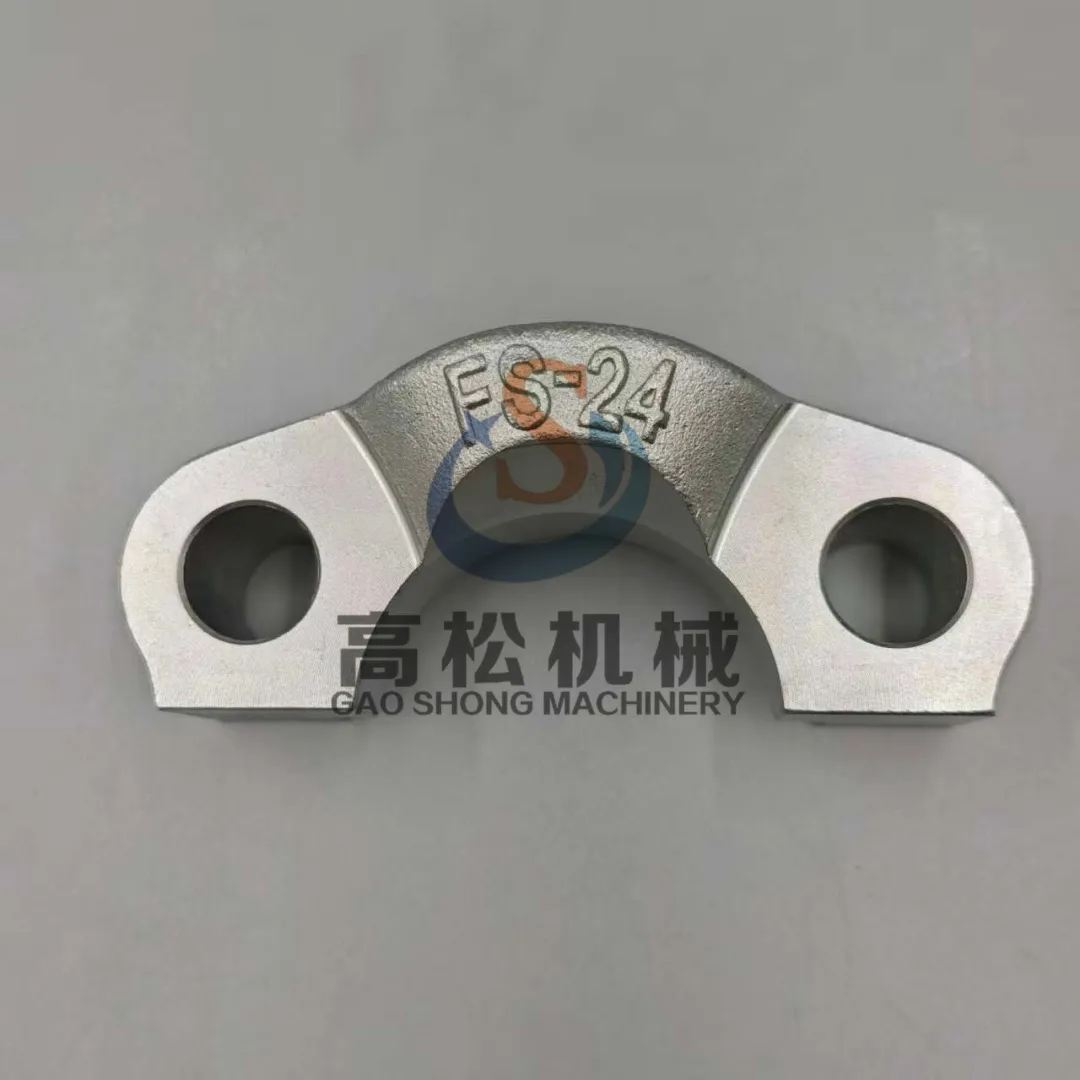 Flange 07371-51470 P60 Komatsu 7371-51470
 -
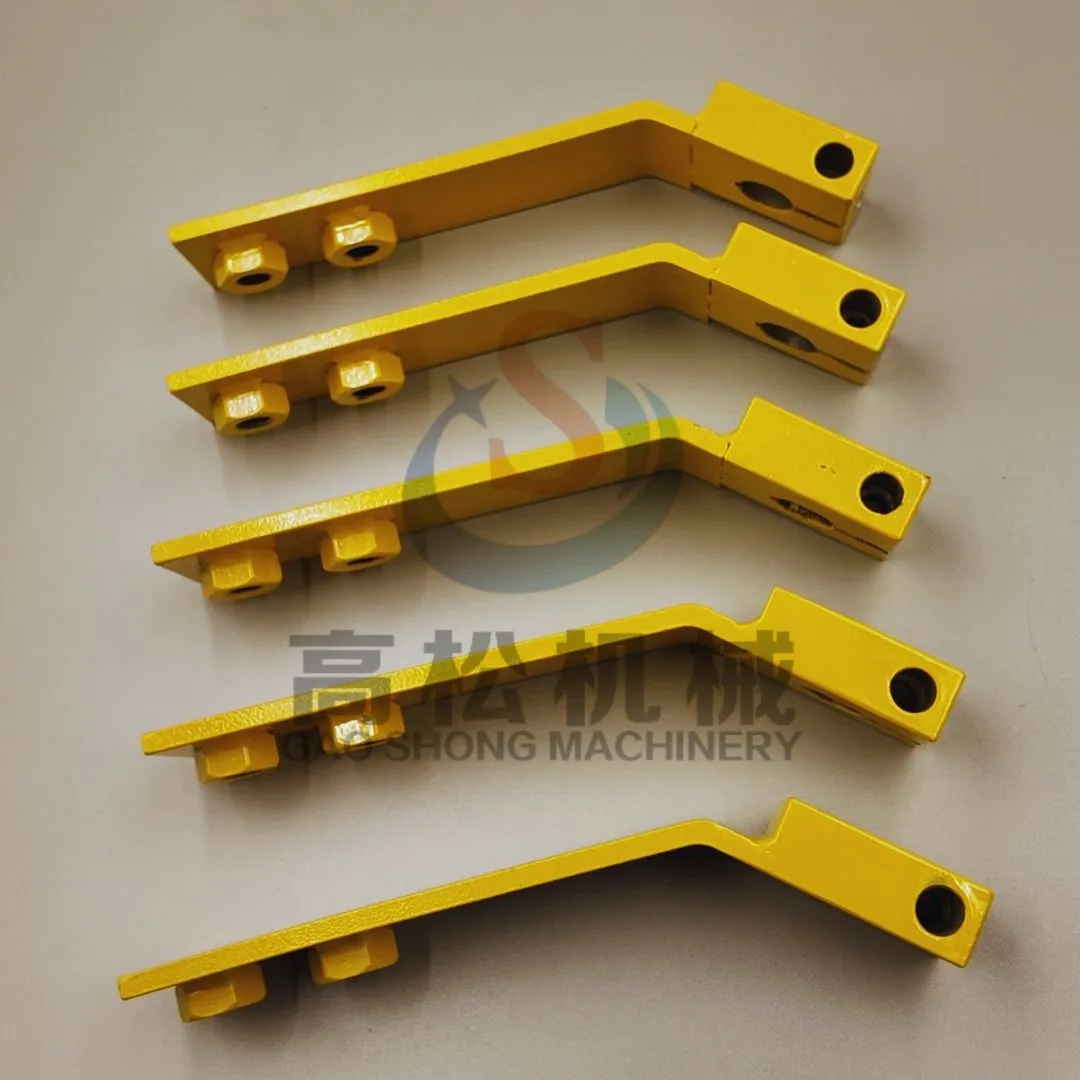 KOMATSU 566-86-6K430 BRACKET