
- Chinese
- French
- German
- Portuguese
- Spanish
- Russian
- Japanese
- Korean
- Arabic
- Irish
- Greek
- Turkish
- Italian
- Danish
- Romanian
- Indonesian
- Czech
- Afrikaans
- Swedish
- Polish
- Basque
- Catalan
- Esperanto
- Hindi
- Lao
- Albanian
- Amharic
- Armenian
- Azerbaijani
- Belarusian
- Bengali
- Bosnian
- Bulgarian
- Cebuano
- Chichewa
- Corsican
- Croatian
- Dutch
- Estonian
- Filipino
- Finnish
- Frisian
- Galician
- Georgian
- Gujarati
- Haitian
- Hausa
- Hawaiian
- Hebrew
- Hmong
- Hungarian
- Icelandic
- Igbo
- Javanese
- Kannada
- Kazakh
- Khmer
- Kurdish
- Kyrgyz
- Latin
- Latvian
- Lithuanian
- Luxembou..
- Macedonian
- Malagasy
- Malay
- Malayalam
- Maltese
- Maori
- Marathi
- Mongolian
- Burmese
- Nepali
- Norwegian
- Pashto
- Persian
- Punjabi
- Serbian
- Sesotho
- Sinhala
- Slovak
- Slovenian
- Somali
- Samoan
- Scots Gaelic
- Shona
- Sindhi
- Sundanese
- Swahili
- Tajik
- Tamil
- Telugu
- Thai
- Ukrainian
- Urdu
- Uzbek
- Vietnamese
- Welsh
- Xhosa
- Yiddish
- Yoruba
- Zulu
- Kinyarwanda
- Tatar
- Oriya
- Turkmen
- Uyghur






OEM AND ORIGINAL KOMATSU PILOT VALVE 702-16-01682
You see that part number, , and immediately think it's straightforward—either you get an original Komatsu part or you don't. But in the field, especially when dealing with older models or regions with supply chain gaps, that binary choice blurs. The term 'OEM AND ORIGINAL' gets thrown around a lot, often creating a dangerous assumption of equivalence. I've seen too many service managers order what they believe is a genuine pilot valve, only to find subtle differences in the spool tolerances or the spring preload that lead to erratic implement control. It's not just about the stamp on the casing; it's about the entire functional pedigree of the component.
The Specifics of in the Wild
This valve isn't some generic control piece. It's a critical pilot valve, often found in the hydraulic control circuits of mid-generation Komatsu excavators, like certain PC300 or PC400 models. Its job is precise: to translate the operator's lever input into a precise hydraulic pilot signal that commands the main control valves. When it's off-spec, even by a little, the machine feels sloppy. You get lag, or worse, a jerky movement that makes fine grading impossible. I remember a PC350LC-8 where the client complained of soft arm movement. We chased pumps and main valves for days before tracing it back to a replacement that had a slightly different pilot pressure curve. The lesson? The part number is just the starting point for the conversation.
This is where the distinction between a true Komatsu-original part and an OEM product supplier part becomes critical. A supplier operating within the Komatsu system, like Jining Gaosong Construction Machinery Co., Ltd., occupies a unique space. They aren't just a third-party reverse-engineering parts; they are producing to the original specifications, often using the same tooling and material specs. I've cross-referenced their components against parts pulled directly from Komatsu packages. The dimensional checks match, the metallurgy reports align. For a part like this pilot valve, that's non-negotiable. You can't have a different coefficient of friction in the spool bore.
The website https://www.takematsumachinery.com frames their role well: they are an OEM product supplier within the Komatsu system and a third-party sales channel. This isn't marketing fluff. In practice, this means they can help bridge supply shortages for genuine-spec parts in markets where the official distribution network is thin or slow. For a maintenance team waiting three months for a simple pilot valve, this alternative route, when verified, can keep a $200k asset from sitting idle.
Common Pitfalls and Verification in the Field
The biggest mistake is assuming all aftermarket parts are created equal. There are cheap replicas of the out there that might bolt on, but they fail spectaculary under thermal cycling. The O-rings harden faster, the spool develops a micro-burr, and suddenly you're dealing with internal leakage that drains horsepower. I learned this the hard way early on, trying to save a client a few hundred dollars. The cost of the subsequent downtime and rework erased any savings ten times over. Now, the first question I ask any supplier is about their sourcing and quality documentation for Komatsu pilot valve components.
Verification is a hands-on process. It goes beyond checking the hologram on the box (which can be faked). For a critical hydraulic component, you look at the machining marks. Genuine Komatsu and proper system-OEM parts have a specific finish. You test the spool movement by hand—it should be buttery smooth with no detectable stick-slip across its entire travel. We also started doing a simple bench test with a portable hydraulic test pump before installation, checking the output pressure against input current or pilot pressure. Any deviation outside a tight tolerance, and the part gets sent back.
This is where a company's stated mission matters. When a supplier explicitly states they are helping to solve parts supply challenges in certain countries, it implies a deeper understanding of the logistical nightmare we face. They're not just selling a widget; they're providing a logistical solution that hinges on the technical integrity of that widget. I've found that such suppliers are usually more transparent about lead times, batch numbers, and can even provide traceability back to their production lot.
Operational Nuances and Cross-Reference Gaps
Another layer is cross-referencing. Sometimes, a machine's service manual or an online parts catalog might list an updated number, or a superseded part. The might be part of a kit, or it might have a subtle revision. A good technical salesperson from a knowledgeable supplier will flag this. I recall an instance where we ordered the valve based on an old manual, but the supplier's system flagged that for that specific serial number range, a modified version with a different relief setting was recommended. That level of detail prevents comebacks.
Furthermore, the performance of this pilot valve is intimately tied to the cleanliness of the hydraulic system. Installing a perfect, genuine-spec valve into a system with contaminated pilot filter or water-ingressed oil is a recipe for rapid failure. It's a point we always stress: the part is only as good as the system it joins. Any reputable supplier, including those acting as a third-party sales company for Komatsu, should emphasize this in their support documentation. It's in their interest, too, to ensure their product doesn't fail due to external factors.
There's also the issue of compatibility with aftermarket controllers or attachments. If a machine has been fitted with a non-Komatsu hammer circuit, for example, the pressure demands on the pilot valve might shift. While the OEM-spec part is designed for the original parameters, understanding these edge cases is part of field troubleshooting. A supplier with practical experience often has insights here that a pure catalog distributor does not.
The Economics of Genuine-Spec vs. Pure Aftermarket
Let's talk cost. A true, boxed Komatsu original part from the dealer carries a premium, often with a long lead time. A bargain-basement aftermarket part is cheap and readily available but carries high operational risk. The value proposition of a verified OEM product supplier sits in the middle. You're paying less than the dealer premium, but for a product that aims for functional parity. The savings come from the streamlined logistics and the different channel, not from cutting corners on material quality.
For fleet managers, this middle path is crucial. It allows for maintaining a standard of machine performance and reliability without the budget-busting costs of exclusive dealer part use. It turns a part like the from a potential bottleneck into a manageable inventory item. The key is establishing a trusted relationship with a supplier who understands these dynamics and can consistently deliver the technical quality. Blindly shopping on price for this component is a fast track to downtime.
In our operations, we've created a shortlist of approved suppliers for such critical components. The criteria include technical support capability, willingness to provide material certs, and a track record of reliability. A company like Jining Gaosong, by positioning itself within the Komatsu ecosystem while addressing supply challenges, fits this model. Their online presence at Takematsu Machinery serves as a portal, but the real test is in the consistency of the parts that arrive at our dock.
Concluding Thoughts on Sustainable Parts Sourcing
So, back to the original keyword: OEM AND ORIGINAL KOMATSU PILOT VALVE . It represents more than a spare part number. It's a case study in modern equipment maintenance. Original implies a provenance back to Komatsu's factory. OEM in the true sense, as practiced by system suppliers, implies matching that provenance in form, fit, and function. The conjunction AND is what's vital—it should mean both are valid paths to the same technical outcome, depending on the supply context.
The industry is moving away from a black-and-white view. The goal is machine uptime and predictable performance. Whether the part comes in a Komatsu box or in the plain packaging of a vetted system supplier like Jining Gaosong becomes less relevant if the component performs identically in the machine. The burden is on us, the end-users and service providers, to perform the due diligence to verify that equivalence.
Ultimately, it comes down to trust built on data and experience. You test, you document, you compare. After you've installed a few dozen of these pilot valves from different sources, you develop a feel for what works. And when you find a source that consistently delivers a part that makes the machine operate as it should—no lag, no jerk, just smooth, responsive control—you stick with it. That's the real-world definition of original in today's global supply chain.
Related Products
Related Products

Best Selling Products
Best Selling Products-
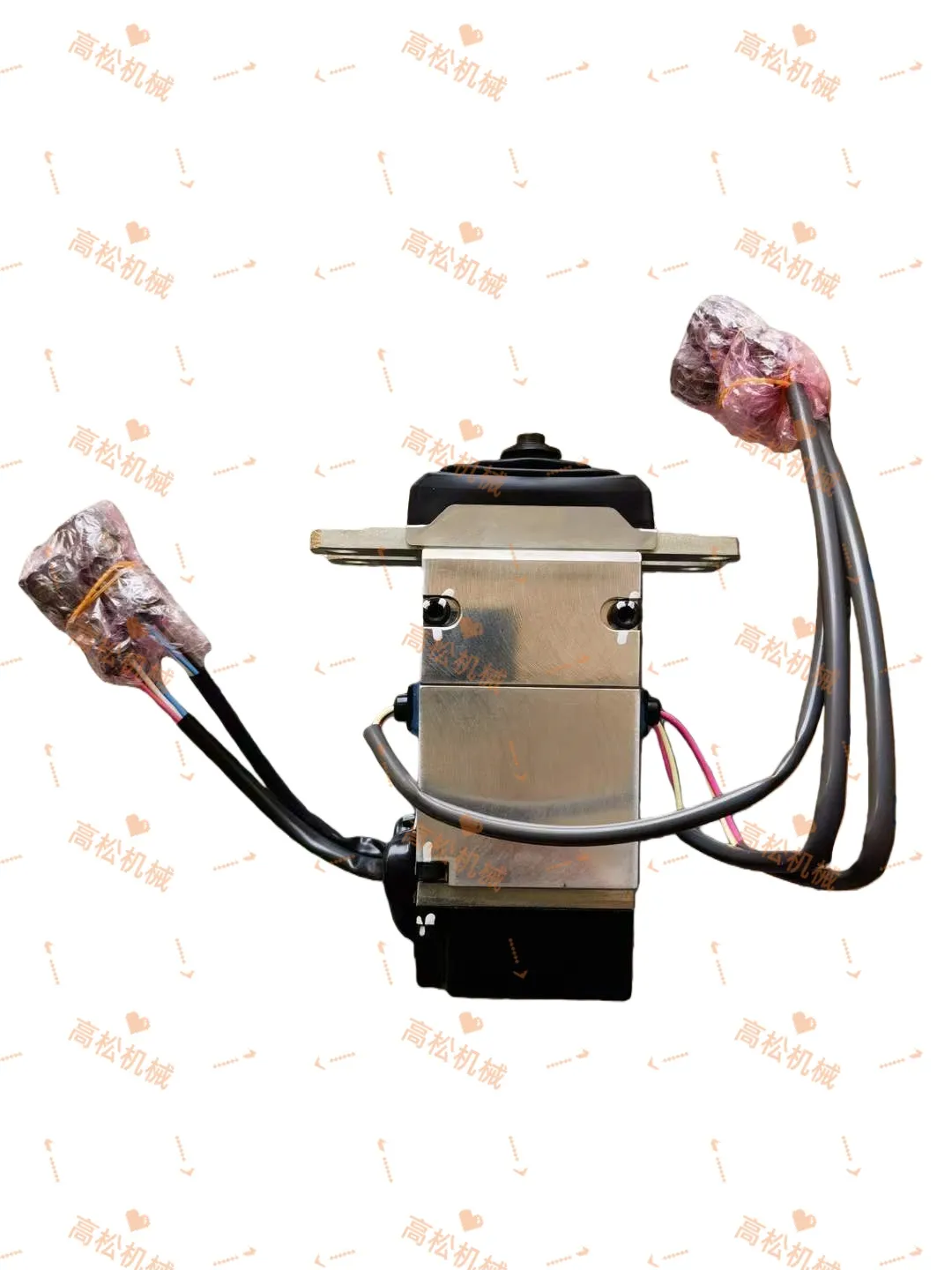 komatsu-part-702-16-02144 Lever Assembly D155A-6R D155AX-8E0 D475A-5E0 D85MS-15 D85EX-15E0 D65PX-18 D155AX-7 LEVER AND CONSOLE FLOOR FRAME TRAVEL CONTROL LEVER ROPS CAB, PCCS (PALM COMMAND CONTROL SYSTEM) LEVER
 -
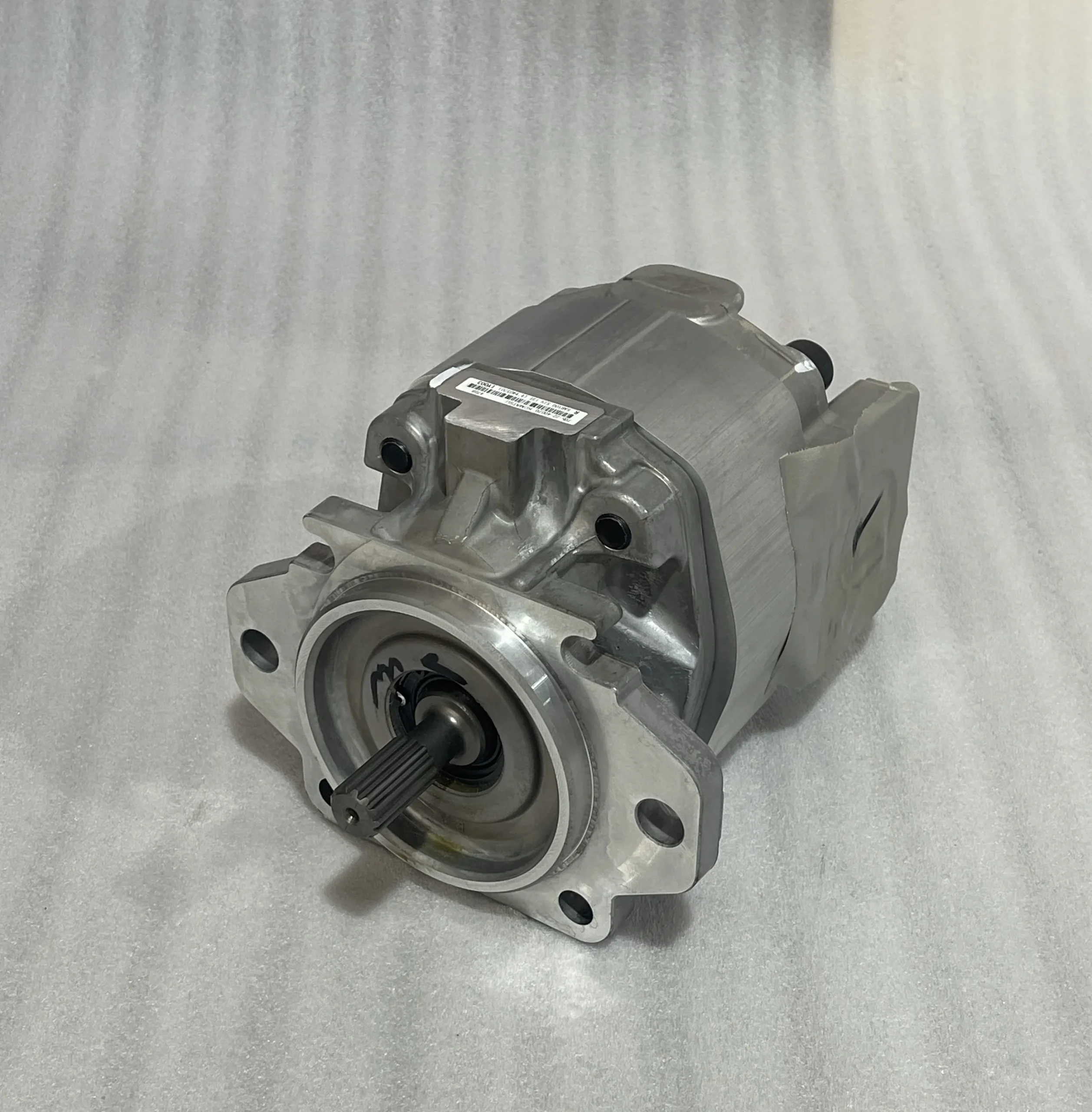 WA470-3 Gear Pump 705-22-40070
 -
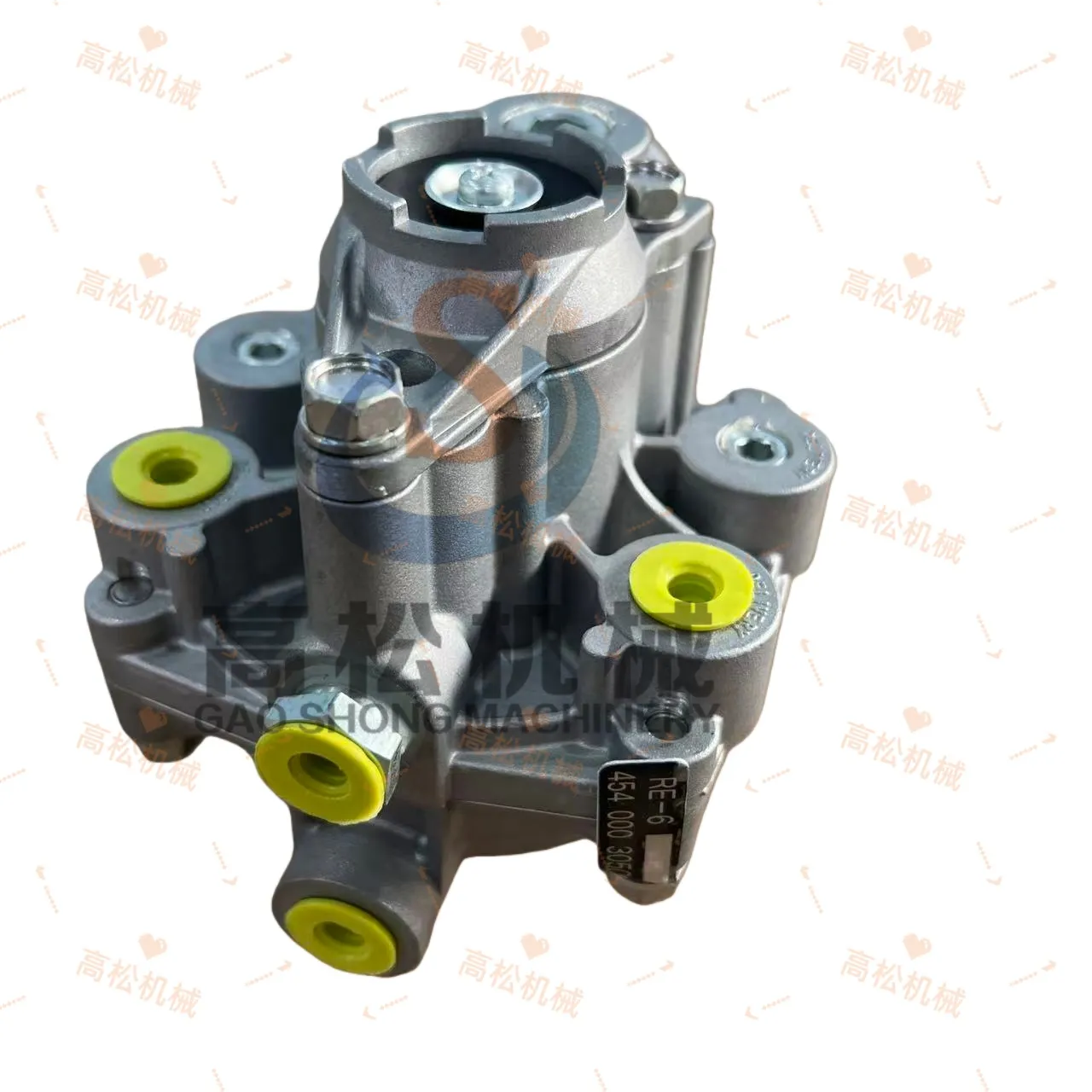 HD785 HD985HD465 HD605-5 HD255-5 561-35-61601RELAY VALVE ASS’Y
 -
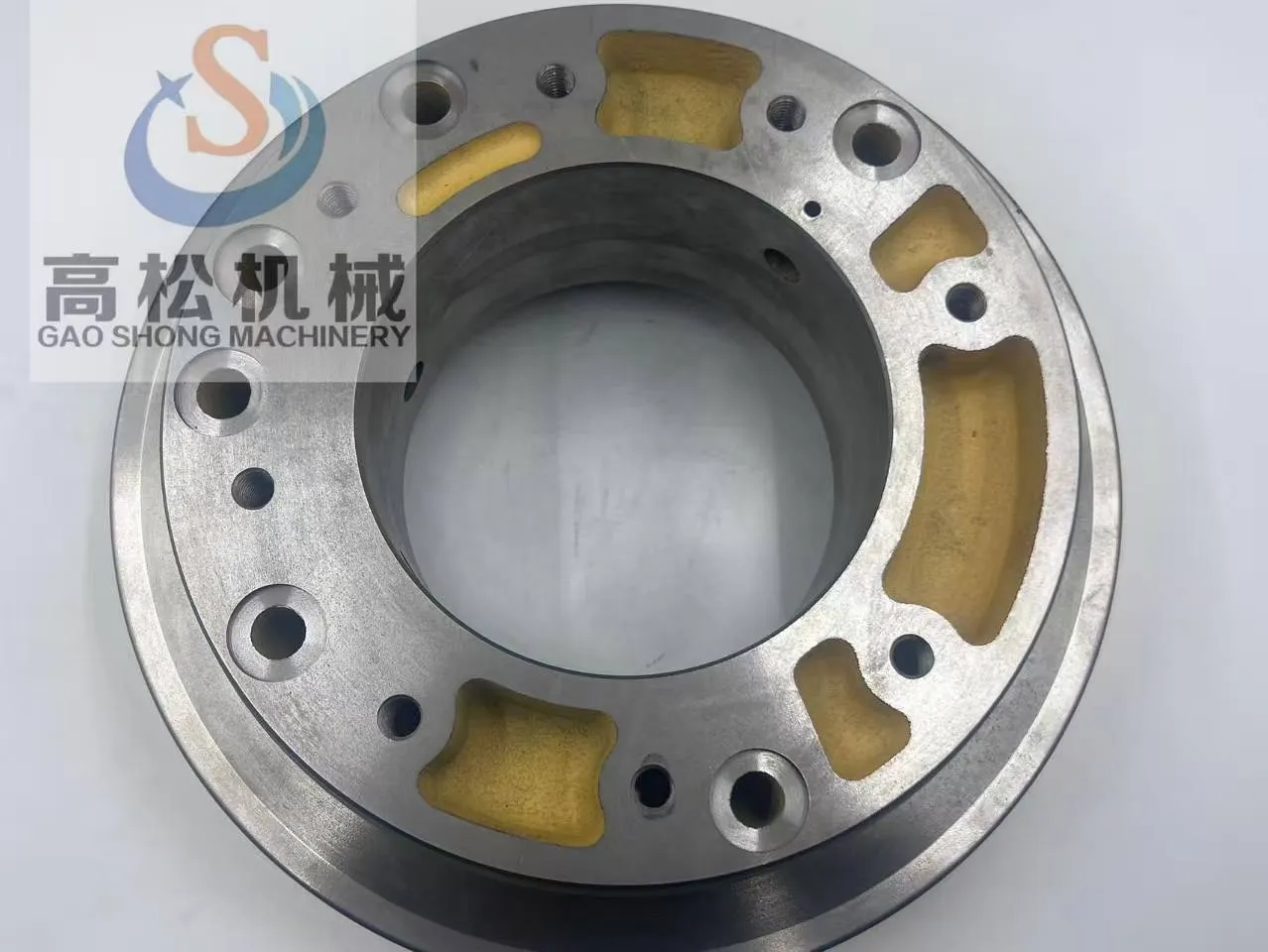 Komatsu D155A-5 cylinder 17A-22-11132
 -
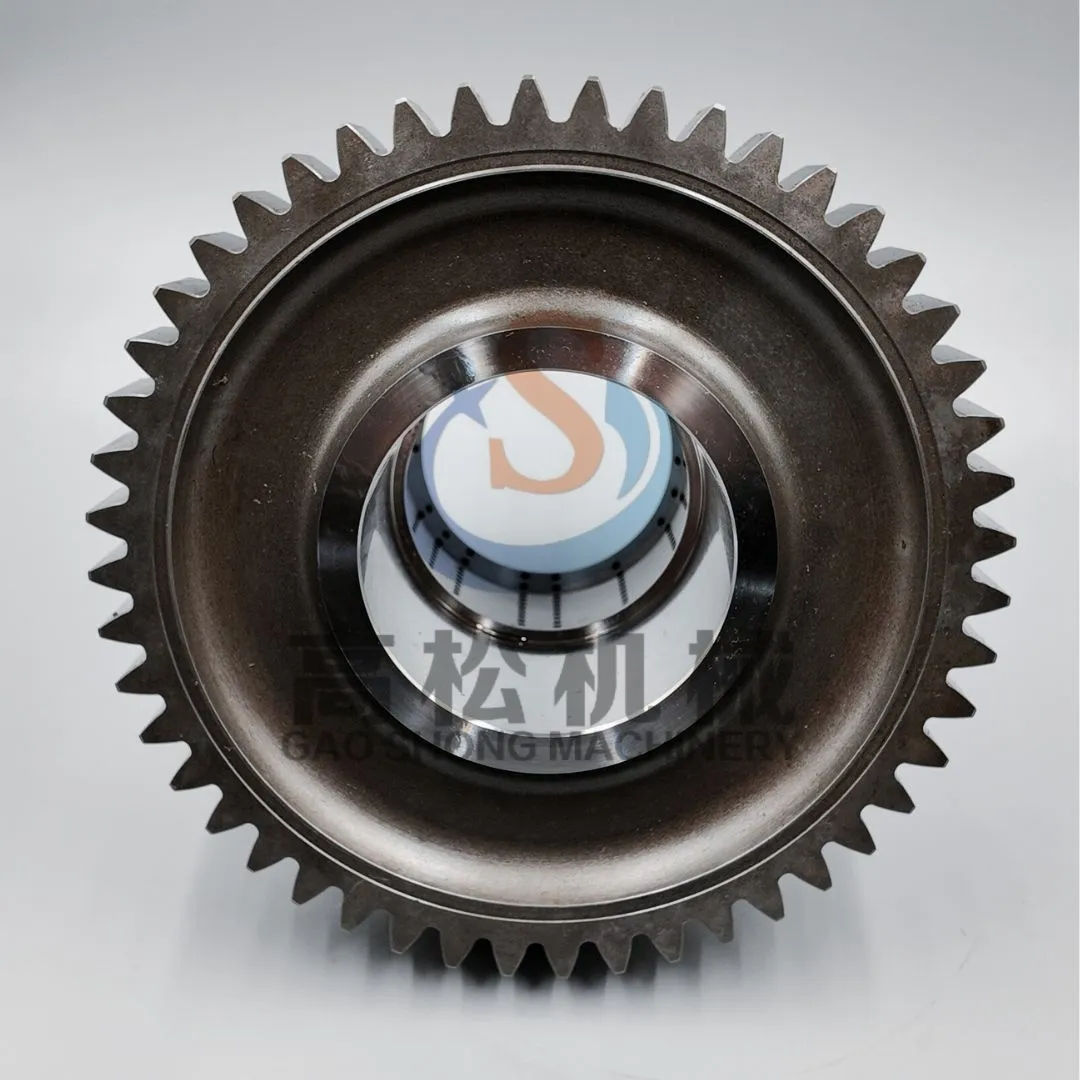 714-07-12420 Komatsu GEAR, 48 TEETH,FORWARD
 -
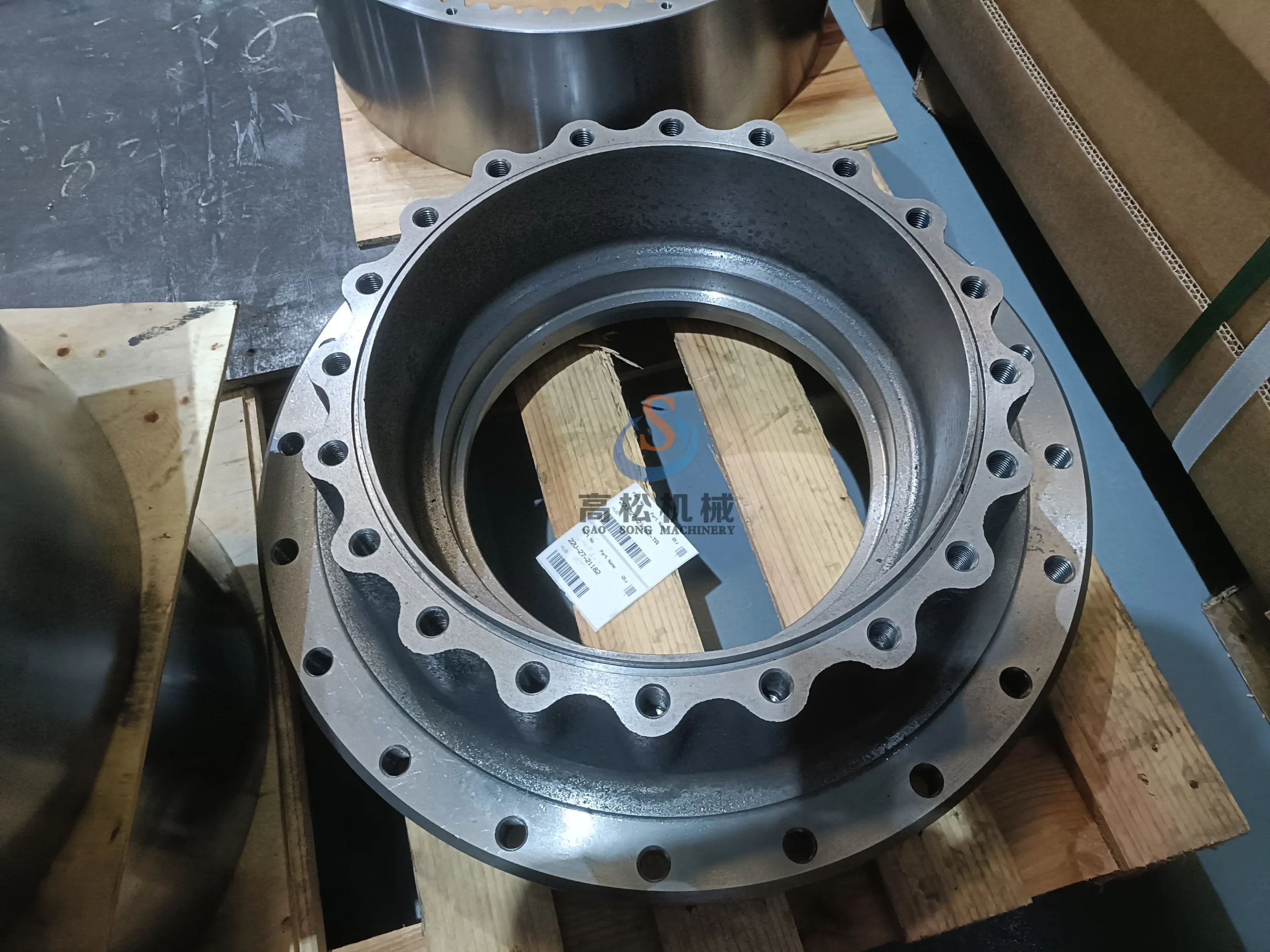 22U-27-21182 komatsu HUB-PC200/PC220/PC228
 -
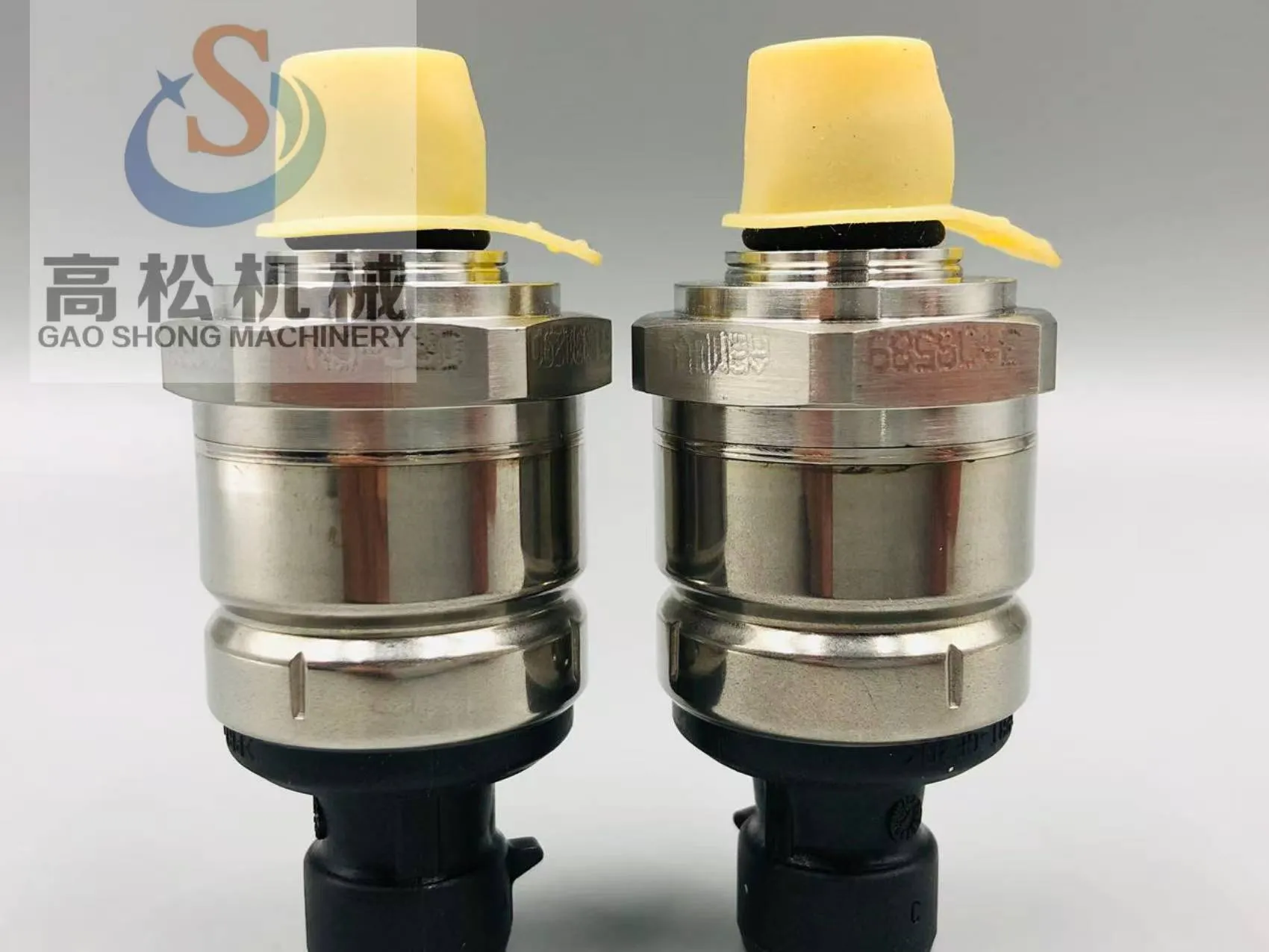 Cummins diesel engine high-pressure sensor 3408589 6560-61-7101 6560-61-7102komatsu
 -
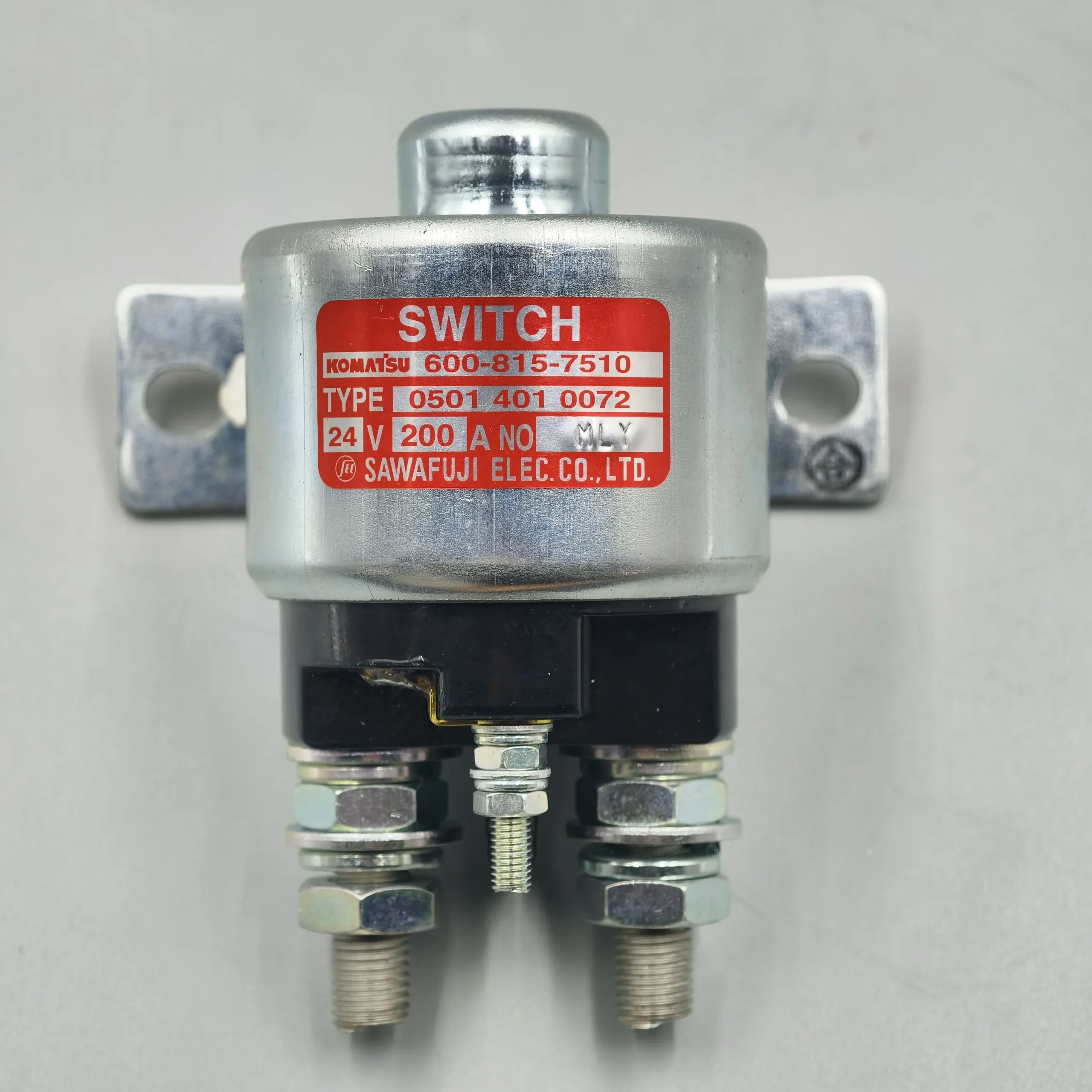 Accessories D375A-5 Switch Heater 600-815-7510 6008157510
 -
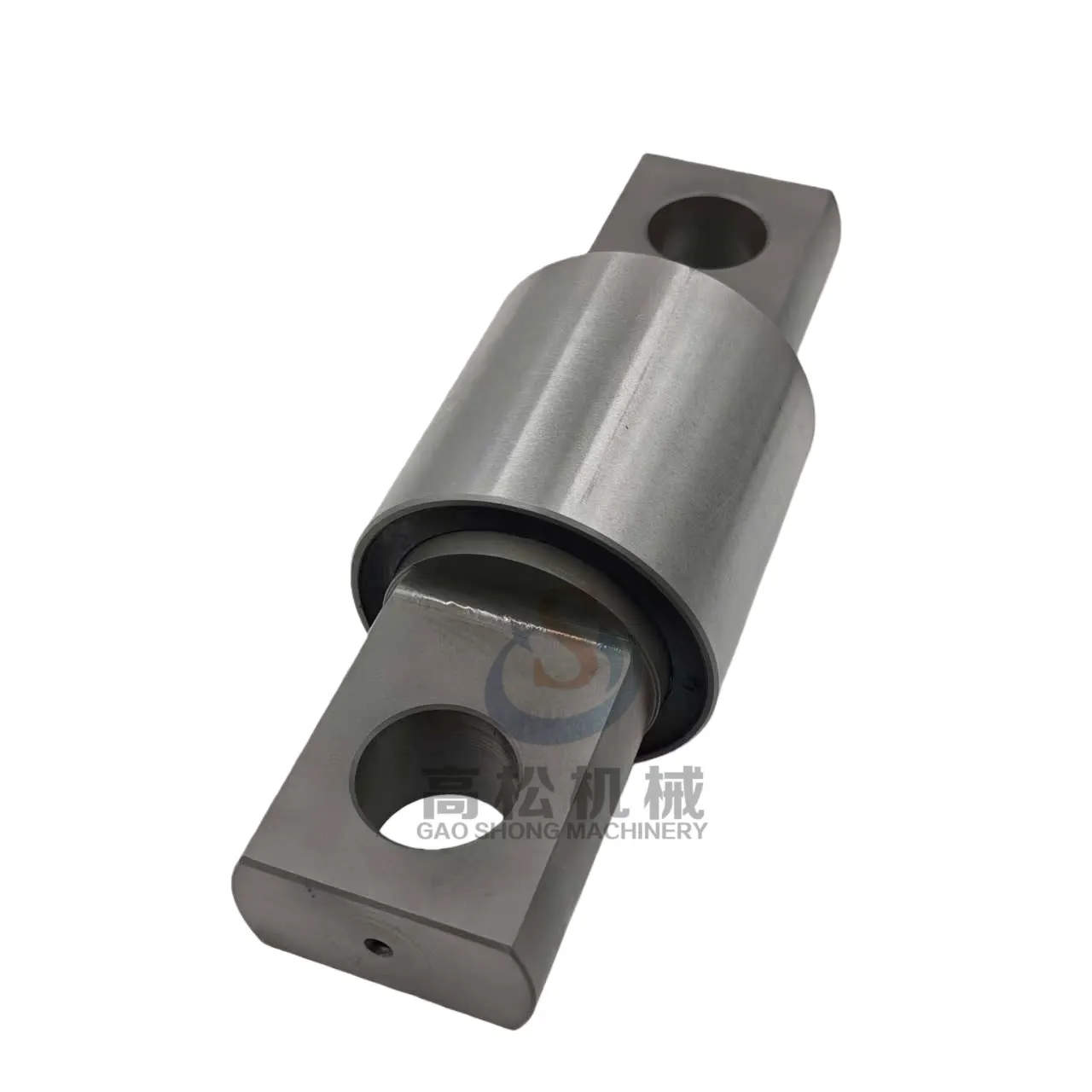 CUSHION HM400 DUMP TRUCK 56B-16-11211
 -
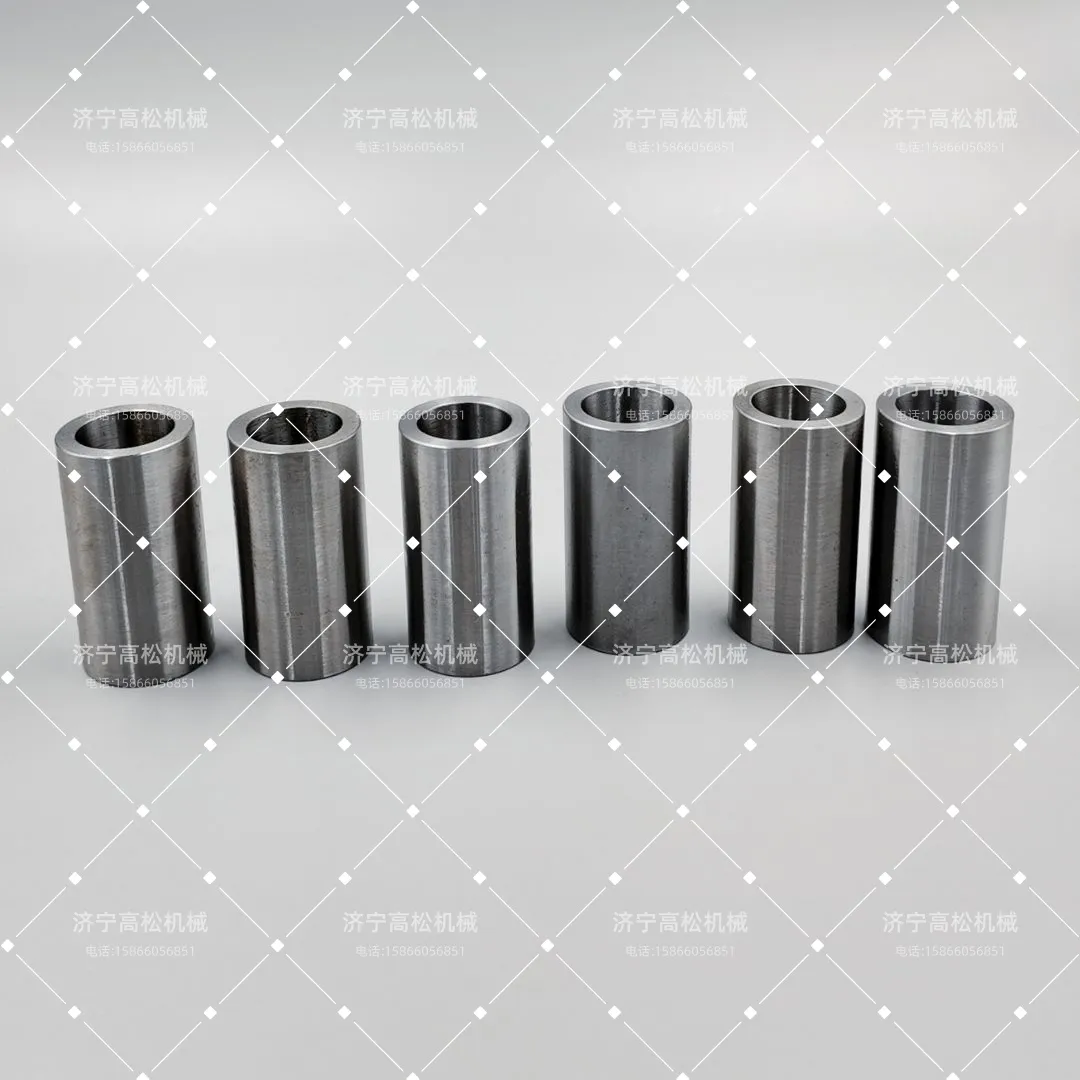 566-54-21910 Komatsu Bushing
 -
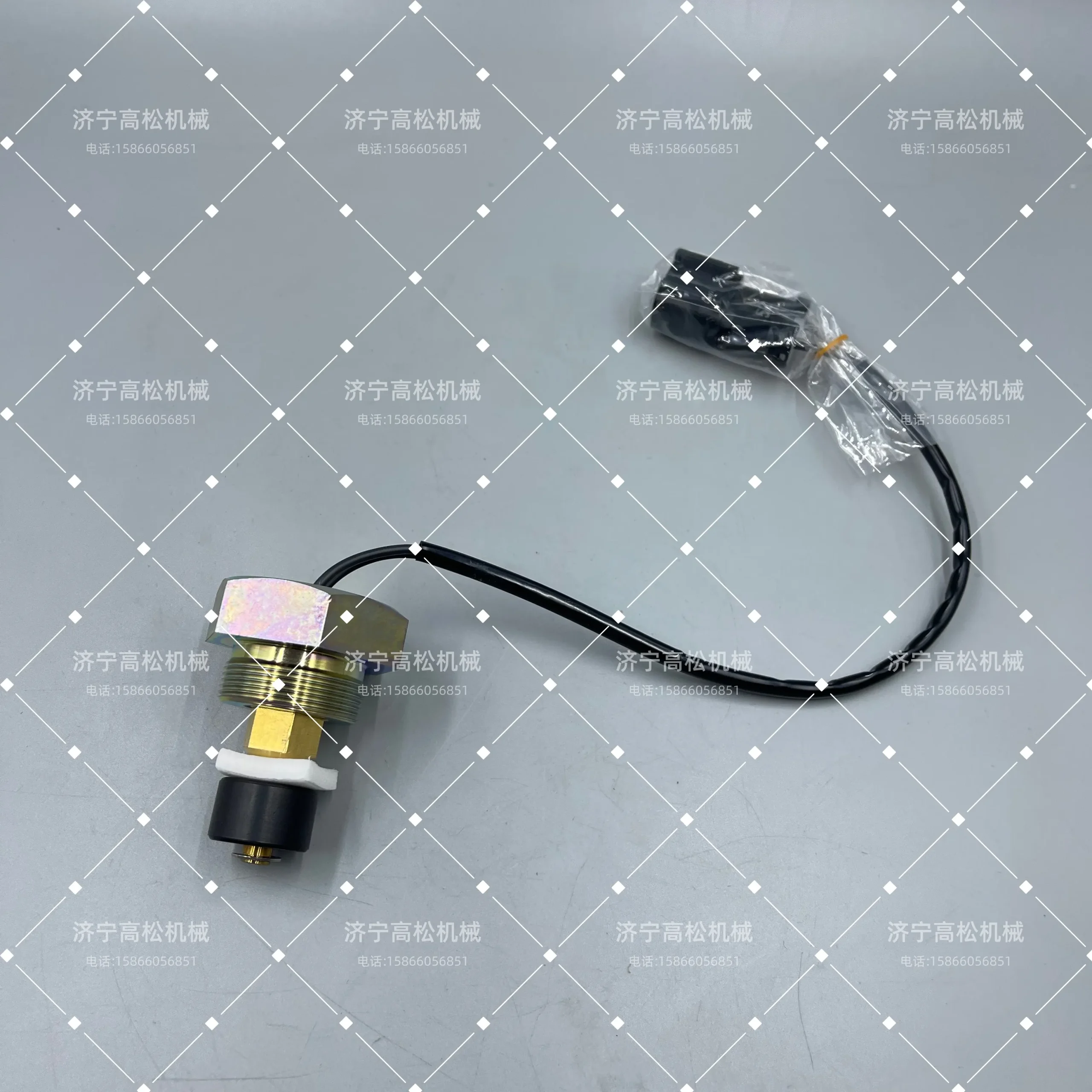 Sensor 7861-92-4500 for KOMATSU WA350-3A-S China…
 -
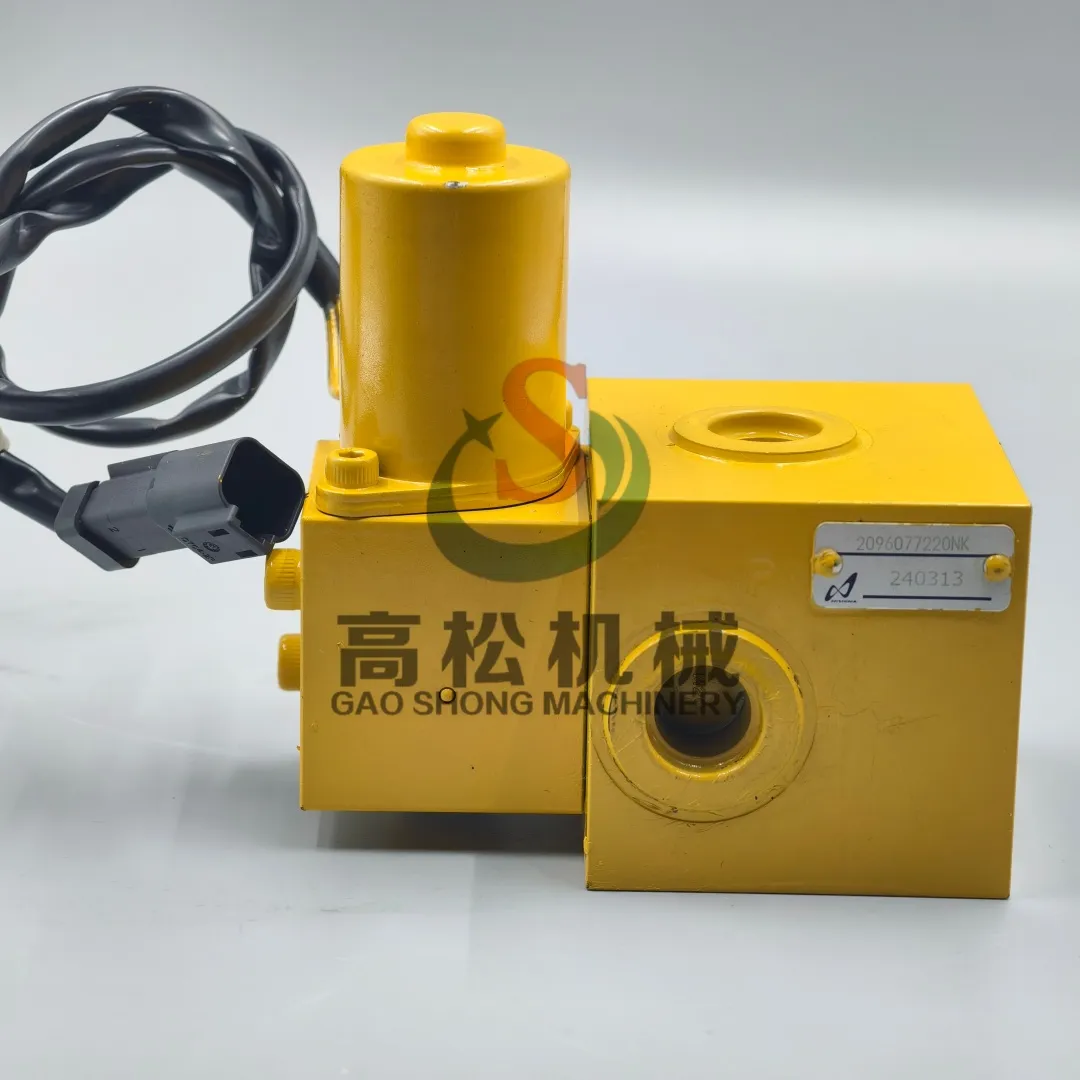 Solenoid Valve 209-60-77220 for PC1250-8 PC800-8 PC600-8 Excavator