
- Chinese
- French
- German
- Portuguese
- Spanish
- Russian
- Japanese
- Korean
- Arabic
- Irish
- Greek
- Turkish
- Italian
- Danish
- Romanian
- Indonesian
- Czech
- Afrikaans
- Swedish
- Polish
- Basque
- Catalan
- Esperanto
- Hindi
- Lao
- Albanian
- Amharic
- Armenian
- Azerbaijani
- Belarusian
- Bengali
- Bosnian
- Bulgarian
- Cebuano
- Chichewa
- Corsican
- Croatian
- Dutch
- Estonian
- Filipino
- Finnish
- Frisian
- Galician
- Georgian
- Gujarati
- Haitian
- Hausa
- Hawaiian
- Hebrew
- Hmong
- Hungarian
- Icelandic
- Igbo
- Javanese
- Kannada
- Kazakh
- Khmer
- Kurdish
- Kyrgyz
- Latin
- Latvian
- Lithuanian
- Luxembou..
- Macedonian
- Malagasy
- Malay
- Malayalam
- Maltese
- Maori
- Marathi
- Mongolian
- Burmese
- Nepali
- Norwegian
- Pashto
- Persian
- Punjabi
- Serbian
- Sesotho
- Sinhala
- Slovak
- Slovenian
- Somali
- Samoan
- Scots Gaelic
- Shona
- Sindhi
- Sundanese
- Swahili
- Tajik
- Tamil
- Telugu
- Thai
- Ukrainian
- Urdu
- Uzbek
- Vietnamese
- Welsh
- Xhosa
- Yiddish
- Yoruba
- Zulu
- Kinyarwanda
- Tatar
- Oriya
- Turkmen
- Uyghur






OEM AND ORIGINAL KOMATSU PILOT VALVE 702-16-01531
You see that part number, , for a Komatsu pilot valve, and immediately the debate starts: OEM or original? In our line, those terms get thrown around so much they've almost lost meaning. I've seen guys swear by one and completely dismiss the other, often based on price alone. But here's the thing – in the Komatsu ecosystem, especially for critical hydraulic control components like this pilot valve, the distinction isn't just marketing. It's about the supply chain you're tapping into and what you're really getting for your machine's health. Let me break down what I've seen on the ground.
Untangling the OEM and Original Mess
First, let's clear the air. When Komatsu says original, they mean it came from their branded packaging, through their official distribution network. An OEM product for Komatsu, however, means it was manufactured in a factory that has a supply agreement with Komatsu, often to the same drawings and specs, but it might not travel through Komatsu's official sales channels. This is where companies like Jining Gaosong come in. They position themselves as an OEM product supplier within the Komatsu system. That's a specific claim. It suggests they have access to the same manufacturing source but operate as a parallel, often more flexible, distribution channel. This isn't some back-alley copy; it's a different route from the factory floor to your workshop.
The pitfall? Assuming all OEM-sourced parts are identical. Tolerances, batch quality control, and even material sourcing can have subtle variances. For a pilot valve, which handles precise pressure signals to control main valves, a slight variance in spool fit or spring rate can translate to sluggish operation or even hydraulic instability. I've tested valves that looked perfect but caused a pump to hunt because the damping orifice was a hair off spec. It wasn't a fake part; it just didn't meet the final performance validation the original part would have undergone at Komatsu's end.
So, when Jining Gaosong says they help solve parts supply challenges in certain countries, I believe it. I've been in situations where the official channel had a 12-week lead time for a Komatsu pilot valve. A reliable OEM-channel supplier can cut that to days. But the professional judgment is knowing when you can take that route. For a critical valve on a high-hour machine in a severe duty cycle? I'd lean towards the original, despite the cost and wait. For a backup or a machine in less critical application? A trusted OEM source is a viable economic solution.
The in the Wild: Failures and Fixes
This specific valve, the , is a workhorse on several mid-size Komatsu excavators. Its job is deceptively simple: translate the pilot pump's pressure into a signal to shift the main control valve spools. Common failure mode isn't always catastrophic. More often, it's degradation. You'll get complaints about soft or unresponsive controls. The operator says the machine doesn't feel sharp. Nine times out of ten, mechanics go straight to the pilot pump or the main valve. But I've learned to check this valve first.
I remember a PC300-8 that was driving everyone nuts. Intermittent weak swing power. We changed filters, checked pressures, even swapped the main pump. The issue persisted. Finally, we isolated the circuit and put a gauge on the pilot output port of the . Under load, the signal pressure would dip erratically. The valve's internal spool was worn just enough to cause a leak path under certain conditions. A classic case of chasing the big ticket items and overlooking the pilot valve. Replacing it with an original part solved it. Would an OEM part have worked? Probably. But in that diagnostic headache, we needed the certainty of the exact specification.
Another scenario is contamination. These valves are sensitive. A single failed O-ring elsewhere in the system can send debris through it, scoring the bore. I've seen new valves fail quickly because the system wasn't cleaned. This is where sourcing from a knowledgeable supplier matters. A company that's deep in the Komatsu system, like the one mentioned, might provide more than just the part; they might flag common installation pitfalls or related failure points, which is invaluable.
Why the Source Matters More Than the Label
This brings me to the core of it: provenance. It's not about the box it comes in. It's about traceability. When you buy an original Komatsu part, you're buying a chain of custody from Komatsu. When you buy an OEM part from a third-party, you're trusting their supply chain integrity. I've used suppliers who are transparent about their manufacturing partners and those who are vague. The transparent ones, who act as a true partner rather than just a vendor, are worth their weight in gold.
Looking at Jining Gaosong Construction Machinery Co., Ltd. and their site, https://www.takematsumachinery.com, their stated role as both an OEM supplier and a third-party sales company for Komatsu rings true to a specific market need. They're not claiming to be Komatsu. They're claiming to be a conduit for Komatsu-spec parts outside the main pipeline. For a fleet manager in a region with poor official support, this isn't just convenient; it's operational. The risk is mitigated if they stand behind the part's performance and can provide technical support.
I've had mixed results with such channels. Sometimes the part is indistinguishable. Other times, there's a tell – maybe the plating color is slightly different, or the part number stamping font is off. These visual cues don't always mean inferior function, but they do indicate a different production line or batch. The key question to ask any such supplier is: Can you guarantee this meets the Komatsu engineering drawing for form, fit, and function? Their answer tells you everything.
Practical Advice for Sourcing and Using This Valve
So, you need a . What do you do? First, diagnose correctly. Confirm it's the valve. Check pilot pressure in and out. Listen for internal leaks. Rule out issues with the pilot lines themselves. Once confirmed, assess your situation. Is the machine down on a critical job with huge downtime costs? The fastest reliable source wins, even if it's a premium. Is it for planned maintenance with some lead time? You can afford to research.
If you're considering the OEM route through a company like Gaosong, do your homework. Ask for specifics. Can they provide material certifications? What's their return policy if the part doesn't perform? Do they have field reports or common application notes for this valve? Their website, takematsumachinery.com, should be a resource, not just a catalog. Look for technical content that shows depth.
During installation, cleanliness is non-negotiable. Flush the pilot lines. Replace all associated O-rings and gaskets. It's a simple part, but install it like a heart surgeon. A failed $500 valve can take out a $15,000 pump if debris travels. After installation, test the machine's control functions slowly and deliberately. Feel for smoothness and response. The valve's job is to make the machine feel connected to the operator's hands. That's the ultimate test.
Wrapping It Up: A Matter of Informed Choice
There's no universal right answer between OEM and original for the Komatsu pilot valve . It's a spectrum of risk, cost, and time. The original part is the benchmark, the known quantity. The OEM product from a reputable system supplier is a practical alternative that keeps machines running, especially in supply-constrained regions. The worst choice is an uncertified copy masquerading as either.
The industry is moving towards these hybrid models. Komatsu itself recognizes the need to service markets through different partners. A company stating it is an OEM product supplier within the Komatsu system is positioning itself in that legitimate, gray-area niche. Your job as a professional is to vet that claim for your specific needs.
In the end, it comes down to this: know your machine's criticality, know your supplier's credibility, and never underestimate the importance of a small valve that controls a giant machine's soul. The part number is just the beginning of the story.
Related Products
Related Products

Best Selling Products
Best Selling Products-
 IMIFAFTAbT 702-16-02290 702-16-02210 Lever Assembly Fits for Komatsu D65EX-16 D65PX-16 D65WX-16 D275A-5R D155AX-6 Bulldozer
 -
 7861-92-4500 Komatsu SENSOR,HYDRAULIC OIL LEVEL
 -
 Komatsu frosted sheet 23S-15-12710
 -
 Komatsu mechanical belt6219-61-3420
 -
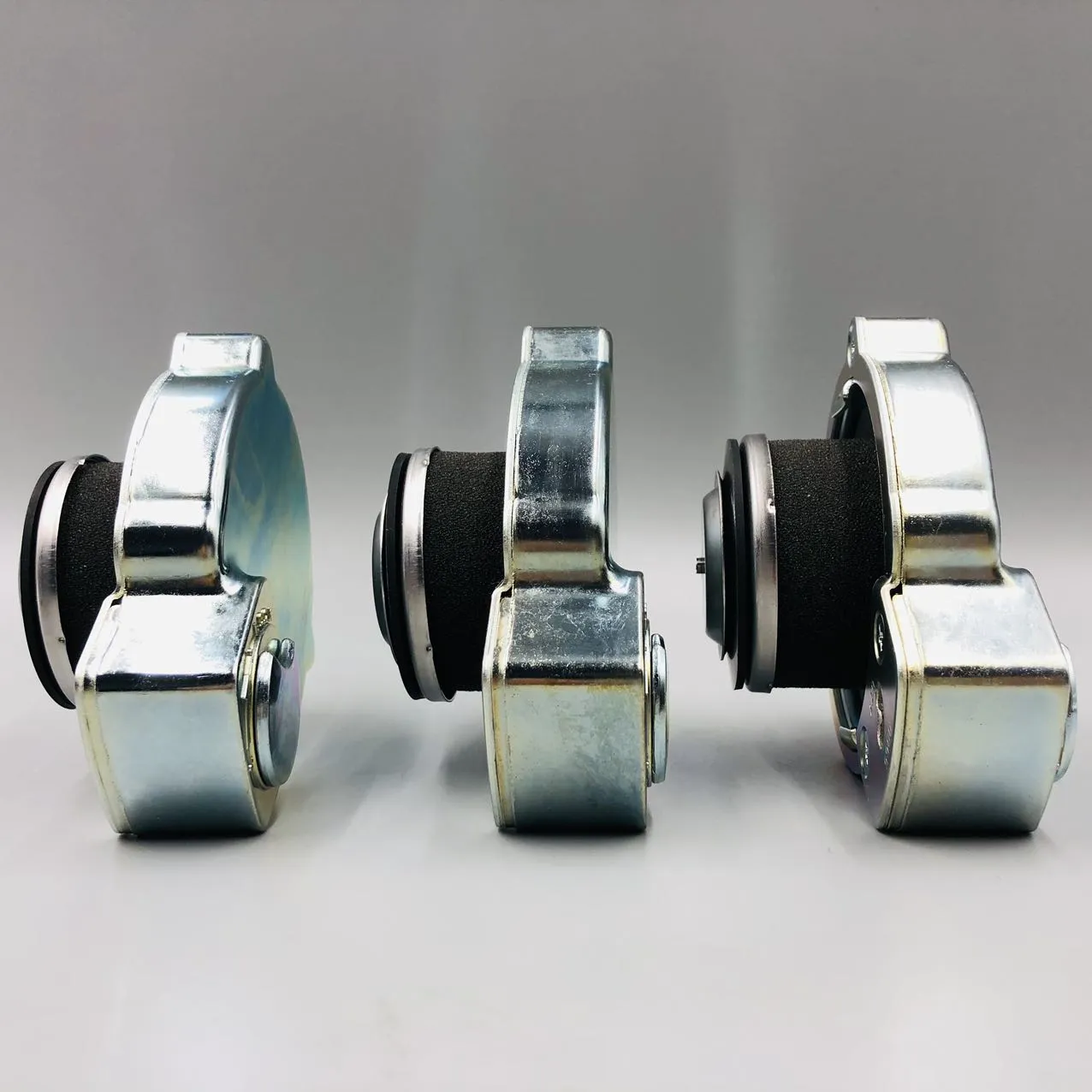 17A-60-11310Hydraulic oil cap assembly
 -
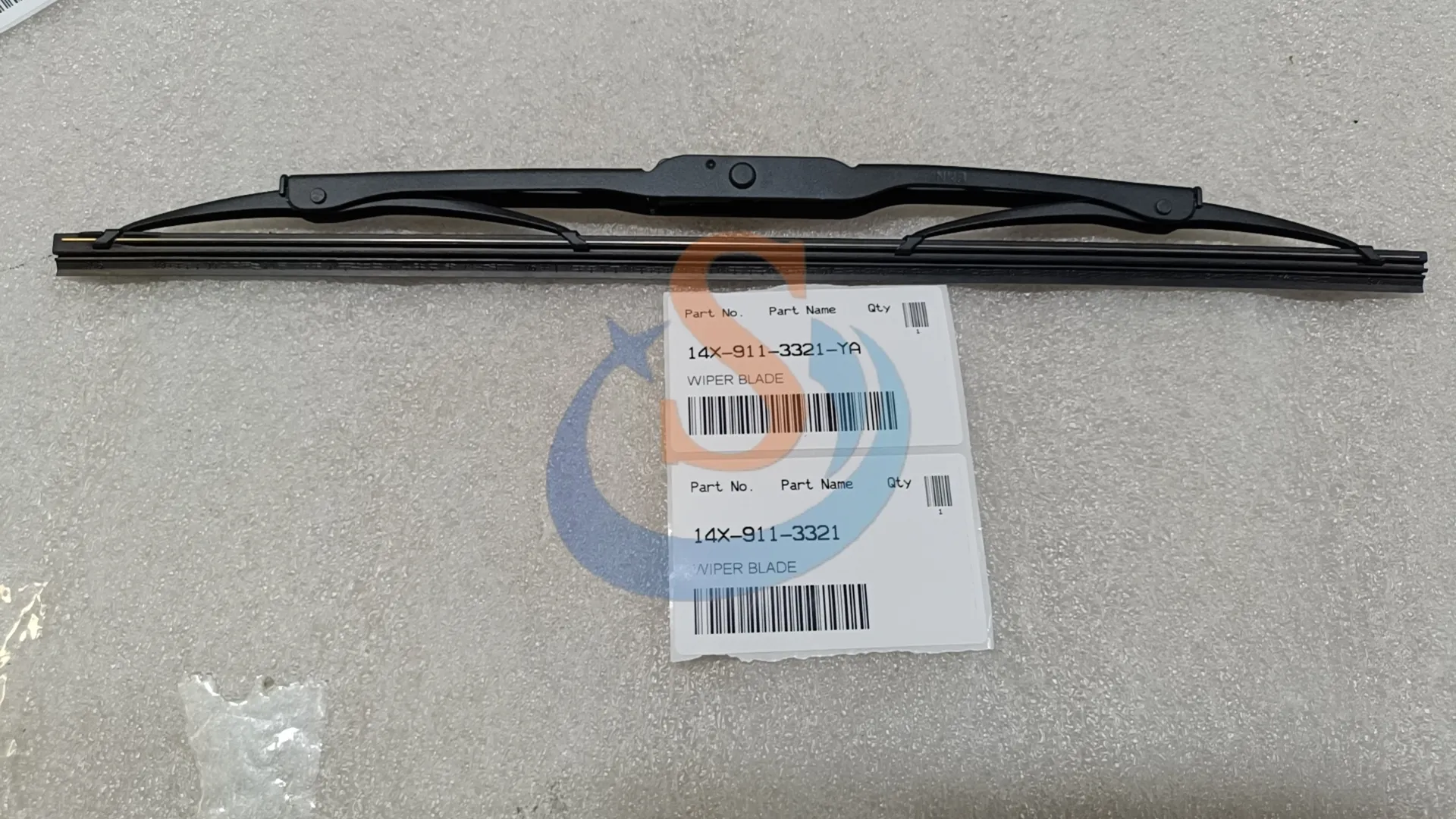 14X-911-3321,BLADE,D68ESS,D65PX,D155AX,D275A,D375A
 -
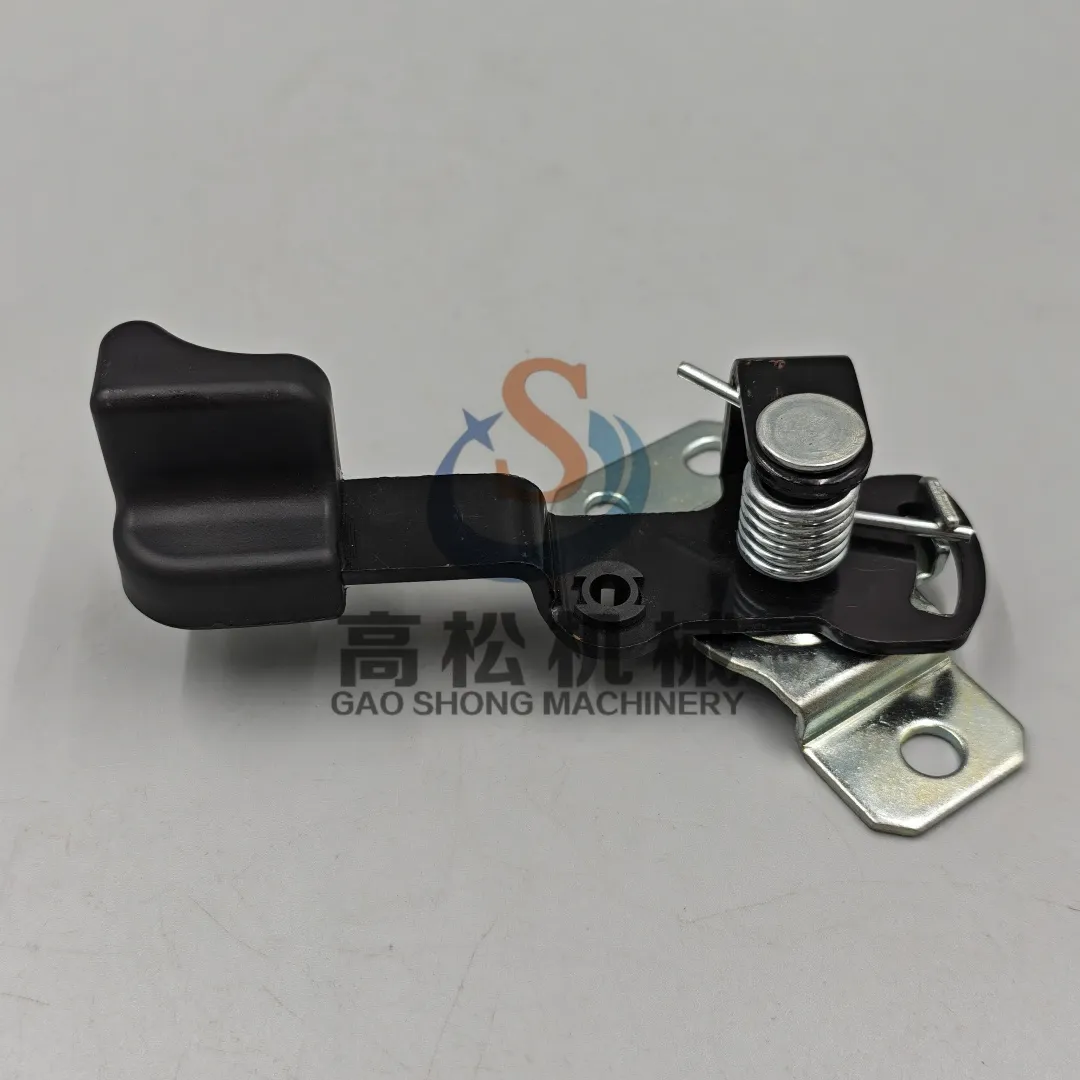 Door Lock Assembly 20Y-54-52820 Latch 20Y-53-12201 Handle Ass’s 20Y-54-52300 for Komatsu PC220-8
 -
 21N-01-11120 21T-01-11150 Komatsu PC600-8 PC1250-7 PC750-7
 -
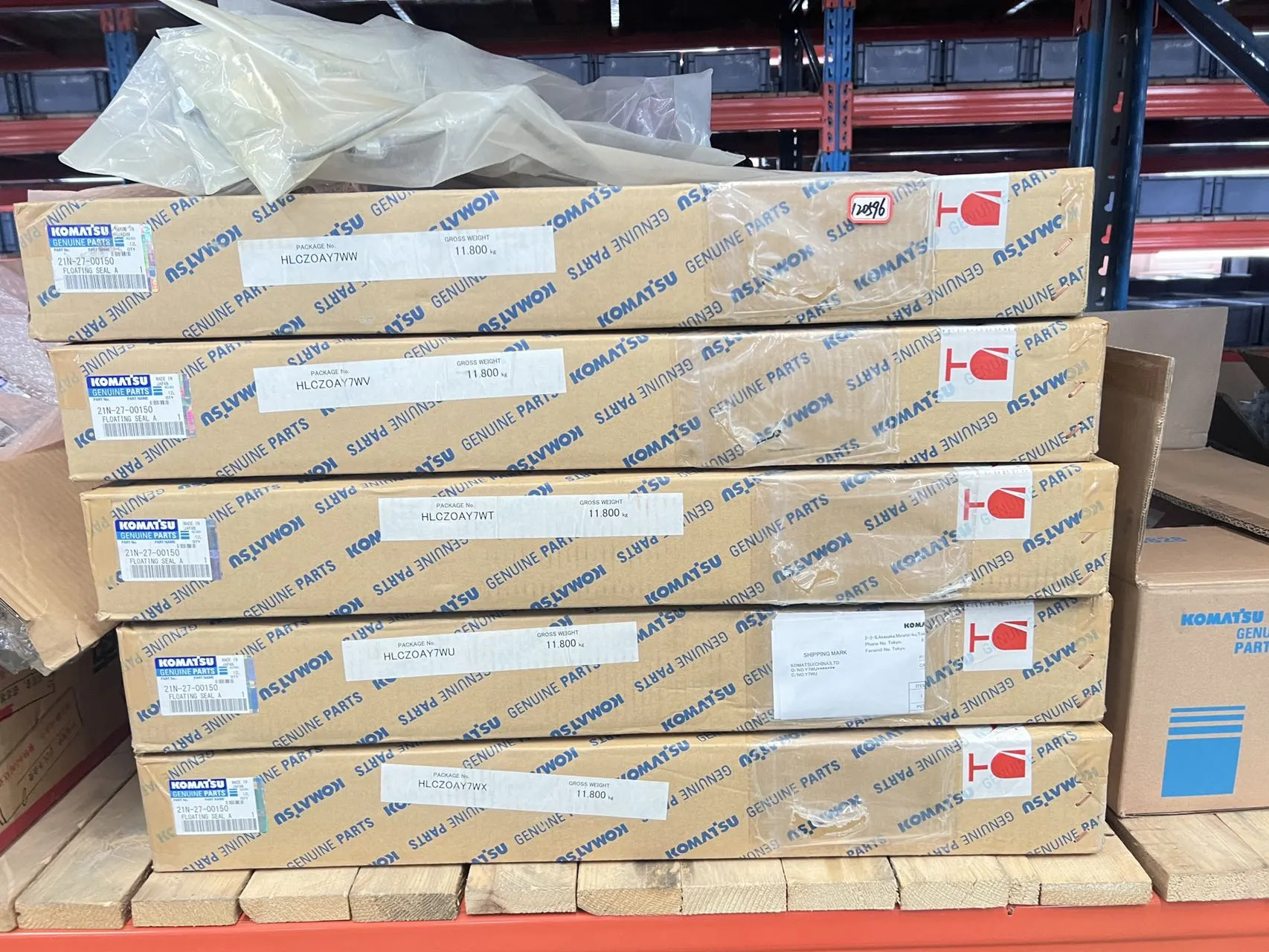 21N-27-00150 floating seal for Komastu PC1250-8 EXCAVATOR
 -
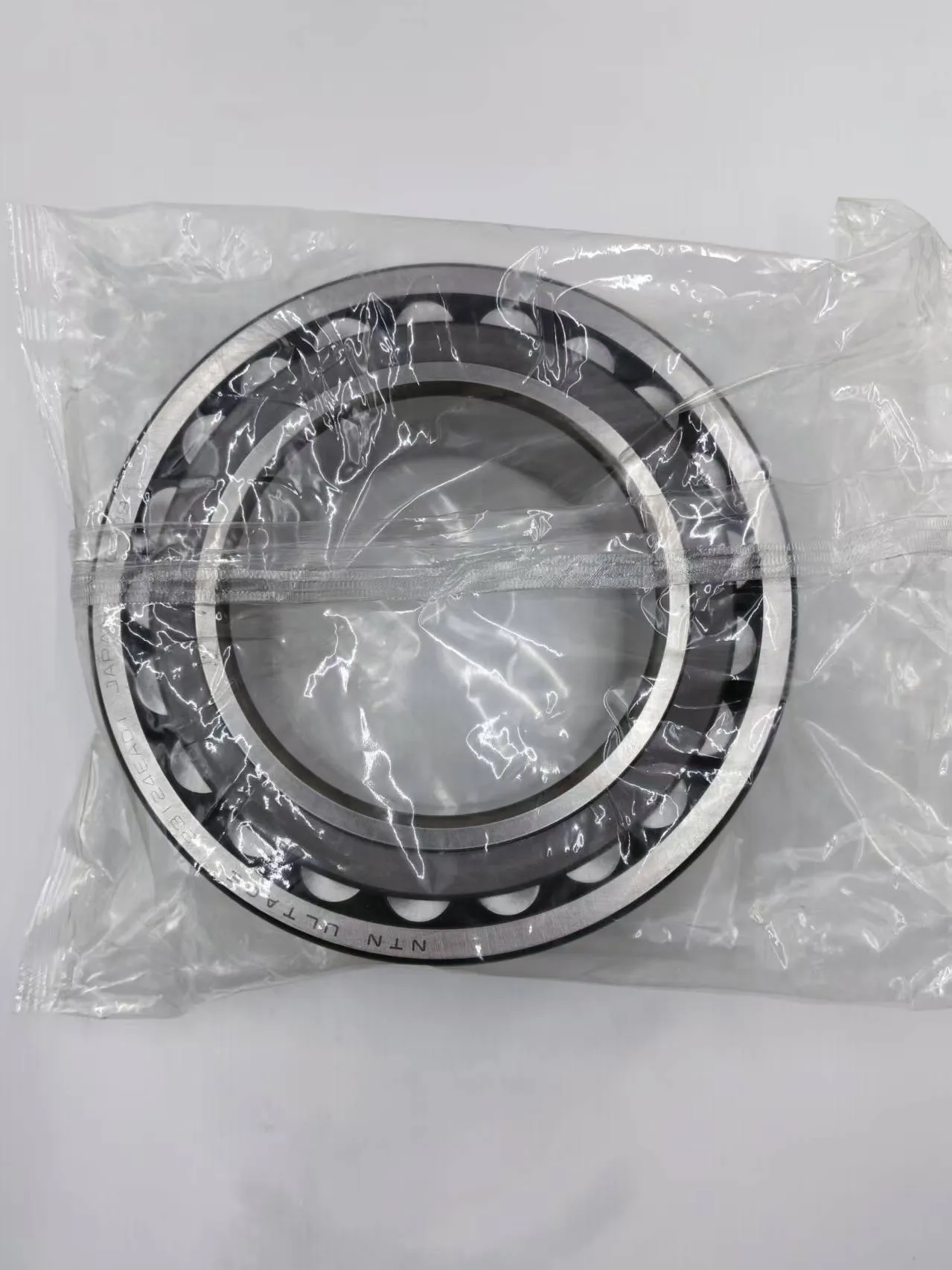 208-26-71530 Bearing for Komatsu PC450 PC460 PC500 Excavator Swing Drive Bearing Reducer Bearing
 -
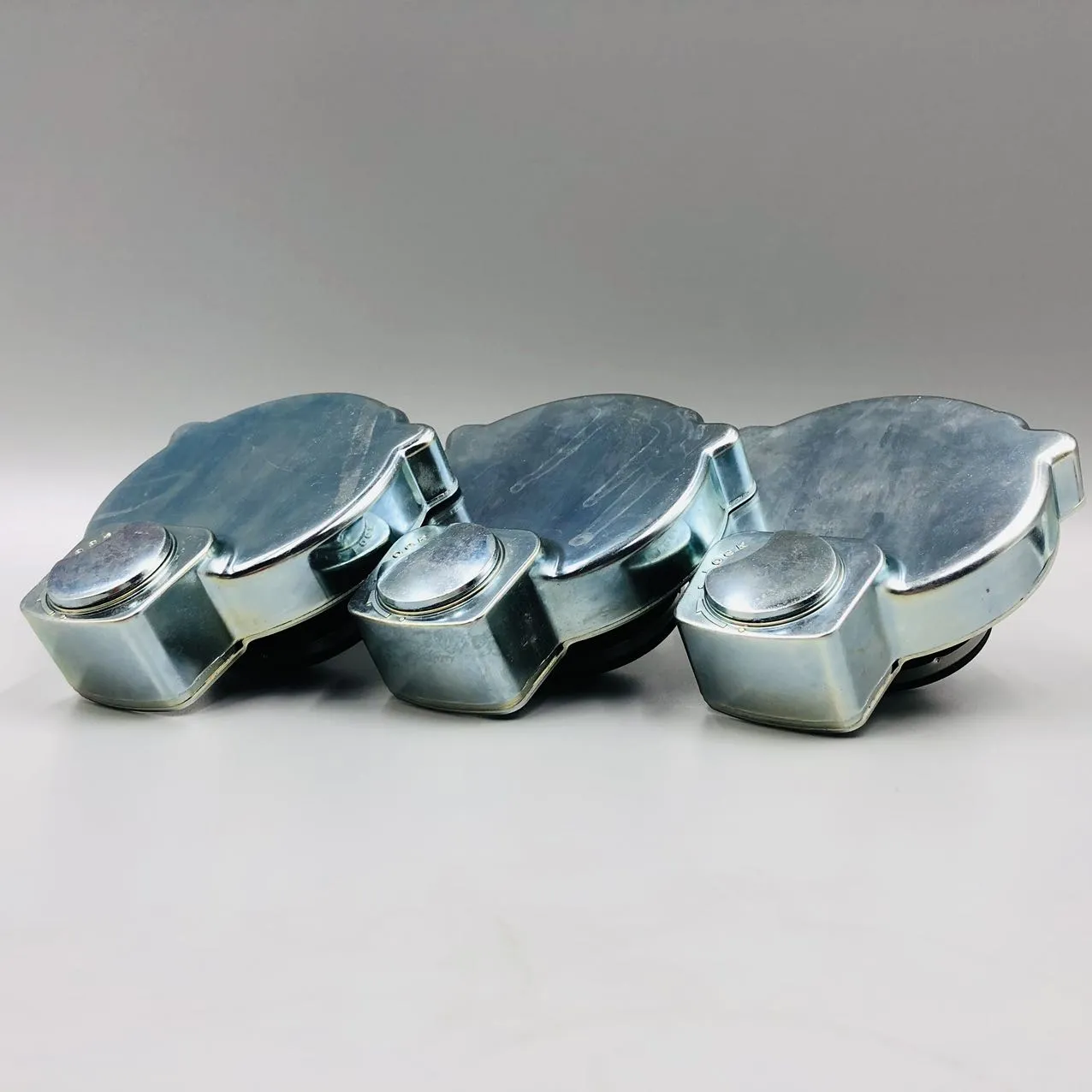 Hydraulic Oil Tank Cap 17A-60-11310 For Komatsu
 -
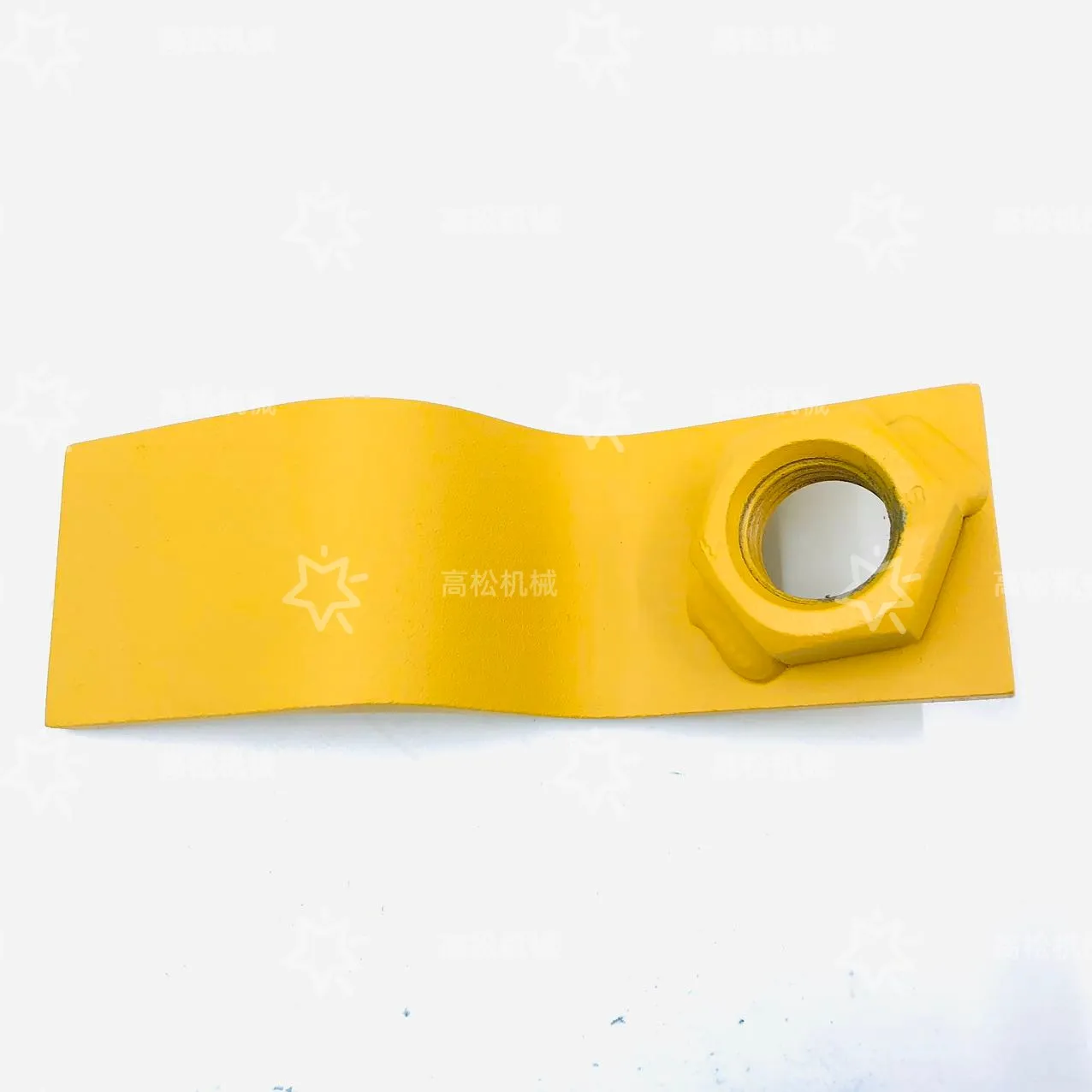 Hot Selling at Low Prices 21P-62-K1520 21M-62-11230 21T-01-67330 21U-62-34760 Underground Facilities